Odetta Guitars & Gear: The Complete Guide to the Queen of American Folk Music
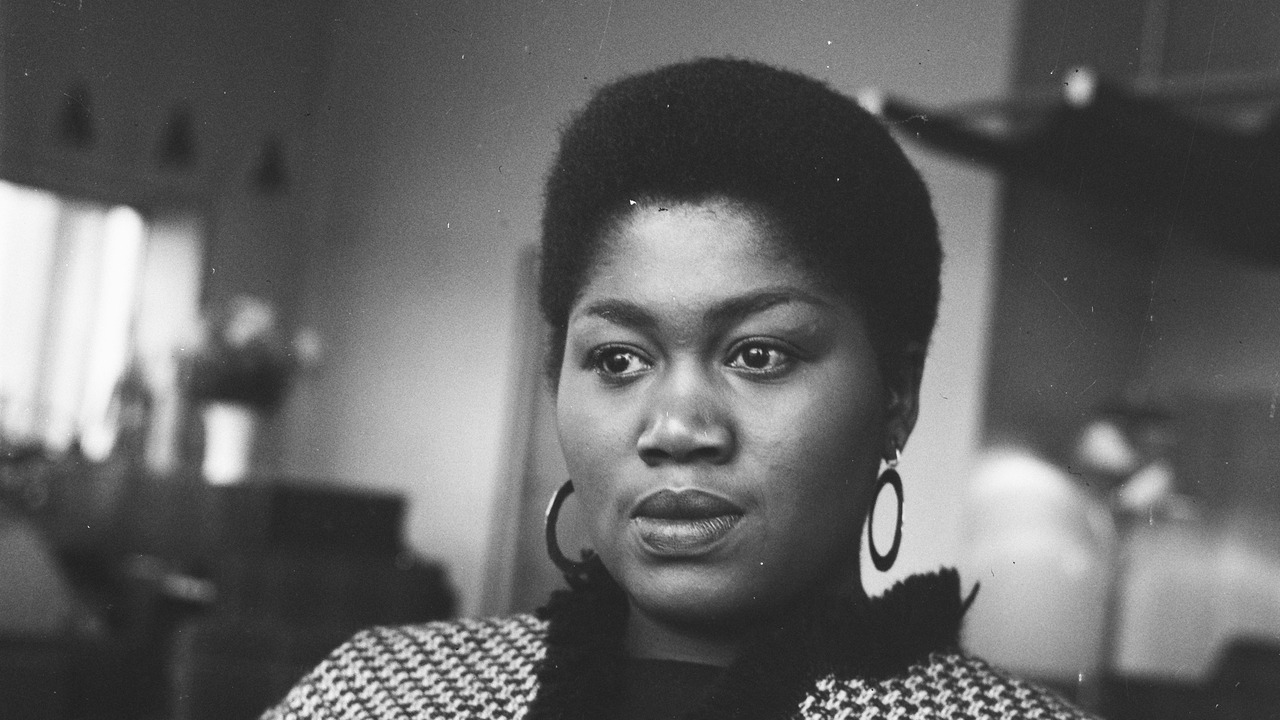
Odetta in Amsterdam, 4 December 1961. Photo: “Odette, gospelzangeres in Amsterdam. Portret”, archive 913-2555, Jack de Nijs / Anefo / Nationaal Archief, CC0 1.0 (https://creativecommons.org/publicdomain/zero/1.0/). Source: http://proxy.handle.net/10648/a9eef780-d0b4-102d-bcf8-003048976d84. Cropped from the original black-and-white archive scan to 16:9, resized to 1280 × 720 and JPEG re-encoded; original grain and scan marks retained.
Bob Dylan heard Odetta’s 1956 album Odetta Sings Ballads and Blues. He was a teenager. He sold his electric guitar and bought an acoustic one. He decided to become a folk musician instead of a rock and roller. “I learned all the songs on that album,” he later said.
That’s the Bob Dylan origin story. And Odetta is its first cause.
Joan Baez heard “Another Man Done Gone” from the same album and was profoundly moved. Janis Joplin cited her as a primary influence. Martin Luther King Jr. called her “the Queen of American Folk Music.” Rosa Parks was her number-one fan. Time magazine included her recording of “Take This Hammer” on its list of the 100 Greatest Popular Songs.
She sang “O Freedom” at the 1963 March on Washington before King gave his “I Have a Dream” speech. She sang it a cappella when Tom Paxton offered to lend her his guitar, and she declined: “All I need is my voice and hands — the original instruments.”
Her voice was a contralto of extraordinary power — trained first in classical technique at Los Angeles City College, then turned entirely toward folk, blues, spirituals, and the prison work songs of the American South. She didn’t play the guitar the way folk guitarists typically played it. She played it the way someone who learned guitar to serve that voice would play it — as accompaniment for one of the most powerful instruments ever produced by a human body.
She described herself as “one of the privates in a very big army.” King called her the queen. Both things were true simultaneously.
Background: Birmingham, Los Angeles, San Francisco, and the Voice That Changed Everything
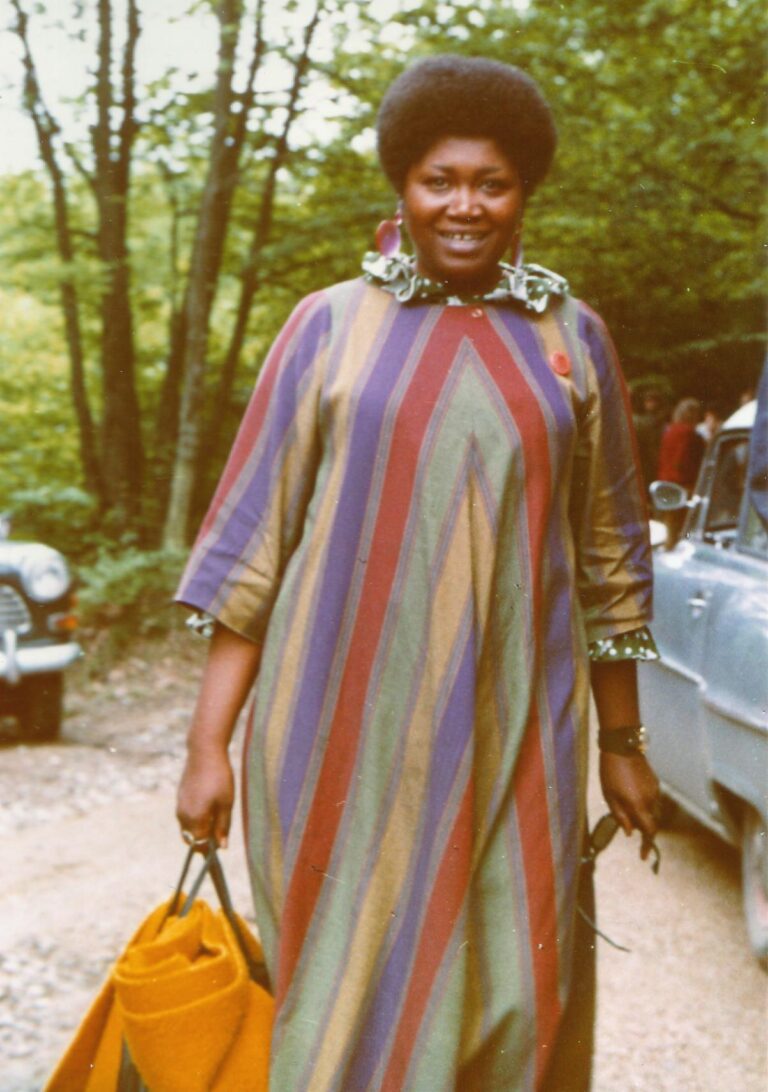
Odetta Holmes was born December 31, 1930, in Birmingham, Alabama. Her father Rueben was a steel worker; he died in 1936 when she was six. Her mother Flora remarried and moved the family to Los Angeles, where Odetta took her stepfather’s surname, Felious. She eventually dropped the last name entirely, performing simply as Odetta.
Her musical education in Los Angeles was formal: classical vocal training beginning at thirteen, a degree in music from Los Angeles City College specialising in classical voice. She was trained as a coloratura soprano — the highest, most technically demanding soprano voice type. She would later develop a full contralto range that became her signature. The classical foundation remained: her breath control, her diction, her understanding of text and phrasing were classically trained even when the material was work songs and spirituals.
After college, she got her first professional work touring with Finian’s Rainbow, a musical about prejudice, in 1947. In 1950 she settled in San Francisco and discovered the city’s emerging folk music scene. The encounter with folk music — specifically with the Black vernacular traditions of spirituals, work songs, blues, and prison songs — was transformative. She began learning guitar. Folk musician Frank Hamilton helped her develop what would become her distinctive double-thumb strum, combining elements from the twelve-string techniques of Lead Belly and others.
She moved to New York in 1953. Her first album, Odetta Sings Ballads and Blues, was recorded in 1956. The album contained spirituals, blues, sea chanteys, and the Negro prison work songs that she brought to broader audiences with a power and authenticity that had not been heard before in the folk revival context. A teenage Bob Dylan heard it and changed direction entirely. Joan Baez heard it and felt the same pull.
She performed at Newport Folk Festival four times between 1959 and 1965. She sang at the March on Washington in 1963. She continued performing through the decades as folk music’s commercial peak receded — a constant presence in the acoustic music world even when the spotlight had moved elsewhere.
She received the National Medal of Arts from President Clinton in 1999. The Library of Congress gave her the Living Legend Award in 2003. She died December 2, 2008, in New York City, at age seventy-seven. She had planned to sing at Barack Obama’s inauguration; she died five weeks before it.
Tone note: She wanted to sing at Obama’s inauguration. She had planned it. The significance of the moment — the first Black president, the civil rights movement that she had been part of, the songs she had sung at the March on Washington — was not lost on her. She died five weeks before January 20, 2009. The inauguration that was partly the product of the movement she had served in happened without her. The five weeks are the specific cruelty of this biographical fact.
The Rig: Odetta’s Guitars, Amps & Gear
Guitars: The Folk Guitar in Service of the Voice
The Self-Taught Beginning in San Francisco
Odetta learned guitar in San Francisco in the early 1950s, drawn to the instrument specifically to accompany her folk music performances. She was not a trained guitarist — her formal musical training had been in voice, not guitar. The guitar was a service instrument: it provided the harmonic and rhythmic foundation for the voice, which was always the primary artistic statement.
She learned from folk musician Frank Hamilton, who helped her develop the double-thumb strum that became characteristic of her playing. Hamilton’s instruction combined with her self-directed learning from Lead Belly’s twelve-string techniques and other sources to produce a guitar approach that was entirely suited to her specific musical purpose: driving, rhythmically powerful accompaniment for a voice of extraordinary force and range.
The instrument she learned on is not specifically documented in primary sources — it would have been whatever acoustic guitar was accessible to a young woman learning folk music in San Francisco’s 1950s club scene. The focus of documentation, from the beginning of her career, was on the voice and the performance rather than the specific instrument.
Martin Acoustic Guitars — The Career Association
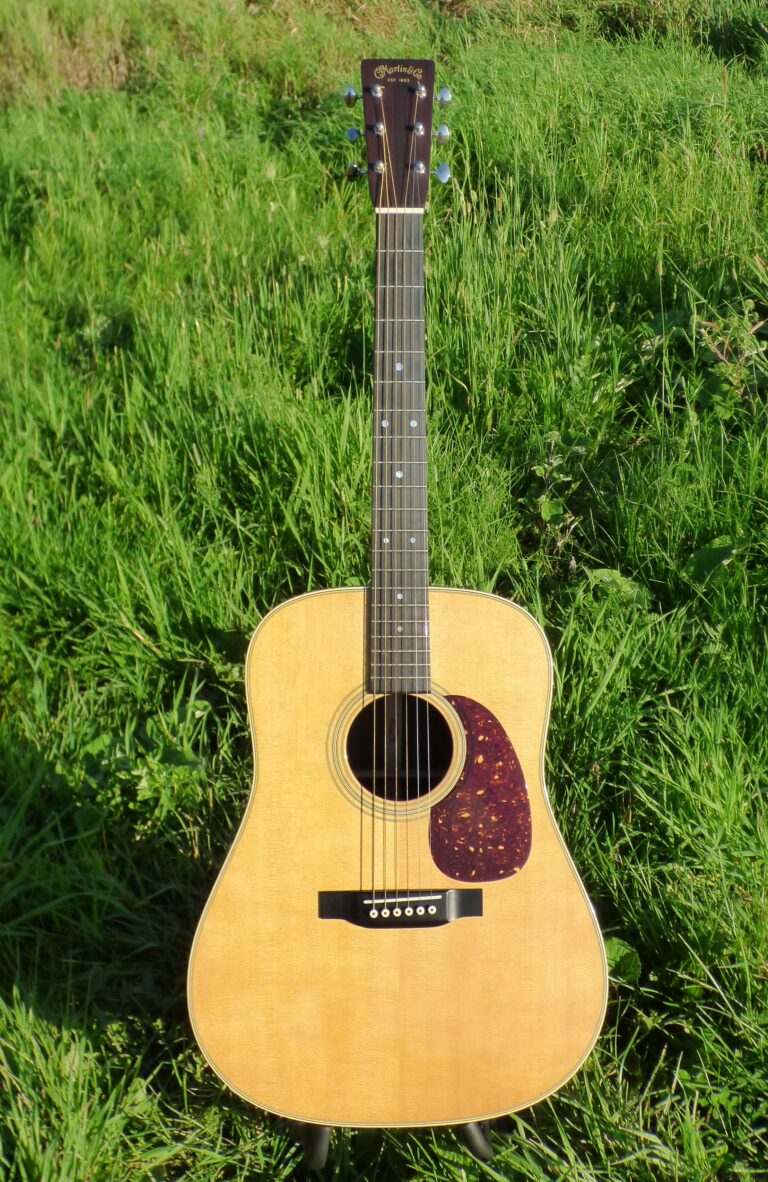
Throughout her performing career, Odetta is consistently associated with Martin acoustic guitars — the standard choice for serious American folk musicians of the 1950s and 1960s folk revival. Martin’s dreadnought models provided the projection and the full-frequency response suited to the powerful accompaniment style she developed.
The Martin D-28 or equivalent dreadnought — the same guitar family that Doc Watson and Tony Rice used — would have provided the volume and sustain her double-thumb strumming style required. A large-body acoustic generates the physical sound pressure that Odetta’s accompanying role demanded: when a voice of that power sings over an acoustic guitar in live performance, the guitar must assert itself clearly while never overwhelming the voice. The Martin dreadnought’s volume and presence made it appropriate for exactly this requirement.
Her open tunings are documented: open D tuning appears in guitar lessons based on her playing style, and her approach to various songs used alternate tunings consistent with the blues and folk traditions she drew from. The YouTube guitar lesson “Hit or Miss — Odetta // Guitar Lesson (open D tuning)” confirms open D as part of her documented toolkit.
The A Cappella Moment — Voice as Primary Instrument
The most revealing gear story about Odetta is the one that involves no gear at all. At a performance where Tom Paxton offered to lend her his guitar, she declined. She said: “All I need is my voice and hands — the original instruments.” She then delivered a stirring a cappella performance that mesmerized the crowd.
This moment — the decision to perform without the guitar rather than use someone else’s — reveals the hierarchy in her musical thinking. The guitar was always in service of the voice. When the guitar wasn’t available and the voice was, the voice was sufficient. The “original instruments” — the voice and the hands for rhythm — had been her primary tools before she ever learned guitar, and they remained her primary tools regardless of what instrument accompanied them.
Tone note: “All I need is my voice and hands — the original instruments.” That’s the complete statement of Odetta’s musical philosophy and her relationship to the guitar. The guitar served the voice. The voice served the music. The music served the civil rights movement. Everything was in order. The guitar was second in that order, which is why she could sing without it when it was unavailable and nothing essential was lost.
Complete Guitar Notes
- Unknown acoustic guitar (San Francisco learning period, early 1950s) — Instrument not specifically documented; self-taught with help from Frank Hamilton; influenced by Lead Belly’s twelve-string techniques
- Martin acoustic dreadnought (career primary) — Associated with Martin guitars throughout professional career; large-body acoustic providing projection for accompaniment of powerful voice; specific model not consistently documented in primary sources
- Open D tuning — Documented in guitar lesson analysis of her playing style
Amps: Acoustic Through Microphone
Odetta performed acoustically throughout her career — acoustic guitar through microphone, no pickup, no amplifier, no effects. For the large venues she played (Newport Folk Festival, Carnegie Hall, the Lincoln Memorial steps at the March on Washington), the PA system amplified whatever microphone was placed in front of her guitar and voice.
The simplicity of this setup — the same as Doc Watson’s, Elizabeth Cotten’s, and the other acoustic folk performers of the period — reflects both the technology available and the aesthetic philosophy of the folk revival. The acoustic guitar’s natural sound, the unamplified voice, and the room’s acoustic environment were the complete sonic picture.
Pedals: None
No effects. No signal chain beyond guitar → microphone → PA. Odetta’s music required nothing between the instrument and the listener except the air in the room and the microphone that amplified her voice.
Strings, Picks & Setup
Strings: Standard acoustic guitar strings appropriate to the period and her guitar. No specific brand or gauge is documented in primary sources — consistent with the era and with a performer whose primary focus was voice rather than guitar.
Picks: No flatpick — the double-thumb strum technique she developed with Frank Hamilton used bare hands. The thumb strummed and picked; the fingers provided the rhythmic and harmonic elements. This bare-hand approach is appropriate to the powerful, percussive strumming style she used to accompany her voice.
The Double-Thumb Strum — The Defining Technique:
Odetta’s signature guitar technique is described as a “double-thumb strum” — a rhythmically driving approach that produces a more physically forceful accompaniment than standard fingerpicking or flatpick strumming. The double-thumb strum uses both the thumb going down and the thumb returning up to produce rhythm, combined with finger strokes on the treble strings, creating a thick, driving sound appropriate for accompanying a voice of her magnitude.
This technique was developed in part from Lead Belly’s twelve-string guitar approach — Lead Belly’s forceful rhythmic strumming on his twelve-string was one of her primary guitar influences, and the double-thumb strum is a six-string approximation of the physical force and rhythmic drive Lead Belly produced on his twelve-string Stella.
Tunings:
- Standard tuning — Used for most of her standard folk and blues material
- Open D — Documented in guitar lesson analysis; consistent with her blues and work song material
- Various open tunings — Consistent with the blues and folk traditions her repertoire drew from
Playing Style & Tone Philosophy: The Guitar in Service of Justice
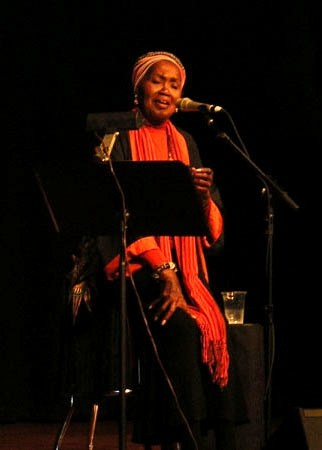
Odetta’s guitar playing philosophy cannot be separated from her musical philosophy, which cannot be separated from her political philosophy. The guitar was not a vehicle for technical display — it was a tool for delivering music that carried the weight of American history, specifically the history of African American experience: the spirituals, the work songs, the prison songs, the blues.
The Voice as Primary Instrument
Everything in Odetta’s performing identity was organised around the voice. Harry Belafonte, in the liner notes to her 1963 album My Eyes Have Seen, described it perfectly: “There are many singers with fine voices, great range, and superb technique. Few possess [Odetta’s] fine understanding of a song’s meaning that transforms it from a melody into a dramatic experience.”
The transformation of a melody into a dramatic experience is exactly what her guitar playing supported. The instrument’s job was not to demonstrate technique but to create the rhythmic and harmonic foundation that allowed the voice to operate at its full power and expressiveness. A guitarist serving this function needs to be rhythmically rock-solid, harmonically clear, and physically present — providing enough sonic substance to anchor the voice without competing with it.
The double-thumb strum does exactly this: it creates a thick, continuous rhythmic surface that the voice can rest on and push against. The technical sophistication is in the service of the voice, not in display of its own qualities.
The Prison Work Songs
Odetta’s most distinctive contribution to the folk revival was her treatment of Black prison work songs — the music that enslaved and later imprisoned African American workers sang while performing forced labor in the South. Songs like “Take This Hammer,” “Water Boy,” and “I’ve Been ‘Buked and I’ve Been Scorned” were not widely known in the mainstream folk revival before Odetta. She brought them with full awareness of their historical weight and their ongoing political relevance.
Time magazine’s inclusion of “Take This Hammer” in the 100 Greatest Popular Songs, and Rosa Parks’s identification as Odetta’s number-one fan, confirm the specific political valence of this material: these were not historical curiosities but living documents of continuing injustice, and Odetta performed them accordingly. Her guitar playing in this context was percussive, driving, and rhythmically insistent — matching the physical labor the songs described and the urgency of the political moment they addressed.
The Dylan Connection
Bob Dylan’s decision to sell his electric guitar and buy an acoustic after hearing Odetta Sings Ballads and Blues is one of the most consequential gear decisions in rock music history — not for what Dylan bought, but for what he gave up. The electric guitar, the rock and roll direction, the teenage trajectory toward a different kind of career — all exchanged for an acoustic guitar and the folk music tradition that Odetta represented.
Dylan’s later account: “I learned all the songs on that album.” This is the folk tradition’s transmission mechanism in its purest form — one musician hearing another musician’s recording and learning the repertoire directly, absorbing not just the notes but the approach, the intention, the specific way of understanding what folk music was for.
Dylan then went on to transform folk music, absorb and extend it in ways Odetta hadn’t imagined, and produce the body of work that made him one of the most influential musicians of the twentieth century. The origin of all of it is a teenager in the Midwest hearing a woman from Alabama singing prison work songs on a folk record in 1956. The chain is direct and documented.
The March on Washington
Odetta sang “O Freedom” at the 1963 March on Washington before Martin Luther King gave the “I Have a Dream” speech. The political context is inseparable from the musical context: “O Freedom” — “And before I’ll be a slave / I’ll be buried in my grave / And go home to my Lord and be free” — is not a folksong performed for entertainment but a statement of principle performed for history. The guitar’s job in this context was to support that statement with physical authority.
She described her role in the civil rights movement as “one of the privates in a very big army.” King called her the queen. Both characterisations were right: she was, as a performer, among the most powerful presences in the movement; she understood herself, as a human being, as a participant in something larger than any individual’s role.
Tone note: She said “all I need is my voice and hands.” King said she was the queen. Dylan said he learned all the songs. Baez was profoundly moved by “Another Man Done Gone.” Rosa Parks was her number-one fan. These are not the accolades of a performer who happened to play guitar alongside her singing. These are the accolades of an artist whose entire presence — voice, guitar, politics, conviction — was so unified and so complete that it changed what the people who encountered it thought was possible.
How to Sound Like Odetta: The Folk-Blues Guitar Accompaniment
Odetta’s guitar style is perhaps the most context-dependent in this series — the specific sound she produced was inseparable from the voice it was serving. To “sound like Odetta” on the guitar without the voice is to approximate the accompaniment without the music it was designed to accompany. But the guitar elements are learnable.
The Guitar
Dreadnought acoustic guitar with full-frequency response and adequate projection. Martin D-28 or D-18 for authenticity; any quality dreadnought for the practical approach. The guitar needs to be physically present enough to provide rhythmic and harmonic authority without amplification in intimate settings.
- Martin D-28 or D-18 — The folk revival standard; appropriate for the accompaniment role
- Any quality spruce-top dreadnought — Yamaha FG800, Seagull S6, Guild D-40 — the projection of the dreadnought body is more important than the specific brand
The Double-Thumb Strum
The technique Odetta developed with Frank Hamilton: the thumb strokes downward through the bass strings on the beat, then returns upward through the treble strings on the off-beat, while the fingers add additional treble notes or strum contributions between the thumb strokes. The result is a continuous, driving rhythm that fills all the rhythmic space with physical sound.
Practice the basic pattern: thumb down on beats 1 and 3, thumb up and fingers on beats 2 and 4. Then add additional subdivisions — thumb down on the beat, fingers on the first off-beat, thumb up on the second off-beat. The driving continuous quality should be audible: no silence between strokes, no rests in the rhythmic surface.
The Open D Tuning
For the blues and work song material: open D (D A D F# A D, low to high). The open D chord rings when all strings are strummed — the drone quality of the open tuning suits the hypnotic, sustained character of the work song tradition.
| Element | Specification | Notes |
|---|---|---|
| Guitar | Dreadnought acoustic; Martin or equivalent | Projection and body size matter more than brand; the guitar must hold its own beneath a powerful voice |
| Technique | Double-thumb strum (thumb down on beat, thumb up and fingers on off-beat) | Continuous, driving rhythm with no rhythmic gaps; physically forceful without sacrificing clarity |
| Tuning | Standard for most material; Open D (D A D F# A D) for blues and work songs | Open tunings for the specific material that requires them |
| Picks | None — bare thumb and fingers | The double-thumb strum is a bare-hand technique |
| Amplification | Acoustic; microphone-to-PA for larger venues | No pickup, no effects |
Budget vs Authentic
Budget:
- Guitar: Yamaha FG800 dreadnought or Seagull S6
- Strings: D’Addario medium phosphor bronze
- No picks — bare hands
Authentic:
- Guitar: Martin D-18 or D-28 (the folk revival standard)
- Strings: Martin or John Pearse phosphor bronze
- No picks — bare hands
The Essential Repertoire
The gateway to understanding Odetta’s guitar approach: “Take This Hammer,” “Water Boy,” “O Freedom,” “Another Man Done Gone,” “Freight Train” (her version), “Michael, Row the Boat Ashore.” These songs demonstrate both the spiritual and work song material that defined her repertoire and the specific guitar accompaniment approach that served it. The guitar is always rhythmically driving, harmonically clear, and physically assertive — never decorative, always functional.
Influence & Legacy: The Voice That Started Folk Music’s Second Generation
Odetta’s influence on American music operates primarily through the artists she inspired rather than through direct stylistic imitation. The musicians who changed music after encountering her work — Dylan, Baez, Joplin — each went in entirely different directions from Odetta’s own music. Her influence was catalytic rather than stylistic: she showed what was possible, and they built in their own directions from the possibility she demonstrated.
The documented direct influences:
- Bob Dylan — Sold electric guitar, bought acoustic, became a folk musician after hearing Odetta Sings Ballads and Blues; “I learned all the songs on that album”
- Joan Baez — “Profoundly moved” by “Another Man Done Gone”; Baez’s entire folk career trajectory has Odetta’s influence at its root
- Janis Joplin — Cited as a primary influence; the specific qualities of Joplin’s blues-inflected vocal power have Odetta as their acoustic folk origin
- Mavis Staples — Cited as an influence on her vocal approach
- Harry Belafonte — Performing partner and colleague; his liner notes confirmed her power to “transform a melody into a dramatic experience”
- Rosa Parks — Number-one fan; the civil rights movement’s most iconic figure attending Odetta’s performances is not incidental
- Martin Luther King Jr. — Called her “the Queen of American Folk Music”; her performance at the March on Washington preceded his most famous speech
The National Medal of Arts (1999), the Library of Congress Living Legend Award (2003), and the Grammy Award she received at the end of her career represent the formal acknowledgments. The informal acknowledgments — Dylan’s acoustic guitar, Baez’s repertoire, the March on Washington — are the more consequential ones.
Time magazine’s list of 100 Greatest Popular Songs included “Take This Hammer” — a prison work song that Elizabeth Cotten and Lead Belly had also recorded, that Odetta brought to audiences who had never heard it, that she performed with such conviction and force that it became for those audiences not a historical document but a living political statement. That’s the specific achievement that the guitar served: making old songs new again, making political history personal, making the voice of suffering heard by audiences who had been insulated from it.
She never needed the guitar when she didn’t have it. But she played it her whole life because the guitar — the double-thumb strum, the open D tuning, the physical drive of the accompaniment — made the voice more powerful than the voice alone could be.
Tone note: Dylan sold his electric guitar for an acoustic after hearing her. That specific transaction — one guitar sold, one bought — is the gear story of American folk music’s transition from the late 1950s to the 1960s. Odetta’s album caused Dylan to redefine his entire musical identity. The acoustic guitar he bought was the instrument he used to become Bob Dylan. The electric guitar he sold was what he would have been if he’d never heard Odetta. The guitar she played, and the songs she sang on it, determined which Bob Dylan the world got.
In San Francisco in the early 1950s, a classically trained coloratura soprano named Odetta Holmes picked up a guitar for the first time and started learning folk music. Frank Hamilton helped her develop a double-thumb strum. She absorbed Lead Belly’s twelve-string rhythmic force and translated it to a six-string acoustic.
In 1956, she recorded Odetta Sings Ballads and Blues. A teenager in the Midwest named Bob Dylan heard it and sold his electric guitar. Joan Baez heard it and was profoundly moved. Martin Luther King Jr. called her the Queen of American Folk Music. Rosa Parks was her number-one fan.
In 1963, she sang “O Freedom” at the March on Washington before King gave the “I Have a Dream” speech. She sang it with just her voice and her guitar. She had once declined a borrowed guitar and performed a cappella instead, saying all she needed was her voice and hands — the original instruments.
The guitar was always in service of the voice. The voice was always in service of the music. The music was always in service of something larger than music.
She died five weeks before Obama’s inauguration, which she had planned to attend. The civil rights movement she had served in song finally produced the first Black president, and she didn’t live to see it.
The double-thumb strum, the open D tuning, the Martin dreadnought — these are the gear. The voice and the conviction were the music. She was one of the privates. King called her the queen. Both things were true.
If Odetta’s folk-blues guitar accompaniment — the double-thumb strum, the open tunings, the guitar in service of a voice larger than the instrument — has you exploring the tradition of American folk music she helped bring to the national consciousness, check out our complete guide to Elizabeth Cotten’s guitars and gear — whose $3.75 Stella and Cotten picking technique occupy the same folk tradition that Odetta inhabited, with a similar story of late recognition and quiet historic significance.
Read our guide to the Martin D-28.
FAQ: Odetta Guitars & Gear
- What guitar did Odetta play?
- Odetta is primarily associated with Martin acoustic dreadnought guitars throughout her professional career — the standard choice for serious folk musicians of the 1950s-60s folk revival. She learned guitar in San Francisco in the early 1950s, studying with folk musician Frank Hamilton who helped her develop her distinctive double-thumb strum. Her guitar influences included Lead Belly’s twelve-string rhythmic techniques, which she adapted to six-string playing. The specific Martin models she used are not as precisely documented as many other musicians in this series, as the primary focus of documentation was always on her voice and her cultural significance rather than her specific instrument.
- What is the double-thumb strum associated with Odetta?
- A rhythmically driving accompaniment technique where the thumb strokes downward through the bass strings on the beat and returns upward through the treble strings on the off-beat, combined with finger contributions between the thumb strokes. The technique creates a thick, continuous rhythmic surface with no gaps — physically forceful enough to hold its own beneath Odetta’s powerful contralto voice without a microphone in intimate settings, and appropriately driving for the work songs and spirituals that were her primary repertoire. The technique was developed with Frank Hamilton and influenced by Lead Belly’s twelve-string approach.
- How did Odetta influence Bob Dylan?
- A teenage Bob Dylan heard Odetta’s 1956 album Odetta Sings Ballads and Blues and it changed his musical direction entirely. He sold his electric guitar and bought an acoustic one, deciding to become a folk musician rather than a rock and roller. He later said: “I learned all the songs on that album.” The acoustic guitar Dylan purchased after hearing Odetta is the instrument he used to develop his early folk career. The chain from Odetta’s album to Dylan’s acoustic folk career to Dylan’s later influence on rock music makes her album one of the most consequential gear catalysts in music history — not because of anything it contained about guitar technique, but because of what it contained about folk music’s purpose and power.
- What did Odetta sing at the March on Washington?
- “O Freedom” — a spiritual with roots in the American slavery era: “And before I’ll be a slave / I’ll be buried in my grave / And go home to my Lord and be free.” She performed it before Martin Luther King Jr. gave the “I Have a Dream” speech. On a separate documented occasion, when offered a borrowed guitar, she declined and performed a cappella instead, saying “all I need is my voice and hands — the original instruments.” This a cappella performance demonstrated the philosophical hierarchy in her musical thinking: the voice was primary, the guitar was in service of the voice.
- What was Odetta’s musical background before folk?
- She was classically trained — vocal training beginning at age thirteen in Los Angeles, and a degree in music specialising in classical voice from Los Angeles City College. She was trained as a coloratura soprano (the highest, most technically demanding soprano voice type) before developing into the contralto range that became her signature. Her first professional work was in musical theater, touring with Finian’s Rainbow. She encountered folk music in San Francisco in 1950 and the combination of her classical vocal training with the emotional directness and historical weight of folk, blues, and spirituals produced the specific synthesis that made her influential.
- Who was Odetta’s number-one fan?
- Rosa Parks — confirmed in Time magazine’s note about Odetta’s “Take This Hammer” being included in its 100 Greatest Popular Songs list: “Rosa Parks was her No. 1 fan, and Martin Luther King Jr. called her the queen of American folk music.” The specific selection of Odetta as a favorite by the civil rights movement’s most iconic figure is not incidental — Parks’s recognition of Odetta’s music as meaningful and powerful reflects the shared political understanding of what folk and work songs represented.
- How do I play guitar in Odetta’s style?
- Dreadnought acoustic guitar (Martin D-28 or D-18 for authenticity; any quality dreadnought for the practical approach), no flatpick — bare thumb and fingers. The double-thumb strum: thumb down on the beat through bass strings, thumb returning up through treble strings on the off-beat, fingers adding additional texture between. The rhythm should be continuous and driving with no gaps. Open D tuning (D A D F# A D) for blues and work song material. Start with “Take This Hammer” or “O Freedom” — the work song material demonstrates the specific rhythmic drive the technique is designed to produce. The guitar’s purpose is to provide a stable, forceful rhythmic and harmonic foundation: clarity and drive, not technical display.
Odetta in Amsterdam, 4 December 1961. Photo: “Odette, gospelzangeres in Amsterdam. Portret”, archive 913-2555, Jack de Nijs / Anefo / Nationaal Archief, CC0 1.0. Cropped from the original black-and-white archive scan to a 16:9 portrait, resized to 1280 × 720 and JPEG re-encoded; original grain and scan marks retained. This portrait does not show a guitar.
Image credits
- Top image: Jack de Nijs / Anefo, Nationaal Archief, CC0.
- Martin D-28: Niranjan Arminius, Wikimedia Commons, CC BY-SA 4.0.
- Odetta: Sverrir Mirdsson, Wikimedia Commons, CC BY-SA 3.0.
- Odetta: Lee Paxton, Wikimedia Commons, CC BY-SA 4.0.

.jpg)
