Buddy Guy Guitars & Gear: The Complete Guide to the Greatest Living Electric Blues Guitarist
Complete gear guide to Buddy Guy — polka-dot Strat tribute to his mother, Chicago Blues Box Bassman replica, stolen Les Paul, Hendrix said "I want to play like you," and noise that became history.
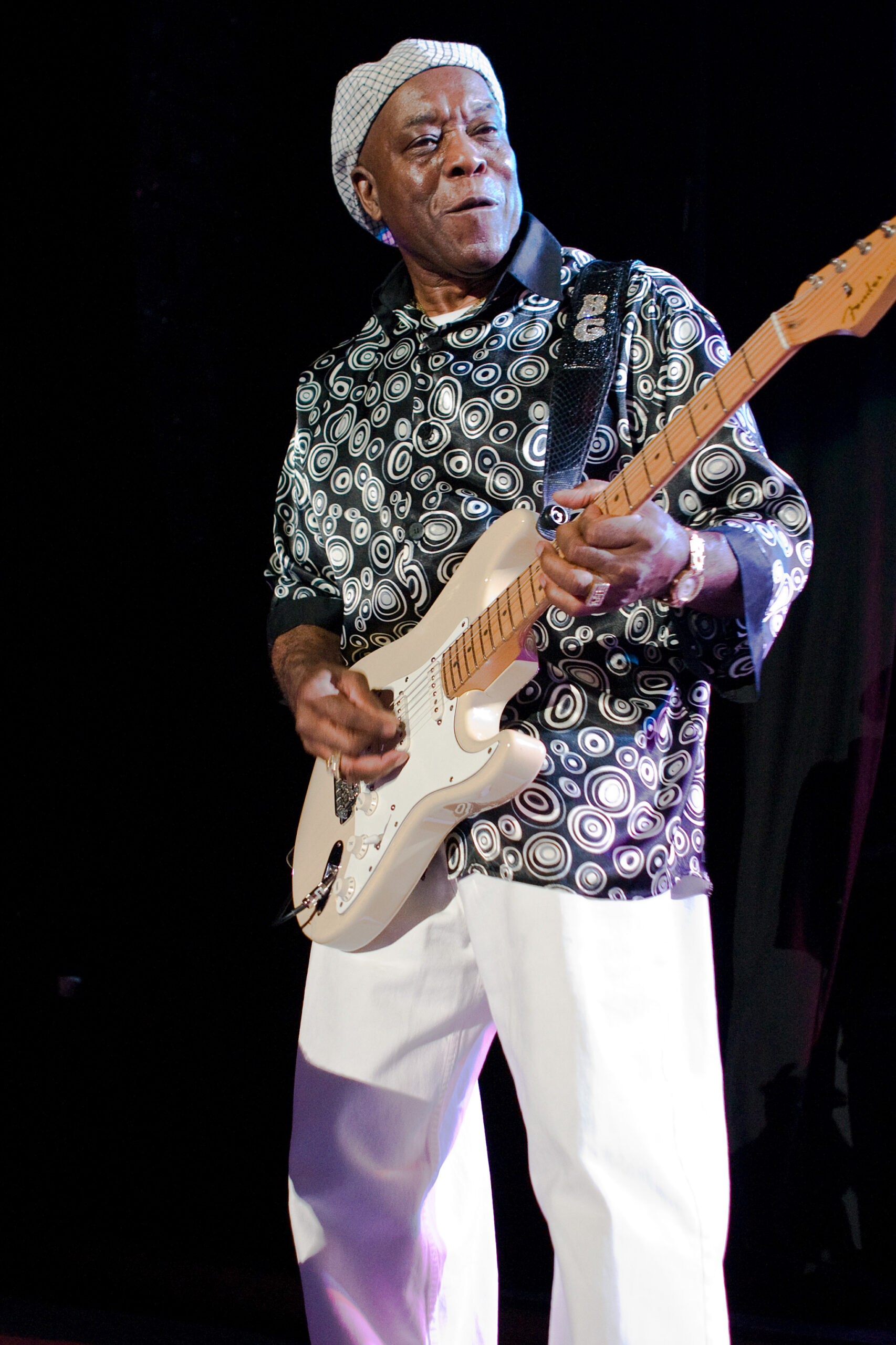
Photo by Tom Beetz, licensed under CC BY 2.0 (https://www.flickr.com/photos/9967007@N07/6577869621)
Leonard Chess told him his playing was “noise.” He signed with Chess Records anyway.
It was 1958. Buddy Guy had arrived in Chicago from Louisiana with nothing but ambition and guitar technique that nobody in Chicago had heard before — wild, aggressive, string-bending, feedback-embracing blues that sounded like nothing Muddy Waters or Howlin’ Wolf or any of the established Chess artists were playing. Leonard Chess, the founder of the label that had defined Chicago blues, heard Guy and described the playing as “noise.” Too wild. Too uncontrolled. Too much.
Guy signed anyway. Chess suppressed his wilder instincts on record — the studio versions of his Chess recordings are more restrained than what he played live. But the live performances were what mattered. The live Buddy Guy at the Checker Club on the South Side of Chicago in 1960 — that was the playing that Eric Clapton heard, that Mick Jagger and the Rolling Stones sought out when they came to Chicago, that Jimi Hendrix explicitly cited as a primary influence on his own approach.
Jimi Hendrix. The man whose feedback, string-bending, and physical relationship with the guitar seem to have sprung fully-formed from his own imagination — Hendrix told Buddy Guy directly: “I want to play like you.” Before Hendrix, there was Guy. Before the psychedelic blues that Hendrix invented, there was the wild, aggressive, feedback-embracing Chicago blues that Guy played when Chess Records wasn’t watching.
He has been playing for nearly seventy years. He is, at eighty-eight years old, still performing. Still bending strings. Still walking into the audience with fifty feet of cable connected to his Stratocaster. Still playing “noise” — the specific, glorious noise that Clapton called the greatest electric blues he had ever heard.
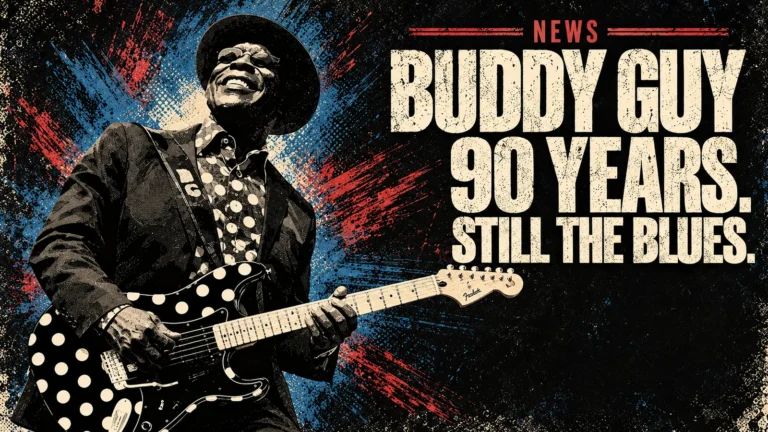
The polka-dot Stratocaster is a tribute to his mother’s style. The Chicago Blues Box amplifier is a replica of the tweed Fender Bassman he used for decades. The Dunlop BG95 wah pedal is the only effect he uses, and only occasionally — “mostly just for playing licks from Hendrix.” The rig is as simple as the music is profound.
Background: Lettsworth, Louisiana, Chicago, and the Blues That Wouldn’t Be Suppressed
George “Buddy” Guy was born July 30, 1936, in Lettsworth, Louisiana, in the same sharecropping poverty that produced most of the Delta blues tradition. He grew up listening to records — Muddy Waters, John Lee Hooker, Guitar Slim — and taught himself guitar on a two-string instrument fashioned from a screen door and baling wire before he could afford an actual guitar.
He moved to Chicago in 1957 at twenty years old, arriving with $35 and a guitar. He played the South Side clubs — the raw, competitive Chicago blues circuit where established musicians like Muddy Waters, Howlin’ Wolf, Little Walter, and Otis Rush worked. In 1958, he entered and won a guitar contest that put him on the same stage as Magic Sam and Otis Rush, which landed him a record contract with Chess Records.
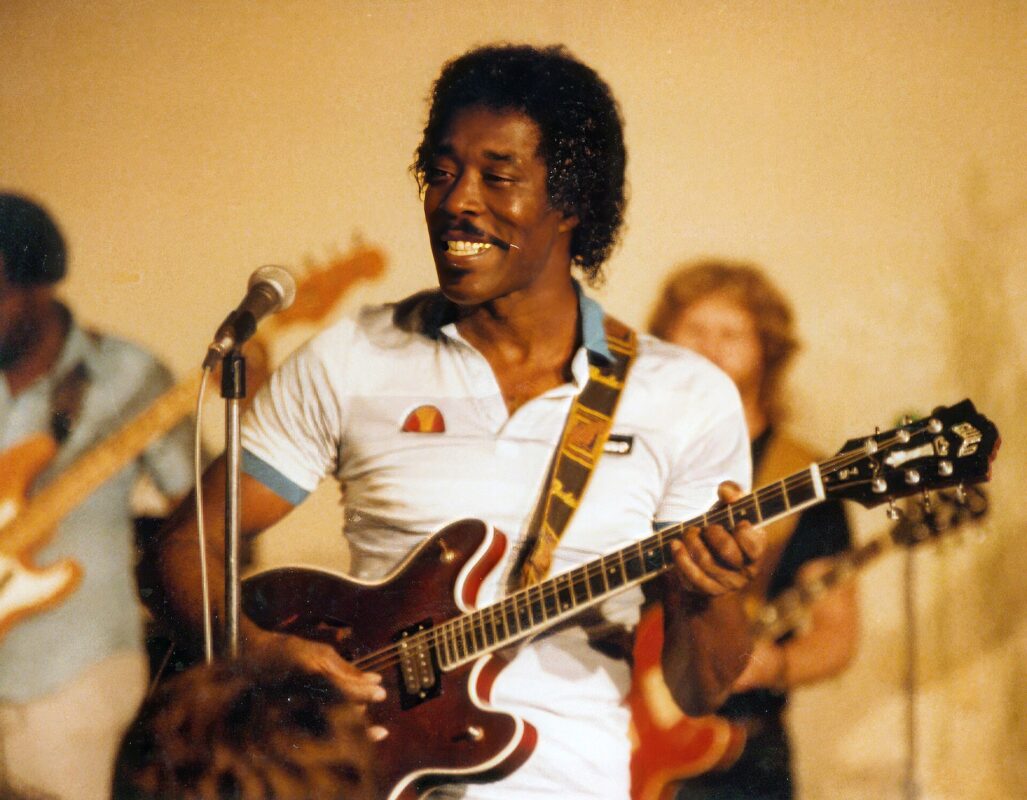
The Chess period (1958-1967) produced recordings that were more restrained than his live performances — Leonard Chess kept a lid on the wildness. But the live reputation spread. British musicians who came to Chicago in the early 1960s — the Stones, the Animals, Clapton with the Yardbirds — sought Guy out and were transformed by what they heard.
His recording career since Chess: a period with Vanguard Records, his own Legends club in Chicago (opened 1989), and a commercial resurgence with Damn Right, I’ve Got the Blues (1991) produced by John Porter with Eric Clapton, Jeff Beck, and Mark Knopfler guesting. Subsequent albums: Feels Like Rain, Slippin’ In, Heavy Love, Sweet Tea, Bring ‘Em In. Five Grammy Awards. A Kennedy Center Honors. A Congressional Medal of Arts. “It’s a long way from picking cotton to picking guitar in the White House.”
Tone note: Leonard Chess called it “noise.” The specific elements that Chess found unacceptable — the feedback, the wild string bending, the physical assault on the guitar — are exactly what Jimi Hendrix identified as the defining vocabulary he wanted to absorb. The noise that Chess suppressed became the foundation for psychedelic blues and for everything Hendrix built. The most commercially calculated record label in Chicago blues unwittingly preserved in amber the exact elements that would go on to transform rock guitar. The noise was the future.
The Rig: Buddy Guy’s Guitars, Amps & Gear
Guitars: From Two Strings to the Polka-Dot Strat
The Two-String Instrument — The First Guitar
Before Guy could afford an actual guitar, he fashioned a two-string instrument from a screen door and baling wire — the kind of improvised instrument that the poorest musicians in the rural South made when they couldn’t afford manufactured instruments. He learned to play on this before acquiring a real guitar. The specific character of learning on an instrument with only two strings — developing complete musical expression within extreme limitation — shaped his approach to the guitar in ways that he has carried through his entire career.
By the time he arrived in Chicago, Guy had acquired a quality guitar: a 1950s Gibson Les Paul. He was playing it at a club at 43rd and Drexel in Chicago when the musicians took a break. He put the guitar down. Someone stole it. It was never recovered.
The theft — a familiar story in the guitar history of this series (the Beano Les Paul stolen from Clapton in 1966, Ritchie Blackmore’s ES-335 stolen by his ex-wife) — pushed Guy toward the instrument that would define his career. By the time he made it up to Chicago, Guy had gotten his hands on a high-quality guitar: a 1950s Gibson Les Paul. Its loss redirected his path.
Guitar World producer John Porter, who worked on Damn Right, I’ve Got the Blues, said: “I always considered Buddy Guy and Otis Rush as the two guys who made the Strat an iconic blues guitar.” Guy used a barebones, stripped-down rig consisting of just a couple of tweed Fender amps and a Fender Stratocaster.
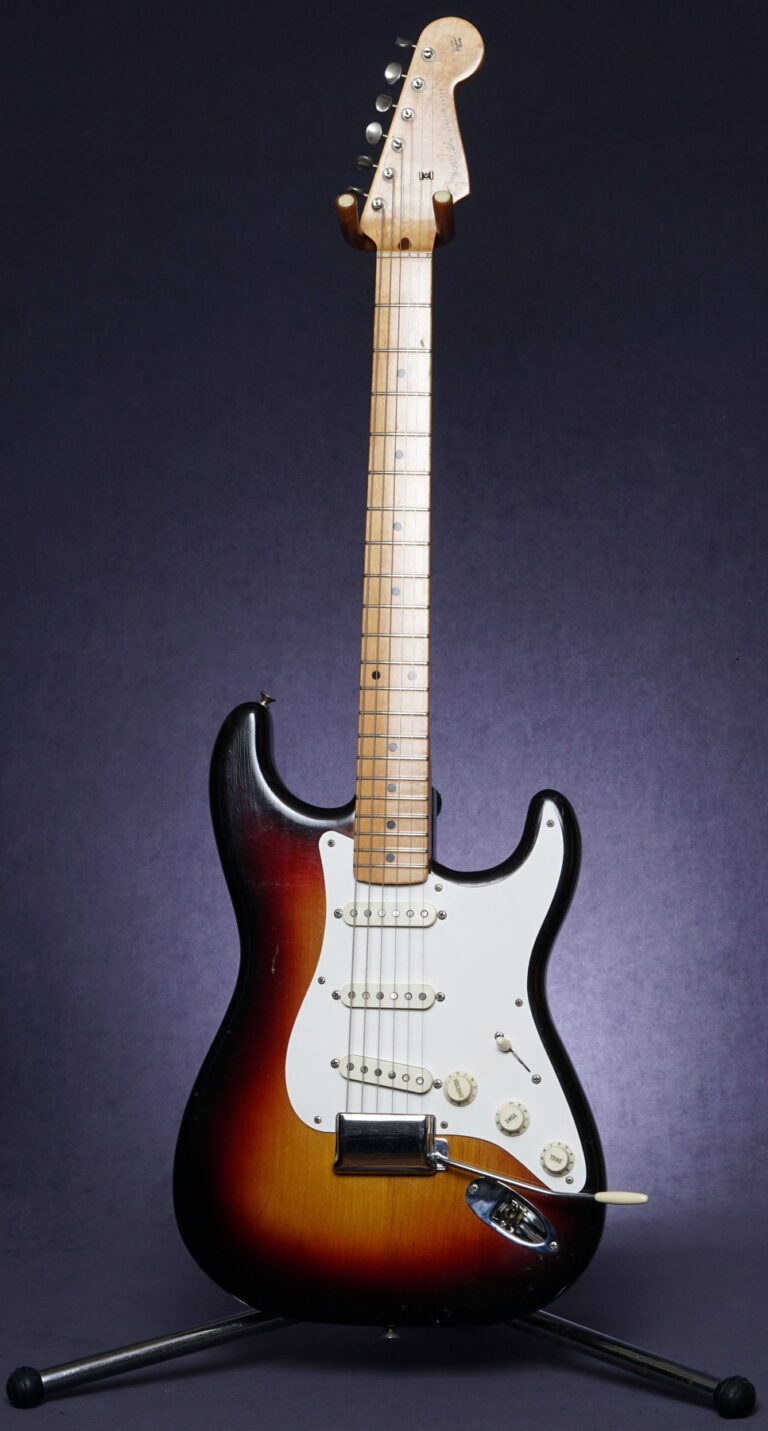
Guy was among the first prominent blues guitarists to adopt the Stratocaster as a primary instrument — at a time when most Chicago blues players used archtop Gibsons (ES-335, ES-345) or Gibson solidbodies. His first major-label recording used a Stratocaster, and he has been playing Strats ever since.
His specific Stratocaster approach: he plays through all five pickup positions, using the guitar’s tonal range to navigate from clean, clear tones to the aggressive, biting lead work that characterizes his wilder performances. He favors the bridge pickup for the cutting, aggressive leads that defined his reputation.
Notable Stratocasters in his collection:
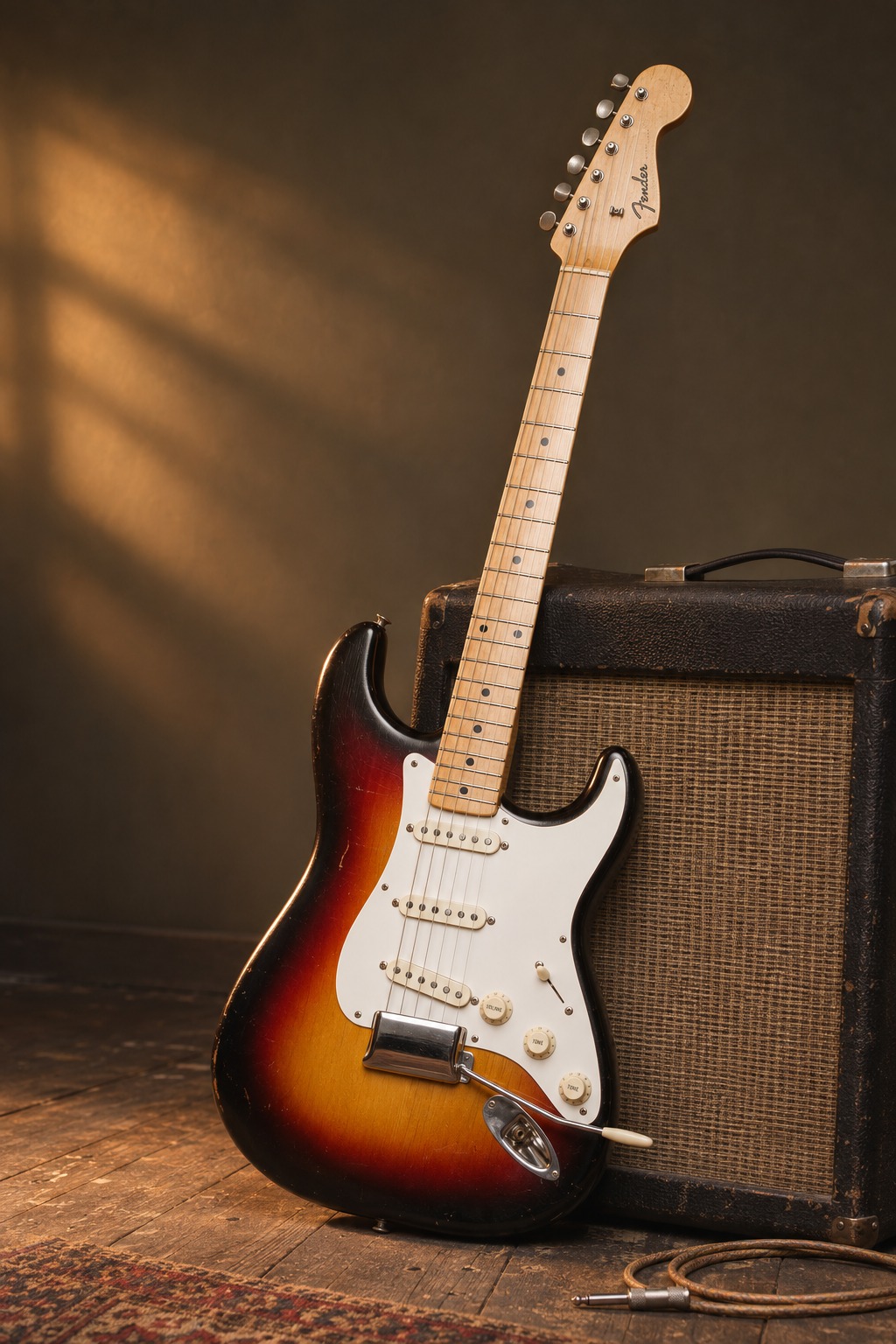
- 1989 Fender Custom Shop Buddy Guy Signature Stratocaster — Built by Fender’s Custom Shop; the first signature model produced for him
- Fender Buddy Guy “Polka-Dot” Signature Stratocaster — His most visually distinctive instrument; black body with white polka dots; the polka-dot finish was a tribute to his mother’s personal style and also connected to his early friendship with Muddy Waters (and incidentally to Randy Rhoads’s polka-dot Flying V aesthetic)
- Various Fender production Stratocasters — He has used numerous Strats across his career; the polka-dot version became his visual signature after its introduction
- Fender Vintage Noiseless pickups — Used in some of his signature Strats for hum-free operation
The Buddy Guy Standard Stratocaster specifications (current production signature model): alder body, black gloss polyester with white polka dots, “soft V” neck profile, satin-finished maple neck, 9.5-inch radius maple fingerboard, 21 medium jumbo frets, three Fender Standard single-coil pickups, five-way switching.
The Walk Into the Audience Technique
One of the most visually distinctive elements of Buddy Guy’s live performances is his habit of walking into the audience — sometimes 50-100 feet from the stage — while continuing to play, connected by a very long guitar cable. This technique (preceded by Muddy Waters and T-Bone Walker’s own audience-walking traditions) requires a guitar that stays in tune under movement and a signal chain that maintains its character over long cable runs.
The technique serves multiple purposes: it brings the music physically to the audience, it demonstrates the guitarist’s confidence and showmanship, and it creates a specific kind of musical tension as the guitarist moves away from the amplifier and the feedback character of the signal changes. His polka-dot Strat’s Vintage Noiseless pickups reduce the 60-cycle hum that long cable runs can introduce.
Other Guitars
- Guild Nightingale / various Guild semi-hollows — Used through the 1970s and 1980s during a Guild endorsement period; seen in various photographs from the era
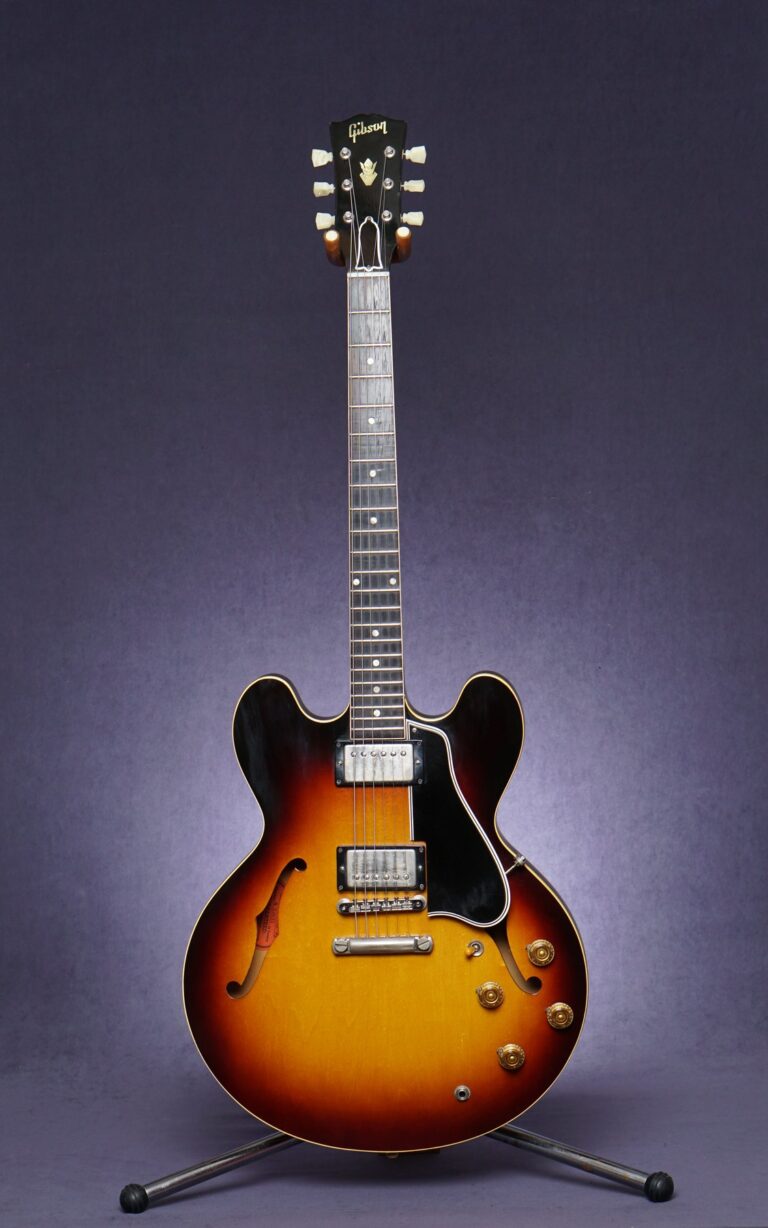
- Gibson ES-335 (red) — Used at various periods; the semi-hollow Gibson blues alternative to the Strat
- Jerry Jones Master Sitar — Electric sitar used for specific tonal textures in live performances
- Martin JC Buddy Guy Jumbo Acoustic-Electric — Acoustic signature guitar for specific performances
- Fender Buddy Guy custom-built red Strat — Special build for specific occasions
Complete Guitar List (Key Instruments)
- Two-string screen door/baling wire — First instrument; Louisiana
- 1950s Gibson Les Paul — Chicago; stolen at 43rd and Drexel; never recovered
- Fender Stratocaster (various) — Primary from late 1950s to present; one of first blues players to make Strat an iconic blues guitar
- Fender Buddy Guy Polka-Dot Signature Stratocaster — Visual signature; tribute to his mother; current primary
- 1989 Fender Custom Shop Buddy Guy Signature — First Custom Shop model
- Guild Nightingale and semi-hollows — 1970s-80s endorsement period
- Gibson ES-335 (red) — Various periods
Amps: The Chicago Blues Box (Bassman Replica)
Fender Tweed Bassman — The Primary Throughout the Classic Period
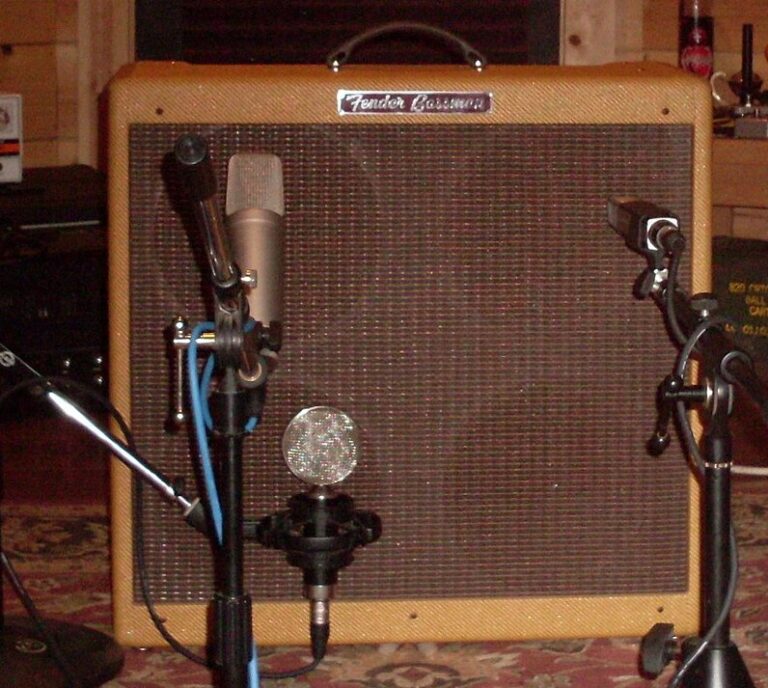
Buddy Guy’s primary amplifier for most of his career has been the Fender tweed Bassman — the 4×10 amplifier that Leo Fender designed in the early 1950s, originally for bass guitar but adopted by blues and rock guitarists for its specific character: warm at lower volumes, naturally saturating into a specific compressed, harmonically rich overdrive at higher volumes. When I first worked with Buddy, I brought my own battered ’58 tweed Bassman and tweed Deluxe to the sessions.
The Bassman’s specific character: four 10-inch Jensen speakers producing a distributed, smooth frequency response different from a single 12-inch speaker; 6L6 output tubes providing the warm American clean tone; the tweed cabinet’s specific resonance adding to the acoustic character. The same amplifier that Jimi Hendrix used, that Eric Clapton used for the Bluesbreakers sessions (the “Beano” era), that defined the sound of 1950s and early 1960s electric blues and rock.
Chicago Blues Box — The Current Custom Amp
Guy’s current primary amplifiers are two custom-made “Chicago Blues Box” units built by Dan Butler of Butler Custom Sound. He went ahead and sonically reproduced the tone of a Bassman. We’ve been using these as long as I’ve been with Buddy. The Chicago Blues Box is a boutique replication of the Bassman’s circuit — 4×10-inch Jensen speakers producing the specific frequency balance of the original tweed design.
Amp settings are characteristically wide open: Presence and Treble on 10, Bass on 2 or 3, and Volume (on the Bright channel) 8 or 9. Maximum presence and treble, minimal bass, high volume — the specific bright, cutting Chicago blues tone that allows his Stratocaster’s single-coil attack to project through a club or concert venue. “They don’t break up too easily, so he can turn up and still have a cleaner tone, then use the Tube Screamer when he wants a little more gain and sustain.”
Other Amplifiers
- Fender ’59 Bassman LTD Reissue — Used before switching to the custom Chicago Blues Box
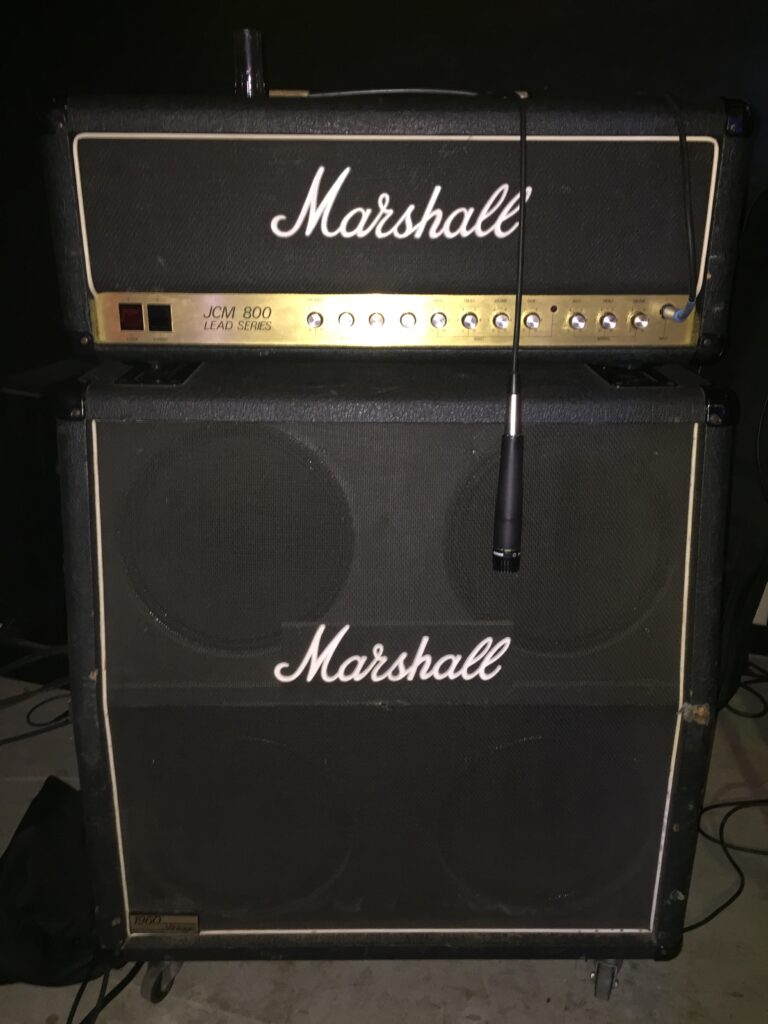
- Marshall JCM800 — Used in the 1980s with the Guild guitars; still used occasionally on stage
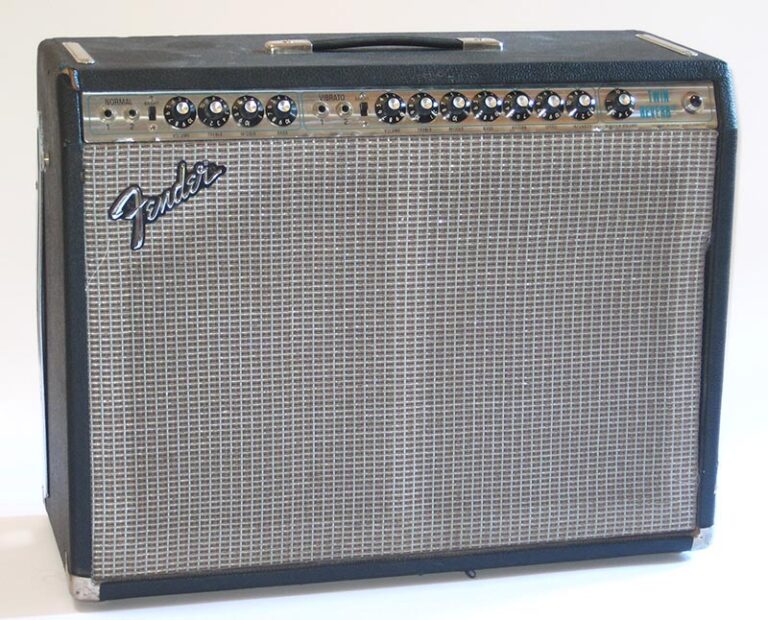
- Fender Twin Reverb — Backup and alternative; clean headroom for larger venues
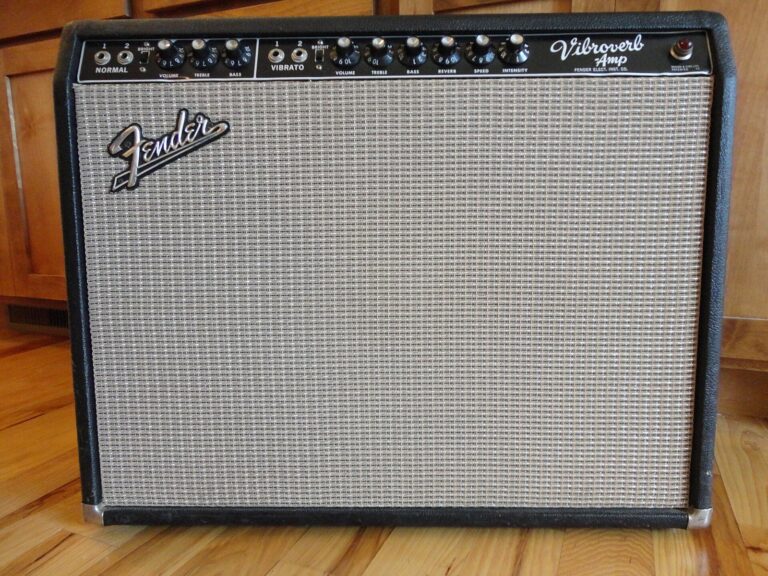
- Fender Vibroverb — Spare or guest amp; “we got the Vibroverb here for a spare amp, or a guest amp, if someone wants to sit in and play, we’ll fire that up” — tech Mark Messner
- Fender Cyber-Twin — Used in various periods
- Victoria — Boutique Bassman-inspired amp; various periods
- Bogner XTC — Documented use at various periods
Pedals: The Wah and Almost Nothing Else
Buddy Guy’s effects philosophy is the simplest in this series outside of B.B. King and Chuck Berry: essentially no effects. Buddy’s rig is simple as it gets. He basically uses just a Wah pedal, and couple of rack units: Furman PL-8 Power Conditioner, Shure UR4D Wireless Receiver and Radial JD-7 Injector.
Dunlop BG95 Buddy Guy Signature Cry Baby Wah
The only effect pedal in Guy’s signal chain — and even this is used rarely. Basically the only pedal that Buddy uses on-stage nowadays, but also very rarely — mostly just for playing licks from Hendrix.
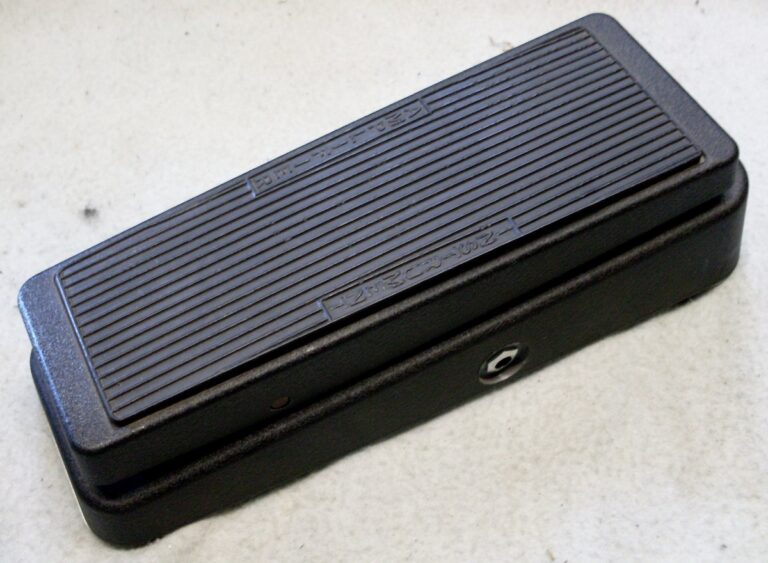
His description of his wah history: “There was a guy — one of the best guitar players I’ve ever known — named Earl Hooker, and he was playing slide like Robert Johnson and Elmore James and all those people, and he was the first person I saw playing a wah-wah. I would say Jimi Hendrix perfected it more because they wouldn’t let Hooker record too much with it.”
The irony of the wah’s use: Guy, who influenced Hendrix’s approach to the guitar, now uses the wah primarily to play “licks from Hendrix” — returning the influence full circle. The teacher playing the student’s innovations in tribute.
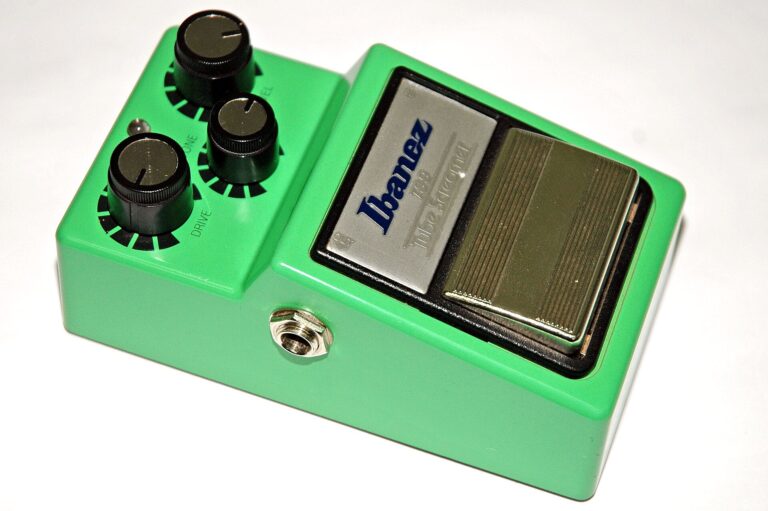
The Tube Screamer appears in Guy’s signal chain for additional gain and sustain when needed — as his tech described, the Chicago Blues Box amps are deliberately clean, and the Tube Screamer provides the additional push when the music requires more drive than the clean amp produces. Used sparingly, consistent with his minimal effects philosophy.
Rack Units
- Radial JD-7 Injector — Signal routing and distribution to multiple amplifiers
- Radial BigShot ABY — “I use it to switch between Buddy’s wireless system and direct wired guitar before it goes into the Radial JD7 and his various amps” — stage manager Mark Messner
- Shure UR4D Wireless Receiver — Wireless system enabling the long-distance audience walk
- Furman PL-8 Power Conditioner — Power supply protection for the rack equipment
Strings, Picks & Setup
Strings: Standard electric guitar strings in medium gauge — consistent with the bending requirements of his aggressive, physically demanding playing style. The specific string gauge allows the wide bends and vibrato that characterize his playing without excessive physical fatigue across a two-hour show.
Picks: Standard picks — Guy’s playing does not depend on exotic pick materials or shapes. The attack comes from his technique and his emotional commitment rather than from the pick itself.
The physical approach: Guy’s most distinctive technical characteristic is the physical intensity of his playing — he attacks the guitar with a force and commitment that goes beyond conventional technique. The bends are wider than most. The vibrato is faster and more extreme. The feedback is embraced rather than avoided. This physical approach was what Leonard Chess called “noise” in 1958 and what Jimi Hendrix called “the way I want to play” in 1965.
Playing Style & Tone Philosophy: The Wild Man of Chicago Blues
Buddy Guy’s guitar philosophy is the most physically committed in Chicago blues. Where B.B. King’s philosophy was precision and economy, and Muddy Waters’s was authority and groove, Guy’s philosophy was total physical engagement — the guitar as extension of a complete emotional and physical expression that had no self-censorship.
The Hendrix Connection
Jimi Hendrix told Buddy Guy directly: “I want to play like you.” The specific elements that Hendrix absorbed from Guy — the feedback use, the string bending as primary expressive tool, the physical relationship with the guitar as an object that could be manipulated and abused in service of the music, the willingness to be “too much” — are the elements that defined Hendrix’s approach and, through him, psychedelic rock and everything that followed.
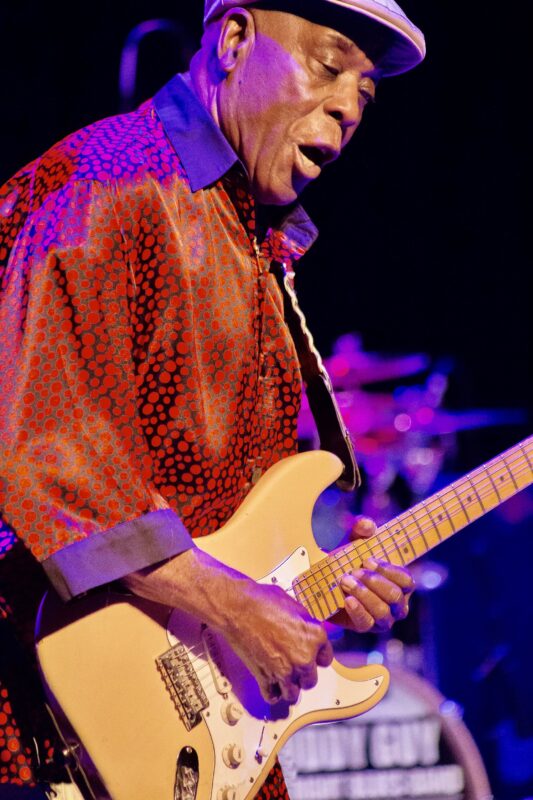
Guy predates Hendrix’s innovations by years. The playing that Hendrix heard in Chicago clubs in the early 1960s — before the psychedelic vocabulary existed as a concept — was already doing what Hendrix would systematize and popularize. The “noise” that Chess Records suppressed was the future that Hendrix would make the present.
The Physical Showmanship
Walking into the audience while playing. Playing the guitar behind his head (before Hendrix made it famous — Guy was doing it first). Playing with his teeth (again, before Hendrix). The physical theatre of Guy’s performances was not imitated from Hendrix; it predated Hendrix. He was the source, not the imitator. This historical precedence is one of the most important and least widely understood facts about the development of rock guitar showmanship.
The Suppressed Wildness
Chess Records’ suppression of Guy’s wilder instincts on record — keeping the studio recordings more restrained than his live performances — created a gap between his documented history and his actual influence. The live Buddy Guy that Clapton and Hendrix heard was not the recorded Buddy Guy that history initially preserved. This gap makes him simultaneously one of the most important guitarists in the development of rock music and one of the most under-documented in the official record. The Chess recordings are restrained; the influence was not.
How to Sound Like Buddy Guy
The Guitar
Fender Stratocaster — polka-dot if you want the visual authenticity, any Strat if you want the tonal foundation.
- Fender Buddy Guy Polka-Dot Signature Stratocaster — The most direct approach; polka-dot finish, “soft V” neck, Fender Standard single-coils
- Any Fender Stratocaster with single-coil pickups — The bridge pickup’s cutting character is the essential tonal element
- Fender Stratocaster with Vintage Noiseless pickups — For hum-free operation at high volumes with long cable runs
The Amp
Fender tweed Bassman (or Chicago Blues Box replica) — wide open settings. The amp is cranked; the guitar’s own tonal character comes through clean and powerful.
| Control | Setting (Chicago Blues Box / Bassman) | Notes |
|---|---|---|
| Presence | 10 | Maximum — the Strat’s single-coil needs all the presence available |
| Treble | 10 | Maximum — bright, cutting Chicago blues tone |
| Bass | 2–3 | Minimal — tight low end; the Bassman’s 4×10 configuration handles the bass naturally |
| Volume (Bright channel) | 8–9 | High but not maximum; the Chicago Blues Box “doesn’t break up too easily” |
The Essential (Minimal) Effects
- Dunlop BG95 Buddy Guy Signature Wah — Used rarely; for specific Hendrix-tribute licks
- Ibanez Tube Screamer — When additional gain/sustain needed; sparingly
- Otherwise: nothing — The guitar, the amp, and the technique
The Essential Technique
Play with maximum physical commitment. The bends should be wider than you’re comfortable with. The vibrato should be faster and more extreme than feels controlled. The feedback should be approached rather than avoided. This is not a technical instruction but a philosophical one: Buddy Guy plays as if every note is the last note he’ll ever play. The “noise” that Leonard Chess tried to suppress is the essence of the approach. Don’t be careful. Be honest.
Budget vs Authentic
Budget:
- Guitar: Fender Player Stratocaster or Squier Classic Vibe ’50s Stratocaster
- Amp: Fender Blues Junior or any Fender combo with 4×10 or 2×12 configuration
- Pedals: Dunlop Cry Baby (standard) — use it rarely; mostly just play
Authentic:
- Guitar: Fender Buddy Guy Polka-Dot Signature Stratocaster
- Amp: Fender ’59 Bassman LTD Reissue or Chicago Blues Box (custom, limited)
- Settings: Presence and Treble at 10, Bass at 2-3, Volume 8-9
- Effects: Dunlop BG95 wah (rarely); Ibanez TS-9 (when extra gain needed)
Influence & Legacy: The Source Before the Source
Buddy Guy’s influence on guitar playing is the influence of the originator whose influence traveled through an intermediary. He influenced Hendrix. Hendrix influenced everyone. The specific vocabulary — the feedback use, the physical showmanship, the string-bending as primary expressive tool, the willingness to be “too much” — traveled from Guy to Hendrix to the world. Those who absorbed from Hendrix absorbed from Guy, often without knowing it.
The documented connections:
- Jimi Hendrix — The most directly documented Guy student; Hendrix told Guy “I want to play like you”; the physical showmanship (behind-head playing, teeth playing, audience-walking) that became Hendrix’s visual signature predates Hendrix in Guy’s performances (#1 in this series)
- Eric Clapton — Called Guy “the greatest living electric blues guitarist”; sought him out in Chicago; guested on Damn Right, I’ve Got the Blues (1991)
- Stevie Ray Vaughan — Cited Guy as a primary influence; both deeply absorbed the Strat-through-Bassman Chicago blues vocabulary that Guy helped establish (#6 in this series)
- Rolling Stones / Mick Jagger — Came to Chicago specifically to seek out Guy and hear the original Chicago blues; his influence is audible in the Stones’ approach to electric blues
- Muddy Waters — Recognized Guy’s talent immediately when Guy arrived in Chicago; served as a mentor and guide in the Chicago blues world
- The Strat as blues guitar — Producer John Porter’s assessment: Guy and Otis Rush “made the Strat an iconic blues guitar.” Their early adoption of the Stratocaster for blues — before it was considered the right instrument for that music — established the Strat-blues connection that every subsequent blues guitarist has inherited
- Chess Records suppression — The paradox of his historical position: his most important influence happened live, not on record; the Chess recordings that officially document his early career are more restrained than his actual playing. The gap between record and reality is larger for Guy than for almost any other guitarist in this series
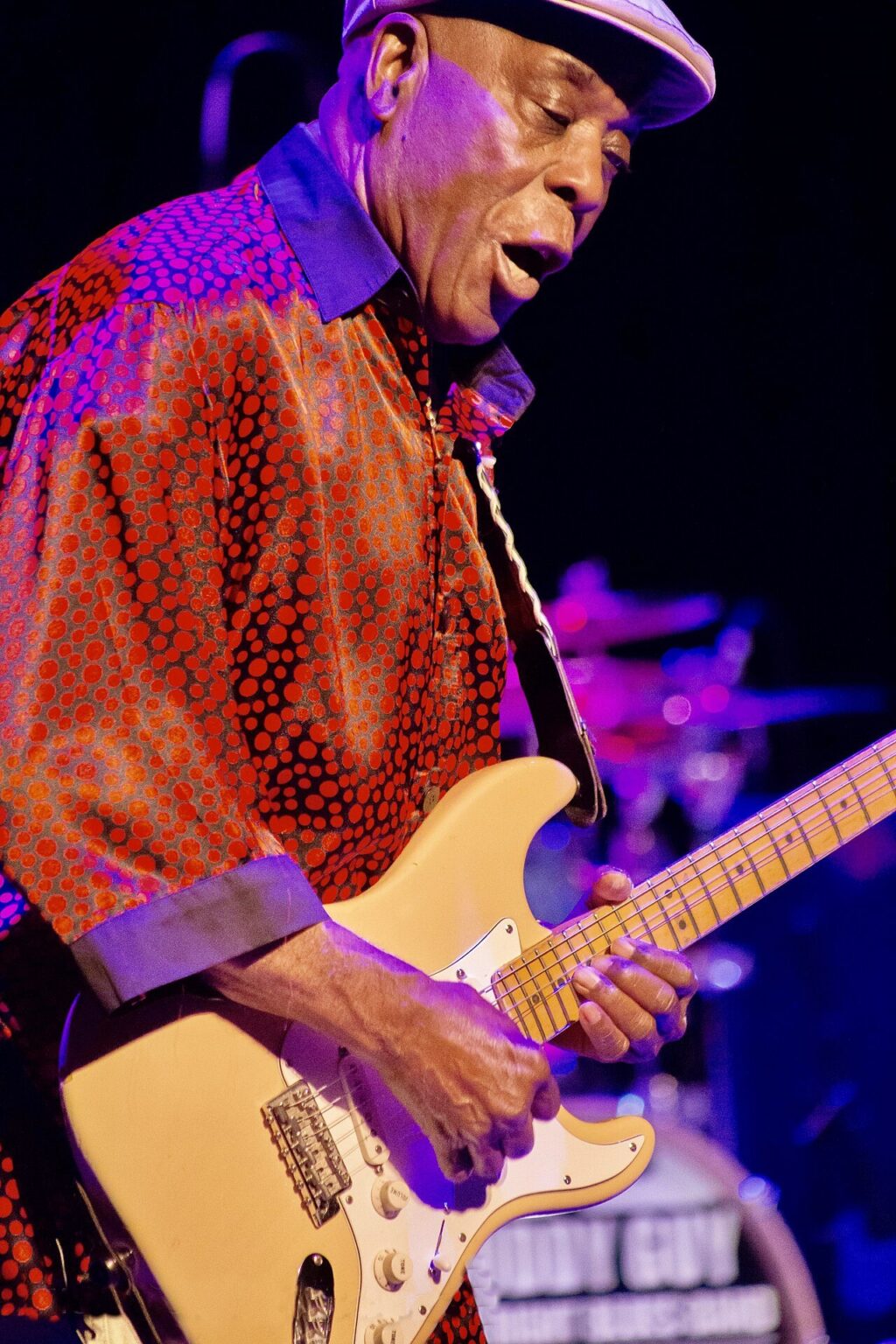
Leonard Chess called it noise. Buddy Guy signed anyway. Jimi Hendrix heard him play and said “I want to play like you.” Eric Clapton called him the greatest living electric blues guitarist. The polka-dot Stratocaster is a tribute to his mother. The Chicago Blues Box replicates the tweed Bassman he played for decades. The wah is used rarely — “mostly just for playing licks from Hendrix.” The man who influenced Hendrix uses the wah to play Hendrix licks. The circle is complete.
It’s a long way from picking cotton to picking guitar in the White House. He made the journey. He’s still making music at eighty-eight.
Tone note: Presence and Treble at 10. Bass at 2 or 3. Volume at 8 or 9. “They don’t break up too easily, so he can turn up and still have a cleaner tone, then use the Tube Screamer when he wants a little more gain.” The amp settings of the greatest living electric blues guitarist are the simplest amp settings in this entire series. Maximum brightness, minimum bass, high volume, nearly clean. The tone is not in the settings. The tone is in his hands. The settings just get out of the way.
He made a guitar from a screen door and baling wire. He moved to Chicago with $35. His Les Paul was stolen at 43rd and Drexel. He found his Stratocaster. Leonard Chess called his playing “noise” and signed him anyway. Jimi Hendrix told him “I want to play like you.” Eric Clapton called him the greatest living electric blues guitarist.
Polka-dot Stratocaster — tribute to his mother. Chicago Blues Box — the sound of the Bassman he played for decades. Presence at 10. Treble at 10. Bass at 2. One wah pedal, used rarely, mostly for Hendrix licks. Walk into the audience. Bend the strings too wide. Let the feedback happen. Play like every note is the last.
It’s a long way from picking cotton to picking guitar in the White House. He knows.
For the guitarist who most directly absorbed his vocabulary and took it into psychedelic rock, becoming the intermediary through whom Guy’s influence reached the world, check our complete guide to Jimi Hendrix’s guitars and gear .
For the guitarist who called Guy “the greatest living electric blues guitarist” and who guested on Damn Right, I’ve Got the Blues — check our complete guide to Eric Clapton’s guitars and gear.
And for the guitarist who absorbed the same Strat-through-Bassman Chicago blues vocabulary and brought it to the rock mainstream in the 1980s — don’t miss our complete guide to Stevie Ray Vaughan’s guitars and gear.
FAQ: Buddy Guy Guitars & Gear
What is the polka-dot Stratocaster and where does it come from?
The Fender Buddy Guy “Polka-Dot” Signature Stratocaster is black with white polka dots — a finish that Guy specified as a tribute to his mother’s personal style. The polka-dot aesthetic became so associated with him that it was incorporated into his signature model when Fender honored him in 1995 (initially available in sunburst and Honey Blonde; the polka-dot finish added in 2002). The guitar features alder body, “soft V” maple neck, 9.5-inch radius maple fingerboard, 21 medium jumbo frets, and three Fender Standard single-coil pickups with five-way switching. He also connected to the polka-dot aesthetic through his early friendship with Muddy Waters in Chicago’s South Side music scene.
Did Jimi Hendrix really say “I want to play like you” to Buddy Guy?
Yes — Guy has recounted this directly multiple times in interviews, and it is consistent with the historical record of Hendrix’s development. Hendrix came to Chicago in the early 1960s seeking out the blues guitarists he had heard about, and Guy was one of the primary attractions. The specific elements that Hendrix absorbed from Guy — the feedback use, the extreme string bending, the physical showmanship (playing behind the head, playing with teeth, walking into the audience) — all predated Hendrix’s use of them. Guy was doing these things in Chicago clubs before Hendrix made them famous. The influence traveled from Guy to Hendrix to the world; those who absorbed from Hendrix absorbed from Guy, often unknowingly.
What happened to Buddy Guy’s Gibson Les Paul?
By the time Guy arrived in Chicago in 1957-58, he had acquired a quality guitar: a 1950s Gibson Les Paul. He was playing it at a club at 43rd and Drexel on Chicago’s South Side when the musicians took a break. He put the guitar down. Someone stole it. It was never recovered. The theft redirected him toward the Fender Stratocaster, which became his primary instrument for the rest of his career. Producer John Porter later noted that Guy and Otis Rush were “the two guys who made the Strat an iconic blues guitar” — an outcome that would not have happened if the Les Paul had not been stolen.
What amplifier does Buddy Guy use?
Two custom-made “Chicago Blues Box” amplifiers built by Dan Butler of Butler Custom Sound — boutique replicas of the tweed Fender Bassman’s circuit, with 4×10-inch Jensen speakers. His tech described them: “He went ahead and sonically reproduced the tone of a Bassman. We’ve been using these as long as I’ve been with Buddy.” Settings: Presence and Treble at 10, Bass at 2-3, Volume on the Bright channel at 8-9. “They don’t break up too easily, so he can turn up and still have a cleaner tone, then use the Tube Screamer when he wants a little more gain and sustain.” Before the custom Chicago Blues Box, he used the Fender ’59 Bassman LTD Reissue, and before that, actual vintage tweed Bassman amplifiers for most of his classic recordings.
What effects pedals does Buddy Guy use?
Essentially none. His complete pedal rig: a Dunlop BG95 Buddy Guy Signature Cry Baby Wah — used “very rarely” and “mostly just for playing licks from Hendrix.” His rack equipment includes utilitarian signal routing and power conditioning (Radial JD-7 Injector, Radial BigShot ABY, Shure wireless receiver, Furman power conditioner) rather than tone-shaping effects. He occasionally uses an Ibanez Tube Screamer for additional gain and sustain when the clean Chicago Blues Box amp needs pushing. His philosophy: “No. I do use the wah-wah a little bit.” That’s his complete summary of his effects usage. The guitar, the amp, and the hands do the work.
How did Leonard Chess react to Buddy Guy’s playing?
Leonard Chess, founder of Chess Records, described Guy’s playing as “noise” — too wild, too uncontrolled, too far from the established Chicago blues sound that Chess had built the label’s reputation on. Chess signed him anyway in 1958 after Guy won a guitar contest, but suppressed his wilder instincts on the studio recordings, making them more restrained than his live performances. The gap between the Chess recordings and his actual live playing was significant — the British musicians who came to Chicago to seek out the original blues heard the live Guy, not the Chess-tamed studio Guy. The “noise” that Chess suppressed was exactly what Jimi Hendrix would identify as the specific vocabulary he wanted to absorb.
How do I get Buddy Guy’s guitar tone?
Fender Stratocaster (his polka-dot signature or any Strat) through a Fender tweed Bassman or replica (Chicago Blues Box or ’59 Bassman Reissue). Settings: Presence and Treble at 10, Bass at 2-3, Volume at 8-9 on the Bright channel. The amp stays clean; use an Ibanez Tube Screamer sparingly for additional gain. No other effects except an occasional wah. The essential element that no gear guide can provide: play with total physical commitment. Guy’s tone comes from the force and conviction of his picking attack, the width of his bends, and his willingness to embrace feedback and volume as musical elements rather than problems to solve. The “noise” is the point.
Image credits
- Fender Stratocaster: GuitarGangsters AI-generated reference illustration, not a photograph.
- Top image: by Tom Beetz, Flickr, CC BY 2.0.
- Buddy Guy: photo by Bubba73, via Wikimedia Commons, CC BY-SA 3.0.
- Buddy Guy: photo by skyobrien, via Wikimedia Commons, CC BY-SA 3.0.
- Fender Stratocaster: Lightburst, Wikimedia Commons, CC BY-SA 4.0.
- Gibson ES-335: Lightburst, Wikimedia Commons, CC BY-SA 4.0.
- Marshall JCM800: John2112, Wikimedia Commons, CC BY-SA 4.0.
- Fender Twin Reverb: Micahmedia, Wikimedia Commons, CC BY 3.0.
- Dunlop Cry Baby: Roadside Guitars, Flickr, CC BY-SA 2.0.
- Ibanez TS9 Tube Screamer: Mataresephotos, Wikimedia Commons, CC BY 3.0 US.
- Buddy Guy live: skyobrien, Wikimedia Commons, CC BY-SA 3.0.
- Fender Bassman: Roadside Guitars, Wikimedia Commons, CC BY-SA 2.0.
- Fender Vibroverb: GabeMc, Wikimedia Commons, CC BY-SA 3.0.