Kenny Burrell Guitars & Gear: The Complete Guide to Jazz Blues Master’s Gibson Super 400, Fender Tweed Deluxe & Midnight Blue Tone
Kenny Burrell guitars & gear: Duke Ellington's favorite guitarist. Gibson Super 400, Fender Tweed Deluxe, flatwound strings — Midnight Blue and Guitar Forms complete tone guide.
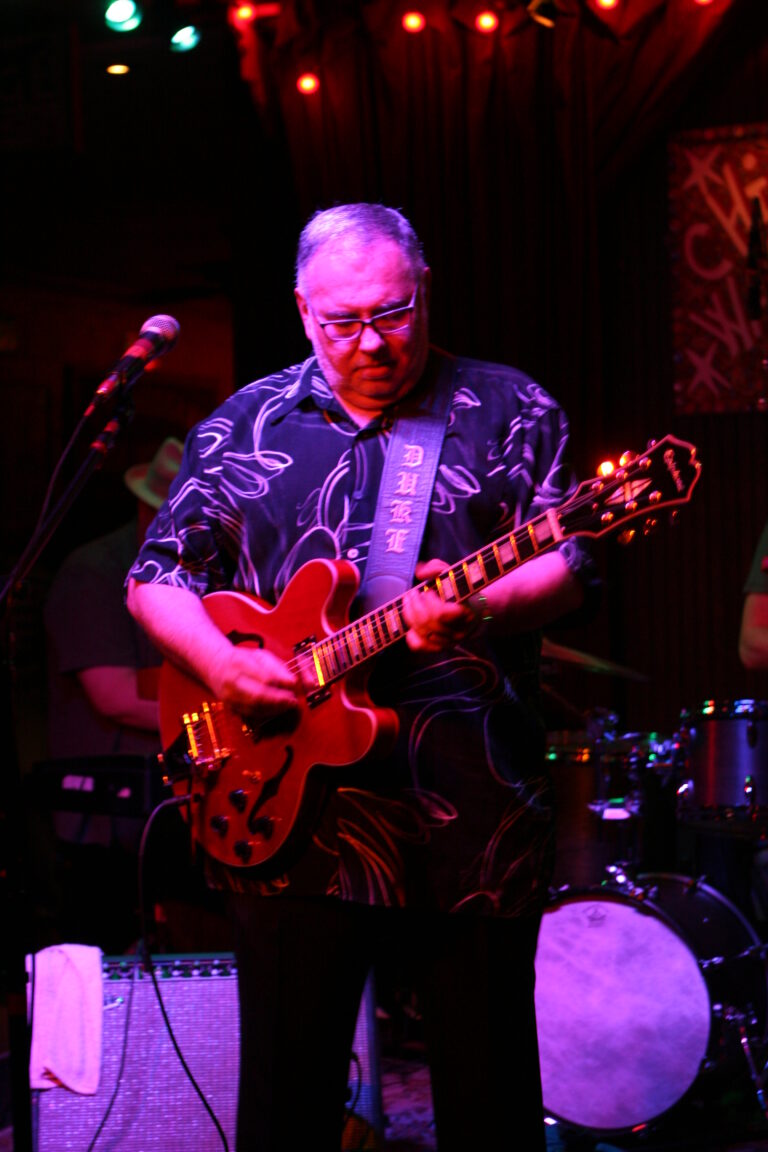
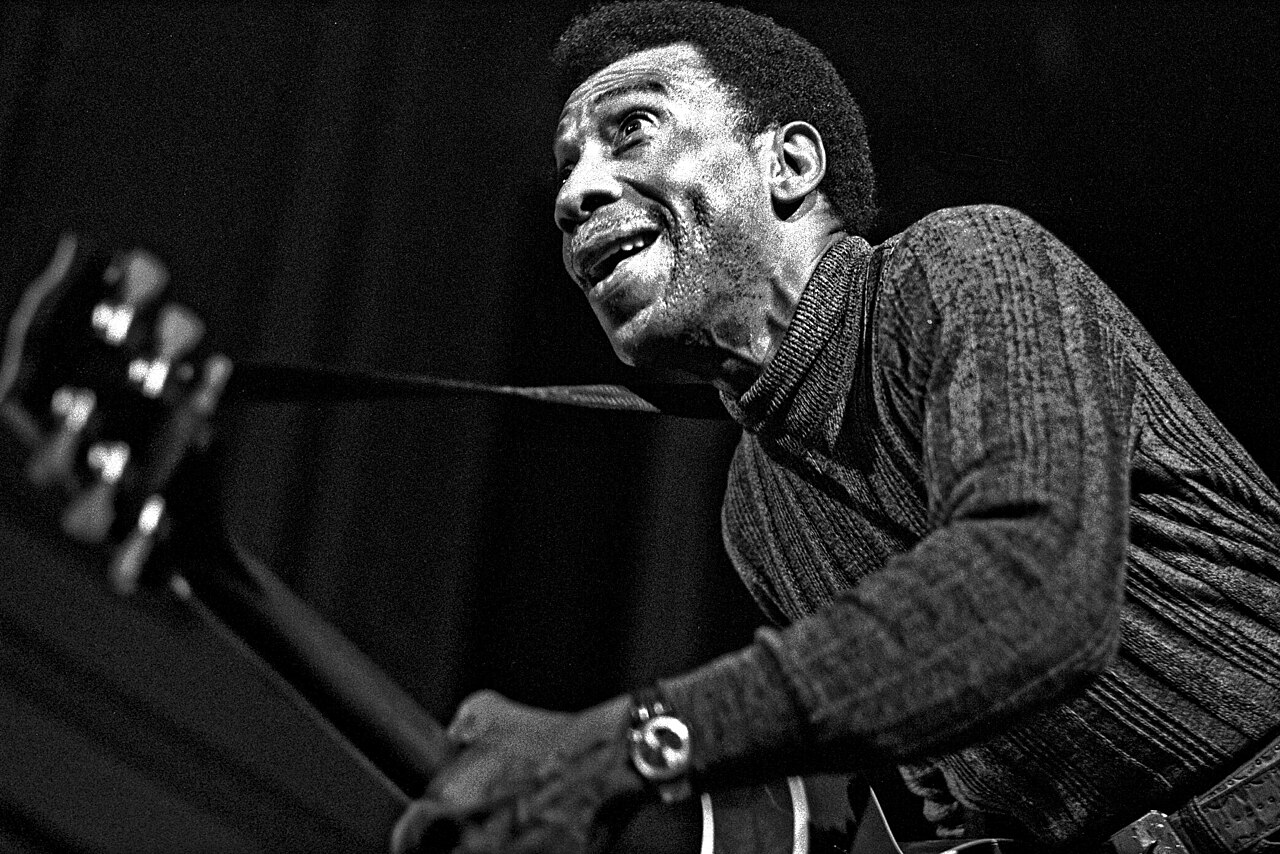
Photo by Brian McMillen, licensed under CC BY-SA 3.0 (https://commons.wikimedia.org/wiki/File:Kenny_Burrell.jpg)
Duke Ellington called Kenny Burrell his favorite guitarist. This is the most concentrated peer testimonial available in the jazz guitar tradition — not the “favorite jazz guitarist” qualification, but the unqualified favorite, from the man who was himself one of the most accomplished musicians in the history of American music, delivered without the qualification that it was merely jazz guitar or merely guitar in any restricted context. Duke Ellington had access to the complete available range of guitar and music, and his favorite guitarist was Kenny Burrell. Burrell’s own summary of his creative philosophy is equally concentrated: “Play what you feel, and mean it.” The feeling and the meaning. Not the technique, not the equipment, not the label, not the genre. The feeling and the meaning, which in Burrell’s case have always flowed most naturally when the blues was in the room. “The blues is part of my heritage, part of my surroundings growing up in Detroit — on the radio, on records, in clubs, on the street. Like most guitarists, the blues was what I first learned to play.” The Detroit blues background. The jazz harmonic and improvisational education. The combination, on the Gibson Super 400 archtop through the Fender Tweed Deluxe amplifier with the treble lowered and the mid-range pumped up and the flatwound strings giving the warm, rounded, mellow quality of the classic jazz archtop tone. “I like a fat warm sound, so I set the treble lower, the bass medium, and I pump up the middle.” This is the Kenny Burrell equipment philosophy in one sentence: the mid-range is the emotional center of the jazz guitar sound, and everything else — the treble cut, the flatwound strings, the archtop’s acoustic warmth — serves the mid-range emphasis that makes the guitar sound “fat and warm” in the sense that Burrell means: present, sustaining, emotionally full, the jazz blues blues-jazz guitar exactly what Duke Ellington heard and declared his favorite. Play what you feel. Mean it. Fat and warm. The Super 400. The Tweed Deluxe. Detroit blues on the radio. Midnight Blue.
Kenneth Earl Burrell was born on July 31, 1931, in Detroit, Michigan, and began playing guitar at the age of twelve. His earliest influences included Charlie Christian (the foundational electric jazz guitarist who appears throughout this series as the primary influence on virtually every jazz guitarist who began playing in the 1940s and 1950s), Django Reinhardt (the Belgian Romani guitarist whose two-finger technique and swinging, melodic jazz approach had been influential since the 1930s), and Oscar Moore (the guitarist with the Nat King Cole Trio whose specific warm, single-note swing style was particularly relevant to the Detroit jazz context of Burrell’s formative years). He also drew on electric blues influences like T-Bone Walker and B.B. King — the blues tradition that the Detroit radio played and that his neighborhood’s music provided — alongside the jazz models. This combination of jazz-educated and blues-grounded is the specific synthesis that the Vintage Guitar assessment captures as “grounded in bebop and blues, the man is able to play both blues licks and swinging bebop lines.” The licks are from T-Bone Walker and B.B. King. The bebop lines are from Charlie Christian and the jazz harmonic tradition.
He studied composition, theory, and classical guitar — the formal musical education that added harmonic depth and technical rigor to the blues and jazz vocabulary that the Detroit radio and club scene had provided. He moved to New York, worked as a sideman for Dizzy Gillespie, Billie Holiday, John Coltrane, Milt Jackson, Stan Getz, Chet Baker, and others, and eventually established himself as one of the most celebrated Blue Note guitarists through the recordings — beginning with the Midnight Blue session in 1963 — that made his combination of blues feeling and jazz sophistication internationally recognized. Midnight Blue (Blue Note, 1963) remains the canonical Burrell recording: the album with Stanley Turrentine on tenor saxophone, Major Holley on bass, Bill English on drums, and Ray Barretto on congas, recorded at Rudy Van Gelder’s studio in Englewood Cliffs with whatever amplification Van Gelder had available (reportedly the Fender Tweed Deluxe that was a standard part of Van Gelder’s studio setup). The album that Duke Ellington’s favorite guitarist made on the equipment that the engineer’s studio provided, with the technique and the feeling that Detroit blues and New York jazz had assembled. Midnight Blue. Play what you feel. Mean it.
The UCLA appointment — his position as the founding director of the jazz studies program at UCLA, established in 1996 — is the specific educational legacy of a musician who understood the transmission of the tradition as a responsibility equal to the creative work. The UCLA jazz program has flourished under his stewardship, with an All-Star faculty that reflects the same generosity toward younger musicians that Jim Hall demonstrated in his own teaching relationships. “Ellington is Forever” — the Burrell educational project that celebrates Duke Ellington’s legacy — is the specific personal testimony that the Ellington favorite guitarist is himself a devoted custodian of the Ellington tradition. The Super 400 and the Tweed Deluxe and the flatwound strings and the mid-range pumped up: the tools. The UCLA appointment and the Ellington legacy: the context. The feeling and the meaning: the credo.
Background: Detroit Blues, New York Jazz, and the Blue Note Session That Made History
Detroit in the 1930s and 1940s — the specific Great Lakes city that produced Burrell’s musical formation — was a city where the blues was on the radio and in the clubs and on the street, simultaneously with the jazz that the city’s professional music scene required of working musicians. The specific combination of the blues as ambient cultural environment and jazz as professional musical aspiration is the exact synthesis that Burrell’s playing embodies: the blues is the feeling, the jazz is the vocabulary, and the combination — blues licks within bebop lines, bebop lines within blues-grounded rhythmic sensibility — is the specific character that Duke Ellington recognized as the most complete available expression of the jazz guitar voice.
The T-Bone Walker influence is the specific blues guitar reference point that distinguishes Burrell’s electric guitar approach from the purely jazz archtop tradition: T-Bone Walker was the pioneering Texas electric blues guitarist whose single-string lead style and theatrical performance approach established the template for much of the subsequent electric blues and rock guitar tradition, and whose specific warm, sustained lead tone on the hollow-body electric guitar is the blues foundation beneath Burrell’s jazz vocabulary. The B.B. King influence adds the specific expressive quality of King’s vibrato and string bending — the “intelligence of BB’s three notes” that Jim Hall identified as the standard for musical intelligence. Two blues guitarists, one jazz guitarist (Charlie Christian), one Romani jazz guitarist (Django Reinhardt): the complete Burrell influence map, covering the complete range of the jazz-blues guitar synthesis.
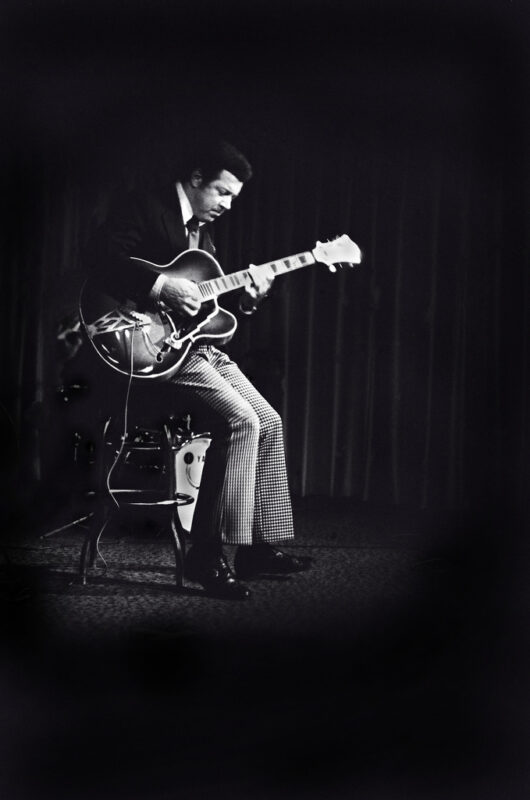
The John Coltrane collaboration — Kenny Burrell and John Coltrane (1958) — is one of the more celebrated cross-tradition recordings of the late 1950s: a jazz guitarist and a jazz saxophonist of equal sophistication and equal commitment to the blues foundation of their respective jazz vocabularies, in a recording that demonstrates both the guitar-saxophone dialogue that this series has documented through multiple entries and the specific Burrell quality of swinging blues and bebop simultaneously. The Coltrane recording is not the Burrell recording that most people ask about — the Midnight Blue has taken that position — but it is the specific recording that most completely documents the Burrell jazz voice in the company of the most challenging available musical intelligence.
Guitar Forms (Verve, 1965) — the collaboration with arranger Gil Evans — is the recording that Burrell himself reportedly expected people to ask about more than Midnight Blue. Evans’ orchestral arrangements provided the specific large-ensemble context that allowed Burrell’s archtop guitar to function as the solo voice against the full orchestral harmonic and textural backdrop — the jazz guitar as concerto soloist, the Gibson Super 400’s warm, resonant archtop voice in dialogue with the Evans orchestral sonority. The Guitar Forms recording demonstrates the classical guitar education and the compositional sophistication that the Midnight Blue album’s blues simplicity does not directly display; it is the other pole of the Burrell range, the most orchestrally ambitious expression of a jazz guitarist whose primary creative identity is the blues-grounded, bebop-fluent voice that Duke Ellington heard and called his favorite.
The Rig: Kenny Burrell’s Guitars, Amps, and Effects
Guitars
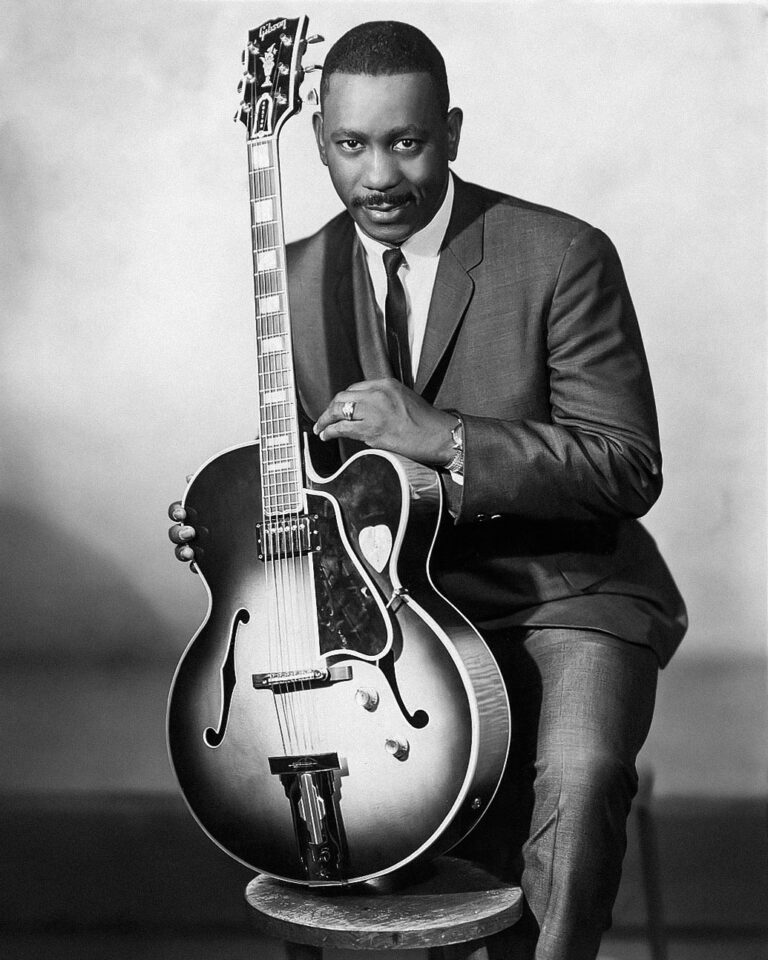
Kenny Burrell is more famous for using a Super 400 than his Gibson ES-175. The Gibson Super 400 CES — the largest and most ornate archtop in the Gibson production line, with its 18-inch lower bout, elaborate multi-layer binding, headstock ornamentation, and the specific full-bodied acoustic and electric character of the Super 400’s construction — is the guitar most directly associated with the warm, resonant, full-bodied Burrell tone. A Gibson Super 400 CES gives the warm, resonant tones that define Burrell’s sound. The Super 400 CES (Cutaway Electric Spanish) is the electric version of the Super 400 acoustic, with a single floating pickup (typically a Charlie Christian bar pickup on vintage models or a mounted humbucker on later versions) and the full acoustic body that produces the specific warm, full-frequency acoustic resonance that characterizes the Super 400’s voice through amplification. The guitar’s 18-inch body is larger than the ES-175’s or ES-335’s, producing more acoustic volume and more bass resonance from the hollow body — the specific “fat warm sound” that Burrell describes in his tone philosophy. He also has a signature model built by Heritage that is essentially a Super 400 model. The Heritage signature demonstrates the specific institutional recognition of the Super 400 as the defining Burrell instrument.
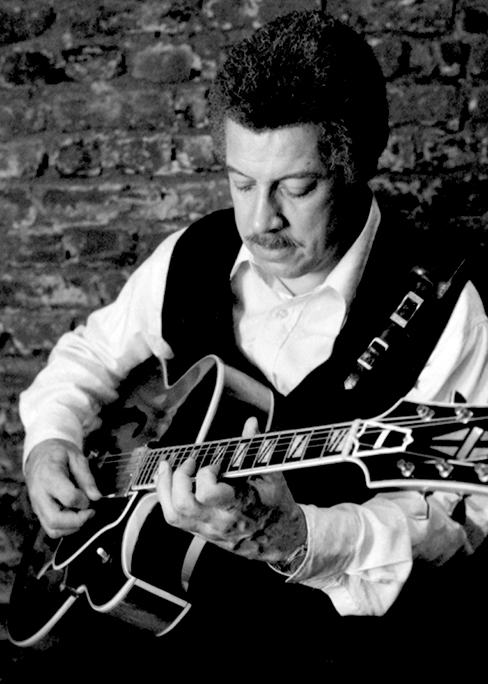
Kenny Burrell performs in 1990 with his Gibson ES-175, though he is more famous for using a Super 400. The ES-175’s single-cutaway hollow-body design with the laminated maple top and the P-90 pickup (or humbucker in later versions) provides a different tonal character from the Super 400’s larger, fully acoustic archtop construction. The ES-175’s slightly brighter, more articulate character compared to the Super 400’s fuller warmth makes it appropriate for contexts where the Super 400’s large body would create feedback at higher volumes or where the slightly more present character suits the specific musical context. Burrell’s documented use of the ES-175 for live performance alongside the Super 400 confirms the flexibility of his instrument approach: both the larger archtop’s warmth and the smaller hollow-body’s articulation are available depending on the specific performance context.
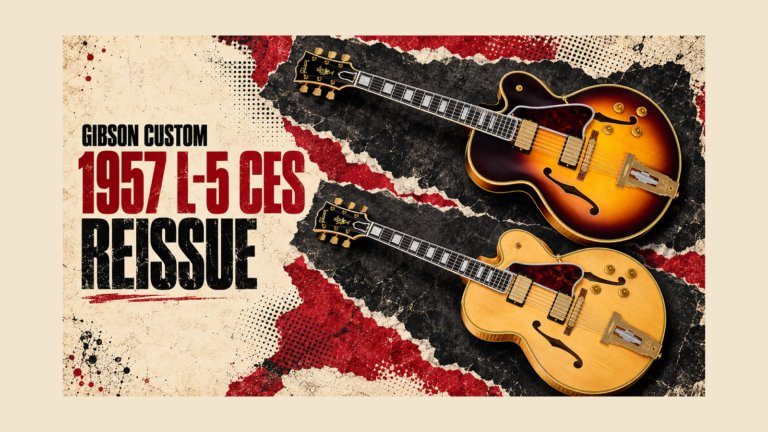
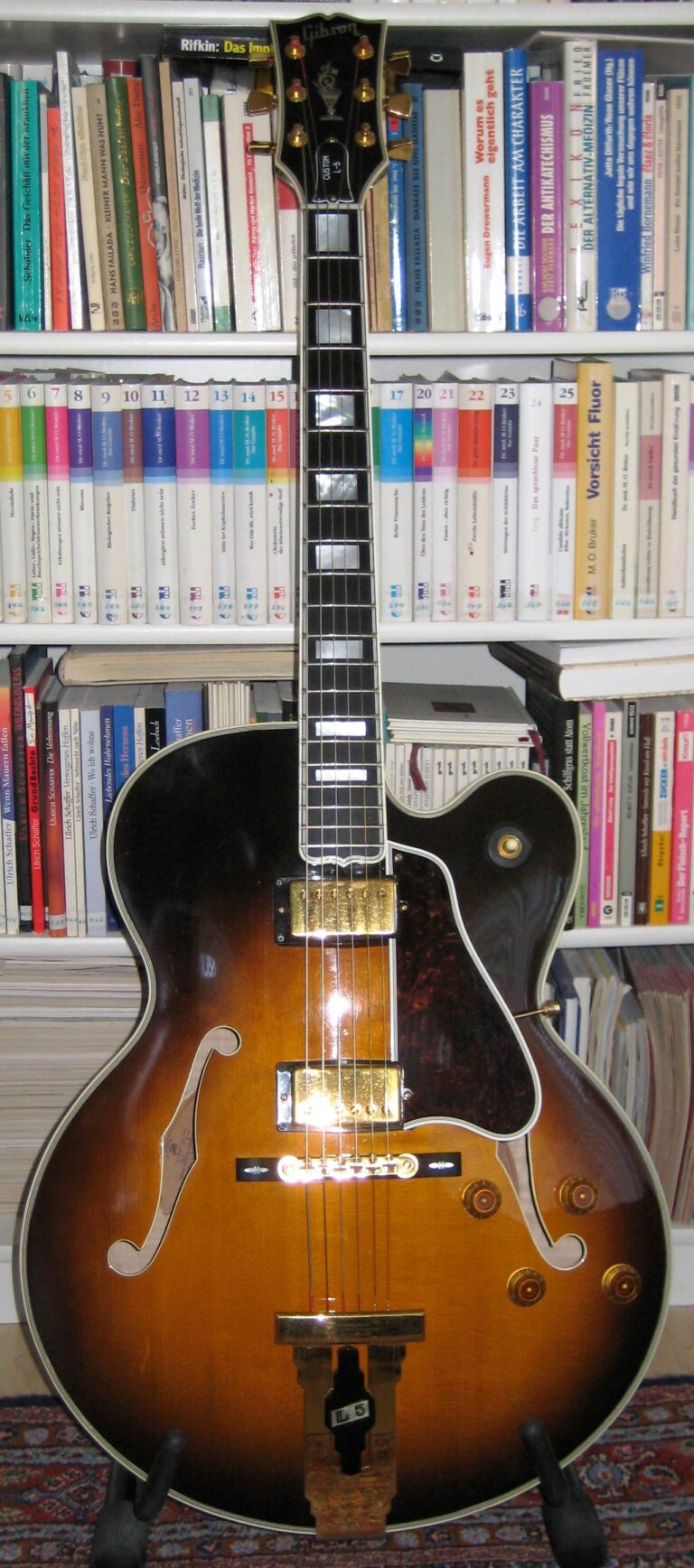
The Gibson L-5 — Gibson’s original professional-grade archtop, introduced in 1922 and modernized multiple times, with a 17-inch body, floating pickup, and the specific warm, full character of the L-5’s traditional construction — appears in Burrell’s documented guitar collection. The L-5 is historically the most celebrated Gibson archtop before the Super 400 was introduced, and its presence in Burrell’s collection confirms the pattern of his instrument identity: the large-body, full-acoustic-resonance Gibson archtop tradition as the primary tonal reference, with the specific warmth and fullness of the archtop family as the defining characteristic.
He also has a signature model built by Heritage that is essentially a Super 400 model. Heritage Guitars — the Kalamazoo, Michigan-based manufacturer founded by former Gibson employees in 1985, operating out of the original Gibson factory building — built the Kenny Burrell signature archtop as a production version of the Super 400’s fundamental architecture. The Heritage signature provides the Super 400’s tonal character in a production format appropriate for players who want the Burrell archtop identity without the cost and availability challenges of a vintage Gibson Super 400.
Medium action and flatwound strings are crucial. Heavy gauge flatwound strings are recommended for authenticity. Aim for .012-.052 gauges for that mellow, jazz sound. The flatwound strings in heavy gauge (.012-.052) are the string-level tone shaping that contributes substantially to the Burrell “fat warm sound”: the heavy gauge provides more physical tension, more acoustic volume, and more bass register resonance from the archtop’s hollow body; the flatwound surface reduces the high-frequency metallic brightness of the roundwound, producing the warm, mellow, “gloved” quality of the traditional jazz archtop sound. The combination of heavy gauge flatwound strings on a large hollow-body archtop with the treble rolled off the amplifier produces the specific full, warm, sustaining mid-range character of the Burrell tone.
Amps
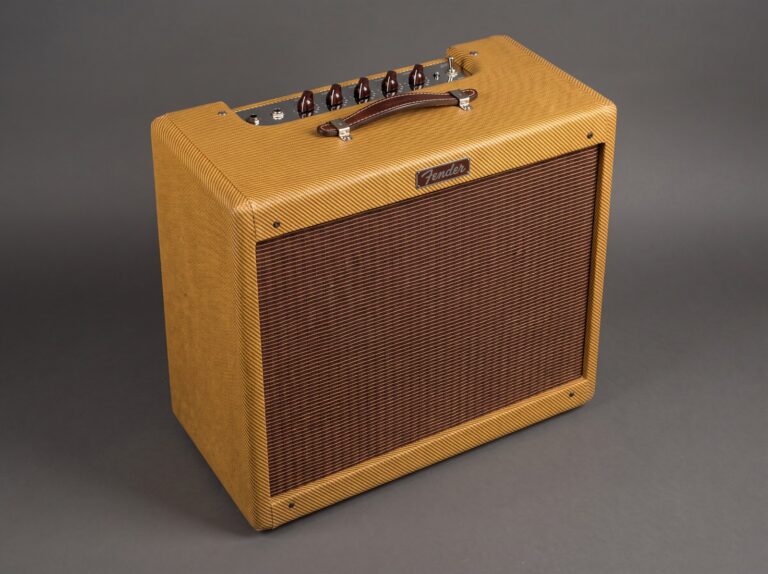
Most of his 1950s recordings were done with his Fender Deluxe amp. (Also known as the Tweed Deluxe or 5E3.) This amp has distinctly musical overdrive and compression characteristics and emphasizes mid range frequencies. The Fender Tweed Deluxe 5E3 — the single 12-inch speaker tube combo amplifier that Rudy Van Gelder’s studio used for jazz guitar recordings during the Blue Note era — is the specific amplifier on the foundational Burrell recordings, including Midnight Blue. Jazz guitarists rarely carried their own amp — mostly they used whatever amplification was available at the recording studio, which in the case of Van Gelder’s studio included the legendary Fender Tweed Deluxe amp. The Tweed Deluxe’s specific character: a 12-watt 6V6-powered single-speaker combo whose specific tonal characteristic is the musical compression and natural overdrive that the 6V6 output stage produces at appropriate volumes. The 5E3’s specific mid-range emphasis and natural compression at performance level produces the specific warm, sustaining, mid-focused quality that complemented the Super 400’s large-body acoustic warmth and the flatwound strings’ mellow character. The treble rolled off the 5E3 further emphasized the mid-range — the specific “fat warm sound” that Burrell describes, produced by the combination of the archtop’s acoustic warmth, the flatwound strings’ warmth reduction, and the 5E3’s natural mid-range emphasis.
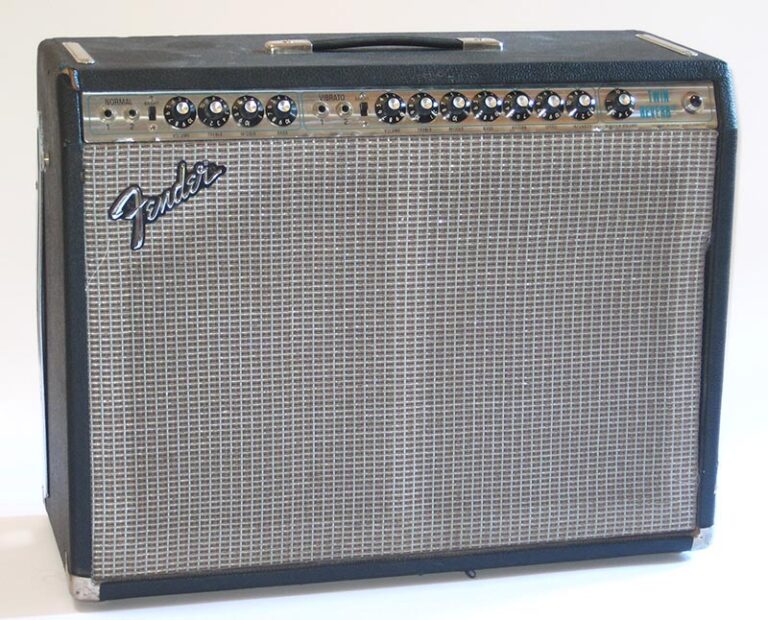
He would later favour the Fender Twin Reverb. The Fender Twin Reverb’s higher power (85 watts, 6L6 output stage) provided the clean headroom that the larger performance venues and higher volume contexts required, where the Tweed Deluxe’s 12 watts would have required excessive volume for the specific natural compression and overdrive character. The Twin Reverb’s cleaner character — less natural compression, more headroom, the specific 6L6-powered American clean that is brighter and more present than the 6V6’s warmer, more compressed output — required Burrell to compensate with the amplifier tone controls: “I like a fat warm sound, so I set the treble lower, the bass medium, and I pump up the middle.” The treble lowered on the blackface Twin Reverb, the mid boosted, the bass set to medium: the Burrell tone control philosophy applied to the cleaner Twin to recover the warm, mid-focused character that the Tweed Deluxe had provided naturally.
The Polytone amplifier — the solid-state jazz guitar combo that appears in this series in Jim Hall’s gear documentation as well — provided the clean, warm, acoustically transparent amplification appropriate for smaller performance contexts. The Polytone’s specific character, combined with the Super 400’s acoustic warmth and the flatwound strings, produces the “clarity and warmth” that the Coffee House Guitars description identifies as the Polytone’s jazz guitar advantage. A Polytone amp, famed in jazz circles, provides clarity and warmth. Rolling off highs helps achieve the desired smoothness.
Effects and Approach
Tone Control Philosophy — Treble Down, Mid Up, Bass Medium
“I like a fat warm sound, so I set the treble lower, the bass medium, and I pump up the middle.” This three-sentence tone philosophy is the complete Burrell effects section: the amplifier tone controls set to emphasize the mid-range (the emotional center of the jazz archtop tone), reduce the treble (eliminating the high-frequency metallic brightness that the Fender Twin’s clean character naturally produces), and set the bass to medium (avoiding the muddiness of excessive bass while maintaining the fullness of the archtop’s acoustic bass register). The combination — treble down, mid up, bass medium — on the Super 400’s acoustic warmth with the heavy flatwound strings produces the “fat warm sound” that Duke Ellington recognized as his favorite guitarist’s sound.
Blues-as-Foundation (Primary “Effect” — Playing Philosophy)
“The blues is part of my heritage, part of my surroundings growing up in Detroit — on the radio, on records, in clubs, on the street.” The blues is not an effect in the technical sense; it is the foundational musical identity from which all of Burrell’s jazz vocabulary operates. The specific blues sensibility — the emotional directness of the T-Bone Walker and B.B. King tradition, the specific phrase shapes and rhythmic sensibility of the Detroit blues on the radio — is the “feeling” that the credo instructs the guitarist to play, and the “meaning” that makes the feeling communicable. Burrell’s sound is purist — avoid pedals. Use a touch of reverb for spatial ambience. No pedals. Blues. Feeling. Meaning. Fat and warm.
Chord-Melody and Single-Line Integration (Technique)
Burrell opens with melodic lyricism, evolving into fast bursts of virtuosity, fleet linear runs that melt into technically advanced chord progressions, easing back with some bluesy figures before heading off in another improvised direction, all underpinned by an acute rhythmic sensibility. The specific technique: the single-line bebop runs, the chord-melody integration (chords as melodic elements rather than as accompaniment), the bluesy figures that ground the harmonic sophistication in the emotional directness of the Detroit blues. The guitar as “a player accompanying himself” — the ability to provide both the melody and the harmonic context simultaneously, the “miniature orchestra” quality that Jim Hall also embodied and that the jazz archtop tradition demands from its most accomplished practitioners.
The Blue Note recording context — the Van Gelder studio in Englewood Cliffs, New Jersey, with the Fender Tweed Deluxe 5E3 as the standard studio amplifier and Rudy Van Gelder’s specific microphone placement and production approach — is the specific physical environment that produced the Midnight Blue guitar sound. Van Gelder’s studio had become the primary recording environment for the Blue Note label’s recordings, and the specific combination of Van Gelder’s engineering philosophy (close-miking, direct and present recorded sound, the specific acoustic treatment of his purpose-built studio in his parents’ living room and later the Englewood Cliffs facility) with the available equipment (the Tweed Deluxe, the Ampeg Gemini) produced the specific Blue Note jazz guitar sound that not only Burrell but Grant Green and other Blue Note guitarists achieved. Jazz guitarists rarely carried their own amp — they used whatever was at the studio. Van Gelder’s studio had the Tweed Deluxe. The Tweed Deluxe’s natural midrange emphasis and the 6V6’s musical compression at 12 watts provided the specific warm, present, mid-focused recorded character of the Blue Note jazz guitar recordings. The specific combination of the Super 400’s large-body warmth, the heavy flatwound strings, the Tweed Deluxe’s natural midrange, and Van Gelder’s close-miking is what “one of the greatest guitar sounds in the history of recorded music” means in practical, physical terms. Duke Ellington’s favorite guitarist, in Duke’s favorite sound engineer’s studio, with Duke’s favorite recording label’s house amplifier. Play what you feel. Mean it. Midnight Blue.
Burrell’s approach to the guitar as a self-accompanying instrument — the chord-melody integration that allows the archtop guitarist to provide both melody and harmonic context simultaneously — reflects the classical guitar training that his formal study provided alongside the jazz improvisation and the blues vocabulary. The classical guitar’s fundamental technique involves the thumb providing bass and inner voices while the fingers provide the melodic line, producing a complete musical texture from a single instrument. The jazz archtop’s larger body and the jazz harmonic vocabulary apply this classical guitar self-accompaniment principle to the jazz improvisational context: the guitarist accompanying himself in real time, providing the harmonic foundation of the chord-melody while simultaneously improvising the melodic line above it. The Burrell chord-melody approach — the “technically advanced chord progressions” that the London Jazz Collector description identifies as the counterpart to the “fast bursts of virtuosity” and the “bluesy figures” — is the classical guitar self-accompaniment principle applied to the jazz blues vocabulary. The Super 400’s large body resonates the chord-melody’s simultaneous voices with the fullness that the 18-inch archtop’s acoustic construction provides. The Tweed Deluxe’s midrange emphasis brings the chord-melody’s inner voices forward in the recorded sound. The flatwound strings’ warmth and sustain allow both the melodic line and the harmonic voices to be heard simultaneously without the metallic brightness obscuring the inner-voice clarity. Duke Ellington knew. He heard it all in there. His favorite guitarist had all the voices.
Playing Style & Tone Philosophy
Kenny Burrell plays guitar as a blues musician educated in jazz — someone whose foundational musical identity is the feeling and meaning of the Detroit blues tradition, applied to the harmonic and improvisational sophistication of the bebop vocabulary that Charlie Christian and the jazz education added. The Super 400’s large acoustic body, the heavy flatwound strings, the treble rolled off the Tweed Deluxe, the mid-range pumped up: all of these equipment choices are in service of the specific “fat warm sound” that the blues-grounded jazz guitar requires to speak with the appropriate emotional weight. The fatness is from the archtop’s acoustic resonance and the heavy strings. The warmth is from the flatwounds and the rolled-off treble. The mid-range emphasis is from the amplifier tone controls. Together: the sound of someone who grew up with Detroit blues on the radio and learned to play through jazz education, and who has been playing what he feels and meaning it for more than seventy years.

“Burrell favoured a warm, rounded mid tone, boosted through amp tone-controls set to emphasise the mid-range, a clean sound that demanded continuous flow of ideas, using the musical canvas to the full.” The “continuous flow of ideas” is the specific demand that the clean, no-pedals approach makes on the player: without the distortion or the delay or the effects processing that can make less musical material sound more impressive, the clean archtop through the Tweed Deluxe with the mid boosted requires continuous musical intelligence. Both Burrell and Jim Hall managed to position themselves as conversationalists in the jazz tradition, always in dialogue rather than in monologue. The conversation rather than the monologue: the jazz guitar as dialogue partner, contributing to the collective musical conversation rather than dominating it. Duke Ellington’s favorite guitarist was a conversationalist, not a monologist. Play what you feel, and mean it, in conversation with the other musicians in the room.
The specific Midnight Blue recording context — the blues-inflected slow grooves, the Turrentine tenor saxophone in dialogue with the Burrell guitar, the Ray Barretto conga providing the Afro-Cuban rhythmic dimension — demonstrates the Burrell approach in its most accessible form: not the bebop virtuosity of the John Coltrane sessions or the orchestral ambition of Guitar Forms, but the specific warm, blues-grounded, swing-grooving quality that made Midnight Blue the canonical Kenny Burrell recording. The Super 400 through the Van Gelder studio’s Tweed Deluxe, the flatwounds, the treble rolled off. Duke Ellington was right. Play what you feel. Mean it.
How to Sound Like Kenny Burrell
The Kenny Burrell tone requires: a Gibson Super 400 or equivalent large-body archtop (Heritage signature, Gibson L-5, or similar); heavy gauge flatwound strings (.012-.052); a Fender Tweed Deluxe 5E3 or equivalent small tube combo with natural midrange emphasis and musical compression; treble set low, bass set medium, mid set high on the amplifier; no effects pedals; and the blues feeling of Detroit radio applied to the bebop harmonic vocabulary of Charlie Christian and the jazz tradition. The feeling and the meaning are not in the equipment list.
| Control | Setting (0–10) | Notes |
|---|---|---|
| Fender Tweed Deluxe 5E3 / Fender Twin Reverb | Volume: 5–6; Treble: 3; Bass: 5; Mid: 7–8 | “I like a fat warm sound, so I set the treble lower, the bass medium, and I pump up the middle.” Treble at 3 eliminates the high-frequency metallic brightness; mid at 7–8 emphasizes the emotional center of the archtop tone; bass at 5 maintains fullness without muddiness. The Tweed Deluxe’s natural midrange emphasis and compression complement these settings; the Twin Reverb requires more active mid-boosting to achieve the same character. |
| Gibson Super 400 CES / Heritage Signature Archtop | Both pickups or neck; Volume: 8; Tone: 5–6 | The large-body archtop’s acoustic resonance providing the foundational warm, full-frequency character. Neck pickup or both-pickup position for the full warmth of the Super 400’s acoustic construction. Volume slightly back for dynamic range between single-line runs and chord-melody passages. The Charlie Christian-style floating pickup or modern humbucker: both provide the specific warmth that the Super 400’s body amplifies. |
| Heavy Flatwound Strings (.012-.052) | Warm; sustaining; mellow attack | Heavy gauge flatwound strings throughout. The heavy gauge provides the physical tension and acoustic volume that makes the archtop body vibrate fully at low picking intensity; the flatwound surface reduces the metallic brightness. The .012 top string bends less easily than lighter gauges but provides the specific sustaining, heavy character of the heavy flatwound jazz string. “Heavy gauge flatwound strings are recommended for authenticity.” |
| Detroit Blues Foundation (Primary “Effect”) | T-Bone Walker + B.B. King licks within bebop lines | “The blues is part of my heritage, part of my surroundings growing up in Detroit — on the radio, on records, in clubs, on the street.” The blues is the emotional center of the Burrell approach — the feeling that the jazz vocabulary expresses. T-Bone Walker’s single-string electric lead style; B.B. King’s expressive bending and vibrato; Charlie Christian’s bebop linear approach: all three present simultaneously in the same musical phrase. |
| No Pedals (Purist Philosophy) | Guitar → amp. That’s all. | “Burrell’s sound is purist — avoid pedals.” The clean Super 400 through the clean Tweed Deluxe or Twin Reverb, with the tone controls providing the fat warm character. No distortion. No delay. No chorus. The continuous flow of musical ideas as the only processing. The jazz archtop tradition demands this: the notes speak for themselves because there is no processing to make them sound more impressive than they are. Play what you feel, and mean it. |
| Play What You Feel, Mean It (Credo) | Feel: Detroit blues. Meaning: complete musical communication. | “Play what you feel, and mean it.” The complete Burrell philosophy in four words. The feeling comes from the Detroit blues heritage — the T-Bone Walker and B.B. King and the music on the radio and in the clubs and on the street. The meaning comes from the jazz education, the harmonic vocabulary, the chord-melody integration, the bebop lines, the Gil Evans orchestral collaborations. Both together: the complete Burrell guitar voice that Duke Ellington called his favorite. |
Influence & Legacy
Kenny Burrell’s influence on jazz guitar is the influence of the specific individual who demonstrated the particular synthesis of blues feeling and jazz harmonic sophistication at the highest available level of both traditions simultaneously — who could play T-Bone Walker licks and Coltrane-adjacent bebop lines in the same solo without either compromising the other, because both were authentically present in the Detroit-blues-and-jazz-education background that produced the Burrell musical identity. Duke Ellington’s favorite guitarist is the most concentrated available endorsement; the specific musical quality that Duke identified is the quality that every guitar student who hears Midnight Blue understands immediately: the warmth, the swing, the blues, the bebop, the feeling, the meaning.
The Blue Note recordings are the canonical Burrell documents in the jazz critical tradition — Midnight Blue and Bluesy Burrell and the other late-1950s and early-1960s Blue Note sessions that placed Burrell alongside the most significant musicians of the hard bop and soul jazz moment. The combination of the Super 400’s acoustic warmth, the Tweed Deluxe’s midrange emphasis and natural compression, and the flatwound strings’ warmth reduction — all filtered through the Detroit blues on the radio and the Charlie Christian jazz education — produced what Guitar Player describes as “one of the greatest guitar sounds in the history of recorded music.” Duke Ellington’s favorite guitar sound.
The UCLA jazz program that Burrell founded and directs is the specific educational legacy that connects the Midnight Blue session to the subsequent generation of jazz guitarists: the transmission of the blues-and-jazz synthesis, the feeling and the meaning, the continuous flow of ideas through the clean archtop, to the students who will take it forward. For the jazz archtop tradition that Burrell inhabits, see Jim Hall’s entry — the parallel jazz archtop guitarist whose conversational, space-oriented approach represents a different but complementary expression of the same jazz archtop tradition. The specific Mid-range-boosted, treble-rolled, flatwound-heavy approach connects to Larry Coryell’s jazz guitar philosophy — both players prioritizing the guitar’s direct acoustic character over effects processing. And the Detroit blues heritage that is the emotional foundation of Burrell’s jazz vocabulary connects to John Scofield’s blues-grounded jazz-funk approach — a different generation, a different guitar identity, but the same foundational understanding that the blues is the emotional core of the jazz guitar tradition.
Duke Ellington called Kenny Burrell his favorite guitarist. Play what you feel, and mean it. Born Kenneth Earl Burrell, July 31, 1931, Detroit, Michigan. The Gibson Super 400. The Fender Tweed Deluxe at Van Gelder’s studio. The treble low, the bass medium, the mid pumped up. The heavy flatwound strings. The blues from the Detroit radio. The bebop from Charlie Christian. No pedals. Continuous flow of ideas. The fat warm sound. Midnight Blue. Guitar Forms with Gil Evans. The UCLA jazz program. The Ellington legacy preserved. Play what you feel. Mean it. Duke was right.
Frequently Asked Questions: Kenny Burrell Guitars & Gear
What guitar does Kenny Burrell use?
Kenny Burrell’s primary and most celebrated guitar is the Gibson Super 400 CES — the large 18-inch archtop that Guitar Player magazine describes as the guitar that produces “one of the greatest guitar sounds in the history of recorded music” on Midnight Blue. He also plays a Gibson ES-175 (documented in live performances), a Gibson L-5, and has a Heritage signature archtop that is essentially a Super 400 model. He uses heavy gauge flatwound strings (.012-.052) on all of his archtop guitars for the specific warm, mellow jazz character.
What amplifier does Kenny Burrell use?
For most of his 1950s recordings — including the foundational Blue Note sessions at Rudy Van Gelder’s studio — Burrell used the Fender Tweed Deluxe 5E3, the small 12-watt tube combo that was a standard part of Van Gelder’s studio equipment. The 5E3’s natural midrange emphasis and musical compression complemented the Super 400’s acoustic warmth. Later in his career, he used the Fender Twin Reverb for higher-volume contexts. He has also used the Polytone amplifier. His tone control philosophy across all amplifiers: treble low, bass medium, mid pumped up — “I like a fat warm sound, so I set the treble lower, the bass medium, and I pump up the middle.”
What is “Midnight Blue” and why is it significant?
Midnight Blue is Kenny Burrell’s 1963 Blue Note album, recorded at Rudy Van Gelder’s studio with Stanley Turrentine on tenor saxophone, Major Holley on bass, Bill English on drums, and Ray Barretto on congas. It remains one of the most celebrated jazz guitar recordings in history — Guitar Player describes it as producing “one of the greatest guitar sounds in the history of recorded music.” The album captures the specific Burrell combination of blues feeling and jazz sophistication in its most accessible and most emotionally direct form. Burrell himself reportedly characterized it as “just a blues album” and expected people to ask about Guitar Forms (with arranger Gil Evans) more than Midnight Blue.
Why did Duke Ellington call Kenny Burrell his favorite guitarist?
Duke Ellington called Kenny Burrell his favorite guitarist — an endorsement without the qualification of “jazz guitarist” or any genre restriction. The specific musical quality that Ellington identified is the quality that Burrell’s credo “Play what you feel, and mean it” captures: the genuine emotional connection between the musician and the music, produced by the Detroit blues heritage and the jazz harmonic education combined. The warm, fat sound of the Gibson Super 400 through the Tweed Deluxe, the blues feeling in the bebop lines, the continuous flow of ideas through the clean archtop: this is what Duke Ellington heard and called his favorite.
What is Kenny Burrell’s tone philosophy?
Burrell’s tone philosophy has two dimensions: the equipment philosophy and the musical philosophy. Equipment: “I like a fat warm sound, so I set the treble lower, the bass medium, and I pump up the middle.” The Super 400’s large-body acoustic warmth, the heavy flatwound strings, the treble rolled off the amplifier, the mid-range pumped up — together producing the specific warm, full, mid-focused character of his tone. Musical: “Play what you feel, and mean it.” The Detroit blues heritage as the emotional foundation; the jazz harmonic vocabulary as the musical vehicle; the combination as the expression of what is felt and what is meant.
What is the UCLA jazz program and what is Burrell’s connection?
Kenny Burrell is the founding director of the jazz studies program at UCLA, established in 1996. The program has flourished under his stewardship, with an all-star faculty. He has also organized the “Ellington is Forever” educational project that celebrates Duke Ellington’s legacy — appropriate for the guitarist whom Ellington called his favorite. The UCLA appointment represents the educational dimension of Burrell’s career: the transmission of the blues-and-jazz synthesis, the feeling and the meaning, to the next generation of jazz musicians.
Who influenced Kenny Burrell?
Burrell has cited Charlie Christian (the foundational electric jazz guitarist who appears as the primary influence on virtually every jazz guitarist of his generation), Django Reinhardt (the Belgian Romani jazz guitarist), and Oscar Moore (the Nat King Cole Trio guitarist) as jazz guitar influences. From the blues tradition, he drew on T-Bone Walker and B.B. King — “the blues is part of my heritage, part of my surroundings growing up in Detroit.” He also studied classical guitar and composition formally. The combination of the Detroit blues heritage and the jazz harmonic education produced the specific synthesis that Duke Ellington identified as his favorite guitar voice.
Image credits
- T-Bone Walker: Heinrich Klaffs, Wikimedia Commons, CC BY-SA 2.0.
- Top image: by Brian McMillen, Wikimedia Commons, CC BY-SA 3.0.
- Gibson ES-175: 1963 Gibson ES-175DN, Wikimedia Commons, CC BY-SA 4.0.
- Kenny Burrell: photo by Tom Marcello Webster, New York, USA, via Wikimedia Commons, CC BY-SA 2.0.
- Gibson L-5: Cruciniacus at German Wikipedia, Wikimedia Commons, CC BY-SA 3.0.
- Fender Twin Reverb: Micahmedia, Wikimedia Commons, CC BY 3.0.
- Fender Tweed Deluxe 5E3: GuitarGangsters AI-generated reference illustration, not a photograph.