Fred Tackett Guitars & Gear: Little Feat Guitarist’s Complete Rig Guide
Fred Tackett guitars gear — Fender Telecaster and American amp deep-dive for the Little Feat guitarist's Southern-roots electric approach and post-Lowell-George band context.
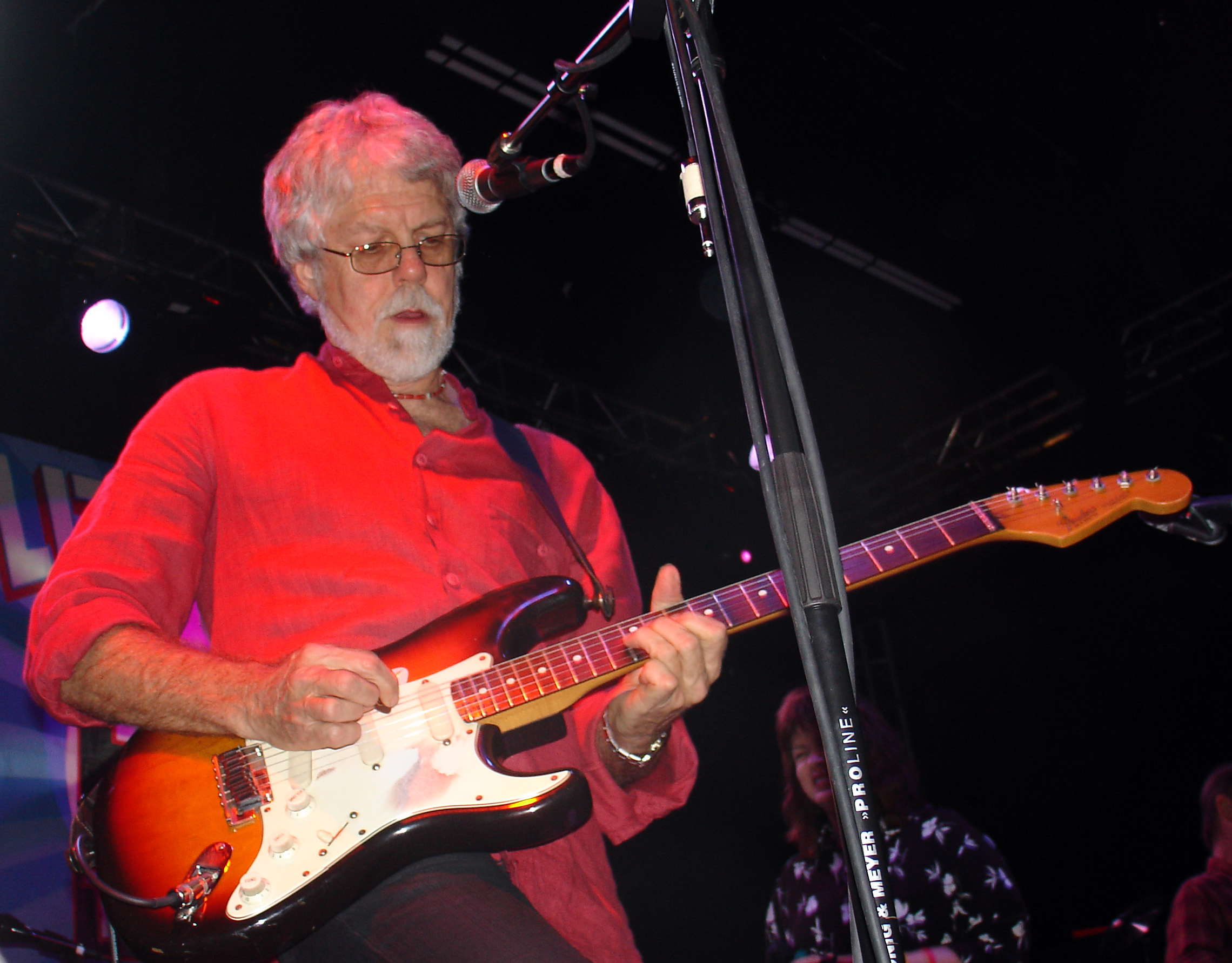
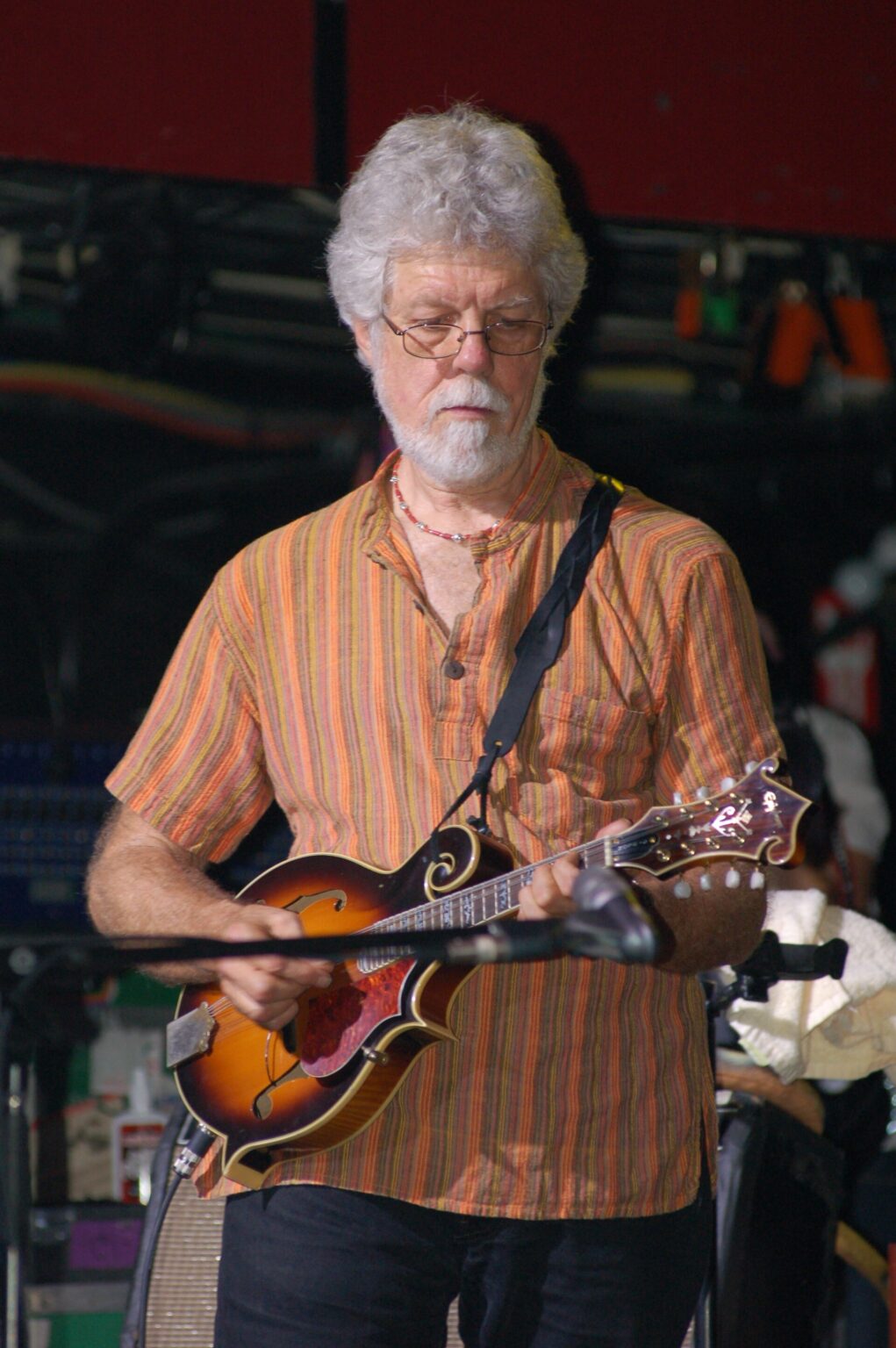
Photo by chascar, licensed under CC BY 2.0 (https://commons.wikimedia.org/wiki/File:Fred_Tackett.jpg)
Fred Tackett guitars gear is the equipment and approach of the guitarist who joined Little Feat as Lowell George’s primary guitar partner and has remained associated with the band through subsequent decades, including the post-George period that followed George’s death in 1979. Little Feat, as a band, represents one of American rock’s more musically sophisticated and more critically admired acts: combining Southern-inflected rock (the slide guitar and boogie elements associated with Southern US rock tradition), New Orleans funk and groove influences (the rhythmic sensibility and second-line feel that recurs throughout Little Feat’s catalogue), country and Western swing elements, and Lowell George’s idiosyncratic songwriting and slide guitar work into a specific combination whose overall character was too eclectic and too musically sophisticated for some commercial categorisation frameworks while earning deep admiration from musical peers and a devoted listener base.
His specific position — guitarist who joined Little Feat during the band’s classic period and subsequently became a central ongoing member through the band’s various post-George configurations — gives this article an opportunity to examine what it means to be “the other guitarist” in a band primarily associated with one specific guitarist’s extraordinary individual contribution (Lowell George’s), and how a musician navigates the specific challenge of contributing significantly to a band’s sound while that band’s primary artistic identity centres on someone else’s specific individual genius. This is the complete breakdown of Fred Tackett guitars gear, technique, and tonal philosophy.
Background
Fred Tackett was born on August 3, 1945, in Fort Smith, Arkansas, United States, with his early musical development occurring within the American South’s specific cultural landscape — a background this series has documented as providing specific musical contexts (blues, country, gospel, and other Southern US traditions) that shape guitarists who develop within this geographic environment.
His professional career prior to Little Feat included session work and various musical collaborations within the Los Angeles music scene — LA session work representing a specific professional music community context this series has touched on in various discussions of American music industry, where skilled multi-stylistic musicians work across varied recording contexts rather than remaining exclusively identified with any single artist or band. This session background would have developed Tackett’s musical versatility — the ability to serve varied musical contexts competently, similar in some respects to the “ensemble-sensitivity” this series discussed for Simon Nicol or the “portable individual voice” it discussed for Snowy White, though the session-musician context represents its own specific form of multi-context musical adaptability.
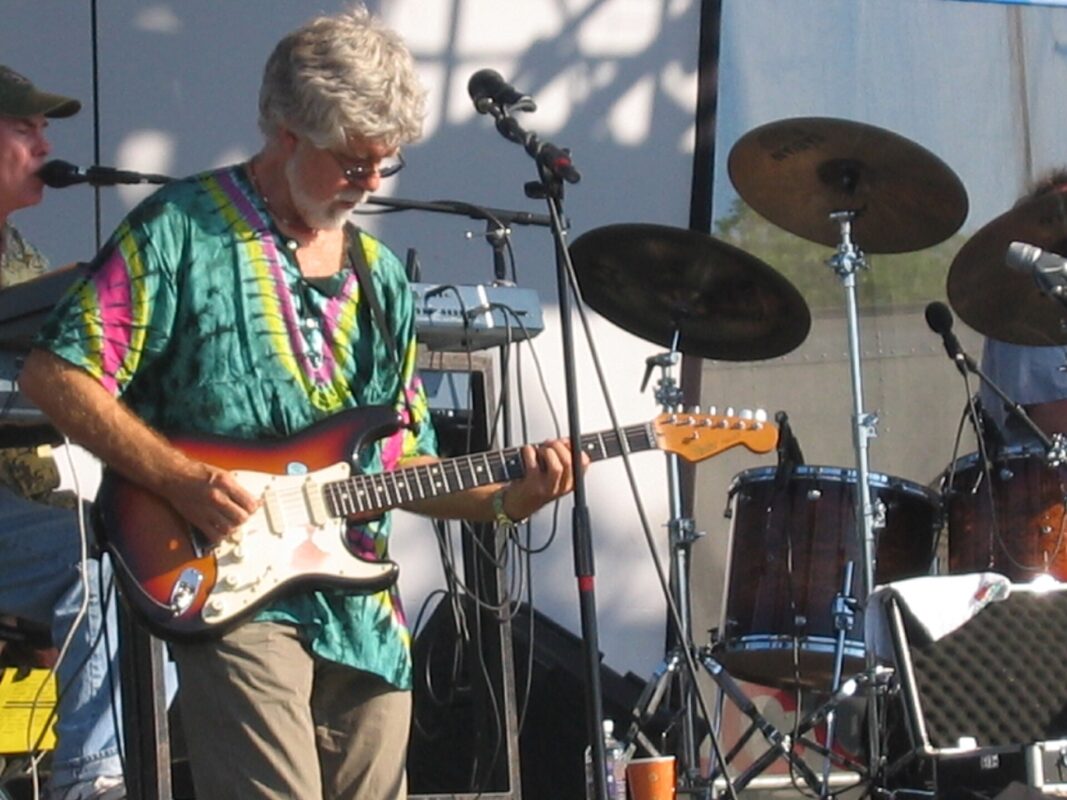
His association with Little Feat — joining as additional guitarist and subsequently becoming a core band member — placed him within one of American rock’s more musically complex band environments, where Lowell George’s specific combination of talents (slide guitar work, songwriting, the band’s overall musical direction) defined the band’s primary artistic identity even as other members (including bassist Kenny Gradney, keyboardist Bill Payne, drummer Richie Hayward, and others) contributed substantially to the band’s specific overall sound.
His role within Little Feat following George’s death in 1979 — becoming one of the band’s primary guitarists as Little Feat reformed and continued without George — placed him in the genuinely challenging position of helping carry a band forward whose most distinctive individual voice was no longer present, representing a specific career challenge this article will examine in its playing-style section.
Fred Tackett Guitars Gear: The Complete Rig
Guitars
Fred Tackett’s electric guitar work is primarily associated with Fender Telecasters — an instrument (its bright, twangy single-coil character particularly associated with country and certain rock contexts), here providing Tackett’s foundational electric tone within Little Feat’s eclectic musical landscape. The Telecaster’s tonal character — particularly its bridge pickup’s characteristic brightness and cut — suits both the country-adjacent and Southern-rock-adjacent elements of Little Feat’s repertoire, where this kind of cutting, articulate electric guitar tone complements the band’s rhythm section’s groove-oriented drive.
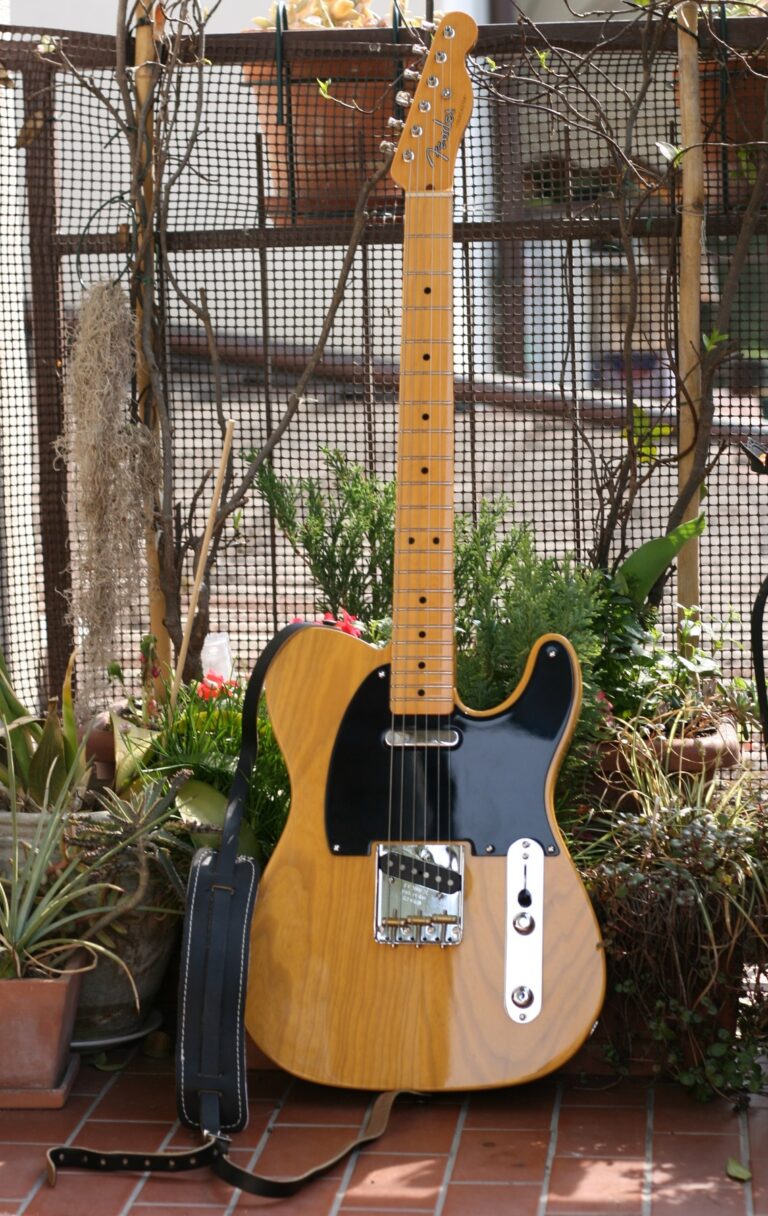
Beyond the Telecaster, Tackett’s versatile session background and Little Feat’s eclectic musical range likely incorporated various other electric guitars suited to specific material’s requirements, similar to how various professional guitarists’ rigs include primary instruments alongside secondary options for contextually specific needs.
Tackett’s musical background and Little Feat’s varied material include acoustic and nylon-string guitar territory alongside electric work — consistent with the general versatility that professional musicians in eclectic band contexts often develop, with acoustic and nylon-string work serving specific arrangements where these instruments’ characters suit the musical content better than electric guitar.
Amps
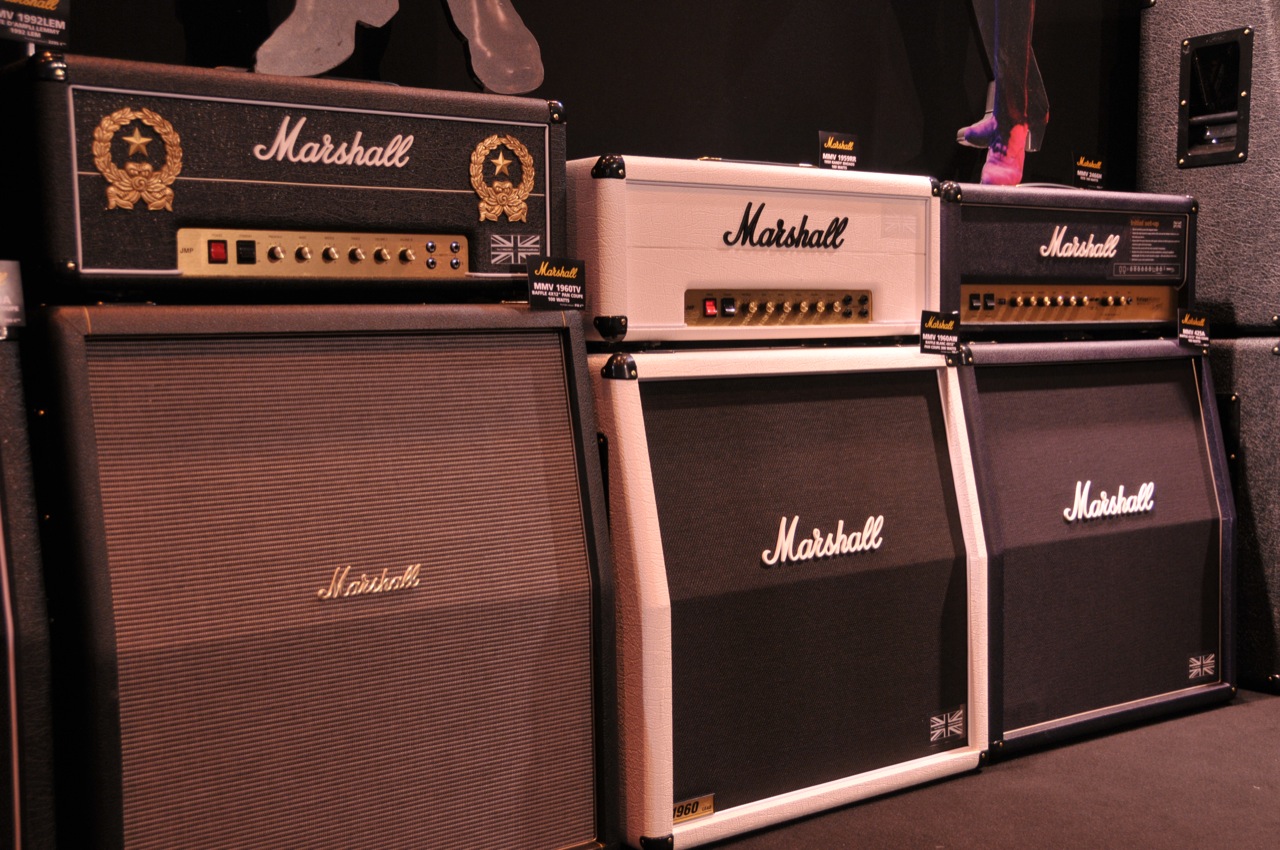
American amplification — particularly the Fender amplifier traditions (tweed-era and blackface-era models, both representing specific periods within Fender’s amplifier history) that suit Telecaster’s single-coil character and that complement the American rock, country, and Southern-music traditions Little Feat draws on — likely provides Tackett’s foundational amplified tone. The warmth and natural breakup character of these American amplifier traditions suits Southern-rock and country-adjacent material particularly well, providing different character than the British Marshall or Vox amplifier traditions.
Effects
Little Feat’s eclectic material spans musical territory requiring varied specific approaches — from groove-oriented funk-influenced passages to slide-inflected Southern rock to more countryesque ballad territory — meaning Tackett’s effects palette likely includes whatever combination of overdrive, modulation, and other elements serves this varied material appropriately, without a single fixed effects chain that would suit all of Little Feat’s stylistic range equally.
Playing Style & Tone Philosophy
Fred Tackett represents this series’ most direct examination of “being the other guitarist alongside an extraordinary individual talent” as its own specific career challenge — a challenge this series has touched on in various forms (Banks’ jazz-influenced voice not matching Yes’ subsequent Howe-era sound; Nicol’s rhythm-guitar role in relation to Thompson’s lead prominence during their shared Fairport tenure) but here in a more direct form: Tackett’s specific position as a guitarist who joined a band during, and subsequently continued with a band after, the tenure of someone — Lowell George — whose slide guitar work, songwriting, and overall musical personality represented the band’s most distinctive and most discussed individual contribution.
Lowell George’s slide guitar work — while this article won’t attempt a complete account of George’s specific contribution beyond acknowledging its central importance to Little Feat’s identity — represents one of American rock’s most distinctive individual guitar voices: a slide-guitar approach combining Delta blues tradition (the foundational Mississippi Bottle-neck style), his own specific technical refinements (microtonal pitch placement, phrasing that drew from soul and R&B vocal traditions as much as from purely instrumental guitar tradition), and his integration of this slide guitar voice within Little Feat’s specific genre-synthesis (Southern rock, New Orleans funk, country, and songwriter tradition all simultaneously). Within a band environment this specific and this centred on one individual’s singular approach, Tackett’s role necessarily involved navigating how to contribute meaningfully and individually while not competing inappropriately with George’s specific individual voice — a collaborative challenge this series has discussed in various forms (twin-lead harmony’s challenge of maintaining individual contribution within collaborative unity; Nicol’s rhythm guitar serving rather than competing with Thompson’s lead voice) but here in the specific form of “complementary guitar voice to an extraordinary individual talent.”

The post-George period of Tackett’s Little Feat career — after George’s death in 1979 and the band’s subsequent reformation — raises different specific questions: what does it mean to be one of the primary guitarists in a band when the guitarist most central to that band’s identity is no longer present? This represents a specific challenge with no fully satisfying answer: George’s specific slide-guitar voice and songwriting can’t be reproduced or replaced, meaning the post-George Little Feat necessarily represents something different from the George-era band in ways that involve real artistic trade-offs, not simply loss of one contributor among several equals. Tackett’s long-term participation in the post-George Little Feat represents his own specific answer to this challenge: not attempting to replicate what George contributed, but contributing his own specific musical abilities within the band’s ongoing project of making music that remains recognisably connected to the Little Feat tradition while not pretending that tradition hasn’t undergone a fundamental change.
The Fort Smith, Arkansas background connects Tackett to the American South’s specific cultural landscape — while not a state typically associated with the most prominently documented Southern rock scenes (Texas, Louisiana, and Georgia figure more prominently in most accounts), Arkansas represents genuine Southern cultural geography that, for a musician of Tackett’s generation growing up in the mid-twentieth-century American South, would have provided the kinds of musical influences (Southern gospel, country radio, blues from across the broader region) that shape guitarists from this background in specific ways distinguishing them from guitarists who developed in other geographic/cultural environments.
Tonally, Fred Tackett guitars gear philosophy was built on Fender Telecaster through American amplification — equipment choices that suit Little Feat’s Southern-and-funky-and-countryesque musical range while providing the kind of Telecaster brightness and articulation that complements rather than competes with the band’s rhythm section’s groove-oriented character, within a band environment where one specific colleague’s extraordinary individual voice historically represented the band’s primary guitar identity, and where Tackett’s own contributions have navigated that context with the kind of musical intelligence that sustains a long professional association with a demanding and musically sophisticated band context.
The Fender Telecaster’s history within American roots music — beyond this article’s general characterisation as an instrument particularly associated with country and certain rock contexts — deserves brief examination that grounds Tackett’s instrument choice within a longer historical narrative. The Telecaster (originally called the Broadcaster, then briefly the NoCaster before the Telecaster name became fixed) represents one of the earliest mass-produced solid-body electric guitars, introduced by Leo Fender in the early 1950s. Its design — simple, straightforward, with two single-coil pickups and a bolt-on neck — prioritised practicality and reliability over the kind of acoustic-beauty construction concerns that some other guitar makers of the era emphasised, with the result being an instrument whose tonal character (bright, cutting, particularly in the bridge pickup position) suited the country music of the American South and West that represented its primary early market. Country steel guitar players and country-adjacent electric guitarists of the early 1950s and beyond found the Telecaster’s brightness and sustain suited their specific playing contexts, establishing an association between Telecaster and country music that remains strong today even as the instrument has also found significant use in rock and blues contexts across subsequent decades. For Little Feat’s Southern-influenced musical territory — which includes genuine country-adjacent elements alongside its funk, rock, and Southern-boogie dimensions — the Telecaster’s historical association with American roots music and Southern guitar traditions represents a historically appropriate choice rather than merely a tonal preference, connecting Tackett’s instrument choice to a longer lineage of American roots guitarists who have used this instrument within similar cultural territory.
The New Orleans funk and groove dimension of Little Feat’s music — mentioned in this article’s introduction as one of the band’s characteristic elements alongside Southern rock and country-adjacent material — deserves brief examination regarding how this specific musical influence manifests at the guitar level. New Orleans music’s characteristic groove sensibility — often described as “laid back” (rhythmic placement that leans slightly behind the beat, creating a specific relaxed-but-driving feel distinct from more on-the-beat or ahead-of-the-beat feels) and associated with specific rhythmic vocabulary (second-line parade rhythms, Professor Longhair-derived piano patterns, various other specifically-New-Orleans rhythmic conventions) — creates a specific guitar context where rhythmic feel matters as much as note content, where a guitarist’s sense of rhythmic placement (ahead of, on, or behind the beat at any given moment) significantly affects how their guitar contributions interact with a groove-oriented rhythm section. For Tackett within Little Feat’s groove-oriented material, this means developing the kind of rhythmic feel awareness — knowing when the music calls for playing slightly behind the beat to “sit in the pocket” versus when forward rhythmic placement creates tension and energy — that funk and groove-oriented music specifically rewards, a dimension of playing that can’t be reduced to scales or technique in any conventional sense but rather represents a physical/temporal sensitivity to rhythmic placement that groove-oriented music demands of its participants.
How to Sound Like Fred Tackett
Guitar Approach
A Fender Telecaster (or similar bright-single-coil instrument) represents the foundational Fred Tackett guitars gear electric instrument.
The stylistic approach: develop multi-stylistic fluency across the American Southern/roots-influenced territory Little Feat’s music covers — country-adjacent playing (twangy Telecaster lines, chicken-pickin’ country technique, Western swing-inflected vocabulary), Southern rock (electric slide approaches, boogie-inflected rhythm work), funk and groove-oriented playing (where rhythmic placement and feel matter as much as note content), and whatever other stylistic territory Little Feat’s specific material requires. This multi-stylistic range represents professional-session-musician-level versatility, developed through Tackett’s LA session background and refined through decades of Little Feat association.
Amp Approach
American amplification (Fender tweed or blackface tradition) providing warm-to-breaking-up character suited to Telecaster’s single-coil brightness and Little Feat’s Southern/roots-inflected material.
| Setting | Value | Notes |
|---|---|---|
| Volume | 5–7 (moderate breakup) | American amp natural overdrive character |
| Treble | 6–7 | Telecaster bridge-pickup brightness preserved |
| Middle | 5 | Balanced midrange for varied Little Feat styles |
| Bass | 4–5 | Controlled low end complementing groove-oriented rhythm section |
| Reverb | 2–3 | American amp spring reverb, subtle |
| Tone character | American warmth/brightness | Distinct from British amp character (Marshall/Vox) |
Fender Telecaster through American amplification (tweed or blackface Fender tradition) with versatile effects palette for Little Feat’s varied material. The defining elements are Telecaster’s cutting single-coil brightness within American amp warmth, multi-stylistic fluency across Little Feat’s eclectic range, and the specific challenge of contributing meaningfully as the complementary guitarist alongside (and subsequently after) one of American rock’s most distinctive individual guitar voices.
Influence & Legacy
Fred Tackett’s influence and legacy operates substantially through Little Feat’s extended catalogue — his contributions across both the George-era recordings (where he appears as an additional guitar voice within the band’s sound) and the post-George recordings (where his contributions became more central to the band’s guitar identity) representing a sustained association with one of American rock’s most musically sophisticated bands across decades of ongoing musical activity.
His broader significance — representing the specific career challenge of sustaining musical identity and meaningful contribution within a band context historically defined by another guitarist’s extraordinary individual voice — offers a model (however imperfect and however specific to his particular context) for how professional musicians navigate the specific challenges of contributing within, continuing beyond, and ultimately taking partial ownership of musical traditions that someone else primarily established.
The comparison with Snowy White — whose own career, documented earlier in this series, represented a “sideman with portable individual voice” pattern across multiple high-profile artists’ contexts — provides a useful contrast: where White’s career involved bringing his individual voice to multiple different artists’ existing contexts, Tackett’s career involves sustained multi-decade association with one specific band context, with the specific dynamics of that band’s history (George’s extraordinary presence, George’s death, the band’s reformation and continuation) shaping what his individual contribution within that band has needed to be across different periods. The parallel with Simon Nicol — whose own long-tenured founding-member-as-through-line position within Fairport Convention, discussed several articles ago, represents another “sustained institutional commitment” career pattern — shows a recurring structural theme across this series’ later articles: musicians whose careers are substantially defined by long-term committed association with specific bands/institutions, with whatever individual development those musicians experience occurring substantially within and through those specific institutional associations. And the connection to Martin Simpson — whose transatlantic synthesis, documented in the immediately preceding article, represents a guitarist bringing multiple American roots traditions into contact with British folk guitar foundations — provides a thematic echo: where Simpson brought American roots traditions back to British folk, Tackett brings a Southern-American-roots-informed Telecaster-based voice into Little Feat’s specifically American-but-also-specifically-eclectic band context, both representing cases of musicians whose individual identities reflect genuine engagement with multiple specifically-American roots traditions.
Frequently Asked Questions: Fred Tackett Guitars & Gear
What guitar does Fred Tackett play?
Fred Tackett’s primary electric guitar association is with Fender Telecasters — bright single-coil instruments particularly associated with country and Southern rock traditions, providing the cutting, articulate tonal character that suits Little Feat’s eclectic musical range including its country-adjacent and Southern-rock elements.
What is Little Feat’s musical style?
Little Feat’s musical style combines multiple American traditions simultaneously: Southern-rock slide guitar and boogie elements (primarily through Lowell George’s work), New Orleans funk and groove rhythmic sensibility, country and Western swing influences, and idiosyncratic songwriter tradition. This eclecticism — too varied for simple categorical description — is part of what makes the band particularly musically sophisticated and part of what has made it beloved by musicians and devoted listeners despite not fitting easily into commercial categorisation frameworks.
What was Fred Tackett’s role in Little Feat alongside Lowell George?
Tackett joined Little Feat as an additional guitarist during George’s tenure, providing a complementary guitar voice within a band environment where George’s specific slide guitar work, songwriting, and overall musical personality represented the primary artistic identity. This “complementary guitarist to an extraordinary individual talent” position required navigating how to contribute meaningfully while not competing inappropriately with George’s specific voice — a specific professional musical challenge this article examines as its central career-context discussion.
How did Tackett’s role change after Lowell George’s death in 1979?
Following George’s death, Tackett became one of the primary guitarists as Little Feat reformed and continued. This represented a genuinely challenging transition: not attempting to replicate George’s irreplaceable specific contribution but contributing his own abilities within the band’s ongoing project of making music that remains recognisably connected to the Little Feat tradition while acknowledging (through its inevitable differences) that the tradition has fundamentally changed.
What is the significance of American amplification for Little Feat’s sound?
American amplification traditions — particularly Fender’s tweed-era and blackface-era amplifiers — provide tonal character specifically suited to the Southern, country, and roots-music elements of Little Feat’s repertoire: warmer, often more transparent to natural breakup character than British Marshall or Vox traditions, and complementary to Telecaster’s single-coil brightness in ways that form a specifically American tonal vocabulary distinct from the British-amp character.
What is Tackett’s session work background and how does it relate to his Little Feat role?
Before Little Feat, Tackett worked as a session musician in the Los Angeles music scene — a professional context requiring multi-stylistic versatility and the ability to serve varied musical requirements competently. This session background developed the kind of musical adaptability that a band as eclectic as Little Feat requires from its guitarists, and represents the professional development pathway through which Tackett arrived at his Little Feat association.
How do Fender amplifiers differ from British amplifier traditions?
The American amplifier tradition — specifically Fender’s tweed-era and blackface-era amplifiers that this article has associated with Tackett’s likely tonal approach — represents a distinct chapter within electric guitar amplification’s history compared with British amplifier traditions (Marshall, Vox, and others). A brief comparison illuminates what’s specifically distinct about the American Fender amplifier tradition relative to the British traditions. Fender’s tweed-era amplifiers (manufactured with tweed-covered cabinets, primarily during the late 1940s and 1950s) are characterised by a specific harmonic distortion character when pushed to higher volumes — a warm, even-order harmonic breakup whose character (some describe it as “organic” or “natural” overdrive) differs from Marshall amplifiers’ more aggressive, asymmetric clipping character associated with British blues-rock and hard rock/metal contexts. Fender’s subsequent blackface-era amplifiers (the “blackface” control panels of mid-1960s Fender production, including the Deluxe Reverb) retain similar fundamental character while incorporating the built-in spring reverb that became one of American guitar’s characteristic textural elements, particularly prominent in surf music and various country and Southern rock contexts. This American amplification tradition — warm, specific harmonic breakup character, spring reverb, inherently “American” association — represents a distinct tonal vocabulary from the British amp traditions, making Tackett’s American amp association genuinely distinct from British-amp associations.
The Los Angeles session-musician community that this article’s background section mentioned as part of Tackett’s pre-Little-Feat career context — and that appears in various other forms across this series’ documentation of American musicians whose careers developed within LA’s professional music industry — represents a specific professional community with its own culture, skills hierarchy, and relationship to the broader music industry that shapes musicians who work within it. LA session work typically requires being able to read music competently (many session calls involve written charts that musicians read at the session rather than learning in advance), being able to quickly grasp and execute a song’s specific style requirements across widely varied genres within a single working day or week, being reliably professional and efficient (session time is expensive; musicians who waste time through poor preparation or interpersonal unreliability quickly lose session work), and being musically flexible enough to serve whatever the producer/artist session is calling for without imposing personal stylistic preferences that the session doesn’t need. These requirements produce a specific kind of musicianship — competent, versatile, service-oriented, professionally reliable — that differs from the more individually-expressive, genre-specific musicianship that primary recording artists and band-specific guitarists more typically develop. For Tackett, this session background likely contributed to exactly the kind of professional musical versatility and service-orientation that Little Feat’s eclectic musical range and the specific “complementary guitarist alongside extraordinary individual talent” career challenge required, making the session-work background a genuinely relevant precondition for the specific Little Feat career that followed it.
The “tweed versus blackface” Fender amplifier distinction this article briefly mentioned connects to a broader phenomenon in electric guitar equipment culture: the significance of specific historical production periods for how equipment is evaluated and sought-after. Fender’s tweed-era and blackface-era amplifiers are considered by many musicians and collectors as representing the peaks of Fender’s amplifier output, with subsequent production periods (silverface era, CBS-era changes) often evaluated less enthusiastically by many musicians. This historical specificity — not just “a Fender amp” but “a 1959 tweed Bassman” or “a 1965 blackface Super Reverb,” with the specific year and production period mattering substantially for perceived tonal quality — represents a kind of historical equipment connoisseurship that recurs across this series’ documentation of guitarists’ instrument choices (vintage versus contemporary for acoustic instruments, as discussed in the Rawlings, Kottke, Nicol, and Simpson articles; specific pickup-era and production-period distinctions for various electric guitar models). Understanding why musicians and collectors care about specific historical production periods — rather than simply treating “a Fender Telecaster” or “a Fender amp” as uniform categories regardless of when they were made — involves understanding both the specific construction changes that occurred across production periods (affecting tonal character) and the cultural significance that specific production periods have acquired within music history (association with specific recordings, specific musicians, specific moments when particular sounds became influential). For Tackett’s specific case, whether he uses actual vintage American amplifiers (tweed or blackface) or contemporary reproductions of these designs (which various manufacturers produce) likely affects both the specific tonal results and the specific equipment-culture associations of his choice, without necessarily determining whether his overall tonal approach succeeds in serving Little Feat’s musical requirements — which is, ultimately, what equipment choices in professional musical contexts need to achieve.
The broader question of how bands continue after the loss of a central member — raised by Tackett’s post-George Little Feat career — represents a recurring phenomenon in rock and popular music history that this series has touched on in various forms without yet examining directly in this specific “death of central member, band continues” form. Various significant bands have continued following central members’ deaths (The Grateful Dead continued in various configurations after Jerry Garcia’s death in 1995; The Doors continued briefly after Jim Morrison’s death in 1971; AC/DC continued following Bon Scott’s death in 1980 — each case representing different specific decisions about how much the remaining members could or should continue under the same name, drawing on the same accumulated creative and commercial identity, while being honest about what had changed). These cases all involve genuine trade-offs: continuing under the same name maintains institutional continuity (audience relationship, catalogue coherence) but also creates expectations the changed lineup may or may not be able to meet in comparable ways; discontinuing or renaming avoids these expectation challenges but also forfeits whatever genuine value the institutional continuity represented. For Little Feat specifically, the reformed band’s continued existence and Tackett’s central role within it represents one specific answer to these trade-offs — an answer that has apparently found sufficient audience and commercial support to sustain the band’s ongoing existence across decades, which represents at minimum a pragmatic verdict on the trade-off’s resolution, if not a final answer to the underlying artistic questions it raises.
In summary, Fred Tackett guitars gear represents Fender Telecaster through American amplification (tweed and blackface Fender traditions) within Little Feat’s eclectic Southern-funk-country-rock musical landscape — equipment and approach serving both the complementary-guitarist-alongside-extraordinary-talent challenge of the George-era Little Feat and the primary-guitarist challenges of the post-George band that has continued across subsequent decades. This article has examined the Telecaster’s historical roots-music associations (early 1950s country origins, Leo Fender’s practical design philosophy), the New Orleans groove-oriented rhythmic feel dimension and its implications for guitarists’ rhythmic placement awareness, American amplification’s tweed/blackface traditions as distinct from the British amp character this series has more extensively documented, the LA session community’s specific musical culture and how it shapes musical versatility, the “tweed versus blackface” production-period distinctions within Fender’s own history, and the broader question of how bands navigate continuation following central members’ deaths. For listeners and guitarists interested in specifically American roots-music-influenced electric guitar within eclectic band contexts, Little Feat’s catalogue — both George-era and post-George — represents a sustained demonstration of how Southern, New Orleans, country, and rock traditions can coexist within a single band’s musical identity without any single tradition entirely dominating the others.
For listeners wanting to engage with Tackett’s contributions to Little Feat directly, the band’s catalogue provides the most direct entry point — with the George-era recordings representing the specific context (complementary guitar voice to George’s extraordinary individual contribution) and post-George recordings representing the changed context (primary guitar voice within a band continuation). Comparing the guitar textures across these different eras — what Tackett’s Telecaster contributions sound like when George’s slide guitar work is also present versus when it’s not — provides concrete illustration of the “complementary guitarist” challenge this article has discussed, by hearing in actual recorded sound what “contributing without competing” looks and sounds like when executed by a professional musician over an extended career within this specific challenging context.
A closing thought: the Telecaster is, in some ways, the most “American” guitar this series has documented — its origins in Leo Fender’s Fullerton, California workshop in the early 1950s, its early association with country music’s California-and-Texas heartland, its continued presence across country, rock, and roots music ever since representing an unbroken line from American popular music’s postwar formation to the present. For Tackett, playing that instrument within Little Feat’s specifically eclectic American-genre-synthesis represents a particularly apt connection: a guitar with deep American musical roots serving a band whose whole point was to hold multiple American musical traditions simultaneously without choosing between them. That holding-together — funk and country and Southern rock and songwriter tradition all in one band, one catalogue, one body of work — is what makes Little Feat distinctive, and what makes Tackett’s role within it, at whatever level of visibility or obscurity relative to George’s irreplaceable central contribution, genuinely worth the documentation this article has provided.
Image credits
- Marshall Anniversary edition amplifier heads on Marshall cabinets: fvancini, Wikimedia Commons, CC BY 2.0.
- Top image: by chascar, Wikimedia Commons, CC BY 2.0.
- Fred Tackett: photo by Richard Anderson from Denton, United States, via Wikimedia Commons, CC BY-SA 2.0.
- Fred Tackett: photo by Bryan Ledgard, via Wikimedia Commons, CC BY 2.0.
- Fender Telecaster: Massimo Barbieri, Wikimedia Commons, CC BY-SA 3.0.
- Fred Tackett live: Carl Lender, Wikimedia Commons, CC BY 2.0.