Simon Nicol Guitars & Gear: Fairport Convention Founding Guitarist’s Complete Rig Guide
Simon Nicol guitars gear — Fairport Convention's long-tenured founding guitarist's acoustic and electric folk-rock approach, Collings guitar deep-dive, and rhythm-guitar role examined.
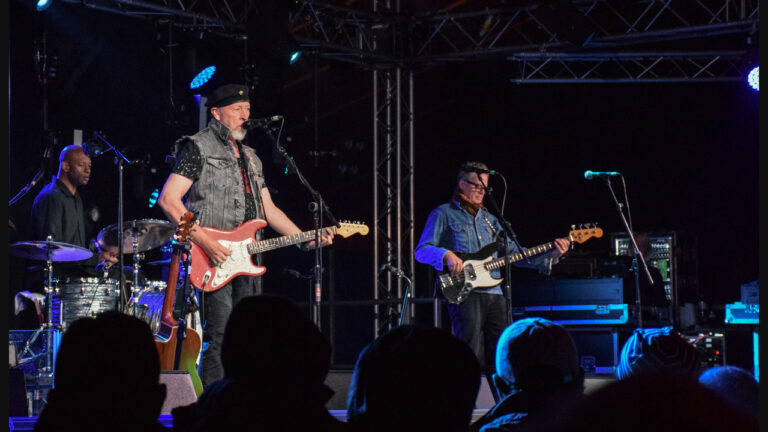
Photo by Steve Knight from Halstead, United Kingdom, licensed under CC BY 2.0 (https://commons.wikimedia.org/wiki/File:Simon_Nicol_-_Fairport_Convention_live_at_the_Apex_Bury_St_Edmunds_270222_(51909821444).jpg)
Simon Nicol guitars gear covers the equipment and approach of the guitarist whose tenure with Fairport Convention has been notably more continuous and more extensive than Richard Thompson’s: where Thompson’s Fairport tenure preceded a prominent and widely-recognised independent solo career, Nicol’s apparently longer-continuous Fairport association gives him a career substantially defined by his relationship to this one specific band across a more sustained timeframe, representing a different specific “guitarist-to-founding-band” dynamic than Thompson’s case illustrates.
The Journey
His specific position — one of Fairport Convention’s founding members whose involvement with the band has reportedly persisted through various lineup changes, hiatuses, and reformations across Fairport’s complex subsequent history, potentially representing a “through-line” figure — gives this article an opportunity to examine what sustained long-term commitment to a specific band’s tradition represents, as a career choice distinct from the “found a band, depart into solo career” trajectory Thompson’s case represents. This is the complete breakdown of Simon Nicol guitars gear, technique, and tonal philosophy.
Background
Simon Nicol was born on October 13, 1950, in London, England, with his early musical development occurring within the broader British folk, rock, and pop landscape of the 1960s that shaped his generation’s guitarists.
His co-founding of Fairport Convention in 1967 — alongside Richard Thompson, Ashley Hutchings, Judy Dyble, and others who subsequently joined including Sandy Denny — placed him within the band’s founding moment, with Nicol’s role within this founding lineup representing the beginning of what would prove to be a substantially longer-term association with Fairport than any of the band’s other founding members maintained.
His role within Fairport Convention — primarily as rhythm guitarist (in contrast to Thompson’s lead-guitar role during his Fairport tenure), vocalist, and musical contributor whose specific instrumental function often operated in the background-supporting role rather than the foreground-lead role — represents a specific position within the band’s sonic architecture: the rhythmic/harmonic foundation upon which Thompson’s lead guitar work, Sandy Denny’s vocals, and the band’s other foregrounded elements operated, a fundamentally important role that, precisely because it operates most successfully when least individually conspicuous, may contribute to Nicol’s comparative lower profile relative to Thompson despite both being founding members of the same band.
His sustained long Fairport tenure — through the band’s various periods of activity, relative dormancy, and reformation across decades — has reportedly made him a central continuity figure within Fairport’s extended history, potentially representing the single member most consistently present across the band’s various phases over its full history.
Simon Nicol Guitars Gear: The Complete Rig
Guitars
Simon Nicol’s role within Fairport Convention’s folk-rock sound required acoustic guitar as a primary instrument , represented through Nicol’s acoustic guitar contributions providing harmonic/rhythmic foundation for the band’s arrangements. Acoustic guitars appropriate to British folk-rock material (flat-top steel-string acoustics, capable of both fingerpicked melodic playing and rhythmic strummed accompaniment) would represent his foundational instrument category.
Within Fairport’s electric-folk arrangements , Nicol’s electric guitar contributions would represent the rhythm-guitar side of Fairport’s electric arrangements: providing the chordal, harmonic foundation within which Thompson’s lead lines (during Thompson’s tenure) operated, with Nicol’s rhythmic-electric-guitar role becoming, in some arrangements, simultaneously more prominent (when not sharing electric-arrangement space with Thompson) and differently shaped (once Thompson’s departure changed the band’s electric-guitar texture).
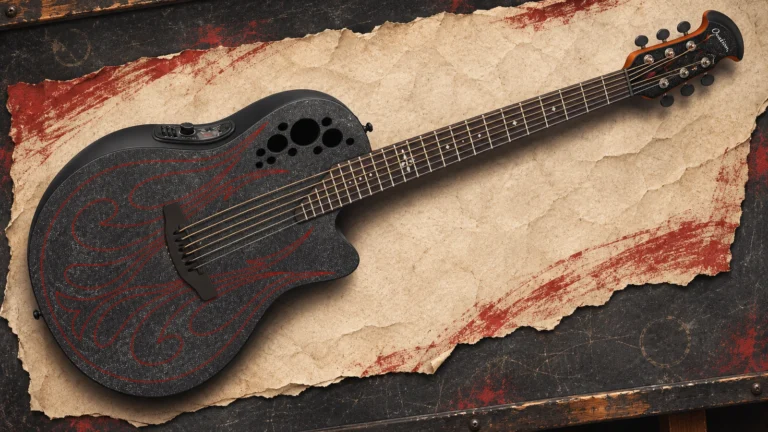
Collings Guitars — an Austin, Texas-based manufacturer known for high-quality acoustic guitars (among other instruments), with instruments representing what many consider the upper tier of contemporary acoustic guitar manufacturing quality — have been associated with Nicol in his more recent career, representing contemporary high-quality acoustic instruments as Nicol’s ongoing folk-rock acoustic foundation.
Amps
For electric guitar work within Fairport’s folk-rock arrangements, amplification appropriate to the genre’s specific requirements (clean to moderately driven, with enough headroom for the rhythmic chordal playing that rhythm guitar in folk-rock contexts typically requires) would represent Nicol’s foundational electric-guitar amplified approach, consistent with British folk-rock’s generally cleaner, less high-gain aesthetic relative to British blues-rock or heavy metal.
Effects
Consistent with British folk-rock’s generally minimal-effects aesthetic — letting acoustic and electric instruments’ natural characters serve the traditional-repertoire material rather than processing these characters through extensive effects chains — minimal effects would characterise Nicol’s overall approach.
Playing Style & Tone Philosophy
Simon Nicol represents this series’ opportunity to examine “rhythm guitarist within a founding band” as its own specific role category — distinct from the lead-guitarist founding-member cases this series has more typically documented (Thompson as Fairport’s primary lead voice during his tenure, Turner and Powell’s twin-lead founding of Wishbone Ash, Banks as Yes’ jazz-influenced founding lead voice) and from the non-guitarist founding-member cases (various founding members across this series’ band-history coverage who contributed in other instrumental roles). Nicol’s specific role within Fairport’s original lineup — providing rhythmic/harmonic foundation as the band’s primary rhythm guitarist, with Thompson handling lead-guitar foregrounding during his tenure — represents a genuine and genuinely important contribution that, as this article’s background section noted, may be comparatively less individually visible precisely because successful rhythm-guitar playing’s defining quality is often its seamless integration into an ensemble’s overall sound rather than its individual conspicuousness.
This “important but less conspicuous” dynamic connects directly to the recognition themes this series has developed across various articles: where Hackett’s tapping was less conspicuously foregrounded than subsequent shred-guitar tapping became (Hackett article), where Banks’ specific jazz-influenced voice wasn’t the sound audiences primarily associated with Yes (Banks article), Nicol’s rhythm-guitar role within Fairport operates in a comparable “genuinely important but less individually conspicuous” register — though for a different specific reason in each case. Hackett’s tapping was less conspicuous because it served compositional/textural purposes rather than display; Banks’ voice wasn’t the “Yes sound” because that sound crystallised around his successor’s different voice; Nicol’s rhythm guitar is less conspicuous because rhythm guitar succeeds by blending into and supporting the ensemble rather than being individually noticed. Three different specific reasons for three different kinds of “important but less conspicuously recognised” contributions, all illustrating different aspects of how recognition patterns work in music history.
Nicol’s sustained long Fairport tenure — the aspect of his career most distinguishing him from Thompson within their “two co-founders” comparison — raises the question of what specifically sustained commitment to one band’s tradition across decades represents for a musician’s individual development and identity. For Thompson, Fairport was the founding context from which a prominent individual solo career subsequently launched; for Nicol (per this article’s framing), Fairport itself appears to have remained the primary creative home across a more sustained timeframe, meaning Nicol’s individual musical development has substantially occurred within and through his ongoing Fairport relationship rather than substantially independent of it. This represents a different relationship to “founding a band” than this series’ various “founding member, subsequent departure” cases illustrate: not “founding a band and then building career elsewhere” but “founding a band and building career primarily within and through that band across its full subsequent history” — a sustained institutional commitment that carries its own specific value (continuity, accumulated expertise within one tradition, the specific knowledge that comes from being the human “memory” of a band’s extended history) alongside whatever trade-offs this commitment might involve relative to pursuing independent individual recognition.
The comparison with Andy Powell’s potential long Wishbone Ash tenure — raised in that article as a “continuity figure” possibility — illuminates Nicol’s case through structural parallel: both potentially representing founding members whose sustained long-term association with their founding bands makes them “through-lines” connecting founding moments through to their bands’ extended subsequent histories, in contrast to co-founders (Turner for Wishbone Ash, Thompson for Fairport) whose later-career trajectories diverged from the founding band more substantially. This parallel also illuminates a shared recognition dynamic: the “sustained founding-member-as-through-line” pattern may produce a specific recognition challenge, where the guitarist’s most significant contribution (sustained institutional continuity, accumulated expertise within a tradition) is precisely the kind of contribution that recognition frameworks focused on individual innovation, genre-defining moments, or individually conspicuous virtuosity tend to undervalue relative to the more episodic contributions that such frameworks more readily recognise.

Tonally, Simon Nicol guitars gear philosophy was built on acoustic guitars (including contemporary Collings instruments in later career) and folk-rock-appropriate electric guitars through clean/moderately-driven amplification with minimal effects — equipment serving a rhythm-guitarist/ensemble-member role within British folk-rock’s specific sonic landscape, with the equipment’s specific character less individually conspicuous (by design, given rhythm guitar’s role within successful ensemble playing) than the foregrounded lead instruments this series has more typically examined, but no less important for that.
The Collings Guitars connection this article’s gear section mentioned — Collings being an Austin, Texas-based manufacturer known for high-quality contemporary acoustic instruments — deserves somewhat more examination regarding what “high-quality contemporary acoustic guitar manufacturing” represents as a category distinct from both vintage instruments (the 1935 Epiphone Olympic discussed for Dave Rawlings, or the vintage Bozo and Guild instruments discussed for Leo Kottke) and from more affordable production instruments. Contemporary high-quality acoustic guitar manufacturing represents manufacturers who have, across the latter decades of the twentieth century and into the twenty-first, developed construction approaches and quality standards that many players and critics consider comparable to or exceeding the best vintage instruments — with companies like Collings, Santa Cruz, Goodall, and others representing a specific tier of contemporary acoustic production whose quality positioning differs from both mass-market affordable production and from expensive-but-not-necessarily-better “boutique” production. For professional acoustic guitarists like Nicol who require instruments that perform reliably at professional quality standards across sustained professional use (recording, live performance, teaching, and whatever other musical contexts a long professional career involves), contemporary high-quality manufacturers like Collings represent a practical and quality-oriented choice that doesn’t require the sometimes-considerable cost, scarcity, and maintenance-complexity of vintage instruments while still providing the tonal quality and construction craftsmanship that demanding professional use requires.
The Cropredy Festival — briefly mentioned in this article’s FAQ section as a public event associated with Fairport Convention across their extended history — represents an interesting institution in British folk-rock’s continuing cultural presence. Folk festivals represent a specific kind of live music event with their own specific cultural character (community-gathering, tradition-celebrating, multi-day events typically combining multiple artists across a genre or related genres, often in outdoor settings) that differs from the individual concert events or touring contexts this series has more typically discussed as live performance contexts. Fairport’s annual Cropredy festival — now running for decades, held in the Oxfordshire village of Cropredy — represents a specific example of how a band’s legacy can become institutionalised in ways that extend beyond the band’s recordings or individual performances, creating a recurring event that becomes part of the genre’s calendar and community in its own right, independent of whether the band is producing new recordings or touring at any given moment. For Nicol specifically, his sustained Fairport association connecting to this annual festival institution represents a specific way in which his career has become embedded within British folk-rock’s social and cultural infrastructure — not just recording and performing within the genre, but being a central human figure within a recurring community event that has become part of the British folk calendar across decades. This kind of “embedded in genre’s social infrastructure” dimension represents a career contribution type this series hasn’t previously highlighted but that, considered carefully, represents genuine significance: being the person whose sustained presence makes an important community event possible represents real contribution to a musical tradition’s ongoing vitality, even when this contribution isn’t easily captured by conventional “how significant are their recordings” or “how influential is their individual playing” evaluative frameworks.
How to Sound Like Simon Nicol
Guitar Approach
Quality acoustic guitar (Collings or similar high-quality contemporary acoustic) and a clean electric guitar for folk-rock electric-arrangement contexts represent the foundational Simon Nicol guitars gear instrumental approach.
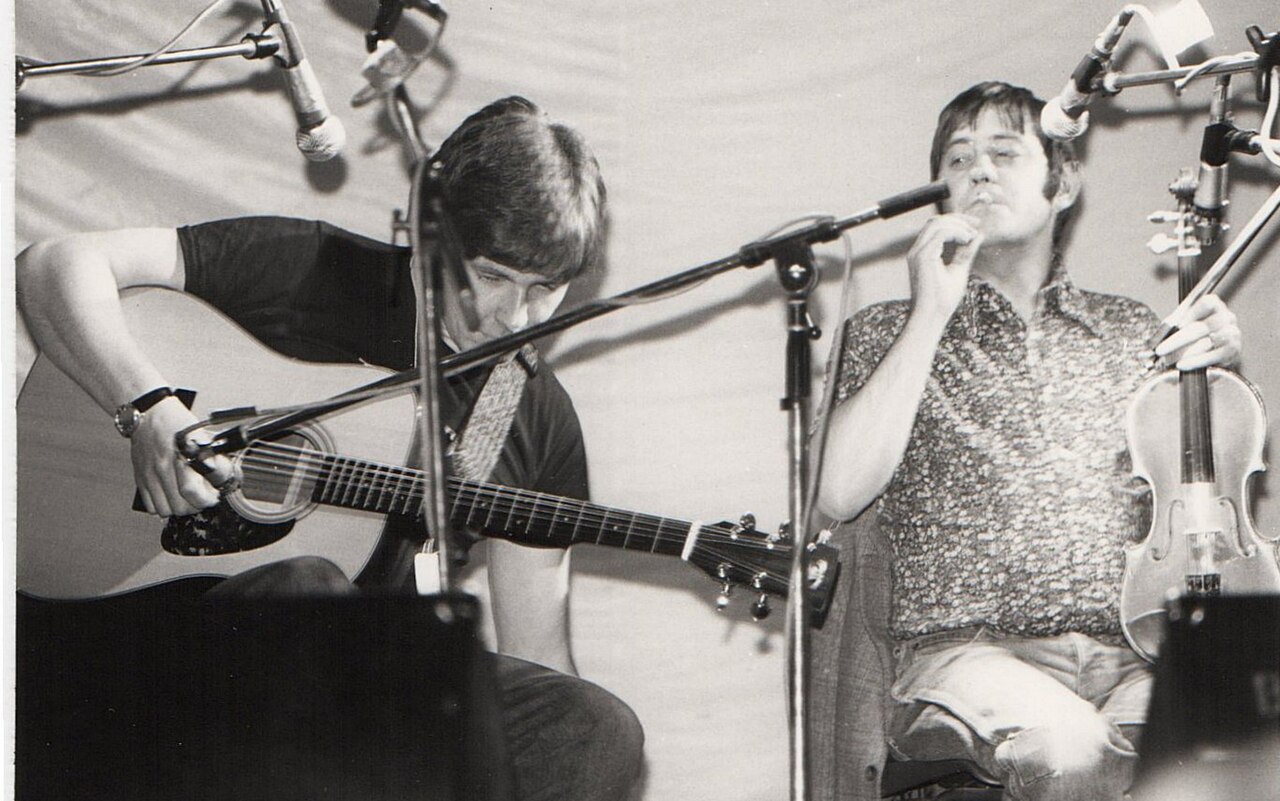
The stylistic approach: developing the ensemble-sensitivity that effective rhythm guitar within folk-rock contexts requires — learning to hear and respond to what foregrounded voices (lead guitar, vocals, melodic instruments) are doing, and to provide harmonic/rhythmic support that serves these foregrounded voices rather than competing with them for sonic space. This represents a different developmental orientation than lead-guitar development (which focuses substantially on individual expression and technical individual vocabulary) — rhythm-guitar development involves developing a kind of musical “listening” that allows one’s own playing to recede appropriately when the music calls for it and contribute more prominently when arrangements create space for it, a subtler and in some ways more collaborative musical sensibility than lead guitar’s more foregrounded individual expression typically requires. Alongside this ensemble-sensitivity, folk-modal harmonic vocabulary (understanding Dorian, Mixolydian, and other modes characteristic of British folk material) applies equally to rhythm-guitar harmonic choices within this genre’s specific material.
Amp Approach
Clean to moderately-driven electric amplification for folk-rock electric work, minimal effects, allowing rhythmic chordal playing’s natural character to integrate with ensemble texture.
| Element | Approach | Notes |
|---|---|---|
| Acoustic guitar | Quality flat-top (Collings or similar) | Foundation for folk-repertoire material |
| Electric guitar | Clean to moderate drive | Rhythm role in folk-rock arrangements |
| Primary role | Rhythmic/harmonic support | Deliberately less conspicuous than lead voices |
| Key skill | Ensemble-sensitivity / musical listening | Serving foregrounded voices rather than competing |
| Career pattern | Long-tenured founding-member continuity | Contrast to Thompson’s departure-into-solo trajectory |
| Genre context | British folk-rock | Dorian/Mixolydian modal harmony, dance-tune repertoire |
Quality acoustic guitar (Collings-type) and clean electric through minimal-effects amplification. The defining characteristic is ensemble-sensitivity over individual conspicuousness — rhythm guitar’s specific contribution to British folk-rock’s ensemble sound, representing the harmonic/rhythmic foundation that supports foregrounded voices while remaining, by design, less individually conspicuous than those voices themselves.
Influence & Legacy
Simon Nicol’s influence and legacy operates substantially through Fairport Convention’s institutional continuity — his apparent long-term sustained association with the band giving him a unique position as arguably the most central figure in maintaining Fairport’s ongoing existence and tradition across the band’s complex extended history, with whatever institutional knowledge, musical memory, and personal continuity this sustained association represents constituting a genuine contribution to British folk-rock’s continuing presence as a living tradition.
His broader significance — as a model for “sustained founding-member institutional continuity” as a career path with its own specific value — represents a complement to this series’ various “founding member who departed into prominent individual career” cases, demonstrating that sustained institutional commitment can represent a genuine and genuinely important career choice rather than simply “what someone who didn’t launch a prominent solo career ended up doing.”
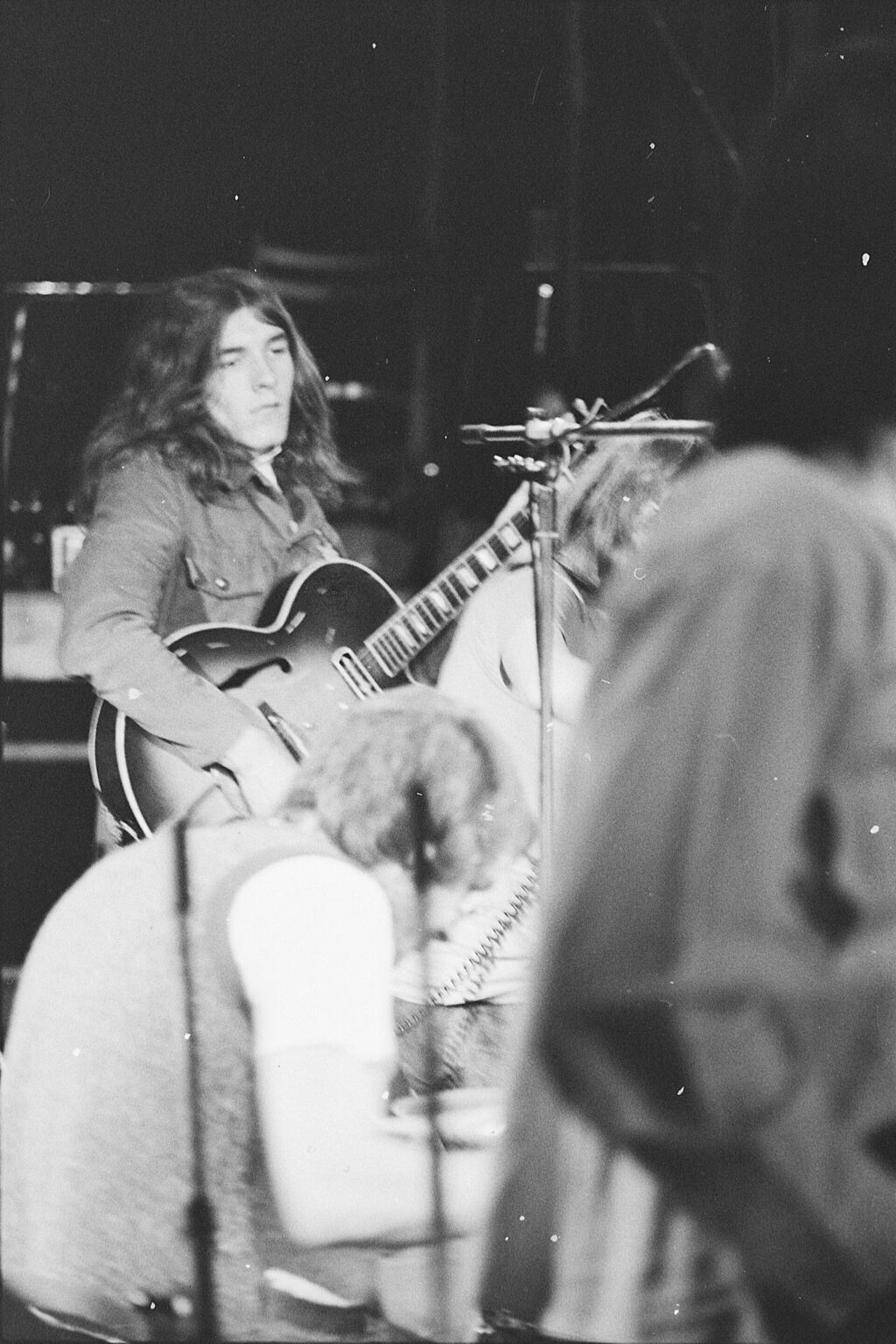
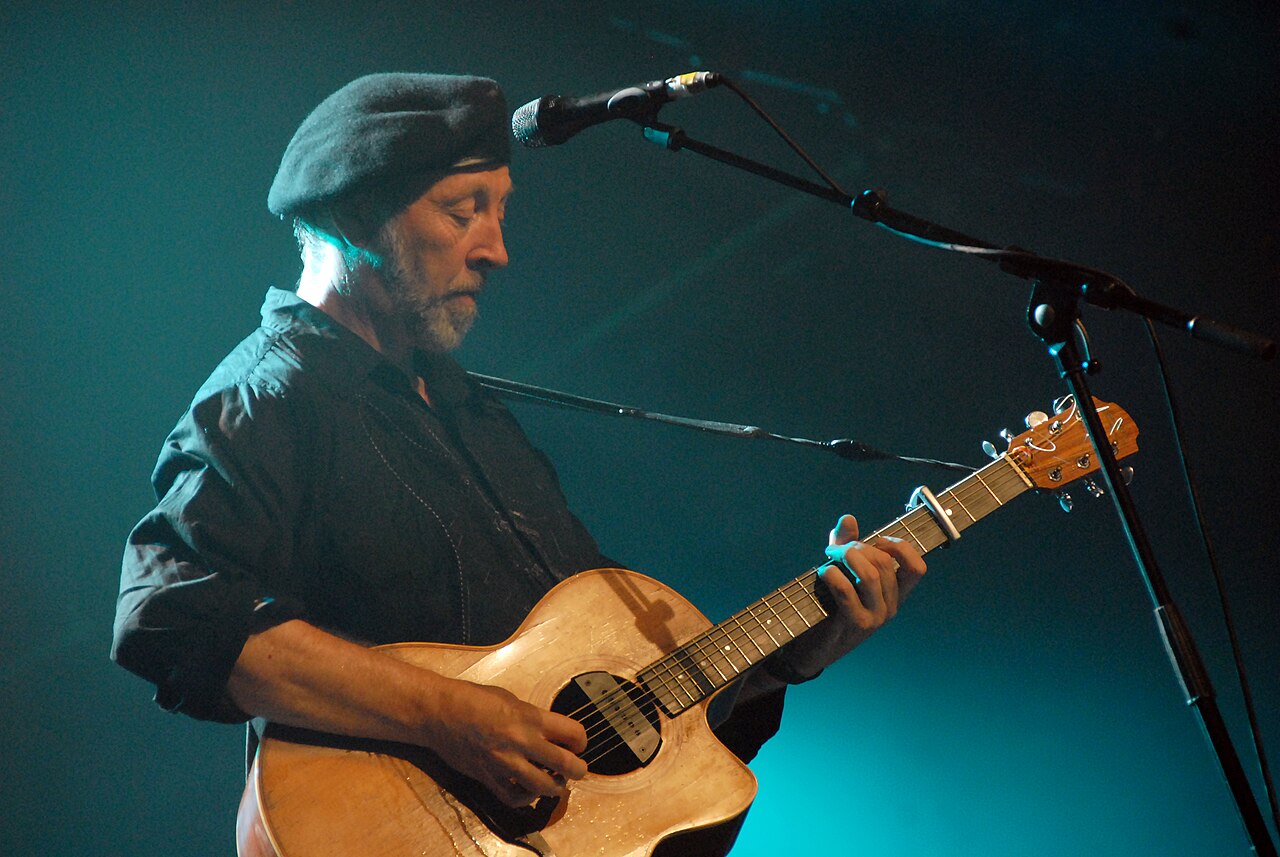
The comparison with Richard Thompson — whose own Fairport tenure, documented in the previous article, preceded a prominent solo and duo career recognised as among British music’s most significant individual contributions — provides the direct co-founder comparison this series’ paired articles aim to facilitate: Nicol’s sustained institutional continuity alongside Thompson’s departure-into-prominent-individual-career representing genuine different-but-equally-valid career choices from within the same founding context, neither reducible to “better” or “worse” but simply different specific realisations of what founding a significant band and then navigating the subsequent decades can look like. The parallel with Andy Powell — whose potentially longer Wishbone Ash tenure (documented several articles ago) this series framed as a “continuity figure” parallel to how this article frames Nicol — shows this “sustained founding-member through-line” pattern appearing across multiple significant British bands (Wishbone Ash, Fairport Convention), suggesting this represents a recurring structural pattern within British rock/folk-rock history rather than an anomalous individual case. And the connection to Nic Jones — another significant British folk guitarist this series will document in the next article, working within comparable British folk territory (though, per this article’s anticipation, with a genuinely different career shape than Nicol’s sustained-institutional-continuity pattern) — extends this series’ developing British folk-and-folk-rock landscape, with Nicol’s Fairport-centred career representing one specific point within this broader landscape’s genuine variety of individual trajectories.
Frequently Asked Questions: Simon Nicol Guitars & Gear
What guitar does Simon Nicol play?
Simon Nicol’s guitar work has included both acoustic guitars (for the folk-repertoire foundation of British folk-rock) and electric guitars (for Fairport’s electric-folk arrangements). In his later career, Collings acoustic guitars — contemporary high-quality flat-top acoustics from the Austin, Texas-based manufacturer — have been associated with his acoustic work.
What is Simon Nicol’s role within Fairport Convention?
Nicol co-founded Fairport Convention in 1967 and has reportedly maintained one of the band’s longest and most continuous associations across its subsequent history. Within the band’s musical arrangements, his primary role has been as rhythm guitarist — providing rhythmic/harmonic foundation for the band’s arrangements, a supporting role that is fundamentally important but by design less individually conspicuous than the band’s foregrounded lead voices.
How does Simon Nicol’s career compare to Richard Thompson’s?
Both co-founded Fairport Convention in 1967. Thompson departed in 1971, subsequently developing a prominent solo and duo career widely recognised as among British music’s most significant individual contributions. Nicol’s association with Fairport has reportedly been considerably more continuous and sustained, making his career substantially defined by his long-term relationship to the band rather than by independent individual output on the scale of Thompson’s solo work — representing different specific realisations of what founding a significant band and navigating subsequent decades can look like.
What are Collings Guitars and why are they significant?
Collings Guitars is an Austin, Texas-based manufacturer known for producing high-quality acoustic guitars (alongside electric guitars and mandolins) widely considered among contemporary acoustic guitar manufacturing’s finest instruments. Their instruments represent a significant choice for serious folk and acoustic players, with construction quality and tonal characteristics that suit demanding professional use — a practical and quality-oriented choice for someone like Nicol who requires reliable, high-quality acoustic instruments for sustained professional use.
What does “rhythm guitar” mean in British folk-rock contexts?
Within British folk-rock arrangements, rhythm guitar provides rhythmic and harmonic support — chordal strumming or picking patterns that establish and maintain the harmonic framework within which melodic instruments (lead guitar, fiddle, flute) and vocals operate. This role is foundational to the ensemble’s overall sound while remaining, by design, less individually conspicuous than foregrounded melodic voices, requiring ensemble-sensitivity (the ability to serve and support other voices rather than competing with them) as its primary musical virtue.
Why might a long-tenured founding member have lower individual recognition than a member who departed for a prominent solo career?
Recognition frameworks in popular music tend to favour individually conspicuous contributions: foregrounded lead performances, individually-attributed innovations, prominently-recognised solo outputs. Sustained institutional continuity — the value of being the through-line connecting a band’s founding moment through its subsequent decades — represents a different kind of contribution that these frameworks are less well-designed to recognise, similar to how rhythm guitar’s essential-but-less-conspicuous role tends to receive less individual recognition than lead guitar’s more foregrounded role, even when the rhythm guitar’s contribution to the ensemble’s success was equally essential.
Is Fairport Convention still active?
Fairport Convention has been through various periods of activity, reduced activity, and reformation across its history since 1967, with Nicol’s sustained association reportedly persisting through these various phases. The band has organised annual folk festivals (Cropredy Festival in the UK being perhaps the most consistently-associated public event) and has continued recording and performing with various lineups.
The “ensemble sensitivity” this article has identified as rhythm guitar’s primary developmental requirement — the ability to listen carefully to foregrounded voices and provide support that serves rather than competes with those voices — connects to broader musical principles about ensemble playing that extend well beyond rhythm guitar specifically. This series has touched on ensemble sensitivity in various forms across its coverage: the twin-lead harmony articles’ emphasis on collaborative coordination (specifically the Wishbone Ash sequence), the Snowy White article’s examination of how a portable individual voice adapts to different surrounding musical contexts (sideman sensitivity to context), and the Rawlings article’s discussion of how small-archtop tonal character can “leave room” for vocal harmonies (instrumental-choice serving ensemble vocal context). All of these represent different specific instances of the broader principle that effective ensemble playing involves, fundamentally, listening — to what other ensemble members are doing, to what the music needs at any given moment, to what role one’s own contributions should play relative to other contributions — and then playing accordingly, rather than expressing one’s individual voice regardless of what the surrounding musical context calls for. For rhythm guitar specifically within British folk-rock, this listening-and-serving principle is perhaps most directly and most obviously applicable: a rhythm guitarist who doesn’t listen carefully to what the lead guitarist and vocalist are doing, and who doesn’t shape their own chordal and rhythmic contributions accordingly, will produce cluttered, competing ensemble texture rather than the coherent, supportive foundation that makes folk-rock’s specific combination of traditional material and electric/acoustic ensemble arrangement work effectively. Nicol’s sustained long Fairport career represents, in this light, decades of developing and practicing exactly this ensemble-sensitivity — an accumulation of expertise in listening-and-serving within a specific ensemble context (Fairport’s specific British folk-rock sound) that represents genuine musical knowledge, even if this knowledge is less individually conspicuous than the more foregrounded technical displays this series has documented for various solo-voice guitarists.
The question of what makes an acoustic guitar “high quality” in the contemporary instrument-manufacturing context — raised by Collings’ association with Nicol and this article’s “contemporary quality tier” discussion — deserves brief practical examination. Acoustic guitar quality involves multiple dimensions: tonal quality (the instrument’s sonic character, including brightness, warmth, sustain, responsiveness across different playing styles and dynamics), construction quality (joinery, finish, neck stability, material quality), intonation accuracy (whether the instrument plays in tune across the full fretboard, not just at open strings), and long-term stability (whether the instrument maintains its setup and tonal character across extended use and across varying environmental conditions like humidity and temperature changes). For professional acoustic guitarists who use their instruments across varied performance and recording contexts across sustained careers, all of these dimensions matter practically — an instrument that sounds excellent in optimal conditions but goes out of tune in warm venues, or whose neck shifts with humidity changes, or whose finish deteriorates under road use, represents a practical problem regardless of its peak-condition tonal quality. Manufacturers like Collings have developed reputations for addressing all these dimensions simultaneously — achieving both high tonal quality and high construction/stability quality, at price points that represent significant investment but that serious professional musicians find justifiable given the practical value of instruments that perform reliably across demanding professional use contexts. This multi-dimensional quality picture differs from a simpler “sounds good” evaluation that might apply to instruments that excel tonally without matching this construction-and-stability standard — and represents why professional guitarists often gravitate toward specific manufacturers associated with all-dimension quality rather than simply toward the most immediately impressive-sounding instrument without consideration of these practical durability and stability dimensions.
In summary, Simon Nicol guitars gear represents quality acoustic guitars (including contemporary Collings instruments) and folk-rock-appropriate electric guitars through clean/moderately-driven amplification with minimal effects — equipment serving a rhythm-guitarist/ensemble-member role within Fairport Convention’s British folk-rock arrangements, with Nicol’s sustained long-term Fairport association giving him a specific career identity as an institutional through-line connecting the band’s founding moment through its subsequent decades. This article has used Nicol’s case to examine rhythm guitar’s “important but less conspicuous” contribution type, ensemble-sensitivity as rhythm guitar’s primary developmental requirement, “sustained institutional continuity” as its own valid career path distinct from the “found a band, depart into solo career” trajectory Thompson’s case represents, and Collings as a “contemporary quality tier” acoustic manufacturer representing a category distinct from both vintage and mass-market instruments. The Cropredy Festival’s significance as British folk-rock’s community infrastructure and Nicol’s embedded role within it represents another dimension of “career contribution that conventional recognition frameworks undervalue” — adding to this series’ developing picture of the many ways that genuine musical significance can operate outside of conventionally recognised individual-output metrics.
For listeners wanting to engage with Nicol’s specific contribution to Fairport’s sound, the most direct approach involves listening to Fairport’s recordings specifically for the rhythm-guitar foundation — focusing attention on what’s happening harmonically and rhythmically beneath and around the more immediately conspicuous foregrounded elements (Sandy Denny’s vocals, Dave Swarbrick’s fiddle work, Thompson’s lead guitar during his tenure). This kind of “listening down into the foundation” represents a deliberately different listening approach than this series has most typically recommended, since most of this series’ listening recommendations have focused on identifying individually foregrounded technical elements (lead guitar lines, slide technique, harmony intervals) that are more naturally conspicuous. Listening for the rhythm guitar in folk-rock ensemble recordings — noticing what’s there, how it moves, how it supports — represents a genuinely different but genuinely valuable listening exercise, one that might over time change how listeners hear ensemble music more broadly: once you’ve learned to hear what rhythm guitar is doing in Fairport recordings, you may find you begin hearing similar ensemble foundations across other music with new awareness of what’s actually happening in what might previously have seemed like background accompaniment.
A final thought: somewhere in a Fairport Convention recording from any decade across their fifty-plus-year history, a Collings or an earlier acoustic guitar is providing the rhythmic and harmonic foundation that everything else is happening above — Sandy Denny’s voice, Dave Swarbrick’s fiddle, Richard Thompson’s lead guitar during his years, and whoever else was bringing whatever they brought to whatever particular period of Fairport’s long story. That foundation is Simon Nicol. It’s less conspicuous than the voices above it, by design. It’s also what makes those voices possible to hear as clearly as they are, by making the ensemble cohere.
Image credits
- Simon Nicol: Tony 1212, Wikimedia Commons, CC BY-SA 4.0.
- Simon Nicol: Steve Knight from Halstead, United Kingdom, Wikimedia Commons, CC BY 2.0.
- Richard Thompson: Bryan Ledgard, Wikimedia Commons, CC BY 2.0.
- Simon Nicol: Steve Knight, Wikimedia Commons, CC BY 2.0.
- Top image: by Steve Knight from Halstead, Wikimedia Commons, CC BY 2.0.
- Simon Nicol live: Fotoburo De Boer, Wikimedia Commons, CC0.