Dave Gregory Guitars & Gear: XTC’s Unsung Guitar Hero’s Complete Rig
Dave Gregory guitars gear — Stratocaster and Vox AC30 deep-dive for XTC's unsung guitar hero's harmonically sophisticated art rock tone and complete rig guide.
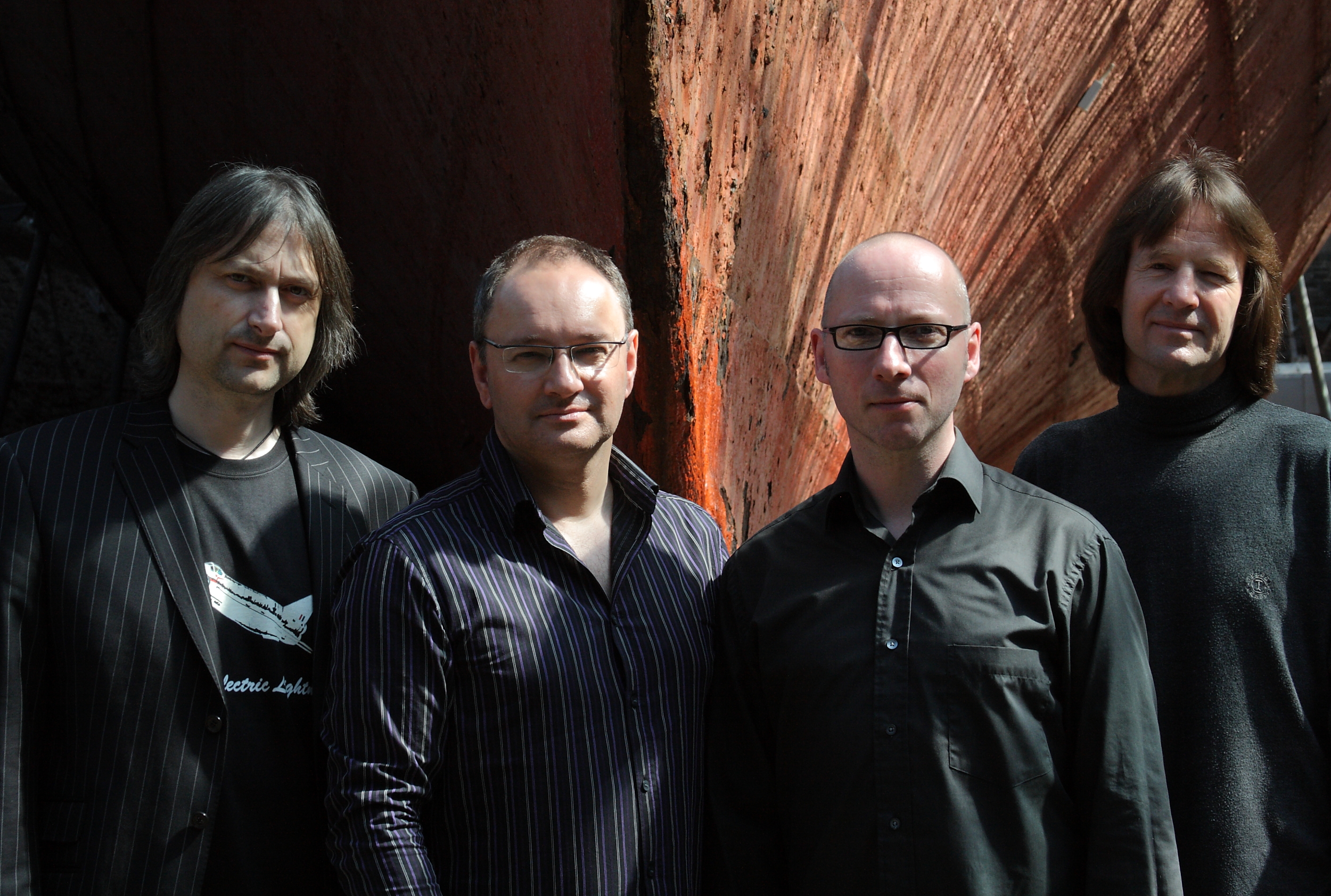
Big Big Train at SS Great Britain, 18 April 2010. Left to right: Greg Spawton, Andy Poole, David Longdon and Dave Gregory. Photo credit: Big Big Train. CC BY 2.0 (https://creativecommons.org/licenses/by/2.0/). Source image unchanged. Source: https://www.flickr.com/photos/bigbigtrain/5043927953/
Investigate Dave Gregory guitars gear and you find the equipment of one of British rock’s most technically accomplished and most persistently underrated guitarists — a Swindon-born musician who joined XTC in 1979 and spent the following seventeen years providing the guitar work for some of the most harmonically sophisticated and most beautifully produced British rock albums of the 1980s and 1990s, turning Andy Partridge’s melodic and harmonic ideas into guitar performances of extraordinary finesse and range. Gregory is not a flashy player — XTC’s music didn’t require flash, it required something much harder to achieve: the ability to serve genuinely complex musical ideas with technical excellence and complete musical intelligence, recording guitar parts that sounded inevitable in context without being simple in execution. He is one of the finest pure rock guitarists Britain has produced, and the obscurity his work occupies relative to its quality is one of the more striking injustices in British rock critical culture.
The Journey
This guide covers Gregory’s complete equipment picture: the Stratocasters, Gibson, and custom guitars that defined XTC’s studio guitar sound, the amplification that served one of the most production-conscious bands in British rock, his extensive and sophisticated effects use, and the playing philosophy of a musician whose technical range and musical intelligence were consistently placed entirely in service of the music’s specific requirements. Understanding Dave Gregory’s gear is understanding how technical excellence serves artistic vision without calling attention to itself.
Background
Dave Gregory was born on September 21, 1952, in Swindon, Wiltshire — the same industrial town in the English West Country that produced XTC’s core members Andy Partridge and Colin Moulding. His early musical formation encompassed the full range of British rock of the 1960s and 1970s — the Beatles, the Kinks, the Who, and the subsequent progressive rock and pub rock scenes — alongside the American influences that filtered through British radio and record shops.
He was a working guitarist in the Swindon area when XTC — initially a new wave band with a hard-edged post-punk approach — invited him to join as second guitarist in 1979, initially to supplement the lineup for touring and recording. His arrival coincided with the band’s transition from their early punk-influenced approach toward the more harmonically sophisticated and more production-conscious music that would define their most important work. His specific musical capabilities — the technical range, the ability to serve complex arrangements, the harmonic intelligence — were exactly what the band needed as their musical ambitions expanded beyond the two-guitar-and-bass approach of their earliest recordings.
The XTC albums on which Gregory appeared — including Black Sea (1980), English Settlement (1982), Mummer (1983), The Big Express (1984), Skylarking (1986), Oranges & Lemons (1989), Nonsuch (1992), and Apple Venus Volume 1 (1999) — represented one of the most consistently distinguished bodies of work in British rock, with his guitar contributions ranging from the raw, energetic post-punk of the early 1980s recordings through the acoustic and orchestral complexity of the later work. He left XTC in 1999 following the release of Apple Venus Volume 1, and has subsequently worked as a session musician and has maintained a lower-profile solo and collaborative recording career.
Dave Gregory Guitars Gear: The Complete Rig
Guitars
Dave Gregory’s guitar collection was diverse and musically purposeful — a range of instruments chosen for the specific tonal contributions they made to different musical contexts rather than for brand loyalty or collector preference.
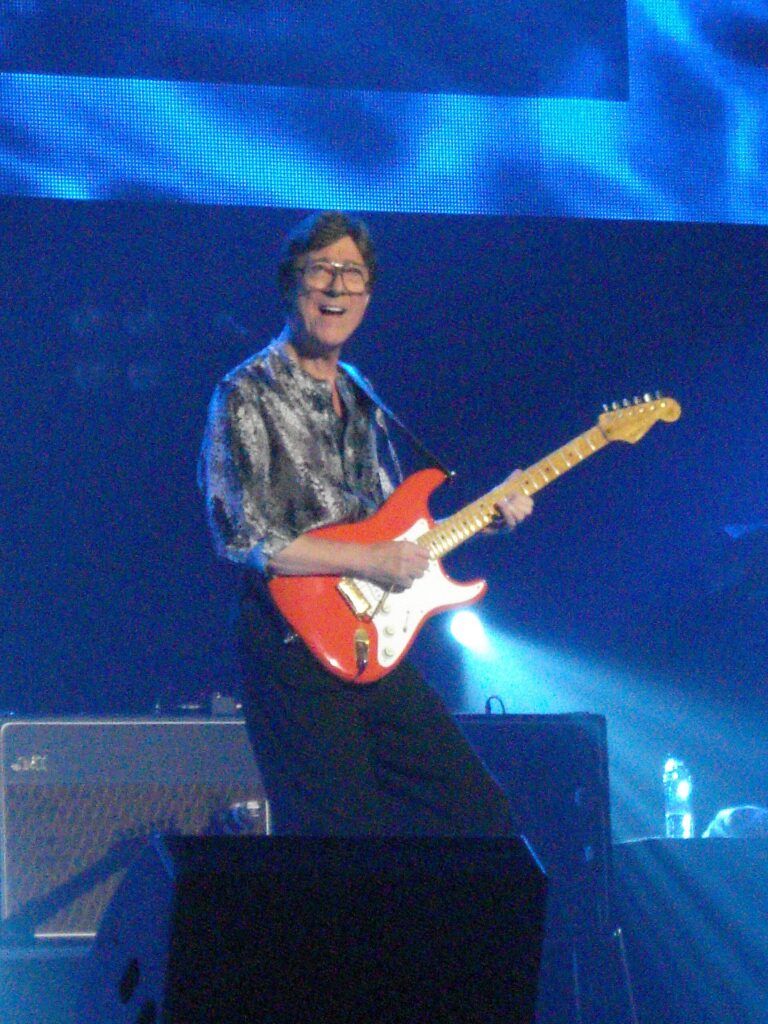
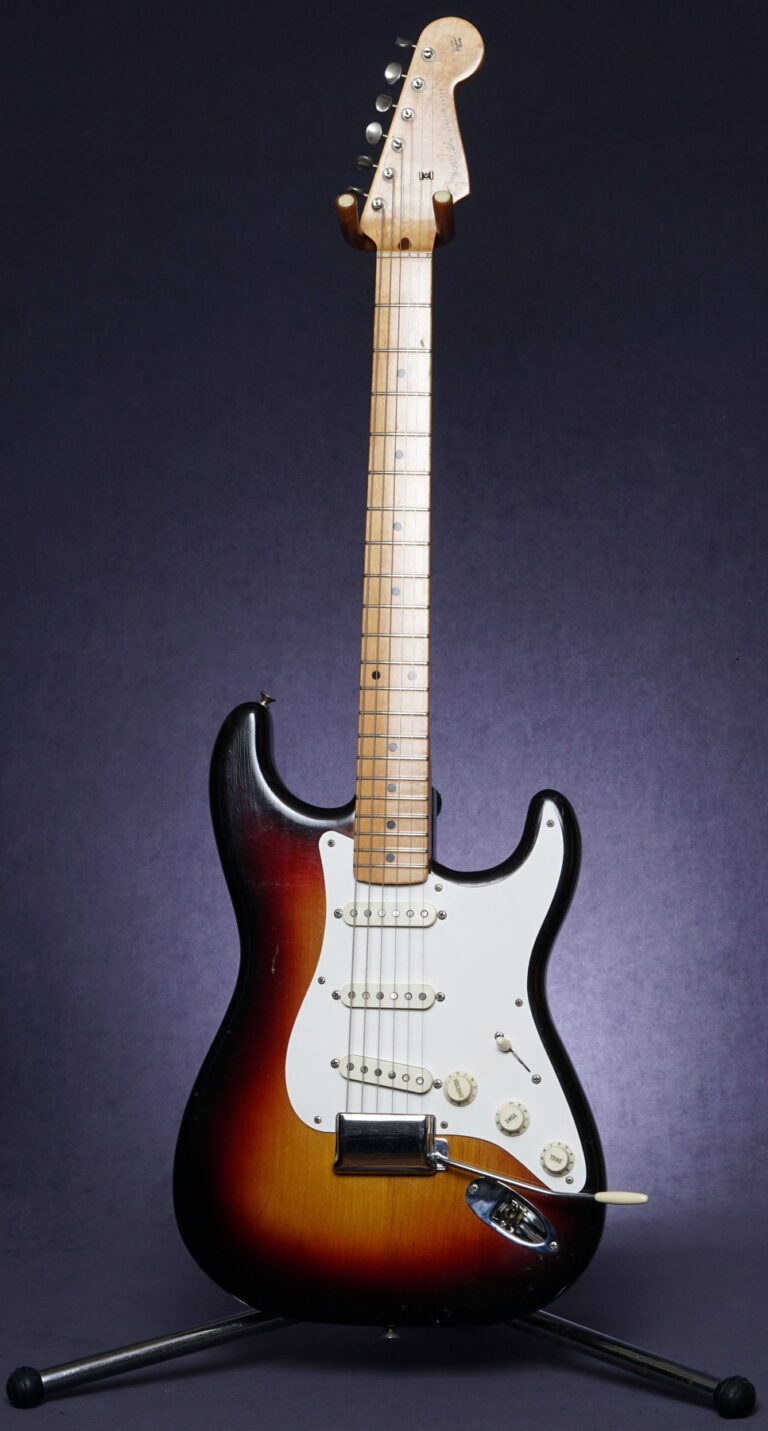
His most associated instrument was a Fender Stratocaster — vintage early-1970s examples that provided the clean, versatile single-coil character that suited XTC’s melodically and harmonically sophisticated music. The Stratocaster’s three-pickup configuration gave access to the full range of single-coil tonal possibilities, and the specific warmth and presence of early-1970s Stratocaster pickups (Alnico V, approximately 5.8k to 6.5k ohms) suited the specific demands of XTC’s production-conscious approach, where the guitar’s natural character needed to sit clearly and warmly within dense, carefully arranged productions.
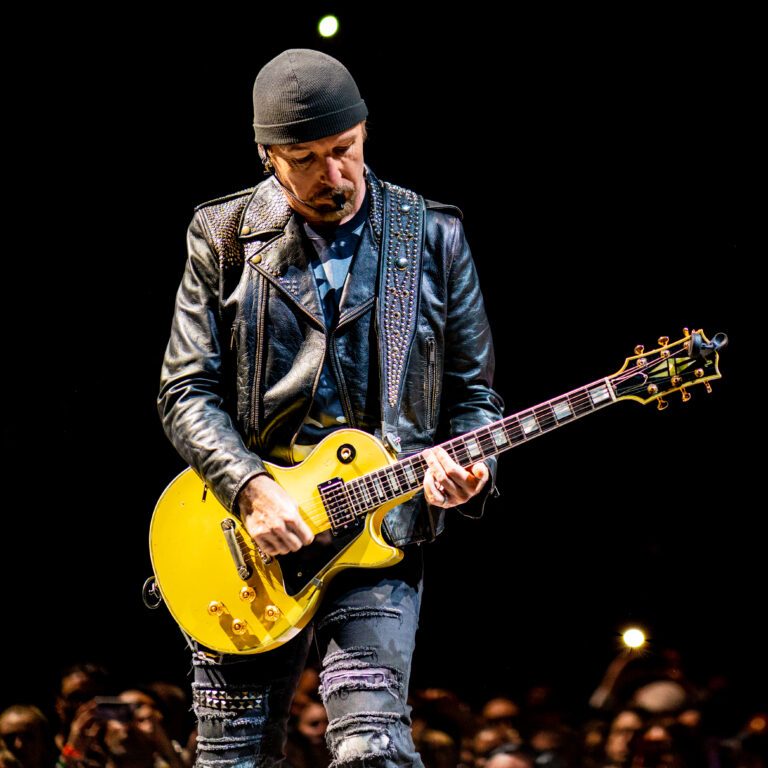
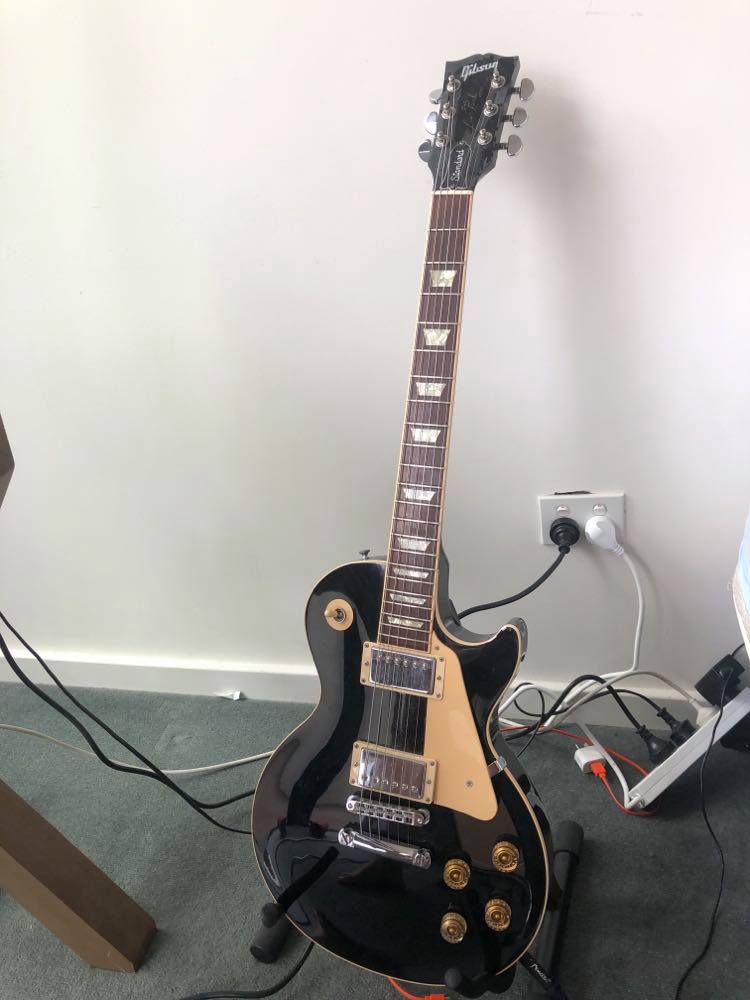
He used a Gibson Les Paul Standard for heavier, more sustained material — the humbucker warmth and sustain providing a different dimension from the Stratocaster’s single-coil clarity. His Les Pauls were typically vintage late-1950s or early-1960s examples with PAF-spec or early patent-number humbuckers (7.5k to 8.5k ohms, Alnico II or Alnico V), chosen for the specific combination of warmth and harmonic complexity that distinguished original PAF pickups from later versions.
A Rickenbacker 360 six-string — the semi-hollow electric with its specific chimey, compressed toaster pickup character — appeared for the jangle-pop and British Invasion-influenced material that formed a significant strand of XTC’s musical identity. The Rickenbacker’s specific tonal character — connecting to the Beatles’ and the Byrds’ use of Rickenbacker instruments — suited specific XTC songs with unmistakable historical and acoustic rightness.
He used various acoustic guitars for the acoustic material on XTC’s later albums — particularly Apple Venus Volume 1, which was essentially an acoustic and orchestral album — with Martin and Guild instruments appearing in both recording and performance contexts.
Custom guitars appeared at various points in his XTC career — instruments built or modified to specific specifications that served particular recording requirements. XTC’s meticulous studio approach, which involved trying many different instruments and amplifiers to find the specific combination that served each song best, meant that Gregory’s collection was both large and functionally diverse.
String gauges varied by instrument and context — typically .010–.046 on the Stratocaster for the versatile range of XTC material, medium gauges on the Les Paul, and varying gauges on different acoustic instruments.
Amps
Gregory’s amplification reflected the same diversity and musical purposefulness as his guitar collection — different amplifiers for different musical contexts within XTC’s wide-ranging catalogue.
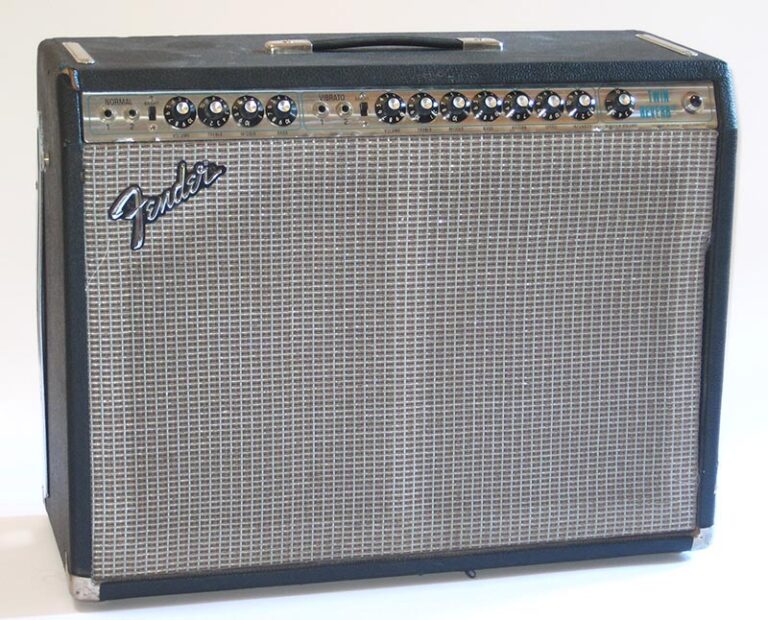
His primary amplifiers included vintage Fender amplifiers — the Twin Reverb, the Deluxe Reverb, and various smaller Fender combos — for the clean American character that suited much of XTC’s melodically sophisticated material. The Fender’s clean headroom and warm American character allowed the guitar’s natural tone to come through without amplifier colouration, which was essential for a band whose production approach involved such careful attention to each sonic element’s specific character.
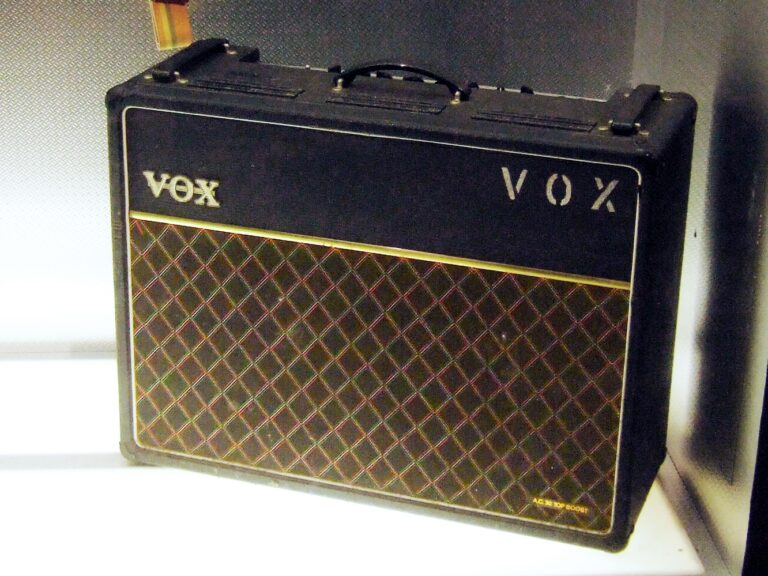
A Vox AC30 — the EL84-driven British combo whose chimey, compressed character suited the British Invasion-influenced strands of XTC’s music — appeared regularly in both recording and live contexts. The AC30’s natural compression gave the Rickenbacker’s chimey character its specific warmth and presence in the mid-range that suited the more melodically oriented XTC material.
He used Marshall amplifiers for the more aggressive, harder-rocking material in XTC’s catalogue — particularly the early post-punk recordings and later the heavier passages in the 1980s studio albums. The Marshall’s EL34 natural drive at working volume provided the specific raw energy that suited the band’s harder-edged material.
XTC’s production approach — working extensively in studio with producer Todd Rundgren (Skylarking), Paul Fox (Oranges & Lemons), and Gus Dudgeon, as well as with the band self-producing with engineer Nick Davis — involved experimenting with different amplifier setups for each recording, and Gregory’s amplifier choices reflected this experimental approach rather than a fixed consistent rig.
Effects
Gregory’s effects chain was more extensive than many of his contemporaries in British rock maintained — consistent with XTC’s meticulous studio approach, which treated every sonic element including effects as a potentially important contributor to the overall production character.
A Boss CE-2 Chorus Ensemble provided the dimensional shimmer that characterised many of XTC’s most atmospheric guitar passages. His chorus use was tasteful and musical — the CE-2’s bucket-brigade circuit adding a specific warmth and dimension to chord and arpeggio playing without the more obvious modulation of heavier chorus settings.
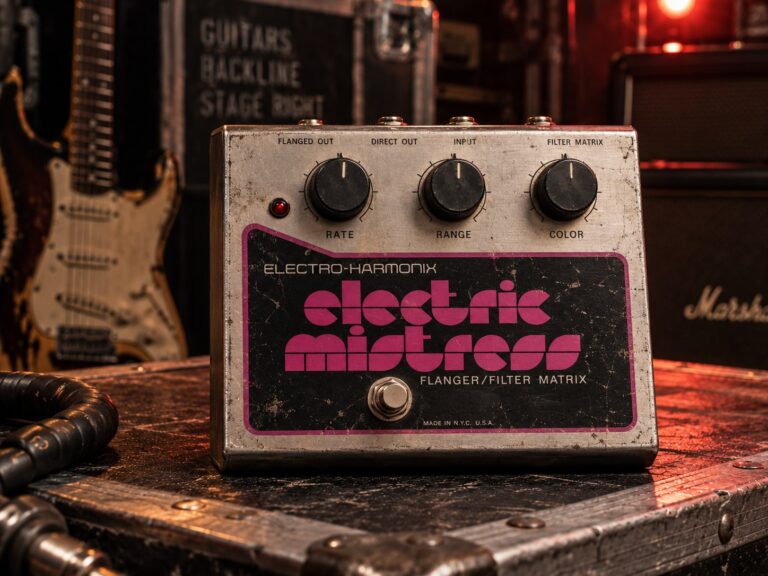
An Electro-Harmonix Electric Mistress flanger appeared for the more experimental, atmospheric passages — the EHX flanger’s slow, diffuse sweep adding dimensional quality to specific guitar textures in XTC’s studio recordings.
Various delay pedals — Boss DD series and in earlier years tape-based delay units — provided echo for specific passages. XTC’s studio approach made extensive use of delay as a textural and rhythmic element, and Gregory’s delay use reflected both the musical requirements of specific songs and the overall production aesthetic that producer and band had agreed on for each album.
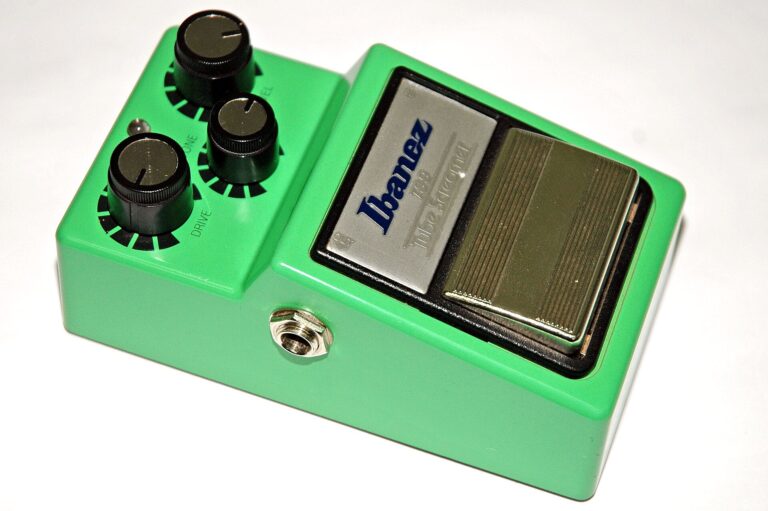
An overdrive pedal — Ibanez Tube Screamer or similar — provided smooth front-end gain for the more driven passages. XTC’s music was rarely aggressively distorted, and the specific quality of smooth, touch-sensitive overdrive that the Tube Screamer provided suited the band’s approach better than harder-clipping alternatives.
A volume pedal appeared for dynamic control in specific passages — particularly useful for the swell attacks that gave certain atmospheric passages their specific quality of notes emerging from silence.
Playing Style & Tone Philosophy
Dave Gregory’s playing style was defined by two qualities that are rarer in combination than each is individually: extraordinary technical range and the specific discipline to deploy it entirely in service of the music’s specific requirements. His technical facility — the ability to play in virtually any rock guitar style, to read and interpret complex chord charts and arrangements, to execute specific requested sounds consistently across multiple takes — was the professional foundation. The discipline to use only what each specific musical moment required, without demonstrating the technical range that was available, was the artistic achievement.
His chord playing reflected the harmonic sophistication of XTC’s music — the complex extended voicings, the specific inversions, the harmonic movement that gave XTC’s compositions their specific quality of melodic richness that distinguished them from simpler pop. Playing these voicings with the clarity and presence that the studio production required demanded both genuine harmonic knowledge (understanding what each chord voicing contributed) and the technical facility to execute it cleanly and consistently.
His lead playing — ranging from the raw, energetic solos on the early post-punk recordings through the melodically sophisticated and technically precise solos on the later studio albums — showed a player who could serve radically different musical contexts with equal conviction. The specific lead style adapted completely to the musical character of each individual song rather than maintaining a consistent personal style across the full catalogue.
Tonally, his philosophy was the studio musician’s philosophy applied to a long-term band context: the right equipment for each specific song, chosen through experimentation in the studio rather than predetermined by personal preference. XTC’s meticulous studio approach — trying different instruments, different amplifiers, different effects combinations for each recording — was both an opportunity and a discipline for Gregory, requiring both the technical flexibility to serve different equipment combinations and the musical intelligence to evaluate which specific combination served each specific song best.
How to Sound Like Dave Gregory
Guitar Approach
A vintage or quality reproduction Fender Stratocaster for the clean, melodically oriented material; a Rickenbacker for the jangle-pop material; a Gibson Les Paul for the heavier passages. The most important element is the harmonic vocabulary — XTC’s music requires genuine understanding of extended harmony, complex chord voicings, and the specific relationship between melody and harmony that gave the songs their specific quality. Study the harmonic content of XTC’s best material before attempting to replicate the guitar parts specifically.
Amp Approach
A Vox AC30 for the British chimey character; a Fender Twin or Deluxe for the American clean warmth; Marshall for heavier passages. Boss CE-2 chorus for atmospheric dimension on chord and arpeggio playing. The specific combination for each song was determined by the recording context and the production’s specific requirements — there was no single consistent XTC guitar setup but a variety of setups serving different specific songs.
| Control | Setting | Notes |
|---|---|---|
| Volume (Top Boost) | 5–6 | Natural EL84 compression — the chimey XTC character |
| Treble | 6–7 | High — Rickenbacker or Stratocaster needs treble presence |
| Bass | 3 | Controlled — XTC’s complex harmony needs harmonic clarity |
| Tone Cut | 5 | Neutral cut — preserve the chimey character |
| CE-2 Chorus | Light, medium speed | Dimensional shimmer for arpeggio and chord passages |
| Delay (Boss DD) | Short-medium, low feedback | Atmospheric depth for specific passages |
Influence & Legacy
Dave Gregory’s legacy is the legacy of XTC’s recorded output — one of the most consistently distinguished catalogues in British rock, in which his guitar work was a primary contributor to the specific quality that distinguished the best recordings. The albums from Black Sea through Apple Venus Volume 1 represent a body of work whose specific guitar character — harmonically sophisticated, technically accomplished, completely in service of the music’s specific requirements — has influenced the guitarists who have studied these recordings carefully even when the influence is not directly acknowledged.
His influence on British indie and alternative rock guitarists of the 1980s and 1990s — musicians who heard in the XTC recordings a model for how technical excellence and harmonic sophistication could serve melodically ambitious music — was substantial if difficult to trace to specific instances. XTC’s music was both critically admired and commercially successful enough to reach a wide audience of musicians, and the guitar approach Gregory demonstrated on these recordings — the range, the harmonic intelligence, the complete service to the music — was absorbed by a generation of players who subsequently developed their own approaches from this foundation.
For players exploring the British art rock and new wave guitar tradition that Gregory served with such distinction, the rigs of Andy Partridge — whose rhythm guitar and songwriting complemented Gregory’s lead work in the XTC partnership — and Elvis Costello, whose Attractions work showed how similar British rock values and similar musical intelligence produced a different but comparably distinguished body of work, provide illuminating comparison. The harmonic sophistication of his playing connects to Peter Holsapple‘s work with the dBs, which shows how similar harmonic intelligence and historical awareness produced comparable musical quality in the American power pop context.
English Settlement: The Guitar Work That Defined XTC
English Settlement (1982) — XTC’s fifth album and the record most consistently cited as their masterpiece — documents Gregory’s guitar approach at its most diverse and most fully developed. The double album’s range of material, from the raw, energetic post-punk of “Sgt. Rock (Is Going to Help Me)” through the acoustic complexity of “Yacht Dance” to the melodic sophistication of “Senses Working Overtime,” required guitar work of extraordinary range and adaptability, and Gregory delivered all of it with the technical consistency and musical intelligence that had by this point established him as the most versatile and most reliable guitarist in British new wave.
“Senses Working Overtime” — the album’s most commercially successful single and its most immediately accessible track — showed Gregory’s Stratocaster at its most melodically direct: the specific clean, warm single-coil character through the Vox AC30 giving the guitar its chimey presence in the dense arrangement. The guitar’s role was both rhythmically driving and melodically supportive — maintaining the rhythmic energy that the track’s specific groove required while providing the harmonic filling that the arrangement left space for. This dual role — rhythm and harmony simultaneously in service of a melodic vocal and a complex chord structure — was the specific challenge that XTC’s music consistently posed, and Gregory met it on this track with complete conviction.
“Yacht Dance” — the album’s most purely acoustic track, featuring multiple acoustic guitar parts woven together in a complex textural arrangement — showed a completely different dimension of his abilities. The acoustic guitar work here was fingerpicking-based, harmonically complex, and rhythmically interlocking in ways that required careful arrangement and careful execution to produce the specific flowing quality that distinguished the track from simpler acoustic guitar approaches. The specific tuning relationships between different guitar parts, the specific harmonic voicings that created the piece’s characteristic rich, layered quality — all of these reflected both genuine compositional intelligence (primarily Andy Partridge’s songwriting) and the specific technical facility to execute the arrangement cleanly and with appropriate musicality.
Skylarking: Working With Todd Rundgren
Skylarking (1986) — produced by Todd Rundgren at his Utopia Sound Studio in Woodstock, New York — was a famously contentious recording process that produced one of XTC’s most beloved albums. Rundgren’s specific production approach — imposing his own vision of the album’s structure and sound on a band accustomed to creative control — created significant friction during the recording that is well documented in XTC’s history. But the album’s specific guitar sound — the specific warmth, the specific production clarity, the specific way that Gregory’s guitar parts sat in the overall mix — reflected both the capabilities of Rundgren’s studio and the specific recording approach that he and the band arrived at through the contentious process.
The guitar tones on Skylarking had a specific warmth and presence that distinguished them from the drier, more angular sounds of the earlier XTC recordings. Rundgren’s preference for a full, produced sound — his specific aesthetic of melodic warmth over angular edge — shaped how Gregory’s guitar was recorded and processed in ways that suited the album’s specific character of sustained melodic beauty. The Stratocaster through the Vox or Fender, captured with Rundgren’s specific approach to microphone placement and signal processing, produced guitar sounds of unusual warmth and presence that complemented the album’s overall production aesthetic.
The specific guitar contributions to individual tracks on the album — the arpeggiated chord work on “Earn Enough for Us,” the melodic single-note lines on “Grass,” the rhythmic interplay on “The Man Who Sailed Around His Soul” — showed Gregory serving the album’s specific melodic character with the same complete technical adaptability that he had demonstrated on earlier albums. Rundgren’s production approach might have constrained the band’s creative control, but it also produced an album whose guitar work was as consistently excellent as anything Gregory recorded with XTC, and the specific production approach that Rundgren imposed gave that guitar work a specific warmth and presence that the band’s self-produced work sometimes lacked.
Oranges and Lemons: The Commercial Peak
Oranges & Lemons (1989) — XTC’s most commercially successful album, produced by Paul Fox — brought together the harmonic sophistication of their best work with a more radio-friendly production approach that gave the album a wider commercial reach than their previous recordings had achieved. Gregory’s guitar work on the album showed the same complete technical range as earlier albums, now deployed in a production context that emphasised clarity and melodic accessibility rather than experimental texture.
The album’s double-CD length allowed a wide range of guitar approaches across different tracks, from the energetic, almost prog-rock guitar work of “The Mayor of Simpleton” through the jangly pop of “King for a Day” to the more atmospheric textures of specific slower tracks. Gregory’s ability to serve all of these different contexts — all within the same album, all within the same production aesthetic — was the specific professional virtue that made him so valuable to XTC through the full range of their stylistic evolution.
The Rickenbacker’s role on the jangle-oriented material — the specific chimey character of the toaster pickups in the semi-hollow body complementing the Vox AC30’s natural compression — was particularly prominent on Oranges & Lemons. The Beatles and Byrds influence that ran through XTC’s aesthetic more consistently than most bands of the era acknowledged was given its most direct acoustic expression through the Rickenbacker-and-Vox combination that Gregory deployed for specific tracks, creating sounds that were simultaneously historically grounded and completely contemporary in the context of the album’s modern production.
The Todd Rundgren-Forced Retirement from Touring
One of the most significant elements of the context for understanding Gregory’s studio approach was XTC’s famous decision to stop touring in 1982 — following Andy Partridge’s breakdown on stage during a tour, the band decided to withdraw from live performance entirely and concentrate exclusively on studio recording. This decision transformed XTC from a touring band that also made records into an exclusively studio band, and it had profound implications for how Gregory’s guitar work was conceived and executed.
Without the constraints of live performance — the need for sounds that could be reproduced reliably on stage with the available equipment — the studio recording approach could become completely experimental. Every guitar sound could be tried and discarded without practical consequences; different amplifiers, different guitars, different effects combinations could be tested for each individual track without the logistical consideration of how to replicate them live. This freedom — which Partridge and Moulding consistently exercised to the maximum — was also a freedom for Gregory to deploy the full range of his technical and equipment capabilities without limitation.
The result was a body of studio work whose guitar sounds were consistently optimised for the specific recording rather than for live reproducibility — sounds that were sometimes complex combinations of multiple instruments and multiple amplifiers that no single live setup could have replicated. This studio-only freedom was one of the factors that gave XTC recordings their specific quality of sonic care and sonic richness that distinguished them from contemporaries who maintained the live-performance feasibility constraint in their studio work.
Dave Gregory’s two decades with XTC — serving one of the most musically demanding and most artistically ambitious bands in British rock with complete technical commitment and complete musical intelligence — represents one of the finest sustained guitar performances available in the British rock catalogue. The equipment he used: the diverse collection of Stratocasters, Les Pauls, and Rickenbackers, the combination of Vox, Fender, and Marshall amplification, the thoughtful effects chain calibrated to each recording’s specific requirements — was assembled and deployed with the same musical intelligence that made the playing itself so consistently excellent. The gear served the music; the music served XTC’s vision; and the vision produced recordings that remain among the most distinguished in British rock. That is the complete Dave Gregory gear story.
The Vox AC30’s specific role in Gregory’s XTC work — and why this British amplifier suited the specific character of XTC’s most melodically oriented material better than the American Fender alternatives — reflects both the historical associations of the AC30 and its specific acoustic properties in relation to the music. The AC30’s EL84 output valves produced a specific quality of natural compression at working volume — different from the 6V6’s warmer, fuller compression or the 6L6’s more headroom-focused clean character — that gave sustained chords a specific bloom and shimmer that suited XTC’s lush, melodic approach. The EL84’s upper-midrange emphasis complemented the Stratocaster’s or Rickenbacker’s own inherent brightness, producing a combined tonal character that was simultaneously chimey and warm — the specific British jangle-pop guitar sound that connected XTC’s music to the Beatles’ and Byrds’ acoustic and electric Rickenbacker work without directly imitating either. Gregory’s consistent use of the AC30 for this specific material — and his awareness that it was the right amplifier for this specific musical character rather than for all of XTC’s diverse material — reflected the same contextual equipment intelligence that characterised his overall approach.
The specific way Gregory’s guitar interacted with Andy Partridge’s guitar in XTC’s twin-guitar arrangements deserves specific mention because the complementary relationship between the two players was as central to XTC’s guitar sound as either player’s individual approach. Partridge’s guitar — typically rhythm-oriented, harmonically inventive, driving the energy of the arrangements — provided the rhythmic and harmonic foundation that Gregory’s more melodically oriented lead work built on. This division wasn’t fixed or rigid — both players took lead roles at different points, and both contributed to the rhythm section of the arrangements — but the general orientation of Partridge as rhythmic driver and Gregory as melodic voice gave XTC their specific twin-guitar dynamic. The equipment that served this dynamic was chosen with awareness of the complementary relationship: Gregory’s Stratocaster through the Vox provided melodic clarity above Partridge’s more rhythmically oriented guitar sound, and the specific tonal differences between their instruments and amplifiers gave each guitarist’s contribution its own distinct character in the mix rather than having both occupy the same sonic space.
The harmonic sophistication that XTC’s music required from its guitar players — the extended chord voicings, the specific inversions, the harmonic relationships that gave the songs their specific quality of melodic richness — deserves specific examination as part of the context for understanding Gregory’s equipment choices. XTC’s music, at its best, was harmonically as sophisticated as any in British rock — the chord vocabulary of English Settlement and Oranges & Lemons extended well beyond the three-chord power-chord approach of punk and the conventional rock and roll harmony of mainstream pop, incorporating major seventh chords, suspended harmonies, chromatic passing chords, and harmonic modulations that required genuine music theory knowledge to understand and execute. Gregory’s ability to translate these harmonic ideas into specific guitar voicings — finding the specific inversions and specific chord positions that served the harmonic content while also being technically playable and tonally appropriate within the overall production — was one of his specific contributions to XTC that went beyond mere technical facility. The equipment that served this harmonic intelligence — the diverse instrument collection that gave access to different tonal characters for different harmonic contexts, the amplification that reproduced these tonal characters faithfully — was in service of genuinely sophisticated musical content, which elevated the equipment story above mere gear discussion into something approaching an account of musical values.
The Electric Mistress flanger’s specific role in Gregory’s effects chain — for the more experimental and atmospheric passages in XTC’s catalogue — reflected the same awareness of effects’ specific cultural and acoustic associations that characterised Lenny Kaye’s approach to his own effects chain. The Electric Mistress, produced by Electro-Harmonix in the mid-1970s, had a specific character of slow, diffuse flange that suited atmospheric and psychedelic applications better than the more common rack-mount flangers or chorus pedals. XTC’s experimental material — the tracks on albums like Mummer and The Big Express that showed the band’s most exploratory side — benefited from the specific character of the Electric Mistress’s flange, which added dimensional quality without the more obvious modulation of heavier effects. Gregory’s selective use of this pedal for specific passages — combined with his more constant use of the Boss chorus for the majority of the melodic material — reflected the same principle of contextual deployment that characterised his overall effects approach: each effect for its specific musical purpose, absent where that specific purpose wasn’t required.
The Rickenbacker 360’s specific contribution to XTC’s guitar sound — the chimey, semi-hollow character that gave specific tracks their particular historical and acoustic identity — was most evident in the XTC material that explicitly connected to the Beatles’ and Byrds’ use of Rickenbacker instruments in the mid-1960s. The Rickenbacker’s toaster pickups (originally Rickenbacker’s specific design, measuring approximately 5k to 6k ohms with a bright, slightly compressed character quite different from either Fender single-coils or Gibson humbuckers) combined with the semi-hollow body’s acoustic resonance to produce a sound of specific chimeyness and compression — the “jangle” that gives jangle-pop its name and that was as central to the Beatles’ and Byrds’ guitar vocabulary as any other single tonal element. Gregory’s use of this instrument for specific XTC material that drew on this tradition was acoustically and historically correct: the Rickenbacker’s specific character was not merely similar to the original recordings’ guitar sound but was the same acoustic phenomenon produced by the same physical mechanism. This specificity of historical connection — using the same instrument to produce the same acoustic result for the same acoustic reasons — was part of Gregory’s broader pattern of equipment choices informed by genuine historical knowledge rather than mere stylistic approximation.
Dave Gregory’s career after XTC — the session work, the collaborative projects, the lower-profile continued musical engagement — reflected a musician whose musical identity was genuinely broader than the XTC context had allowed him to demonstrate, and whose continued active music-making showed the same professional commitment and musical intelligence that had characterised two decades of distinguished XTC work. The equipment he used in these post-XTC contexts was not dramatically different from what he had used with the band — the same fundamental commitment to vintage and vintage-quality instruments, the same diverse amplifier collection, the same thoughtful effects approach — because the musical values that had shaped those choices remained consistent. Genuine musical intelligence doesn’t expire when a specific professional context ends; it continues to inform the choices made in whatever context follows. Gregory’s continued musicianship after XTC was the best possible evidence that the musical intelligence that had made his XTC work so distinguished was his own rather than the product of specific external constraints, and the equipment that served that intelligence was the same equipment that had always served it. The gear served the musician; the musician served the music; and the music — across twenty years of XTC and whatever came after — was always worth the service.
Apple Venus Volume 1 (1999) — the orchestral and acoustic album that represented XTC’s most ambitious studio project and Gregory’s final contribution to the band before his departure — showed the guitar in a completely different context from any previous XTC recording. The album’s reliance on acoustic guitars, orchestral arrangements, and the specific warmth of acoustic recording rather than electric guitar-centred production placed different specific demands on Gregory’s abilities — demands for acoustic guitar technique, for understanding how guitar interacted with orchestral instruments, and for the specific kind of musical intelligence that solo acoustic guitar performance requires rather than the ensemble electric guitar playing that had characterised his XTC work. The specific acoustic guitar tones on the album — the Martin or Guild warmth, the specific fingerpicking patterns, the specific harmonic voicings suited to orchestral accompaniment — showed a player adapting completely to a radically different musical context while maintaining the same fundamental musical values. This final chapter of his XTC career was perhaps the clearest single demonstration of the breadth of his capabilities, showing that his technical range extended from the raw post-punk of the 1980 material through the harmonic sophistication of the mid-period studio albums to the acoustic delicacy and orchestral sensitivity of the final recordings. Few guitarists who spent two decades in a rock band were asked to demonstrate such complete stylistic range, and even fewer delivered it as consistently and as completely as Gregory did.
The Ibanez Tube Screamer’s role in Gregory’s XTC work — providing smooth, touch-sensitive front-end overdrive for specific passages — reflected the same practical musical intelligence that characterised every other element of his effects chain. XTC’s music was rarely aggressively distorted in the hard rock or heavy metal sense, but many of the most energetic tracks required a degree of guitar drive that the clean amplifier character alone didn’t provide. The Tube Screamer’s specific quality of smooth, mid-forward overdrive — adding harmonic richness and sustain to the guitar signal while preserving the dynamic sensitivity that allowed playing intensity to be communicated through pick attack variations — suited XTC’s approach better than higher-gain alternatives. The specific way the Tube Screamer’s JRC4558 op-amp circuit shaped the guitar’s harmonic content — adding warm, even-order harmonics that gave the sound a specific musical sweetness — complemented the overall warmth of XTC’s production aesthetic better than the harder, more asymmetric clipping of silicon fuzz alternatives. Gregory’s consistent choice of the Tube Screamer for this specific role in his chain reflected genuine understanding of what the pedal contributed and why it was the right tool for exactly this specific application.
The Black Sea album (1980) — Gregory’s first full contribution to XTC’s recorded output after his 1979 arrival — showed the band at their most energetically post-punk, with a rawer, more aggressive guitar approach than the sophisticated melodic complexity that would come to define their best-known work. Gregory’s guitar on this album was more obviously driving and rhythmically assertive than on later recordings — the harder Marshall character, the more aggressive picking approach, the rawer overall production aesthetic all reflected a musical context that prioritised energy over refinement. His ability to serve this specific aesthetic — bringing genuine punk energy to the guitar parts while maintaining the technical facility that had been absent from many of the actual punk bands of the era — showed from the beginning that his range extended from the most technically demanding melodic work to the most physically committed rock guitar playing. The transition from this rougher, more energetic approach to the harmonic sophistication and production refinement of English Settlement two years later is one of the most dramatic artistic developments in British rock guitar of the period, and Gregory’s guitar work served both ends of this trajectory with complete conviction and complete technical authority. The equipment that served this transition — Marshall for the rawer Black Sea energy, Vox and Fender for the more melodic subsequent work — was adapted to the specific musical requirements of each album rather than maintained as a fixed approach throughout the band’s evolution. That adaptability, consistently demonstrated across two decades of an artist whose music was always changing, was ultimately the single most defining quality of his contribution to XTC’s work.
Frequently Asked Questions: Dave Gregory Guitars & Gear
What guitar does Dave Gregory play?
Dave Gregory’s primary guitars included vintage Fender Stratocasters (early-1970s examples with period-correct Alnico V single-coil pickups), vintage Gibson Les Pauls (PAF-spec humbuckers), Rickenbacker 360 six-strings (for jangle-pop material), and various acoustic guitars for XTC’s acoustic and orchestral recordings. His guitar collection was diverse and functionally purposeful — different instruments for different musical contexts rather than a single signature instrument.
What amp does Dave Gregory use?
His primary amplifiers included Vox AC30 (for the chimey, compressed character of the British Invasion-influenced material), Fender Twin Reverb and Deluxe Reverb (for clean American character), and Marshall (for heavier passages). XTC’s meticulous studio approach meant experimenting with different amplifier combinations for each recording rather than maintaining a fixed consistent setup.
When did Dave Gregory join XTC?
Gregory joined XTC in 1979 as a second guitarist, initially to supplement the lineup for touring and recording. He appeared on XTC recordings from Black Sea (1980) onward through their entire subsequent catalogue until his departure following Apple Venus Volume 1 in 1999 — a period of twenty years in which he contributed to some of the most distinguished British rock recordings of the era.
What effects does Dave Gregory use?
His key effects include a Boss CE-2 Chorus Ensemble (for atmospheric shimmer on chord and arpeggio playing), Electro-Harmonix Electric Mistress flanger (for more experimental atmospheric passages), Boss DD delay (for echo and spatial effects), Ibanez Tube Screamer (for smooth front-end overdrive), and a volume pedal (for dynamic control). His effects use was determined by the specific requirements of each recording rather than by a fixed personal approach.
What are XTC’s most important albums?
English Settlement (1982) is widely considered XTC’s masterpiece — a double album of extraordinary range and ambition that showed the band at their most musically ambitious and most fully realised. Skylarking (1986), produced by Todd Rundgren, is their most sustained melodic achievement. Oranges & Lemons (1989) was their commercial peak, and Apple Venus Volume 1 (1999) was their orchestral and acoustic magnum opus. All of these albums featured Gregory’s guitar prominently.
Why did Dave Gregory leave XTC?
Gregory left XTC in 1999 following the recording of Apple Venus Volume 1 and before the recording of Wasp Star (Apple Venus Volume 2). The specific reasons for his departure were related to the extended recording process and personal musical differences that had developed over the course of the band’s evolution, though he has remained on good terms with the XTC members subsequently.
What has Dave Gregory done since leaving XTC?
Since leaving XTC, Gregory has worked as a session guitarist, contributing to recordings by various artists. He has also pursued collaborative and solo recording projects that have shown his guitar range outside the specific XTC context. He has maintained a lower public profile than his XTC work might have led his audience to expect, continuing to make music with the same professionalism and musical intelligence that characterised his two decades with XTC.
Genre:
New Wave / Art Rock
Decades:
1980s | 1990s
Image credits
- Top image: Big Big Train at SS Great Britain, 18 April 2010. Left to right: Greg Spawton, Andy Poole, David Longdon and Dave Gregory. Photo credit: Big Big Train. Source photograph · CC BY 2.0. Source image unchanged.
- Fender Stratocaster: Lightburst, Wikimedia Commons, CC BY-SA 4.0.
- Gibson Les Paul Standard: DonnyBurger1974, Wikimedia Commons, CC BY-SA 4.0.
- Fender Twin Reverb: Micahmedia, Wikimedia Commons, CC BY 3.0.
- Vox AC30 Top Boost: wetwebwork; existing crop and contrast/color adjustments: Clusternote, Wikimedia Commons, CC BY-SA 2.0.
- Electro-Harmonix Electric Mistress: GuitarGangsters AI-generated reference illustration, not a photograph.
- Ibanez TS9 Tube Screamer: Mataresephotos, Wikimedia Commons, CC BY 3.0 US.
- Fender Stratocaster: Lightburst, Wikimedia Commons, CC BY-SA 4.0.