Mike Landau Guitars & Gear: Hollywood’s Most In-Demand Session Guitarist’s Complete Rig
Mike Landau guitars gear — vintage Stratocaster and Fender amp deep-dive for Hollywood's most in-demand session guitarist's warm tone and complete session rig guide.
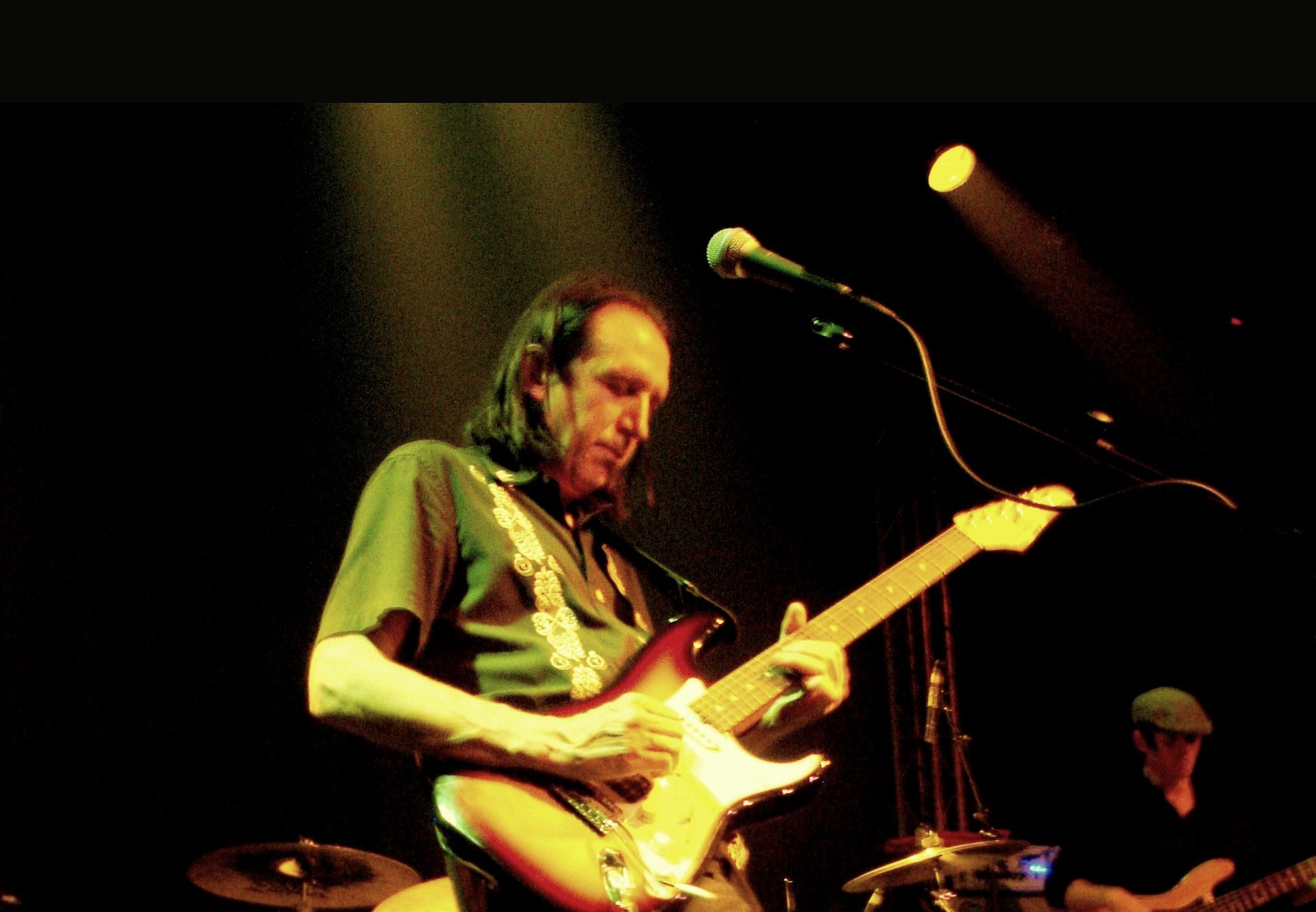
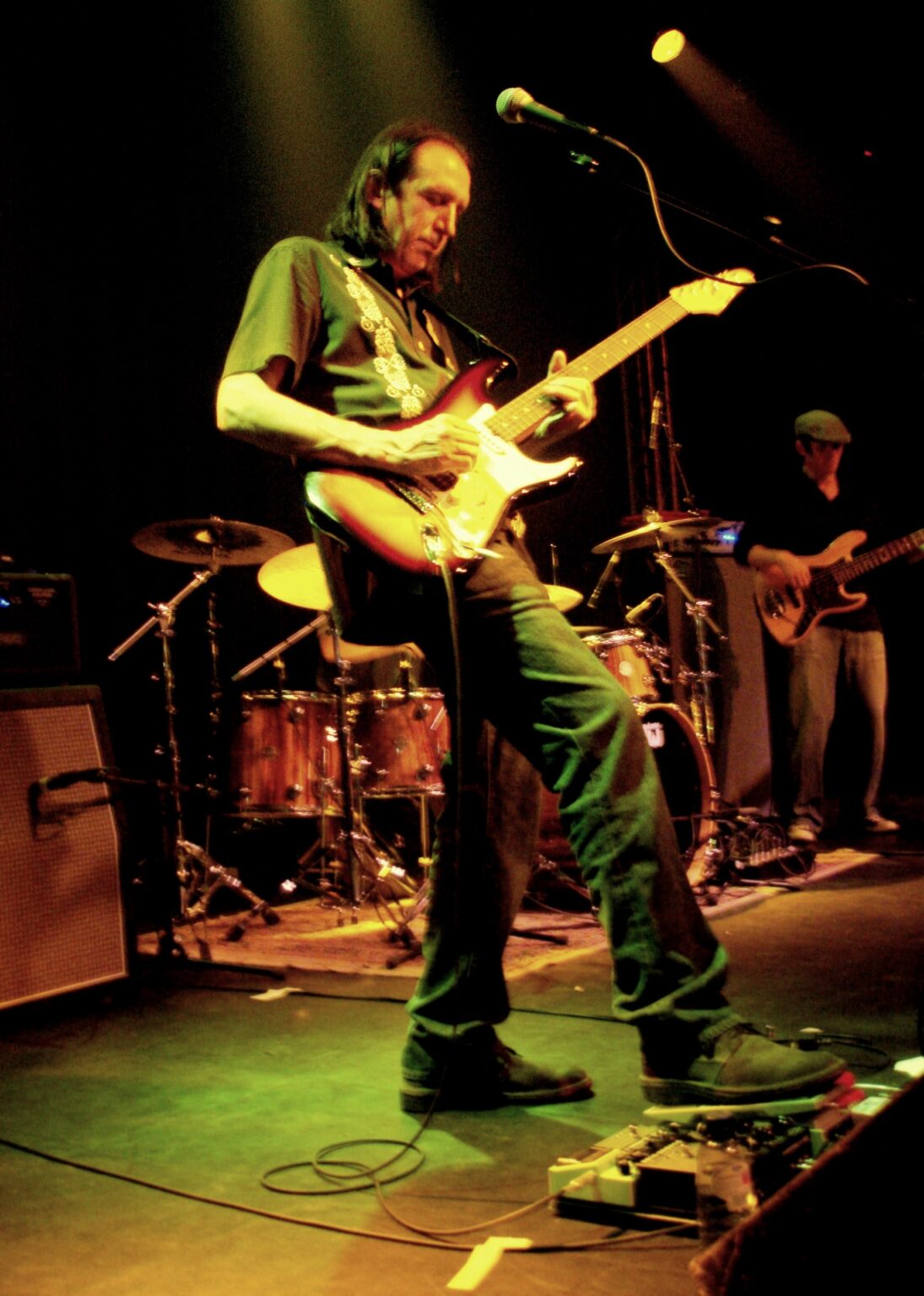
Michael Landau performing with his group on stage in April 2008. Photo: Marco Raaphorst, CC BY 2.0 (https://creativecommons.org/licenses/by/2.0/). Source: https://commons.wikimedia.org/wiki/File:Landau's_power_soul.jpg. Cropped to landscape with a dark band added at the top.
Investigate Mike Landau guitars gear and you find the equipment behind one of the most recorded and most respected session guitarists in the history of Hollywood recording — a Valley Village, California-born musician whose career as an LA session player spans more than four decades of continuous professional activity, whose guitar appears on hundreds of albums across virtually every popular music genre, and whose specific combination of musical intelligence, technical range, and the specific tonal approach of his Fender guitars through vintage amplification made him the go-to call for producers who needed a guitarist who could serve any musical requirement with equal quality and equal conviction. Landau worked with artists from James Taylor to Michael Jackson, from Miles Davis to Pink Floyd’s David Gilmour, and his consistent presence across this extraordinary range of recording contexts was the product of a specific kind of comprehensive musical intelligence that made him as appropriate for the most delicate acoustic ballad as for the most driven electric rock.
This guide covers Landau’s complete equipment picture: the vintage Fender guitars that defined his warm single-coil tonal identity, the vintage amplification that served his diverse session work, his specific approach to effects, and the playing philosophy of a musician who understood that session guitar required genuine comprehensive musical intelligence rather than the accumulation of specific stylistic vocabularies. Understanding Mike Landau’s gear is understanding how the best session guitar playing served music across every genre without losing individual musical identity.
Background
Michael William Landau was born on April 8, 1958, in Valley Village, California — a neighborhood of Los Angeles that placed him within the specific concentration of musicians, music schools, and recording industry infrastructure that gave the LA area its specific character as one of the world’s most important popular music production centres. His early musical formation was through both formal musical study and the intensive listening and peer interaction that the specific LA music community made available.
His session career began in the late 1970s and accelerated rapidly through the 1980s as producers and artists recognised his specific combination of capabilities — the comprehensive musical knowledge, the tonal approach that suited virtually any recording context, and the specific quality of musical intelligence that identified what each specific session required without direction. By the mid-1980s he was among the most sought-after guitarists in the LA session community, working across a range of recording contexts that most session musicians could not have served with equal quality.
His association with Robben Ford — one of the most musically accomplished and most harmonically sophisticated of American jazz-blues guitarists — gave his own playing a specific context of harmonic depth and musical seriousness that distinguished his approach from more commercially oriented session work. His own recordings under his name and with the Mike Landau Group documented his playing in contexts where his individual musical vision was the primary subject rather than a supporting element of someone else’s musical production.
Mike Landau Guitars Gear: The Complete Rig
Guitars
Landau’s guitar approach was centred on vintage Fender instruments — a specific and deliberate commitment to the acoustic character of period-correct vintage Fender instruments that reflected genuine understanding of why the specific acoustic properties of vintage instruments served the diverse session contexts he worked within better than modern alternatives.
His primary electric guitars were vintage Fender Stratocasters — particularly 1950s and early 1960s examples chosen for the specific acoustic character of period-correct construction and period-correct pickups. His Stratocaster collection included multiple vintage examples, each with its own specific acoustic character, chosen and maintained for the specific tonal properties appropriate for different recording contexts. The vintage Stratocaster’s specific combination of slab or rounded rosewood fingerboard, period-correct single-coil pickups, and the specific acoustic resonance of aged tonewood gave his playing its characteristic warmth and definition that modern Stratocasters, despite technical improvements in manufacturing consistency, didn’t replicate in exactly the same way.
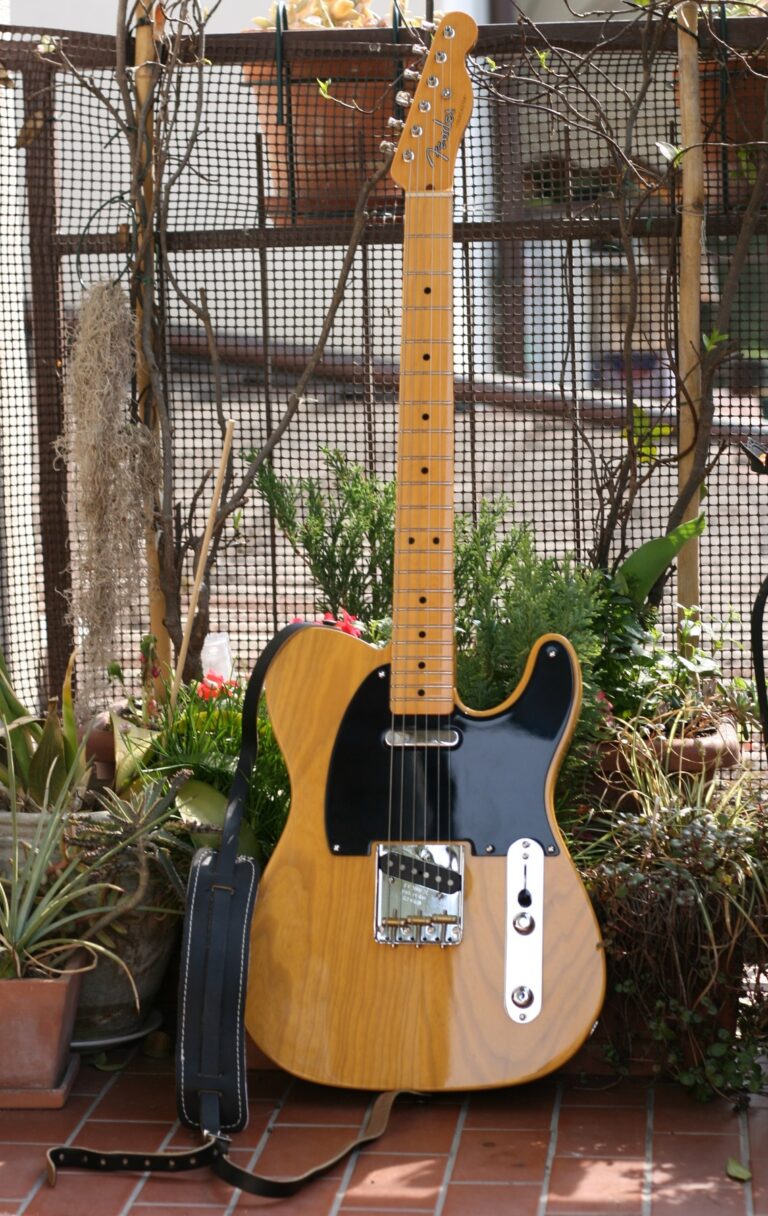
He also used vintage Fender Telecasters for specific contexts — particularly for country and rock-influenced session work where the Telecaster’s harder bridge pickup character was the right acoustic tool.
Various Gibson semi-hollow and solid-body instruments appeared for specific session applications where the warmer humbucker character was more appropriate — ES-335s and Les Pauls for specific contexts requiring the fuller, warmer character of the double-coil pickup design.
His pedal steel capabilities — he was a competent pedal steel player alongside his primary electric guitar work — gave specific recording contexts a pedal steel option from the same musician rather than requiring a separate specialist.
String gauges were typically medium — .010–.046 — appropriate for the diverse session work demands across genres from country to rock to jazz-influenced material.
Amps
Landau’s amplification was as vintage-focused as his guitars — a specific commitment to vintage American valve amplification that gave his recording tones their characteristic warmth and naturalness.
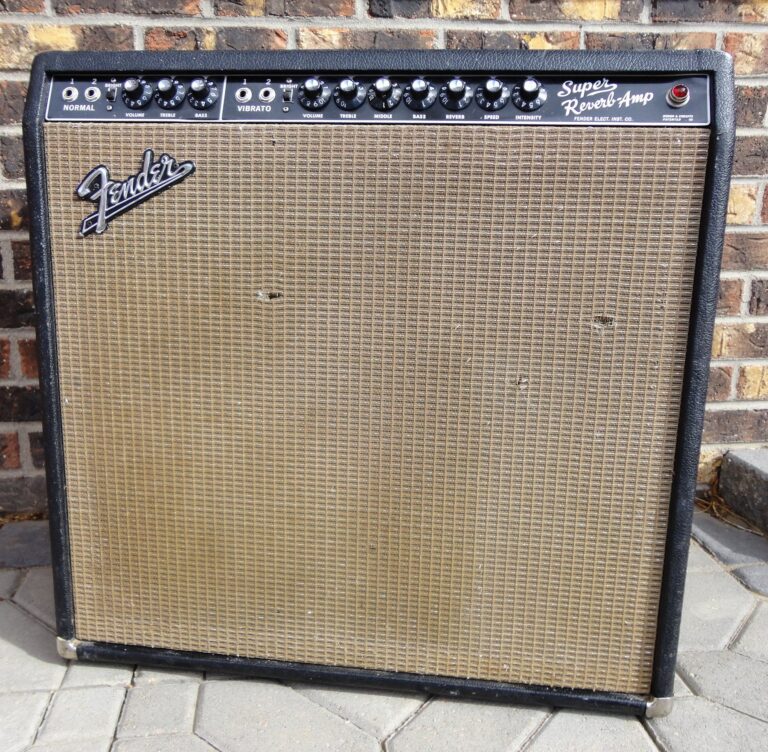
His primary amplifiers were vintage Fender amplifiers — Twin Reverb, Super Reverb, Deluxe Reverb, and other period-correct examples chosen for specific applications. The Twin’s clean headroom for the jazz-influenced and country material; the Super Reverb’s natural 6L6 compression for blues and rock work; the Deluxe’s intimate 6V6 warmth for specific studio applications. His collection of multiple vintage Fender amplifiers gave him the ability to select the specific amplifier character most appropriate for each specific recording context.
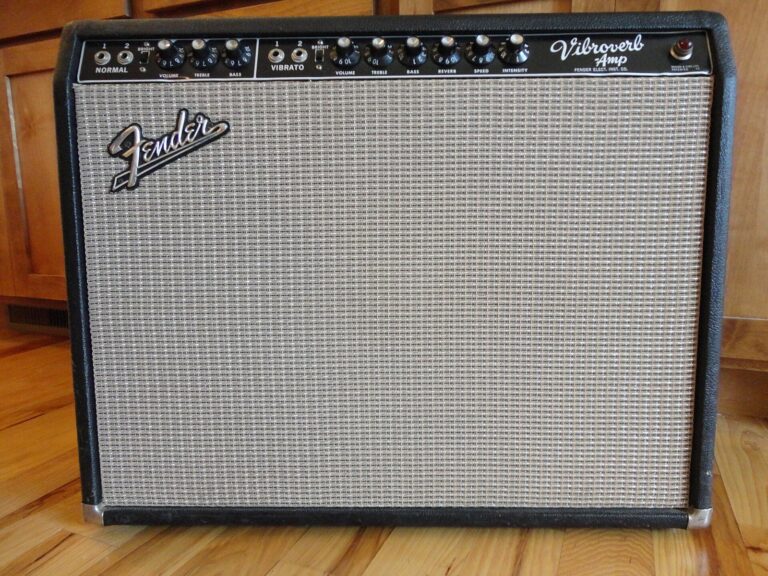
A vintage Fender Vibroverb — the rare 1963-1964 example with a single 15-inch speaker — appeared for specific applications where its particular combination of warmth and acoustic character gave specific recording contexts exactly the right tonal foundation. The Vibroverb’s specific character — different from any other Fender amplifier — was one of those specific tools that appeared exactly when needed and provided exactly what the moment required.
Various other vintage amplifiers — specific Marshalls, specific boutique designs — appeared across his diverse session career for the specific contexts where non-Fender amplification was the right acoustic choice.
Effects
Landau’s effects use was sophisticated and deeply informed — his specific approach to signal chain and effects serving the session context with the same quality of musical intelligence that governed his instrument and amplifier choices.
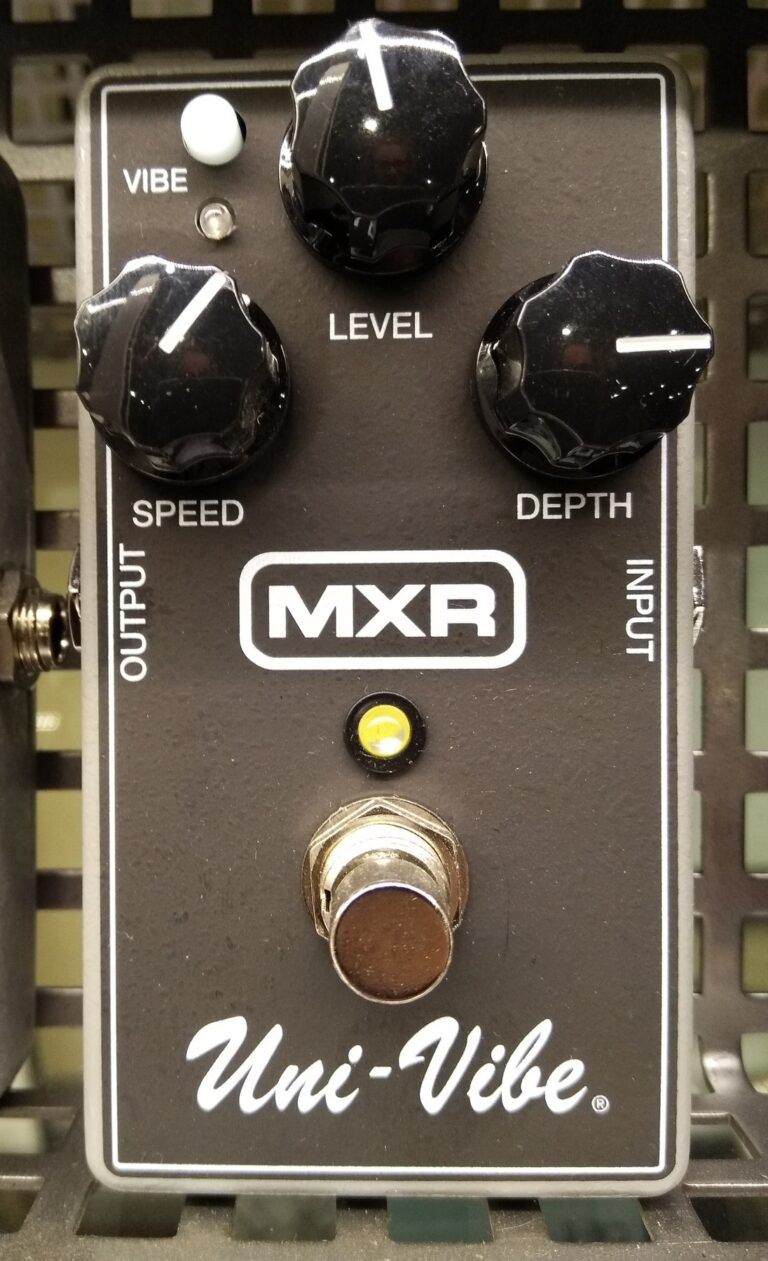
A Uni-Vibe or Uni-Vibe-style phase/vibrato pedal — for the specific swirling, slightly pitch-modulated character that the original Uni-Vibe produced and that was different from either standard chorus or standard vibrato. His Uni-Vibe use reflected genuine historical knowledge of the effect’s specific character and specific musical applications.
A vintage Electro-Harmonix Memory Man or similar analogue delay — the warm, slightly dark character of analogue delay being more appropriate for many of his session contexts than the clinical precision of digital alternatives. The Memory Man’s specific character of warm repeats with gentle high-frequency rolloff gave lead passages and specific atmospheric applications their appropriate quality of natural echo rather than processed reproduction.
A Tube Screamer (TS-808) or similar smooth overdrive — used as both a standalone overdrive for specific driven passages and as a front-end boost for the Fender amplification’s natural compression character.
Various other effects — tremolo, reverb, and specific period-appropriate pedals deployed for specific session requirements. His effects approach was as informed by historical knowledge of specific effects’ musical applications as by any personal tonal preference.
Playing Style & Tone Philosophy
Mike Landau’s playing style was defined by the specific combination of comprehensive musical knowledge and specific tonal identity that made him simultaneously versatile enough to serve any musical context and identifiable enough to have a distinctive voice within that context. His guitar tone — the warm, breathing quality of the vintage Stratocaster through vintage Fender amplification — was as immediately recognisable as any signature tone in the session world, and it appeared consistently across diverse recording contexts as the appropriate tonal foundation for whatever the specific music required.
His technical range was as comprehensive as the recording contexts he served — capable of the delicate acoustic-influenced playing of a folk ballad, the driven rock of a hard rock session, the harmonic sophistication of jazz-influenced material, and the specific groove orientation of soul and R&B recording. Each capability was genuinely developed rather than approximate, and each was deployed with the specific musical intelligence that made the best session playing appear effortless and inevitable rather than technically constructed.
His tonal philosophy was the finest session guitarist’s most complete expression: vintage Fender instruments with period-correct pickups through vintage Fender amplification, with effects chosen from genuine historical knowledge of what each specific effect contributed and deployed only when that specific contribution was what the music required. The natural character of the vintage instrument through vintage amplification was always the foundation; effects were always in specific service rather than habitual presence.
How to Sound Like Mike Landau
Guitar Approach
A vintage or quality vintage-specification Fender Stratocaster — the specific acoustic character of period-correct construction and period-correct pickups is central to the Landau tonal approach. Vintage Telecasters for country and harder rock material. Gibson semi-hollows for contexts requiring humbucker warmth. Medium strings (.010–.046). The most important element beyond the instrument choice is the comprehensive musical knowledge that identifies what each specific recording context requires and delivers it with complete musical conviction.
Amp Approach
Vintage Fender amplification — Twin Reverb, Super Reverb, or Deluxe Reverb depending on the specific output and tonal character required. The natural character of the vintage Fender amplification is the primary tonal statement; effects are additions for specific musical purposes.
| Control | Setting | Notes |
|---|---|---|
| Volume | 5–7 | Natural 6L6 warmth and gentle compression — session foundation |
| Treble | 5–6 | Moderate — vintage Stratocaster provides appropriate brightness naturally |
| Middle | 5 | Neutral — let the instrument’s natural character speak |
| Bass | 4 | Controlled — vintage Stratocaster adds warmth without bass boost needed |
| Reverb | 3 | Light spring reverb for natural atmospheric dimension |
Influence & Legacy
Mike Landau’s legacy was the specific legacy of a musician whose sustained forty-year presence on recordings across virtually every genre of popular music gave him an influence on American recorded music that was genuinely extraordinary even if largely invisible to non-musicians. The specific guitar tones on hundreds of major-label recordings — the warmth, the naturalness, the specific character of vintage Fender through vintage Fender amplification — were Landau’s contributions, and understanding them as such gives the most accurate picture of how influential his specific approach to the session context was.
His influence on subsequent session guitarists and on the specific culture of vintage instrument and amplifier appreciation that developed from the 1990s onward was as real as any individual’s public profile — his consistent use of vintage Fenders through vintage Fender amplification, and his consistent production of extraordinary recording results from this approach, contributed to the broader recognition of vintage instrument value that shaped the guitar market and the session musician’s equipment culture across multiple subsequent decades.
For players exploring the session guitar tradition and the vintage Fender approach that Landau represented at its most refined, the rigs of Tim Pierce — whose parallel career as one of Hollywood’s most sought-after session guitarists showed similar comprehensive musical intelligence and similar vintage-instrument orientation from a slightly different specific tonal approach — and Arlen Roth, whose comprehensive American roots guitar knowledge showed similar depth of engagement with vintage instrument character from an educational rather than session music primary context, provide illuminating comparison. The Robben Ford connection reaches toward Larry Carlton‘s work, which shows how similar jazz-influenced musical sophistication and similar vintage Gibson and Fender instrument approach produced a different but comparably distinguished session and solo guitar career from a different specific primary instrument and amplifier combination.

The Session World: What Hollywood Recording Actually Required
The Hollywood session guitarist’s specific professional context — the recording studios of Los Angeles where hundreds of major-label albums were produced every year and where the demand for high-quality guitar contributions across diverse musical contexts was both consistent and commercially significant — shaped Landau’s specific approach more completely than any single musical influence or any specific technical development. Understanding what the Hollywood session context specifically required gives a more complete picture of why his specific approach to instruments, amplification, and musical knowledge was as precisely calibrated as it was.
The Hollywood session context required, above all, the ability to identify quickly and accurately what each specific recording context needed from the guitar — a quality of musical intelligence that was both immediate and comprehensive. A session guitarist who appeared at a James Taylor session needed to understand intuitively what a James Taylor song required from the guitar; one who appeared at a Joni Mitchell session needed the same immediate understanding of the completely different aesthetic requirements of Mitchell’s specific musical world; and one who appeared at a session for a commercial pop production needed the same intelligence about the completely different requirements of the commercial pop context. This specific quality of musical intelligence — immediate, comprehensive, and consistently accurate across diverse contexts — was the primary professional capability that made the most successful session guitarists their specific combination of sought-after and well-compensated.
The secondary requirement was tonal range — the specific ability to produce appropriate guitar tones across the same diverse range of musical contexts. Landau’s vintage Fender approach gave him this specific tonal range in an instrument-and-amplifier framework that was simultaneously distinctive and adaptable: distinctive enough to have a recognisable individual voice that producers valued for its specific character, and adaptable enough to serve diverse contexts without the consistency of character becoming inappropriate for any specific requirement. The vintage Stratocaster through vintage Fender amplification covered more musical territory with appropriate tonal quality than almost any alternative approach could have provided.
The Vintage Fender Philosophy
Landau’s specific commitment to vintage Fender instruments and amplifiers — and his sustained maintenance of a collection of specific vintage examples rather than relying on modern reproductions or reissues — reflected both genuine acoustic understanding of what the vintage instruments offered and a specific professional judgment about what consistently produced the best recording results across the diverse contexts of his session career.
The vintage Stratocaster’s specific acoustic properties — the combination of aged alder body resonance, the specific maple neck’s contribution, and most importantly the period-correct single-coil pickups’ specific electrical characteristics — gave instruments from the 1950s and early 1960s specific tonal qualities that modern instruments, despite manufacturing improvements in consistency and quality control, didn’t replicate exactly. The pre-CBS Fender pickups (manufactured before CBS acquired Fender in 1965) were wound with specific wire gauges on specific machines by specific winders under specific conditions that produced specific pickup characteristics — output levels, inductance values, and frequency responses — that later mass-production methods didn’t consistently reproduce. These specific pickup characteristics gave the original instruments their specific tonal warmth, harmonic complexity, and dynamic response that experienced musicians recognised as superior to modern alternatives for specific recording applications.
The specific aging of the instrument’s tonewoods — the changes in the wood’s cellular structure over decades of temperature, humidity, and vibration exposure — also contributed acoustic properties to the aged instruments that new instruments didn’t yet have. Whether this aging effect was acoustically significant or primarily a collector’s rationalisation was debated in the guitar community, but musicians of Landau’s experience and acoustic sensitivity generally reported genuine acoustic differences that they valued for specific recording applications.
The Uni-Vibe: A Specific Effect for a Specific Character
Landau’s use of the Uni-Vibe — or a Uni-Vibe-style circuit — reflected genuine historical knowledge of what this specific effect produced and why it was different from other modulation effects that might superficially seem to serve similar musical purposes. Understanding the Uni-Vibe’s specific character gives a more complete picture of why Landau chose it for specific applications rather than more commonly available chorus or phaser alternatives.
The original Uni-Vibe (manufactured by Shin-ei in Japan and introduced in the late 1960s) was a photocell-based phase shifter/vibrato that produced a specific swirling, slightly pitch-modulated character that was simultaneously related to and distinct from both standard phase shifting and standard chorus. The photocell-based circuit — using a light bulb and light-dependent resistors rather than conventional electronic components — produced a specific organic irregularity in the modulation that gave the effect its characteristic warmth and naturalness. This specific character — the slight irregular warmth of the photocell-based circuit — was what distinguished the original Uni-Vibe from cleaner, more technically accurate modern alternatives, and what gave the effect its specific warm, breathing quality that Landau and other guitar players who used it valued for specific recording applications.
Jimi Hendrix’s use of the Uni-Vibe (on “Machine Gun” and other late-period recordings) had established the effect’s specific musical application in the rock context, but Landau’s use reflected a broader and more historically informed understanding of what the effect’s specific character contributed across different musical applications. The Uni-Vibe in his hands was not merely a period-appropriate effect deployed for nostalgic tonal references but a specific tool chosen for its specific character’s appropriateness for specific musical moments in specific recording contexts.
James Taylor and the Folk-Rock Session Context
Landau’s association with James Taylor — one of his most consistent and most publicly prominent session associations — illustrated the specific musical requirements of the folk-rock and singer-songwriter recording context and how his specific approach served those requirements with particular appropriateness. Taylor’s music — the specific combination of acoustic guitar-centred song construction, harmonically sophisticated chord progressions, and the overall aesthetic of intimate emotional communication — placed specific demands on the session guitarist that were quite different from the demands of the commercial pop or the rock session contexts that formed other dimensions of his career.
The Taylor session context required guitar contributions that were simultaneously supportive of the acoustic guitar-centred song structure and distinctive enough to add musical interest without competing with the primary acoustic guitar voice. Landau’s vintage Stratocaster through clean Fender amplification served this requirement with specific acoustic appropriateness: the single-coil’s warmth without the humbucker’s density, the Fender’s clean character without the harshness of either excessive gain or excessive clean headroom, and the overall tonal character that complemented rather than competed with Taylor’s specific acoustic guitar sound.
Mike Landau’s career — from the Valley Village formation through four decades of Hollywood session work across every genre of popular music, the Robben Ford association, and his own recordings as a leader — was one of American recording history’s most sustained and most comprehensively impressive individual contributions. The equipment he used: the vintage Stratocasters and Telecasters through vintage Fender amplification, with the Uni-Vibe, Memory Man, and Tube Screamer serving specific musical purposes with historically informed intelligence — was as specifically appropriate for the diverse recording contexts it served as any individual musician’s equipment could be. The gear served the intelligence; the intelligence served the music; and the music — across hundreds of recordings and forty-plus years of sustained professional contribution — was better for his presence on it than it would have been without him.
The Memory Man analogue delay’s specific warmth — and why this specific quality suited Landau’s vintage Fender approach better than digital delay’s cleaner precision — reflected the same acoustic logic that governed his vintage instrument and amplifier preferences. The Memory Man (introduced by Electro-Harmonix in the mid-1970s) used bucket-brigade delay chips to create analogue delay that had a characteristic gentle high-frequency rolloff on the delayed signal — each repeat slightly warmer and slightly less bright than the original, giving the delay effect a natural-sounding decay that digital delay’s pristine repetition didn’t produce. This specific warmth of analogue delay repeats complemented the vintage Fender’s natural warmth in a way that digital delay’s more clinical character didn’t, giving lead passages and specific atmospheric applications the natural quality of depth and dimension rather than the added-on quality that more processed effects could produce. His specific choice of the Memory Man over digital alternatives reflected the same principle that governed his entire equipment approach: the most naturally appropriate tool for the specific musical quality he was pursuing, chosen based on genuine acoustic understanding of what each tool contributed.
The Fender Vibroverb’s specific character — the rare 1963-1964 amplifier with the single 15-inch speaker that gave it a distinctively warm and spacious acoustic character different from any other vintage Fender design — was one of those specific pieces of vintage equipment that appeared in Landau’s collection because his professional experience and acoustic discrimination had identified it as providing a specific quality that nothing else replicated. The Vibroverb’s single 15-inch speaker configuration — unlike any other Fender amp before or after — gave it a specific acoustic character that was simultaneously full in the lower frequencies (from the larger speaker surface) and warm in the midrange (from the specific Fender circuit character at the specific power level the Vibroverb operated at). This specific combination — the single 15-inch speaker in a vintage Fender circuit operating at specific power levels — was acoustically different from any other available combination, and Landau’s maintenance of this specific amplifier reflected the same practical recording intelligence that governed his entire vintage equipment approach: if something specific produces a specific quality that nothing else replicates, it’s worth maintaining for the specific applications where that quality is exactly what the recording requires.
The Tube Screamer’s role in Landau’s signal chain was different from the standard Texas blues boost application — in his session context, the TS-808’s specific character served as much a tonal shaping tool as a gain staging tool. The JRC4558 op-amp circuit’s specific frequency shaping — the gentle mid-forward character that gave the Tube Screamer its specific warm, slightly compressed character even at low gain settings — was useful as a tone-shaping element for the vintage Stratocaster through vintage Fender applications where a small amount of the Tube Screamer’s specific frequency emphasis gave the guitar a specific quality of presence and warmth that improved the recorded result without being apparent as an obvious effect. This subtle application of a well-known pedal for purposes that went beyond its most common use reflected the same depth of acoustic understanding and the same practical recording intelligence that characterised every other aspect of Landau’s session equipment approach.
The specific quality of musical intelligence that Landau brought to each session — the ability to understand immediately and accurately what each specific recording context required from the guitar and to deliver it with complete conviction and complete quality — was developed through the specific character of sustained professional session experience across diverse musical contexts over four decades. Each session added specific knowledge about how the guitar functioned in specific musical contexts, how specific producers and artists thought about the guitar’s role in their specific musical visions, and how specific equipment choices produced specific results in specific recording environments. This specific accumulated professional knowledge — the product of sustained engagement with the highest-level recording contexts across the most diverse range of musical genres available — was as genuinely the source of his professional excellence as any technical capability, and it was the specific quality that made his approach to the session guitar role as professionally distinguished as any individual’s in American recording history.
The David Gilmour association — Landau’s work in the Pink Floyd guitarist’s orbit — was one of the more unexpected dimensions of his diverse session career, given Gilmour’s specific sonic identity and Landau’s own quite different primary tonal approach. Understanding what this specific professional association required of Landau’s musical intelligence gives a more complete picture of the comprehensive adaptability that distinguished his session approach. Gilmour’s specific guitar aesthetic — the specific combination of David’s own vintage Stratocaster tones, his specific pedal approach including the Big Muff fuzz and various Hiwatt-based amplification, and his overall musical philosophy of sustained, emotionally direct melody over complex technical vocabulary — was different enough from Landau’s own primary approach that serving it required genuine understanding of a different specific musical value system. His ability to serve this different aesthetic with appropriate quality showed the same comprehensive musical intelligence that made him appropriate for the James Taylor context, the Michael Jackson context, and every other specific musical world that his session career required him to inhabit.
The pre-CBS Fender pickup’s specific electrical characteristics — and why these characteristics produced tonal qualities that later production didn’t replicate exactly — was as technically specific a dimension of vintage instrument appreciation as any other aspect of the vintage Fender’s acoustic character. The pre-CBS single-coil pickups used specific wire gauges (.042 Plain Enamel or formvar-coated wire wound on specific Alnico II or Alnico V magnets in specific configurations) under specific manufacturing conditions that produced specific inductance values, capacitance values, and resonant peak frequencies that later production, despite consistent technical specifications, didn’t always match exactly. The specific resonant peak frequency of a pre-CBS pickup — the frequency at which the pickup’s inductance and capacitance interacted to produce a specific boost in the frequency response — was as important to the pickup’s specific tonal character as its output level, and this specific resonant character was as much a product of the specific manufacturing conditions and materials of the original production as of any explicitly specified technical parameter. Landau’s sustained preference for vintage instruments over modern alternatives — even when those modern alternatives used ostensibly the same specifications — reflected genuine acoustic discrimination about this specific quality of character that the vintage instruments consistently provided and that modern alternatives, despite technical accuracy, didn’t always replicate with the same warmth and naturalness.
The Miles Davis association — Landau’s appearance on recordings associated with one of American jazz’s most important and most musically demanding figures — placed his guitar in a specific musical context that was as far from conventional Hollywood session work as any available in American music. Davis’s specific approach to music — the constant creative innovation, the specific harmonic language that had been extended across six decades of musical development, and the specific musical demands that Davis placed on musicians who appeared in his musical orbit — required a specific quality of genuine jazz musical intelligence rather than the technically accurate execution of specified parts. Landau’s ability to serve this context — even in the limited capacity that a session appearance with Davis-associated projects represented — showed the comprehensive quality of his musical education and the specific depth of his jazz musical knowledge that the more commercial dimensions of his session career didn’t always make apparent.
The specific character of the LA session community in the late 1970s and early 1980s — the period when Landau’s session career was establishing itself — was one of the more distinctive professional musical environments in American music history. The concentration of commercially ambitious music production, the specific infrastructure of recording studios and music industry support services, the proximity of the entertainment industry’s commercial resources, and the specific competitive peer environment of Los Angeles’s professional musician community created a specific context that both demanded and developed the highest levels of professional musical capability. Session guitarists who established themselves in this specific context during this specific period were working within the most commercially demanding and most musically diverse professional recording environment available in American music, and the specific professional capabilities that this environment demanded were as comprehensive as the musical results it produced were diverse. Landau’s sustained success in this specific context across four decades showed both the quality of his initial preparation and the quality of his continued professional development — the ability to remain at the highest level of a demanding professional context across four decades of sustained activity being as impressive a professional achievement as any individual recording or association could indicate.
The specific relationship between the Fender Super Reverb’s 4×10 speaker configuration and the vintage Stratocaster’s single-coil output — at the specific volume levels appropriate for recording studio contexts — produced a particular acoustic interaction that gave the combination its specific quality of warmth within brightness. The four Jensen P10R alnico speakers (in an undamped cabinet configuration) produced a specific acoustic spread and a specific frequency response that was different from the more focused projection of fewer, larger speakers: the four smaller speakers’ combined output had a specific quality of acoustic diffusion that gave the sound its particular sense of spatial presence in the recording environment. The P10R’s specific alnico magnet character — the warm, slightly compressed response of alnico versus the more aggressive ceramic magnet character — gave the combined speaker system the same quality of organic warmth that the vintage instrument’s alnico pickups provided at the input end of the signal chain. The complete acoustic picture — vintage alnico pickup through vintage 6L6 amplifier through vintage alnico speakers — was as consistently natural and organically warm as any available guitar recording combination, and this specific quality of natural warmth was the fundamental tonal foundation of Landau’s session approach across every genre it served.
The Michael Jackson session connection — one of the more commercially significant aspects of Landau’s diverse session credits — placed his guitar in the most commercially ambitious recording context of his career: the specific production environment of the most commercially successful recording artist in the history of popular music. The Jackson production aesthetic — meticulous, layered, and oriented toward absolute commercial perfection at every level — required guitar contributions that were both acoustically appropriate for the specific song’s character and executed to the highest possible technical standard. Landau’s vintage Fender approach served even this most commercially demanding context with appropriate quality, demonstrating that the warmth and naturalness of vintage Fender guitar through vintage Fender amplification was as appropriate for the slickest mainstream pop production as for the most intimate folk recording or the most sophisticated jazz-influenced session. The comprehensiveness of his approach was never more clearly demonstrated than in its consistent quality across contexts as diverse as the intimate folk of James Taylor and the commercial pop spectacle of Michael Jackson — both equally well served by the same fundamental equipment philosophy and the same comprehensive musical intelligence.
Mike Landau’s complete career — the LA formation, the four decades of Hollywood session work, the Robben Ford association, and the solo recordings that documented his individual musical vision — demonstrated that the highest level of professional musical service required the deepest possible engagement with the music itself rather than the mastery of specific commercial formulas or the accumulation of specifically applicable stylistic vocabularies. His equipment — vintage Fenders through vintage Fender amplification, with historically informed effects serving specific musical purposes — was the physical expression of this philosophy of genuine musical engagement over commercial calculation. The gear was honest; the music was the beneficiary; and the beneficiaries were the hundreds of albums and the millions of listeners who heard his guitar, whether they knew it or not, as a specific quality of warmth and musicality that distinguished the recordings he appeared on from those he didn’t.
The Valley Village, California origin — a residential neighborhood in the San Fernando Valley that was both geographically within the LA entertainment industry’s sphere and culturally slightly removed from its most commercial and most competitive centres — gave Landau’s formation a specific character of proximity to the industry without immersion in its most commercially pressured dimensions. Growing up in the Valley gave him access to all the musical resources of the LA area — the music schools, the professional musician community, the recording studios — while the specific character of Valley Village as a residential rather than a commercial neighbourhood may have given his formation a somewhat different quality from musicians who grew up in closer proximity to the Hollywood entertainment industry’s specific competitive and commercial pressures. Whether or not this specific geographic character of his formation was genuinely significant for his musical development was difficult to assess from the outside, but his specific combination of comprehensive musical intelligence with warm, naturally expressive tonal approach — rather than the more technically flashy approach that the most competitive Hollywood session environment sometimes encouraged — was consistent with a formation that valued musical quality over commercial positioning. The gear was right for the musician; the musician was right for the music; and the music was the consistent beneficiary of both.
The pedal steel guitar dimension of Landau’s instrumental range — a competence that gave specific recording contexts a genuine pedal steel option from the same musician — reflected the same comprehensive instrumental approach that made his primary electric guitar work as versatile as it was. The pedal steel’s specific country music authenticity, when required by specific session material, was available from a musician whose primary tonal identity was as a vintage Fender guitarist rather than as a pedal steel specialist, and this specific dual capability made him even more valuable in the specific recording contexts where both were needed.
Frequently Asked Questions: Mike Landau Guitars & Gear
What guitars does Mike Landau play?
Mike Landau’s primary guitars are vintage Fender Stratocasters — 1950s and early 1960s examples chosen for period-correct acoustic character. He also uses vintage Fender Telecasters, Gibson semi-hollow instruments (ES-335), and Les Pauls for specific session contexts. His consistent preference for vintage instruments reflected genuine understanding of why the specific acoustic properties of period-correct construction served diverse recording contexts with consistent quality.
What amp does Mike Landau use?
His primary amplifiers include vintage Fender Twin Reverb, Super Reverb, Deluxe Reverb, and the rare Vibroverb — each selected for specific applications where its particular combination of wattage, speaker configuration, and tonal character best suited the specific recording requirement. His vintage Fender amplifier collection was as specifically selected and as practically deployed as his guitar collection.
What artists has Mike Landau recorded with?
Landau’s session credits include James Taylor, Michael Jackson, Miles Davis, David Gilmour, Pink Floyd, Joni Mitchell, Rod Stewart, Barbra Streisand, and hundreds of other artists across virtually every popular music genre. The range of his session credits — from jazz to pop to rock to country — demonstrated the specific comprehensive musical versatility that made him one of the most consistently employed session guitarists in Hollywood recording history.
What effects does Mike Landau use?
His key effects include a Uni-Vibe or Uni-Vibe-style phaser/vibrato (for the specific swirling character distinct from standard chorus), an Electro-Harmonix Memory Man analogue delay (for warm, natural echo), a Tube Screamer TS-808 (as overdrive and boost), and various other period-appropriate effects deployed for specific session requirements. His effects use was informed by historical knowledge of what each specific effect contributed rather than by habitual tonal additions.
What was Mike Landau’s connection to Robben Ford?
Landau played with Robben Ford in various contexts over the years, and Ford’s specific jazz-blues harmonic sophistication and musical depth provided a context of genuine musical seriousness that complemented the more commercially oriented session work that formed most of Landau’s professional activity. The association gave Landau’s playing a specific harmonic depth dimension that the most commercially oriented session work alone wouldn’t have required or developed.
Why does Mike Landau prefer vintage instruments?
Landau’s preference for vintage Fender instruments reflected genuine acoustic understanding of why period-correct vintage construction produced specific tonal qualities that modern instruments, despite manufacturing consistency improvements, didn’t replicate exactly. The specific combination of aged tonewood resonance, period-correct pickup characteristics, and the acoustic properties of pre-CBS Fender construction gave vintage instruments specific qualities — warmth, breathing quality, harmonic complexity — that made them consistently superior tools for the specific session contexts his career demanded.
What is the Mike Landau Group?
The Mike Landau Group was the specific outlet for his individual musical vision outside the session context — recordings that documented his playing as the primary musical subject rather than as a supporting element of other artists’ productions. The group’s recordings showed the full range of his musical approach in a leader context, including the jazz-influenced harmonic sophistication, the vintage Fender tonal character, and the specific musical intelligence that had always distinguished his session work from more commercially generic alternatives.
Genre:
Jazz Rock / Fusion
Decades:
1970s | 1980s | 1990s | 2000s | 2010s
Image credits
- Robben Ford: Eckhard Henkel, Wikimedia Commons, CC BY-SA 3.0 DE.
- Top image: Marco Raaphorst, Wikimedia Commons, CC BY 2.0.
- Fender Telecaster: Massimo Barbieri, Wikimedia Commons, CC BY-SA 3.0.
- Fender Super Reverb: GabeMc, Wikimedia Commons, CC BY-SA 3.0.
- MXR Uni-Vibe: Skimel, Wikimedia Commons, CC BY-SA 4.0.
- Michael Landau live: Marco Raaphorst, Wikimedia Commons, CC BY 2.0.
- Fender Vibroverb: GabeMc, Wikimedia Commons, CC BY-SA 3.0.