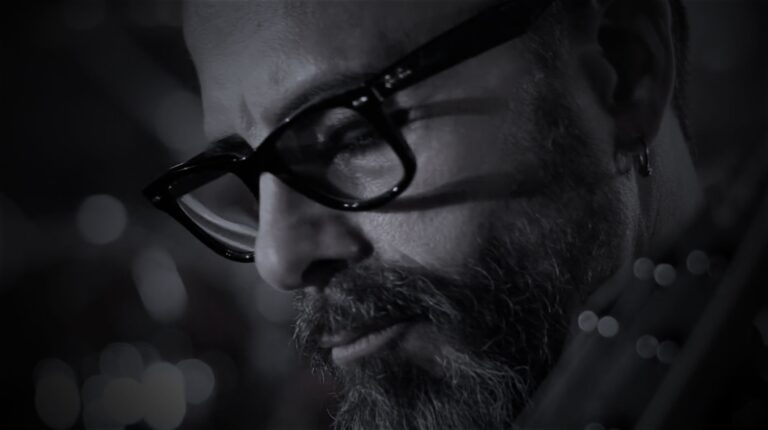
Mark St. John Guitars & Gear: Kiss’s Speed Demon and Animalize-Era Guitar Blitzer’s Complete Rig
Mark St. John guitars gear — Kramer Baretta and Marshall JCM800 deep-dive for Kiss's Animalize-era shred guitar hero's explosive 1980s hard rock tone and complete rig.
Investigate Mark St. John guitars gear and you find the equipment behind one of hard rock’s most tragically brief and most technically explosive appearances in a major band context — a Los Angeles-born guitarist who joined Kiss in 1984 as the replacement for Vinnie Vincent and appeared on the Animalize album before a severe arthritis flare in his right hand forced him off the tour after only a few shows, ending what had looked from the outside like one of the most promising Kiss-guitarist partnerships in the band’s career. St. John was a genuine technical virtuoso — a player in the Los Angeles shred tradition whose speed, accuracy, and specific approach to the guitar had been developing for years before Kiss selected him from an open audition — and the Animalize album documented what that specific technical approach sounded like in the context of one of hard rock’s most commercially powerful and most theatrically distinctive bands.
The Journey
This guide covers St. John’s complete equipment picture: the Kramer guitars that suited the shred rock context of the mid-1980s LA scene, the Marshall amplification that gave his driven playing its authority, his effects chain, and the playing philosophy of a musician whose brief Kiss association gave him his widest public exposure and whose technical capabilities deserved a longer major-label career than his health permitted. Understanding Mark St. John’s gear is understanding how the LA shred tradition served the commercial hard rock context at the precise moment when that tradition was at its most technically ambitious.
Background
Mark Norton was born on February 7, 1956, in Hollywood, California — the heart of the Los Angeles music scene that would produce the specific concentration of technically advanced rock guitarists in the 1970s and 1980s that made Southern California one of the most important guitar culture centres in rock history. His early musical formation encompassed both the technical guitar study that the LA session and teaching community made available and the specific hard rock and heavy metal influences that defined his generation’s guitar aesthetic.
He developed his guitar approach through the specific Los Angeles guitar culture of the late 1970s and early 1980s — the specific combination of formal technical development, peer influence from a concentrated community of advanced guitarists, and the specific competitive energy of the LA rock scene that pushed technical development to levels that other regional rock guitar communities didn’t consistently produce. His playing showed the specific qualities that this LA formation developed: extraordinary technical velocity, precise execution of complex runs, and the specific guitar character of the LA shred aesthetic that valued technical accomplishment alongside commercial rock appeal.
His Kiss association came through an open audition process following the departure of Vinnie Vincent — Kiss advertised widely for a new guitarist, received hundreds of submissions, and selected St. John for his specific combination of technical excellence and appropriate hard rock character. The Animalize album (1984) that resulted was a significant commercial success for Kiss, reaching number 17 on the Billboard 200 and going platinum. The arthritis that cut short his Kiss tenure — a reactive arthritis condition that affected his right hand — was a genuinely tragic outcome for a musician who appeared to have finally found the major commercial context his technical abilities deserved. He died on April 5, 2007.
Mark St. John Guitars Gear: The Complete Rig
Guitars
St. John’s guitar choices were rooted in the instruments that the LA shred scene had adopted as its standard tools in the mid-1980s — superstrat designs with high-output humbuckers and floyd rose or similar vibrato systems that suited the specific technical demands of high-velocity lead playing.
His primary guitar during the Kiss period was a Kramer Baretta — the single-pickup superstrat that had become one of the most popular guitars in the LA shred scene through Eddie Van Halen’s association with the brand. The Baretta’s specific design — a solid maple-neck bolt-on construction with a single high-output humbucker and a Floyd Rose-licensed locking vibrato — gave it the specific combination of tonal character and performance features that the 1980s shred aesthetic required. The single-humbucker configuration focused the tonal approach on the bridge pickup’s high-output driven character without the tonal options of multi-pickup designs, which was appropriate for the lead-guitar-focused playing approach that was his primary musical role.
He also used Kramer Pacer models and other Kramer designs — the Pacer’s two-humbucker configuration giving him additional tonal options while maintaining the Kramer superstrat design character that suited the 1980s hard rock playing context.
The Floyd Rose locking vibrato system on his primary instruments was essential for the whammy bar techniques that were central to the LA shred aesthetic — the dive bombs, the flutter vibrato, and the wide-interval pitch excursions that the locking system’s tuning stability made possible at the technical levels the shred tradition demanded. Without the Floyd Rose’s specific combination of locking nut and locking saddles that prevented detuning under extreme vibrato use, the specific whammy techniques that were central to his playing vocabulary would have been impossible at the technical intensity he deployed them.
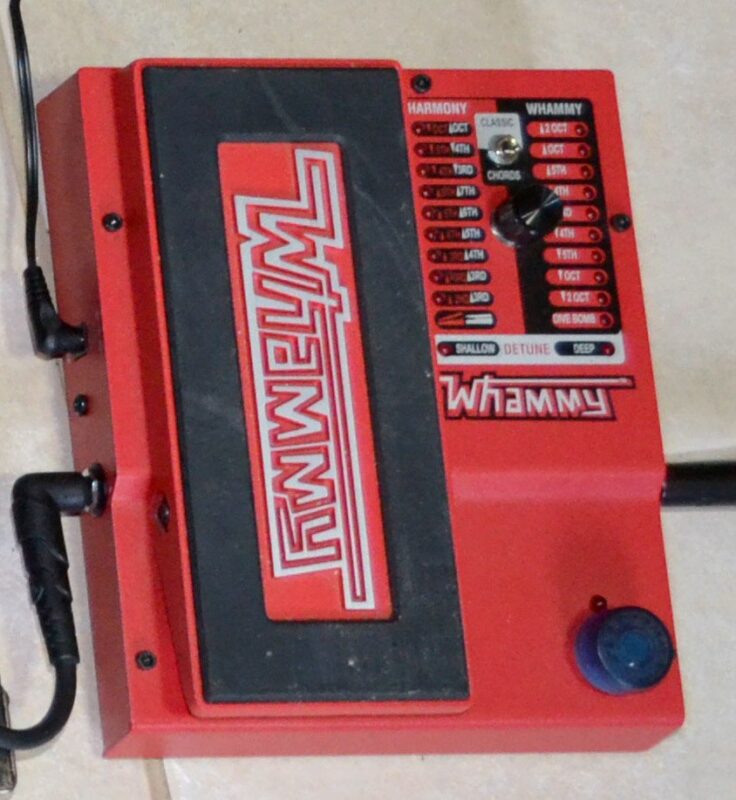
The high-output humbucker pickups — DiMarzio or similar high-output designs appropriate for the driven hard rock context — gave his Kramers the specific combination of output level and frequency response that suited the Marshall-driven 1980s hard rock tonal approach. Higher output than vintage PAF-spec humbuckers, with a slightly compressed character that suited high-gain amplification better than the more dynamic vintage designs.
String gauges were typically lighter than traditional rock guitar gauges — .009–.042 or similar — appropriate for the high-velocity technical playing that the shred tradition prioritised. Lighter strings reduced the physical resistance to fast left-hand movement, enabling higher technical velocity at the cost of some of the warmth and sustain that heavier gauges produced on vintage-spec instruments.
Amps
St. John’s amplification was Marshall-centred — the standard professional hard rock amplification choice of the 1980s, consistent with both the LA shred scene’s standard equipment approach and Kiss’s specific hard rock identity.
His primary amplifiers were Marshall JCM800 heads — the master-volume Marshall that was the standard professional hard rock amplifier of the early 1980s and that provided the EL34 natural saturation character of the vintage Plexi in a more stage-manageable and more gain-accessible format. The JCM800’s specific gain staging — additional preamp gain relative to the vintage Plexi designs — gave the high-output Kramer humbuckers the driven character that 1980s hard rock required without needing the extreme volume levels of the vintage Plexi for comparable saturation levels.
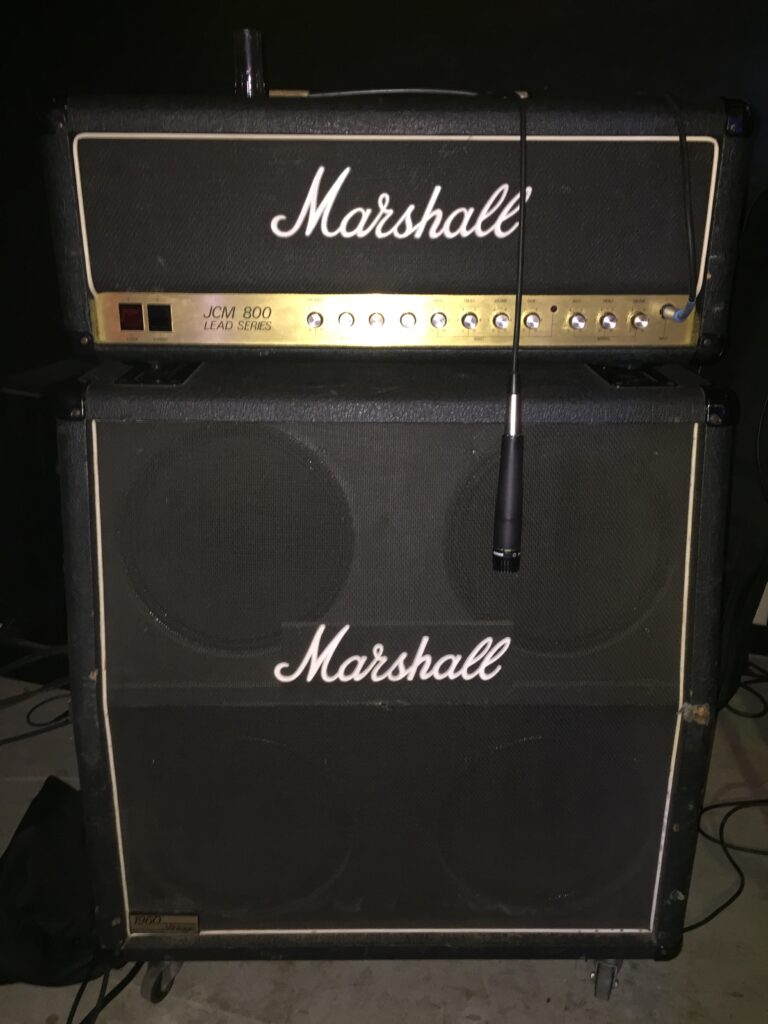
He ran the Marshalls into Marshall 4×12 cabinets — the standard professional arena rock configuration. The specific speaker loading — typically Celestion Vintage 30 or G12T-75 speakers — gave the driven Marshall its specific character of forward, present upper-midrange that suited the high-gain 1980s hard rock aesthetic.
Effects
St. John’s effects chain reflected both the LA shred scene’s standard approach and the specific requirements of the Kiss live performance context.
A Boss CE-2 or CE-3 Chorus for the specific dimensional shimmer that 1980s hard rock production valued — adding spatial width to both clean passages and driven lead work. Chorus was as standard an element of the 1980s hard rock production aesthetic as any specific amplifier or guitar choice.
A delay pedal for atmospheric depth on lead passages — Boss DD-2 or similar digital delay for the clean, articulate repeats appropriate for high-velocity lead playing where analogue delay’s warmth could blur the specific definition of fast technical passages.

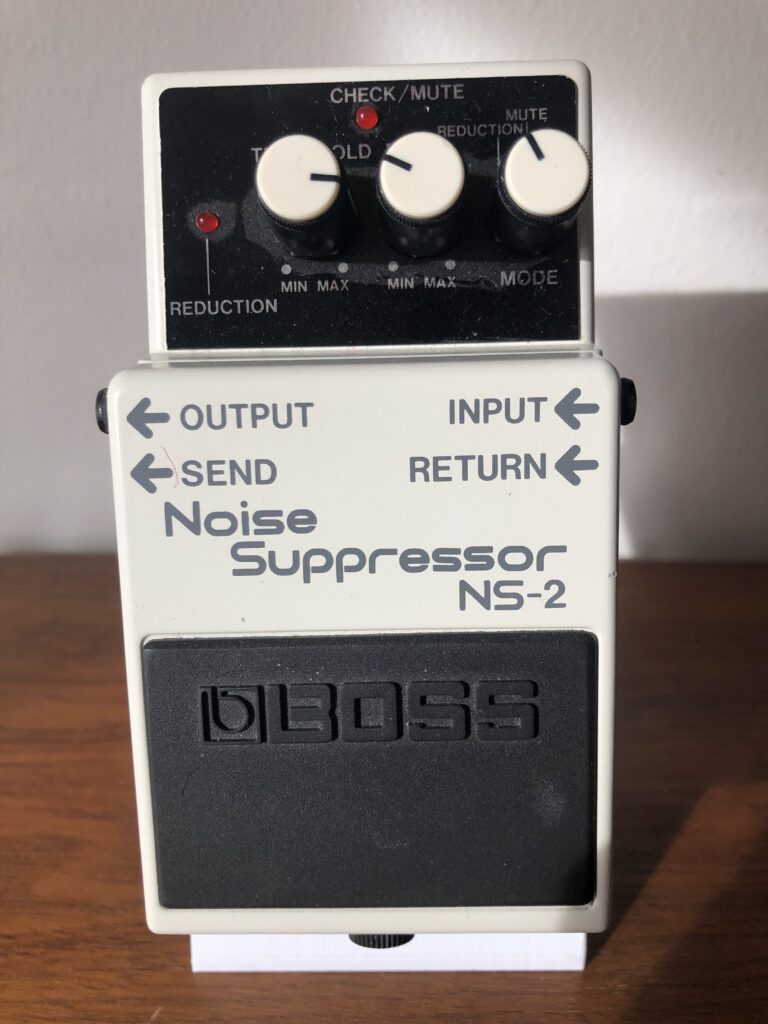
A Boss NS-2 Noise Suppressor or similar noise gate — practically essential for the high-gain JCM800 driving a high-output pickup, where the gain staging’s sensitivity to electronic noise required active noise management between passages. The noise gate was one of the more important practical effects in the high-gain 1980s rig context, often ignored in discussions of the period’s gear but essential for the specific performance quality that professional-standard silence between passages required.
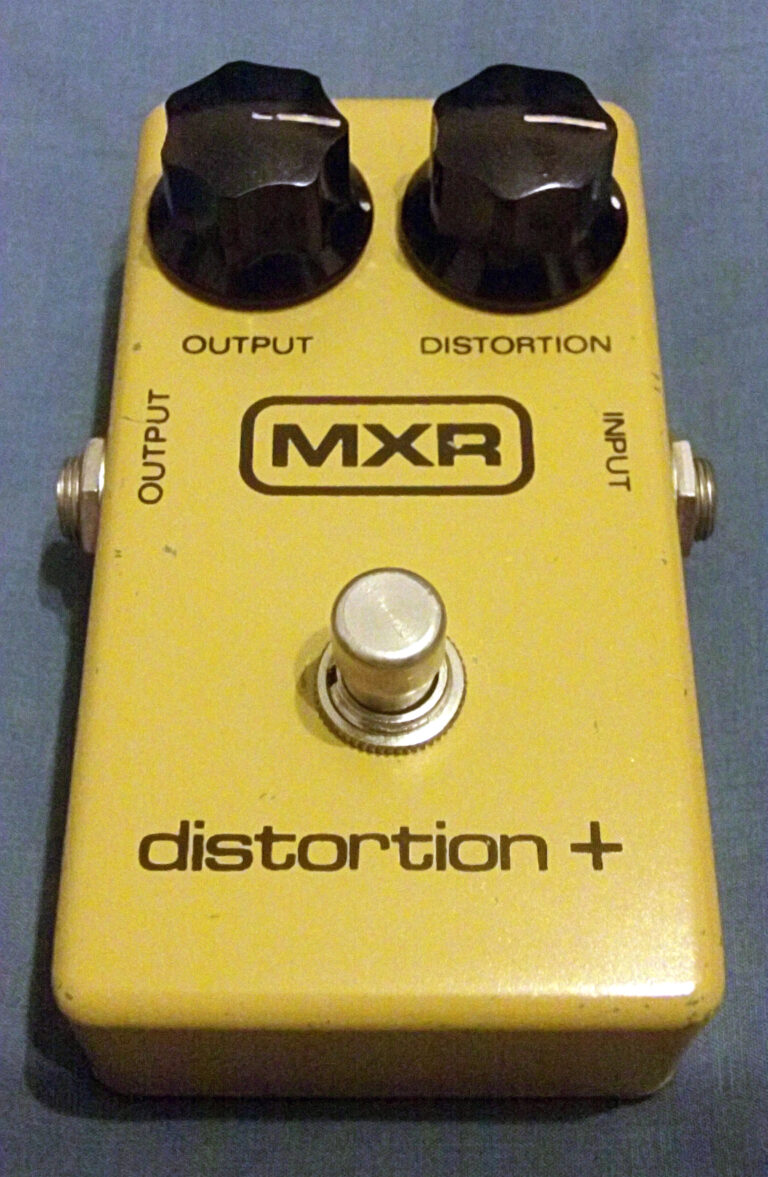
An overdrive pedal — MXR Distortion+ or similar for additional gain staging before the Marshall for the most driven passages.
Playing Style & Tone Philosophy
Mark St. John’s playing style was defined by the specific technical approach of the LA shred tradition at its mid-1980s peak — extraordinary velocity, precise legato technique, and the specific combination of two-handed tapping, whammy bar use, and sweep picking that gave the LA shred aesthetic its characteristic technical signature. His playing showed the specific qualities that the LA guitar culture’s concentrated competitive environment produced: technical accomplishment pushed to a level that demanded sustained and dedicated development over years of intensive practice.
His lead guitar approach on the Animalize album showed both the shred tradition’s technical ambitions and the specific demands of the Kiss commercial hard rock context — the technical velocity of the shred approach serving the hard rock audience’s appetite for guitar fireworks while the commercial song structures gave the technical displays their appropriate context. The album’s guitar solos showed runs of genuine technical complexity delivered with the clean execution that distinguished genuine technical mastery from merely attempting difficult material.
His tone philosophy was the 1980s hard rock guitarist’s standard philosophy: high-output superstrat humbuckers through high-gain Marshall JCM800, with the Floyd Rose enabling the whammy bar techniques that were as central to the shred vocabulary as the left-hand technical approaches. The specific tonal character — bright, compressed, forward in the upper midrange — was the characteristic 1980s hard rock guitar sound that the JCM800’s specific gain structure and the high-output humbucker’s specific frequency response produced in combination.
How to Sound Like Mark St. John
Guitar Approach
A Kramer Baretta or similar single-humbucker superstrat with Floyd Rose locking vibrato — the specific combination of high-output single humbucker and locking vibrato that was his primary instrument configuration. Light strings (.009–.042) for the technical velocity the shred approach required. The technical approach is the most demanding element: the two-handed tapping, the legato runs, the sweep picking, and the specific whammy bar vocabulary all required years of dedicated development.
Amp Approach
A Marshall JCM800 into a 4×12 cabinet with Celestion speakers. The high-output humbucker through the JCM800’s preamp gain produced the specific driven brightness of the 1980s hard rock shred tone. Boss CE-2 chorus for dimensional shimmer; digital delay for lead passage depth; noise gate for silence management between passages.
| Control | Setting | Notes |
|---|---|---|
| Preamp Gain | 7–8 | High gain — 1980s hard rock shred requires driven character |
| Master Volume | 5–7 | EL34 output saturation at performance volume |
| Treble | 7 | Bright — Kramer high-output humbucker needs treble presence for shred definition |
| Middle | 5 | Moderate — scooped mid was fashionable but some mid presence aids definition |
| Bass | 4 | Controlled — high gain needs managed bass for clarity |
| Presence | 6 | Present — cutting quality for arena hard rock |
Influence & Legacy
Mark St. John’s legacy was the specific legacy of a musician whose greatest professional opportunity was cut short by illness before it could be fully realised — a guitar career that showed extraordinary promise on the evidence of the Animalize recordings but that never had the opportunity to demonstrate its full capabilities across a sustained major-band career. The Animalize album remained the primary document of his playing at its most publicly prominent, and it showed a technical approach of genuine accomplishment that deserved a wider and longer professional career than his health permitted.
His influence within the specific LA shred guitar community of the 1980s was significant — he was recognised among the community of technically advanced LA guitarists as a player of genuine standing, and his Kiss association gave his approach a public profile that the less commercially visible LA shred scene rarely provided its most technically accomplished members.
For players exploring the 1980s hard rock shred tradition that St. John inhabited, the rigs of Vinnie Vincent — whose Kiss work immediately before St. John’s showed how the same band context shaped a different but comparably ambitious guitar approach — and Bruce Kulick, whose subsequent Kiss work showed how the post-St. John evolution of the band’s guitar approach developed across the more sustained career that St. John’s health prevented him from having, provide illuminating comparison. The LA shred tradition connection reaches toward George Lynch‘s Dokken work, which shows how the same LA shred scene produced a different but comparably accomplished technical approach in a different specific hard rock band context.
Read our guide to the Marshall JCM800 2203.
Animalize: Kiss at Their 1980s Commercial Peak
Animalize (1984) — the Kiss album that featured St. John’s guitar and that was the band’s most commercially successful release since the late 1970s — was a recording that showed the specific confluence of factors that made 1984 an auspicious moment for Kiss’s commercial revival: the de-makeup decision, the specific energy of the new drummer Eric Carr, Paul Stanley’s commercial songwriting instincts at their most focused, and St. John’s specific technical approach giving the guitar work a genuine shred credential that distinguished Animalize from the somewhat less technically ambitious Kiss releases of the immediately preceding period.
The album’s guitar tones — the Kramer Baretta’s high-output humbucker through the JCM800’s preamp gain into the Marshall 4×12’s Celestion speakers — showed the specific 1980s hard rock guitar character at its most clearly realised: driven, bright, and forward in the upper midrange in a way that suited the large-venue live performance context and the specific era’s production aesthetic. The guitar solos showed the LA shred technical approach serving commercial hard rock song structures — runs of genuine velocity and complexity deployed within song contexts that required them to serve the song’s dramatic arc as well as demonstrate individual technical accomplishment.
The specific recording approach for the album — Shelly Yakus as engineer, the specific studio environment — gave the guitar tones their specific character of present, forward brightness rather than the more compressed and processed character of some contemporaneous 1980s hard rock productions. The natural character of the Kramer through the JCM800 was captured with reasonable directness, and the result was a guitar sound that was identifiably of the period but maintained enough natural character to reward specific listening rather than merely serving as a generic 1980s hard rock tonal backdrop.
The Kramer Baretta: The Shred Scene’s Weapon of Choice
The Kramer Baretta — Eddie Van Halen’s association with Kramer having made the brand the most commercially visible in the LA shred scene throughout the early-to-mid 1980s — was as symbolically appropriate an instrument for the LA shred context as any guitar could have been. Understanding what specifically the Baretta offered and why it suited the shred playing approach gives a more complete picture of why St. John’s choice of this specific instrument was as acoustically motivated as it was symbolically appropriate.
The Baretta’s single-humbucker configuration — a single high-output pickup at the bridge position, without a neck pickup — reflected the shred tradition’s specific prioritisation of the bridge pickup’s bright, cutting character for lead playing over the tonal variety of multiple pickup configurations. In the shred context, the primary musical content was high-velocity lead playing from the bridge position pickup; the clean, warm character of the neck position that multi-pickup configurations provided was less central to the shred aesthetic’s primary musical values. The single-pickup configuration also simplified the instrument — no pickup selector to accidentally engage during performance, no potential for unintended tonal changes during the most technically demanding passages.
The maple neck’s specific contribution to the Baretta’s tonal character — and how the bolt-on maple neck differed from the mahogany set neck of a Les Paul or the maple set neck of a Gibson SG — reflected the different acoustic properties that different neck woods and attachment methods produced. The maple bolt-on gave the instrument’s overall tone a specific quality of brightness and attack definition — similar in principle to the Fender Stratocaster’s maple-neck brightness but with the single-humbucker’s warmer character rather than the Stratocaster’s single-coil brightness. This specific combination — high-output humbucker warmth with maple-neck attack definition — gave the Kramer a tonal character that was different from either the Les Paul’s mahogany warmth or the Stratocaster’s single-coil brightness, and this specific character suited the high-gain 1980s hard rock context with particular appropriateness.
The Floyd Rose Revolution: Technical Playing’s Essential Tool
The Floyd Rose locking vibrato system — introduced by Floyd Rose in 1977 and adopted by major manufacturers including Kramer through licensing agreements in the early 1980s — was as important a technical innovation for the LA shred tradition as any specific playing technique, and understanding what it specifically enabled gives a more complete picture of why its adoption by the shred community was so rapid and so complete.
The conventional non-locking vibrato systems that preceded the Floyd Rose — Fender Stratocaster vibrato, Gibson Vibrola, and similar designs — had a fundamental limitation that prevented their use for the extreme pitch excursions that the shred tradition required: they detuned. Any significant pitch excursion with a conventional vibrato — the dive bombs, the flutter effects, and the wide-interval pitch bends that were central to the shred vocabulary — caused the strings to go out of tune when the arm returned to the neutral position, because the strings’ tension changed through the nut as they passed over it without being locked in place. The practical result was that conventional vibrato use beyond gentle tremolo effects produced an instrument that was consistently sharp or flat after each excursion, making the extreme vibrato techniques impractical for professional performance.
The Floyd Rose’s solution — locking the strings at both the nut and the saddles, so that the strings’ tension could not change except through the vibrato arm’s specific displacement — gave guitarists the ability to perform extreme pitch excursions and return to perfect pitch. The dive bomb — pressing the arm all the way forward to lower the pitch by several octaves — and the flutter effect — rapidly oscillating the arm for a machine-gun pitch modulation — became practically usable techniques rather than interesting but professionally impractical stunts. St. John’s use of the Floyd Rose reflected genuine understanding of why this specific mechanical system was essential for the specific techniques it enabled, and his deployment of the whammy techniques it made practical showed the creative musical use of a specific technological innovation.
The LA Shred Context: A Guitarists’ Community
The specific competitive energy of the concentrated Los Angeles guitar community in the late 1970s and throughout the 1980s — the environment that produced Eddie Van Halen, George Lynch, Warren DeMartini, Randy Rhoads, Steve Vai, and dozens of other technically extraordinary guitarists in a single geographic area within a single decade — was as important a factor in producing Mark St. John’s specific technical approach as any individual musical influence or practice regimen. Understanding the LA shred community as a specific cultural and musical environment, rather than merely as the aggregate of individual guitarists’ achievements, gives a more complete picture of how the specific level of technical development that characterised the community’s best players was achieved and maintained.
The concentration of advanced guitarists in a single geographic area — the result of the Los Angeles music industry’s commercial pull, the specific music school environment (GIT — Guitar Institute of Technology — being particularly important), and the general cultural orientation of Southern California toward the entertainment industry and its associated professional communities — created a specific social and musical context where technical advancement was simultaneously valued, visible, and practically encouraged by the existence of a large community of technically comparable peers. When a guitarist could regularly encounter and play with other guitarists of comparable or higher technical level, the specific motivation to continue developing technically was maintained by the social context in ways that geographic isolation didn’t produce.
The GIT — Guitar Institute of Technology, founded in Hollywood in 1977 — was the specific institutional embodiment of this community’s values: formal study of rock and jazz guitar technique at a professional standard, with instruction from working professional guitarists, in a concentrated environment where the peer community was itself composed of ambitious technically focused guitarists. The GIT curriculum — which included theory, technique, ear training, and ensemble performance in a structured educational format — gave the LA shred community a formal educational dimension that other regional rock guitar communities didn’t have in the same concentrated and accessible form. St. John’s formation within this specific environment gave his technical development the specific quality of formal technical grounding alongside the competitive peer motivation that the LA guitar community’s broader social context provided.
Mark St. John’s complete story — the Hollywood formation, the LA shred development, the Kiss audition and Animalize album, the arthritis that cut short the most promising professional opportunity of his career, and the subsequent reduced-profile professional activity that sustained him until his death in 2007 — was one of hard rock history’s more poignant brief appearances in the major commercial spotlight. The equipment he used: the Kramer Baretta with Floyd Rose through the JCM800’s preamp gain into the Marshall 4×12, with chorus and delay adding the 1980s hard rock production aesthetic’s specific tonal dimensions — was exactly right for exactly this music and exactly this moment. The gear served the technical approach; the technical approach served the shred tradition; and the shred tradition, at its best on the Animalize recording, showed what the LA guitar community’s most technically accomplished members could contribute to the commercial hard rock context when given the opportunity to do so.
The JCM800’s specific gain structure — the way that the additional preamp gain stage relative to the vintage Plexi designs changed the amplifier’s tonal character and its response to high-output pickups — was as important to the 1980s hard rock guitar sound as any specific instrument choice. The JCM800’s preamp stage, operating with more gain than the vintage Plexi, reached its natural saturation at lower input levels — meaning that a high-output Kramer humbucker driving the JCM800’s input produced more preamp saturation at lower master-volume settings than the same pickup driving a vintage Plexi at the same settings. This practical advantage — achieving the desired level of preamp saturation at stage-manageable volume levels — was the primary reason the JCM800 became the standard professional hard rock amplifier of the early 1980s rather than the vintage Plexi designs that had preceded it. St. John’s use of the JCM800 reflected both the practical advantages it offered for the high-gain 1980s hard rock approach and the specific tonal character it produced — the preamp saturation contributing a specific quality of compressed, forward-midrange drive that was different from the more dynamic output saturation of the vintage Plexi at comparable overall levels.
The two-handed tapping technique — the specific left-hand and right-hand coordination technique that Eddie Van Halen had made the most publicly visible technical innovation in rock guitar when “Eruption” introduced it to mainstream audiences in 1978 — was central to the shred vocabulary that St. John and his LA contemporaries had developed. The technique involved using a finger of the right (picking) hand to tap notes on the fretboard alongside the left hand’s conventional fretting — creating a specifically fast legato character that string-to-string picking couldn’t match at comparable velocity. The specific execution of two-handed tapping required precise coordination of both hands’ hammering movements, clean intonation accuracy at the tapping positions, and the specific left-hand hammer-on and pull-off technique that gave the legato passages their flowing character. St. John’s command of this technique — developed through the specific LA shred environment that had refined it beyond its Van Halen introduction into a more systematically developed technical approach — gave his Animalize guitar work its specific quality of velocity and fluency that distinguished the 1984 Kiss album from the somewhat less technically ambitious guitar work on some immediately preceding Kiss releases.
The reactive arthritis condition — technically named reactive arthritis or Reiter’s syndrome, an autoimmune condition triggered by infection that caused severe inflammation in joints, often in the extremities — that cut short St. John’s Kiss tenure was a genuinely tragic medical outcome for a musician whose playing career had just reached its most commercially prominent moment. The condition’s specific impact on his right hand — the picking hand that executed the precise, high-velocity picking and tapping movements that were central to his technical approach — was as complete a physical barrier to professional performance at the level his Kiss association required as any injury could have been. The specific demands of the LA shred approach on picking-hand precision and speed were exactly the demands that the arthritis most severely compromised, and the timing — occurring during the Animalize tour that should have extended his commercial profile — was as unfortunate a combination of personal and professional circumstance as any in the hard rock tradition’s history of guitarist departures from major bands.
The noise suppressor’s practical role in St. John’s high-gain rig — an often-overlooked but genuinely essential element for professional-standard performance with high-gain amplification — illustrated one of the more practical aspects of the 1980s hard rock gear picture that is often absent from discussions focused primarily on the more musically interesting elements. High-gain amplification (particularly the JCM800 at higher preamp gain settings) and high-output pickups created a specific combination of sensitivity to electronic interference — from stage lighting, power transformers, and other electrical equipment — that produced audible noise when the guitar’s signal was not actively playing. This noise — acceptable at moderate gain levels but genuinely intrusive at the higher gain settings of the shred context — required active management through noise suppression circuits that reduced the amplified signal level below audible thresholds when the input signal fell below a specific threshold. The noise suppressor allowed cleaner silence between passages, cleaner attacks from silence, and generally cleaner professional performance across the full dynamic range of a hard rock set. Its presence in St. John’s rig reflected practical professional intelligence about what the specific high-gain setup required for the highest quality live performance, and it was as genuinely useful an element of the signal chain as any of the more musically interesting effects.
The specific historical moment of the Animalize recording — 1984, the year that the LA hard rock and heavy metal scene was at its first commercial peak with bands from the Sunset Strip beginning to achieve major commercial success — placed St. John’s specific technical approach in its most commercially relevant context. The audience for 1980s LA hard rock valued guitar technique specifically and explicitly in ways that earlier hard rock audiences hadn’t always — the guitar solo was as much a commercial expectation as a musical element, and the specific quality of technical accomplishment was as much a commercial selling point as any specific melodic or harmonic quality. St. John’s specific technical gifts — the velocity, the precision, the specific shred vocabulary — were exactly what the specific commercial moment valued, and the Kiss context gave those gifts their widest possible public platform. That the arthritis prevented this from developing into a sustained commercial career was as genuine a loss for the commercial hard rock audience as for St. John personally, and it remained one of the more counterfactually interesting questions in the 1980s hard rock history what his career might have become had his health permitted the continuation that the Animalize album seemed to promise.
Bruce Kulick’s subsequent decade-long Kiss career — the most sustained guitar tenure in the post-original-lineup era — was the specific professional trajectory that St. John’s arthritis prevented him from occupying. Kulick’s approach — somewhat less technically shred-focused than St. John’s but broader in its melodic range and more sustainably appropriate for the diverse Kiss commercial material across multiple albums — showed what a decade-long Kiss guitarist career looked like when sustained health permitted its full expression. The comparison was not a diminishment of St. John’s specific technical accomplishments but rather a measure of what those accomplishments might have developed into across a more extended professional association had the physical circumstances permitted it. Kulick’s Kiss career showed the full potential of the Kiss guitarist role across sustained commercial recording and touring; St. John’s Animalize appearance showed what one of the LA shred community’s most technically accomplished members could contribute to that role in a single album’s worth of concentrated exposure. Both represented genuine contributions to the Kiss catalogue; only one had the opportunity to develop across a sustained professional association.
The specific guitar tones of the Animalize album’s most technically demanding passages — the solo sections where St. John’s full technical vocabulary was deployed within the commercial song structures — showed the specific relationship between the Kramer Baretta’s high-output single humbucker and the JCM800’s preamp gain character that produced the album’s most characteristic guitar sound. The humbucker’s output level drove the JCM800’s preamp into its characteristic saturation zone with the specific compression and harmonic enrichment that gave the driven sound its 1980s hard rock character; the maple neck’s brightness gave the fastest runs their specific attack definition; and the Floyd Rose’s tuning stability gave the whammy bar excursions their specific return-to-pitch accuracy that made them musically useful rather than merely spectacular. Understanding these three elements — pickup output, amplifier gain structure, and vibrato stability — as a complete acoustic and mechanical system gives the most accurate picture of what produced the specific guitar character that distinguished St. John’s Animalize work and that made it one of the more technically remarkable moments in Kiss’s extensive guitarist history.
The Hollywood, California cultural context that gave St. John his specific formation — the entertainment industry’s immediate presence, the specific concentration of professional musicians available as both models and peers, and the specific competitive energy of a community where extraordinary technical accomplishment was regularly visible and regularly rewarded — was as important to his specific development as any individual influence or practice approach. Growing up in Hollywood in the 1960s and 1970s meant growing up in the specific proximity of the professional music industry that gave his technical aspirations their specific practical orientation: not merely the abstract aspiration to play guitar well, but the specific professional orientation toward the commercial music industry that the Hollywood environment made immediately and concretely present. The GIT’s establishment in Hollywood in 1977 concentrated this professional orientation into a specific educational form, and the broader LA shred community’s commercial success in the early-to-mid 1980s validated the specific technical values that St. John and his contemporaries had been developing. The Kiss association was in many ways the most direct possible outcome of this specific formation — a Hollywood guitarist, developed within the LA shred community’s specific technical culture, achieving commercial exposure through the most theatrical and most commercially established of hard rock bands. The gear was right for the moment; the moment was right for the career; and the career was cut short before it could fully reveal what the combination might have achieved across a more extended professional duration.
The Boss DD-2’s specific contribution to St. John’s lead guitar sound — as one of the first commercially successful fully digital delay pedals, introduced by Boss in 1983 — gave the high-velocity shred runs their specific character of clean, articulate echo repeats rather than the warmer but less precisely defined character of analogue delay alternatives. In the shred context, where each note of a fast run had its specific attack character and needed to be individually identifiable even in repetition, the DD-2’s clean digital precision was more appropriate than the warmer, slightly blurred character of analogue delay. The analogue delay’s warmth, which served blues and classic rock lead playing so well by giving echo repeats their pleasant fading warmth, was actually a liability in the shred context where the specific definition of each repeated note was as musically important as the repetition itself. St. John’s use of digital delay for his lead passages reflected the same practical acoustic intelligence about which specific tool served which specific musical purpose that the better-informed practitioners of each era’s leading styles consistently demonstrated.
Frequently Asked Questions: Mark St. John Guitars & Gear
What guitar did Mark St. John play?
Mark St. John’s primary guitar during the Kiss period was a Kramer Baretta — the single-humbucker superstrat with Floyd Rose locking vibrato that had become the standard instrument of the LA shred scene through Eddie Van Halen’s association with Kramer. He also used Kramer Pacer models and other Kramer designs. The Floyd Rose locking vibrato was essential for the whammy bar techniques that were central to his shred vocabulary.
What amp did Mark St. John use?
His primary amplifiers were Marshall JCM800 heads into Marshall 4×12 cabinets. The JCM800’s preamp gain structure gave the high-output Kramer humbuckers the driven character that 1980s hard rock required, and the EL34 output stage’s natural saturation at performance volumes gave the overall tone its specific warmth within the driven character.
What happened to Mark St. John after the Animalize tour?
Reactive arthritis in his right hand — an autoimmune condition that caused severe inflammation — prevented St. John from continuing with Kiss after only a handful of tour dates following the Animalize album’s release. Bruce Kulick replaced him for the remainder of the tour and became Kiss’s guitarist for the subsequent decade. St. John continued performing and recording at a reduced level after recovering from the arthritis, but never achieved the commercial profile that the Kiss association had briefly suggested. He died in 2007 from a cerebral hemorrhage.
What was the Kiss audition process for the Animalize album?
Kiss held an open audition following Vinnie Vincent’s departure, advertised widely and received hundreds of submissions from guitarists. St. John was selected from this audition process for his specific combination of technical excellence and appropriate hard rock character. The open audition was one of the most transparent and most publicised guitarist selection processes in hard rock at the time.
What effects did Mark St. John use?
His effects chain included a Boss CE-2/CE-3 chorus (dimensional shimmer for 1980s hard rock production), digital delay (Boss DD-2 or similar for lead passage depth), a noise gate (essential for managing high-gain noise between passages), and an overdrive pedal for additional gain staging before the Marshall. His effects use was consistent with the 1980s LA hard rock standard equipment approach.
What was the Animalize album?
Animalize (1984) was Kiss’s twelfth studio album, featuring St. John on lead guitar alongside Paul Stanley and Gene Simmons. The album reached number 17 on the Billboard 200 and was certified platinum — the most commercially successful Kiss album since Dynasty in 1979. The guitar work on the album showed St. John’s technical approach serving the Kiss hard rock context with appropriate commercial appeal and genuine technical accomplishment.
What was the LA shred scene?
The LA shred scene was the concentrated community of technically advanced rock guitarists that developed in the Los Angeles area in the late 1970s and throughout the 1980s — players including Eddie Van Halen, George Lynch, Warren DeMartini, Vivian Campbell, and others who pushed the technical boundaries of rock guitar playing with two-handed tapping, legato technique, sweep picking, and whammy bar vocabulary. The competitive energy of the concentrated LA guitar community drove technical development to levels that other regional rock scenes didn’t consistently produce, and the proximity to the recording industry gave the most technically accomplished players relatively direct access to major commercial recording opportunities.
Genre:
Hard Rock / Glam Metal
Decades:
1980s
Image credits
- DigiTech Whammy: marcelodonati, Wikimedia Commons, CC BY 2.0.
- Marshall JCM800: John2112, Wikimedia Commons, CC BY-SA 4.0.
- Boss NS-2 Noise Suppressor: Johan Rosén / Kuriosatempel, CC BY-SA 4.0.
- MXR Distortion+: tpeck111, Wikimedia Commons, CC BY-SA 3.0.
- Boss DD-2 Digital Delay: Kuriosatempel, Wikimedia Commons, CC BY-SA 4.0.