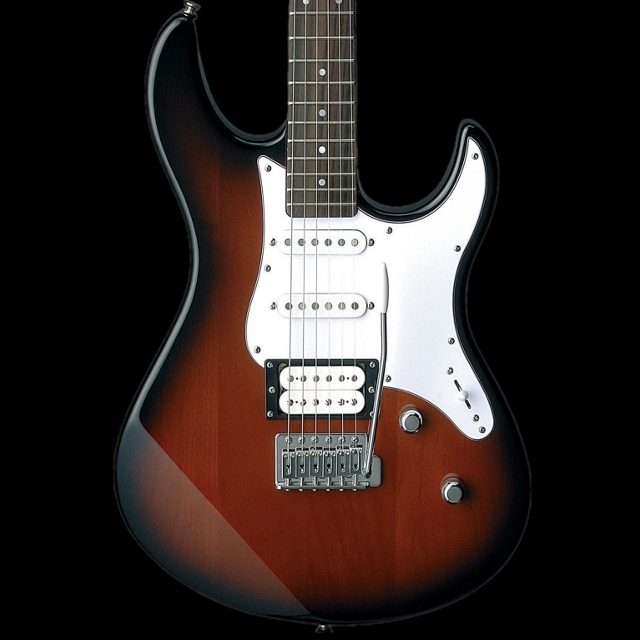
Yamaha Pacifica 112V: The Budget Guitar That Plays Like It Isn’t
The Yamaha Pacifica 112V is the best budget electric guitar you can buy. HSS pickups, coil split, alder body, and Yamaha quality control for $300.
Here is a test. Put a Yamaha Pacifica 112V in someone’s hands without telling them what it costs. Let them play it — the smooth satin maple neck, the crisp single-coil shimmer in position two, the punchy bridge humbucker biting through a Marshall, the coil-split trick that opens up the humbucker into something sparkling and glassy. Let them strum and bend and dig in. Then tell them it costs around three hundred dollars. Watch their face change. That reaction — the slight shock, the recalibration of assumptions, the “wait, really?” — is the Yamaha Pacifica 112V’s defining achievement, and it has been provoking that reaction consistently since 1990.
The Pacifica 112V is not a boutique instrument and does not pretend to be one. It is a production guitar built in Indonesia to a specification developed at Yamaha’s custom shop in Los Angeles, and it costs less than a decent pedalboard. What makes it remarkable — what makes it one of the most recommended electric guitars on the planet and arguably the single best value in the entire electric guitar market — is that it does not play, feel, or sound like what it costs. The fit and finish are clean. The fretwork is smooth. The hardware is reliable. The pickups are genuinely versatile. And the quality control, backed by the same manufacturing precision that has made Yamaha the world’s largest musical instrument manufacturer, is so consistent that a Pacifica 112V ordered sight-unseen online will arrive playing well, sounding good, and ready to use from the first chord.
That consistency is the secret weapon. Every guitar manufacturer produces the occasional brilliant instrument at a low price point. The difference with the Pacifica 112V is that they are all brilliant — or close enough to brilliant that the variation between one unit and the next is negligible. This is what sixty years of instrument manufacturing infrastructure produces: not occasional excellence, but reliable excellence. Guitar after guitar after guitar, each one playing the way it should, each one sounding the way it should, each one justifying its existence as the best possible introduction to the electric guitar.
Origins: California Dreaming, 1990
The Pacifica name is deliberate. When Yamaha launched the line in 1990, they chose a name that evoked the Pacific coast — California, the birthplace of the Stratocaster, the geographical and cultural home of the bolt-on, double-cutaway, tremolo-equipped electric guitar that Leo Fender had defined three decades earlier. The Pacifica was Yamaha’s acknowledgment that the Strat-style guitar was the dominant form factor in popular music, and their declaration that they intended to produce the best version of that form factor that could be built at an accessible price.
The original Pacifica line was designed at Yamaha’s custom shop in Los Angeles — an environment where the company’s designers worked alongside professional musicians and understood what working players needed from an affordable instrument. The design philosophy was direct: take the essential elements of the Strat-style guitar — the alder body, the maple bolt-on neck, the double-cutaway shape, the tremolo bridge — and build them properly, without the shortcuts that most budget guitar manufacturers accepted as inevitable at low price points. Use real alder. Carve the body from a single piece of wood rather than gluing multiple pieces together under an opaque finish. Apply quality control standards drawn from Yamaha’s decades of manufacturing pianos, saxophones, and motorcycles. Produce an instrument that a professional would use without apology.
The key innovation that separated the Pacifica from every Strat copy that preceded it was the HSS pickup configuration — humbucker at the bridge, single-coils at the middle and neck positions — combined with a five-way selector switch. While pure single-coil Strat configurations offered the classic Fender voice, they left players without the thicker, higher-output tones that a bridge humbucker provides. The HSS configuration gave the Pacifica genuine versatility: Strat-like cleans and jangle in positions one through three, thicker rock tones in positions four and five. It was a smart, practical choice that anticipated what most players actually need from a single guitar.
In the early 2000s, Yamaha upgraded the Pacifica 112V’s pickups from ceramic to Alnico V magnets — a significant improvement in tonal response and dynamic sensitivity. The Alnico upgrade was the change that transformed the 112V from a good budget guitar into a great one: Alnico pickups respond more naturally to variations in pick attack and volume knob position, producing a more musical and more expressive character than ceramic pickups, which tend to be harsher and more compressed. The 112V also received a coil-split function on the bridge humbucker — activated by pulling up the tone knob — which splits the humbucker into a single-coil voice, adding yet another tonal dimension to an already versatile instrument.
What the Pacifica 112V Gives You
Alder Body: The Foundation
The 112V’s body is carved from alder — the same tonewood that Fender has used for Stratocasters since the late 1950s. Alder produces a balanced, well-rounded tone: clear without being harsh, warm without being muddy, with solid bass response and a thick, musical midrange. Yamaha’s decision to use alder — and to offer semi-translucent finishes that show the wood’s natural grain — was a statement of intent: this was not a guitar hiding cheap materials under opaque paint. The alder body is genuine, and the tonal benefits are real.
The body contours follow the classic Strat template: a forearm contour on the top edge and a belly cut on the back, both of which make the guitar comfortable to play seated or standing for extended sessions. The double cutaway provides excellent upper-fret access. The weight is moderate — lighter than a Les Paul, heavier than a Telecaster, comfortable for standing performance with a standard strap.
Maple Neck and Rosewood Fingerboard
The bolt-on maple neck has a C-profile shape that sits comfortably in most hand sizes, with a satin finish that feels smooth and fast under the fretting hand. The 25.5-inch scale length matches the Fender Stratocaster standard, providing the same string tension, the same fret spacing, and the same fundamental tonal character. The rosewood fingerboard adds warmth to the attack and provides a smooth, comfortable playing surface. Twenty-two frets — one more than a traditional Strat — extend the range slightly and provide full two-octave access on every string.
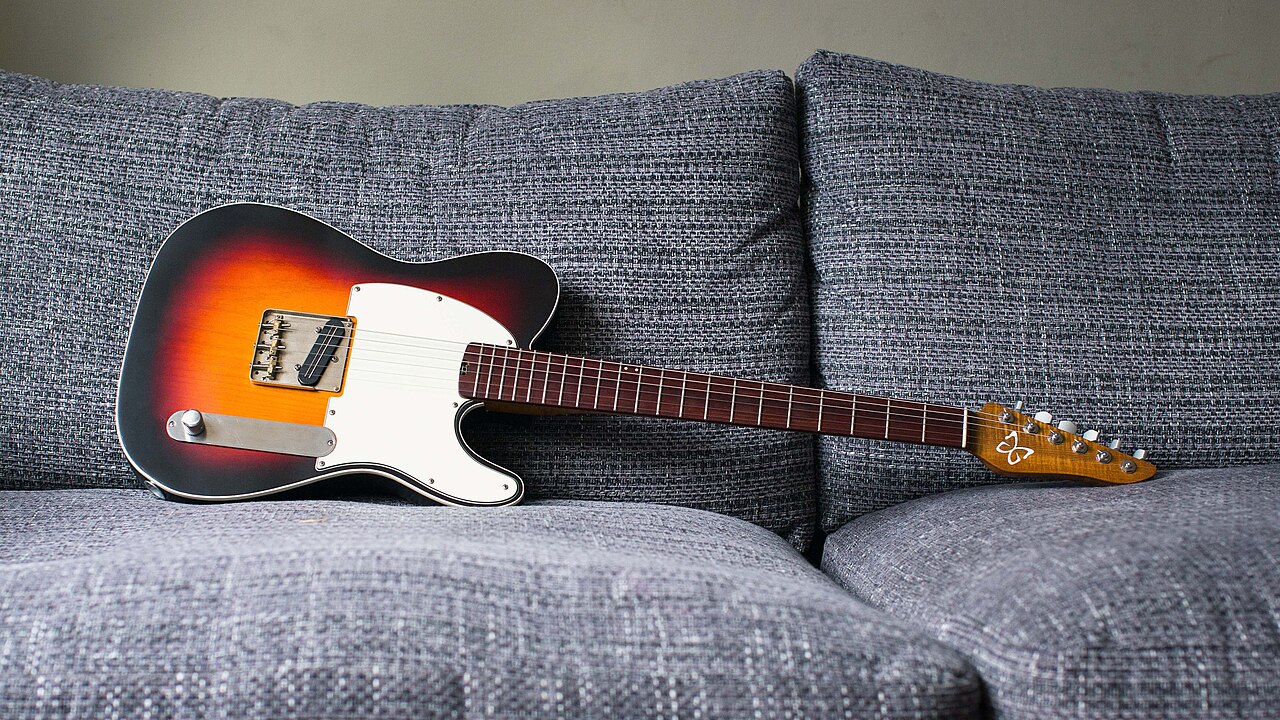
The fretwork on the Pacifica 112V is consistently excellent for the price. Fret ends are smooth, crowns are even, and the playing surface feels clean and professional. This is not a universal achievement in budget guitars — many competitors ship instruments with sharp fret ends, uneven crowns, and fingerboard edges that catch on the fingers. Yamaha’s quality control advantage is most apparent here: the Pacifica plays like a guitar that has been properly set up, because it has been.
HSS Pickups and Coil Split
The pickup configuration is the heart of the 112V’s versatility. The two single-coils — Alnico V magnets in the neck and middle positions — deliver the classic Strat-adjacent tonal palette: bright, clear, dynamic, with the characteristic “quack” in position two (both single-coils combined) that defines funk rhythm guitar and clean pop tones. They are not as complex or as nuanced as the pickups in a premium Fender, but they are genuinely musical — clear, responsive, and free of the harsh brittleness that plagues many budget single-coils.
The bridge humbucker adds the dimension that a standard Strat lacks: thick, punchy tones with enough output for rock and hard rock without a boost pedal. The Alnico V magnets produce a warm, defined crunch that responds well to amp gain and pick dynamics. Position four — the humbucker combined with the middle single-coil — is a particularly useful voice: warm, full, slightly scooped, excellent for rhythm playing in a band context.
The coil-split function, activated by pulling up the tone knob, splits the bridge humbucker into a single-coil voice. The split tone is thinner and brighter than the full humbucker — not identical to a true single-coil, but close enough to extend the guitar’s tonal range into territory that a standard HSS guitar cannot reach. In practice, the coil split gives the 112V something approaching six usable tones rather than five, which at this price point is remarkable.
Hardware: Tremolo, Tuners, and Bridge
The block-saddle tremolo is a vintage-style six-screw design with three springs. It functions well for subtle vibrato and moderate whammy bar use — dive bombs and aggressive tremolo work will pull the guitar out of tune, as they will on any vintage-style tremolo without a locking nut. The die-cast tuners hold tuning reliably under normal playing conditions; tuning stability is consistently cited as one of the 112V’s strengths in player feedback.
Tone Recipes: Unlocking the Pacifica 112V
Clean Shimmer — Funk and Pop
Position two (both single-coils) with a clean amp is where the 112V channels its Strat heritage most directly. The quacky, bell-like character of the combined single-coils is perfect for funk rhythm, clean pop, and jangly indie.
- Amp: Fender-style clean — Twin Reverb, Deluxe Reverb, or modeling equivalent. Volume at 4–5, just clean.
- Bass: 5, Mids: 6, Treble: 6, Reverb: 3
- Pickup: Position 2 (neck + middle single-coils combined)
- Guitar volume: Full (10). Guitar tone: 7 — roll back slightly to tame any harshness from the budget single-coils.
- Pro tip: The single-coils in the 112V have a slight mid-frequency emphasis compared to true Fender single-coils. This is actually an advantage in a band mix — the guitar cuts through without needing a boost. Lean into it.
Blues Crunch — Neck Pickup Warmth
Position one (neck single-coil) through a slightly overdriven amp is the 112V at its warmest and most expressive. The Alnico V magnets respond well to pick dynamics — dig in for bite, play softly for sweetness.
- Amp: Fender Blues Deluxe or Marshall-style amp — Volume at 5–6, just breaking up
- Bass: 5, Mids: 7, Treble: 5
- Pickup: Position 1 (neck single-coil)
- Guitar volume: 7–8. Roll back for clean, push forward for crunch.
- Overdrive pedal (optional): A transparent boost (like a Klon-style or Blues Driver) with Drive at 2, Tone at 5, Level at 7 — just enough to push the amp into singing sustain without masking the guitar’s natural character.
- Pro tip: The neck single-coil’s warmth is the 112V’s most underrated voice. Players who automatically reach for the bridge humbucker miss this — spend time with position one and you will discover a guitar that sounds more expensive than it is.
Rock and Hard Rock — Bridge Humbucker Drive
Position five (bridge humbucker) through a gained-up amp is where the 112V justifies its HSS configuration. The Alnico V humbucker has enough output for rock and hard rock without sounding compressed or mushy.
- Amp: Marshall-style — JCM800, DSL, or modeling equivalent. Gain at 6–7.
- Bass: 5, Mids: 7, Treble: 6, Presence: 5
- Pickup: Position 5 (bridge humbucker, full)
- Guitar volume: Full (10).
- Overdrive pedal (optional): An Ibanez TS9 or similar in front of the amp — Drive at 3, Tone at 6, Level at 8 — to tighten the low-end and add sustain.
- Pro tip: For lead playing, try position 4 (humbucker + middle single-coil) — it thins the humbucker slightly and adds a mid-scoop that helps lead lines sit distinctly in a mix without overwhelming the rest of the band.
The Secret Mode — Coil Split Versatility
Pull the tone knob up to engage the coil split on the bridge humbucker. This transforms position five from a thick humbucker voice into a brighter, thinner single-coil voice — and changes the character of position four as well.
- Amp: Any clean to edge-of-breakup setting
- Pickup: Position 5 with coil split engaged
- Application: Country chicken-picking, bright rock rhythm, jangly clean arpeggios — anything where you want bridge-position brightness without the humbucker’s thickness
- Guitar volume: 7–8 (the split coil has less output; reduce volume to compensate and keep the tone balanced)
- Pro tip: The coil-split tone is not as rich as a true single-coil — it is thinner and slightly hollow. Use it as a different colour rather than as a substitute for the neck single-coil. It is most effective for rhythm playing where you want clarity and definition without midrange weight.
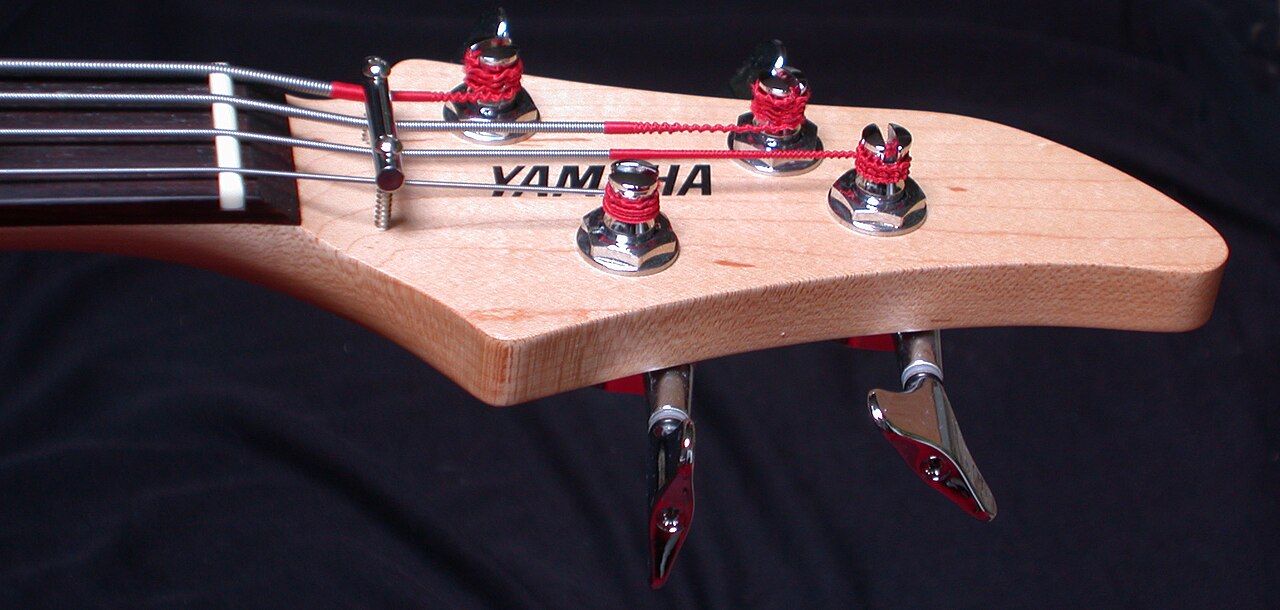
The 112V’s HSS configuration and coil-split function make it one of the most tonally versatile guitars available at any price. Here are four approaches that draw out different dimensions of the instrument.
The Pacifica Family: Choosing Your Model
Yamaha produces several Pacifica variants, and understanding the differences helps you choose the right one for your needs.
Pacifica 012: The entry-level model. Agathis or other budget-friendly body wood (varies by region), ceramic pickups, simpler hardware. The 012 is a functional beginner guitar but lacks the 112V’s tonal refinement and build quality. If the 112V is within budget, it is the better choice.
Pacifica 112V: The model this article is about. Alder body, Alnico V pickups, coil-split humbucker, rosewood fingerboard. The sweet spot of the Pacifica line — the point where quality, versatility, and price intersect most favourably.
Pacifica 112VM: The matte-finish variant of the 112V — identical specifications with a satin finish rather than gloss. The matte finish feels slightly different in the hand and resists fingerprints; tonally identical to the gloss version.
Pacifica 212VFM / 212VQM: A step up from the 112V with a flamed or quilted maple top veneer over the alder body, upgraded Seymour Duncan or similar pickups, and improved hardware. The 212 is a genuinely excellent guitar that competes with instruments costing significantly more. For players who want the best possible Pacifica experience, the 212 series is worth the additional investment.
Pacifica 612V: The premium production Pacifica. USA-spec Seymour Duncan pickups, Graph Tech TUSQ nut, Grover tuners, upgraded tremolo. The 612 is an intermediate-to-professional-level instrument that retains the Pacifica design philosophy while upgrading every component to a higher standard. If the 112V proves that Yamaha can build a great budget guitar, the 612 proves they can build a great guitar at any price.
Pacifica Standard Plus / Professional: The top-tier modern Pacifica models, featuring Reflectone pickups, TUSQ nuts, and premium finishes. These are fully professional instruments that represent Yamaha’s answer to the Fender American Professional series — comparable quality at a somewhat lower price.
The 112V vs. the Competition
The Pacifica 112V’s primary competitors are the Squier Classic Vibe and Affinity Stratocasters, the Ibanez AZES and GIO series, and the Epiphone Les Paul Standard.
Against the Squier Stratocaster range, the comparison is instructive. The Squier Classic Vibe (which costs somewhat more than the 112V) has better materials and a more authentic Fender voice — if you want specifically to sound like a Stratocaster, the Classic Vibe is the better choice. The Squier Affinity (at a similar price to the 112V) is a competent guitar but generally less well-finished, with ceramic pickups that lack the Alnico V’s dynamic response. The 112V wins on versatility (the HSS configuration and coil split provide more tonal options than any SSS Squier) and on manufacturing consistency.
The Ibanez AZES is a compelling alternative with a similar HSS configuration and its own “Alter” switching system. The Ibanez tends toward a slightly thinner neck and a more modern feel; the Pacifica tends toward a slightly more traditional character. Both are excellent; the choice is largely a matter of neck preference and aesthetics.
The Epiphone Les Paul Standard is a fundamentally different instrument — dual humbuckers, shorter scale, thicker body, different tonal character entirely. If you want specifically a Les Paul sound, the Epiphone is the choice. If you want the broadest possible tonal range from a single guitar, the Pacifica’s HSS configuration with coil split covers more ground.
Who Should Play the Yamaha Pacifica 112V?
The Pacifica 112V is for anyone who wants to play electric guitar and does not want to spend a significant amount of money finding out whether they will enjoy it. It is the electric guitar equivalent of the Yamaha FG800 acoustic — an instrument that provides genuine quality at an accessible price, that plays well enough to not frustrate a beginner, and that sounds good enough to not embarrass an experienced player.
It is also an excellent guitar for intermediate players who need a reliable gigging instrument without risking a premium guitar on bar stages and dive venues. The Pacifica’s alder body is durable, its hardware is reliable, and if something goes wrong — a dropped guitar, a spilled drink, a van door that closes on the headstock — the financial loss is manageable in a way that it would not be with a guitar costing five or ten times as much.
And it is a surprisingly effective studio guitar. The HSS configuration with coil split provides enough tonal variety to cover most recording situations without needing to switch instruments. A Pacifica 112V through a good amp and a decent microphone will produce tracks that listeners cannot distinguish from much more expensive guitars. The guitar’s clean, balanced character records well; its lack of extreme tonal personality is, in a studio context, a versatility advantage.
Upgrades Worth Considering
The Pacifica 112V is a platform that responds well to targeted upgrades, and part of its appeal is that those upgrades can be made incrementally as budget allows.
Pickups: The stock Alnico V pickups are good, but a set of aftermarket pickups — Seymour Duncan, DiMarzio, or Fishman Fluence — transforms the guitar’s tonal quality. A Seymour Duncan JB in the bridge and a pair of SSL-1s in the neck and middle positions is a classic upgrade that costs roughly $100–$150 and brings the 112V into genuinely professional tonal territory.
Nut: The stock urea nut is functional but can be improved. A bone or Graph Tech TUSQ nut improves tuning stability and slightly brightens the open-string tone. Cost: under $20, plus installation if you cannot do it yourself.
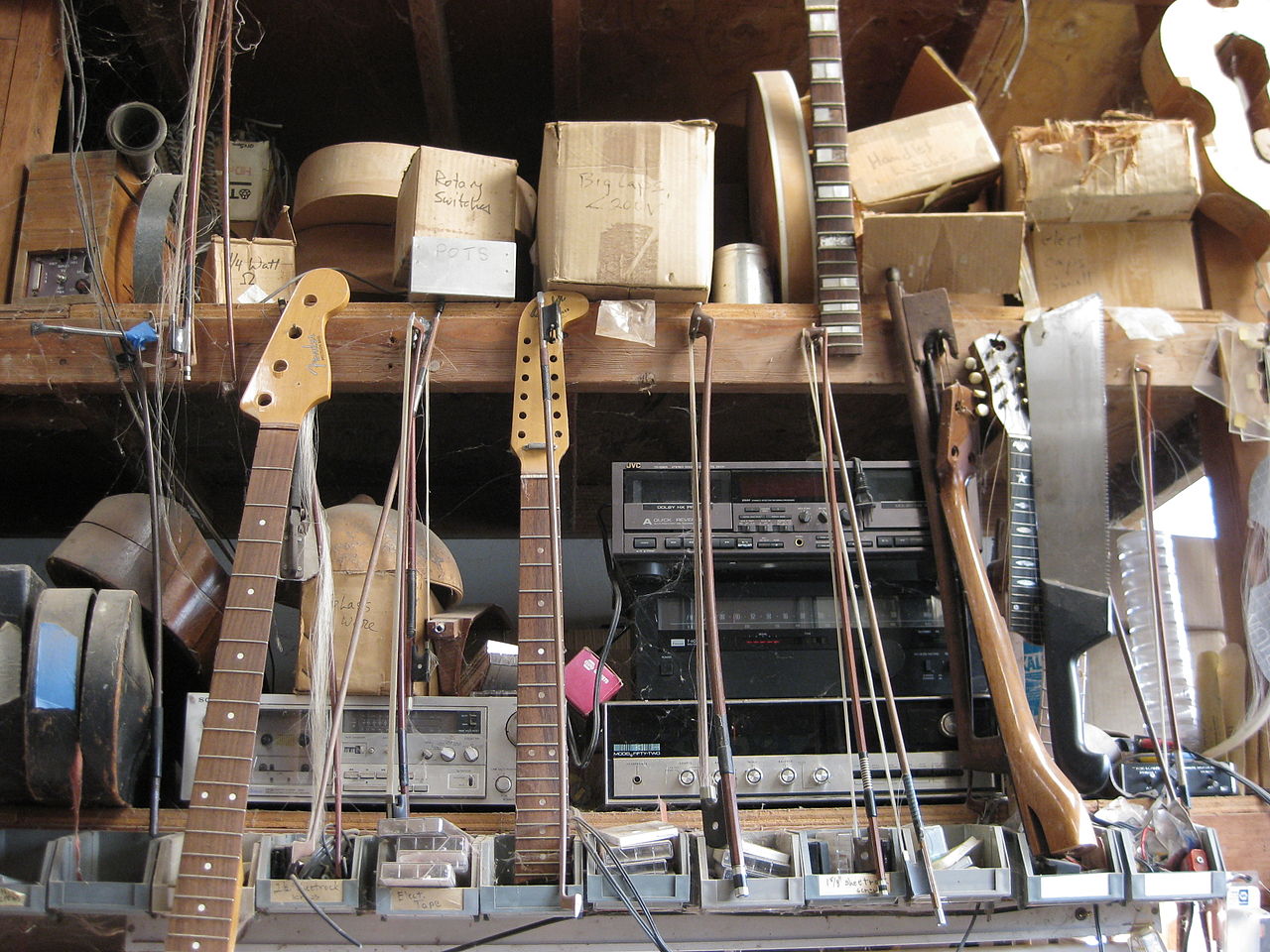
Tuners: The stock die-cast tuners are adequate but not premium. Locking tuners (Gotoh, Schaller, or Hipshot) improve tuning stability significantly, particularly if you use the tremolo bar. Cost: $40–$80.
Tremolo block: Replacing the stock zinc tremolo block with a steel or brass aftermarket block improves sustain and tonal transfer. This is a subtle upgrade but audible — and one that many players feel makes a meaningful difference. Cost: $20–$40.
Buying Guide Summary
Pacifica 112V (~$300): The standard recommendation. Alder body, Alnico V HSS pickups, coil split. Available in multiple finishes including Old Violin Sunburst, Black, Sonic Blue, and Natural. This is the right choice for most beginners and for experienced players seeking a reliable, affordable workhorse.
Pacifica 212VFM (~$400–$450): The step-up model with upgraded pickups and a stunning flamed maple top. For players who want better tone out of the box and are willing to invest slightly more. The 212 is where the Pacifica line begins to compete with guitars costing significantly more.
Pacifica 612V (~$700–$800): The premium production Pacifica. Seymour Duncan pickups, Grover tuners, Graph Tech nut. A genuinely professional guitar at an intermediate price. For players who know they are committed and want to skip the upgrade cycle.
Used Pacifica 112V (~$150–$200): The 112V holds up well and retains its playability over time. Used examples are plentiful and affordable. Check the neck for straightness, verify the electronics work (test all five positions and the coil split), and inspect the frets for wear. A used 112V in good condition is one of the best values in the entire electric guitar market.
Frequently Asked Questions
Is the Yamaha Pacifica 112V good for beginners?
It is one of the best beginner electric guitars available at any price. The combination of comfortable playability, reliable tuning stability, versatile tonal options, and consistent build quality makes it an instrument that beginners can learn on without being held back by the guitar’s limitations. The HSS configuration with coil split provides enough tonal variety to explore multiple genres without needing a second guitar.
How does the Pacifica 112V compare to a Squier Stratocaster?
The Pacifica 112V and the Squier Affinity Stratocaster are the two most commonly compared budget electric guitars. The Pacifica wins on versatility (HSS with coil split vs. SSS), manufacturing consistency, and arguably build quality. The Squier wins on brand cachet (it says “Stratocaster” on the headstock) and, for some players, on the authenticity of the single-coil tone. Both are good guitars; the Pacifica is the more practical choice for a player who wants one guitar to cover everything.
Can the Pacifica 112V handle heavy music?
The bridge humbucker has enough output for rock, hard rock, and classic metal. For modern metal and extreme gain applications, the stock humbucker may feel underpowered — a pickup upgrade (Seymour Duncan JB or DiMarzio Super Distortion) addresses this effectively. The 112V is not designed as a metal guitar, but with the right pickups and an appropriate amp, it handles heavy styles capably.
What amp works best with the Pacifica 112V?
The 112V sounds good through almost anything — its balanced tonal character means it does not require a specific amp voicing to sound musical. For beginners, a modeling amp (Boss Katana, Fender Mustang, or Yamaha THR) provides the widest range of tones at bedroom volumes. For gigging, any clean-to-crunch amp (Fender Hot Rod, Marshall DSL, Vox AC15) pairs well with the 112V’s versatile pickup configuration. The guitar’s HSS setup means you can use the amp’s clean channel for single-coil tones and the drive channel for humbucker-driven rock — one guitar, one amp, full tonal range.
Is the coil split on the 112V actually useful?
Yes, with the caveat that a coil-split humbucker does not sound identical to a true single-coil. The split tone is thinner and brighter than the full humbucker, adding a sixth usable voice to the guitar’s palette. It is most effective for clean and lightly overdriven playing where you want bridge-position brightness without the humbucker’s thickness. For some players, the coil split is a feature they use constantly; for others, it is an occasional alternative. At this price point, having the option is unambiguously better than not having it.
Will I outgrow the Pacifica 112V?
Technically, no — the 112V is a capable enough instrument to serve a player at any level, particularly with pickup upgrades. In practice, many players eventually want a guitar with a more specific tonal character, higher-quality hardware, or a different aesthetic. The Pacifica 112V is designed to be a starting point and a versatile workhorse, not a lifetime endpoint. When the time comes to upgrade, the 112V makes an excellent backup, practice, and travel guitar — and its resale value means it can be sold to fund the next instrument without significant financial loss.
What is the difference between the 112V and the 112J?
The 112V has Alnico V pickups, a push-pull coil-split function on the tone knob, a block-saddle tremolo, and a three-ply pickguard. The 112J has ceramic pickups, no coil split, a simpler tremolo, and a single-ply pickguard. The 112V costs roughly $100 more, and the upgrades — particularly the Alnico pickups and the coil split — are worth the difference. If budget allows, the 112V is the better investment.
Image credits
- A luthier workshop with guitars and parts on shelves: Floor, Wikimedia Commons, CC BY-SA 2.0.
- A sunburst electric guitar on a sofa: Gray Guitars, Wikimedia Commons, CC BY-SA 4.0.
- The headstock of a Yamaha bass guitar: Takkk, Wikimedia Commons, CC BY-SA 3.0.
- Top image: Yamaha Pacifica 112V body and electronics detail. Photo: Sjg. Source photograph · CC BY-SA 3.0. Source image unchanged by GuitarGangsters; the original framing does not show the complete neck or headstock.


Latest News
On This Day
Monday 9 November
From this week: