Bill Kelliher (Mastodon) Guitars & Gear: The Complete Guide to Atlanta’s Riff Architect’s Rig
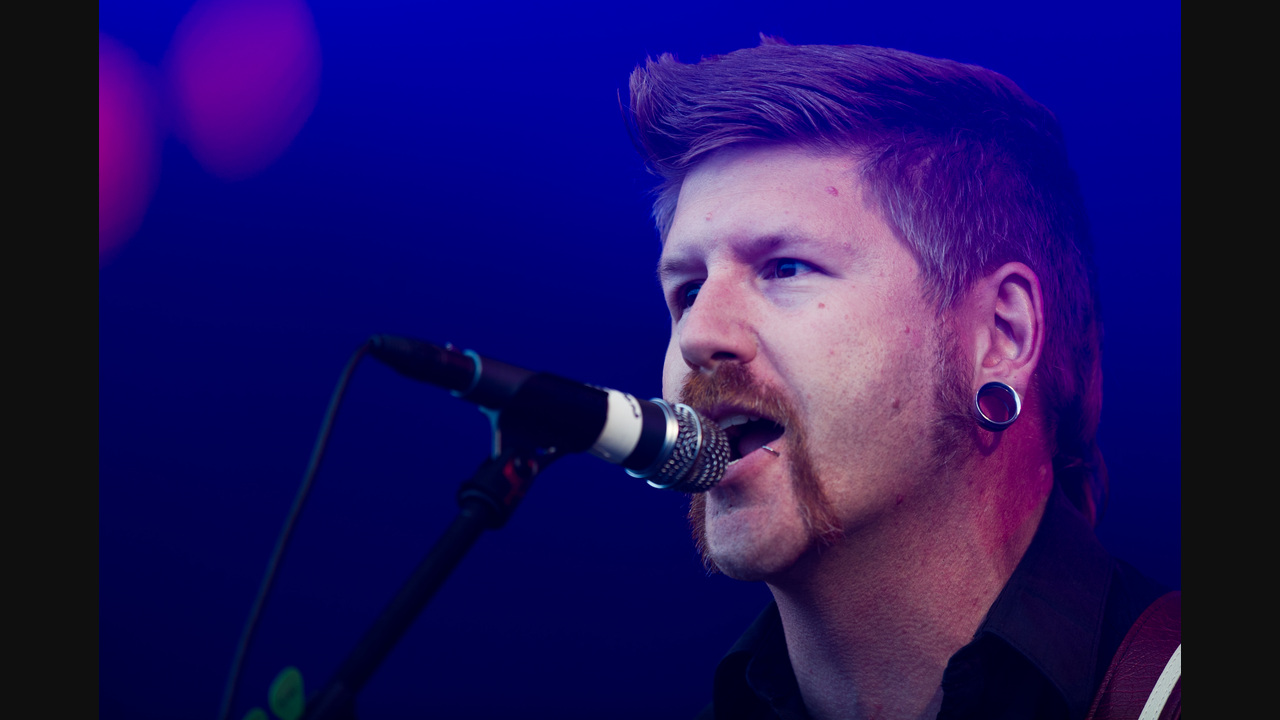
Bill Kelliher performing with Mastodon at Roskilde Festival, 1 July 2011. Photo: Bill Kelliher - Mastodon - Roskilde Festival 2011 by Bill Ebbesen / CC BY-SA 3.0 Unported (https://creativecommons.org/licenses/by-sa/3.0/). Source: https://commons.wikimedia.org/w/index.php?curid=15678155. Entire source portrait resized proportionally with dark side margins and JPEG encoded; no crop, stretch or retouching. Full head and natural microphone overlap retained. Source EXIF Software Ver.1.00 retained. Adapted photograph also CC BY-SA 3.0 Unported.
“My dad didn’t believe in distortion.” This is the biographical origin of one of the most technically sophisticated heavy metal guitarists in contemporary music — a musician whose riff architecture (the specific way he builds and interlocks guitar parts with Brent Hinds in Mastodon) has earned both critical acclaim and comparisons to progressive rock’s most ambitious instrumental traditions. His father’s specific prohibition against distortion meant that young Bill Kelliher “had to formulate his own round-about rig to harness high-gain tones as a young guitarist” — teaching himself the workarounds that a teenage metalhead develops when the primary ingredient of heavy music is forbidden at home. He started on a Starforce Kramer Eddie Van Halen copy. Then a Traynor combo that didn’t have distortion. He worked around the distortion problem. He has been solving guitar problems creatively ever since — from the Chandler Tube Driver that is “not very sturdy and kind of breaks down a lot” but sounds great, to the Friedman Butterslax he designed with Dave Friedman after falling in love with Jerry Cantrell’s tone on tour with Alice in Chains, to the Line 6 Helix Floor he settled on after “experimenting with amp and effect modelers more than a decade ago.” He tried everything. He figured out what worked. His Gibson “Golden Axe” Explorer signature makes you feel like you’re wielding an ax. “This one is a blingy ax.” This is Mastodon’s riff architect. He also makes sweet potato hash.
William Breen Kelliher was born on February 17, 1971, in Albany, New York. He grew up in Albany and relocated to Atlanta, Georgia, where he co-founded Mastodon in 2000 with vocalist/guitarist Brent Hinds, bassist/vocalist Troy Sanders, and drummer/vocalist Brann Dailor. Mastodon’s catalog — Remission (2002), Leviathan (2004), Blood Mountain (2006), Crack the Skye (2009), The Hunter (2011), Once More ‘Round the Sun (2014), Emperor of Sand (2017), Hushed and Grim (2021) — represents one of the most consistent bodies of work in twenty-first century heavy metal: eight studio albums across twenty years, each evolving stylistically without abandoning the specific riff-driven, technically ambitious, melodically sophisticated approach that made Remission and Leviathan their defining early documents. Kelliher’s specific contribution — as the primary riff writer and rhythm guitar architect — is the foundational layer beneath Hinds’s more pyrotechnic lead work. He is, in the specific sense of the word, the structure. He is the riff. The riff is the song.
Background: Albany New York, Atlanta Georgia, Mastodon 2000, “Riff Architect,” Alice in Chains Tour Friedman Revelation
Mastodon’s specific position in heavy metal is as the band that most successfully synthesized the full range of American metal traditions — from Atlanta’s hardcore punk underground (the community from which the band emerged) through the progressive rock ambition of concept albums (Leviathan as Moby Dick, Crack the Skye as Rasputin and astral travel) to the technical death metal precision that gave their most demanding material its specific aggressive character. Kelliher’s riff writing is the foundational layer beneath all of this: the specific guitar figure that opens a song, the specific chord voicing that defines its harmonic character, the specific rhythmic pattern that drives the band’s momentum. Brent Hinds provides the lead guitar flights and the melodic pyrotechnics; Kelliher provides the architecture that makes those flights possible.
His “riff architect” characterization — used by Guitar World and confirmed by his own description of his writing approach — is the most accurate single description of his role. He writes riffs: “I write stuff that is off time.” The off-time riffs, the rhythmic polyrhythm of Mastodon’s more complex compositions, the specific way a guitar figure can seem to be in a different time signature from the drumkit while actually aligning with it on specific beats — this is Kelliher’s compositional territory, and it shares more with the progressive metal tradition of Meshuggah (whose influence on Mastodon is widely acknowledged) than with conventional metal riff writing.
The Alice in Chains tour revelation — touring with AIC and “falling in love with the sound of guitarist Jerry Cantrell’s signature Friedman” — is the specific biographical event that produced his Friedman Butterslax signature. This is the third consecutive guitarist in this guide whose amp choice was influenced by a Pantera/Pantera-adjacent musician: Windstein via Dimebag (Randall), Keenan at NAMM (Orange), and Kelliher via Cantrell on the AIC tour (Friedman). The American heavy metal community’s peer recommendation network operates with remarkable consistency: see a great tone, find out what the other guitarist is using, contact the manufacturer, develop your own version.
The Rig: Bill Kelliher’s Guitars, Amps, and Effects
Guitars
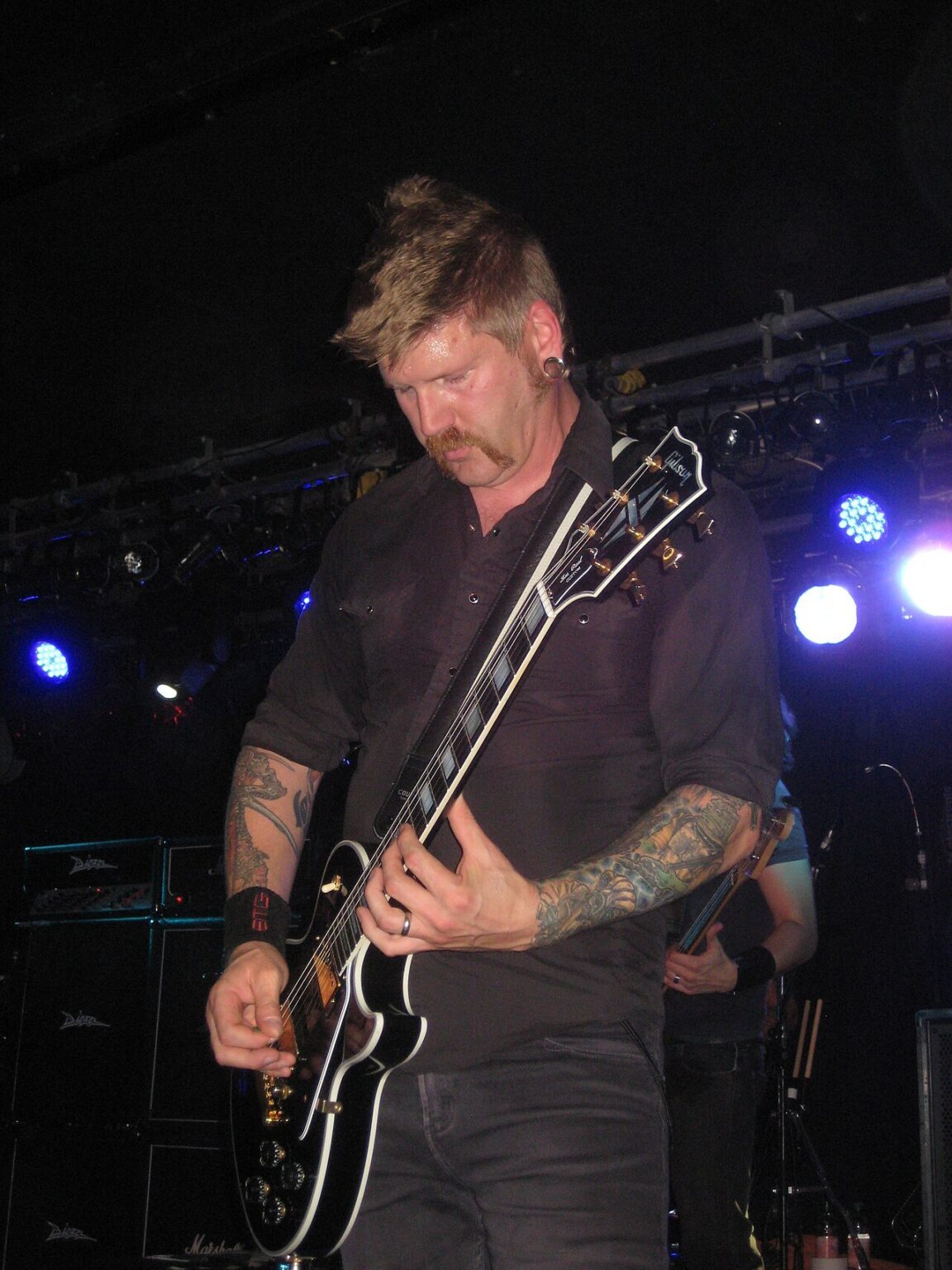
Gibson “Golden Axe” Explorer Signature (Primary Live Guitar, Gold Hardware, Lace Nitro Hemi Humbuckers): Bill Kelliher’s most visually distinctive and most historically significant signature guitar is the Gibson “Golden Axe” Explorer — awarded to him as a signature model in 2013. The Mixdown Magazine description: “Bill Kelliher is a huge fan of Explorers, having played various Korina and Standard models on the road with Mastodon, and was treated to a signature ‘Golden Axe’ Explorer by Gibson in 2013. Decked out with premium gold hardware and a pair of powerful LACE Nitro Hemi Humbuckers, Kelliher’s Explorer is closer to a weapon than a guitar, with the guitarist telling Gibson in 2013 that ‘I’ve always been a fan of Explorers. It’s almost like you’re wielding an ax or something — but this one is a blingy ax.'” The LACE Nitro Hemi Humbuckers are a specific high-output pickup designed by Lace Music with Kelliher for the Explorer’s specific tonal requirements — high output, aggressive attack, tight low-end definition for the down-tuned riff playing that characterizes Mastodon’s heavier passages.
The Gibson Explorer’s specific character — the asymmetric Flying V-derived body with its extreme cutaway profile, the mahogany body and neck construction, and the set-neck joint — provides the specific sustain and warmth of a mahogany-body guitar with the specific visual impact of one of the most dramatic body shapes in guitar history. Kelliher’s characterization of Explorers as “wielding an ax” captures both the physical experience of playing the instrument (the bottom wing’s weight distribution creates a specific balance point different from a Strat or Les Paul) and the aesthetic impact of appearing on stage with one.
Gibson Halycon Les Paul (Second Gibson Signature): Alongside the Golden Axe Explorer, Kelliher has a second Gibson signature — the Halycon Les Paul. The Mixdown Magazine documentation confirms: “Kelliher also has another signature instrument with Gibson — the Halycon Les Paul.” The Les Paul’s mahogany/maple construction and humbucker configuration provides a tonally different alternative to the Explorer for specific songs and contexts within the Mastodon live set.
ESP Sparrowhawk Pelham Blue (D Standard Live Guitar, “I Love That Guitar”): The Noisegate Q5 interview provides the most direct documentation of a specific touring guitar: “Guitar-wise I am using the ESP Japanese made Pelham Blue Sparrowhawk. I love that guitar. The first 12 songs at the moment in our shows are in D standard so the Sparrowhawk works perfectly for this run of tunes.” The ESP Sparrowhawk — a specific ESP USA-built instrument with set-neck construction and the Pelham Blue finish (the same saturated metallic blue associated with Gibson’s Pelham Blue from the 1960s) — serves as Kelliher’s D standard tuning guitar for the first portion of Mastodon’s live sets. The practical division of the live set into tuning-specific guitars (Sparrowhawk for D standard, other instruments for other tunings) reflects the professional touring approach of a guitarist who needs consistent pitch and tone across different tuning configurations.
ESP LTD BK-600 Bill Kelliher Sparrowhawk Signature (Production Version): The Equipboard documentation describes the production version of his Sparrowhawk: “Completely designed by Bill for release in 2017, the Sparrowhawk offers set-thru construction at 24.75-inch scale, mahogany body, 3-piece mahogany neck, ebony fingerboard, a TonePros locking TOM bridge and tailpiece, and Kelliher’s Lace Sensor Divinator signature pickups.” The production version’s 24.75-inch scale (Gibson-length), mahogany construction, and ebony fingerboard reflect the same warm, sustaining character of the Gibson Explorer and Les Paul signatures.
Lace Sensor Divinator Pickups (Sparrowhawk), Lace Nitro Hemi (Explorer), Mojotone Hellbender (Current): Kelliher’s pickup evolution documents his ongoing search for the specific high-output, articulate, aggressive character he requires. The Lace Sensor Divinator (custom-designed for the Sparrowhawk signatures), the Lace Nitro Hemi (Golden Axe Explorer), and the Mojotone Hellbender (his current signature pickup with Mojotone, confirmed in the 2023 Guitar World cooking video) represent sequential refinements of the same tonal goal: maximum output, maximum clarity, maximum aggression, without the hyper-compressed character of standard active pickups. The Mojotone Hellbender description from the Guitar World video: “showcasing the brute force of his signature Mojotone Hellbender pickups.”

Blood Mountain Era Gibsons (Korina and Standard Explorers, Gibson RDs, Yamahas): The Guitar FX Depot historical documentation is extensive for the Blood Mountain touring period: “a fleet of Gibson guitars: Korina Flying V, Wine Red Les Paul, Silverburst Gibson RD Reissue, along with a couple Yamaha double-cutaway SGs, a Silverburst and Sunburst style.” This instrument variety for a single album’s touring cycle reflects the professional approach of varying guitar models for specific songs or tonal requirements within the same set.
Amps
Friedman Butterslax Bill Kelliher Signature Head (Primary Live Amp, “I Try Not to Overthink Gear”): Bill Kelliher’s primary live amplifier is the Friedman Butterslax — his signature 100-watt hand-wired high-gain head designed in collaboration with Dave Friedman. The Mixdown Magazine description: “After touring with Alice In Chains and falling in love with the sound of guitarist Jerry Cantrell’s signature Friedman, Kelliher collaborated with the tone great to create the Friedman Bill Kelliher Signature head, a 100-watt hand-wired high-gain [head].” The Noisegate Q5 interview confirms his live setup: “I usually use my Friedman Butterslax head, 3 channels giving clean, distortion and full-on distortion, this runs 2 x 412’s on stage. A further 2 x 412 cabs are driven by a Fractal Axe FX and power amp combo.” The three-channel design (clean, distortion, full-on distortion) provides the tonal range that Mastodon’s material requires within a single amplifier head — clean for the melodic passages, distortion for rhythm, full-on for the most aggressive material.
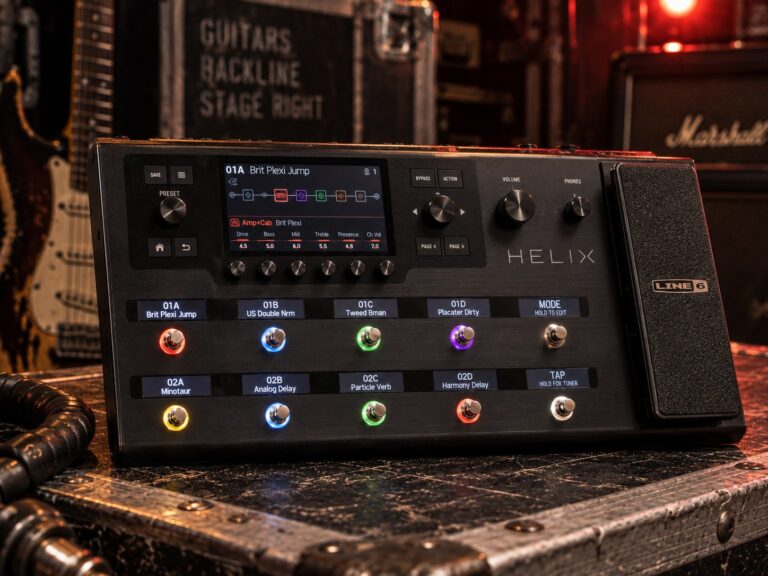
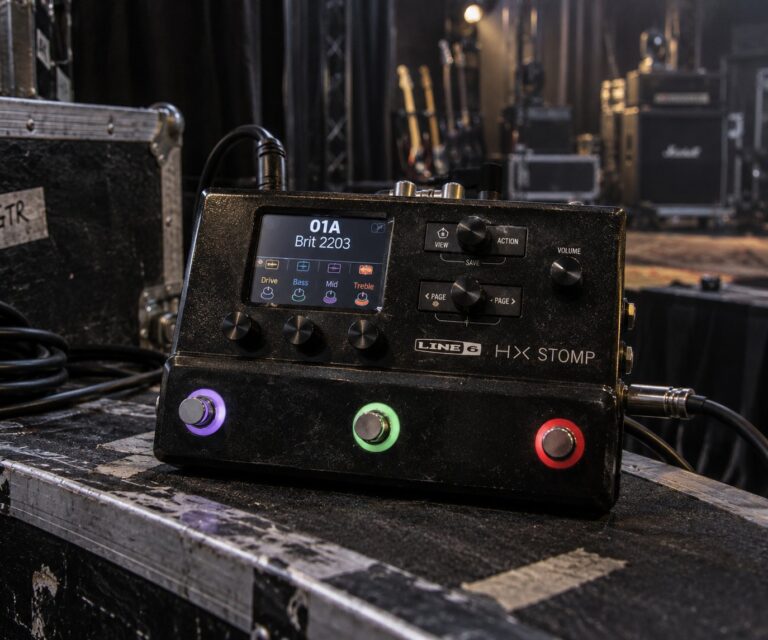
Line 6 Helix Floor (Settled Primary Modeler, “Much Easier to Navigate”): After extensive experimentation with amp modeling, Kelliher has settled on the Line 6 Helix Floor. The Line 6 Model Citizens blog confirms: “Kelliher began experimenting with amp and effect modelers more than a decade ago, finally settling on Helix Floor. ‘Although the other modelers I’ve used also sounded great, I found Helix to be much easier to navigate than the others.'” His specific Helix preset: “The Optical Trem is one of my favorite Helix effects, so that’s in there, set to a pretty slow speed. And there’s also a ’63 Spring, spring reverb, in the signal path ahead of the 808 and the amp. Another of my favorite Helix effects is the Reverse Delay, which I have after the tremolo, set at a 50% wet/dry mix.” The Helix provides both amp modeling and complex effects processing in the live rig, with the Butterslax handling the primary guitar tone and the Helix managing effects.
Marshall JCM800 (Blood Mountain Era Primary, “Fuckin’ Sick” with Distortion Pedal): The Guitar FX Depot historical account documents Kelliher’s Blood Mountain era (2006-2009) amplification: “I’ve opted to use a JCM800 reissue which is a single channel that with a distortion pedal sounds fuckin’ sick. I love it.” Running a single-channel JCM800 with an external distortion pedal — specifically the Tube Driver — rather than using the amp’s own gain structure reflects the same “clean platform for pedals” approach as Dave Wyndorf’s Fender Twin Reverb. “Amp wise, I was using a Laney VH100R for awhile — a two channel thing in combo with a JCM800 dual channel.” The multi-amp approach of the Blood Mountain period — Laney plus JCM800 — preceded the more streamlined Friedman signature.
Effects
Chandler Industries Tube Driver (Blood Mountain Era, “Great Sound But Breaks Down a Lot”): The Guitar FX Depot documentation captures the most specifically characterful gear admission in the Mastodon story: “I decided to bring out the old pedals too like a Tube Driver. It is an old pedal that was made by Chandler Industries in 1985. It is a big fat thing that has a built in tube which I also used on the record too. It has such a great sound. But it’s not really good for touring as it’s not very sturdy and kind of breaks down a lot.” The Chandler Tube Driver — a pedal with an actual preamp tube inside, producing the specific warm, harmonically complex distortion character of tube saturation in a pedal format — was both one of his best-sounding tools and his least reliable touring partner. The candor about the reliability issues is the kind of practical professional assessment that makes gear interviews genuinely useful.
Ibanez Tube King Overdrive (2009 Tour, Primary Overdrive): The Guitar FX Depot 2009 tour documentation: “For my board, I mainly just use an Ibanez Tube King overdrive pedal.” The Ibanez Tube King — another tube-containing overdrive pedal, similar in concept to the Chandler but more robust — provided the high-gain, tubey overdrive character for the 2009 Mastodon touring period after the Chandler’s reliability issues became untenable.
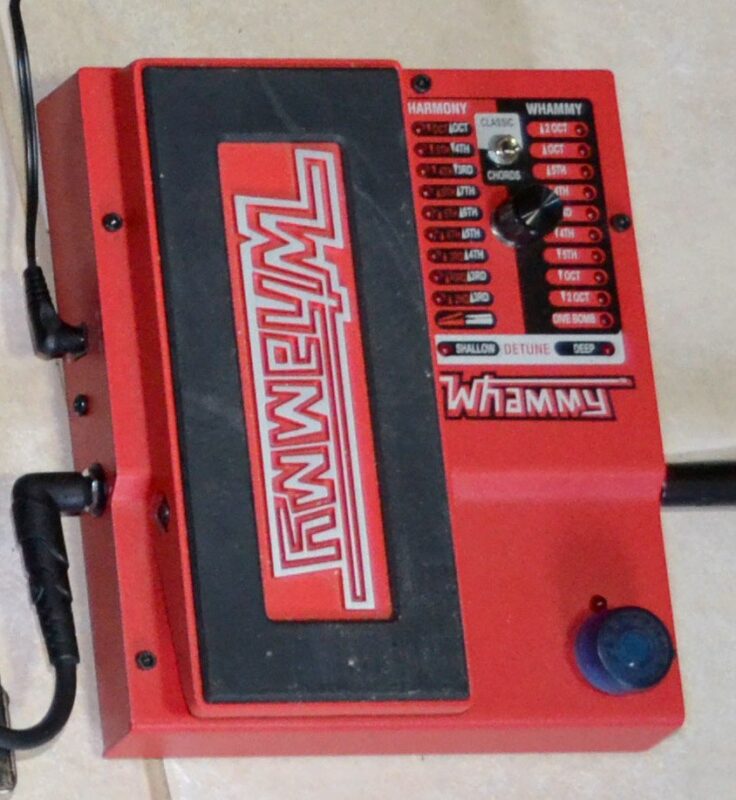
DigiTech Whammy 4th Generation (Confirmed, DigiTech Website): “DigiTech’s official website lists that Bill uses a 4th Gen Whammy Pedal.” The DigiTech Whammy provides the pitch-shifting effects that appear in Mastodon’s more psychedelic passages — dive bombs, harmonized lead lines, and the specific octave effects that the Whammy pedal’s real-time pitch shifting enables.
Boss RT-20 Rotary Sound Processor (2009 Tour, “Rotary Speaker for Clean Stuff”): “A Boss RT-20 Rotary Sound Processor that emulates rotary speaker sounds for some clean stuff.” The Boss RT-20’s rotary speaker simulation (the Leslie cabinet effect associated with organ music but applied to guitar) adds the specific swirling, pitch-modulating quality of a rotating speaker to his clean guitar passages — a specific psychedelic effect that suits Mastodon’s more melodic, less aggressive passages.
MXR M-135 Smart Noise Gate (2009 Tour, Signal Management): “A MXR M-135 Smart Noise Gate” in the 2009 tour rig — the MXR noise gate providing the threshold gating that controls the hum and noise of high-gain guitar rigs between notes and phrases.
DigiTech JamMan Looper (2009 Tour, Creative Tool): A DigiTech JamMan Looper appears in the 2009 rig — used for live loop building or for recording riff sketches in a performance context. “A perfect tool for creating riffs” — as he says about the Fractal Axe FX in the Noisegate interview, the same sentiment applies to the looper as a compositional device.
Playing Style & Tone Philosophy
Bill Kelliher’s playing style is the most compositionally sophisticated in progressive metal’s riff tradition — the approach of a musician who thinks primarily as a riff writer and who deploys the guitar’s technical capabilities in service of rhythmic and harmonic ideas rather than as technical display. His “I write stuff that is off time” self-description is the specific characterization of his approach: the riffs that sound like they’re in a different meter than the drumkit, the polyrhythmic patterns that create Mastodon’s specific compositional density, the harmonic language that goes beyond standard metal chord progressions into the progressive rock territory that distinguishes Mastodon from their contemporaries.
His tone philosophy is the pragmatist’s philosophy: find what sounds great, use it, replace it when something better comes along. The Chandler Tube Driver sounded great but broke down. The JCM800 with a distortion pedal sounded “fuckin’ sick.” The Friedman Butterslax sounded like Jerry Cantrell’s guitar on the AIC tour. The Line 6 Helix is “much easier to navigate” than the other modelers. Each assessment is practical and direct: what sounds best for this specific musical requirement, and what is reliable enough to use on tour without breaking down?
How to Sound Like Bill Kelliher
Guitar: Gibson Explorer or a mahogany-body guitar with high-output passive humbuckers. Mojotone Hellbender or Lace Nitro Hemi in the bridge for the specific aggressive, articulate character. Tune to D standard (one step below standard E) for the current live set opening sections; the Gibson-scale (24.75-inch) warmth suits the down-tuned riff playing.
Amp: Friedman Butterslax (preferred) or comparable Friedman high-gain head. Line 6 Helix Floor for effects processing and amp modeling in recording and secondary live use. Marshall JCM800 with Tube Driver or Ibanez Tube King for the Blood Mountain-era approach.
Amp Settings (Friedman Butterslax — Distortion Channel):
| Control | Setting (0–10) | Notes |
|---|---|---|
| Gain | 7–9 | High — Mastodon’s riff density requires full saturation |
| Bass | 5–6 | Present — D standard needs low-end authority |
| Mid | 5–6 | Forward — riff architecture needs midrange to be heard clearly |
| Treble | 5–6 | Present — attack definition for the off-time rhythmic patterns |
| Presence | 5 | Natural — clarity without harshness at high gain |
Effects (Helix preset): ’63 Spring reverb → Ibanez 808-style overdrive (in Helix) → amp model → Optical Trem (slow speed) → Reverse Delay (50% wet/dry). DigiTech Whammy for the psychedelic pitch-shifting passages. Boss RT-20 rotary for clean sections. The Helix preset approach: build specific effects configurations for specific songs and switch automatically or manually between them.
Influence & Legacy
Bill Kelliher’s influence on progressive metal and technical metal riff writing is significant — his specific approach to off-time riffing, polyrhythmic guitar architecture, and the progressive rock-influenced composition that defines Mastodon’s best work has been absorbed by a generation of progressive metal guitarists who cite Mastodon as a primary influence. The specific combination of technical precision and emotional directness that characterizes Kelliher’s riff writing — heavy enough to satisfy metal’s requirements, sophisticated enough to reward the careful listening of progressive rock — is the specific quality that gives Mastodon their cross-genre appeal.
His connection to Brent Hinds as the specific guitar partnership that produces Mastodon’s sound is the most important single relationship in his musical career — the interplay between Kelliher’s rhythmic riff architecture and Hinds’s melodic lead work creates something neither could produce alone. His connection to Kirk Windstein of Down/Crowbar as a contemporary in the Southern heavy metal tradition reflects the shared Atlanta/New Orleans heavy metal underground context within which Mastodon developed.
Related reading:
- Brent Hinds, Kelliher’s Mastodon guitar partner whose lead work complements Kelliher’s riff architecture
- Kirk Windstein of Down/Crowbar, a contemporary in the Southern heavy metal tradition within which Mastodon developed
- Pepper Keenan of COC/Down, another Southern metal guitarist of the same generation and tradition
- Misha Mansoor of Periphery, who absorbed the Mastodon riff tradition into the djent context
Frequently Asked Questions: Bill Kelliher Mastodon Guitars & Gear
What guitar does Bill Kelliher play?
Kelliher’s most celebrated guitar is the Gibson “Golden Axe” Explorer signature — equipped with LACE Nitro Hemi Humbuckers and premium gold hardware (“this one is a blingy ax”). He also has a Gibson Halycon Les Paul signature. For D standard tuning sections in the live set, he uses the ESP Japanese-made Pelham Blue Sparrowhawk (“I love that guitar”). The production version is the ESP LTD BK-600 Sparrowhawk with Lace Sensor Divinator pickups, 24.75-inch scale, mahogany body, and ebony fingerboard. Blood Mountain era: Korina Explorer, Gibson RD Reissue, Yamaha SGs.
What amplifier does Bill Kelliher use?
Primary live amp: Friedman Butterslax Bill Kelliher Signature — a 100-watt hand-wired high-gain head with three channels (clean, distortion, full-on distortion), designed after he “fell in love with the sound of Jerry Cantrell’s signature Friedman” on the Alice in Chains tour. Live configuration: Butterslax running 2×412 cabs; Fractal Axe-FX through a power amp running the other 2×412 cabs. Modeling: Line 6 Helix Floor for effects and secondary amp modeling (“much easier to navigate than the others”). Blood Mountain era: Marshall JCM800 reissue (“sounds fuckin’ sick with a distortion pedal”) plus Laney VH100R.
What is the Friedman Butterslax and how did Kelliher design it?
The Friedman Butterslax is Bill Kelliher’s signature 100-watt hand-wired high-gain amplifier designed in collaboration with Dave Friedman of Friedman Amplification. Kelliher discovered the Friedman sound while touring with Alice in Chains and admiring Jerry Cantrell’s tone through his Friedman signature amp. He contacted Dave Friedman and they collaborated on the Butterslax — named through the collaboration process, with three channels covering the full range from clean to ultra-high-gain that Mastodon’s material requires.
Why does Kelliher use different guitars for different tunings?
“The first 12 songs at the moment in our shows are in D standard so the Sparrowhawk works perfectly for this run of tunes.” Mastodon’s live set uses different tunings for different songs — D standard, C standard, and other configurations depending on the specific album and song requirements. Using dedicated guitars for each tuning (rather than retuning between songs) maintains consistent pitch stability, consistent string tension, and consistent intonation across the set. The Sparrowhawk’s D standard configuration and other instruments for other tunings allow seamless tuning changes through guitar switching rather than mid-set retuning.
What did Kelliher mean by “my dad didn’t believe in distortion”?
Kelliher’s father “didn’t believe in distortion” — disapproving of the high-gain guitar sounds that heavy metal requires. As a teenage guitarist wanting to play heavy music, Kelliher had to “formulate his own round-about rig to harness high-gain tones,” working around his father’s prohibition. He started on a Starforce Kramer Eddie Van Halen copy and a Traynor combo without distortion. The creative problem-solving required by this constraint — finding ways to achieve heavy guitar tones without a conventional high-gain amplifier — may have developed the specific technical creativity that characterizes his approach to riff writing and guitar tone.
What is Bill Kelliher’s approach to riff writing?
“I write stuff that is off time.” Kelliher’s riff writing approach emphasizes polyrhythmic patterns — guitar figures that appear to be in a different time signature from the drumkit while actually aligning at specific points. This approach gives Mastodon their specific rhythmic complexity and density that distinguished them from conventional metal bands in the early 2000s. He describes the Fractal Axe FX and looper pedals as “perfect tools for creating riffs” — using recording/looping technology to capture and develop riff ideas in home studio and practice contexts.
What are Mastodon’s primary influences as reflected in Kelliher’s playing?
Kelliher’s stated early influences include Eddie Van Halen, Jimmy Page, and Randy Rhoads — the foundational American and British hard rock guitarists. Mastodon’s broader musical influences span thrash metal, hardcore punk, psychedelia, and progressive rock. The specific polyrhythmic quality of Kelliher’s off-time riffing reflects the influence of Meshuggah’s rhythmic approach, while the melodic sophistication of Mastodon’s compositional language reflects the progressive rock tradition. The combination of these influences produces the specific “eclectic amalgam” that welded “thrash, hardcore, psychedelia, and progressive rock onto a solid frame of traditional metal.”
Bill Kelliher performing with Mastodon at Roskilde Festival, 1 July 2011. Photo: Bill Kelliher – Mastodon – Roskilde Festival 2011 by Bill Ebbesen / CC BY-SA 3.0 Unported. Entire source portrait resized proportionally with dark side margins and JPEG encoded; no crop, stretch or retouching. Full head and natural microphone overlap retained. Source EXIF Software Ver.1.00 retained. Adapted photograph also CC BY-SA 3.0 Unported.
Image credits
- Top image: Bill Kelliher – Mastodon – Roskilde Festival 2011 by Bill Ebbesen /, Wikimedia Commons, CC BY-SA 3.0.
- Gibson Explorer: Guitarpimp, Wikimedia Commons, CC BY 3.0.
- Line 6 Helix Floor: GuitarGangsters AI-generated reference illustration, not a photograph.
- DigiTech Whammy: marcelodonati, Wikimedia Commons, CC BY 2.0.
- Bill Kelliher live: JD (de.wikipedia), Wikimedia Commons, CC BY-SA 4.0.


_live_@_Colos-Saal_Aschaffenburg,_Germany_2011_(2).jpg)