Robbie Robertson Guitars & Gear: The Complete Guide to The Band’s Telecaster, 1954 Stratocaster & Mathematical Guitar Genius Americana Rig
Robbie Robertson guitars & gear: The Band. Fender Telecaster, 1954 Stratocaster serial 0234, 1951 Broadcaster — The Weight, Dylan tours, mathematical guitar genius rig guide.
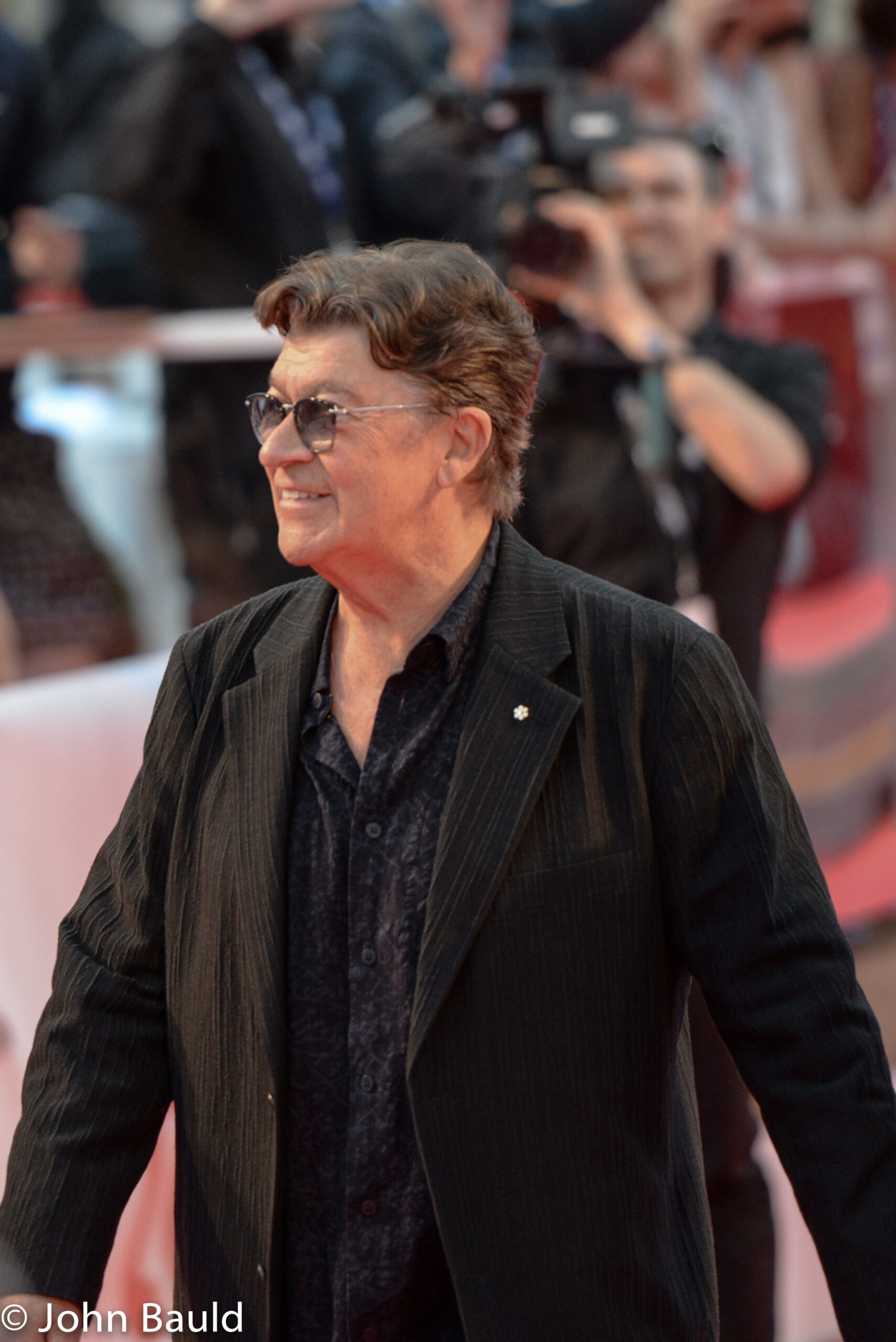
Robbie Robertson at the Toronto International Film Festival, 5 September 2019. Photo: John Bauld. Work: “TIFF 2019 Robbie Robertson (48686277116).jpg”. ©John Bauld; original visible watermark retained. CC BY 2.0: https://creativecommons.org/licenses/by/2.0/ Source: https://commons.wikimedia.org/wiki/File:TIFF_2019_Robbie_Robertson_(48686277116).jpg Full source frame retained; WordPress supplies resized web versions.
Gear Timeline
Bob Dylan called Robbie Robertson a “mathematical guitar genius.” Eric Clapton heard Music from Big Pink and left Cream to pursue a solo career. Warren Haynes of Gov’t Mule said: “His solos and fills always captured the mood, emotions and significance of the songs. They were never just good licks.” These three assessments, from three musicians of different traditions and different eras, constitute the most complete available peer testimony about what Robertson’s guitar playing actually was — and they agree, from different directions, on the same specific quality: the intelligence. The mathematical genius that Dylan identified is not the technical vocabulary of the shredder or the harmonic sophistication of the jazz player; it is the specific kind of guitar intelligence that understands exactly what each note needs to do within the specific song’s specific emotional and narrative context, and then does that specific thing with complete economy and precision. The fills and solos that Haynes identified as always capturing the mood, emotions, and significance of the songs — never just good licks — are the specific consequence of that mathematical intelligence applied to the songwriter’s understanding of what a song is for. Robertson wrote “The Weight,” “The Night They Drove Old Dixie Down,” “Up on Cripple Creek,” and “Rag Mama Rag.” He didn’t write them as showcase vehicles for guitar playing; he wrote them as songs in the specific tradition of American music that The Band constructed from the Mississippi Delta and the Canadian wilderness and the Mohawk heritage that came through Robertson’s mother. The guitar served the songs. The songs served the tradition. The tradition served the music that Clapton heard and found so essential that he left the most commercially successful guitar band in the world to pursue it. And the specific guitar that Robertson played most of the time was a Fender Telecaster he preferred because the Les Paul was too heavy on the shoulder after a couple of hours in the clubs. Weight, as it turns out, was always the issue. Mathematical genius, manageable weight. The Telecaster.
Jaime Royal “Robbie” Robertson was born on July 5, 1943, in Toronto, Ontario, Canada. His mother was Mohawk from the Six Nations of the Grand River — the First Nations heritage that Robertson has described as central to his musical identity and that he drew on in the songwriting, the solo recordings, and the Martin Scorsese film projects that defined the latter half of his career. He started learning guitar at nine and was playing in teenage bands by his early teens. At sixteen, Ronnie Hawkins spotted him playing with the Suedes in Toronto and recruited him for the Hawks — the band that would eventually become the band that backed Bob Dylan on the going-electric tours of 1965 and 1966 and then, after the motorcycle accident that removed Dylan from public view for almost two years, moved to Woodstock, New York, and recorded the songs that became Music from Big Pink (1968). He died on August 9, 2023, in Los Angeles, California, at the age of eighty, following a long illness. He was inducted into the Rock and Roll Hall of Fame and the Canadian Music Hall of Fame as a member of The Band, into Canada’s Walk of Fame, and into the Canadian Songwriters Hall of Fame — the institutional record of a career that the mathematical guitar genius description and the Clapton departure from Cream together document more precisely than any formal honors can.
The Telecaster preference is the specific biographical fact that establishes Robertson’s practical guitar identity: “I got stuck on Fender at an early age because we had to play long hours in clubs, and the Les Pauls were heavy on the shoulder after a couple of hours.” The hawks’ specific working context — the Canadian roadhouse and club circuit of the late 1950s and early 1960s, the long hours of Ronnie Hawkins’ demanding touring schedule — established the working musician’s practical knowledge of what a guitar needed to be for sustained professional use. The Telecaster’s 7lb weight was the specific practical advantage over the Les Paul’s heavier construction. The Telecaster’s “workhorse stature and reliability” over “some of the Stratocasters he started out playing” which were “too fickle, heavy and prone to performance issues.” The mathematical genius with the working musician’s pragmatism: the guitar had to work for the entire show and stay in tune and not develop performance issues. The Telecaster did this. The Les Paul didn’t. The genius chose accordingly.
The Martin Scorsese partnership — fourteen films over four decades, from The Last Waltz (1978) through Raging Bull (1980) to Killers of the Flower Moon (2023) — is the specific dimension of Robertson’s post-Band career that most completely reflects the mathematical guitar genius’s evolution into a compositional and curatorial intelligence operating at the highest available level of the film music tradition. The Last Waltz itself — the concert film and the album that documented The Band’s 1976 farewell — was the founding document of the Robertson-Scorsese creative relationship: the director who understood the visual language of the performance and the musician who understood the musical content of the same event, in the same room, producing the definitive concert film. Robertson died the year that Killers of the Flower Moon was released — the Scorsese film about the Osage Nation murders in 1920s Oklahoma, the First Nations story that Robertson had spent decades circling toward in his music. The Mohawk heritage. The Native American music project. The Killers of the Flower Moon. The final Scorsese film with Robertson’s input. The guitar that served the songs. The mathematical genius who died at eighty.
Background: Toronto, Ronnie Hawkins, Dylan’s Electric Adventure, and the Sound That Made Clapton Quit Cream
Ronnie Hawkins and the Hawks are the specific professional context in which Robertson developed the guitar approach that Bob Dylan would eventually call mathematical genius. Hawkins — the Arkansas rockabilly singer who had relocated to Canada and built a following in the Canadian roadhouse circuit — ran a demanding professional environment that required the musicians to play long sets of American rock and roll at the highest available level of technical precision and energy. Robertson developed in that environment from age sixteen through the early 1960s, and the specific demands of the Hawkins circuit — the long hours, the demanding sets, the professional standard of a working band that was paid to perform rather than to experiment — produced the specific guitar discipline that would later become the mathematical precision that Dylan recognized.
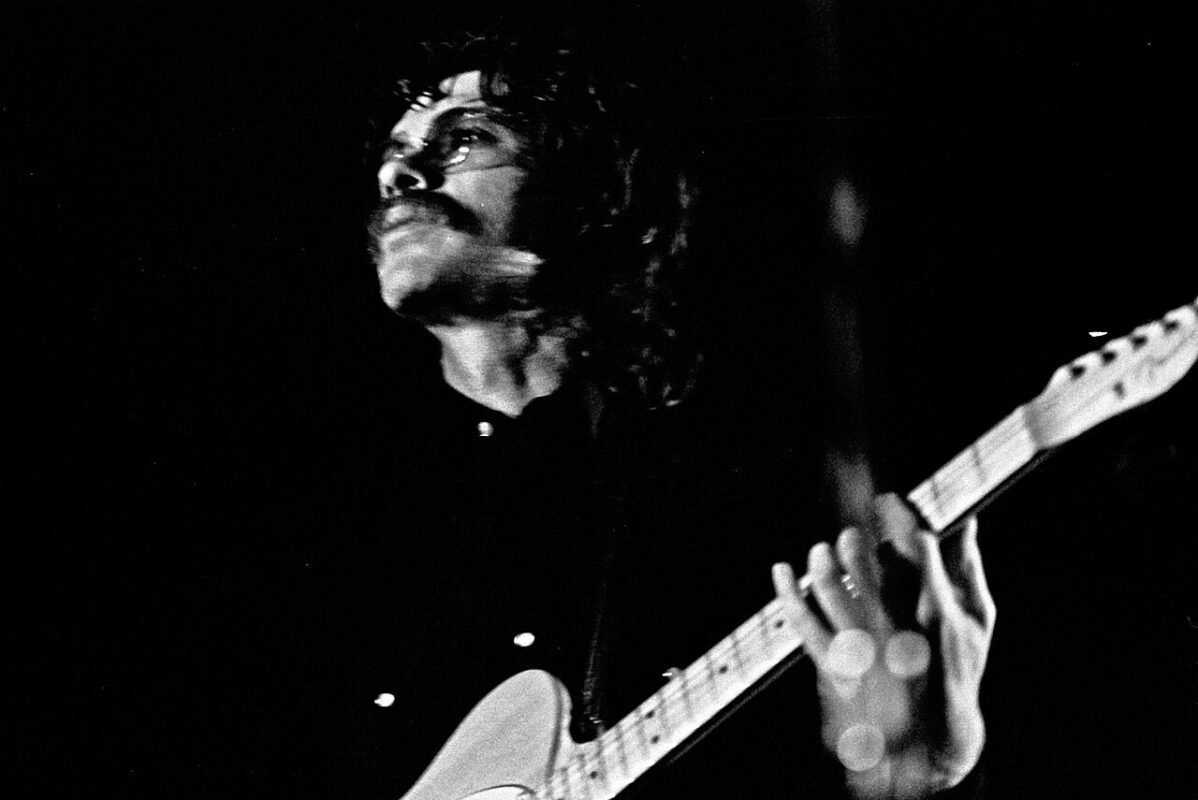
The Bob Dylan going-electric tours of 1965 and 1966 — the specific moment when Dylan traded the acoustic folk tradition for the electric rock tradition and took Robertson and the Hawks as his backing band — is one of the most celebrated and most contested moments in rock history. The audiences who booed “Judas” at the Manchester Free Trade Hall (the same venue where the Sex Pistols show launched Manchester’s punk scene a decade later) were the specific context in which Robertson’s guitar was heard as the betrayal of folk and the embrace of electric rock simultaneously. Robertson’s response to “Judas”: “He wanted that raging spirit on these songs.” The mathematical genius, engaged in the mathematically precise work of producing “that raging spirit” from a Fender Telecaster in the service of the songs that Bob Dylan was presenting to folk audiences who didn’t want them electrified. Robertson provided the rage. The mathematics were exact. The spirit was raging.
The Music from Big Pink recording — made in the basement of a house called Big Pink in West Saugerties, New York (the basement tapes sessions) and then at a studio for the album — produced the specific music that Eric Clapton heard and found more essential than what Cream was doing. The specific quality that Clapton identified: the songs sound “utterly original and like folk songs that have been passed down for generations.” This is the Robertson songwriting achievement applied to the Robertson guitar achievement: the songs feel like they have always existed because the guitar approach serves the songs’ emotional and narrative content so completely that the artifice of composition is invisible. The guitar doesn’t call attention to itself; the songs carry all the attention. And then you hear the guitar, and you hear the mathematical genius that serves the song without overwhelming it. Clapton heard the guitar that didn’t overwhelm the song and understood it as the highest available standard for what a guitar in a song could be. He left Cream accordingly.
The Band’s specific formal identity — five musicians from different backgrounds, Robertson the only one from Toronto, the others from Arkansas, the Midwest, and various American locations — is the specific creative context that produced the American roots music synthesis Robertson called Americana before the genre had that name. The “dusky mythology” of “The Weight” and “The Night They Drove Old Dixie Down,” the “folk, blues, gospel, and old rock ‘n’ roll” that Music from Big Pink integrated: all of it filtered through Robertson’s Mohawk heritage and Canadian distance from the American South that the songs referenced. The First Nations son of Toronto writing about the Civil War South with the specific perspective of someone who was simultaneously outside the tradition and deeply immersed in it. The mathematical genius organizing the materials of American music into songs that sounded like they had always existed. The Telecaster doing the guitar’s part of the work.
The Rig: Robbie Robertson’s Guitars, Amps, and Effects
Guitars
Robertson’s primary working guitar through the Bob Dylan tours and The Band career was a Fender Telecaster — preferred specifically for its light weight and reliability in the long club and touring context. “At the time, Robbie preferred the Telecaster’s 7lb weight for long shows and its workhorse stature and reliability, finding some of the Stratocasters he started out playing too fickle, heavy and prone to performance issues.” The Bob and Robbie Telecaster — the specific Telecaster that was shared between Dylan and Robertson — “saw at least two Dylan tours, plus the recording of the Blonde On Blonde album and The Band’s Stage Fright, as well as numerous other shows. In later days, the guitar had lost its original black finish to natural wood, and its single-coil neck pickup to a Gibson PAF humbucker. Towards the end of its career, the Tele would also have a Bigsby fitted to further enhance its sound.” The Black Telecaster stripped to natural wood, the neck pickup replaced with a Gibson PAF humbucker, the Bigsby added for vibrato: the evolution of the working musician’s instrument across a decade of professional use, each modification serving the specific requirements that the playing had revealed over time.
Robertson’s stated favourite guitar was a 1954 Fender Stratocaster with serial number 0234, originally finished in red. “Robbie’s favourite guitar was a Fender Stratocaster, a 1954 model, serial number 0234, originally finished in red — it was something of a catalyst in shifting his focus away from the favoured Telecaster.” The 1954 Stratocaster is among the earliest production examples of the guitar that Fender introduced that year — the first year of Stratocaster production, with the specific two-tone sunburst or custom color finish options of the earliest models. A red 1954 Stratocaster with serial number 0234 is the most historically significant guitar in Robertson’s collection: an early production example of one of the foundational American electric guitars, in a custom color that distinguished it visually and that Robertson treasured as his favourite.
“I play hot-rodded custom signature Stratocasters, with two pickups in the rear, so they have a thick humbucking sound, and one front pickup.” Robertson’s modern playing guitars are custom-specification Stratocasters configured for humbucking output: two pickups in the rear positions (providing the humbucking configuration that eliminates single-coil hum and provides the thicker tonal character of the humbucker) and one front pickup. This configuration maintains the Stratocaster body’s physical character — the contoured alder or ash body, the familiar visual identity — while providing the tonal warmth and noise rejection of the humbucker pickup configuration. The hot-rodded custom Stratocasters reflect the same working-musician’s pragmatism as the original Telecaster preference: the guitar needs to sound right, perform reliably, and serve the music.
“I also have a 1951 Broadcaster, which is a great plug-it-in-and-it-sounds-good guitar.” The 1951 Fender Broadcaster — the original pre-Telecaster name that Fender used before Gretsch claimed the “Broadcaster” trademark and Fender renamed the guitar the “Nocaster” and then “Telecaster” — is the most historically significant electric guitar in Robertson’s collection from a guitar history perspective: the founding year of the guitar that would become the Telecaster, one of the most celebrated and most historically important production electric guitars ever made. The “plug-it-in-and-it-sounds-good” characterization is the specific endorsement of a Fender single-coil guitar that has aged into the specific tonal character of its era with complete success: the ash body, the maple neck, the single-coil pickups, all producing the specific acoustic character of the instrument without requiring any additional processing to be sonically appropriate.
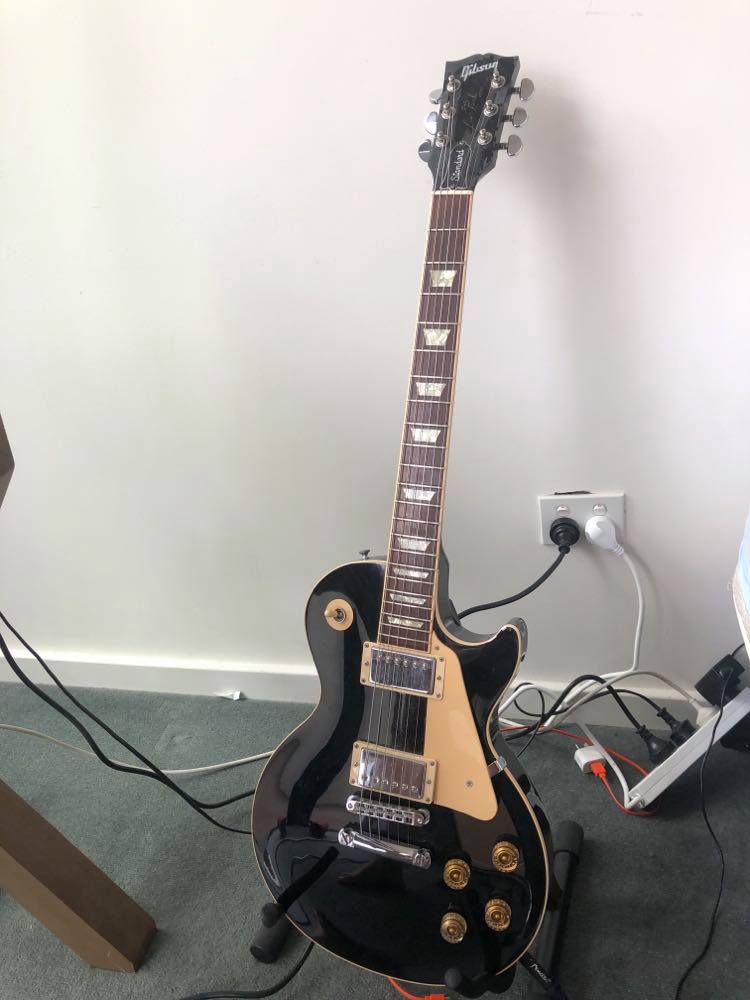
“A bunch of Les Pauls, which for me are great for rhythm parts.” The Les Pauls — which Robertson initially rejected as too heavy for the long club shows — found their place in his collection as rhythm guitar instruments, where the warm humbucker character and the sustaining mahogany body character served the rhythm guitar role without the weight disadvantage of long lead playing. The Les Paul for rhythm; the Telecaster and Stratocaster for the lead work that defined the Band guitar voice.
Robertson also owns a Gibson Style O — “with that mandolin curlicue on the body. It’s a weird-sounding guitar, but of course it looks fantastic.” The Gibson Style O is a historic archtop guitar from the early twentieth century, associated with the foundational period of the electric guitar’s development and characterized by its specific ornate appointments. The “weird-sounding but looks fantastic” assessment is the authentic guitar collector’s description of an instrument valued as much for its historical and visual identity as for its tonal character.
Robertson’s acoustic guitar collection includes multiple Martins, and he discussed a specific Workhorse Show Dog (OM-42) with a Fishman Martin Gold+Plus Natural 1 pickup in the 2011 Acoustic Guitar interview. He also owns a Martin ukulele and an Eric Clapton signature Martin — the specific Clapton connection manifesting in the acoustic collection of the guitarist whose music sent Clapton away from Cream.
Amps
Robertson’s amplification through the Bob Dylan and Band period used Fender clean amplification — the American clean character appropriate for the country-blues-folk synthesis of The Band’s music. The Fender Twin Reverb or equivalent clean, high-headroom American amplification provides the transparent amplification that allows the Telecaster’s and Stratocaster’s single-coil or humbucker character to speak clearly without the British EL34 midrange push that would alter the tonal identity. The mathematical precision of Robertson’s guitar approach requires amplification that faithfully reproduces the guitar’s signal: the wrong notes in the right context, the right notes at exactly the right moment, all arrived at the listener’s ears without amplifier coloration imposing additional character.
Effects
Robertson used Dunlop picks — “because they don’t slip,” as he told Acoustic Guitar magazine. The specific practical advantage of Dunlop’s textured surface for pick grip is the characteristic working-musician detail: the pick doesn’t slip during the long show or the recording session. The mathematical genius chose his picks for the reason a mathematician chooses his instruments: reliability and precision.
The most significant “effect” in Robertson’s guitar approach is not a pedal or a processing unit but the specific guitar intelligence that Bob Dylan identified as mathematical genius: the economy and precision of the note selection, the specific understanding of exactly what each note needs to do in the specific moment of the specific song, and the technical execution of that specific note at exactly the right moment with exactly the right attack. “His solos and fills always captured the mood, emotions and significance of the songs. They were never just good licks.” The mathematical genius is not about complexity or speed; it is about the precision of the selection. The right note, at the right moment, for the right reason. No more. No less. Mathematical.
Robertson’s muscular vibrato — described by the Premier Guitar tribute as part of his “inherent, heightened sense of how to embellish a song’s actual lyrics” — is the specific expressive tool that translates the mathematical precision into emotional expression. The vibrato is not decorative; it is functional, in the same sense that all Robertson guitar choices are functional: it serves the emotional content of the specific moment in the specific song. A wide, muscular vibrato on a sustained note at the climax of a solo serves the climax’s emotional intensity in the same way that the specific lyric’s word serves its narrative moment. The vibrato is word-level precision applied to guitar technique.
The specific Band lineup — Robertson on guitar, Levon Helm on drums and vocals, Rick Danko on bass and vocals, Richard Manuel on piano and vocals, Garth Hudson on organ, keyboards, and everything else — is the specific creative collective that made the Robertson guitar approach more than a solo guitar approach: each Band member’s specific musical identity shaped what Robertson’s guitar needed to be in service of the collective. Levon Helm’s drumming is the specific rhythmic foundation against which Robertson’s guitar fills are heard — the fills serve Helm’s specific rhythmic personality as much as they serve the songs’ melodic content. Richard Manuel’s piano is the specific harmonic context within which the Robertson guitar lines find their melodic position. Garth Hudson’s organ is the specific textural environment that the Robertson guitar either complements or contrasts. The mathematical genius was calculating in the context of four other specific and extraordinarily developed musical intelligences simultaneously. The equations included all five variables. The result sounds like it has always existed because all five variables were calculated with equal precision and equal commitment to the specific emotional and narrative content of the specific song.
The Dylan going-electric controversy is also part of the Robertson gear story in the most expansive sense: the specific cultural context of the going-electric tours established Robertson’s guitar as the instrument of one of the most publicly contested artistic decisions of the 1960s. The folk audiences who booed “Judas” were objecting not to Robertson’s guitar specifically but to the electric guitar as a cultural betrayal of the acoustic folk tradition — and Robertson’s guitar was the primary electric voice in the confrontation, the mathematical genius providing the raging spirit that Dylan wanted and the folk audiences found offensive. The same mathematical precision that produced the timeless folk-sounding songs of Music from Big Pink produced the “raging spirit” of the Dylan electric tours — the same intelligence applied to a different musical requirement producing a different but equally calculated result. The Telecaster doing both. The mathematical genius calculating both. The spirit raging on command. The folk song sounding like it had always existed on command. Two different outputs from the same equation-solving intelligence. This is the Robertson guitar story in its most complete form.
Playing Style & Tone Philosophy
Robbie Robertson plays guitar as a songwriter who also happens to play guitar — someone whose primary creative identity is the song rather than the guitar, and whose guitar playing reflects this identity by always serving the song rather than the guitarist. The mathematical genius description is the most precise available characterization: not emotional, not intuitive, not accidental, but mathematically organized — every note chosen for a specific reason, every fill calculated to serve the song’s emotional trajectory, every solo constructed to enhance rather than to compete with the vocal and the lyric.
The songwriter’s orientation produces the specific quality that Warren Haynes identified: the fills and solos capture the mood, emotions, and significance of the songs because the guitarist who plays them is also the person who wrote them, who understands the songs’ emotional content more completely than any other guitarist could. The advantage of the songwriter-guitarist over the pure guitarist is that the songwriter-guitarist knows what the song means and plays the guitar parts that serve that meaning rather than the guitar parts that sound impressive independently. Robertson’s guitar on “The Weight” serves “The Weight” completely. Detached from “The Weight,” the guitar parts would be competent and interesting; attached to “The Weight,” in the specific context of the song’s specific narrative, they are essential and irreplaceable.
The Telecaster’s practical advantages — the weight, the reliability — are the external expression of the internal philosophy: the guitar should serve the work, and the work is playing long shows in clubs and touring with Bob Dylan and recording albums that capture the sound of American music as it has always existed beneath the commercial surface. The Telecaster with a Bigsby added later, the neck pickup replaced with a PAF humbucker, the black finish stripped to natural wood: the instrument evolving to serve the music as the music’s requirements evolved. The mathematical genius adjusting the variables as the equation develops. The right guitar for the right song at the right moment. Always.
How to Sound Like Robbie Robertson
The Robbie Robertson tone requires: a Fender Telecaster (or Stratocaster, or custom hot-rodded variant with humbucking rear configuration); clean Fender tube amplification providing the transparent American character that the Americana tradition requires; Dunlop picks for reliability; and the mathematical precision of the songwriter-guitarist’s note selection — the specific understanding of exactly what each note needs to do in the specific song’s specific moment. No amount of equipment produces that understanding; it comes from writing the songs, from knowing the tradition the songs serve, and from the specific humility that allows the guitar to be in service of the music rather than the music in service of the guitar.
| Control | Setting (0–10) | Notes |
|---|---|---|
| Fender Tube Amplification (Clean Americana) | Volume: 5–6; Treble: 6; Bass: 5; Mid: 5; Reverb: 2 | Transparent American clean — the Fender Twin or equivalent providing the faithful amplification of the Telecaster or Stratocaster signal without additional coloration. Not pushed toward saturation; the Robertson approach requires the clean character that reproduces the guitar’s note choices faithfully. Minimal reverb for slight spatial dimension. |
| Fender Telecaster (Primary — Light and Reliable) | Volume: 9; Tone: 7; Bridge single-coil (or PAF humbucker at neck) | “Preferred the Telecaster’s 7lb weight for long shows and its workhorse stature and reliability.” The bridge pickup for the cutting, present character that serves the fill and solo function; the neck PAF humbucker (Robertson’s modification) for the warmer, fuller rhythm character. The guitar that doesn’t develop performance issues. The guitar that serves the work. |
| Note Selection (Mathematical Precision) | Right note; right moment; right reason; no more | “His solos and fills always captured the mood, emotions and significance of the songs. They were never just good licks.” The Robertson approach: every note chosen for a specific reason related to the song’s emotional and narrative content. Fewer notes than you might expect. Each note exactly right. The mathematical genius does not waste notes on demonstrations; the notes serve the music. One perfect note outweighs ten technically correct ones. |
| Muscular Vibrato (Expressive Tool) | Wide; controlled; word-level precision | “A muscular vibrato, and concise phrasing that were so inspiring to Eric Clapton that after hearing the band’s debut, he left Cream to go solo.” The vibrato is functional — applied to specific sustained notes at specific emotional moments in the song’s arc. Muscular (wide amplitude, confident) rather than subtle (shallow amplitude, decorative). Applied where the song’s emotional content requires it. |
| Songwriter’s Guitar Orientation | Know the song; serve the song; play the song’s guitar | The foundational Robertson guitar philosophy: the guitar serves the song, not the songwriter. Understand what the song is trying to communicate emotionally and narratively; play the guitar parts that serve that communication. The songwriter’s advantage: you know the song better than anyone. The mathematical genius: you can calculate exactly what each note should do. |
| Dunlop Picks | Standard; medium gauge; don’t slip | “Dunlops, because they don’t slip.” The working musician’s practical pick choice, from the guitarist who learned to prefer the Telecaster’s weight for the same practical reasons. The pick that stays in the hand through two hours of club playing. The mathematical precision of the note selection is only possible if the physical execution is reliable. |
Influence & Legacy
Robbie Robertson’s influence on rock guitar and American music is the influence of the mathematical genius who demonstrated that the guitar’s highest available achievement in a song context is the note that serves the song completely rather than the solo that demonstrates the guitarist’s capability independently of the song. Eric Clapton leaving Cream to pursue a solo career after hearing Music from Big Pink is the most dramatic documented consequence of Robertson’s guitar influence: the most technically accomplished British rock guitarist of the late 1960s, playing in the most commercially successful power trio format, heard something in the Robertson guitar approach that made the Cream format seem insufficient. The Robertson approach doesn’t compete with the song; it serves it. Clapton understood that serving the song was more important than dominating it.
The specific songs that the guitar served — “The Weight,” “The Night They Drove Old Dixie Down,” “Up on Cripple Creek,” “Rag Mama Rag,” “The Shape I’m In,” “Stagefright” — are the specific legacy documents of what the mathematical guitar genius produced when applied to the American roots music tradition that Robertson synthesized from the Mississippi Delta, the Canadian wilderness, and the Mohawk heritage. The songs sound like they have always existed. The guitar is in service of that timeless quality; the guitar’s mathematical precision is what keeps the arrangements from calling attention to themselves as productions and allows them to present as the folk songs that have been passed down for generations.
The Martin Scorsese partnership of fourteen films is the post-Band legacy that most completely reflects the Robertson musical intelligence operating at the highest available level — not as a performing guitarist but as a compositional and curatorial intelligence in the service of the most significant American filmmaker’s specific visual and narrative vision. The director who made The Last Waltz understood what Robertson had done musically; Robertson understood what the director was doing cinematically; together they produced work that neither could have produced alone. The mathematical genius applied to film music for four decades, from The Last Waltz to Killers of the Flower Moon, the last Scorsese film before Robertson died. For the Bob Dylan context that brought Robertson to his first national audience, see Dylan’s going-electric tours as documented in the broader American rock history of the series. The Americana tradition that Robertson is credited with founding connects to Jorma Kaukonen’s American roots music approach — a parallel American guitar tradition rooted in the blues and folk synthesis, operating simultaneously with the Band’s specific approach and drawing from the same foundational American music sources. And the songwriter-guitarist’s approach to guitar fills and solos as servants of the song connects to Snowy White’s melodic-blues-in-service-of-the-song approach — both guitarists understanding the guitar’s highest achievement as the note that serves the music rather than the note that demonstrates the guitarist.
Born in Toronto. Mother was Mohawk. Left home at sixteen for Ronnie Hawkins. Dylan’s electric tours. Big Pink. The Band. First North American rock group on the cover of Time magazine. Martin Scorsese. Fourteen films. The Weight. The Night They Drove Old Dixie Down. Bob Dylan: mathematical guitar genius. Eric Clapton: quit Cream. Warren Haynes: never just good licks. The Telecaster because the Les Paul was heavy on the shoulder. The 1954 Stratocaster because it was his favourite. The Dunlops because they don’t slip. Died August 9, 2023. The guitar was always in service of the song. The song was always in service of the tradition. The tradition was always in service of something that sounded like it had always existed. Mathematical genius. The equations were exact. The music remains.
Frequently Asked Questions: Robbie Robertson Guitars & Gear
What guitar did Robbie Robertson use with The Band?
Robertson’s primary guitar through the Bob Dylan tours and The Band career was a Fender Telecaster, preferred specifically for its light weight (7 lbs) and reliability during long club and touring shows. He and Bob Dylan shared a specific Telecaster that saw multiple Dylan tours and the recording of Blonde on Blonde and The Band’s Stage Fright. That guitar was modified over time: stripped from its original black finish to natural wood, the neck pickup replaced with a Gibson PAF humbucker, and a Bigsby added later. His stated favourite guitar was a 1954 Fender Stratocaster with serial number 0234, originally finished in red, which eventually shifted his focus from the Telecaster.
Why did Robertson prefer the Telecaster over the Les Paul?
Robertson chose Fender over Gibson early in his career for a specific practical reason: weight. “I got stuck on Fender at an early age because we had to play long hours in clubs, and the Les Pauls were heavy on the shoulder after a couple of hours.” The Telecaster’s approximately 7-lb weight compared to the heavier Les Paul made a significant practical difference over a long show. Robertson did own and use Les Pauls — “which for me are great for rhythm parts” — but the Fender Stratocasters and Telecasters were his primary lead and performing guitars throughout The Band period.
What did Bob Dylan mean by “mathematical guitar genius”?
Bob Dylan’s “mathematical guitar genius” description of Robertson captures the specific quality of his guitar playing: not technical complexity or speed, but the mathematical precision of note selection — the specific understanding of exactly what each note needs to do in the specific context of the specific song, and the technical execution of exactly that note at exactly the right moment. Warren Haynes of Gov’t Mule elaborated: “His solos and fills always captured the mood, emotions and significance of the songs. They were never just good licks.” The mathematical genius is the precision of the relationship between the note and its function in the song, not the quantity or velocity of the notes.
Why did Eric Clapton leave Cream after hearing Music from Big Pink?
Eric Clapton heard The Band’s debut album Music from Big Pink (1968) and was so struck by the specific quality of the music — particularly the way Robertson’s guitar served the songs rather than dominating them — that he decided to leave Cream and pursue a solo career. The songs “sound utterly original and like folk songs that have been passed down for generations,” and Robertson’s guitar approach was specifically designed to serve that timeless quality rather than to call attention to itself as a guitar performance. Clapton understood this as the highest available standard for guitar in a song context and pursued it away from Cream’s power trio format.
What was the Bob Dylan and Robbie Robertson relationship?
Robertson joined Bob Dylan’s backing band in the mid-1960s, when Dylan became aware of Levon and the Hawks (the precursor to The Band). Robertson and the Hawks backed Dylan on his legendary “going electric” tours of 1965 and 1966, including the notorious performances where folk audiences booed the electric set. Dylan famously called Robertson “a mathematical guitar genius.” The Hawks subsequently moved to Woodstock, New York, where they recorded the Basement Tapes with Dylan before changing their name to The Band and releasing Music from Big Pink. The Dylan-Robertson Telecaster that passed between them was used on Blonde on Blonde and The Band’s Stage Fright.
What was Robertson’s connection to Martin Scorsese?
Robertson collaborated with Martin Scorsese on fourteen films over four decades — one of the most significant and sustained musician-filmmaker creative partnerships in cinema history. Their collaboration began with The Last Waltz (1978), the concert film documenting The Band’s farewell show at Winterland in San Francisco in 1976. Subsequent Scorsese films with Robertson’s involvement include Raging Bull (1980), The Color of Money (1986), The Departed (2006), The Wolf of Wall Street (2013), and Killers of the Flower Moon (2023), among many others. Robertson’s Mohawk First Nations heritage informed his long-term interest in Native American stories, which Killers of the Flower Moon — about the Osage Nation murders — finally gave him the opportunity to see realized as a major film.
When did Robbie Robertson die?
Robbie Robertson died on August 9, 2023, in Los Angeles, California, at the age of eighty, following a long illness. He was born Jaime Royal Robertson on July 5, 1943, in Toronto, Ontario, Canada. Bob Dylan issued a statement calling Robertson “a lifelong friend” whose “passing leaves a vacancy in the world.” Robertson had spent the final years of his life completing Killers of the Flower Moon with Martin Scorsese — the film was released in October 2023, two months after Robertson’s death, and received widespread critical acclaim.
Image credits
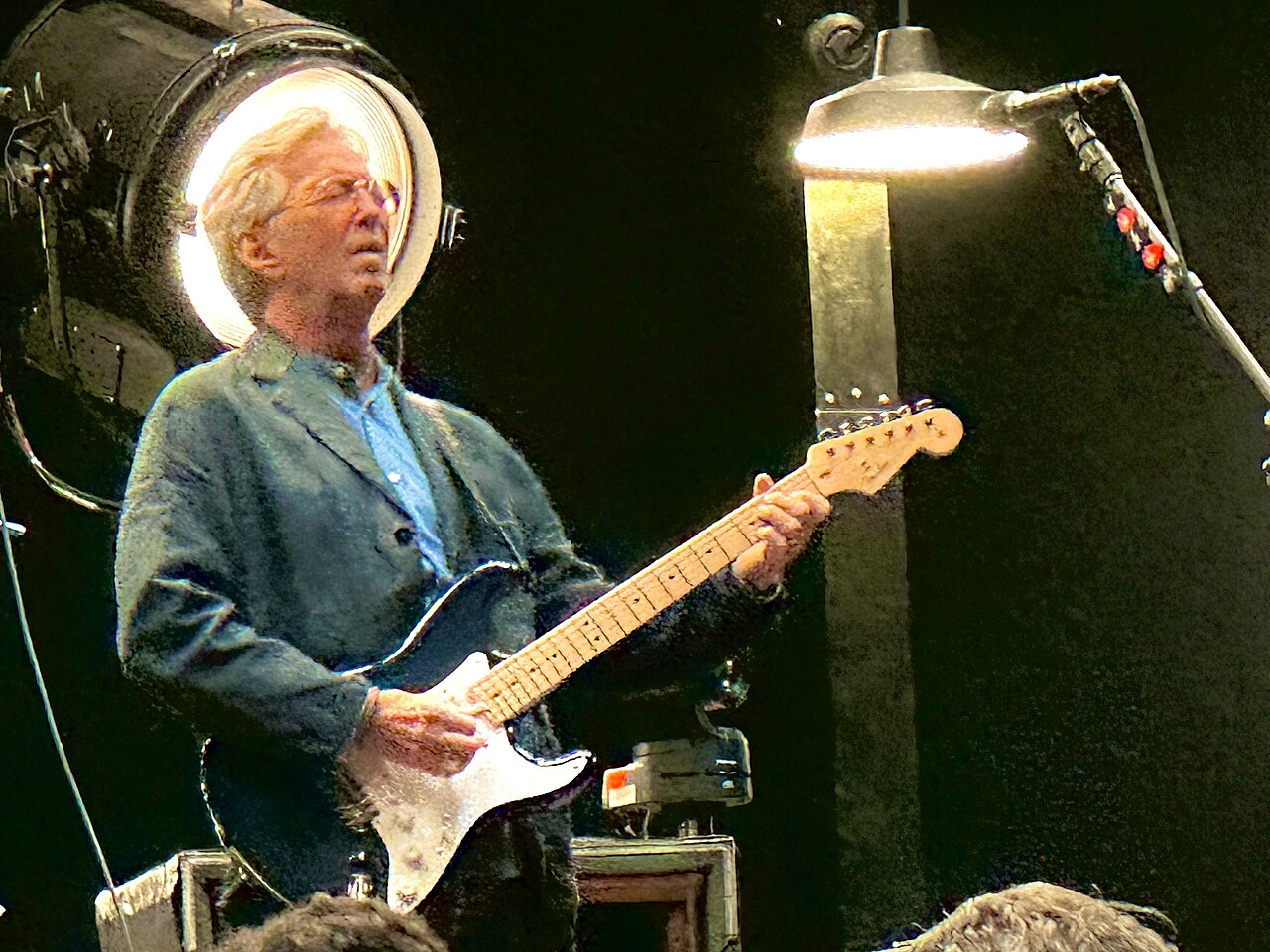
- Eric Clapton: MerleEllaPatsy, Wikimedia Commons, CC0 1.0.
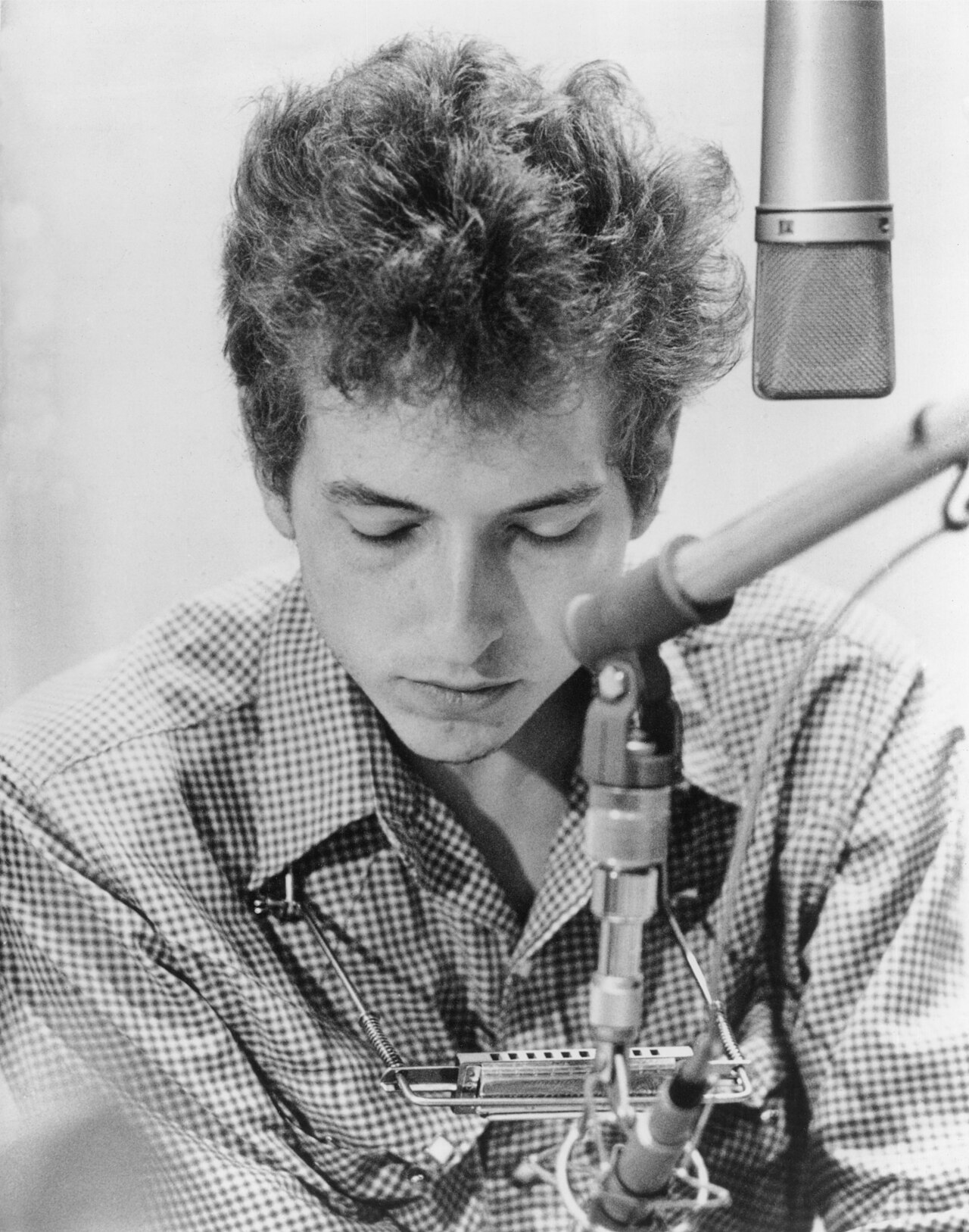
- Bob Dylan: Don Hunstein, Wikimedia Commons, Public domain.
- Top image: TIFF 2019 Robbie Robertson (48686277116).jpg by John Bauld. ©John Bauld; original visible watermark retained. CC BY 2.0. Full source frame retained; WordPress supplies resized web versions.
- Gibson Les Paul Standard: DonnyBurger1974, Wikimedia Commons, CC BY-SA 4.0.
- Robbie Robertson live: Heinrich Klaffs, Wikimedia Commons, CC BY-SA 2.0.