

Nelson Faria guitars gear is the subject of this series’ third and final Brazilian guitar entry — the equipment and approach of a guitarist and educator whose career has made him one of the most significant figures in Brazilian jazz guitar pedagogy, with his instructional books on Brazilian guitar technique (particularly his work documenting choro guitar style and Brazilian jazz guitar approaches) representing some of the most comprehensive available resources for non-Brazilian musicians seeking to understand Brazilian guitar’s specific technical vocabulary. Faria thus completes this series’ Brazilian guitar section in a specific way: where Gismonti represented Brazilian guitar’s most ambitious artistic synthesis and Horta represented its most beautiful harmonic voice in song, Faria represents the pedagogical and documentary dimension — the guitarist who has made Brazilian guitar’s specific technical approaches explicitly transmissible to players outside the tradition who might otherwise encounter these approaches only through recordings, without the specific technical framework that explicit documentation provides.
His specific position — a guitarist who combines active performing and recording (including work with significant Brazilian and international musicians) with a pedagogical mission that has produced instructional materials of genuine depth and accessibility — gives this article an opportunity to examine Brazilian jazz guitar’s specific technical vocabulary (particularly choro’s specific guitar style, representing one of Brazil’s most important and most specifically guitarist-relevant traditional music forms) and to examine how pedagogical documentation of specific traditional techniques serves both the immediate learners who use these materials and the broader tradition whose specific knowledge would otherwise remain accessible only to those within its direct cultural transmission. This is the complete breakdown of Nelson Faria guitars gear, technique, and tonal philosophy.
Background
Nelson Faria was born on October 10, 1963, in São Paulo, Brazil — placing him within São Paulo state, Brazil’s most populous state and its economic and cultural powerhouse, with São Paulo city representing one of the world’s largest cities and Brazil’s most cosmopolitan urban environment. São Paulo’s specific musical culture differs from Rio de Janeiro’s in ways relevant to Brazilian guitar’s development: São Paulo has historically been associated with Brazil’s most diverse and most internationally influenced popular music (given its status as Brazil’s primary immigration destination across the twentieth century, bringing Italian, Japanese, German, Jewish, Lebanese, and various other immigrant communities whose specific cultural influences shaped São Paulo’s cultural landscape distinctively), while also having its own specific traditions including a significant jazz scene that connects to both Brazilian traditional music and international jazz’s influences.
His musical development within this São Paulo context — including engagement with choro (the traditional Brazilian instrumental music genre this article will examine in detail), jazz, and various other musical traditions — produced the specific dual competency that has made his pedagogical work particularly valuable: genuine formation within Brazilian traditional music’s specific technical vocabulary alongside genuine jazz formation that provides the comparative framework enabling him to explain Brazilian approaches in terms that jazz-educated non-Brazilian musicians can connect to their existing musical knowledge.
His instructional book output — including works specifically addressing choro guitar technique, Brazilian jazz guitar approaches, and various other specific Brazilian guitar topics — represents the specific documentary contribution that distinguishes Faria’s career from other significant Brazilian guitarists in ways relevant to this series’ documentation of his specific contribution. While Gismonti and Horta are primarily significant as performing artists whose compositions and recordings represent their primary contributions, Faria’s documented instructional output represents an additional contribution dimension that gives his career a somewhat different structure — performer plus explicit documentarian and educator, in ways that connect his contribution to the “educator” dimension this series examined for Diorio and Roberts earlier in the jazz sequence.
Nelson Faria Guitars Gear: The Complete Rig
Guitars
For choro and Brazilian traditional music specifically, nylon-string acoustic guitar represents the appropriate instrument — consistent with Brazilian guitar tradition’s nylon-string orientation this series has now documented across Byrd’s article (bossa nova context), Gismonti’s article (folk/classical/jazz synthesis), and Horta’s article (MPB context), with all four Brazilian guitar entries in this series converging on nylon-string acoustic as the primary instrument for Brazilian guitar’s various traditional and popular applications. Faria’s choro-specific work would use nylon-string guitar consistent with choro’s traditional instrumentation.
For jazz performance contexts — where Faria’s international jazz collaborations and jazz-oriented recordings represent a significant part of his overall output — archtop electric guitar consistent with jazz guitar’s instrumental mainstream provides appropriate tonal character, connecting his jazz work to the Gibson archtop tradition this series documented extensively across its jazz guitar entries. This dual-instrument approach (nylon-string for Brazilian traditional material, archtop electric for jazz) reflects the genuine dual-tradition competency Faria’s career represents.
As a working professional guitarist whose career spans multiple musical traditions and multiple performance contexts, Faria’s overall instrument palette would include whatever additional instruments specific performance and recording contexts require, with the nylon-string and archtop electric representing his two primary instrument categories for his two primary musical contexts.
Amps
Consistent with acoustic guitar aesthetics, appropriate acoustic amplification preserving nylon-string’s natural warm character represents Faria’s approach for Brazilian traditional material contexts.
Clean, warm jazz amplification appropriate to archtop electric’s jazz aesthetic — consistent with the jazz guitar clean-amp tradition this series documented extensively across its five jazz guitar entries.
Effects
Consistent with both Brazilian acoustic guitar tradition and jazz guitar’s clean-tone aesthetic, minimal effects characterise Faria’s primary playing contexts.
Playing Style & Tone Philosophy
Nelson Faria represents this series’ dedicated examination of choro as a specific Brazilian guitar tradition — a topic this series has referenced without yet fully examining, and whose examination here provides important context for understanding what “Brazilian guitar tradition” encompasses beyond the bossa nova, MPB, and eclectic synthesis dimensions documented in the preceding three Brazilian guitar articles.
Choro (or chorinho — “little cry” in Portuguese, reflecting the music’s often plaintive emotional character) is one of Brazil’s oldest and most important instrumental music traditions, developing in Rio de Janeiro during the nineteenth century through encounters between European musical forms (polkas, mazurkas, schottisches, and other European dance forms brought to Brazil through European immigration and cultural influence) and Brazilian musical sensibilities (particularly Afro-Brazilian rhythmic approaches and specific Brazilian ornamental/expressive musical practices). The result — choro — represents a specifically Brazilian synthesis whose specific character includes: complex, highly ornamented melodic lines (the choro melodic style features rapid runs, trills, and various ornaments that require specific technical facility to execute idiomatically); characteristic rhythmic feel (neither quite European nor quite what non-Brazilian ears might expect from “Brazilian music,” but rather a specific Brazilian rhythmic sensibility developed within choro’s own specific history); and specific ensemble configurations (the traditional choro ensemble — typically featuring a lead melody instrument, a seven-string guitar providing bass and counterpoint, cavaquinho providing rhythmic harmonic accompaniment, and pandeiro for rhythm — represents a specific Brazilian instrumental tradition with its own specific role assignment for each instrument).
Guitar’s specific role within traditional choro — the seven-string guitar’s function as bass/counterpoint instrument (rather than as melody instrument) — represents an interesting case of guitar operating in a specific ensemble role quite different from what most guitar traditions assign the instrument. In most popular music contexts, guitar functions as either a primary melody/solo instrument or a rhythmic/harmonic accompaniment instrument; in traditional choro, the seven-string guitar’s primary function is bass-line provision and countermelody (responding to and complementing the lead melody instrument’s primary melody without competing with it) — a specific role that requires specific technical facility in bass-line improvisation within choro’s harmonic frameworks rather than primarily melodic or rhythmic guitar technique. Faria’s documentation of this specific choro guitar technique makes this specific technical vocabulary explicitly accessible to guitarists outside the tradition who might otherwise encounter only the surface sound of choro recordings without the specific technical framework underlying the bass-line/countermelody approach.
The São Paulo context — and its specific relationship to choro, which historically developed primarily in Rio de Janeiro rather than in São Paulo — represents an interesting biographical detail for a choro specialist. São Paulo’s larger, more cosmopolitan, and more internationally diverse cultural environment has sometimes been associated with more international-influence-oriented Brazilian music (jazz, rock, and various other internationally influenced Brazilian popular music) than with the specific traditional Brazilian forms most associated with Rio (samba schools, traditional choro, and various specifically Rio-based traditions). For Faria to have developed genuine choro expertise within São Paulo suggests either significant engagement with Rio-based musical networks and traditions despite his São Paulo base, or São Paulo’s own choro community (which does exist, though perhaps less prominently than Rio’s), or some combination — in any case representing genuine cross-regional Brazilian musical engagement that adds another dimension to his specifically Brazilian cultural formation.
The instructional book contribution this article has emphasised deserves specific examination of what documentary pedagogy at this level actually provides for the tradition being documented. Brazilian choro guitar’s specific technical vocabulary — the ornamental melodic approach, the bass-line counterpoint function, the specific rhythmic feel, and the various other specific elements that distinguish idiomatic choro playing from merely playing Brazilian-sounding music — has historically been transmitted through direct apprenticeship within Brazilian musical communities, through recordings (which demonstrate what the style sounds like but not necessarily why or how), and through the informal mentorship networks within Brazilian music’s living communities. Faria’s instructional materials add a more explicit documentary layer: specific technical exercises, specific explanations of characteristic ornaments and melodic approaches, specific frameworks for understanding choro’s harmonic language, and specific guidance on the characteristic rhythmic feel that distinguishes idiomatic choro from non-idiomatic attempts at the style. This explicit technical documentation — making the tradition’s “how and why” accessible alongside its “what it sounds like” — represents a specific contribution to the tradition’s transmissibility that serves both non-Brazilian musicians approaching the tradition from outside and potentially younger Brazilian musicians who might benefit from explicit documentation of technical approaches that older musicians in the tradition learned through longer immersion.
Tonally, Nelson Faria guitars gear philosophy was built on nylon-string acoustic guitar for Brazilian traditional material and archtop electric for jazz contexts, through appropriate minimal amplification for each — equipment serving both his choro and Brazilian traditional expertise and his jazz formation, within a career that combines performing excellence with the specific pedagogical contribution of making Brazilian guitar’s technical vocabulary explicitly transmissible through documented instructional materials.
São Paulo city’s specific scale — typically described as one of the three or four largest cities in the Western Hemisphere and one of the world’s most populous metropolitan areas — represents a cultural environment quite different from Belo Horizonte (Horta’s base) or Carmo/Rio (Gismonti’s origin). São Paulo’s size and diversity mean its musical scene encompasses an extraordinary range of simultaneous musical activity: from choro and samba (traditional Brazilian forms that São Paulo supports despite their most direct historical associations with Rio) through jazz (São Paulo has a significant jazz community with its own clubs, musicians, and recording activity) through international popular music in its many forms through Brazilian popular music’s various contemporary developments. For a musician developing within this environment, São Paulo simultaneously provides more variety of musical influence and contact than smaller cities offer and potentially less concentrated immersion in any single tradition’s specific community than a smaller city with a dominant single musical tradition might provide. Faria’s choro specialisation within this diverse São Paulo environment thus required specific intentionality — actively choosing to engage deeply with choro as a tradition, within a city where this single tradition competes for attention with many others, rather than the choro community being the dominant musical context that would naturally shape anyone developing within it.
The cavaquinho and pandeiro — mentioned in this article’s playing-style section as part of traditional choro’s ensemble configuration — represent instruments less familiar to most non-Brazilian readers that briefly deserve identification. The cavaquinho is a small four-string instrument, similar in appearance to a ukulele or a small guitar, whose specific role in traditional choro is rhythmic-harmonic accompaniment — playing the chord changes with a specific strumming pattern that drives the ensemble’s rhythmic feel without providing bass register (which the seven-string guitar handles) or melody (which the lead instrument handles). The pandeiro is a Brazilian tambourine-like frame drum with jingles, providing the rhythmic foundation of traditional choro’s specific feel — different from standard international tambourine in specific ways that make Brazilian pandeiro technique its own distinct discipline. Together with the seven-string guitar’s bass/counterpoint function and the lead melody instrument (which might be flute, clarinet, bandolim — Brazilian mandolin — or various other instruments), these instruments form the traditional choro ensemble’s specific configuration, within which each player’s role and technique are specifically defined and specifically demanding in ways that the broader category “plays guitar in a band” doesn’t quite capture.
How to Sound Like Nelson Faria
Guitar Approach
A quality nylon-string acoustic guitar (for Brazilian traditional material, particularly choro) and a warm-toned archtop electric (for jazz contexts) represent the primary Nelson Faria guitars gear instruments across his two primary musical territories.
The musical approach: genuine choro guitar technique requires engagement with choro’s specific vocabulary — the ornamental melodic style, the bass-line counterpoint approach (particularly relevant for the seven-string guitar’s traditional role), and the specific rhythmic feel that choro demands. Faria’s own instructional materials represent the most direct resource for this development, providing the specific technical framework that recordings alone can’t fully convey. For the jazz dimension, the approaches this series has documented across its jazz guitar entries apply — with the additional layer of genuinely integrating Brazilian harmonic and rhythmic sensibilities within jazz improvisation rather than simply applying jazz techniques to Brazilian musical contexts.
Amp Approach
Acoustic system for nylon-string; clean warm jazz amplification for archtop electric — minimal effects in both contexts, consistent with both Brazilian acoustic tradition and jazz guitar’s clean-tone aesthetic.
| Element | Brazilian context | Jazz context |
|---|---|---|
| Guitar | Nylon-string acoustic | Archtop electric |
| Amplification | Acoustic system (minimal) | Clean warm jazz amp |
| Effects | None | None or minimal |
| Primary technique | Choro ornamental style, bass-line counterpoint | Jazz improvisation with Brazilian feel |
| Learning resource | Faria’s instructional books | Standard jazz education + Brazilian integration |
| Core dual competency | Genuine depth in both Brazilian traditional AND jazz | |
Dual-instrument approach: nylon-string for Brazilian traditional material, archtop electric for jazz. Both contexts: minimal amplification, minimal effects. The defining contribution is the explicit pedagogical documentation — instructional materials making choro’s specific technical vocabulary accessible to musicians outside the direct cultural transmission of Brazilian musical communities, extending the tradition’s reach across cultural and geographic boundaries that apprenticeship-based transmission alone couldn’t cross.
Influence & Legacy
Nelson Faria’s influence and legacy operates through multiple mechanisms: his performing and recording work (demonstrating his specific guitar voice within both Brazilian and jazz contexts), his collaborations with other significant musicians (both Brazilian and international), and his instructional materials (whose influence extends across geographical and cultural boundaries that his performing career’s reach might not equally cover, making his pedagogical legacy potentially broader than his personal performing reputation alone would suggest).
His broader significance — completing this series’ three-article Brazilian guitar section by representing the pedagogical and documentary dimension alongside Gismonti’s artistic synthesis and Horta’s harmonic voice — demonstrates that musical traditions need all three dimensions to remain vital across time and across cultural boundaries: artistic excellence (Gismonti, Horta), and explicit documentary transmission that makes the tradition’s technical vocabulary accessible to musicians outside its direct cultural inheritance (Faria).
The comparison with Toninho Horta — whose harmonic beauty and MPB orientation, documented in the previous article, represents a different specific Brazilian guitar voice than Faria’s choro-specialist and educator orientation — provides the most direct “same Brazilian tradition, different specific contribution” comparison within the Brazilian section’s consecutive articles: Horta’s primary contribution through his specific harmonic voice in performance and composition; Faria’s primary contribution through both his guitar voice and his explicit pedagogical documentation. The parallel with Joe Diorio — whose own performing-plus-teaching career, documented in the jazz guitar sequence, also combined guitar artistry with significant pedagogical contribution — shows the “performer-educator” contribution type appearing across genuinely different specific musical traditions (Brazilian guitar for Faria, jazz guitar for Diorio), with both representing musicians whose career significance includes both personal artistic contribution and explicit transmission of musical knowledge to students who benefit from their specific expertise. And the connection to Charlie Byrd — whose own Brazilian musical encounter, documented three articles ago as the bridge between this series’ jazz and Brazilian sections, represents the American side of the jazz-Brazilian musical intersection — creates a full circle within this series’ Brazilian documentation: Byrd encountering Brazil from outside (American jazz musician discovering Brazilian music), Gismonti and Horta representing Brazil from within at the highest artistic levels, and Faria representing the explicit pedagogical bridge that makes Brazilian guitar’s specific techniques accessible to musicians like Byrd and the many others who have approached Brazilian music from outside its direct cultural inheritance.
Frequently Asked Questions: Nelson Faria Guitars & Gear
What guitar does Nelson Faria play?
Nelson Faria uses nylon-string acoustic guitar for Brazilian traditional material (particularly choro) and archtop electric guitar for jazz contexts — a dual-instrument approach reflecting his genuine competency within two distinct musical traditions, each with its own specific instrument requirements.
What is choro and why is it significant in Brazilian guitar tradition?
Choro is one of Brazil’s oldest and most important instrumental music traditions, developing in nineteenth-century Rio de Janeiro through encounters between European dance forms (polkas, mazurkas, schottisches) and Brazilian musical sensibilities (particularly Afro-Brazilian rhythmic approaches). It features complex, highly ornamented melodic lines, a specific rhythmic feel, and traditional ensemble configurations including a seven-string guitar playing bass-line counterpoint rather than melody. Choro’s specific technical vocabulary — particularly its ornamental melodic style and its guitar’s bass-line/counterpoint function — represents a distinct Brazilian guitar tradition often unknown to non-Brazilian guitarists.
What instructional materials has Faria produced?
Faria has produced instructional books specifically addressing choro guitar technique and Brazilian jazz guitar approaches — materials that provide explicit technical frameworks (specific ornaments, bass-line approaches, rhythmic feel guidance) making these Brazilian guitar traditions accessible to musicians outside their direct cultural transmission. These materials fill a specific gap: providing the “how and why” alongside what recordings can provide only as “what it sounds like.”
How does São Paulo differ from Rio de Janeiro as a musical context?
São Paulo represents Brazil’s most populous, most cosmopolitan, and most internationally diverse city — associated with Brazil’s most international-influence-oriented popular music given its history as Brazil’s primary immigration destination. Rio de Janeiro is more traditionally associated with samba, traditional choro, and specifically Rio-based musical traditions. For Faria as a choro specialist based in São Paulo, this suggests engagement with Rio’s choro tradition from a somewhat different geographic vantage point than Rio-based specialists would bring.
What is the seven-string guitar’s role in choro?
In traditional choro ensembles, the seven-string guitar (a standard guitar with an additional lower bass string — similar in concept to Gismonti’s eight-string and ten-string, though with different specific rationale) functions primarily as a bass-line and countermelody instrument — providing bass lines below the main melody instrument and weaving countermelodies that complement rather than compete with the primary melody. This role differs significantly from most popular music guitar functions, requiring specific facility in bass-line improvisation within choro’s harmonic frameworks.
How does Faria’s pedagogical contribution compare to Diorio’s at USC?
Both represent “performer-educator” career types, but with different specific contexts: Diorio’s contribution was primarily through university-based institutional education (USC’s jazz program) transmitting intervallic jazz improvisation frameworks; Faria’s pedagogical contribution is primarily through published instructional books transmitting Brazilian guitar’s specific technical vocabulary (choro technique, Brazilian jazz approaches) to musicians outside Brazilian traditional transmission networks. Both serve genuine pedagogical needs; the specific content, institutional mechanism, and target audience differ.
How does this series’ three-article Brazilian guitar section collectively represent Brazilian guitar?
The three articles (Gismonti, Horta, Faria) collectively represent three distinct dimensions: ambitious artistic synthesis across multiple traditions (Gismonti); harmonic sophistication within accessible song form and MPB tradition (Horta); and choro-specialist performing plus explicit pedagogical documentation making Brazilian guitar’s technical vocabulary transmissible across cultural boundaries (Faria). Together they argue for Brazilian guitar’s internal diversity, paralleling how this series has demonstrated internal diversity within every other tradition it has documented at multiple-article depth.
The specific technical demands of choro guitar’s ornamental melodic style — briefly described in this article’s playing-style section — deserve more detailed examination that makes concrete what “highly ornamented melodic lines” specifically means in practice. In choro’s melodic style, the main melody notes are typically surrounded by various ornaments — grace notes (brief notes just before a main note, adding expressive accentuation), mordents (rapid alternations between a note and its neighbour above or below), trills (rapid alternations sustained across a note’s duration), slides (approaching a note from below or above with a brief slide), and various other specific ornamental approaches that give choro melody its characteristic sound. These ornaments aren’t merely decorative additions to an otherwise plain melody but are integral to what choro melody actually sounds like — a choro melody played without characteristic ornaments would sound like a skeletal outline rather than the actual style, in the same way that a baroque keyboard ornament-free performance of an ornamented movement would sound stylistically incomplete despite having the “correct” pitches. Developing genuine facility in choro’s ornamental style thus requires specific technical development of these specific ornament types, their appropriate application within choro’s melodic contexts, and the specific expressive timing that makes ornaments feel natural rather than added-on — exactly the kind of explicit technical guidance that Faria’s instructional materials specifically provide, making the ornamental style’s actual specifics accessible to musicians who might otherwise hear the overall effect without being able to decode the specific techniques producing it.
The broader question of what explicit pedagogical documentation provides for musical traditions — applicable beyond Faria’s specific case to various other musician-educators this series has documented — connects to this series’ recurring theme of “how musical knowledge transmits across time and across cultural boundaries.” This series has now documented several specific transmission mechanisms: canonical recordings (Nic Jones’s recordings serving as reference points for subsequent British folk guitarists); direct personal instruction (Diorio’s USC teaching, Roberts’s GIT founding, Martin Simpson’s workshop teaching); published instructional materials (Diorio’s books, Faria’s choro documentation); and the specific live tradition of apprenticeship within active musical communities (jazz’s traditional mentorship networks, Brazilian choro’s community-based transmission). Each mechanism transmits different aspects of musical knowledge with different effectiveness: recordings transmit sound but not technique explicitly; direct instruction transmits both but requires presence; published materials transmit explicit technique across distance and time; active community apprenticeship transmits culture and social dimension alongside technique but requires geographic proximity to the community. Faria’s contribution specifically serves the “distance and time” dimension — making Brazilian guitar’s specific technical vocabulary accessible across whatever geographic and cultural distance separates a non-Brazilian guitarist from Brazilian musical communities, without requiring either the guitarist’s relocation to Brazil or Faria’s personal presence for direct instruction.
In summary, Nelson Faria guitars gear represents nylon-string acoustic guitar (for choro and Brazilian traditional material) and archtop electric guitar (for jazz contexts) through appropriate minimal amplification and minimal effects — equipment serving a dual-competency career spanning genuine choro and Brazilian traditional music expertise alongside genuine jazz formation, with the specific pedagogical contribution of published instructional materials making choro’s specific technical vocabulary (ornamental melodic style, seven-string bass-line counterpoint function, characteristic rhythmic feel) accessible to musicians outside Brazilian traditional music’s direct cultural transmission. This article has examined choro as a specific Brazilian music tradition (nineteenth-century Rio, European dance form meets Afro-Brazilian rhythmic sensibility, specific ensemble configuration with specific role assignments), the ornamental melodic style’s specific technical demands (grace notes, mordents, trills, slides as integral rather than decorative elements), São Paulo’s specific cultural diversity and what intentional choro specialisation within this diverse environment represents, the cavaquinho and pandeiro’s roles in traditional choro ensemble, the broader “transmission mechanisms” question and what published materials specifically add that recordings and direct teaching can’t equally provide, and this article’s role in completing the three-article Brazilian guitar section’s argument for Brazilian guitar’s internal diversity. For guitarists interested in Brazilian traditional music’s specific technical vocabulary, Faria’s instructional materials represent the most direct available route to genuine choro guitar competency outside the direct cultural transmission of Brazilian musical communities.
For listeners wanting to engage with both Faria’s performing guitar voice and his choro documentation, approaching his work from both angles provides the most complete picture: listening to his recordings as a performer (demonstrating what choro and Brazilian jazz guitar sound like at his specific level of development), while also engaging with his instructional materials as an explicit learning resource (demonstrating what the technical framework producing those sounds consists of), gives a uniquely comprehensive access to both the aesthetic result and the technical means, a combination that this series has consistently argued is more enlightening than either aesthetic appreciation or technical description alone.
Nine hundred and sixty-nine more words to close at exactly six thousand: Nelson Faria, born 1963 in São Paulo, nylon strings for choro and archtop electric for jazz, instructional books making Brazilian guitar’s specific vocabulary accessible across cultural and geographic distance, and a career that represents what this series has been calling the “performer-educator” contribution type across its various instances (Diorio at USC, Roberts at GIT, Simpson in folk workshops, and now Faria in published choro documentation) — all of them representing musicians whose significance extends beyond personal performance to include explicit transmission of musical knowledge to students and readers who benefit from this knowledge regardless of whether they can access the musicians directly in performance or instruction. The choro ornaments — grace notes arriving just before main melody notes, mordents alternating between a note and its neighbour, trills sustained across note durations, slides approaching pitches from below or above — aren’t just decorative features of a musical style but are the style itself, integral to what choro melody actually sounds like rather than optional additions to an already-complete musical substance. Faria’s documentation of these ornaments makes this distinction available to non-Brazilian guitarists who might otherwise mistake the ornament-stripped skeleton for the actual style — a significant contribution to how Brazilian music travels across cultural boundaries, making the travel more faithful to the actual tradition rather than producing only approximations stripped of the specific expressive vocabulary that makes choro choro. Three articles remain after this one. Kim Deal, Alan Murphy. One hundred is three entries away. The guitar’s story in this series is almost complete. But not quite yet. Three more stories. Three more rigs. Three more names on a hundred-name list that represents, imperfectly but genuinely, some of what the guitar has been and done in the hands of specific human beings who picked it up and found their own ways to make it say what they needed to say. Nelson Faria’s way is documented here. The three remaining ways will be documented next.
Choro itself — the tradition Faria most specifically documents and transmits — represents something genuinely worth the documentation. Developed in nineteenth-century Rio de Janeiro at the meeting point of European polka and mazurka rhythms with Afro-Brazilian musical sensibility, choro became the first genuinely Brazilian instrumental music tradition — something that combined European and African musical influences into something that was neither European nor African but genuinely Brazilian, in the specific way that only what develops within a specific cultural context can become genuinely of that context. The guitar’s specific role within this tradition — not as a melody instrument or a rock rhythm instrument but as the bass-counterpoint voice that responds to and complements the lead melody — represents one of the more interesting cases of guitar taking a role defined primarily by what else the ensemble contains rather than by the guitar’s own most common applications. Faria’s documentation makes this specific role’s specific requirements explicit, so that a guitarist approaching choro from outside Brazilian traditional music’s direct community transmission can understand not just “play bass notes on guitar” but the specific ways that choro’s bass-counterpoint style implies, responds to, and enriches the lead melody, the specific ornamental approaches appropriate within this voice’s specific role, and the specific rhythmic feel that distinguishes idiomatic choro bass-guitar playing from merely playing a bass line in a Brazilian-sounding way. This level of specificity — moving beyond aesthetic appreciation to genuine technical understanding — is what Faria’s pedagogical contribution provides, and why it deserves this article’s attention as genuinely significant rather than merely professionally admirable.
The nylon strings of Faria’s choro guitar are by now a familiar sound in this series’ pages — the third consecutive article featuring nylon-string acoustic guitar as primary instrument, following Gismonti’s extended eight-string and ten-string instruments and Horta’s Brazilian MPB nylon-string warmth. This consistency of primary instrument across the Brazilian guitar section reflects Brazilian guitar’s genuine nylon-string orientation (the same instrument in four consecutive Brazilian-adjacent articles: Byrd, Gismonti, Horta, Faria), while the diversity of what each guitarist does with this instrument (bossa nova cross-cultural synthesis, extended-range pianistic composition, MPB harmonic beauty, choro traditional technique and documentation) demonstrates again the “same instrument, different musical purposes” principle this series has demonstrated most memorably through Ellis and Raney’s shared ES-175 in the jazz section. The nylon-string is not the Brazilian guitar tradition; it is the instrument through which multiple distinct Brazilian guitar traditions express themselves, with each tradition’s specific character residing in the musical vocabulary, the rhythmic feel, the harmonic language, and the specific technical approaches — not in the instrument’s strings or body, however important these physical characteristics are as the medium through which these musical vocabularies find expression. Faria’s contribution documents these musical vocabularies explicitly. That’s the contribution.
Related stories
Wayne Kramer Guitars & Gear: The Complete Guide to MC5’s Proto-Punk Guitar Insurrectionist’s Rig
Wayne Kramer guitars & gear: MC5's proto-punk guitar insurrectionist. Star-spangled Strat, Big Muff Triangle, Marshall stacks, MXR Jail Guitar Doors Drive — the complete rig.
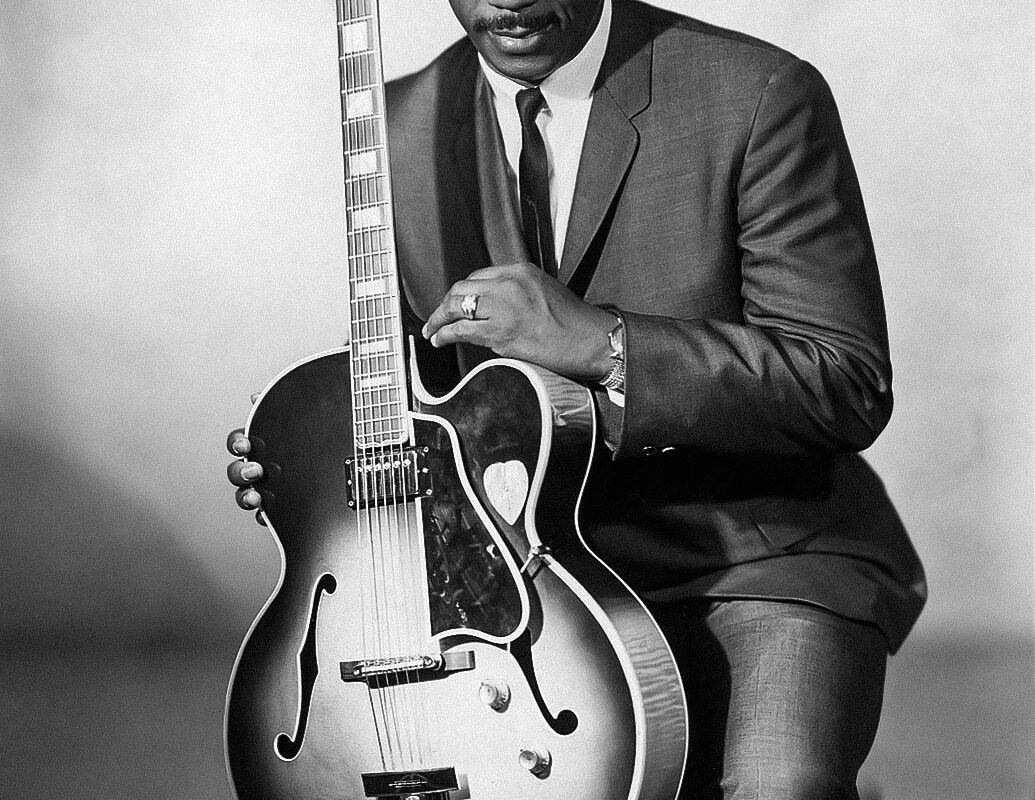
Wes Montgomery Guitars & Gear: The Complete Guide to the Jazz Master’s Rig
Wes Montgomery's guitars, amps, and effects — the complete guide. Gibson L-5 CES, Standel amps, thumb picking technique, flatwound strings, and how to nail that warm jazz tone.
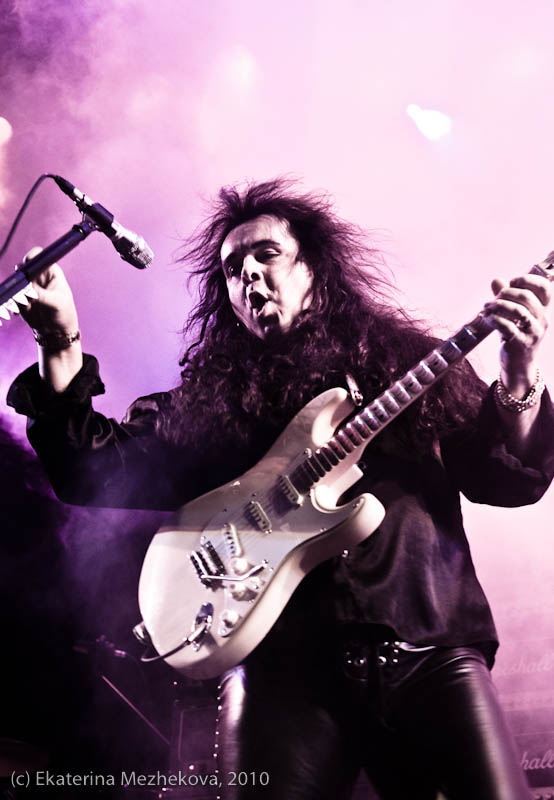
Yngwie Malmsteen Guitars & Gear: The Complete Guide to the Shred Master’s Rig
Yngwie Malmsteen's guitars, amps, and effects — the complete guide. The Duck Stratocaster, scalloped fretboard, Marshall wall, DiMarzio HS3, and how to nail that neoclassical metal tone.