Plini Guitars & Gear: Progressive Rock Fusion’s Melodic Architect’s Complete Rig
Plini guitars gear — Ibanez signature and Two-Rock clean amp deep-dive for progressive rock fusion's melodic architect's warm technical tone and complete rig guide.
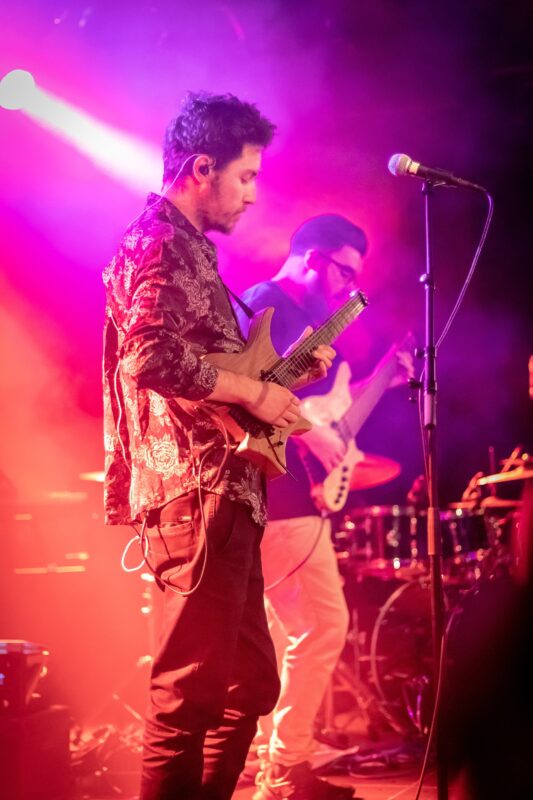
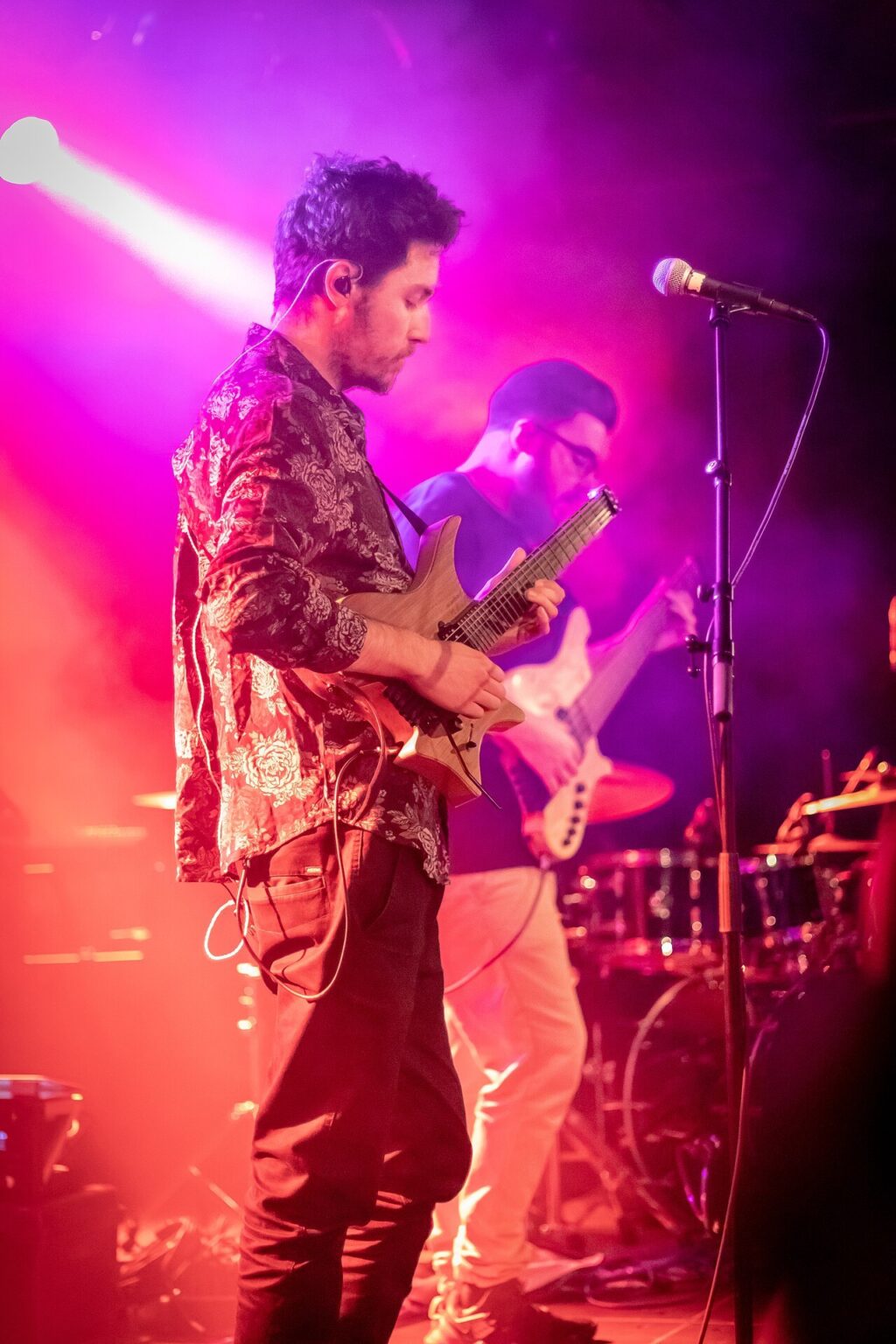
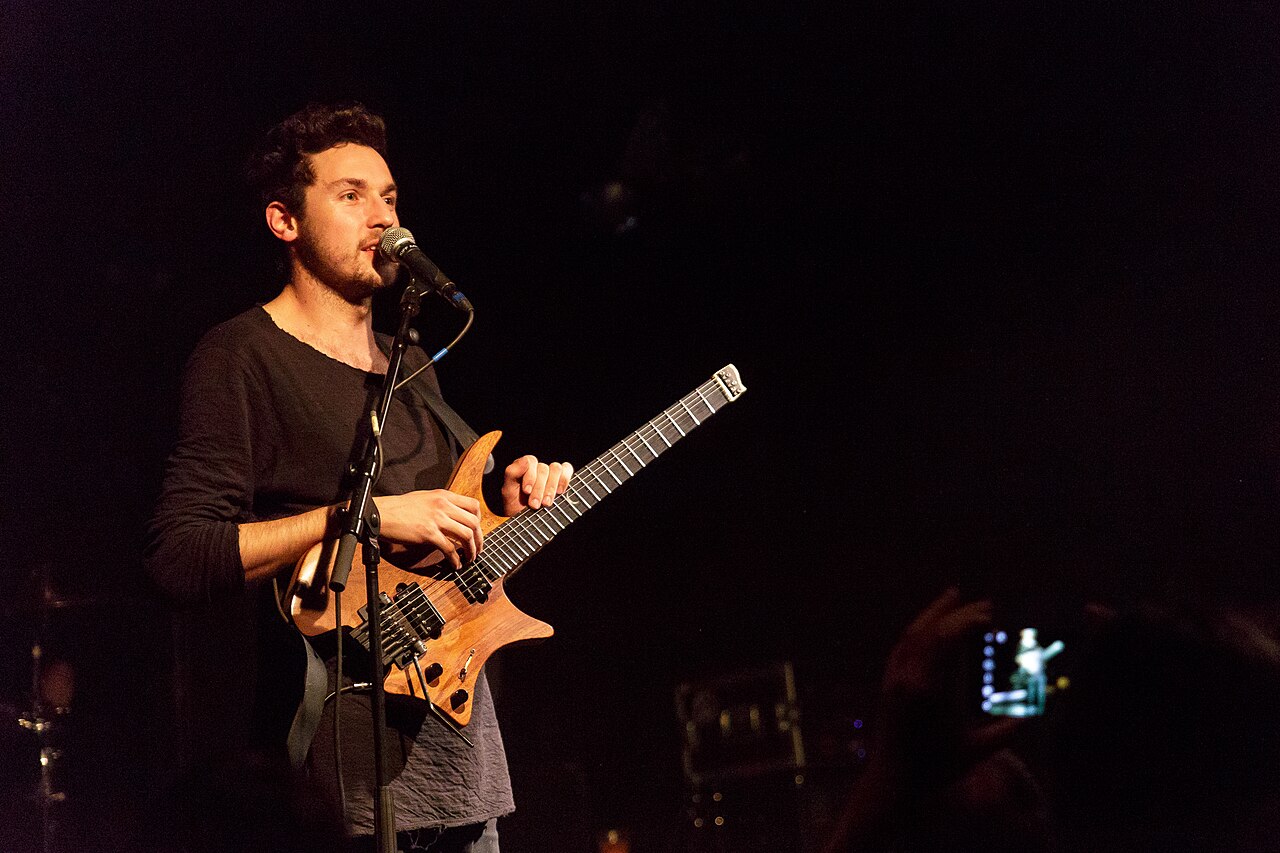
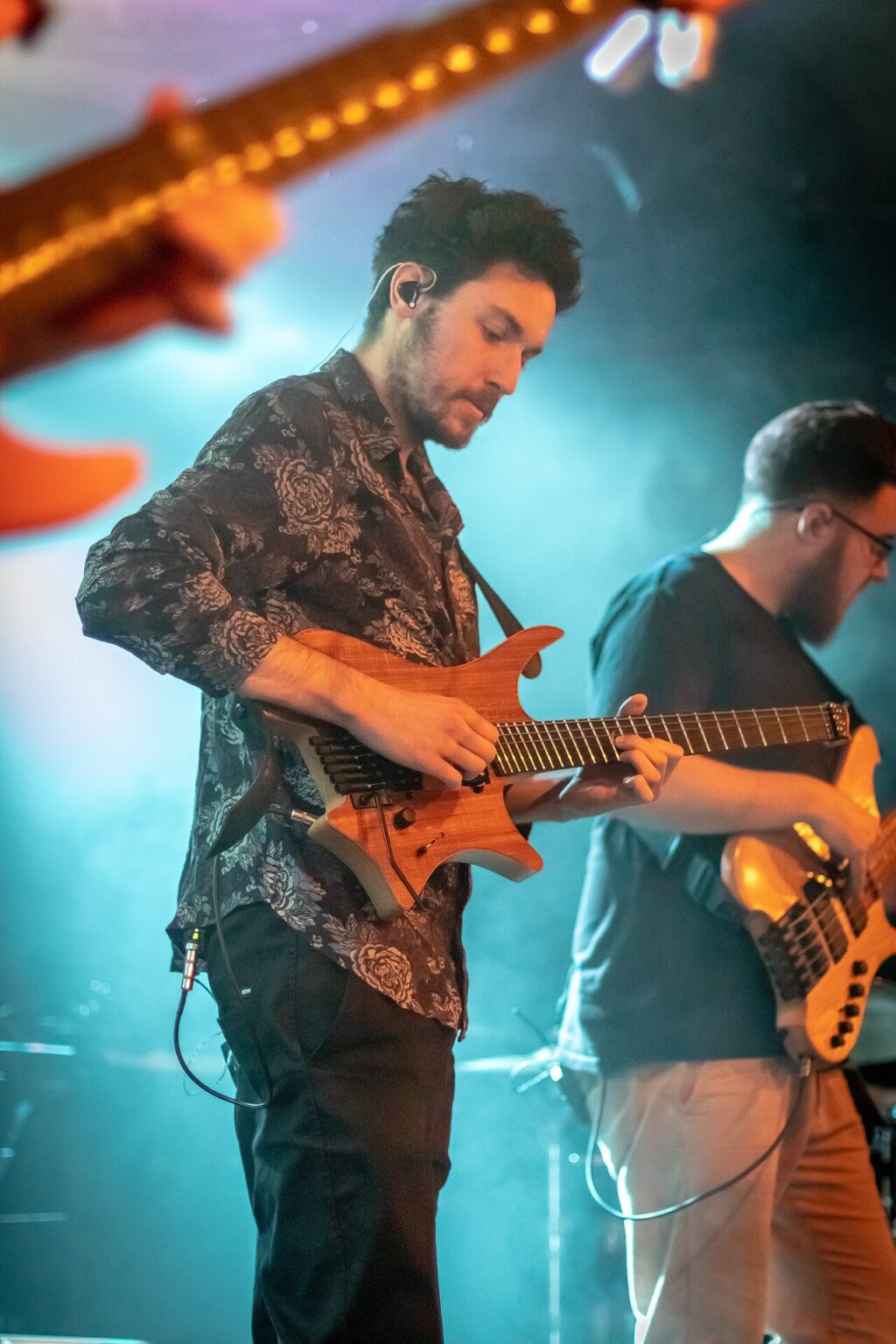
Photo by Stéphane Gallay from Laconnex, Switzerland, licensed under CC BY 2.0 (https://commons.wikimedia.org/wiki/File:Plini_%C3%A0_Aarau-2_(33643337732).jpg)
Investigate Plini guitars gear and you find the equipment behind one of the most musically complete and most immediately likeable guitarists in contemporary progressive rock — an Australian musician whose music combined the technical ambition of the progressive rock tradition with a specific quality of melodic warmth and emotional directness that made it accessible to listeners who found the more technically austere expressions of progressive music less engaging. Plini (Oliver Babington’s professional name) developed a guitar approach that showed genuine mastery of the technical vocabulary of contemporary fusion and progressive rock while maintaining the melodic intelligence and the emotional accessibility that gave his music its specific quality of being simultaneously technically impressive and immediately enjoyable. His signature Ibanez guitars through carefully chosen amplification and effects gave his playing the specific combination of warmth and technical clarity that his musical vision required.
This guide covers Plini’s complete equipment picture: the Ibanez signature guitars that defined his tonal approach, the amplification that served his progressive fusion approach, his sophisticated effects chain, and the playing philosophy of a musician who understood that genuine musical depth required both technical accomplishment and emotional accessibility. Understanding Plini’s gear is understanding how progressive music’s most technically demanding approaches can serve rather than sacrifice emotional impact.
Background
Plini (Oliver Babington) grew up in Sydney, Australia — within the specific Australian musical culture that had produced a significant concentration of technically accomplished progressive and metal guitarists in the 2000s and 2010s alongside the mainstream rock and pop scene that had always been Australia’s most prominent musical export. The Australian progressive guitar scene — which included Plini, Intervals, Polyphia adjacent musicians, and others — had a specific character of combining technical accomplishment with melodic accessibility that was somewhat different from the more technically austere European progressive tradition.
He developed his guitar approach through both formal study and intensive self-directed learning, absorbing the full range of progressive rock and fusion guitar vocabulary while maintaining the orientation toward melody and emotional accessibility that would always be the primary characteristic of his approach. His specific influences encompassed the progressive rock tradition (Animals as Leaders, Periphery in their more melodically focused moments), jazz fusion (the same Larry Carlton and Lee Ritenour influences that informed Lari Basilio), and the broader world of technically accomplished melodic guitar music.
He built his audience through self-released recordings and an active online presence, becoming one of the most successful independent progressive rock musicians in the contemporary guitar world before eventually signing with a label that could give his work wider commercial distribution. His independent career model — building genuine audience through genuine musical quality without major label infrastructure — was as instructive a contemporary music career story as Asato’s or Nito’s differently executed approaches to the same digital distribution landscape.
Plini Guitars Gear: The Complete Rig
Guitars
Plini’s guitar identity was built around his Ibanez signature models — a collaboration with the Japanese manufacturer that produced instruments specifically calibrated for his specific technical and tonal requirements.
His primary guitars were Ibanez Plini signature models — the Ibanez PLMM1 and related designs that featured the specific combination of construction characteristics he required. The signature models featured a chambered or semi-hollow construction approach that gave the solid electric guitar some of the acoustic resonance of a semi-hollow design — warmth and natural sustain from the acoustic chamber combined with the feedback resistance and tonal consistency of a predominantly solid body.
The DiMarzio Plini pickups — the specific humbucker designs developed through his DiMarzio collaboration — were voiced for the specific combination of warmth and clarity that his melodic progressive approach required. The pickups’ specific output level and frequency response gave his amplification the input signal that produced his characteristic tone at stage and recording volumes.
He also used Strandberg instruments for specific applications — connecting his equipment approach to Ichika Nito’s Strandberg use through a shared appreciation for the headless design‘s specific ergonomic and acoustic character.
String gauges were medium — appropriate for the diverse technical demands of his playing across both the most technically demanding progressive passages and the more sustained melodic leads that were his primary emotional voice.
Amps
Plini’s amplification approach was sophisticated and specifically chosen for his particular musical requirements — neither the pure clean American character that suited the jazz-fusion approach nor the high-gain British character that suited heavier progressive metal, but something in between that gave his progressive fusion playing its specific combination of warmth, clarity, and musical authority.
His primary amplifiers included Two-Rock and similar boutique clean valve designs — the warm, clean boutique amplifiers that gave his guitar playing its specific foundation of natural warmth without the driven character of rock amplification. The Two-Rock’s specific clean character — warmer than the Fender Twin’s neutral transparency but cleaner than any Marshall design — gave his Ibanez signature guitar the specific amplified character that his melodic progressive approach required.
He also used specific clean settings on Mesa/Boogie designs — different from Nita Strauss’s high-gain Mesa approach, but the same manufacturer’s ability to produce clean, warm tones at the specific wattages appropriate for his performing contexts.
Effects
Plini’s effects chain was sophisticated — more elaborate than the pure clean jazz-fusion approach but less processing-dependent than Nito’s atmospheric approach, reflecting the progressive fusion’s specific aesthetic of warmth enhanced rather than transformed by effects.
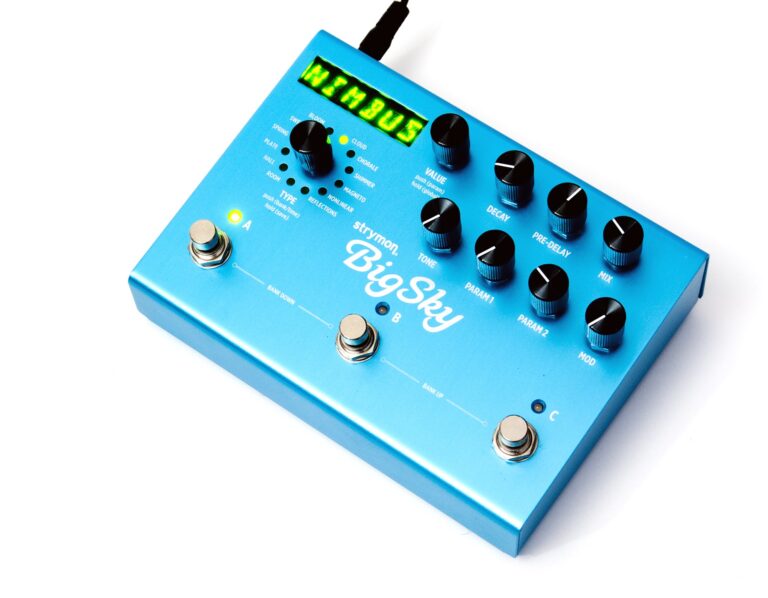
A Strymon BigSky reverb — one of the most sophisticated reverb pedals available, with multiple specific algorithm types giving access to hall, room, plate, spring, shimmer, and various other reverb characters. His reverb gave specific passages their appropriate atmospheric dimension without the constant presence that would have blurred the technical clarity of the progressive passages.
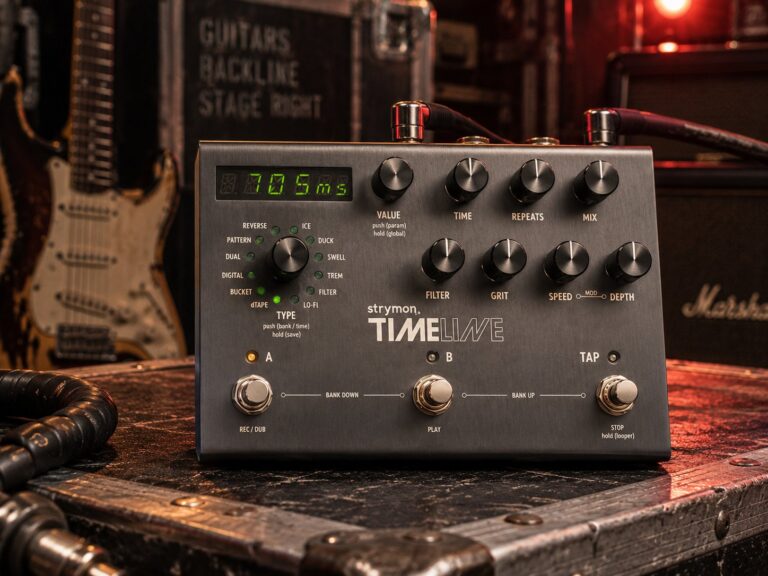
A Strymon Timeline delay — the same platform used by Nito for different specific musical purposes. Plini’s delay was more rhythmically coordinated with the music’s specific pulse, giving lead passages and specific chord work their appropriate temporal depth without the ambient layering of Nito’s approach.
A Keeley compressor — for the specific dynamic levelling that gave his clean and near-clean passages their characteristic warmth and sustain without the driven character of overdrive.
An overdrive pedal — Horizon Devices Precision Drive or similar — for the specific driven character appropriate to the more intense progressive passages. His overdrive use was more prominent than the nearly invisible approach of Asato but more controlled than the aggressive character of hard rock or metal approaches.
Various modulation effects — chorus, flanger — for specific textural dimensions in specific musical contexts.
Playing Style & Tone Philosophy
Plini’s playing style was defined by the extraordinary combination of technical progressive guitar accomplishment and genuine melodic warmth and emotional accessibility that made his music simultaneously impressive and loveable — a combination that was rarer than either quality alone. His technical range encompassed the full vocabulary of contemporary progressive guitar: legato runs, tapping, sweep picking, complex polyrhythmic playing, and the full harmonic language of contemporary fusion and jazz-influenced progressive rock. His melodic intelligence gave all this technical accomplishment its emotional purpose.
His lead guitar approach showed the same quality of melodic construction that distinguished Lari Basilio’s and Mateus Asato’s approaches from more purely technically oriented guitarists: notes chosen for what they expressed rather than for their position within a technical pattern, phrases constructed as complete melodic statements rather than as displays of technical capability, and the overall orientation toward emotional communication over technical demonstration. The technical facility was genuine and readily apparent; the melody was the point.
His rhythm guitar approach showed the progressive tradition’s specific qualities: complex polyrhythmic patterns, odd time signature navigation, and the specific quality of rhythmic authority that gave progressive music its particular combination of rhythmic challenge and groove. The technical demands of his rhythm playing were as genuine as the melodic demands of his lead playing, and his ability to serve both with equal completeness showed the comprehensive musical development that his approach required.
Tonally, his philosophy was the melodic progressive guitarist’s most complete expression: warm Ibanez signature chambered body through clean boutique amplification, with sophisticated effects serving specific musical purposes and the Keeley compressor giving the clean passages their warm, sustaining character. Every tonal choice served the melodic warmth and technical clarity that his music required simultaneously.
How to Sound Like Plini
Guitar Approach
An Ibanez Plini signature or similar chambered semi-hollow with warm, clear humbuckers. Medium strings (.010–.046). The technical vocabulary — legato, tapping, sweep picking, odd-time rhythm — requires the same dedicated development as any progressive guitar approach. The melodic intelligence is equally essential: study the jazz and fusion melodic tradition alongside the progressive technical tradition to understand how genuine melody serves genuine technical accomplishment rather than being sacrificed to it.
Amp Approach
A Two-Rock or similar warm boutique clean valve amplifier. Keeley compressor for clean warmth. Strymon BigSky for atmospheric reverb. Strymon Timeline for rhythmically coordinated delay. Horizon Devices Precision Drive for driven progressive passages.
| Control | Setting | Notes |
|---|---|---|
| Volume | 5–6 | Natural warmth without compression — clean boutique character |
| Treble | 5–6 | Moderate presence for melodic clarity |
| Middle | 5–6 | Present mids for melodic lead authority |
| Bass | 4 | Controlled — chambered body adds natural warmth |
| Reverb (BigSky) | Hall, medium decay | Atmospheric dimension for melodic passages |
| Compressor (Keeley) | Medium ratio, moderate sustain | Warm sustain for clean melodic playing |
Influence & Legacy
Plini’s legacy was the specific legacy of a musician who showed that progressive music’s most technically demanding approaches could maintain genuine emotional accessibility and genuine melodic warmth without sacrificing the technical ambition that gave progressive music its specific character of musical ambition. His recordings — distributed independently and then through a label — gave the contemporary progressive guitar world one of its most complete and most immediately appealing single-musician showcases, and his influence on subsequent progressive guitarists was as direct as any individual’s impact on the genre’s development in the social media era.
His success demonstrated that the independent music distribution model was as viable for technically sophisticated progressive music as for the more commercially oriented approaches that the digital music landscape had initially seemed most suited to enabling — showing that genuine musical quality in any genre, regardless of commercial categorisability, could find substantial audiences through genuine engagement with the platforms that made direct audience relationships possible.
For players exploring the contemporary progressive fusion tradition that Plini represented, the rigs of Ichika Nito — whose atmospheric approach showed how similar technical accomplishment and similar online career building produced a completely different aesthetic from within the same contemporary guitar world — and Mateus Asato, whose soul-R&B approach showed how the same social media platform could showcase completely different musical values with comparable global impact, provide illuminating comparison. The Australian progressive rock connection reaches toward Erik Mongrain‘s approach, which shows how similar orientation toward extended technique and musical originality produced a completely different aesthetic from within the acoustic rather than electric progressive guitar tradition.
Handmade Cities: The Album That Defined His Approach
Handmade Cities (2016) — the debut full-length album that followed several successful EPs and that gave Plini his widest audience to that point — was as complete a single-album statement of his musical vision as any progressive guitarist’s album of its decade. The album showed the specific combination of qualities that made his approach distinctive: technical ambition served melodic intelligence, complex harmonic language supported rather than obscured melodic warmth, and the production quality gave the music the clear, present sound that allowed both the technical detail and the melodic content to be fully heard and appreciated simultaneously.
The guitar tones on the album — the Ibanez signature’s chambered warmth through the Two-Rock’s clean valve character, processed through the Strymon BigSky’s sophisticated reverb and the Timeline’s rhythmically coordinated delay — showed the specific combination of tonal elements that gave his melodic progressive approach its particular character. The warmth was present in the sustained melodic notes; the clarity was present in the complex technical passages; and the effects gave both dimensions their appropriate atmospheric depth without obscuring either. Understanding the album as a complete tonal statement — not merely a collection of impressive guitar performances but a carefully considered complete sonic environment — gives the most accurate picture of how his specific equipment approach served his specific musical vision.
The album’s production — handled with specific attention to making the complex progressive content as clear and as accessible as possible while maintaining the musical depth that the progressive tradition required — showed the same comprehensive musical intelligence in the production domain that Plini’s playing showed in the performance domain. The specific recording approach, the specific mixing decisions, and the overall sonic presentation of the album were all in service of the same fundamental musical goal: making the most technically ambitious music as emotionally accessible as the inherent quality of the musical content allowed.
The Australian Progressive Scene: A Specific Musical Environment
The Australian progressive rock and metal scene that gave Plini his specific professional context — a scene that had produced significant international attention through various bands and musicians in the 2010s — was as specific a musical environment as any of the regional and cultural formations discussed across this series. Understanding what specifically the Australian progressive scene contributed to Plini’s specific approach gives a more complete picture of the cultural context that shaped his particular combination of technical ambition and melodic accessibility.

Australia’s specific musical culture had always shown a specific quality of pragmatic directness — the Australian cultural tendency toward getting to the point, toward valuing substance over ceremony, and toward the kind of unpretentious directness that was one of Australian culture’s most internationally distinctive characteristics — that gave Australian progressive music a particular accessibility that the more hermetically sealed expressions of European progressive tradition didn’t always achieve. Australian progressive rock, at its best, combined the technical ambition of the progressive tradition with a specific directness of emotional communication that made it more broadly accessible than some of its international contemporaries.
Plini’s music showed this Australian progressive character most clearly in the specific way his melodic content was always directly accessible even when the harmonic and rhythmic context was highly sophisticated. The melodies were warm and singable; the chords were complex and sophisticated; and the rhythms were technically demanding and polyrhythmically nuanced. But the melody was always clearly the primary voice — the harmonic and rhythmic sophistication was always in service of the melodic content rather than constituting the primary interest in itself. This specific hierarchical relationship — melody first, harmonic and rhythmic sophistication in support — was the specific quality that gave his music its particular accessibility within the technically demanding progressive context.
The Keeley Compressor: Warmth Without Drive
The Keeley compressor’s role in Plini’s signal chain — providing the specific dynamic levelling and sustain enhancement that gave his clean passages their characteristic warmth without the driven character of overdrive — was as musically important as any specific effect in his chain. Understanding what specifically the compressor contributed and why this contribution was more musically appropriate for his specific approach than alternatives gives a more complete picture of the sophisticated signal chain thinking that governed his equipment approach.
Compression in guitar signal chains worked by reducing the dynamic range of the input signal — attenuating the loudest peaks while maintaining the overall level, and often boosting the overall level to compensate for the peak reduction, which increased the sustain of quieter notes after the initial attack’s loudest moment had been reduced. This specific dynamic manipulation gave compressed guitar notes their characteristic quality of sustained warmth — the note maintained its level for longer after the initial attack before its natural decay became audible, giving each note a longer sustained quality than uncompressed playing produced.
The Keeley compressor’s specific character — known for the warm, musical quality of its compression rather than the more clinical precision of some competing designs — gave Plini’s clean passages their particular warmth rather than merely their technical sustain increase. The specific ratio, attack, and release characteristics of the Keeley design gave the dynamic manipulation its musical quality, making the compression sound like an enhancement of the guitar’s natural sustain rather than an electronic modification of its dynamic behavior. This specific quality of musical naturalness in the compression character was as important to Plini’s use of the pedal as its technical sustain enhancement function.
DiMarzio Collaboration: Pickups for Specific Musical Purposes
The DiMarzio Plini signature pickup development — the specific humbucker design created through his collaboration with DiMarzio for his Ibanez signature guitar — was as specifically considered an acoustic development as any other element of his signal chain approach. Understanding what specifically the Plini pickups were designed to achieve and how they differed from the standard high-output humbuckers that dominated the progressive guitar world gives the most complete picture of the specific acoustic intelligence that governed his instrument development.
High-output humbuckers — the standard pickup choice for most progressive and metal guitarists, valued for their ability to drive high-gain amplification to saturation at practical volume levels — typically sacrificed some tonal complexity in their output-level optimisation. The higher the pickup’s output level, the more the magnetic field saturated the strings’ vibration — creating a specific effect of reducing the harmonic complexity of the string’s vibration and giving the output a somewhat compressed, high-output character that was specifically appropriate for high-gain applications but that reduced the harmonic richness appropriate for clean or near-clean applications.
The Plini pickup’s specific design — collaboratively developed to give the warmth and harmonic complexity appropriate for his clean and near-clean playing while maintaining adequate output for the moderate-gain driven passages of his progressive approach — was a specific compromise between competing requirements that reflected genuine acoustic understanding of the pickup’s role in the complete signal chain. The pickups’ specific output level and frequency response were calibrated for the Two-Rock’s specific clean character and the Keeley’s specific compression character, giving the complete signal chain its specific character of warm harmonic richness rather than high-gain saturation.
Plini’s complete career — the Sydney formation within the Australian progressive scene, the self-released recordings that built his international audience without major label infrastructure, the Ibanez and DiMarzio collaborations that gave his equipment development its most specific single-manufacturer expression, and the sustained recordings that gave contemporary progressive guitar one of its most complete and most immediately accessible single-musician showcases — was one of the contemporary guitar world’s more genuinely encouraging stories. The equipment he used: the chambered Ibanez signature through the warm Two-Rock clean character, processed through the Strymon BigSky’s sophisticated reverb and Timeline’s coordinated delay, with the Keeley compressor adding warmth and the Horizon Devices overdrive adding progressive drive for specific passages — served a musical vision that was simultaneously technically ambitious and emotionally accessible. The gear served the melody; the melody served the emotion; and the emotion, delivered through the most technically sophisticated available vehicle without the technical sophistication ever obscuring the emotional directness, gave progressive music one of its most genuinely complete and most genuinely likeable contemporary expressions.
The chambered body construction of Plini’s Ibanez signature guitars — the specific approach of incorporating acoustic chambers into the predominantly solid body — was a deliberate acoustic decision that reflected genuine understanding of how different body construction approaches produced different specific tonal characters. Solid-body electric guitars were valued for their feedback resistance and their tonal consistency — the absence of acoustic resonating chambers gave them a predictable, tight character that was appropriate for high-gain applications and for densely arranged music where acoustic body resonance might create frequency build-up in unwanted ways. Semi-hollow guitars (like the Gibson ES-335) added acoustic chambers that gave the amplified sound warmth, acoustic resonance, and a specific depth of tone that solid-body instruments didn’t produce in the same way, at the cost of some feedback resistance and some tonal consistency. The chambered solid-body approach of Plini’s signature — incorporating acoustic chambers in a body that remained predominantly solid — attempted to capture some of the semi-hollow’s acoustic warmth while maintaining more of the solid-body’s feedback resistance and tonal consistency. For his specific musical approach — warm, relatively clean, with the melodic warmth that the semi-hollow’s acoustic contribution provided — this specific compromise reflected genuine acoustic understanding of what each body construction approach contributed and why a specific intermediate position served his particular musical requirements better than either extreme.
The Strymon BigSky’s specific sophistication — the multiple algorithm types, the complex parameter controls, and the overall quality of the digital reverb processing — distinguished it from simpler reverb pedals in specific ways that were musically important for Plini’s specific application. The BigSky’s Hall algorithm gave large acoustic space simulations with specific long, diffuse decay characteristics that suited atmospheric passages in his music. The Room algorithm gave smaller acoustic space simulations with shorter, more distinct early reflection patterns that suited passages where a sense of presence without excessive wash was more appropriate. The Shimmer algorithm — adding pitch-shifted octave content to the reverb tail — gave specific passages their ethereal, sustaining quality. The Spring algorithm simulated vintage spring reverb tanks with the characteristic warm, slightly irregular character of physical spring reverb. This diversity of high-quality reverb characters within a single pedal gave Plini the specific atmospheric dimension most appropriate for each specific musical context across his diverse progressive material, without requiring multiple reverb units for different specific requirements.
The Horizon Devices Precision Drive — the overdrive pedal developed by Periphery guitarist Misha Mansoor — was designed for the specific requirements of modern progressive and djent guitar playing: a clean, precise overdrive character that gave the modern high-gain progressive guitar its specific quality of articulate, defined drive rather than the warm, saturated character of blues rock overdrive. For Plini’s specific application — moderate overdrive for progressive driven passages rather than the high-gain saturation of heavier progressive approaches — the Precision Drive’s specific character gave the driven passages their appropriate modern progressive quality without the warmth of blues-influenced overdrive alternatives that would have been inconsistent with the technical clarity his progressive passages required. His specific use of the Precision Drive at moderate settings — giving driven character rather than aggressive distortion — reflected the same practical acoustic intelligence about matching overdrive character to specific musical purposes that governed his complete effects approach.
The odd time signature navigation that was one of Plini’s most specifically progressive guitar capabilities — his ability to play with rhythmic conviction and musical naturalness in 5/4, 7/8, 11/8, and other asymmetric time signatures that gave progressive rock its particular quality of rhythmic complexity — was developed through both dedicated rhythmic study and the accumulated experience of playing with musicians who shared the same rhythmic vocabulary. Odd time signatures that sounded complex and uncomfortable to musicians without progressive training felt natural and groovy to musicians who had genuinely internalised them through extended playing experience, and this specific quality of naturalness within complexity was what distinguished genuinely progressive rhythmic playing from technically correct but rhythmically stiff execution of complex time signatures. Plini’s playing in odd times showed this naturalness — the rhythmic feel of the music was as present and as physically engaging in 11/8 as in 4/4, because his rhythmic internalisation of the complex signatures was as complete as his internalisation of the conventional ones.
The independent music career model that Plini exemplified — building genuine international audience through genuine musical quality distributed through digital platforms without major label infrastructure — was as instructive a contemporary music career story as any guitar story in this series. His specific approach: releasing high-quality recordings directly to audiences through Bandcamp, building visibility through YouTube and Instagram, engaging directly with his audience through social media, and maintaining complete creative control over the music’s content and presentation — gave him not only an international audience but the specific relationship with that audience that direct engagement produced. The audience that found him through his own channels was as genuinely engaged with the music as any major label-mediated audience, and the absence of the commercial compromises that major label association often required gave the music the specific quality of uncompromised creative vision that his audience valued and that sustained their engagement across multiple releases. The gear served the music; the music built the audience; and the audience sustained the career without requiring any of the compromises that the conventional music industry’s commercial infrastructure would have imposed.
The sweep picking technique that was part of Plini’s technical vocabulary — the specific right-hand technique of using a single, continuous picking stroke across multiple strings while the left hand fretted an arpeggio pattern — was as demanding a technical achievement as any in the contemporary progressive guitar tradition and showed a different dimension of his technical development from the legato and tapping approaches that were more immediately distinctive in his playing. Sweep picking required the specific coordination of a continuous, fluid picking motion with precisely timed left-hand fretting — any inconsistency in either hand’s timing or pressure produced an unclean, clattering result rather than the smooth, fluid arpeggio that the technique at its best produced. Developing sweep picking to the clean, musical standard that Plini’s progressive passages required took the same quality of sustained dedicated practice as any other advanced guitar technique, and his command of it alongside the other technical elements of his progressive vocabulary showed the comprehensive technical development that his approach genuinely required.
The legato technique — the specific approach of using hammer-ons and pull-offs to connect notes without re-picking each string, giving long melodic runs their specific quality of fluid, uninterrupted melodic flow — was as central to Plini’s technical vocabulary as to any contemporary progressive guitarist’s approach. The legato technique’s specific acoustic character — the slightly different tonal character of hammer-on and pull-off notes relative to picked notes, and the specific continuous legato quality of the long uninterrupted phrases — gave melodic runs their particular character of musical flow that alternate picking’s individual note articulation didn’t produce in the same way. His combination of legato and alternate picking in different specific musical contexts showed the same practical intelligence about which specific technique served which specific musical purpose that governed his complete playing approach: legato for the most fluid, continuous melodic runs; alternate picking for the most rhythmically defined and most individually articulated passages.
The Two-Rock amplifier’s specific place in the contemporary boutique amplifier world — and why this specific brand had become the choice of guitarists who wanted the warmest possible clean valve tone without any of the compromises that the most widely available alternatives imposed — reflected the specific development of the boutique amplifier market in the 2000s and 2010s. Two-Rock amplifiers, built by John Suhr’s former associate Rich Lasner, were designed from the outset to provide the warmest, most responsive clean tone available from valve amplification — specifically optimising for the qualities that professional guitarists valued in the cleanest possible valve amplification rather than attempting to produce any particular driven character. The result was an amplifier that gave clean guitar playing a specific quality of warmth, dynamic responsiveness, and natural harmonic richness that the more widely available Fender and Marshall designs, despite their outstanding qualities, didn’t quite match in the specific dimensions that the most discerning clean-tone guitarists valued. Plini’s use of Two-Rock amplification reflected genuine acoustic discrimination in amplifier selection — understanding the specific quality that the Two-Rock provided and specifically valuing that quality for its specific acoustic contribution to his musical approach.
The progressive fusion genre’s specific demands on its guitarists — the need to be simultaneously technically proficient enough to navigate complex harmonic and rhythmic content and musically intelligent enough to give that content genuine emotional meaning — were as musically demanding in their specific way as the technical demands of any other guitar genre discussed in this series. Plini served these specific demands as completely and as consistently as any progressive guitarist of his generation, and the equipment that served this service — warm Ibanez through Two-Rock clean, sophisticated Strymon processing, Keeley compressor for clean warmth, and Horizon Devices drive for progressive passages — was as specifically appropriate for the progressive fusion melodic guitar context as any equipment configuration discussed across this entire series had been for its specific musical context. The gear served the ambition; the ambition served the melody; and the melody, delivered through the most technically ambitious possible vehicle without the technical ambition ever obscuring the melodic warmth, gave progressive guitar music one of its most genuinely complete and most genuinely loveable contemporary expressions.
The broader contemporary progressive guitar movement that Plini inhabited alongside musicians like Ichika Nito, Animals as Leaders, Polyphia, and others — and how his specific approach related to and differed from these contemporaries — gave the most complete contextual picture of what he represented within the specific musical moment of the 2010s and 2020s progressive guitar scene. Animals as Leaders showed what technically accomplished progressive guitar sounded like when the primary value was rhythmic and textural complexity rather than melodic warmth — the djent approach of heavily syncopated, 8-string extended range guitar playing that prioritised rhythmic impact over melodic accessibility. Polyphia showed what progressive guitar sounded like when pop sensibility and specific production aesthetics were prioritised alongside technical accomplishment — the specific combination of guitar technique and contemporary production values that gave their music its specific position between progressive guitar and mainstream accessibility. Ichika Nito showed what progressive guitar technique looked like when atmospheric texture replaced conventional melodic and rhythmic content as the primary musical value. And Plini showed what progressive guitar music sounded like when genuine melodic warmth and emotional accessibility were maintained as primary values within the most technically ambitious available context. Each approach was genuinely distinctive; each had its specific audience; and together they showed the full range of what the contemporary progressive guitar world encompassed in terms of aesthetic approaches to the technically demanding guitar music tradition.
The Strymon Timeline’s coordination with the music’s rhythmic content — setting the delay time to specific musical subdivisions of the song tempo rather than at arbitrary millisecond values — was as musically sophisticated a use of the delay pedal as any in this series and showed Plini’s specific understanding of how the delay could serve the progressive music’s complex rhythmic content. When a delay was set to a specific subdivision of the music’s tempo (a quarter note, an eighth note, or a dotted eighth note delay time giving specific specific musical relationships between the original signal and its delay repeats), the repeating echoes reinforced the music’s rhythmic structure rather than conflicting with it. In complex polyrhythmic progressive music — where the rhythmic structure was itself sophisticated and the relationship between different rhythmic layers was carefully calculated — setting the delay to specific musically appropriate subdivisions was even more important than in straightforward 4/4 meter, because the wrong delay time could create rhythmic conflicts that blurred the specific polyrhythmic relationships that the progressive writing was designed to create. His specific tempo-coordinated delay use showed the same comprehensive musical intelligence that governed every other aspect of his approach — understanding how each specific element of the signal chain served or potentially compromised the specific musical content it was processing.
The Larry Carlton influence in Plini’s playing — the same warm, melodically sophisticated Stratocaster-through-clean-amplification approach that had also shaped Lari Basilio’s specific guitar identity — showed how the same foundational musical model could produce genuinely different individual guitar voices through different specific cultural formations and different specific technical vocabularies. Carlton’s specific contribution — the warm melodic fusion approach that had given 1970s and 1980s instrumental guitar its most accessible and most emotionally direct single expression — was as formative an influence on Plini’s melodic sensibility as on Basilio’s, even as the progressive rock technical vocabulary that Plini additionally inhabited gave his music a completely different specific character from Basilio’s more purely fusion-oriented approach. The shared melodic value — of melody as the primary voice, harmonic sophistication as its context, and emotional warmth as the primary goal — was the common thread, expressed through completely different specific technical and aesthetic frameworks that gave each musician their genuinely individual voice despite the shared foundational influence.
The Sweet Nothings EP (2013) — Plini’s debut self-released recording — introduced his specific approach to the progressive guitar world with a clarity and a completeness that immediately distinguished it from the more technically austere or the more aesthetically homogenous approaches that dominated the progressive guitar scene at the time. The warmth was immediately apparent; the technical accomplishment was immediately evident; and the combination of both was immediately distinctive. Understanding the debut EP as the first complete public statement of a musical vision that would be developed across subsequent recordings gives the most accurate picture of how that vision was present from the earliest stages of his recorded career and how his development across multiple subsequent releases showed consistent deepening of the same fundamental approach rather than fundamental reorientation of his musical values.
Frequently Asked Questions: Plini Guitars & Gear
What guitar does Plini play?
Plini’s primary guitars are his Ibanez signature models — the Ibanez PLMM1 and related designs featuring chambered or semi-hollow construction that gave the electric guitar some of the acoustic resonance of a semi-hollow design. He uses DiMarzio Plini pickups specifically voiced for his melodic progressive approach. He also uses Strandberg instruments for specific applications.
What amp does Plini use?
His primary amplifiers include Two-Rock and similar warm boutique clean valve designs — giving his guitar playing its specific foundation of natural warmth without the driven character of rock amplification. He also uses Mesa/Boogie designs in clean configurations. His amplification approach prioritised warm, clean character that served melodic progressivism rather than the high-gain character that heavier progressive metal required.
What is Plini’s musical approach?
Plini’s music combined the technical ambition of progressive rock with genuine melodic warmth and emotional accessibility — simultaneously technically impressive through complex polyrhythmic patterns, advanced harmonic language, and demanding technical vocabulary, and emotionally accessible through genuine melodic construction and warm tonal character. His specific achievement was maintaining both qualities simultaneously rather than sacrificing one for the other.
What effects does Plini use?
His primary effects include Strymon BigSky reverb (sophisticated atmospheric dimension), Strymon Timeline delay (rhythmically coordinated temporal depth), Keeley compressor (warm sustain for clean passages), Horizon Devices Precision Drive overdrive (for progressive driven passages), and various modulation effects for specific textural applications. His effects chain was sophisticated but musically motivated rather than processing-dependent.
How did Plini build his career?
Plini built his career through self-released recordings and active online presence — the same digital distribution model that gave Mateus Asato and Ichika Nito their initial international audiences. His specific combination of technical excellence and genuine emotional accessibility gave his music a broad appeal within the progressive guitar world and beyond, and his sustained musical quality across multiple independent releases gave him the audience that eventually supported label signing and wider commercial distribution.
What is the Ibanez Plini signature guitar?
The Ibanez Plini signature series was developed through Plini’s collaboration with Ibanez, featuring the chambered body construction that gave the electric guitar additional acoustic warmth alongside the solid body’s feedback resistance, DiMarzio Plini-voicing pickups, and various specific construction details calibrated for his particular technical and tonal requirements. The signature instruments showed the specific acoustic development that distinguished a genuine player collaboration from purely cosmetic signature models.
What are Plini’s most important recordings?
His most significant recordings include the self-released EPs that built his initial audience — Sweet Nothings, Handmade Cities, and related releases — and the subsequent albums that consolidated his position in contemporary progressive guitar. Each recording showed consistent development of both the technical and the melodic dimensions of his approach, and the overall body of work gave contemporary progressive guitar one of its most complete and most accessible single-musician showcases.
Genre:
Progressive Rock / Fusion
Decades:
2010s | 2020s
Image credits
- Plini: Stéphane Gallay from Laconnex, Switzerland, Wikimedia Commons, CC BY 2.0.
- Plini: Stéphane Gallay from Laconnex, Switzerland, Wikimedia Commons, CC BY 2.0.
- Top image: by Stéphane Gallay from Laconnex, Wikimedia Commons, CC BY 2.0.
- Plini: photo by Stéphane Gallay from Laconnex, Switzerland, via Wikimedia Commons, CC BY 2.0.
- Strymon TimeLine Delay: GuitarGangsters AI-generated reference illustration, not a photograph.
- Plini live: Stéphane Gallay from Laconnex, Switzerland, Wikimedia Commons, CC BY 2.0.
- Plini live: Stéphane Gallay from Laconnex, Switzerland, Wikimedia Commons, CC BY 2.0.
- Strymon BigSky Reverb: Ashley Pomeroy, Wikimedia Commons, CC BY-SA 4.0.