The Doors – Psychedelic Sound and Rock Rebellion
Los Angeles, mid-1960s.
On one side of town, surf rock still rules the radio.
On the other, a dim bar on the Sunset Strip fills with poets, bikers, and misfits.
A leather-clad singer stands at the mic, eyes closed, channeling chaos.
Beside him, a quiet keyboardist hunches over a Vox Continental stacked on a Fender Rhodes Piano Bass.
A barefoot guitarist with a Gibson SG plucks flamenco-inspired riffs through P-90 pickups.
And behind them, a jazz-driven drummer holds everything together with swing and precision.
This isn’t just another band.
This is The Doors — a collision of beat poetry, blues, and psychedelia that sparked a cultural rebellion.
Within a year, they’d be banned from TV for refusing to censor the word “higher” in Light My Fire, become the face of acid rock, and terrify critics and parents alike.
While other bands chased pop hits and bass players, The Doors created something else entirely: hypnotic bass lines played on keyboards, bright organ tones, serpentine guitar lines, and a frontman no one could control.
The result was beauty and danger fused — psychedelia with a pulse of rebellion.
The Psychedelic Birth – How The Doors Emerged from the Acid Underground
Los Angeles in the mid-60s was boiling over.
The Vietnam War raged, LSD spilled into after-parties, and art students dreamed of burning down the old world.
In this chaos, two UCLA film students — Jim Morrison and Ray Manzarek — met on Venice Beach.
Morrison had notebooks full of dark poetry and visions of apocalypse.
Manzarek had a jazz-classical background and an organ that could sound like a church, a carnival, and a transistor radio all at once.
Their shared goal: to make music that opened “the doors of perception,” inspired by Aldous Huxley’s book.
When they found flamenco-trained guitarist Robby Krieger and jazz-minded drummer John Densmore, the formula was complete.
No bass player. No polished pop structure. Just improvisation, ritual, and danger.
They played small clubs like Whisky a Go Go and The London Fog, performing songs like The End that could last half an hour — hypnotic, reckless, and transcendent.
While Tony Iommi in Birmingham was shaping the doom metal sound with damaged fingers, The Doors were crafting their own dark psychedelia out of poetry and drone.
Different continents, same rebellion.
Every show felt like a ceremony.
Morrison wasn’t just singing — he was summoning.
The Doors didn’t want to entertain; they wanted to transform.
It was art, it was danger, it was chaos dressed as beauty.
The Gear – Ray’s Keys, Robby’s SG & The Doors’ Unique Sound
If The Doors had a secret weapon, it wasn’t Morrison’s voice — it was Ray Manzarek’s setup.
Instead of a bass player, Ray was the bass player.
His left hand pounded lines on a Fender Rhodes Piano Bass, while his right hand danced over the Vox Continental organ.
The blend was hypnotic: low, pulsing tones underneath bright, ecstatic organ chords.
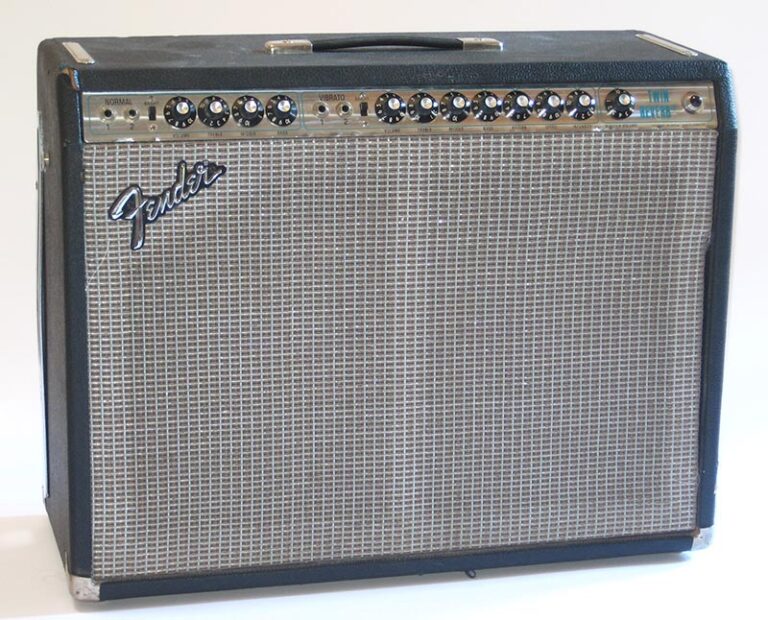
He often ran the signal through Fender Twin Reverbs, sometimes using Acoustic Control amps, adding reverb and delay to make it sound like a much larger band.
Onstage, two keyboards stacked on top of each other — an image that’s now iconic.
“We didn’t need a bass player,” Manzarek said. “I was the bass player.”
Robby Krieger’s Guitar – The Flamenco Fire
Krieger was unlike any guitarist of his era.
No pick — he played fingerstyle, blending flamenco phrasing with blues slides.
His weapon: a Gibson SG Special with P-90 single-coils, the same one you hear on Light My Fire, Roadhouse Blues, and Love Me Two Times.
The SG’s nasal midrange tone cut perfectly through Ray’s organ, creating that signature sharp, surreal sound.
Krieger occasionally used a Maestro Fuzz-Tone, wah pedals, and sometimes plugged straight into the mixing board for that dry, immediate studio sound.
His amps included Fender Twin Reverb, Magnatone Custom 280, and later Acoustic Control — chosen for clarity, not distortion.
“I never wanted to sound too loud,” he said. “I wanted the guitar to sound weird — not angry.”
John Densmore – Jazz Hands, Rock Heart
Densmore played a Ludwig Mod Orange kit, favoring light cymbals and a sensitive touch.
His drumming swung between jazz cool and rock aggression — loose, breathing, dynamic.
That rhythmic sophistication gave The Doors their strange blend of freedom and structure.
Together, they turned the stage into controlled chaos — cables everywhere, lights flickering, and yet somehow everything clicked.
Who else could sound this big without a bass player?
The Sound – Hypnosis, Poetry and Controlled Chaos
No one ever sounded like The Doors — and no one ever will.
They took the soul of blues, the space of jazz, and the trance of psychedelia, and forged something entirely new.
Hypnotic Rhythm and Dreamlike Flow
It all started with Ray Manzarek’s dual-handed groove.
His left hand built the pulse, his right painted atmosphere.
On Riders on the Storm, those rolling chords feel like rain — fluid, melancholic, and infinite.
Krieger’s lines slither around them, and Densmore’s jazz drumming keeps everything just shy of collapse.
It wasn’t tight — it flowed.
Every song felt like it could implode at any moment, and somehow never did.
Jim Morrison – The Lizard King of Chaos
Morrison didn’t just sing — he performed possession.
One moment he’d whisper like a dream poet; the next, he’d roar like a preacher.
His voice was charisma and catastrophe in equal measure.
In The End, he turned rock into theater — eleven minutes of psychodrama, poetry, and primal release.
He wasn’t chasing melody; he was channeling energy.
The Studio as a Portal
The Doors used the studio like an instrument.
They layered echoes, reverbs, and ambient recordings to create depth long before digital tools existed.
On Riders on the Storm, they recorded real rain and double-tracked Morrison’s whispers to create the eerie “voice in your head” effect.
Their recordings were never sterile — they were alive, unpredictable, and imperfect in the most perfect way.
“We wanted to break through to the other side,” Morrison said.
And they did — over and over again.
A Band of Balance
Where most psychedelic bands drowned in sound, The Doors mastered restraint.
Every member had space: Ray filled the low end, Robby weaved melodies, John breathed rhythm, and Jim filled the rest with mystique.
That’s why they sounded bigger than four people — and why they still sound like a dream on the edge of collapse.
The Legacy – How The Doors Changed Rock Forever
The Doors never followed rules — they rewrote them.
They were an experiment that went too far, and that’s exactly why it worked.
Morrison may have been “The Lizard King,” but the real magic was collective.
They made rock into art without arrogance, poetry without pretense, chaos without confusion.
The Birth of the Dark Side of Rock
Before The Doors, rock was sunshine — Beatles, Beach Boys, freedom songs.
After The Doors, darkness entered the frame.
They proved rock could explore death, lust, and madness without losing beauty.
They opened the door (pun intended) for Joy Division, The Cure, Nine Inch Nails, Queens of the Stone Age, and every band that ever mixed melancholy with groove.
Influence Beyond Genre
The Doors didn’t just change music — they changed how musicians thought about it.
They showed that songs didn’t have to fit radio structure, that mood could matter more than melody.
Ray’s keyboard work inspired synth pioneers; Krieger’s touch shaped alt-rock guitarists; Densmore’s swing proved groove could be emotion, not muscle.
The Price of Rebellion
Rebellion always has a cost.
Jim Morrison died at 27, consumed by his myth.
His death sealed the band’s legend — and the eternal truth that brilliance often burns fast.
Yet the music lives on.
Every time Riders on the Storm plays, it feels like The Doors are still whispering from the other side.
Still Breaking Through
The Doors were never safe, never retro, never ordinary.
That’s why they still sound alive.
They taught the world that rock isn’t about perfection — it’s about danger.
Every artist who breaks a rule, refuses censorship, or chooses chaos over comfort — they’re walking through the same door Jim Morrison kicked open.
The Doors didn’t just change rock.
They reminded us that art isn’t meant to obey.
FAQ – The Doors, Their Sound & Their Legacy
Why didn’t The Doors have a bass player?
Because Ray Manzarek was the bass player — on a Fender Rhodes Piano Bass.
His left hand handled the low end while his right played organ melodies, creating that eerie, hypnotic groove.
What guitar did Robby Krieger use?
A Gibson SG Special with P-90 pickups.
He played fingerstyle, blending flamenco technique with blues phrasing, giving his tone that fluid, snakelike quality.
What was Jim Morrison’s contribution beyond vocals?
Everything. He was the band’s poet, provocateur, and visionary — turning concerts into rituals and lyrics into literature.
What amps and effects defined their sound?
Fender Twin Reverb and Magnatone amps for clarity, with Manzarek using light reverb and echo to fill the room.
Krieger occasionally used fuzz or wah, but their magic came from touch, not pedals.
How did The Doors influence modern music?
They proved rock could be art, poetry, and rebellion in one breath.
From post-punk to desert rock, anyone who chases atmosphere over perfection owes them a debt.
Are The Doors still relevant today?
Absolutely. Their sound still feels dangerous and unpredictable — two things rock desperately needs.
That’s why every generation rediscovers them like a secret they weren’t supposed to find.
The Eternal Rebellion
The Doors were never built for safety.
They mixed poetry with distortion, jazz with chaos, and made it sound effortless.
They broke rules not for attention — but because the rules bored them.
Half a century later, their spirit still hums through amplifiers everywhere.
Every time someone plays too long, too loud, or too honestly — The Doors are there, smiling in the feedback.
They didn’t just change music.
They reminded us that music changes us.
Read our guide to Robby Krieger’s guitars and gear for a deeper look at The Doors’ guitar sound.
Image credits
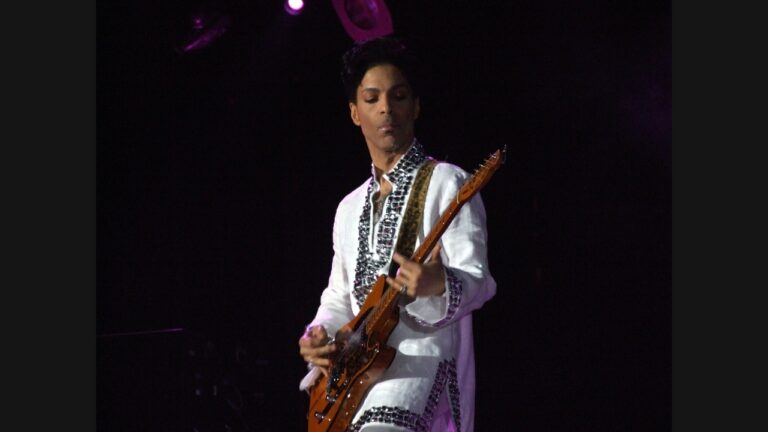
- Top image: Robby Krieger, Wikimedia Commons, CC BY 2.0.
- Fender Twin Reverb: Micahmedia, Wikimedia Commons, CC BY 3.0.