Gram Parsons Guitars & Gear: The Complete Guide to the “Father of Country Rock’s” Cosmic American Music Rig
Gram Parsons's guitars, gear, and musical approach — the complete guide. Epiphone FT-110 Frontier acoustic Altamont 1969, Gibson J-200 acoustic, Fender Telecaster album cover, Nudie Rhinestone Suit pills marijuana embroidery, cosmic American music Sweetheart of the Rodeo Byrds 1968 Gilded Palace of Sin Flying Burrito Brothers, GP Grievous Angel with Emmylou Harris, Keith Richards Exile on Main St friendship, Harvard one semester, Winter Haven Florida 1946, died Joshua Tree September 1973 age 26, Eagles Emmylou Harris influence, and cosmic American music pioneer's complete approach.
“Gram definitely wasn’t the only talented person at Harvard.” This is Thomas Dolan, a Harvard classmate, quoted in Harvard Magazine — and the understatement is rich. Parsons spent one semester at Harvard studying theology in 1966 before leaving to form the International Submarine Band. He was at Harvard for a semester. He studied theology. He left to make music. In the subsequent seven years before his death at age twenty-six, he recorded what would become the foundational documents of country rock and Americana: Sweetheart of the Rodeo with the Byrds (1968), The Gilded Palace of Sin with the Flying Burrito Brothers (1969), and the two solo albums GP (1973) and Grievous Angel (1973/posthumous 1974) with Emmylou Harris. His relationship with Keith Richards of the Rolling Stones produced that band’s country explorations on Exile on Main St. (1972). He coined the term “Cosmic American Music” to describe what he was doing — the synthesis of rock, country, soul, and gospel that became the foundational vocabulary of alternative country, Americana, and country rock. His guitar was not his primary instrument; he was primarily a singer, pianist, and songwriter who played guitar as a supporting instrument rather than as a virtuoso voice. The specific guitar documentation: Epiphone FT-110 Frontier acoustic guitar at Altamont Speedway in 1969 (photographed), Gibson J-200 acoustic (photographed), Fender Telecaster (visible on album cover documentation). His most culturally significant “gear” was the custom Nudie Rhinestone Suit — the white suit embroidered with pills and marijuana leaves that he wore for the Flying Burrito Brothers performances and photoshoots, the most visually striking costume in country rock history. He died at Joshua Tree on September 19, 1973. He was twenty-six years old. The Eagles, Emmylou Harris, Elvis Costello, Evan Dando, and the entire alternative country tradition cite him. His road manager stole his body from Los Angeles International Airport and cremated it at Joshua Tree in accordance with Parsons’s wishes. This is a true story. The Cosmic American Music continues.
The Journey
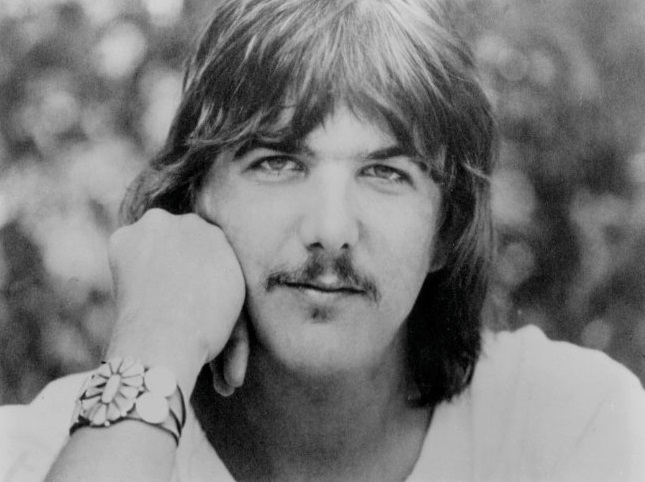
Ingram Cecil Connor III — Gram Parsons — was born on November 5, 1946, in Winter Haven, Florida, to a wealthy citrus-growing family. His father suffered severe mood swings and later committed suicide; his mother was heir to a significant citrus fortune. After seeing Elvis Presley in 1957, he devoted himself to music and played in various bands through high school and early college years. He attended Harvard for one semester studying theology in 1966, leaving to form the International Submarine Band with musicians he had met at Harvard. After one International Submarine Band album (Safe at Home, 1967/released 1968), he joined the Byrds in 1968, became the driving force behind the groundbreaking Sweetheart of the Rodeo country rock album, and left the band when they agreed to tour South Africa (he refused to play to segregated audiences). He co-founded the Flying Burrito Brothers with former Byrd Chris Hillman. He recorded two solo albums with Emmylou Harris in 1973. He died at the Joshua Tree Inn on September 19, 1973, from a drug and alcohol overdose. He was twenty-six years old.
Background: Winter Haven Florida, Elvis Presley 1957 Inspiration, Harvard One Semester, International Submarine Band, Byrds Sweetheart of the Rodeo 1968, Flying Burrito Brothers Gilded Palace of Sin 1969, Emmylou Harris, Keith Richards, Died Joshua Tree 1973
Parsons’s specific cultural contribution — “Cosmic American Music,” the term he coined for the synthesis of rock, country, soul, and gospel — is the most prophetic single musical vision in this guide. His description of what he was doing anticipated the development of alternative country and Americana by twenty years: the specific synthesis of formal country music’s structural vocabulary (the verse-chorus architecture, the pedal steel’s emotional role, the harmonized vocal approach) with the production aesthetics of rock and the emotional vocabulary of soul and R&B. Britannica: “his work provided the link from straight-ahead country performers such as Merle Haggard to the Eagles, who epitomized 1970s country rock.”
His friendship with Keith Richards is the most specifically high-profile personal relationship in this section — the Rolling Stones guitarist and Parsons spending extensive time together at Richards’s villa (Nellcôte, used for the Exile on Main St. recording sessions), with Parsons teaching Richards specifically about country music. Britannica: “His close friendship with Keith Richards of the Rolling Stones resulted in that band’s exploration of country on their seminal 1972 album Exile on Main St.” The specific musical education that passed between them: Parsons teaching Richards the specific harmonic and melodic conventions of country music; Richards absorbing those conventions and filtering them through the Stones’ specific approach. “Wild Horses,” “Dead Flowers,” and the country-inflected passages of Exile on Main St. are direct products of this education.
His refusal to tour South Africa with the Byrds — leaving the band rather than play to segregated audiences — is the most specific political act documented for a musician in this section of the guide. In 1968, Apartheid South Africa maintained legally enforced racial segregation in all public venues including concert halls. Parsons’s refusal to participate in that system cost him his position in one of the most commercially successful American rock bands of the period. He chose principle over career advancement.
The Rig: Gram Parsons’s Guitars and Musical Instruments
Guitars
The Equipboard documentation: “Gram Parsons is pictured here with an Epiphone FT-110 Frontier acoustic guitar, performing with the Flying Burrito Brothers at Altamont Speedway, December 6, 1969.” The Epiphone FT-110 Frontier — Epiphone’s western/country acoustic guitar model with a spruce top and maple back and sides, known for its twangy, open acoustic character — is the specific instrument documented at one of the most historically significant concert events of 1969: the Altamont Speedway Free Concert, where Meredith Hunter was killed and which effectively ended the Summer of Love cultural moment. Parsons performing at Altamont with a Frontier acoustic is the photographic documentation of his specific guitar at a specific historical moment.
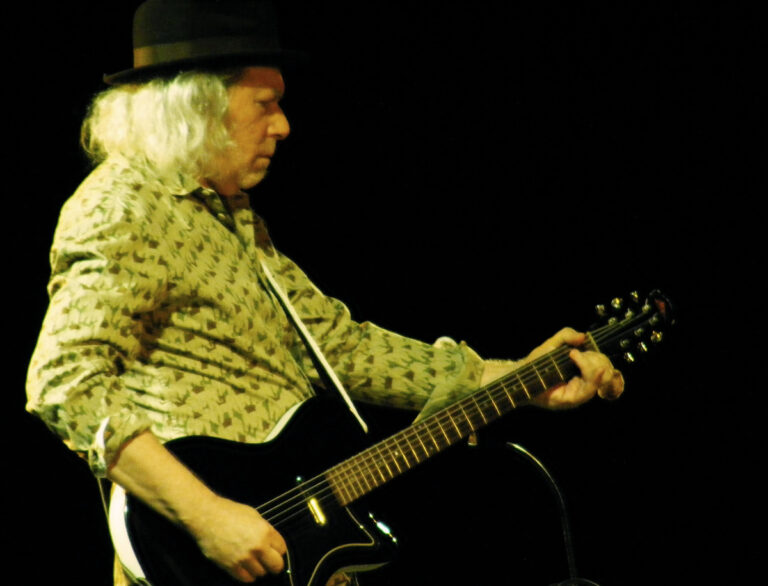
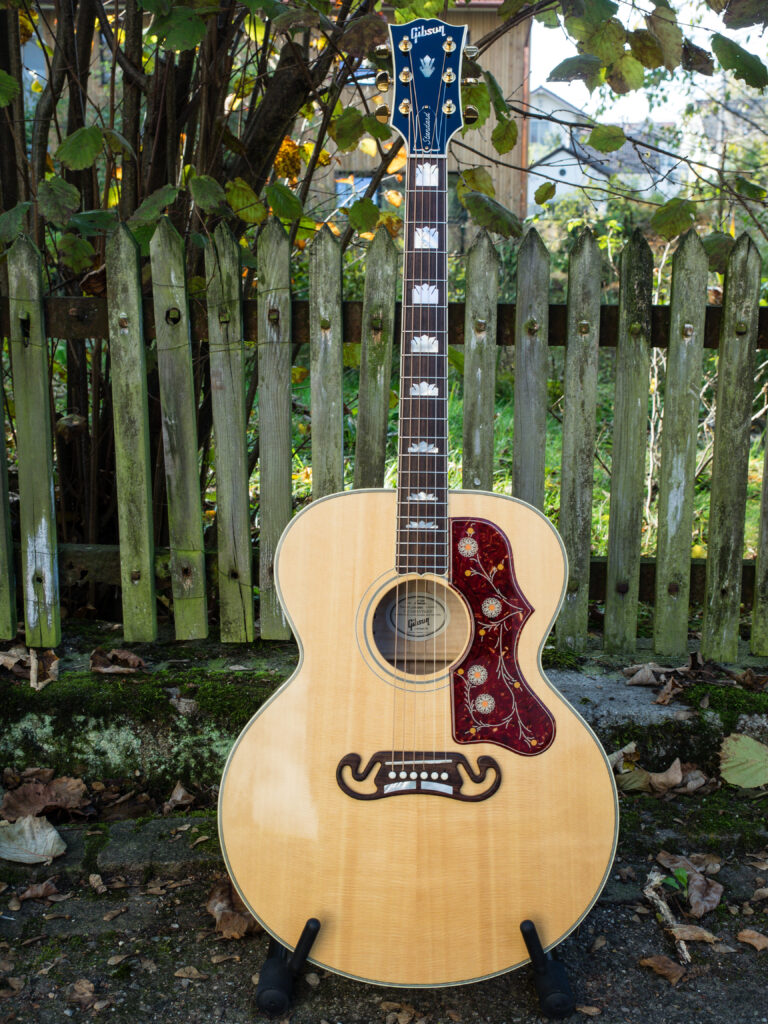
The Equipboard documentation: “Gram Parsons is pictured here with a Gibson J-200 acoustic guitar.” The Gibson J-200 — the large-bodied “super jumbo” acoustic with the specific Gibson binding, inlay work, and full-sized body that provides powerful projection and rich bass response — is documented in his photographic record. The J-200’s specific character: a larger, more projecting instrument than the Frontier, with the specific Gibson acoustic warmth associated with both country and folk-rock recording in the late 1960s.
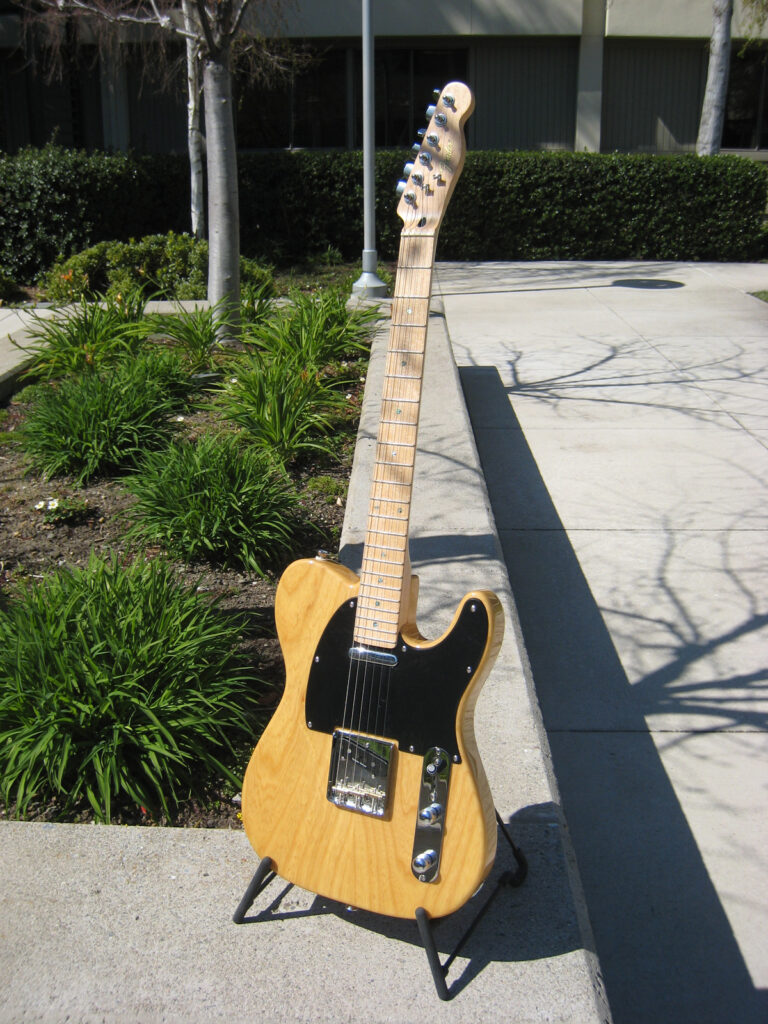
The Equipboard documentation: “Gram Parsons passed away many years ago. Here we see a photo where he is clearly playing a tele, and, it is also an album cover.” The Fender Telecaster — the instrument most associated with country guitar playing in both tradition and practice — appears in a documented album cover photograph. The Telecaster’s specific country character (the bridge pickup’s bright, twangy attack, the specific Tele “chicken pickin'” vocabulary) aligns with the country-rock synthesis Parsons was pursuing.
Wikipedia: “Occupations: Singer-songwriter, guitarist, pianist. Instruments: Vocals; guitar; piano; organ.” Parsons was primarily a pianist — piano and organ were the instruments on which he primarily composed and performed, with guitar as a supporting instrument. His piano playing appears throughout the Byrds and Flying Burrito Brothers recordings. Understanding Parsons as primarily a pianist/vocalist/songwriter who also played guitar is the correct reading of his musicianship — his guitar work was supportive and atmospheric rather than virtuosic.
While not a musical instrument, the Nudie Rhinestone Suit is the single most visually iconic piece of “gear” in Parsons’s documented performance history — and, given the central role of visual presentation in the Flying Burrito Brothers’ aesthetic, it is legitimately part of the gear discussion. The custom Nudie suit designed by Nudie Cohn (the Hollywood tailor who made costumes for country and western musicians including Elvis Presley and many Nashville stars) was embroidered with pills and marijuana leaves — subversive imagery applied to the most traditional of country performance costumes. This specific combination — traditional country aesthetic (rhinestones, embroidery, the “Nudie suit” convention of Nashville) subverted with countercultural symbolism (pills, marijuana) — is the most specific visual statement of the Burrito Brothers’ “Cosmic American Music” synthesis: traditional and countercultural simultaneously.
Amplification
Standard Studio and Live Amplification (Fender Combo Amps Typical of 1960s/1970s Country Rock): Parsons’s guitar playing did not require or generate the specific amp documentation that electric-guitar-primary musicians in this guide generate. His primary recordings — Sweetheart of the Rodeo (produced by Gary Usher), The Gilded Palace of Sin (produced by Larry Marks and Henry Lewy), GP and Grievous Angel (produced by Merle Haggard’s producer Hugh Davies) — document the overall sonic character of his guitar playing within the band context, which used standard studio and live amplification of the period. Fender Deluxe and Fender Twin Reverb amplifiers were the standard country rock amplification of the period.
Influence and Production
“Cosmic American Music” as the Primary Compositional “Effect”: The most important element of Parsons’s musical approach is not any specific guitar model or amplifier but the specific compositional vision he articulated — “Cosmic American Music,” the synthesis of rock, country, soul, and gospel. The Flying Burrito Brothers’ approach to this synthesis: Chris Hillman and Parsons on guitars and vocals, “Sneaky” Pete Kleinow on pedal steel (the instrument most specifically associated with the country sound), and the specific production choices (the Nudie suits, the Altamont performance, the specific repertoire choices) that communicated the cultural synthesis visually and sonically.
Sweetheart of the Rodeo Gear Context (The Byrds, 1968): For the Byrds’ Sweetheart of the Rodeo — the album that is the foundational document of Parsons’s early country rock influence — the studio setup was the Byrds’ existing infrastructure (Roger McGuinn’s 12-string Rickenbacker, Clarence White’s various Telecasters, studio session musicians providing the pedal steel and fiddle). Parsons was hired as a pianist but became “the guiding force on the record” — his compositional and vocal contributions defined the album’s character even though his guitar contributions were secondary to the band’s established guitar players.
Playing Style & Tone Philosophy
Gram Parsons’s guitar playing style is the most song-service-oriented in this guide — the approach of a musician whose primary creative identity is as a composer, vocalist, and musical visionary rather than as a guitar technician. His guitar playing within the Flying Burrito Brothers and in his solo work with Emmylou Harris provides the rhythmic and harmonic foundation for the vocal melody and the lyrics — the guitar as a vehicle for songwriting rather than as a performance instrument in its own right.
His tone philosophy is the acoustic philosophy: the Epiphone Frontier and Gibson J-200 for the acoustic performances (the open, resonant acoustic character of the country acoustic tradition), and the Telecaster for specific electric passages. The Nudie suit is the visual philosophy made physical — the specific combination of country tradition and countercultural modernity that defines the “Cosmic American Music” synthesis in visual terms.
Emmylou Harris’s description of their musical relationship captures the specific quality of his musical approach: she went from being an unknown singer in Washington D.C. to being, in the years immediately following his death, one of the most celebrated country musicians of the 1970s — the specific transformative effect of his musical vision on a talented musician who encountered it directly. His ability to identify, inspire, and elevate other musicians is as much a part of his musical legacy as his specific guitar work.
How to Approach Gram Parsons’s Guitar Style
Guitar: Epiphone Frontier or Gibson J-200 acoustic for the primary Flying Burrito Brothers acoustic character. Fender Telecaster (standard or vintage) for the electric country-rock passages. Neither instrument requires modification or customization — the songs are the primary instrument.
Approach: The Parsons approach is fundamentally songwriting-centered — the guitar serves the song, not the other way around. Open D and open G tunings for specific country-acoustic passages. Standard tuning for rhythm guitar support of vocal melody. The pedal steel (Sneaky Pete Kleinow’s contribution) provides the signature country emotional expressiveness — a Parsons cover without pedal steel is missing half the sonic vocabulary.

Amp Settings (Fender Deluxe Reverb — Country Rock Acoustic to Electric):
| Control | Setting (0–10) | Notes |
|---|---|---|
| Volume | 4–6 | Moderate — support the vocal, don’t compete with it |
| Treble | 6 | Present — Telecaster twang needs treble support |
| Bass | 4 | Moderate — country guitar is primarily mid and treble |
| Reverb | 4–5 | Present — Fender spring reverb adds the country-rock atmosphere |
| Vibrato Speed | 0 | Off for rhythm; subtle for specific lead passages |
Essential approach: The songwriting is the rig. Learn “Hickory Wind,” “Hot Burrito #1,” “Sin City,” “Wild Horses” (co-written with Richards, disputed), and “Grievous Angel.” The vocal and the lyric are the instrument. The Epiphone Frontier or Gibson J-200 provides the acoustic foundation. The Telecaster provides the electric Americana. Wear a rhinestone suit. The pills and marijuana leaves embroidery are optional.
Influence & Legacy
Gram Parsons’s influence on American music is the most disproportionate between creative output and cultural impact in this guide: five studio albums in seven years (one with the International Submarine Band, one with the Byrds, two with the Flying Burrito Brothers, and one solo full-length before his death), plus the posthumous Grievous Angel — and an influence that extends across the Eagles, Emmylou Harris’s entire career, Elvis Costello’s country explorations, the alt-country and Americana genres, and the Rolling Stones’ country-inflected records.
His connection to Redd Volkaert as a fellow musician in the honky-tonk and country-adjacent tradition reflects the shared country roots. His connection to Charlie Starr as a fellow musician who synthesizes country and rock in the Southern rock tradition reflects the shared country-rock synthesis. His connection to Sonny Landreth as a fellow Southern musician whose work draws from the deepest American roots reflects the shared regional tradition.
Frequently Asked Questions: Gram Parsons Guitars & Gear
What guitar did Gram Parsons play?
Documented guitars include: Epiphone FT-110 Frontier acoustic (photographed at Altamont Speedway, December 6, 1969), Gibson J-200 acoustic (photographed), and Fender Telecaster (visible in album cover documentation). Parsons was primarily a pianist and vocalist rather than a lead guitarist — his guitar playing was rhythmic and supportive rather than technically virtuosic. Wikipedia: “Instruments: Vocals; guitar; piano; organ.” His guitar served the songs; the piano was his primary compositional instrument.
What is “Cosmic American Music”?
“Cosmic American Music” is the term Gram Parsons coined to describe the specific musical synthesis he was pursuing: the blending of rock, country, soul, and gospel into a unified American musical form that respected the emotional depth of all its constituent traditions without condescending to any of them. Britannica: “his work provided the link from straight-ahead country performers such as Merle Haggard to the Eagles, who epitomized 1970s country rock.” The Eagles, Emmylou Harris, and the entire alternative country and Americana genres draw from this specific vision.
What was Gram Parsons’s role in the Byrds?
Parsons was hired as a pianist but became “the guiding force” behind Sweetheart of the Rodeo (1968) — the pivotal Byrds album that introduced country rock to the rock mainstream. He contributed lead vocals and original compositions including “Hickory Wind.” EBSCO: “Hired originally as a piano player, Parsons became the guiding force on the record.” He left the Byrds when the band agreed to tour South Africa, refusing to perform for segregated audiences — a political decision that cost him his position in one of the most commercially successful American rock bands of the period.
What was Gram Parsons’s relationship with Keith Richards?
Parsons and Richards developed a close personal friendship that produced significant musical exchange. Britannica: “His close friendship with Keith Richards of the Rolling Stones resulted in that band’s exploration of country on their seminal 1972 album Exile on Main St.” Parsons spent time with Richards during the Exile on Main St. recording sessions at Villa Nellcôte, teaching Richards about country music’s specific harmonic and melodic conventions. “Wild Horses,” “Dead Flowers,” and the country-inflected passages of Exile are direct products of this exchange.
What is the Nudie Rhinestone Suit?
The Nudie suit — made by Hollywood tailor Nudie Cohn, who created custom rhinestone-embroidered suits for country and western musicians including Elvis Presley — was Parsons’s signature visual identity with the Flying Burrito Brothers. His specific suit was embroidered with pills and marijuana leaves: traditional country costume (rhinestones, embroidery) subverted with countercultural imagery. This specific combination — traditional and transgressive simultaneously — is the visual equivalent of “Cosmic American Music”: the form of country tradition with the content of countercultural modernity.
How did Gram Parsons influence Emmylou Harris?
Parsons recruited the then-unknown Emmylou Harris as his vocal partner for his 1973 solo recordings (GP and Grievous Angel). His musical vision and the specific country-rock synthesis he taught her transformed her from an unknown singer in Washington D.C. to one of the most celebrated country musicians of the 1970s. Harris has consistently cited Parsons as her most important musical influence and mentor. Her subsequent career — including multiple Grammy Awards and continued recordings — is a direct extension of the musical education Parsons gave her in the months before his death.
How did Gram Parsons die?
Gram Parsons died at the Joshua Tree Inn in Yucca Valley, California, on September 19, 1973, from a drug and alcohol overdose. He was twenty-six years old. After his death, his road manager Phil Kaufman and Michael Martin stole his body from Los Angeles International Airport and took it to Joshua Tree National Monument, where they attempted to cremate it in accordance with what they claimed were Parsons’s wishes. The cremation was partially successful; the remains were returned to his family. The Joshua Tree location connects his death specifically to the California desert landscape he loved.
Image credits
- Gram Parsons: Reprise Records publicity portrait, Wikimedia Commons, Public domain.
- Keith Richards: Raph_PH, Wikimedia Commons, CC BY 2.0.
- Gibson SJ-200: Gibb Stutz, Wikimedia Commons, CC BY 3.0.