Buddy Miller Guitars & Gear: Americana’s Secret Weapon Complete Rig Guide
Buddy Miller guitars gear — vintage Telecaster, Gibson J-45, blackface Deluxe Reverb deep-dive for Emmylou Harris's essential Americana guitarist.
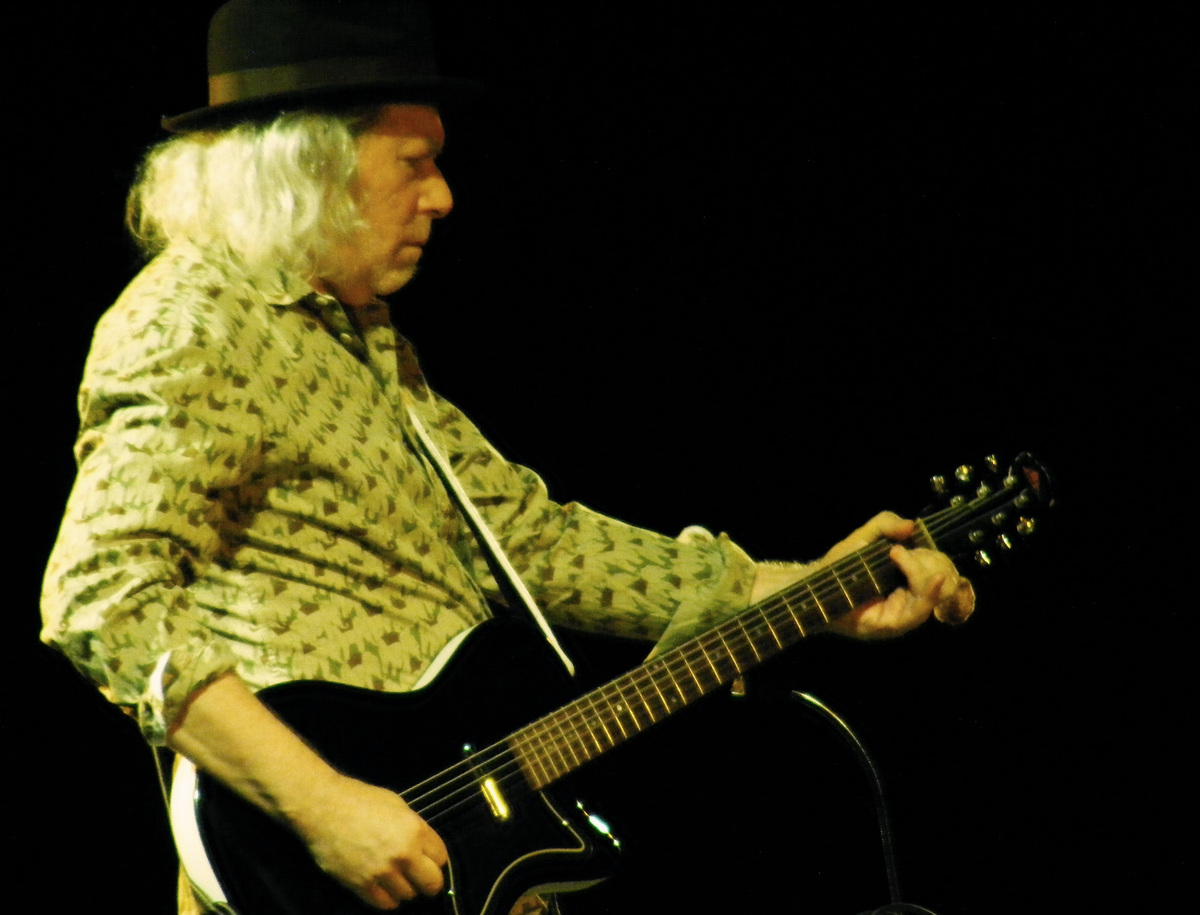
Buddy Miller performing at the Palace Theatre in Manchester, 31 October 2010. Photo: Man Alive! (Phil King). Work: Buddy Miller. Source: https://www.flickr.com/photos/manalive/5136230137/ CC BY 2.0: https://creativecommons.org/licenses/by/2.0/ Resized; full source frame retained.
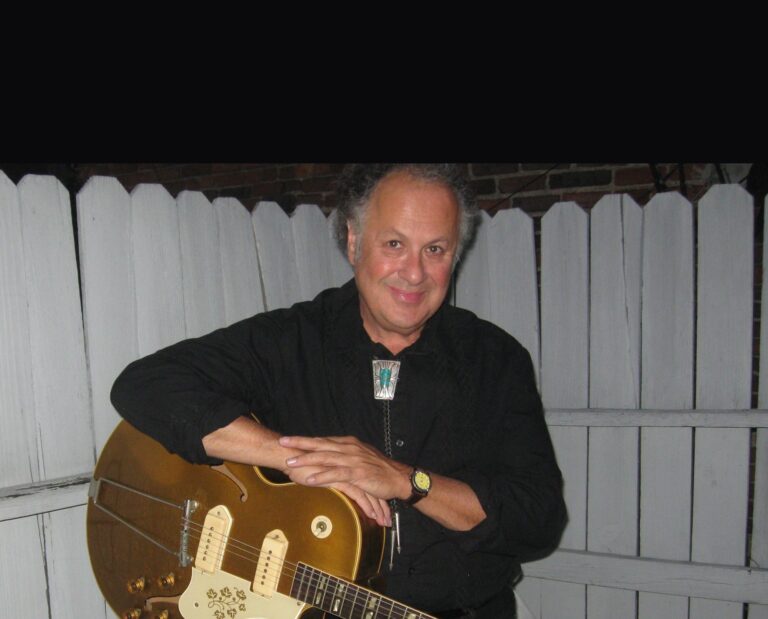
Buddy Miller guitars gear is a subject that separates the casual music fan from the people who actually pay attention — because Buddy Miller is the kind of guitarist whose name every serious musician knows and whose face approximately twelve people could pick out of a lineup. He is the best guitarist you’ve probably never properly investigated: a Nashville-based Americana virtuoso who has served as the right-hand man for Emmylou Harris, produced records for Robert Plant, Patty Griffin, and Solomon Burke, and released a string of solo albums so good they should be legally required listening for anyone who claims to care about American roots music. His guitar playing is the embodiment of everything the word “taste” is supposed to mean — not cautious, not restrained, but precisely right, note by note, tone by tone, in service of the song and the moment above everything else.
Gear Timeline
His Buddy Miller guitars gear setup is a masterclass in how a serious player approaches instrument selection — vintage instruments maintained with care, amplifiers chosen for their specific tonal character in specific contexts, and a signal chain built around expressiveness rather than novelty. He plays with Emmylou Harris’s band, with his wife Julie Miller, with the supergroup the Majestics alongside Mark Knopfler, with Robert Plant’s Band of Joy, and in his own right as a solo artist. Every one of these contexts demands something different from his guitar playing, and his ability to provide it — with the right tone, the right feel, and the right level of melodic intervention — is what makes him the first call for virtually every serious Americana and roots rock project that needs a guitarist. This is the complete breakdown.
Background
Buddy Miller was born on September 6, 1952, in Fairborn, Ohio — a small city near Dayton with no particular musical heritage that might predict the career that followed. He grew up absorbing the full range of American popular music that the radio delivered to Ohio in the late 1950s and early 1960s: rock’n’roll, country, R&B, and the early folk revival that was transforming the musical landscape of collegiate America. He began playing guitar seriously as a teenager, and by his early twenties was working as a professional musician in New York and later Nashville.
His path to the Americana spotlight was gradual and relatively unglamorous in the conventional music industry sense — years of session work, touring sideman roles, and collaborative projects before the solo albums and the Emmylou Harris association brought him the recognition that his playing had long deserved. He married singer-songwriter Julie Miller in 1981, a partnership that became central to both their careers — Julie Miller’s songwriting and Buddy’s guitar playing and production combined to produce a series of albums that are among the finest in the Americana tradition. Albums like Poison Love (1995), Blue Million Miles (1997), Cruel Moon (1999), Universal United House of Prayer (2004), and Written in Chalk (2009) demonstrated a musical vision of remarkable consistency and depth.
His association with Emmylou Harris began in the mid-1990s and has defined a significant portion of his career. Harris’s Wrecking Ball (1995), produced by Daniel Lanois, featured Miller in a pivotal guitar role; he subsequently became her primary touring guitarist and a central contributor to her recorded output through the late 1990s and 2000s. His ability to serve Harris’s music with complete musical intelligence — providing exactly what her songs needed without imposing his own preferences — demonstrated the quality that has made him invaluable to every major artist he has worked with.
The collaborations with Robert Plant and Alison Krauss — specifically the Band of Joy tours and recordings — brought Miller to a wider international audience, though his fundamental reputation among musicians had been established long before. He has also produced records of extraordinary quality: Solomon Burke’s Don’t Give Up on Me (2002), Patty Griffin’s Children Running Through (2007), and Robert Plant’s Band of Joy (2010) demonstrate a production sensibility as sophisticated as his playing. He was inducted into the Country Music Hall of Fame’s Walkway of Stars in 2013, a recognition of his contribution to Nashville’s musical community.
Buddy Miller Guitars Gear: The Complete Rig
Guitars
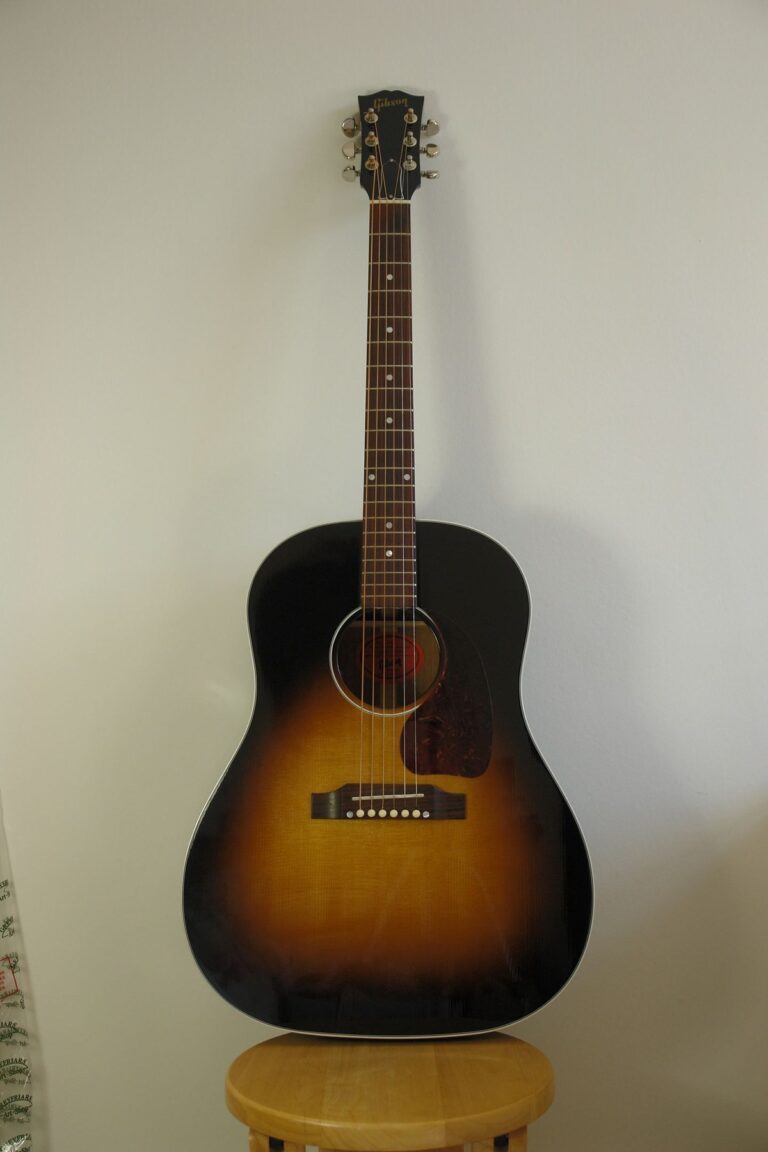
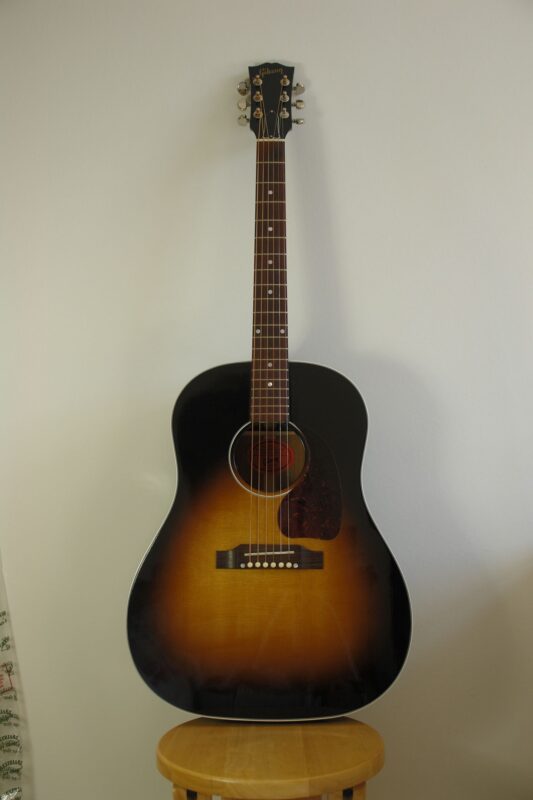
The Gibson J-45 is arguably the acoustic guitar most consistently associated with Buddy Miller across his career — the instrument that appears in the majority of his acoustic performance documentation and that provided the warm, intimate acoustic tone central to his solo work and his collaborations with Julie Miller. The vintage Gibson J-45 — Gibson’s “working man’s guitar” introduced in 1942 and produced continuously in various configurations through the present — in its 1960s specification used a Sitka spruce top (though some years used mahogany tops, which gave a warmer, less projecting tone), mahogany back and sides, a mahogany neck with a rosewood fretboard, and Gibson’s lighter, unscalloped X-bracing of the era (the J-45 has been X-braced since its 1942 introduction). That construction, together with the mahogany back and sides and the round-shouldered body, gives the J-45 a characteristically different acoustic tone from a rosewood-bodied Martin dreadnought: less projection, more fundamental warmth, a thicker, more compressed sound with less high-end sparkle but more low-midrange body. The 1960s J-45 specification typically included a cherry sunburst nitrocellulose finish, an adjustable saddle bridge (unlike the standard fixed bridge), and a small round soundhole. The J-45’s tonal character — full, dark, intimate — suited Miller’s vocal style and compositional sensibility perfectly: this is not a guitar that projects in a concert hall, but it is a guitar that sounds extraordinarily human and warm in a recording studio or an intimate venue.
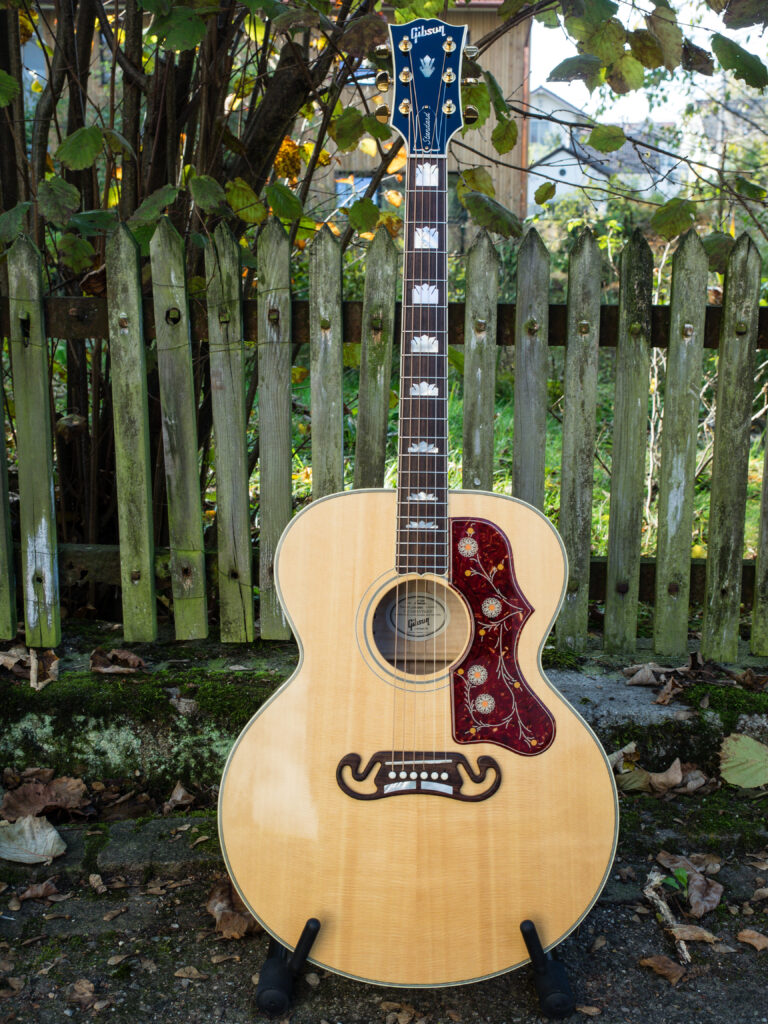
The Gibson J-200 — Gibson’s flagship jumbo acoustic guitar, introduced in 1937 as the SJ-200 and produced continuously since, featuring a larger body (body width approximately 17 inches at the lower bout) with a Sitka spruce top, maple back and sides (giving a brighter, more projecting tone than the mahogany-bodied J-45), an ornate multi-binding treatment, the distinctive “moustache” bridge, and a bone nut — appeared in Miller’s documented acoustic setup for specific applications. The J-200’s jumbo body and maple construction give considerably more volume and brightness than the J-45, making it appropriate for strummed chord work where projection and tonal authority are required. The maple back and sides reflect high frequencies more efficiently than rosewood or mahogany, giving the J-200 a characteristically bright, punchy acoustic tone with strong high-end content and extended dynamic range.
The Gibson ES-175 — Gibson’s semi-hollow archtop jazz guitar, introduced in 1949 and produced continuously since, featuring a fully hollow single-cutaway laminated maple body, a pointed cutaway horn (the distinctive “Florentine” design), and — in the PAF era versions most relevant to Miller’s setup — a single PAF humbucker in the neck position or a pair of PAFs — appeared in Miller’s setup for jazz-influenced and clean electric applications. The ES-175 was the standard jazz guitar of the 1950s and 1960s, associated with players like Joe Pass, Jim Hall, and Kenny Burrell, and its tonal character — warm, full, and slightly compressed from the hollow laminated maple body, with the neck PAF’s warm output giving excellent note bloom and minimal high-frequency harshness — suited the more jazz-adjacent passages in Miller’s playing. The ES-175’s vulnerability to feedback at high volume levels was managed by Miller’s careful amplifier gain selection; at moderate levels, the hollow body’s acoustic resonance gave a depth and complexity to single-note lines that solid-body instruments cannot replicate.

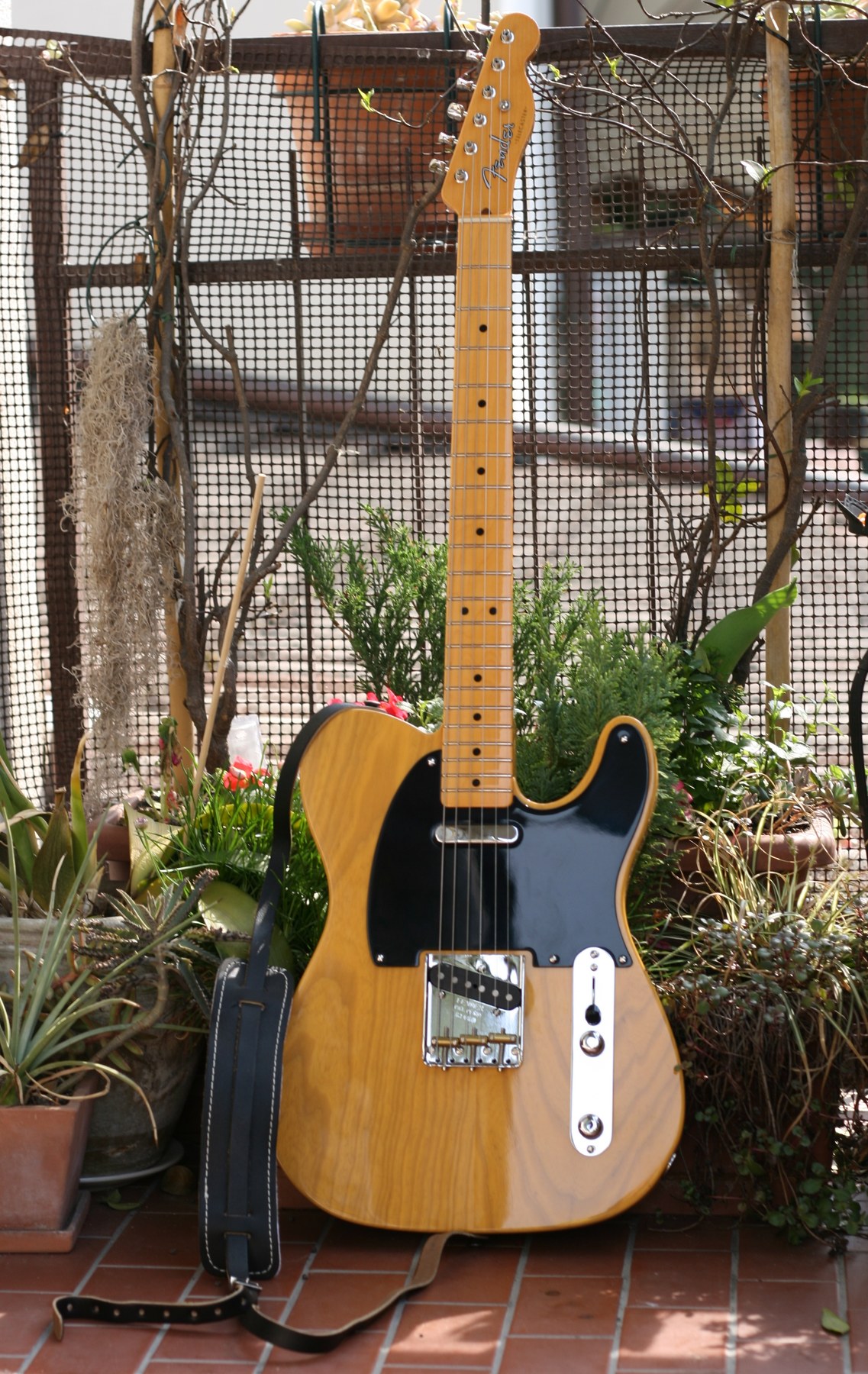
Vintage Fender Telecasters — both “blackguard” 1950s examples and the later rosewood-board configurations — were central to Miller’s electric guitar arsenal, providing the bright, percussive, attack-forward tone that the Telecaster’s single-coil pickups uniquely deliver. The Telecaster has been the defining instrument of Nashville session guitar since the 1950s, and Miller’s deep roots in the Nashville community made the Tele a natural primary electric instrument. The original “blackguard” Tele specification — swamp ash body, maple neck, three-saddle brass bridge, Alnico III or Alnico V bridge pickup wound to approximately 7.0k–7.5k ohms, neck pickup at approximately 5.5k–6.0k ohms — gives the most authoritative Tele snap and twang. Miller used both the bridge pickup’s aggressive, percussive attack and the neck pickup’s warm, hollow-body-like quality with equal command, and his Tele playing — particularly in the Emmylou Harris context — demonstrates a master of the instrument’s full tonal range.
The Fender Telecaster Custom — produced from 1972 through 1981, featuring a standard Tele alder body and single-coil bridge pickup combined with a full-size Seth Lover-designed “Wide Range Humbucker” (the WRH, wound by Lover after he left Gibson, designed to fit a standard humbucker-sized route while maintaining a wide aperture pole spacing for single-coil-like tonal character — in practice the WRH’s character evolved away from Lover’s intent as production compromises were introduced, producing a pickup with more midrange warmth than a standard Tele neck pickup but less than a full PAF) in the neck position — appeared in Miller’s setup for applications requiring more warmth and sustain in the neck position. The Telecaster Custom’s combination of the bright, snappy bridge single-coil and the warmer WRH neck humbucker gave a wider tonal range within a single instrument than the standard Tele’s two single-coils configuration.
Vintage late-1950s Gibson Les Paul Standards — the carved maple top, mahogany body and neck, PAF humbucker configuration that has been detailed extensively in earlier articles — appeared in Miller’s setup for the warmer, thicker sustain required for specific electric lead work. Miller’s Les Paul use was characteristically purposeful: he reached for the humbucker warmth and sustain when the Tele’s brightness would have been tonally inappropriate, and his Les Paul playing demonstrated the same sense of appropriateness and taste that characterised all his guitar work — using the instrument’s specific tonal qualities to serve the musical requirement rather than as an end in themselves.
A vintage Martin D-28 — Sitka spruce top, Indian rosewood back and sides (replacing Brazilian from 1969), scalloped X-bracing, 25.4-inch scale length — appeared in Miller’s acoustic documentation. The D-28’s full dreadnought tone — balanced, projecting, with the rosewood back and sides giving a slightly more complex overtone series than the mahogany-bodied J-45 — gave Miller a different acoustic voice for specific contexts where the J-45’s more intimate character was insufficient. The Martin’s scalloped X-bracing and rosewood back and sides give it a more traditional acoustic voice with extended high-frequency response compared to the Gibson’s mahogany-bodied warmth.
The Rickenbacker 360/12 — the 12-string electric model introduced in 1963 and famously associated with the Beatles, the Byrds, and the jangly, chiming tone that defined mid-1960s folk-rock — appeared in Miller’s documented setup for specific textural and harmonic applications. The Rickenbacker 360/12’s specific construction: a semi-hollow “cresting wave” body with a spruce top and maple back and sides, two Rickenbacker “toaster” single-coil pickups (using individually adjustable polepieces and a distinctive slanted design for each pickup), and the Rickenbacker “R” tailpiece with its characteristic stringing configuration (octave strings placed below the fundamental strings, the reverse of most 12-string designs, giving the characteristic Rickenbacker chime). The “toaster” pickup’s tonal character — bright, glassy, with a pronounced upper-midrange chime — combined with the 12-string’s natural doubling and jangle to produce one of the most immediately recognisable electric guitar tones in American music, and Miller used it for passages requiring that specific quality.
Miller used light-to-medium gauge strings on both electric and acoustic instruments — Ernie Ball Regular Slinkys (.010–.046) on electrics and light-gauge phosphor bronze (.012–.053) on acoustic steel-strings, consistent with a player who needed both expressive bending ease and tonal warmth across diverse musical contexts. For the ES-175 jazz work, flatwound or light roundwound strings (.011–.050) gave the warmer, more compressed jazz tone appropriate to hollow-body archtop playing.
Amps
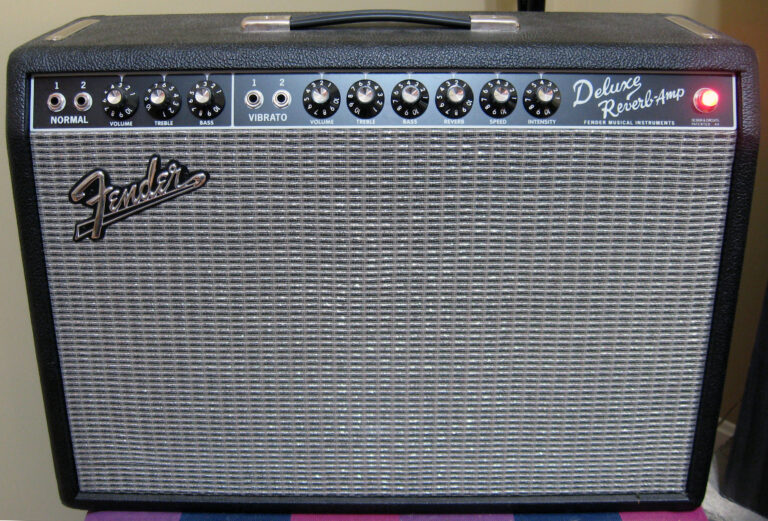
The blackface Fender Deluxe Reverb — 22 watts from two 6V6GT output tubes, AA763 circuit, tube-driven spring reverb, single 12-inch Jensen C12N or Oxford 12L6 speaker — was Miller’s foundational amplifier for clean and lightly overdriven electric work throughout his career. The Deluxe Reverb’s 6V6GT output tubes — lower headroom and earlier natural overdrive than the 6L6GC in the Twin or Super Reverb — gave Miller the touch-sensitive, dynamically responsive clean-to-overdrive transition that his playing required. His Telecaster’s bridge single-coil pickup into the Deluxe Reverb at moderate-to-high volume settings produced the specific “breaking-up-clean” tone that defines Nashville country and Americana guitar playing — not fully distorted, not perfectly clean, but in the musically productive zone between the two where the amp’s natural compression adds warmth and sustain without obscuring the Tele’s characteristic pick attack. The AA763 circuit’s tube-driven spring reverb — 12AT7 driver, Type 4 three-spring reverb tank (approximately 1.8-second decay), 12AX7 recovery — added spatial dimension to the clean and lightly overdriven tones without the artificial quality of digital reverb alternatives.
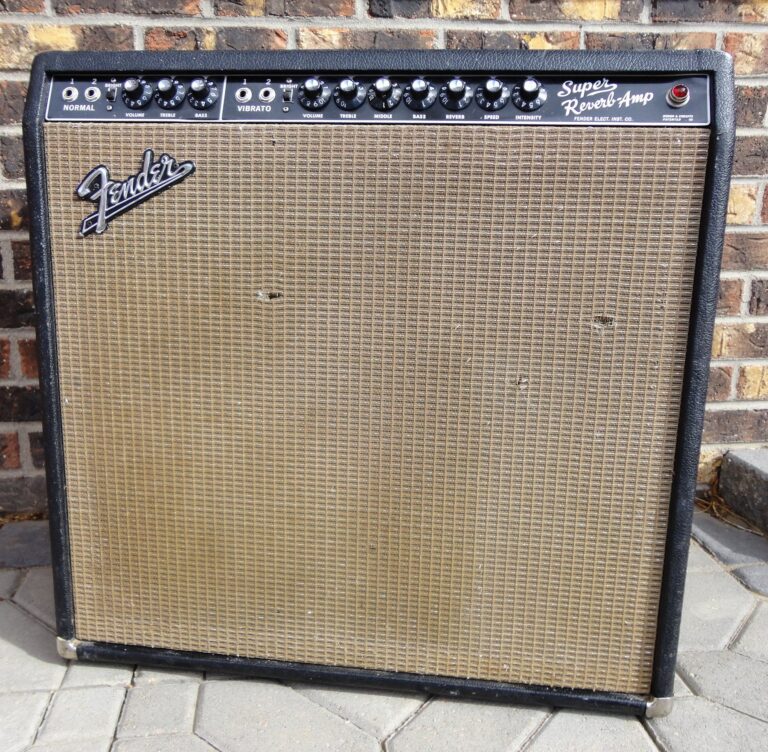
The blackface Super Reverb — 45 watts from four 6L6GC output tubes, four Jensen P10R 10-inch Alnico speakers, tube-driven spring reverb — provided Miller with additional clean headroom and the characteristic four-10 tonal character for larger venue applications. The P10R’s Alnico magnet and relatively light cone gave a warm, round tone with a natural soft compression at high volume that suited Miller’s dynamically nuanced playing style. The four-10 configuration distributes the speaker load across more cone area, giving a slightly different spatial and harmonic character than fewer larger speakers — more diffuse, with each speaker’s contribution to the overall sound summing in a complex way that individual speakers cannot replicate.
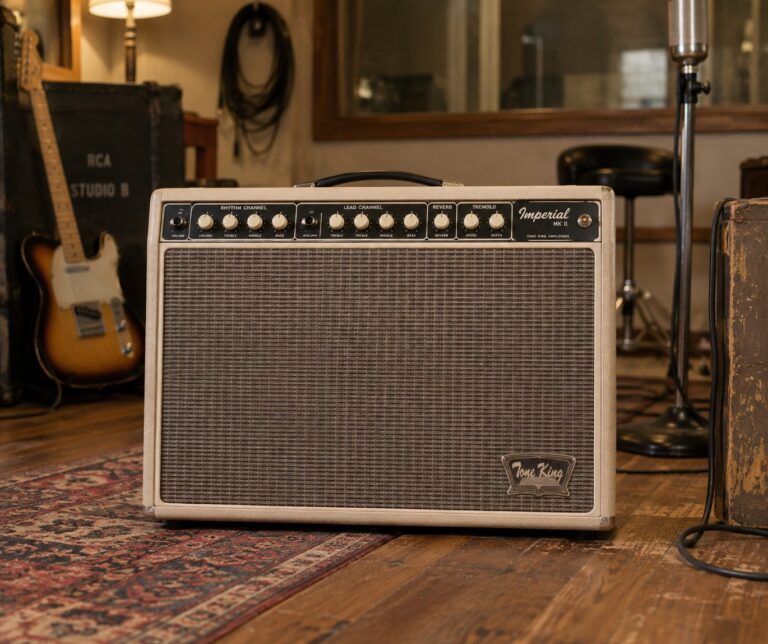
The Tone King Imperial MKII — a boutique, hand-wired amplifier designed by Mark Bartel in the Fender blackface tradition, using 6L6 output tubes, a tube-driven spring reverb, and a sophisticated “Iron Man” power attenuator that allows the output tubes to operate at full saturation while reducing the overall volume — appeared in Miller’s more recent documented setup. The Imperial’s exceptional tone and the Iron Man attenuator’s ability to achieve natural output tube saturation at manageable live volumes gave Miller access to the natural compression and harmonic complexity of a working-hard output stage in contexts where a non-attenuated blackface amplifier would be too loud. The Imperial’s Fender-derived circuit gives a tonal character closely related to the blackface originals, while the hand-wired point-to-point construction and premium components contribute additional refinement.
Victoria Amplifier Company’s 35310 — a hand-wired reinterpretation of the blackface Deluxe Reverb circuit, using 6V6GT output tubes, a custom-wound output transformer, and Victoria’s refinements to the original Fender circuit — appeared in Miller’s touring setup as a Deluxe Reverb alternative. Victoria’s amplifiers are considered among the finest American-made valve amplifier replicas available, with component selection and build quality that rivals the original blackface Fenders at their best. The 35310’s tonal character is closely related to the original AA763 Deluxe but with subtle differences in the overdrive character and the spring reverb response that some players prefer to the original.
For amplified acoustic guitar performance — particularly in the contexts where the J-45 or Martin was played through a PA or dedicated acoustic system — Miller used quality acoustic amplification and direct injection approaches. The Fishman Loudbox Artist (120 watts, two-channel, built-in reverb and chorus) and the AER Compact 60 (60 watts, solid-state, parametric EQ) provided clean, natural amplification of the acoustic guitar’s piezoelectric or magnetic pickup output without the coloration that electric guitar amplifiers introduce. Miller’s J-45 was often fitted with a K&K Pure Mini pickup system (three small contact microphones mounted inside the body at the bridgeplate, providing a more acoustically natural signal than undersaddle piezoelectric designs) for live performance.
Effects
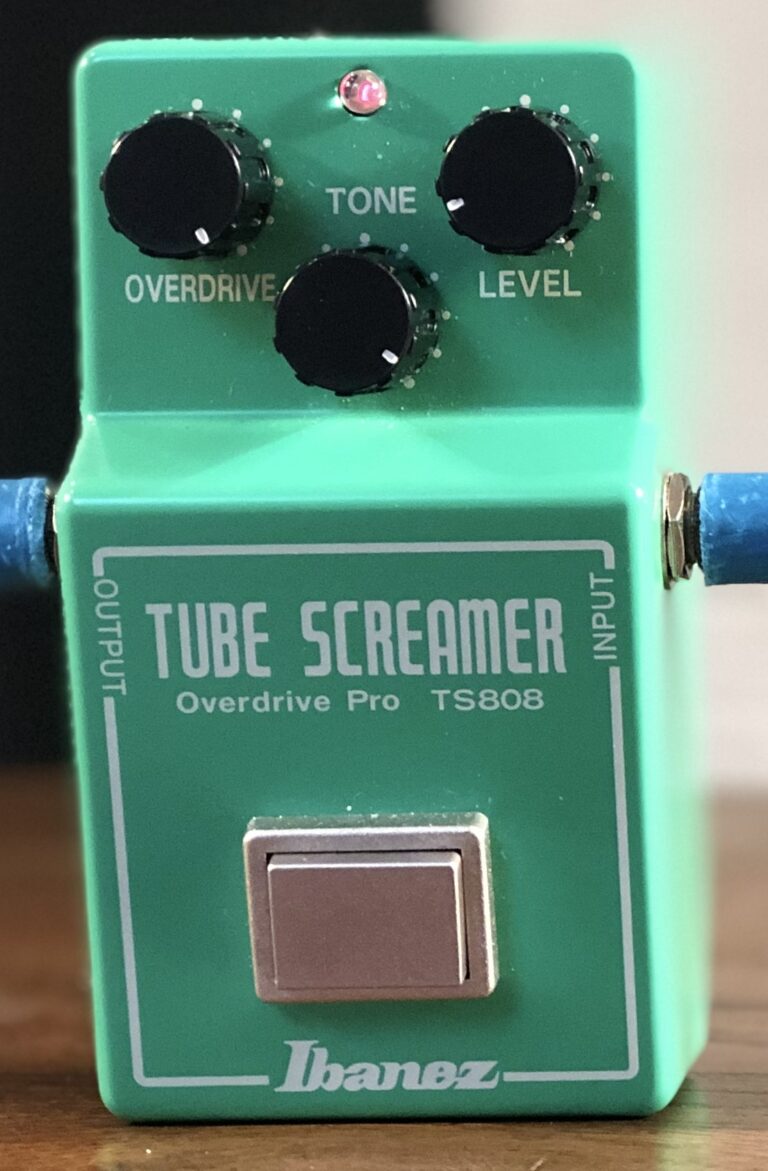
The Ibanez Tube Screamer — in both its original TS808 (1979–1981, JRC4558D op-amp, 1N4148 silicon clipping diodes, 51pF feedback capacitor producing the 720Hz lower cutoff that rolls off bass and emphasises midrange) and TS9 (1982–1985, JRC4558D or RC4558P op-amp depending on production batch, similar circuit with slightly different output buffer) configurations — was a central component of Miller’s light overdrive setup. The Tube Screamer’s characteristic mid-boost and bass-roll interaction with a Fender Deluxe or Super Reverb amplifier is one of the most productive and musical pedal-amp combinations in American guitar playing: the Tube Screamer’s midrange emphasis compensates for the amp’s slightly mid-recessed clean tone, while the bass roll prevents low-end muddiness through the 6V6GT or 6L6GC’s naturally warm low-end character. At low drive settings (3–4), the Tube Screamer functions more as a clean boost with tonal shaping than as a distortion pedal, giving Miller additional sustain and harmonic presence without obscuring the pick attack definition crucial to his Telecaster rhythm playing.
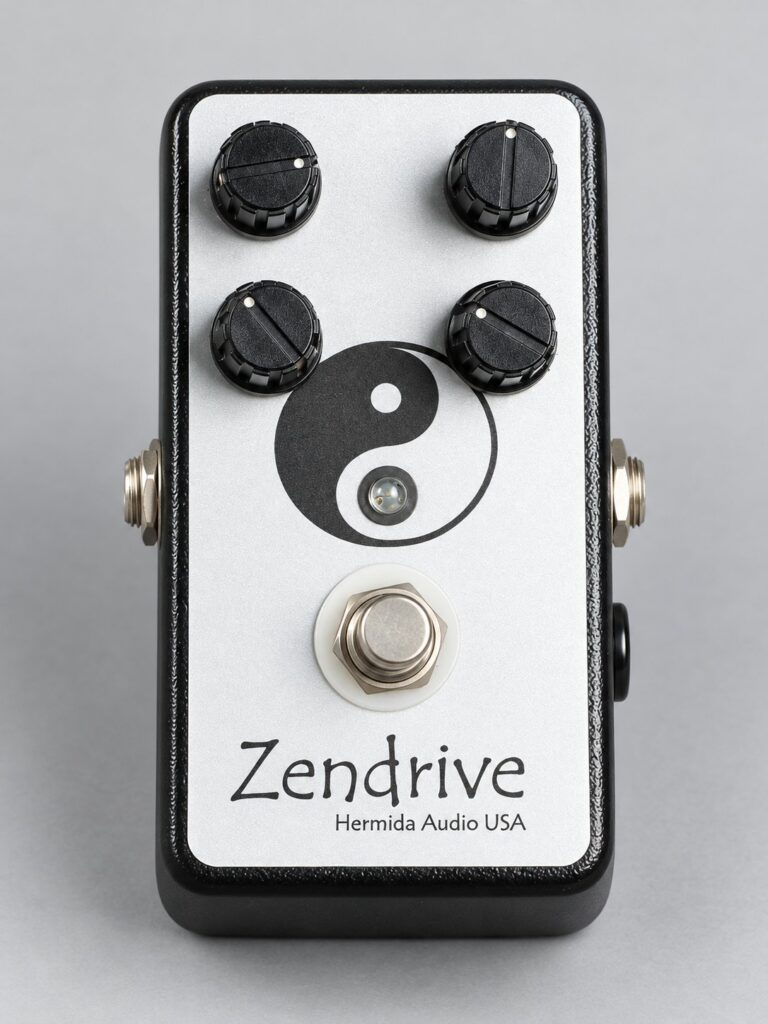
The Hermida Audio Zendrive — designed by Alfonso Hermida specifically to emulate the tonal character of a Dumble Overdrive Special amplifier’s overdrive channel, using a JFET-based circuit that produces a smooth, warm, amp-like overdrive character — appeared in Miller’s more recent effects documentation. The Zendrive’s “Voice” control adjusts the frequency of a mid-boost peak in the overdrive circuit (from approximately 700Hz to 2kHz), allowing the player to dial in a warm, thick overdrive character appropriate for single-coil instruments at lower Voice settings, or a brighter, more forward overdrive for humbuckers at higher settings. The circuit’s JFET-based gain stage produces an overdrive character that responds to pick attack dynamics more like a valve amplifier than most transistor-based overdrive pedals, giving it the touch-sensitivity that Miller’s playing requires.
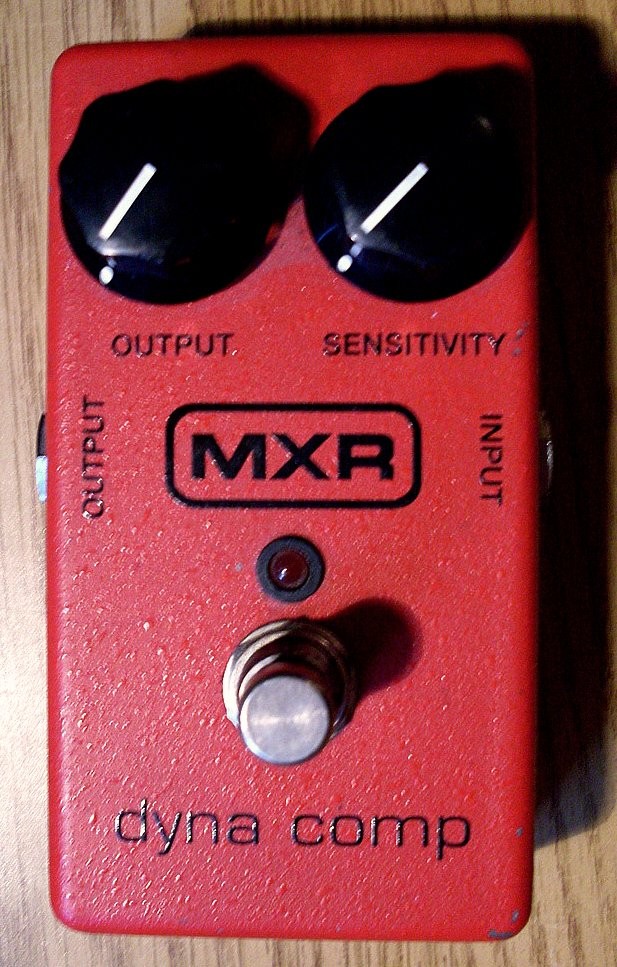
The script-logo MXR Dynacomp — CA3080 OTA chip, feed-forward compression topology, Output and Sensitivity controls — provided Miller with clean compression for Telecaster chicken-pickin’ passages and for maintaining consistent sustain on clean chord work. The Dynacomp’s CA3080-based compression gives a characteristic “squash” on transients that is immediately recognisable on Telecaster recordings — the attack is compressed into a more even sustain, giving string-snapping Tele licks their characteristic “pop” quality when the attack transient is released after the compression clamps down. Used at moderate settings, it adds sustain and tonal consistency to clean country and Americana rhythm playing without the obvious “pumping” of heavy compression.
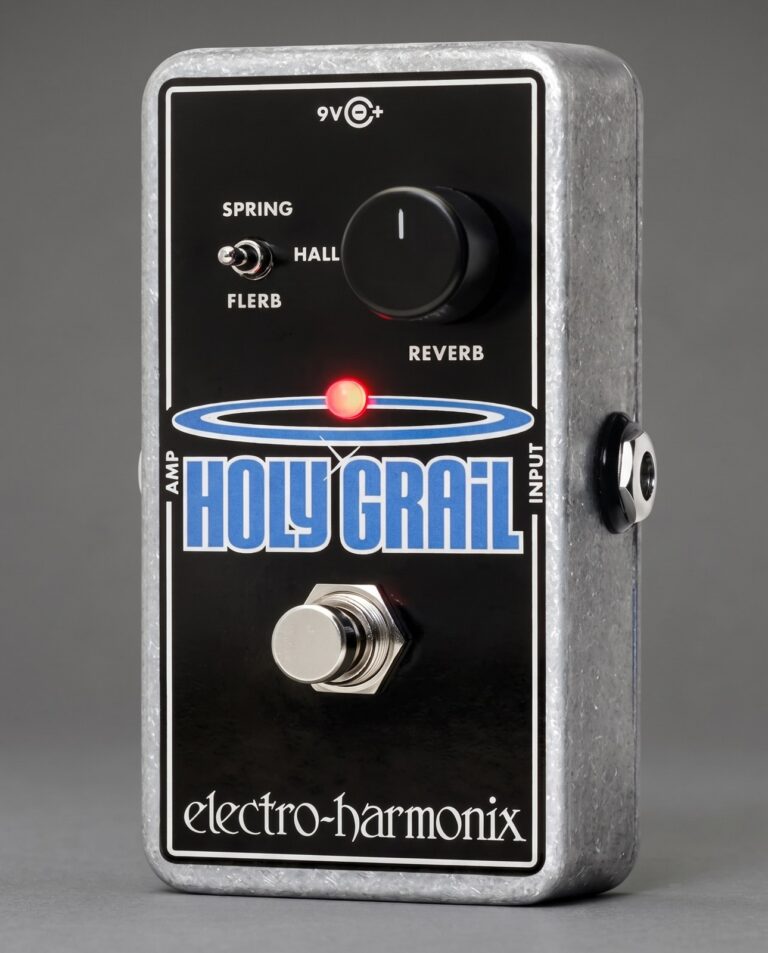
The Electro-Harmonix Holy Grail — a digital reverb pedal offering Spring, Hall, and Flerb (flanger-reverb combination) modes, designed to provide high-quality spring and hall reverb in a simple, single-knob interface — appeared in Miller’s pedal board for supplementary reverb beyond the amplifier’s built-in spring reverb. The Holy Grail’s Spring mode — a digital simulation of the three-spring reverb tank found in Fender amplifiers — gave additional reverb depth without the volume constraints that pushing the amplifier’s reverb circuit to high levels sometimes imposed. For the Hall mode, longer, more ambient reverb tails suited the more atmospheric passages in Miller’s solo and collaborative work.
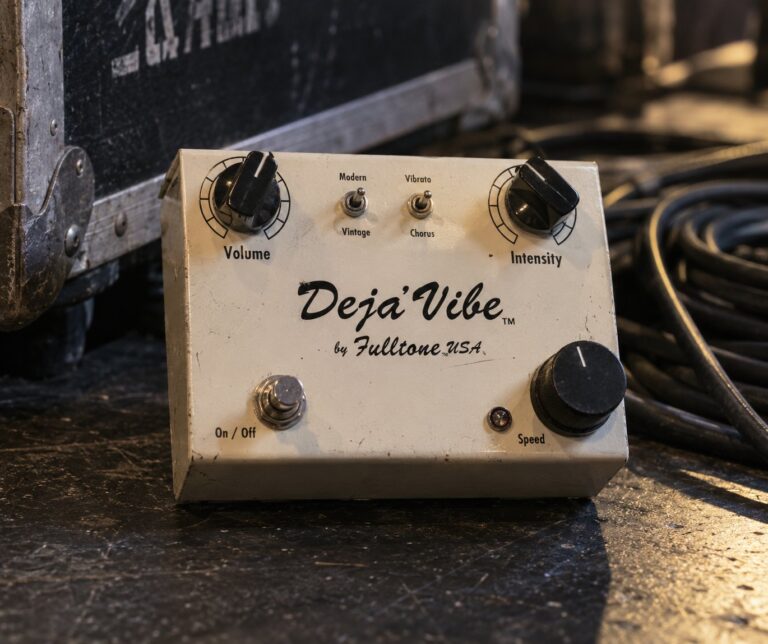
The Fulltone Deja Vibe — Mike Fuller’s LDR-based Uni-Vibe clone, using four light-dependent resistors driven by an incandescent lamp in the original Uni-Vibe manner — appeared in Miller’s setup for specific atmospheric applications. Unlike the more effects-saturated players who use the Uni-Vibe as a constant tonal environment, Miller deployed it selectively for specific passages requiring the warm, swirling phase character that LDR-based modulation produces. His use was characteristically restrained — the Deja Vibe as a targeted effect for passages where its specific quality enhanced the music, not as a signature tone modifier applied continuously.
The TC Electronic Corona Chorus — a digital chorus using TC Electronic’s TonePrint technology (allowing user-downloadable chorus presets from artists and designers), offering standard chorus, Tri-Chorus, and Vibrato modes — appeared in Miller’s more recent effects chain. His chorus use was typically subtle — light, slow chorus on clean electric guitar passages adding gentle dimension without obvious modulation — consistent with his general approach to effects as enhancers rather than dominators of the fundamental guitar tone.

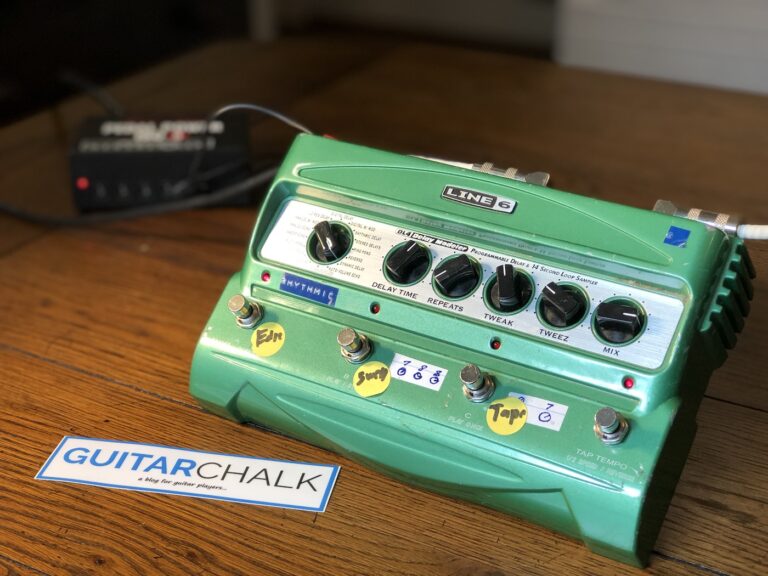
The Line 6 DL4 — a digital multi-mode delay pedal offering sixteen delay types (including tape echo, analog delay, and various digital formats), with a loop sampler function allowing up to 14 seconds of recorded loop — appeared in Miller’s touring setup for practical delay and specific looping applications. While Miller was not primarily a looping artist, the DL4’s tape echo emulation (approximating the Echoplex EP-3’s tonal character) gave him usable vintage-style echo without the maintenance demands of actual tape-based units on the road. His delay use was characteristically musical — medium-length delays (200–400ms) at low mix levels for depth on melodic lead passages, not obvious echo effects.
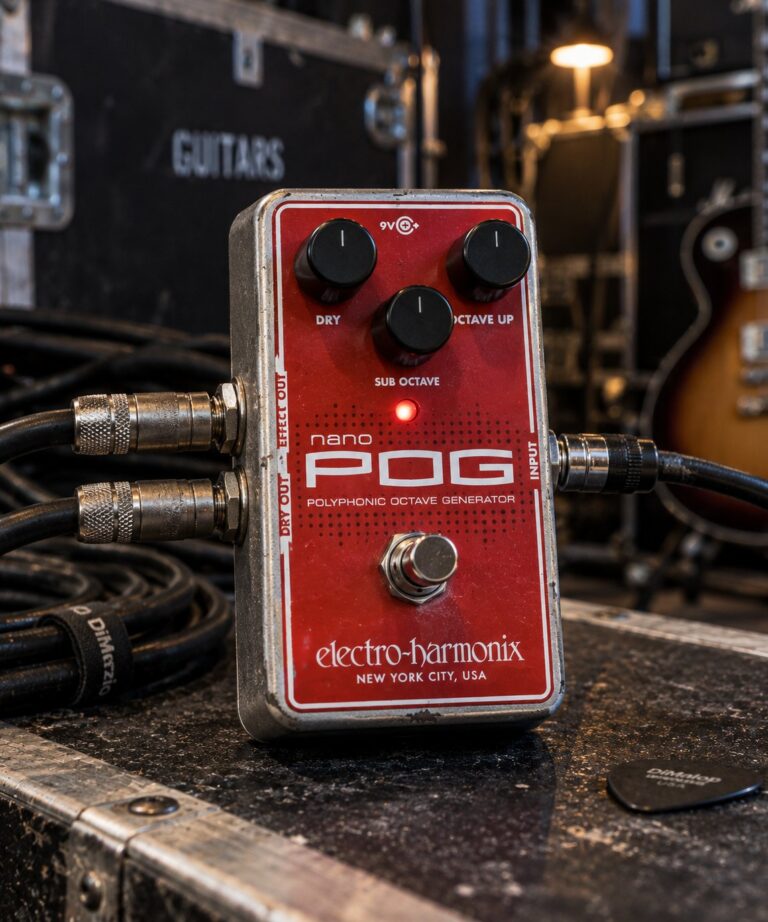
The Electro-Harmonix Nano POG — a compact polyphonic pitch shifter adding sub-octave and upper-octave voices to the input signal with individual level controls, using digital pitch shifting that tracks polyphonic input accurately — appeared in Miller’s setup for specific studio applications requiring bass-register enhancement or octave doubling. His use was selective and purposeful — adding a sub-octave voice to specific lead passages for additional weight, or using the upper-octave for the 12-string-like doubling effect on passages where a physical 12-string was unavailable.
Playing Style & Tone Philosophy
Buddy Miller is, in the most fundamental way, a servant of the song — not in the diminished sense of someone who suppresses their own musical voice, but in the elevated sense of someone who has developed a musical voice specifically designed to communicate the emotional content of the music most effectively. His playing is never gratuitous, never unnecessarily complex, never tonally inappropriate for the context. Every note, every bend, every harmonic choice serves the song it’s placed in, and this quality of service is itself a form of mastery that requires more musical intelligence than flashy technical display.
His Telecaster work is the clearest demonstration of this philosophy in practice. The Nashville Telecaster tradition — the specific vocabulary of chicken-pickin’, string bends, and open-string passages that constitutes the most technically demanding and musically sophisticated approach to the instrument — is one of the most demanding in American guitar music, requiring a combination of right-hand hybrid picking technique (pick and fingers used simultaneously), precise left-hand fretting, and a tonal control that keeps the Tele’s aggressive attack character from overwhelming the musical context. Miller commands this vocabulary completely, but never deploys it gratuitously — he uses it when it serves the song and holds back when it doesn’t.
His hybrid picking technique — using the pick for downstrokes and the middle and ring fingers for upstrokes simultaneously — is the defining right-hand approach for Telecaster country and Americana playing. The combination of pick attack on the lower strings and finger attack on the upper strings gives the characteristic “chicken-pickin'” tone: the lower notes with the pick’s harder, more percussive attack, and the upper notes with the fingers’ softer, slightly rounder attack and the characteristic “pop” when the string is snapped against the fretboard. This tonal asymmetry between the bass and treble strings is one of the most distinctive qualities of the Telecaster country style and requires dedicated practice to develop.
His acoustic guitar playing reflects the same philosophy: understated, tasteful, rhythmically secure, and harmonically sophisticated without being ostentatious. The J-45’s warm, intimate tone suited his acoustic style perfectly — a small-to-medium-sized acoustic in a recording context where warmth and presence were more valuable than projection. His fingerpicking approach on acoustic instruments drew from the folk and country fingerpicking traditions — thumb-and-fingers independence, careful voice leading, and the use of open strings and open tunings for specific harmonic effects — while his flat-picking demonstrated the same precision and confidence as his electric work.
Tonally, Buddy Miller guitars gear philosophy was built around American vintage quality and appropriate contextual choice. He did not use one instrument and one amplifier for everything — he matched the instrument and amplifier to the musical context with the care of a craftsman who knows that the right tool makes the work better. The J-45 for intimate acoustic folk-country, the Telecaster into the Deluxe Reverb for Nashville country and Americana electric, the ES-175 for jazz-influenced clean work, the Les Paul for heavier sustained leads — each choice was purposeful and each was correct for its context. His effects philosophy was equally restrained: the Tube Screamer for light overdrive, the Dynacomp for compression, the Deja Vibe for specific atmospheric passages, and nothing else unless the music required it.
The Buddy Miller guitars gear approach produces a sound that is simultaneously completely vintage and completely contemporary — because the best vintage American guitar equipment, used with intelligence and musical taste, never sounds dated. A Telecaster through a blackface Deluxe Reverb with a Tube Screamer is as current as any rig in current production, because the tonal qualities it delivers — warmth, dynamics, expressiveness, character — are the qualities that great guitar playing has always required and will always require.
The Rickenbacker 360/12’s role in Miller’s setup deserves particular mention in the context of Buddy Miller guitars gear because it represents a deliberately unusual choice for a player working primarily in Americana and country contexts — genres not typically associated with the Rickenbacker’s jangly, folk-rock character. Miller’s willingness to use whatever instrument produces the right sound for the moment, regardless of stylistic convention, is a statement of musical intelligence: he is not bound by genre orthodoxy in his instrument selection any more than he is in his musical approach. If the song needs the Rickenbacker’s chime, the Rickenbacker gets used. If it needs the J-45’s intimate warmth, the J-45 comes out. The correct tool for the musical moment — always, without exception. This philosophy, applied consistently across every aspect of his gear choices and his playing decisions, is what makes Buddy Miller the musician every serious Americana artist wants in their corner.

How to Sound Like Buddy Miller
Guitar Approach
A vintage Fender Telecaster — or a high-quality modern equivalent — is the essential starting point for Buddy Miller guitars gear tone in the Americana and country context. The Fender American Vintage II 1951 Nocaster (swamp ash body, maple neck, original-spec Alnico III bridge pickup) gives the most accurate vintage Tele character; the Fender American Professional II Telecaster (updated Custom Shop pickups, improved hardware) is a more practical touring option. For the warmth and sustain of his ES-175 work, a current-production Gibson ES-175D (with the original single-pickup configuration replicated in a two-pickup version) or a heritage H-535 (semi-hollow construction, Gibson-style humbuckers) gives appropriate character.
Develop hybrid picking technique — the combination of pick and fingers simultaneously — as the foundational right-hand approach for Tele playing. Practice isolating the pick attack on bass strings from the finger attack on treble strings, developing the tonal asymmetry that gives Nashville Tele playing its characteristic character. For the acoustic J-45 work, develop a relaxed, slightly forward-weighted picking approach that brings out the Gibson’s natural low-midrange warmth rather than the high-end sparkle of a rosewood-bodied Martin.
Amp Approach
The blackface Fender Deluxe Reverb — or its finest modern equivalents (the Fender ’65 Deluxe Reverb reissue, the Tone King Imperial MKII, the Victoria 35310, or a hand-wired Ceriatone AA763 clone) — is the correct amplifier foundation for the core Buddy Miller tone. Set the volume to push the 6V6GT output tubes into gentle natural overdrive — between 5 and 7 depending on room size and the specific amplifier’s power output — and use the Tube Screamer as a light boost rather than a primary distortion source.
| Control | Setting (0–10) | Notes |
|---|---|---|
| Volume (Fender Deluxe Reverb) | 5–7 | Push the 6V6GT into natural overdrive — this is where the magic lives |
| Bass | 5 | Neutral — Telecaster has enough bottom; too much bass muddies hybrid picking |
| Treble | 6–7 | Present enough for Tele snap and definition; not harsh through the Jensen C12N |
| Reverb | 3–4 | Light spring reverb — spatial warmth without washing out attack transients |
| Tube Screamer TS808 Drive | 3–4 | Low drive — function as a mid-boost and clean sustain enhancer, not distortion |
| Tube Screamer Tone | Noon | Balanced — the mid-boost is built into the circuit, tone control for fine adjustment |
| Tube Screamer Level | 6–7 | Slightly above unity — the level boost pushes the amp into its working zone |
| Dynacomp Sensitivity | 6–7 | Moderate compression — chicken-pickin’ snap and clean sustain enhancement |
| Deja Vibe Speed (selective) | 2–3 | Slow LDR modulation for specific atmospheric passages — not a constant effect |
The Hermida Zendrive (or an equivalent — the Lovepedal COT50, the Wampler Euphoria, or the Tone King Iron Man attenuator if running a bigger amp) for slightly more driven passages where the Tube Screamer’s light overdrive is insufficient. The MXR Dynacomp early in the chain for compression. The Fulltone Deja Vibe for specific atmospheric passages — set to Chorus mode at slow speed. Line 6 DL4 or equivalent tape echo (Strymon El Capistan, 200–400ms, low mix) for lead depth. Keep the signal chain simple — Miller’s power comes from the guitar and the amp, not from the effects.
Influence & Legacy
Buddy Miller’s influence on American roots music is pervasive but subtle — the influence of a player and producer whose taste and musical intelligence has shaped the recorded output of dozens of major artists without creating the kind of visible signature that would allow casual listeners to identify his contribution. The records he has made as a sideman, collaborator, and producer are among the finest in the Americana, country, and roots rock traditions, and his contribution to each — as a guitarist, as an arranger, as a producer — has been decisive while remaining largely invisible to the general audience.
Within the Nashville and Americana guitar-playing community, his reputation is extraordinary and unanimous. He is cited by peers and successors as the model for how a serious guitar player approaches the instrument in a collaborative context — with complete musicianship, impeccable taste, and an absolute commitment to the song’s requirements over individual display. This quality — rare enough in general, almost non-existent at the level of technical accomplishment Miller brings to it — is perhaps his most significant contribution to the ongoing conversation about what guitar playing in American roots music can aspire to.
The comparison with Ry Cooder — another California-raised guitarist whose technical virtuosity and wide-ranging musical vocabulary was deployed primarily in service of American roots traditions, and whose influence on the Americana movement was similarly pervasive and similarly underacknowledged by mainstream audiences — illuminates the broader tradition of serious American roots guitar playing in which Miller’s work sits. The parallel with Lowell George — whose commitment to tonal authenticity, musical taste, and the primacy of the song over individual display was the foundation of his Little Feat work — shows Miller as part of a lineage of Southern and Western American guitarists who understood that the highest function of the instrument was to serve the music. And the connection to Brent Mason — the Nashville session guitarist whose Telecaster work defined the modern Nashville country guitar sound and whose technical command of the instrument is the closest parallel to Miller’s own — places Buddy Miller guitars gear and playing philosophy in the context of the Nashville Telecaster tradition that he has contributed to and helped define.
Frequently Asked Questions: Buddy Miller Guitars & Gear
What is Buddy Miller’s main guitar?
Buddy Miller’s primary acoustic guitar is a vintage Gibson J-45 — Gibson’s X-braced round-shoulder dreadnought with a Sitka spruce top, mahogany back and sides, and the warm, intimate tonal character that distinguishes it from the more projecting rosewood-bodied Martin dreadnoughts. His primary electric guitar is a vintage Fender Telecaster — both “blackguard” 1950s examples and later rosewood-board configurations — which he uses for the majority of his Nashville country and Americana electric work. He also uses a vintage Gibson ES-175 for jazz-influenced clean work and vintage Les Paul Standards for heavier, more sustained lead passages.
What amplifier does Buddy Miller use?
Miller’s foundational amplifier is the blackface Fender Deluxe Reverb — the AA763 circuit, 22 watts from two 6V6GT output tubes, tube-driven spring reverb, single 12-inch Jensen C12N speaker. The 6V6GT’s natural overdrive at moderate-to-high volume settings and the AA763’s touch-sensitive response make it ideal for his dynamically nuanced playing across diverse roots music contexts. He has also used the blackface Fender Super Reverb (45 watts, four Jensen P10R 10-inch Alnico speakers), the Tone King Imperial MKII (6L6 output tubes, Iron Man attenuator), and the Victoria 35310 (hand-wired blackface Deluxe derivative) for specific touring and recording applications.
What is Buddy Miller’s picking technique?
Miller uses hybrid picking — the simultaneous use of a standard guitar pick and the middle and ring fingers of the right hand — as his primary Telecaster technique. This approach gives the characteristic “chicken-pickin'” sound of Nashville country guitar: the pick provides a harder, more percussive attack on the lower strings while the fingers provide a softer, slightly rounder attack on the upper strings, creating the tonal asymmetry between bass and treble registers that defines the style. The technique requires dedicated practice to develop the independence between pick and fingers and to calibrate the relative attack weight between the two contact methods.
Has Buddy Miller worked with Emmylou Harris?
Yes — Buddy Miller has been Emmylou Harris’s primary touring guitarist since the mid-1990s and has contributed to several of her studio recordings. His guitar work on Harris’s Wrecking Ball (1995, produced by Daniel Lanois) was one of his first major visible collaborations with her, and he subsequently became her main live guitarist through the late 1990s and 2000s, appearing on numerous recordings and contributing guitar parts that demonstrated his ability to serve Harris’s musical vision with complete musical intelligence while bringing his own distinctive tonal personality to the recordings.
What overdrive pedal does Buddy Miller use?
Miller’s primary light overdrive is the Ibanez Tube Screamer — both the original TS808 (JRC4558D op-amp, 1N4148 silicon clipping diodes, 51pF feedback capacitor giving the 720Hz lower cutoff that rolls bass and boosts mids) and the TS9 variant. Used at low drive settings (3–4), the Tube Screamer functions primarily as a mid-boost and clean sustain enhancer rather than a distortion source, complementing the blackface Fender Deluxe Reverb’s naturally warm clean tone. He has also used the Hermida Audio Zendrive (JFET-based, voiced to emulate Dumble ODS overdrive character) for slightly heavier overdrive applications where the Tube Screamer’s output is insufficient.
What records best showcase Buddy Miller’s guitar playing?
His own solo albums are the best showcase: Cruel Moon (1999) and Universal United House of Prayer (2004) demonstrate the full range of his electric guitar playing, while Written in Chalk (2009, with Julie Miller) shows his acoustic work at its most developed. For his sideman work, Robert Plant’s Band of Joy (2010) — produced by Miller — contains some of his finest recorded guitar playing in a high-profile context. Emmylou Harris’s Spyboy live album (1998) captures his live electric guitar work at its most expressive and musically engaged.
What is Buddy Miller’s approach to production?
Miller’s production approach reflects the same values as his playing: service to the artist’s vision, authenticity over artifice, and the selection of the right sonic tools for the right musical moment. He is known for creating recording environments in which artists feel comfortable performing freely rather than recording to a fixed technical template, and for his ability to identify and capture the essential character of a performance rather than pursuing technical perfection at the expense of musical truth. His productions for Solomon Burke, Patty Griffin, and Robert Plant demonstrate a consistent sensibility: warm, real-sounding, focused on the human performance rather than the production process, and always in service of the song and the artist.
Image credits
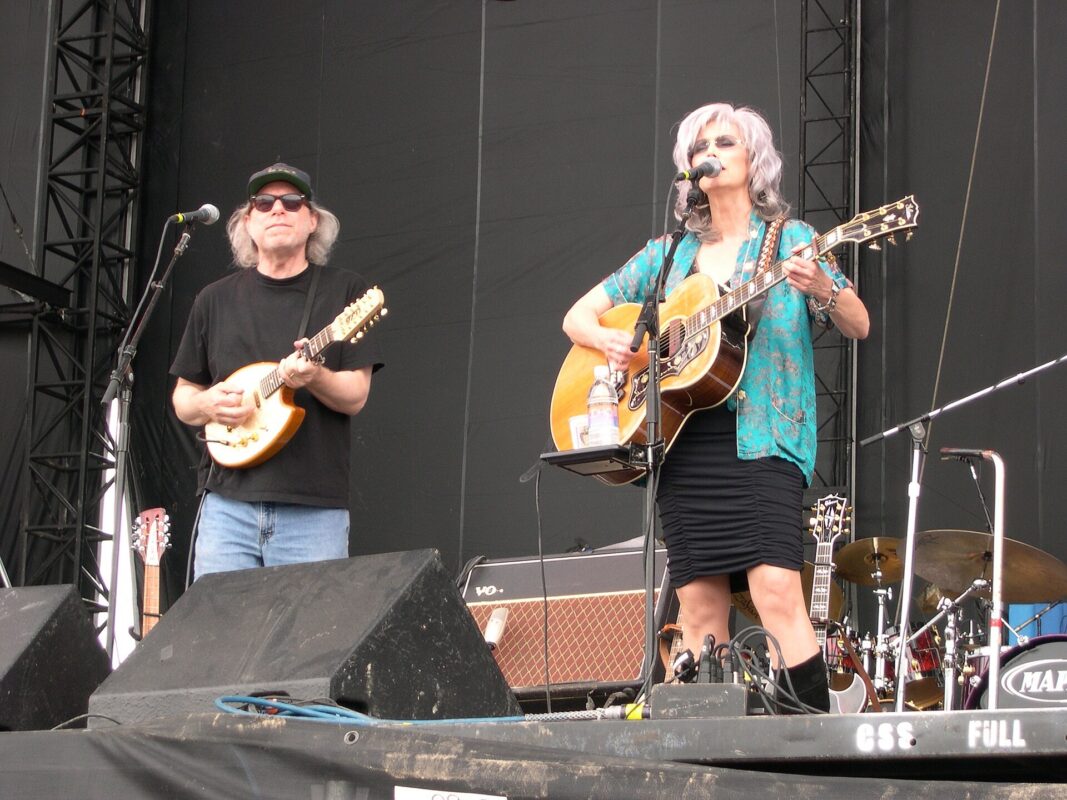
- Buddy Miller: cp_thornton, Wikimedia Commons, CC BY 2.0.
- Fender Telecaster: Massimo Barbieri, Wikimedia Commons, CC BY-SA 3.0.
- Top image: Man Alive!, Flickr, CC BY 2.0.
- Gibson ES-175: 1963 Gibson ES-175DN, Wikimedia Commons, CC BY-SA 4.0.
- Gibson J-45: photo by Jim Hutcheson, via Wikimedia Commons, CC BY 2.0.
- Gibson J-45: Jim Hutcheson, Wikimedia Commons, CC BY 2.0.
- Fender Deluxe Reverb: DlxReverbFront, Wikimedia Commons, CC BY-SA 3.0.
- Fender Super Reverb: GabeMc, Wikimedia Commons, CC BY-SA 3.0.
- Line 6 DL4: Guitar Chalk, Flickr, CC BY 2.0.
- Tone King Imperial MKII: GuitarGangsters AI-generated reference illustration, not a photograph.
- Fulltone Deja Vibe: GuitarGangsters AI-generated reference illustration, not a photograph.
- Electro-Harmonix Nano POG: GuitarGangsters AI-generated reference illustration, not a photograph.
- Buddy Miller live: Stephen Griffiths, Wikimedia Commons, CC BY-SA 2.0.
- Gibson SJ-200: Gibb Stutz, Wikimedia Commons, CC BY 3.0.
- TC Electronic Corona Chorus: Guitar Chalk, Wikimedia Commons, CC BY 2.0.
- MXR M102 Dyna Comp: Roadside Guitars, Wikimedia Commons, CC BY-SA 2.0.
- Ibanez TS808 Tube Screamer: Guitar Chalk, Wikimedia Commons, CC BY 2.0.
- Hermida Audio Zendrive: GuitarGangsters AI-generated reference illustration, not a photograph.
- Electro-Harmonix Holy Grail: GuitarGangsters AI-generated reference illustration, not a photograph.