Daron Malakian Guitars & Gear: System of a Down’s Dissonant Genius Complete Rig Guide
Daron Malakian guitars gear — Gibson SG, Seymour Duncan Invader, Mesa Boogie Dual Rectifier deep-dive for System of a Down's Armenian modal guitar genius.
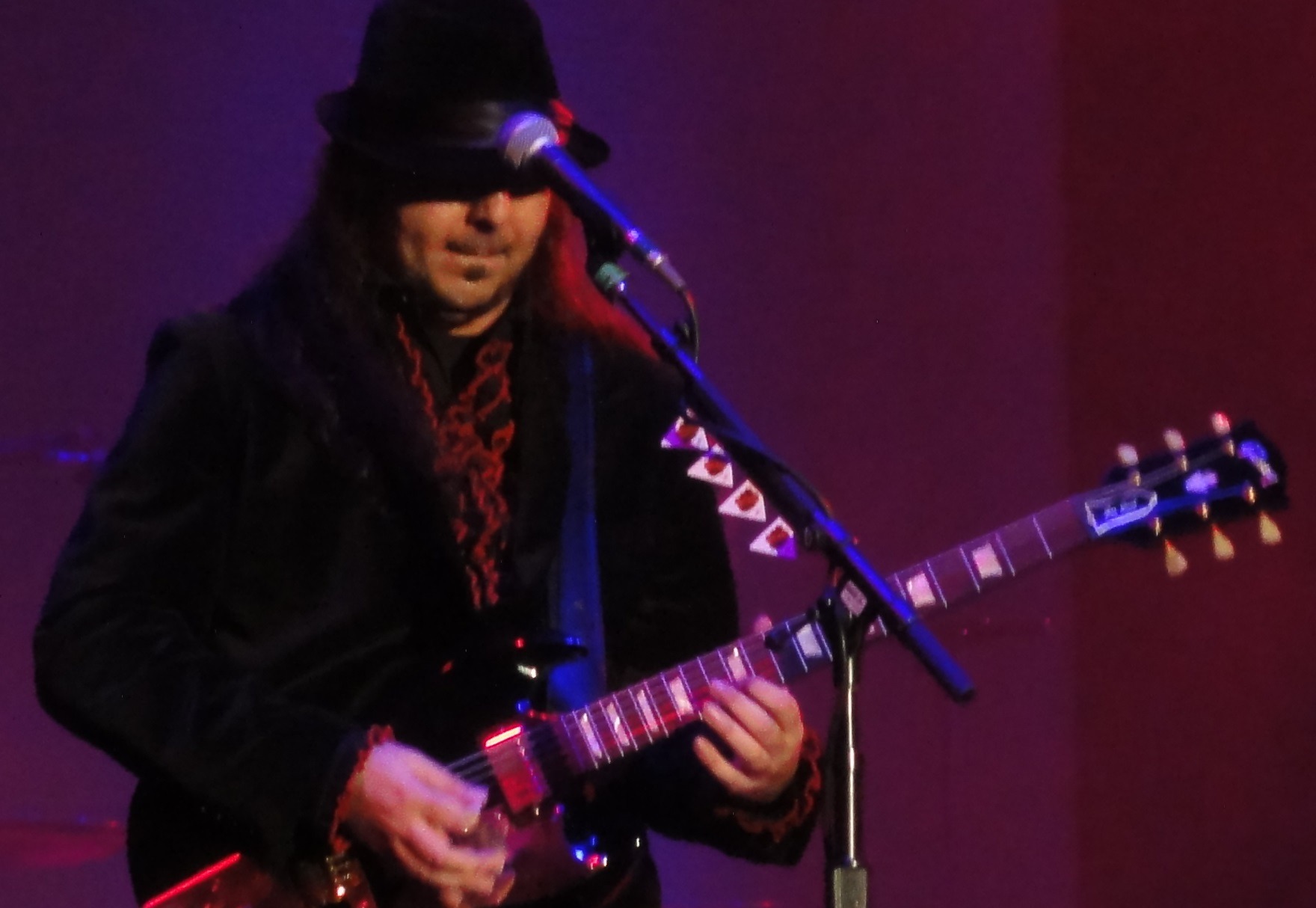
Daron Malakian with System of a Down at Rock en Seine, Paris, 25 August 2013. Photo: Chatsam, CC BY-SA 3.0. Source: https://commons.wikimedia.org/wiki/File:Rock_en_Seine_soad_2.JPG
Daron Malakian guitars gear is the subject of rock music’s most fascinatingly misclassified guitarist — a player routinely lumped in with the nu-metal generation who is in reality doing something completely different and considerably more interesting. Malakian’s guitar work in System of a Down draws from Middle Eastern modal scales, chromatic dissonance, Armenian folk music, progressive rock’s structural ambition, and hard rock’s physical impact in a synthesis so original that the standard genre labels simply don’t apply. He’s not playing nu-metal; he’s playing Daron Malakian music, and the fact that it became commercially massive in the early 2000s is one of the genuinely inexplicable pieces of good fortune in recent rock history.
The specific guitar tones he developed — the crunchy, mid-forward rhythm character, the specific dissonant voicings, the modal lead lines derived from scales that most Western rock guitarists have never encountered — came from a deliberate rejection of conventional rock guitar vocabulary in favour of something rooted in a completely different cultural and musical tradition. His Daron Malakian guitars gear reflects this: instruments and amplification chosen for specific tonal characteristics rather than genre convention, and a signal chain built to serve a musical vision that has no obvious precedent in rock guitar history. This is the complete breakdown.
Background
Daron Vartan Malakian was born on July 18, 1975, in Hollywood, California — the son of Armenian immigrant parents who brought with them the rich musical traditions of Armenian folk music, church music, and the broader Middle Eastern musical heritage that would profoundly shape his eventual guitar vocabulary. Growing up in the Los Angeles Armenian community gave Malakian exposure to musical scales, melodic patterns, and harmonic relationships that are fundamentally different from the Western European tonal system that underlies virtually all of rock music’s established vocabulary. The specific scales of Armenian folk music — modes derived from the Phrygian and Phrygian Dominant modes that Western classical theory uses, but with additional chromatic inflections and melodic conventions unique to the Armenian tradition — gave him a reservoir of melodic and harmonic material that no other guitarist in his commercial context had access to or would think to use.
System of a Down formed in 1994 in Los Angeles from the Los Angeles Armenian community — vocalist Serj Tankian, guitarist Malakian, bassist Shavo Odadjian, and drummer John Dolmayan. The band’s debut album System of a Down (1998) announced a musical vision so genuinely original that the industry didn’t quite know where to put them — too melodically complex for straight-ahead metal, too heavy for progressive rock, too culturally specific for the mainstream pop-metal formula. The breakthrough of Toxicity (2001) — which went to number one in multiple countries on the strength of its bizarre-for-the-mainstream combination of Armenian folk melody, hardcore punk speed, and genuinely sophisticated harmonic structure — demonstrated that originality and commercial success were not mutually exclusive, at least in this specific case.
The subsequent albums Steal This Album! (2002), Mezmerize (2005), and Hypnotize (2005) maintained the musical vision while developing the songwriting sophistication, and Malakian’s guitar work across all of these records demonstrated a player who was genuinely developing — finding new applications for his modal vocabulary, deepening the harmonic sophistication of his arrangements, and refining the specific tonal character that had made the earlier work so distinctive. His parallel project Scars on Broadway — releasing self-titled in 2008 and Dictator in 2018 — gave him a creative outlet for more melodically focused, less aggressively heavy material that showed additional dimensions of his musical personality.
Daron Malakian Guitars Gear: The Complete Rig
Guitars
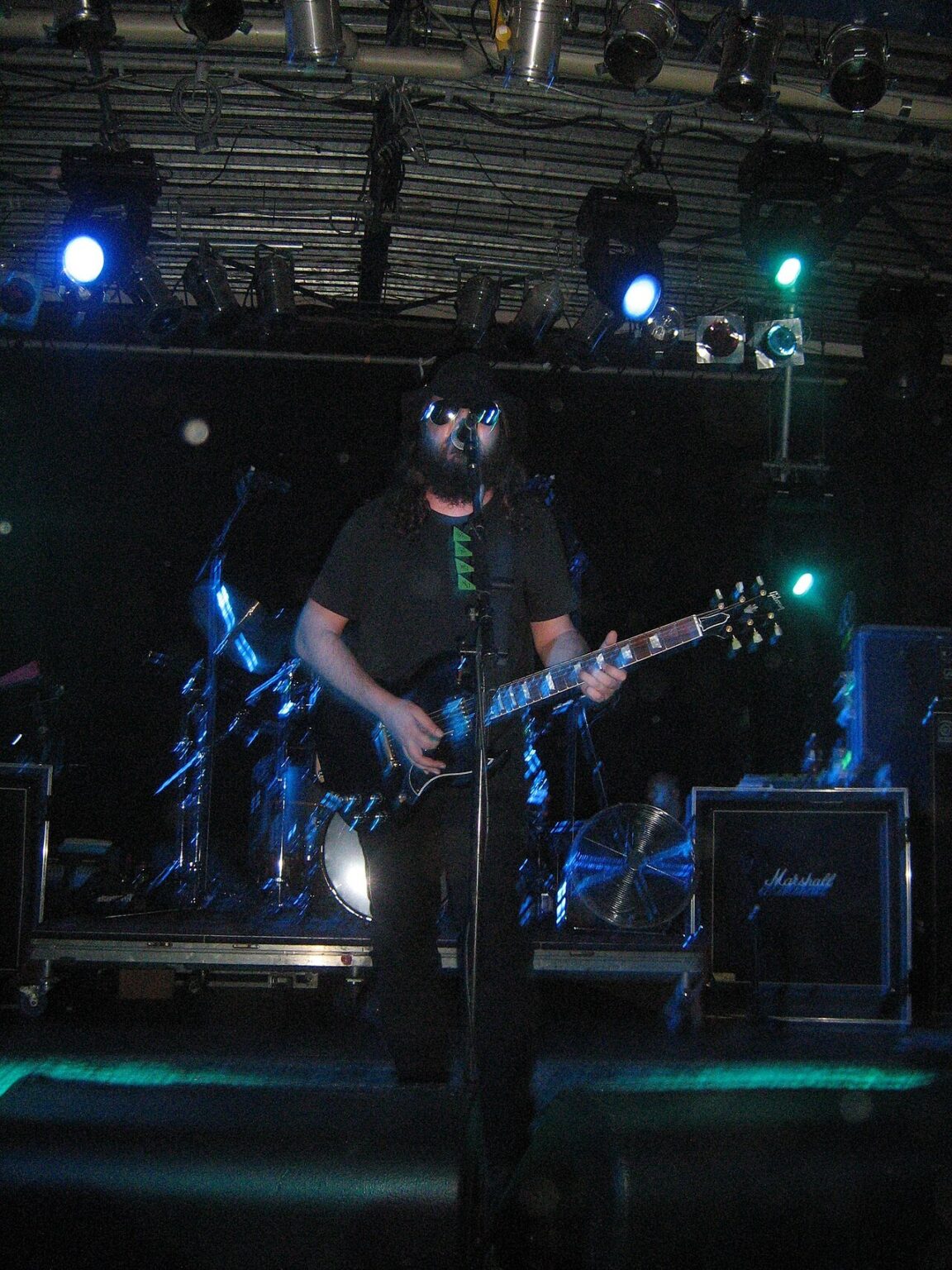
The Gibson SG is the guitar most consistently and most definitively associated with Daron Malakian across the System of a Down career — the instrument that produced the specific combination of aggressive midrange bite, sustain, and upper-register access that his playing required. His SG preference spans multiple specific examples: he has used vintage 1960s SG Standards (with the original Patent Number humbuckers, slim taper mahogany neck, and the double-cutaway mahogany body that gives the SG its distinctively light weight and aggressive midrange character), newer Gibson SG Standards (with updated humbucker specifications), and custom-configured SGs built to his specific requirements. The SG’s all-mahogany construction — no maple cap, unlike the Les Paul — gives a characteristically aggressive upper-midrange character that cuts through dense arrangements with a specific “bark” that Les Paul players sometimes describe as excessive but that Malakian exploits as a compositional resource. The complete upper-fret access of the SG’s deep double-cutaway, with the neck joining the body at the 22nd fret, gave him access to the high-register chromatic and modal passages that appear throughout System of a Down’s compositions.
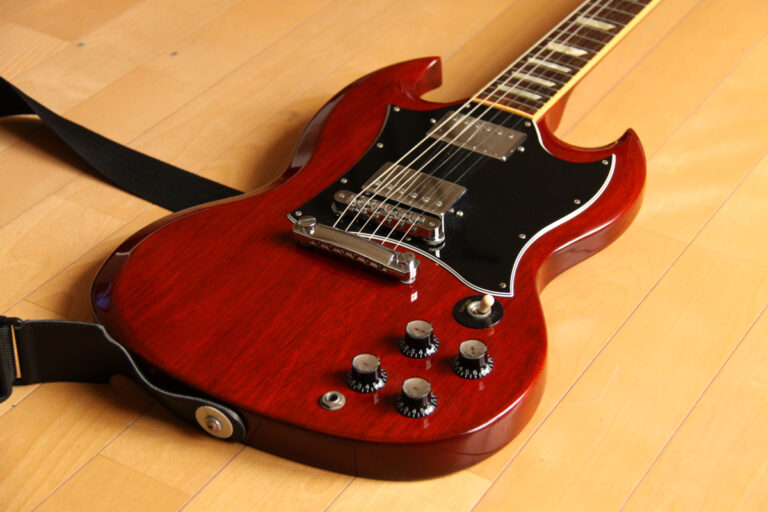
Gibson produced Daron Malakian signature SG models — specifically the DM Standard and DM Custom — that captured his specific requirements in production form. The Malakian signature models typically featured specific humbucker configurations (Seymour Duncan or Gibson pickups voiced to his requirements), his preferred neck profile, and specific aesthetic features including the skull and crossbones imagery and custom finishes that reflected his visual aesthetic. These signature models gave players access to his specific instrument specifications.
Seymour Duncan humbuckers — specifically the Seymour Duncan Invader (SH-8) in the bridge position and the Seymour Duncan ’59 (SH-1) in the neck position — form the core of Malakian’s pickup configuration in his Gibson SG instruments. The Seymour Duncan Invader is one of the most aggressively voiced passive humbuckers in production: it uses ceramic magnets and a triple-coil design (three rows of poles rather than the standard two) wound to an extremely high DC resistance of approximately 16.7k ohms (bridge version), giving an output level that approaches active pickup territory while retaining passive dynamic responsiveness. The Invader’s specific tonal character — massive low-end weight, heavily emphasised upper midrange, and a specific “chug” quality in palm-muted passages — suited the heavy rhythm work of System of a Down’s more aggressive material perfectly. The triple-coil design’s additional magnetic flux gave the pickup a specific thickness and body in the low frequencies that standard double-coil humbuckers at similar output levels don’t replicate. The Seymour Duncan ’59 in the neck position (approximately 7.4k ohms, Alnico V, PAF-specification vintage character) gave a completely different tonal palette for the cleaner, more melodic neck-pickup passages — the contrast between the Invader’s aggressive bridge character and the ’59’s warm vintage neck character gave Malakian a wide tonal range within a single instrument.
Vintage Gibson SG Standards from the late 1960s — Patent Number humbuckers (wound to 7.5k–8.5k ohms, Alnico II or Alnico V magnets, transitioning from the PAF specification), slim taper mahogany neck, rosewood fretboard with crown inlays — appeared in Malakian’s documented setup for specific recording and performance applications. The vintage Patent Number humbuckers’ specific character — less compressed than the Invader, with more dynamic range and harmonic complexity — gave certain passages a different tonal quality that suited the more melodically nuanced sections of System of a Down’s compositional range. His use of vintage SGs reflected the same tonal intelligence that characterised his overall approach: choosing the instrument whose specific character best served each musical context.
Ibanez high-performance guitars — specifically Super-Strat models with Floyd Rose tremolos and high-output humbuckers — appeared in Malakian’s documented setup for specific heavier applications where the SG’s fixed-bridge, all-mahogany character was less appropriate. The Ibanez’s neck-through construction, Floyd Rose stability, and more modern pickup voicing gave a different tonal character for passages requiring the tightest, most defined heavy rhythm work.
Malakian uses Ernie Ball Regular Slinky (.010–.046) on his standard-tuning instruments and heavier gauges (.011–.052 or .012–.056) for the dropped and detuned configurations that appear in certain System of a Down material. System of a Down uses drop C (C-G-C-F-A-D) and other detuned configurations for specific songs, requiring the heavier string gauges to maintain adequate string tension at the lower pitches.
Amps
The Mesa/Boogie Dual Rectifier was Malakian’s primary amplification throughout System of a Down’s commercial period — the same amplifier Wes Borland used, but deployed by Malakian in a completely different musical context. The Rectifier’s specific combination of tight, authoritative low-end from the 6L6GC output tubes, the pronounced low-midrange cut that gives palm-muted chugging its definition, and the high-gain character of the Lead channel suited the heavy rhythm work of System of a Down’s more aggressive material. However, Malakian’s use of the Rectifier differed from Borland’s in one important way: he was frequently required to give the Rectifier a more forward, present midrange character to serve the modal and chromatic lead lines of his playing, adjusting the amp’s inherent midrange cut through the EQ and through his pickup choice (the Invader’s aggressive upper-midrange character compensated for the Rectifier’s natural mid-cut).
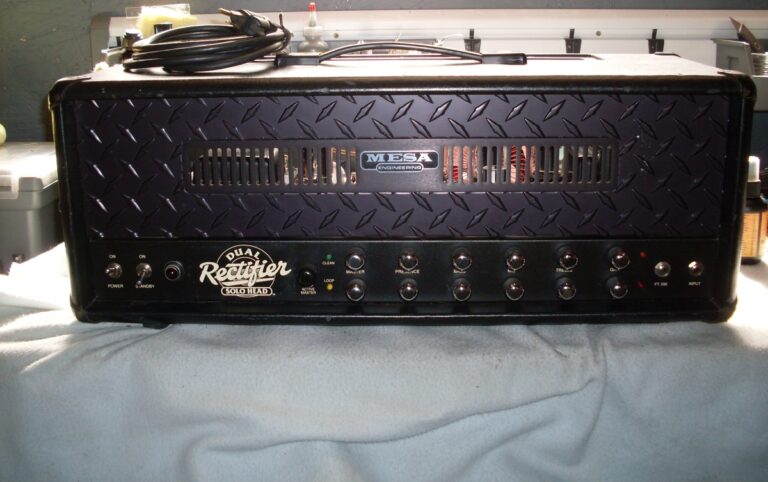
His Dual Rectifier was run into Mesa/Boogie 4×12 cabinets with Celestion Vintage 30 speakers — the standard heavy metal speaker configuration that gave the upper-midrange presence and tight bass response appropriate to his downtuned rhythm work and modal lead playing.
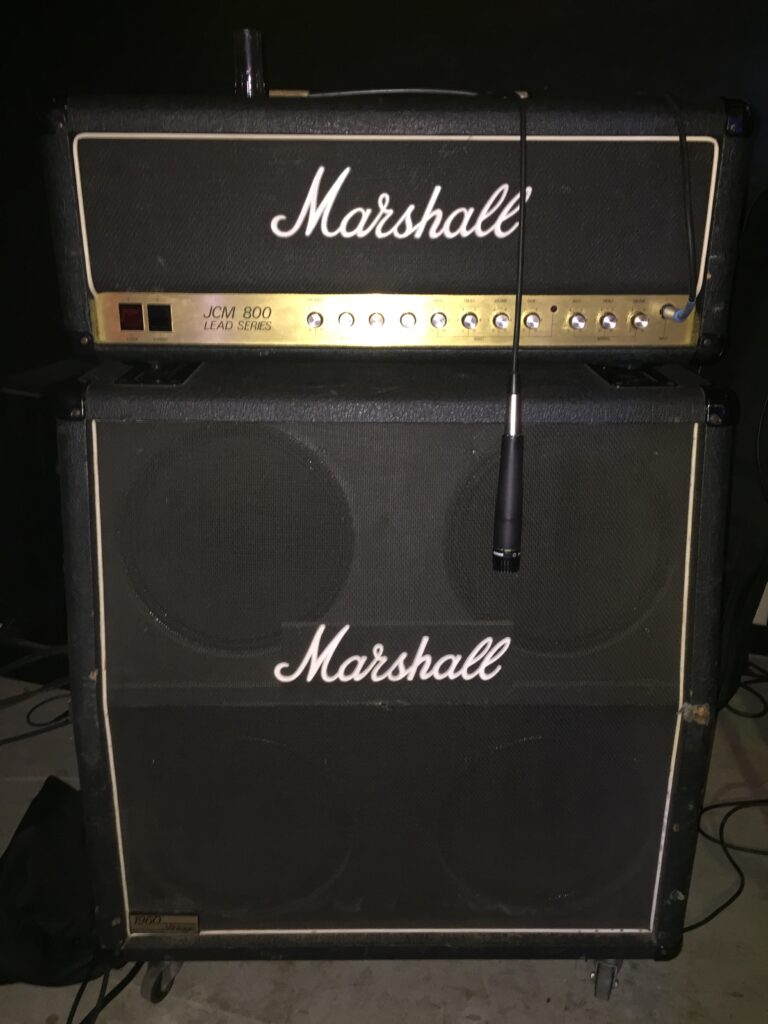
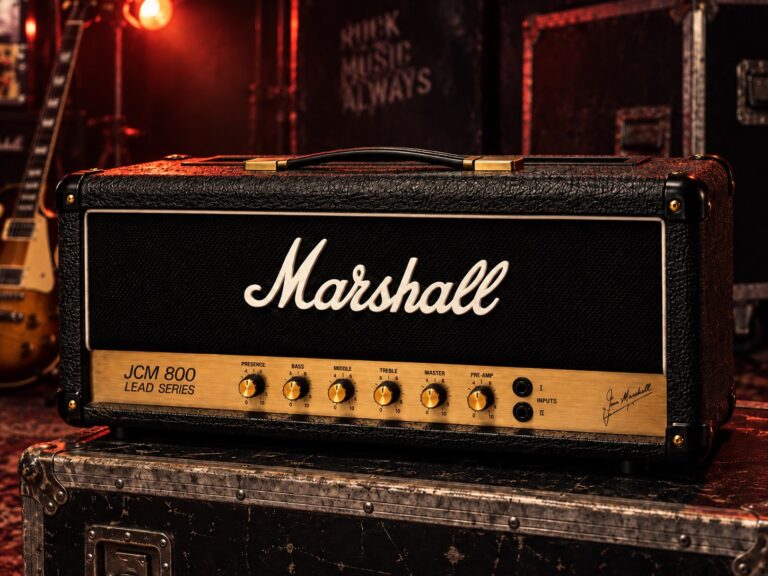
The Marshall JCM800 appeared in Malakian’s studio setup for specific recording applications where the British EL34 character gave a different harmonic complexity from the Mesa/Boogie’s American 6L6GC character. The JCM800’s more harmonically complex, warmer saturation suited the more melodically nuanced passages in System of a Down’s recordings, and Malakian’s awareness of this distinction — using the Mesa/Boogie for the heaviest, most aggressively downtuned rhythm work and the Marshall for passages requiring more harmonic warmth — reflected genuine tonal sophistication.
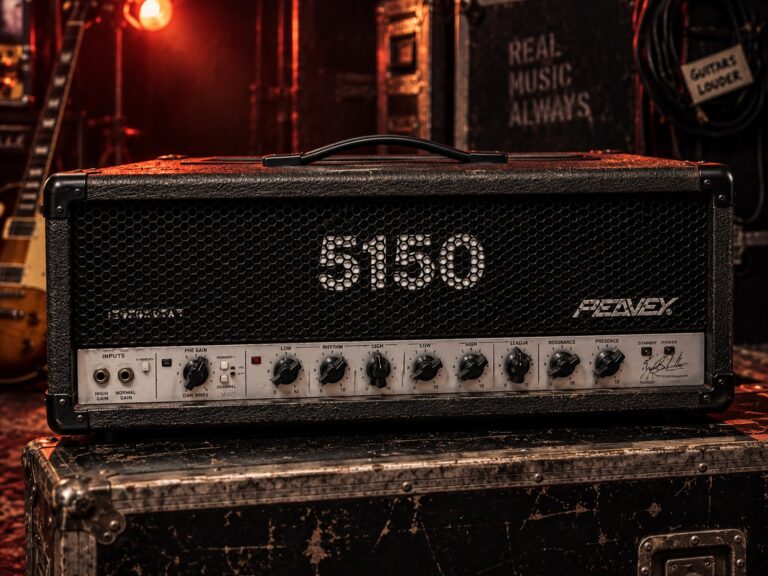
The Peavey 5150 appeared in Malakian’s setup for specific heavy rhythm applications where the 5150’s tight, consistent high-gain character gave the most controlled, most rhythmically defined tone for the most aggressively downtuned material. The 5150’s characteristic tight low-end and aggressive midrange cut gave palm-muted rhythm guitar at drop-C or lower the maximum definition and physical impact.
The Diezel VH4 — documented extensively in the Rammstein articles — appeared in Malakian’s more recent documented setup, consistent with the amplifier’s growing reputation among tonally sophisticated heavy guitarists. The VH4’s exceptional note definition at high gain levels suited the complex chromatic and modal voicings of Malakian’s more compositionally ambitious passages — maintaining individual note clarity even in complex chord shapes at high gain where less refined amplifiers would produce undifferentiated distortion.

Effects
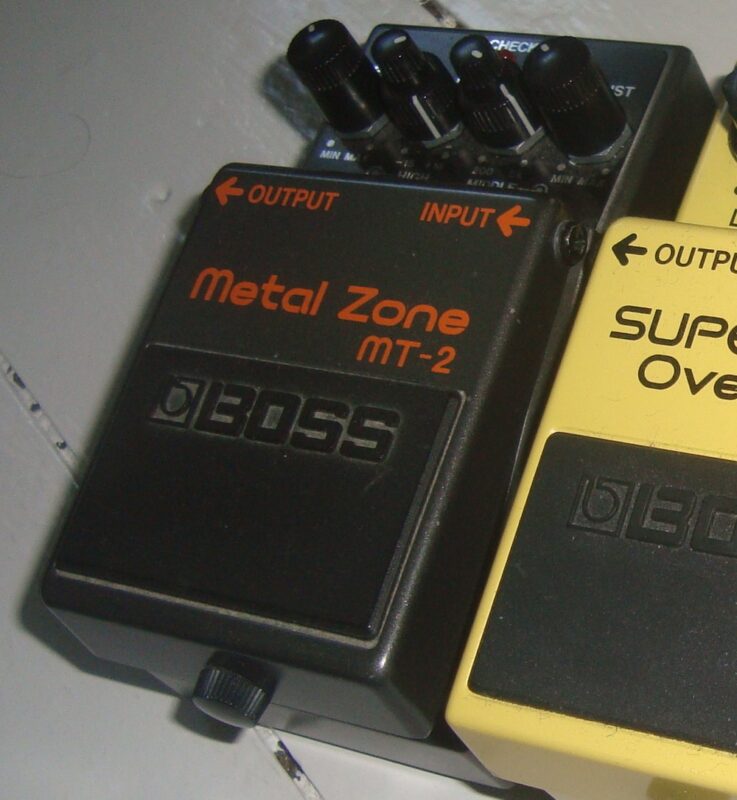
The Boss MT-2 Metal Zone — Boss’s high-gain distortion pedal using a multi-stage transistor clipping circuit with a three-band active EQ (bass, mid, and treble with independent boost/cut for each), producing an extremely high gain, heavily mid-scooped distortion character — appeared in Malakian’s signal chain in a modified configuration. The standard MT-2 has a characteristic mid-scoop that gives a “scooped” heavy metal tone that many serious guitarists consider excessively bright and thin; Malakian’s modified version adjusted the mid EQ to restore some of the midrange presence that the standard circuit removes. His MT-2 was used as a gain boost and tonal shaping device ahead of the Mesa/Boogie, giving additional saturation and specific frequency emphasis for the heaviest rhythm passages.
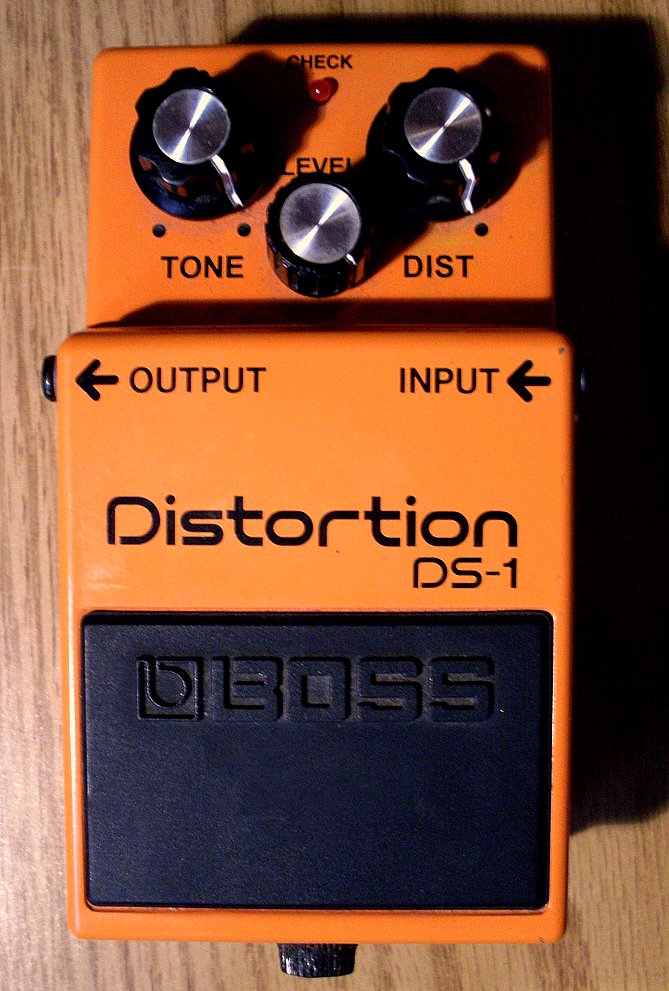
The Boss DS-1 Distortion — RC4558 op-amp, asymmetric clipping using 1N4148 silicon diodes, simple tone control — appeared in Malakian’s early System of a Down setup before the more sophisticated MT-2 and Tube Screamer arrangements of the later period. His DS-1 was also modified — the standard DS-1 modification approach replacing the op-amp with a JRC4558D for warmer character and modifying the clipping diodes for asymmetric soft clipping.
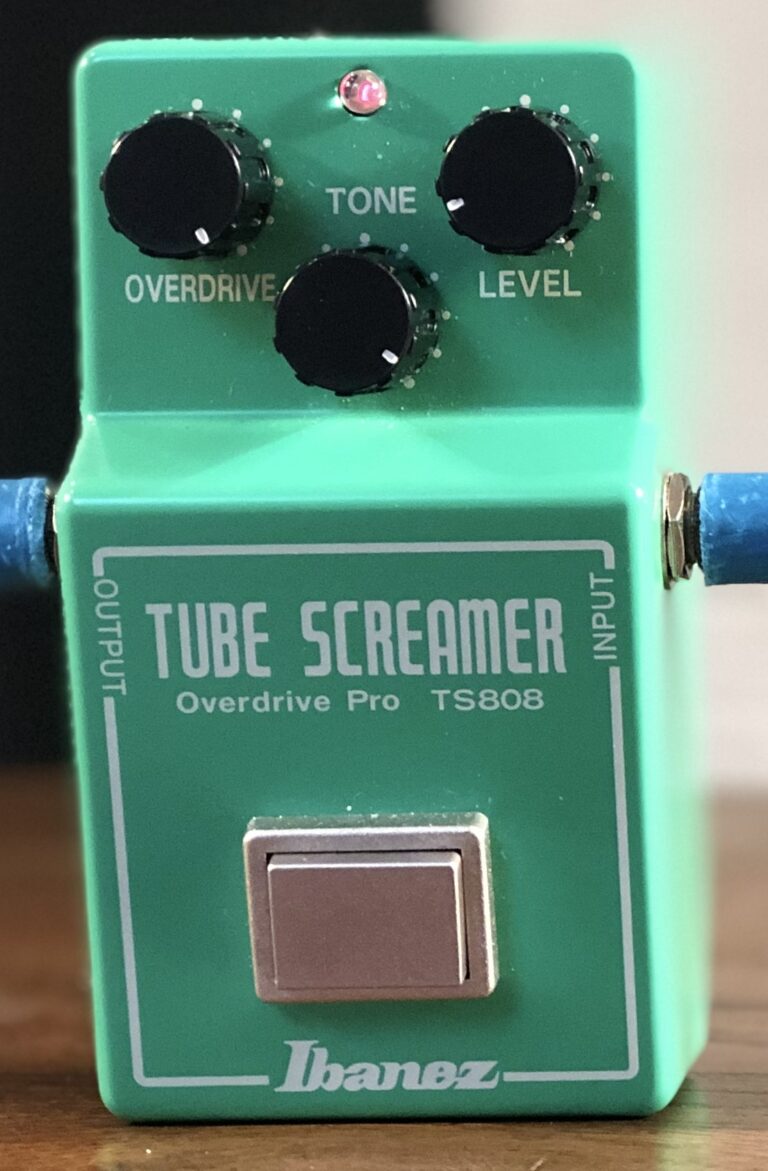
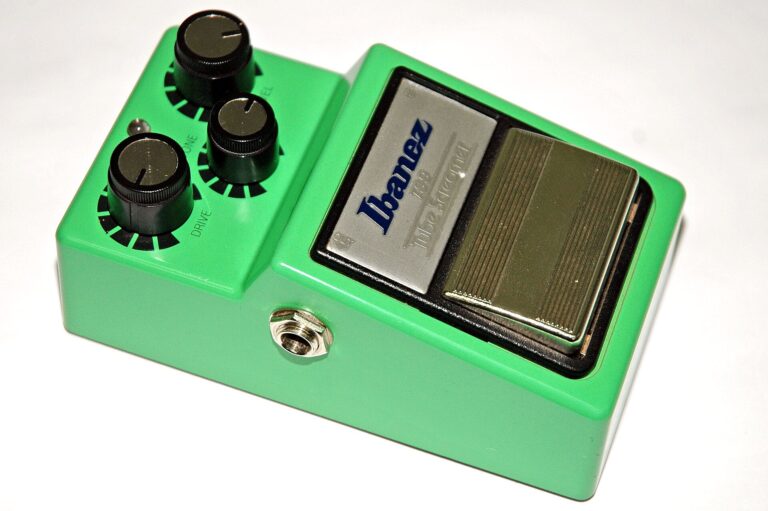
The Tube Screamer TS9 — similar circuit to the TS808, JRC4558D op-amp, 720Hz lower cutoff mid-boost — appeared in Malakian’s signal chain for lead passages requiring the TS’s specific midrange emphasis. His TS9 application addressed one of the practical challenges of the Malakian setup: the Seymour Duncan Invader’s aggressive upper-midrange character and the Mesa/Boogie’s natural mid-cut created a specific frequency balance that needed restoration for lead passages. The TS9’s midrange boost pushed the mid-forward frequencies that the Invader’s upper-mid emphasis and the Rectifier’s mid-cut were partly cancelling, giving the lead tone additional presence and harmonic definition.
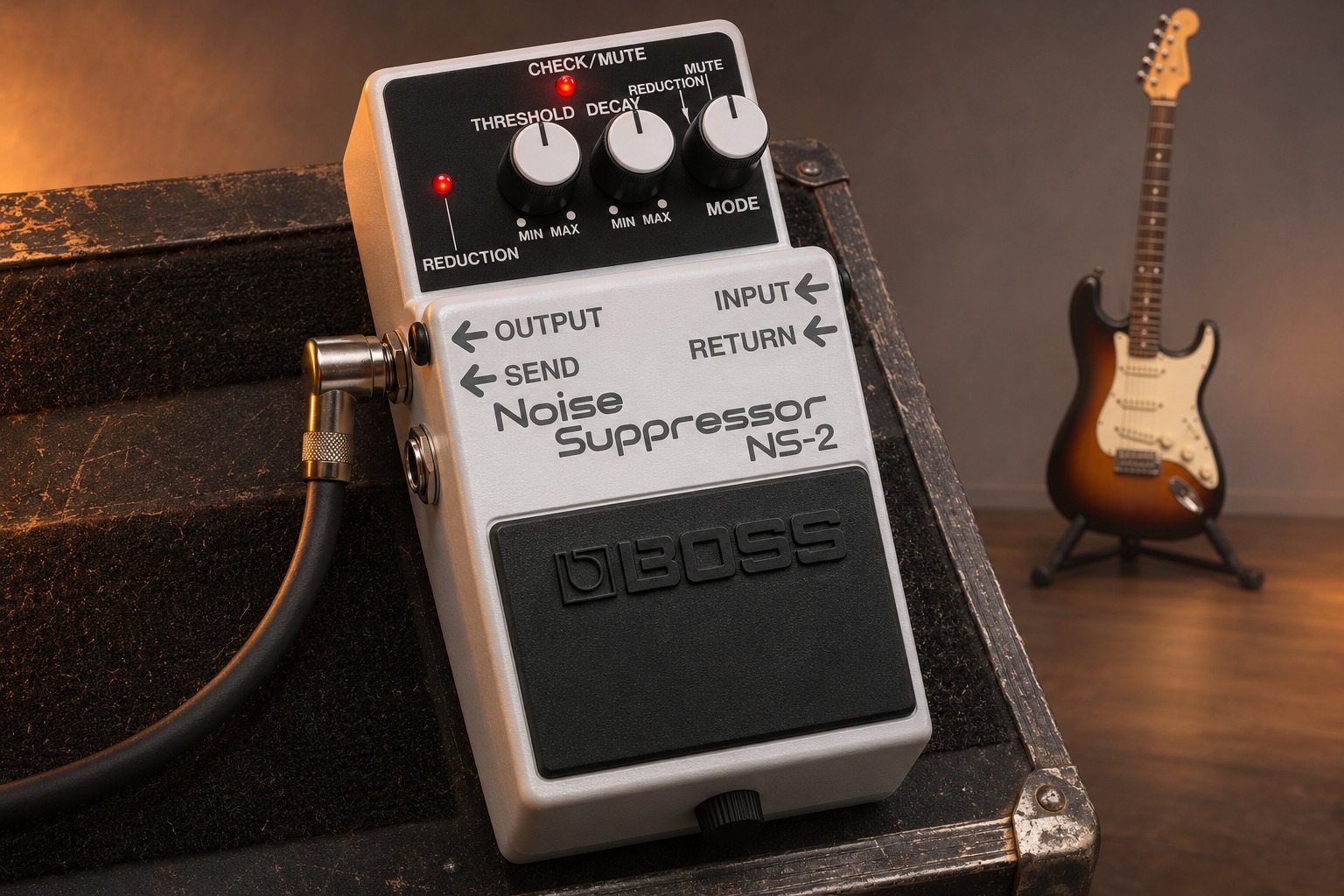
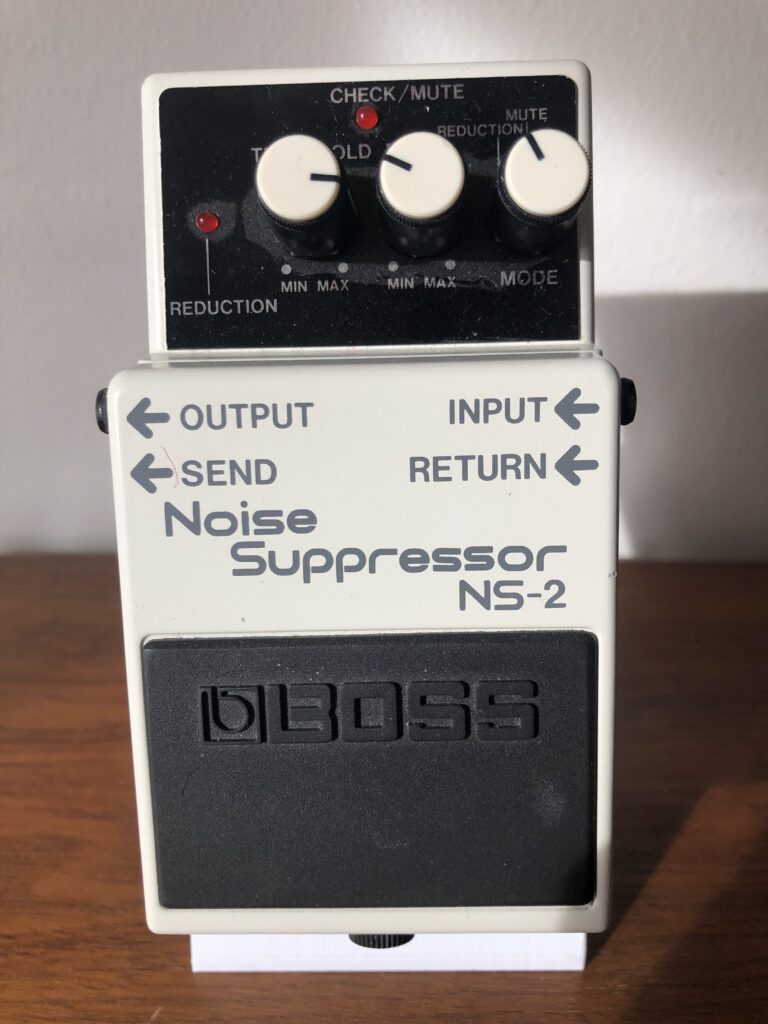
The Boss NS-2 in muting loop configuration managed the significant noise generated by the Invader’s extremely high output through the Mesa/Boogie’s maximum-gain Lead channel. The Invader’s 16.7k ohm DC resistance and triple-coil design gave high output but also increased susceptibility to electromagnetic interference compared to lower-output designs, requiring effective noise management between passages.
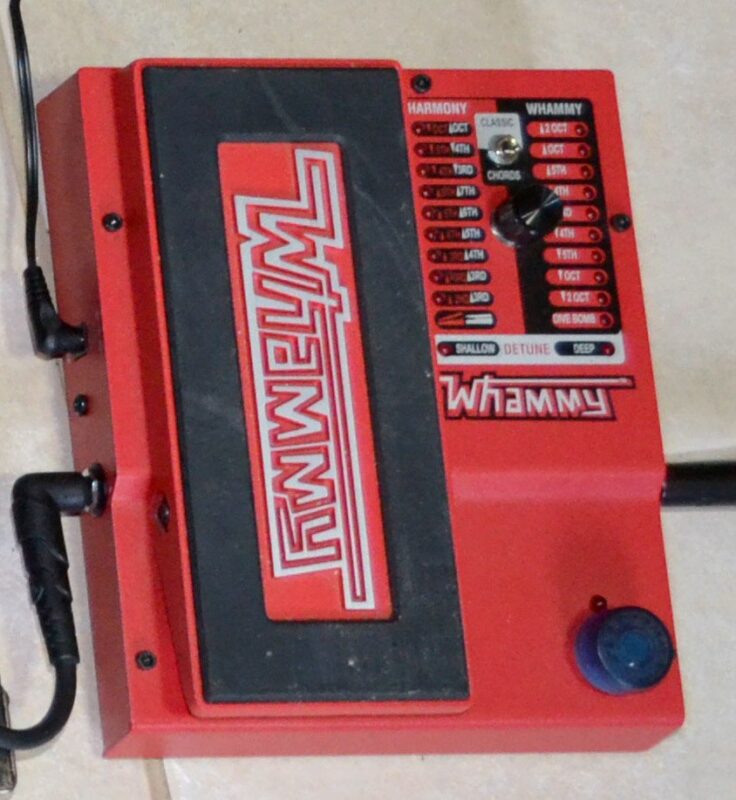
The DigiTech Whammy appeared in Malakian’s setup for specific pitch effects — particularly the rapid pitch-shift effects that appear in certain System of a Down passages where the guitar is used as a purely sonic, sound-design element rather than a conventional melodic instrument. His Whammy use was more compositionally specific than many players — each Whammy application in a specific song had a deliberate harmonic or sonic function rather than being a generic effect applied for variety.
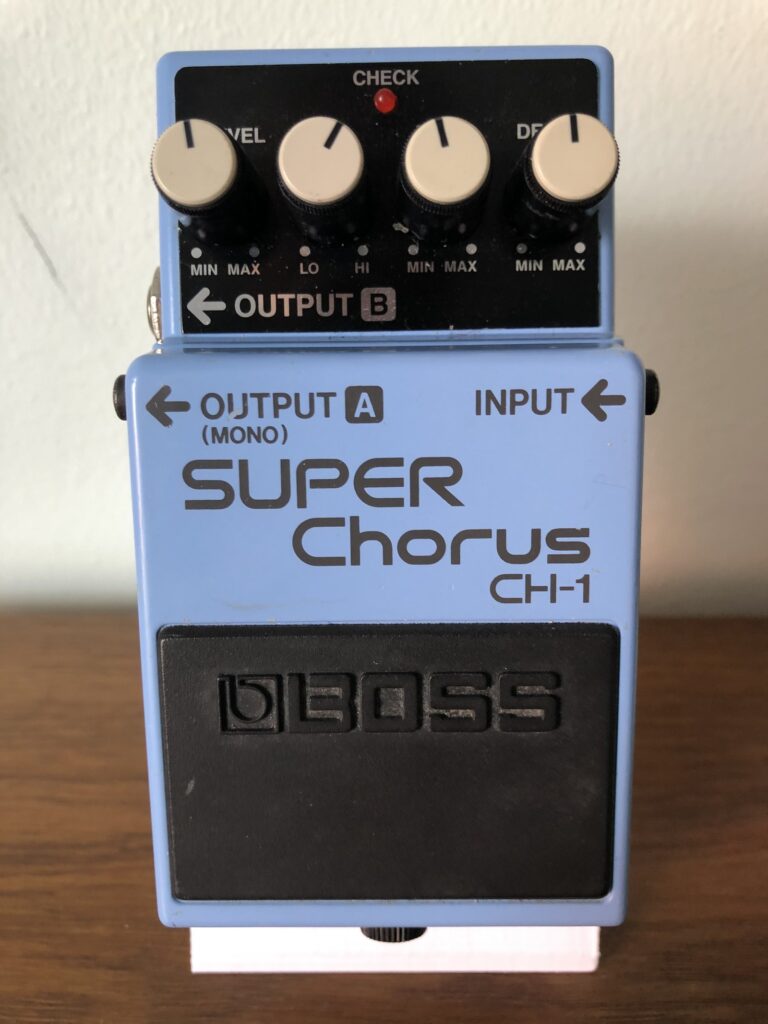
The Boss CH-1 Super Chorus — a digital chorus pedal using Boss’s proprietary DSP, offering more tonal clarity than the earlier BBD-based analog designs — appeared in Malakian’s setup for specific chord texture applications. His chorus use was restrained and purposeful — applied for passages where dimensional width added to the specific harmonic effect he was pursuing rather than as a decorative tonal modifier.
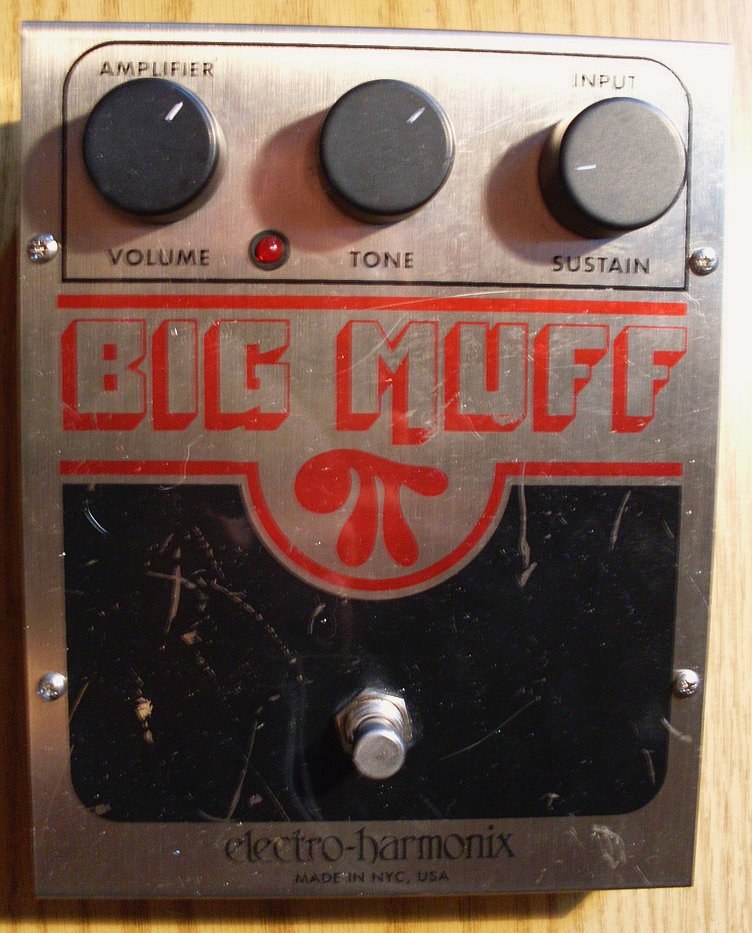
The Electro-Harmonix Big Muff Pi appeared in Malakian’s setup for specific fuzz applications — the Big Muff’s smooth, sustained fuzz character giving a different tonal environment for passages where the amplifier’s own distortion was less appropriate than the Big Muff’s specific harmonic signature.
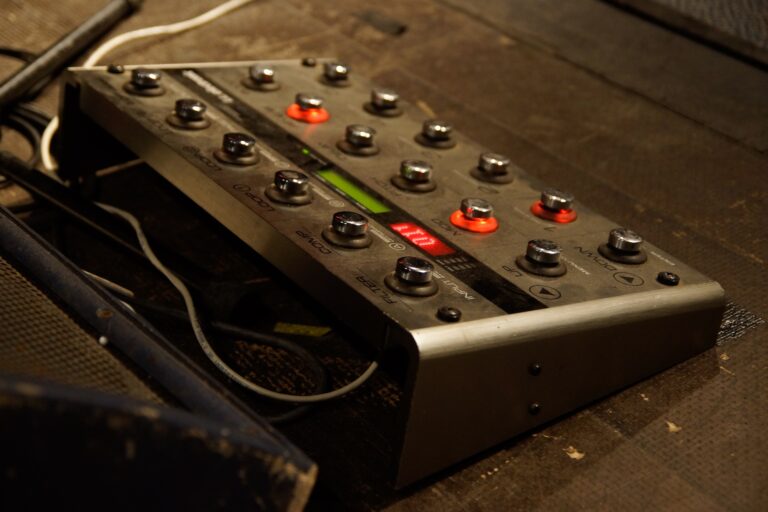
TC Electronic G-System or Fractal Audio Axe-Fx appeared in Malakian’s live rig management setup for comprehensive amplifier channel switching and effects preset recall. The MIDI-based switching capability gave him complete, repeatable signal chain configurations for the diverse tonal requirements across System of a Down’s set list — from the cleanest chord passages to the most aggressively downtuned rhythm riffs.
Playing Style & Tone Philosophy
Daron Malakian is the most culturally specific and musically original guitarist of his commercial generation — a player whose musical vocabulary is rooted in a tradition that Western rock guitar has never substantially engaged with, and whose ability to make that tradition accessible to a mainstream rock audience without compromising its essential character is one of rock music’s more unlikely achievements. The Armenian musical heritage he absorbed from childhood — the specific modal scales, the chromatic inflections, the melodic conventions of a tradition that predates Western common-practice harmony by centuries — gives his playing a quality of harmonic foreignness that would be merely exotic if not for the fact that he is equally fluent in the hard rock vocabulary and can move between the two without the join showing.
His rhythm playing is built on the physical authority of the Invader-equipped SG through the Dual Rectifier — the combination of extreme pickup output, aggressive upper-midrange character, and the SG’s all-mahogany bark gives a rhythm tone that is simultaneously heavy and present in ways that most downtuned metal rhythm guitar is not. His palm-muting technique gives the heavy passages their rhythmic definition, but unlike many heavy metal rhythm guitarists, he frequently breaks out of palm-muted chugging into open chord voicings and riff figures that use the SG’s full harmonic character rather than merely its low-frequency impact. The contrast between muted and open passages within a single riff figure gives his rhythm playing a dynamic variety that purely muted metal rhythm rarely achieves.
His lead playing draws from scales that Western rock guitarists rarely use. The Armenian and Middle Eastern modal vocabulary he inherited from his cultural background includes specific scale degrees, melodic ornaments (the rapid oscillation between adjacent notes that characterises Middle Eastern melodic practice), and chromatic passing tones that give his leads a specific quality of “wrongness” by Western tonal standards — they arrive at notes that Western ears expect to resolve differently, creating a specific kind of melodic tension that is neither blues-derived nor classically-derived but distinctly Armenian. His ability to execute this vocabulary at the tempos System of a Down’s music demands required the same kind of dedicated practice that any technical guitar vocabulary requires, but applied to a completely non-standard melodic language.
His chord voicing choices show the same modal sophistication. He frequently uses chords that have no conventional Western tonal function — Phrygian Dominant voicings, tritone-based intervals, and chromatic cluster chords that create dissonance for its own aesthetic value rather than as a passing tension on the way to resolution. These choices give System of a Down’s harmonic language its specific quality of angular instability — music that keeps the listener off-balance harmonically while simultaneously being extremely rhythmically compelling, a combination that is musically unusual and commercially even more unusual.
Tonally, Daron Malakian guitars gear philosophy reflects the specific requirements of a guitar vocabulary derived from Armenian musical tradition applied to Western hard rock production values. The Gibson SG’s aggressive midrange bark gave the Armenian modal lines their distinctive “bright edge” without the darkness of mahogany-capped instruments. The Seymour Duncan Invader’s massive upper-midrange output gave the rhythm voicings their aggressive, confrontational character. The Mesa/Boogie Dual Rectifier’s tight, authoritative low-end gave the downtuned passages their physical impact while the Celestion Vintage 30’s upper-midrange emphasis helped the SG’s modal lead lines cut through the dense ensemble texture. Each element served a specific musical function derived from a musical vision that had no template in the existing hard rock guitar tradition.
The Seymour Duncan Invader’s triple-coil design deserves specific technical examination because it represents a departure from the standard humbucker architecture that has genuine consequences for the pickup’s tonal character. A standard humbucker uses two coils wound in opposite directions with opposite magnetic polarity — the “humbucking” principle that cancels the 60Hz hum that single-coil pickups produce. The Invader extends this to three rows of pole pieces arranged in parallel across the pickup’s aperture. The additional row of magnetic poles increases the pickup’s effective aperture width — the area of the vibrating string that the pickup “sees” and converts to electrical signal. A wider aperture gives more sensitivity to the lower-frequency string vibration (which has larger amplitude displacement than higher-frequency vibration) while also capturing more of the upper harmonics along the string’s length. The practical tonal result: the Invader produces more bass and low-midrange body than a standard two-coil humbucker at the same string height, giving it the “massive” low-end character that Malakian’s rhythm work exploits. The additional magnetic mass of three rows of ceramic pole pieces also increases the magnetic pull on the strings — the force that the magnetic field exerts against the string’s natural vibration, slightly reducing sustain and altering the vibration’s character. At the Invader’s extreme output level, this magnetic pull is significant enough that the pickup’s height must be managed carefully to avoid the “tone-sucking” effect of excessive magnetic damping. For Malakian’s drop-C rhythm work, the Invader’s massive low-end response was specifically what the SG’s all-mahogany construction and the Mesa/Boogie’s 6L6GC output required to give the heavy passages their maximum physical impact.
The Phrygian Dominant mode’s specific interval structure — and its relationship to Armenian music — requires deeper examination than the brief mention above because it is the central harmonic concept in Daron Malakian guitars gear’s melodic vocabulary. The Phrygian Dominant scale (also called the Freygish scale in Klezmer tradition, or the Hijaz scale in Middle Eastern music) is the fifth mode of the harmonic minor scale. Starting from E, it reads: E-F-G#-A-B-C-D-E — the intervals being: half step, augmented second, half step, whole step, half step, whole step, whole step. The augmented second (three semitones) between the second and third degrees (F to G# in the E example) is the most distinctive interval — an interval that does not occur in any standard major or minor diatonic scale and that gives the Phrygian Dominant its characteristic exotic, slightly dissonant quality. This augmented second is the intervallic basis of what Western ears perceive as the “Middle Eastern” or “Spanish Flamenco” quality in music — both traditions use this interval prominently, deriving it from different theoretical frameworks but arriving at the same acoustic effect. For Malakian, this scale was not an exotic addition to a Western rock vocabulary but the natural melodic language of a cultural heritage that predates Western common-practice harmony — he did not learn it as a foreign language but spoke it as a native tongue, which is why his application of it sounds fluent rather than approximate.
The Gibson SG’s all-mahogany construction — contrasted with the Les Paul’s mahogany-body-with-maple-cap design — is worth examining in the context of Daron Malakian guitars gear because the absence of the maple cap makes a specific tonal difference that is central to the SG’s role in Malakian’s setup. The Les Paul’s carved maple top adds significant mass to the upper-midrange and treble frequencies of the combined body resonance — the maple’s density and hardness (approximately 1450 lbf Janka hardness for hard maple) contributes a brightness, attack clarity, and upper-midrange presence that the mahogany body below it does not inherently produce. This brightening effect is part of what gives the Les Paul its “singing” quality in the upper registers. The SG lacks the maple cap entirely — its body is pure mahogany from top to bottom, giving it a fundamentally different tonal character: warmer, with more pronounced upper-midrange from the mahogany’s specific resonant characteristics, but without the maple’s bright high-frequency extension. This all-mahogany character gives the SG its specific “bark” — an aggressive, mid-forward quality that projects strongly in a dense ensemble mix but can sound harsh in isolation at high gain. For Malakian’s application — heavy, aggressive rhythm work in a dense SOAD ensemble context where projection and midrange presence were essential — the SG’s all-mahogany bark was specifically the right tonal characteristic, and the Invader’s extreme upper-midrange emphasis combined with it to give a result that was simultaneously heavy and present in the mix.
The Boss MT-2 Metal Zone modification that Malakian employed reflects an interesting intersection between a commercially available but frequently criticised pedal and the specific tonal requirements of his signal chain. The MT-2’s standard configuration is notorious among serious guitarists for its extreme midrange scoop — the active three-band EQ in the standard circuit, even at nominally flat settings, produces a significant reduction in midrange frequencies that gives the pedal its characteristic “scooped” heavy metal sound. Many players who initially liked the MT-2’s heaviness later abandoned it because the scooped mid character made their tone disappear in a band mix — the guitar’s frequencies were competing with the kick drum and bass guitar rather than sitting above them. Malakian’s modification restored the midrange presence that the stock circuit removes, giving him the high-gain character of the Metal Zone’s transistor clipping circuit combined with a more musically useful frequency response that projected in the ensemble context. This willingness to modify a production pedal rather than replacing it with a more expensive alternative reflected the same pragmatic tonal intelligence — using tools for what they actually do rather than what they’re supposed to do — that characterised all of his Daron Malakian guitars gear choices.
How to Sound Like Daron Malakian
Guitar Approach
A Gibson SG Standard with Seymour Duncan Invader (bridge) and ’59 (neck) humbuckers is the essential starting point for Daron Malakian guitars gear tone. The Gibson SG Standard (current production, with 490R/498T stock pickups replaced by Invader and ’59) or a Gibson SG Standard with factory Seymour Duncan pickups (available on certain SG models) gives the correct instrument foundation. The Invader’s DC resistance of 16.7k ohms requires specific amplifier and pickup height configuration: set the bridge pickup height lower than a standard humbucker would require (approximately 3.5–4mm on the bass side at the last fret) to prevent the massive output from overwhelming the amplifier’s gain staging at low pickup heights. Use drop-C (C-G-C-F-A-D) or drop-D (.010–.046 minimum, heavier for drop-C) for the most characteristic System of a Down material.
The harmonic vocabulary is the most significant musical challenge. Develop familiarity with the Phrygian Dominant mode (the fifth mode of the harmonic minor scale — H.W.W.H.W.W.W from its root, producing the characteristic raised third against a minor harmonic context that gives flamenco and Middle Eastern music its exotic flavour) as the starting point for Malakian’s lead vocabulary. Practice descending chromatic passages over dominant chord contexts — the chromatic approach to the dominant that Armenian and Middle Eastern music uses differently from Western blues. Listen extensively to Armenian and Middle Eastern music (Armenian duduk music, Turkish classical music, Persian classical music) to absorb the specific ornamental and melodic conventions that give those traditions their characteristic character.
Amp Approach
Mesa/Boogie Dual Rectifier (Lead 2 channel, Modern mode) into a 4×12 with Celestion Vintage 30 speakers is the correct foundation. The Invader’s massive output requires careful attention to the Rectifier’s gain staging: with the pickup’s 16.7k ohm output driving the front end, the amplifier reaches its optimal saturation at lower gain settings than with lower-output pickups — start with Gain at 6 rather than the 8–9 that lower-output pickups might require.
| Control | Setting (0–10) | Notes |
|---|---|---|
| Dual Rectifier Gain (Lead 2) | 6–7 | The Invader’s high output drives the front end hard — less gain needed than with lower-output pickups |
| Bass | 4–5 | Controlled — the SG’s all-mahogany + Invader has substantial low-mid; prevent mud in drop tunings |
| Mid | 6–7 | Forward — compensate for the Rectifier’s inherent mid-cut; the SG’s bark needs its midrange |
| Treble | 6 | Present — note definition for modal lead lines without harshness |
| Presence | 5–6 | Moderate — adds articulation through the V30’s upper-midrange character |
| Master Volume | 6–7 | 6L6GC output compression contributes to the sustained, heavy character |
| TS9 Drive (lead boost) | 3–4 | Low drive — midrange restoration for lead lines over the Rectifier’s natural mid-cut |
| TS9 Level | 5–6 | Unity to slightly above — the Invader already drives the amp hard; moderate boost for leads |
| NS-2 Threshold | 4–6 | Moderate-high — the Invader’s output increases noise in high-gain contexts |
| Whammy interval (specific passages) | Song-specific | Compositionally specific — each Whammy application serves a specific harmonic function |
The Boss MT-2 Metal Zone (modified with JRC4558D op-amp and mid EQ restoration) for the heaviest rhythm passages where additional gain and specific tonal shaping is required. The TS9 for lead passages requiring midrange restoration over the Rectifier’s natural mid-cut. Boss NS-2 in muting loop for noise management. DigiTech Whammy for specific compositionally-defined pitch effects. TC Electronic G-System or Fractal Axe-Fx for comprehensive live rig management.
Influence & Legacy
Daron Malakian’s influence on rock guitar is genuinely difficult to quantify because his approach is so specific to his cultural background that it cannot be straightforwardly imitated — a guitarist who wants to sound like Malakian cannot simply learn his scales and voicings without also engaging with the Armenian and Middle Eastern musical traditions from which those scales and voicings derive. This means his influence has been more atmospheric and attitudinal than technically specific: players who absorbed his work took from it the permission to use non-Western scales in heavy rock contexts, the willingness to embrace dissonance as an aesthetic value rather than merely a transitional tension, and the understanding that rock guitar’s established vocabulary is not the only one available.
Within System of a Down specifically, his guitar work is the primary reason the band’s music has the cultural and musical specificity that distinguishes it from all contemporaries — the Armenian folk music influence is inseparable from the guitar vocabulary Malakian developed, and without his specific cultural background and the specific tonal choices that background produced, System of a Down would be a different and significantly less distinctive band.
The comparison with Wes Borland — his direct commercial contemporary in the early-2000s heavy rock landscape — illuminates the specific character of Malakian’s contribution: Borland’s quartal harmony and visual theater versus Malakian’s Armenian modal vocabulary and chromatic dissonance, both representing genuine musical originality within a commercial context that often rewards the reverse. The parallel with Adam Jones — Tool’s guitarist, whose similarly non-conventional, non-Western-tonal-system-influenced approach to heavy guitar composition shared Malakian’s rejection of standard rock guitar vocabulary — shows that the appetite for genuine musical originality in heavy rock is not entirely absent even at the commercial level. And the connection to Omar Rodríguez-López — the Mars Volta and At the Drive-In guitarist whose equally unconventional, culturally specific approach to heavy guitar composition shared Malakian’s willingness to draw from non-Western musical traditions — places Daron Malakian guitars gear and musical vision in the broader category of heavy rock guitarists who refused to accept that genre conventions were more important than musical originality.
Frequently Asked Questions: Daron Malakian Guitars & Gear
What guitar does Daron Malakian play?
Daron Malakian’s primary guitar is the Gibson SG — specifically vintage 1960s SG Standards with Patent Number humbuckers, and various newer SG configurations fitted with Seymour Duncan pickups. His signature configuration uses Seymour Duncan Invader (SH-8) in the bridge position (approximately 16.7k ohms DC resistance, ceramic magnet, triple-coil design, aggressively voiced high-output character) and Seymour Duncan ’59 (SH-1) in the neck position (approximately 7.4k ohms, Alnico V, PAF-spec vintage voiced). Gibson has produced Daron Malakian signature SG models (DM Standard and DM Custom) capturing his specifications in production form.
What amplifier does Daron Malakian use?
Malakian’s primary amplification is the Mesa/Boogie Dual Rectifier — four 6L6GC output tubes, rectifier-tube sag characteristic, tight low-end response appropriate for drop-tuned heavy rhythm guitar — run into Mesa/Boogie 4×12 cabinets with Celestion Vintage 30 speakers. The Marshall JCM800 2203 appeared for specific studio recording applications where EL34 harmonic complexity better suited the more melodically nuanced passages. The Peavey 5150 supplemented the Rectifier for specific heavy rhythm applications, and the Diezel VH4 appeared in more recent documented setups.
How does Armenian music influence Daron Malakian’s guitar playing?
Malakian grew up in the Los Angeles Armenian community with direct exposure to Armenian folk music, church music, and the broader Middle Eastern musical heritage through his immigrant parents. Armenian music uses specific modal scales — particularly modes derived from the harmonic minor and Phrygian Dominant — with specific chromatic inflections and ornamental conventions unique to the tradition. The Phrygian Dominant mode (fifth mode of harmonic minor: H-W-W-H-W-W-W from its root) is central to both Armenian and Middle Eastern music, giving the characteristic exotic, slightly dissonant flavour against minor chord contexts. Malakian absorbed these scales as a natural part of his musical vocabulary rather than as a theoretical construct to be studied and applied, giving his use of the material a fluency and naturalness that direct academic study alone rarely produces.
What is the Seymour Duncan Invader and why does Malakian use it?
The Seymour Duncan Invader (SH-8) is a passive humbucker using ceramic magnets and a triple-coil design (three rows of poles rather than the standard two) wound to approximately 16.7k ohms DC resistance — giving an output approaching active pickup territory from a passive design. The triple-coil’s additional magnetic flux gives massive low-end weight and a heavily emphasised upper-midrange that is the Invader’s most distinctive characteristic. For Malakian’s application, the Invader’s extreme upper-midrange character gave his SG’s chord voicings and rhythm riffs an aggressive, confrontational presence that complemented the Mesa/Boogie Dual Rectifier’s naturally mid-scooped character — the Invader’s upper-mid push compensating for the Rectifier’s natural mid-cut and giving the combined tone a more forward, present quality than either alone would produce.
What drop tunings does System of a Down use?
System of a Down uses several alternate tunings across their catalogue. Drop C (C-G-C-F-A-D, a full step below standard with the lowest string additionally lowered) is among the most common configurations, giving access to the low C tonal center that several of their most aggressive riffs require. Drop D (D-A-D-G-B-E) appears for other material. Certain songs use C# standard or other detuned configurations. These lower tunings require correspondingly heavier string gauges to maintain adequate string tension — .012–.056 minimum for drop C, with heavier configurations preferred for the most aggressive passages. The specific tuning for each song in System of a Down’s catalogue is well-documented in guitar tablature and transcription sources.
What is Scars on Broadway and how does it differ from System of a Down?
Scars on Broadway is Daron Malakian’s solo project — formed during System of a Down’s extended hiatus — featuring Malakian as vocalist and guitarist alongside drummer John Dolmayan (also the System of a Down drummer). The project produced a self-titled album in 2008 and Dictator in 2018. Scars on Broadway’s music is generally more melodically focused and less aggressively heavy than System of a Down’s most extreme material, with more emphasis on Malakian’s melodic and modal vocal contributions and less on the hardcore-punk speed and structural complexity of the band context. The Armenian modal influence remains present but deployed in more melodically accessible arrangements. The project gives Malakian creative control over every aspect of the music — songwriting, production, vocal delivery — in ways that the System of a Down collective context moderates.
What makes System of a Down’s guitar sound unique?
System of a Down’s guitar sound is unique primarily because of its cultural specificity: the combination of Armenian modal scales and chromatic voicings applied to Western heavy metal production values through the specific Gibson SG/Seymour Duncan Invader/Mesa Boogie Dual Rectifier signal chain that Malakian developed. No other commercially successful heavy rock band had or has deployed these specific melodic and harmonic materials in this specific way. The SG’s aggressive midrange character, the Invader’s massive upper-midrange output, and the Rectifier’s tight low-end authority together give the guitar sound a specific texture — present, confrontational, and texturally complex — that serves the Armenian-influenced melodic material more completely than more standard heavy guitar setups could.
One final dimension of Daron Malakian guitars gear worth examining is his approach to songwriting within System of a Down’s collective creative process — specifically how the guitar’s role in his compositional thinking differs from the typical rock band guitar-as-primary-harmony-instrument model. System of a Down’s arrangements frequently treat the guitar as one voice in a complex ensemble rather than the primary harmonic foundation — the guitar often plays melodic lines against bass lines that move independently, or provides rhythmic punctuation that is as important for its rhythmic placement as for its harmonic content. This approach to the guitar as a compositional tool rather than a harmonic foundation reflects both the Armenian musical tradition’s different conception of melodic and harmonic roles and Malakian’s sophisticated understanding of how the guitar’s specific tonal characteristics serve complex ensemble arrangements. The result — guitar parts that are as interesting for what they don’t do (they don’t simply strum through the chord changes) as for what they do — gives System of a Down’s arrangements a compositional complexity that sets them apart from the “guitar plays chords, vocals sing melody” template that most commercial rock follows. Daron Malakian guitars gear, in this light, serves a compositional vision that is genuinely different from any other commercially successful guitarist of his generation.
Image credits
- Boss NS-2 Noise Suppressor (noise gate): GuitarGangsters AI-generated reference illustration, not a photograph.
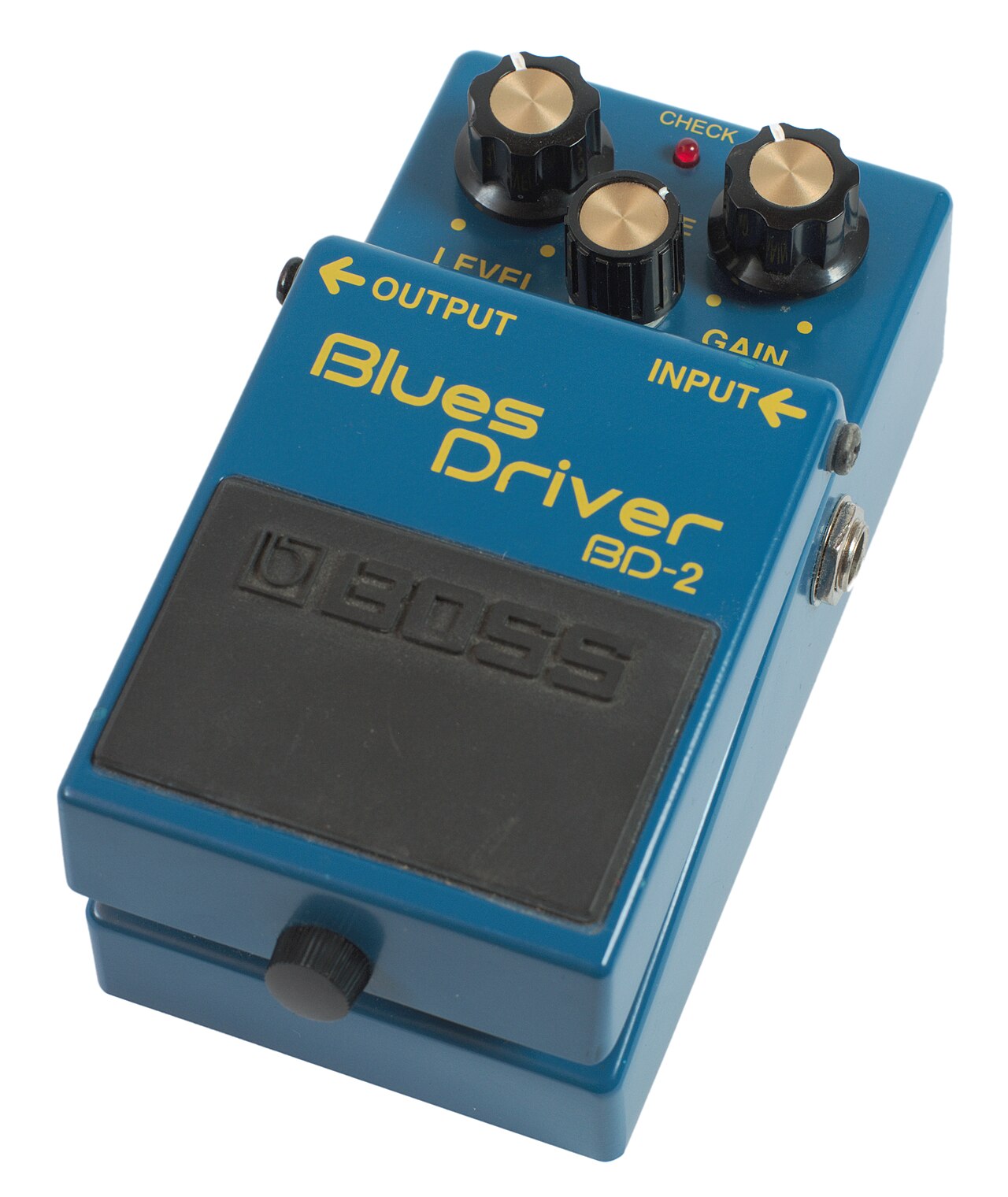
- A Boss Blues Driver BD-2 pedal: El Grafo, Wikimedia Commons, CC BY-SA 4.0.
- Top image: Chatsam, Wikimedia Commons, CC BY-SA 3.0.
- Daron Malakian live, 2026: Californipedia, Wikimedia Commons, CC0.
- Gibson SG Standard: Sonya, Wikimedia Commons, CC BY-SA 4.0.
- Mesa/Boogie Dual Rectifier Solo head: Roadside Guitars, Flickr, CC BY-SA 2.0; upper background cropped.
- Boss MT-2 Metal Zone: David J (sebilden), Flickr, CC BY 2.0; cropped from a photograph of three pedals.
- Ibanez TS9 Tube Screamer: Mataresephotos, Wikimedia Commons, CC BY 3.0 US.
- Boss DS-1 Distortion: Roadside Guitars, Flickr, CC BY-SA 2.0.
- Boss CH-1 Super Chorus: Johan Rosén, courtesy of bosspedals_sweden (uploaded by Kuriosatempel), Wikimedia Commons, CC BY-SA 4.0.
- DigiTech Whammy V: marcelodonati, Wikimedia Commons, CC BY 2.0.
- Electro-Harmonix NY Big Muff Pi: Roadside Guitars, Flickr, CC BY-SA 2.0.
- Daron Malakian with a Gibson SG at Rock en Seine, 2013 (page header): Chatsam, Wikimedia Commons, CC BY-SA 3.0.
- Marshall JCM800 2203, Peavey 5150 and Diezel VH4: GuitarGangsters AI-generated reference illustrations, not photographs.
- Marshall JCM800: John2112, Wikimedia Commons, CC BY-SA 4.0.
- Boss NS-2 Noise Suppressor: Johan Rosén / Kuriosatempel, CC BY-SA 4.0.
- Daron Malakian live: nyx84, Wikimedia Commons, CC BY-SA 2.0.
- Ibanez TS808 Tube Screamer: Guitar Chalk, Wikimedia Commons, CC BY 2.0.
- TC Electronic G-System: Adam Kliczek, Wikimedia Commons, CC BY-SA 3.0.