Kenny Wayne Shepherd Guitars & Gear: Louisiana Blues Rock’s Young Lion’s Complete Rig
Kenny Wayne Shepherd guitars gear — heavy-string Stratocaster and Marshall deep-dive for Louisiana blues rock's young lion's SRV-influenced tone and complete rig.
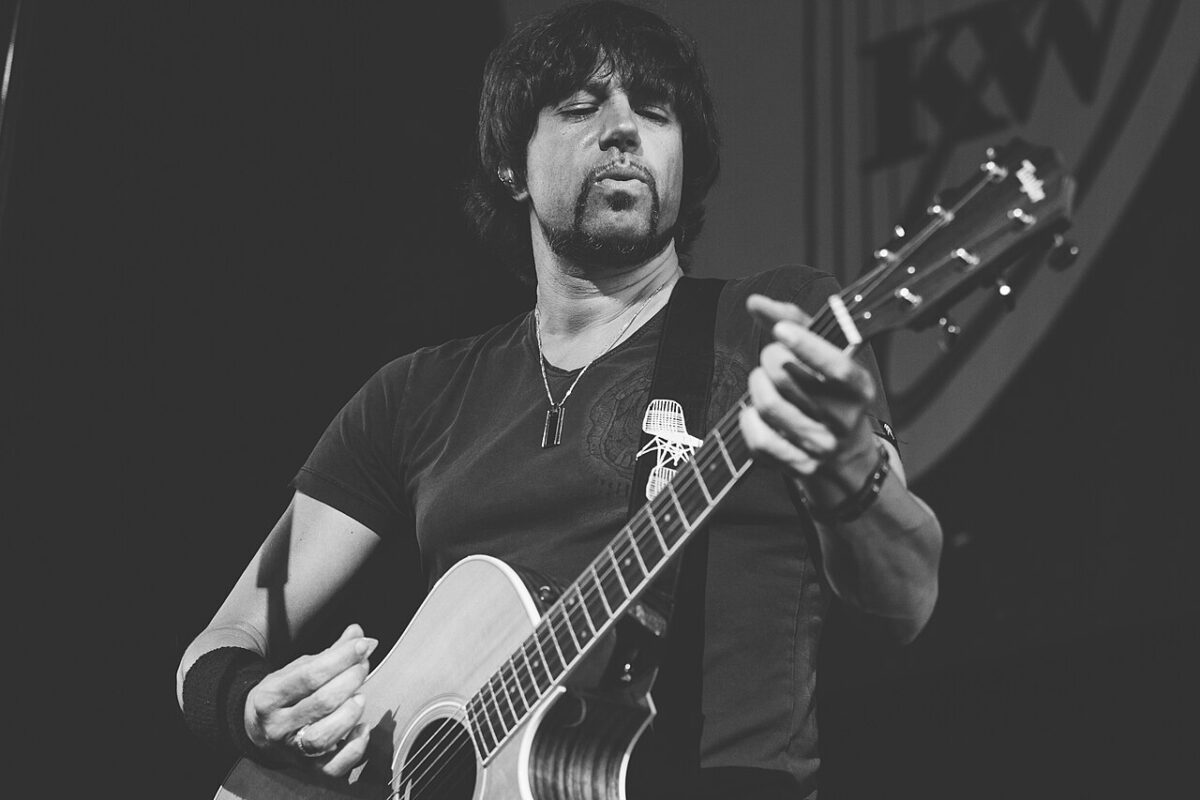
Photo by Abby Gillardi, licensed under CC BY 2.0 (https://commons.wikimedia.org/wiki/File:Kenny_Wayne_Shepherd-8434_(20455168538).jpg)
Investigate Kenny Wayne Shepherd guitars gear and you find the equipment of one of American blues rock’s most technically accomplished and most commercially successful contemporary players — a Shreveport, Louisiana-born guitarist who burst onto the scene at seventeen with a debut album that showed a fully formed blues rock voice of genuine technical accomplishment, and who has spent the subsequent three decades building a reputation as one of the most skilled and most dedicated players working in the tradition of SRV-influenced Texas blues rock. Shepherd is not a revolutionary or an innovator — he plays within a tradition whose outlines were established by Stevie Ray Vaughan, Albert King, and their predecessors — but within that tradition he is one of the most complete and most musically committed practitioners available, and his Stratocaster tone and his emotional commitment to the blues placed him in the first tier of contemporary players from his very first record.
This guide covers Shepherd’s complete equipment picture: the Stratocasters that define his visual and tonal identity, the Marshall and Fender amplification that gives his playing its specific driven blues rock character, his extensive effects chain, and the playing philosophy of a musician who absorbed the SRV tradition as completely as anyone of his generation. Understanding Kenny Wayne Shepherd’s gear is understanding how the Texas blues rock tradition was transmitted to a Louisiana-born player who made it genuinely his own.
Background
Kenny Wayne Shepherd was born on June 12, 1977, in Shreveport, Louisiana — the city that had produced Lead Belly and whose proximity to the Texas blues world had given it a specific musical culture of blues and R&B. He began playing guitar at seven, absorbed the Stevie Ray Vaughan catalogue through intensive childhood listening, and developed his technique through years of practice that produced a player of unusual technical maturity by the time he made his professional debut.
His debut album Ledbetter Heights (1995) — recorded when he was seventeen and released when he was eighteen — announced a guitarist who had absorbed the SRV tradition so completely that his playing was immediately recognisable as belonging to the same musical world while remaining genuinely his own voice. The album’s commercial success and its critical reception validated the specific approach: deep immersion in a tradition, executed with genuine technical facility and genuine emotional commitment, produced music that reached both blues purists and mainstream rock audiences.
Subsequent albums — Trouble Is… (1997), Live On (1999), The Place You’re In (2004), How I Go (2011), Lay It On Down (2017), and others — showed sustained development within the tradition rather than stylistic diversification, reflecting Shepherd’s specific artistic commitment to going deeper rather than going wider. His guitar work consistently showed the SRV influence most prominently while incorporating elements from the broader Texas blues and blues rock tradition — Albert King, Freddie King, Hendrix — into an approach that was both historically grounded and completely personal.
Kenny Wayne Shepherd Guitars Gear: The Complete Rig
Guitars
Kenny Wayne Shepherd’s guitar identity was as completely associated with a single instrument type as any guitarist in contemporary blues rock — the Fender Stratocaster was his primary voice from the beginning of his career and remained so through decades of professional recording and touring.
His primary and most iconic guitar was a Fender Stratocaster — specifically a collaboration with Fender that produced the Kenny Wayne Shepherd Signature Stratocaster, a Custom Shop instrument incorporating his specific preferred specifications. The signature model featured his preferred neck profile and radius, specifically voiced single-coil pickups that captured his desired tonal character, and the vintage-style hardware that connected the instrument to the SRV-era Stratocasters that had shaped his sound.
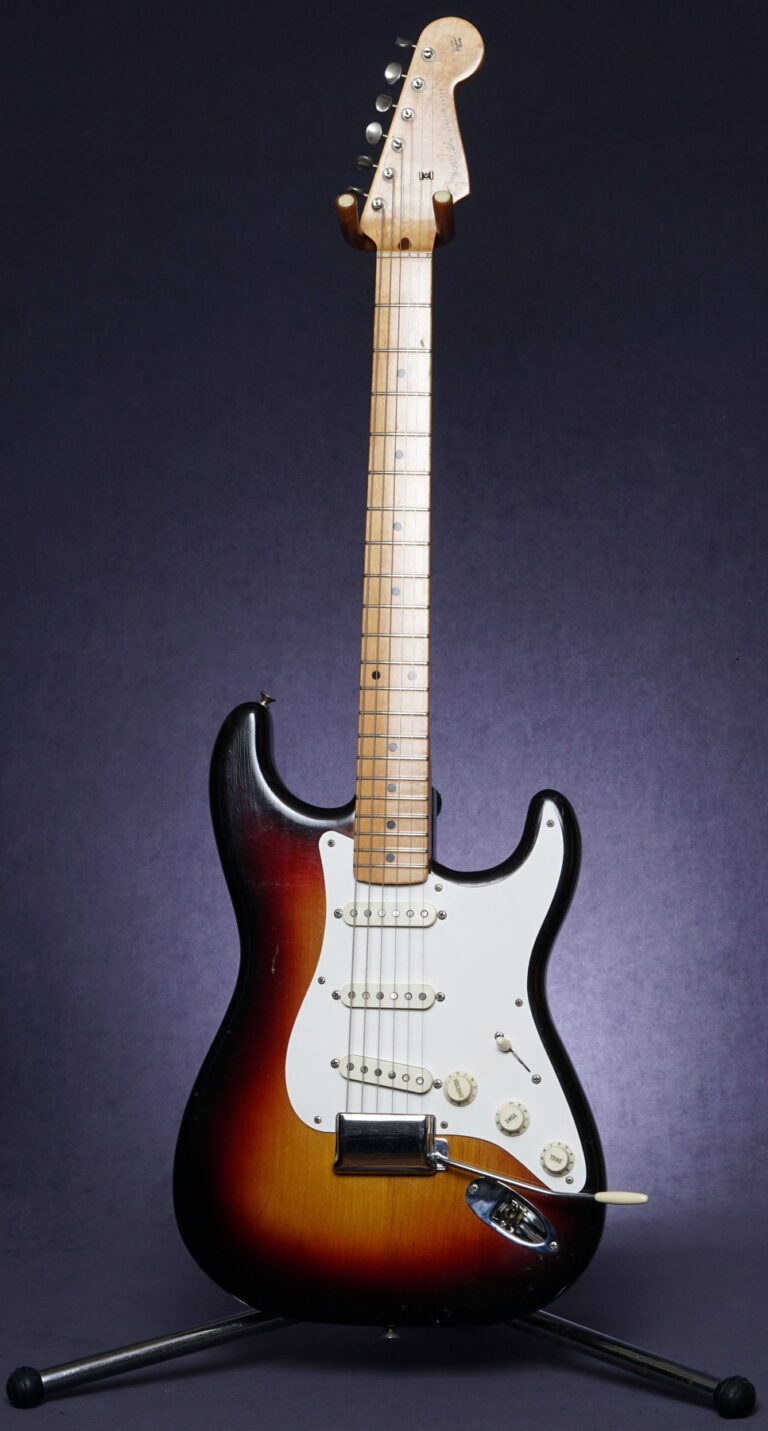
The pickups in his Stratocasters were Seymour Duncan Custom Shop SSL-5 custom wound pickups — specifically voiced for the output level and frequency response that his blues rock approach required. The SSL-5 was a hotter-than-vintage single-coil design with Alnico V magnets, measuring approximately 12k to 14k ohms DC resistance — significantly higher output than vintage Stratocaster pickups of the 1950s and 1960s — giving the guitar more natural drive from the amplifier at working volume and more sustain for the extended blues bends that his playing style required.
His strings were heavy — typically .013–.058 gauge, the same heavy-string approach that Stevie Ray Vaughan had famously used. Heavy strings at adequate tension produced more string mass per unit length, giving each note more sustain, more fundamental frequency weight, and a specific physical resistance under the fingers that affected playing technique in specific ways — the heavier the string, the more physical force required for bending and vibrato, and the more physical force required, the more physical commitment the technique expressed.
He also used vintage Stratocasters from the late 1950s and early 1960s for specific recording applications where the specific vintage character of period-correct instruments produced tonal qualities that modern reproductions didn’t exactly replicate. His engagement with vintage instruments reflected the same serious historical engagement with the tradition that characterised every other aspect of his musical approach.
Amps
Shepherd’s amplification was primarily British and American valve — the combination that gave his blues rock playing its specific combination of warmth (from the American Fender character) and drive (from the British Marshall character) that suited different aspects of his diverse blues rock approach.
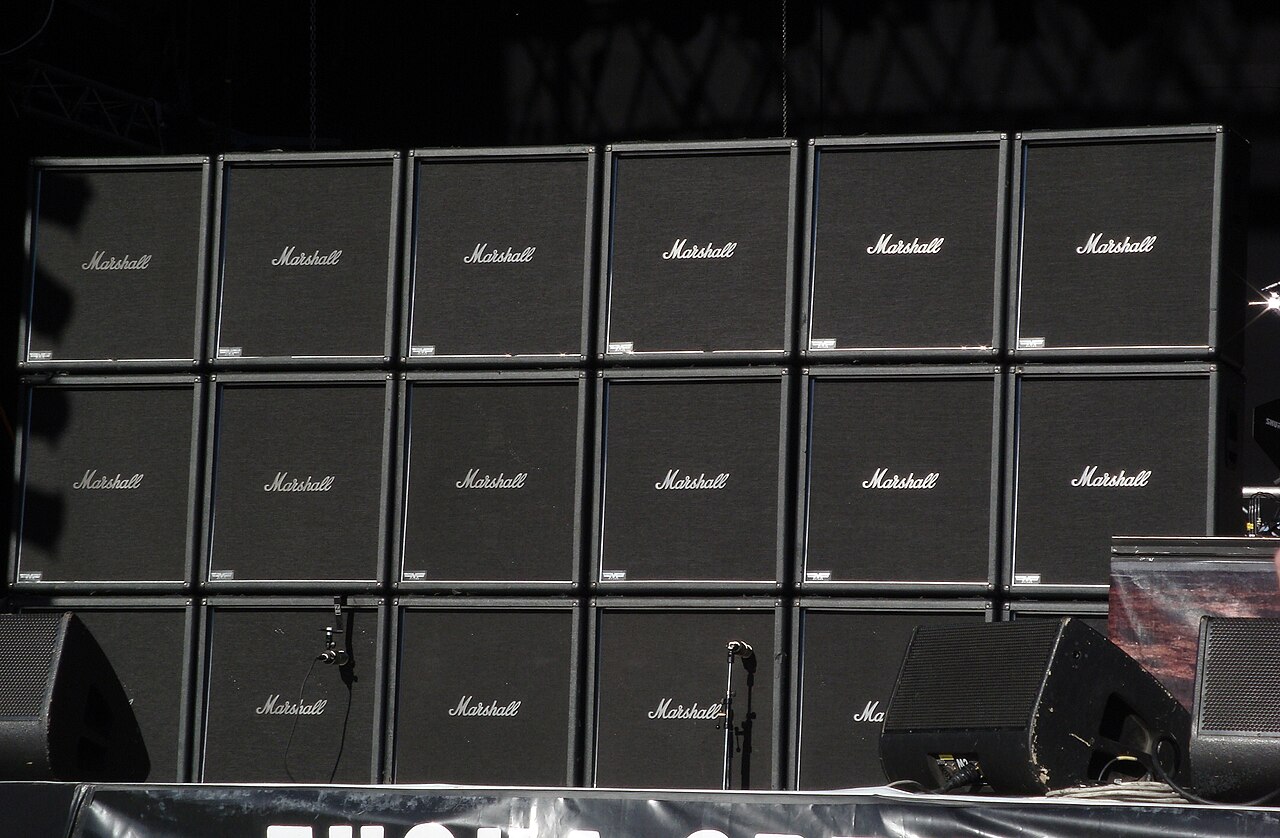
His primary amplifiers included Marshall Super Lead heads — the 100-watt Plexi-panel and early aluminium-panel designs whose EL34 natural saturation at working volume gave his playing its specific driven blues rock character. The Marshall’s specific midrange warmth and EL34 compression at working volume suited the SRV-influenced playing style with unusual appropriateness — the same amplifier type that SRV himself had used alongside the Dumble as his primary live amplification.
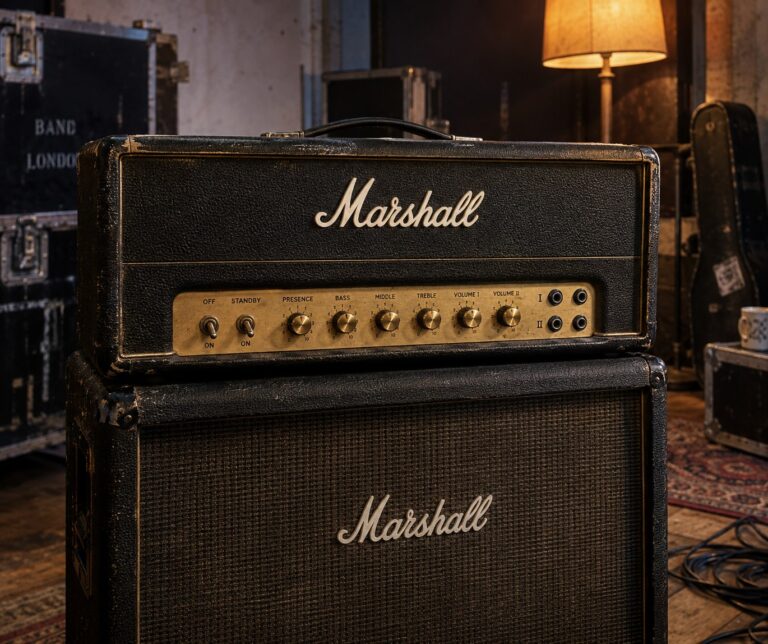
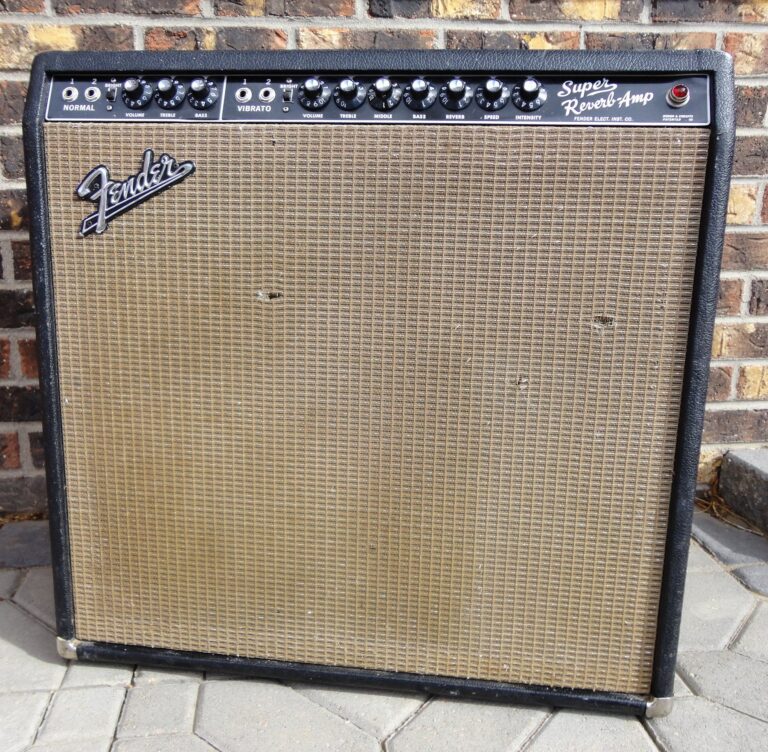
He also used Fender Super Reverb amplifiers — the 4×10 combo that was the standard Chicago and Texas blues amplifier — for the cleaner, more American-character passages that certain blues material required. The Super Reverb’s warm 6L6 character at working volume gave the Stratocaster its specific clean blues tone that the driven Marshall couldn’t produce.
His live setup typically involved multiple amplifiers — different amps for different tonal characters, with A/B switching allowing selection between the Marshall’s driven British character and the Fender’s cleaner American character within the same performance.
Effects
Shepherd’s effects chain was extensive — reflecting the breadth of his musical approach and the specific tonal variety required across a diverse blues rock catalogue.
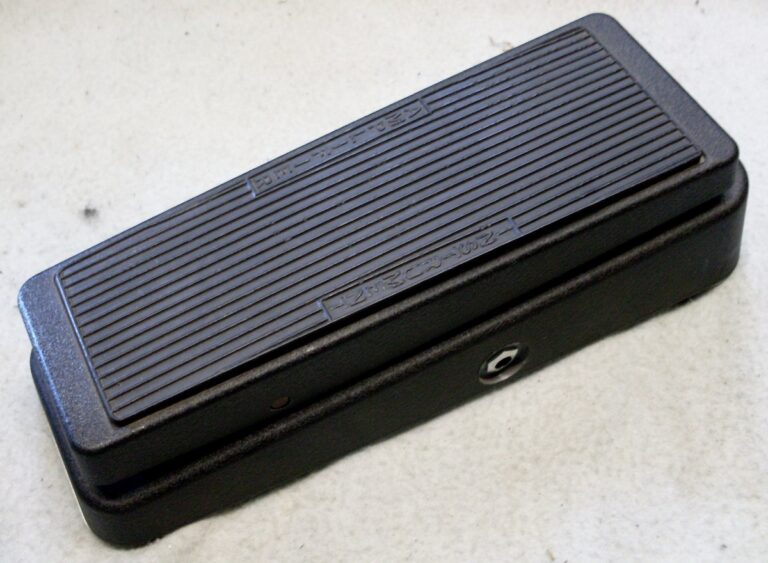
A Dunlop Cry Baby wah — his most consistently used effect — appeared extensively across his playing for both rhythm and lead work. His wah technique was rhythmic, musical, and emotionally expressive — a genuine blues expression tool rather than a rock guitar colour. The SRV influence was most directly audible in his wah use, where the specific rhythmic and expressive approach to the swept filter effect reflected deep absorption of Vaughan’s own wah vocabulary.
A Ibanez Tube Screamer (TS-808 or TS-9) provided smooth front-end boost for the most driven passages — the standard Texas blues approach of boosting the amplifier’s front end for natural drive rather than using the pedal’s own distortion as the primary gain source. His use of the Tube Screamer as a boost rather than a high-gain distortion reflected the same understanding of how the Texas blues tradition used overdrive that had informed SRV’s approach.
A Dunlop Uni-Vibe or similar rotating speaker simulation for the psychedelic and soul-influenced passages that appeared in his more experimental material. His Uni-Vibe use was selective and musical — adding the specific shimmering, pulsing modulation that suited specific passages without being a constant presence.
Various delay pedals — Boss DD series and in earlier years tape-based units — provided echo depth for specific lead passages. His delay use was tasteful and calibrated to specific song tempos.
Playing Style & Tone Philosophy
Kenny Wayne Shepherd’s playing style was defined by the SRV tradition’s most complete contemporary expression — the specific combination of heavy strings, driven Stratocaster tone, blues pentatonic vocabulary, and aggressive vibrato that Stevie Ray Vaughan had established as the definitive voice of modern Texas blues rock. His absorption of this tradition was total and genuine rather than superficial, reflecting years of dedicated study of Vaughan’s specific technique and musical values.
His bending technique — one of the most immediately distinguishing aspects of his playing — showed the heavy-string approach at its most physically committed. The .013 gauge string’s resistance to bending required substantial physical force, and the physical force required was expressed in the playing’s specific quality of physical authority. A bend on a heavy string had a different quality of effort and arrival from a bend on a lighter string — the heavier string’s greater resistance giving the achieved pitch a quality of earned rather than given expressiveness.
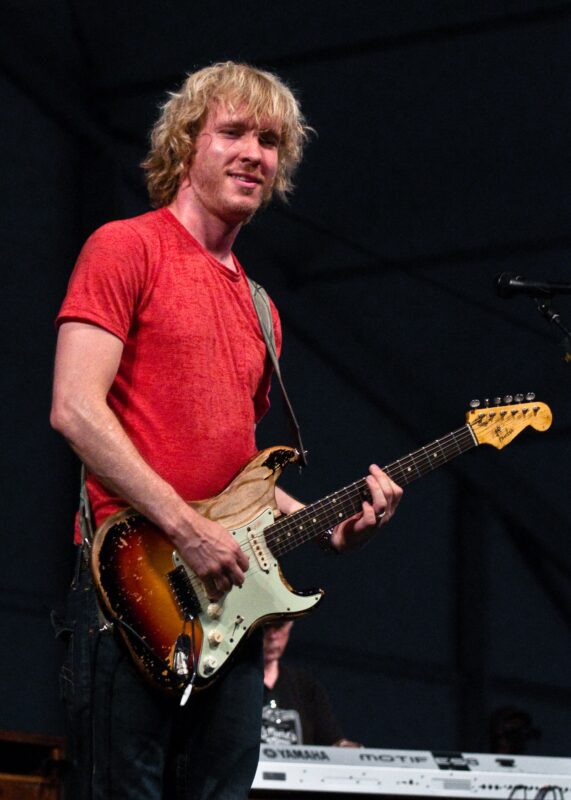
His vibrato — wide, fast, and physically committed — gave sustained notes their specific quality of vocal expressiveness that the SRV tradition valued most highly. The SRV vibrato approach — the specific amplitude and rate that gave Vaughan’s sustained notes their characteristic singing quality — was present in Shepherd’s playing in a way that reflected deep absorption rather than superficial imitation.
Tonally, his philosophy was the Texas blues guitarist’s philosophy: heavy Stratocaster strings, driven amplification at working volume, the Tube Screamer as a boost, and the playing’s physical commitment as the primary emotional expression. The equipment was exactly right for exactly this musical tradition, and his commitment to that tradition was total and genuine.
How to Sound Like Kenny Wayne Shepherd
Guitar Approach
A Fender Stratocaster — Kenny Wayne Shepherd Signature or any Stratocaster with higher-output single-coil pickups (SSL-5 or similar Seymour Duncan Custom Shop winds) — with .013–.058 strings. The heavy strings are not optional: they are the foundation of the specific physical approach and the specific tonal character. The technique is equally important: study SRV’s bending and vibrato approach in depth, as Shepherd’s playing is as directly traceable to SRV as any contemporary player.
Amp Approach
A Marshall Super Lead into a 4×12 — run at working volume for natural EL34 saturation. Tube Screamer in boost mode (low gain, elevated volume) before the Marshall. Wah pedal for the expressive blues vocabulary. Fender Super Reverb for the cleaner passages. The multi-amplifier approach gives access to both the clean American character and the driven British character within the same performance.
| Control | Setting | Notes |
|---|---|---|
| Volume (Input 1) | 7–9 | EL34 natural saturation — Texas blues lives here |
| Treble | 7 | Bright — heavy strings and SSL-5 need treble presence |
| Middle | 6 | Present mids for blues rock authority |
| Bass | 4 | Controlled — .013 strings add natural low-end weight |
| Presence | 6 | Moderate for definition through the natural saturation |
| Tube Screamer (boost) | Low gain, volume ~7 | Front-end push — natural amplifier drive, not pedal distortion |
Influence & Legacy
Kenny Wayne Shepherd’s legacy was the specific legacy of a musician who demonstrated that the SRV tradition could be transmitted to a new generation with complete fidelity and complete genuine commitment — that a musician born after Stevie Ray Vaughan’s career had peaked could absorb the tradition as completely as if he had been part of its formation. His consistent commercial success across three decades of recording showed that the blues rock audience’s response to genuine, deeply rooted blues playing transcended generational boundaries.
His advocacy for the blues tradition — through his music, through interviews and public engagement, and through his role as a younger representative of the tradition — extended the form’s reach to audiences who might not have engaged with it through older artists. His commercial mainstream crossover success placed his blues playing before audiences that pure blues artists didn’t reach, and his genuine depth within the tradition meant that those audiences who followed up were receiving authentic blues rock rather than a diluted commercial approximation.
For players exploring the contemporary blues rock tradition that Shepherd represents, the rigs of Doyle Bramhall II — whose Texas blues approach showed similar depth of SRV influence from a slightly different angle — and Jonny Lang, whose parallel career as a young blues prodigy showed similar early-career emergence with comparable technical depth, provide illuminating comparison. The heavy-string Stratocaster approach connects to Rory Gallagher‘s work, which shows how the same heavy-string, physically committed Stratocaster approach produced a completely individual sound in a completely different musical and cultural context.
Ledbetter Heights: The Debut That Shocked the Blues World
Ledbetter Heights (1995) — Shepherd’s debut album, recorded at seventeen — was one of those rare recordings that arrived fully formed, showing a musician who had absorbed a tradition so completely that the debut sounded like the work of someone who had been making music for decades rather than a teenager. The album’s critical reception reflected this: blues purists who might have dismissed a teenager’s blues record as commercially motivated rather than genuinely rooted were disarmed by the depth and authenticity of the playing, and mainstream rock audiences found in the album a blues rock record of genuine emotional power.
The guitar tones on the album — the Stratocaster’s single-coil character through the Marshall’s natural EL34 saturation, captured with the directness that suited the music’s emotional content — showed from the very first track what Shepherd’s specific approach was: not a copy of SRV but an extension of the same tradition, made by someone who had absorbed that tradition as fully as any musician of his generation. The heavy strings’ specific quality of earned expressiveness was immediately audible — the bends and vibrato having the physical authority that only heavy strings under proper tension could produce.
The title’s connection to Lead Belly — naming the album after the Shreveport neighbourhood where the blues legend had grown up — placed the recording within the deepest possible context of the American blues tradition. Shepherd was not merely referencing SRV but the entire tradition that SRV had himself been drawing from: the thread that ran from Lead Belly and the Delta blues through the electrified Chicago and Texas blues to the blues rock of the 1960s and 1970s and finally to SRV’s specific synthesis. The debut’s historical consciousness — the awareness that the music existed within a tradition that was much older and much deeper than any individual’s career — was part of what distinguished it from the technically accomplished but historically unaware blues rock that sometimes appeared in the same commercial territory.
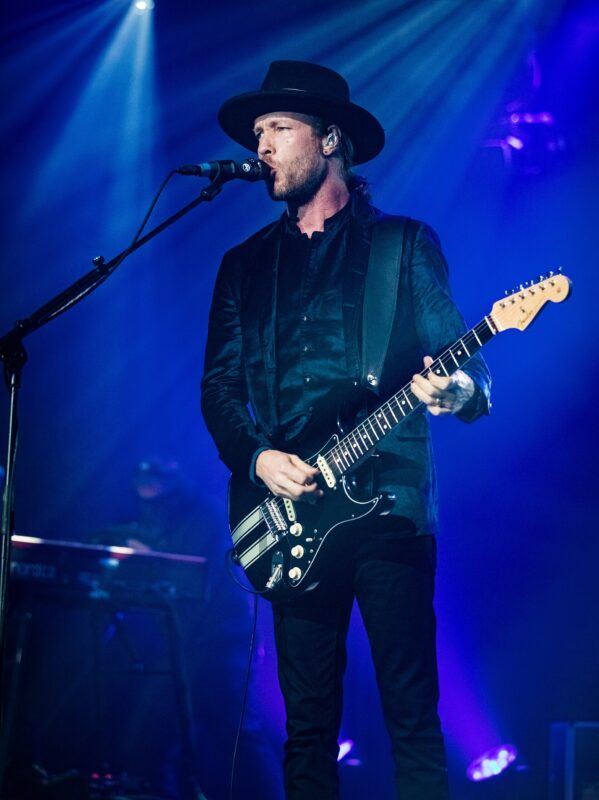
The SRV Connection: Homage and Independence
The Stevie Ray Vaughan influence in Shepherd’s playing was more thoroughgoing than most contemporary influences — not a stylistic element or a primary inspiration but a fundamental orientation toward the instrument, the tradition, and the emotional values that music was supposed to express. Understanding the specific nature and the specific extent of this influence gives a more accurate picture of what Shepherd’s playing was and wasn’t.
The specific elements that showed the SRV influence most directly: the heavy strings (.013 gauge or heavier), the Stratocaster primary voice, the Marshall amplification with Tube Screamer boost, the specific bending vocabulary with wide aggressive vibrato, the wah pedal as a primary expressive tool, and the overall emotional orientation toward the blues as a vehicle for direct personal expression rather than technical display. Each of these was genuinely absorbed from Vaughan’s specific approach rather than borrowed as an aesthetic gesture, and the absorption was complete enough that the playing could extend these elements naturally and spontaneously rather than consciously applying them one at a time.
The specific independence from the SRV template that Shepherd developed through years of professional recording and performance showed in the specific personal character of his playing — the specific melodic vocabulary, the specific rhythmic emphases, the specific emotional register of his best improvisations — that was genuinely his own even when the instrumental and tonal foundation was as clearly traceable to SRV as any contemporary player’s approach. The difference between influence and imitation was exactly this: the influence was internalized deeply enough to produce something genuinely personal rather than merely technically accurate reproduction of the model.
The Seymour Duncan SSL-5: Higher Output for Blues Rock
The Seymour Duncan SSL-5 custom-wound single-coil pickup — the specific pickup Shepherd used in his Stratocasters — deserves specific examination because it illustrated an important acoustic principle about how higher-output single-coil designs served specific musical purposes that vintage-spec alternatives didn’t serve as well.
Vintage Stratocaster pickups measured approximately 5.6k to 6.2k ohms DC resistance, producing a specific output level that drove amplifiers into natural saturation at specific volume settings. For players using lighter strings and playing with the clean-to-lightly-driven aesthetic of much 1960s and 1970s Stratocaster playing, this output level was appropriate — the amplifier reached working saturation at appropriate volume levels for the musical context.
For Shepherd’s heavy-string (.013 gauge) approach — where the heavier strings required more physical force for bending and vibrato but also produced more string mass, more fundamental frequency weight, and potentially less high-frequency content relative to lighter strings at the same pitch — the SSL-5’s higher output (approximately 12k to 14k ohms) compensated for the heavier strings’ different pickup interaction. The heavier string vibrated with more mass and more fundamental frequency emphasis, and the higher-output pickup captured this vibration with adequate signal level to drive the Marshall’s natural saturation zone at appropriate performance volumes. The result was a heavier-string Stratocaster tone that maintained the single-coil’s characteristic warmth and brightness while providing the output level that the specific combination of instrument and amplifier required to produce the target tonal character.
The Multi-Amp Live Setup: British and American Together
Shepherd’s live setup — typically involving both Marshall and Fender amplification available simultaneously — reflected the same understanding of how different amplifier characters served different musical purposes that had shaped the approaches of guitarists like Mike Campbell and G.E. Smith across the broader American rock tradition.
The Marshall’s EL34 natural saturation gave the driven blues rock passages their specific character of warm British drive — the midrange warmth of the EL34 complementing the Stratocaster’s single-coil brightness to produce a driven tone that was simultaneously present and warm. The Fender’s 6L6 clean character gave the cleaner passages their specific American warmth — the 6L6’s natural compression at working volume producing a different quality of clean tone from the Marshall’s clean headroom, with a specific warmth and roundness that suited the slower, more melodic blues material.
The ability to switch between these two fundamentally different tonal characters within a single performance — using the Marshall’s drive for the most aggressive blues rock material and the Fender’s clean warmth for the more intimate blues passages — gave Shepherd’s live performances a tonal variety that reflected the musical diversity of his catalogue. Not every blues rock guitarist could use two amplifiers effectively; the musical intelligence to know which specific character suited which specific moment, and the technical setup reliability to switch between them without incident during a professional touring performance, reflected both musical sophistication and professional competence.
Kenny Wayne Shepherd’s thirty-year career — the teenage debut that announced a fully formed blues voice, the sustained commercial success across multiple decades, and the continued artistic development that deepened rather than widened his specific approach — was one of the most consistent demonstrations of what genuine immersion in a tradition produced in terms of sustained professional quality. The equipment he used: the high-output Stratocaster with heavy strings, the Marshall for drive, the Fender for clean, the Tube Screamer as boost, and the wah as the primary expressive tool — was exactly right for exactly this music and exactly this tradition. The gear served the blues; the blues served the tradition; and the tradition was honoured by the depth and genuineness of the commitment that Kenny Wayne Shepherd brought to it from his teenage debut through every subsequent year of professional playing.

The Dunlop Cry Baby wah’s specific role in Shepherd’s playing — as extensively deployed as in any contemporary blues rock guitarist’s approach — reflected his deep absorption of the SRV vocabulary in which the wah was as central a voice as any other element. Vaughan’s specific wah approach — rhythmically driven, emotionally expressive, using the swept bandpass filter as an extension of the blues vocal vocabulary — was as directly traceable in Shepherd’s playing as any other specific element of the SRV influence. The Cry Baby’s specific bandpass sweep character, the specific Q-factor of the filter, and the specific frequency range that the sweep covered all contributed to the specific quality of expression that his wah passages produced. His ability to use the wah rhythmically — rocking it in time with the music’s groove to produce vowel-consonant attacks that added rhythmic dimension to the guitar’s role — and expressively — sweeping it through melodic passages to give single notes and phrases the quality of a voice bending through a specific expression — reflected the same dual use that the best blues wah players had always demonstrated. The wah was not one sound but many, and his command of those many sounds within the single physical device was as sophisticated a technical achievement as any aspect of his playing.
The Uni-Vibe’s specific role in Shepherd’s effects chain — for the psychedelic and soul-influenced passages that appeared across his catalogue — connected his playing to the same tradition of rotating speaker simulation that Hendrix had used as one of his primary tonal colours. The Uni-Vibe’s specific shimmering, pulsing modulation — produced by a photo-optical circuit whose specific character was quite different from conventional chorus or phase shifting — gave specific passages a quality of dimensional movement that no other effect produced in quite the same way. Shepherd’s selective use of the Uni-Vibe — for specific material where its character was musically appropriate rather than as a constant presence — reflected the same musical intelligence that governed every other element of his effects chain: each effect deployed for its specific musical purpose in specific contexts, absent from the rest of the playing where its character wasn’t required.
The Albert King influence on Shepherd’s playing — less immediately obvious than the SRV influence but equally genuine — showed in the specific quality of the string bending approach that both players shared. Albert King’s specific bending style — the massive, wide bends that gave his playing its characteristic emotional power — was as direct an influence on SRV as on Shepherd himself, and the King influence filtered through Shepherd’s playing both directly (through his independent study of Albert King’s recordings) and indirectly (through SRV’s own absorption of King’s bending vocabulary). The specific quality of a Kenny Wayne Shepherd bend — the physical commitment, the sustained quality of the arrival pitch, the vibrato applied after reaching the bent pitch — was traceable through SRV directly to Albert King’s foundational contributions to the Texas blues bending vocabulary. Understanding this lineage gave a more complete picture of where Shepherd’s specific approach came from and why it worked as well as it did within the tradition it inhabited.
The Trouble Is album (1997) — Shepherd’s second album and the one that consolidated the commercial success of the debut while showing development of his specific playing approach — provided additional documentation of how his equipment served his musical vision across a wider range of material than the debut had covered. The album’s production — more polished than the debut’s rawer approach but still rooted in the direct blues rock aesthetic — gave the guitar tones a specific warmth and clarity that suited the material’s slightly wider emotional range. The SSL-5 Stratocaster through the Marshall’s natural EL34 saturation remained the primary voice, with the Tube Screamer boost contributing additional drive for the most aggressive material. The album’s commercial success — larger than the debut’s — validated both the musical approach and the equipment choices that served it, confirming that genuine blues playing with appropriate equipment reached the blues rock audience as effectively in the late 1990s as it had in the SRV era a decade earlier.
The specific physical relationship between Shepherd’s playing technique and his .013 gauge string setup deserves one additional technical note that illuminates why heavy strings were not merely a tonal choice but a fundamental element of his specific playing approach. Heavy strings at proper tension required significantly more physical force for bending — the difference between bending a .009 gauge string a whole step and bending a .013 gauge string the same distance was substantial, requiring both more finger strength and more controlled application of force to achieve the target pitch accurately. The specific physical training required to play heavy strings fluently — the years of practice that developed the specific hand strength and the specific controlled force application — shaped the playing in ways that extended beyond tone into technique. Players who developed their technique on heavy strings developed specific physical approaches to bending and vibrato that were different from those developed on lighter strings, and these physical differences were audible in the playing’s specific quality of force and authority. Shepherd’s heavy-string approach was as much a physical training commitment as a tonal preference, and understanding this physical dimension of his equipment choice gives the most complete picture of what the heavy strings actually contributed to his music.
The Shreveport, Louisiana cultural geography that shaped Shepherd’s formation — a city at the intersection of the Louisiana blues tradition, the Texas blues world across the border, and the broader Southern musical culture — gave him access to multiple blues lineages simultaneously. Lead Belly’s Shreveport origin placed the city within the deepest tradition of American blues, and the proximity to Texas gave the local musical culture a specific character of Texas blues influence that shaped what blues guitar sounded like in that corner of Louisiana. The specific combination of Louisiana roots and Texas influence in Shepherd’s formation gave his playing a character that was simultaneously rooted in the Louisiana blues tradition (Slim Harpo, the swamp blues) and oriented toward the Texas blues rock that SRV had made the primary contemporary expression of the tradition. This dual geographic and cultural formation was as much a part of his specific playing character as any specific technical choice, and understanding it gives a more complete picture of why his playing sounded like it belonged to the tradition rather than imitating it from the outside.
The specific way that Shepherd’s Stratocaster interacted with the Marshall at the specific settings he used — the SSL-5’s higher output driving the EL34s harder than a vintage-output pickup would have — produced a specific quality of natural compression and harmonic content that was as central to his tonal character as any deliberate effect or processing choice. At the volume settings where Shepherd played live, the interaction between the higher-output pickup and the Marshall’s EL34 output stage created a continuous natural compression that gave sustained notes their specific quality of warmth and sustain — notes that didn’t cut off abruptly but maintained their character through the natural decay as the EL34’s compression held them at a consistent level before the natural string decay finally brought them down. This compression — not the hard, obvious compression of a rack-mount compressor or a limiting pedal but the soft, musical compression of a valve amplifier’s output stage operating near its linear limit — was one of the most important and least discussed elements of his specific guitar sound. The equipment produced this compression because the specific combination of instrument output and amplifier characteristics placed the operating point in the specific region where this natural compression occurred, and Shepherd’s understanding of how to achieve this operating point consistently reflected genuine technical knowledge of his equipment.
The broader blues rock tradition that Shepherd inhabited — the lineage from Robert Johnson through Muddy Waters through B.B. King through Albert King through SRV — was one of the most completely documented and most deeply studied traditions in popular music, and his position within it was as clearly defined as that of any contemporary player. He was not ambiguous about what he was doing or what tradition he was working within; he was transparent about the influences, committed to the tradition’s values, and technically capable of serving those values at the highest contemporary level. This combination — transparency about the tradition, commitment to its values, and technical capability to serve them — was the foundation of his career’s sustained success, and the equipment he used was as directly in service of this combination as any other element of his musical approach. The gear served the blues; the blues served the tradition; and the tradition was worth the lifelong commitment that Kenny Wayne Shepherd brought to it.
The Freddie King influence on Shepherd’s playing — alongside the more prominently discussed SRV and Albert King connections — showed in specific aspects of his lead guitar vocabulary that traced to King’s specific approach rather than to either of the other primary influences. Freddie King’s specific contribution to the Texas blues guitar tradition — the raw, aggressive picking attack, the specific bending vocabulary that combined wide whole-step bends with rapid release, the specific quality of physical aggression in the picking hand — was absorbed by SRV and transmitted through him to Shepherd’s generation. In Shepherd’s playing, the Freddie King influence appeared most clearly in the most physically aggressive passages: the fast, hard-picked single-note runs, the aggressive attack quality that distinguished his hardest blues playing from the more smoothly expressive passages. Understanding the complete lineage of influence — not merely the SRV connection but the Albert King and Freddie King connections that flowed through SRV into Shepherd’s formation — gives the most complete picture of where his specific playing vocabulary came from and why it worked as well as it did within the Texas blues rock tradition it inhabited.
The Noah Hunt vocal contribution to Shepherd’s recordings — Hunt serving as the primary vocalist on most of Shepherd’s studio albums while Shepherd focused on guitar — gave the musical context for the guitar a specific dimension that purely instrumental blues recordings didn’t provide. Blues guitar in the presence of a strong vocal — the guitar responding to and complementing the vocal phrasing — required a different orientation than purely instrumental blues playing, and Shepherd’s guitar approach on the studio recordings reflected this ensemble context. The specific call-and-response between Hunt’s vocals and Shepherd’s guitar fills — the guitar answering the vocal phrases, commenting on the lyrical content, supporting the emotional expression of the singing — was a central musical relationship on the albums, and Shepherd’s guitar equipment served this ensemble relationship as much as it served his solo playing. The Marshall’s natural saturation gave the guitar fills their specific warmth and presence within the vocal ensemble; the Stratocaster’s single-coil character gave them their specific brightness and definition relative to the vocal’s mid-range frequency content. The equipment was always in service of the complete musical picture rather than of the guitar’s presence within it.
The Kenny Wayne Shepherd Signature Stratocaster — the production model developed with Fender that translated his specific Custom Shop preferences into a more accessible commercial instrument — illustrated the specific way that a player’s equipment preferences could be codified and transmitted to a wider audience of players who wanted to approach a similar tonal territory. The signature model’s specific specifications — the SSL-5 pickups, the preferred neck profile and radius, the vintage-style hardware — were each the result of years of professional performance experience that identified exactly which specific features produced the specific playing experience and tonal character that Shepherd’s approach required. These were not marketing decisions but musical ones: each specification reflected genuine understanding of what that specific feature contributed to the overall playing experience and why it was right for this specific musical approach. A guitarist who bought the signature model and paired it with appropriate amplification and heavy strings would be starting from exactly the right place to explore the specific tonal territory that Shepherd’s blues rock inhabited — which was precisely the purpose of a well-designed signature instrument. The gear was a transmission vector for the playing values as much as it was a collection of hardware specifications.
The Lay It On Down album (2017) — Shepherd’s most recent major release at the time of this guide — showed continued development within the tradition rather than departure from it, with the guitar tones reflecting mature refinement of the specific approach he had been developing since the debut. The heavier string Stratocaster through the naturally saturated Marshall remained the primary voice; the effects chain had been refined through decades of touring experience; and the specific emotional register of the playing showed the depth of someone who had been working the same tradition for more than twenty years without losing his commitment to it or his love for it. Continued commitment to a tradition over decades — deepening rather than abandoning, refining rather than replacing — was itself a form of artistic integrity that deserved recognition alongside the more dramatic transformations that captured more press attention. Kenny Wayne Shepherd’s blues rock was the same blues rock at forty that it had been at seventeen, except better.
Frequently Asked Questions: Kenny Wayne Shepherd Guitars & Gear
What guitar does Kenny Wayne Shepherd play?
Kenny Wayne Shepherd’s primary guitar is the Fender Stratocaster — specifically the Kenny Wayne Shepherd Signature Stratocaster developed with Fender Custom Shop. His guitars use Seymour Duncan Custom Shop SSL-5 pickups (higher-output single-coils, approximately 12k-14k ohms, Alnico V) and .013–.058 heavy strings. He also uses vintage Stratocasters for specific recording applications.
What amp does Kenny Wayne Shepherd use?
His primary amplifiers include Marshall Super Lead heads (EL34, natural saturation at working volume) for the driven blues rock material, and Fender Super Reverb (4×10, 6L6) for cleaner passages. He typically runs multiple amplifiers simultaneously in live performance, switching between British and American character for different material.
Why does Kenny Wayne Shepherd use such heavy strings?
Shepherd uses .013–.058 strings — the same gauge that Stevie Ray Vaughan famously used — because heavy strings at proper tension produce more string mass, more sustain, more fundamental frequency weight, and a specific physical resistance that requires and encourages physical playing commitment. The heavier string requires more force for bending and vibrato, and this additional physical force is expressed in the playing’s specific quality of earned expressiveness. Heavy strings are not merely a tone choice but a physical and emotional commitment to the playing approach.
What effects does Kenny Wayne Shepherd use?
His key effects include a Dunlop Cry Baby wah (extensively used for blues expression), Ibanez Tube Screamer TS-808/TS-9 (in boost mode, low gain, elevated volume), Dunlop Uni-Vibe (for specific psychedelic and soul-influenced passages), and Boss DD delay (for atmospheric depth on lead passages). His wah use is particularly central to his playing identity.
What was Kenny Wayne Shepherd’s debut album?
Ledbetter Heights (1995) was Shepherd’s debut album, recorded when he was seventeen. Named after the Shreveport neighbourhood where Lead Belly grew up, the album announced a fully formed blues rock voice with genuine technical accomplishment and genuine emotional commitment to the SRV tradition. Its commercial and critical success validated the approach of deep tradition immersion executed with complete technical facility.
How directly was Shepherd influenced by Stevie Ray Vaughan?
Shepherd is as directly and as thoroughly influenced by SRV as any contemporary player — the heavy strings, the Stratocaster primary voice, the Marshall amplification, the Tube Screamer boost approach, the specific bending and vibrato vocabulary, and the overall emotional approach to the blues were all absorbed from intensive study of Vaughan’s recordings and live performances from childhood onward. His playing is immediately recognisable as working within the SRV tradition, though his specific personal voice within that tradition is genuinely his own rather than mere imitation.
What is the Ledbetter Heights connection?
Ledbetter Heights was the neighbourhood in Shreveport, Louisiana, where Lead Belly — one of the most important figures in American folk and blues history — grew up. Shepherd named his debut album after this neighbourhood as a tribute to the blues tradition and to the specific Louisiana blues heritage that shaped both Lead Belly’s music and Shepherd’s own formation. The name connected his contemporary blues rock to the tradition’s deepest roots while acknowledging his specific Louisiana origin.
Genre:
Blues Rock
Decades:
1990s | 2000s | 2010s | 2020s
Image credits
- A wall of Marshall speaker cabinets: Jaakonam, Wikimedia Commons, CC BY-SA 3.0.
- Kenny Wayne Shepherd: Andreas Lawen (Fotandi), Wikimedia Commons, CC BY-SA 4.0.
- Top image: by Abby Gillardi, Wikimedia Commons, CC BY 2.0.
- Kenny Wayne Shepherd: photo by Foto: Andreas Lawen, Fotandi, via Wikimedia Commons, CC BY-SA 4.0.
- Kenny Wayne Shepherd: photo by Rafael Rezende from BHZ, Brasil, via Wikimedia Commons, CC BY-SA 2.0.
- Fender Stratocaster: Lightburst, Wikimedia Commons, CC BY-SA 4.0.
- Marshall 1959 Super Lead Plexi: GuitarGangsters AI-generated reference illustration, not a photograph.
- Fender Super Reverb: GabeMc, Wikimedia Commons, CC BY-SA 3.0.
- Dunlop Cry Baby: Roadside Guitars, Flickr, CC BY-SA 2.0.
- Kenny Wayne Shepherd live: Abby Gillardi, Wikimedia Commons, CC BY 2.0.