Jody Williams Guitars & Gear: Bo Diddley’s Secret Weapon and Chicago Blues Legend’s Complete Rig
Jody Williams guitars gear — Gibson ES-5 and Fender Deluxe deep-dive for Bo Diddley's secret weapon and Chess Records session legend's warm Chicago tone and rig.
Investigate Jody Williams guitars gear and you find the equipment behind one of Chicago blues’ most historically significant yet most persistently overlooked guitarists — an Atlanta-born musician who relocated to Chicago in the late 1940s, played on some of the most important records in early rock and roll and Chicago blues history as a session guitarist, served as Bo Diddley’s primary guitar foil during the crucial Chess Records period, and who then essentially vanished from the music scene for three decades before being rediscovered in the 1990s and recognised as the specific player behind some of the most distinctive guitar work in the Chess Records catalogue. Williams was a first-call session player at Chess during the label’s most fertile period, and his specific guitar contributions to records by Little Walter, Muddy Waters, Bo Diddley, and others were as central to the specific character of those recordings as any more celebrated element.
This guide covers Williams’ complete equipment picture: the Gibson instruments that gave his playing its specific warmth and attack, the amplification that served the Chess Records studio and Chicago club circuit, his approach to the guitar in both session and performance contexts, and the playing philosophy of a musician whose rediscovery in old age revealed a depth of musical knowledge and a quality of playing that had been hidden from the wider world for thirty years. Understanding Jody Williams’ gear is understanding how the Chicago blues’ foundational studio recordings were actually made.
Background
Joseph Leon Williams was born on February 3, 1935, in Atlanta, Georgia, and relocated with his family to Chicago while still young — becoming part of the same South Side musical community that produced so many of the Chicago blues tradition’s most important figures. His early development as a guitarist took place within the specifically concentrated musical culture of Chicago’s South Side, where proximity to the blues scene’s most significant working musicians provided an education unavailable anywhere else.
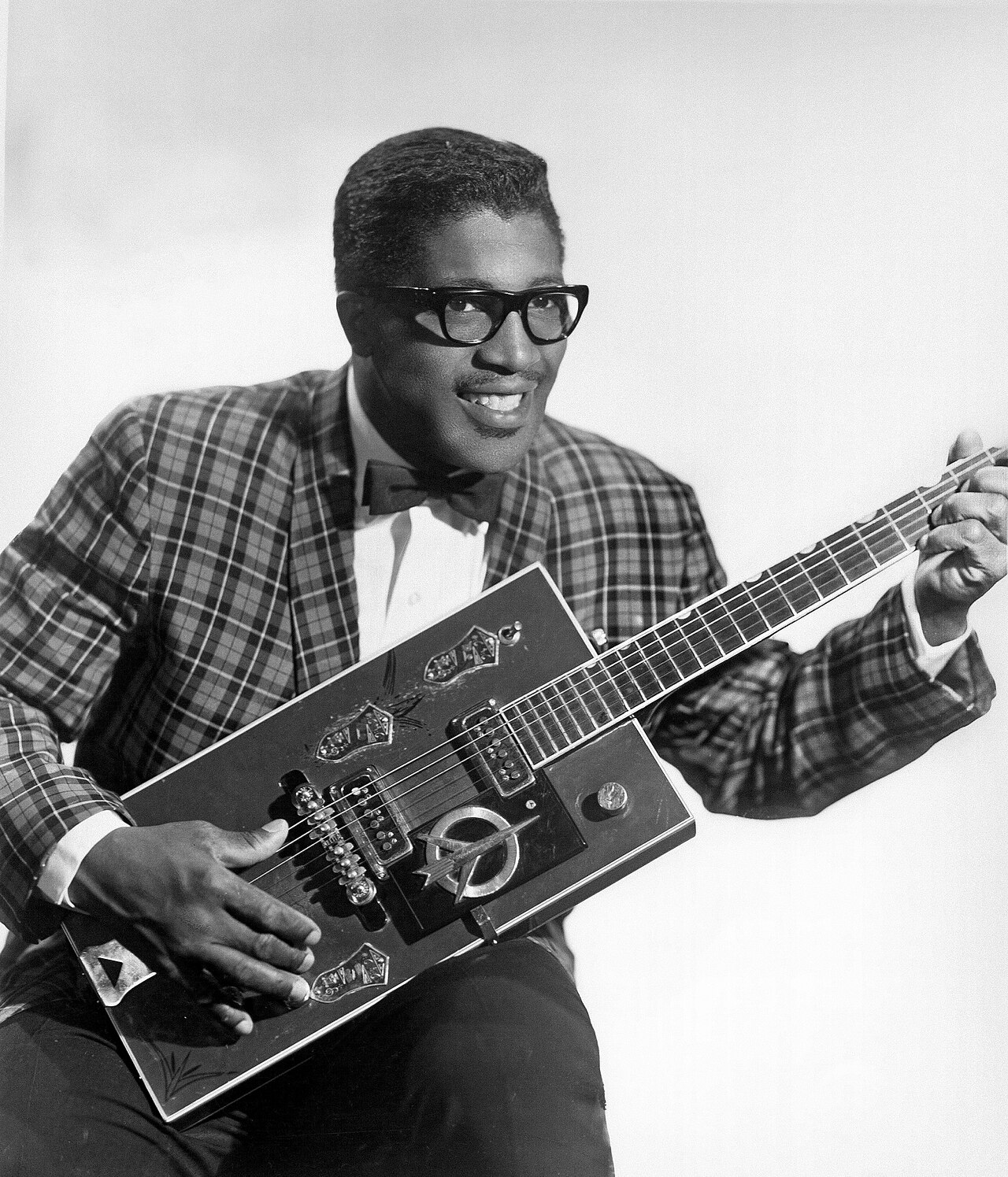
His first major professional association was with Bo Diddley — the Chess Records artist whose specific synthesis of African rhythm patterns, Chicago electric blues, and early rock and roll created some of the most rhythmically distinctive recordings in American music history. Williams’ role in the Bo Diddley band was as the primary lead guitarist to Diddley’s rhythm playing — providing the melodic counterpoint and the lead guitar ornamentation that gave the recordings their specific character of rhythmic driving combined with melodic interest.
His Chess Records session work extended far beyond the Bo Diddley connection — his guitar appeared on recordings by Little Walter (including “My Babe,” one of the biggest blues singles of the early 1950s), Muddy Waters, Howlin Wolf, and other Chess artists whose records defined the Chicago electric blues sound. The specific guitar tones and the specific playing approaches on these recordings were Williams’ contributions, even when the recordings were credited to the lead artists without guitar credits.
He left the music business in the early 1960s, working in unrelated employment for three decades before his rediscovery in the 1990s by blues researchers and journalists who tracked him down and recognised his voice from the session recordings. His subsequent return to recording and performing — documented on a comeback album for Delmark Records — showed a musician whose playing had maintained its specific character and its specific warmth through the long absence.
Jody Williams Guitars Gear: The Complete Rig
Guitars
Williams’ guitar choices during the Chess Records period — the most historically significant phase of his career — were rooted in the specific instruments available to professional Chicago session guitarists in the late 1940s and early 1950s.
His primary guitar during the Chess period was a Gibson ES-5 — the three-pickup hollow archtop that Gibson introduced in 1949 as their most elaborate and most harmonically versatile production electric guitar. The ES-5’s three P-90 pickups (each measuring approximately 7.5k to 8.5k ohms) provided three distinct tonal characters accessible through individual pickup selection: the neck pickup’s warm, round character; the middle pickup’s balanced warmth and definition; and the bridge pickup’s brighter, more cutting character. This tonal versatility within a single instrument was particularly appropriate for session work where different tonal characters were needed for different recording contexts without switching instruments.
He also used a Gibson ES-175 — the single-cutaway archtop that had been one of the standard professional jazz and blues electric guitars since its introduction in 1949. The ES-175’s P-90 pickup character gave it the specific combination of warmth and upper-midrange presence that suited both the rhythmic chord work and the single-note lead playing of the Chicago blues session context.
Various other Gibson hollowbody and semi-hollow instruments appeared across his session work — the standard professional Chicago blues guitarist’s collection of the period reflecting both practical necessity (working musicians needed multiple instruments) and the specific acoustic appropriateness of different instruments for different recording contexts.
String gauges were the heavier gauges standard for professional blues playing of the period — typically .012–.052 or heavier, reflecting the specific technical demands of the Blues approach before the lighter gauge strings that rock and roll subsequently normalised.
Amps
Williams’ amplification during the Chess Records period reflected the specific equipment available in the Chess Records studio and in the Chicago professional music environment of the late 1940s and early 1950s.
In the Chess Records studio context, the amplifiers were typically the studio’s own equipment — small Fender amplifiers (the Fender Deluxe, the Fender Pro, or similar combos) that gave the guitar its specific warm, clean character in the controlled recording environment. The Chess Records studio approach — close-miking amplifiers in small, acoustically reflective spaces — gave the recordings their specific quality of intimate presence that distinguished them from the more spacious studio sound of other labels.
For live performance on the Chicago club circuit, larger Fender amplifiers or the small Marshall and similar British-influenced amps that were beginning to appear in the professional market gave adequate volume for club performance while maintaining the warm, clean character appropriate for the blues session style.
The specific amplifier character of the Chess Records period — warm, clean, with the natural compression of small valve combos at performance volumes — was as much a product of the studio’s specific recording approach as of any specific amplifier choice, and Williams’ guitar tones on the Chess recordings reflected this specific studio acoustic as much as they reflected his instrument choices.
Effects
Effects in the Chess Records period were essentially absent — the specific recording approach of the early 1950s relied on the direct, natural character of instrument and amplifier in the specific studio acoustic rather than on electronic processing. The specific warmth and presence of the Chess recordings was a product of the physical recording chain — instrument, amplifier, microphone, room — rather than of any electronic signal processing.
The natural character of the Gibson ES-5 through the Fender Deluxe in the Chess Records studio was the complete tonal picture — the P-90’s specific upper-midrange warmth through the Fender’s 6V6 natural compression providing exactly the guitar character that the early Chicago blues and rock and roll required.
In his rediscovery-period recordings and performances from the 1990s onward, a minimal effects chain was consistent with the historical approach — the playing’s emotional content and technical character remaining the primary statement rather than any tonal processing.
Playing Style & Tone Philosophy
Jody Williams’ playing style was defined by the specific qualities that made him valuable as a Chess Records session guitarist: versatility, reliability, tonal variety through multiple pickup selection, and the specific kind of musical intelligence that knew what each recording context required and delivered it consistently. Session guitar playing in the Chess Records era required not the personal expression of a solo artist but the musical service of someone who could give each recording exactly what it needed without imposing a consistent personal signature that would make all the recordings sound the same.
His lead guitar work — most clearly heard in the Bo Diddley recordings where his role was explicitly melodic rather than rhythmic — showed a specific combination of blues expressiveness and rhythmic sophistication that reflected deep absorption of both the South Side Chicago blues tradition and the jump blues and rhythm and blues traditions that were the Chess Records aesthetic’s primary musical references. The guitar lines were rhythmically precise — a necessity in the Bo Diddley rhythmic context where every guitar part needed to lock into the specific polyrhythmic grid — while maintaining the blues emotional expressiveness that the tradition demanded.
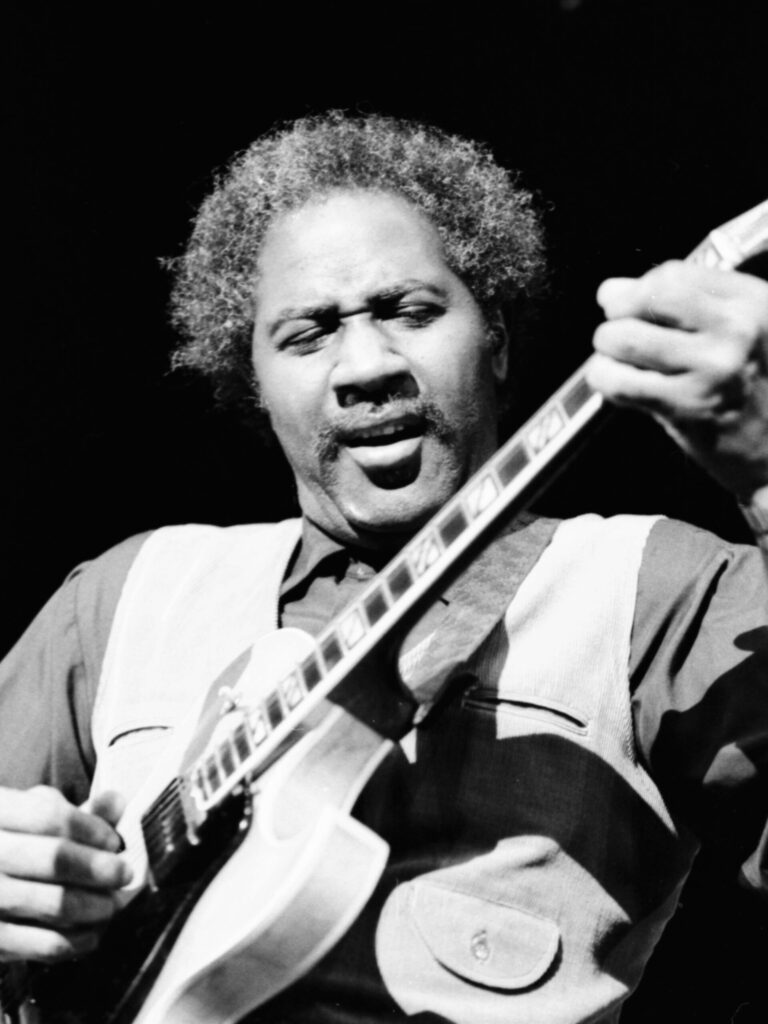
His three-pickup ES-5’s tonal versatility allowed him to shift between tonal characters during a single session — the neck pickup’s warmth for slower, more melodic passages; the bridge pickup’s cutting character for the more rhythmically driving material; the middle pickup for the balanced character that suited most general-purpose playing. This real-time tonal management within a single instrument was a professional skill that most guitarists hadn’t developed, and it was part of what made him valuable in the session context where multiple tonal characters were required without the logistical complexity of multiple instrument changes.
Tonally, his philosophy was the session guitarist’s philosophy: the right tonal character for each specific recording context, delivered efficiently and consistently without personal signature imposition. The Gibson’s P-90 warmth through the Fender’s natural compression was the foundation; the pickup selection was the primary real-time tonal management tool; and the playing’s musical quality was the constant throughout.
How to Sound Like Jody Williams
Guitar Approach
A Gibson ES-5, ES-175, or similar hollowbody archtop with P-90 pickups provides the most historically accurate starting point. Medium to heavy strings (.011–.052) appropriate for the period style. The most important element is the tonal versatility — understanding how different pickup positions served different musical purposes and using real-time pickup selection as an active tonal management tool rather than setting a favourite position and leaving it there. Study the Chess Records session recordings carefully to understand what specific guitar contributions each context required.
Amp Approach
A small vintage Fender combo — Deluxe, Pro, or similar 6V6-based designs — at moderate volume where the natural 6V6 compression provides warmth without excessive drive. The Chess Records studio approach of close-miking small combo amplifiers in acoustically reflective spaces was as important to the specific recorded sound as any instrument or amplifier choice. For live performance, a Fender Super Reverb or similar gives appropriate volume with compatible tonal character.
| Control | Setting | Notes |
|---|---|---|
| Volume | 5–6 | Natural 6V6 warmth and gentle compression |
| Tone | 6 | Moderate — P-90 provides inherent upper-midrange warmth |
| Tremolo (if equipped) | Off or minimal | Chess Records style was direct, not processed |
Influence & Legacy
Jody Williams’ legacy was the specific legacy of a musician whose contributions to the foundational recordings of Chicago blues and early rock and roll were as important as they were anonymous — the session guitar tradition required the subordination of personal credit to the service of the recording, and Williams served this tradition with complete professional integrity for over a decade before leaving the music business. The subsequent recognition of his contributions — through the detective work of blues researchers who identified his guitar work from the sessions — gave him a posthumous acknowledgment that the original recording credits had denied him.
His return to performing and recording in old age — the Delmark Records comeback that documented his playing at the stage of life where most musicians had long since retired — showed a musician whose playing retained the specific qualities that had made him valuable in the Chess Records period: the tonal variety, the musical intelligence, and the specific blues warmth that made every note sound like it came from genuine knowledge of where the music had come from and genuine love of what it still was.
For players exploring the foundational Chicago blues and early rock and roll session tradition, the rigs of Earl Hooker — whose Chicago blues guitar work showed similar session versatility and historical depth in a more prominent solo career — and Mighty Joe Young, whose West Side session work showed the same quality of professional musical intelligence in service of other musicians’ visions, provide illuminating comparison. The Bo Diddley connection reaches toward Duke Robillard‘s jump blues and rhythm and blues work, which shows how the Chess Records aesthetic’s specific musical values informed the jump blues revival of subsequent decades.
My Babe: The Session That Made History
“My Babe” — the Little Walter recording from 1955 that became one of the most commercially successful blues singles of the decade and one of the most widely covered songs in the blues tradition — featured Jody Williams’ guitar as a primary voice in the arrangement. Understanding what specifically his guitar contributed to this specific recording gives the most direct available picture of how his session playing worked and why it was as important to the records he appeared on as any credited element.
The specific guitar part on “My Babe” — the rhythmic chord work that supported Little Walter’s harmonica melody, and the fills between harmonica phrases that gave the arrangement its specific character of call-and-response — reflected the session guitarist’s specific professional skill of knowing what each musical moment required and delivering it with complete reliability. The guitar was not the featured voice on the recording — the harmonica was — but the guitar’s specific contribution gave the ensemble its rhythmic foundation and its harmonic context without which the harmonica’s melodic statements would have lacked their specific power.
The specific guitar tones on “My Babe” — the P-90’s warmth through the small Fender combo in the Chess Records studio — captured exactly the warm, present guitar character that suited the song’s specific musical requirements: warm enough to provide harmonic fullness, bright enough to be heard clearly in the ensemble, and direct enough to serve the rhythmic driving that gave the recording its groove. These tonal choices were Williams’ professional judgment, reflecting genuine understanding of what the recording context required rather than habitual application of a personal tonal preference.
The Bo Diddley Beat: Guitar Within the Polyrhythm
Bo Diddley’s specific rhythmic approach — the “shave and a haircut” syncopation that became known as the “Bo Diddley beat” and that was the primary rhythmic identity of his Chess Records recordings — created a specific musical context for Williams’ lead guitar that was unlike any other in the contemporary blues. Understanding how Williams served this specific rhythmic context gives a more complete picture of what his guitar contributions required technically and musically.
The Bo Diddley rhythm — a specific 3-2 syncopation pattern derived from the clave rhythm of Afro-Cuban music, applied to the electric guitar in a Chicago blues context — was one of the most rhythmically distinctive approaches to the guitar in 1950s American music. Playing melodic lead guitar within this specific polyrhythmic context required a specific kind of rhythmic intelligence: understanding how the lead guitar’s melodic content could lock into or play against the Diddley rhythm without competing with it or losing its melodic identity within the rhythmic complexity.

Williams’ specific lead guitar work in the Bo Diddley context showed this rhythmic intelligence clearly — his melodic lines respected the specific grid of the Diddley rhythm while maintaining their own melodic coherence, creating a specific relationship between melody and rhythm that was as musically sophisticated as any more explicitly jazz-influenced approach. The guitar’s three-pickup tonal versatility — the ES-5’s ability to shift between neck, middle, and bridge characters in real time — gave him the tonal options to serve different specific moments within the Bo Diddley rhythmic framework without changing instruments.
Chess Records: The Studio That Defined an Era
The Chess Records studio at 2120 South Michigan Avenue — and the specific recording approach that Leonard and Phil Chess and their engineers developed there — was as important to the specific character of Chicago blues recordings of the 1950s as any instrument or musician. Understanding the Chess Records studio context gives a more complete picture of how Williams’ specific guitar tones were achieved on the recordings that constitute his primary legacy.
The Chess studio approach — close-miking small combo amplifiers in the relatively small, acoustically reflective studio space — produced a specific quality of intimate warmth that was identifiable in the Chess recordings from the first few seconds of any of them. The close microphone placement captured the amplifier’s full acoustic character including the natural room ambience of the small studio space, giving the recorded guitar a specific quality of warm presence that more distant miking in a larger space would not have produced. The small studio’s natural reverb — short, warm, and contributing just enough dimensional character to give instruments their sense of existing in a physical space without the obvious reverberance of larger rooms — was part of the specific Chess Records sound.
Williams’ guitar in this specific recording environment benefited from the Chess approach’s specific warmth and intimacy. The P-90’s upper-midrange character, which could sound thin or harsh in less sympathetic recording environments, found its specific warmth and presence in the Chess studio’s acoustically flattering small-room character. The Fender Deluxe’s 6V6 natural compression at the modest volumes required for the close-miking approach gave the guitar its specific warmth without requiring the high volumes that natural 6V6 compression typically demanded in larger recording environments.
The Three Decades of Silence
The three decades that Williams spent away from the music business — from the early 1960s through his rediscovery in the early 1990s — represent one of the more poignant gaps in Chicago blues history. Understanding why he left and what his return revealed about the tradition he had helped create gives a more complete picture of his place within it.
The early 1960s were a difficult period for Chicago blues musicians — the commercial market that had sustained the Chess Records era was shifting toward soul music and rock and roll, and the specific audience for electric Chicago blues was contracting even as the British blues boom was beginning to introduce the tradition to European audiences who would eventually bring it the recognition it deserved. Many Chicago blues musicians who had been prominent in the 1950s found professional opportunities reduced in the early 1960s, and some left the music business for stable employment elsewhere.
Williams’ return in the 1990s — after blues researchers identified his guitar playing from the original recordings and contacted him — was the beginning of a late-career chapter that gave him the recognition the original session work had never provided. His Delmark Records comeback album gave him a documented solo career for the first time, and his live performances showed that the playing quality that had made him valuable in the Chess Records period had been maintained through the long absence. Guitar playing of genuine quality, once deeply developed, didn’t disappear through non-use in the way that more superficially acquired skills might — the deep knowledge and the genuine musical intelligence remained available even after thirty years away from professional performance.
The specific quality of Williams’ comeback playing — the tonal warmth of the hollowbody Gibson through appropriate valve amplification, the rhythmic intelligence, the musical service orientation that had always characterised his approach — showed that the session musician’s professional values had remained intact through the long silence. The equipment he used on the comeback recordings was acoustically consistent with what he had used in the Chess Records period — the same hollowbody Gibson warmth, the same clean valve amplification character — because the music he was making was essentially the same music, expressing the same musical values in the same musical language. Thirty years of commercial recording developments had not changed what he was doing or what he needed to do it.
Jody Williams’ complete career — the foundational Chess Records session work, the Bo Diddley association that gave his playing its most public context, the three decades of silence, and the late-career comeback that finally gave him the individual recognition his contribution deserved — was one of the Chicago blues tradition’s most distinctive and most instructive stories. The equipment he used: the three-pickup ES-5’s tonal versatility through the Fender’s natural warmth in the Chess studio’s intimate acoustic — was exactly right for exactly the music he was making in exactly the context where he made it. The gear served the session; the session served the recording; and the recording served the tradition that had produced the greatest flowering of American popular music in the twentieth century.
The Gibson ES-5’s three-pickup configuration — and why this specific instrument was more appropriate for the Chess Records session context than the more common two-pickup designs — reflected a genuine practical advantage that the three-pickup design provided for the professional session musician of the late 1940s and early 1950s. Where a two-pickup instrument provided two distinct tonal characters (neck and bridge) and a combined sound from both, the three-pickup ES-5 provided three distinct characters (neck, middle, bridge) and various combinations, including the specific hum-cancelling operation available when the neck and bridge pickups were used together (with the middle pickup off) or the middle and bridge together. This expanded tonal palette — particularly the three distinct single-pickup characters and their various combinations — gave the session guitarist access to more tonal variety within a single instrument than two-pickup alternatives provided. In the Chess Records studio context, where different recording sessions required different guitar tonal characters, this tonal flexibility within a single instrument reduced the need for instrument changes during sessions and gave the recording engineer a wider range of tonal options to choose from when deciding what worked best for each specific recording.
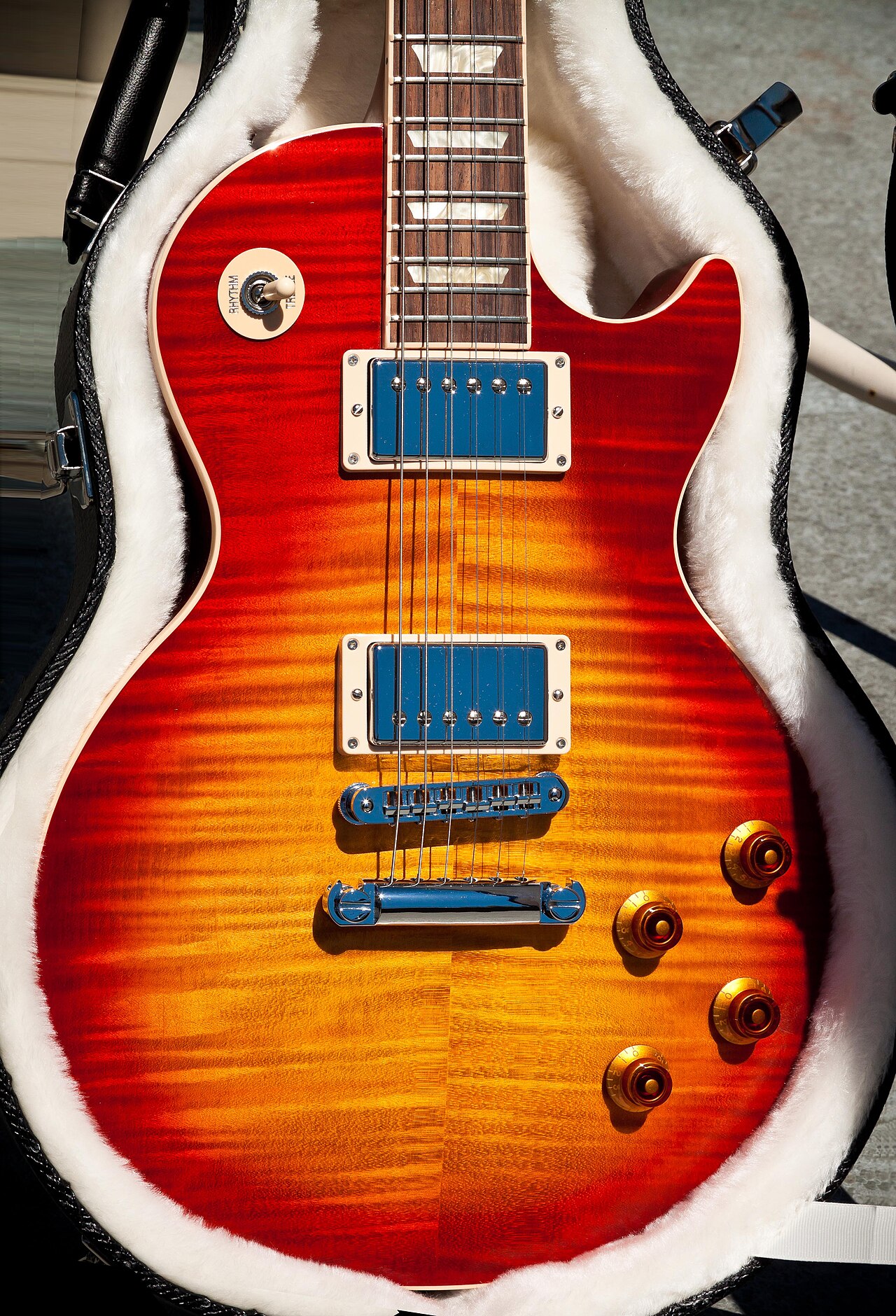
The P-90’s specific upper-midrange character — and how this specific pickup quality served the early rock and roll and Chicago blues recording contexts of the Chess Records period — reflected the specific acoustic requirements of those specific musical traditions in a way that neither the earlier Gibson bar pickup nor the subsequent PAF humbucker served quite as completely. The early rock and roll context (Bo Diddley, Chuck Berry, Little Richard) required a guitar tone that could cut through the rhythm section’s acoustic energy with enough presence to be heard clearly as a melodic voice in the arrangement. The P-90’s upper-midrange emphasis — centred around 2-4kHz, the frequency range where the guitar’s clarity and presence were most important for cutting through an ensemble mix — gave the recorded guitar exactly this quality of melodic presence without the harshness that too much high-frequency emphasis would have produced. The warmth of the P-90’s lower midrange prevented the presence emphasis from sounding thin or harsh, giving the overall tonal character that combination of warmth and clarity that the Chess Records recordings required. Williams’ consistent use of P-90-equipped Gibson instruments during the Chess Records period reflected genuine understanding of why this specific pickup character served the specific musical contexts he was working within.
The Little Walter relationship — one of the most significant musical partnerships in Williams’ Chess Records career — gave him professional experience with one of the blues tradition’s most extraordinary improvisers and most commercially successful artists. Little Walter’s harmonica playing was characterised by a specific quality of melodic sophistication and rhythmic inventiveness that made extraordinary demands on the musicians who accompanied him, and Williams’ ability to serve these demands — to provide the specific rhythmic and harmonic support that Walter’s playing required without competing with it — reflected genuine musical intelligence alongside genuine technical capability. The specific guitar work that Williams provided on Walter’s Chess Records sessions — the warmth and definition of the P-90 through the Fender Deluxe in the Chess studio — was calibrated to complement Walter’s specific harmonic and tonal character rather than to impose its own tonal identity on the recordings.
The Chess Records rhythm section that Williams worked within — the specific drummers, bass players, and pianists who appeared on the Chicago blues sessions of the late 1940s and early 1950s — shaped his specific guitar approach in ways that reflected the collaborative intelligence of professional ensemble playing. The specific rhythmic roles and harmonic roles available to the guitar within the specific ensemble configurations of different Chess Records sessions were not fixed in advance but emerged from the specific combination of musicians in each session, and Williams’ ability to identify and fill the appropriate musical role in each specific ensemble configuration was as important a professional skill as any specific guitar technique or tonal choice. The session guitarist’s specific intelligence — knowing what was needed and providing it — was as musically demanding as any more visibly virtuosic musical skill, and Williams’ Chess Records career demonstrated this intelligence across dozens of sessions for artists across the full range of the Chess Records catalogue.
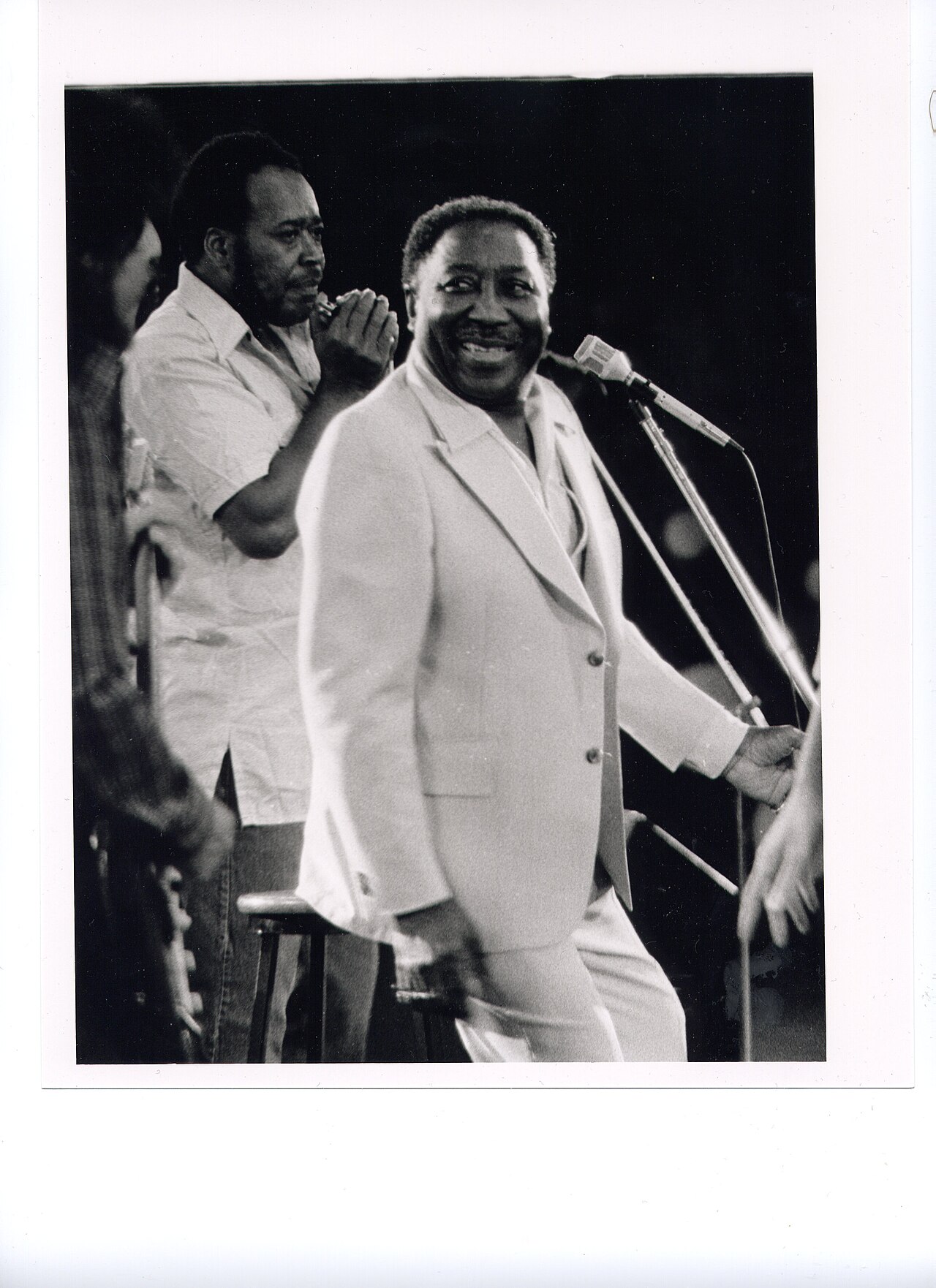
The Muddy Waters sessions that featured Williams’ guitar — placed him within the company of one of the blues tradition’s most important and most authoritative figures, and gave his session playing a specific context of historical weight that the more commercially oriented Bo Diddley and Little Walter associations didn’t provide in quite the same way. Playing on Muddy Waters’ Chess Records sessions meant playing within the specific tradition of the Delta-rooted electric blues that Waters had done more than any other single musician to define — a tradition of gravity and historical depth that required both genuine technical capability and genuine understanding of what the tradition was expressing. Williams’ guitar on these sessions reflected this understanding — the tonal warmth and the musical seriousness that the Muddy Waters context demanded were consistently present, giving the recordings their specific quality of historical grounding alongside their immediate emotional power.
The Atlanta, Georgia origin of Williams’ musical formation — a city that, while not a centre of the specific Chicago blues tradition, had its own rich blues and R&B culture rooted in the same African American musical traditions that had produced the Delta blues — gave his playing a specific foundation that was related to but distinct from the Mississippi Delta formation of many of his Chicago contemporaries. Atlanta’s specific musical culture had produced gospel music, ragtime, and a specific variant of the Southeastern blues that incorporated elements from the broader Appalachian and Piedmont traditions alongside the Delta roots that were common to all Southern blues. This Atlanta formation gave Williams’ playing a specific harmonic and melodic character that was subtly different from the purely Delta-rooted approaches of musicians like Muddy Waters and Howlin Wolf — a character that may have been part of what made his session versatility possible, since his approach was not as purely defined by the Delta tradition as theirs.
The rediscovery narrative of Williams’ career — the blues researchers who tracked down the anonymous guitarist behind some of the Chess Records’ most distinctive guitar work — illustrated both the specific anonymity of the session musician’s professional life and the subsequent importance of blues scholarship in recovering the specific contributions that that anonymity had obscured. The anonymous session musician contributed to recordings that millions of people heard and loved, receiving no individual recognition while the credited artists became famous, and then spent decades living in complete professional obscurity while the recordings that documented his work became recognised as historical landmarks. Williams’ specific story was not unique in the blues tradition — many Chess Records session musicians were similarly anonymous contributors to historically significant recordings — but his rediscovery was more thorough and more publicly documented than most, giving him a specific late-career recognition that most of his anonymous contemporaries never received.
The Delmark Records comeback album — Williams’ first recorded documentation as a solo artist, produced after his rediscovery by blues researchers — was both a personal document of his late-career playing and a historical document of what the Chess Records session guitar style sounded like outside the specific Chess recording environment. The album showed that his playing had retained its specific qualities through three decades of non-professional use: the tonal warmth of the hollowbody Gibson, the rhythmic intelligence, the musical service orientation — all of these were present on the comeback recording in recognizable form. Understanding the comeback recording in the context of his earlier anonymous contributions gives a more complete picture of the continuity of his musical approach across the decades of silence and the specific qualities of the playing that made his rediscovery such an important blues historical event.
The Fender Deluxe’s 6V6 output valves — and the specific character that these valves produced at the modest volumes required for the close-miking Chess Records studio approach — was as important to the specific Chess Records guitar sound as any pickup or instrument choice. The 6V6 was a smaller beam power tetrode valve that produced approximately 10-15 watts in the Deluxe’s push-pull configuration, and its specific saturation character — earlier onset than the 6L6, warmer and rounder than the EL84 — gave the recorded guitar a specific quality of warmth and gentle compression that suited the intimate Chicago blues recording context. At the volume levels required for close-miking in the Chess studio’s small space, the 6V6 was operating slightly into its natural compression zone — not saturated in the sense of producing obvious distortion, but compressing gently in a way that gave sustained notes their specific warmth and bloom. This natural compression — the product of the valve’s specific operating point rather than of any deliberate compression processing — was one of the primary sources of the warmth that distinguished Chess Records guitar tones from both later high-gain approaches and from the cleaner, more headroom-oriented sounds of larger amplifiers operating well within their linear range.
The specific physical character of the Chess Records studio — the 2120 South Michigan Avenue building, with its specific room dimensions, its specific acoustic properties, and the specific recording equipment that the Chess brothers and their engineers assembled there — was as much a piece of equipment in Williams’ recorded guitar story as any guitar or amplifier he used. The studio’s specific acoustic character — the particular way that sound reflected from the walls and ceiling and floor of the specific recording spaces — shaped every recording made there in ways that no amount of post-production processing could fully replicate. The warm, intimate presence of Chess Records guitar recordings was partly the product of Williams’ instrument and amplifier choices, and partly the product of how those instruments and amplifiers sounded in that specific physical space captured by those specific microphones in those specific positions. The complete acoustic chain — instrument, amplifier, room, microphone — produced the specific result, and understanding any single element in isolation from the others gives an incomplete picture of how the specific character of the Chess Records guitar sound was achieved. Williams’ contribution was genuine and musically significant; the studio’s contribution was real and acoustically significant; and neither was complete without the other.
The specific way that Williams served each recording’s specific needs — the professional session musician’s fundamental skill of musical adaptation — was grounded in genuine musical intelligence that reflected deep knowledge of the Chicago blues tradition’s aesthetic values rather than technical calculation. A session musician who served each recording well was doing so not through a mechanical process of evaluating requirements and applying appropriate techniques, but through a genuinely musical understanding of what the music expressed and what it needed to express it more completely. Williams’ thirty years of Blues history absorbed through the South Side community gave him the specific musical intelligence that allowed him to know, at a musical rather than a technical level, what each session required — and his technical capability gave him the means to deliver it consistently and efficiently. The equipment that served this intelligence was chosen with the same level of musical knowledge: the hollowbody’s warmth for the specific warmth the music required, the P-90’s presence for the specific clarity the recording context demanded, and the Fender’s natural compression for the specific sustain and bloom that gave each note its appropriate musical weight. The gear served the intelligence; the intelligence served the music; and the music served the tradition that Jody Williams devoted his most productive professional years to making.
Frequently Asked Questions: Jody Williams Guitars & Gear
What guitar did Jody Williams play?
Jody Williams’ primary guitar during the Chess Records period was the Gibson ES-5 — the three-P-90-pickup hollowbody archtop that gave him the tonal versatility required for session work. He also used the Gibson ES-175 and other Gibson hollowbody instruments. His P-90-equipped hollowbody collection reflected the specific acoustic requirements of Chicago blues session playing in the late 1940s and early 1950s.
What amp did Jody Williams use?
In the Chess Records studio context, small Fender combos — the Fender Deluxe and similar 6V6-based designs — provided the warm, clean character appropriate for the studio recording approach. The Chess Records studio’s specific close-miking technique in acoustically reflective spaces was as important to the tonal character as the specific amplifier choice.
What was Jody Williams’ role with Bo Diddley?
Williams served as Bo Diddley’s primary lead guitarist during the Chess Records period — providing melodic counterpoint and lead guitar ornamentation to Diddley’s rhythmically distinctive guitar playing. His specific guitar contributions to the Bo Diddley recordings were as central to the records’ musical character as Diddley’s own playing, and his ability to maintain melodic interest within the specific polyrhythmic context of the Bo Diddley rhythm was a specific professional achievement.
What other Chess Records artists did Jody Williams play with?
Williams appeared as a session guitarist on Chess Records sessions for Little Walter — including “My Babe,” one of the biggest blues singles of the early 1950s — Muddy Waters, Howlin Wolf, and other Chess artists. His session guitar work on these recordings was as important to their specific character as any more credited element, though the session musician culture of the period rarely gave guitar credits on the record labels.
Why did Jody Williams leave the music business?
Williams left the music business in the early 1960s, apparently from a combination of personal circumstances and the economic realities of the professional blues musician’s life in the early 1960s when the blues market was in transition. He worked in non-musical employment for approximately three decades before being rediscovered by blues researchers who identified his guitar playing from the Chess Records sessions and tracked him down.
What was the Chess Records studio approach?
The Chess Records studio — located at 2120 South Michigan Avenue in Chicago — had a specific recording aesthetic that shaped the sounds of the most important Chicago blues and early rock and roll records of the 1950s. The approach typically involved close-miking small combo amplifiers in relatively small, acoustically reflective spaces, producing a specific quality of warm, intimate presence that distinguished Chess recordings from the more spacious studio sound of other labels of the period.
What was Jody Williams’ comeback recording?
After his rediscovery in the 1990s, Williams recorded a comeback album for Delmark Records — the Chicago blues label that had documented the tradition’s most important contemporary practitioners since the 1950s. The comeback recording showed that his playing had retained the specific qualities that had made his session work so valuable: the tonal variety, the musical intelligence, and the blues warmth that remained as characteristic of his approach in old age as in his Chess Records prime.
Genre:
Chicago Blues
Decades:
1950s | 1960s | 1990s | 2000s
Image credits
- Muddy Waters: Jean-Luc Ourlin from Toronto ontario, Canada, Wikimedia Commons, CC BY-SA 2.0.
- A Gibson Les Paul Standard in its case: 2012 Gibson Les Paul Standard Plus body (by ravas51).jpg: ravas51 derived work: Clusternote (talk), Wikimedia Commons, CC BY-SA 4.0.
- Bo Diddley: Unknown photographer, Wikimedia Commons, Public Domain (PD-US-no notice).
- Gibson ES-175: 1963 Gibson ES-175DN, Wikimedia Commons, CC BY-SA 4.0.