Jerry Donahue Guitars & Gear: Fotheringay’s String Bending Wizard and Hellecasters Pioneer’s Complete Rig
Jerry Donahue guitars gear — Telecaster and Fender Twin Reverb deep-dive for Hellecasters string-bending wizard's pedal steel country tone and complete rig guide.
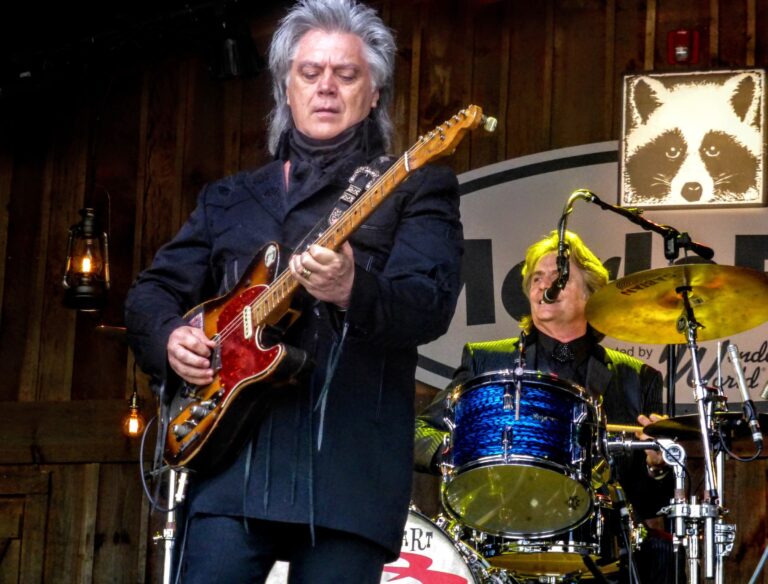
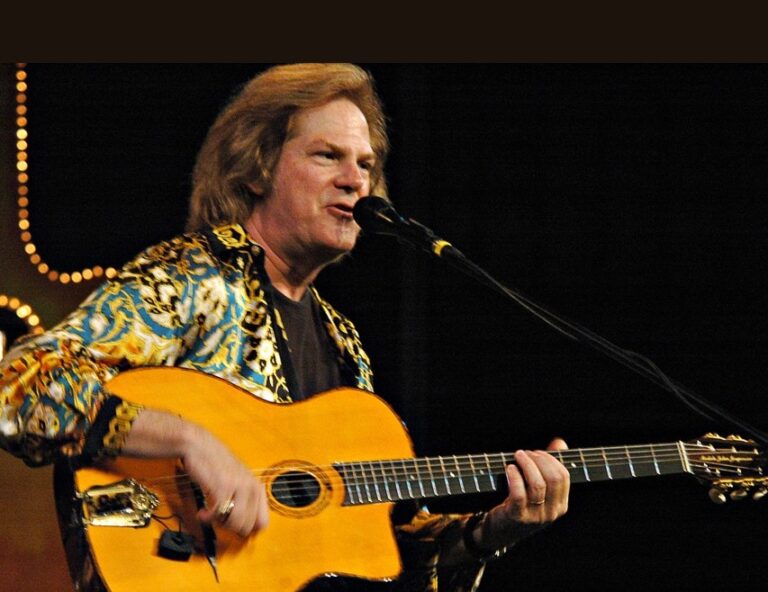
Jerry Donahue on stage (left in the original photo, with Doug Moter and Alan Thomson). Photo: Rtford, CC BY-SA 4.0 (https://creativecommons.org/licenses/by-sa/4.0/). Source: https://commons.wikimedia.org/wiki/File:Doug_Jerry.jpg. Cropped and placed on a dark background.
Investigate Jerry Donahue guitars gear and you find the equipment behind one of the most technically innovative and most musically distinctive country guitarists ever to come from outside the United States — a New York-born, London-raised musician whose work with Fotheringay and Fairport Convention in the early 1970s gave British folk rock its most accomplished country guitar voice, whose specific string-bending innovations gave the conventional electric guitar capabilities previously associated exclusively with pedal steel, and whose Hellecasters work alongside Will Ray and John Jorgenson gave three decades of fans the country guitar super-trio that the tradition had never previously produced. Donahue’s specific technical contribution to the guitar — the ability to bend strings to precise specific intervals on a conventional guitar in ways that approximated pedal steel technique — was one of the more genuinely innovative technical achievements in the history of country guitar, and his Telecasters and amplification served this innovation with the acoustic appropriateness that genuine country guitar always required.
This guide covers Donahue’s complete equipment picture: the Fender Telecasters that served his pedal steel-inspired string-bending approach, the amplification that gave his playing its specific country warmth, his effects use, and the playing philosophy of a musician who developed a genuinely new technical vocabulary for a traditional instrument without losing the roots authenticity that gave the innovation its musical meaning. Understanding Jerry Donahue’s gear is understanding how genuine technical innovation serves tradition rather than departing from it.
Background
Jerome Joseph Donahue was born on September 24, 1946, in New York City to an American father (Phil Donahue, a popular musician) and grew up primarily in London, England. This specific dual formation — American roots heritage combined with British musical culture — gave his guitar approach a specific character that was as unusual as it was musically productive. He absorbed the American country guitar tradition through recordings and through his father’s musical world while developing as a musician within the British folk and rock scene that gave him his first major professional associations.
His association with Fotheringay — the short-lived but historically significant British folk rock band co-founded by Sandy Denny after her departure from Fairport Convention — gave his guitar its first major recorded showcase and introduced his specific country-influenced approach to the British folk rock audience. His subsequent work with Fairport Convention and his extensive session work in the UK gave his approach wider professional development and wider professional recognition.
His specific technical innovation — the development of string-bending techniques that replicated pedal steel guitar’s pitch-change capabilities on a conventional guitar — was the single most distinctive element of his approach. By bending specific strings while keeping others at pitch, and by bending strings to specific precise intervals rather than the imprecise blues bends of most rock guitar, he created a guitar technique that could produce the specific chord voicing changes and melodic pitch variations that were previously possible only on the pedal steel’s mechanically complex system of pedals and knee levers.
Jerry Donahue Guitars Gear: The Complete Rig
Guitars
Donahue’s guitar identity was Telecaster-centred — the instrument that was acoustically appropriate for the country guitar tradition his playing served and practically appropriate for the specific string-bending techniques he had developed.
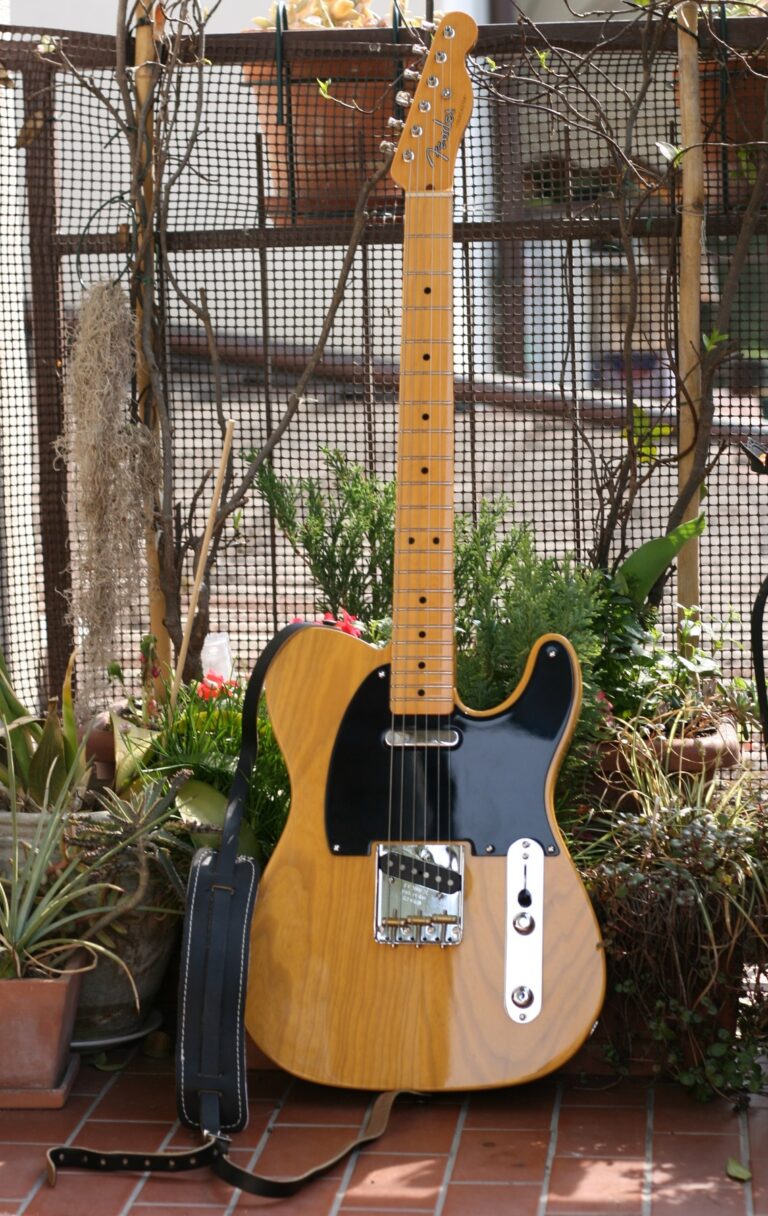
His primary guitar was a Fender Telecaster — specifically the instrument whose specific string tension, specific bridge design, and specific single-coil pickup character gave his pedal steel-inspired string-bending the specific acoustic result he sought. The Telecaster’s bridge design — the six adjustable brass saddles on the metal bridge plate — gave specific string tension characteristics that were more consistent and more controllable for the precise multi-string bending technique he had developed than alternative bridge designs. The specific tension consistency of the Telecaster’s bridge system allowed him to predict exactly how much physical force was needed to bend each specific string to each specific target interval, which was essential for the precision that his pedal steel-approximating technique required.
He used specifically modified Telecasters for specific technical applications — modifications to the bridge system, the nut, and specific other components that gave even more precise string tension control for his specific bending technique. These modifications reflected the same practical intelligence about acoustic appropriateness that characterised the best country guitarists’ instrument approach, but applied to the specific demands of a technique that went beyond what standard production instruments were designed to support.
His Telecaster pickup selection — typically vintage-specification single-coil designs with the specific magnetic character and winding specifications that gave the period-correct instruments their specific tonal character — gave his string-bending technique the specific tonal result he sought. The pitch changes produced by the string-bending technique were as tonal as they were musical: the specific frequency changes of the bent strings interacting with the pickup’s specific frequency response gave the technique its specific acoustic character.
String gauges were carefully chosen — medium gauges (.010–.046 or similar) that gave adequate string mass for the bending technique’s tonal requirements while allowing the physical bending force to be precisely controlled. Too light and the strings lacked the mass for adequate tonal character; too heavy and the physical force required for precise multi-string bending made the technique impractical at performance speeds.
Amps
Donahue’s amplification was clean American — the Fender valve character that was historically appropriate for the country guitar tradition and acoustically appropriate for the specific tonal requirements of his pedal steel-approximating string-bending technique.
His primary amplifiers included Fender Twin Reverb and Fender Super Reverb — the clean-headroom and naturally-compressing alternatives whose specific characters served different aspects of his playing’s requirements. The Twin’s clean headroom gave the most precisely pitched bending passages their maximum definition; the Super Reverb’s natural 6L6 compression gave the warmer chord work its appropriate warmth.
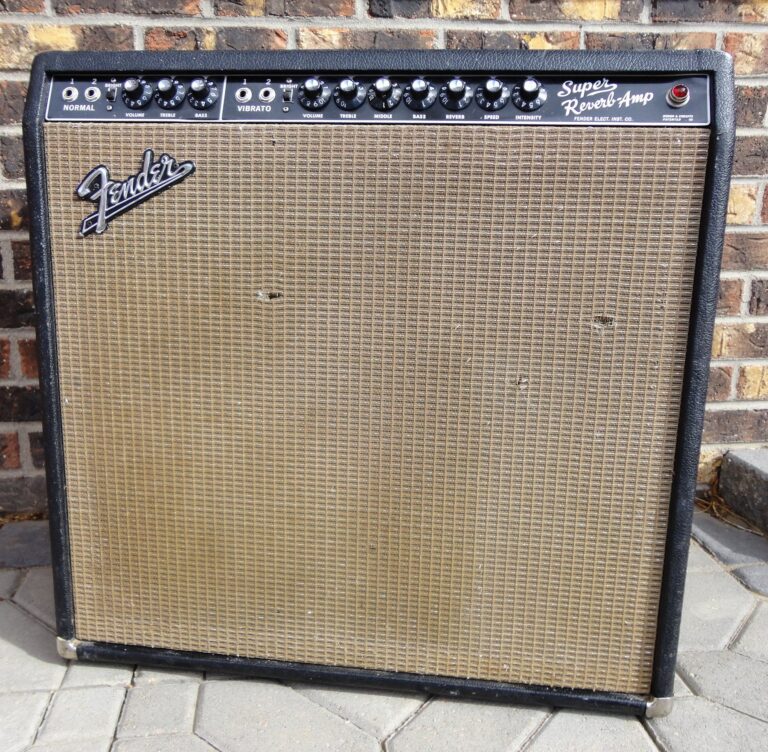
Various other Fender amplifiers and specific boutique designs appeared for specific recording and performance applications — his practical approach to amplification prioritising the acoustic appropriateness of each specific amplifier character for each specific musical context.
Effects
Donahue’s effects use was minimal and historically grounded — consistent with the country guitar tradition’s aesthetic values about natural instrument character.
A volume pedal — essential for the pedal steel-inspired passages where smooth volume swells were integral to the specific expressive vocabulary of the technique. The volume pedal was not merely a dynamic tool but a fundamental playing technique that was part of the pedal steel-approximating approach.
A Tube Screamer in boost mode for driven passages — the standard approach of pushing the Fender amplification’s natural character harder without replacing it with pedal distortion.
from his Fender amplifier’s onboard spring circuit or a dedicated reverb unit for the atmospheric dimension appropriate to country guitar material.
A tremolo for specific country-appropriate passages — the historically central pulsing character of the country guitar aesthetic.
Playing Style & Tone Philosophy
Jerry Donahue’s playing style was defined by the specific technical innovation he had developed — the pedal steel-approximating string-bending technique that gave the conventional guitar capabilities that had previously required a mechanically far more complex instrument. Understanding this technique in specific detail gives the most accurate picture of what his playing actually achieved and why it was genuinely innovative rather than merely unusual.
The pedal steel’s specific capability — altering the pitch of individual strings through the mechanical pedal and knee lever system while maintaining other strings at their original pitch — gave the instrument its specific characteristic chord voicing changes and melodic pitch variations. A chord on the pedal steel could be transformed into a different specific chord simply by depressing a pedal, because the mechanical system was raising or lowering specific strings while the others remained at their original pitches. This specific capability was what gave country music its characteristic harmonic voice — the pedal steel’s constantly shifting chord voicings and its specific gliding melodic pitch changes were the central sonic identity of the country music tradition’s most distinctive instrumental voice.
Donahue’s innovation was to approximate this specific capability on the conventional guitar through precisely controlled multi-string bending. By bending specific strings to specific target pitches while keeping other strings at their original pitches — and by controlling the bending force with enough precision to reach the exact target pitch rather than the imprecise interval that less controlled bending produced — he could produce some of the specific chord voicing changes and melodic pitch variations that were the pedal steel’s characteristic expressions. This approximation was not identical to the pedal steel’s mechanical precision, but it was close enough to produce musically recognisable country music expression on an instrument that had previously been considered incapable of serving this specific musical role.
Tonally, his philosophy was the country guitarist’s authentic expression: the Telecaster’s specific bright cutting character through the clean American valve character of the Fender amplification, with the technique’s specific innovations serving the tradition’s musical values rather than departing from them.
How to Sound Like Jerry Donahue
Guitar Approach
A Fender Telecaster — specifically one with consistent and controllable string tension across the fretboard, which may require specific bridge and nut setup for the multi-string bending technique. Medium strings (.010–.046). The specific technique of pedal steel-approximating multi-string bending requires extensive dedicated development — the physical precision needed to bend specific strings to specific target intervals while holding others at pitch is as demanding as any technique in the country guitar tradition. Study Donahue’s recorded technique specifically, and approach the bending technique with the understanding that the precision required develops over extended sustained practice.
Amp Approach
A Fender Twin Reverb or Super Reverb — clean American valve character. Volume pedal for the pedal steel-inspired swells. Tube Screamer in boost mode for driven passages. The natural acoustic character of the vintage Fender instrument through the clean Fender amplification was the foundation of his specific country tone.
| Control | Setting | Notes |
|---|---|---|
| Volume | 5–6 | Clean headroom essential for precise string-bending definition |
| Treble | 6 | Moderate-high — Telecaster provides brightness, treble adds presence |
| Middle | 5 | Neutral middle for harmonic clarity of bent intervals |
| Bass | 3–4 | Controlled — precise bending needs definition not warmth |
| Reverb | 3 | Light spring reverb for country atmosphere |
Influence & Legacy
Jerry Donahue’s legacy was the specific legacy of a genuinely innovative technical achievement deployed in service of a genuinely authentic musical tradition — the development of pedal steel-approximating string-bending technique on a conventional guitar without losing the country music roots authenticity that gave the innovation its musical meaning. His recordings with Fotheringay and Fairport Convention gave British folk rock its most accomplished country guitar voice; his Hellecasters work gave three decades of country guitar fans the super-trio that showed the tradition’s full technical possibilities; and his teaching and recording career gave subsequent guitarists access to the specific technique he had developed.
His influence on subsequent country guitarists — particularly those interested in pedal steel technique on conventional guitar — was direct and substantial. The specific string-bending approaches he developed and documented were genuinely teachable techniques rather than individual gifts, and guitarists who studied his approach could develop versions of the technique that served the country tradition with the same musical authenticity that Donahue’s own playing demonstrated.
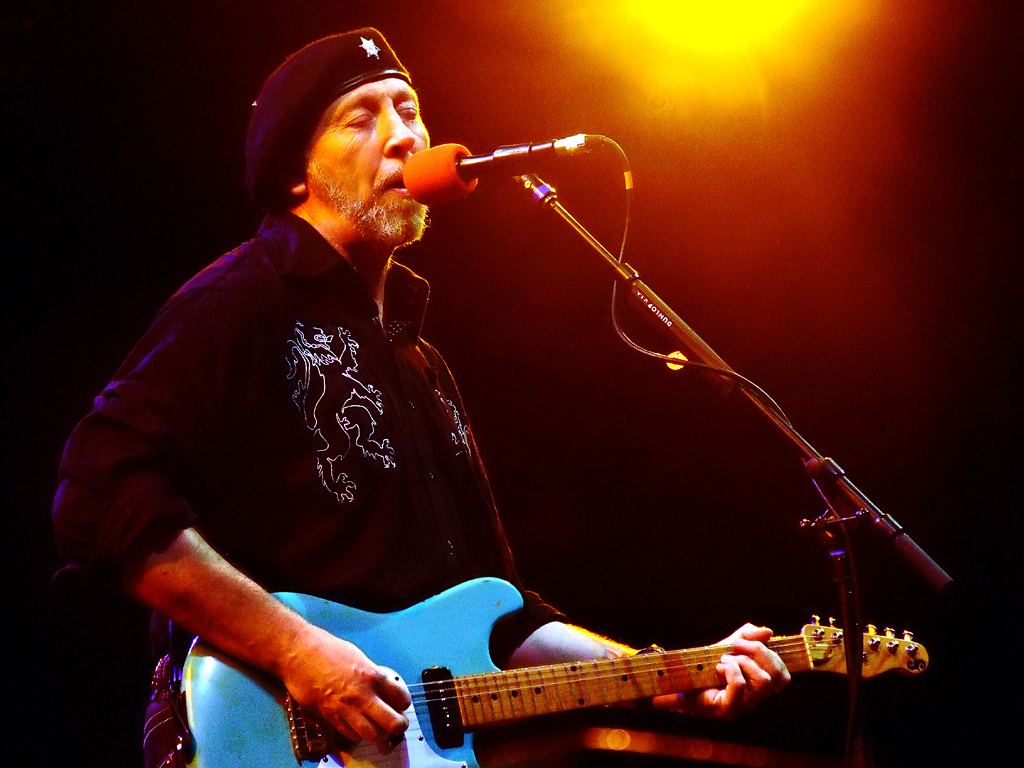
For players exploring the country guitar tradition and the Hellecasters approach, the rigs of Will Ray — his Hellecasters partner whose Nashville formation brought authentic roots country knowledge to complement Donahue’s British-formed country sophistication — and John Jorgenson, whose extraordinary technical range and cross-genre musical intelligence gave the Hellecasters their broadest musical reach, provide essential context. The British folk rock connection reaches toward Richard Thompson‘s work, which shows how similar British folk rock formation produced a completely different but equally distinctive guitar voice from within the same Fairport Convention musical world.
Read our guide to the Fender Telecaster.
The Pedal Steel Technique: Innovation in Service of Tradition
Donahue’s specific string-bending innovation — the most technically distinctive element of his guitar approach and the contribution that gave his playing its specific historical significance — deserves detailed examination to understand both what it achieved technically and why its musical application was genuinely innovative rather than merely unusual. The technique’s specific development and its specific musical applications give the most complete picture of how a conventional instrument can be extended through innovative technique without losing the musical values that gave the tradition its specific character.
The pedal steel guitar’s most characteristic technical capabilities were the pitch changes produced by its pedal and knee lever system. When a player depressed a specific pedal, specific strings were raised in pitch by specific intervals — A pedal raised the first and fourth strings by a whole step, B pedal raised the second string by a whole step, C pedal raised the third and fifth strings by a whole step. Different combinations of pedals and knee levers produced different specific pitch changes to different specific strings, giving the player access to a wide variety of chord voicings from a single finger position. The musical result was the specific characteristic of country music — the steel guitar chord that transformed from a root position triad to an inversion or a different chord quality simply through the mechanical action of a pedal.
Donahue’s technique replicated aspects of this capability through physical string bending. By bending a single string upward while keeping the adjacent strings at their original pitches, he could transform a chord voicing in ways that approximated the pedal steel’s mechanical pitch change. The critical element that distinguished his technique from ordinary string bending was the precision — bending to an exact half step or whole step rather than the imprecise interval of blues bending, and doing so while maintaining other strings at precise pitch for the complete harmonic effect. This specific combination of target precision and multi-string independence was the technical core of the innovation.
Fotheringay and British Folk Rock: Country Guitar in a Different Context
The Fotheringay album (1970) — the sole studio recording of the short-lived band that gave Donahue his first major professional showcase — documented his specific guitar approach in a British folk rock context that was as different from the Nashville country music environment as possible while still serving the same fundamental country guitar values. Understanding what Fotheringay was and why it gave Donahue’s specific approach its appropriate first showcase gives a more complete picture of the musical world in which his country guitar technique first found public expression.
Fotheringay was formed in 1969 by Sandy Denny — the most celebrated vocalist in the British folk rock scene, whose work with Fairport Convention had established her as one of the most distinctive voices in British music — alongside Donahue, bassist Pat Donaldson, drummer Gerry Conway, and Trevor Lucas. The band’s specific musical character — Sandy Denny’s folk-rooted songwriting combined with Donahue’s country guitar, the rhythm section’s rock foundation, and the overall production quality of one of British folk rock’s more ambitious recording projects — created a specific acoustic environment in which Donahue’s country technique could demonstrate its musical possibilities without the commercial country music context that the Nashville professional world would have imposed.
The Fotheringay album’s guitar tones showed his early approach with the specific warmth and country character that the Telecaster through clean Fender amplification produced — the string-bending technique already present in recognisable form, the clean American single-coil character giving the guitar its specific bright presence within the folk rock arrangement. Understanding this early documentation of his approach gives a picture of the technique before it had reached the full development that the subsequent Fairport Convention work and the Hellecasters recordings would show.
The Fairport Convention Years
Donahue’s subsequent work with Fairport Convention — the defining British folk rock band whose various lineups had included Richard Thompson, Sandy Denny, and others in the tradition’s most celebrated period — gave his guitar a more sustained professional context in which to develop and demonstrate his approach. The Fairport Convention recording and touring environment gave him professional experience of the highest available standard in the British folk rock world, alongside musicians whose own musical intelligence and technical capability placed the highest demands on every aspect of his contribution.
The Fairport Convention material — the specific combination of traditional folk music adapted to electric band arrangement and original compositions in the folk tradition’s aesthetic — required guitar contributions that served the folk music aesthetic’s values of restraint, clarity, and emotional directness rather than the technical display that the country guitar tradition sometimes allowed in its most virtuosic expressions. This specific demand — serving the folk music values rather than the country guitar’s more technically ambitious expressions — was a useful discipline that gave Donahue’s playing its specific quality of musical service alongside technical innovation.
The Hellecasters Legacy
The Hellecasters — Donahue’s most publicly prominent professional association and the context in which his specific technical innovation received its fullest and most technically ambitious showcase — gave country guitar three genuinely extraordinary and genuinely complementary voices in a single recorded project. His specific contribution to the trio — the pedal steel-approximating technique, the British-formation country guitar sophistication, and the overall musical intelligence that had been developed through the Fotheringay and Fairport Convention years — was as distinct from his partners’ contributions as any three musicians’ complementary approaches could have been, and the combination gave the Hellecasters their specific quality of comprehensive country guitar coverage across the tradition’s full technical and stylistic range.
The trio’s recordings — documented across multiple albums from their 1990 formation through subsequent decades — showed Donahue’s technique at progressively more developed stages, as the sustained professional context of the Hellecasters gave him the opportunity to continue developing the specific innovations he had introduced in the earlier British folk rock context. The Hellecasters recordings remain the most complete available documentation of his specific technique at its most fully realised, and they showed how the pedal steel-approximating approach had developed from its early Fotheringay appearances into one of the most technically accomplished and most musically intelligent guitar approaches in the contemporary country music tradition.
Jerry Donahue’s complete career — the New York-London formation, the Fotheringay showcase, the Fairport Convention development, the Hellecasters peak, and the continued teaching and performing career that gave subsequent generations access to his specific innovations — was one of country guitar’s more genuinely original single-musician contributions. The equipment he used: the specifically set-up Telecasters through clean Fender amplification, with the volume pedal integral to the pedal steel-inspired technique and the minimal additional effects serving specific musical purposes — was exactly right for exactly this music and exactly this approach. The gear served the innovation; the innovation served the tradition; and the tradition was extended by the innovation in genuinely new directions that Donahue’s specific formation — American roots, British culture, and the specific technical intelligence to bridge them — was uniquely positioned to explore.
The Telecaster bridge’s brass saddle configuration — six individually adjustable saddles on the metal bridge plate — was particularly important for Donahue’s specific multi-string bending technique, because the individual intonation adjustability gave each string’s pitch accuracy at the specific fret positions most used in the technique its maximum possible precision. For the pedal steel-approximating bending to produce musically recognisable interval relationships between the bent and unbent strings, both the bent string’s target pitch and the unbent strings’ resting pitch needed to be as close to perfectly in tune as the instrument allowed. The Telecaster’s fully adjustable bridge gave each string its specific saddle position calibrated for accurate intonation at the specific fret positions where the technique was most deployed, which was a practical advantage over less adjustable bridge designs that couldn’t provide individual string intonation calibration. Donahue’s attention to this specific aspect of his instrument setup — ensuring maximum intonation accuracy for the specific technical requirements of his bending approach — reflected the same practical acoustic intelligence about instrument configuration and acoustic appropriateness that characterised the best country guitarists’ approach to their equipment.
The British musical context that gave Donahue his specific formation — and how this context differed from the Nashville country music environment in specific ways that shaped his particular approach to the country guitar tradition — was as important to understanding his specific innovations as any technical element. British musicians who came to the country guitar tradition from outside Nashville’s living professional community came to it primarily through recordings — the specific audio documentation of the pedal steel’s characteristic expressions, the specific tonal character of the Telecaster-through-Fender combination in the country recording context, and the specific emotional register of country music as a recorded art form rather than as a living professional community practice. This specific approach to the tradition through its recorded expressions gave Donahue both certain advantages and certain constraints relative to musicians whose formation was within the Nashville professional community itself. The advantage was the specific analytical distance that outside study provided — the ability to hear the tradition’s characteristic expressions as specific technical and musical phenomena that could be studied, analysed, and potentially replicated through alternative means. The constraint was the absence of the living community practices that gave Nashville-formed musicians their specific quality of tradition immersion that recordings alone couldn’t provide.
His solution to this specific constraint — the development of the bending technique that replicated some of the pedal steel’s specific capabilities on a conventional guitar — reflected both the analytical advantage of his outside formation and the genuine musical intelligence that gave the innovation its musical purpose rather than merely its technical interest. The technique served the same musical values that the pedal steel served in the Nashville context — the harmonic voice-leading, the specific expressive pitch variations, and the overall quality of country music harmonic expression — because Donahue’s genuine engagement with what those values expressed gave him the specific musical purpose to guide the technical development. The technique was not developed in isolation from its musical context but in direct response to the specific musical expressions that the pedal steel’s capabilities made possible and that the conventional guitar had previously been unable to provide.
The Sandy Denny association — Denny being one of the most emotionally powerful and most musically distinguished vocalists in the British folk tradition — gave Donahue’s early guitar work a specific acoustic context that was as demanding as any in the folk rock world. Serving Denny’s vocal approach required guitar contributions that were both musically appropriate for the specific emotional register of her songs and acoustically compatible with the specific character of her voice — a large, rich, emotionally direct voice that placed specific demands on the instruments supporting it. The country guitar character of Donahue’s approach — the specific warmth and the specific expressive pitch vocabulary of the Telecaster-through-Fender combination — complemented Denny’s vocal character in specific ways that gave the Fotheringay recordings their particular acoustic richness, and his musical intelligence in serving her specific vocal approach showed the same quality of musical service orientation that the best session work required. The guitar was never competing with Denny’s voice; it was responding to it, giving the arrangement its harmonic and expressive foundation with the selfless musical intelligence that the best accompaniment always demanded.
The Fairport Convention guitar role that Donahue occupied after Fotheringay gave him a more sustained professional context for the ongoing development of his specific technique alongside the practical demands of sustained recording and touring. The Fairport Convention’s specific approach to folk rock — the specific combination of traditional material and original composition within the folk aesthetic — placed consistent demands on the guitar to serve the traditional values of the music rather than the more technically ambitious expressions that the country guitar tradition allowed. This consistent discipline of serving folk music values with country guitar technique refined his approach in ways that the less constrained Hellecasters context subsequently gave full expression to. The technique that appeared in its most developed form on the Hellecasters recordings had been shaped by the years of serving Sandy Denny, Fairport Convention, and the British folk tradition’s specific musical values — a discipline that gave the technical ambition its specific musical grounding.
Jerry Donahue’s legacy was the legacy of someone who gave an instrument capabilities it hadn’t previously had, deployed those capabilities in service of a tradition rather than for their own sake, and showed that genuine technical innovation and genuine roots authenticity were not merely compatible but genuinely complementary when the musician possessed both in sufficient depth. The Telecaster he played — specifically set up for the precise intonation that his bending technique demanded, carrying the specific single-coil character that gave the technique its country tonal authenticity — through the clean Fender amplification that served the tradition’s acoustic values, was as specifically appropriate an equipment configuration as the technique it served was specifically appropriate an innovation for the tradition it extended. The gear served the music; the music was better for the gear serving it; and the tradition was extended by the specific quality of the contribution that Jerry Donahue’s formation, intelligence, and decades of technical development had made available to it.
The Phil Donaldson connection — the Fotheringay bassist who also appeared on subsequent projects with Donahue — illustrated the specific quality of sustained professional relationships that gave the best musicians their most productive creative partnerships. Donaldson’s specific bass approach in the Fotheringay context gave Donahue’s guitar its specific harmonic and rhythmic foundation, and the quality of the rhythmic partnership between the two instruments gave the Fotheringay recordings their specific quality of ensemble naturalness that made the music feel complete rather than merely assembled. The Telecaster’s bright attack gave the guitar the definition to sit clearly above the bass in the ensemble acoustic; the bass’s specific character gave the guitar its harmonic foundation; and the combination served Sandy Denny’s vocal approach with the musical completeness that the folk rock context required. Understanding the complete ensemble picture — not merely the guitar in isolation but the guitar in its specific relationship to the other instruments it worked alongside — gives the most accurate picture of why Donahue’s specific approach was as effective in the Fotheringay context as it was.
The volume pedal’s integral role in Donahue’s pedal steel-approximating technique — where the smooth volume swell was as much a part of the specific expressive vocabulary as the string bending itself — illustrated the way that specific effects became genuine technique rather than optional enhancements for specific playing approaches. In his specific technique, a bent string’s pitch change combined with a volume swell — beginning the note below audible threshold, bending to the target pitch as the volume increased, then holding the bent pitch at full volume before releasing both the bend and the volume — produced a specific approximation of the pedal steel’s characteristic expression that neither element alone could have achieved. The volume pedal’s smooth, motorically controllable volume change gave the swell its characteristic shape; the bent string’s precise pitch change gave the expression its specific harmonic content; and the combination produced the pedal steel approximation that was the most distinctive single element of his playing’s specific sonic signature. This specific integration of volume pedal and string-bending technique was as much a part of his technique as either element in isolation, and understanding it as a unified approach rather than as two separate tools gives the most accurate picture of how the technique actually worked in performance.
The Twin Reverb’s clean headroom advantage — and why maximum clean headroom was particularly important for Donahue’s precise string-bending technique relative to other country guitar applications — was a practical acoustic requirement of the specific technical demands that precise multi-string bending placed on the amplification. When a string was bent to a specific target pitch, the acoustic signal level at the bent pitch was higher than at the resting pitch — the string’s physical displacement under the bending force changed its acoustic output as well as its pitch. An amplifier operating with natural compression at the bent string’s pitch level would reduce the level of the bent note’s sustain, which was counterproductive for a technique where the sustained quality of the bent pitch was as important as its precise pitch. The Twin’s sufficient clean headroom to avoid compression at the bent string’s increased level gave the technique’s specific pitch-change expressions their maximum sustain and definition — the bent note held at pitch with the clarity and the sustain that the technique’s specific expressive vocabulary required. Donahue’s use of the Twin rather than the Super Reverb as his primary amplifier for the most technically precise bending passages reflected this specific practical acoustic requirement of the technique.
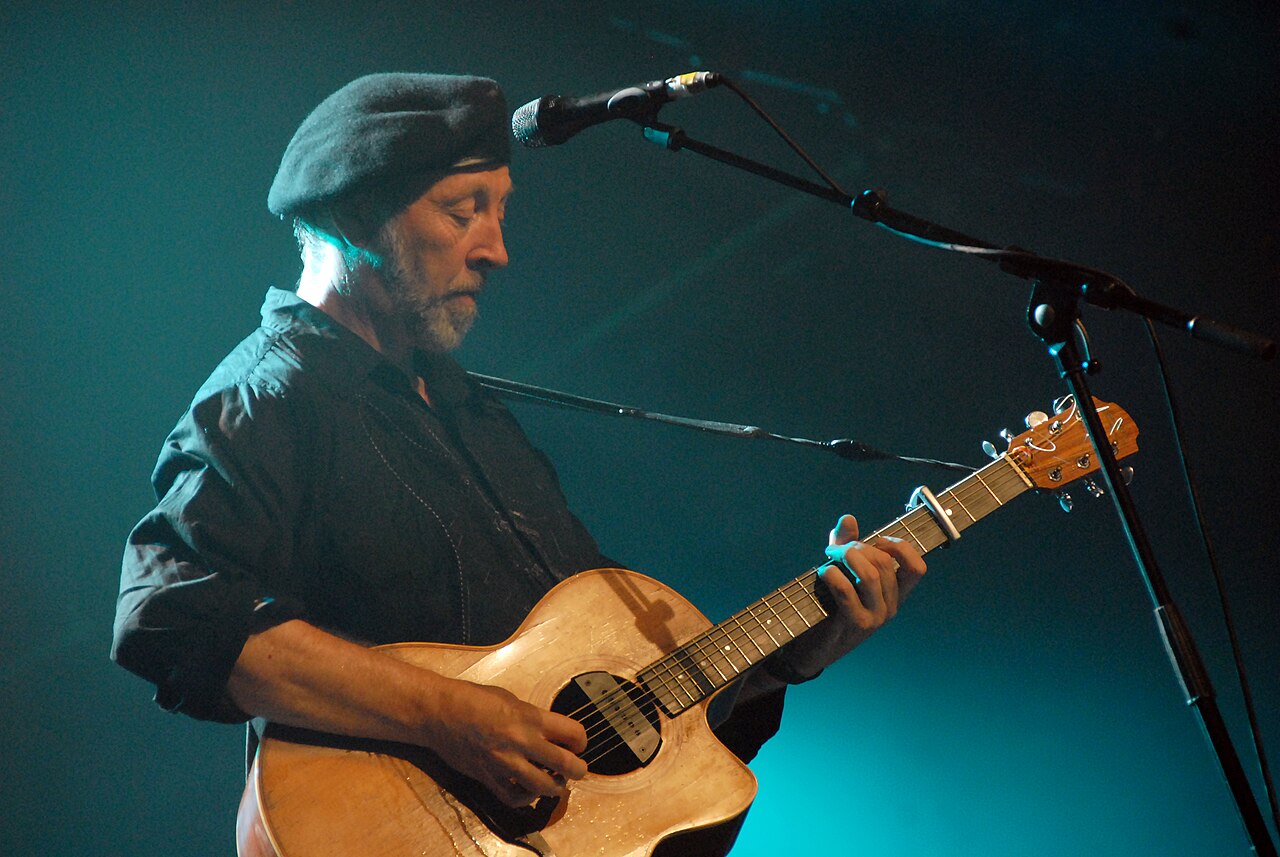
The Richard Thompson comparison — Thompson being the other most technically and musically significant guitarist to emerge from the Fairport Convention world — illustrated both the musical richness of that specific British folk rock environment and the complete diversity of guitar approaches that it could produce in musicians of comparable musical intelligence and comparable technical commitment. Thompson’s guitar approach — rooted in the Celtic and English folk tradition, with jazz harmonic influence and a specific attacking picking technique that was completely unlike any other — was as genuinely original as Donahue’s pedal steel-approximating approach and as specifically rooted in a genuinely absorbed musical tradition rather than in generic rock guitar vocabulary. Both musicians came from the same specific professional environment and both produced genuinely original guitar voices of comparable technical sophistication; the voices themselves were completely different, reflecting the completely different specific musical traditions each had most deeply absorbed. Understanding the Thompson comparison alongside the Donahue approach gives the most accurate picture of how different musical traditions, absorbed with genuine depth and genuine intelligence, can produce genuinely original guitar voices from within the same specific professional musical context.
The John Jorgenson technical range that distinguished the Hellecasters’ third member from both Donahue and Ray — and how Jorgenson’s specific combination of country, rock, jazz, and gypsy jazz capabilities complemented the more specifically country-rooted approaches of his partners — gave the trio its specific quality of musical breadth alongside the roots depth that Donahue and Ray each brought from different specific country tradition starting points. Jorgenson’s gypsy jazz capabilities, in particular, gave the Hellecasters a specific musical territory that was simultaneously related to and distinct from the country tradition’s mainstream aesthetic — the hot jazz of Django Reinhardt and the Hot Club tradition connecting to the Western Swing influence in the country tradition while extending the harmonic language well beyond what standard country guitar vocabulary encompassed. Donahue’s pedal steel technique combined with Jorgenson’s gypsy jazz range and Ray’s Nashville chicken-picking roots created a collective musical statement that was more complete than any individual’s approach could have achieved, and the gear each brought — Donahue’s precisely set-up Telecasters through clean Fender amplification, Jorgenson’s diverse collection, Ray’s Nashville-appropriate Telecaster-through-Fender — served the complete collective picture with the acoustic appropriateness that each individual approach required.
Jerry Donahue’s teaching career — the workshops, the instructional videos, and the ongoing educational work that gave the specific innovations of his playing their most accessible public documentation — was as significant a contribution to country guitar culture as his performing career, because the specific techniques he had developed were genuinely teachable approaches that subsequent guitarists could develop through systematic study rather than remaining the personal property of a single musician. The accessibility of his teaching gave his innovation its fullest possible impact: not merely a distinctive guitar voice that admirers could appreciate from a distance, but a specific technical approach that motivated students could develop in their own playing through sustained study and practice. This teaching commitment was itself a form of musical generosity — sharing rather than maintaining as competitive advantage the specific technical knowledge that decades of development had produced.
The New York birthright combined with the London upbringing that gave Donahue his specific dual cultural formation was as important to his musical contribution as any technical development. The American roots heritage gave him genuine claim to the country music tradition; the British upbringing gave him the analytical distance of someone outside Nashville’s home community; and the specific combination of both gave him the particular vantage point that made his innovations possible. The pedal steel technique was developed by someone with genuine heritage connection to the tradition, but who came to its specific technical vocabulary through analytical distance rather than immersive Nashville absorption. This combination of heritage claim and outside analytical perspective was perhaps the rarest possible formation for genuinely original contribution to an established musical tradition, and it was as responsible for the specific character of Donahue’s contributions as any individual technical talent or musical intelligence. The gear served the innovation; the innovation honoured the tradition; and the tradition was extended by the unique vantage point that only his specific dual formation could have provided.
Frequently Asked Questions: Jerry Donahue Guitars & Gear
What guitar does Jerry Donahue play?
Jerry Donahue’s primary guitar is the Fender Telecaster — vintage and specifically modified examples chosen for the precise string tension control that his pedal steel-approximating multi-string bending technique required. His Telecaster modifications for specific technical purposes reflected practical intelligence about what the specific technique acoustically demanded beyond standard production instrument specifications.
What amp does Jerry Donahue use?
His primary amplifiers are Fender Twin Reverb and Fender Super Reverb — the clean American valve character that gave his pedal steel-approximating technique its appropriate country guitar acoustic foundation. Clean headroom was particularly important for the precise string-bending technique, where compression could blur the specific pitch targets of the bent intervals.
What is Jerry Donahue’s pedal steel technique on guitar?
Donahue developed a technique of precisely controlled multi-string bending on the conventional Telecaster that approximated some of the pedal steel guitar’s specific capabilities — bending specific strings to precise target intervals while maintaining other strings at their original pitches, producing the chord voicing changes and melodic pitch variations that were the pedal steel’s characteristic expressions. The technique required the physical precision to reach specific target pitches rather than approximate intervals, developed through sustained dedicated practice of the specific physical coordination involved.
What was Fotheringay?
Fotheringay was the British folk rock band co-founded by Sandy Denny following her departure from Fairport Convention in 1969. The band recorded one studio album — Fotheringay (1970) — before dissolving, but the recording documented Donahue’s early guitar approach and introduced his specific country-influenced playing to the British folk rock audience. Donahue subsequently joined Fairport Convention, continuing the folk rock connection while developing his distinctive technique.
What effects does Jerry Donahue use?
His key effects include a volume pedal (essential for the pedal steel-inspired swells that were integral to his technique), a Tube Screamer in boost mode (natural amplifier drive), reverb from the Fender amplifier or a dedicated unit, and a tremolo for country-appropriate passages. His minimal effects approach was consistent with the country guitar tradition’s aesthetic preference for natural acoustic character.
What are the Hellecasters?
The Hellecasters were the country guitar super-trio formed in 1990 by Donahue, Will Ray, and John Jorgenson — three of the most technically accomplished country and Western Swing guitarists of their generation. The trio’s recordings showed what the country guitar tradition was capable of at its highest technical level, combining Donahue’s pedal steel technique innovation, Ray’s Nashville roots authenticity, and Jorgenson’s extraordinary technical range in a collective showcase of country guitar virtuosity that was genuinely unprecedented.
Why is Jerry Donahue significant for country guitar history?
Donahue’s significance rested on two specific contributions: the development of pedal steel-approximating string-bending technique on conventional guitar, which expanded the technical vocabulary of the instrument in a genuinely innovative way; and the demonstration that country guitar at its highest level was an international tradition rather than exclusively an American one, accessible to musicians whose formation was within different cultural and geographic contexts but who brought genuine knowledge and genuine technical ambition to its service.
Genre:
Country / Folk Rock
Decades:
1970s | 1980s | 1990s | 2000s
Image credits
- Richard Thompson: Bryan Ledgard, Wikimedia Commons, CC BY 2.0.
- Richard Thompson: Anthony Pepitone, Wikimedia Commons, CC BY-SA 3.0.
- Top image: Rtford, Wikimedia Commons, CC BY-SA 4.0.
- Fender Telecaster: Massimo Barbieri, Wikimedia Commons, CC BY-SA 3.0.
- Fender Super Reverb: GabeMc, Wikimedia Commons, CC BY-SA 3.0.