John Jorgenson Guitars & Gear: The Complete Guide to the Hellecaster, Elton John Sideman and Gypsy Jazz Guitarist
John Jorgenson's guitars, amps and effects: his G&L ASAT, Fender Hellecaster, Korina Tele, Matchless JJ-30 and Gitane gypsy jazz models, fully sourced.
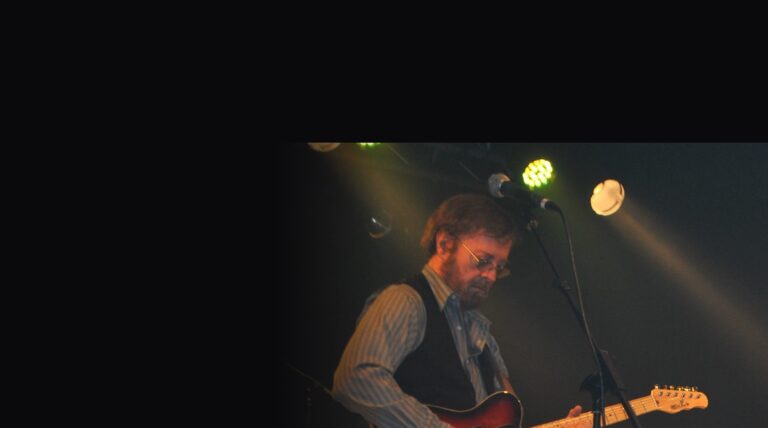
John Jorgenson in Rietberg, 2009. Photo: Enamelhead, CC BY-SA 3.0. Source: Wikimedia Commons.
John Jorgenson’s career is hard to fit into one genre. He won the Academy of Country Music’s guitar award three years running, from 1990 to 1992, after making his name with the Desert Rose Band. He co-founded the instrumental Hellecasters with Jerry Donahue and Will Ray, and he spent six years in Elton John’s band. He has also led a gypsy jazz quintet for years. His official biography describes him as the US ambassador of gypsy jazz. Behind each of those careers is a different set of John Jorgenson guitars, amps and effects.
His gear covers the same ground: signature electrics from G&L, Fender and Fret King, a signature Matchless amp, and Selmer-style acoustics from Saga’s Gitane brand. The details below come from Jorgenson’s own gear notes and the guitar press.
Background: Redlands, Disneyland and Django
Jorgenson was born on July 6, 1956, in Madison, Wisconsin, and grew up in Redlands, California. Before his teens he had learned piano, clarinet, ukulele and guitar. He told Premier Guitar that he started on piano at five, then took up clarinet, and came to fretted instruments after that:
“I was used to practicing different instruments from an early age, and the skills I picked up on one instrument transferred to another.”
Besides guitar, his official biography lists mandolin, mandocello, Dobro, pedal steel, piano, upright bass, clarinet, saxophone, bassoon and bouzouki. He began performing professionally at Disneyland, and it was there that he started exploring the music of Django Reinhardt. His biography and Premier Guitar both date his discovery of the style to 1979.
He has described a 1961 Gibson SG Les Paul as his first good guitar: “I bought it with monthly payments when I was 15 or 16 years old.” In 1974 he wanted a brighter tone than his Gibson Les Paul SG gave him, and he bought a Telecaster for $150 through a newspaper ad. He wasn’t keen on its pink paisley finish. After that he bought a ’53 Tele for $200, which he told Fretboard Journal in 2008 he still owned.
The Desert Rose Band Years
Jorgenson co-founded the Desert Rose Band with Chris Hillman, formerly of the Byrds and the Flying Burrito Brothers. From 1987 to 1993 the band released five albums and had seven top-ten country hits. Two of them reached No. 1: “He’s Back and I’m Blue” and “I Still Believe in You”. The Academy of Country Music named Jorgenson its Guitarist of the Year in 1990, 1991 and 1992.
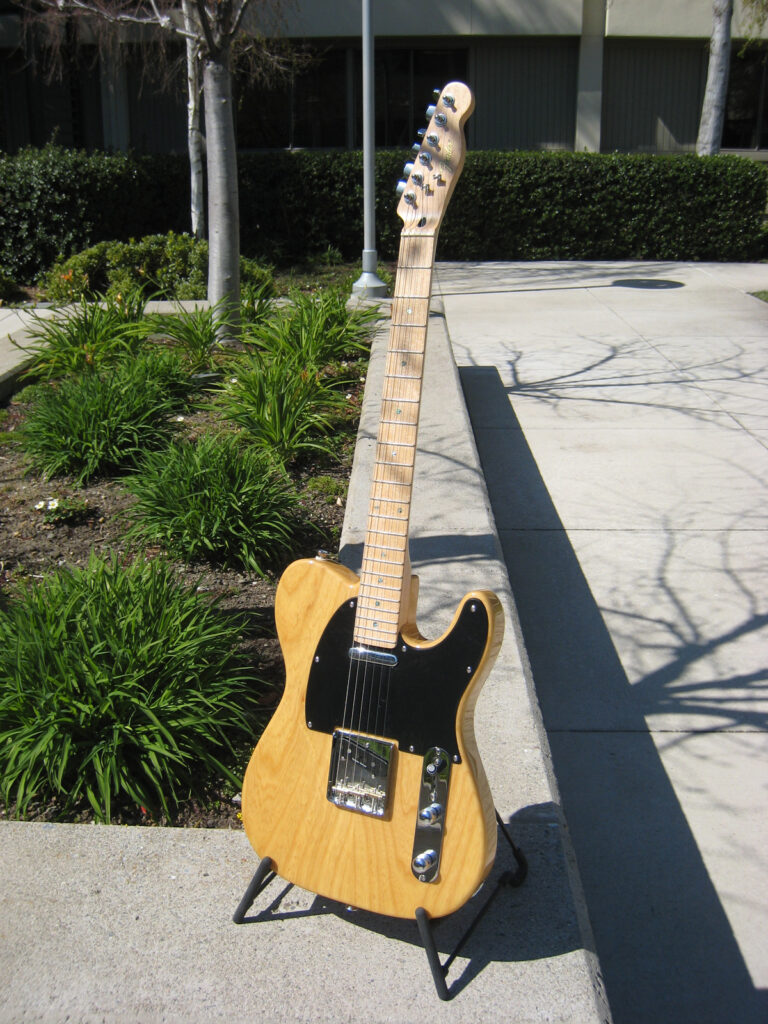
In those years his main stage guitar was a G&L, not a Fender. His friend Jeff Ross introduced him to G&L in 1987, and the company gave him a natural-finish ASAT, its take on the Telecaster. He asked for something with more visual impact, and G&L sent a silver sparkle ASAT that, in his words, was “specially made for me, all silver, by Leo Fender in 1988”.
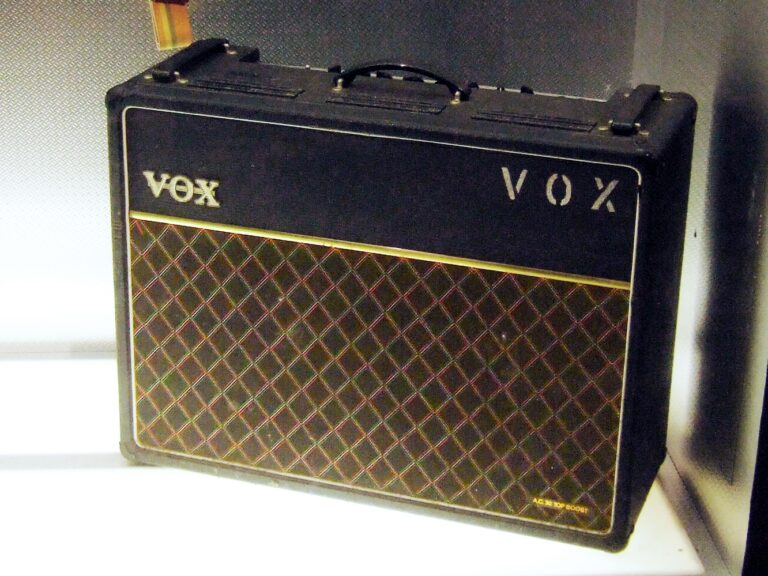
On the band’s 1988 version of “Hello Trouble”, Jorgenson played the sunburst Tele that later gave its name to “Sunburst Tele 2”, through a 1964 Vox AC30. Years later, before the 2010 flood, Brad Paisley told him that this guitar-and-amp pairing gave his favourite guitar tone ever.

The Hellecasters
The Hellecasters were Jorgenson, Jerry Donahue and Will Ray, three Telecaster players who put melody and ensemble arrangements ahead of showing off. According to the band’s own history, the trio first played together in June 1990, at the “Barndance” showcase at the Palomino club, intending it as a one-off. After Michael Nesmith saw them there in April 1991, he offered them a record deal. Their first album, The Return of the Hellecasters, was voted both Album of the Year and Country Album of the Year by Guitar Player magazine’s readers. The band released three studio albums, the third of them Hell III.
In 1996, after nine years as a G&L endorser, Jorgenson followed Donahue’s advice and moved to Fender. Fender gave each Hellecaster the chance to design a guitar for its 1997 Limited Edition series. Jorgenson’s design took the Stratocaster as its starting point, not the Telecaster.
Elton John and the Session Work
In 1994 Elton John asked Jorgenson to join his band for an 18-month tour. He stayed for six years of touring, recording and TV appearances, and he played both his Hellecaster and his Custom Shop signature Telecasters in that band. The Country Music Hall of Fame lists his session work for Mary Chapin Carpenter, Carlene Carter, Kenny Chesney, John Prine and Bonnie Raitt. He was also musical director for the TV shows Hot Country Nights and ABC’s Delta.
At the 2009 Grammy Awards he shared Best Country Instrumental Performance for “Cluster Pluck”, a track from Brad Paisley’s album Play. The other players on the track were Paisley, James Burton, Vince Gill, Albert Lee, Brent Mason, Redd Volkaert and Steve Wariner. At the same ceremony he was also nominated for Best Bluegrass Album, for Earl Scruggs’ The Ultimate Collection: Live at the Ryman.
The Gypsy Jazz Guitarist
In 2004 Jorgenson played Django Reinhardt in the film Head in the Clouds, which starred Charlize Theron and Penélope Cruz. He told Premier Guitar that the film paid him to do something he would have done anyway: transcribe Django’s playing and learn it note for note. He now leads the John Jorgenson Quintet, the John Jorgenson Electric Band and the John Jorgenson Bluegrass Band (J2B2). For bluegrass guitar, he names Clarence White, Tony Rice and Doc Watson as his benchmarks.
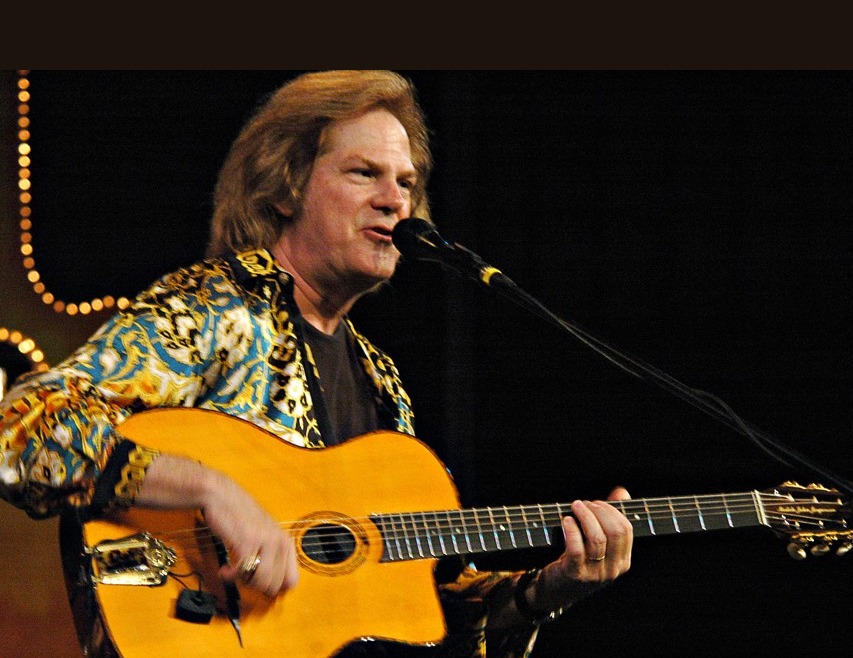
For his 2007 album Ultraspontane, Vintage Guitar listed a 1939 Selmer, a 1942 Selmer oval-hole, a mid-’30s Selmer D-hole, a 1995 Maurice Dupont and prototypes of his Gitane signature models. He says he played an original Selmer for about two decades before working with Gitane.
The Rig: John Jorgenson Guitars, Amps and Effects
Guitars
This was his main Tele-style guitar for the rest of the Desert Rose Band years and on the first two Hellecasters albums. It has a gloss neck and a thick finish with large metal flakes, which has yellowed over time. G&L issued a silver sparkle signature ASAT in 1995, and Jorgenson thinks fewer than 200 were made that year. He ended the endorsement after Leo Fender’s death and the company’s sale to BBE, citing problems with artist relations. He played the original guitar at the Desert Rose Band’s 2010 reunion shows and on an instrumental album with Joe Bonamassa.
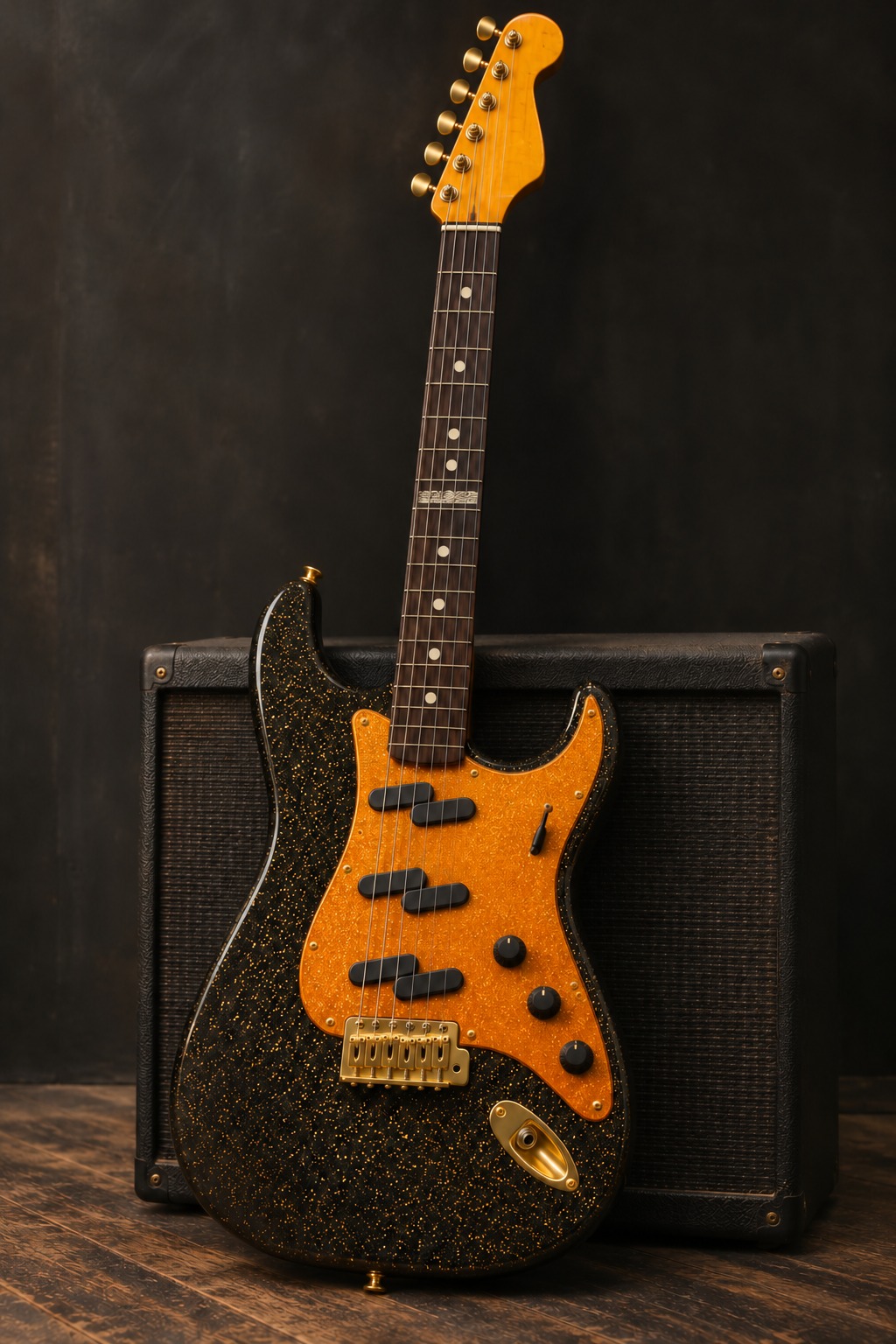
This one-year-only model has a Strat-shaped maple body in black sparkle, a gold sparkle pickguard and a Hellecasters logo at the 12th fret. The three Seymour Duncan split single-coils use alnico magnets and are based on G&L’s Z-coils. A five-way switch and a push-pull pot give every pickup combination, and there are separate treble and bass roll-off controls. Between 450 and 500 were built in 1997 and 1998. Jorgenson points out a factory error: an extra resistor that affects the tone. His fix is to remove the pickguard and clip the resistor out. He played his own Hellecaster with Elton John, on Hell III and at almost all of his solo electric shows.
Fender built prototypes in 1997 and sold the model from 1998 to 2002. It has a Korina body, a bird’s-eye maple neck, locking tuners, brass saddles and an elongated ashtray bridge. Each of its two pickups joins two under-wound Tele coils as a humbucker, and all five switch positions are hum-cancelling. Only about 24 were built, most of them in champagne sparkle. One of his own, airbrushed with the Goodbye Yellow Brick Road cover, survived the 2010 Nashville flood.
Jorgenson played a Gitane DG250M at the Frankfurt Musikmesse in 2004, and his ideas became the DG-300. The second prototype was his main road and recording guitar for many years. Vintage Guitar describes the production model as a petite bouche (small oval soundhole) guitar. It has a solid Sitka spruce top, laminated Santos rosewood back and sides, and a walnut neck shaped to Jorgenson’s specifications.
The DG-320 has a large D-shaped soundhole, 14 frets to the body and a longer scale than a standard D-hole guitar. Jorgenson says it cuts more than a standard D-hole and sounds fuller than a standard oval-hole. The all-black DG-330 “Tuxedo” was inspired by a photo of a black 1960s Favino. He used its prototype to record “La Journee Des Tziganes” for Ultraspontane.
Vintage Guitar lists this guitar on Ultraspontane. Premier Guitar lists it again, with Wegen Fatone 5mm picks, for the Quintet album Returning.
This dreadnought has a Port Orford cedar top, laminated Brazilian rosewood back and sides and an extra-large soundhole. He plays it at J2B2 shows and uses it in the studio in both standard and open tunings.
The FKV25JJ combines a Telecaster with a Gretsch Roc Jet, in the green-on-green colour scheme of a Gretsch Anniversary, and adds a chambered body and “ghost coil” humbucking. The solid-body Candy Apple Red version was first shown at NAMM in January 2019.
Amps
Jorgenson asked Matchless for built-in tube tremolo and reverb, a combination the company did not offer in that format at the time. The result was a 30-watt 1×12 combo with four EL84s. Only about 40 were built.
This amp was underwater in the 2010 flood. “It was unbelievable that the amp came through,” Jorgenson told Premier Guitar. Every screw and bolt had rusted, and the speakers had been soaked.
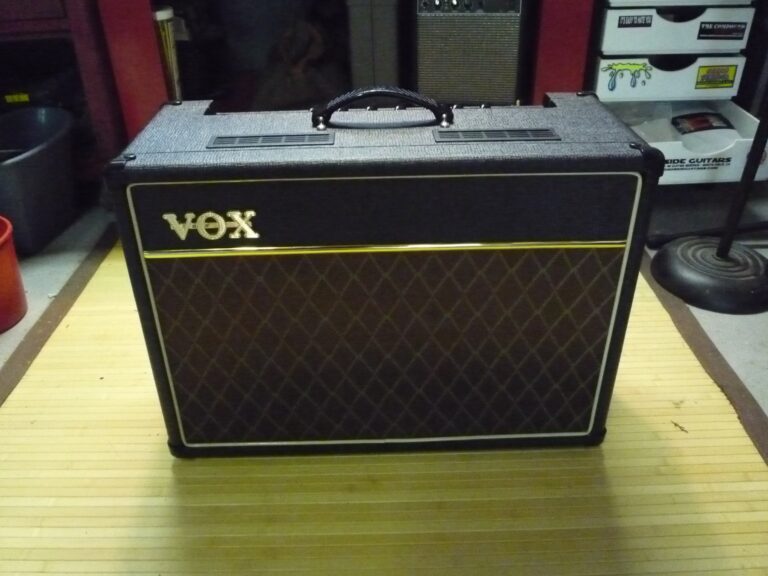
Premier Guitar lists it with a Celestion Alnico 12″ speaker. The magazine’s gear list for Gifts from the Flood includes a ’65 Marshall JTM45, a ’66 Danelectro DS-50 and a ’67 Vox Berkeley II.
Effects
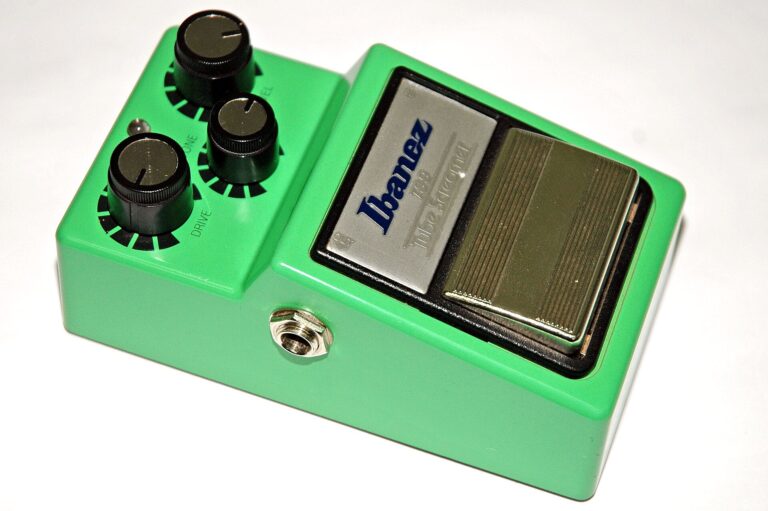
The TS808 and TS5 appear on the Gifts from the Flood list. A TS9 appears in a separate Premier Guitar gear list next to the AC15.
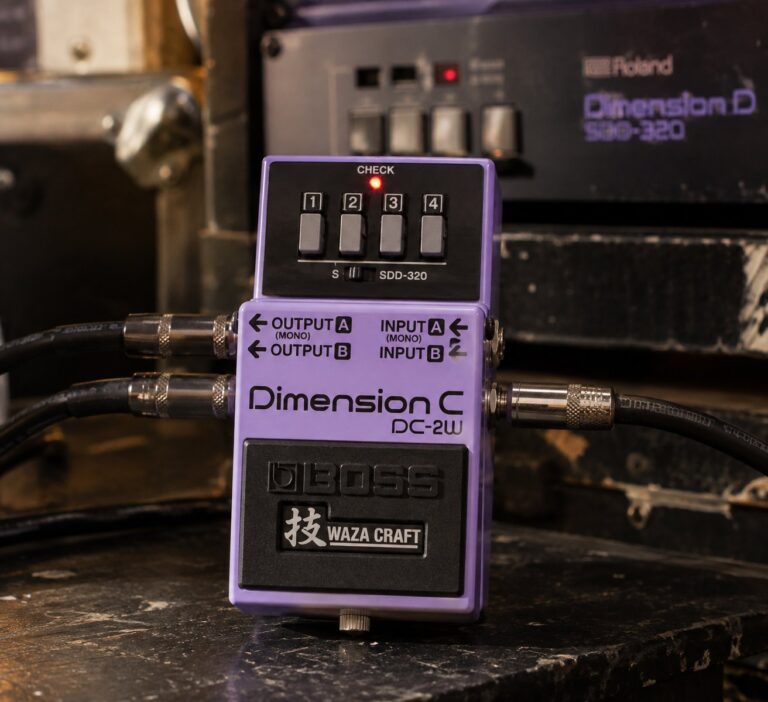
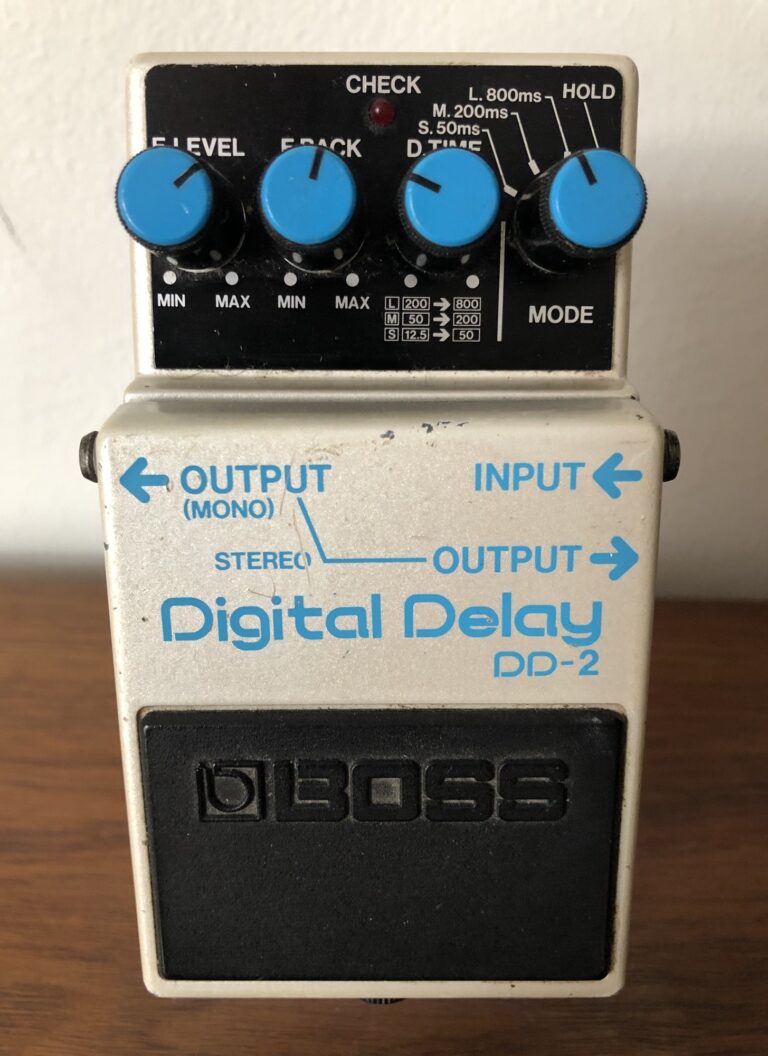
These are also on the Gifts from the Flood list, along with a Matchless Hot Box preamp and a Digidesign Eleven Rack.
The 2010 Flood and Gifts from the Flood
In 2010, two days of storms pushed Nashville’s Cumberland River to nearly 52 feet. The water reached Soundcheck, a Nashville rehearsal and storage facility, while he was on tour in Germany. Over many months, Nashville guitar tech Joe Glaser restored nearly all of the damaged gear. Jorgenson found that Fender pickups came through worse than Gibsons, “because a Gibson has a metal bottom piece and Fender has fiber”. His 1964 SG Custom came back able to sustain and feed back without heavy overdrive.
As guitars came back from repair, he wrote new music on them. The songs became the album Gifts from the Flood, with each track named after the guitar used to write it, from “’61 SGLP” to “’66 Silvertone 1”. He calls “Sunburst Tele 2” the most country track on the album. The guitar it is named after stayed dry, but the AC30 from the “Hello Trouble” pairing did not. The album appeared in Divertuoso, a three-CD box set that also includes the Quintet album Returning and the J2B2 album From the Crow’s Nest.
Legacy
He has had signature instruments from G&L, Fender, Fret King, Gitane, Blueridge and Matchless. In 2026 the Country Music Hall of Fame and Museum added him to its “Nashville Cats” series, which honours musicians who have played key roles for other artists in the studio or on tour.
Frequently Asked Questions
What guitars is John Jorgenson known for?
In the Desert Rose Band years he played a silver sparkle G&L ASAT made for him in 1988. From 1996 he played Fender, including his 1997 Limited Edition Hellecaster and his Custom Shop Korina Telecaster. For gypsy jazz he uses vintage Selmers and his signature Gitane DG-300.
Who were the Hellecasters?
The Hellecasters were an instrumental trio of John Jorgenson, Jerry Donahue and Will Ray, formed in 1990. Guitar Player’s readers voted their first album, The Return of the Hellecasters, both Album of the Year and Country Album of the Year.
How long did John Jorgenson play with Elton John?
Six years. He joined in 1994 for what was planned as an 18-month tour and stayed on to tour, record and appear on TV with Elton John.
Did John Jorgenson win a Grammy?
Yes. He shared the 2009 Grammy for Best Country Instrumental Performance for “Cluster Pluck” from Brad Paisley’s album Play.
Did John Jorgenson play Django Reinhardt in a film?
Yes. He played Django Reinhardt in the 2004 film Head in the Clouds.
Image credits
- Fender Limited Edition John Jorgenson Hellecaster (Introduced at Winter NAMM 1997): GuitarGangsters AI-generated reference illustration, not a photograph.
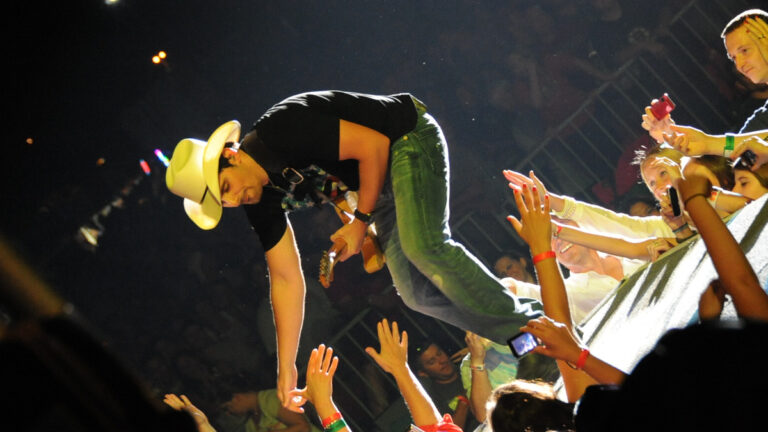
- Brad Paisley: U.S. Navy, Toiete Jackson, Wikimedia Commons, Public domain.
- Top image: Enamelhead, Wikimedia Commons, CC BY-SA 3.0.
- Vox AC30 Top Boost: wetwebwork; existing crop and contrast/color adjustments: Clusternote, Wikimedia Commons, CC BY-SA 2.0.
- Vox AC15: Roadside Guitars, Wikimedia Commons, CC BY-SA 2.0.
- Ibanez TS9 Tube Screamer: Mataresephotos, Wikimedia Commons, CC BY 3.0 US.
- BOSS DC-2W Dimension C Waza Craft: GuitarGangsters AI-generated reference illustration, not a photograph.
- Boss DD-2 Digital Delay: Kuriosatempel, Wikimedia Commons, CC BY-SA 4.0.