
The Beatles Open Rubber Soul’s Workshop With New Mixes and Unheard Takes
The Beatles’ expanded Rubber Soul release pairs new mixes with recordings that reveal how familiar songs changed before their final versions.
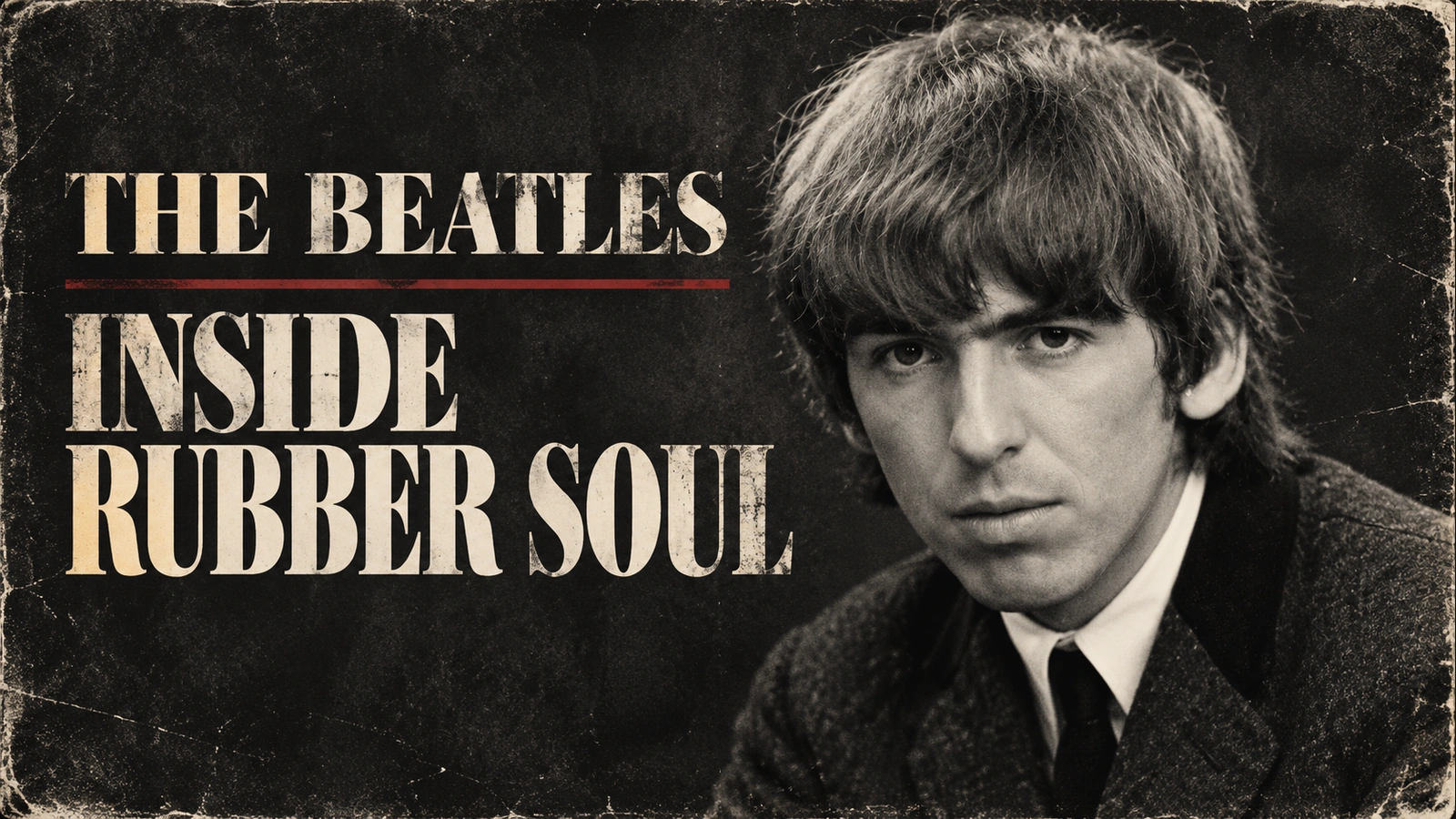
The Beatles’ expanded Rubber Soul Special Edition is out, bringing new mixes and archive recordings from the making of the 1965 album. UMG and Apple Corps released the collection on October 2, alongside a visualizer for “I’m Looking Through You (Second Version – Take 3).”
Before the finished song
The newly released take comes from the November 6, 1965 session. According to the official release notes, it still contains two instrumental 12-bar sections. Paul McCartney later replaced those passages with a bridge for the final version.
For players and songwriters, that is the useful attraction of an archive release: hearing a familiar song before its structure was settled. Here, the history is in a changed arrangement as much as in a different performance.
More than one route through the archive
Producer Giles Martin and engineer Sam Okell have created new stereo and Dolby Atmos mixes. Across the expanded editions, the material also includes the original mono mix, the original Capitol U.S. album version, session recordings, home demos and the contemporary “Day Tripper” / “We Can Work It Out” single.
The 4CD and 5LP Super Deluxe editions include an 88-page hardbound book. The 2CD and 2LP Deluxe editions offer a smaller, selected set of session highlights, demos and the single.
Harrison’s changing instrumental palette
The previously released “Norwegian Wood (This Bird Has Flown) (Second Version – Take 2)” provides another documented view inside the work. The Beatles’ September notes describe John Lennon on acoustic guitar, McCartney on bass, Ringo Starr on drums and George Harrison playing sitar drone notes on the first track of the tape.
Harrison added more sitar on the other tracks. In this arrangement, double-tracked sitar opens with the bridge melody, rather than the verse melody heard at the start of the finished version. It is a concrete example of the band testing how instrumentation could reshape a song.
Want to dig deeper into Harrison’s guitars and gear? Read our full George Harrison guide.
Image: Editorial illustration of George Harrison in his early Beatles period. Identity reference: Harry Pot / Anefo / Nationaal Archief, June 1964, CC0. This is not a Rubber Soul session photograph.