
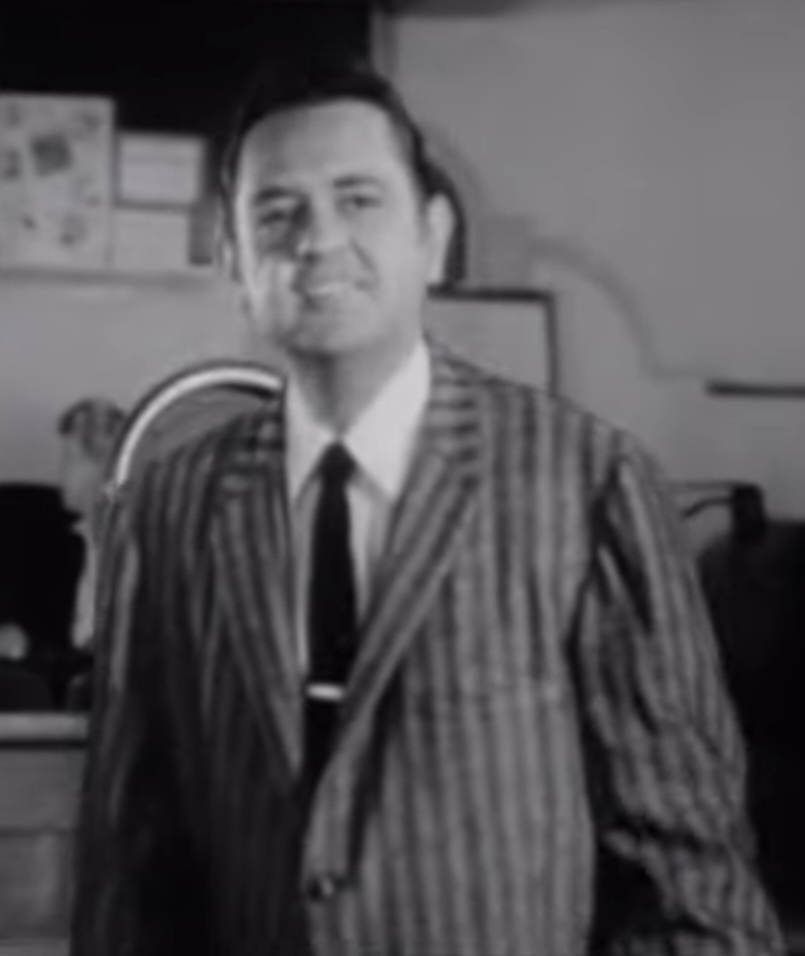
Merle Haggard said that Travis’s guitar playing sounded like two guys. This is the most compact possible description of what Travis picking achieves: a single guitarist producing what the listener’s ear processes as two simultaneous performers — one playing bass lines, one playing melody — from a single instrument with a single pair of hands. The specific technique — the right thumb alternating bass notes on the low strings while the index and middle fingers simultaneously pluck melodic lines on the higher strings — creates the “boom-chuck” rhythmic foundation and the melodic superstructure in one seamless performance. Merle Travis did not invent this approach from scratch; he learned it from two musicians in Western Kentucky — Mose Rager and Ike Everly (father of Don and Phil Everly of the Everly Brothers). But he developed it to a level of sophistication and commercial visibility that gave it his name. Travis picking is now one of the most widely taught fingerstyle guitar techniques in the world, deployed in country, folk, blues, and pop music wherever a guitarist needs the impression of multiple instruments from a single player.
Merle Robert Travis was born on November 29, 1917, in Rosewood, Kentucky, into a coal mining family. His father worked at a mine near Ebenezer, Kentucky, and Travis grew up in the coal country of Muhlenberg County. At twelve years old, he became obsessed with learning the local guitar fingerpicking style — the Western Kentucky thumbpicking tradition that Mose Rager and Ike Everly represented — that would become the foundation of his career. He was a guitarist, singer, songwriter, guitar designer, and author — the Country Music Hall of Fame’s assessment is that he had an unequaled blend of all of these talents. He was among the first prominent electric guitarists, alongside Charlie Christian, at a time when the electric guitar’s role in popular music was still being defined. He worked with Paul Bigsby on some of the earliest solid-body electric guitars ever made. He wrote “Sixteen Tons” — the coal mining song that Tennessee Ernie Ford recorded in 1955 and that became a Number One hit on both the country and pop charts. He was inducted into the Country Music Hall of Fame in 1977. He died on October 20, 1983, in Tahlequah, Oklahoma, at sixty-five years old.
His relationship with Paul Bigsby — the California machinist who built some of the most significant proto-electric-guitar instruments of the 1940s — is one of the more important collaborations in the guitar’s early electric history. The Bigsby-Travis guitar that resulted from their work together was, in some accounts, an influence on Leo Fender’s subsequent designs. The scroll headstock design of Bigsby’s guitars — exotic, immediately recognizable, associated with Travis’s specific visual and tonal identity — is one of the most striking visual elements in pre-Fender-Stratocaster guitar history. Travis liked Bigsby’s craftsmanship so much that he had him build a custom neck for his Martin acoustic. He replaced a Martin acoustic neck with a Bigsby neck. This is the act of a musician who trusts a specific craftsman’s work more than he trusts any manufacturer’s original specification, and who has the creative confidence to make that substitution on what would now be a priceless vintage instrument. Merle Travis had no second thoughts.
Background: From Muhlenberg County Coal Country to Country Music Hall of Fame
The specific Western Kentucky thumbpicking tradition that Travis absorbed from Mose Rager and Ike Everly was a regional style — not nationally known, not commercially visible, practiced in the Muhlenberg County area and passed down between musicians who shared it by playing together and showing each other specific elements of the approach. Travis learned it at twelve. By his late teens and early twenties, he was playing professionally in regional bands and on radio programs. His move to California — the standard trajectory for Kentucky musicians who wanted commercial opportunities larger than the regional circuit — brought him to the specific environment of Hollywood country music that would define his recording career.
The Capitol Records recordings of the late 1940s — “Smoke! Smoke! Smoke! (That Cigarette)” (1947, Number One for fourteen weeks), “Sixteen Tons” (written 1946, recorded by Tennessee Ernie Ford 1955), “Dark as a Dungeon” (1946), “Nine Pound Hammer” (1946) — established Travis as both a commercially significant recording artist and a songwriter of lasting cultural importance. “Sixteen Tons” specifically — the song about the coal miner’s life and the company store debt that trapped miners in perpetual obligation — connects his Kentucky coal country origins to the commercial mainstream through a specific social critique: the line “I owe my soul to the company store” is one of the most quoted song lyrics about American economic inequality in the twentieth century. Tennessee Ernie Ford’s 1955 recording made it a pop crossover hit; the song’s cultural legacy has outlasted both artists.
The Guitar Man album (1954) and The Merle Travis Guitar (1956) on Capitol Records specifically introduced Travis picking to the wider guitar community, reaching folk music enthusiasts, fingerstyle guitarists, and country music audiences who had not previously encountered the Western Kentucky thumbpicking tradition in any commercially recorded form. Chet Atkins specifically absorbed Travis’s style — learned partly from Travis recordings and partly from personal contact — and developed it into the Chet Atkins style that brought fingerpicking guitar to a global commercial audience through the Nashville Sound recordings of the 1950s and 1960s. The Chet Atkins influence on every subsequent acoustic guitar player who uses fingerpicking in a country or pop context traces back through Atkins to Travis to Rager and Ike Everly in Muhlenberg County. The tradition is intact and traceable.
The relationship between Travis’s Kentucky coal mining origin and his most celebrated songs is more than biographical coincidence. “Sixteen Tons,” “Dark as a Dungeon,” and “Nine Pound Hammer” are songs written by someone who understood the coal miner’s life from inside it — the company store debt that kept miners in perpetual economic obligation, the physical danger of the mine, the weight of the work. The line “I owe my soul to the company store” is not poetry from the outside looking in; it is documentation by someone who grew up watching the system operate. This social documentary dimension of his songwriting — the willingness to write honestly about the economic conditions of his own community rather than romanticizing or avoiding them — gives his songs a moral weight that purely commercial songwriting doesn’t carry. “Sixteen Tons” is one of the most quoted songs in discussions of American labor economics because Travis gave it the specific language of lived experience rather than the general language of protest from a distance.
His work with Paul Bigsby in the late 1940s produced some of the most historically significant electric guitar instruments in the pre-Fender era. The Bigsby-Travis solid-body electric guitars — with their scroll headstocks and Bigsby’s machinist-level craftsmanship — are documented by Bigsby’s son Gary as having influenced Leo Fender’s subsequent Broadcaster/Telecaster design. Whether this influence was direct or coincidental is debated by guitar historians; what is not debated is that Travis was playing Bigsby solid-body electrics at the specific historical moment when the solid-body electric guitar was being developed, and that his specific requirements shaped what Bigsby built. He was a primary customer and collaborator for Bigsby’s guitar work, not merely a user of commercially available instruments.
His multicareer identity — guitarist, singer, songwriter, guitar designer, author — reflects the specific professional ecology of country music before the genre’s commercialization separated these roles into specialist positions. In the late 1940s and early 1950s country music environment, the successful performer was expected to bring multiple capabilities to the commercial context: the voice that sold the record, the pen that wrote the material, the guitar that delivered the specific sound, and the showmanship that held the audience. Travis excelled at all of these simultaneously, which is exactly what the Country Music Hall of Fame’s “unequaled blend of talents” documentation is noting. The subsequent specialization of country music — the separation between singer-performers and professional songwriters, between guitarist-session musicians and performing artists — has made his specific combination of capabilities rarer and therefore more recognizable as an achievement in its full scope.
The Rig: Merle Travis’s Guitars, Amplification, and Approach
Guitars
Merle Travis had a preference for Bigsby guitars in the pre-Fender era of electric guitar development. He was one of the first prominent electric guitarists, alongside Charlie Christian, and his choice of Bigsby’s handmade instruments reflects both the limited commercial options available in the late 1940s and his specific relationship with Paul Bigsby as a craftsman. The Bigsby electric guitars featured Bigsby’s scroll headstock design, his specific approach to solid-body construction, and the craftsmanship quality that Travis specifically valued. One of the first Bigsby electrics — built for Travis — is among the earliest documented solid-body electric guitars. Travis’s son Thom Bresh plays a similar instrument, maintaining the specific Bigsby-Travis visual and tonal identity into subsequent generations.
The Bigsby scroll headstock — the distinctive curling headstock design that Bigsby developed for his guitars — became visually associated with Travis’s specific guitar identity through his prominence as a user. Travis exposed the masses to the scroll headstock with his Martin D-28 custom neck acoustic dreadnought, as well as his usage of one of the first Bigsby electrics. The scroll headstock subsequently appeared on the Bigsby vibrato tailpiece that Bigsby developed in the late 1940s (and that remains in production today as a standard tremolo option on many electric guitars) — a visual element that has persisted in guitar culture for seventy-five years, traceable back to Bigsby’s work with Travis.
Travis’s primary acoustic guitar was a Martin D-28 dreadnought — the standard for bluegrass and country acoustic guitar tone — modified with a custom neck that Bigsby built from the finest birdseye maple. Travis had Bigsby create a brand new neck for his main acoustic and used it for the majority of his career. The specific detail — replacing a vintage Martin neck with a Bigsby-built birdseye maple neck — reflects the specific quality Travis found in Bigsby’s craftsmanship and his willingness to prioritize playing feel over the original factory specifications that subsequent guitar culture would treat as inviolable. The resulting acoustic guitar — the standard D-28 tonal foundation with the specific Bigsby neck’s feel and response — was his primary acoustic instrument for his acoustic recording and performing work.
The Gibson Super 400 — the large-body archtop jazz guitar that Gibson produced for the most ambitious and most commercial guitar players of the swing era — appears in Travis’s documented guitar use. The Super 400’s specific character: a large, fully hollow archtop body with the resonant, warm acoustic projection suited to jazz and big band contexts, the specific articulation of the archtop pickup in an amplified context. Travis’s use of the Super 400 alongside his Bigsby solid-bodies reflects the period-appropriate eclecticism of a professional musician in the late 1940s: the archtop for jazz and ballad work, the solid-body Bigsby for the country and boogie material.
The technique that gave Travis his specific historical significance — Travis picking — is the foundational technical element that connects him to every subsequent fingerstyle guitarist who uses the pattern. As described in Country Music Hall of Fame documentation: At age twelve Merle became obsessed with learning Muhlenberg County’s unique guitar finger-picking style, which involved picking syncopated accompaniment on the bass strings with the right thumb while simultaneously playing lead on the treble strings with the index finger. The specific characteristics of Travis picking as he developed it: the right thumb alternates between the bass strings (typically low E and D) on beats 1 and 3 in a “boom-chuck” rhythmic foundation; the index finger (and sometimes the middle finger) plucks melodic lines on the higher strings simultaneously; syncopated off-beat accents create rhythmic drive that gives the technique its characteristic swing feel. The result, when executed correctly, sounds like at least two musicians performing simultaneously from one guitar and one pair of hands.
Travis picking uses a thumb pick — a rigid plastic or metal pick worn on the right thumb — combined with the bare fingers (or fingerpicks on the index and sometimes middle fingers) for the melodic string attacks. The thumb pick provides the consistent, aggressive attack for the bass string rhythm that the pattern requires; the bare or fingerpick finger attacks produce the melodic line. Travis himself primarily used his right thumb and forefinger to do all the work — minimizing the finger involvement to two right-hand digits (thumb and index) rather than the full three or four finger approach that some fingerpickers adopt. This two-digit concentration focused the technique’s output into the maximum articulation from the minimum physical complexity.
Amplification
Amplification in the Early Electric Era (Variable, Context-Appropriate): Travis’s amplification varied across the different performance contexts of his career. The recordings on Capitol in the 1940s and 1950s used electric amplification to accentuate the precision of Travis’s signature picking technique. For the early Bigsby electric guitars, small tube amplifiers of the era — Fender’s pre-Telecaster amplifiers, the other California-made tube amps of the late 1940s — provided the necessary amplification without the high-gain characteristics of later rock amplifiers. The country music context of his primary work called for clean, transparent amplification that preserved the picking technique’s sonic complexity rather than coloring it with amplifier saturation.
Country Music Clean Aesthetic: The specific amplification aesthetic of Western Kentucky thumbpicking and country music in general required the clean transmission of the picking technique’s full tonal complexity. Travis picking’s appeal — the specific reason Merle Haggard described it as sounding like two guys — depends on the clarity with which the bass line and the melody line are each transmitted. High-gain amplification compresses this distinction; clean amplification preserves it. The country music tradition’s preference for clean amplification is not stylistic conservatism but a specific practical requirement of the music’s primary technical attraction: the polyphonic independence of the picking technique’s voices.
Playing Style & Tone Philosophy
Merle Travis’s playing style is the most foundational fingerstyle technique in this series — the method that gave the most basic form of polyphonic guitar playing its name, and that has been transmitted from the Western Kentucky thumbpicking tradition through Travis and then through Chet Atkins to virtually every country, folk, and pop fingerstyle guitarist of the past seventy years. The specific sonic character — one guitar sounding like two performers, the bass and melody independent and simultaneous — is Travis picking’s defining achievement and the reason that its influence extends far beyond country music into every genre where fingerstyle guitar is used.
The Merle Haggard quote — “it sounded like two guys” — is the best short description of what the technique achieves and why it matters. Most guitar playing sounds like what it is: one musician on one instrument. Travis picking creates the perceptual illusion of multiple performers, which gives the technique a specific commercial and musical value that purely melodic or purely rhythmic guitar playing doesn’t have. The country music audience of the late 1940s, hearing Travis’s Capitol recordings, heard what they perceived as a full rhythm section and melody line from a single guitar. This illusion — created by the thumb-and-finger independence of the technique — is Travis’s specific contribution to guitar playing’s expressive vocabulary.
The Marty Stuart quote captures the other dimension of what Travis did: “Travis’s chord knowledge, up and down the neck of the guitar, was not that of your basic hillbilly player. How he put all of it together, and made chords fly and words fly and style fly at all the same time, it was a sight to behold.” This is the harmonic intelligence that the technique rested on: the specific chord voicings, the up-the-neck knowledge, the ability to make the rhythmic-bass and melodic-treble voices each harmonically sophisticated rather than limiting either voice to simple patterns. Travis picking as Travis himself played it was not a pattern applied to simple harmonic content; it was a sophisticated harmonic vocabulary expressed through a specific technical approach. The subsequent guitarists who absorbed the technique without equally developing the harmonic sophistication produced technically accurate but musically incomplete versions of what Travis demonstrated.
His tone philosophy was the working musician’s: use the best available tools for the specific musical purpose. Bigsby’s craftsmanship made the best available electric guitar in the pre-Fender era; Bigsby’s birdseye maple neck made the best available feel on the Martin acoustic. The specific quality of the work was the criterion. Brand loyalty, prestige, or commercial recognition were not relevant. When something better was available, it was used. This is the pragmatic ethos of a Kentucky coal miner’s son who learned to make practical decisions from necessity and applied it to every aspect of his professional life.
The specific transmission from Ike Everly to Travis to Chet Atkins creates an interesting historical thread with the Everly Brothers — Ike Everly’s sons Don and Phil — who developed a specific acoustic guitar duo style that was itself influential on the British Invasion bands (the Beatles and Simon & Garfunkel’s acoustic harmonies directly absorbed the Everly Brothers’ specific vocal and guitar blend). The chain from Muhlenberg County thumbpicking tradition to Travis to Atkins runs parallel to the chain from Muhlenberg County thumbpicking tradition through Ike Everly’s sons to the Beatles to the global rock tradition. Both chains originate in the same regional guitar tradition that Travis and Ike Everly shared. The Western Kentucky thumbpicking tradition’s influence on global popular music — through two parallel transmission chains — is one of the more significant and least recognized geographic-musical contributions in American music history.
The “Dust in the Wind” documentation — LedgerNote’s citation of Kansas’s 1977 acoustic guitar figure as “the most recognized expression of the technique in popular music” — is worth specific attention. Kansas is a progressive rock band; “Dust in the Wind” is a folk-rock ballad; neither is typically associated with Western Kentucky country music traditions. Yet the guitar figure that opens that song is a direct application of Travis picking — the alternating thumb bass and melody finger approach, applied to the song’s acoustic guitar part by guitarist Kerry Livgren. This is the specific mechanism of technique transmission: a country music fingerpicking tradition, absorbed into the folk guitar tradition through Chet Atkins and the folk revival, applied by a progressive rock band to a folk-rock song that became one of the best-selling singles of the late 1970s. Merle Travis’s twelve-year-old self learning from Mose Rager in Muhlenberg County eventually produced the acoustic guitar part of a Number Two Billboard Hot 100 hit for a Kansas arena rock band in 1977. The tradition travels.
How to Approach Travis Picking
Learning Travis picking requires specific right-hand development that most guitar instruction doesn’t emphasize.
Guitar: Any steel-string acoustic or electric guitar with strings that provide clear definition on the bass strings. Travis used archtops and Bigsby electrics for his electric work; modern learners can use any guitar with reasonable playability. A thumb pick for the right thumb is essential — the consistent, aggressive attack for the bass line requires the thumb pick’s rigidity that a bare thumb can’t provide reliably at performance tempo.
Travis Picking Pattern Reference:
| Beat | Right Hand Element | String | Notes |
|---|---|---|---|
| Beat 1 | Thumb downstroke | Low E or A (bass root) | The “boom” of boom-chuck |
| Beat 1 & | Index finger upstroke | G or B (melody) | Melody note — first melodic attack |
| Beat 2 | Thumb downstroke | D or G (bass counter) | The “chuck” — alternating bass note |
| Beat 2 & | Index finger upstroke | G or B (melody) | Melody continues |
| Syncopation | Index anticipation | High strings | Off-beat accents create swing feel |
The practice approach: Start without melody — just the alternating thumb bass pattern alone, until it is completely automatic and rhythmically consistent. This is the foundation; without it, the melody will disrupt the bass. Once the thumb pattern is automatic at 60 BPM, add one finger on one high string. Practice until both are automatic together before adding complexity. This is how Travis learned it from Rager and Everly, and how every subsequent teacher recommends learning it: bass independence first, melody second, complexity last.
Influence & Legacy
Merle Travis’s influence on guitar playing is as foundational as any technique-named influence in music. “Travis picking” is not merely a style associated with one musician; it is a recognized pedagogical category with its own instructional materials, its own teachers, and its own community of practitioners. The technique is taught in Berklee College of Music, in guitar instruction books from Hal Leonard to Mel Bay, and in private lessons worldwide. Every acoustic guitarist who uses a fingerpicking pattern that combines alternating bass with simultaneous melody is working in the Travis tradition, whether they know it or not.
The direct transmission through Chet Atkins — who absorbed the Travis style from recordings and personal contact and developed it into the Chet Atkins style that defines Nashville Sound guitar — is the single most commercially significant expansion of Travis’s influence. Atkins applied the technique to a wider range of contexts, added additional voices (three and four finger approaches beyond Travis’s primary thumb-and-index), and brought the technique to global commercial visibility through his extensive recording career. Chet Atkins cited Travis explicitly as his primary influence; the Country Music Hall of Fame documents the connection. Without Travis, Atkins’s technique is inconceivable; without Atkins’s commercial visibility, Travis’s technique might have remained a respected regional style rather than a globally taught guitar method.
For context on where Travis fits in the fingerstyle tradition, the comparison with Chet Atkins’ expansion of the Travis picking tradition — the most direct inheritor of his specific technique — shows the specific transmission. Atkins received the Travis method and made it a Nashville Sound standard; Atkins’s influence on subsequent country and pop guitar made the technique globally known. The Travis-to-Atkins transmission is one of the most important technique transmissions in popular music history.
The comparison with Molly Tuttle’s flatpicking approach illuminates a parallel acoustic guitar tradition — both Travis picking and flatpicking are fingerstyle acoustic guitar techniques that achieve polyphonic results from a single player, but through entirely different right-hand approaches. Travis picking uses the thumb-and-fingers in alternating patterns; flatpicking uses a flat pick for single-note melody lines. Both techniques are foundational to American roots guitar; both are taught as essential vocabulary in acoustic guitar education.
And the comparison with Merle Haggard’s own guitar playing — who described Travis’s playing as sounding like two guys — shows the specific reception of Travis’s influence within country music. Haggard, himself a significant guitar influence in country music, could recognize in Travis’s playing what made it extraordinary, and articulated it in the most musical possible way: it doesn’t sound like one person. This is the highest compliment in guitar playing — the technique so complete that it exceeds the instrument’s apparent capability.
Merle Travis died on October 20, 1983, in Tahlequah, Oklahoma. He was sixty-five years old. The Country Music Hall of Fame had inducted him six years earlier. The Western Kentucky coal miner’s son who learned to pick guitar at twelve from Mose Rager and Ike Everly — and who made that regional technique into one of the most widely taught fingerstyle methods in the world — left a legacy as large as any technical innovator in guitar history. The “boom-chuck” is everywhere: in “Dust in the Wind” by Kansas (cited by LedgerNote as the most recognized expression of the technique in popular music), in every coffee house fingerpicking arrangement, in every country guitar part that sounds like two musicians and isn’t. The Bigsby guitars are in collections. The Muhlenberg County tradition — absorbed through Rager and Everly by a twelve-year-old who became obsessed with it — is in every pair of hands that has ever played the pattern. The thumb goes down on the bass string. The finger goes up on the melody string. It sounds like two guys. It has always been one.
His guitar design contributions — the work with Paul Bigsby on solid-body electric guitar construction in the late 1940s — represent a different dimension of his influence. The standard guitar history narrative places Leo Fender as the inventor of the solid-body electric guitar with the Broadcaster/Telecaster (1950-1951); the reality is that Paul Bigsby was building solid-body electrics for Travis and other players in the late 1940s, before Fender’s commercial production began. The Bigsby influence on Fender’s subsequent designs is documented by Gary Bigsby. Travis’s role as the primary customer and collaborator for Bigsby’s guitar work makes him an indirect participant in the design process that preceded the Telecaster. The guitarist who learned fingerpicking from a coal miner’s neighbor was also present at the foundational moments of electric guitar instrument design. This is a larger career footprint than most musicians leave.
The Capitol Records recordings that document his peak commercial period — the late 1940s singles and the mid-1950s Guitar Man and Merle Travis Guitar albums — are accessible in reissued form and remain the primary entry point for guitarists discovering the technique. The Guitar Man album (1954) and The Merle Travis Guitar (1956) specifically were designed to introduce the style to folk and fingerstyle guitar enthusiasts beyond the country music audience; their success in reaching that broader audience is documented by the subsequent folk revival guitarists who absorbed Travis picking as part of their acoustic guitar education. Tommy Flint, who wrote one of the first instructional books on Travis picking, helped codify the technique for the educational market; the instructional industry that Flint and subsequent teachers built around Travis picking is itself evidence of how significant the commercial demand for the technique’s instruction had become.
The specific combination of his songwriting and his guitar technique in a single live performance was one of the characteristic pleasures of seeing Travis perform. Marty Stuart’s description — “how he put all of it together, and made chords fly and words fly and style fly at all the same time, it was a sight to behold” — captures the complete performance experience: the technical guitar work, the vocal delivery, the comedic personality and showmanship that characterized his live performances, and the specific songs that documented his own origins. All of these elements operating simultaneously, in the hands of a self-taught musician from Muhlenberg County who had never formally studied any of it. This is what “unequaled blend of talents” means from the inside of the performance: not a collection of separately developed abilities but a single integrated expression from a single integrated musician.
The Western Kentucky thumbpicking tradition that Travis absorbed and transmitted continues in the community that Mose Rager’s influence established. The Kentucky thumbpicker tradition — still recognized in the region, still taught through the Mose Rager Foundation and related organizations — is the original source that Travis received and that has since spread globally. The specific regional community in Muhlenberg County that produced the technique is today recognized as a specific cultural resource: the origin point of one of the most widely taught fingerstyle guitar techniques in the world. From that coal mining community, where miners developed a way of playing guitar that made one instrument sound like two, the technique traveled through Travis and Atkins and Ike Everly’s sons and the folk revival and Kansas’s arena rock to every pair of hands that has ever played it since. The thumb goes down on the bass string. The finger goes up on the melody string. It sounds like two guys. It has always been one. The tradition is intact.
Frequently Asked Questions: Merle Travis Guitars & Gear
What guitar did Merle Travis play?
Merle Travis had a preference for Bigsby guitars in the early electric era, working with Paul Bigsby on some of the earliest solid-body electric guitars ever made. His primary acoustic guitar was a Martin D-28 dreadnought that had been modified with a custom birdseye maple neck built by Paul Bigsby — Travis valued Bigsby’s craftsmanship so highly that he replaced the original Martin neck with Bigsby’s work. He also played a Gibson Super 400 archtop for jazz and ballad work. His scroll headstock Bigsby electric guitars are among the most historically significant instruments of the pre-Fender era of electric guitar development. His son Thom Bresh plays a similar Bigsby-style instrument, maintaining the visual and tonal identity Travis established.
What is Travis picking?
Travis picking is a fingerstyle guitar technique named for Merle Travis, in which the right thumb alternates bass notes on the low strings (typically low E and D) in a “boom-chuck” rhythmic foundation on beats 1 and 3, while the right index and sometimes middle fingers simultaneously pluck melodic lines on the higher strings. The technique creates the illusion of multiple simultaneous performers from a single guitarist — Merle Haggard famously described it as sounding like two guys. Travis learned the Western Kentucky thumbpicking tradition from musicians Mose Rager and Ike Everly (father of the Everly Brothers) in Muhlenberg County, Kentucky, and developed it to a level of commercial visibility that gave the technique his name. Chet Atkins further developed and commercially expanded the technique into the Chet Atkins style.
Who were Merle Travis’s influences?
Merle Travis learned the Western Kentucky thumbpicking tradition from two specific musicians in Muhlenberg County, Kentucky: Mose Rager and Ike Everly (father of Don and Phil Everly). The style was a regional tradition — not nationally known, practiced locally and passed between musicians by direct transmission. Travis absorbed it at age twelve and developed it into the nationally significant technique now bearing his name. The Country Music Hall of Fame documents: “His influence on several generations of performers — from Chet Atkins to Merle’s son, entertainer Thom Bresh, and hitmakers like Marty Stuart — is beyond question.”
What is the Bigsby-Travis guitar connection?
Merle Travis worked with Paul Bigsby — a California machinist and instrument builder — on some of the earliest solid-body electric guitars made in America, in the late 1940s. Travis preferred Bigsby’s craftsmanship over any other available option, trusted it enough to have Bigsby build a custom neck for his Martin acoustic, and was one of the first musicians to play Bigsby’s solid-body electric guitar designs. The Bigsby-Travis electric guitars featured Bigsby’s distinctive scroll headstock. Gary Bigsby (Paul’s son) has documented that the Travis-Bigsby guitars influenced Leo Fender’s subsequent Broadcaster/Telecaster designs. Bigsby’s company continues in operation today, primarily known for the Bigsby vibrato tailpiece that appears on thousands of guitars worldwide.
What songs did Merle Travis write?
Merle Travis wrote some of country music’s most enduring songs, including “Sixteen Tons” (about coal miners’ debt to the company store; Tennessee Ernie Ford’s 1955 recording became Number One on both country and pop charts), “Smoke! Smoke! Smoke! (That Cigarette)” (Number One for fourteen weeks in 1947 in Travis’s own recording), “Dark as a Dungeon” (1946; a Kentucky coal mining song that has become a folk standard), and “Nine Pound Hammer” (1946). His songwriting drew directly from his Western Kentucky coal mining background — the specific social conditions of the coal camp, the debt system of company stores, and the physical demands of mining work provided material that gave his songs a documentary authenticity alongside their commercial appeal.
How did Merle Travis influence Chet Atkins?
Chet Atkins specifically identified Merle Travis as his primary guitar influence — absorbing the Travis picking style from recordings and personal contact and developing it into the distinctive Chet Atkins style that became the guitar voice of the Nashville Sound in the 1950s and 1960s. Atkins extended the technique by adding additional finger voices beyond Travis’s primary thumb-and-index approach, and brought it to global commercial visibility through his extensive recording career and his RCA Records artist development work. Without Travis’s foundational technique, Atkins’s specific style is inconceivable; without Atkins’s commercial visibility and subsequent influence on pop and country guitarists worldwide, Travis’s technique might have remained primarily known within country music rather than becoming a globally taught fingerstyle guitar method.
Is Merle Travis in the Rock and Roll Hall of Fame?
Merle Travis has not been inducted into the Rock and Roll Hall of Fame, but he was inducted into the Country Music Hall of Fame in 1977 — the appropriate formal recognition for his specific contributions to country music, songwriting, and guitar technique. The Rock and Roll Hall of Fame’s scope for pre-rock musicians is limited, and Travis’s primary commercial and artistic significance predates rock and roll’s commercial establishment. His influence on rock guitar is indirect — through the Travis-to-Atkins fingerstyle lineage that has shaped acoustic guitar playing across genres — rather than through direct rock recordings. The Country Music Hall of Fame induction and the naming of Travis picking as one of the most taught guitar techniques in the world represent the appropriate formal recognition of his specific contributions.
Related stories
Vernon Reid Guitars & Gear: The Complete Guide to Living Colour’s Guitar Genius’s Rig
Vernon Reid's guitars, amps, and effects — the complete guide. Parker MaxxFly, PRS Vela VR, Mesa Dual Rectifiers, Roland VG-99, Eventide H9, Living Colour gear guide.
Warren DeMartini Guitars & Gear: The Complete Guide to Ratt’s Torch Guitarist’s Rig
Warren DeMartini guitars & gear: Ratt's Torch guitarist. Charvel Bomber, snakeskin, Jose-modded Plexi, Fender Super Champ, RTM pickup, slapback echo — the complete rig.

Warren Haynes Guitars & Gear: The Complete Guide to Gov’t Mule’s Guitar Master’s Rig
Warren Haynes' guitars, amps, and effects — the complete guide. Gibson Les Paul Chester, Soldano SLO-100 modified, Klon Centaur, Emma Discombobulator, and how to nail that Gov't Mule blues-rock tone.