Orianthi Guitars & Gear: The Complete Guide to Michael Jackson’s Guitarist’s Rig
Orianthi's guitars, amps, and effects — the complete guide. PRS Private Stock Blooming Lotus Glow, Bogner, EVH amp, This Is It tour gear, Santana endorsement, and complete gear guide.
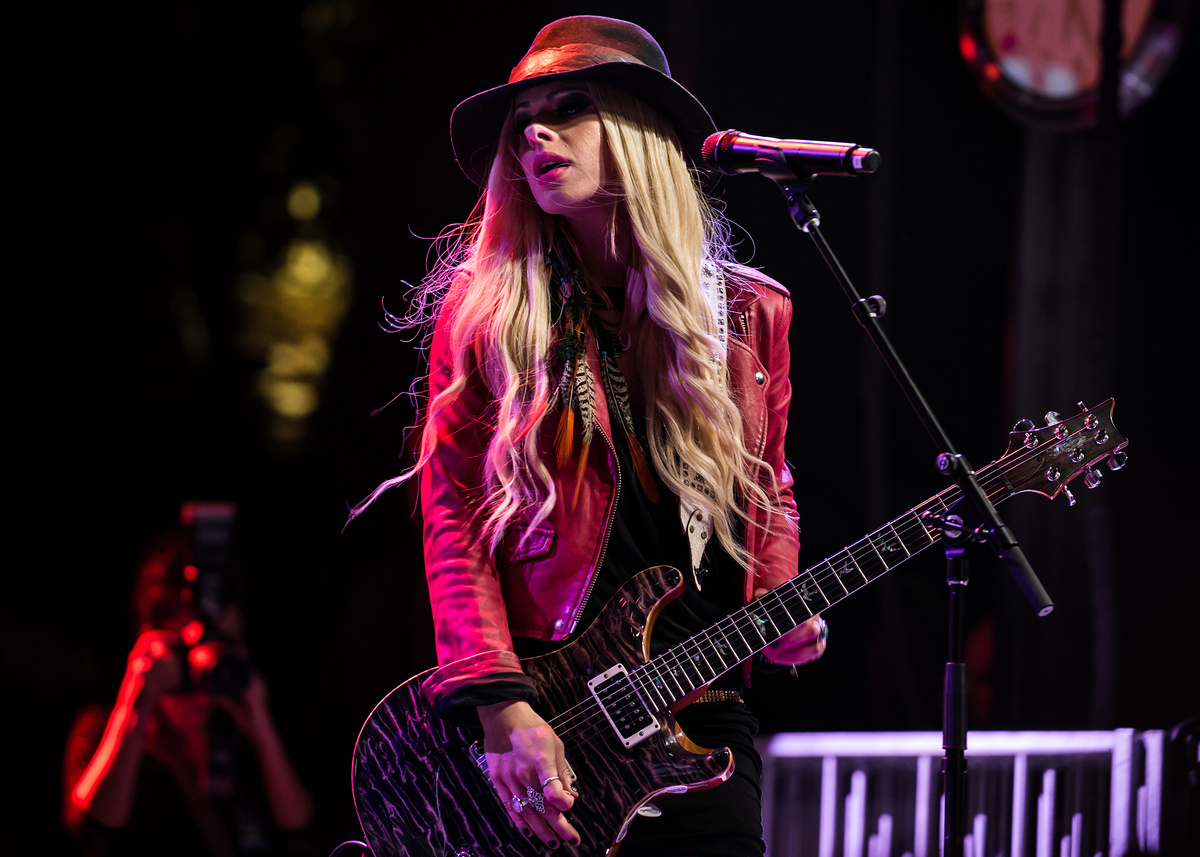
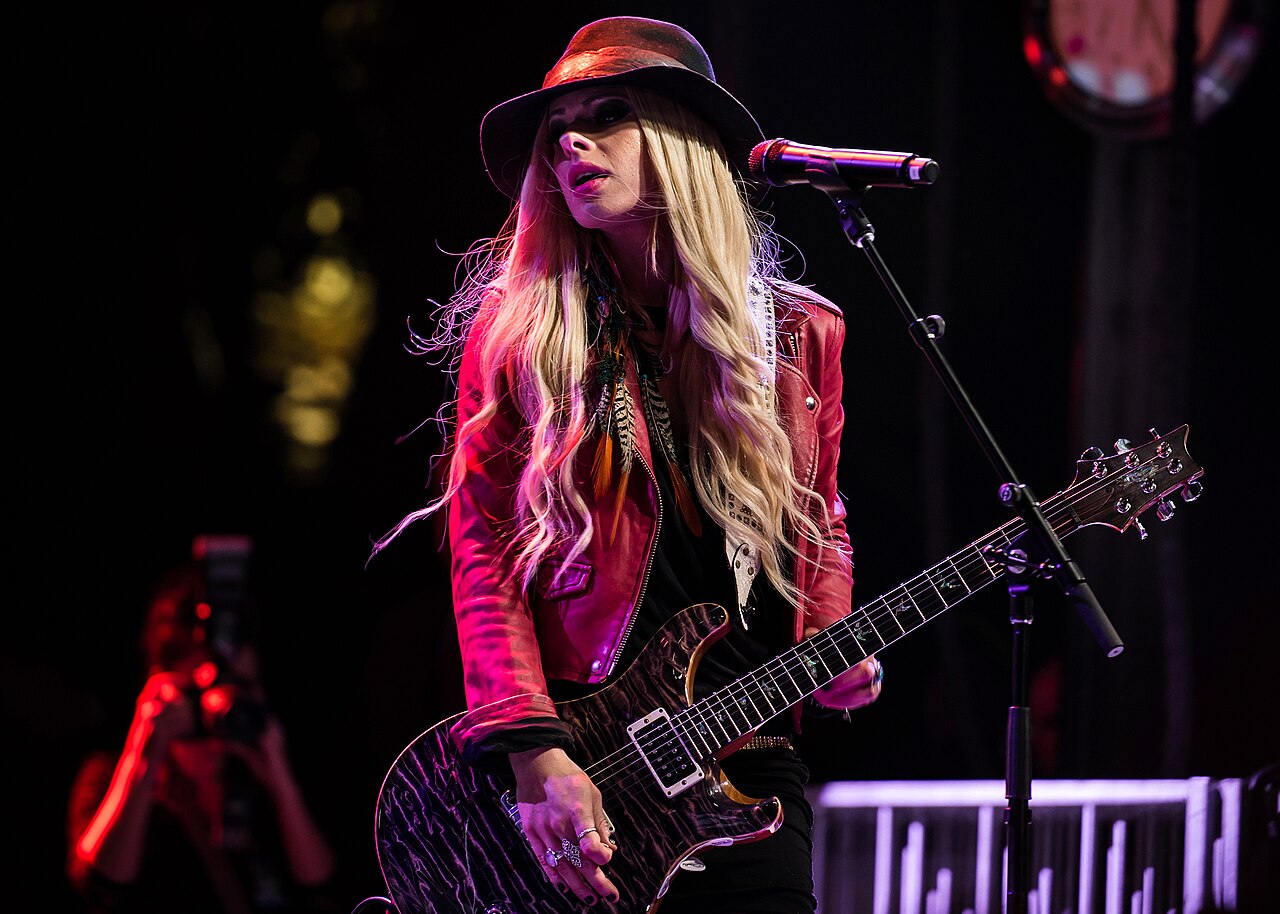
Orianthi performing in 2017. Photo: Justin Higuchi. “Orianthi 2017.jpg.” Copyright (c) 2017 Justin Higuchi. CC BY 2.0: https://creativecommons.org/licenses/by/2.0/. Source: https://commons.wikimedia.org/?curid=56286443. Resized proportionally to 1200×857; full source frame retained.
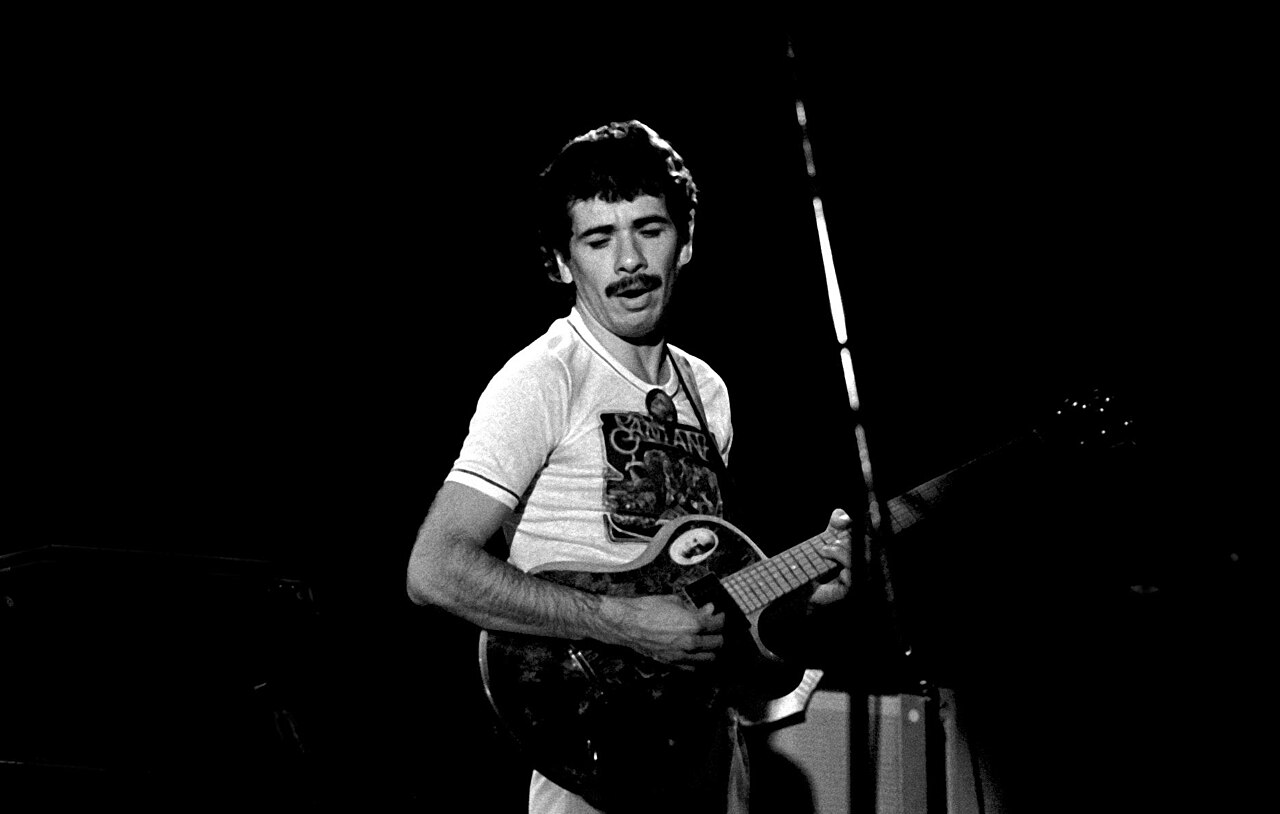
She was fourteen years old in Adelaide, Australia, and she sent demos of her electric guitar playing to Carlos Santana. Not a letter asking to meet him, not a request for advice — actual demos of her playing, along with a biography and some classical guitar pieces. When Santana was next in Adelaide, she received a personal invitation to come to his soundcheck and bring her guitar. “I thought it was just to have my guitar signed. I would have been happy.” Instead, Santana asked her to stay on stage during the concert. She played for thirty-five minutes. She performed a solo. When it was over, Santana told her: “Never fear. Just play.” He subsequently said of her: “If I was going to pass the baton to somebody, she would be my first choice.” He signed her to his personal management company. On his recommendation, she became an official PRS Guitars endorsee. The girl who sent demos to her guitar hero got more than a signature — she got an audition, a mentor, a management company, and a guitar endorsement, all from the same gesture of fourteen-year-old audacity.
Orianthi Panagaris was born on January 22, 1985, in Adelaide, South Australia. She started playing piano at three, acoustic guitar at six, and classical guitar shortly after. At eleven, she saw Carlos Santana perform live and dedicated herself to electric guitar. At fourteen, the demos to Santana and the onstage appearance. At fifteen, she opened for Steve Vai. At eighteen, she shared a stage with Santana in a formal performance capacity. In 2009, after a performance at the Grammy Awards with Carrie Underwood, she was scouted by Michael Jackson’s musical director Michael Bearden for the This Is It tour — the concert series at London’s O2 Arena that Jackson was preparing before his death in June 2009. She had been selected as the lead guitarist for the most anticipated concert tour in pop music history. She never got to play it. The film This Is It documented the rehearsals, and her playing on “Beat It,” “Black or White,” and other Jackson classics reached the global audience that the concerts themselves never could.
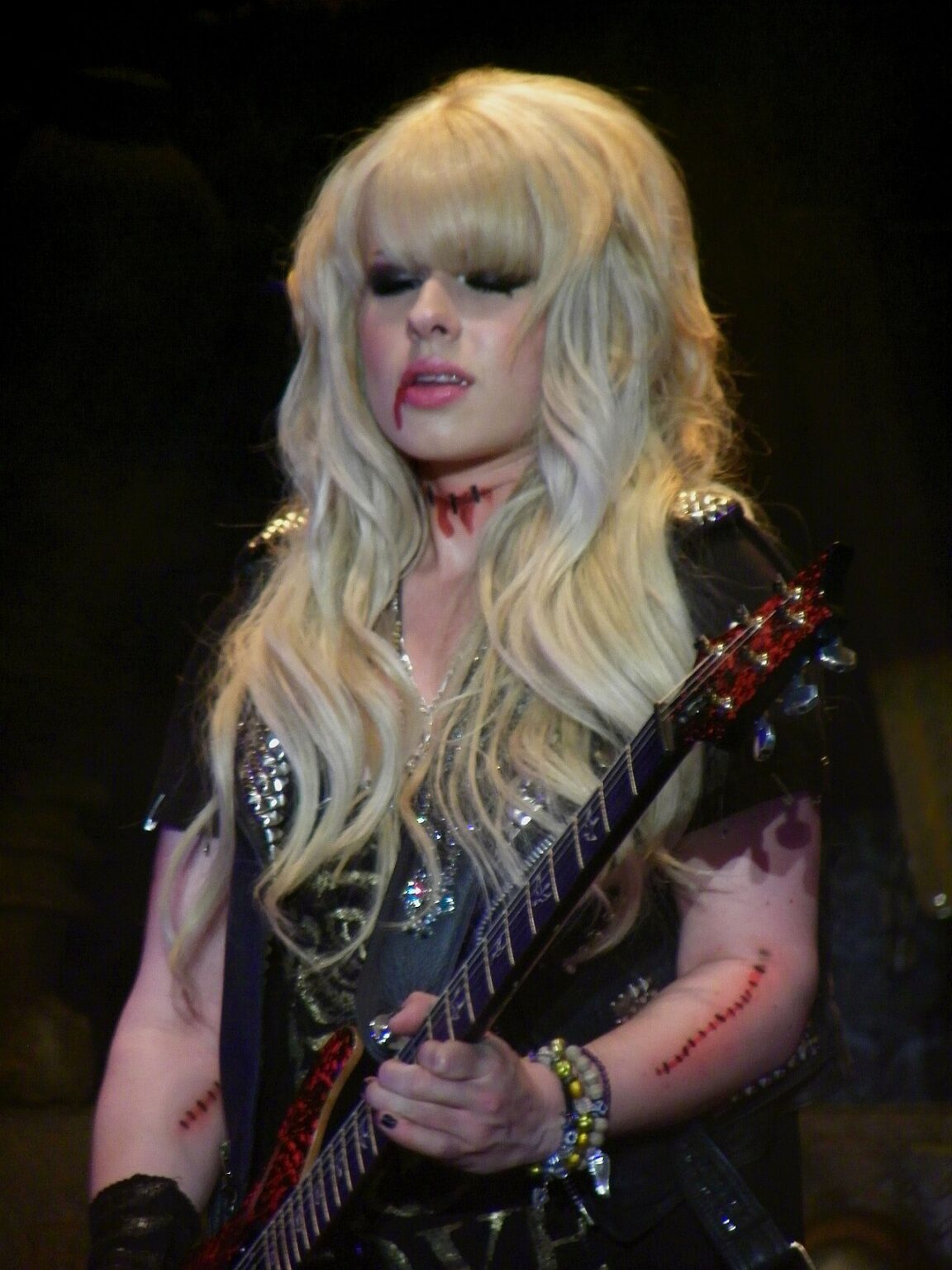
“Michael Jackson taught me to do what’s best for the song. It’s not about crowding it with guitars.” This specific lesson — service to the song as the primary standard — is the most important thing Michael Jackson gave Orianthi besides the professional visibility of the This Is It association. As a guitarist with genuine technical virtuosity, the temptation to demonstrate that virtuosity in every performance context is the specific challenge that separates good guitarists from great ones. Jackson’s direction — he was such a perfectionist, attention to detail, every part — gave her a master class in the subordination of technical display to musical purpose. The lesson has shaped everything she has done since.
Background: From Adelaide to Michael Jackson’s Rehearsal Stage
The Australian guitar landscape that produced Orianthi is a specific and underappreciated environment for rock guitar development. Australia has historically produced exceptional rock guitarists — the Young brothers of AC/DC, Tommy Emmanuel as a fingerpicking virtuoso, John Butler — and the specific combination of British and American rock influences that reaches Australia, filtered through the country’s specific musical culture, produces a particular kind of rock guitarist: technically direct, emotionally committed, with a specific relationship to the physical energy of electric guitar playing that the warm climate and the outdoor festival culture reinforces. Orianthi absorbed this environment alongside the specifically Santana-influenced approach that gave her playing its melodic soulfulness.
The classical guitar studies that she undertook alongside the electric work gave her a foundation that most rock guitarists lack: the specific right-hand technique of classical guitar (the alternating finger approach, the specific contact point on the string), the harmonic vocabulary of classical music, and the physical discipline of classical guitar practice. This classical foundation is most directly visible in the fluidity of her lead playing — the legato lines that connect notes seamlessly, the sustain that comes from a precisely controlled contact point, and the harmonic awareness that gives her melodic choices their sophistication. Steve Vai, who she opened for at fifteen, specifically noted her technical precision alongside her emotional expressiveness.
The Grammy performance with Carrie Underwood in 2009 that led to the Michael Jackson audition is one of the more specific examples of the right performance at the right time producing a major career development. The Grammy Awards audience includes the music industry’s highest-profile decision-makers; a guitarist who performs at that level in front of that audience with that precision will be noticed by everyone who needs a guitarist of that caliber. Jackson’s musical director Bearden saw the performance and made contact. The subsequent audition — the This Is It rehearsals — gave Orianthi the most visible platform of her career and introduced her to a global audience that the Grammy performance alone couldn’t have reached.
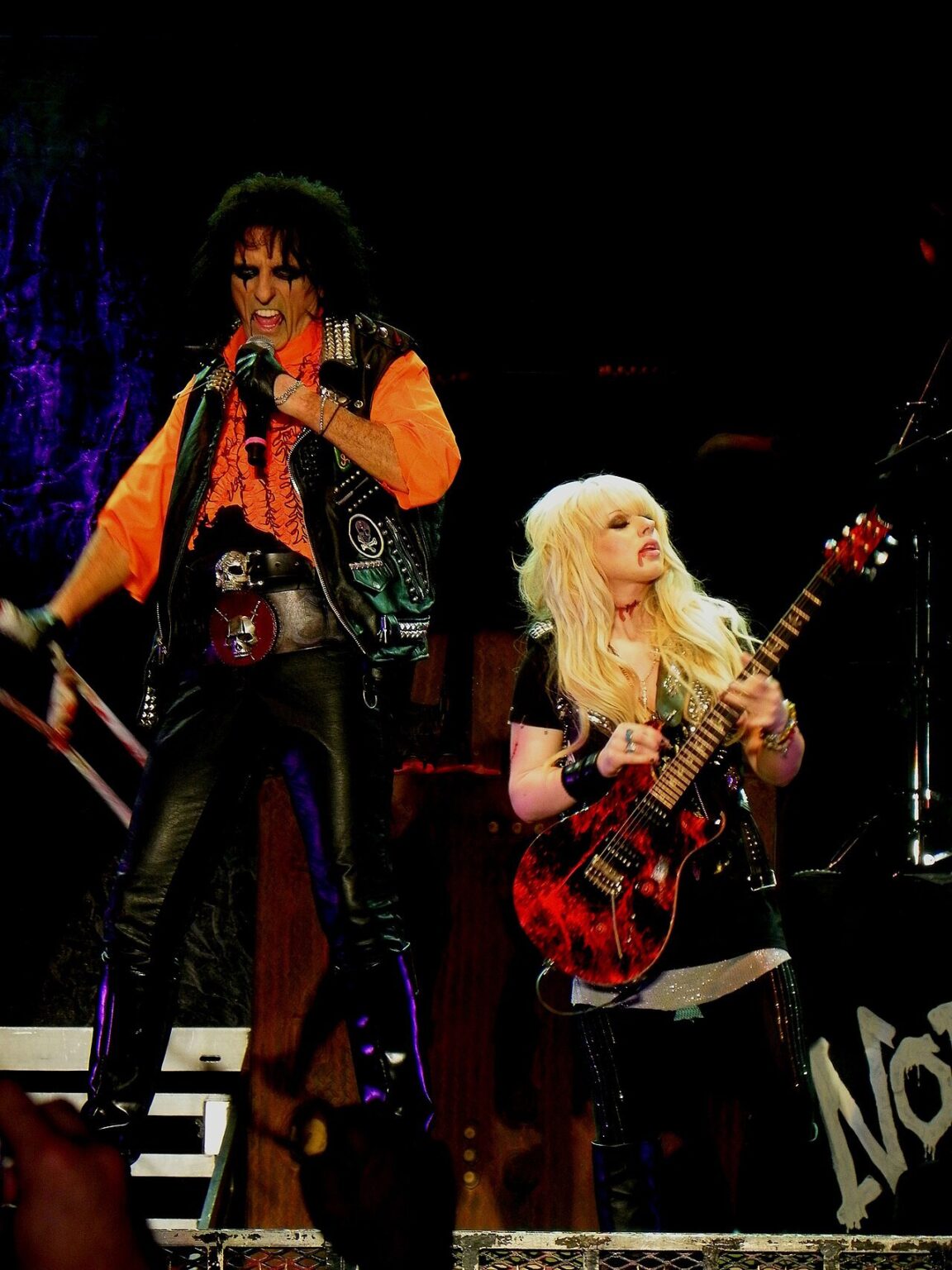
The Alice Cooper association — touring internationally with one of rock’s most theatrical and most consistent live acts — gave Orianthi a specific professional development that the This Is It rehearsals couldn’t provide in the same way: sustained touring experience with a veteran performer’s live production infrastructure. Cooper’s shows are elaborate stage productions with theatrical elements, costume changes, and theatrical props; playing guitar in that context requires the combination of technical precision and stage performance awareness that she had been developing since the Adelaide club circuit. She learned twenty-five Alice Cooper songs in a week when offered the guitarist role — all during a time when she was in the middle of recording her own album. This specific detail — professional speed and commitment, learning complex material under time pressure while maintaining a separate creative project — is the definition of the complete professional musician.
Her solo career — Believe (2009), Heaven in This Hell (2013), O (2020) — demonstrates the specific musical identity that exists independent of the celebrity associations. The solo work spans hard rock, pop rock, and ballad territory, and each album demonstrates the combination of technical ability and songwriting intelligence that her various high-profile associations have consistently recognized. O specifically — recorded with producer Marti Frederiksen in twenty-eight days after a period of experimenting with hip-hop producers — is the rawest and most direct expression of her rock identity: something raw and rough that makes you wanna hear it live.
The specific distinction between the This Is It experience — the most publicly visible thing in her career — and her actual musical identity is worth examining. This Is It gave Orianthi global name recognition; it did not give her the guitar identity that her subsequent career has expressed. The PRS Private Stock Blooming Lotus Glow, the Bogner amplification, the “I like to just plug in and play,” the O album’s rawness — these are the expressions of who she is as a musician when the specific requirements of serving Michael Jackson’s vision are not the organizing framework. The This Is It experience is the most famous thing she has done; it is not necessarily the most musically characteristic thing she has done. The O album’s twenty-eight-day raw rock production is arguably closer to her actual musical identity than the meticulous pop-production rehearsal context of This Is It. She is a rock guitarist who happened to be exactly right for the world’s most famous pop artist’s final performance project. Both dimensions are real; neither alone is complete.
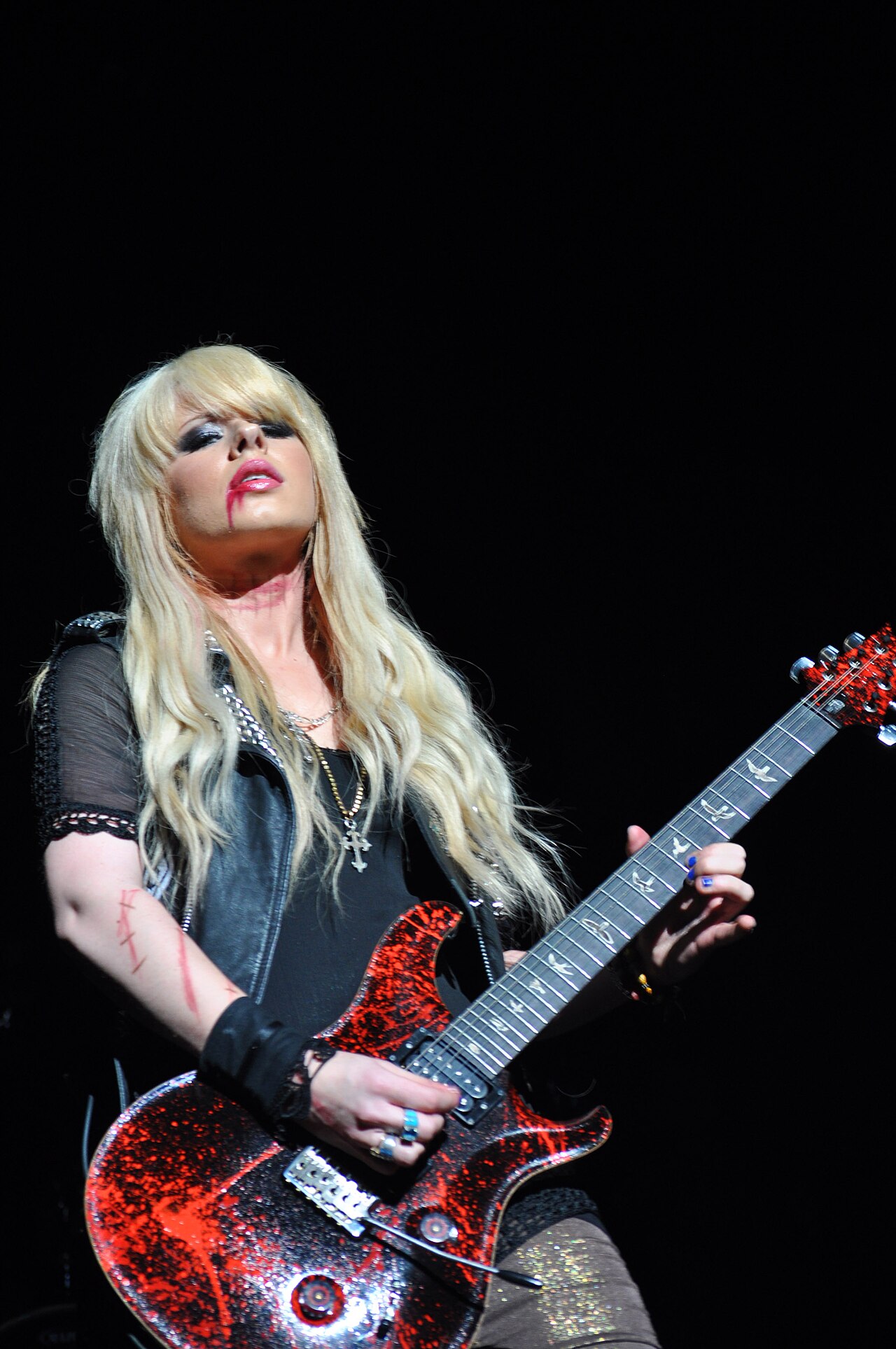
The Rig: Orianthi’s Guitars, Amps, and Effects
Guitars
When it comes to electric guitars, Orianthi sticks to her “dream guitar,” her PRS Private Stock Custom 24 Blooming Lotus Glow signature model. “They’re like Porsches [laughs].” The PRS Private Stock designation represents the highest tier of PRS production — instruments built to specific standards, with specific wood selection, in limited quantities, with the full attention of PRS’s most skilled builders. The Blooming Lotus Glow finish — a visually striking iridescent pattern — is consistent with Orianthi’s specific aesthetic identity. The Custom 24’s 24-fret neck gives access to the upper register that technical lead playing requires; the PRS tremolo system provides the whammy bar capability for the dramatic dive bombs and subtle vibrato effects that characterize her solos.
Her primary workhorse before the full Private Stock relationship was a PRS Custom 22 — a versatile instrument known for its rich tone and the wide range of sounds available from its pickup selection. She learned on a PRS Custom 24, which was initially set up for a country guitarist, featuring high action and .10 gauge strings. I think it worked well for me in the end because picking up other guitars now, it’s easier to play them. The high-action, heavy-string start — normally considered a disadvantage for beginners — built the left-hand strength and the right-hand precision that she subsequently deployed on lighter-gauge setups. I use .9s now. The progression from .10 to .9 gauge documents the development of her physical capability past the need for the heavier strings’ additional resistance.
Like Mark Tremonti and other PRS signature artists, Orianthi has both a high-end Private Stock model and an accessible SE signature that brings her instrument choice within reach of musicians who can’t access Private Stock pricing. The SE Orianthi signature — featuring humbuckers, PRS trademark bird inlays, and the ergonomic neck profile that suits her playing approach — provides the essential PRS quality at a student-accessible price point. Her commitment to accessibility — making the instrument associated with her playing available to anyone who wants it — is consistent with her role as an inspiration for young women entering guitar playing.
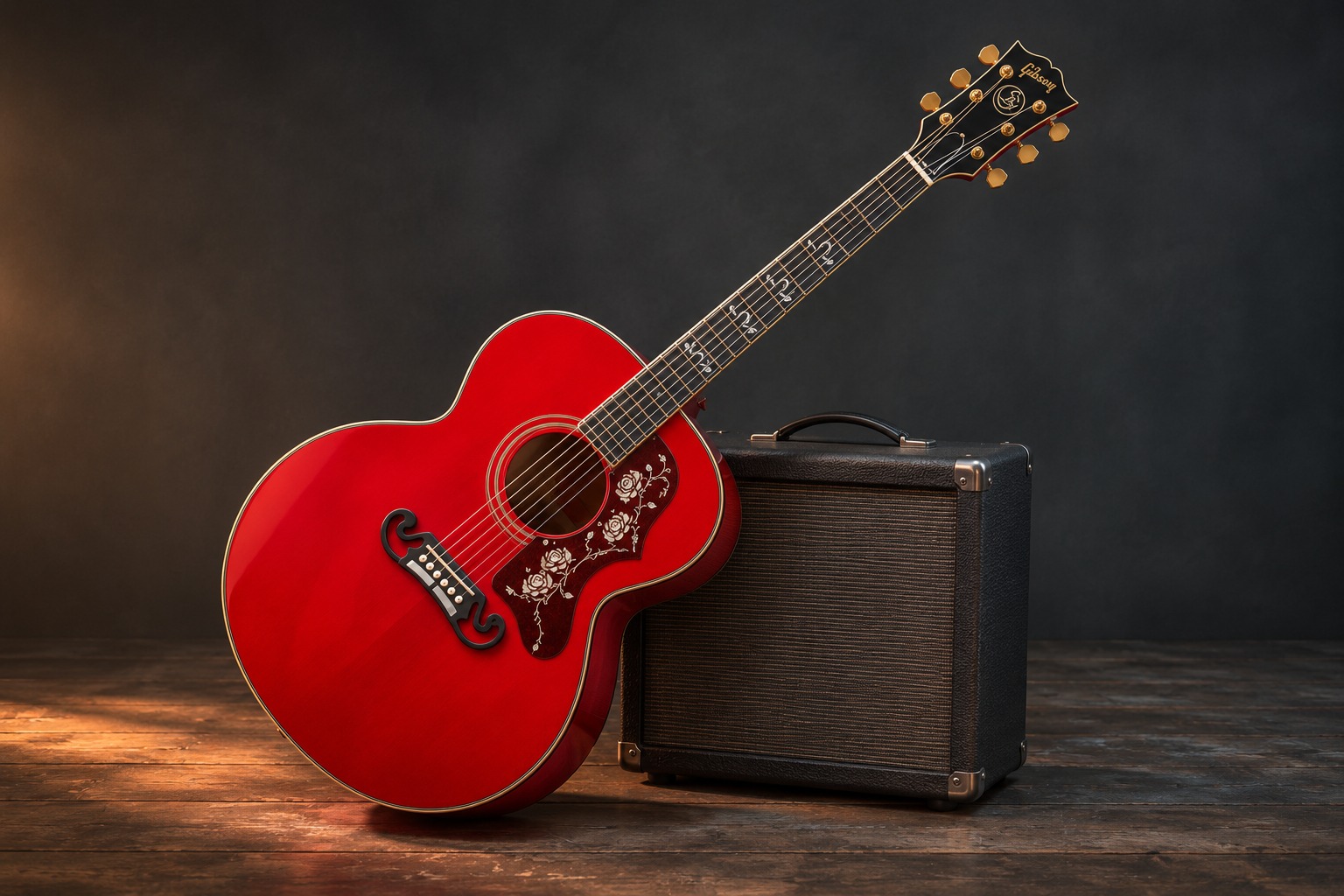
As she releases new album O, she discusses her new Gibson signature acoustic. The Gibson acoustic signature extends her instrument relationships beyond the PRS electric partnership, adding acoustic guitar to the signature product family and reflecting the acoustic work that appears throughout her catalog alongside the primarily electric identity of her public persona.
The direct causal chain — Santana is impressed by Orianthi’s playing → Santana recommends her to PRS → she becomes a PRS endorsee → she builds her entire professional guitar identity around PRS instruments — is one of the more clearly traceable artist-manufacturer relationships in rock guitar history. On Santana’s recommendation, she became an official PRS endorsee. Carlos Santana had already built his own celebrated relationship with PRS; his recommendation passed that relationship’s credibility to her. The guitars are literally her hero’s guitars, given to her by her hero’s recommendation. This is the most direct possible transmission of musical and instrumental identity from one generation to the next.
During the This Is It rehearsals, Jackson wasn’t hearing what he needed for “Wanna Be Startin’ Somethin'” — he wanted a Stratocaster tone. Orianthi didn’t have a Strat with her but did have a PRS that Paul Reed Smith had configured with more of that cutting-through tone for rhythms. She used it and it did kind of sound like a Strat. Jackson had no notes on her lead tone — it was the PRS going through an EVH tube amp, with all the juicy drive needed to replicate Eddie Van Halen’s “Beat It” solo live. The specific detail — Jackson directing Orianthi’s guitar tone for specific songs in rehearsal, then having no notes on her lead tone — documents both Jackson’s specific understanding of guitar tone as a compositional element and the specific quality of her lead playing that satisfied the most detail-oriented client she ever worked for.
Amps
In the States I use Bogner. Bogner Amplification — the California boutique amp company founded by Reinhold Bogner — provides the specific high-quality British-voiced tube amplification that suits Orianthi’s hard rock playing approach. Bogner’s reputation for exceptionally built, tonally complex tube amplifiers with specific warmth and presence has made them a preferred choice for guitarists who require professional touring reliability alongside genuine tonal quality. The Bogner’s specific character — the rich harmonic complexity of hand-wired British-influenced tube amplification — suits the sustaining, melodic lead playing that her Santana-influenced approach requires.
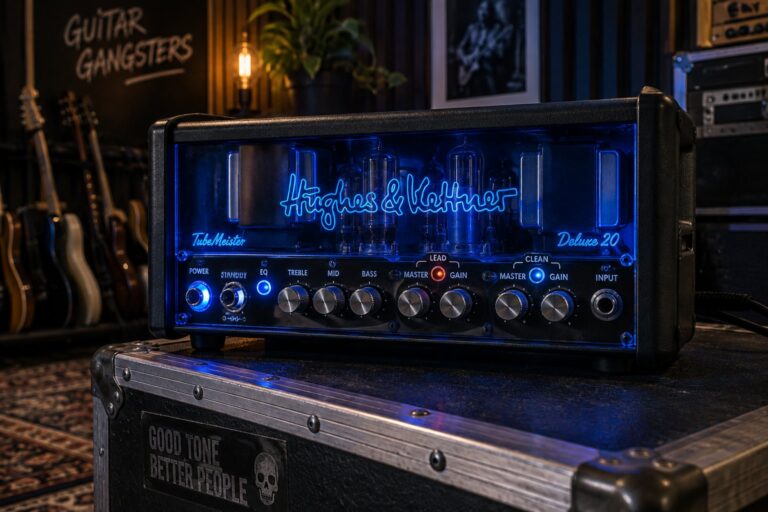
At home I use a Hughes & Kettner. The Hughes & Kettner — the German amplifier manufacturer known for their Tubemeister and other high-quality tube amplifiers — provides her home and rehearsal amplification. Her use of different amplifiers for home and touring reflects the practical consideration that touring amplifiers must survive travel and venue variation while home amplifiers can be chosen purely for tonal quality in a stable environment.
The PRS going through an EVH tube amp, with all the juicy drive needed to replicate Eddie Van Halen’s “Beat It” solo live. The EVH amplifier — the signature amp developed by Eddie Van Halen in collaboration with Fender — produces the specific high-gain, harmonically complex character that Van Halen’s original “Beat It” solo sound requires. This is the specific functional requirement of covering a solo originally played by arguably the most technically celebrated guitarist in rock history: use the amplifier designed by the original guitarist to replicate the specific tonal character that the solo requires.
Effects
I like to just plug in and play, I don’t use a lot of effects. This specific statement — the working guitarist’s preference for the guitar’s direct relationship with the amplifier over complex effects processing — reflects the Santana influence most directly. Santana’s approach to electric guitar has always been guitar-to-amp, with the specific tonal character coming from the guitar’s natural sustain and the amplifier’s response rather than from effects chain complexity. Orianthi absorbed this approach from her formative Santana exposure and has maintained it through decades of professional playing.
The PRS tremolo system’s whammy bar appears throughout her solos for both subtle vibrato effects and dramatic dive bombs that add the specific pitch expressiveness that characterizes her most theatrical lead moments. The whammy bar is not a constant effect but a selective expressive tool — deployed for specific emotional punctuation rather than as a constant sonic element.
Her effects chain, consistent with the minimal approach she describes, includes standard utility elements — tuner, possibly a drive pedal for the heavier rock material, and the amplifier’s built-in features — rather than the elaborate multi-effects systems that some stage performers use. The focus is on the guitar’s inherent tonal quality transmitted to the amplifier with minimal processing between them.
Playing Style & Tone Philosophy
Orianthi’s playing style is a high-energy fusion of blues-based hard rock, sophisticated pop, and virtuosic shred. Her playing is rooted in the classic rock vocabulary of players like Carlos Santana and Steve Vai, but delivered with a modern edge and a distinct melodic flair. She possesses breathtaking technical facility, capable of unleashing rapid-fire alternate picking runs, fluid legato passages, and intricate tapping sequences. Yet, she never sacrifices musicality for the sake of speed. This last clause — never sacrificing musicality for the sake of speed — is the specific standard that the Michael Jackson association reinforced: do what’s best for the song, not what’s most impressive as a demonstration.
The Santana influence is the most fundamental element of her tonal approach: the long, sustaining melodic lines that use the guitar’s sustain capacity to its maximum, the specific Latin-influenced note choices that give melodic lines their distinctive character, and the approach to the guitar as a voice — a singing instrument — rather than as a technical apparatus. “Never fear. Just play” is Santana’s distillation of the playing philosophy that decades of his own music embodies: not self-consciousness about technical limitation or audience expectation, but direct, committed expression of what the musical moment requires. Orianthi absorbed this as a fourteen-year-old on a stage in Adelaide and has practiced it for twenty-plus years since.
The Steve Vai influence provides the technical dimension: the systematic alternate picking, the legato fluency, the whammy bar dramatics, and the approach to the guitar as a sound-production system capable of extraordinary sounds rather than merely a conventional chord-and-melody instrument. Opening for Vai at fifteen — at a point when her technique was already recognized as exceptional by professional standards — placed her in the orbit of the most technically ambitious guitarist in the world at a formative age. The specific technical vocabulary she developed under that influence shows in the more extreme technical passages of her recordings.
Her tone philosophy, drawn from Jackson: it’s not about crowding it with guitars. The specific lesson of working with the most detail-oriented client in pop music history — someone who would direct your guitar tone for a single song’s rhythm part and then have no notes on your lead tone because it was already exactly right — is a complete master class in professional music-making. The rhythm tone was not right; it was changed. The lead tone was right; it was left alone. The standard is the song’s requirement, not the guitarist’s preference. This is the mature professional musician’s approach to tone.
Her self-described approach to guitar tone reflects the Santana tradition’s specific minimalism: I like to just plug in and play, I don’t use a lot of effects. This is not a simple musician’s simplicity but the specific sonic philosophy of a tradition that has always prioritized the guitar’s inherent sustaining, singing quality over effects-based tonal manipulation. Santana’s specific tonal approach — the PRS or Gibson through a Mesa Boogie or similar amplifier, the effects chain deliberately minimal, the guitar’s natural sustain as the primary expressive tool — is what Orianthi absorbed when Santana told her “Never fear. Just play.” The absence of complex effects is not a limitation but a commitment to the instrument’s inherent expressive capacity. When the guitar is the voice, effects are a distraction. When the guitar is the voice through a quality amplifier, nothing else is needed.
The “Beat It” solo responsibility deserves its own examination. To perform Eddie Van Halen’s “Beat It” solo live — in a Michael Jackson concert context, with the full production quality of the This Is It rehearsal standard — requires both technical authority (Van Halen’s solo is technically demanding) and emotional conviction (the solo must be as impactful as Van Halen’s original for an audience that knows exactly what it sounded like on the record). Orianthi had both. Jackson’s musical director and Jackson himself had no notes on her lead tone — it was the PRS through the EVH amp, exactly right, accepted without comment by the most demanding client in pop music. This single piece of information — Jackson had no notes on the Beat It lead tone — is probably the most specific and most credible testimony to her lead guitar ability available anywhere.
The demographics of female rock guitarists at the professional level, and Orianthi’s specific role in changing those demographics, is a cultural story worth documenting even in a gear-focused article. When she attended her first guitar clinic at a young age, the vast majority of students were male; when she later performed at guitar clinics as a demonstrator, the demographic mix was changing, and she was specifically cited by young female attendees as the reason they had started playing guitar. This is influence operating at the level of cultural permission: a young girl sees someone who looks like her playing guitar at the highest professional level and understands that this is something she can do. A guitar sold. A practice session started. A career possibly begun. The multiplication of this experience across the years of Orianthi’s public career represents a specific and measurable cultural contribution that gear specifications alone cannot capture.
How to Sound Like Orianthi
Getting Orianthi’s primary tone requires a PRS with humbuckers through a high-quality tube amplifier on the edge of natural saturation — Santana’s approach applied to harder rock material.
Guitar: PRS SE Orianthi or PRS Custom 24 with humbuckers for the accessible approach; PRS Private Stock for the professional standard. The PRS tremolo system for the whammy bar effects. Humbuckers for the warm sustain of her lead tone; the PRS pickup voicing specifically for the particular character of her most melodic passages.
Amp: Bogner (US touring) or Hughes & Kettner (home) for the authentic amplification. Any high-quality British-voiced tube amplifier with natural preamp saturation at working volume. EVH amp for the “Beat It” and heavier rock material.
Amp Settings (Bogner or equivalent British-voiced tube amp):
| Control | Setting (0–10) | Notes |
|---|---|---|
| Gain | 6–8 | Natural tube saturation for sustaining melodic leads |
| Bass | 5–6 | Full — PRS humbuckers need warmth support |
| Mid | 6–7 | Present — melodic Santana-influenced lines live in the mids |
| Treble | 6–7 | Bright — note definition for the technical passages |
| Presence | 5–6 | Moderate — cutting without harshness |
Influence & Legacy
Orianthi’s influence on guitar playing is primarily as a specific role model for the generation of young women who grew up in the post-Millennium music landscape where female rock guitarists were still rare at the highest commercial levels. Her visibility — the Grammy performance, the Michael Jackson This Is It documentation, the solo albums, the touring with Alice Cooper and other major acts — provided a sustained demonstration that female guitarists could occupy every professional guitar role at the highest level. As Guitardoor noted, she stands tall as one of the most visible and inspiring female guitar heroes of her generation.
Her role in the This Is It documentary — the film that gave Michael Jackson’s final rehearsals a global audience — is the specific event that introduced her to the broadest possible audience. Millions of viewers who might never have sought out a technical rock guitarist saw her playing “Beat It” and “Black or White” at rehearsal level that was clearly tour-ready. The demonstration was not of a token female guitarist but of a guitarist who had been specifically chosen by Michael Jackson for the most anticipated concert tour in pop music history. This is the measure: the King of Pop’s final performance context.
For context on where Orianthi fits in the tradition of female rock guitar heroes, the comparison with Nancy Wilson’s foundational female rock guitar approach — one of the first women to achieve mainstream recognition as a rock guitarist — shows the direct cultural lineage. Wilson in the 1970s with Heart; Orianthi in the 2000s with Michael Jackson and her own solo career: both represent stages in the ongoing expansion of who rock guitar belongs to.
The comparison with Carlos Santana’s approach to melodic, sustaining electric guitar — her self-described hero, mentor, and the musician who passed the baton to her — shows the direct technical and musical lineage. The long, singing lead lines, the approach to the guitar as a voice rather than an instrument, and the specific PRS guitar identity all connect her directly to Santana’s tradition. “If I was going to pass the baton to somebody, she would be my first choice” is not merely praise but the specific identification of a technical and musical successor.
And the comparison with St. Vincent’s approach to guitar in contemporary pop contexts illuminates the parallel — two female guitarists who have occupied major pop performance contexts (St. Vincent with Talking Heads and Masseduction, Orianthi with Michael Jackson and Alice Cooper) while maintaining distinctive individual guitar identities. Both demonstrate that female guitarists in commercial contexts don’t have to choose between commercial visibility and genuine musical identity.
Orianthi is forty-one years old in 2026. The PRS Private Stock Blooming Lotus Glow is in the case. The Bogner is in the touring truck. The whammy bar is ready for the dive bombs. And somewhere in the Adelaide garage where she first learned to play, in the Santana soundcheck where she stayed on stage for thirty-five minutes, in the Michael Jackson rehearsal room where Jackson had no notes on her lead tone — somewhere in all of that is the guitarist who sent demos to her guitar hero at fourteen, because she had something to say and was not afraid to say it. Never fear. Just play. She has been playing for thirty-five years. She shows no signs of stopping.
Her technical range — the sweep picking that she deploys in the most demanding passages, the legato fluency that connects notes into melodic phrases, the alternate picking precision that gives rapid-fire runs their clarity — is the result of years of formal and informal study across classical guitar technique, rock guitar vocabulary, and the specific approaches of Santana and Steve Vai. The classical foundation provides the right-hand precision and the left-hand independence; the Santana influence provides the melodic sensibility and the sustain-based approach to lead playing; the Vai influence provides the technical range and the willingness to pursue extreme technical effects when they serve the music. All three of these traditions contribute to a single technically complete guitar vocabulary that she deploys according to what each specific musical moment requires.
Her multiple collaborations — besides the Michael Jackson and Carlos Santana and Alice Cooper associations, she has performed with Steve Tyler, Richie Sambora, Kings of Chaos, and others — document the breadth of contexts in which her specific guitar ability has been valued. Each collaboration requires a different adaptation: the pop perfection of the Jackson context, the blues-rock authority of the Sambora context, the theatrical hard rock of the Cooper context. The guitarist who can serve all of these contexts with equal authority has the kind of professional range that studio and touring careers are built from.
The twenty-eight-day O album — produced with Marti Frederiksen after a period of hip-hop experimentation — is worth documenting as a specific creative decision about musical direction. The hip-hop experimentation period reflects the working musician’s exploration of commercial possibilities beyond her established rock identity; the subsequent return to raw, live-sounding rock with Frederiksen reflects the specific decision that her most authentic musical identity is the rock guitarist identity, and that commercial diversification should not come at the expense of that authenticity. The album’s description — something raw and rough that makes you wanna hear it live — is the specific aesthetic statement of a guitarist who understands that her best music is the music that sounds like what she actually is rather than what the commercial market’s current preferences would suggest she should be. This is the mature artist’s decision, available only to someone who has the commercial security to make it and the musical self-knowledge to recognize which direction leads back to authenticity.
Orianthi is forty-one years old in 2026. She is still playing the PRS Private Stock through the Bogner. She is still practicing the lesson Michael Jackson taught her: it’s not about crowding it with guitars. The Santana advice is still in her playing: Never fear. Just play. The This Is It documentary still gives millions of viewers their first sight of her playing “Beat It” at a level that Jackson accepted without comment. And in the Adelaide garage of a fourteen-year-old girl who sent demos to her guitar hero, in the Santana soundcheck where she was asked to stay on stage, in the Grammy stage with Carrie Underwood where Jackson’s musical director noticed her — in all of those moments is the guitarist that professional musicians from Santana to Jackson recognized as exactly right for what they needed. She was exactly right for all of them. She is still playing. She shows no signs of stopping.
The PRS Private Stock Blooming Lotus Glow. The Bogner in the truck. The Hughes & Kettner at home. The EVH amp in the Michael Jackson rehearsal room, no notes on the lead tone, exactly right. The demos sent to Carlos Santana at fourteen. The thirty-five minutes on stage in Adelaide. The Santana management, the PRS endorsement, the Grammy performance, the This Is It selection. The Alice Cooper touring, the twenty-five songs learned in a week. The O album, twenty-eight days, raw and rough. All of it is the same musician: the Adelaide girl who started piano at three, guitar at six, classical guitar shortly after, and then at eleven saw Carlos Santana play and dedicated herself to the electric guitar. The dedication has lasted thirty years. The guitar is in the case. It is not finished being played.
Frequently Asked Questions: Orianthi Guitars & Gear
What guitar does Orianthi play?
Orianthi’s primary electric guitar is the PRS Private Stock Custom 24 Blooming Lotus Glow signature model — describing her PRS guitars as “like Porsches.” Her PRS endorsement came through Carlos Santana’s personal recommendation after he was impressed by her playing. She also plays a PRS Custom 22 as a workhorse guitar and has an accessible PRS SE Orianthi signature model. She has a new Gibson acoustic signature model as well. Her string gauge is .9 (she started on .10 gauge on a high-action guitar, which she credits with building her left-hand strength, before transitioning to the lighter gauge).
What amplifiers does Orianthi use?
Orianthi’s primary live touring amplifier in the United States is Bogner. At home, she uses Hughes & Kettner. For the Michael Jackson This Is It rehearsals, she used an EVH tube amp for the high-gain lead tone needed to cover Eddie Van Halen’s “Beat It” solo live — noting that her PRS going through the EVH produced all the juicy drive needed. Her overall amplification philosophy is minimal-effects, direct guitar-to-amp: I like to just plug in and play, I don’t use a lot of effects.
How did Orianthi become Michael Jackson’s guitarist?
Orianthi came to Michael Jackson’s attention through a Grammy Award performance with Carrie Underwood in 2009. Jackson’s musical director Michael Bearden saw the performance and contacted her. After a series of auditions and rehearsals for the This Is It concert tour at London’s O2 Arena, she was selected as the lead guitarist for the tour. Jackson’s death in June 2009 — before the tour could begin — meant the concerts were never performed, but the rehearsal footage became the This Is It documentary film, giving Orianthi’s playing a global audience.
What was it like working with Michael Jackson?
Orianthi has described Michael Jackson as a perfectionist with intense attention to detail on every part of the production. She had to change up guitars and tones for specific songs — for “Wanna Be Startin’ Somethin'” he wanted a Stratocaster tone that she achieved with a specific PRS guitar; for the lead tone on “Beat It” he had no notes because it was exactly right. The primary lesson she drew from the experience: Michael Jackson taught me to do what’s best for the song. It’s not about crowding it with guitars. This lesson — the song’s needs over the guitarist’s preferences — has shaped her approach to recording and performance since.
How did Carlos Santana influence Orianthi’s career?
Orianthi saw Carlos Santana perform live at age eleven and dedicated herself to electric guitar. At fourteen, she sent him demos of her playing along with a biography and classical guitar pieces. When Santana was next in Adelaide, he invited her to his soundcheck; she ended up playing on stage for thirty-five minutes. Santana described her as “an angel that can play guitar… a lady who has an incredible future,” signed her to his personal management company, and recommended her to PRS Guitars, leading to her PRS endorsement. His advice to her — “Never fear. Just play” — is the playing philosophy she has carried through her career. He said: “If I was going to pass the baton to somebody, she would be my first choice.”
What is Orianthi’s solo career?
Orianthi’s solo career spans three albums: Believe (2009, her American debut following the This Is It period), Heaven in This Hell (2013), and O (2020). The O album was recorded in twenty-eight days with producer Marti Frederiksen (Aerosmith, The Struts, Ozzy Osbourne) after a period of experimenting with hip-hop producers. She describes the album as something raw and rough that makes you wanna hear it live. She has also toured extensively with Alice Cooper (for whom she learned twenty-five songs in a week when offered the guitarist role), performed with Steve Tyler, Richie Sambora, and other major artists alongside her solo career.
Is Orianthi in the Rock and Roll Hall of Fame?
As of 2026, Orianthi has not been inducted into the Rock and Roll Hall of Fame. She became eligible in 2034 (twenty-five years after her 2009 major label debut), making the question premature. Her career achievements — PRS signature guitarist, Michael Jackson’s This Is It lead guitarist, Grammy Award performance at the Grammys with Carrie Underwood, solo albums, Alice Cooper touring guitarist — establish the cultural and commercial foundation for future consideration. As one of the most visible female rock guitarists of the 2000s-2010s, her significance as a cultural figure in the guitar world extends beyond her commercial metrics.
Image credits
- Gibson Acoustic Signature (New Addition): GuitarGangsters AI-generated reference illustration, not a photograph.
- Orianthi: Justin Higuchi, Wikimedia Commons, CC BY 2.0.
- Orianthi: Tilly antoine, Wikimedia Commons, CC BY-SA 4.0.
- Carlos Santana: Heinrich Klaffs, Wikimedia Commons, CC BY-SA 2.0.
- Top image: Justin Higuchi, Wikimedia Commons, CC BY 2.0.
- Hughes & Kettner TubeMeister Deluxe 20: GuitarGangsters AI-generated reference illustration, not a photograph.
- Orianthi live: Mike Lawrence, Wikimedia Commons, CC BY-SA 2.0.
- Orianthi live: Mike Lawrence, Wikimedia Commons, CC BY-SA 2.0.