Willie Adler Guitars & Gear: Lamb of God’s Rhythm Wrecking Ball Complete Rig Guide
Willie Adler guitars gear — ESP Horizon, Mesa Boogie Dual Rectifier, EMG 81 dual setup deep-dive for Lamb of God's unstoppable groove metal rhythm machine.
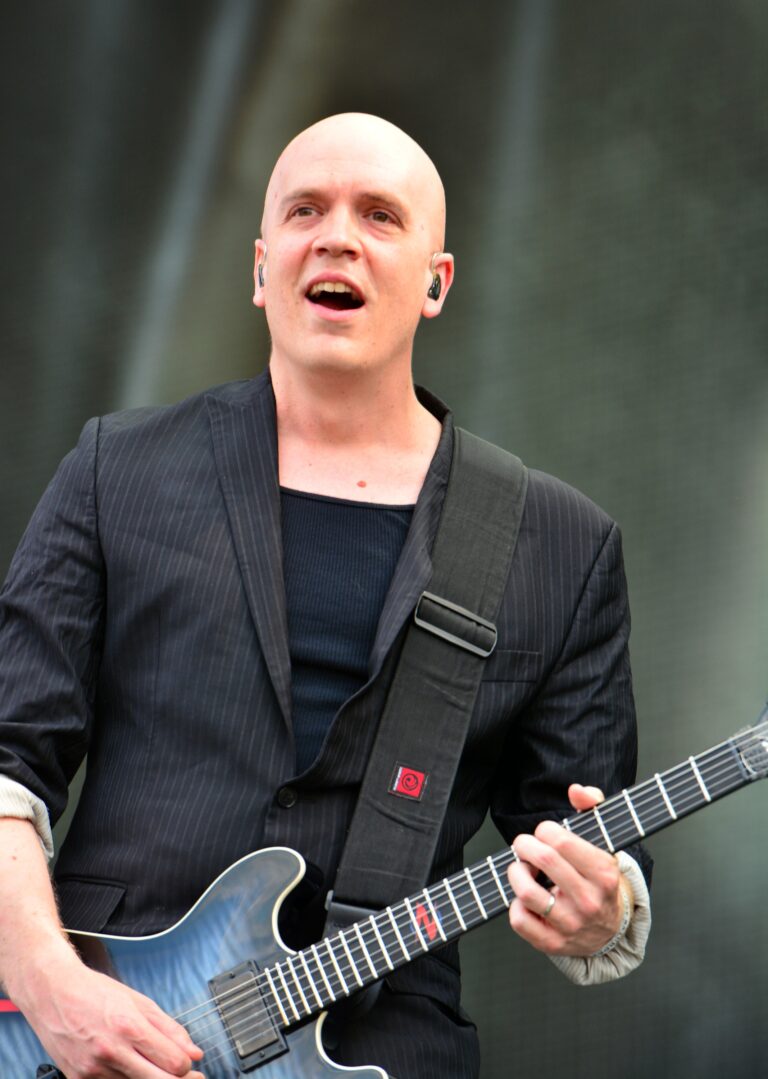
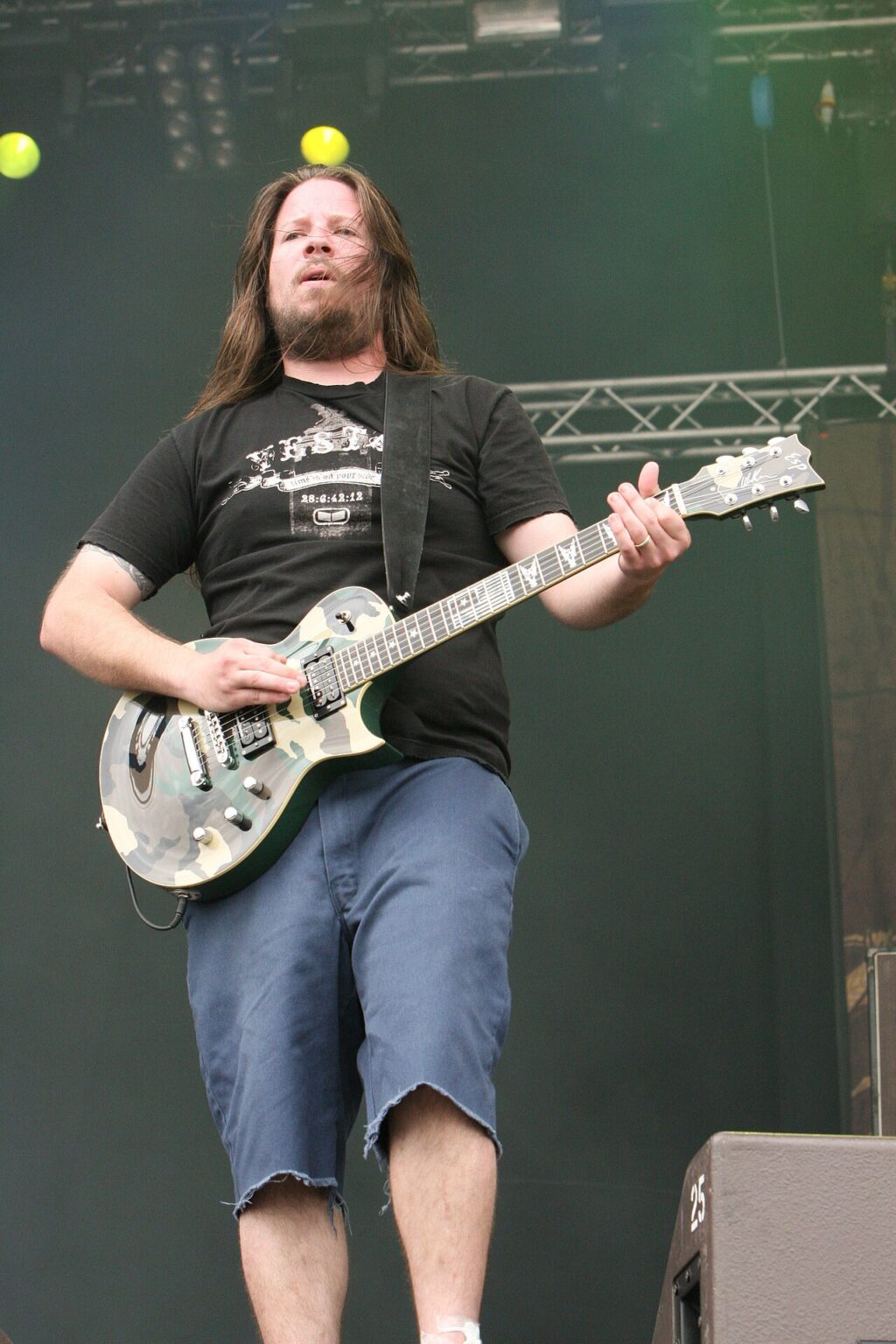
Photo by Stefan Brending ( 2eight ), licensed under CC BY-SA 3.0 (https://commons.wikimedia.org/wiki/File:2015_RiP_Lamb_of_God_-_Willie_Adler_by_2eight_-_3SC5547.jpg)
Willie Adler guitars gear is the subject of groove metal’s most unrelenting rhythm guitar setup — the equipment and approach of the player who provides the physical foundation beneath everything Lamb of God does, whose downstroke authority and palm-muting precision are the essential mechanical components of one of American heavy metal’s most formidable rhythmic machines. If Mark Morton is Lamb of God’s harmonic architect and melodic voice, Willie Adler is the band’s rhythmic engine — the player whose job is to make the riffs feel heavier than they already are by playing them with absolute physical commitment and technical precision. He does this exceptionally well, and has done so across every Lamb of God album, every world tour, and every moment when the band needed someone to make a room full of people feel the music in their bodies rather than merely hear it.
His approach to the guitar is deceptively simple in description and extremely demanding in execution: play the riff as heavy as possible, as precisely as possible, every time. No showboating, no unnecessary complexity, no lead guitar diversions. Pure rhythm guitar authority, delivered with a consistency and physical commitment that twenty years of professional touring has only deepened. Willie Adler guitars gear reflects this philosophy — instruments and amplification specifically configured for maximum heaviness and rhythmic precision, with nothing in the signal chain that doesn’t directly serve those goals. This is the complete breakdown.
Background
William Sherwood Adler was born on June 10, 1978, in Richmond, Virginia — the same city that produced Mark Morton and Lamb of God, and whose specific music scene’s culture of physical commitment and technical seriousness shaped both players’ development. He began playing guitar as a teenager, drawn initially to the heavy metal and groove metal of the late 1980s and early 1990s — Pantera’s groove-and-fury combination, Metallica’s rhythm precision, and the emerging American metal scene that would eventually produce Lamb of God alongside him.
He joined the band that would become Lamb of God in its early stages — initially as Burn the Priest, the more hardcore-oriented precursor to the groove metal identity they developed through the late 1990s and into the 2000s. His partnership with Morton began immediately, and the two developed the guitar chemistry that has been central to every Lamb of God recording: Morton’s harmonic sophistication and lead dimension complemented by Adler’s physical authority and rhythmic relentlessness. Albums from New American Gospel (2000) through In the Court of the Dragon (2021) demonstrate the continued development of this partnership — the rhythm guitar’s role becoming more precisely calibrated, the downtuned riff vocabulary more specifically developed, and the overall physical impact increasing even as the production sophistication grew around it.
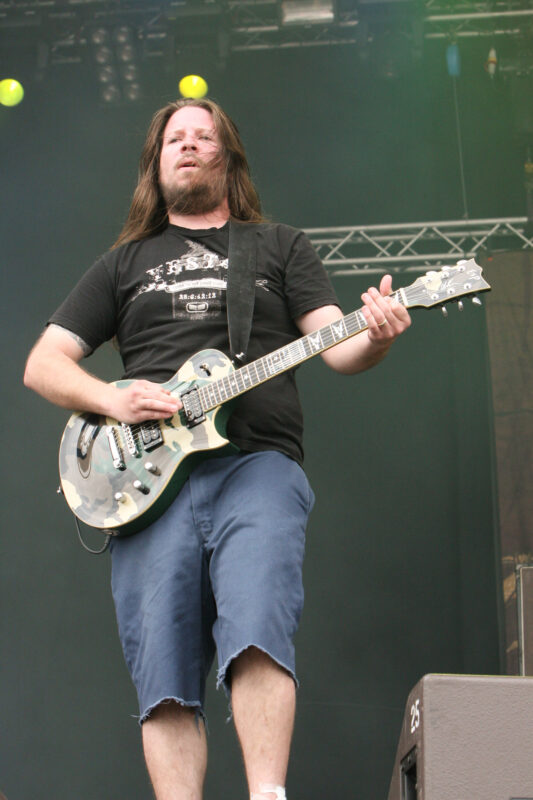
Adler has also dealt with personal challenges — specifically his dismissal from the band in 2019 following personal issues, and his subsequent return to the band after addressing those challenges. His return to Lamb of God demonstrated the band’s commitment to his specific contribution to their sound and the mutual recognition that what he brings to the rhythm guitar position is genuinely irreplaceable within the band’s specific aesthetic framework.
Willie Adler Guitars Gear: The Complete Rig
Guitars
Willie Adler’s primary guitar is the ESP Horizon — ESP’s double-cutaway high-performance instrument in neck-through configuration, with mahogany or alder body, rosewood or ebony fretboard, and fixed bridge (Adler uses a fixed rather than floating bridge for his purely rhythm-focused application). Unlike Morton’s floating-bridge Les Paul, Adler’s ESP Horizon uses a fixed TonePros or ESP-branded wraparound bridge — the fixed bridge gives better tuning stability under the extreme physical demands of aggressive downstroke rhythm playing, and the absence of a floating tremolo system gives a more direct string-to-body energy transfer that contributes to the specific percussive attack character of his heavy riff work. The neck-through construction’s sustained resonance gave each note in his downtuned riff figures the body and weight that mahogany neck-through instruments produce.
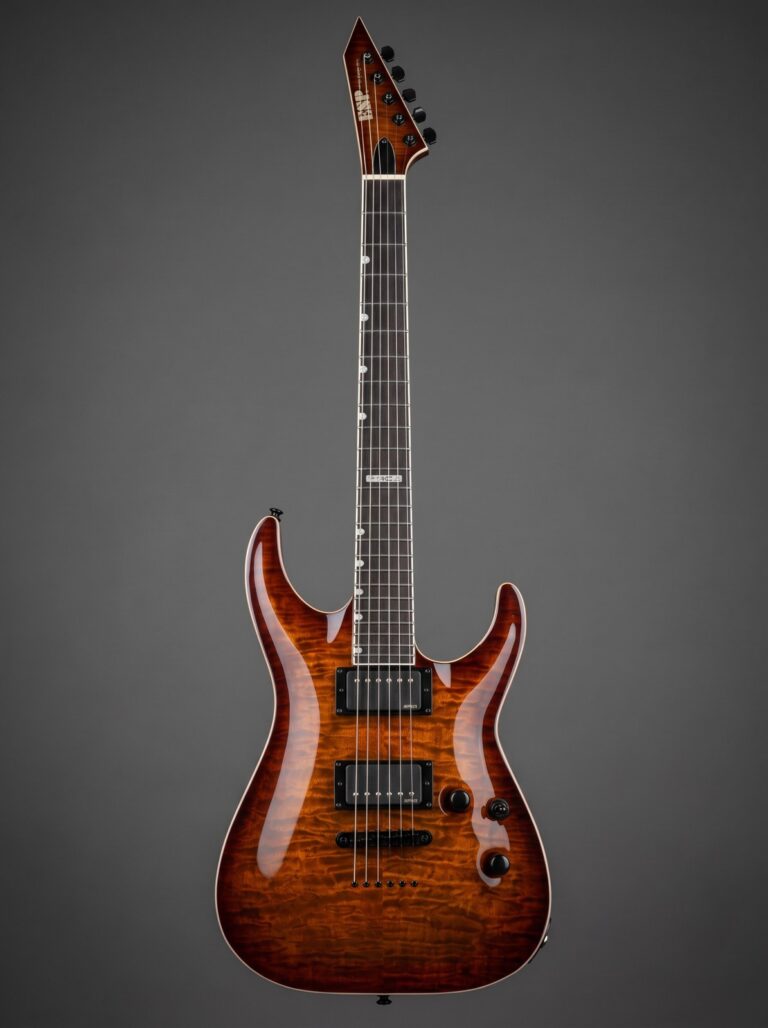
ESP produced Willie Adler signature instruments — the Warhammer series — that capture his specific requirements in production form. The Warhammer typically features an angular body shape inspired by the Flying V or Explorer tradition (extreme, aggressive visual character appropriate to Adler’s physical performance approach), neck-through or bolt-on construction depending on the specific model, his preferred pickup configuration, and the fixed bridge configuration that his rhythm guitar application requires. The Warhammer’s visual aesthetic — aggressive, angular, visually confrontational — reflects the same values of uncompromising physical commitment that characterise his playing.
Willie Adler uses EMG 81 active humbuckers in both bridge and neck positions — an unusual configuration that runs two identical high-output ceramic-active pickups rather than the more common bridge-high-output/neck-warm-vintage arrangement. His rationale: for pure rhythm guitar application, he doesn’t need the neck pickup’s warmth for melodic lead passages (that’s Morton’s job) — he needs maximum output and maximum noise rejection in both positions, and the EMG 81’s ceramic/active character in both positions gives him those qualities consistently regardless of which pickup is active. The EMG 81 bridge: ceramic magnets, Class-A active preamp, approximately 10k ohm coil impedance but active-preamp-boosted output equivalent to approximately 20k ohm passive, extremely tight and focused bass response that suits downtuned heavy rhythm work. The EMG 81 neck: identical specification — giving a brighter, more aggressive neck tone than the typical Alnico-neck-pickup configuration, which suited Adler’s entirely rhythm-focused application. Both pickups are powered by the standard 9V battery in the guitar cavity, or in the 18V stealth configuration for additional headroom when hard picking requires maximum undistorted output from the active preamp.
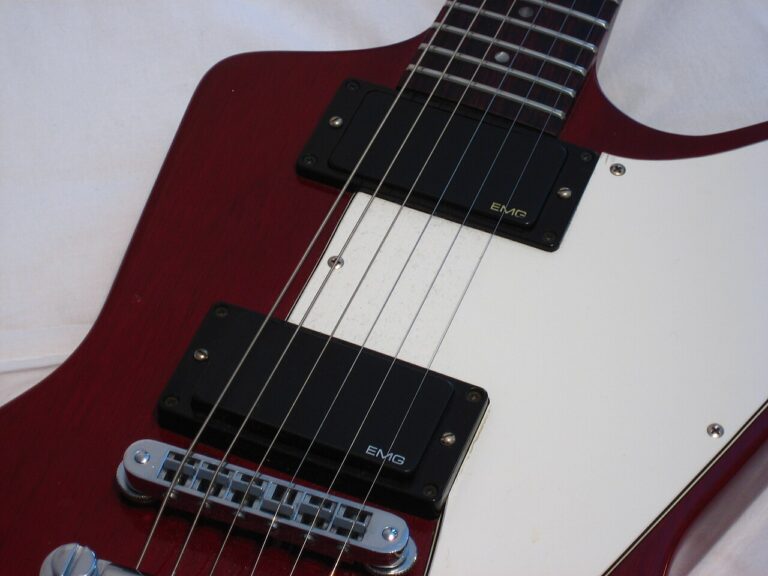
Adler’s consistent use of fixed-bridge guitars rather than floating tremolo systems reflects the pure rhythm guitar philosophy that characterises his entire setup. Fixed bridges give several advantages for rhythm guitar application: complete mechanical simplicity (no spring tension to calibrate, no knife edges to maintain, no locking nuts to manage), absolute tuning stability under aggressive picking (no string pitch deviation from pick attack force), and a different string-to-body energy transfer characteristic that gives notes a more percussive, immediate attack compared to floating bridges’ more elastic response. The TonePros locking bridge system (a variation on the tune-o-matic design where the bridge posts lock into the body inserts, preventing the bridge from moving under heavy play) gives additional stability over standard tune-o-matic designs.
ESP LTD signature instruments — the more accessible production versions of his ESP USA signature models — served as touring backup instruments and provided more affordable access to his specific guitar specifications for players who wanted to approximate his setup. The LTD construction quality (lower than ESP USA but above most production guitars in the price range) and the availability of EMG 81 pickup configurations in the LTD format gave adequate performance quality for backup and occasional touring use.
Adler uses Ernie Ball Slinky strings in heavy gauges appropriate for Lamb of God’s tuning configurations — Ernie Ball Not Even Slinky (.012–.056) for Drop D at standard pitch, and heavier configurations (.013–.062) for standard Eb or other lower configurations. His string gauge approach is pragmatic and specific: the minimum gauge that gives adequate string tension for the physical demands of aggressive downstroke playing at each specific tuning. Excessively heavy strings reduce the picking speed and bending ease required for certain passages; excessively light strings go slack and lose tonal definition at lower pitches. His specific gauge choices represent the optimal balance for each application.
Amps
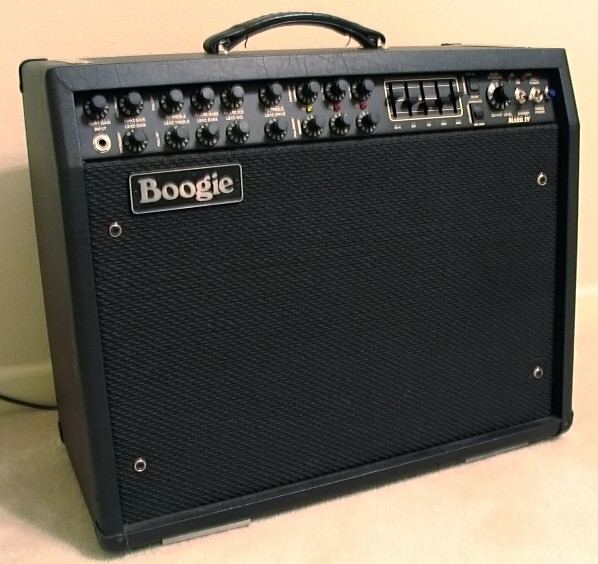
The Mesa/Boogie Dual Rectifier is Willie Adler’s primary live amplification — his setup contrasting with Morton’s Diezel VH4 in the same way that the two guitarists’ playing roles contrast. The Rectifier’s specific character — four 6L6GC output tubes, two rectifier tubes providing characteristic sag, Lead 2 channel with the Modern mode’s silicon rectification giving the tightest possible bass response — suited Adler’s purely rhythm-focused application better than the Diezel’s more harmonically sophisticated character. For pure downtuned rhythm chugging, the Rectifier’s tight, authoritative bass response and aggressively compressed high-gain character gave maximum rhythmic definition and physical impact without the tonal complexity that the Diezel added for Morton’s melodic lead work. The 6L6GC’s American character — extended bass, clear highs, specific harmonic profile in saturation — gave the heavy downtuned power chords their massive, physical quality.
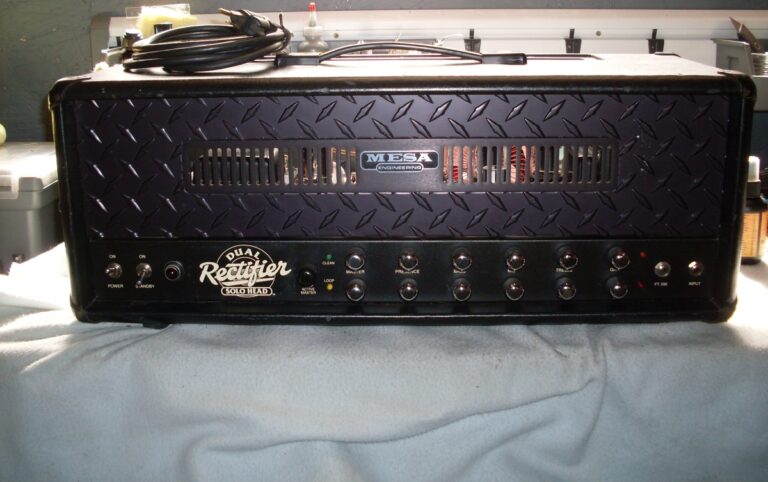
The deliberate contrast between Morton’s Diezel EL34 and Adler’s Mesa/Boogie 6L6GC setups was itself a tonal system decision: the two amplifier types’ different harmonic characters — EL34’s warmer, more vocal saturation versus 6L6GC’s tighter, more physically forceful character — gave the complete Lamb of God guitar sound a dimension and complexity that would have been absent if both players used identical setups. Lamb of God’s production team specifically positioned Morton’s tracks for harmonic warmth and lead presence, and Adler’s tracks for physical impact and rhythmic definition, taking advantage of the different amplifier characters to serve these different functions in the mix.
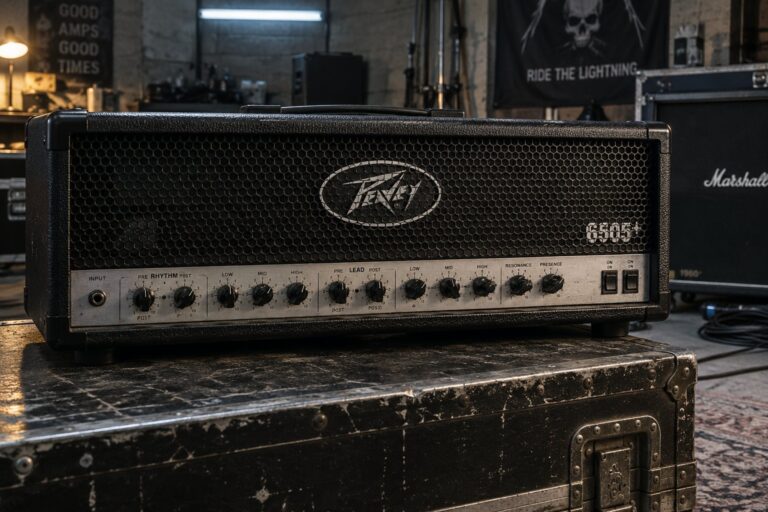
The Peavey 6505+ — four EL34 output tubes, high-gain Lead channel, tight and aggressive character — appeared in Adler’s setup as supplementary amplification for specific applications and as a live backup. The 6505+’s character — even tighter than the Mesa/Boogie in the low end, more aggressively compressed — suited the most physically demanding passages in Lamb of God’s catalogue where maximum low-end definition was required.
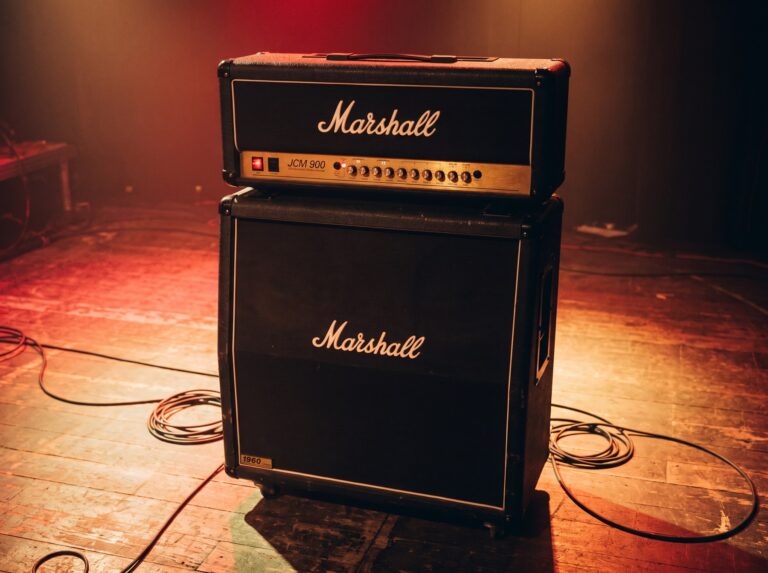
The Marshall JCM900 SL-X appeared in Adler’s earlier Lamb of God setup before the Mesa/Boogie Rectifier became his primary. The JCM900’s high-gain character gave adequate saturation for the early material, and the transition to the Rectifier platform reflected Adler’s development of a more specifically groove-metal-appropriate tonal approach.
Adler runs his Mesa/Boogie Rectifier into Mesa/Boogie 4×12 cabinets loaded with Celestion Vintage 30 speakers — the standard Mesa/Boogie cabinet configuration that the Rectifier is specifically voiced to work with. The V30’s tight bass response and upper-midrange emphasis complemented the Rectifier’s 6L6GC-based character, giving the heavy downtuned riff work both physical bass authority (from the string tuning and the 6L6GC’s bass response) and presence (from the V30’s upper-mid character) in the ensemble mix.
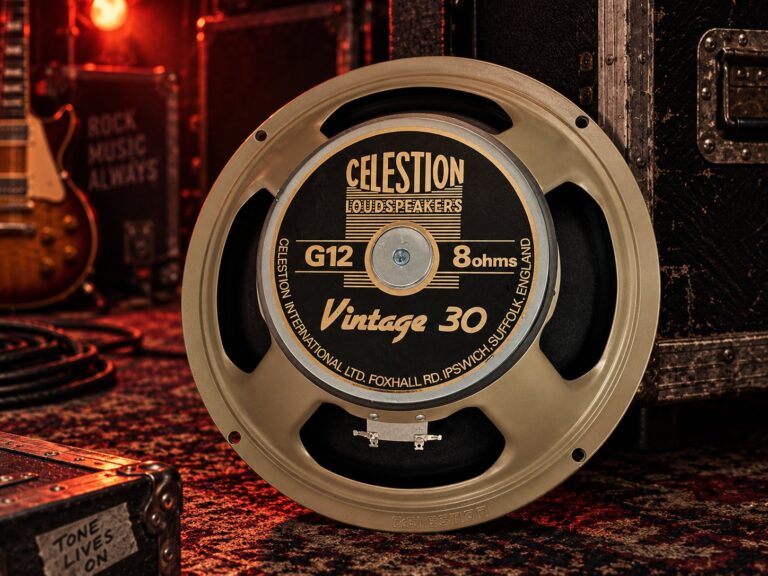
Multiple Rectifier heads in Adler’s live rig — typically two or three heads driving multiple cabinets in stereo or triple-mono configurations — gave the volume and physical impact appropriate to Lamb of God’s arena-scale touring productions. The multiple-amp configuration gave each cabinet a dedicated amplifier signal rather than splitting one amplifier’s output between multiple cabinets (which would reduce the available power per cabinet), maintaining the maximum physical impact per cabinet that Lamb of God’s performance aesthetic demanded.
Effects
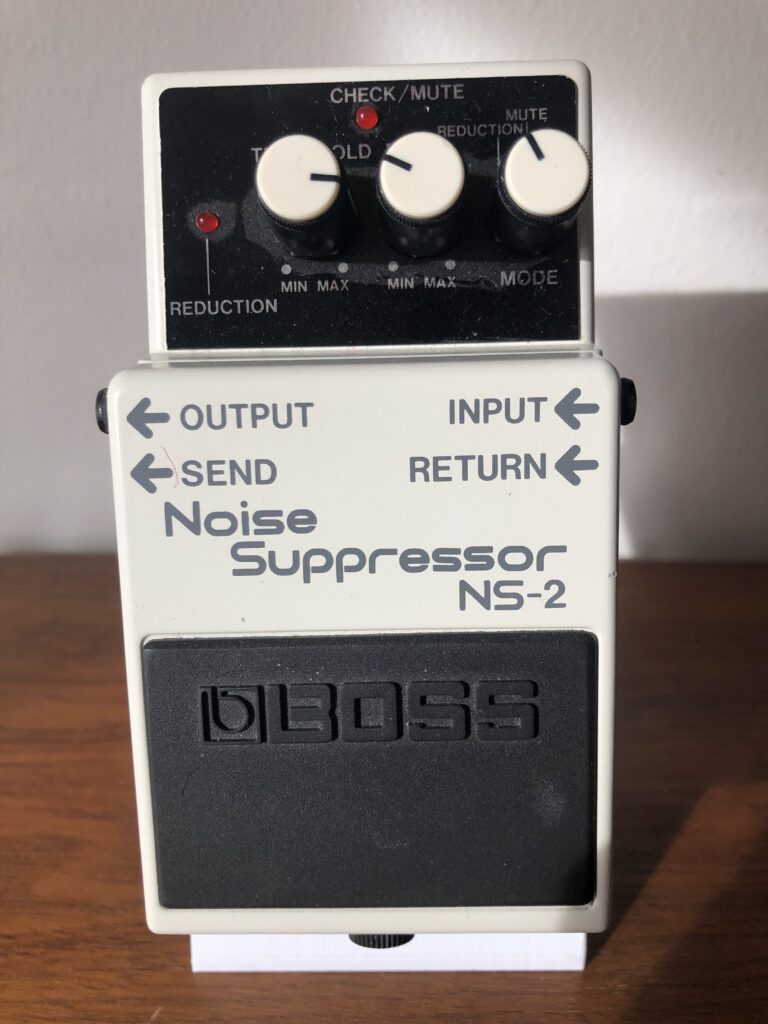
The Boss NS-2 in muting loop configuration was essential in Adler’s extremely high-gain, actively-pickuped signal chain. The EMG 81’s active preamp gave lower noise than passive pickups, but through the Mesa/Boogie Rectifier’s maximum-gain Lead channel at stage volume, the residual noise from the active circuit and the amplifier’s own high-gain noise floor required effective management. His NS-2 threshold was set moderately high (5–6) — higher than typical — to account for the faster attack and more abrupt dynamics of his heavy downstroke rhythm playing, where the gate needed to close quickly between riff attacks rather than the slower, more gradual closure appropriate to lead playing with natural note decay.
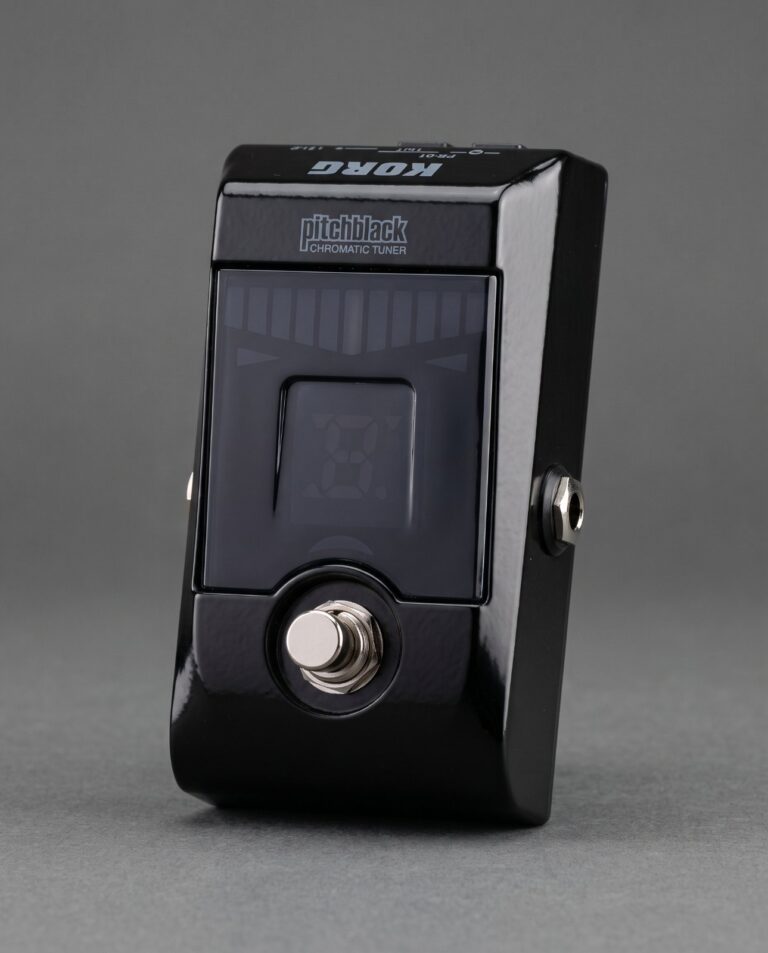
The Korg Pitchblack chromatic tuner gave Adler accurate, fast tuning capability on stage. His use of the Pitchblack rather than the TC Electronic PolyTune reflected a preference for the single-string tuning approach — the Pitchblack’s display giving clear, precise individual string tuning status with the same high LED visibility that the PolyTune offered, and the true-bypass switching maintaining complete signal transparency when the tuner was bypassed.
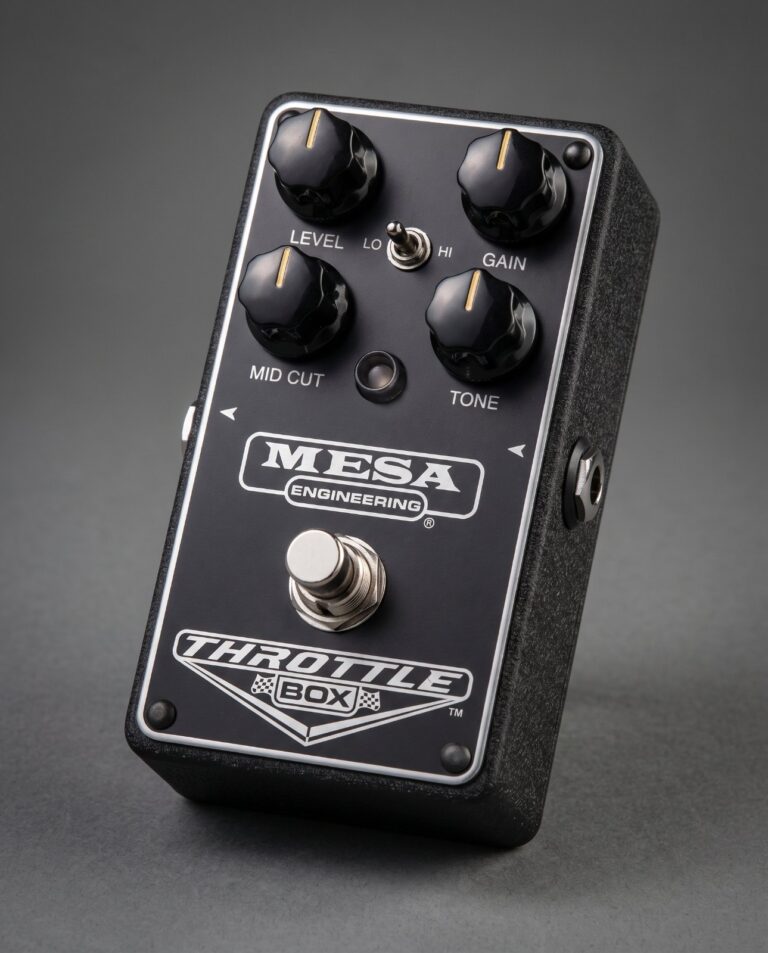
The Mesa/Boogie Throttle Box — Mesa/Boogie’s own distortion pedal using a multi-stage transistor gain circuit specifically voiced to complement Mesa/Boogie amplifiers — appeared in Adler’s signal chain for specific additional gain and tonal shaping applications. The Throttle Box’s design specifically addressed the frequency response and compression characteristics of the Dual Rectifier’s input stage, giving a distortion pedal whose tonal interaction with the Rectifier was more musical and better integrated than generic distortion pedals whose circuit parameters weren’t designed with Rectifier-specific input characteristics in mind.
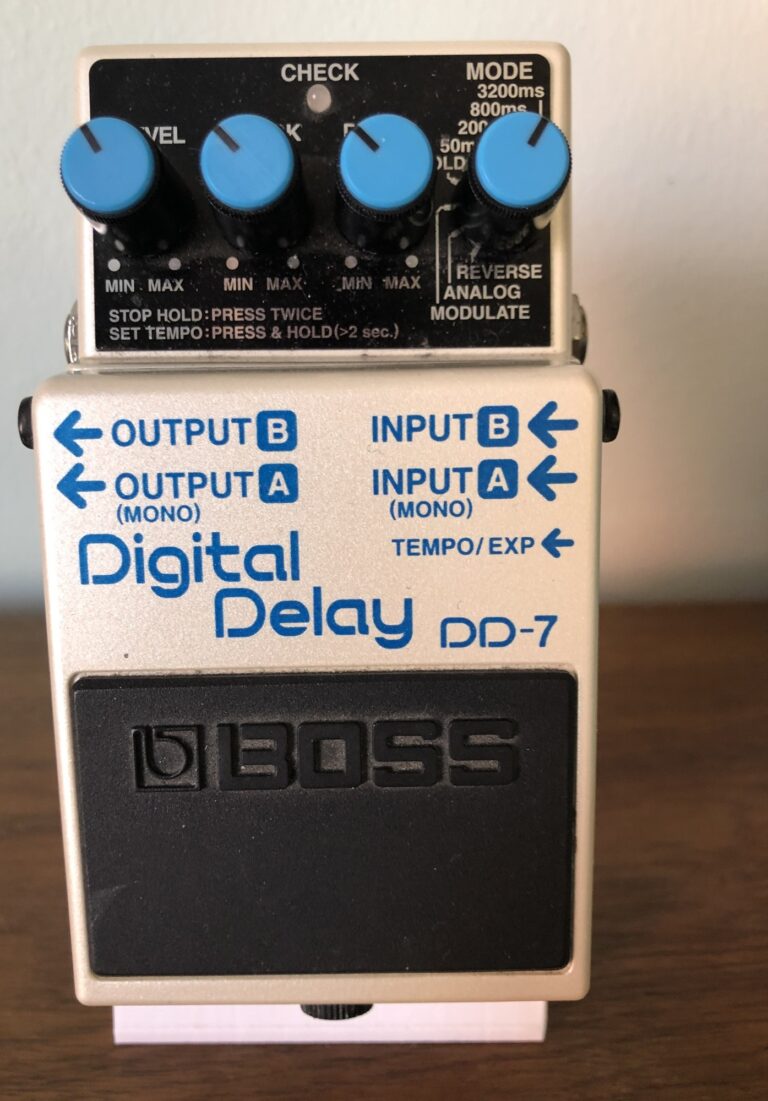
The Boss DD-7 appeared in Adler’s setup in a minimal capacity — primarily for specific transitional passages in Lamb of God’s material where a brief slapback delay effect added dimension to a single-note passage. His delay use was extremely selective, reflecting the pure rhythm guitar philosophy that characterised his overall approach: effects that didn’t directly serve the rhythm guitar’s physical authority were excluded from the signal chain.
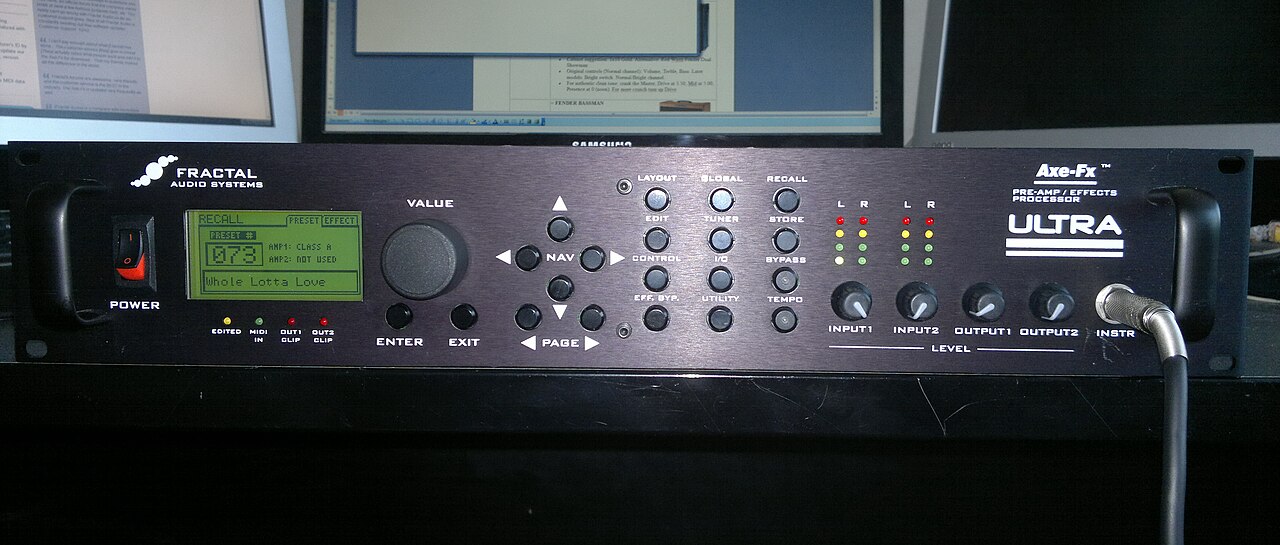
Like Morton, Adler has incorporated the Fractal Audio Axe-Fx into his more recent live rig for comprehensive signal chain management and tone consistency. His Axe-Fx configuration runs profiles of his Mesa/Boogie Dual Rectifier alongside the effects processing, giving consistent, repeatable tone at every performance. His adoption of the Axe-Fx for live work reflected the practical requirements of Lamb of God’s touring scale rather than a preference for digital over analog — the Axe-Fx’s consistency and the practical advantages of its comprehensive preset management outweighed the marginal tonal differences in live performance contexts.
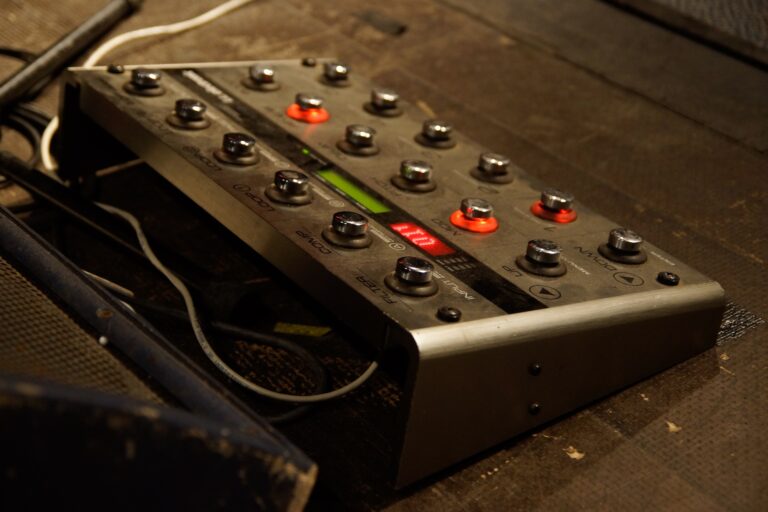
The TC Electronic G-System appeared in Adler’s earlier live rig for amplifier channel switching and effects loop management via MIDI. The G-System’s switching capability gave him control of the Mesa/Boogie’s channel selection and the NS-2’s loop engagement from a single floor unit, simplifying the live performance logistics without adding the tonal complexity of additional effects processing.
Playing Style & Tone Philosophy
Willie Adler is the purest expression of the groove metal rhythm guitar philosophy in Lamb of God — a player who has committed so completely to the specific demands of that role that everything about his playing, his equipment, and his approach to the guitar reflects the single goal of making the music as physically heavy and rhythmically precise as possible. There is no ambiguity in his approach, no tension between competing musical priorities, and no compromise between rhythmic authority and any other musical value. The riff is the thing, and everything else is in service of the riff.
His downstroke technique is built on what might be described as the “Hetfield school” of heavy metal rhythm guitar — the principle that the downstroke’s authority, weight, and decisiveness are the primary qualities of heavy metal rhythm playing, and that the picking motion should communicate physical commitment rather than mechanical efficiency. Where strict alternate picking emphasises evenness and minimises the energy cost of each pick stroke, Adler’s downstroke-emphasis approach invests each downstroke with the full physical weight of the picking arm’s rotation, giving each note a specific “authority” — a quality of inevitability in its arrival — that even technically superior alternate picking cannot fully replicate. The tradeoff is speed: Adler is not the fastest rhythm guitarist in heavy metal by any measure. But he is among the most physically convincing, and in groove metal, physical conviction is the primary metric.
His palm-muting calibration is as precise as Morton’s, but directed at a different musical goal. Where Morton’s palm-muting serves melodic and harmonic functions — giving specific tonal character to riff figures within a compositional framework — Adler’s palm-muting serves a purely rhythmic function: defining the precise start and end point of each muted attack, creating the rhythmic articulation that distinguishes a groove metal riff from a sustained blur of low-frequency distortion. The specific calibration of his palm muting — the amount of muting pressure applied, the exact position of the palm relative to the bridge saddles, the transition speed between fully muted and fully open string — is as much a technical accomplishment as any fast alternate-picking run, and one that is both harder to teach and easier to overlook than the more obviously impressive technical achievements.
His relationship with Morton over two decades of professional playing has given the two guitarists an unspoken musical communication that professional musicians sometimes describe as “locking in” — the ability to play together with such physical synchronisation that the two instruments function as one. When Adler and Morton play a riff together, the combined effect is not two guitarists playing the same thing but one rhythmic event occurring in a single physical space. This quality — the result of years of shared musical experience rather than any innate talent — is the most distinctive and most difficult-to-replicate element of Lamb of God’s guitar work.
Tonally, Willie Adler guitars gear philosophy reflects the pure rhythm guitar priority with more consistency than almost any other player in this series. The EMG 81 in both positions gives identical, consistent output regardless of which pickup is selected. The Mesa/Boogie Rectifier’s tight, physically aggressive character gives maximum impact to downtuned riff work. The fixed bridge gives the percussive, immediate attack that floating tremolos cannot provide. The NS-2’s aggressive gating gives clean silence between riff attacks rather than the gradual note decay that sustain-focused players prefer. Every element of the signal chain is specifically calibrated for the single purpose of making the riff as heavy as possible, as clearly as possible, every time.
The fixed bridge versus floating tremolo distinction in Willie Adler guitars gear is worth examining at a mechanical and acoustic level beyond the simple practical advantages discussed above, because the physical differences between the two bridge types affect the guitar’s tonal character in ways that are relevant to the groove metal context specifically. A fixed bridge — whether a tune-o-matic with stop-bar tailpiece, a hardtail Strat-style bridge with through-body stringing, or the TonePros locking variant that Adler uses — establishes a direct, rigid connection between the string’s termination point and the guitar body. The string’s vibration energy transfers from the string to the bridge saddle to the bridge plate to the body, with each interface contributing to or slightly impeding the energy transfer depending on the materials and the mechanical contact quality. The TonePros system’s locking posts (which screw down to lock the bridge plate and stud posts together, preventing the bridge from rocking on the studs during aggressive playing) give the best possible mechanical contact quality for this specific application. A floating tremolo, by contrast, interposes a pivot mechanism between the string termination point and the body — the bridge plate pivots on two knife-edge contact points rather than sitting rigidly on two threaded posts. This pivot point gives the tremolo system its functionality but also introduces a mechanical compliance into the string-to-body energy path: the string’s vibration partially excites the bridge’s pivot motion rather than transferring entirely to the body. The practical consequence: fixed-bridge guitars generally have a more percussive, more immediate attack — each note’s onset is sharper and more defined — because more of the initial string energy transfers directly to the body rather than being dissipated in the bridge’s mechanical compliance. For Adler’s groove metal application, where the percussive attack of each downstroke is as important as the sustained note that follows, this fixed-bridge character gave his playing a specific physical quality that floating bridges’ more elastic response could not replicate.

The Mesa/Boogie Dual Rectifier’s 6L6GC output stage characteristics and the contrast with EL34-based designs bear repeated examination in this pair of Lamb of God articles because the Morton/Adler amplifier contrast is such a clear example of deliberate tonal system design. The 6L6GC (used in the Mesa/Boogie) and the EL34 (used in the Diezel VH4 that Morton uses) are both beam-power tetrode vacuum tubes designed for audio amplification, but their physical characteristics produce meaningfully different output stage behaviours. The 6L6GC has a higher plate resistance and a different transconductance curve from the EL34, producing an output stage that is more “stiff” in electrical engineering terms — less prone to the dynamic compression that the EL34 produces under heavy signal demands, and with a different harmonic profile in saturation. The 6L6GC’s saturation produces relatively more third-harmonic content (an octave-and-a-fifth above the fundamental) compared to the EL34’s relatively higher second-harmonic (octave) content — giving the 6L6GC’s saturation a brighter, more aggressive character and the EL34’s saturation a warmer, more vocal character. For Adler’s rhythm application, the 6L6GC’s brighter, more defined saturation character gave the downtuned riff work its specific “punch” quality — the clear, bright pick attack above the low-frequency fundamental that makes groove metal rhythm guitar physically convincing rather than merely heavy. For Morton’s lead application, the EL34’s warmer, more harmonically complex saturation gave melodic notes the singing, vocal quality that groove metal lead guitar — when it appears — should have to contrast with the rhythm guitar’s aggressive character. The combination, as Lamb of God’s production team understood, gave the complete guitar sound a range and sophistication that either tube type alone could not provide.
The concept of “locking in” — the physical synchronisation between Morton and Adler when they play together — deserves analytical examination because it represents one of the most important but least-discussed aspects of professional rhythm guitar playing in a band context. When two guitarists have played the same riffs for two decades, something specific develops in their physical relationship to those riffs: the muscle memory of each player has been calibrated not only to the riff itself but to the specific timing of the other player’s identical physical response. The result is not merely that both players arrive at the same note at the same time but that the physical gesture of producing that note — the arm’s acceleration into the downstroke, the palm’s contact with the strings, the release of the palm as the note begins — is synchronized to a degree of temporal precision that independent practice cannot produce. This synchronisation gives the combined guitar attack a physical quality that sounds like one instrument of enormous physical presence rather than two instruments playing in unison. For Lamb of God’s specific groove metal aesthetic, where the guitar’s physical impact is as important as its harmonic content, this synchronisation is not a luxury but an essential component of the complete product. Willie Adler guitars gear provides the physical tools for this synchronisation; the two decades of shared playing provided the specific calibration that makes the tools produce this result.
His dismissal and return to Lamb of God — the 2019 personal difficulties and subsequent rejoining — has a specific relevance to understanding his role in the band that goes beyond biographical completeness. The fact that the band brought him back after addressing his challenges demonstrates that his specific contribution to the guitar work — the physical character of his rhythm playing, the specific way his downstroke authority interacts with Morton’s harmonic approach, the qualities that have been developed through twenty years of shared musical practice — is genuinely irreplaceable within Lamb of God’s framework. A different rhythm guitarist could technically perform the riffs; no different rhythm guitarist could replicate the specific physical and musical qualities that Adler’s long-term partnership with Morton produced. This irreplaceability is itself a form of musical achievement — the development of skills and musical relationships that are so specific and so deeply developed that they cannot be readily substituted. Willie Adler guitars gear, in this light, is not merely equipment serving a generic “rhythm guitarist” function but the specific toolkit of a specific musician whose contribution to the band is as distinctive and as irreplaceable as any lead guitarist’s.

How to Sound Like Willie Adler
Guitar Approach
An ESP Horizon or ESP Warhammer signature (or ESP LTD production equivalent) with EMG 81 in both bridge and neck positions, fixed bridge (TonePros or ESP hardtail), and Ernie Ball Not Even Slinky (.012–.056) strings in Drop D is the foundation of Willie Adler guitars gear tone. Alternative instruments: any neck-through or quality bolt-on Super-Strat with fixed bridge and EMG 81 dual configuration — the Jackson SL2H Soloist with fixed bridge, the Schecter C-1 Hellraiser (set-neck, EMG 81TW, fixed bridge), or a similar high-performance fixed-bridge instrument. The fixed bridge is non-negotiable for this application — a floating tremolo will change the feel and tonal character of the downstroke rhythm work in ways that compromise the specific Adler quality.
The physical technique is paramount: develop authoritative downstroke weight through the forearm rotation that gives the full arm’s mass behind each pick stroke. Practice with a metronome at moderate tempo, focusing on maximum authority per downstroke rather than maximum speed. The goal is not the fastest rhythm guitar but the heaviest, most decisive — each downstroke arriving with complete physical commitment and landing exactly on the beat with no hesitation or imprecision.
Amp Approach
Mesa/Boogie Dual Rectifier (Lead 2, Modern mode for tightest bass response) into a Mesa/Boogie 4×12 with Celestion Vintage 30 speakers is the correct foundation. Use the silicon rectifier (Modern mode) rather than tube rectifier (Vintage mode) — the tighter, more defined bass response of the silicon rectification gives the maximum rhythmic definition for downtuned heavy rhythm work. Set the gain to serve the rhythm guitar’s need for consistency rather than maximum saturation.
| Control | Setting (0–10) | Notes |
|---|---|---|
| Dual Rectifier Gain (Lead 2) | 7–8 | High gain — heavy saturation for downtuned rhythm authority; consistent across dynamics |
| Bass | 4–5 | Controlled — EMG 81 ceramic gives tight bass; prevent excessive low-end mud at Drop D |
| Mid | 5–6 | Moderate — Rectifier’s inherent mid-cut is partially intentional for “chug” character |
| Treble | 6–7 | Bright — pick attack definition on downstrokes |
| Presence | 6 | Present — adds attack definition through V30 upper-mid character |
| Master Volume | 6–7 | Push 6L6GC output stage — natural compression gives physical body to heavy riffs |
| Rectifier Mode | Modern (silicon) | Tightest bass response — essential for downtuned rhythm definition |
| NS-2 Threshold | 5–6 | Moderately high — aggressive gating for clean silence between downstroke attacks |
| Mesa Throttle Box (optional boost) | Drive 4, Level 6 | Additional gain and Rectifier-voiced frequency shaping for heaviest riff passages |
Boss NS-2 in muting loop at moderately high threshold for aggressive noise management. Korg Pitchblack for accurate on-stage tuning. Mesa/Boogie Throttle Box for specific additional gain on the heaviest material. Fractal Axe-Fx for live rig management and consistent tone reproduction across touring. Keep the chain minimal — Adler’s tone is about the guitar, the amplifier, and the playing. Effects add nothing that the core setup doesn’t already provide.
Influence & Legacy
Willie Adler’s influence is felt most directly by rhythm guitarists in the modern heavy metal tradition who have absorbed Lamb of God’s approach to groove-and-heaviness and tried to understand how it produces its specific physical effect. His specific contribution — the pure rhythm guitar philosophy, the fixed-bridge simplicity, the EMG 81 dual configuration, the Mesa/Boogie Rectifier’s tight American character — gave a model for modern groove metal rhythm guitar that was specific, documented, and reproducible enough to influence subsequent players who wanted to achieve similar results.
His partnership with Morton over two decades represents one of the most clearly defined and most effective rhythm/lead guitar partnerships in American heavy metal — as clearly structured as the Spitz/Ian division in Anthrax but in a more physically aggressive genre context, and with the specific groove quality that distinguishes Lamb of God from the more purely aggressive alternatives in the same genre space.
The comparison with Mark Morton — his direct guitar partner — is the essential reference, as documented in that article. The Morton/Adler system is greater than the sum of its parts: Morton’s Diezel EL34 warmth and harmonic sophistication alongside Adler’s Mesa/Boogie 6L6GC authority and rhythmic precision gives Lamb of God’s guitar sound a completeness that neither player alone could achieve. The parallel with Scott Ian — the Anthrax rhythm guitarist whose similar exclusive-rhythm-guitar dedication and complete focus on the physical authority of the rhythm role paralleled Adler’s approach in a different but related genre context — illuminates the tradition of pure rhythm guitar specialisation that Adler carries forward in the modern heavy metal context. And the connection to Dimebag Darrell — the Pantera guitarist whose groove metal formula and specific rhythm guitar approach (the downtuned, palm-muted “chug” that Pantera invented and Lamb of God inherited) was the primary template for Adler’s development — places Willie Adler guitars gear and playing philosophy in the direct lineage of American groove metal’s founding tradition.
Frequently Asked Questions: Willie Adler Guitars & Gear
What guitar does Willie Adler play?
Willie Adler’s primary guitar is the ESP Horizon — ESP’s double-cutaway neck-through instrument in his specific signature configuration, typically with both bridge and neck positions loaded with EMG 81 active humbuckers (ceramic magnets, active preamp, approximately 20k ohm effective output). His ESP Warhammer signature model features an angular Flying-V-influenced body shape with his specific pickup and fixed-bridge configuration. The fixed bridge is essential to his setup — he does not use floating tremolo systems. ESP LTD signature production models serve as touring backup instruments.
What amplifier does Willie Adler use?
Adler’s primary amplification is the Mesa/Boogie Dual Rectifier — four 6L6GC output tubes, tube rectifier in Vintage mode or silicon rectifier in Modern mode (Modern preferred for tightest bass response), Lead 2 channel at high gain, run into Mesa/Boogie 4×12 cabinets loaded with Celestion Vintage 30 speakers. Multiple Rectifier heads in live configurations give the volume and physical impact appropriate to Lamb of God’s touring scale. The Peavey 6505+ serves as backup and supplementary amplification. The Fractal Axe-Fx loaded with Rectifier profiles provides live touring consistency in current setups.
Why does Willie Adler use EMG 81 in both bridge and neck positions?
Adler uses identical EMG 81 active humbuckers in both positions because his exclusively rhythm-focused guitar role doesn’t require the tonal contrast between bridge aggression and neck warmth that lead guitarists need. For pure rhythm guitar application — where both pickups are used for heavy, high-gain downtuned riff work rather than switching between heavy rhythm (bridge) and warm melodic lead (neck) — having identical high-output, low-noise active pickups in both positions gives consistent output and noise characteristics regardless of pickup selection. The neck EMG 81 gives a brighter, more aggressive neck tone than the typical Alnico-voiced neck pickup, consistent with Adler’s prioritisation of rhythm authority over melodic warmth in both pickup positions.
How does Willie Adler’s guitar setup differ from Mark Morton’s?
The Morton/Adler guitar setup contrast is both deliberate and musically functional. Morton uses a Gibson Les Paul Custom (mahogany warmth, ebony fretboard articulation) with Seymour Duncan JB/59 passive pickups and a Diezel VH4 EL34 amplifier — emphasising harmonic warmth, dynamic responsiveness, and tonal sophistication. Adler uses an ESP Horizon (neck-through Super-Strat format) with EMG 81 active dual configuration and a Mesa/Boogie Dual Rectifier 6L6GC amplifier — emphasising output consistency, noise rejection, and physical authority. The EL34/6L6GC amplifier contrast is particularly significant: the Diezel’s warmer, more harmonically complex EL34 saturation serves Morton’s melodic lead work; the Rectifier’s tighter, more physically forceful 6L6GC character serves Adler’s pure rhythm application.
What is the Mesa/Boogie Throttle Box and why does Adler use it?
The Mesa/Boogie Throttle Box is a distortion pedal manufactured by Mesa/Boogie and specifically voiced to complement their amplifiers’ input characteristics. Unlike generic distortion pedals whose gain and frequency response characteristics were designed independently of any specific amplifier’s input stage, the Throttle Box was engineered to interact with the Dual Rectifier’s input in a musically productive way — providing additional gain and specific frequency emphasis that the Rectifier’s circuit translates particularly well. For Adler’s heaviest rhythm passages, the Throttle Box gave additional saturation and a specific tonal character that the Rectifier’s built-in Lead channel alone couldn’t achieve. The Mesa/Boogie engineering team’s understanding of the Rectifier’s specific circuit characteristics gave the Throttle Box a better-matched interaction with the amplifier than competing distortion pedals from other manufacturers.
What is Willie Adler’s rhythm guitar technique?
Adler’s rhythm guitar technique is built primarily on heavy downstrokes — picking motions using primarily downward pick strokes driven by forearm rotation, giving each note the full physical weight of the arm’s mass rather than the lighter wrist-only picking motion. This downstroke emphasis gives each palm-muted riff attack its specific “authority” — the quality of physical inevitability and decisiveness that distinguishes groove metal from merely technically correct heavy metal. His palm-muting precision — calibrated muting pressure and specific palm position relative to the bridge saddles — gives the rhythm figures their rhythmic articulation. Alternate picking supplements the downstrokes for specific faster passages within riff figures, but the foundational technique is the heavy downstroke.
What tunings does Willie Adler use?
Adler uses the same tunings as Morton across Lamb of God’s catalogue — primarily Drop D (D-A-D-G-B-E) and standard Eb (E♭-A♭-D♭-G♭-B♭-E♭). From the pure rhythm guitar perspective, Drop D’s single-finger power chord capability across the lowest strings gives the physical ease of execution for fast, repeated palm-muted chord attacks that the heavy groove metal riff vocabulary requires. Standard Eb gives a slightly lower, darker quality to the entire harmonic range without the drastic string-gauge increases that more extreme detuning would demand. Both tunings represent the practical balance between tonal authority at low pitches and playability that Lamb of God’s specific rhythmic demands require.
The EMG 81’s relationship to the Mesa/Boogie Dual Rectifier’s input stage — a pairing that Adler has used across the majority of his professional career — creates a specific synergistic interaction worth examining. The EMG 81’s active preamp provides a low-impedance, consistent output signal (approximately 10k ohm output impedance versus 100k+ ohm for passive high-output humbuckers) that interacts with the Rectifier’s input stage differently from passive pickups. The Rectifier’s first gain stage sees a consistent, well-buffered signal from the EMG 81 rather than the varying impedance and frequency response of a passive pickup that changes with cable length and amplifier input loading. This consistency allows the Rectifier’s gain staging to operate predictably — each note producing the same gain structure regardless of how the guitar’s volume or tone controls are adjusted — which is specifically valuable for rhythm guitar where consistency of attack is more important than the dynamic variation that passive pickups offer. The practical result: the EMG 81 through the Rectifier gives a rock-solid, consistent heavy rhythm guitar tone that varies with pick attack force (harder picking produces more saturation, softer picking produces less) but maintains consistent frequency response and gain structure across the full playing range. For Adler’s application — aggressive, physically demanding downstroke rhythm playing that must maintain consistent tonal character through extended live performances at high volume — this consistency was the specific practical advantage that the EMG 81/Rectifier pairing provided over passive pickup alternatives, and explains why Willie Adler guitars gear has maintained this specific combination so consistently across his professional career.
The Warhammer signature model’s angular body shape — inspired by the Flying V and Explorer tradition — connects Willie Adler guitars gear to a specific lineage of visually aggressive guitars that physicality and confrontational aesthetics have made the preferred platform for a specific strand of heavy metal guitarists. From Gibson’s original Flying V (1958, designed as a futuristic statement but initially a commercial failure, later embraced by Albert King and Jimi Hendrix before becoming heavy metal’s visual weapon of choice) through Dean’s angular ML (Dimebag Darrell’s instrument) to the various modern Super-V and Explorer derivatives, the angular-body tradition has consistently been associated with the most physically committed and visually aggressive end of the rock and metal spectrum. The visual language of the Flying V and its derivatives — the aggressive forward lean, the pointed upper and lower wings, the visual impression of speed and aggression — reflects the same values of physical commitment and forward momentum that Willie Adler guitars gear and playing embody sonically. The guitar’s visual character is not separate from its musical character but continuous with it: an instrument that looks like it’s going to hit something is more likely to produce playing that sounds like it’s hitting something, because the visual associations reinforce the physical and psychological approach to the instrument that the playing requires.
Image credits
- Fractal Audio Axe-Fx: appelsin, Wikimedia Commons, CC BY-SA 3.0.
- Willie Adler: Stefan Brending (2eight), Wikimedia Commons, CC BY-SA 3.0.
- Top image: by Stefan Brending, Wikimedia Commons, CC BY-SA 3.0.
- Willie Adler: photo by Matthias Bauer, via Wikimedia Commons, CC BY-SA 3.0.
- Mesa/Boogie Dual Rectifier: Roadside Guitars, Flickr, CC BY-SA 2.0.
- Boss NS-2 Noise Suppressor: Johan Rosén / Kuriosatempel, CC BY-SA 4.0.
- Peavey 6505+: GuitarGangsters AI-generated reference illustration, not a photograph.
- Celestion Vintage 30 12-inch Guitar Speaker: GuitarGangsters AI-generated reference illustration, not a photograph.
- Willie Adler live: Stefan Brending (2eight), Wikimedia Commons, CC BY-SA 3.0.
- Willie Adler live: Matthias Bauer, Wikimedia Commons, CC BY-SA 3.0.
- EMG 81 pickups: ZngZng, Wikimedia Commons, CC BY-SA 4.0.
- Marshall JCM900: GuitarGangsters AI-generated reference illustration, not a photograph.
- Boss DD-7 Digital Delay: Kuriosatempel, Wikimedia Commons, CC BY-SA 4.0.
- TC Electronic G-System: Adam Kliczek, Wikimedia Commons, CC BY-SA 3.0.
- Korg Pitchblack: GuitarGangsters AI-generated reference illustration, not a photograph.
- Mesa/Boogie Throttle Box: GuitarGangsters AI-generated reference illustration, not a photograph.
- ESP Horizon: GuitarGangsters AI-generated reference illustration, not a photograph.