Laurie Wisefield Guitars & Gear: Wishbone Ash Twin-Lead Complete Rig Guide
Laurie Wisefield guitars gear — Gibson Les Paul, twin-lead harmony deep-dive for the Wishbone Ash guitarist's collaborative guitar approach.
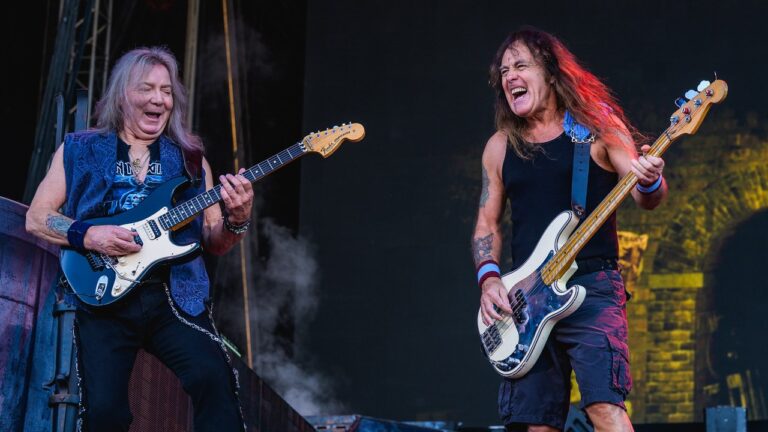
Bretonbanquet / CC BY 4.0
Laurie Wisefield guitars gear is the subject of this series’ first direct examination of “twin-lead guitar” as an ongoing structural feature of a band’s identity — the equipment and approach of a guitarist whose tenure with Wishbone Ash (joining in the early 1970s, following the band’s initial lineup) placed him within a band whose twin-lead-guitar format — two guitarists playing interlocking, often harmonised lead lines together, rather than the more common “one lead guitarist plus rhythm guitarist” division of labour this series has documented for the vast majority of multi-guitarist bands — represented Wishbone Ash’s defining structural characteristic across its history, with Wisefield’s specific tenure representing one period within this ongoing twin-lead tradition’s broader history.
His specific position — joining an established band (unlike the “founding member” cases this series’ immediately preceding articles examined for Genesis and Yes) within a structural context (twin-lead guitar) that predated his joining and that his own playing needed to integrate with — gives this article an opportunity to examine a genuinely different kind of “joining a band” dynamic than founding-member dynamics: integrating into an established structural feature (twin-lead harmony) that has its own existing conventions and existing collaborative relationship (with whichever guitarist Wisefield’s playing needed to integrate with), rather than co-creating a band’s structure from its founding. This is the complete breakdown of Laurie Wisefield guitars gear, technique, and tonal philosophy.
Background
Laurie Wisefield was born on December 19, 1949, in Stourbridge, England, with his early career developing within the British rock landscape before his joining of Wishbone Ash in the early 1970s.
His joining of Wishbone Ash — a band whose twin-lead-guitar format had been established by the band’s original guitarist pairing (this article doesn’t have detailed information about Wishbone Ash’s specific original lineup beyond noting that twin-lead represented an established format by the time of Wisefield’s joining) — placed him within this established structural context, requiring his playing to integrate with whichever other guitarist(s) were part of Wishbone Ash’s lineup during his tenure, within the twin-lead format’s specific collaborative conventions (interlocking lines, harmonised leads — two guitarists playing the same melodic line simultaneously but at different pitches, typically a third or similar interval apart, a specific technique this article will examine in more detail).
His tenure with Wishbone Ash — spanning a significant period of the band’s history — gave him a position within this band’s ongoing twin-lead tradition, with his specific playing representing one half of whatever specific twin-lead guitar combination characterised Wishbone Ash’s sound during his tenure, distinct from both earlier and later twin-lead combinations across the band’s broader history.
His broader career — including activity beyond his Wishbone Ash tenure — represented continued guitar work, though this article’s primary focus, consistent with this series’ examination of twin-lead guitar as a structural feature, centres on his Wishbone Ash tenure specifically and what this tenure represents for understanding twin-lead guitar’s collaborative demands and conventions.
Laurie Wisefield Guitars Gear: The Complete Rig
Guitars
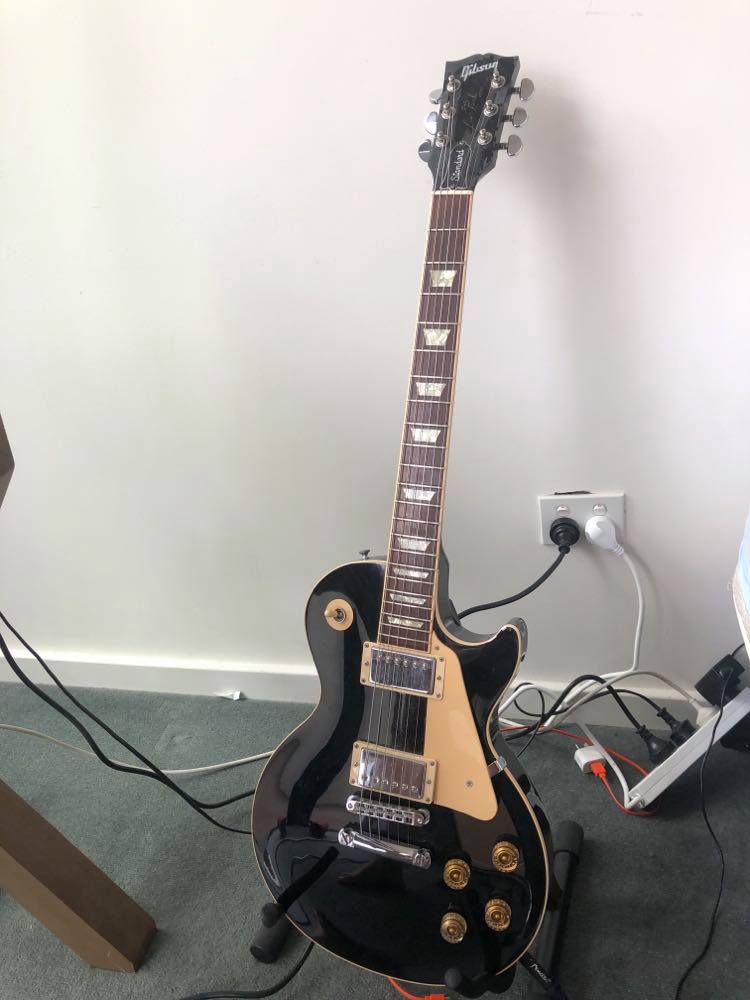
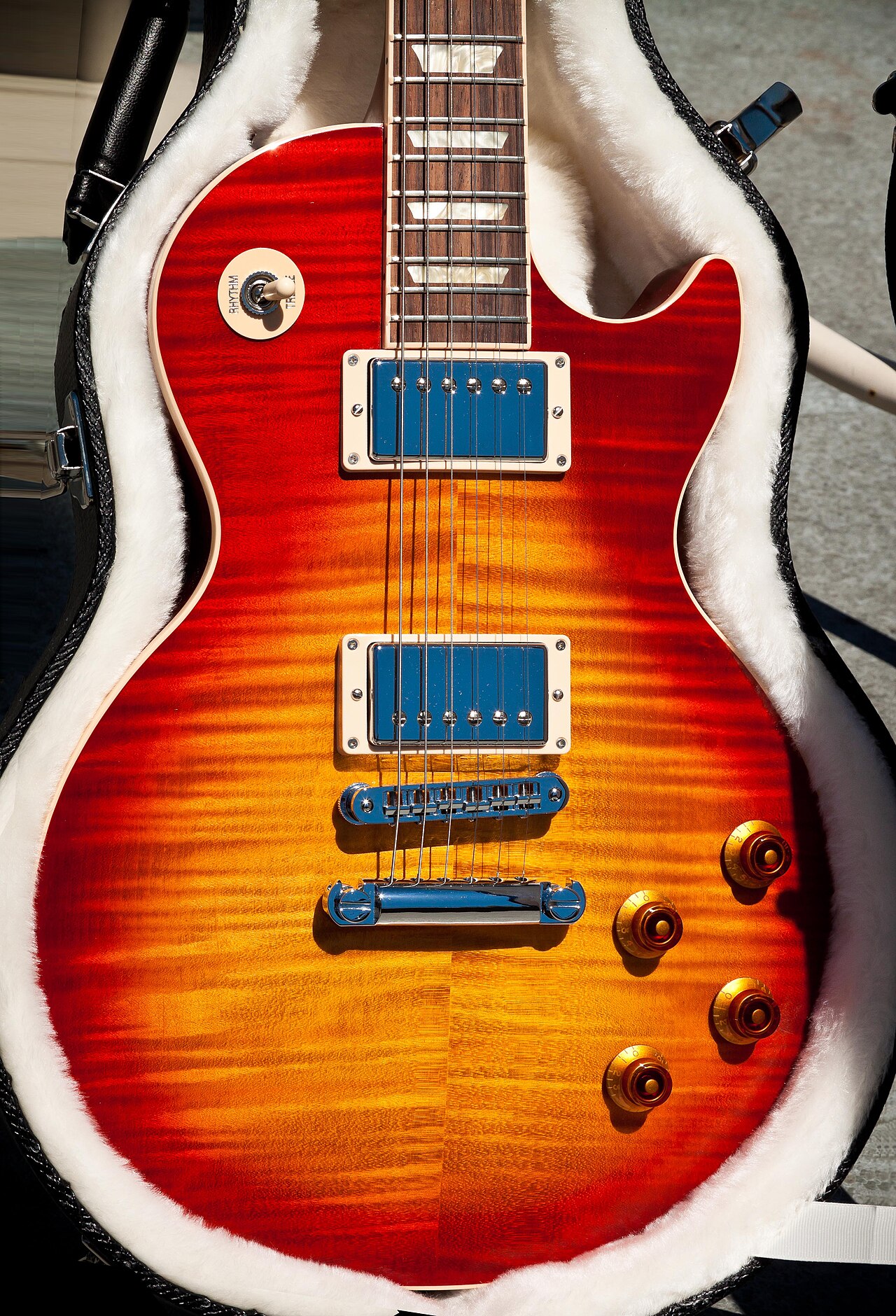
Laurie Wisefield’s guitar work with Wishbone Ash reportedly included use of a Gibson Les Paul — the humbucker-equipped instrument this series has documented extensively across numerous contexts, here providing sustain and output appropriate to twin-lead harmony’s specific demands: harmonised lead lines (two guitars playing the same melody at different pitches simultaneously) benefit from both guitars having comparable sustain characteristics, since a harmony line where one guitar’s notes decay noticeably faster than the other’s would produce an unbalanced result, undermining the harmonised lines’ intended unified effect.
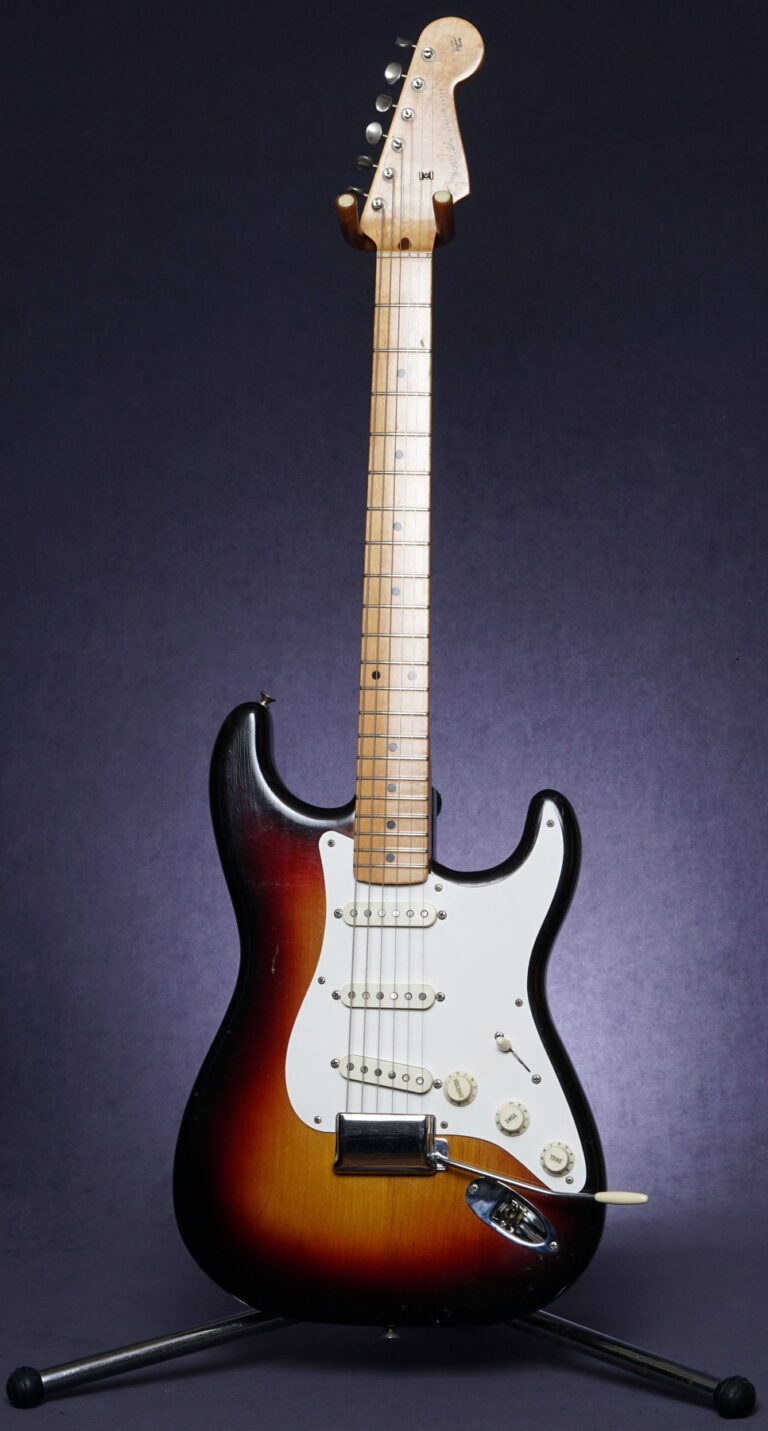
Alongside the Les Paul, Stratocaster-type instruments may have appeared in Wisefield’s setup for passages or contexts where single-coil tonal character (brighter, more articulate than humbucker output) suited specific musical content better than the Les Paul’s humbucker-driven sustain and warmth — giving Wisefield tonal options across Wishbone Ash’s varied material.
String gauges appropriate to twin-lead harmony work — likely medium gauges providing the sustain and tonal substance harmonised lead lines benefit from, while maintaining playability for the kind of interlocking/harmonised lead vocabulary twin-lead guitar requires.
Amps
British amplification, consistent with this series’ extensive British rock coverage, would provide Wisefield’s foundational amplified tone — with a specific consideration twin-lead guitar introduces beyond what single-lead-guitarist contexts require: for harmonised lines to sound unified rather than like two distinctly different-sounding guitars playing related but tonally mismatched parts, some degree of tonal compatibility/matching between the two guitarists’ amplified tones likely represents a relevant consideration, whether through similar amplifier choices, complementary EQ approaches, or other means of ensuring harmonised lines’ two simultaneous guitar parts blend appropriately.
Effects
Moderate overdrive or distortion, giving sufficient sustain for harmonised lead lines’ demands (as discussed for the Les Paul above) within Wishbone Ash’s broader rock context, likely represents a core element of Wisefield’s tone.
Beyond core overdrive/distortion, minimal additional effects processing would let twin-lead harmony’s specific texture (two guitars’ interlocking/harmonised tones) represent the primary sonic interest, without additional processing potentially obscuring the specific blend between the two guitarists’ tones that twin-lead harmony depends on.
Playing Style & Tone Philosophy
Laurie Wisefield represents this series’ first opportunity to examine twin-lead guitar harmony’s specific technical and collaborative demands in detail — a guitar arrangement approach genuinely distinct from the single-lead-guitarist contexts this series has predominantly documented, where one guitarist’s lead lines represent “the” lead guitar part, with any second guitarist typically playing a complementary but distinct role (rhythm guitar, or different melodic/harmonic content rather than the same melodic line at a different pitch).
Twin-lead harmony’s core technique — two guitarists playing the same melodic line simultaneously, but at different pitches (typically a third above or below, though other intervals appear too, with “thirds” referring to the harmonic interval where the two notes are three scale-steps apart, a common and generally consonant harmony interval) — requires both guitarists to play, essentially, the same rhythmic and melodic content (same note durations, same phrasing, same timing) while playing different specific pitches. This requirement — rhythmic/phrasing unity combined with pitch difference — represents a genuinely different collaborative demand than most ensemble guitar playing, where two guitarists typically play different rhythmic/melodic content (rhythm versus lead, for instance) rather than the same rhythmic/melodic content at different pitches.
For this harmony to sound unified — like a single “harmonised” musical idea rather than like two guitarists playing similar-but-not-quite-coordinated parts — requires genuinely tight ensemble coordination: identical phrasing (the same vibrato timing, the same bend timing and width — and bending in harmony introduces its own specific challenge, since a bend that moves from one pitch to another needs both guitarists’ bends to arrive at their respective target pitches simultaneously, maintaining the harmony interval throughout the bend’s motion, not just at its start and end points), identical rhythmic placement, and the kind of close musical communication/rehearsal that produces this tightness. This represents a collaborative demand beyond what “two guitarists in the same band” alone implies — twin-lead harmony specifically requires the two guitarists’ individual playing to merge into something that functions as a unified musical statement, with any individual imprecision (in timing, in bend execution, in phrasing) potentially undermining this unified effect in ways that wouldn’t necessarily be problematic if the two guitarists were playing more independent parts (where individual stylistic differences between two guitarists playing different parts might add interest rather than undermining unity).
For Wisefield, joining Wishbone Ash’s established twin-lead tradition meant developing this specific collaborative coordination with whichever guitarist(s) he played alongside during his tenure — a different developmental task than, say, a founding member establishing a band’s twin-lead approach from scratch (where both founding guitarists would develop their collaborative approach together, from an initial blank slate) versus joining an established approach (where Wisefield’s playing needed to integrate with existing conventions/approaches that his bandmate(s) already represented, requiring Wisefield’s individual adaptation to fit within an established framework rather than co-creating that framework).
Tonally, Laurie Wisefield guitars gear philosophy was built on Gibson Les Paul (with Stratocaster as secondary option) through British amplification with moderate overdrive — equipment choices serving twin-lead harmony’s specific demands: sufficient sustain for harmonised lines’ unified effect, tonal compatibility with his co-guitarist’s tone, and minimal additional processing letting the harmony itself represent the primary sonic interest. This represents equipment serving a genuinely collaborative musical structure (twin-lead harmony) in ways that single-lead-guitarist contexts’ equipment considerations (this series’ more typical subject) don’t directly address.
The “third” harmony interval mentioned in this article’s technical discussion deserves more detailed examination, since this specific interval’s prevalence within twin-lead guitar harmony connects to broader principles of why certain harmony intervals sound more consonant (pleasing, stable) than others, principles relevant to understanding why thirds specifically (rather than other possible intervals) became twin-lead guitar’s most characteristic harmony choice. In Western harmony broadly, intervals are generally categorised by their consonance — how stable or “resolved” they sound — with certain intervals (unisons, octaves, perfect fifths) representing the most consonant, and others (major and minor thirds, sixths) representing intervals that are consonant but with more harmonic “colour” or character than the most basic consonant intervals, while still avoiding the tension/dissonance that other intervals (seconds, sevenths, tritones) introduce. Thirds specifically — major thirds and minor thirds, the specific interval determining whether a harmony has a “major” or “minor” character — represent intervals consonant enough to sound pleasing/stable when sustained (as harmonised melodic lines often are) while having enough harmonic character/colour to make the harmony sound like a deliberate musical choice rather than merely “doubling” a melody at a less characterful interval (an octave, for instance, which while highly consonant, sounds more like “the same note in a different register” than like a distinct harmony). This combination — consonant enough to sound pleasing when sustained, characterful enough to represent a deliberate harmonic choice — explains thirds’ prevalence not just in twin-lead guitar harmony specifically, but across vocal harmony, horn section arrangements, and numerous other contexts where two or more voices/instruments harmonise a shared melodic line — twin-lead guitar harmony, in this sense, represents guitar’s specific application of a much broader harmonic principle (thirds as a characteristically pleasing harmony interval for sustained melodic harmonisation) that appears across numerous musical contexts beyond guitar specifically.

The question of how twin-lead guitar bands’ specific guitarist pairings get determined — who plays “which” harmony part (the melody’s original pitch, versus the harmony a third above or below) — represents a practical consideration this article’s technical discussion hasn’t directly addressed. In practice, twin-lead harmony doesn’t necessarily involve one guitarist consistently playing “the melody” while the other consistently plays “the harmony” — depending on the specific musical material and the specific arrangement, either guitarist might play either part for different passages, or the two parts might be genuinely interchangeable (with the harmony interval, e.g., a third, working symmetrically regardless of which specific pitch either guitarist plays, as long as the interval relationship between the two parts is maintained). This flexibility — twin-lead harmony not necessarily assigning fixed “melody” and “harmony” roles to specific guitarists — represents part of what makes twin-lead a genuinely collaborative arrangement (as this article has emphasised) rather than a hierarchical one (lead guitarist plus harmony-providing second guitarist, which would represent a different, more hierarchical relationship than “two guitarists jointly producing a harmonised musical statement” that twin-lead, at its best, represents). For Wisefield specifically, whether his role within Wishbone Ash’s twin-lead tradition involved consistent “melody” or “harmony” assignment, or genuinely flexible/interchangeable roles depending on specific material, represents detail this article doesn’t have specific confirmation of — but the general point (twin-lead as potentially non-hierarchical, collaborative, with roles potentially flexible rather than fixed) represents an important dimension of what distinguishes twin-lead from more hierarchical “lead guitarist plus support” arrangements.
The collaborative coordination this article has emphasised as twin-lead harmony’s most demanding element — synchronised phrasing, bends, vibrato between two guitarists — connects to broader questions about musical ensemble coordination more generally, questions this series has touched on in various forms (la pompe’s structural role in gypsy jazz ensembles without drums, for instance, discussed for Lagrène) but that twin-lead harmony represents perhaps its most direct and most “exposed” instance: where la pompe’s coordination contributes to a broader ensemble texture (where individual imprecisions might be less individually exposed within a fuller ensemble texture), twin-lead harmony’s two-guitar texture is comparatively exposed — any coordination imprecision between the two harmonising guitars is directly audible in a way that imprecision within a fuller-texture ensemble arrangement might not be as directly audible. This “exposed coordination” quality represents part of why twin-lead harmony, when executed well, can sound genuinely impressive — the precision required is directly audible, giving well-executed twin-lead harmony a kind of “listen to how tight this is” quality that contributes to twin-lead guitar’s appeal within the broader rock landscape, beyond whatever specific melodic/harmonic content any particular harmonised passage represents. For Wisefield and his Wishbone Ash co-guitarist(s), achieving this exposed-coordination precision across their tenure together represents the kind of sustained collaborative achievement that, while perhaps less individually attributable to either guitarist alone (since the achievement is inherently collaborative/relational), represents genuine musical accomplishment worth this article’s detailed examination.
How to Sound Like Laurie Wisefield
Guitar Approach
A Gibson Les Paul (or similar humbucker-equipped guitar with good sustain) represents the foundational Laurie Wisefield guitars gear instrument, with Stratocaster-type instruments as a secondary/alternate option for brighter tonal contexts.
The technical and collaborative approach: twin-lead harmony requires, first, developing the basic technique of playing harmonised lines — practicing scales and melodic lines in harmony (typically thirds, as this article discussed) to develop familiarity with how harmony intervals feel and sound across different parts of the fretboard. Beyond this basic technique, the collaborative dimension — achieving the tight ensemble coordination (identical phrasing, synchronised bends and vibrato) that makes harmony sound unified rather than merely “two guitarists playing related notes” — requires actual practice with a specific collaborative partner, developing the close musical communication that twin-lead harmony’s unified effect depends on. This collaborative dimension can’t be developed through solo practice alone; it requires the actual collaborative relationship this article has emphasised as central to twin-lead guitar’s specific demands.
Amp Approach
British amplification with moderate overdrive/distortion, ideally with some tonal compatibility consideration relative to a co-guitarist’s tone, giving sufficient sustain for harmonised lead lines.
| Element | Approach | Notes |
|---|---|---|
| Primary guitar | Gibson Les Paul | Sustain for unified harmonised lines |
| Secondary guitar | Fender Stratocaster | Brighter tonal option for varied material |
| Amplifier | British, tonally compatible with co-guitarist | Unified blend essential for harmony |
| Gain | Moderate overdrive/distortion | Sustain without obscuring harmony blend |
| Core technique | Harmonised lead lines (typically thirds) | Same melody, different pitch, simultaneously |
| Critical skill | Synchronised phrasing/bends/vibrato | Cannot develop through solo practice alone |
Gibson Les Paul (or Stratocaster for brighter contexts) through tonally-compatible British amplification with moderate overdrive. The defining element is twin-lead harmony itself — harmonised lead lines requiring both basic harmony-interval technique and, more demandingly, the collaborative ensemble coordination (synchronised phrasing, bends, vibrato) that makes harmony sound unified, a skill developed only through actual practice with a specific collaborative partner rather than through solo development alone.
Influence & Legacy
Laurie Wisefield’s influence operates within Wishbone Ash’s specific twin-lead tradition and within the broader landscape of twin-lead-guitar rock more generally — his tenure represents one period within Wishbone Ash’s ongoing twin-lead history, contributing to this broader tradition’s continued development and to audiences’ continued exposure to twin-lead harmony as a specific guitar-arrangement approach.
His broader significance — demonstrating twin-lead harmony’s specific collaborative demands (this article’s central technical examination) — represents a model for understanding what “twin-lead guitar bands” actually require beyond simply “having two guitarists who both play lead at various points”: the specific harmonised-line technique and, especially, the collaborative coordination this technique demands when executed well.
The comparison with Snowy White — whose own Thin Lizzy tenure, documented in the previous article, represented “one specific combination within an ongoing twin-guitar lineup history” for a different band — provides a direct point of comparison: both Wisefield (Wishbone Ash) and White (Thin Lizzy) joined established twin-guitar bands, with their respective tenures representing specific combinations within each band’s broader twin-guitar lineup history, though White’s broader career (sideman across multiple bands, per the previous article) differs from Wisefield’s more Wishbone-Ash-concentrated tenure as this article has discussed it. The parallel with Ted Turner — Wisefield’s predecessor or contemporary within Wishbone Ash’s twin-lead history (this series will document Turner in the immediately following article, examining Wishbone Ash’s twin-lead tradition from the perspective of another specific guitarist within this tradition’s broader history) — extends this series’ direct examination of twin-lead guitar through multiple specific guitarists within the same band’s tradition. And the connection to Andy Powell — another Wishbone Ash guitarist this series will document, potentially representing Wisefield’s specific twin-lead collaborative partner during some or all of his tenure (this article hasn’t confirmed the specific pairing, but Powell’s inclusion in this series’ Wishbone Ash sequence suggests his relevance to understanding Wisefield’s specific twin-lead collaborative context) — places Laurie Wisefield guitars gear within a sequence of articles this series will use to build a comprehensive picture of Wishbone Ash’s twin-lead tradition across multiple guitarists’ perspectives, demonstrating twin-lead harmony’s collaborative demands through examining multiple specific instances of this collaboration from multiple individual guitarists’ vantage points.
Frequently Asked Questions: Laurie Wisefield Guitars & Gear
What guitar does Laurie Wisefield play?
Laurie Wisefield’s guitar work with Wishbone Ash reportedly included use of a Gibson Les Paul as a primary instrument, with Fender Stratocaster-type instruments as a secondary/alternate option. The Les Paul’s sustain and humbucker output suited twin-lead harmony’s demands for unified, sustained harmonised lead lines, while the Stratocaster provided brighter tonal options for varied material.
What is “twin-lead guitar” and how does it differ from typical lead/rhythm guitar arrangements?
Twin-lead guitar involves two guitarists playing the same melodic line simultaneously but at different pitches (typically a third apart), rather than the more common “one lead guitarist plus rhythm guitarist” division where two guitarists play different rhythmic/melodic content. Twin-lead requires both guitarists to match phrasing, timing, bends, and vibrato precisely so the harmonised line sounds like a single unified musical statement rather than two guitarists playing similar-but-uncoordinated parts.
What was Laurie Wisefield’s role in Wishbone Ash?
Wisefield joined Wishbone Ash in the early 1970s, following the band’s initial lineup, placing him within Wishbone Ash’s established twin-lead-guitar tradition. His tenure represented one specific period within this band’s ongoing twin-lead history, with his playing forming one half of whatever twin-lead guitar combination characterised Wishbone Ash’s sound during his time in the band.
Why does harmonising bends represent a specific challenge in twin-lead guitar?
When two guitarists harmonise a bent note, both guitarists’ pitches need to move from their starting pitches to their target pitches while maintaining the harmony interval (e.g., a third) throughout the bend’s motion — not just matching at the bend’s start and end points. This requires synchronised bend timing and width between both guitarists, a more demanding coordination challenge than harmonising notes that don’t involve bending, where only the starting and sustained pitches need to align rather than a continuously-moving pitch relationship.
Why is tonal compatibility between two guitarists important for twin-lead harmony?
For a harmonised line to sound like a unified musical idea, the two guitarists’ tones need to blend appropriately — if one guitarist’s tone differs significantly from the other’s (in terms of brightness, sustain, gain character), the harmonised line might sound like two distinctly different-sounding guitars playing related notes, rather than a single unified harmonised sound. Some degree of tonal matching or complementary tone choices between twin-lead guitarists represents a relevant consideration beyond what either guitarist’s individual tone preferences alone might suggest.
Can twin-lead harmony technique be developed through solo practice?
Basic harmony-interval technique (playing scales/melodies in thirds or other intervals) can be developed through solo practice. However, the collaborative coordination that makes harmony sound genuinely unified — synchronised phrasing, bends, and vibrato between two guitarists — can only be developed through actual practice with a specific collaborative partner, since this coordination depends on the specific relationship and communication between two particular musicians’ playing, not on either musician’s individual technique in isolation.
How does joining an established twin-lead tradition (like Wisefield joining Wishbone Ash) differ from founding a twin-lead band?
A founding twin-lead pairing develops their collaborative approach together from an initial blank slate, co-creating the band’s twin-lead conventions. A guitarist joining an established twin-lead tradition (as Wisefield did with Wishbone Ash) instead needs to integrate with existing conventions and an existing collaborative relationship that their new bandmate(s) already represent — requiring individual adaptation to fit within an established framework, a different developmental task than co-creating that framework from scratch.
Stourbridge, England — Wisefield’s birthplace, mentioned in this article’s background section — represents a location within England’s Midlands/West Midlands region, a part of England this series hasn’t extensively discussed in relation to specific musical scenes, though the broader Midlands region has its own significant connections to British rock history (various significant bands and musicians across different genres having Midlands origins, though this article won’t attempt a comprehensive Midlands-rock survey beyond noting Wisefield’s origin point as part of this broader regional landscape). For Wisefield specifically, whatever specific local musical environment Stourbridge/the Midlands provided during his formative years represents part of his background, similar to how this series has noted various other guitarists’ specific regional origins (Yakima, Washington for Scott Henderson; Putney, London for Anthony Phillips; Barnet, England for Peter Banks, among others) as part of giving complete biographical pictures even when these specific regional origins’ direct musical significance isn’t always traceable in detail.
Beyond harmonised lead lines specifically, twin-lead guitar bands typically also feature passages where the two guitarists play genuinely different parts — one playing rhythm/chordal accompaniment while the other plays lead, in the more conventional single-lead-guitarist arrangement this series has documented extensively, with the “twin-lead” character emerging specifically during passages where both guitarists play harmonised lead lines together, rather than representing a constant feature throughout all material. This means twin-lead guitar bands’ guitarists need facility with both arrangement types — conventional lead/rhythm division for some passages, harmonised twin-lead for others — with the specific balance between these arrangement types varying depending on a band’s specific compositional approach and the specific material being performed. For Wisefield, this would mean his Wishbone Ash work likely involved both conventional lead/rhythm passages (where his and his co-guitarist’s roles might more closely resemble the lead/rhythm division this series has documented for many other bands) and harmonised twin-lead passages (the more distinctive, “exposed coordination” passages this article has primarily examined) — with twin-lead harmony representing a distinctive element within a broader guitar-arrangement palette, rather than representing literally every moment of Wishbone Ash’s guitar arrangements. This balance — twin-lead harmony as a distinctive featured element within a broader arrangement palette that also includes more conventional lead/rhythm passages — represents a more accurate picture of how twin-lead bands’ guitar arrangements actually work than a framing suggesting “everything is harmonised twin-lead” would represent.
For guitarists interested in developing twin-lead harmony skills with a collaborative partner, beyond the basic harmony-interval practice this article’s “How to Sound Like” section recommended, a useful exercise involves deliberately practicing passages that include bends and vibrato in harmony — since these represent the most demanding coordination challenge, as this article has discussed. Starting with simple bent-note harmonies (both guitarists bending from the same starting interval to the same target interval, at slow tempo, focusing purely on synchronisation rather than on the musical content itself) and gradually working toward more complex harmonised passages (incorporating vibrato, more complex melodic content, faster tempos) represents a systematic approach to developing the specific coordination twin-lead harmony’s most demanding elements require. This kind of deliberate, isolated practice of the most demanding specific elements (rather than only practicing complete musical passages, where bend/vibrato coordination represents just one element among many) represents a general pedagogical principle this series has discussed in various forms (isolating specific technical challenges for focused practice) applied here to twin-lead harmony’s specific collaborative demands — with the collaborative dimension meaning this practice, unlike most technical practice this series has discussed, requires a specific partner rather than being achievable through individual practice alone.
The “tonal compatibility” consideration this article raised for twin-lead guitarists’ amplification choices deserves a slightly more nuanced examination, since “compatibility” needn’t necessarily mean “identical” — two guitarists using genuinely identical equipment (same guitar model, same amplifier, same settings) would produce maximally similar tones, but twin-lead harmony’s effectiveness doesn’t necessarily require this maximal similarity; rather, it requires that whatever tonal differences exist between the two guitarists’ setups don’t undermine the harmonised line’s perceived unity. Some tonal difference between two harmonising guitars might even be desirable — giving the harmonised line a sense of “two distinct voices in harmony” rather than “one voice doubled,” analogous to how vocal harmony often benefits from some timbral distinction between harmonising voices (different singers’ voices having their own characteristics) without this distinction undermining the harmony’s overall unity. For Wisefield and his Wishbone Ash co-guitarist(s), whether their respective equipment was closely matched (similar guitars, similar amps) or showed some deliberate or incidental tonal distinction represents detail this article doesn’t have specific confirmation of — but the general principle (compatibility doesn’t require identity; some tonal distinction can coexist with or even enhance harmonic unity, as long as the distinction doesn’t become so pronounced that it undermines the harmonised line’s perceived coherence) represents a more nuanced framing than a simple “match your equipment exactly” recommendation would represent, giving twin-lead guitarists more flexibility in their individual equipment choices than a strict-matching requirement would imply.
In summary, Laurie Wisefield guitars gear represents Gibson Les Paul (with Stratocaster as secondary option) through British amplification with moderate overdrive and minimal additional processing — equipment serving twin-lead harmony’s specific demands within Wishbone Ash’s ongoing twin-lead tradition. The genuine substance, as this article has emphasised throughout, is twin-lead harmony itself: harmonised lead lines (typically in thirds, for the consonance-plus-character reasons this article examined) requiring genuine ensemble coordination — synchronised phrasing, bends, and vibrato — that represents twin-lead guitar’s most demanding and most “exposed” collaborative element, achievable only through actual practice with a specific partner rather than through individual development alone. For Wisefield, joining Wishbone Ash’s established twin-lead tradition meant developing this collaborative coordination within an existing framework, a different developmental task than founding such a tradition from scratch. For guitarists and listeners interested in twin-lead guitar as its own specific arrangement approach – distinct from the more common lead/rhythm division – Wisefield’s tenure within Wishbone Ash’s broader twin-lead history represents one specific instance of this approach.
For listeners wanting to hear twin-lead harmony’s specific qualities directly — the “exposed coordination” this article has emphasised — Wishbone Ash recordings featuring Wisefield’s tenure represent a direct entry point, with attention specifically to passages where two guitar lines move together at a consistent harmonic interval (typically a third), maintaining this relationship through melodic movement, bends, and phrasing. Once a listener’s ear identifies this specific texture — two guitars moving as one, at a fixed harmonic distance — much of what distinguishes twin-lead guitar from more conventional multi-guitarist arrangements becomes correspondingly clear, similar to how this series has recommended identifying specific textural/technical elements (DADGAD’s open-string drone character for Bensusan, sweep picking’s continuous motion for Gambale) as a way of training listening toward what specifically makes a given guitarist’s or arrangement’s approach distinctive.
A closing thought: twin-lead harmony represents, in its way, a guitar-specific instance of the value of genuine collaboration over individual display. Where much guitar writing documents individual guitarists’ individual contributions (even within band contexts, individual playing remains individually attributable), twin-lead harmony represents something genuinely more fused: the harmonised line isn’t “guitarist A’s part plus guitarist B’s part” in the way a lead/rhythm arrangement might be more clearly decomposed into individual contributions, but a genuinely joint musical statement whose value lies specifically in its joint, coordinated character. This isn’t to suggest individual contribution doesn’t matter within twin-lead bands — each guitarist’s individual technique, tone, and musicality remain real and real contributors to the overall result — but the specific harmonised-line texture this article has examined represents something that exists at the level of the collaboration itself, not reducible to either individual guitarist’s contribution considered separately.
Image credits
- Top image: Bretonbanquet, Wikimedia Commons, CC BY 4.0.
- A Gibson Les Paul Standard in its case: 2012 Gibson Les Paul Standard Plus body (by ravas51).jpg: ravas51 derived work: Clusternote (talk), Wikimedia Commons, CC BY-SA 4.0.
- Gibson Les Paul Standard: DonnyBurger1974, Wikimedia Commons, CC BY-SA 4.0.
- Fender Stratocaster: Lightburst, Wikimedia Commons, CC BY-SA 4.0.
- Laurie Wisefield: Bretonbanquet, Wikimedia Commons, CC BY 4.0.