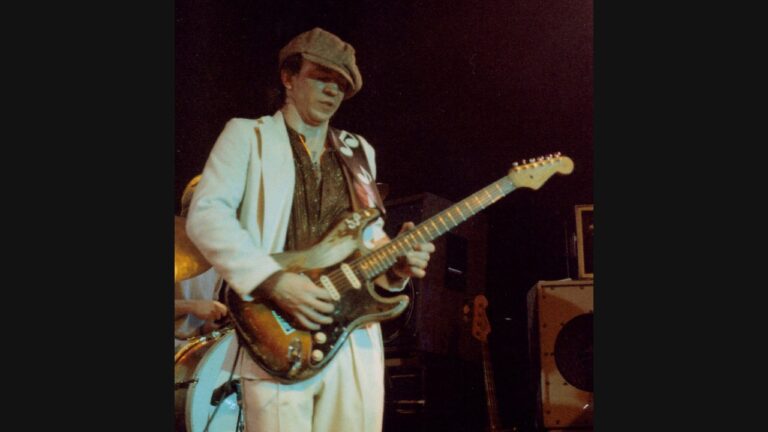
Tony Iommi – The Godfather of Heavy Riffs
You can’t talk about heavy metal without mentioning Tony Iommi.
The man didn’t just play heavy riffs — he invented them.
Back in the late ’60s, while everyone else was chasing blues licks and flower-power melodies, Iommi’s guitar sounded like the apocalypse.
Dark, thick, and loud — the kind of tone that made parents nervous and kids pick up guitars.
But here’s the crazy part: the sound that built heavy metal came from an accident.
After losing the tips of two fingers in a factory accident, most people would’ve quit. Iommi didn’t.
He built his own prosthetic fingertips from melted plastic, tuned his guitar down to ease the tension, and stumbled onto something that sounded monstrous — slow, ominous, and heavier than anything before it.
That moment didn’t just change his life. It changed music forever.
From Black Sabbath to Heaven and Hell, every riff, every doom-laden chord, carried the weight of that story — part pain, part genius, and pure metal history.
Tony Iommi isn’t just the godfather of heavy riffs. He’s the blueprint for every metal guitarist that ever existed.
The Birth of Heavy – How Iommi Invented Metal Riffs
Before Tony Iommi, “heavy” was just an adjective. After him, it became a religion.
In 1970, Black Sabbath released their debut album — and the world had never heard anything like it.
While other bands chased speed, Tony slowed things down, let the chords ring, and created a tension that crawled under your skin.
That eerie tritone in the song Black Sabbath? It wasn’t just spooky — it was revolutionary. The so-called “Devil’s Interval” had been avoided in Western music for centuries. Iommi used it to summon thunder.
But the secret wasn’t just the notes — it was the tone.
Because of his injured fingers, Iommi began tuning his guitar down — first to E♭, later to C♯ — to reduce string tension.
That simple adjustment gave his riffs more growl, more weight, and that molten darkness that became the DNA of heavy metal.
He played thick power chords, used open strings to let the sound breathe, and leaned into distortion like no one before him.
Even his timing broke the rules.
Instead of chasing perfect sync with the drums, Iommi often played slightly behind the beat, making Sabbath’s grooves feel like a slow, unstoppable avalanche.
It wasn’t polished — it was primal. And that’s exactly why it worked.
Every riff he wrote — from Iron Man to Children of the Grave — carried that same formula:
simplicity + heaviness + human imperfection = perfection.
Tony didn’t follow trends. He created one.
And 50 years later, every downtuned chug, every fuzzed-out riff, still traces back to that man with half a fingertip and a full sense of doom.
The Technique – The Power Behind the Riff
Tony Iommi’s right hand doesn’t just play riffs — it commands them.
There’s a swing, a groove, and a menace in every stroke that defines the Sabbath sound.
After his accident, he had to completely re-learn how to play.
He made makeshift prosthetic fingertips out of melted plastic from dishwashing liquid bottles, shaping them so he could fret again.
But plastic doesn’t bend like skin, so Iommi had to adapt — he started using lighter strings (custom-made at first, because no one sold that gauge yet) and lower tunings to ease the pressure.
That combination gave him a thicker tone and that iconic “loose” feel — heavy, but fluid.
Instead of shredding, Iommi focused on sustain and phrasing.
He’d hit a note, let it sing, then bend into the next one with a slight vibrato — not too clean, not too messy.
He used feedback as part of the music, turning amp howl into part of the riff’s character.
On tracks like War Pigs or Symptom of the Universe, you can literally hear the amp breathe between the notes.
And then there’s his picking hand — pure economy.
He doesn’t flail or overplay. Every note has intent. He mixes palm muting with open-string resonance, building that rolling wall of sound that became his signature.
The result? Riffs that move like a living thing — heavy, hypnotic, and always grooving in that perfect pocket between order and chaos.
Even his solos sound like riffs — melodic, rhythmic, and just a little dangerous.
That’s Iommi’s magic: he made rhythm feel like lead and lead feel like rhythm.
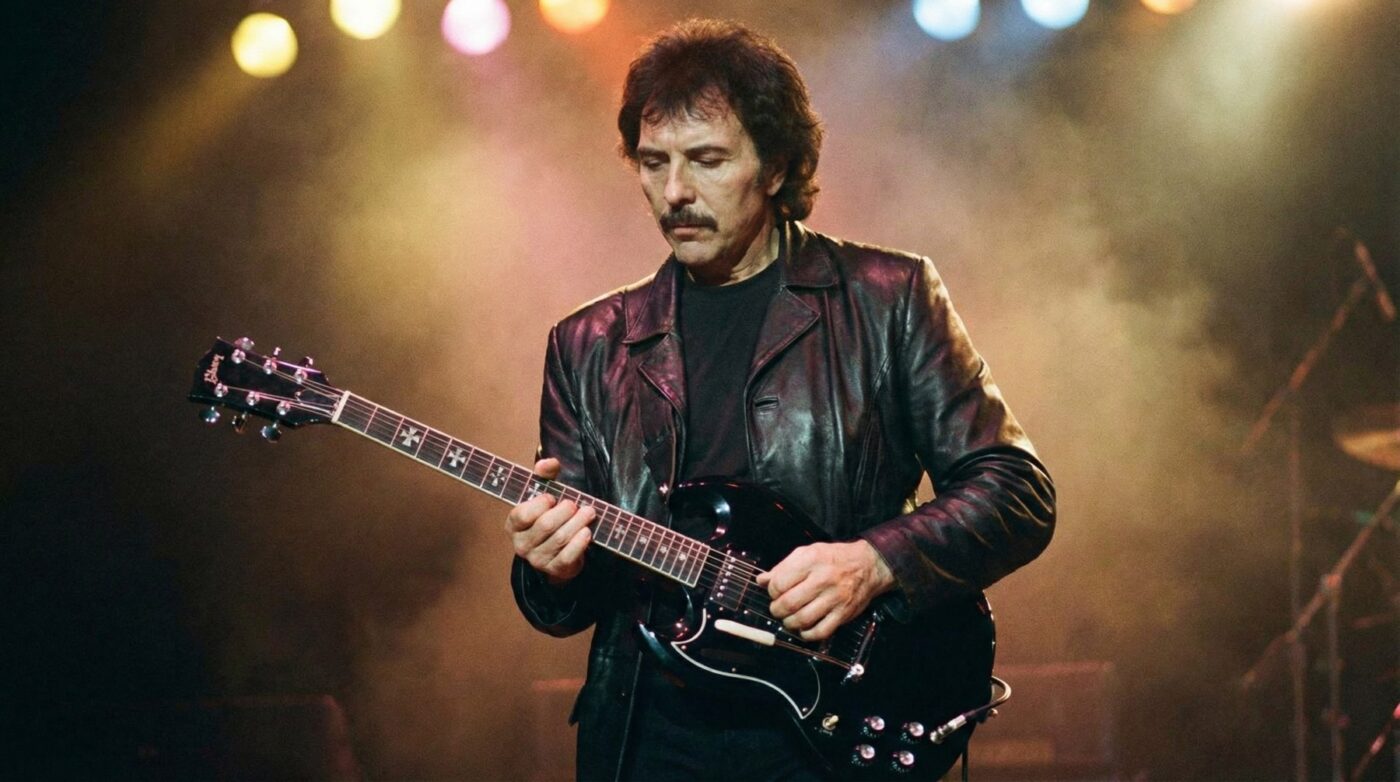
The Gear – From SGs to Laneys (and Everything in Between)
Tony Iommi’s tone is so distinct that you can recognize it within two seconds — that thick, fuzzy wall of sound that feels both vintage and nuclear at the same time.
But the secret isn’t just magic fingers. It’s decades of tweaking, soldering, experimenting, and a few happy accidents along the way.
The Guitars – SGs Built for Doom
When you picture Iommi, you see an SG — always.
His main weapon for most of his career has been the Gibson SG “Monkey”, a heavily modified late-’60s model that became the blueprint for his signature sound.
The Monkey SG was fitted with custom John Birch pickups and extra-large frets for smoother bending (critical for his prosthetic fingertips). The fretboard was reprofiled to make playing less painful and more fluid.
Over the years, Iommi’s arsenal has included:
-
1965 Gibson SG Special “Monkey” – his original and most iconic guitar, featured on Paranoid, Master of Reality, and beyond.
-
Jaydee Custom SGs – handbuilt replicas of the Monkey for live use, with custom wiring and high-output pickups.
-
Gibson Tony Iommi Signature SG – released in the 2000s, equipped with his signature Gibson Iommi Humbuckers, designed to capture that Sabbath growl while maintaining clarity.
-
Epiphone Tony Iommi SG Custom – his affordable signature line, surprisingly close to the real deal in tone and feel.
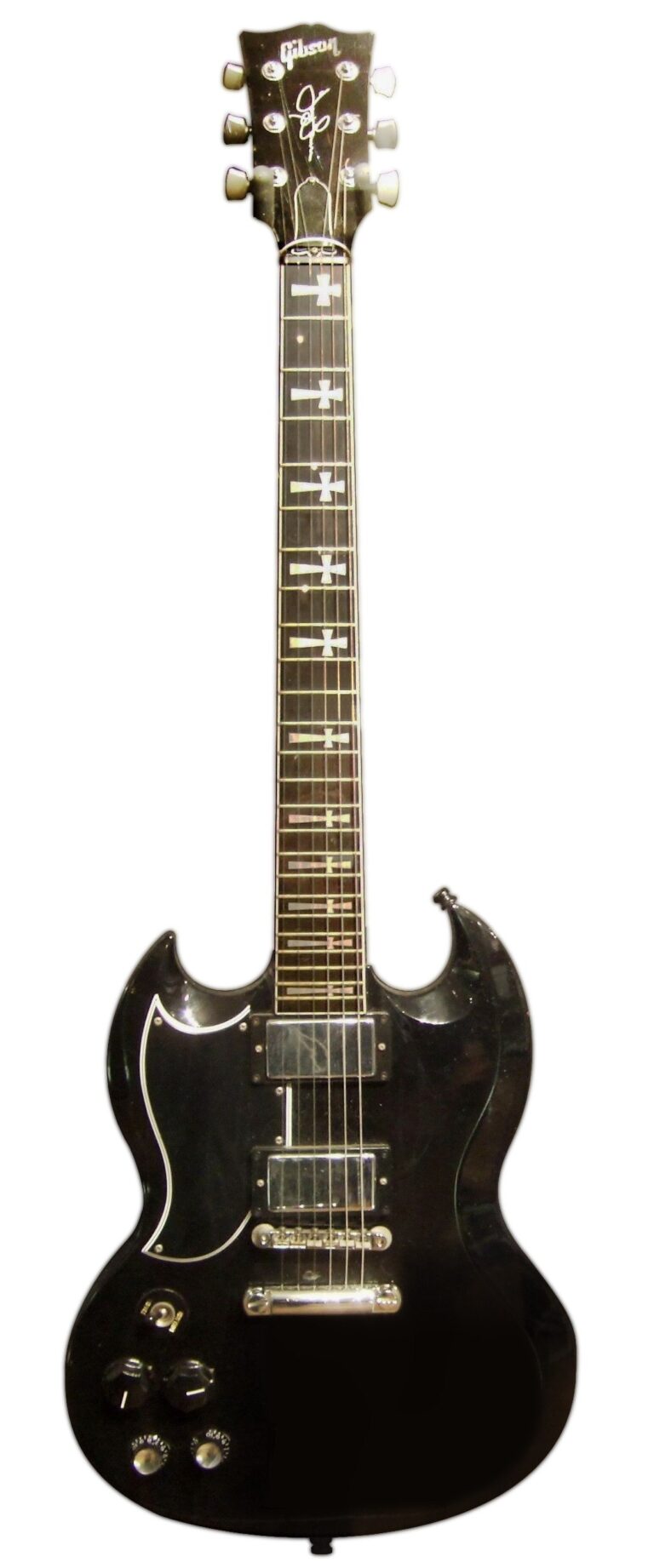
The SG’s lightweight mahogany body and double-cutaway design made it perfect for his aggressive yet fluid playing — the perfect mix of comfort and punch.
Pickups – Power with Precision
Iommi’s tone has always been about massive output without losing control.
His early John Birch pickups were essentially hot-rodded prototypes designed to deliver more gain than anything Gibson offered at the time.
Later, he switched to Gibson Iommi Signature Humbuckers, voiced for high output, rich mids, and a smooth, singing sustain.
They’re not harsh — they’re angry and articulate, perfectly matching his detuned, fuzz-heavy signal chain.
Strings & Picks
Because of his finger injury, Iommi couldn’t handle normal string tension.
He was one of the first players to use super light custom gauges — something like .008–.032, decades before that became common.
He tuned down a step or more (often to C# standard) to ease tension even further, which also gave his riffs that darker, doomier resonance.
His picks are standard medium Dunlops, but his touch — smooth, heavy, deliberate — does most of the tone shaping.
Amps – The Laney Legacy
Forget Marshall stacks — Iommi’s wall of sound was powered by Laney.
In the early Sabbath days, he used a Laney Supergroup 100-watt head, often cranked beyond reason.
That amp, paired with his treble booster and SG, created the snarling, molten overdrive that defined early metal.
He’s been loyal to Laney ever since, working closely with them to develop his signature amps, including the Laney TI100 and the newer Laney LA100BL reissues.
Laneys have a unique tone — less compressed than Marshalls, more open and raw.
They breathe. They growl. And when Tony hits a power chord, they roar.
Pedals & Effects
Iommi’s rig is famously minimal, but every piece matters.
His secret weapon has always been the Dallas Rangemaster Treble Booster — a small box that turns a good amp into a sonic monster.
Tony’s version was modified for extra gain and mid-bite, helping him cut through Sabbath’s wall of low-end thunder.
He’s also used:
-
Laney TI Boost – his modern recreation of the Rangemaster.
-
Analogman Tube Screamer clone – for slight grit and focus in later tours.
-
Rack-based chorus and reverb for his cleaner moments (Planet Caravan, Solitude).
No overcomplicated pedalboards. Just tools that serve the riff.
Cabs, Mics & Live Setup
Tony’s live setup is as powerful as it is simple:
-
Laney 4×12” cabinets loaded with Celestion G12H speakers.
-
Mic’d traditionally with Shure SM57s and Sennheiser 421s.
-
Signal split between multiple heads for stereo width and massive stage presence.
On stage, his tone is a wall of vintage fuzz, carefully sculpted through decades of refinement — no digital trickery, no modeling, just pure analog might.
Tony Iommi Rig
Tony Iommi’s rig is a masterclass in controlled chaos — brutal tone balanced by surgical precision. It’s not about having the most gear; it’s about having the right gear.
Every element in his setup — from string gauge to cabinet mic — exists for one reason: to make those riffs hit like thunder.
Live Rig (Modern Era)
Core Signal Chain:
-
Gibson SG (or Jaydee Custom) → TI Boost → Laney TI100 Head → Laney 4×12 Cabinet.
That’s it. No digital wizardry. No modelers. Just raw analog firepower.
Guitars:
For touring, Tony rotates between several SG-based models, all with slightly different tunings and backup roles.
His go-to live guitars include:
-
Gibson Tony Iommi Signature SG (primary)
-
Jaydee SG Custom “Old Boy” — his battle-scarred mainstay for decades.
-
Epiphone Tony Iommi SG Custom — backup for specific tunings or fly gigs.
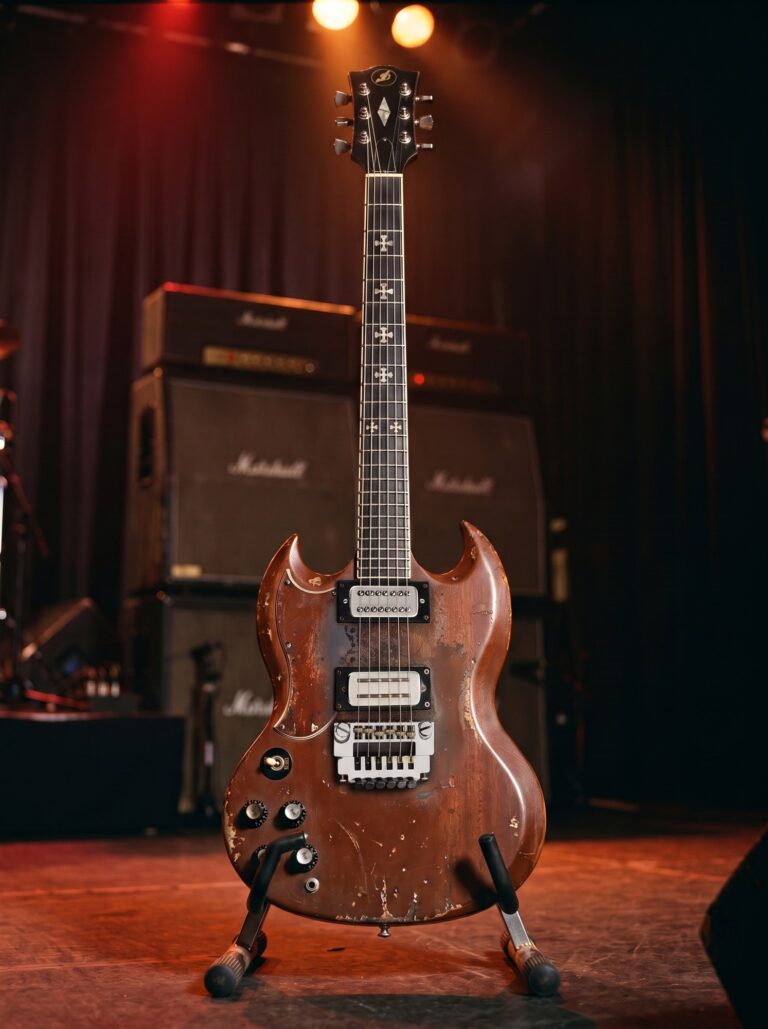
Pickups:
All of them feature Gibson Iommi Signature Humbuckers, voiced for massive output and clarity, with Alnico V magnets and a midrange push that keeps the low end tight even in drop tunings.
Amp Heads:
The beating heart of his rig is the Laney TI100, a 100W tube head developed with Iommi himself.
It’s based on his vintage Laney LA100BL from the Sabbath days but fine-tuned for more gain and smoother highs.
It runs with EL34 tubes and has a custom mid contour circuit that mirrors the Rangemaster boost curve.
Pedals:
Minimal but deadly:
-
Laney TI Boost – modern take on the Dallas Rangemaster Treble Booster.
-
Analogman Overdrive (Tube Screamer mod) – for a slight push in solos.
-
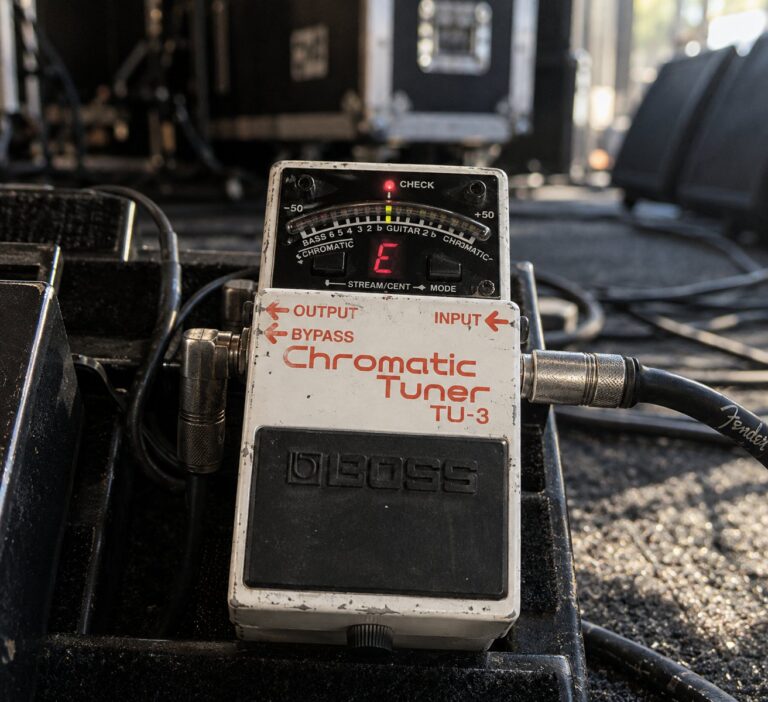
Boss TU-3 – tuning stability mid-set.
-
ISP Decimator – subtle noise gate to keep the rig silent between songs.
Cabinets & Speakers:
Tony runs Laney 4×12” cabs loaded with Celestion G12H 75Hz speakers.
He prefers open-back cabinets for studio work, but live he uses closed-back for tighter bass response.
The signal is split between multiple cabinets for stereo spread, mic’d with:
-
Shure SM57 for attack,
-
Sennheiser MD421 for low-end warmth.
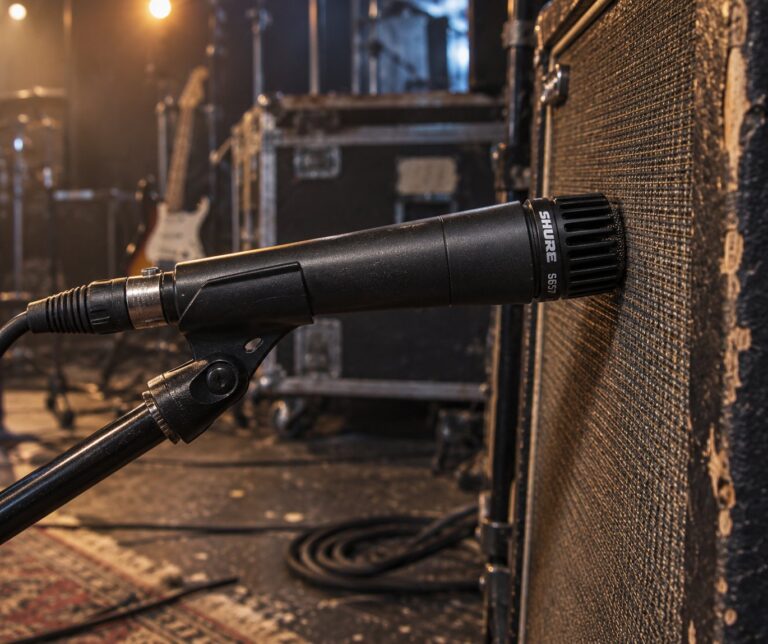
Each mic is blended by front-of-house engineers to maintain that signature balance of grit and clarity.
Studio Rig
In the studio, Tony’s setup evolves. He often blends:
-
Laney TI100 for the main tone,
-
Vintage Laney Supergroup 100W for warmth and “fizz”,
-
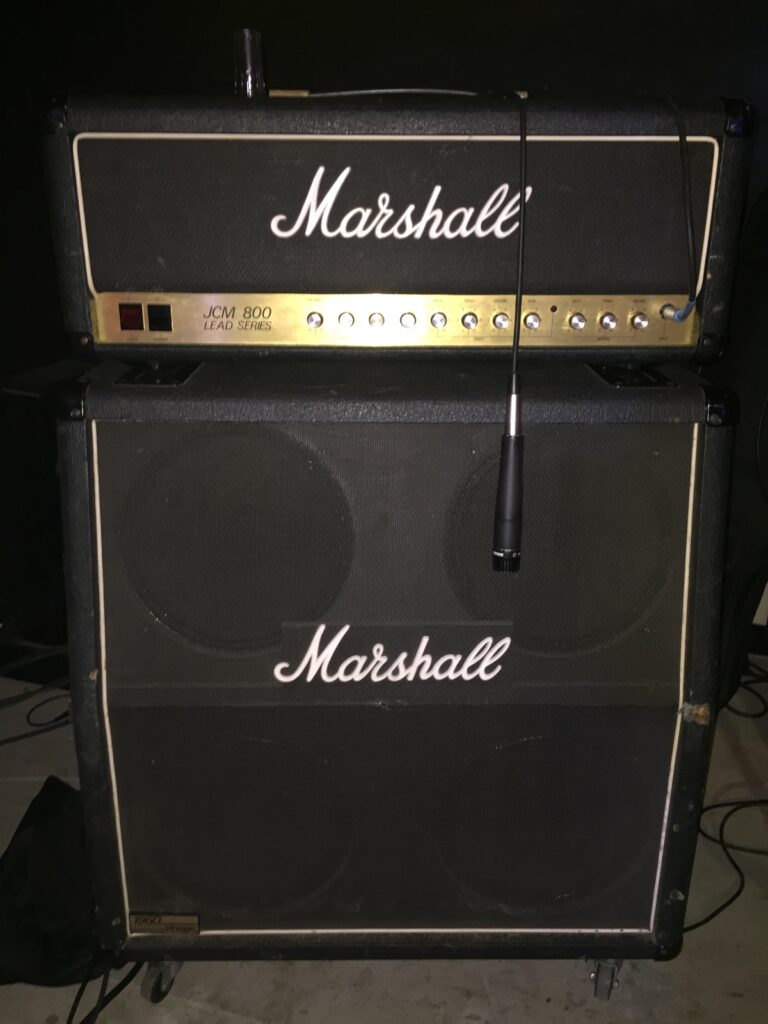
Marshall JCM800 (modded) for additional edge.
He double- and triple-tracks rhythm parts, using different amps and cabinets on each side of the stereo field to create that enormous Sabbath wall of sound.
Reverbs and delays are minimal — most of his space comes from natural room ambience and mic placement.
His recording engineers often use:
-
Neumann U87 and AKG C414 for room capture,
-
SM57 + 421 combo close to the cab, angled off-axis for smooth mids.
For clean parts like Planet Caravan or Solitude, he sometimes uses:
-
Laney VC30 combo,
-
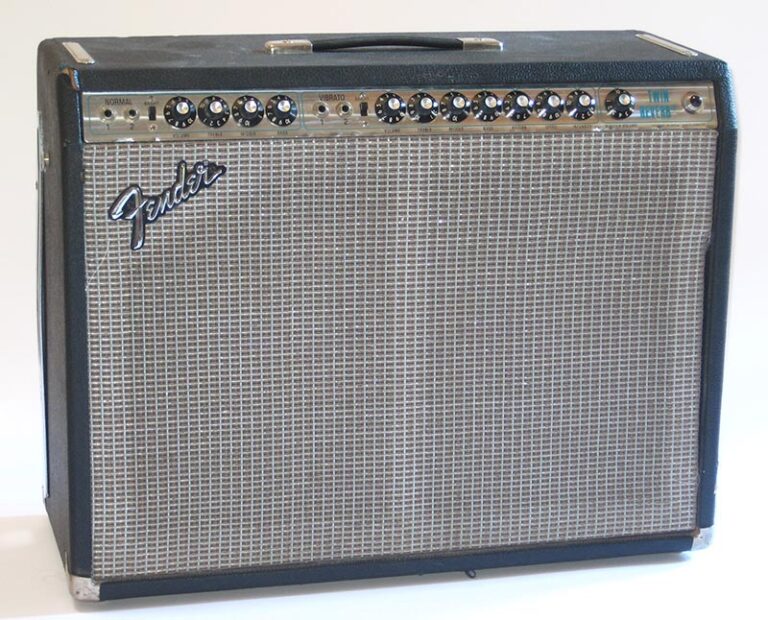
Fender Twin Reverb, or
-
a Roland JC-120, depending on the era.

Strings, Picks & Tunings
-
Strings: Custom light gauges (.008–.032) built by Picato or Ernie Ball.
Tunings vary from C# Standard to E♭ Standard, depending on the setlist. -
Picks: Dunlop Mediums (1.0 mm Black Nylon for live shows).
-
Tuners & Maintenance: All guitars are fitted with Grover tuners and Graph Tech nuts to handle low-tuned tension and fast transitions.
Special Modifications & Finger Prosthetics
The real secret weapon in Iommi’s tone isn’t in the rack — it’s in his hands.
After losing the tips of his middle and ring fingers on his right hand, he molded plastic caps from melted Fairy Liquid bottles.
To regain feel, he added pieces of leather on the ends.
This forced him to play with a lighter touch, which in turn gave him that buttery, sustained tone that became his trademark.
He later worked with engineers to develop more comfortable silicone versions, but the principle never changed: lighter pressure, looser strings, and absolute control.
Tone Philosophy
Tony’s tone philosophy is simple but genius:
“If it doesn’t scare people a little, it’s not heavy enough.”
He builds his rig around that mantra — everything tuned for feel, punch, and clarity, never over-processed.
It’s the sound of 50 years of trial, error, and innovation, born from necessity and perfected by obsession.
The Discipline – How Iommi Built the Riff Religion
Tony Iommi isn’t just a guitarist — he’s a survivor with a work ethic forged in molten iron.
Long before the world called him The Godfather of Heavy Metal, he was a kid from Birmingham working factory shifts and dreaming of playing like Django Reinhardt. Then came the accident that nearly ended everything — the loss of two fingertips.
Most people would have quit. Iommi didn’t even flinch.
He went home, cried once, then figured out how to fight back.
He melted down plastic, built his own prosthetic fingertips, and started experimenting with new ways to play.
What came out of that struggle wasn’t just adaptation — it was innovation.
The Birth of the Riff Routine
Even today, Iommi treats riff-writing like a job.
When Sabbath was in their prime, he was the first to show up in the studio — guitar in hand, amp fired up.
While others were still nursing hangovers, he was stacking riffs. Hundreds of them.
Some got used instantly (Iron Man, Children of the Grave), others sat on tapes for years before reappearing (Zeitgeist, 13).
He’s said it himself:
“I always write. I never stop. You never know when the right riff will come.”
That discipline became his religion.
While most players rely on inspiration, Tony relies on consistency.
He doesn’t wait for the muse — he plugs in, turns up, and finds the riff hiding inside the noise.
Pain, Precision, and Perseverance
Playing through pain became his normal.
Those plastic fingertips didn’t have nerve endings, which meant no tactile feedback — so Iommi learned to “feel” through sound instead of touch.
He developed microscopic control over pressure and dynamics, creating that haunting sustain and perfect note weight that no one else can replicate.
He also had to re-engineer his fretting technique — using more slides, partial bends, and open-position chords to compensate.
What was once a limitation became his greatest strength: a uniquely fluid style that no guitar school could ever teach.
Modern Iommi
Even after Black Sabbath’s farewell tour, Tony still writes daily.
Cancer slowed him down, but it didn’t stop him. In interviews, he describes waking up, making tea, and heading straight to his home studio.
He still riffs for hours, experimenting with new tunings, vintage Laneys, and SG prototypes.
Because for Iommi, riffs aren’t just music — they’re oxygen.
“I’ll stop when my hands do,” he once joked.
Let’s hope that day never comes.
The Legacy – How Tony Iommi Defined Heavy Metal Forever
Before Iommi, there was rock.
After Iommi, there was metal.
That’s not exaggeration — it’s fact.
The sound of his detuned SG and that thunderous Laney stack became the blueprint for everything that came after. Without him, there’s no Metallica, no Iron Maiden, no Slayer, no Mastodon — hell, even doom, stoner, and djent players owe him royalties in spirit.
From Birmingham to the World
It all started in a rough corner of Birmingham — a city of steel mills and smoke, not sunshine and surf guitars.
That industrial gloom seeped straight into Iommi’s playing.
When he struck a chord, it sounded like machinery grinding in the distance.
That tone wasn’t inspired by his environment — it was his environment.
By translating the rhythm of factory life into power chords, Iommi captured something primal and timeless.
He turned noise into art, heaviness into poetry.
Changing the Rules
Iommi broke every rule in the book:
-
He tuned down when everyone else tuned up.
-
He embraced distortion when engineers called it “unusable.”
-
He wrote slow, crushing riffs when others wanted faster, flashier solos.
And it worked.
The first four Black Sabbath albums (Black Sabbath, Paranoid, Master of Reality, Vol. 4) laid the foundation for modern metal’s rhythm, tone, and darkness.
His influence spread like wildfire:
-
James Hetfield built Metallica’s entire rhythm style on Iommi’s downstroked precision.
-
Tony Rombola, Zakk Wylde, and Jerry Cantrell carried his dark, bluesy DNA into grunge and groove metal.
-
Doom and stoner bands — from Electric Wizard to Sleep — practically live in the same key as Master of Reality.
Even the modern “low-tuned” movement, from 7-string prog metal to sludge, exists because Tony dared to detune his guitar 50 years ago.
The Eternal Riff
What makes Iommi’s riffs timeless isn’t just the heaviness — it’s the melody within the heaviness.
Listen to Heaven and Hell or Sabbath Bloody Sabbath: those riffs sing. They have hooks, emotion, and character.
That’s why his music still resonates — it’s heavy, but human.
Every kid who’s ever plugged into a practice amp and hit an open E power chord is, whether they know it or not, following in Iommi’s footsteps.
An Immortal Legacy
Tony Iommi didn’t just start a genre — he created a language.
The vocabulary of metal: power chords, palm muting, detuning, distortion — it all traces back to him.
And like any true godfather, he’s still watching over it, quietly smiling as new generations discover what it really means to be heavy.
“We didn’t know what we were doing,” Iommi once said.
“We just wanted it to sound different — heavier. Turns out, that was enough.”
Pro Tips – Getting That Iommi Sound
You can’t really “copy” Tony Iommi — but you can get dangerously close if you’re willing to bend some rules and melt a few brain cells in the process.
Here’s how to channel the godfather himself.
1. Tune Down and Lighten Up
Tony’s tone lives in low tunings and light strings.
Try C# Standard (C# F# B E G# C#) or at least Eb Standard.
Use .008–.032 or similar gauges to keep the strings flexible, especially if you want that slinky, slow-hand feel.
Heaviness doesn’t come from string gauge — it comes from attack and attitude.
2. Roll Back the Gain
Here’s where most players screw up.
Iommi’s distortion isn’t fuzzy chaos — it’s tight and dynamic.
Crank your Laney, Marshall, or whatever high-headroom amp you’ve got, but keep the gain around 6–7.
The punch comes from volume and right-hand control, not pedals drowning the tone.
If you’ve got a Laney TI Boost or any treble booster clone, stick it before your amp to sharpen the edge.
That’s the secret ingredient that made Sabbath riffs bite.
3. Go for the Doom EQ
-
Bass: 6
-
Mids: 7–8
-
Treble: 5
-
Presence: 4–5
You’re looking for warmth with definition — a tone that sounds like a foghorn made of iron.
If it feels like it’s shaking the floorboards, you’re doing it right.
4. Pick Light, Play Hard
Iommi doesn’t dig in like a punk player. He flows.
Keep your pick angle flat, hit with confidence, and let the amp do the work.
His strength is in consistency — every note strikes like a hammer but rings like a bell.
5. Sustain Is King
The Iommi sound is all about controlled sustain.
Add a touch of reverb or delay, or just crank your amp in a small room — feedback is your friend.
Use vibrato at the end of bends to make notes sing instead of scream.
6. Keep It Simple — and Evil
No need for endless effects or modern modeling.
One guitar, one amp, one treble booster, and your right hand.
If it feels raw, dark, and slightly dangerous, congratulations — you’ve found the Sabbath spirit.
Bonus: The Iommi Mindset
Don’t chase perfection — chase feeling.
Tony’s riffs aren’t tight by accident — they breathe.
That human looseness, that swing between beats, that’s where the soul of metal lives.
Practice slow, tune low, and don’t be afraid to sound ugly.
Metal was never meant to be pretty.
FAQ – Tony Iommi, Tone & Legacy
Why is Tony Iommi called the Godfather of Heavy Metal?
Because he literally invented the sound. His detuned SG riffs, thick distortion, and dark songwriting on Black Sabbath defined what “heavy” meant — every metal genre since traces back to him.
What guitar does Tony Iommi play?
His main axe is the Gibson SG, especially the 1965 “Monkey” SG Special with custom John Birch pickups. He also uses Jaydee Custom SGs and his Gibson Tony Iommi Signature models live and in the studio.
What amp does Tony Iommi use?
He’s a Laney man through and through.
From the vintage Laney Supergroup 100 to his modern TI100 signature head, he’s stayed loyal to the brand that shaped his tone.
What pedals are essential for the Iommi sound?
A Dallas Rangemaster Treble Booster or modern Laney TI Boost is key. Add a touch of overdrive for grit and you’re there — no overcomplicated pedalboards needed.
What tuning does Tony Iommi use?
Usually C# Standard, though some songs are in Eb or even lower. The detuned setup reduces tension and adds that signature Sabbath growl.
Can I get Iommi’s tone without a Laney amp?
Absolutely. Any high-headroom British-style amp (like a JCM800) with a treble booster and mid-forward EQ will get you 90 % there — the rest is in your hands.
The Man Who Forged Metal
Tony Iommi didn’t set out to invent heavy metal — he just refused to stop playing.
From the factories of Birmingham to the biggest stages on Earth, his riffs reshaped rock into something darker, heavier, and infinitely more powerful.
Every time you hit a detuned power chord, whether you know it or not, you’re following his blueprint.
His story isn’t just about tone or technique — it’s about perseverance, innovation, and turning pain into power.
So crank the amp, roll back the gain, and hit that first chord like you mean it.
Because somewhere out there, Iommi’s probably doing the same — quietly grinning, fingers of steel still summoning thunder.
Read our guide to the Laney LA100BL for the amplifier story behind early heavy-metal tone.
Image credits
- Top image: Lollapalooza 2012 – Black Sabbath by Shane Hirschman, Flickr, CC BY-SA 2.0.
- BOSS TU-3 Chromatic Tuner: GuitarGangsters AI-generated reference illustration, not a photograph.
- Shure SM57 Dynamic Instrument Microphone: GuitarGangsters AI-generated reference illustration, not a photograph.
- Marshall JCM800: John2112, Wikimedia Commons, CC BY-SA 4.0.
- Fender Twin Reverb: Micahmedia, Wikimedia Commons, CC BY 3.0.
- Roland JC-120: Solomon203, Wikimedia Commons, CC BY-SA 4.0.
- Gibson Tony Iommi signature SG: wetwebwork, Wikimedia Commons, CC BY-SA 2.0.
- Tony Iommi’s Old Boy: GuitarGangsters AI-generated reference illustration, not a photograph.
- Tony Iommi (illustration 1): GuitarGangsters AI-generated reference illustration, not a photograph.