Fender Telecaster: The Complete Guide to the Guitar That Started Everything
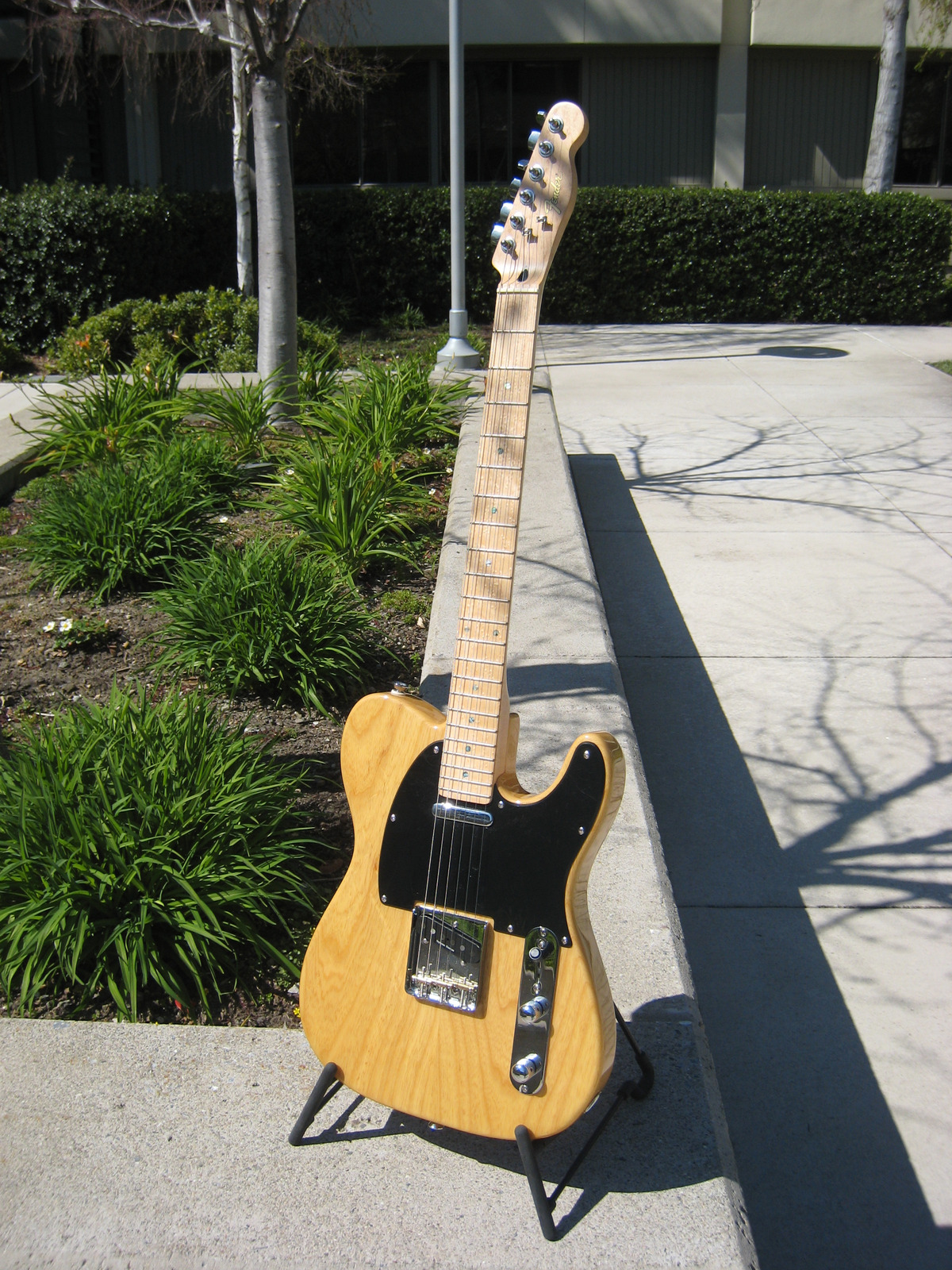
Fender Telecaster Lite Ash, photographed on March 23, 2009. “Fender Telecaster Lite Ash” by Ethan Prater, CC BY 2.0. Source: https://www.flickr.com/photos/eprater/3379797737/ License: https://creativecommons.org/licenses/by/2.0/ Proportionally resized; no crop.
Fender Telecaster — the complete deep-dive into the first mass-produced solid-body electric guitar. History, tone secrets, legendary players, settings, buying guide, and gear pairings.
Before the Stratocaster. Before the Les Paul. Before rock and roll had a shape, a sound, or a name — there was a slab of ash with a bolt-on maple neck, two pickups, and a tone that could cut through a crowded honky-tonk like a knife through butter. The Fender Telecaster didn’t just start the solid-body electric guitar revolution. It was the revolution.
Introduced in 1950 as the Esquire, briefly renamed the Broadcaster, stripped of its name by a Gretsch trademark dispute, and finally christened the Telecaster in 1951, Leo Fender’s “plank” was laughed at, dismissed as a canoe paddle, and mocked by the guitar establishment. Then it outsold everything they made. Then it changed the world.
More than seventy years later, the Telecaster remains essentially the same guitar Leo Fender designed in his Fullerton workshop. That is not an accident. It is a testament to the power of getting it exactly right the first time. The Telecaster is the Model T of electric guitars — stripped-down, built to work, and so fundamental to the instrument’s DNA that every electric guitar made since 1950 exists in its shadow.
This is the GuitarGangsters guide to the Fender Telecaster — its history, its tone, its players, and why it remains the guitarist’s guitarist’s guitar.
Origin Story: The First Mass-Produced Solid-Body Electric Guitar
Leo Fender was not a guitarist. He was a radio repairman from Anaheim, California, who understood electronics and manufacturing better than anyone in the guitar business. While Gibson’s master luthiers were hand-carving archtops and debating tonewood, Leo was thinking like an industrialist: how do you build an electric guitar that’s loud, reliable, easy to repair, and cheap enough for every working musician in America?
His answer was radical. Instead of the carved, hollow bodies of traditional guitars, Leo used a flat slab of ash or pine. Instead of gluing the neck into a dovetail joint, he bolted it on with four screws — meaning a broken neck could be replaced in minutes rather than requiring a skilled luthier. Instead of elaborate wiring harnesses, he mounted everything to a single metal control plate that could be removed, serviced, and reinstalled without touching the body. The electronics were embedded in a pickguard that lifted out as one unit.
Between 1943 and 1949, Leo built crude prototypes to test pickups and designs. Local musicians borrowed them for gigs and refused to give them back — not because the guitars were pretty (they weren’t), but because they were louder, more reliable, and had a tone unlike anything else. That bright, cutting, percussive attack — the tone that would define country, rock, and blues for decades — was an accident. Leo was trying to solve a volume problem. He accidentally created a voice.
From Esquire to Broadcaster to Nocaster to Telecaster
The first production model appeared in 1950 as the Esquire — a single-pickup instrument with no truss rod, which caused neck problems. Leo quickly added a truss rod and a second pickup, renaming it the Broadcaster in late 1950. Fender sold 87 Broadcasters in January 1951 before the Gretsch company complained that the name infringed on their “Broadkaster” drum line. Leo’s sales manager Don Randall dropped the name, and for several months guitars left the factory with the name simply snipped from the headstock decal — “Fender” and nothing else. Collectors later dubbed these “Nocasters,” and original examples are among the most prized vintage guitars in existence.
By mid-1951, Randall had come up with a new name. Leo was fascinated by television — he’d rigged a TV in his shop window for locals to watch — and the word “Telecaster” merged television’s modernity with the broadcasting heritage of the original name. The Telecaster was born, priced at $189.50, and the solid-body electric guitar was officially on the map.
The Sound: Twang, Bite, and Everything In Between
The Telecaster’s sonic personality is defined by simplicity and directness. Where the Stratocaster offers five positions and three pickups, the Tele gives you two pickups and three positions. Where the Les Paul delivers thick sustain and compressed warmth, the Tele delivers snap, clarity, and an almost percussive attack that sits perfectly in a mix without ever getting lost.
The Body
A flat slab — no contours, no comfort cuts (at least not on the traditional models). Early Telecasters used swamp ash, which produces a bright, resonant tone with scooped mids and an airy quality. From the mid-1950s onward, alder became the standard, offering a more balanced midrange. The body’s simplicity — no tremolo routing, no swimming pool cavities — means maximum wood mass and maximum energy transfer. The result is a directness of tone that more complex guitars can’t match.
The Neck
Bolt-on maple, as Leo intended. Early Telecasters featured one-piece maple necks with no separate fingerboard — just frets slotted directly into the maple, with a dark walnut “skunk stripe” on the back covering the truss rod channel. This produces the brightest, snappiest Telecaster tone. Rosewood fingerboards arrived in 1959 on the Telecaster Custom, adding warmth and a slightly darker tonal character. The debate between maple and rosewood Tele necks is one of the guitar world’s great conversations — and both sides are right.
The Pickups
The Telecaster’s two pickups are not the same design, and this asymmetry is key to its character:
Bridge Pickup: Mounted in a metal plate that’s part of the bridge assembly, the Telecaster’s bridge pickup is brighter, louder, and more aggressive than almost any other single-coil on the market. The metal plate acts as a shield and adds a metallic resonance to the tone. This is the Telecaster sound — the twang, the snap, the cutting bite that defined country guitar from James Burton to Brad Paisley, and the snarl that drove punk rock from Joe Strummer to Johnny Ramone.
Neck Pickup: Warmer, rounder, and jazzier than the bridge. The Telecaster’s neck pickup produces a thick, woody tone that’s often underestimated. With the tone rolled off, it can approach the dark warmth of a humbucker. Many jazz players — from Ted Greene to Ed Bickert — have used the Tele’s neck pickup as their primary voice.
Middle Position (Both): Both pickups combined produce a balanced, slightly hollow tone with a characteristic “glass” quality. This is the position that does everything well — rhythm, lead, clean, dirty. It’s the Swiss Army knife setting, and many players live here permanently.
The Bridge
The original Telecaster bridge — a metal plate with three brass saddles, each carrying two strings — is both its most iconic feature and its most debated. The three-saddle design means you can’t individually intonate each string; you compromise between the pairs (E/B, A/G, D/high-E). Purists argue that this limitation is part of the Telecaster’s charm, producing a slightly “imperfect” intonation that adds organic character. Modernists prefer six-saddle bridges for precise intonation. Both are valid — and both sound like a Telecaster.
The Legends: Telecaster Players Across Every Genre
The Telecaster may be the most genre-diverse guitar ever made. Its list of legendary players spans country, rock, blues, punk, indie, jazz, soul, and funk — a range that no other instrument can match.
Keith Richards — Rock’s Eternal Rhythm
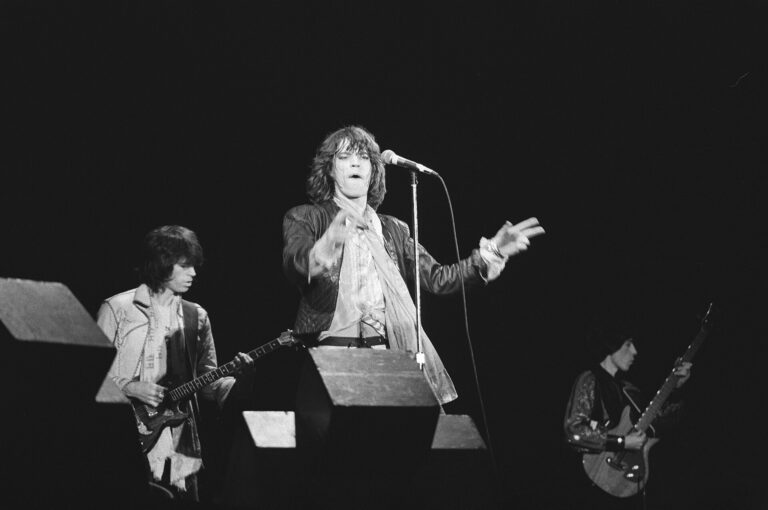
Keith Richards‘ butterscotch 1954 Telecaster “Micawber” — named after a character in Dickens — is arguably the most famous guitar in rock history. Modified with a PAF humbucker at the neck and stripped of its low-E string for open-G tuning, Micawber is the guitar behind “Brown Sugar,” “Start Me Up,” “Honky Tonk Women,” and virtually every Rolling Stones riff that matters. Richards has owned thousands of guitars, but Micawber is the one that defined his sound and, by extension, the sound of rock and roll rhythm guitar.
James Burton — The Original Telecaster Hero
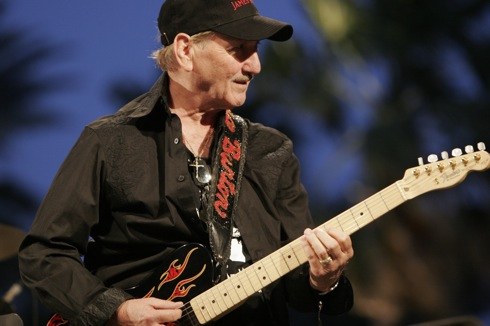
James Burton got his first Telecaster in 1953 at the age of thirteen. Within two years, he was playing the guitar solo on Dale Hawkins’ “Susie Q” — one of the first great rock guitar solos — and by the early 1960s, he was Elvis Presley’s lead guitarist. Burton’s lightning-fast country picking, combined with the Telecaster’s natural twang, established the Tele as the country guitarist’s weapon of choice — a position it has never surrendered.
Bruce Springsteen — The Working-Class Voice
Springsteen’s battered Esquire-necked Telecaster, purchased for $185 in the early 1970s, became as inseparable from his image as the bandana and the blue jeans. From “Born to Run” to “The Rising,” that Telecaster’s raw, honest tone perfectly complemented Springsteen’s blue-collar storytelling. It wasn’t flashy. It wasn’t expensive. It just worked — exactly like the songs it played.
Andy Summers — New Wave Architecture
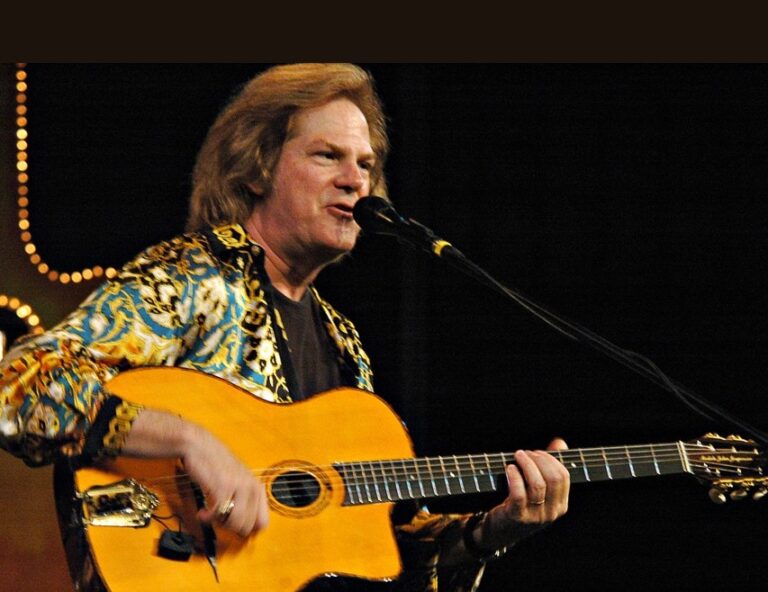
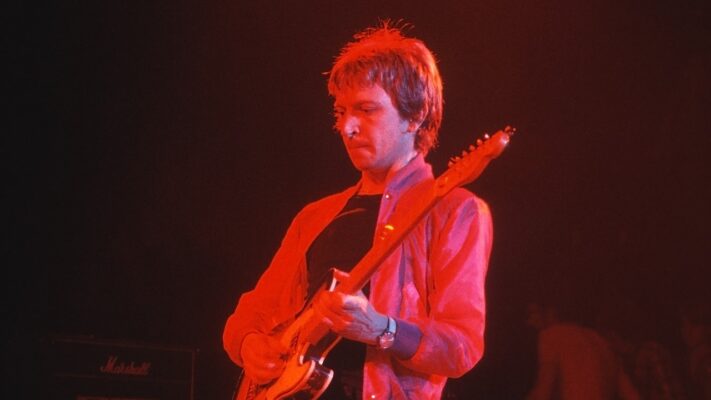
Andy Summers‘ heavily modified 1961 Telecaster Custom — with a humbucker, phase switch, and onboard preamp — produced the shimming, chorus-drenched tones that defined The Police. Through an Electro-Harmonix Electric Mistress flanger and a Roland Jazz Chorus amp, Summers created a Telecaster sound that was as far from country twang as possible, proving the guitar’s limitless adaptability.
Joe Strummer — Punk’s Battle Axe
Joe Strummer’s black 1966 Telecaster, covered in stickers and political slogans, was punk rock made physical. Through a cranked Fender Twin, Strummer’s aggressive downstrumming produced a wall of bright, cutting chords that defined The Clash’s sound. The Telecaster’s simplicity — no vibrato to go out of tune, no complex switching to malfunction — made it the perfect punk instrument.
The Nashville Players
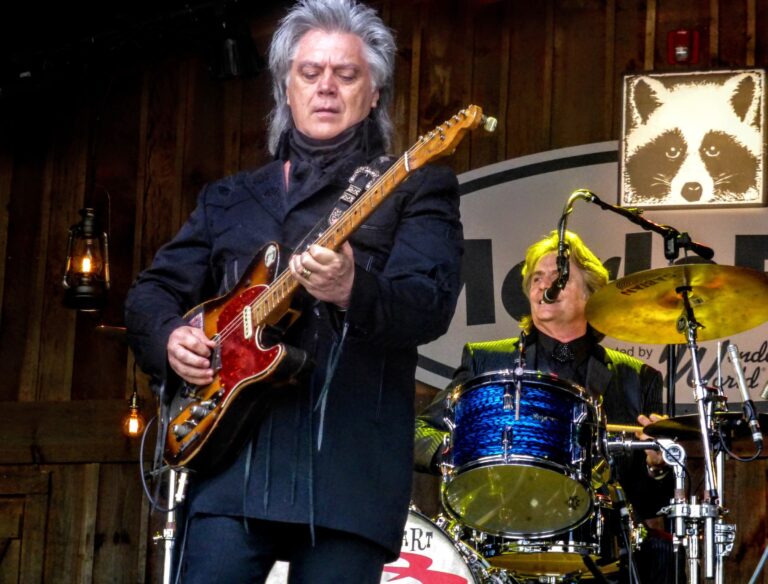
The Telecaster is the official instrument of Nashville. Brad Paisley‘s paisley Telecaster carries the twang torch lit by James Burton and carried through Chet Atkins, Albert Lee, and Brent Mason. The Telecaster’s bridge pickup produces the “chicken pickin'” snap that defines modern country lead guitar — a sound that no other guitar does as well. The Nashville session community has relied on Telecasters for seventy years, and there’s no sign of that changing.
The Modern Guard
Johnny Marr‘s jangly Telecaster work with The Smiths created an entire school of indie guitar. Radiohead’s Jonny Greenwood uses a battered Tele Plus to create everything from alt-rock anthems to experimental noise. Prince used a Hohner Telecaster copy on “Sign o’ the Times.” And Jim Root of Slipknot proved that a Telecaster with humbuckers can be one of the heaviest guitars in metal.
The Eras: A Production History
Blackguard Era (1950–1954)
Named for the black single-ply Bakelite pickguard, these are the original Telecasters. Butterscotch blonde ash bodies, one-piece maple necks, and a raw, untamed sound. Blackguard Telecasters are among the most collectible vintage guitars, with early Broadcasters and Nocasters commanding six-figure prices.
White Guard Era (1954–1959)
In 1954, Fender switched to a white single-ply pickguard, giving the Telecaster a cleaner, more refined appearance. The construction remained largely unchanged, though minor hardware refinements improved intonation and tuning stability.
The Custom and Beyond (1959–1965)
The Telecaster Custom arrived in 1959 with body binding and a rosewood fingerboard, offering a more upscale option. This pre-CBS era represents the last years of Leo Fender’s direct involvement, and these guitars are prized for their consistent quality and craftsmanship.
CBS Era (1965–1985)
The familiar story: CBS bought Fender, quality gradually declined, but innovations continued. The Telecaster Thinline (1968) introduced a semi-hollow body. The Telecaster Custom (1972) added a Wide Range humbucker at the neck — the modification Keith Richards had popularized. The Telecaster Deluxe (1973) went full dual-humbucker with a Stratocaster headstock. Quality varied enormously during this era, but certain CBS Telecasters — particularly early transition models — are excellent instruments.

Modern Era (1985–Present)
Post-CBS Fender has steadily refined the Telecaster while keeping its fundamental design intact. The American Standard (1987), American Professional (2017), and current American Professional II (2020) represent the evolution of the modern workhorse Tele. The Vintera and American Vintage II series offer historically accurate reproductions, while signature models for artists from Brad Paisley to Jim Root prove the Telecaster’s genre-spanning versatility.
Popular Settings and Tone Recipes
The Nashville Twang
Pickup: Bridge | Volume: Full | Tone: 7–8
Amp: Fender Deluxe Reverb or Twin Reverb, clean with reverb
Pedals: Compressor (Keeley, MXR Dyna Comp, or similar)
This is the classic country Telecaster tone. The bridge pickup provides the snap and twang, the compressor evens out dynamics for chicken pickin’, and the Fender amp’s clean headroom lets every note ring with crystalline clarity. Roll the tone knob back to 5 for a warmer, more vintage flavour.
The Keith Richards Open-G Crunch
Pickup: Bridge or neck humbucker (if modded) | Volume: Full | Tone: Full
Amp: Fender Twin or Vox AC30, pushed into breakup
Pedals: None — just guitar into amp, cranked
Richards‘ secret is open-G tuning (G-D-G-B-D, low to high, with the 6th string removed), a capo at various frets, and a cranked amp. The Telecaster’s bright attack becomes a weapon in this tuning — chord voicings ring with an open, chiming quality that full six-string standard tuning can’t achieve. This is the sound of “Start Me Up” and “Brown Sugar.”
The Strummer Punk Wall
Pickup: Bridge | Volume: Full | Tone: Full
Amp: Fender Twin Reverb or Marshall JCM800, loud and dirty
Pedals: None
All downstrokes, all bridge pickup, all volume. The Telecaster’s cutting treble ensures every chord slices through a loud band mix without muddying up. This is the tone of The Clash, early Springsteen, and every punk band that ever needed a guitar that would fight.
The Indie Jangle
Pickup: Middle position (both) | Volume: 7–8 | Tone: Full
Amp: Vox AC30 or Fender Twin, clean to edge-of-breakup
Pedals: Chorus + delay
Johnny Marr‘s Smiths tones lived in both-pickups-on territory through a chorus pedal and a clean AC30. The Telecaster’s inherent brightness becomes shimmer rather than twang, and the middle position’s glassy quality creates a wall of harmonics that defined 1980s and 1990s indie rock.
The Blues Bark
Pickup: Neck | Volume: Full | Tone: 5–7
Amp: Fender Deluxe Reverb or Vox AC30, pushed hard
Pedals: Tube Screamer or Blues Driver
The Telecaster’s neck pickup, often overlooked, produces a surprisingly thick, woody blues tone. Muddy Waters played a red Telecaster. Albert Collins used a capo and a Telecaster to create his “ice pick” tone. Mike Bloomfield used a Tele on some of his most searing blues recordings. With the tone rolled back and a touch of overdrive, the Tele’s neck pickup can sound remarkably warm and vocal.
Perfect Pairings: Gear That Makes the Telecaster Shine
Amps
The Telecaster-into-Fender-amp combination is one of the most natural pairings in music. A Deluxe Reverb brings out the Tele’s warmth while keeping its brightness musical. A Twin Reverb provides scooped, crystalline cleans that let the Telecaster’s natural voice sing uncolored. For British crunch, the Vox AC30 adds a chimey, compressed overdrive that works beautifully with the Tele’s bright pickups — this is The Edge’s U2 combination. And for heavier applications, a Marshall JCM800 paired with a Telecaster produces a tight, focused distortion with more top-end cut than the same amp with humbuckers.
Pedals
The Boss BD-2 Blues Driver is perhaps the single best overdrive pedal for a Telecaster — transparent enough to preserve the Tele’s character while adding grit and sustain. The Ibanez Tube Screamer works well too, though its mid-hump can push an already bright Telecaster into aggressive territory — which may or may not be what you want. For compression (essential for country chicken pickin’), the MXR Dyna Comp or Keeley Compressor Plus are industry standards.
Telecaster vs. The Competition
The Telecaster vs. Stratocaster debate is internal to the Fender family. The Strat offers more tonal variety (five positions vs. three), a vibrato system, and a more comfortable contoured body. The Telecaster offers a more direct, unprocessed tone, better tuning stability (no tremolo to drift), and a percussive attack that the Strat can’t replicate. The Tele’s bridge pickup is brighter and more aggressive than the Strat’s; the Strat’s in-between positions offer quack and funk that the Tele can’t match. Most Fender players end up owning both.
Against the Les Paul, the Telecaster is the opposite philosophy: bolt-on vs. set-neck, single-coil vs. humbucker, bright and cutting vs. warm and thick. The Gibson ES-335 occupies similar semi-hollow territory to the Telecaster Thinline, but with a fundamentally different voicing. And the Gretsch hollowbodies, while beloved by many of the same country players, offer a rounder, more resonant tone that lacks the Tele’s snappy directness.
Buying Guide: Which Telecaster Is Right for You?
Budget Tier ($200–$400)
The Squier Classic Vibe ’50s Telecaster is the champion here — vintage-correct butterscotch blonde finish, alnico pickups, and build quality that punches well above its price. The Squier Sonic Telecaster gets you started at minimal cost.
Mid-Range ($500–$1,000)
The Fender Player II Telecaster is the workhorse — alder body, modern C-neck, Player-series alnico pickups, and a six-saddle bridge for improved intonation. The Player Plus Nashville Telecaster adds a third pickup (Stratocaster middle position) for extra versatility.
Professional ($1,200–$2,200)
The Fender American Professional II Telecaster features V-Mod II pickups, a deep-C neck, and upgraded hardware. The American Ultra offers a compound-radius board, noiseless pickups, and the most modern playing experience in a traditional Telecaster body.
Vintage Reissue ($2,000–$3,500)
The Fender American Vintage II 1951 Telecaster recreates the original Blackguard spec — butterscotch blonde, one-piece maple neck, three-saddle bridge, and the raw, untamed tone of Leo’s original vision. The 1963 model offers rosewood-board refinement.
Tips, Mods, and Setup Secrets
Three-saddle vs. six-saddle bridge: The vintage three-saddle bridge produces a slightly more resonant, “vintage” tone but compromises intonation. Compensated three-saddle bridges (like those from Wilkinson or Callaham) offer improved intonation while retaining vintage resonance. Six-saddle bridges provide perfect intonation at the cost of slightly different tonal transfer.
The “4-way switch” mod: A standard Telecaster’s 3-way switch gives you bridge, both, and neck. A 4-way switch adds a fourth position: both pickups in series, which produces a thicker, hotter, almost humbucker-like tone. This is one of the most popular and cost-effective Telecaster mods — it requires only a new switch and no routing.
Neck pickup cover: The Telecaster’s chrome neck pickup cover affects tone — it’s part of the design, not just cosmetic. Removing it brightens the neck pickup noticeably. Whether that’s desirable depends on your taste.
Bridge pickup adjustment: The Telecaster’s bridge pickup can be ice-picky if set too high. Lowering it slightly — and adjusting the individual pole pieces if your pickup has them — can warm the tone substantially without losing the essential Telecaster snap.
FAQ
What is the difference between a Telecaster and a Stratocaster?
The Telecaster has two pickups, three switch positions, a fixed bridge, a slab body, and a brighter, more direct tone. The Stratocaster has three pickups, five switch positions, a tremolo system, a contoured body, and a more versatile, nuanced tonal palette. The Telecaster excels at cutting through a mix; the Stratocaster excels at tonal variety.
Why do country guitarists love the Telecaster?
The Telecaster’s bridge pickup produces a sharp, snappy “twang” that perfectly suits chicken pickin’, pedal steel emulation, and the bright, cutting tone that defines country music. The fixed bridge ensures rock-solid tuning stability during fast string bends, and the guitar’s simplicity means nothing gets in the way of technique.
Can you play rock and metal on a Telecaster?
Absolutely. Keith Richards, Joe Strummer, Jimmy Page (Led Zeppelin I was recorded almost entirely on a Telecaster), Prince, Jim Root (Slipknot), and John 5 (Rob Zombie) have all used Telecasters for heavy music. For extreme metal, HSS or HH Telecaster variants — like the Jim Root signature — add humbucker firepower.
What is a Nocaster?
A “Nocaster” is a Telecaster produced in early-to-mid 1951 without a model name on the headstock, during the brief period between the Broadcaster name being dropped (due to Gretsch’s trademark complaint) and the Telecaster name being adopted. Fewer than 500 were produced, making them extremely valuable collector’s items. Fender now uses “Nocaster” as an official product name for vintage-style reissues.
Is a Telecaster good for beginners?
Excellent. The Telecaster’s simple controls (one volume, one tone, three-way switch) mean less to worry about while learning, and the fixed bridge provides better tuning stability than a tremolo-equipped guitar. The Squier range offers affordable entry points with genuine Telecaster design and sound.
What’s the difference between a Telecaster Standard and a Telecaster Custom?
Historically, the Telecaster Custom (1959) added body binding and a rosewood fingerboard. The 1972 Custom redesign added a Wide Range humbucker at the neck position while keeping a single-coil at the bridge — a modification inspired by Keith Richards. The Telecaster Deluxe (1973) went further with two humbuckers and a Stratocaster-style headstock.
What strings work best on a Telecaster?
For country and clean playing, .010–.046 gauge strings provide a good balance of brightness and bending ease. For rock, many players prefer .010–.046 or .011–.048. Lighter gauges (.009–.042) work well for players who bend aggressively. Pure nickel strings tend to produce a warmer, more vintage tone, while nickel-plated steel strings are brighter and more modern-sounding.
The Verdict
Every electric guitar owes its existence to the Fender Telecaster. That is not hyperbole. Before Leo Fender bolted a maple neck onto a slab of ash in Fullerton, California, the electric guitar was a niche instrument — fragile, expensive, prone to feedback, and limited in volume. The Telecaster solved every one of those problems, and it did it with a design so elegant in its simplicity that it has barely changed in over seventy years.
The Telecaster is not trying to impress you. It doesn’t have a carved maple top, a floating tremolo, or five pickup positions. It has a flat body, two pickups, a bolt-on neck, and a tone that can cut glass or melt hearts depending on who’s holding it. It is the guitar of Keith Richards and James Burton, Joe Strummer and Brad Paisley, Andy Summers and Muddy Waters. It is the guitar that country pickers, punk rockers, blues shouters, and indie dreamers all agree on.
It is the original. It is the workhorse. And seventy years from now, it will still be exactly what it has always been: the guitar that started everything.
Image credits
- Keith Richards: Raph_PH, Wikimedia Commons, CC BY 2.0.
- Top image: Ethan Prater, Flickr, CC BY 2.0.
- Keith Richards: Bert Verhoeff for Anefo, Wikimedia Commons, CC0.
- Andy Summers: Andy Summers Atlanta 1, Wikimedia Commons, CC BY-SA 4.0.
- James Burton: Scott Dudelson, Wikimedia Commons, CC BY 3.0.
Latest News
Related
On This Day
Monday 9 November
From this week: