Pat Smear Guitars & Gear: From Germs Punk to Foo Fighters Complete Rig Guide
Pat Smear guitars gear — Gibson Les Paul, Hiwatt DR103, Big Muff Pi deep-dive for the Germs, Nirvana, and Foo Fighters guitarist's complete career equipment.
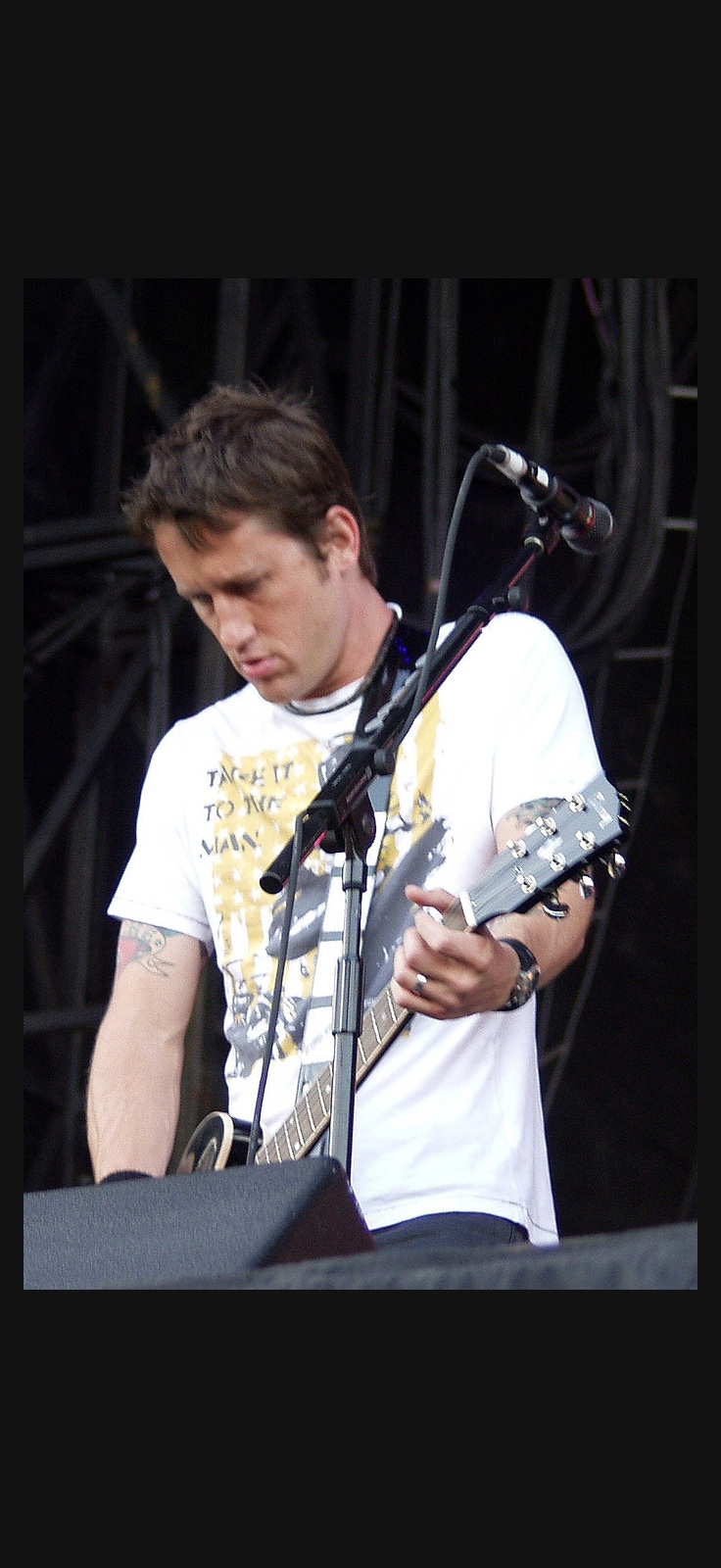
Photo by Andreas Lawen, Fotandi, licensed under CC BY-SA 4.0 (https://commons.wikimedia.org/wiki/File:Pat_Smear_-_Foo_Fighters_-_Rock_am_Ring_2018_(cropped).jpg)
Pat Smear guitars gear is the subject of punk rock’s most remarkable career arc — from guitarist of the Germs, the Los Angeles hardcore punk band who were one of the most extreme and uncompromising acts of the late-1970s first wave, to touring and eventually full-time guitarist with Nirvana (1993–1994), to a founding and continuing member of the Foo Fighters from 1994 to 1997 and again from 2005 to present. That trajectory — from the chaotic aggression of LA hardcore to the mainstream arena rock of the Foo Fighters — covers more stylistic distance than almost any other career in this series, and Smear traversed it not by compromising his identity but by demonstrating that genuine musicianship could serve radically different musical contexts without losing its essential character.
The Journey
His relationship with Kurt Cobain and the Nirvana period represents a specific historical moment — the second guitarist in a band that had functioned as a trio throughout its most commercially successful period, adding Pat Smear for the In Utero touring as a way of augmenting the live sound while giving Cobain freedom from the rhythm guitar role in certain passages. That period, brief as it was, gave Smear a connection to one of rock history’s defining episodes that he has handled with consistent intelligence and dignity. His continued membership in the Foo Fighters represents a long-term professional commitment to music-making at the highest commercial level, sustained across three decades by a player who began in the most underground of underground contexts. This is the complete breakdown of Pat Smear guitars gear, technique, and tonal philosophy.
Background
Georg Albert Ruthenberg — known professionally as Pat Smear — was born on August 5, 1959, in Los Angeles, California. He grew up in the specific Los Angeles environment documented in the Billy Zoom and Dave Alvin articles — the sprawling, diverse, car-dependent metropolis whose music scene encompassed everything from Mexican-American folklore to the Bakersfield country sound to the specific aggression of the emerging LA punk movement. His specific formation, however, was the LA punk and hardcore scene of the late 1970s — the world of the Masque (the Hollywood basement club that served as the first home of LA punk) and the specific DIY culture that surrounded the Germs, X, Fear, and the Black Flag-adjacent bands that would define LA hardcore.
He co-founded the Germs in 1977 with vocalist Darby Crash — the enigmatic, troubled, and ultimately self-destructive figure who became the central personality of LA hardcore before his heroin overdose death in 1980. The Germs’ music was extreme even by the standards of the LA punk scene: faster, more chaotic, more deliberately confrontational, and more sonically overwhelming than most of their contemporaries. Their album GI (1979), produced by Joan Jett, was a defining document of American hardcore and remains one of the most intense recordings in punk history. Smear’s guitar on that record — simultaneously chaotic and surprisingly musical, with specific chord voicings and lead passages appearing within the noise — demonstrated the same quality documented throughout this series in punk guitarists: genuine musicianship operating below the surface of apparent chaos.
After the Germs’ dissolution following Crash’s death, Smear pursued a solo career and various collaborative projects before his late-career second act began with Kurt Cobain’s invitation to join Nirvana for the In Utero touring. His subsequent trajectory — Foo Fighters from 1994, departure in 1997, return in 2005 as a permanent member — gave him a career of extraordinary breadth that connected the most underground origins to the most mainstream destinations without apparent contradiction.
Pat Smear Guitars Gear: The Complete Rig
Guitars
Pat Smear’s primary guitar across most of his career has been the Gibson Les Paul — in various configurations reflecting the specific period and application. During the Germs period, his Les Paul use was raw and aggressive — humbucker output through a cranked amplifier giving the sustained, heavy character appropriate to LA hardcore’s extreme demands. In the Nirvana touring period, his Les Paul complemented Cobain’s Fender Jaguar and Mustang-based approach with a warmer, more sustained character that gave the band’s live sound additional depth. In the Foo Fighters context, the Les Paul’s warmth and sustain served the melodic hard rock requirements of that band’s more mainstream material.

His specific Les Paul examples ranged from 1970s production instruments (the “pancake” construction era appropriate to the Germs period) to more recent USA production and custom shop instruments. The consistency of the Les Paul as his primary platform across radically different musical contexts reflected the instrument’s specific qualities: the warmth and sustain that served both the chaotic aggression of hardcore and the melodic hard rock of the Foo Fighters, and the humbucker’s output that drove different amplifiers into appropriate saturation for each context.
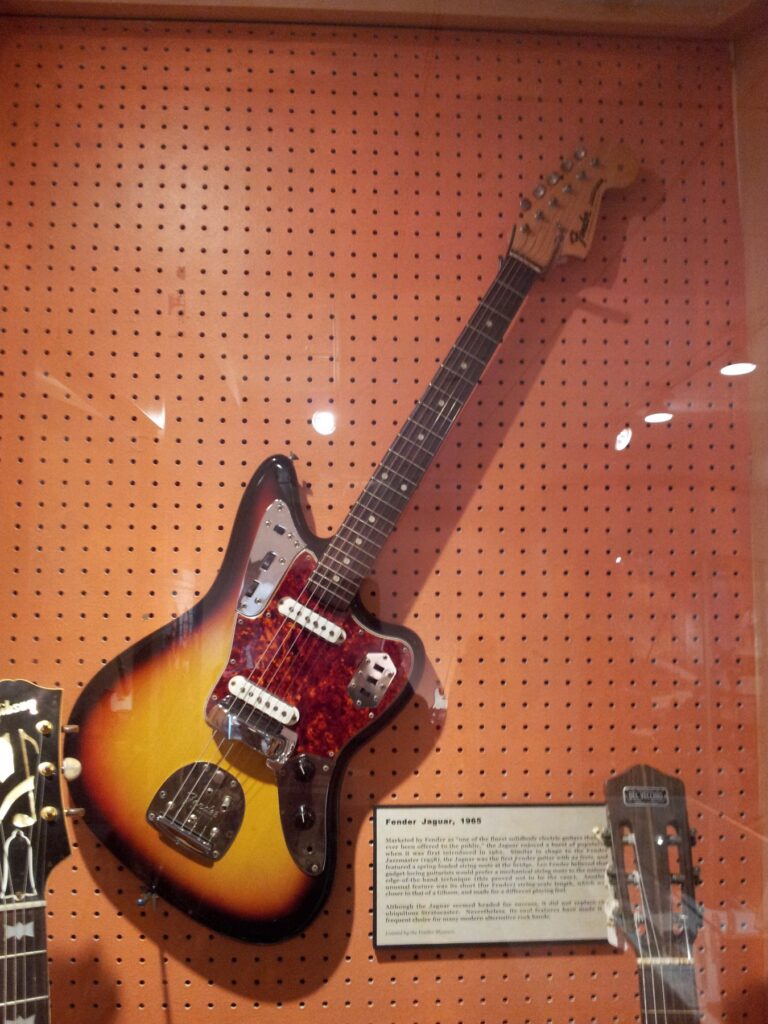
Fender Jaguars appeared in Smear’s documented setup for specific applications — particularly during the Nirvana touring period where the band’s Fender-centric aesthetic made Jaguar use musically appropriate and visually consistent. The Jaguar’s unusual offset waist body design, vibrato system, and the specific character of its Fender-spec single-coil pickups gave a completely different tonal palette from the Les Paul — brighter, more aggressive in the upper midrange, with the floating bridge and vibrato giving a different physical relationship to the instrument. His Jaguar use was selective rather than primary, consistent with the specific applications where its character suited the musical context better than the Les Paul.
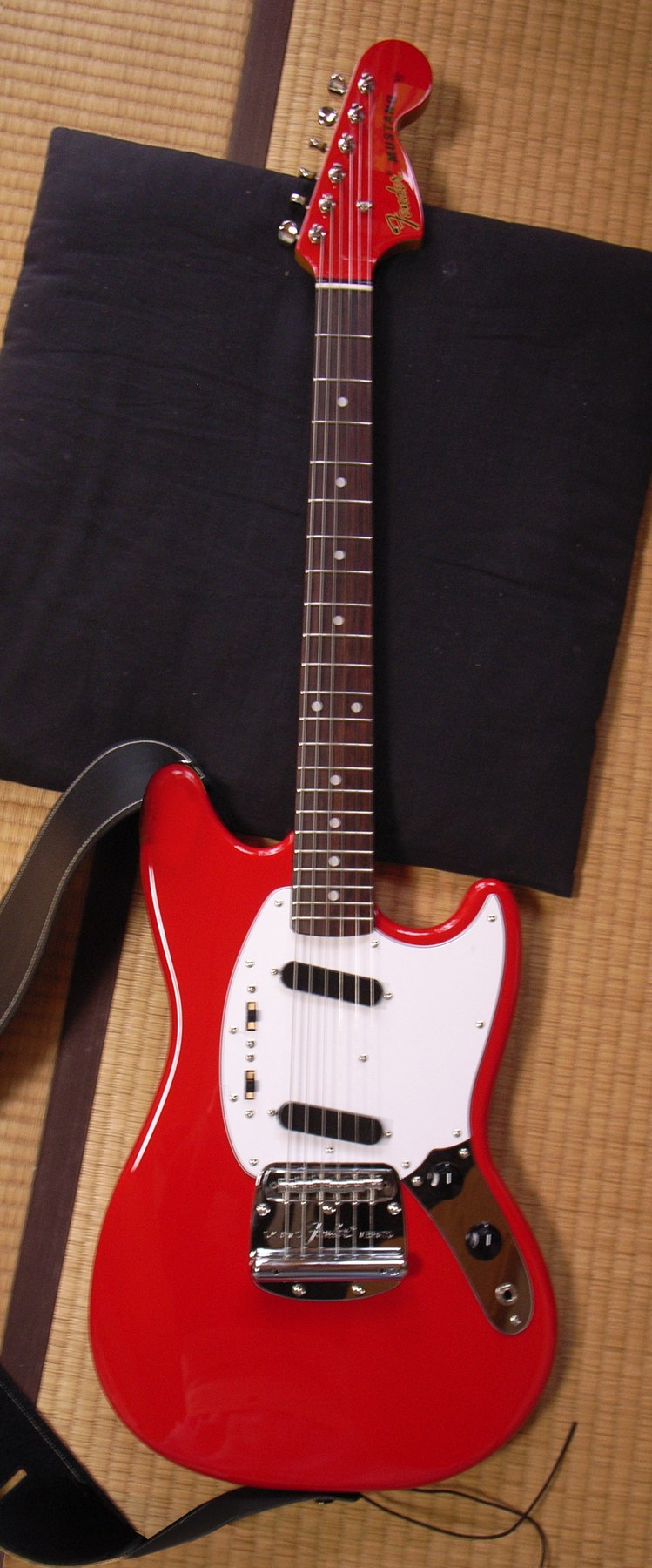
Fender Mustangs — the short-scale (24-inch) student-model Fender with the specific duo-sonic pickup configuration and Mustang vibrato — appeared in Smear’s setup for specific hardcore and alternative rock applications. The Mustang’s short scale length gave a different playing feel from the standard 25.5-inch Fender scale, and its specific pickup character gave a rawer, less refined tone appropriate to the most extreme hardcore applications.
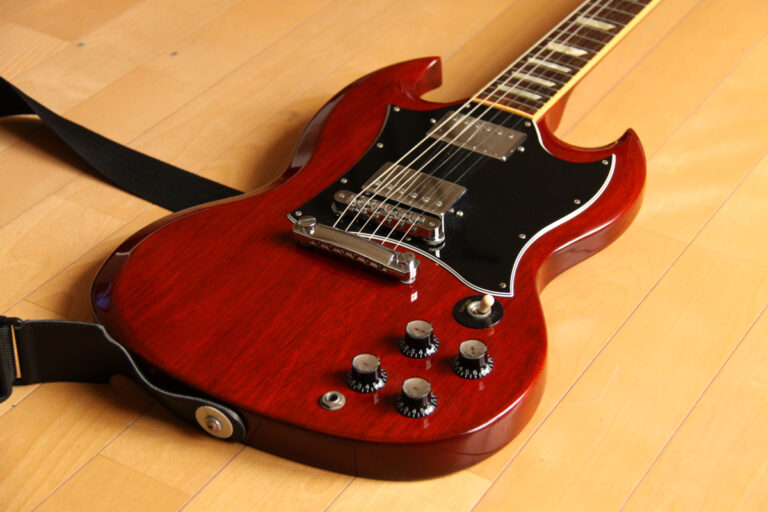
Gibson SG guitars appeared in Smear’s documented setup for specific applications where the SG’s lighter body, more aggressive upper-midrange character, and better upper-fret access gave advantages over the Les Paul. The SG’s reduced weight made extended live performance more physically comfortable, and its double-cutaway design gave better access to the upper registers for specific lead work.
Hamer USA guitars — the American manufacturer whose Explorer-influenced and Les Paul-influenced instruments gave a range of construction qualities appropriate to working professional musicians — appeared in Smear’s setup across different periods. Hamer’s Standard (Les Paul-style) and Explorer (angular body) models gave alternatives to the Gibson instruments with specific construction and tonal differences that suited particular applications.
Smear’s Les Paul and Gibson instruments used various humbucker configurations — stock Gibson T-Top and 490/498 pickups on production instruments, and Seymour Duncan or DiMarzio replacements in instruments requiring different output characteristics. His pragmatic approach to pickup selection — choosing what gave the best result for each specific application — reflected the same music-serving philosophy that characterised all his gear decisions.
Smear used Ernie Ball or D’Addario medium or medium-light gauge strings — typically .010–.046 on his standard-tuned instruments. His string choices reflected the practical balance between physical feel and tonal authority appropriate to the diverse musical contexts his career spanned.
Amps
The Hiwatt DR103 — the British boutique amplifier manufacturer whose hand-built, point-to-point wired instruments used military-spec components and four EL34 output tubes producing 100 watts — was a primary amplification source for Smear during the Germs period and early post-Germs career. The Hiwatt’s specific character differed from the Marshall in ways important to Smear’s early approach: cleaner headroom (the Hiwatt’s output stage required more signal to begin saturating than a comparably-rated Marshall, giving more clean volume before natural overdrive), more powerful low-frequency response (the military-spec transformers and capacitors giving a fuller, more authoritative bass response than the Marshall’s more modest component specifications), and a specific quality of clean tone that many players describe as among the finest available from any British valve amplifier. For the Germs’ specifically extreme volume and aggression, the Hiwatt’s additional clean headroom and low-frequency authority gave the band’s live sound a physical weight appropriate to their aesthetic.

The Hiwatt DR103’s technical specifications: four EL34 output tubes producing approximately 100 watts RMS, matched and selected by Hiwatt for tight specifications rather than the more variable tolerances accepted in production Marshall construction; point-to-point hand-wired construction on turret boards rather than PCB layout; military-specification capacitors and resistors giving longer service life and more consistent performance than standard commercial components; and the specific input stage design that gave Hiwatt’s clean and slightly-overdriven tones their distinctive character. Smear’s use of the Hiwatt reflected the same engagement with British valve amplification documented throughout the punk section of this series — the EL34’s specific harmonic character giving both aggression and musical quality within the same signal chain.
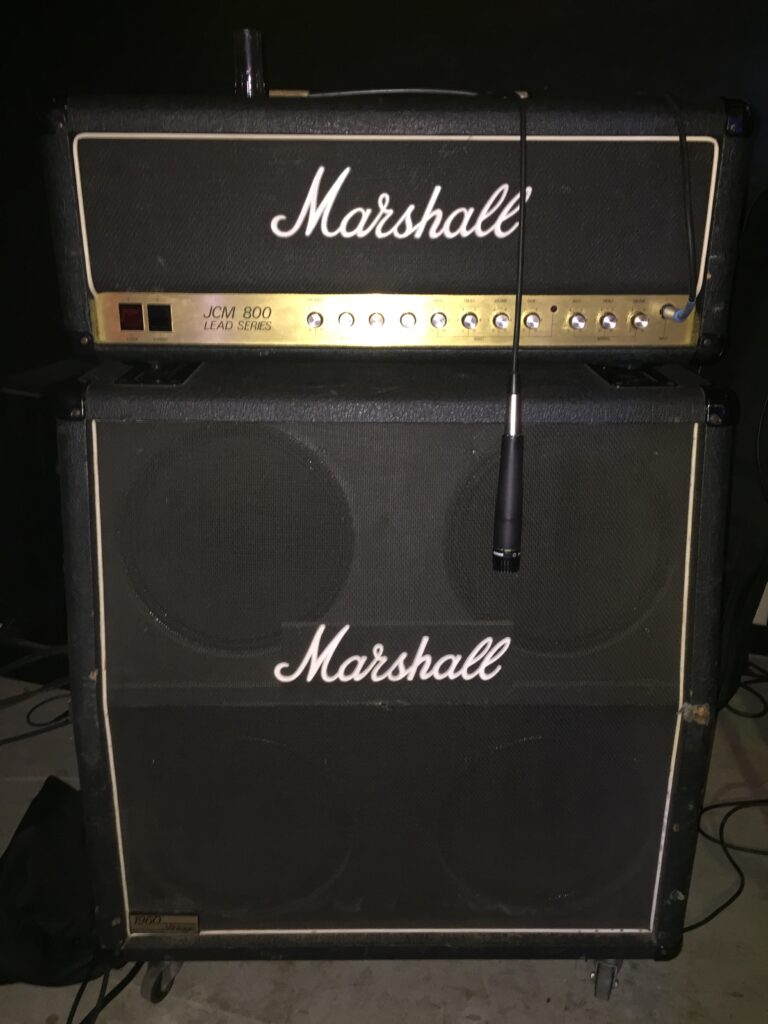
The Marshall JCM800 appeared in Smear’s documented setup as a secondary and transitional amplifier — giving more available gain than the Hiwatt’s cleaner character while maintaining the EL34 British character appropriate to his playing approach. His JCM800 use was complementary to the Hiwatt rather than replacing it — using each amplifier for the specific applications its character best served.
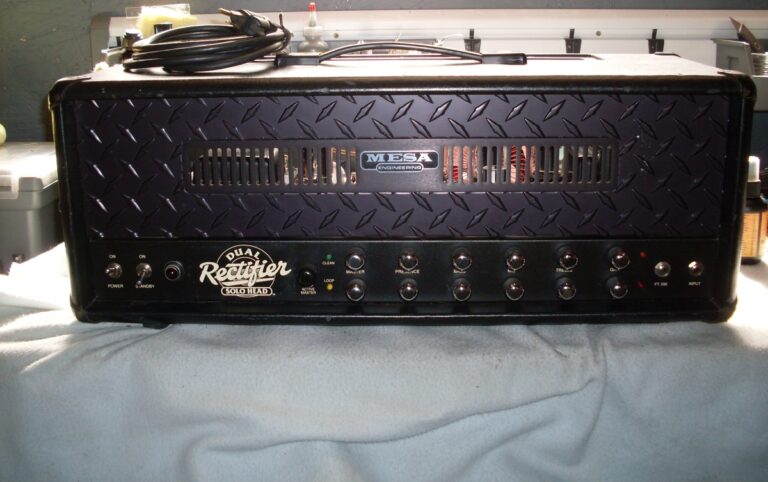
The Mesa/Boogie Dual Rectifier appeared in Smear’s Foo Fighters-era setup for specific heavy rhythm applications where the American 6L6GC character and the Rectifier’s tight, authoritative bass response suited the heavier passages in the Foo Fighters’ more hard rock-oriented material. The Rectifier’s practical advantages for touring — reliability, consistent performance across different electrical environments — made it an appropriate choice for the high-volume, high-consistency demands of arena-level touring.
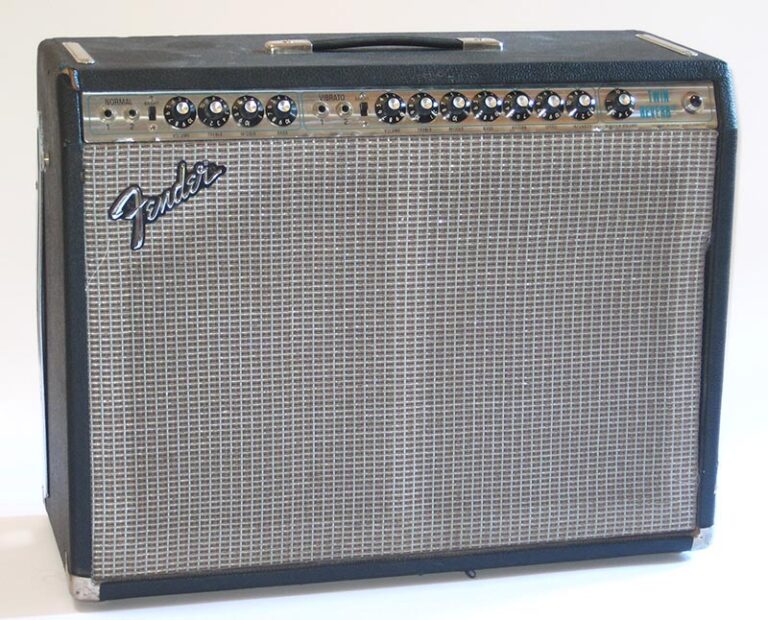
Fender amplifiers — Twin Reverb, Deluxe Reverb — appeared in Smear’s setup for specific clean and semi-clean applications, particularly in the Nirvana context where clean guitar tones served specific passages in the live set. The American clean character of Fender amplification gave a different tonal palette from the British valve alternatives that characterised most of his other amplification.
Orange amplifiers — the British valve amplifier manufacturer whose distinctive orange tolex finish and compressed, harmonically complex high-gain character gave them a specific identity in the British rock tradition — appeared in Smear’s more recent Foo Fighters documented setup. Orange’s Rockerverb series (particularly the RK50 and RK100) gave a high-gain British character with specific harmonic qualities that differed from both the Marshall and the Mesa/Boogie alternatives — warmer in the saturation character, with a specific compression quality appropriate to Smear’s rhythm guitar applications in the Foo Fighters context.
Effects
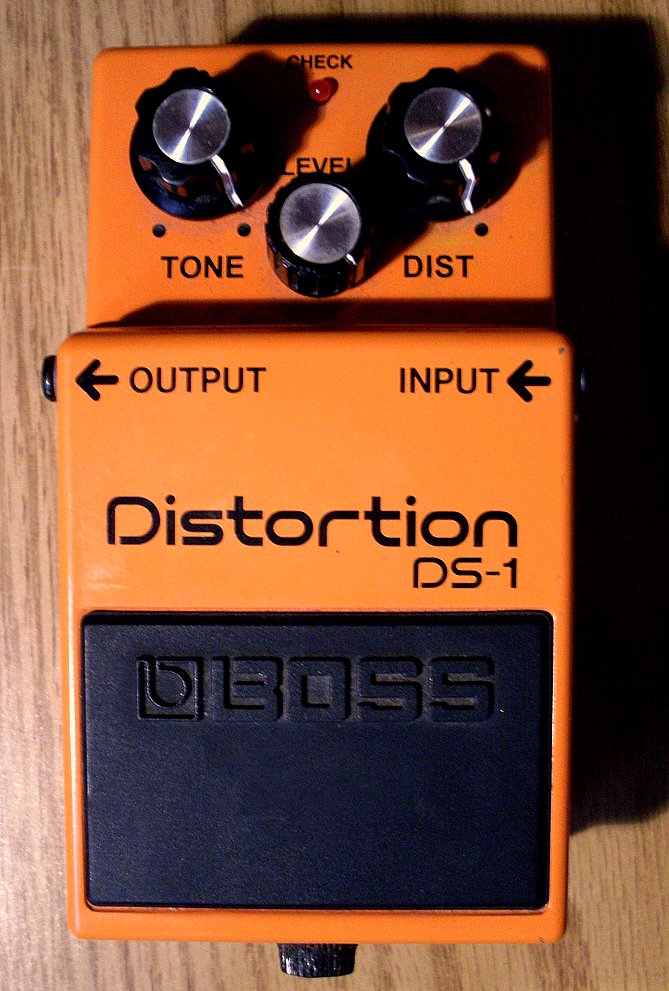
The Boss DS-1 — the inexpensive, widely available production distortion pedal also used by Adam Jones — appeared in Smear’s early punk and hardcore period signal chain. His DS-1 use was similar to its application in the punk context: medium drive settings into a Marshall or Hiwatt for additional gain and tonal complexity beyond the amplifier’s natural overdrive. The DS-1’s mid-forward character and hard silicon clipping gave the punk rhythm guitar its specific aggressive quality.
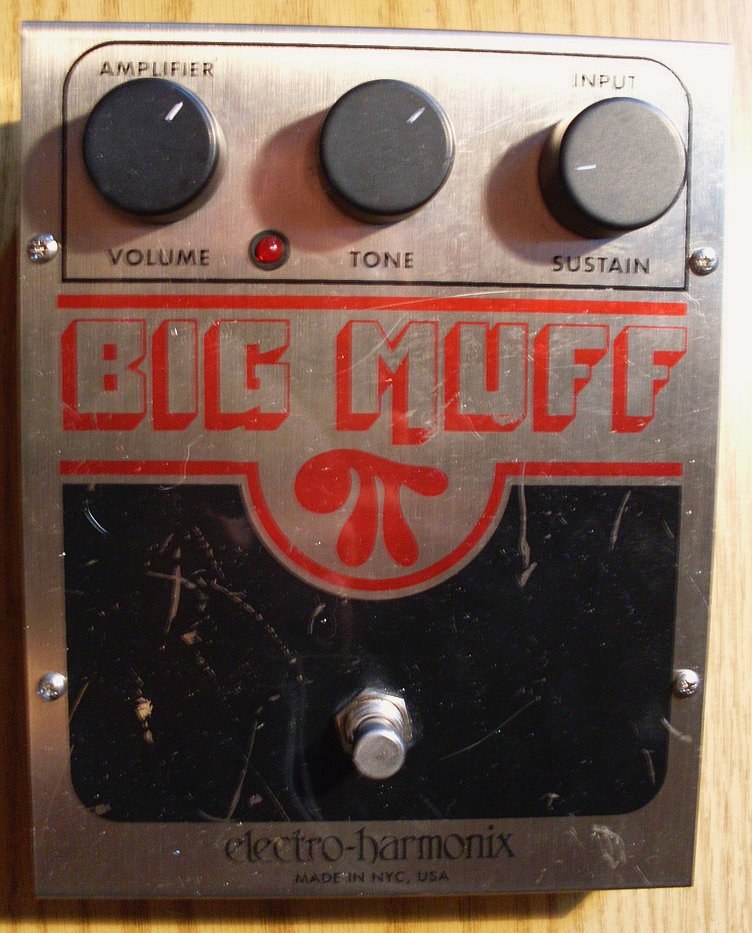
The Electro-Harmonix Big Muff Pi appeared prominently in Smear’s Germs and post-Germs signal chain — the smooth, sustained fuzz character giving the extreme LA hardcore material its specific sonic weight. His Big Muff use was substantial rather than selective: the Big Muff was part of the primary tone for extended periods in the Germs’ most aggressive material.
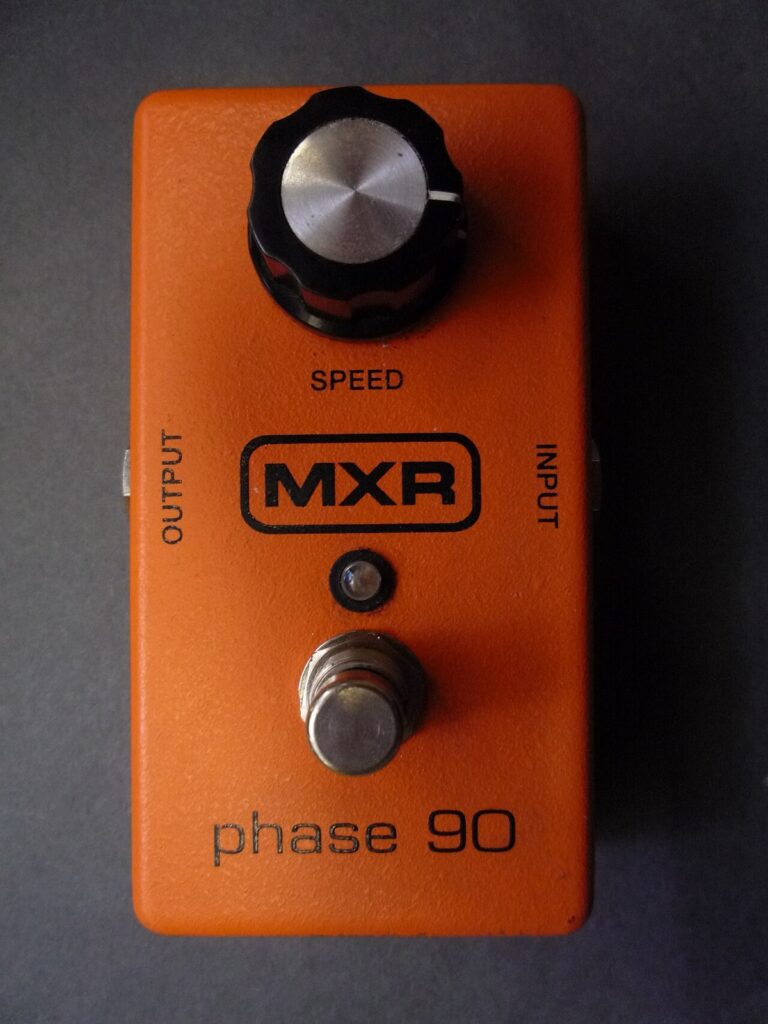
The MXR Phase 90 appeared selectively in Smear’s setup for specific atmospheric phase modulation effects — at slow speed for dimensional warmth on sustained passages, more obviously deployed for specific textural moments in the more sonically experimental sections of his various bands’ material.
The Boss CE-2 BBD chorus appeared selectively in Smear’s setup for specific chord texture applications — the warm BBD chorus giving dimensional width to specific clean passages in both the Nirvana touring period and the Foo Fighters’ more melodic material.
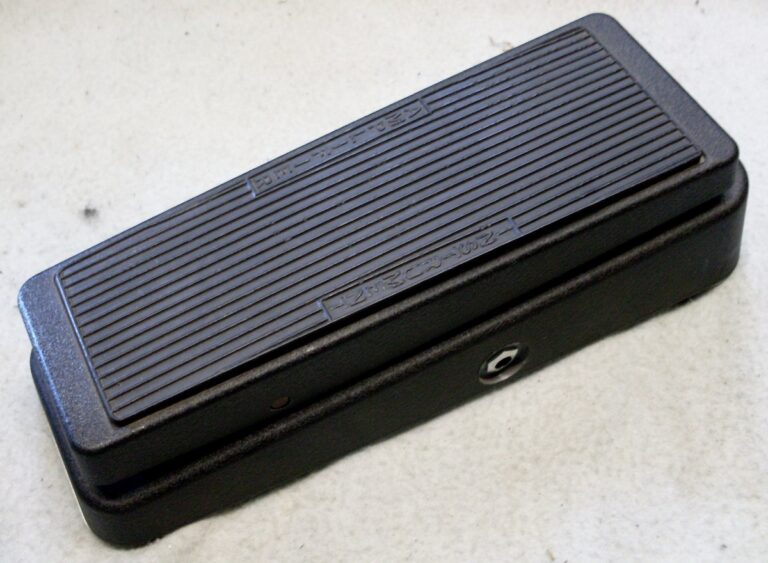
Wah pedals appeared in Smear’s setup for specific expressive lead work in both the punk and alternative rock contexts. His wah use reflected the blues and rock and roll tradition’s application of the wah as a lead expressiveness tool.
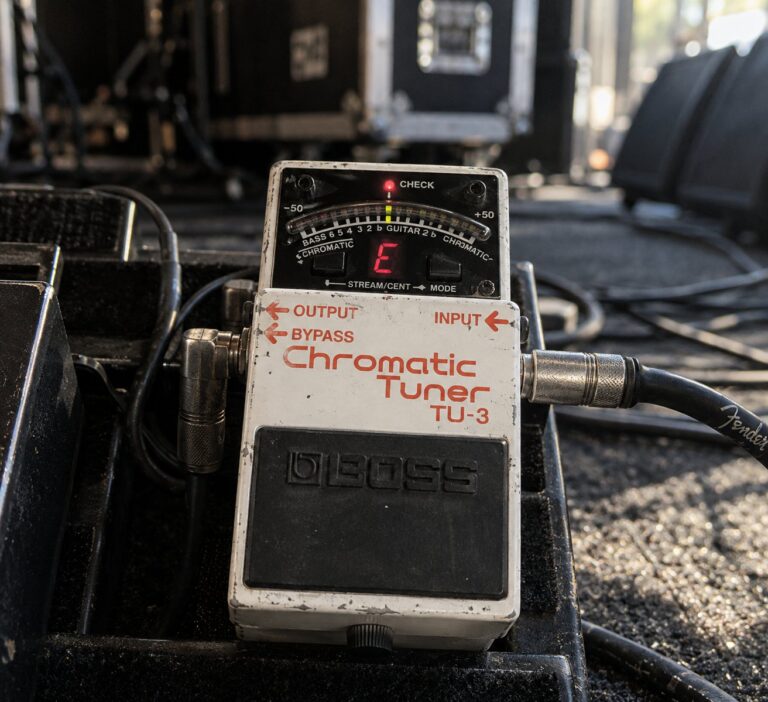
Standard Boss chromatic tuner pedals provided accurate on-stage tuning across Smear’s various live performance contexts — from the DIY infrastructure of early punk to the world-class production of Foo Fighters arena touring.
More comprehensive effects management systems — the TC Electronic G-System and Fractal Axe-Fx — appeared in Smear’s current Foo Fighters live rig for comprehensive signal chain management appropriate to the band’s complex production requirements. These units gave him preset-based switching capability and the complete effects processing necessary for the Foo Fighters’ diverse setlist requirements.
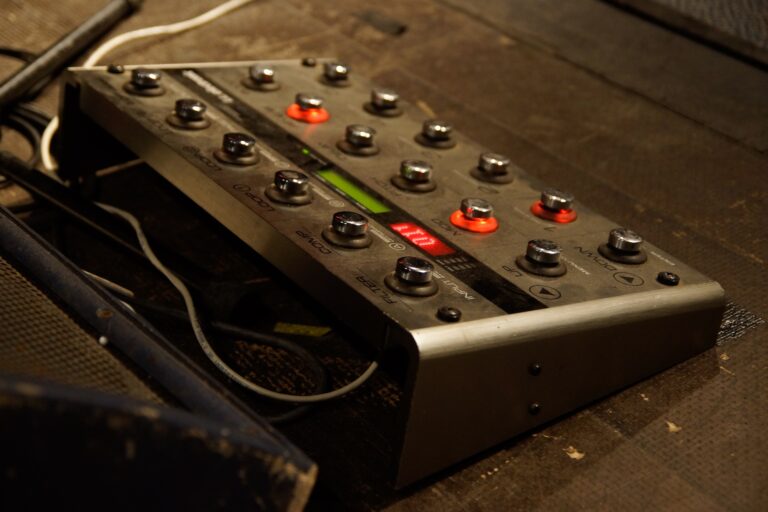
Various vintage and boutique effects appeared in Smear’s setup across different periods — Electro-Harmonix Small Stone phaser, vintage analog tremolo devices, and other period-appropriate devices. His effects approach was always selective and music-serving rather than comprehensive.
Playing Style & Tone Philosophy
Pat Smear is the guitarist who most completely demonstrated that hardcore punk’s physical intensity and mainstream rock’s melodic accessibility could coexist within a single musical identity without either compromising the other. His trajectory from the Germs to the Foo Fighters represents not a series of artistic compromises but a genuine musical development — the technical and musical skills that made him effective in each context were continuous rather than contradictory, and the specific qualities he brought to each band were appropriate to what each band needed rather than to what he was capable of demonstrating.
His Germs period established the foundation: the physical aggression, the commitment to maximum impact, and the specific quality of guitar playing that gave the chaos a musical spine. The Germs’ material was not merely undifferentiated noise; it had chord progressions, melodic passages, and specific compositional structures that gave the aggression a framework. Smear’s guitar work provided that framework — the specific chord voicings, the specific pick-attack pattern, the specific lead passages that appeared within the sonic onslaught — while maintaining the essential quality of maximum physical commitment that the band’s aesthetic demanded.
His Nirvana period demonstrated his adaptability and his musical intelligence. As a second guitarist in a band that had established its identity as a power trio, his role was to augment rather than transform — to add depth and dimension without disrupting the essential character. His ability to identify what the band needed from him in each specific song and to provide that specific contribution (additional harmonic support, specific rhythm guitar parts, occasional lead work) without overplaying or creating redundancy demonstrated the mature musician’s understanding that serving the music was more important than demonstrating personal capabilities.
His Foo Fighters work — three decades of professional contribution to one of the world’s most commercially successful rock bands — demonstrated sustained musical quality in a demanding professional context. The Foo Fighters’ material ranged from straight-ahead hard rock through melodic alternative rock through more experimental passages, and Smear’s guitar work adapted appropriately to each stylistic range while maintaining a consistent voice that contributed specific qualities to the band’s complete sound.
Tonally, Pat Smear guitars gear philosophy was built on the British valve amplifier tradition — Hiwatt and Marshall — combined with the Les Paul’s warmth and sustain. The Hiwatt’s clean power and low-frequency authority gave the Germs period its specific sonic weight; the Marshall’s gain and drive gave the transitional period its appropriate aggression; and the move toward Orange and Mesa/Boogie for the Foo Fighters period reflected the tonal evolution appropriate to that band’s more musically diverse requirements. Throughout all three phases, the Les Paul’s fundamental warmth and humbucker character gave his playing a consistent tonal identity that connected the Germs’ hardcore to the Foo Fighters’ arena rock through a continuous musical thread.
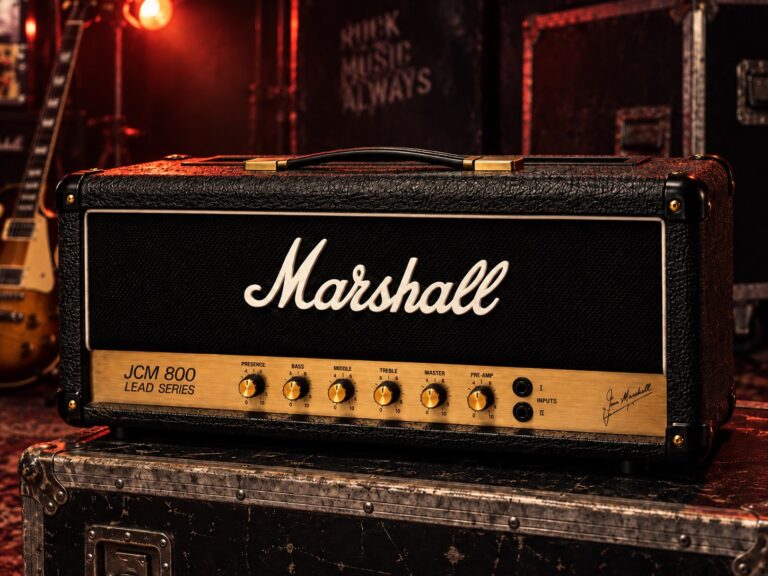
The Hiwatt DR103’s point-to-point wiring — mentioned in the specifications above — deserves specific technical examination because it represents a fundamentally different approach to amplifier construction from the PCB-based designs that characterise most production amplifiers since the 1970s. Point-to-point wiring connects components directly between terminal strips and tube sockets using individual wires, with no printed circuit board providing the component layout. The specific advantages of point-to-point construction: the electrical connections are completely determined by the craftsperson’s wiring decisions rather than by a mass-produced PCB layout, giving more flexibility in component placement and wiring routing; individual components can be replaced without de-soldering from a PCB (which can damage pads and traces); and the airflow through the chassis is unrestricted by PCB material, giving better heat dissipation from the output tubes. The specific disadvantage: much higher labour cost, making point-to-point hand-wired amplifiers significantly more expensive than PCB alternatives. Hiwatt’s commitment to hand-wired construction — using military-specification components and accepting the higher cost — gave their amplifiers a reputation for exceptional reliability and long service life, and the specific quality of the construction contributed to the tonal character that distinguished them from Marshall’s PCB-based production. For Smear’s Germs application — using the amplifier at extreme volume levels with the physical aggression of LA hardcore — the Hiwatt’s military-spec reliability was practically important: an amplifier that failed at a Germs show was not merely inconvenient but a genuine performance catastrophe in a scene where improvised solutions were the only available alternatives.
The Germs’ producer Joan Jett’s role in GI deserves examination because her specific contribution shaped how Pat Smear guitars gear was captured on the Germs’ defining recording. Jett — herself a former Runaway, a guitarist with deep LA punk roots and a specific knowledge of how to record raw, aggressive guitar music with appropriate sonic weight — brought to the GI sessions an understanding of the Germs’ specific aesthetic requirements that a more commercially oriented producer might not have possessed. Her approach to recording the guitar gave the album its specific quality: aggressive enough to capture the physical intensity of the Germs’ live performances, musical enough to preserve the specific chord voicings and melodic content that distinguished the Germs’ compositions from undifferentiated noise. The specific guitar sound on GI — Smear’s Les Paul through the Hiwatt with Big Muff supplement, captured with appropriate mic placement and mix decisions — gave the record its permanent status as a hardcore punk document rather than merely a period artifact. Jett’s production choices, aligned with Smear’s specific guitar approach, gave each other the best possible result: the guitar was heavy enough for the music and musical enough for the record to be worth hearing repeatedly.
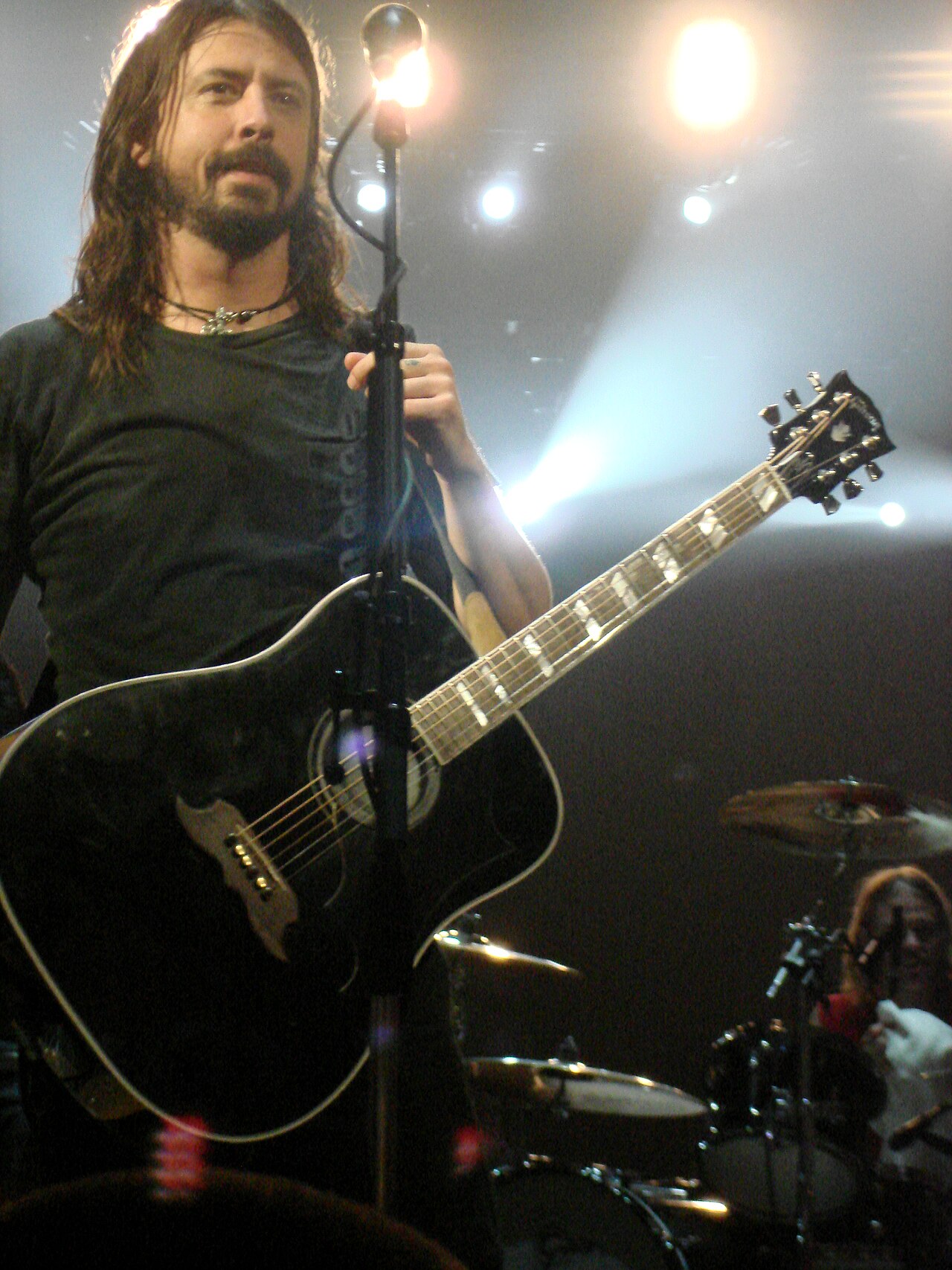
Darby Crash’s death on December 7, 1980 — and its relationship to Pat Smear’s subsequent career — deserves careful acknowledgment because it represents both a genuine personal loss and a career-defining moment that shaped everything that followed. Crash was not merely Smear’s bandmate but the specific creative partnership that had produced the Germs’ music — the vocalist whose vision, despite or perhaps because of its self-destructive quality, gave the music its specific character. His death removed the possibility of the Germs continuing as a creative entity, forcing Smear to develop his musical identity entirely without the framework that had given his early career its context. That he did so successfully — navigating from the specific context of the Germs to the Nirvana touring to the Foo Fighters’ sustained commercial success — reflected both genuine musical depth and the specific character of someone who had been shaped by loss at a formative professional moment and learned from that shaping rather than being destroyed by it. Pat Smear guitars gear, deployed across these three radically different contexts, was ultimately in service of a musical commitment that outlasted the specific circumstances that had originally produced it.
The specific role of a second guitarist in a touring band — the function that Smear filled with Nirvana — represents a musical and interpersonal challenge that deserves examination because it is structurally quite different from the roles most guitarists in this series have occupied. As a second guitarist added to an established power trio, the challenge is to contribute meaningfully without disrupting what is already working. The specific skills required: listening acutely enough to hear what the existing band needs at each specific moment; suppressing the natural guitarist’s inclination to fill available sonic space; identifying the specific harmonic, rhythmic, or tonal support that would genuinely enhance each song’s live performance; and executing these choices without drawing attention to the addition’s presence in ways that compromise the existing band’s identity. Smear’s ability to fulfil this role with Nirvana — a band whose identity as a power trio was central to their musical statement — demonstrated the mature musician’s understanding that effective service to the music sometimes meant specifically not doing what one was capable of doing. This quality, perhaps more than any specific gear choice, was the most important element of Pat Smear guitars gear philosophy in its Nirvana application.
How to Sound Like Pat Smear
Guitar Approach
A Gibson Les Paul Standard or Custom with humbucking pickups — stock Gibson 490/498, Seymour Duncan JB (bridge)/59 (neck), or DiMarzio Super Distortion (bridge)/PAF Pro (neck) — is the foundation of Pat Smear guitars gear tone across his complete career. For the Germs hardcore period: Les Paul with high-output humbuckers through Hiwatt or Marshall at high volume. For the Nirvana period: Les Paul or Jaguar through Marshall at moderate gain. For the Foo Fighters period: Les Paul with versatile humbucker set through Mesa/Boogie or Orange at appropriately varied gain settings.
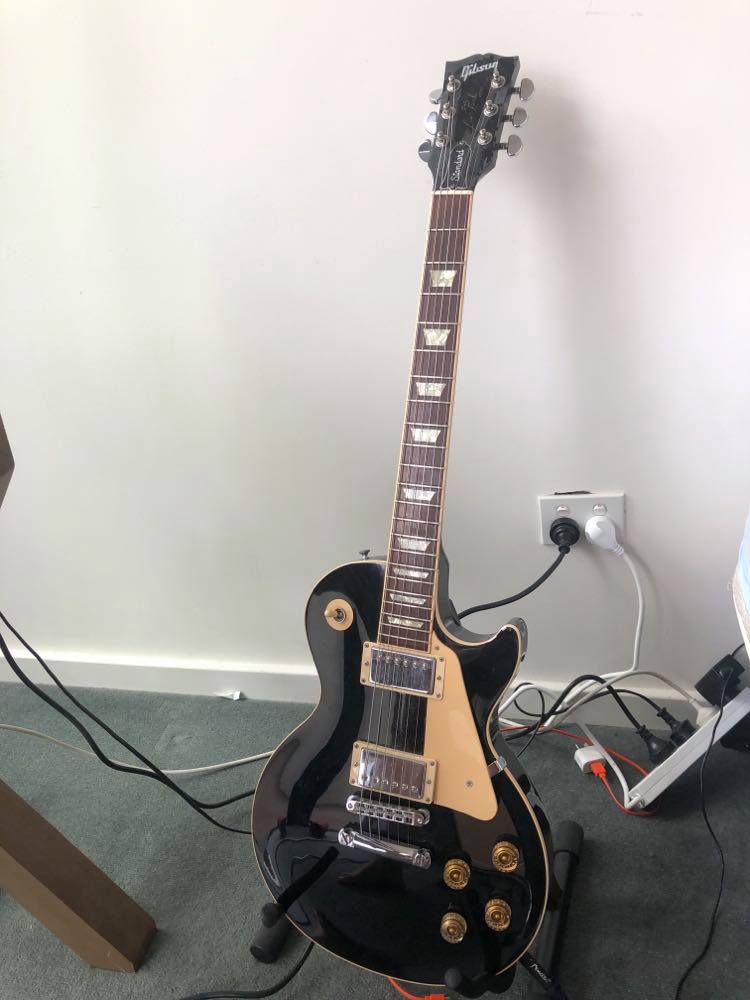
The tonal approach varies significantly by context: the Germs material requires the maximum physical commitment of heavy downstroke playing at extreme volume; the Nirvana augmentation role requires sensitive musical awareness of what the existing band needs from an additional guitarist; the Foo Fighters role requires professional versatility across a wide range of musical styles.
Amp Approach
Hiwatt DR103 (or quality Hiwatt clone: Reeves Custom 100, the most accurate Hiwatt-inspired production amplifier) into a 4×12 with Celestion Greenback speakers for the Germs period tone. Marshall JCM800 for transitional and alternative rock contexts. Mesa/Boogie Dual Rectifier or Orange Rockerverb for the Foo Fighters period. These represent three fundamentally different amplifier characters appropriate to three fundamentally different musical contexts.
| Control | Setting (0–10) | Notes |
|---|---|---|
| Hiwatt DR103 Volume (Germs) | 8–10 | High — Hiwatt’s clean headroom means it needs to be pushed hard for natural overdrive |
| Hiwatt Bass | 6 | Warm — Hiwatt’s powerful bass response needs moderate setting to prevent excess |
| Hiwatt Treble | 6 | Present — Hiwatt clean character needs treble for definition |
| Big Muff Sustain (Germs fuzz) | 7–8 | High sustain — constant primary fuzz for most aggressive Germs material |
| JCM800 (transitional/Nirvana) | 6–7 | Moderate gain — less extreme than Germs, supporting Nirvana’s trio sound |
| Rectifier/Orange (Foo Fighters) | 6–8 | Variable — wide range from hard rock to melodic rock depending on song |
| Boss DS-1 (Germs rhythm boost) | Drive 6, Level 6 | Medium — additional drive for rhythm guitar aggression into Hiwatt |
| Guitar Volume | 10 (Germs), variable (Foo) | Full for maximum aggression; rolled back for Foo Fighters clean and moderate passages |
Big Muff Pi as primary fuzz for Germs material. Boss DS-1 for additional rhythm drive. MXR Phase 90 for specific atmospheric passages. Boss CE-2 for selective clean chord textures. Cry Baby wah for expressive lead passages. TC Electronic G-System or Fractal Axe-Fx for Foo Fighters live rig management. The most important element is matching the setup to the specific musical context: Smear’s approach evolved deliberately across three distinct phases, and each phase requires a different configuration.
Influence & Legacy
Pat Smear’s influence on guitar culture is both specific and broadly cultural. Specifically, his Germs work gave LA hardcore its defining guitar vocabulary — the combination of extreme physical commitment, deliberate chaos management, and the specific chord voicings that gave the aggression its musical spine. More broadly, his career arc demonstrated that punk’s values — authenticity, commitment, refusal of artistic compromise — were compatible with extraordinary commercial success when those values were applied consistently and the music remained the priority.
His presence in both Nirvana and the Foo Fighters gave him a historical position unique in rock music: a connecting thread between two of the most significant acts of the alternative rock era, and a participant in the specific moment (Nirvana’s In Utero touring) that bridged the 1990s grunge era’s peak commercial moment with what came after. His consistent dignity in discussing the Cobain period — acknowledging both the enormous loss and the specific musical privilege of the experience — demonstrated the same artistic seriousness that had characterised his playing from the Germs onward.
The comparison with Captain Sensible — another first-generation punk guitarist who demonstrated broader musical range than the punk framework typically accommodated — illuminates the specific tradition of technically serious punk players whose careers outlasted the movement they helped create. The parallel with Dave Grohl — his longtime Foo Fighters collaborator whose own trajectory from the underground (Nirvana, Scream) to mainstream commercial success paralleled Smear’s in significant ways — shows the specific community of musicians whose underground origins gave them a particular approach to professional music-making that distinguished their mainstream work from that of musicians who had always operated in commercial contexts. And the connection to Dave Alvin — another Los Angeles musician who navigated a range of musical contexts with consistent artistic integrity, maintaining genuine musical values across commercial environments that tested them — places Pat Smear guitars gear and musical philosophy in the broader tradition of LA musicians who carried their specific values forward across decades of professional activity.
Frequently Asked Questions: Pat Smear Guitars & Gear
What guitar does Pat Smear play?
Pat Smear’s primary guitar across his career has been the Gibson Les Paul — in various production configurations from the Germs era (1970s T-Top era instruments) through his current Foo Fighters work (modern Gibson USA and custom shop instruments). Fender Jaguars and Mustangs appeared for specific applications, particularly during the Nirvana touring period where the Fender aesthetic was musically appropriate. Gibson SGs served specific applications. His Les Paul commitment reflects the instrument’s specific warmth and sustain that served everything from the Germs’ extreme hardcore through the Foo Fighters’ melodic hard rock.
What amplifier does Pat Smear use?
Smear’s amplification evolved significantly across his career. The Hiwatt DR103 was his primary amplifier during the Germs period — its exceptional clean headroom and powerful low-frequency response giving the LA hardcore material its specific sonic weight. The Marshall JCM800 served transitional and alternative rock contexts. The Mesa/Boogie Dual Rectifier and Orange Rockerverb series served the Foo Fighters period’s more commercially produced hard rock requirements. All configurations used 4×12 cabinets with Celestion speakers appropriate to each amplifier’s character.
What was the Germs and why were they important?
The Germs were a Los Angeles hardcore punk band formed in 1977 by Pat Smear and vocalist Darby Crash. Their music was among the most extreme of the first-generation American punk scene — faster, louder, and more deliberately chaotic than most contemporaries. Their album GI (1979), produced by Joan Jett, is a foundational document of American hardcore and Los Angeles punk. Darby Crash’s death by heroin overdose in December 1980 ended the Germs’ original run — Crash died just one day before John Lennon’s assassination, which displaced the Germs news from most major media outlets and gave the band’s story an additional quality of historical obscurity alongside genuine tragedy. Smear’s guitar work on GI demonstrated genuine musicianship operating within the punk format’s apparent chaos.
How did Pat Smear join Nirvana?
Kurt Cobain invited Pat Smear to join Nirvana as a second guitarist for the In Utero touring in late 1993. Cobain and Smear had known each other through the LA music world, and Cobain’s interest in adding a second guitarist — to augment the live sound and give himself more freedom within it — led to Smear’s recruitment. Smear toured with Nirvana through their final concert on March 1, 1994, and was present for the MTV Unplugged in New York taping that became one of the band’s most celebrated recordings. He handled Cobain’s subsequent death with consistent dignity and has maintained that approach in all subsequent discussion of the experience.
What is the Hiwatt DR103 and why did Smear use it for the Germs?
The Hiwatt DR103 is a British hand-built valve amplifier producing 100 watts from four EL34 output tubes, using point-to-point wiring, military-specification components, and the specific input stage design that gives Hiwatt amplifiers their distinctive combination of clean headroom and powerful low-frequency response. For Smear’s Germs application, the Hiwatt’s exceptional clean headroom — it required more signal to begin saturating than a comparable Marshall — gave the band’s extreme volume levels their specific sonic weight: the Hiwatt could produce very high clean volume before overdrive, and when pushed to overdrive, gave a specific harmonic complexity appropriate to the period’s British valve amplifier aesthetic. The Big Muff Pi and Boss DS-1 supplemented the Hiwatt’s natural character for specific saturation requirements.
How long has Pat Smear been in the Foo Fighters?
Smear was a founding member of the Foo Fighters in 1994, having been recruited by Dave Grohl when Grohl formed the band following Cobain’s death. He departed the band in 1997, explaining that the extensive touring demands were incompatible with his personal preferences. He returned in 2005 and has been a full permanent member since, appearing on Foo Fighters albums from In Your Honor (2005) through subsequent records. His approximately 25-year combined membership (with the gap) represents one of the longer tenures in the band’s history and demonstrates the sustained musical relationship between Smear and Grohl that began with their Nirvana connection.
What connects the Germs aesthetic to the Foo Fighters aesthetic?
The specific connection between the Germs’ LA hardcore and the Foo Fighters’ arena rock is not immediately obvious but exists at the level of underlying values rather than surface musical style. Both bands operated from a position of total commitment to the music — neither the Germs’ chaotic aggression nor the Foo Fighters’ melodic hard rock was music made for commercial calculation; both represented musicians giving everything they had to the specific music they were making. Smear’s role in both bands reflected the same quality: total musical commitment, serving the specific requirements of each band’s aesthetic rather than demonstrating personal virtuosity, and maintaining the punk value of authentic musical expression regardless of commercial context. The Les Paul through a cranked amplifier connected both contexts at the most basic physical level; the underlying value of committed musical honesty connected them more deeply.
The Orange amplifier brand that appeared in Smear’s more recent Foo Fighters documented setup represents a specific British valve amplifier tradition worth examining briefly in this context. Orange Amplification, founded by Cliff Cooper in London in 1968, built amplifiers that occupied a specific position in the British valve amplifier market: more compressed and more immediately saturated in their overdrive character than the Hiwatt’s clean-headroom approach, with a specific tonal quality that players often describe as “round” or “fat” — a warmth in the fundamental that gave the amplifier’s overdrive a quality distinct from both the Hiwatt’s controlled clarity and the Marshall’s harder-edged cascade gain. The Rockerverb series — Orange’s multi-wattage, two-channel design — gave Smear a high-quality British valve amplifier with a specific tonal character appropriate to the Foo Fighters’ more produced, more polished hard rock aesthetic. The transition from the Hiwatt’s raw character (appropriate to the Germs) through the Marshall’s gain character (appropriate to the transitional period) to the Orange’s warmer, more compressed character (appropriate to the Foo Fighters’ melodic hard rock) represented a specific tonal evolution consistent with the musical evolution those stages embodied. Each amplifier choice was correct for its specific musical application — there was no single “best” amplifier for Pat Smear guitars gear across a career that spanned three fundamentally different musical contexts.
The MTV Unplugged in New York session — where Smear appeared with Nirvana in November 1993 — gave him a historically documented connection to one of rock’s most celebrated live recordings. The specific quality of that performance — acoustic instruments, candles, intimate staging at a scale completely at odds with Nirvana’s usual arena productions — required guitar contributions that were audible in an acoustic context without the wall of electric amplification that masked sonic details in electric performance. Smear’s guitar contributions to the Unplugged performance were typically subtle — providing specific harmonic support, specific textural elements — in a context where overplaying would have disrupted the carefully constructed intimacy of the production. His discretion in that specific context was itself a form of musical excellence: understanding what was needed, providing it precisely, and nothing more. Pat Smear guitars gear in the Unplugged context was the simplest possible configuration appropriate to the specific requirements — a contrast as complete as could be imagined with the Big Muff-through-Hiwatt approach of the Germs period, and equally correct for its specific application.
The Foo Fighters’ long-term use of Pat Smear as a second guitarist — both in the founding period (1994–1997) and in the ongoing membership since 2005 — reflects a specific understanding by Dave Grohl of what Smear brings to the band beyond the technical guitar contribution. Any number of technically accomplished rock guitarists could have fulfilled the second guitar role in a band of the Foo Fighters’ commercial resources; the specific choice of Smear reflects both the personal friendship between Grohl and Smear (established through the Nirvana connection) and the specific musical qualities he brings. His background — the Germs’ hardcore intensity, the Nirvana touring experience, the specific values of the Los Angeles punk and alternative rock underground — gave him a perspective and an approach to music-making that was specifically different from a musician whose entire career had been in commercial rock contexts. This difference of perspective, visible in the quality of musical engagement he brought to the recordings and live performances rather than in any specific technical superiority, was what Grohl valued and maintained. Pat Smear guitars gear, in the Foo Fighters context, was ultimately in service of a musical relationship that transcended the specific equipment choices — the gear was appropriate and well-chosen, but the human musical relationship was the actual product.
The specific quality that the Germs’ music had at its best — and that Pat Smear guitars gear served specifically — was the combination of extreme aggression and musical intelligence that gave the chaos its compositional spine. Not every hardcore punk band had this quality; many produced undifferentiated noise that exhausted the listener without engaging the musical intelligence. The Germs’ GI had it because the songs had actual chord progressions, actual melodic content, and specific compositional structures — and Smear’s guitar provided those structures while maintaining the essential quality of physical commitment that the aesthetic demanded. This combination is ultimately what gave GI its permanent place in punk history rather than merely its period-document status. The equivalent quality in the Foo Fighters’ best work — melodic accessibility that doesn’t compromise the underlying commitment to making music that matters — reflects the same fundamental values, applied across a distance of musical style that most careers could not traverse without losing the thread. Pat Smear’s ability to maintain that thread across the Germs, Nirvana, and the Foo Fighters represents one of the more complete demonstrations of sustained musical integrity available in the history of rock guitar.
Image credits
- Dave Grohl: flimsical (Lindsay), Wikimedia Commons, CC BY 2.0.
- Top image: by Andreas Lawen, Wikimedia Commons, CC BY-SA 4.0.
- Pat Smear performing with Foo Fighters at Glastonbury Festival 2023: photo by Raph_PH (Flickr), cropped version, via Wikimedia Commons, CC BY 2.0.
- Gibson Les Paul Standard: DonnyBurger1974, Wikimedia Commons, CC BY-SA 4.0.
- Fender Jaguar: doryfour, Wikimedia Commons, CC BY-SA 2.0.
- Fender Mustang: Toshiyuki IMAI, Wikimedia Commons, CC BY-SA 2.0.
- Gibson SG Standard: Sonya, Wikimedia Commons, CC BY-SA 4.0.
- Marshall JCM800: John2112, Wikimedia Commons, CC BY-SA 4.0.
- Marshall JCM800 2203: GuitarGangsters AI-generated reference illustration, not a photograph.
- Mesa/Boogie Dual Rectifier: Roadside Guitars, Flickr, CC BY-SA 2.0.
- Fender Twin Reverb: Micahmedia, Wikimedia Commons, CC BY 3.0.
- Boss DS-1 Distortion: Roadside Guitars, Flickr, CC BY-SA 2.0.
- Electro-Harmonix Big Muff Pi: Roadside Guitars, Flickr, CC BY-SA 2.0.
- Dunlop Cry Baby: Roadside Guitars, Flickr, CC BY-SA 2.0.
- Hiwatt DR103 Custom 100: GuitarGangsters AI-generated reference illustration, not a photograph.
- BOSS TU-3 Chromatic Tuner: GuitarGangsters AI-generated reference illustration, not a photograph.
- MXR Phase 90: Roadside Guitars, Wikimedia Commons, CC BY-SA 2.0.
- TC Electronic G-System: Adam Kliczek, Wikimedia Commons, CC BY-SA 3.0.