Chris Shiflett Guitars & Gear: The Foo Fighters Lead Guitarist’s Complete Rig
Chris Shiflett guitars gear — Telecaster and Marshall JCM800 deep-dive for the Foo Fighters lead guitarist's arena rock tone and complete signature rig guide.
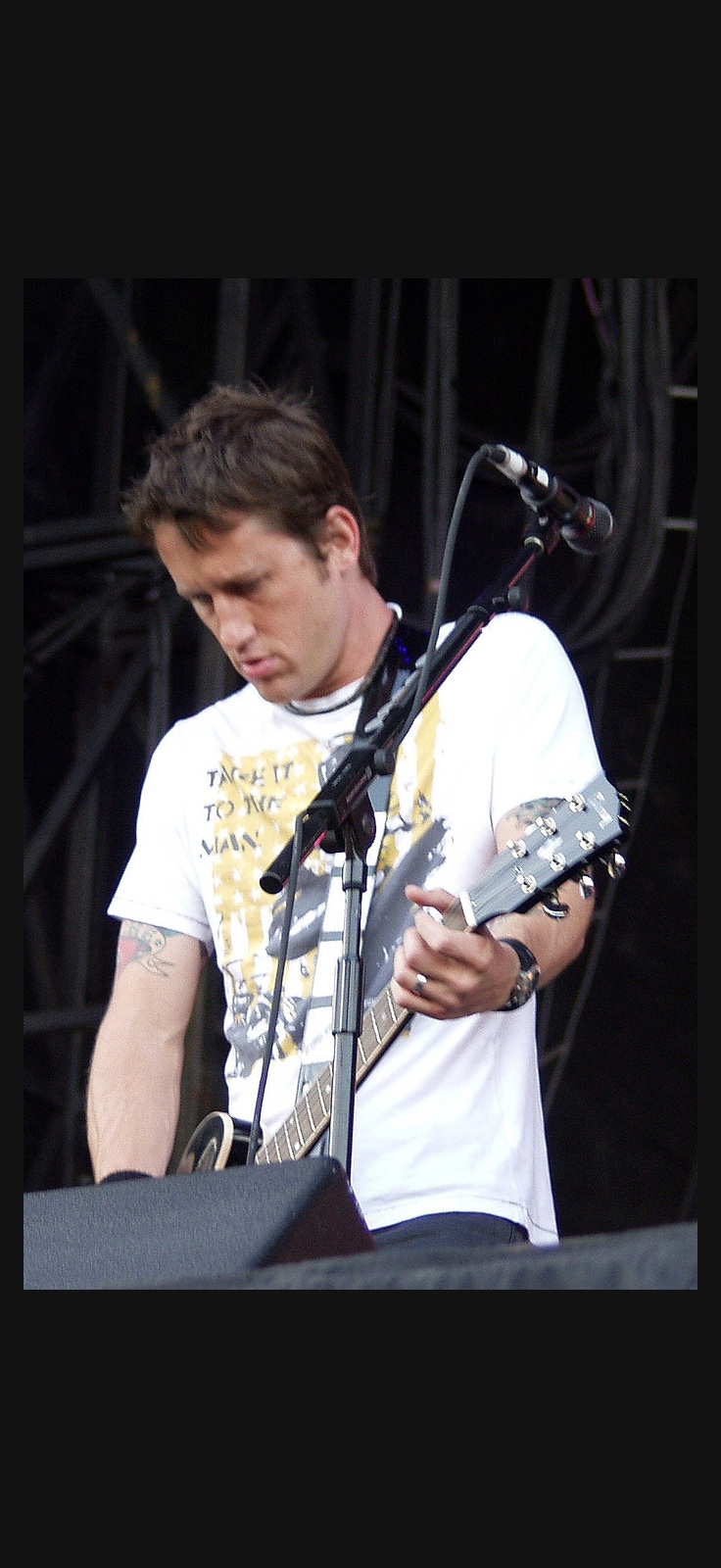
Chris Shiflett. Photo: Cridders / Clare Cridland (https://www.flickr.com/people/44743850@N00/). Chris Shiflett.jpg. CC BY 2.0: https://creativecommons.org/licenses/by/2.0/. Source: https://commons.wikimedia.org/?curid=1384754. Changes: Whole current source photograph retained, downsampled without upscaling, and centered on a flat neutral dark matte (#121212) for a tall image slot. No photo crop, AI, stretching, fake scene extension or added retouching. The source was already cropped on Commons by IllaZilla.
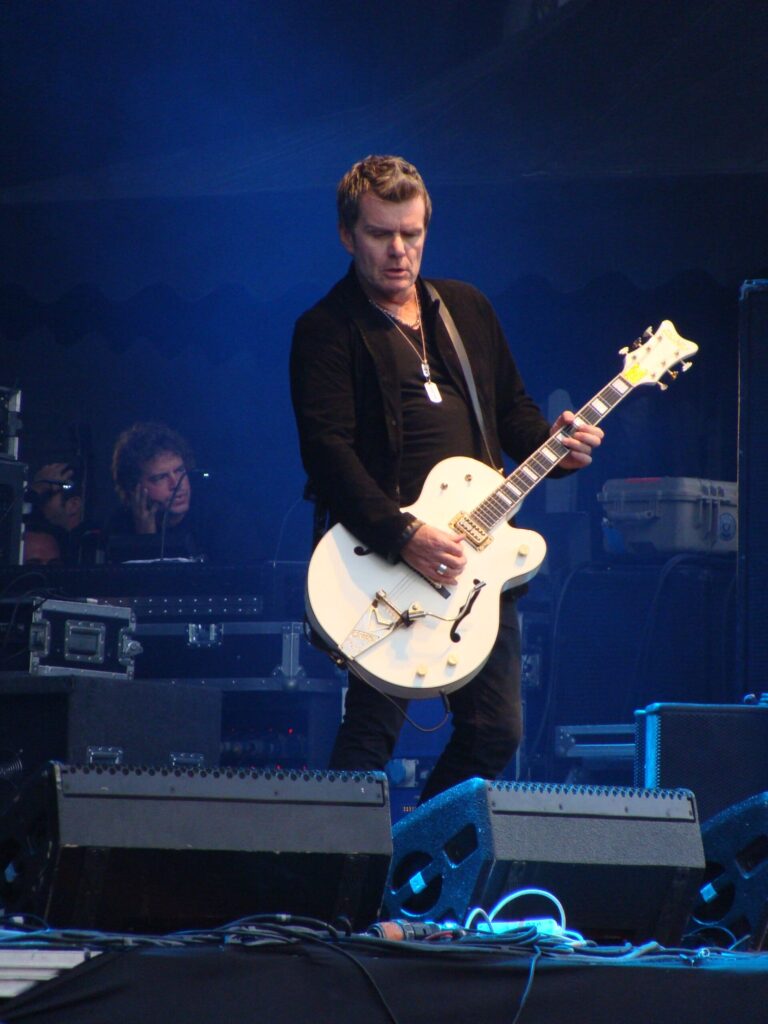
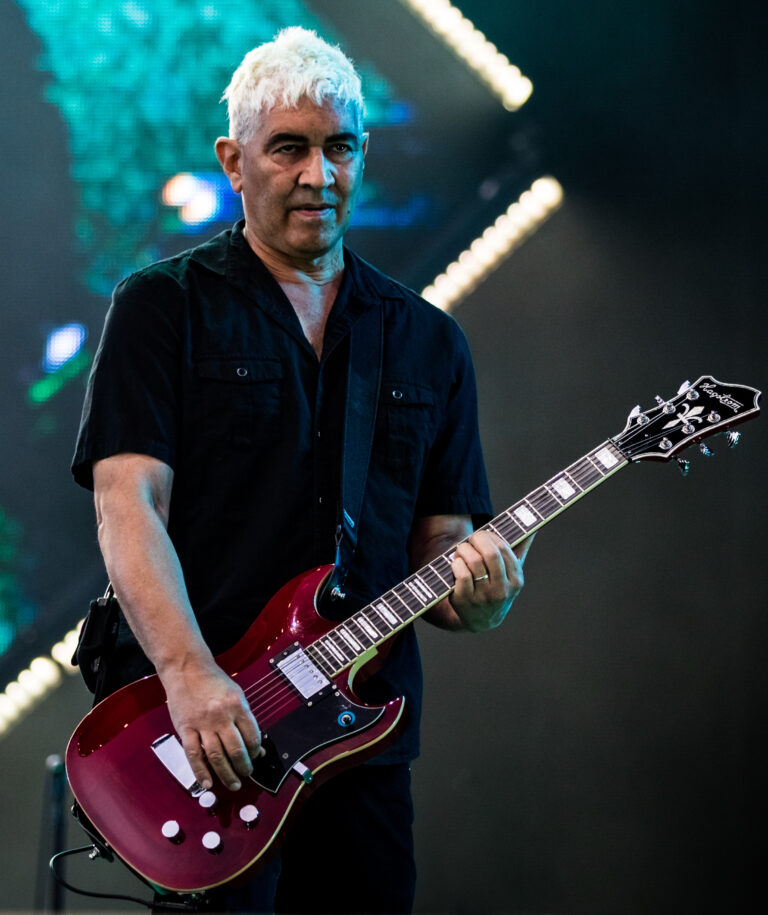
Examine Chris Shiflett guitars gear and you find the equipment of one of alternative rock’s most consistently excellent and most underappreciated lead guitarists — a Santa Barbara-born musician who joined the Foo Fighters in 1999 and spent the subsequent two and a half decades turning Dave Grohl’s arena rock songs into some of the most polished and most muscular guitar performances in mainstream rock, while simultaneously pursuing a genuine country and roots music passion through solo recordings and side projects that revealed a musical range well beyond the arena rock context for which he is most widely known. Shiflett is a professional’s professional — technically excellent, stylistically versatile, completely reliable, and possessed of a musical intelligence that has served the Foo Fighters’ enormous catalogue with consistent distinction.
The Journey
This guide covers Shiflett’s complete equipment picture: the Telecasters and Les Pauls that defined his tonal approach, the Marshall and other amplification that gave the Foo Fighters’ guitar sound its specific character, his extensive effects chain, and the playing philosophy of a musician who has always brought more musical knowledge and more genuine craft to his rock guitar role than the mainstream context might suggest was necessary. Understanding Chris Shiflett’s gear is understanding how serious musical craft serves enormous commercial success.
Background
Christopher Aubrey Shiflett was born on May 6, 1971, in Santa Barbara, California. His early musical formation encompassed punk rock — the specific Southern California punk tradition that had shaped his generation of rock musicians, providing both the technical starting point (three-chord energy and commitment) and the anti-pretension value system that persisted through his subsequent development into a more technically accomplished player. He played in various punk and pop-punk bands through the 1990s — including the significant punk band No Use for a Name — before joining the Foo Fighters in 1999 as a replacement for the departed Franz Stahl.
His addition to the Foo Fighters gave the band’s live and studio guitar sound a specific lead guitar dimension that had been less consistently present before his arrival. Dave Grohl’s guitar work was always more rhythmically than lead-guitar oriented, and Shiflett’s arrival provided the specific lead guitar capabilities that the band’s increasingly arena-rock ambitions required. His musical relationship with Grohl developed over two and a half decades of touring and recording into one of the most productive and most enduring guitar partnerships in mainstream rock.
His solo career — parallel to the Foo Fighters’ sustained commercial success — documented the country and roots music dimension of his musical personality that the arena rock context didn’t accommodate. His solo albums, including Chris Shiflett and the Dead Peasants (2010) and subsequent country-influenced recordings, showed a musician whose actual musical interests were broader than his primary professional context and whose playing abilities included genuine country guitar technique alongside the arena rock lead guitar work for which he was most widely known.
Chris Shiflett Guitars Gear: The Complete Rig
Guitars
Chris Shiflett’s guitar choices reflected both the specific demands of the Foo Fighters’ arena rock context and the broader musical range of his actual playing interests.
His most iconic and most frequently associated guitar is a Fender Custom Shop Telecaster — specifically the Chris Shiflett signature model that Fender developed in collaboration with him, featuring his specific preferred neck profile, pickup configuration, and hardware choices. The signature Telecaster used a standard two-pickup single-coil configuration (bridge and neck) with Fender’s Custom Shop-wound pickups that captured the specific vintage Telecaster character while offering the modern construction quality and consistency appropriate for high-demand professional use. The Telecaster’s bright, defined single-coil attack gave his lead playing its specific clarity and presence in the dense mix of the Foo Fighters’ wall-of-guitar production approach.
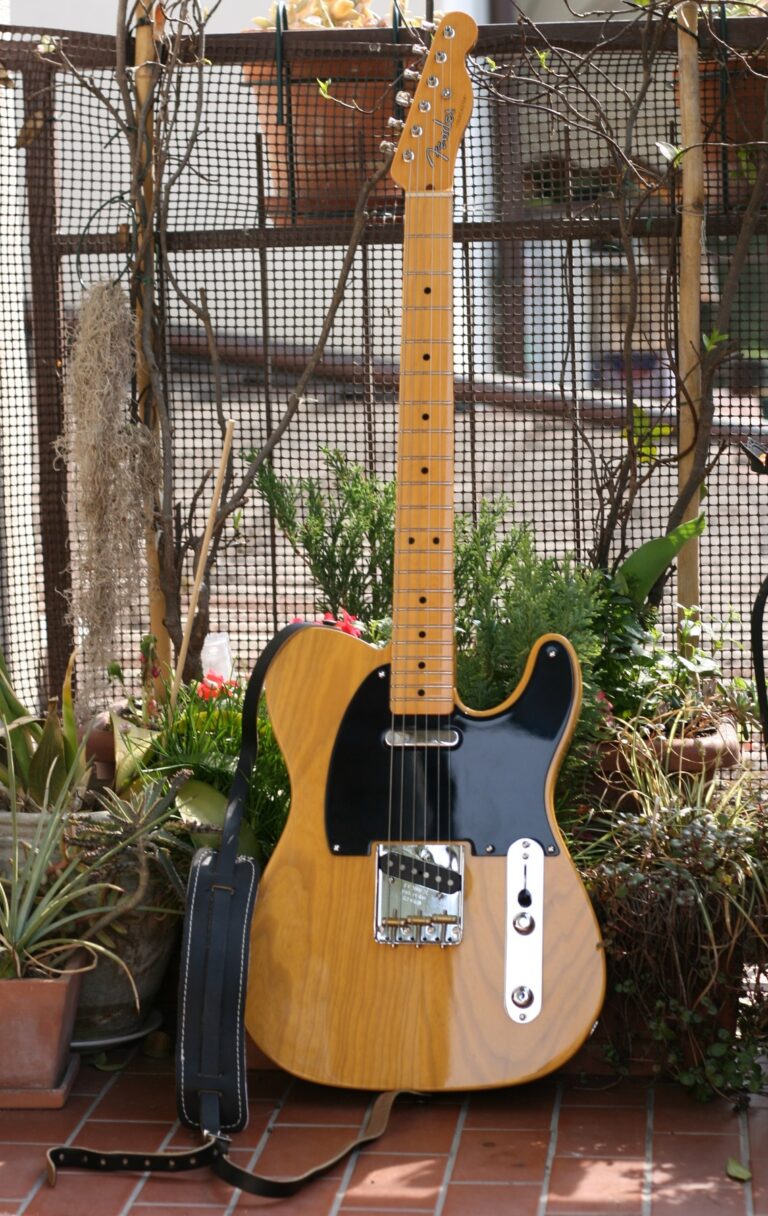
He has extensively used a Fender Telecaster Deluxe — the humbucker-equipped variant with a wider, rounder headstock that Gibson-style humbuckers (actually Fender Wide Range humbuckers in original versions) gave a different tonal character from the standard Telecaster’s single-coil brightness. The Telecaster Deluxe’s combination of Telecaster construction and humbucker pickups gave it a warmer, more sustained character than standard Telecasters while maintaining the fundamental Telecaster aesthetic and playing feel that suited his approach.
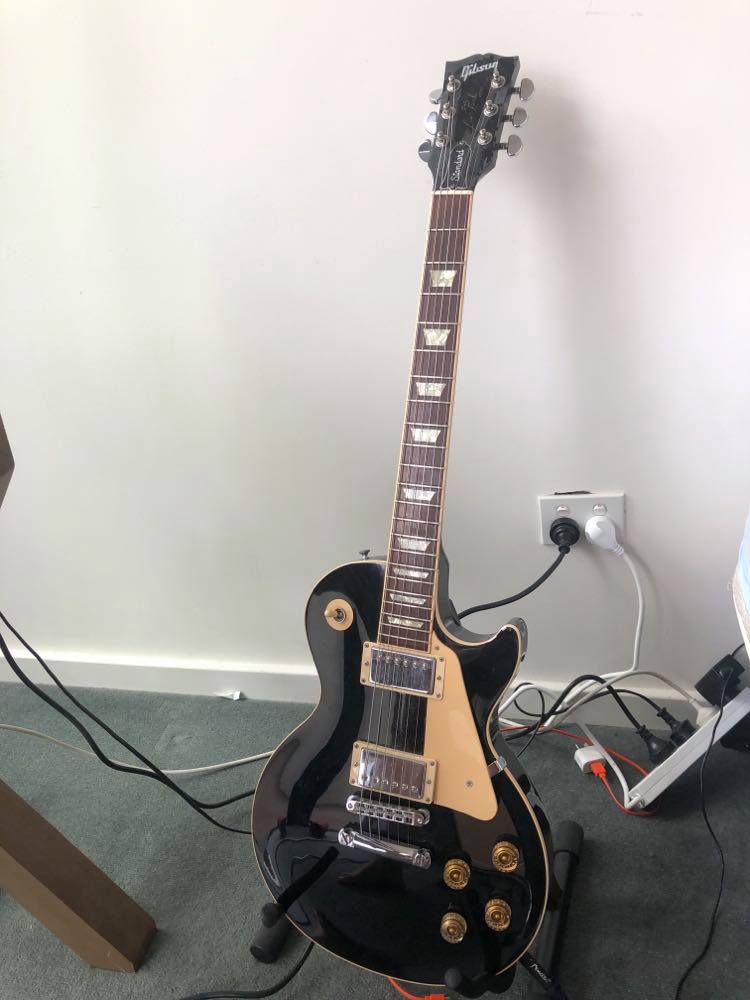
A Gibson Les Paul appeared for specific heavier material where the humbucker’s warmth and sustain were more appropriate than either Telecaster configuration. His Les Pauls were typically Custom Shop or vintage examples chosen for their specific tonal character rather than for collector value — PAF-spec humbuckers in the Les Paul’s mahogany and maple construction providing the warmth and sustain that specific Foo Fighters material required.
He also maintained a collection of vintage and custom Telecasters — various early-1970s and late-1960s examples that appeared at different recording sessions and for specific tonal applications. His deep engagement with Telecaster culture extended to genuine historical knowledge of the instrument’s different construction periods and the specific tonal characters each produced.
String gauges ran medium — typically .010–.046 on the Telecasters, medium-to-heavy on the Les Paul — providing the appropriate balance between playability and tone for the specific demands of arena rock lead guitar work and country guitar technique.
Amps
Shiflett’s amplification was primarily Marshall-based — consistent with the Foo Fighters’ British-influenced hard rock sound and with the specific arena rock context that required amplification of authority and presence.
His primary amplifiers were Marshall JMP or JCM800 heads — the vintage and near-vintage British EL34 designs that had established the specific midrange warmth and natural drive character of British hard rock. Run at working volumes where the EL34 output stage contributed its natural compression and harmonic richness, the Marshalls gave his lead guitar playing its specific combination of warmth, presence, and the natural sustain that arena rock lead guitar requires.
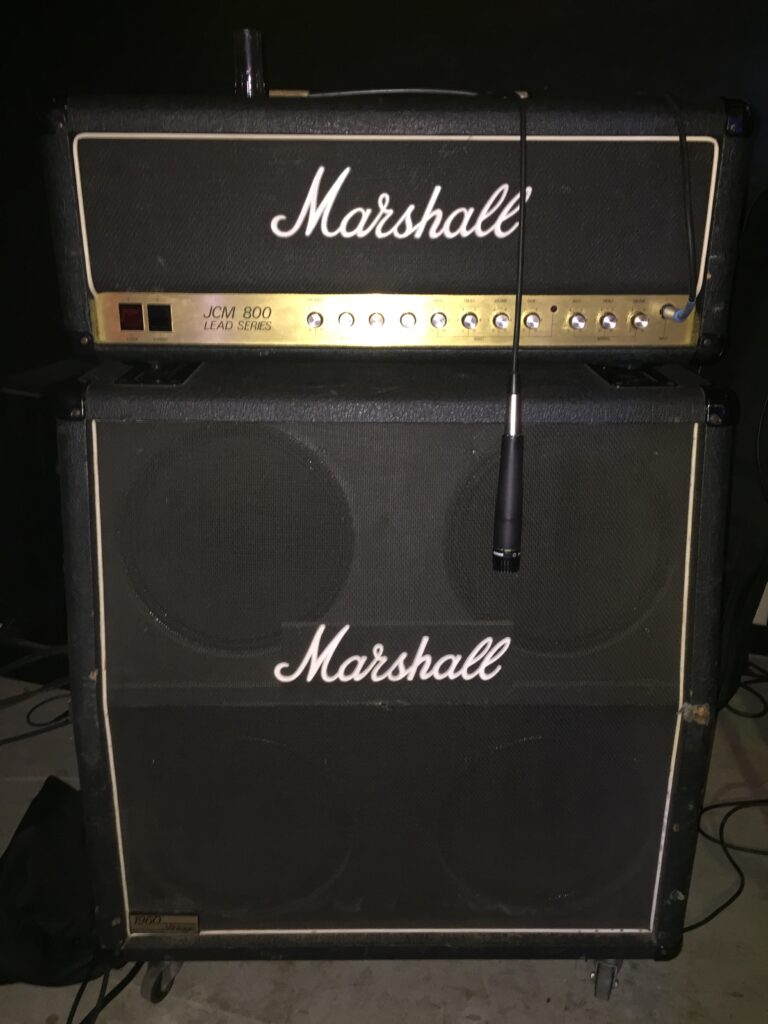
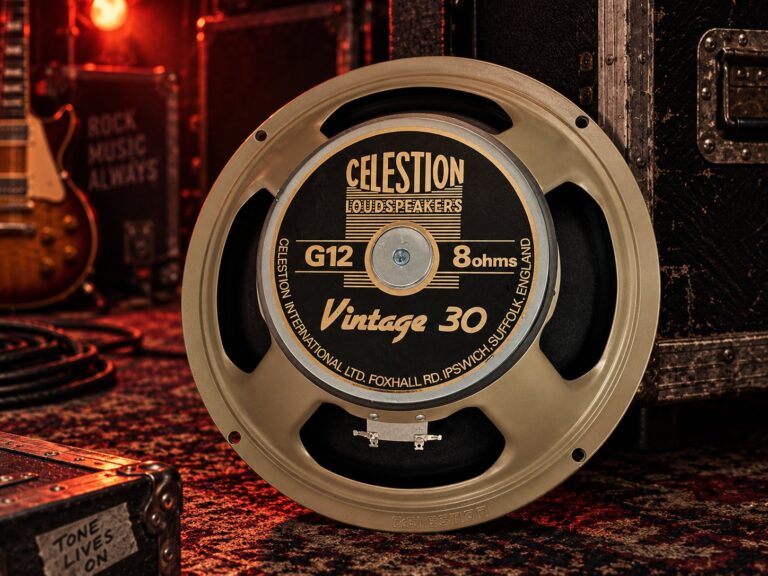
He ran the Marshalls into Marshall 4×12 cabinets with Celestion Vintage 30 speakers — the standard cabinet configuration for high-power British rock guitar that gave the amplified sound its specific upper-midrange clarity and presence. The Vintage 30’s characteristic presence peak around 3kHz added definition to the midrange warmth of the Marshall’s EL34 output, giving lead guitar lines their specific clarity in the dense Foo Fighters mix.
He also used Fender amplifiers — particularly the Deluxe Reverb and the Twin Reverb — for his country and roots guitar work, both in studio recordings and for his solo country performances. The Fender’s clean American character was as appropriate for his country work as the Marshall’s British drive was for the Foo Fighters arena rock context — different amplifiers for genuinely different musical contexts.
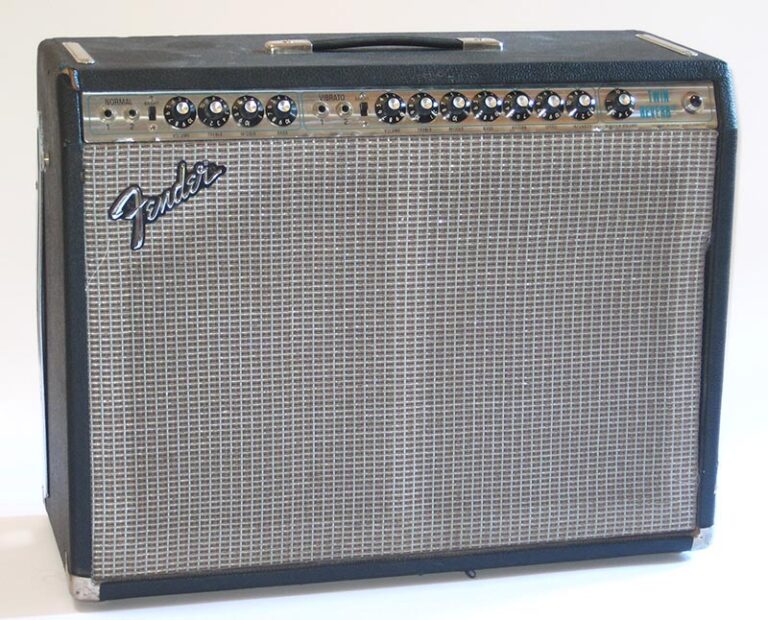
For specific studio applications, he used various boutique amplifiers whose specific tonal characters suited particular recording moments — the expanded amplifier market of the 2000s and 2010s gave him access to a wider range of specific tonal options than earlier generations of professional guitarists had available.
Effects
Shiflett’s effects chain was more extensive than many arena rock lead guitarists maintained — reflecting both his technical musical knowledge and the specific demands of the Foo Fighters’ studio-polished production approach.
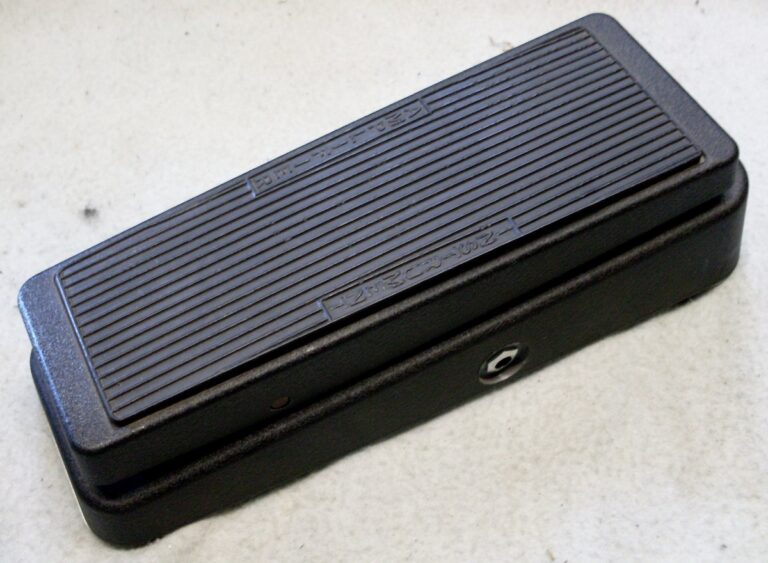
A wah pedal — Dunlop Cry Baby or Vox equivalent — appeared for specific lead passages where the swept filter effect added appropriate expressiveness. His wah use was musical and selective rather than constant — deployed for specific moments where the effect served the musical passage rather than as a default lead guitar colour.
An Ibanez Tube Screamer (TS-808 or TS-9) provided smooth front-end boost for the more bluesy or country-influenced lead material — the standard approach of boosting the amplifier’s front end for natural drive character rather than relying on the pedal’s own distortion. For the heavier Foo Fighters material, the Marshall’s natural character provided the primary drive without pedal assistance.
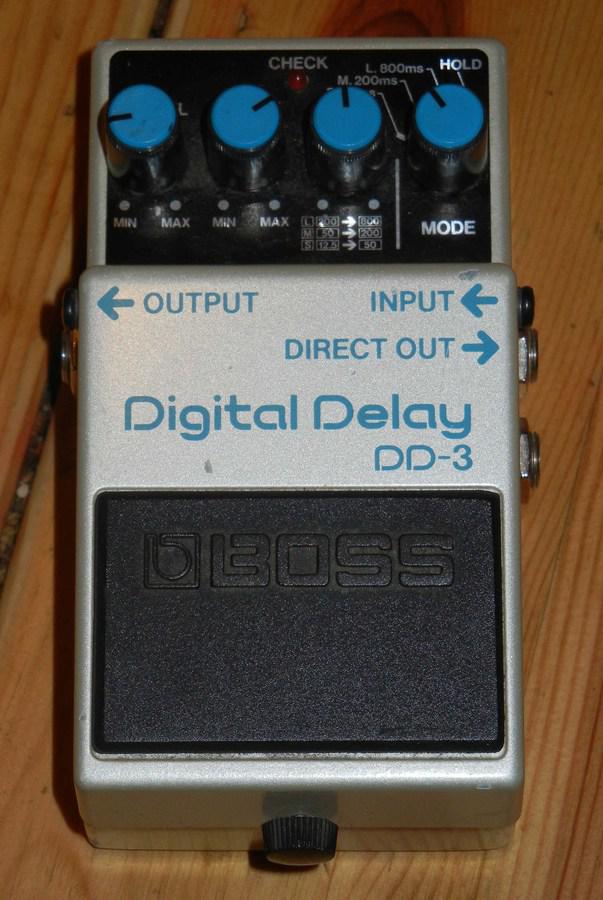
A Boss DD delay pedal — typically the DD-3 or DD-6 — provided the echo and atmospheric depth appropriate for specific lead guitar passages. His delay use was tasteful and tempo-synced where appropriate — calibrating the delay time to the specific song’s tempo to create rhythmic echo effects that enhanced rather than competed with the rhythmic structure.
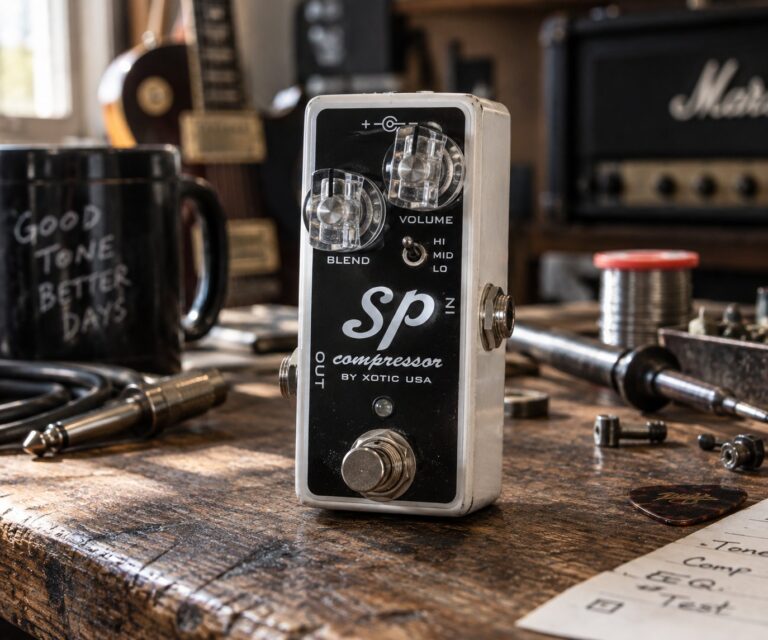
Various compressor pedals appeared for specific studio applications — the MXR Dynacomp or similar unit providing dynamics management for country guitar work and for specific studio applications where consistent attack and sustain were musically required.
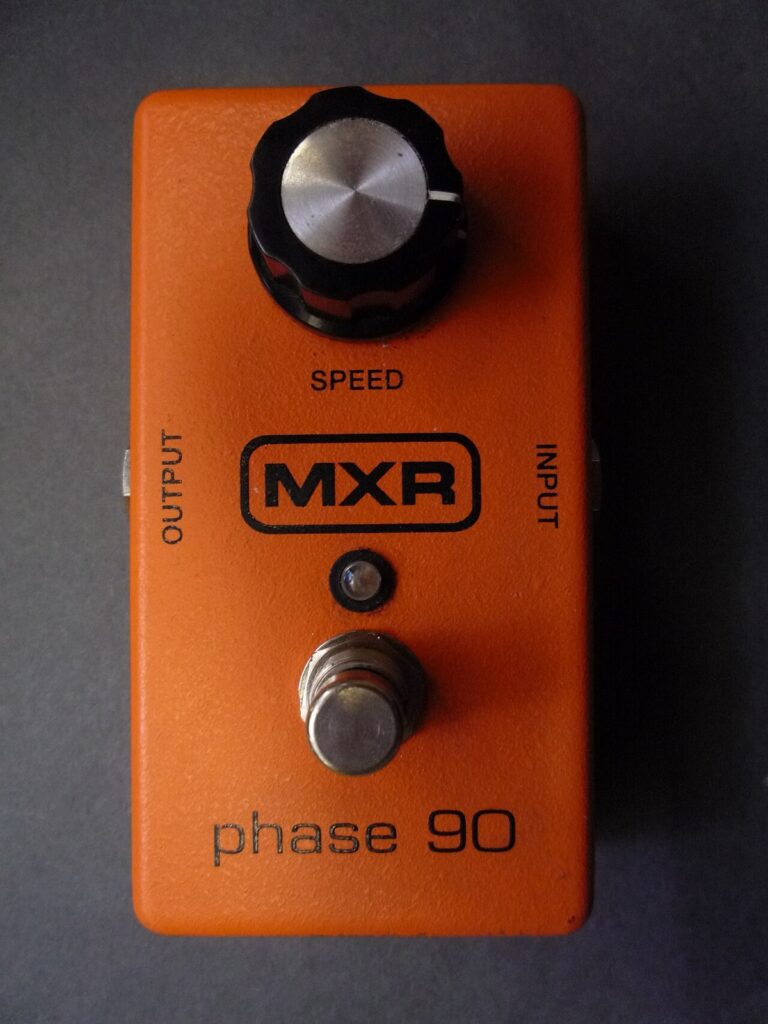
A MXR Phase 90 or similar phaser provided the specific dimensional modulation that certain passages in the Foo Fighters’ studio recordings required — the phaser’s swept resonance adding a quality of movement to specific chord and lead passages without the more obvious modulation of chorus or vibrato.
Playing Style & Tone Philosophy
Chris Shiflett’s playing style reflects the professional musician’s highest virtues applied to a specific arena rock context: genuine technical mastery deployed in complete service of the music’s specific requirements, without technical display for its own sake but also without the technical limitation that sometimes masquerades as stylistic choice. His lead guitar work with the Foo Fighters was technically excellent, tonally appropriate, and musically intelligent — qualities that the arena rock audience largely took for granted precisely because they were delivered so consistently and so completely.
His country guitar technique — the specific flatpicking and chicken-picking approaches that characterised his solo country recordings — showed a dimension of his technical range that the Foo Fighters context didn’t require or display. Country guitar technique is genuinely demanding in its specific requirements: the flatpicking speed and precision that bluegrass and country lead playing require, the chicken-picking right-hand technique that mixed flat-pick and finger attacks, and the specific harmonic vocabulary of country and western swing. Shiflett’s genuine command of these techniques reflected both his California roots music exposure and the specific self-directed study that had extended his technical range beyond the punk foundation of his earliest professional formation.
Tonally, his philosophy was contextually appropriate: Marshall-driven Telecaster or Les Paul for the Foo Fighters arena rock work, Fender-clean Telecaster for the country and roots music material. The right instrument and the right amplifier for the specific musical context — not a single consistent approach applied regardless of musical requirements, but genuine contextual intelligence about what each specific musical situation required from the guitar.
How to Sound Like Chris Shiflett
Guitar Approach
A Fender Telecaster — signature model or any quality Telecaster with bright single-coil pickups — for the Foo Fighters lead work. A Les Paul for specific heavier material. Medium strings (.010–.046) for the Telecaster, slightly heavier for the Les Paul. The most important technical element for the Foo Fighters context is the ability to play clean, melodic lead lines at high volume through dense arrangements — the discipline of playing lead guitar that serves the song rather than competing with it for prominence. For the country work, flatpicking technique requires specific development from the ground up.
Amp Approach
A Marshall JMP or JCM800 into a Vintage 30-loaded 4×12 for the arena rock material. A Fender Deluxe or Twin for the country and clean material. The Tube Screamer as a front-end boost for bluesy passages. Keep the effects chain organised and signal-flow conscious — in arena rock contexts, the consistency and reliability of the effects chain is as important as its specific character.
| Control | Setting | Notes |
|---|---|---|
| Preamp Gain | 5–7 | Moderate — Telecaster single-coils drive the Marshall naturally |
| Treble | 6–7 | Moderate-high for lead guitar presence in the dense arena mix |
| Middle | 6 | Present mids for the British rock midrange authority |
| Bass | 4 | Controlled bass — lead guitar needs definition, not weight |
| Presence | 6 | Moderate presence for note clarity at arena volume |
| Master Volume | 6–8 | Working volume — EL34 and Vintage 30 compression zone |
Influence & Legacy
Chris Shiflett’s legacy operates through two different channels that rarely intersect: the arena rock channel of the Foo Fighters’ enormous commercial and cultural influence, and the underground country and roots music channel of his solo work and his genuine country guitar enthusiasm. In both channels, his specific guitar contribution has been significant — in the Foo Fighters context by giving their live and studio guitar sound a specific lead dimension that shaped how arena rock guitar was heard and valued in the 2000s and 2010s, and in the country context by bringing a genuine roots music sensibility to a musician primarily known for arena rock work.
His ongoing work — the Foo Fighters having lost and regained drummer Taylor Hawkins and subsequently continuing with a reconstituted lineup — has shown the same complete professional commitment that has always characterised his playing. The band’s ability to continue following Hawkins’ death in 2022 and to produce further recordings showed the resilience of the core musical relationships, including the Grohl-Shiflett guitar partnership that had sustained the band’s sound through multiple lineup changes and multiple musical evolutions.
His podcast and public engagement with guitar culture — demonstrating genuine enthusiasm for the instrument and genuine knowledge of its history and technique beyond the specific demands of his primary professional context — has added a dimension to his public musical presence that extended his influence beyond the recordings themselves. Guitarists who might not have sought out his Foo Fighters work specifically found in his public engagement with guitar culture a musician whose depth of knowledge and genuine enthusiasm made him a credible and interesting voice.
For players exploring the arena rock guitar tradition that Shiflett serves at its highest level, the rigs of Mike Campbell — whose Heartbreakers work showed how genuine musical range and historical knowledge could be brought to mainstream commercial rock guitar — and Dave Edmunds, whose Rockpile work showed how genuine roots music enthusiasm and technical mastery served the specific demands of commercial rock recording, provide illuminating comparison. The country dimension of his playing connects to Jerry Donahue‘s work, which shows how deep country guitar technique developed from a British starting point.
The Foo Fighters Guitar Sound: Two Guitars, One Wall
Understanding Shiflett’s guitar role in the Foo Fighters requires understanding the specific twin-guitar dynamic that developed between him and Dave Grohl through their more than two decades of musical partnership. Grohl’s guitar approach — rhythmically assertive, chord-heavy, driven by the same physical commitment that characterised his drumming — provided the rhythmic and harmonic foundation that Shiflett’s lead guitar work built on. This division of labour — Grohl providing the rhythmic foundation, Shiflett providing the melodic lead voice — was both musically logical and practically effective, giving the Foo Fighters a twin-guitar dynamic that served their arena rock ambitions without the redundancy that two players taking the same role would have created.
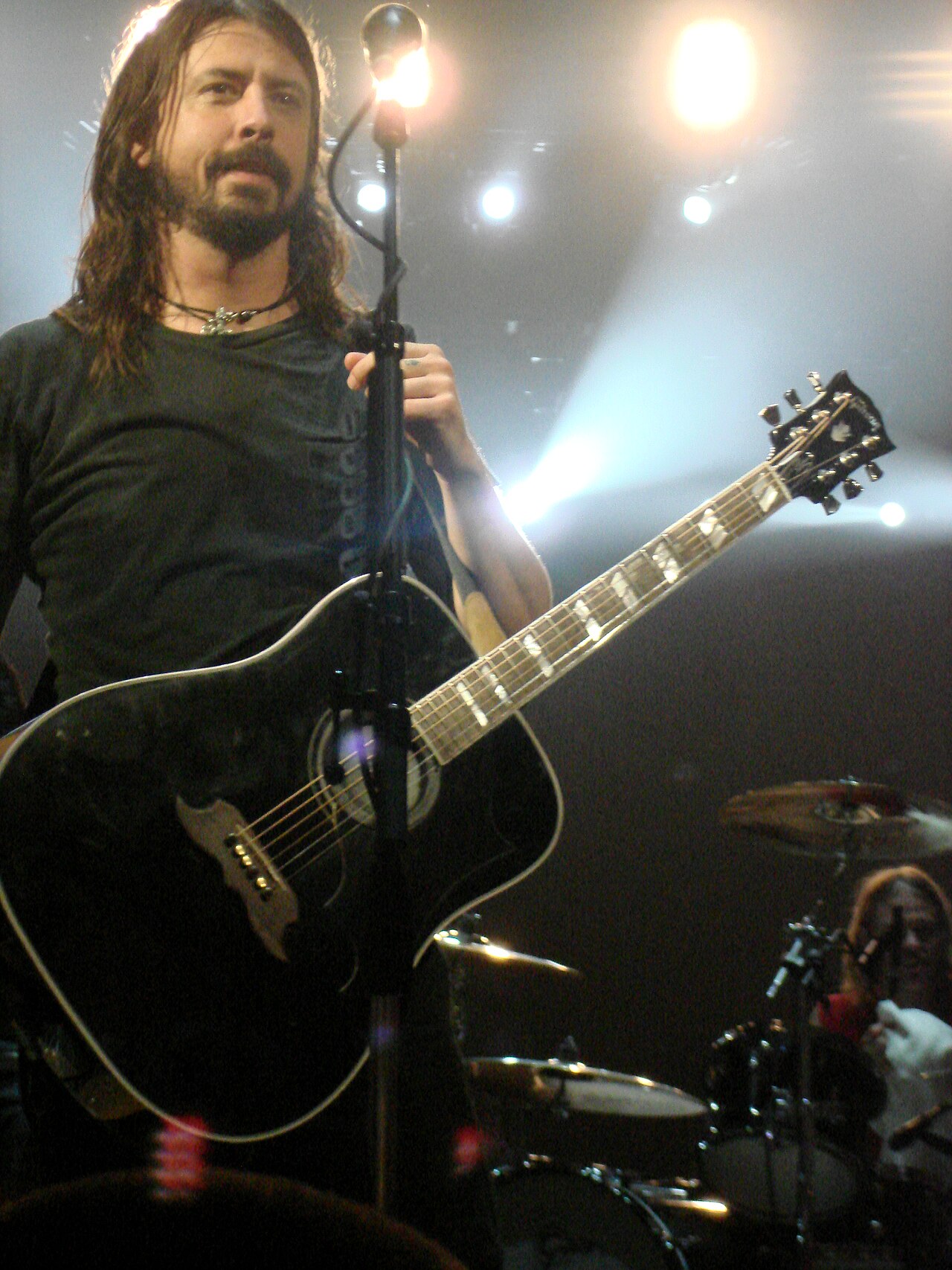
The specific way Shiflett’s lead guitar complemented Grohl’s rhythm approach required both genuine understanding of the Foo Fighters’ specific musical character and the specific technique to deliver melodically appropriate lead lines in the context of Grohl’s dense, distorted rhythm guitar. The lead needed to be present and clear above the rhythmic density without competing for space in a way that muddied the overall sound — which required both the right tonal character (the Telecaster’s brightness cutting through the rhythm guitar’s midrange dominance) and the right melodic choices (lead lines that occupied the frequency space above and between the rhythm guitar’s chord content rather than occupying the same space).
The Marshall and Vintage 30 combination gave Shiflett’s lead guitar its specific combination of warmth (from the EL34) and presence (from the Vintage 30’s upper-midrange character) that allowed it to be heard clearly in the dense arena rock production without the harsh brightness that would have made the overall sound fatiguing at arena volumes. The Telecaster’s natural brightness, filtered through the Marshall’s midrange warmth, produced a lead guitar tone that sat above the rhythm guitar in the frequency spectrum without the harshness of excessive treble emphasis — exactly the right tonal relationship between lead and rhythm guitar in a twin-guitar arena rock context.
The Punk Foundation: No Use for a Name and the Pre-Foo Years
Shiflett’s time with No Use for a Name — the influential Santa Barbara punk and pop-punk band where he spent his primary pre-Foo Fighters professional development — shaped both his technical foundation and his musical values in specific ways that remained relevant to his subsequent arena rock career. Understanding this punk context helps explain both the specific qualities he brought to the Foo Fighters and the specific musical values that distinguished his approach from less musically grounded arena rock guitarists.
No Use for a Name’s musical approach — melodically sophisticated by punk standards, with chord-melody playing and harmonic awareness that went beyond the minimum chord shapes that strict punk ideology permitted — gave Shiflett the foundation for the more harmonically developed playing that the Foo Fighters’ arena rock required. The punk commitment to directness and energy was supplemented by genuine melodic intelligence that showed up in his lead guitar work with the Foo Fighters as the ability to find the musically right note at the musically right moment rather than merely the technically most impressive.
The physical discipline of punk touring — playing multiple sets per night in small venues, managing equipment in challenging practical conditions, maintaining performance quality across the physical demands of intensive touring — was also a genuine professional preparation for the different but comparable demands of arena rock touring. The professional habits developed through years of punk touring translated directly into the reliability and consistency that arena rock demanded from its musicians, and Shiflett’s specific professional reliability was as much a product of his punk formation as of any subsequent professional development.
The Telecaster Deep Dive: Why This Guitar Above All Others
Shiflett’s deep engagement with the Fender Telecaster — his signature model development, his extensive vintage collection, his public advocacy for the instrument — reflected a genuine love for the specific qualities that the Telecaster brought to his diverse musical contexts. Understanding why the Telecaster served him so well across the rock, country, and roots music contexts he inhabited illuminates both his equipment choice and the specific acoustic properties that made the Telecaster so versatile in his hands.
The Telecaster’s fundamental design — two single-coil pickups, simple tone and volume controls, fixed bridge with individual saddles, maple neck with either maple or rosewood fingerboard — produced an instrument of unusual acoustic clarity and mechanical simplicity. The bridge pickup’s proximity to the bridge gave it the bright, cutting character that suited both arena rock lead guitar (where presence and clarity were required to cut through the dense production) and country guitar (where the specific twangy character of the Telecaster bridge pickup was historically and acoustically authentic to the tradition). The neck pickup’s warmer, rounder character gave access to a different tonal world within the same instrument without requiring a pickup change or an instrument change.
For arena rock lead guitar specifically, the Telecaster’s bridge pickup’s characteristic had a specific acoustic advantage: its presence and clarity in the upper midrange allowed it to be heard distinctly in the dense production that arena rock required, without the harshness of excessive treble. The bridge pickup’s specific frequency response — bright but not shrill, present but not dominant — gave lead guitar lines their specific audibility in the mix without the harsh brightness that a simpler bright boost would have introduced. This specific character was the acoustic reason for the Telecaster’s success as a lead guitar instrument in dense rock contexts, and Shiflett’s consistent choice of it for the Foo Fighters work reflected his understanding of this acoustic advantage rather than mere stylistic preference.
Country Guitar: The Other Musical Life
The country guitar dimension of Shiflett’s musical identity — most visible in his solo recordings and in his podcast and public engagement with country and Americana music — represented a genuine parallel musical life to the Foo Fighters arena rock work, not merely a stylistic side interest but a deep musical commitment that required and demonstrated a different but equally demanding set of technical skills.
Country lead guitar — the flatpicking approach of bluegrass and traditional country, the chicken-picking approach of the Telecaster country tradition — required specific technical development quite different from rock lead guitar. The flatpicking speed and accuracy that bluegrass and country lead playing demanded — the ability to play complex melodic lines at high tempos with a flat pick, with the specific clarity and rhythmic precision that country music required — had to be developed through specific practice aimed at country technique rather than transferring from rock technique. The chicken-picking right-hand technique — alternating between flat-pick and finger attacks to produce the specific percussive, rhythmic quality of country rhythm guitar — was equally specific and equally demanding of targeted development.
Shiflett’s genuine command of these country techniques — audible in his solo recordings and in his live country performances — showed that his musical range was genuinely broader than his primary professional context suggested, and that his engagement with country guitar was serious study rather than casual exploration. The Fender Telecaster that served his arena rock lead work also served his country playing — both because the Telecaster was the historically appropriate instrument for the country tradition and because the specific tonal character that made it right for one context made it right for the other. The single instrument serving two genuinely different musical traditions through the same fundamental acoustic properties was one of the most concrete demonstrations of the Telecaster’s specific versatility available in contemporary professional guitar playing.
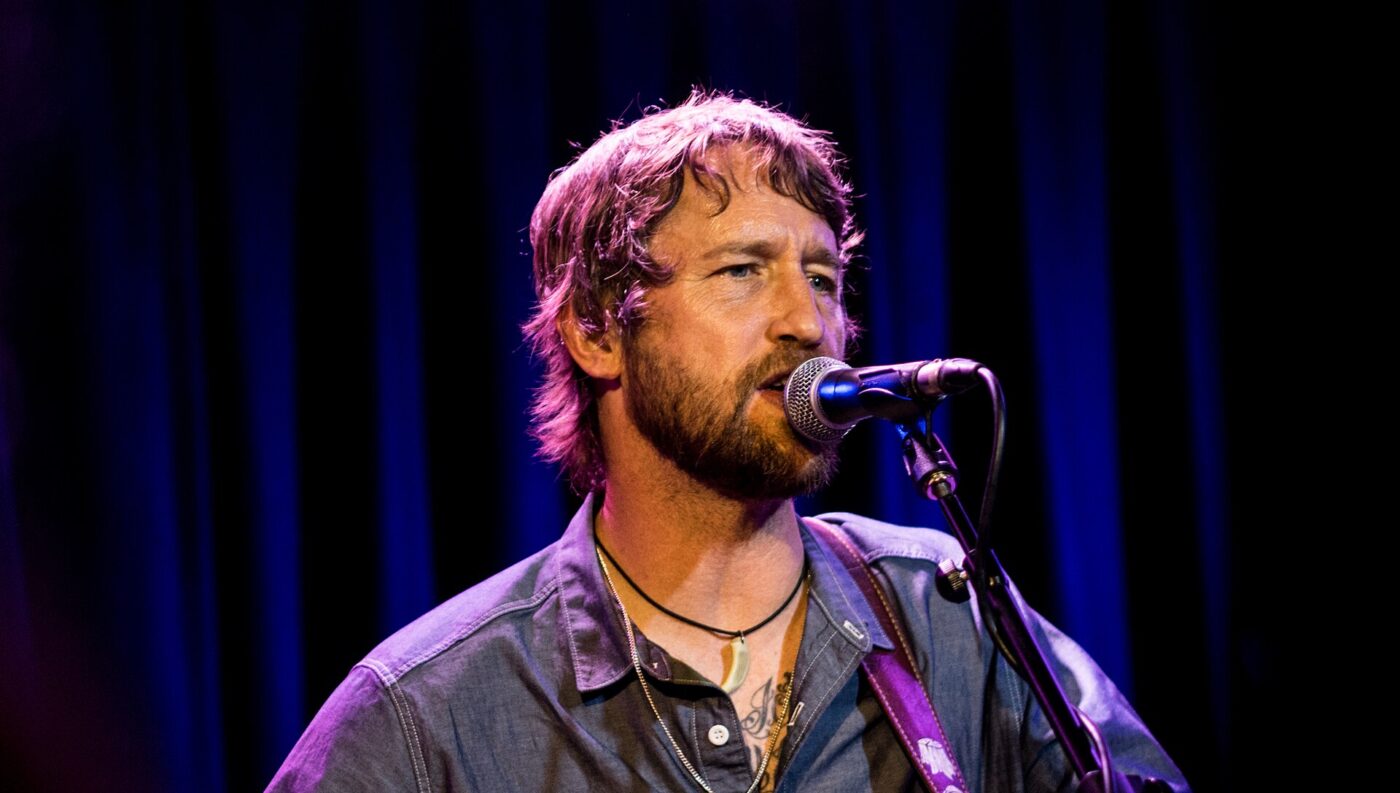
Chris Shiflett’s career — the sustained professional excellence across more than two decades of Foo Fighters work, the parallel genuine country music passion and technical development, and the public engagement with guitar culture that has shown a musician of genuine depth and genuine enthusiasm — represents a model of professional musicianship that the arena rock context rarely makes visible but that underpins the quality of the records and performances that context produces. The equipment he chose to serve this career: the Telecaster as primary voice, the Marshall for arena rock authority, the Fender for country authenticity, the carefully chosen effects chain for specific musical purposes — was selected and used with the same genuine musical intelligence that characterised the playing itself. The gear served the music; the music served the Foo Fighters’ enormous audience; and the craft that made both possible was as serious and as deep as any in contemporary professional guitar playing.
The Celestion Vintage 30’s specific acoustic contribution to Shiflett’s lead guitar sound — and why this particular speaker was the right choice for the specific combination of Marshall amplification and Telecaster lead guitar in the Foo Fighters context — is worth specific examination because speaker choice is often the least discussed element of a guitarist’s sound despite being one of the most significant contributors to the overall tonal character. The Vintage 30’s characteristic presence peak around 3kHz — a frequency range that falls within the upper midrange, above the fundamental frequencies of most guitar notes but below the extreme treble — gave lead guitar lines a specific quality of audibility and definition in the overall mix without the harsh brightness of amplifiers or speakers emphasising the higher treble frequencies. This specific 3kHz presence peak was the speaker’s primary contribution to the Shiflett lead guitar sound: it made individual lead notes audible and clear in the dense arena rock production without the harshness that would have made sustained listening fatiguing. The combination of the Marshall EL34’s own midrange warmth and the Vintage 30’s upper-midrange presence produced a specific tonal balance — warm from the amplifier, defined from the speaker — that was the acoustic foundation of the QOTSA lead guitar character. Shiflett’s consistent use of this specific speaker choice reflected genuine understanding of what the Vintage 30 contributed rather than merely adherence to an established industry convention.
The Boss DD delay pedal’s role in Shiflett’s chain — appearing for specific passages in the Foo Fighters’ studio recordings and live performances — reflected an understanding of how delay function differently in arena rock guitar contexts from its use in more atmospheric or experimental music. In the dense, compressed production of arena rock recordings, delay needed to be present enough to contribute something musically, but subtle enough not to create audible repetition that competed with the primary guitar line in a mix that was already sonically complex. His typical use of delay was at moderate delay times and low feedback levels — adding a sense of spatial depth to sustained lead notes without creating obvious echo repetition. This specific delay use — adding atmosphere without adding complexity — suited the arena rock context exactly, where the density of the production meant that additional rhythmic or melodic content from delay repetitions would have been more confusing than enhancing. The Boss DD’s reliability and consistency — critical advantages in the professional touring context where equipment failure was a genuine practical concern — made it an appropriate choice for this specific application alongside its specific tonal appropriateness.
The Phase 90’s specific role in Shiflett’s chain — providing dimensional modulation for specific studio passages — illustrated the same pattern of selective, purposeful effects use that characterised his entire approach. The Phase 90’s slow sweep at moderate depth settings produced a gentle dimensional movement to sustained chords and notes without the more obvious modulation of chorus or vibrato — a subtle enhancement of the guitar’s natural character rather than a transformation of it. In the Foo Fighters’ studio context, this kind of subtle dimensional addition — present enough to contribute something at careful listening, absent enough not to distract at casual listening — was appropriate for specific passages where the additional dimension enhanced the overall production without drawing attention to itself as an effect. The Phase 90’s specific circuit — the same four-stage all-pass filter design that had made it a staple of the professional guitar effects world since the mid-1970s — provided this subtle enhancement with the reliability and consistency that the professional context required. Shiflett’s use of it was as musically intelligent as every other aspect of his approach: the right tool for the specific purpose it served, deployed where it was appropriate and absent where it was not.
Chris Shiflett’s public engagement with guitar culture — through his podcast, his public conversations about guitar technique and equipment, his open discussion of his musical influences and his approach to both rock and country guitar — has made him one of the more accessible and more genuinely informative voices in contemporary guitar culture. Where many arena rock guitarists remain publicly focused on the primary professional context and reluctant to discuss the depth of their musical interests, Shiflett has consistently been willing to share the genuine breadth of his knowledge and enthusiasm. This public engagement has extended his influence beyond the Foo Fighters’ enormous commercial reach to the more specifically guitar-focused community that values the kind of technical knowledge and genuine musical depth that his conversations demonstrated. The equipment he discussed — the Telecasters, the Marshalls, the effects chain — was discussed with the same genuine intelligence and genuine enthusiasm that characterised the playing itself, making the conversations genuinely informative for players at every level of development. That combination of professional excellence and genuine public engagement is itself a form of contribution to guitar culture that deserves recognition alongside the recordings and performances that constitute the primary professional achievement.
The Fender Chris Shiflett Signature Telecaster’s development — the process of working with Fender’s Custom Shop to create an instrument that captured his specific preferences — is itself instructive about the depth of his knowledge of the instrument and the specific qualities he valued most highly. The development of a signature instrument requires both clear articulation of what specific features matter most to the player and the technical knowledge to specify those features in terms that the manufacturer’s craftspeople can translate into physical construction decisions. Neck profile and radius, pickup winding specifications and magnet types, fret size and fret material, body weight and tonal wood selection, hardware material and tolerances — all of these required specific knowledge from Shiflett about what he valued and why. The resulting instrument, which has been available in both Custom Shop and more accessible standard versions, was the concrete evidence of this knowledge: a guitar that captured the specific qualities he had developed through years of playing vintage examples while providing the modern quality control and construction consistency that professional touring and recording demanded. The signature model’s success — measured both by its use in his own work and by its adoption by players who found its specific character appealing — validated the quality of the specification work that had produced it.

The Taylor Hawkins connection — and the impact of Hawkins’ death in March 2022 on the band and on Shiflett specifically — is part of the context for understanding his continued professional commitment to the Foo Fighters after a genuinely devastating loss. Hawkins’ drumming had been as central to the Foo Fighters’ specific sound as Grohl’s guitar or Shiflett’s lead playing, and his specific rhythmic relationship with the guitar parts had shaped specific aspects of how Shiflett’s guitar was played and recorded across more than two decades of partnership. The band’s decision to continue — and Shiflett’s commitment to that continuation — reflected both genuine professional dedication to the musical enterprise the band represented and genuine personal commitment to the relationships that the band had created over nearly three decades. The equipment remained the same — the Telecasters, the Marshalls, the carefully considered effects chain — but the musical context was profoundly altered, and continuing to use that equipment in service of genuinely good music in a fundamentally changed musical environment required the kind of professional and personal resilience that only genuine musical commitment can sustain.
The Fender Telecaster Deluxe’s role in Shiflett’s collection — the humbucker-equipped variant that gave a different tonal character from the standard single-coil Telecaster — reflected genuine knowledge of the specific ways different Telecaster configurations served different musical requirements. The Telecaster Deluxe, introduced by Fender in 1972 with a wider headstock and humbucking pickups derived from Fender’s Wide Range Humbucker design (which Seth Lover, the inventor of the original Gibson PAF humbucker, had designed for Fender), produced a significantly different tonal character from the standard Telecaster. The Deluxe’s humbuckers eliminated the 60-cycle hum of single-coil pickups, provided more output, and produced a warmer, more sustained tone that suited heavier material differently from the standard Telecaster’s brighter, more defined character. For Shiflett’s heavier Foo Fighters material — where the additional warmth and sustain of humbucker pickups served the music better than the standard Telecaster’s single-coil brightness — the Deluxe was the more appropriate tool within the Telecaster family. His collection of both standard and Deluxe variants, used for their specific appropriate applications, reflected the same musical intelligence that characterised his broader equipment approach: the right tool for the specific musical purpose, chosen based on acoustic understanding rather than mere preference.
The MXR Dynacomp compressor’s role in Shiflett’s country guitar work deserves one final technical note that illuminates why this effect was more important in that specific context than in the arena rock work. Country guitar’s “chicken picking” technique — the specific combination of flat-pick attacks and fingernail “snap” attacks on treble strings — produced a natural dynamic variability between the hard flat-pick attack and the softer finger attack that could result in inconsistent levels across different notes in the same phrase. The compressor’s ability to even out these level variations — reducing the loudest attacks and sustaining the quieter ones toward a more consistent level — was as important for the country chicken-picking technique as any tonal quality. The MXR Dynacomp’s specific attack and release characteristics — slightly soft on the attack, relatively fast release — suited this specific application well: the slight delay in the compressor’s reaction to sudden level increases preserved the “snap” character of the pick attacks that made chicken-picking rhythmically interesting, while the fast release ensured that sustained notes returned to normal level quickly enough that the dynamic contrast between picked notes and sustained notes was maintained. This specific compressor characteristic — not merely “compression” as a generic concept but the specific attack and release profile of the MXR Dynacomp — was the acoustic reason for its choice in the country guitar context. Shiflett’s understanding of this specificity, and his use of the appropriate compressor for the appropriate musical application, reflected the same depth of equipment knowledge that distinguished his approach to every other element of his gear.
Frequently Asked Questions: Chris Shiflett Guitars & Gear
What guitar does Chris Shiflett play?
Chris Shiflett’s primary and most iconic guitar is the Fender Custom Shop Chris Shiflett Signature Telecaster — a Fender collaboration that captured his specific preferred neck profile, pickup configuration, and hardware choices. He also plays Fender Telecaster Deluxes (humbucker-equipped versions) and Gibson Les Pauls for heavier material. His deep engagement with Telecaster culture extends to a collection of vintage 1960s and 1970s examples used for specific recording applications.
What amp does Chris Shiflett use?
His primary amplifiers for Foo Fighters work are Marshall JMP and JCM800 heads into Marshall 4×12 cabinets with Celestion Vintage 30 speakers. For his country and roots music work, he uses Fender amplifiers (Deluxe Reverb and Twin Reverb) that provide the clean American character appropriate for that musical territory. His amplifier choice adapts to the specific musical context in the same way his instrument choices do.
When did Chris Shiflett join the Foo Fighters?
Shiflett joined the Foo Fighters in 1999 as a replacement for Franz Stahl, joining in time to complete the recording of There Is Nothing Left to Lose and to tour in support of the album. He has remained the band’s lead guitarist since then, contributing to all subsequent Foo Fighters studio albums and touring extensively with the band through a more than twenty-five-year association that makes him one of the band’s longest-serving members.
What effects does Chris Shiflett use?
His key effects include a Dunlop Cry Baby wah (for specific lead passages), an Ibanez Tube Screamer (as a front-end boost for blues-influenced material), a Boss DD delay pedal (for echo and atmospheric depth), MXR Dynacomp compressor (for country guitar work and studio dynamics management), and an MXR Phase 90 (for dimensional modulation on specific passages). His effects use is organised and purposeful rather than habitual.
What is Chris Shiflett’s solo music like?
Shiflett’s solo work, including Chris Shiflett and the Dead Peasants (2010) and subsequent country-influenced recordings, drew on the country and roots music traditions that the Foo Fighters context didn’t accommodate. His solo music showed genuine country guitar technique — flatpicking, chicken-picking, authentic country chord vocabulary — alongside country and Americana songwriting that reflected genuine love for the tradition rather than opportunistic genre tourism. The country work showed a dimension of his musical personality that his Foo Fighters role obscured.
Has Chris Shiflett recorded any notable guitar work outside the Foo Fighters?
Beyond his solo recordings, Shiflett has contributed session guitar to various other projects and has appeared as a guest on recordings by other artists. His podcast engagement with guitar culture has also brought him into conversations and collaborations with guitarists across multiple genres that have extended his profile beyond the Foo Fighters’ primary audience. His online presence and public engagement with guitar culture has made him a respected voice in the broader guitar community independent of his primary professional role.
What is the Fender Chris Shiflett Signature Telecaster?
The Fender Chris Shiflett Signature Telecaster is a Custom Shop collaboration that incorporated his specific preferred features: a particular neck profile and radius, specific Custom Shop-wound single-coil pickups, vintage-style hardware, and his specific preferred overall setup parameters. It was designed to capture the specific Telecaster character he had developed through years of playing various vintage examples while providing the modern construction quality and consistency appropriate for high-demand professional touring and recording use. The signature model has been available in multiple versions, including Custom Shop and more affordable standard production variants.
Genre:
Alternative Rock / Pop Punk
Decades:
1990s | 2000s | 2010s | 2020s
Image credits
- Dave Grohl: flimsical (Lindsay), Wikimedia Commons, CC BY 2.0.
- Top image: Cridders / Clare Cridland, Wikimedia Commons, CC BY 2.0.
- Chris Shiflett: photo by Raph_PH, via Wikimedia Commons, CC BY 2.0.
- Fender Telecaster: Massimo Barbieri, Wikimedia Commons, CC BY-SA 3.0.
- Gibson Les Paul Standard: DonnyBurger1974, Wikimedia Commons, CC BY-SA 4.0.
- Marshall JCM800: John2112, Wikimedia Commons, CC BY-SA 4.0.
- Fender Twin Reverb: Micahmedia, Wikimedia Commons, CC BY 3.0.
- Dunlop Cry Baby: Roadside Guitars, Flickr, CC BY-SA 2.0.
- Boss DD-3 Digital Delay: JuandiLOL, Wikimedia Commons, CC BY-SA 3.0.
- Celestion Vintage 30 12-inch Guitar Speaker: GuitarGangsters AI-generated reference illustration, not a photograph.
- MXR Phase 90: Roadside Guitars, Wikimedia Commons, CC BY-SA 2.0.
- Chris Shiflett live: Raph_PH, Wikimedia Commons, CC BY 2.0.