Mike Campbell Guitars & Gear: The Heartbreakers Guitar Legend’s Complete Rig
Mike Campbell guitars gear — Telecaster, Les Paul and Vox AC30 deep-dive for the Tom Petty Heartbreakers guitar legend's encyclopaedic American rock rig.
Photo by Raph_PH, licensed under CC BY 2.0 (https://commons.wikimedia.org/wiki/File:Mike_Campbell_2019_(Cropped).jpg)
Research Mike Campbell guitars gear and you find the equipment of one of American rock’s most consistently excellent and most underappreciated guitarists — the Jacksonville-born musician who spent forty years as Tom Petty‘s primary musical partner in the Heartbreakers, who co-wrote much of the band’s most enduring material, and whose guitar work — ranging from the chiming single-coil jangle of “American Girl” to the blues-drenched slide of “Mary Jane’s Last Dance” to the acoustic fingerpicking of quieter album tracks — demonstrated a range and musical intelligence that most of his contemporaries couldn’t match. Campbell is not flashy, which is why his extraordinary guitar playing has sometimes been taken for granted; he is simply excellent, and that excellence, sustained across four decades of recording and touring at the highest professional level, represents one of the most significant guitar careers in American rock music.
This guide covers Campbell’s complete equipment picture: the Telecasters, Les Pauls, and custom guitars that defined his tonal palette, the amplification that gave the Heartbreakers their specific warm, driven sound, the extensive effects chain he developed across decades of work, and the playing philosophy of a musician who built his sound from an encyclopaedic knowledge of American guitar history deployed in service of some of the most enduring American rock songs of the last fifty years. Understanding Mike Campbell’s gear is understanding how a musician can be both a complete musical scholar and a completely instinctive rock and roll player simultaneously.
Background
Michael Campbell was born on February 1, 1950, in Jacksonville, Florida. His early musical formation encompassed the full range of American roots music that Florida in the 1960s provided — the blues, country, folk, R&B, and rock and roll that formed the raw material from which his encyclopaedic musical knowledge was assembled. He absorbed the playing of Chuck Berry, the British Invasion bands who had absorbed American blues, and the folk rock of the mid-1960s as the foundational vocabulary that would shape his playing throughout his career.
His connection with Tom Petty began in Gainesville, Florida, where they were part of the same musical community of young musicians developing their craft in the mid-1970s. The Heartbreakers’ formation in Los Angeles — after Petty and Campbell relocated there — produced the specific combination of American roots music sensibility and British-influenced rock energy that the band’s debut album (1976) announced to the world. The chemistry between Petty’s songwriting and vocal presence and Campbell’s guitar work was immediate and permanent: for four decades, their musical partnership was one of the most productive in American rock.
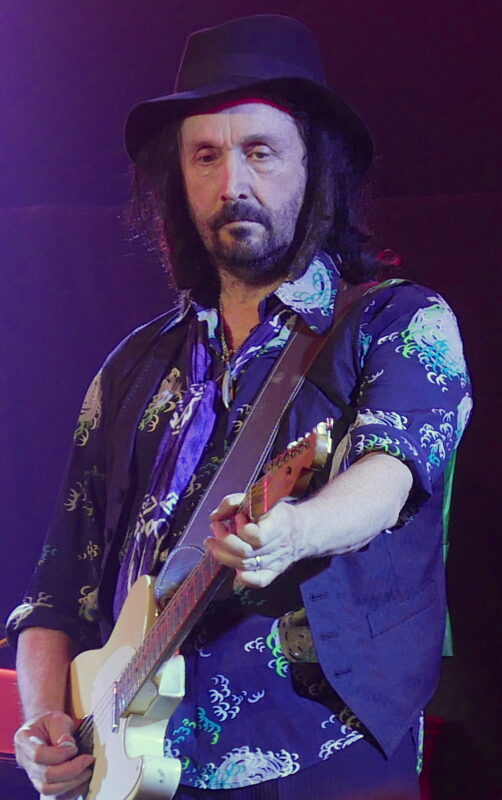
The Heartbreakers’ commercial breakthrough came with Damn the Torpedoes (1979) — the album that established the band as one of the biggest acts in American rock and that contained some of Campbell’s most distinctive guitar work: the specific combination of driving Telecaster rhythm and melodically inventive lead that would define the band’s guitar sound for the rest of their career. The commercial success of the Heartbreakers’ subsequent albums — including Hard Promises (1981), Long After Dark(1982), Southern Accents (1985), Let Me Up (I’ve Had Enough) (1987), Full Moon Fever (1989, technically a Petty solo album but featuring Campbell throughout), Into the Great Wide Open (1991), and the 1990s and 2000s records — established Campbell as one of the most consistently excellent guitarists in American rock.
His songwriting contribution alongside his guitar work was equally significant: he co-wrote “Refugee,” “The Waiting,” “Here Comes My Girl,” and many other Heartbreakers classics, in addition to producing solo and side-project work that showed his musical range extended well beyond the Heartbreakers context. He continues to record and perform — now with the Dirty Knobs, his own band — following Tom Petty’s death in 2017.
Mike Campbell Guitars Gear: The Complete Rig
Guitars
Mike Campbell’s guitar collection is among the most extensive and most varied in American rock — a collection built over four decades of professional work that reflects genuine curiosity about different instruments and their tonal possibilities, rather than the focused commitment to a single instrument type that characterises many guitarists of comparable career length.
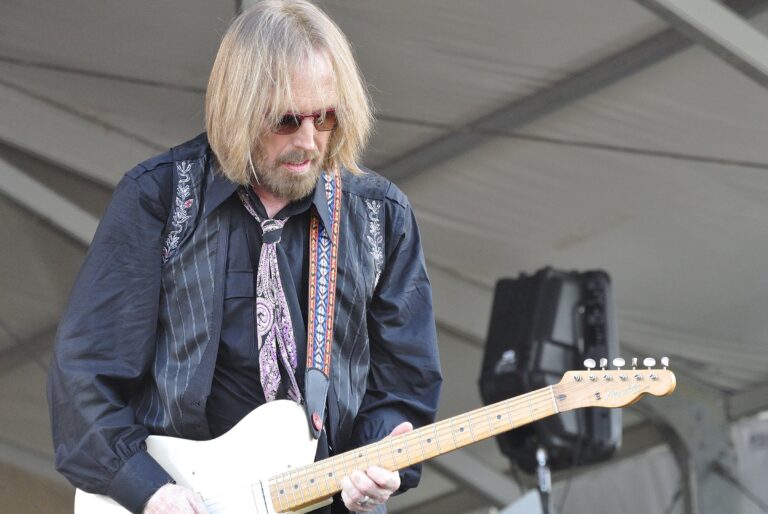
His most frequently associated instrument is the Fender Telecaster — the two-pickup single-coil guitar whose bright, cutting character and mechanical simplicity suited the driving rhythm guitar and the melodically direct lead playing that formed the core of his Heartbreakers work. Various vintage Telecasters have been central to his rig throughout his career: late-1960s and early-1970s examples with the CBS-era single-coil pickups (Alnico V magnets, approximately 6.5k to 7.5k ohms DC resistance) that produce the specific combination of twang and attack that characterises the best Telecaster tone. The bridge pickup’s cutting, defined character gives his rhythm playing its rhythmic precision and his lead playing its note clarity.
A Gibson Les Paul — both vintage examples and Custom Shop instruments — has been central to his heavier, more sustained rock work throughout the Heartbreakers catalogue. The Les Paul’s PAF-spec humbuckers (Alnico II or Alnico V, 7.5k to 8.5k ohms) provide the warmth and sustain that specific songs and musical contexts require — the warm, driving quality of specific Heartbreakers recordings that the Telecaster’s single-coil brightness doesn’t produce. His Les Paul collection spans vintage late-1950s examples through 1970s production models, with specific instruments chosen for their individual tonal character rather than for their collector value.
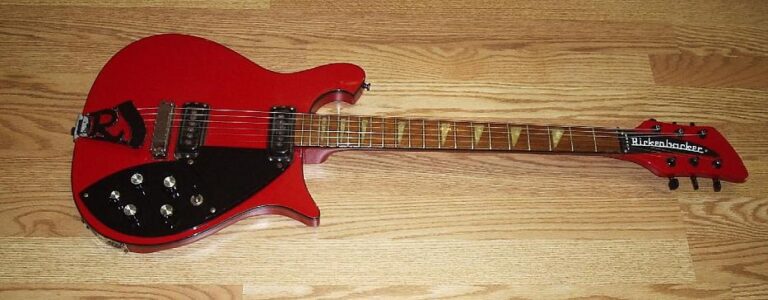
He has used a Rickenbacker twelve-string electric extensively — particularly on the jangle pop material that drew on the Byrds’ influence, and on recordings where the twelve-string’s harmonic richness was the specific tonal requirement. The Rickenbacker’s role in his rig reflects the breadth of his musical knowledge: knowing when the twelve-string’s character is the right choice for a specific musical moment requires understanding both the instrument’s specific acoustic properties and the range of musical styles that can benefit from them.
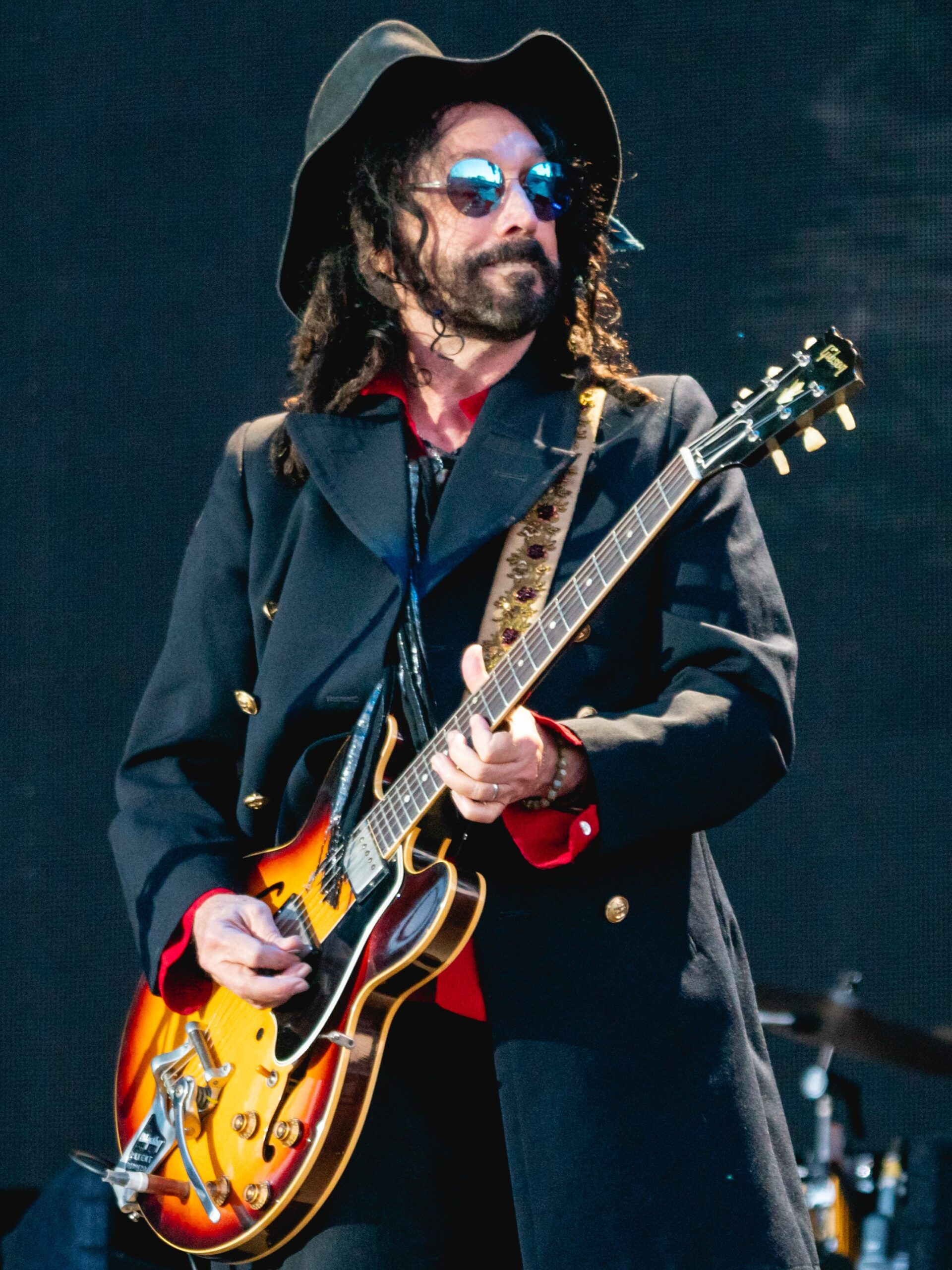
A Gibson ES-335 semi-hollow appears for material requiring the warmth and acoustic dimension of the semi-hollow design — different from both the Telecaster’s precise single-coil brightness and the Les Paul’s heavier humbucker warmth, the ES-335’s specific combination of acoustic resonance and electric guitar feedback resistance suited specific musical contexts in the Heartbreakers’ catalogue.
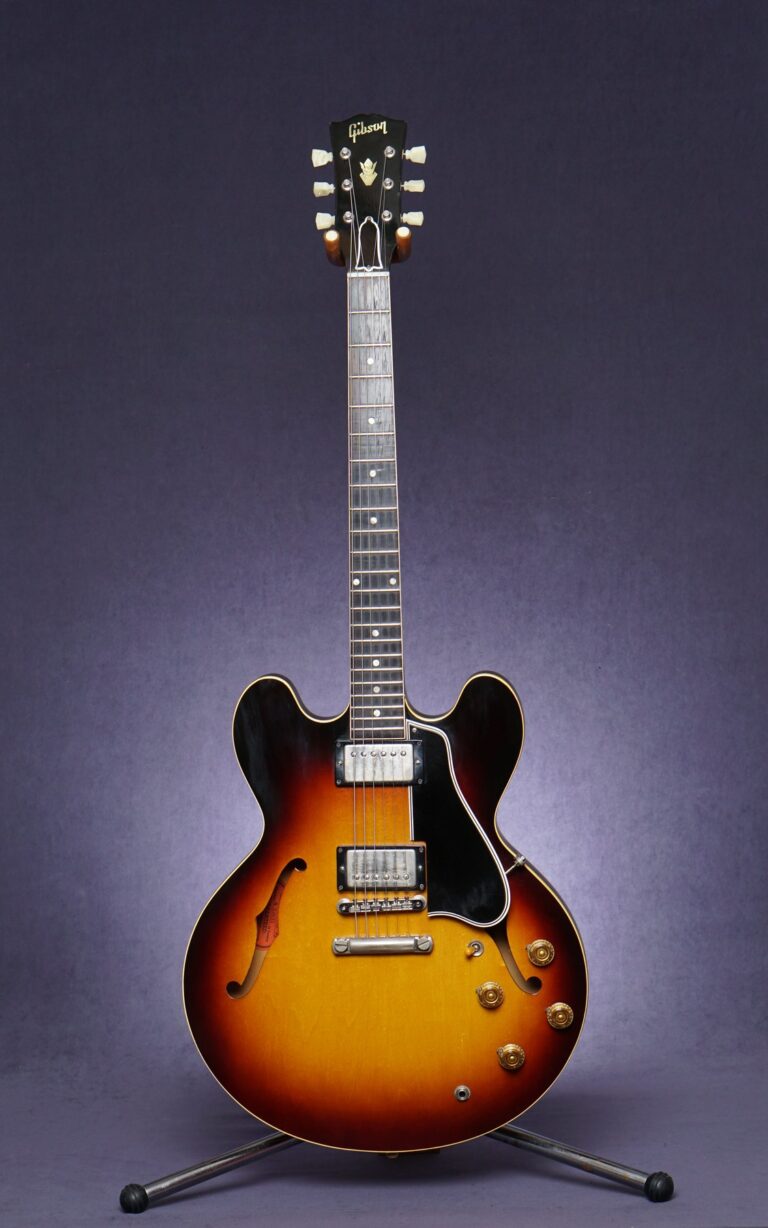
Various other instruments — Gretsch hollowbodies, vintage Gretch White Falcons, Fender Stratocasters, Martin acoustic guitars, and an extensive collection of slide guitars — appear across different recordings and performances. Campbell’s approach to instrument selection was consistently that of a musician who chose the specific right tool for each specific musical context rather than an instrument brand loyalist.
String gauges vary by instrument and musical context — medium gauges (.010–.046) for most electric work, with heavier gauges for slide guitar and specific acoustic applications.
Amps
Campbell’s amplification setup has evolved through his career from a relatively standard British rock amplification approach toward an increasingly sophisticated multi-amplifier setup that gave him the tonal range his diverse guitar work required. His amplifier choices reflect the same encyclopaedic musical knowledge that characterises his instrument selection.
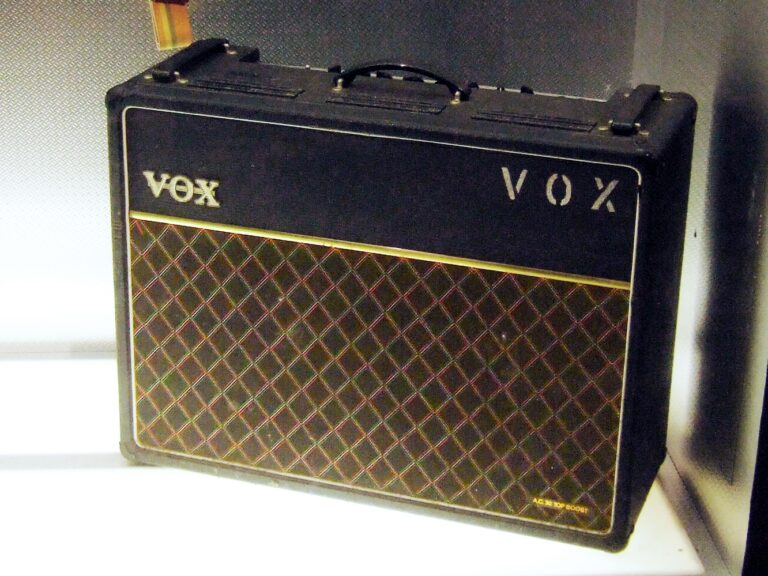
His primary amplifier has been a Vox AC30 Top Boost — the EL84-driven chimey combo that suited the Rickenbacker twelve-string jangle and the melodically oriented clean passages in his playing. The AC30’s natural compression and upper-midrange emphasis gave his clean and lightly driven playing a specific warmth and definition that complemented the Heartbreakers’ rhythm section and Petty’s vocal.
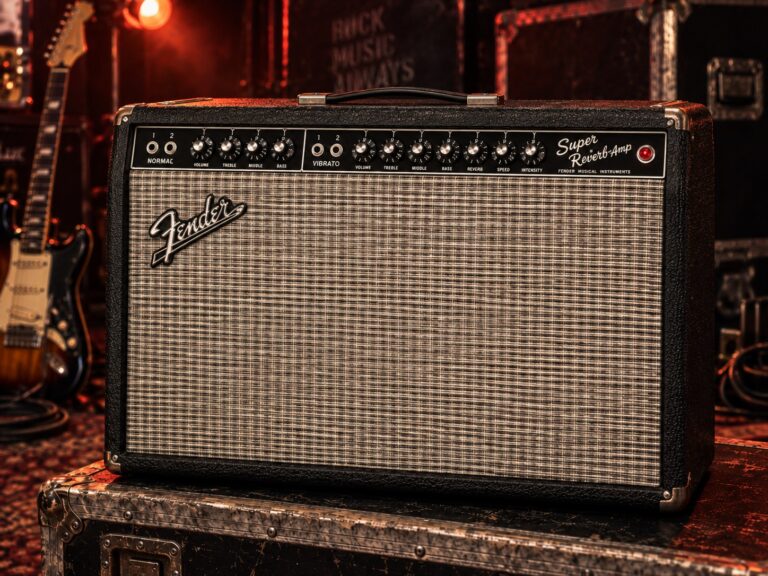
A Fender Super Reverb — the 4×10 blackface combo — provided the American clean character for his Telecaster work, particularly for the country and Americana material in the Heartbreakers’ catalogue where the Fender’s warm American tone was more appropriate than the AC30’s British chimey character. The Super Reverb’s Jensen P10R speakers and 6L6 output valves produced the specific combination of warmth and clarity that suited Telecaster-based American roots rock.
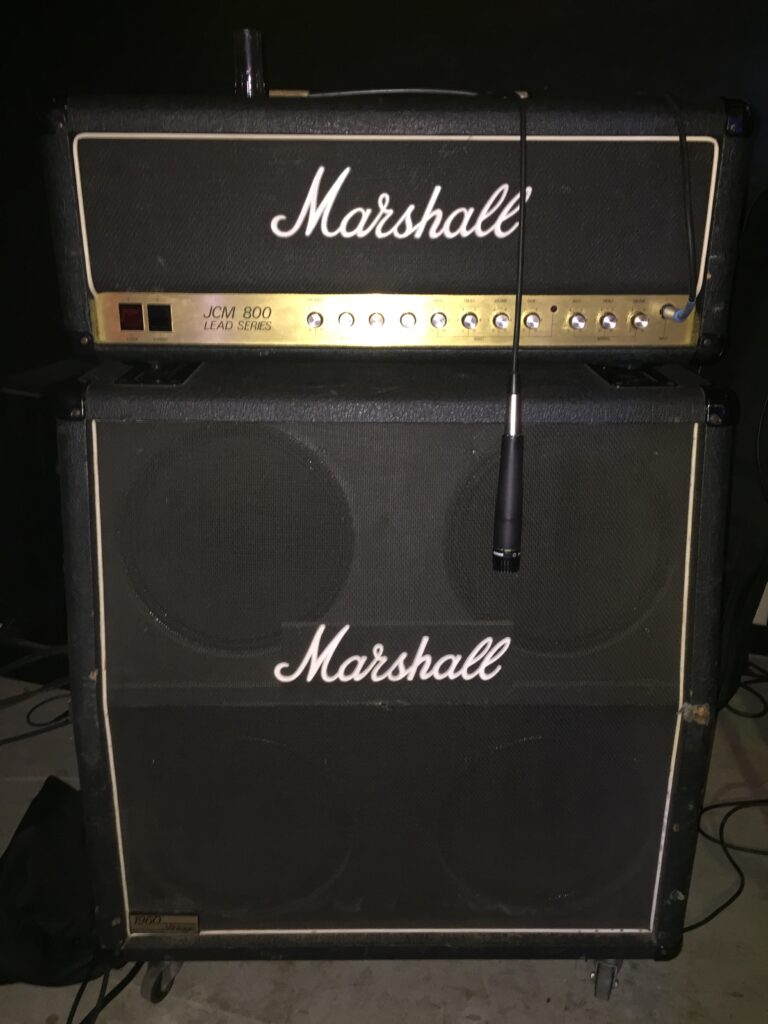
He has used Marshall amplifiers — JMP and JCM800 heads — for the heavier, more driven material in the Heartbreakers’ catalogue, running Les Paul or heavier guitar voices through the Marshall’s natural drive character for the harder rock passages.
In his later career, Campbell developed a complex multi-amplifier setup — running multiple amplifiers simultaneously and using A/B switching to access different amplifier characters for different passages within a single performance. This sophisticated approach gave him access to the full range of his tonal palette without requiring instrument changes for each tonal shift.
Effects
Mike Campbell’s effects chain is one of the most extensive and most thoughtfully assembled in American rock guitar — the result of four decades of experimentation and refinement in service of a musical context that required genuine tonal variety across a large and stylistically diverse catalogue.
An Echoplex tape echo — the classic American tape delay unit using a loop of magnetic tape to produce warm, organically varying echo effects — was central to his playing through much of the Heartbreakers’ career. The Echoplex’s specific delay character — warmer and more organically varying than digital delay, with the tape’s specific frequency response affecting the repeated signals and creating a characteristic warmth and subtle degradation in the echoes — suited Campbell’s American roots approach better than the more clinical precision of digital delay. His use of the Echoplex was musical and tasteful rather than prominent — adding depth and atmosphere to specific lead passages without creating obvious rhythmic echo effects.
A Roger Mayer Octavia — the octave fuzz pedal Roger Mayer built for Jimi Hendrix — appeared in his rig for specific applications where the Octavia’s unique combination of fuzz distortion and upper-octave doubling produced effects unavailable from other pedals. The Octavia’s germanium transistor circuit produces a fuzz tone with a strong upper-octave component that gives sustained notes a specific singing, almost synthesiser-like quality.
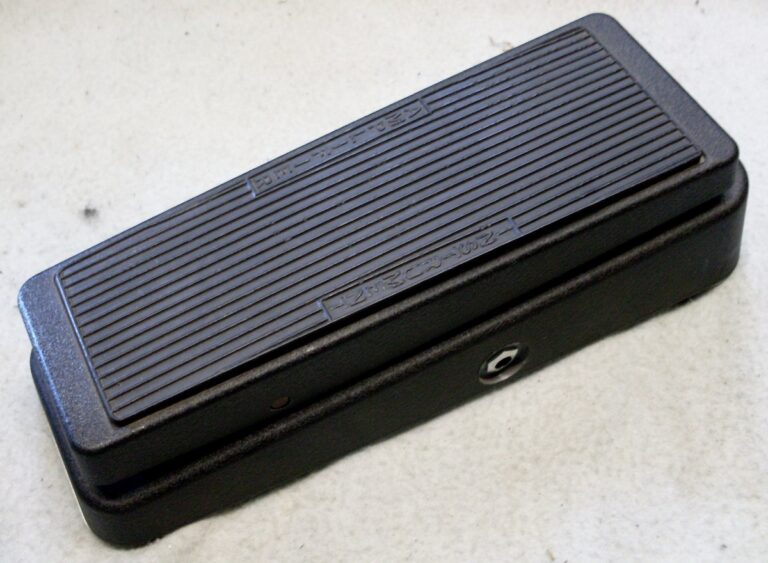
A Cry Baby wah appeared for blues-influenced lead passages where the swept filter effect added appropriate expressiveness. His wah use was selective and musical — a tool for specific passages rather than a constant presence.
Various overdrive and boost pedals — including the Ibanez Tube Screamer for smooth front-end boost and various other units for specific gain requirements — appeared at different points in his career. His gain staging approach followed the Texas blues model: boost the amplifier’s front end rather than adding large amounts of pedal gain, allowing the amplifier’s natural character to provide the primary drive character.
A vibrato pedal — the Magnatone-style true pitch vibrato rather than the more common amplitude-modulation tremolo — appeared for material where genuine pitch modulation was musically required. His distinction between pitch vibrato and amplitude tremolo, and his use of each for appropriate musical contexts, reflects the same encyclopaedic knowledge of American guitar effects tradition that characterises all his equipment choices.
Playing Style & Tone Philosophy
Mike Campbell’s playing is one of the most comprehensively knowledgeable in American rock — not in the academic sense of having studied guitar history but in the practical sense of having absorbed every significant school of American guitar playing deeply enough to deploy any of them naturally when the specific musical context requires it. His encyclopaedic knowledge — the Byrds-influenced jangle, the country Telecaster approach, the blues-drenched slide work, the folk fingerpicking, the British rock power — is not a collection of stylistic quotations but a genuinely integrated musical vocabulary that he can draw on instinctively.
His rhythm playing is the foundation of the Heartbreakers’ guitar sound — the specific combination of rhythmic authority and harmonic richness that gave Petty’s songs their specific sonic identity. The chord voicings he used were always appropriate to the specific song’s character: the open, ringing voicings of “American Girl,” the driving power chords of “Refugee,” the country-inflected voicings of “Learning to Fly” — each reflecting a specific understanding of what the song’s harmonic and emotional content required and executing that requirement with total conviction.
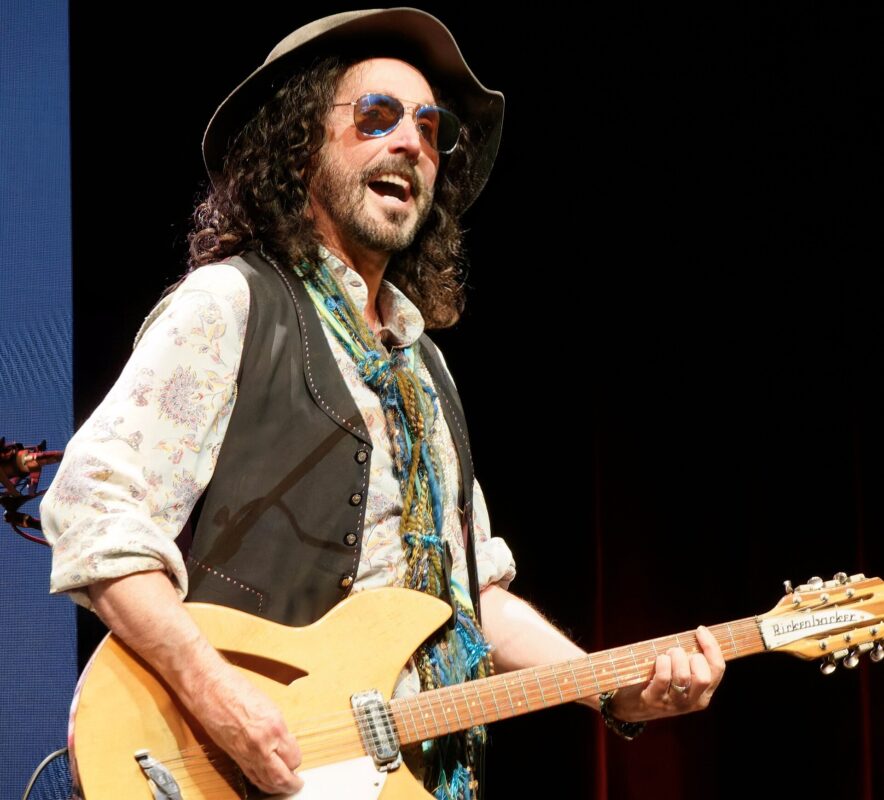
His lead playing reflects the same comprehensive musical knowledge as his rhythm work — the ability to produce the specific kind of melodic lead that each specific song and musical context required. The lead on “Breakdown,” the slide on “Mary Jane’s Last Dance,” the melodic fill on “The Waiting” — each reflects not just technical facility but genuine musical judgment about what the song needed at that specific moment.
Tonally, Campbell’s philosophy was the rock musician’s version of the folk musician’s directness: the right instrument for the right song, the right amplifier for the right material, and the effects chain assembled from components that each contributed something specific to the overall sound. The extensive collection of instruments and amplifiers was not accumulation for its own sake but the practical toolkit of a musician who understood that different musical contexts required genuinely different equipment.
How to Sound Like Mike Campbell
Guitar Approach
A Fender Telecaster with the bridge pickup as primary voice is the starting point for most of his Heartbreakers work. A Gibson Les Paul is the alternative for the warmer, more sustained passages. The most important element is the breadth of musical knowledge — his playing draws on so many traditions that understanding those traditions is as important as understanding his specific technique. Study Chuck Berry, the Byrds, Muddy Waters, and the full range of American guitar history that he absorbed.
Amp Approach
A Vox AC30 for jangle and clean work, a Fender Super Reverb for American-character Telecaster work, and Marshall for heavier material — the same multi-amplifier approach that Campbell developed over his Heartbreakers career. An Echoplex or quality tape echo simulation adds the specific depth and warmth of his echo-based playing. The variety is the point: no single amplifier or signal chain serves the full range of his musical approach.
| Control | Setting | Notes |
|---|---|---|
| Volume | 5–7 | Working volume — natural 6L6 character and some breakup |
| Treble | 5–6 | Moderate — Telecaster provides inherent brightness |
| Middle | 5–6 | Present mids for Americana character |
| Bass | 4 | Controlled bass for clarity and definition |
| Reverb | 3–4 | Spring reverb at moderate level — Americana spatial quality |
| Echoplex (tape echo) | Short-medium delay, warm | Atmospheric depth without obvious repetition |
Influence & Legacy
Mike Campbell’s legacy is the specific legacy of the most important and most consistently excellent guitarist in the service of one of American rock’s most important catalogues — forty years of guitar work at the highest professional level in service of some of the most enduring American rock songs ever written. His contribution to the Heartbreakers’ music is inseparable from its quality, and the specific guitar sounds he created — the Telecaster jangle, the Les Paul drive, the slide work, the twelve-string shimmer — are as much part of the identity of those songs as Petty’s vocal or the band’s rhythm section.
His influence on subsequent American rock guitarists — particularly those who work in the Americana, roots rock, and classic rock traditions — is substantial if often unacknowledged. The specific approach he brought to the Heartbreakers’ music: the encyclopaedic musical knowledge deployed instinctively rather than academically, the tonal variety in service of different musical contexts, the complete subordination of technical display to musical purpose — these values have been absorbed by generations of players who loved the Heartbreakers’ music and tried to understand what made the guitar playing so consistently excellent.
The Dirty Knobs — the band he formed following Petty’s death — has given him a context for his own musical voice independent of the Heartbreakers framework, and the recordings and live performances show a guitarist at the full height of his powers after four decades of professional development. The same range, the same musical intelligence, and the same commitment to quality that defined his Heartbreakers work are fully present in the Dirty Knobs context.
For players exploring the American rock and roots guitar tradition that Campbell inhabits, the rigs of Roger McGuinn — whose Byrds twelve-string jangle was a primary influence on Campbell’s own twelve-string approach — and Peter Holsapple, whose Rickenbacker-based power pop work shows how similar instruments and influences produce different specific expressions in different creative contexts, provide illuminating comparison. The blues foundation of his playing connects to Doyle Bramhall II‘s work, which shows how the Texas blues tradition that influenced Petty and Campbell continues to develop in contemporary hands.
Damn the Torpedoes: The Guitar that Made America Listen
Damn the Torpedoes (1979) is the record that established Tom Petty and the Heartbreakers as one of America’s most important rock bands, and Campbell’s guitar work throughout the album is a central reason for its enduring quality. Each track shows a different facet of his approach — the range of guitar styles and tonal characters he deployed in service of Petty’s songs — and the album as a whole is one of the most comprehensive showcases of American rock guitar craft from any era.
“Refugee” — the album’s opening track and its most rock-driven moment — shows Campbell’s Les Paul through driven amplification at its most powerful: the specific combination of humbucker warmth and Marshall-style drive that gives hard rock guitar its authoritative character, deployed here with a rhythmic precision and melodic intelligence that distinguishes it from simpler hard rock approaches. The riff that opens the song and returns throughout is simultaneously memorable and harmonically sophisticated — a melody built on the chord’s strong tones that outlines the harmonic movement without stating it explicitly.
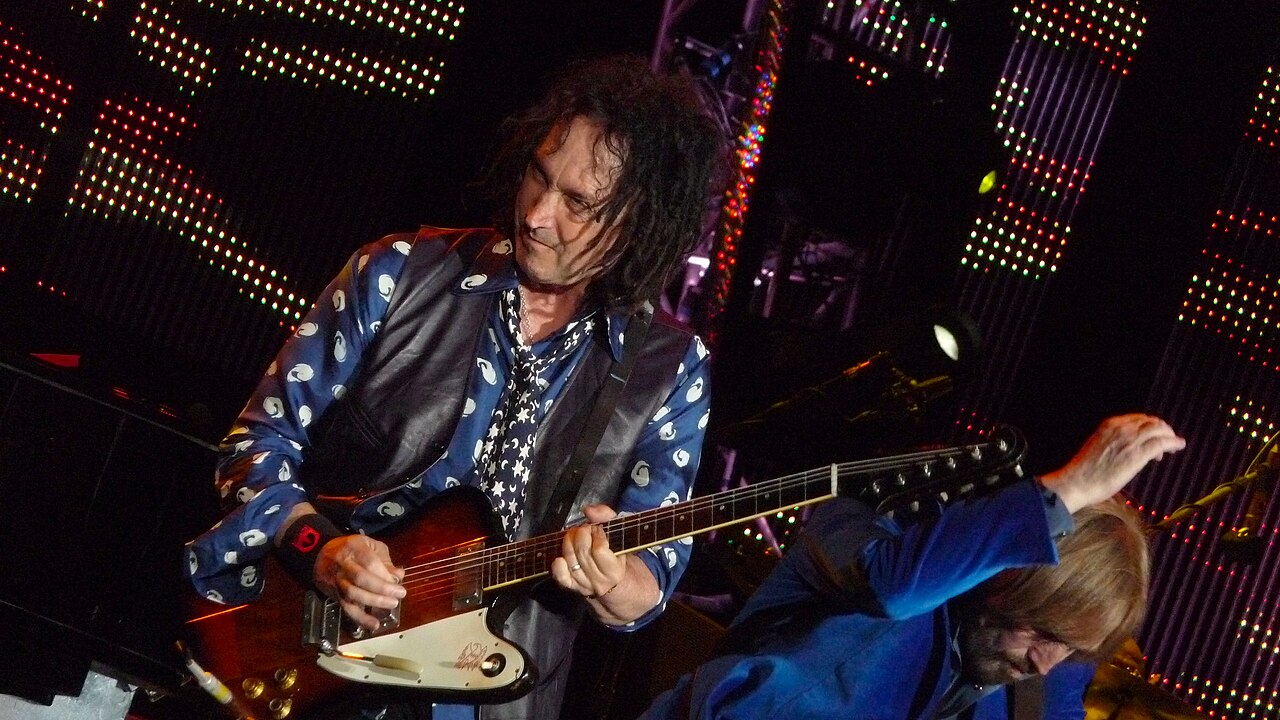
“Here Comes My Girl” shows a completely different approach — the clean, almost gentle Telecaster tone of the verse, with the guitar serving as harmonic support for Petty’s spoken vocal, contrasted with the full-band rock of the chorus where Campbell’s more driven guitar plays a rhythmically assertive role. The guitar’s function shifts completely between verse and chorus not through a simple volume or gain change but through a fundamental rethinking of what the guitar is doing rhythmically and harmonically at each section of the song.
“Even the Losers” and “Don’t Do Me Like That” show the pop-rock approach — hook-oriented guitar parts that serve the song’s commercial accessibility without sacrificing the musical intelligence that distinguishes genuinely good pop from merely catchy pop. Campbell’s guitar work on these tracks is immediately accessible and immediately satisfying without being simplistic; it rewards attention without demanding it. This specific combination — accessible to casual listeners, interesting to attentive ones — is one of the harder things to achieve in guitar playing for commercial rock contexts, and Campbell does it with a consistency that reflects genuine understanding of what commercial rock music requires from its guitarists.
The Echoplex Obsession: Tape Echo as Instrument
Campbell’s long-term relationship with the Echoplex tape echo unit — one of the defining elements of his live and studio sound across multiple decades — deserves specific examination, because it illustrates how a specific piece of equipment can become genuinely integrated into a musical approach rather than being merely an added effect.
The Echoplex was developed by Market Electronics (later Maestro) in 1959 as one of the first purpose-designed guitar tape echo units. The device uses a short loop of magnetic recording tape running across a recording head and a playback head, with the distance between the heads determining the delay time and the volume of the playback controlling the amount of feedback (repeats). The tape loop’s specific magnetic properties — its frequency response, its saturation behaviour at high recording levels, and the gradual degradation of the tape over time — affect the character of the delayed signal in ways that produce the Echoplex’s characteristic warm, slightly darkened echo tone.
Unlike digital delay — which produces mathematically precise repetitions of the original signal — the Echoplex’s tape medium introduces small variations in the timing and frequency content of each repetition. The tape speed varies slightly due to mechanical imperfections in the drive system; the recording and playback heads have limited high-frequency response; the tape itself accumulates magnetic particles and develops a slightly degraded character as it ages. These imperfections produce the Echoplex’s characteristic organic quality — the echoes sound warm and alive rather than precise and digital, adding a dimensional quality to the guitar’s signal that no digital approximation fully replicates.
Campbell’s specific use of the Echoplex — as a primary atmospheric tool for lead guitar passages rather than as an obvious rhythmic echo effect — reflects an understanding of what tape echo actually adds to the guitar sound at subtle settings. A short delay time (100-200 milliseconds) with one or two repeats, mixed relatively low in the overall signal, produces a thickening and warming of the guitar sound that gives lead passages a dimensional quality without creating an audible rhythmic repetition. This subtle, atmospheric use of the Echoplex — adding depth rather than delay — was a consistent element of his studio work and contributed to the specific warmth and presence of his guitar on the Heartbreakers’ recordings.
The Full Moon Fever Sessions: Guitar in a Different Context
Full Moon Fever (1989) — Tom Petty’s debut solo album, produced by Jeff Lynne — is technically not a Heartbreakers record but features Campbell throughout and represents an interesting document of his guitar approach in a different production context. Jeff Lynne’s production aesthetic — dense layering, rich reverb, specific EQ treatments that emphasised specific frequencies — shaped the guitar sound in ways that the more organic Heartbreakers productions didn’t, and understanding how Campbell’s approach adapted to this specific production environment illuminates how his equipment and technique served different musical contexts.
The guitar tones on Full Moon Fever are generally brighter and more compressed than on the typical Heartbreakers record — Lynne’s production style tended toward an overall brightness and density that required the individual instruments to occupy specific frequency spaces clearly rather than blending in a more organic way. Campbell’s Telecaster work on the album — the specific single-coil brightness that suited Lynne’s production approach — was complemented by Lynne’s EQ and compression treatments to produce a guitar sound that was immediately present in the mix without dominating it.
The twelve-string Rickenbacker work on the album — particularly the jangle that runs through tracks like “I Won’t Back Down” — shows the Byrds influence at its most explicit, with Lynne’s production enhancing the twelve-string’s natural shimmer through specific reverb and compression treatments that gave the jangle an almost orchestral quality. This use of the Rickenbacker in the Lynne production context was different from Campbell’s typical twelve-string use with the Heartbreakers — the specific character of Lynne’s production changed what the instrument contributed to the overall sound — and represents an instructive example of how the same equipment produces different results in different production environments.
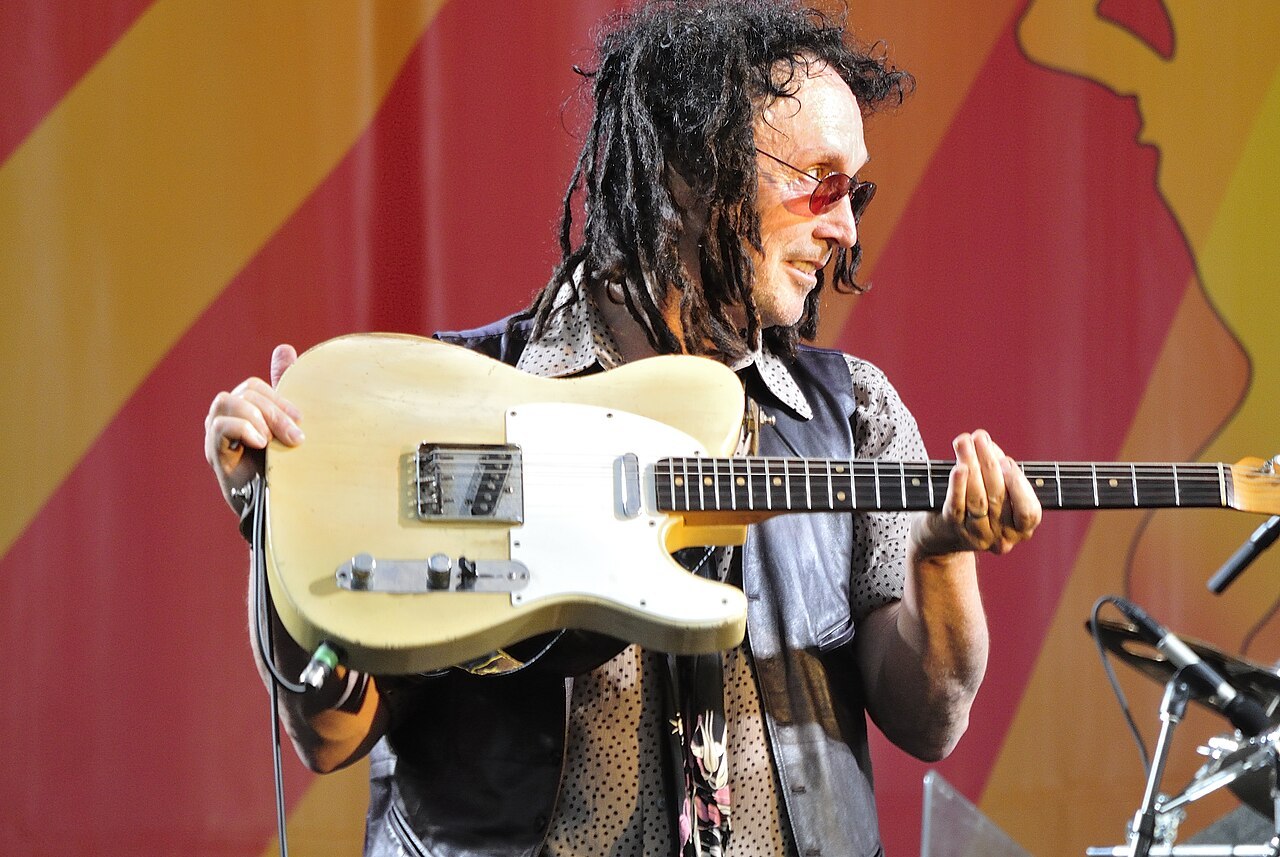
The production of Full Moon Fever gave Campbell specific experience with a production approach quite different from his standard Heartbreakers context, and this experience — understanding how his equipment choices interacted with different production aesthetics — contributed to his broader musical education. The guitar sounds on the album are not better or worse than on the typical Heartbreakers record; they are different in specific ways that reflect both the production approach and the specific ways Campbell’s equipment adapted to serve it. Understanding these differences — and the equipment principles that produce them — is part of understanding the full scope of his guitar work across his career.
The Knowledge: American Guitar History in One Player
Perhaps the most distinctive thing about Mike Campbell as a guitarist is the breadth of his musical knowledge and how naturally it informs every aspect of his playing. Where many rock guitarists develop deep expertise in a specific tradition — Texas blues, British rock, California folk rock — Campbell seems to have absorbed the full range of American guitar history with equal depth and equal naturalness, and this comprehensive knowledge allows him to draw on any of its components instinctively rather than studiously.
The Chuck Berry influence — the specific rolling chord patterns, the double-stop lead lines, the rhythmic drive — is audible in the Heartbreakers’ rock material. The Byrds influence — the twelve-string jangle, the folk rock harmony, the specific arpeggiated picking patterns — is audible in the more melodically oriented work. The blues influence — the slide guitar, the bending approach, the specific emotional vocabulary — is audible in the more roots-oriented recordings. The country influence — the chicken picking, the open-chord voicings, the twangy Telecaster approach — is audible in the Americana material.
These influences coexist in Campbell’s playing not as separate modes to be switched between but as aspects of a fully integrated musical vocabulary. He doesn’t play like a Texas bluesman when the material calls for Texas blues and like a Byrds fan when the material calls for jangle pop — he plays like a musician who has absorbed all of these traditions and can deploy their elements naturally as the specific musical context requires. This integration — the full assimilation of multiple traditions into a single personal vocabulary — is the mark of genuine musical education rather than stylistic accumulation, and it is what makes his playing so consistently surprising and so consistently satisfying across the full breadth of the Heartbreakers’ catalogue.
The equipment that served this comprehensive musical vocabulary had to be equally comprehensive: the Telecaster for country and American rock, the Les Paul for heavier rock and blues, the Rickenbacker twelve-string for folk rock and jangle, the ES-335 for R&B and pop, the slide guitars for the Delta and Hawaiian-influenced material. The Vox for clean British character, the Fender for American warmth, the Marshall for rock drive. The Echoplex for atmospheric depth, the Octavia for specific fuzz effects, the wah for blues expressiveness. This comprehensive equipment palette, assembled over decades of professional work and maintained with the same attention to musical purpose that characterised every other aspect of his approach, is the physical expression of the comprehensive musical knowledge that makes him one of the finest guitarists in the history of American rock music.
The Roger Mayer Octavia’s specific role in Campbell’s effects chain is worth noting as an example of a piece of equipment chosen for a very specific musical purpose rather than for general utility. The Octavia was built by Roger Mayer in 1967 specifically for Jimi Hendrix, who used it on recordings including “Purple Haze” and “Fire” to produce the specific upper-octave fuzz effect that became one of the most distinctive sounds in late-1960s rock. The circuit uses a transformer-coupled arrangement that generates a strong second-harmonic component — an octave above the fundamental — mixed with a fuzz distortion produced by germanium transistor clipping. The result is a note with simultaneously the original pitch and a strong octave above it, giving sustained notes a piercing, almost synthesiser-like quality that standard fuzz pedals don’t produce. Campbell’s use of the Octavia for specific applications — not as a general-purpose distortion tool but for specific moments where its unique character served the music — reflects an understanding of the pedal’s specific acoustic properties and the specific musical contexts they serve. The Octavia in the hands of someone who uses it for everything it doesn’t suit produces a gimmicky, one-note sound; in the hands of someone who uses it only when its specific character is exactly what the music needs, it produces some of the most distinctive electric guitar sounds available. Campbell’s selective, musically specific use of it exemplifies the latter approach.
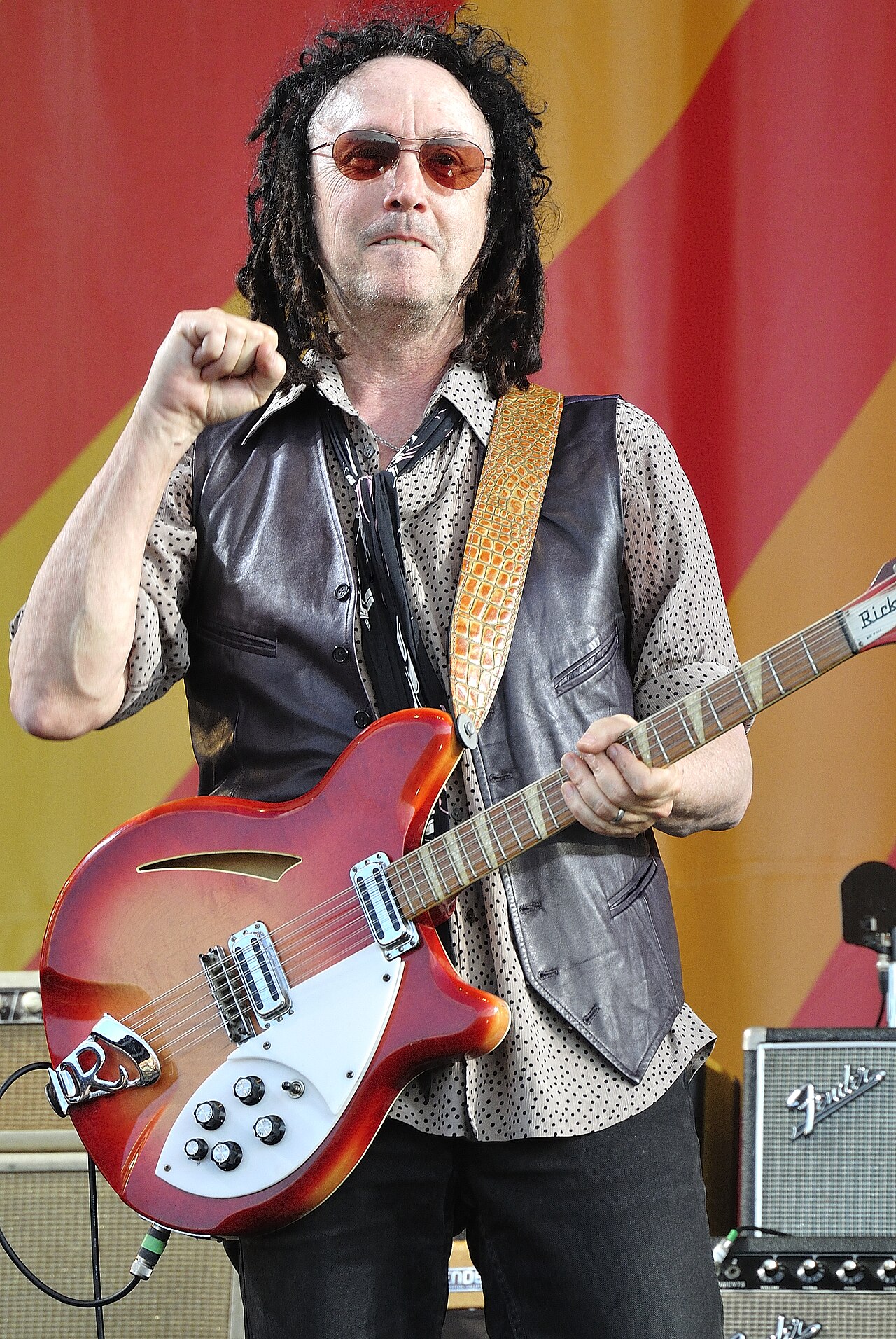
The Gretsch hollowbodies that appear in Campbell’s collection — particularly the White Falcon, one of the most extravagant and tonally distinctive instruments in American guitar history — add a dimension to his tonal palette that neither the Telecaster nor the Les Paul nor the Rickenbacker provides. The Gretsch White Falcon’s fully hollow body (larger than the ES-335’s semi-hollow), its Filtertron-style pickups (bright, compressed, with the specific chimey character that suits country and rockabilly material), and its physical spectacle — the gold hardware, the white finish, the imposing size — give it a combination of tonal and visual character that suits specific material in Campbell’s repertoire. His use of Gretsch instruments for the rockabilly and early rock influences in the Heartbreakers’ musical DNA reflects an understanding of which instruments are acoustically authentic to which traditions — the same understanding that drives his Telecaster choice for country material and his Rickenbacker choice for folk rock. The comprehensive knowledge of American guitar history that makes his playing so musically rich extends to knowing which physical instruments belong to which musical traditions, and using those instruments for their traditional applications rather than arbitrarily substituting one for another.
Mike Campbell’s career — the four decades with the Heartbreakers, the decades of session and collaborative work that ran alongside it, and the Dirty Knobs work that followed — represents one of the most sustained and consistent expressions of comprehensive musical intelligence in American rock guitar. The equipment he assembled to serve that intelligence: the extensive and varied guitar collection, the multi-amplifier setup, the thoughtfully assembled effects chain — was exactly right for the music at every stage of its development. The Heartbreakers’ catalogue endures because it was made with integrity and craft; Campbell’s guitar work is a central reason for both of those qualities; and the equipment he chose to deliver that work was in service of both the music and the craft that made it. That is the complete Mike Campbell gear story.
The vibrato pedal distinction that Campbell maintains — true pitch vibrato versus amplitude tremolo — is a technical nuance worth examining because it reflects an unusually deep knowledge of American guitar effects tradition. Most musicians use “vibrato” and “tremolo” interchangeably when describing the pulsing, modulating effect associated with amplifiers like the Fender Twin (which Fender incorrectly labelled “vibrato” for its amplitude modulation circuit) and pedals of various descriptions. The technical distinction is: vibrato is modulation of pitch (the frequency of the sound), while tremolo is modulation of amplitude (the volume of the sound). Most “vibrato” effects in guitar amplifiers and many pedals actually produce amplitude modulation — tremolo — rather than genuine pitch modulation. True pitch vibrato, as produced by the Magnatone amplifiers that used a varistor-based pitch modulation circuit, has a different, more dramatic and more musical quality than amplitude tremolo — the pitch actually rises and falls rather than the volume pulsing at constant pitch. Campbell’s knowledge of and preference for true pitch vibrato for specific material — Hawaiian-influenced and psychedelic passages particularly — reflects both his encyclopaedic knowledge of American guitar history and his understanding of which specific effect serves which specific musical tradition most authentically. This level of technical discrimination — knowing the difference between two effects that most musicians conflate, and choosing the correct one for the correct musical context — is a mark of the genuine equipment sophistication that characterises his whole approach to his gear.
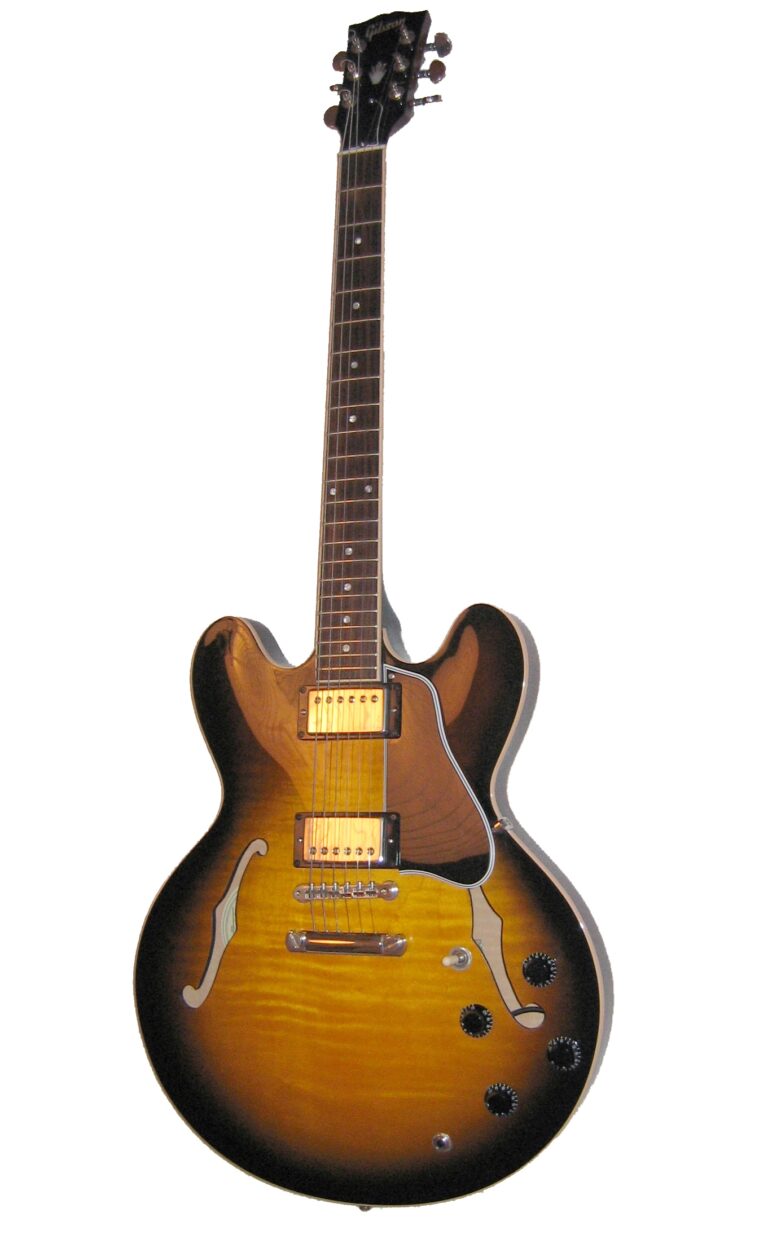
The sustained quality of Campbell’s guitar work across the full arc of the Heartbreakers’ career — from the raw garage energy of the debut to the sophisticated production of the 1980s and 1990s records to the leaner, more stripped-back approach of the later albums — reflects a musician who never stopped developing and who always maintained the musical values that made his work distinctive. The breadth of his instrument collection grew; the sophistication of his effects chain evolved; the amplifiers changed as different musical contexts required different tonal approaches. But the fundamental musical values — the song comes first, the guitar serves the song, the technique serves the music — remained constant throughout. These are the values that the best equipment stories always reveal, and Mike Campbell’s gear story reveals them as clearly as any in American rock guitar history.
The Fender Telecaster’s role in Campbell’s rig — and specifically why this instrument, rather than the more fashionable Stratocaster, became his primary single-coil electric — is worth examining in terms of the specific acoustic properties that make the Telecaster more appropriate for the American roots rock tradition he and Petty inhabited. The Telecaster’s bridge pickup is the most tonally extreme single-coil design in common production use — positioned closest to the bridge, it picks up string vibration at the point of maximum harmonic content and minimum fundamental, producing a tone that is simultaneously bright, defined, and slightly harsh in isolation but that acquires warmth and body when driven through a valve amplifier at working volume. This brightness and definition — the very quality that makes the Telecaster unsuitable for jazz and somewhat confrontational in hi-fi reproduction — gives it a specific rhythmic clarity in a band context that makes chord changes audible and chord rhythms precise. For American roots rock specifically — a tradition where the guitar’s rhythmic role in the ensemble is as important as its tonal character — the Telecaster’s precise, defined attack character suits the music better than the rounder, warmer attack of humbucking alternatives. Campbell’s consistent return to the Telecaster for the core Heartbreakers sound reflects this acoustic logic: not because it was fashionable or traditional but because it was acoustically correct for the specific music being made.
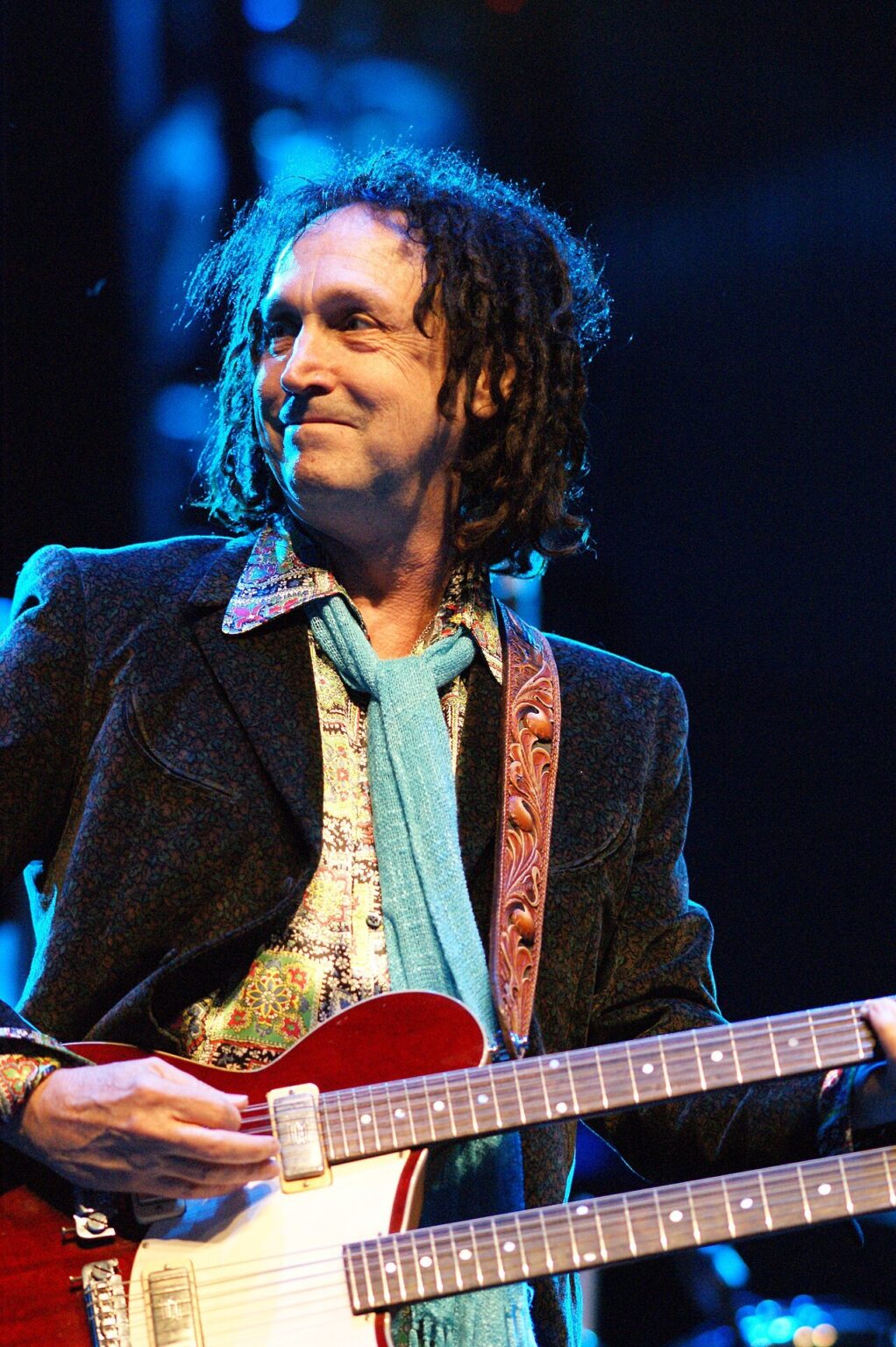
Frequently Asked Questions: Mike Campbell Guitars & Gear
What guitars does Mike Campbell play?
Mike Campbell’s primary guitars include the Fender Telecaster (his most frequently associated electric guitar), the Gibson Les Paul (for heavier, more sustained work), a Rickenbacker twelve-string (for jangle pop and folk rock material), and the Gibson ES-335 semi-hollow. He has an extensive collection that includes Gretsch hollowbodies, vintage Fender and Gibson instruments, Martin acoustics, and various slide guitars — instruments selected for their specific tonal qualities rather than for brand loyalty.
What amp does Mike Campbell use?
His primary amplifiers have included the Vox AC30 Top Boost (for clean and jangle work), Fender Super Reverb (for American Telecaster-based material), and Marshall JMP/JCM800 (for heavier rock material). He runs multiple amplifiers simultaneously in his live setup, switching between them for different tonal requirements within a performance. His multi-amplifier approach reflects the breadth of his musical range and the tonal variety his diverse catalogue requires.
What is Mike Campbell’s most famous guitar solo?
His guitar work on “Refugee” and “Breakdown” from Damn the Torpedoes (1979) is among his most widely recognised. The specific lead work on “Here Comes My Girl,” the slide guitar on “Mary Jane’s Last Dance,” and the twelve-string work on various Heartbreakers recordings also represent significant and distinctive moments in his guitar output. His work is spread across the full Heartbreakers catalogue rather than concentrated in a single iconic moment.
What effects does Mike Campbell use?
His key effects include an Echoplex tape echo (central to his lead playing’s atmospheric depth), a Roger Mayer Octavia fuzz (for specific octave-fuzz applications), a Dunlop Cry Baby wah, various overdrive and boost pedals (Tube Screamer and others), and a vibrato pedal for genuine pitch modulation effects. His effects chain has evolved across his career and is extensive by rock guitar standards, reflecting his interest in the full range of American guitar effects tradition.
What is Mike Campbell’s songwriting contribution to the Heartbreakers?
Campbell co-wrote many of the Heartbreakers’ most enduring songs, including “Refugee,” “The Waiting,” “Here Comes My Girl,” “I Need to Know,” “You Got Lucky,” and many others. His compositional contributions were as significant as his guitar work in defining the Heartbreakers’ musical identity, and the songs he co-wrote with Petty represent some of the finest American rock songwriting of the last fifty years.
What is the Dirty Knobs?
The Dirty Knobs is Mike Campbell’s own band, which he formed following Tom Petty’s death in 2017. The group has released recordings and toured extensively, with Campbell taking on the primary songwriting and guitar roles that Petty had occupied in the Heartbreakers context. The Dirty Knobs have given Campbell a context for his own creative voice independent of the Heartbreakers framework, and their recordings show a guitarist and songwriter of full musical maturity operating in a new creative context.
How long was Mike Campbell in Tom Petty and the Heartbreakers?
Campbell was in the Heartbreakers from the band’s formation in the mid-1970s until Tom Petty’s death in October 2017 — approximately forty years of continuous association. This sustained partnership made the Campbell-Petty creative relationship one of the longest and most productive in American rock music history, comparable to the Richards-Jagger partnership in the Rolling Stones in terms of longevity and creative output.
Genre:
Classic Rock / Americana
Decades:
1970s | 1980s | 1990s | 2000s | 2010s | 2020s
Image credits
- Mike Campbell: Takahiro Kyono from Tokyo, Japan, Wikimedia Commons, CC BY 2.0.
- Mike Campbell: Brian R. Grubb, Wikimedia Commons, CC BY-SA 3.0.
- Mike Campbell: Takahiro Kyono, Wikimedia Commons, CC BY 2.0.
- Top image: by Raph_PH, Wikimedia Commons, CC BY 2.0.
- Mike Campbell (June 2016): photo by Davidwbaker, via Wikimedia Commons, CC BY-SA 4.0.
- Mike Campbell (December 2025): photo by Davidwbaker, via Wikimedia Commons, CC BY-SA 4.0.
- Fender Telecaster: Ethan Prater, Flickr, CC BY 2.0.
- Gibson ES-335: Federico.Gallerani, Wikimedia Commons, CC BY-SA 3.0.
- Vox AC30 Top Boost: wetwebwork; existing crop and contrast/color adjustments: Clusternote, Wikimedia Commons, CC BY-SA 2.0.
- Fender Super Reverb: GuitarGangsters AI-generated reference illustration, not a photograph.
- Marshall JCM800: John2112, Wikimedia Commons, CC BY-SA 4.0.
- Dunlop Cry Baby: Roadside Guitars, Flickr, CC BY-SA 2.0.
- Fender Telecaster: Massimo Barbieri, Wikimedia Commons, CC BY-SA 3.0.
- Gibson ES-335: Lightburst, Wikimedia Commons, CC BY-SA 4.0.
- Mike Campbell live: musicisentropy, Wikimedia Commons, CC BY-SA 2.0.
- Fender Telecaster: Massimo Barbieri, Wikimedia Commons, CC BY-SA 3.0.
- Fender Telecaster: Massimo Barbieri, Wikimedia Commons, CC BY-SA 3.0.