Lenny Kravitz Guitars & Gear: The One-Man Band Retro-Soul Master’s Complete Rig
Lenny Kravitz guitars gear — vintage Les Paul, Marshall and Vox deep-dive for the retro-soul multi-instrumentalist's Hendrix-influenced tone and complete rig.
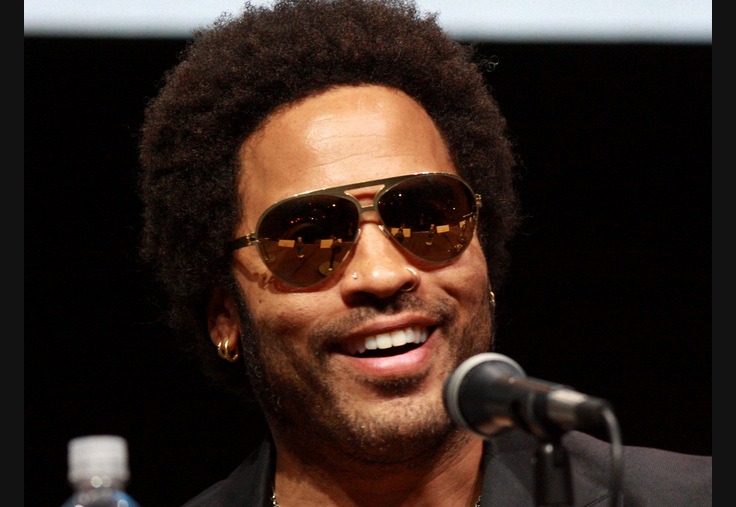
Lenny Kravitz. Photo: Gage Skidmore (https://commons.wikimedia.org/wiki/User:Gage). Lenny Kravitz by Gage Skidmore.jpg. CC BY-SA 3.0: https://creativecommons.org/licenses/by-sa/3.0/. Source: https://commons.wikimedia.org/?curid=27440504. Changes: Whole current source photograph retained, downsampled without upscaling, and centered on a flat neutral dark matte (#121212) for a tall image slot. No photo crop, AI, stretching, fake scene extension or added retouching. Source previously processed in Photoshop 7.0. This derivative is also CC BY-SA 3.0.
Explore Lenny Kravitz guitars gear and you find the equipment of one of music’s most audacious retro-futurists — a New York-born multi-instrumentalist, singer, songwriter, and producer who arrived in 1989 playing everything himself, referencing every significant strand of 1960s and 1970s rock, soul, and funk simultaneously, and somehow making something that felt genuinely contemporary rather than merely nostalgic. Kravitz’s guitar playing is central to his musical identity — not because he is primarily a guitarist in the lead-player tradition, but because his understanding of the guitar as a rhythmic, textural, and production element across multiple traditions simultaneously is one of the most comprehensive in contemporary music. He plays like someone who absorbed every guitar record ever made and then played every instrument on his own records to make sure the guitar part served the song the way it should.
This guide covers Kravitz’s complete equipment picture: the vintage and custom guitars that defined his retro-soul aesthetic, the amplification that reproduced the warmth of his reference recordings, the extensive vintage effects collection that gave his productions their specific character, and the playing philosophy of a musician who has always understood that the guitar’s role shifts fundamentally depending on whether you’re playing James Brown funk, Hendrix psychedelia, or Beatles-influenced pop. Understanding Lenny Kravitz’s gear is understanding how deep musical knowledge across multiple traditions enables genuine stylistic synthesis rather than mere eclecticism.
Background
Leonard Albert Kravitz was born on May 26, 1964, in New York City, to actress Roxie Roker and television producer Sy Kravitz. His upbringing in New York and subsequently Los Angeles placed him in direct contact with the entertainment world from childhood, and his early exposure to music encompassed everything from the classical music his mother loved to the soul and R&B that was the soundtrack of Black American cultural life in the 1970s to the rock music that dominated the radio and cultural conversation of the same period.
He taught himself to play guitar, bass, piano, and drums — developing the multi-instrumental facility that would allow him to record entire albums himself — through listening intensively to the records that mattered to him and learning directly from those recordings rather than through formal instruction. This self-directed approach gave him an understanding of music that was oriented toward the relationship between instruments and the overall sound of recordings rather than toward the theoretical principles of any individual instrument’s technique.
His debut album Let Love Rule (1989) — recorded entirely by himself in his apartment — announced a musical vision of unusual completeness: the integration of 1960s rock, Motown soul, Jimi Hendrix, Sly Stone, the Beatles, and Bob Marley into a coherent personal statement that was simultaneously deeply indebted to its sources and genuinely its own. The guitar work on this record showed a player who understood how the guitar function in each of these traditions: as a rhythm instrument in the soul context, as a lead voice in the rock context, as a textural element in the psychedelic context, as a chord-melody instrument in the pop context.
Subsequent albums — Mama Said (1991), Are You Gonna Go My Way (1993), Baptism (2004), and others — showed an artist deepening his engagement with these musical traditions rather than repeating them, with each record introducing different emphases and different production approaches while maintaining the fundamental commitment to the vintage aesthetic that defined his musical identity. His recording studio — equipped with vintage equipment and designed to capture the specific acoustic character of the period-correct recordings he used as his reference points — became as central to his musical identity as his instrument collection.
Lenny Kravitz Guitars Gear: The Complete Rig
Guitars
Lenny Kravitz’s guitar collection is extensive, historically oriented, and functionally diverse — reflecting the breadth of musical traditions his work synthesises and the specific tonal requirements of each tradition within his catalogue.
His most associated instrument is a vintage Gibson Les Paul Standard — late-1950s examples with original PAF humbucker pickups whose specific combination of warmth, sustain, and harmonic complexity provided the tonal foundation for the rock-oriented material in his catalogue. The PAF humbucker (7.5k to 8.5k ohms, Alnico II or Alnico V) in a late-1950s Les Paul produces the specific combination of warm midrange authority and sustaining treble that makes it the definitive hard rock guitar, and Kravitz’s understanding of this — deploying the Les Paul’s character for the Hendrix-influenced and hard rock material — reflected genuine historical knowledge of what the instrument contributed to the original recordings he was drawing on.
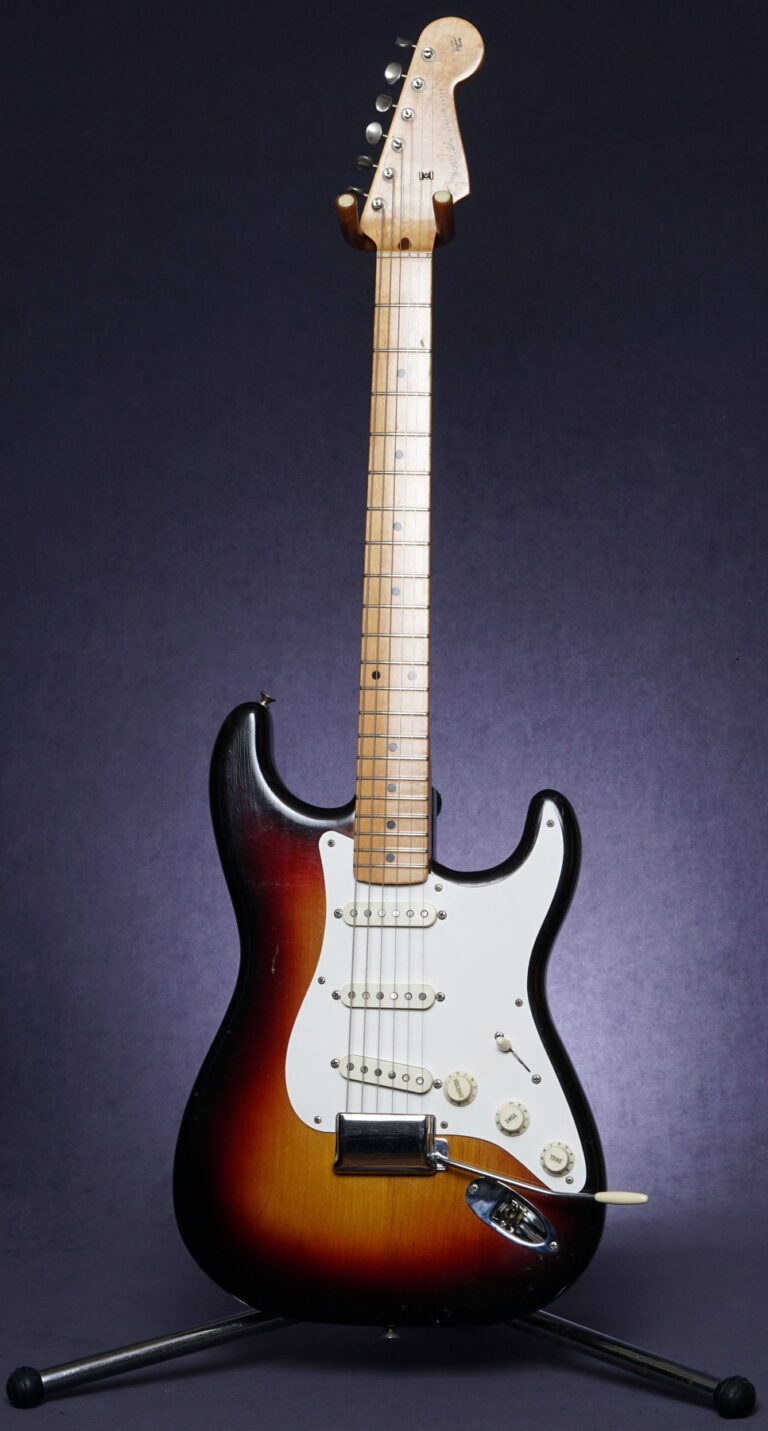
He used a Fender Stratocaster — both vintage examples and Fender Custom Shop instruments — for the material drawing on the Jimi Hendrix and broader psychedelic rock tradition. The Stratocaster’s three-pickup configuration, its vibrato arm, and the specific character of its single-coil pickups (Alnico V, approximately 5.6k to 6.2k ohms) were central to the Hendrix-influenced guitar work that appeared across his catalogue, and using the same instrument that Hendrix had used gave the playing its specific sonic connection to the tradition.
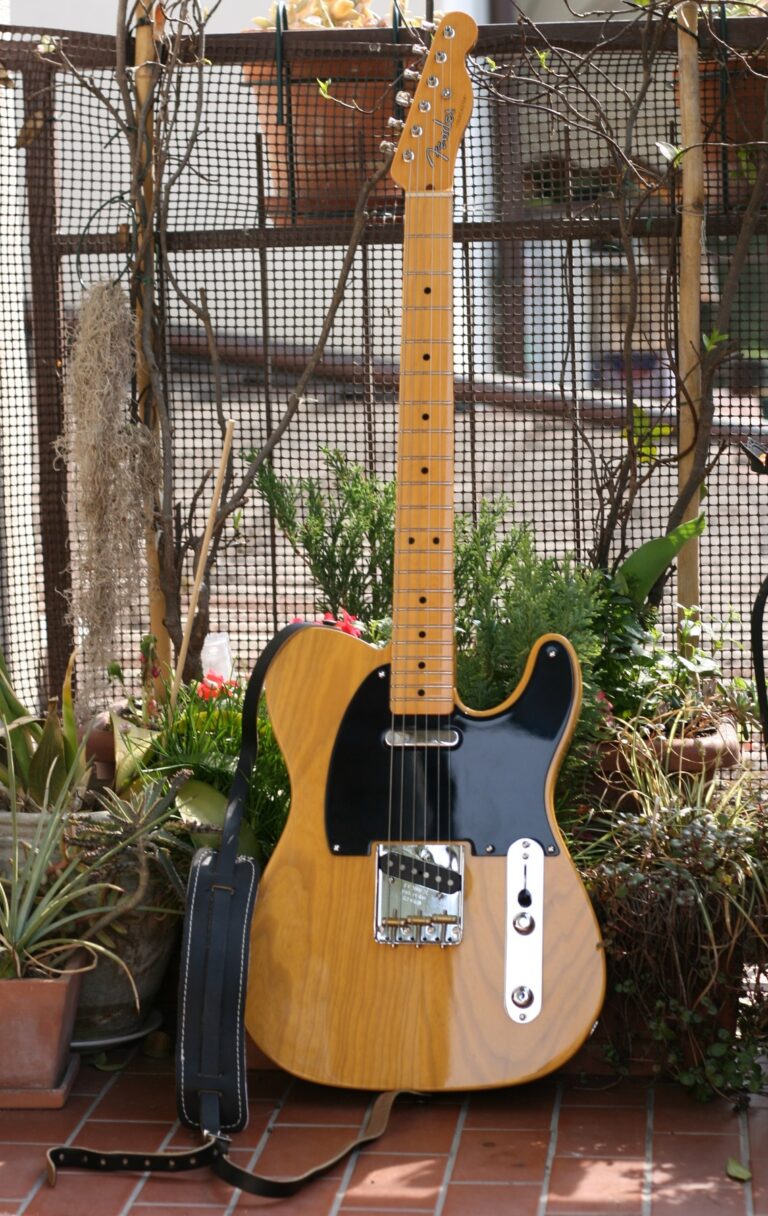
A Fender Telecaster appeared for the country and R&B-influenced material — the Telecaster’s bright, direct single-coil character being more appropriate for these traditions than the warmer, more sustained Les Paul or the three-pickup Stratocaster.
He used various vintage Harmony and Danelectro guitars — the affordable American-made student and budget instruments of the 1960s — for specific textural and recording applications. These instruments’ specific character — thinner, more nasal, with the characteristic “lipstick tube” single-coil pickups of the Danelectro design — contributed specific textural colours to his recordings that premium vintage Gibsons and Fenders didn’t provide.
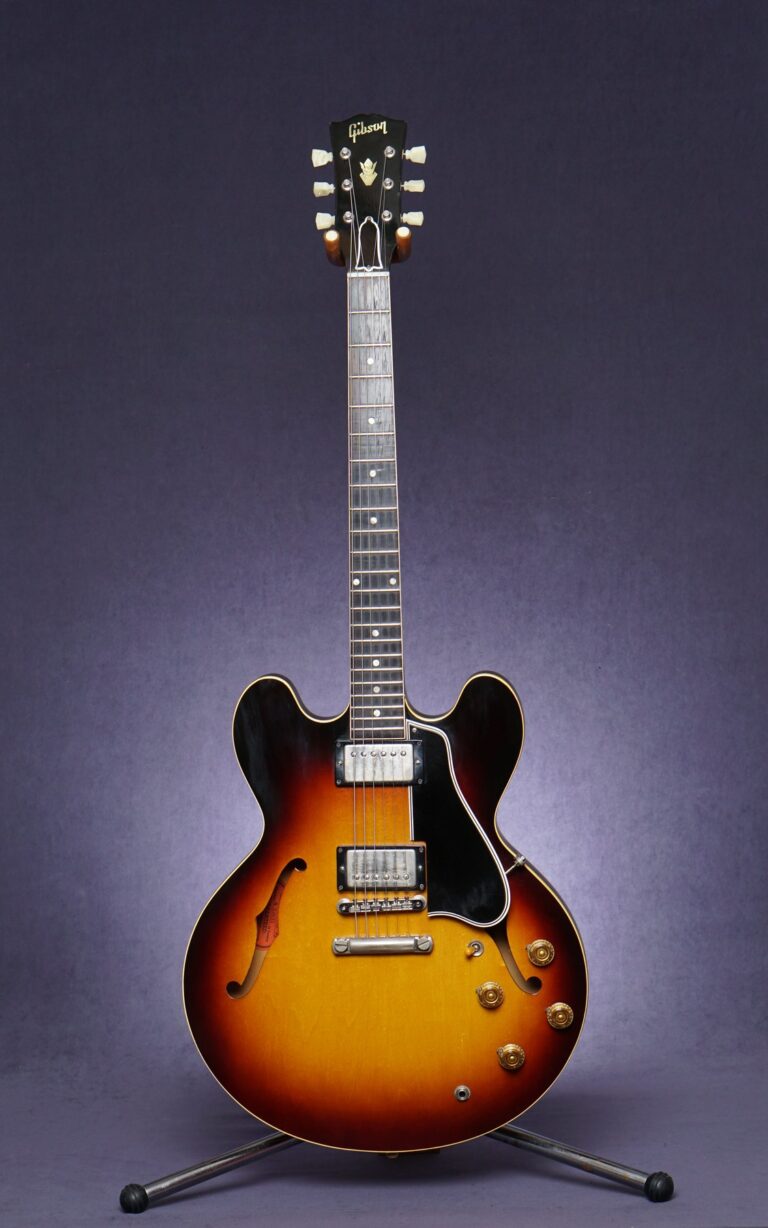
His collection also includes various hollow-body and semi-hollow Gibson instruments — ES-335, ES-345, and similar designs — for the soul and R&B material where the acoustic resonance of hollow or semi-hollow construction was more appropriate than solid-body alternatives.
String gauges ranged from light to medium depending on the instrument and the musical context — lighter gauges on the Stratocaster for the bending-intensive Hendrix-influenced material, medium gauges on the Les Paul for the harder rock work.
Amps
Kravitz’s amplification was specifically oriented toward the vintage American and British designs that appeared on the original recordings he drew from — a collection of period-correct amplifiers used to achieve specific historical sonic references rather than a standardised modern setup.
His primary studio amplifier was a vintage Fender Tweed Deluxe or Twin — the same tweed-era Fender designs that Dave Edmunds used, for the same historical reasons. For the soul and R&B material drawing on the Stax and Motown traditions, the warm, natural American character of the tweed Fender suited the specific sonic character of those recordings better than British alternatives.
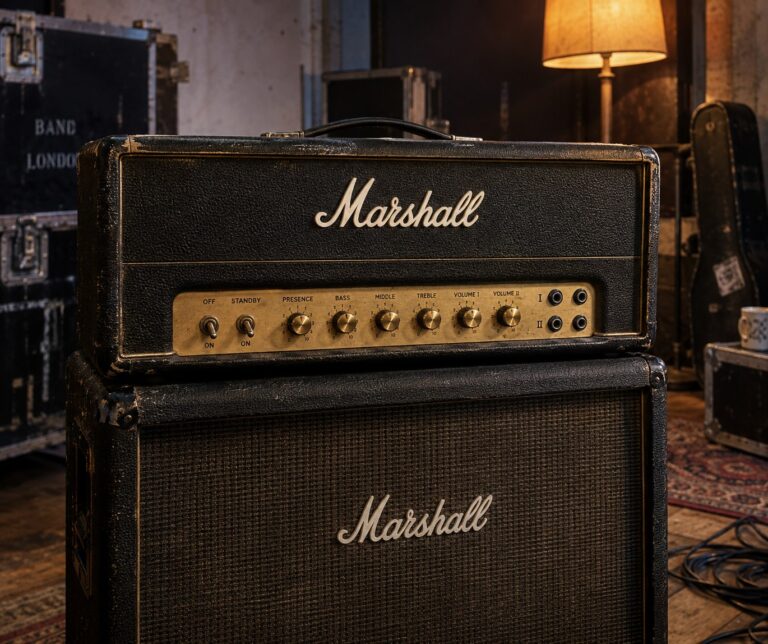
A Marshall Super Lead — the vintage Plexi-panel 100-watt head — served the Hendrix-influenced and hard rock material. Hendrix’s specific use of Marshall amplification was central to his tonal identity, and Kravitz’s use of the same amplifier type for Hendrix-influenced material reflected the same historical understanding that guided his instrument choices.
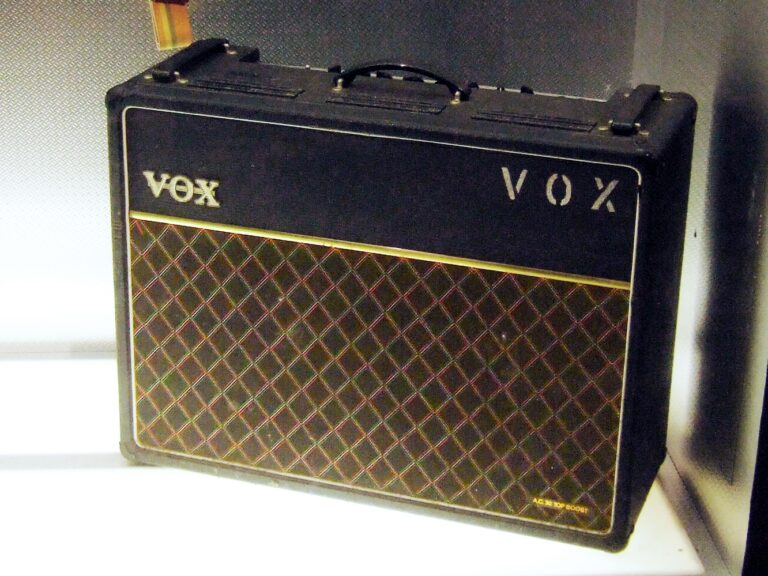
He also used vintage Vox AC30 amplifiers for the Beatles and British Invasion-influenced material — the specific EL84 character and upper-midrange emphasis that the AC30 produced was central to the British Invasion guitar sound, and using the same amplifier gave the playing its specific tonal connection to that tradition.
For his studio recordings, Kravitz maintained multiple vintage amplifiers available simultaneously — allowing him to choose the specific amplifier character appropriate for each specific musical moment rather than applying a single consistent setup across the full range of musical territory his albums covered.
Effects
Kravitz’s effects chain was extensive and historically oriented — a collection of vintage effects units chosen for their specific historical associations and tonal character rather than for general-purpose versatility.
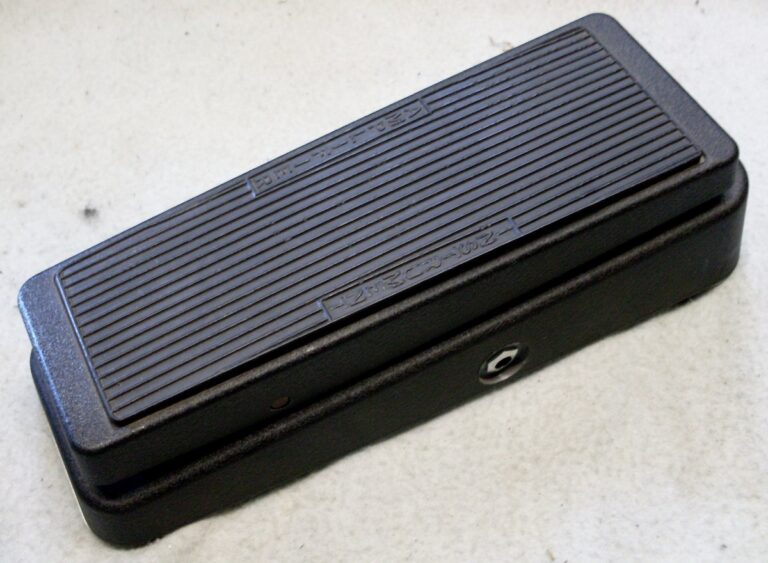
A vintage Cry Baby wah — the original Vox or Thomas Organ version rather than later Dunlop versions — appeared for the Hendrix-influenced wah work that was a recurring element across his catalogue. The vintage wah’s specific inductor characteristics and the specific frequency sweep produced by the vintage components gave the effect a different character from later reproductions — warmer, with a different quality of vocal expressiveness that Kravitz valued for the Hendrix-adjacent material.
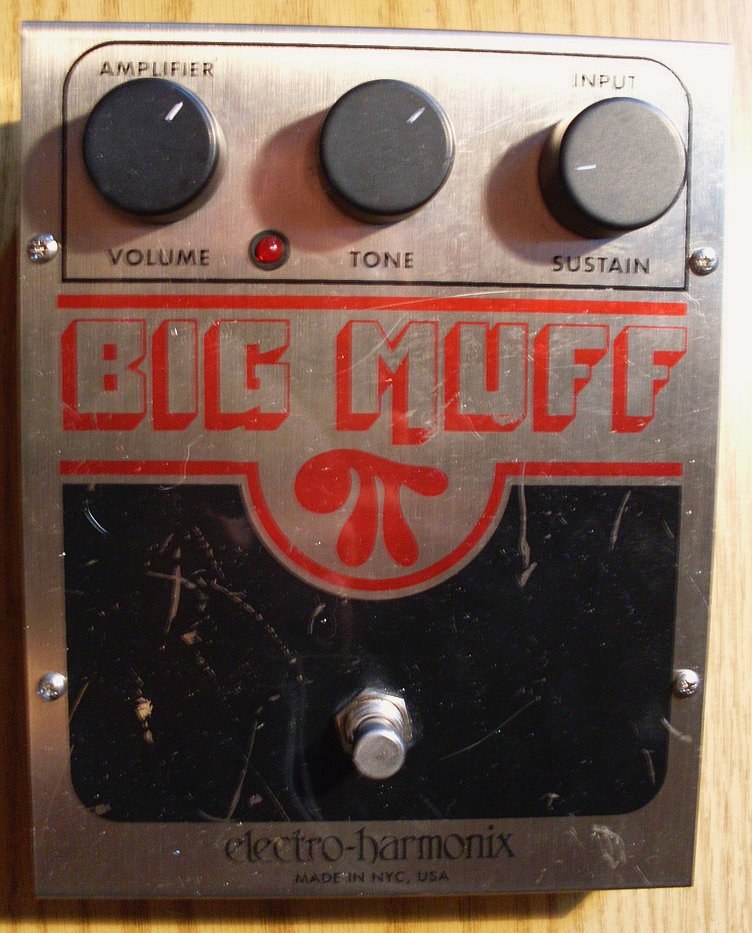
A vintage Electro-Harmonix Big Muff Pi — the early-production version with the specific op-amp configuration and components of the early models — provided the sustained, dense fuzz character for specific hard rock and Hendrix-influenced passages. The specific Big Muff character — different from transistor fuzz, with the specific compressed, harmonically rich quality of op-amp clipping — was central to specific aspects of the sound he was drawing on.
A vintage Echoplex tape echo appeared for the atmospheric depth and slap-back echo effects that different traditions in his catalogue required. The Echoplex’s warm, organically varying tape delay character — consistent with Dave Edmunds’ choice for the same historical reasons — gave lead guitar passages their specific spatial dimension.
Various vintage fuzz and overdrive pedals — the Dallas Arbiter Fuzz Face, the Maestro FZ-1 Fuzz Tone, and other period-correct units — contributed their specific tonal characters to different passages in his recordings. His preference for vintage units over reproductions reflected his general commitment to the original equipment rather than modern approximations.
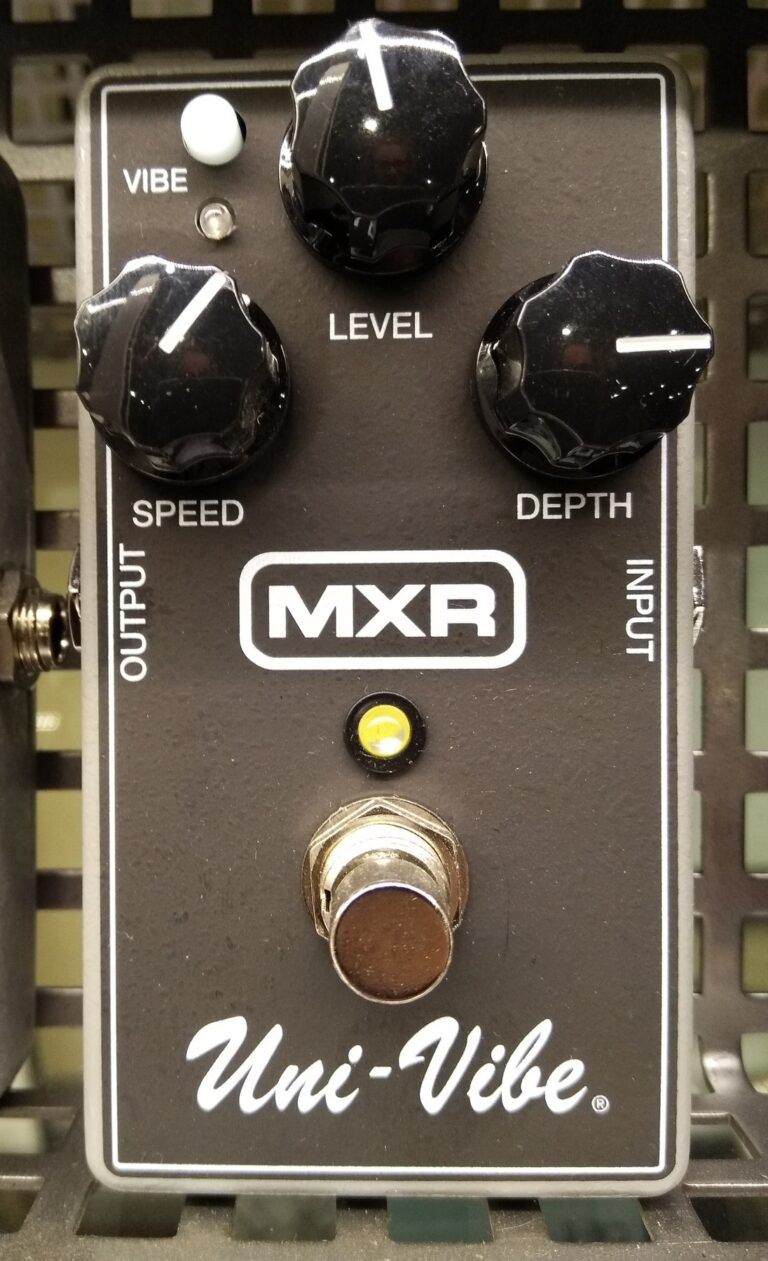
A vintage Uni-Vibe for the Hendrix-adjacent rotary-speaker-simulation effect that appeared in specific psychedelic passages, and various other period-correct effects units that gave his recordings their specific character of historical depth and authenticity.
Playing Style & Tone Philosophy
Lenny Kravitz’s playing style reflects the breadth of his musical knowledge — the ability to move between the specific technical approaches of funk rhythm guitar, Hendrix-style lead, Beatles-influenced pop chord work, and Sly Stone funk textures without losing the specific character that distinguishes each tradition. This breadth is not generic versatility but genuine command of each specific tradition’s requirements, developed through intensive listening and direct learning from the original recordings rather than through formal instruction that might have imposed a unified technical approach at the expense of traditional specificity.
His funk rhythm playing — drawing on James Brown’s guitar tradition and the specific rhythmic vocabulary of early-1970s soul — reflects the specific rhythmic precision and the specific chord voicings (the sharp, percussive attacks of soul rhythm guitar, the specific relationship between guitar and bass in funk) that distinguish this tradition from generic rock rhythm playing. Getting this right requires understanding the tradition at a level that casual familiarity doesn’t provide, and Kravitz’s funk rhythm work demonstrated this understanding consistently across his career.
His Hendrix-influenced lead playing drew on the specific technical vocabulary of the Hendrix tradition — the thumb-over-the-neck chording, the specific combination of chord and melody that characterised Hendrix’s unique approach, the wah and feedback techniques — while remaining clearly Kravitz’s own voice rather than mere imitation. The specific sound of the Stratocaster through the Marshall wah pedal combination — historically correct equipment for this specific musical tradition — gave the playing its sonic connection to the original while the musical decisions were entirely contemporary.
His production approach — recording everything himself, using vintage equipment throughout, seeking the warmth and character of the original recordings he drew from — was as much a part of his guitar work as the playing itself. The specific decisions about which guitar, which amplifier, which effects combination, and how to record them were all made with the specific sonic character of the original recordings in mind, and the equipment choices reflected this historical awareness throughout.
How to Sound Like Lenny Kravitz
Guitar Approach
Match the guitar to the tradition: late-1950s Les Paul with PAF humbuckers for the hard rock and Hendrix-influenced work; vintage Stratocaster with single-coil pickups for the more psychedelic material; hollow or semi-hollow Gibson for the soul and R&B work. The most important element is understanding which tradition each specific piece of music draws from and choosing the instrument historically appropriate to that tradition. This requires genuine knowledge of the original recordings — knowing what instruments were played on the Hendrix records, on the Stax records, on the early funk records — and connecting that knowledge to instrument choices.
Amp Approach
Period-correct amplification matched to the tradition: tweed Fender for the soul and American R&B material; Marshall for the hard rock and Hendrix material; Vox AC30 for the Beatles-influenced pop material. Vintage effects — vintage wah, vintage Big Muff, tape echo — rather than modern reproductions where possible. The goal is the warmth and character of the original recordings rather than technical precision or modern production polish.
| Control | Setting | Notes |
|---|---|---|
| Volume (Input 1) | 7–9 | Natural EL34 saturation — Hendrix’s core tone |
| Treble | 7 | High — Stratocaster single-coils need treble presence |
| Middle | 6 | Moderate mids for the Marshall’s characteristic midrange warmth |
| Bass | 4–5 | Controlled bass — Hendrix tone was bright and present, not muddy |
| Presence | 6 | Moderate presence for note definition |
| Vintage Cry Baby | Swept actively | Active wah use for Hendrix-style expressive passages |
| Uni-Vibe | Slow, deep | For specific psychedelic passages |
Influence & Legacy
Lenny Kravitz’s legacy is the specific legacy of a musician who demonstrated that deep historical knowledge of multiple musical traditions could produce genuinely contemporary music rather than mere nostalgic recreation. His first album’s commercial and critical success — despite or perhaps because of its explicit retro orientation — showed that audiences responded to the musical quality that genuine historical understanding enabled rather than being put off by the apparent nostalgia of the approach.
His influence on subsequent neo-soul and retro-influenced artists — the musicians who incorporated vintage aesthetics and recording approaches into contemporary music across the 1990s and 2000s — reflected his demonstration that this approach was viable both artistically and commercially. The specific combination of vintage equipment, historical musical knowledge, and contemporary musical vision that defined his approach became a model for a generation of artists who pursued similar syntheses from their own starting points.
His guitar work specifically — the demonstration that a single musician could play convincingly in the Hendrix tradition, the James Brown tradition, the Beatles tradition, and the Sly Stone tradition within a single album — showed that genuine musical breadth was achievable through intensive study and genuine love for the traditions rather than through formal training alone. Players who studied his records heard in them a model of how comprehensive musical knowledge could be translated into specific guitar contributions across radically different musical contexts.
For players exploring the retro-soul and multi-tradition synthesis that Kravitz represents, the rigs of Waddy Wachtel — whose session career covered similar musical breadth from a different stylistic angle — and Doyle Bramhall II, whose blues-rooted approach showed how deep engagement with a specific tradition could produce genuinely distinctive music, provide illuminating comparison. The production dimension of his work connects to Dave Edmunds‘ approach, which shows how similar commitment to historical sonic authenticity shaped guitar recordings in a different cultural and musical context.
Are You Gonna Go My Way: The Riff That Defined a Career
“Are You Gonna Go My Way” (1993) — the album’s opening track and the song most widely associated with Kravitz’s guitar identity — is worth examining in specific detail as a document of how his equipment choices and playing approach combined to produce something immediately recognisable and genuinely powerful. The opening guitar riff of the song is one of the most effective in 1990s rock — simple enough to be immediately memorable, complex enough to be interesting on repeated listening, and tonally distinctive enough to be immediately identifiable as Kravitz rather than as any of the players it explicitly drew on.
The Les Paul through the Marshall at working volume — the specific combination that produces the specific warmth, sustain, and harmonic complexity that the song’s riff required — was the correct equipment for this specific moment. The PAF humbucker’s warmth gave the lower string notes of the riff their specific body and authority; the Marshall’s natural EL34 drive gave the overall tone its specific quality of controlled aggression; the combination of the two produced the specific sound that the song’s energy level required without the harshness that excessive gain would have introduced.
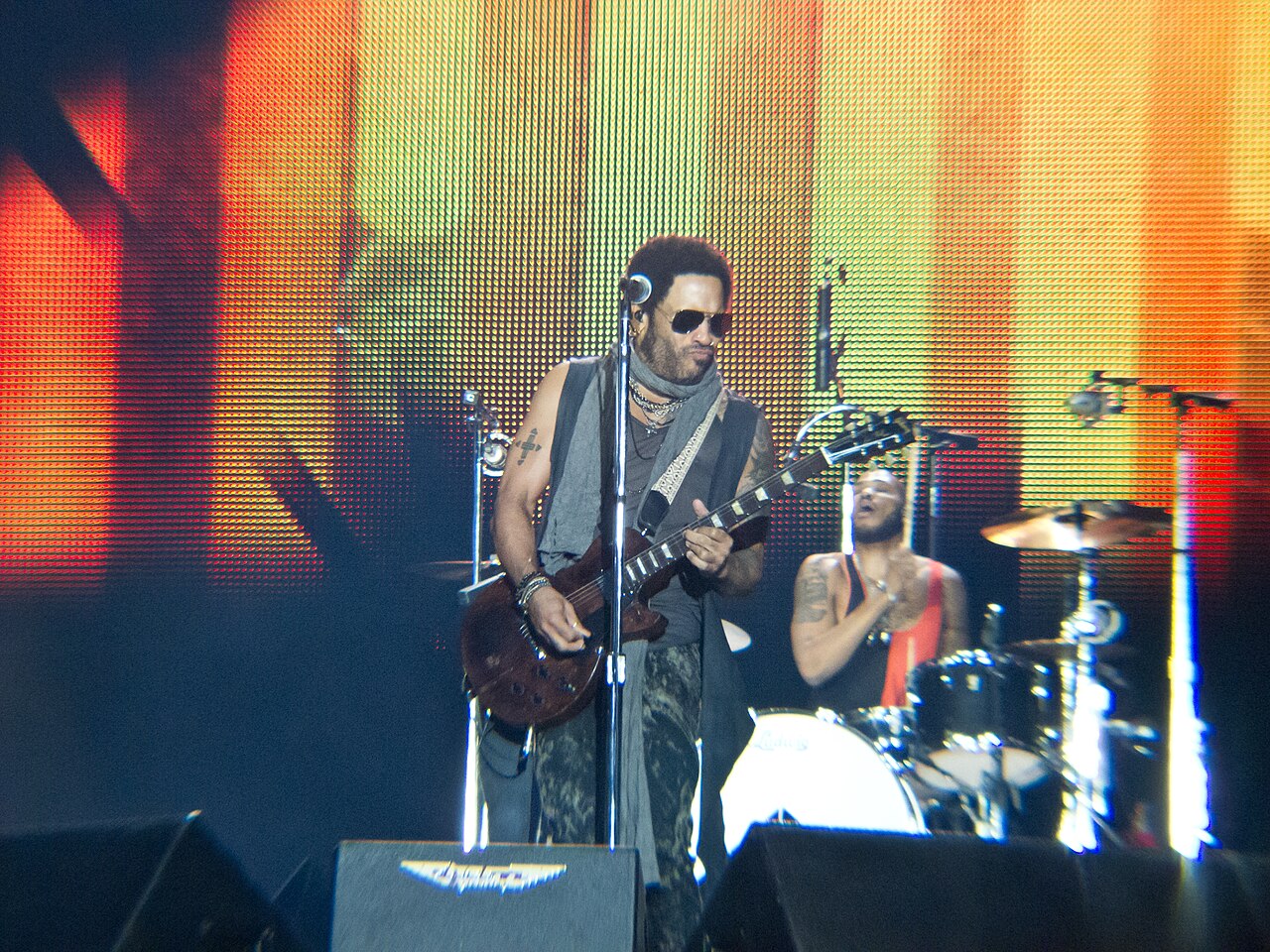
The rhythm playing beneath the riff — the specific way the guitar locked with the bass and drums in the verses and choruses — showed the James Brown and soul influences in Kravitz’s musical formation: the rhythmically precise, physically authoritative chord attacks that gave the funk-influenced sections their specific groove. This rhythmic dimension of “Are You Gonna Go My Way” — often overlooked in discussions that focus on the memorable riff — was as central to the song’s power as the riff itself, and it required the specific kind of rhythm guitar understanding that genuine engagement with the funk and soul traditions develops.
The guitar solo — a mid-song lead break that drew on both the Hendrix tradition and the rock lead vocabulary of the early 1970s — showed the Stratocaster-to-Les Paul range of his lead vocabulary. The specific note choices, the bending technique, and the vibrato approach all reflected the period-correct influences he was drawing on, executed with the technical facility of a player who had spent years absorbing those specific techniques from the original recordings rather than developing them abstractly.
Let Love Rule: The One-Man Band Concept
Let Love Rule (1989) — Kravitz’s debut album, recorded entirely by himself in his apartment — is the most radical single statement of his musical philosophy and the most direct demonstration of how his multi-instrumental and historical knowledge translated into a complete recorded statement. Understanding what he actually did to make this album — the specific equipment he used, the recording approaches he adopted, and the musical knowledge that guided both — illuminates both the album’s specific character and his broader approach to guitar work throughout his career.
The recording was made on a vintage 16-track recorder using period-correct vintage microphones and vintage outboard processing — the same commitment to historical sonic authenticity that characterised his instrument and amplifier choices. The guitar tracks were recorded through vintage amplifiers into the vintage recording chain, capturing the specific warmth and character of the period-correct equipment rather than the more clinical precision of digital recording technology. The resulting sound — warm, slightly compressed in the way that analogue recording introduces natural compression, with the specific character of vintage equipment throughout the chain — gave the record its specific character of historical depth that distinguished it from both vintage recreations and contemporary digital productions.
The specific guitar tones across different tracks on the album reflected the historical awareness that each specific song required: the Les Paul through the Marshall for the rock-oriented material, the Stratocaster for the Hendrix-influenced passages, the semi-hollow for the soul and R&B tracks, the acoustic guitar for the more intimate folk-influenced material. Each choice was made with genuine knowledge of what the original recordings in each tradition sounded like and why, and executed with the technical facility to reproduce those specific qualities in a new recording context.
The album’s commercial success — unusual for a debut record of this artistic ambition — validated the approach in the most direct possible way. Audiences responded to the specific warmth and character of the vintage sounds, to the musical authenticity that genuine historical knowledge enabled, and to the completeness of the artistic statement that recording everything himself produced. The guitar work was central to this success: not merely as a demonstration of technical ability but as a demonstration of genuine musical understanding across multiple traditions simultaneously.
The Vintage Equipment Philosophy: Why Originals Matter
Kravitz’s commitment to original vintage equipment — instruments, amplifiers, effects, and recording technology — rather than modern reproductions reflects a specific aesthetic and acoustic philosophy worth examining in detail, because it is more nuanced than simple nostalgia or collector’s instinct.
The original recording equipment of the 1960s and 1970s was not designed to the same precision specifications that modern equipment typically achieves — component tolerances were wider, manufacturing quality was less consistent, and the electronic circuits themselves were simpler in design. These apparent limitations produced specific acoustic qualities that modern equipment, designed to higher precision standards, doesn’t reproduce: the specific way that analogue tape introduces harmonic distortion and natural compression at high recording levels, the specific frequency response of vintage microphones and preamplifiers that emphasised the midrange in ways that suited the human voice and guitar, the specific character of vintage amplifier circuits that used components with wider manufacturing tolerances than modern precision parts.
Kravitz understood that the warmth and character of the original recordings he drew from was partly a product of this equipment — that recording a 1960s Les Paul through a 1960s Marshall and capturing the result on a 1960s recording chain produced something that the same guitar and amplifier captured by modern digital equipment would not exactly replicate. His commitment to the complete chain of vintage equipment — instruments, amplifiers, and recording technology — reflected this understanding, and the specific warmth and character of his recordings was the evidence that the understanding was correct.
The economics of this commitment were substantial: vintage equipment is expensive, requires specific maintenance expertise, and often involves practical challenges that modern equipment avoids. Kravitz’s willingness to incur these costs and manage these challenges reflected genuine artistic conviction — the understanding that the specific sonic character of the vintage equipment was essential to the artistic statement rather than merely preferred for historical reasons.
The Hendrix Connection: Tribute and Innovation
The Jimi Hendrix influence that runs through so much of Kravitz’s guitar work deserves specific examination both for its explicit dimensions (the equipment choices, the specific playing techniques) and for the ways in which his use of this influence was genuinely creative rather than merely imitative.
Hendrix’s guitar approach — the Stratocaster through the Marshall wah combination, the thumb-over-the-neck chording that gave his rhythm playing its specific sonic character, the feedback management that gave his psychedelic passages their orchestral quality — was one of the foundational influences on Kravitz’s own playing, and his equipment choices for the Hendrix-influenced material specifically (the vintage Stratocaster, the Marshall Super Lead, the vintage Cry Baby) reflected genuine engagement with what made Hendrix’s specific sounds the way they were.
But the Hendrix influence in Kravitz’s music was always filtered through his own musical personality rather than reproduced directly. The specific note choices, the specific harmonic vocabulary, the specific relationship between the guitar and the other instruments in the arrangement — all of these reflected Kravitz’s own musical intelligence rather than direct imitation. This distinction — absorbing an influence deeply enough that it becomes part of one’s own musical vocabulary rather than remaining an external model to be imitated — is the specific difference between genuine musical influence and stylistic appropriation, and Kravitz’s Hendrix-influenced guitar work consistently demonstrated the former rather than the latter.
The equipment choices that enabled this genuine engagement with the Hendrix tradition — the vintage Stratocaster, the Marshall, the Uni-Vibe and wah — were not mere props but the actual instruments that produced the specific sounds he was drawing on. Playing the same equipment gave him direct physical access to the same acoustic realities that shaped Hendrix’s playing, and this direct access informed his own playing in ways that using different equipment while studying Hendrix could not have reproduced. The equipment was not incidental to the musical influence but central to how that influence was absorbed and transformed into something genuinely his own.
Lenny Kravitz remains, at the time of writing, a continued force in American music — releasing new recordings and performing internationally, maintaining the same fundamental commitment to vintage equipment and historical musical knowledge that has always defined his approach. The specific guitar sounds he created across his career — the Les Paul on “Are You Gonna Go My Way,” the Stratocaster on the more psychedelic material, the semi-hollow soul guitar — are as distinctive and as recognisable as any in contemporary music, and they were created through genuine historical knowledge rather than through mere stylistic posturing. The equipment served the music; the music served the traditions it drew from; and the traditions were honoured by the genuineness of the engagement. That is Lenny Kravitz’s gear story in its most complete and accurate form.
The Danelectro and Harmony guitars in Kravitz’s collection — the affordable American-made instruments of the 1960s whose specific “lipstick tube” single-coil pickups produced a distinctly nasal, thin quality quite unlike vintage Gibson and Fender instruments — reflect the same historical specificity that characterised every other instrument choice he made. These instruments were used on specific original recordings: the Danelectro’s specific tonal character was central to the guitar sounds on specific Sears-budget pop records of the early 1960s, and Kravitz’s use of similar instruments for specific textural and tonal applications in his own recordings showed genuine knowledge of what those instruments contributed to the original recordings he was drawing from. The lipstick tube pickup’s specific character — high inductance, with a specific nasal, almost sitar-like midrange emphasis — produced a tonal colour unavailable from any more expensive alternative, and Kravitz’s willingness to use these instruments for their specific tonal contribution rather than defaulting to the premium vintage Gibsons and Fenders that dominated the rest of his collection reflected the same musical intelligence that characterised his complete approach to equipment selection. Every instrument in his collection was there for a specific musical reason; every specific musical reason was grounded in genuine knowledge of the original recordings that shaped his vision; and the vision was always in service of the music rather than of the equipment.
The specific recording environment Kravitz created in his personal studio — the vintage 16-track or 24-track analogue recording equipment, the vintage console, the vintage outboard processing — was as much a part of his guitar sound as any physical piece of guitar equipment. The specific way that analogue tape recording responds to the dynamics of guitar playing, saturating naturally at high input levels and compressing the dynamic range in ways that digital recording doesn’t, contributed to the warmth and character of his guitar recordings in ways that were perceptible to listeners even if they couldn’t articulate the specific mechanism. His understanding of the recording chain as part of the instrument — that the guitar sound was the product of the instrument, the amplifier, the microphone placement, and the recording medium working together as an integrated system — was the foundation of his ability to recreate the specific warmth and character of his historical references in contemporary recordings. The gear served the sound; the sound served the music; and the music honoured the traditions that made it possible.
The Fender Stratocaster’s role in Kravitz’s collection — specifically its use for the Hendrix-influenced material rather than as a general-purpose primary instrument — reflects a sophisticated understanding of the relationship between instrument choice and musical tradition that distinguishes his approach from simpler multi-instrumentalism. The Stratocaster’s three-pickup configuration, its vibrato arm, and the specific character of its Alnico V single-coil pickups were all central to Hendrix’s specific sonic approach — the way the vibrato arm was used for specific performance techniques, the way the neck pickup’s warmer character contrasted with the bridge pickup’s brightness for different types of passages, the way the single-coil’s inherent clarity and dynamic sensitivity responded to the pick attack variations that Hendrix’s technique exploited. Kravitz’s use of the Stratocaster specifically for the Hendrix-influenced material — rather than applying it uniformly across all the traditions in his catalogue — showed this understanding: the instrument was appropriate for this specific musical tradition for specific acoustic reasons, and using it for those reasons rather than as a default choice reflected genuine knowledge of what the instrument contributed rather than mere brand preference or stylistic posturing. The Les Paul for the hard rock and soul material where humbucker warmth was the appropriate tonal character; the Stratocaster for the psychedelic and Hendrix-influenced material where single-coil clarity and vibrato arm were the appropriate tools; the Telecaster for the R&B and country material where that instrument’s direct, twangy character was most historically appropriate. Each choice was correct for specific acoustic and historical reasons, and the correctness of all of them together was what gave Kravitz’s guitar work its specific quality of historical authenticity combined with contemporary vitality.
The Bob Marley influence that ran through several tracks on Let Love Rule and that appeared in various forms across subsequent albums reflected another dimension of Kravitz’s historical knowledge — the specific reggae rhythmic vocabulary, the specific guitar tones (typically clean, with the guitar playing the “skank” rhythm pattern that is reggae’s defining rhythmic element), and the specific recording approaches of the Kingston, Jamaica studio tradition. His guitar playing in the reggae-influenced passages showed the same historical understanding as his other work: the correct instrument (typically a semi-hollow or single-coil electric), the correct amplification approach (clean, with the natural reverb of the recording space contributing to the dub-influenced spatial quality), and the correct rhythmic approach (the offbeat “skank” accent pattern that is as specific to reggae as the shuffle pattern is to the blues). This historical awareness across such a diverse range of traditions — from Hendrix psychedelia to Marley reggae to James Brown funk to Beatles pop — was what made Kravitz’s multi-tradition synthesis genuinely coherent rather than a random collection of stylistic references, and the equipment that served it was chosen with the same comprehensiveness of historical knowledge that the playing itself demonstrated.
The Big Muff Pi’s specific role in Kravitz’s effects chain — for the harder-rocking and Hendrix-influenced passages that required dense, sustained fuzz — is worth examining in the context of his overall historical approach. The Big Muff was not a Hendrix-era effect in the strict sense — Hendrix used the Dallas Arbiter Fuzz Face and the Octavia rather than the EHX Big Muff, which was introduced in 1969 toward the end of Hendrix’s career and became more widely used in the post-Hendrix era. Kravitz’s use of the Big Muff for the Hendrix-influenced material reflected his adaptation of the historical approach rather than strict period correctness: the Big Muff’s specific quality of sustained, dense fuzz was appropriate for the sonic character he was pursuing even if it wasn’t historically precise to Hendrix’s own equipment. This willingness to be historically informed rather than historically literal — using period-appropriate equipment that served the specific sonic character he was pursuing rather than insisting on exact historical accuracy where that accuracy might compromise the music — reflected an artistic maturity that distinguished his approach from mere period recreation. The equipment was in service of the music’s sonic character rather than of historical correctness as an end in itself, which is the correct priority for a musician whose ultimate goal was to make genuinely new music rather than museum-quality historical recreation.
Lenny Kravitz’s career arc — from the debut recorded alone in his apartment to international superstar status to continued creative engagement decades later — demonstrates how genuine musical knowledge, combined with genuine artistic conviction, can sustain a career of unusual range and unusual longevity. The guitar equipment that served this career: the vintage Les Pauls and Stratocasters, the Marshall and Vox and tweed Fender amplifiers, the vintage effects and recording technology — was chosen with the same seriousness and the same genuine historical knowledge that shaped every other aspect of his musical identity. The gear was never about status or collection but about service to the music and to the traditions the music drew from. That orientation — equipment in service of music and tradition rather than as an end in itself — is the deepest lesson that Lenny Kravitz’s gear story offers to any musician who pays close enough attention to it.
One practical dimension of Kravitz’s multi-instrumental approach that deserves specific mention is how his guitar work was informed by his proficiency on other instruments, particularly bass and drums. A guitarist who also plays bass develops a different understanding of the rhythm section’s role and of how the guitar should function rhythmically within it; a guitarist who also plays drums develops a different understanding of rhythmic placement and attack that influences how chord rhythms are executed. Kravitz’s facility on all the rhythm section instruments gave him a complete perspective on how the guitar fitted into the overall rhythmic picture that pure guitarists — who have never inhabited the bassist’s or drummer’s perspective — don’t develop in the same way. This complete rhythmic perspective was audible in his guitar playing: the specific attack timing, the specific relationship between his chord rhythms and the bass and drum patterns, and the specific dynamic interplay between the guitar and the rhythm section all reflected an understanding of the overall rhythmic picture that single-instrument specialists rarely achieve. The guitar playing was better because the music was understood from multiple instrumental perspectives simultaneously, and the equipment that served the playing — clean enough to reveal rhythmic precision, warm enough to blend with the rhythm section, historically appropriate to each specific tradition — was chosen with this complete rhythmic understanding in mind.
Frequently Asked Questions: Lenny Kravitz Guitars & Gear
What guitars does Lenny Kravitz play?
Kravitz’s guitar collection is extensive and historically oriented. His primary instruments include vintage late-1950s Gibson Les Paul Standards (with original PAF humbuckers), vintage Fender Stratocasters (for Hendrix-influenced material), Fender Telecasters (for R&B and country material), vintage Danelectro and Harmony guitars (for specific textural applications), and various Gibson hollow-body and semi-hollow instruments (for soul and R&B material). His instrument choices reflect genuine historical knowledge of what guitars were used in the original recordings he draws from.
What amps does Lenny Kravitz use?
His amplification collection includes vintage Fender Tweed amplifiers (Deluxe and Twin) for American soul and R&B material, Marshall Super Lead heads for Hendrix-influenced and hard rock material, and Vox AC30 amplifiers for Beatles and British Invasion-influenced material. He maintains multiple vintage amplifiers in his studio to allow historically appropriate amplification choices for the specific musical territory of each recording.
Does Lenny Kravitz play all the instruments on his albums?
On his debut album Let Love Rule (1989) and on much of his subsequent work, Kravitz played all the instruments himself — guitar, bass, piano, drums, and various other instruments — as both a practical and a philosophical choice. Practically, it allowed him to control every aspect of the recordings to serve his specific sonic vision. Philosophically, it connected him to the tradition of musician-producers who made complete artistic statements through total creative control over their recordings. Some later albums incorporated other musicians for specific instrumental contributions.
What effects does Lenny Kravitz use?
His key effects include a vintage Cry Baby or Vox wah (original vintage versions for historical accuracy), a vintage Electro-Harmonix Big Muff Pi, a vintage Echoplex tape echo, a vintage Uni-Vibe, and various other period-correct vintage fuzz and overdrive units. His preference for original vintage effects over modern reproductions reflects the same commitment to historical authenticity that characterises his instrument and amplifier choices.
What is Lenny Kravitz’s most famous guitar moment?
“Are You Gonna Go My Way” (1993) — the opening riff of the song, played on a Les Paul through a Marshall, immediately establishing the album’s hard rock character — is probably his most widely recognised guitar moment, combining Hendrix influence with a genuinely memorable riff that is completely his own. The specific guitar tone on that track — the PAF humbucker through a driven Marshall, bright and present without being harsh — is one of the most immediately recognisable guitar sounds of the 1990s.
How did Lenny Kravitz learn to play guitar?
Kravitz is self-taught on guitar, as he is on most of the instruments he plays. His learning process was direct — intensive listening to the records that mattered to him and direct imitation and development of what he heard on those records rather than formal instruction. This self-directed approach gave him a deep understanding of the relationship between instruments and the overall sound of recordings, and an intuitive sense of how specific instruments contributed to specific musical traditions that formal training might have systematised differently.
What recording studio does Lenny Kravitz use?
Kravitz has maintained his own recording studio — Kravitz Design Studio and various other personal facilities — equipped with vintage recording equipment (vintage mixing consoles, vintage outboard processing, vintage microphones) that allowed him to capture the specific sonic character of the period-correct recordings he used as his reference points. His commitment to vintage recording equipment paralleled his commitment to vintage instruments and amplifiers — the goal was the warmth and character of the original recordings rather than the technical precision of modern studio equipment.
Genre:
Rock / Funk / Soul
Decades:
1980s | 1990s | 2000s | 2010s | 2020s
Image credits
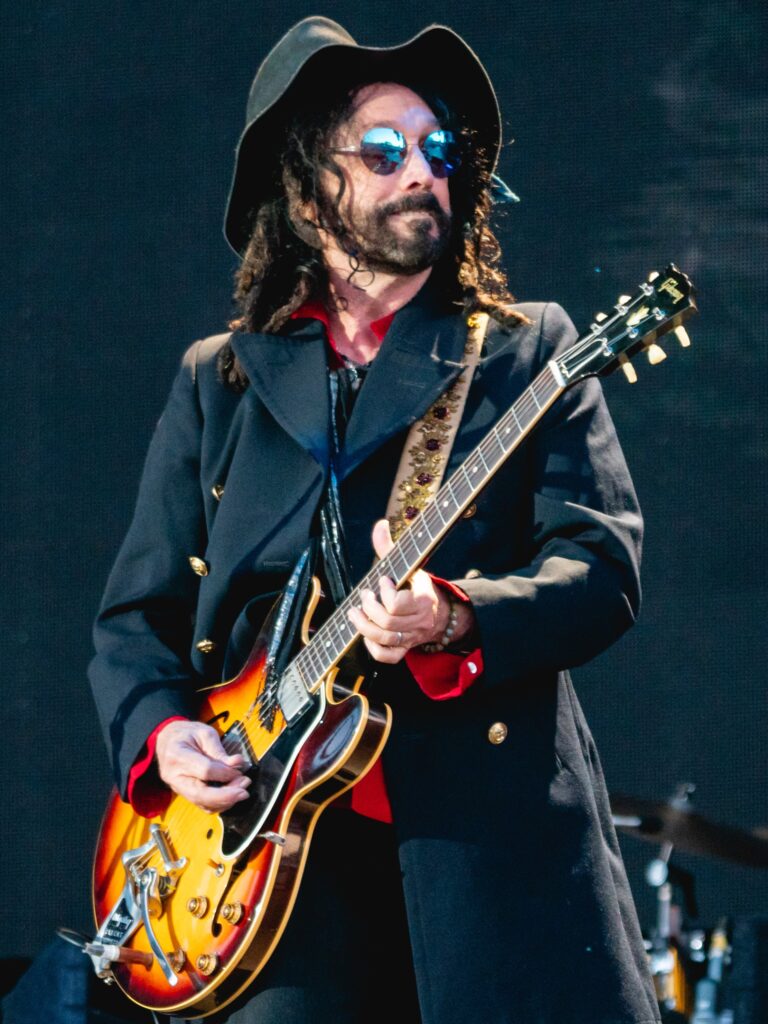
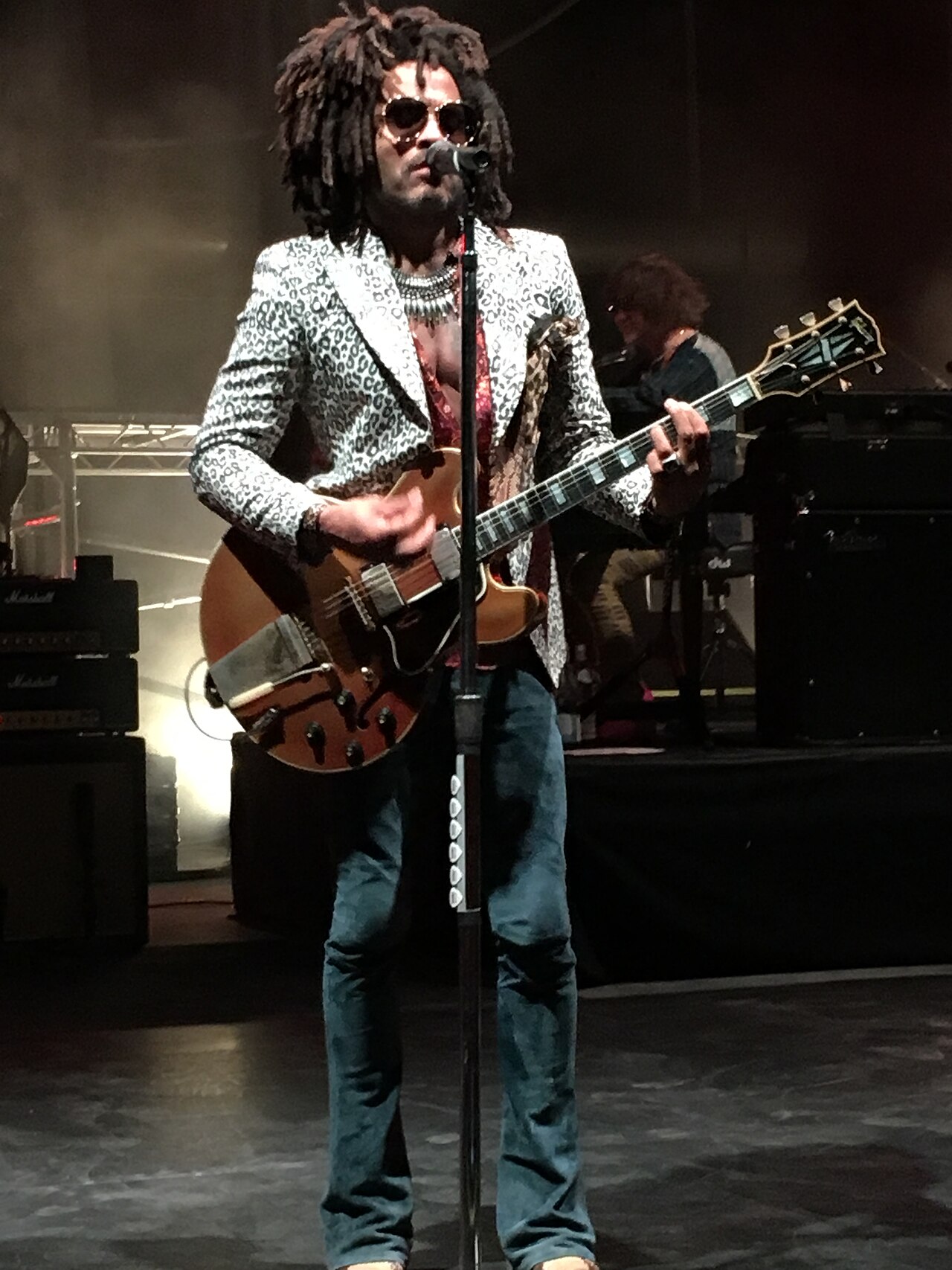
- Lenny Kravitz: Carlos Delgado, Wikimedia Commons, CC BY-SA 3.0.
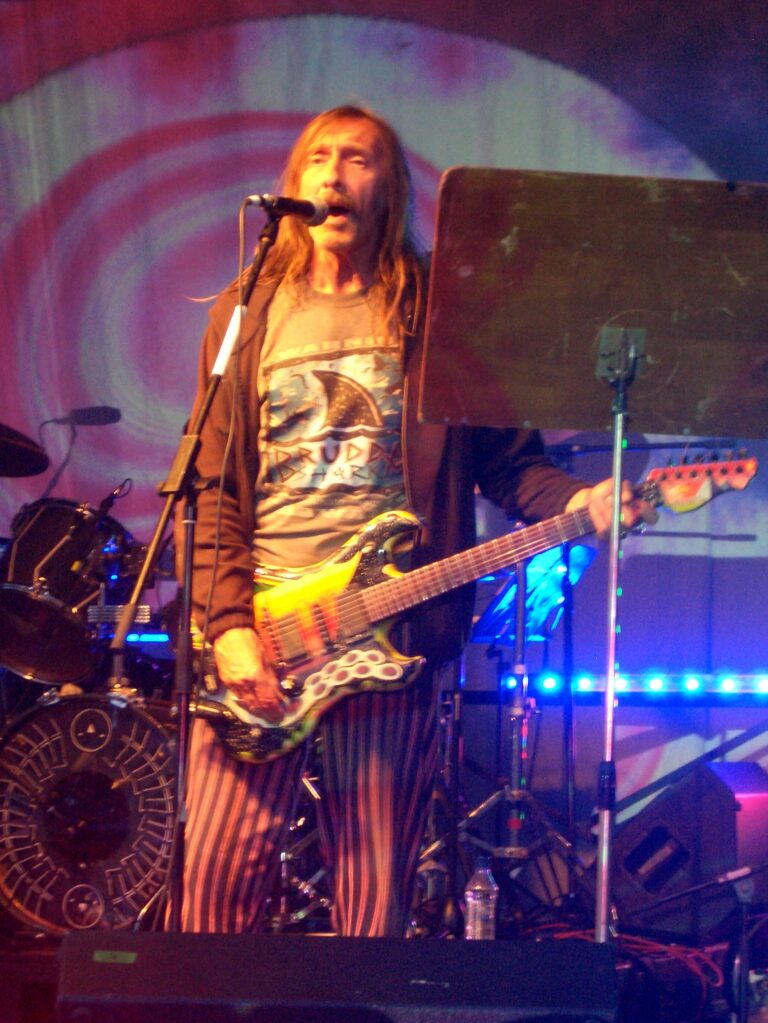
- Lenny Kravitz: Carlos Delgado, Wikimedia Commons, CC BY-SA 3.0.
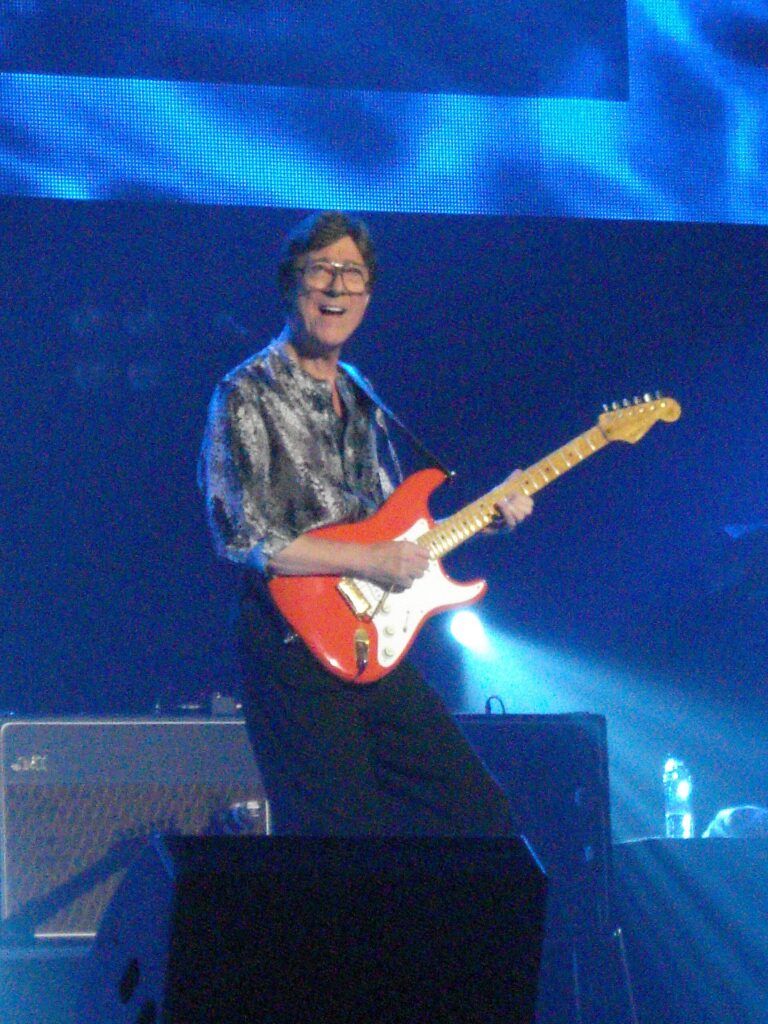
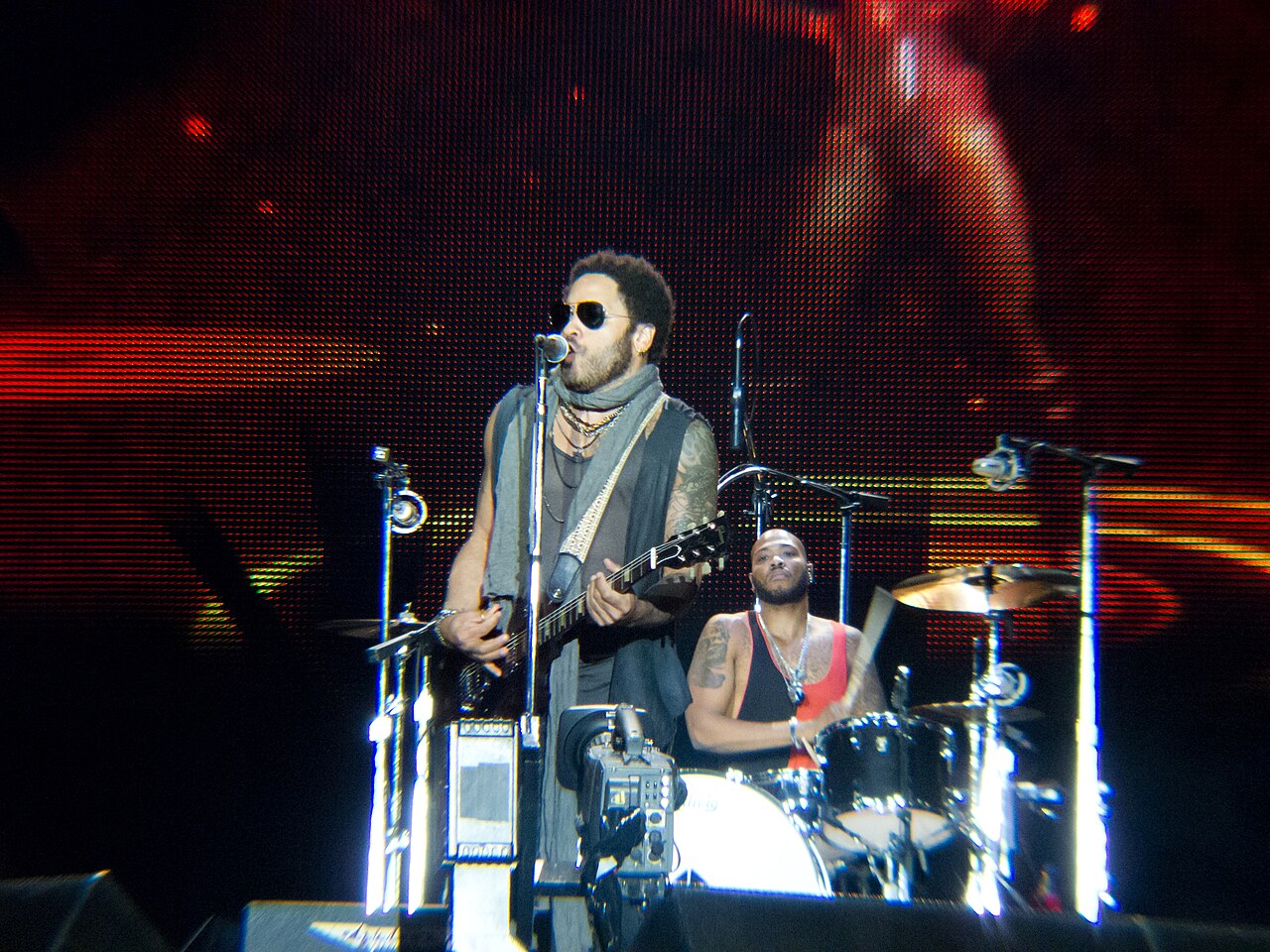
- Lenny Kravitz: Punx, Wikimedia Commons, CC BY-SA 4.0.
- Top image: Gage Skidmore, Wikimedia Commons, CC BY-SA 3.0.
- Fender Stratocaster: Lightburst, Wikimedia Commons, CC BY-SA 4.0.
- Fender Telecaster: Massimo Barbieri, Wikimedia Commons, CC BY-SA 3.0.
- Gibson ES-335: Lightburst, Wikimedia Commons, CC BY-SA 4.0.
- Marshall 1959 Super Lead Plexi: GuitarGangsters AI-generated reference illustration, not a photograph.
- Vox AC30 Top Boost: wetwebwork; existing crop and contrast/color adjustments: Clusternote, Wikimedia Commons, CC BY-SA 2.0.
- Dunlop Cry Baby: Roadside Guitars, Flickr, CC BY-SA 2.0.
- Electro-Harmonix Big Muff Pi: Roadside Guitars, Flickr, CC BY-SA 2.0.
- MXR Uni-Vibe: Skimel, Wikimedia Commons, CC BY-SA 4.0.