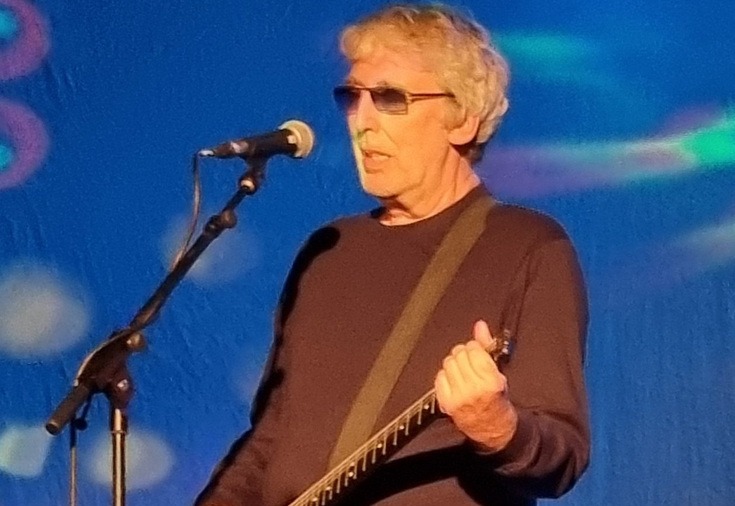
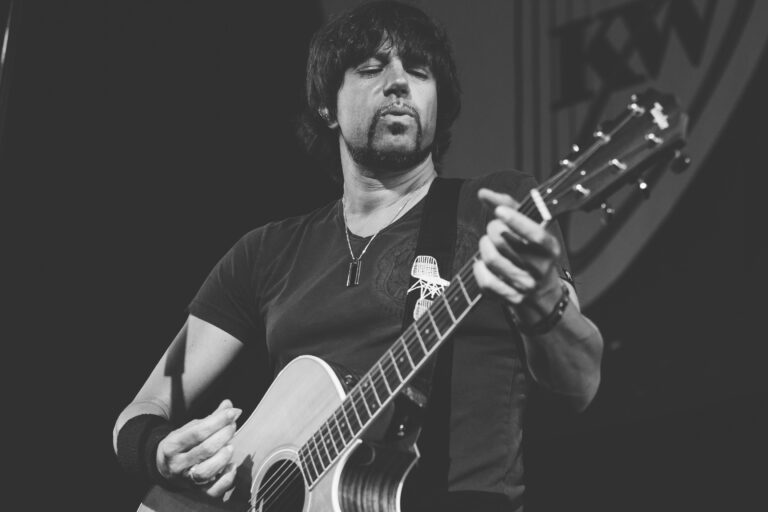
Tim Pierce Guitars & Gear: Hollywood’s Most Recorded Session Guitarist’s Complete Rig
Tim Pierce guitars gear — Stratocaster and Fender Super Reverb deep-dive for Hollywood's most recorded session guitarist's versatile tone and complete studio rig guide.
Investigate Tim Pierce guitars gear and you find the equipment of one of the most recorded session guitarists in the history of popular music — a Los Angeles-based musician whose guitar appears on recordings by Bruce Springsteen, Ringo Starr, Elton John, Whitney Houston, Don Henley, Rod Stewart, and hundreds of other major artists, whose specific combination of tonal versatility, musical intelligence, and technical range made him one of the most consistently employed studio guitarists of the last four decades, and whose parallel career as a YouTube educator has given a new generation of guitarists access to the specific knowledge and approach that produced his extraordinary session career. Pierce is the specific embodiment of what the highest level of professional session guitar required — not just technical competence but genuine comprehensive musical intelligence about what each specific recording context needed and the specific tonal tools to deliver it.
This guide covers Pierce’s complete equipment picture: the diverse guitars that served his extraordinary range of recording contexts, the amplification approach that gave his tones their specific warmth and versatility, his effects philosophy, and the playing approach of a musician who turned musical service into one of pop music history’s most distinguished extended professional careers. Understanding Tim Pierce’s gear is understanding how genuine musical comprehensiveness produces extraordinary sustained professional achievement.
Background
Tim Pierce grew up in the Los Angeles area, developing his musical approach through the specific combination of formal study and intensive self-directed learning that characterised the most accomplished LA-area musicians of his generation. He absorbed the full range of popular music guitar styles — rock, pop, country, R&B, blues — with the systematic thoroughness that would subsequently make him effective across the extraordinary range of recording contexts his session career encompassed.
His session career began in the 1980s and accelerated rapidly as his specific combination of musical versatility, reliable technical quality, and genuine musical intelligence became known among Los Angeles producers and artists. By the late 1980s and through the 1990s he was among the most sought-after session guitarists in the LA recording community, working across a range of commercial music contexts that few session musicians could have served with comparable quality.
His association with Bruce Springsteen — appearing on Springsteen’s recording sessions — was among his most publicly prominent professional associations, giving his guitar work a connection to one of American rock’s most celebrated and most critically serious artists. His Ringo Starr work placed him within the Beatles’ extended musical family. These associations, alongside hundreds of less publicly prominent but commercially significant recording contributions, documented a session career of genuinely extraordinary range and quality.
His YouTube educational presence — begun in the 2010s and growing to substantial following — gave the accumulated knowledge of a four-decade session career accessible public expression, making him as influential as an educator as he had been as a session musician across his professional prime.
Tim Pierce Guitars Gear: The Complete Rig
Guitars
Pierce’s guitar collection was diverse and practically comprehensive — covering the acoustic properties needed for virtually every recording context his career demanded.
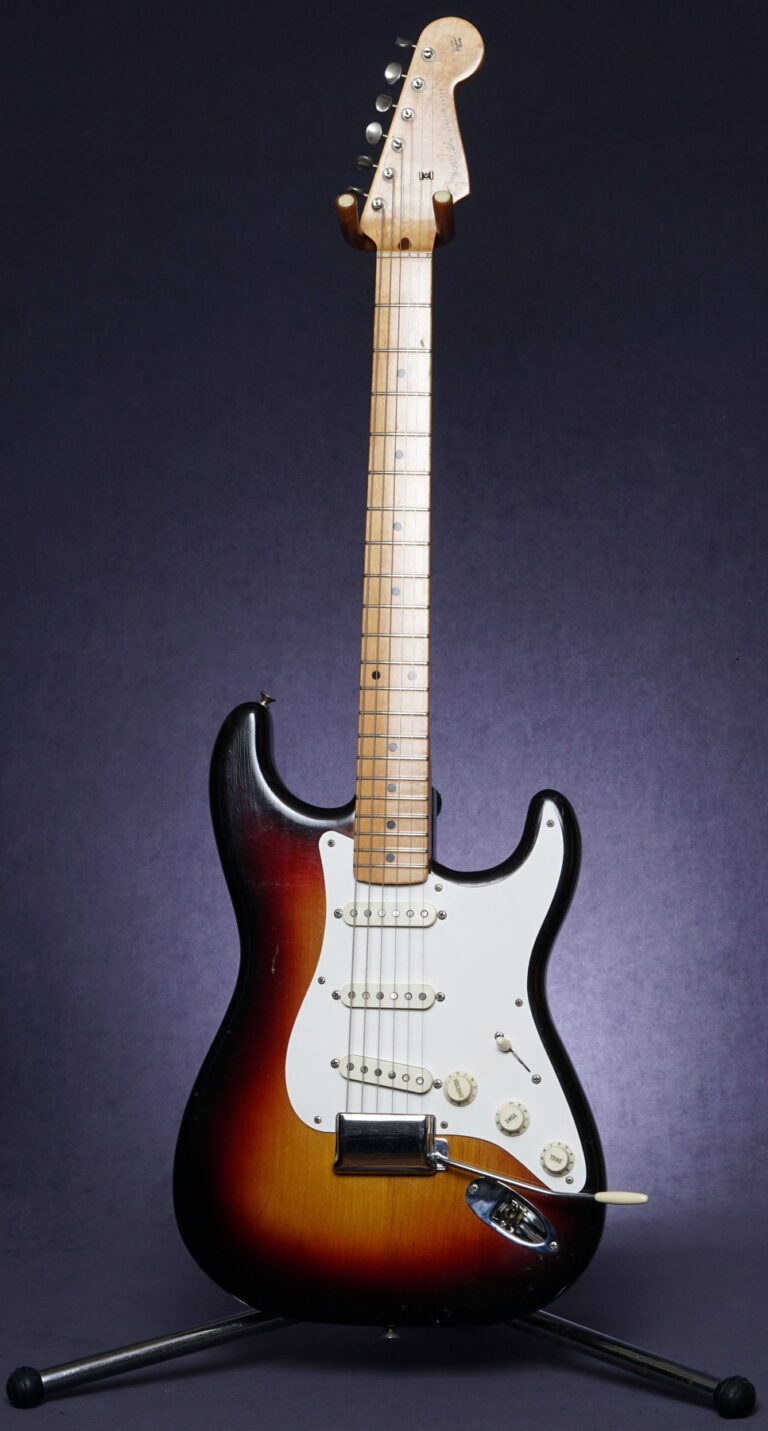
His primary guitar was a Fender Stratocaster — specifically a vintage or quality vintage-specification example that gave his primary single-coil sound its characteristic warmth and definition. The Stratocaster’s three-pickup configuration covered the full range of single-coil tonal characters, and his understanding of which pickup position served which specific musical context was as sophisticated as any other element of his professional musical intelligence.
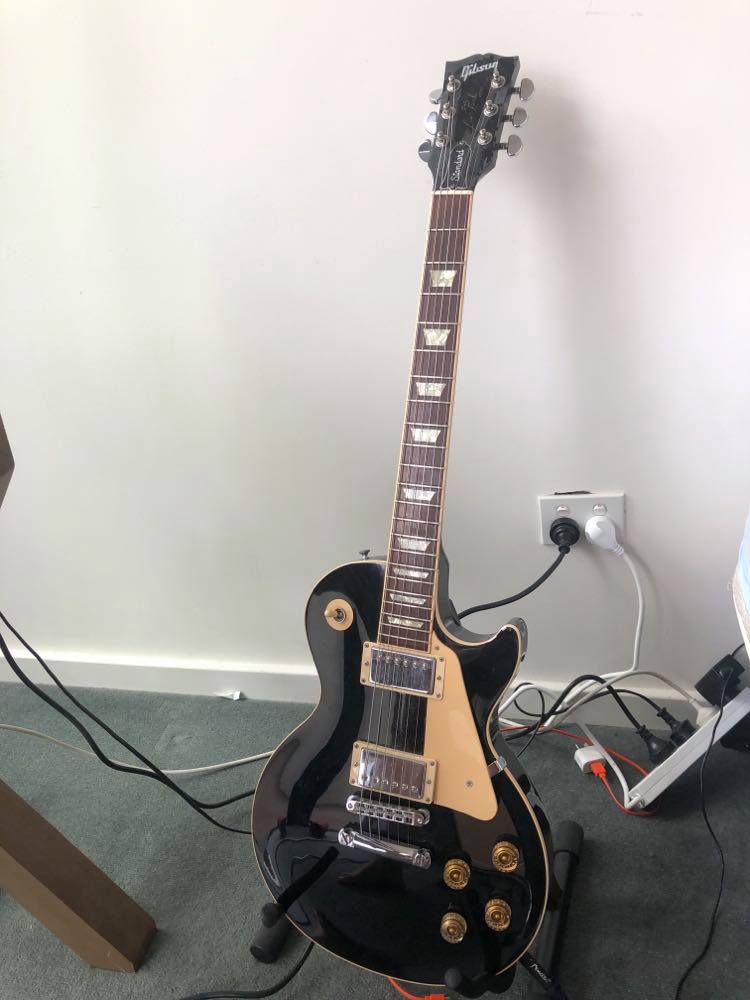
He also maintained a substantial collection of Gibson instruments — Les Pauls, ES-335s, and other Gibson designs for contexts requiring warmer humbucker character. His Les Paul provided the warm, sustaining double-coil character for rock, blues-rock, and specific pop contexts where that specific warmth was the right acoustic tool. The ES-335’s semi-hollow character served the jazz-influenced and more atmospheric contexts where the combination of acoustic resonance and electric amplification gave the guitar its specific depth and warmth.
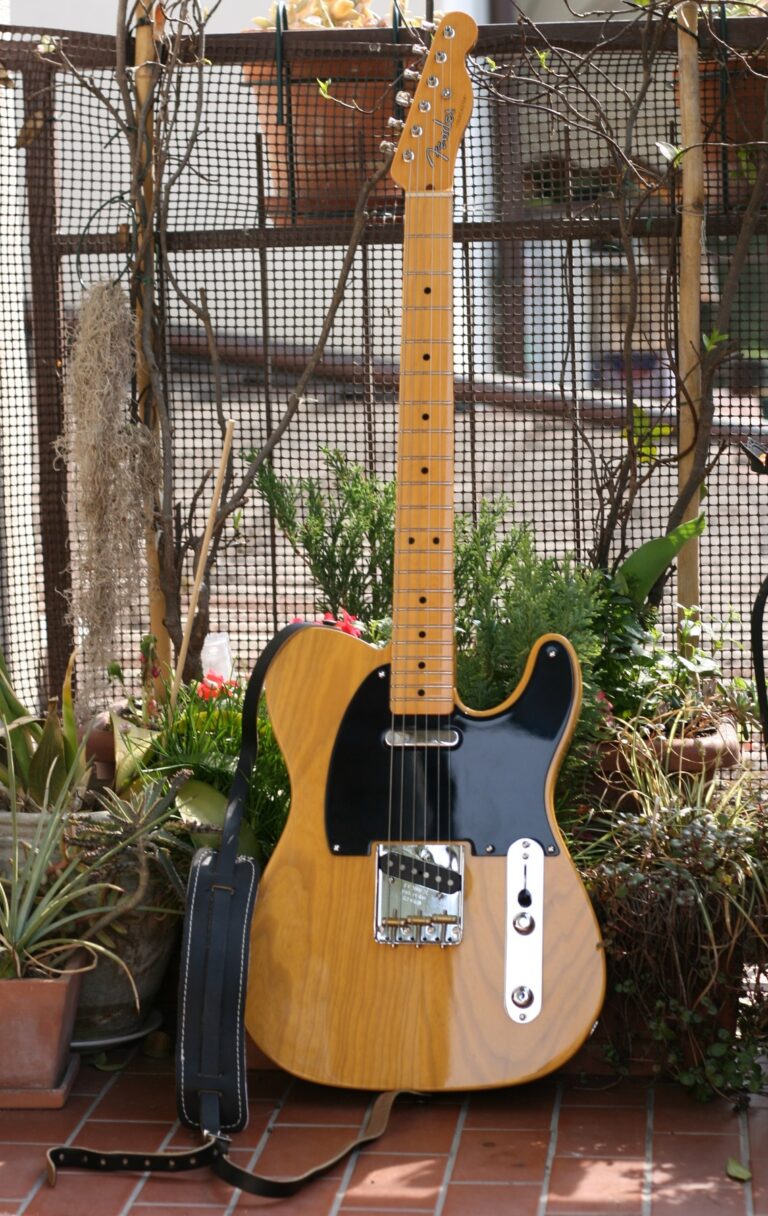
A Fender Telecaster for country and harder-edged rock contexts where the Telecaster’s specific bridge pickup cutting character was the right tool.
Various acoustic guitars — quality steel-string flattops for the acoustic guitar contributions that many of his session appearances required. His acoustic guitar work showed the same quality of musical intelligence as his electric work — the right guitar for the specific song’s acoustic requirements, played with the specific approach that the song’s specific character demanded.
String gauges were context-specific — medium gauges for most electric work, appropriate gauges for acoustic applications.
Amps
Pierce’s amplification approach was as diverse as his instrument collection — different musical contexts required different specific amplifier characters, and his practical intelligence about which amplifier served which context gave his recordings their specific tonal appropriateness.
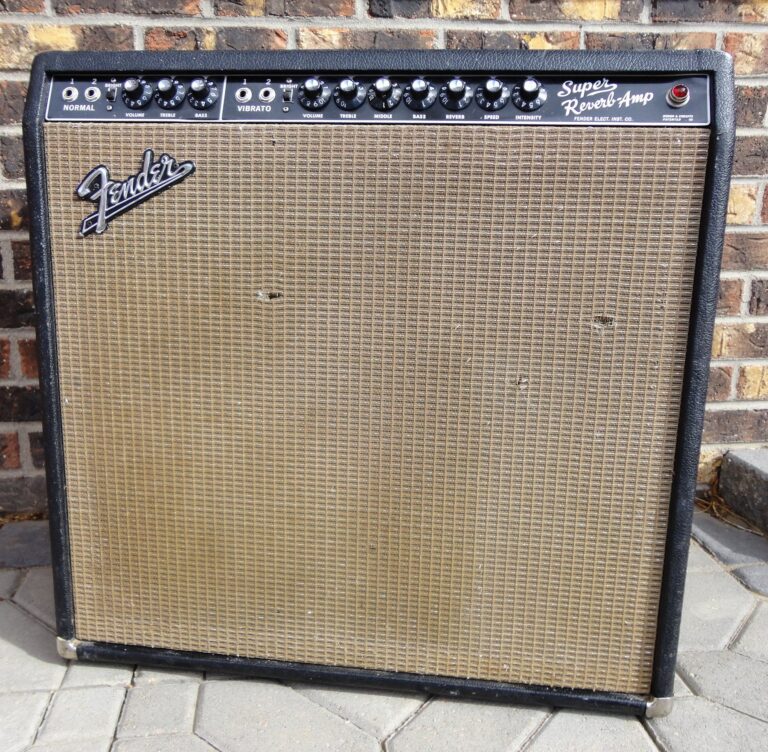
His primary clean amplifier was a Fender Twin Reverb or Fender Super Reverb — the warm American valve character that suited the pop, R&B, and country material that formed much of his session work. The clean American character gave the Stratocaster and Telecaster their appropriate tonal foundation without the driven British character that would have been inconsistent with those specific musical contexts.
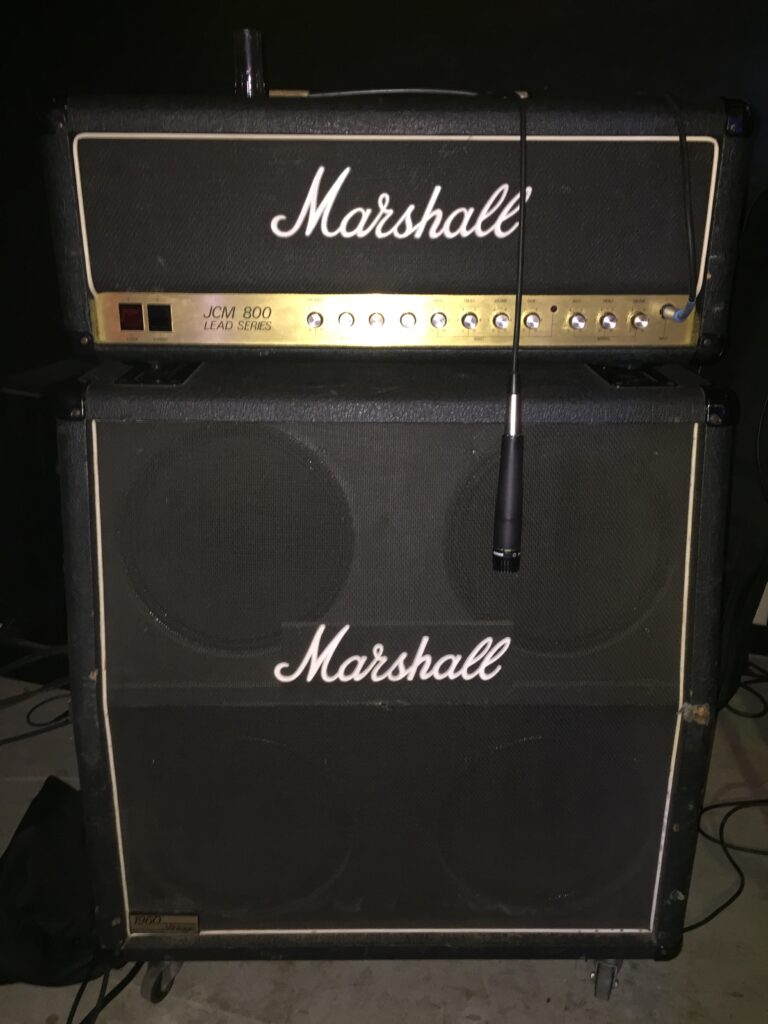
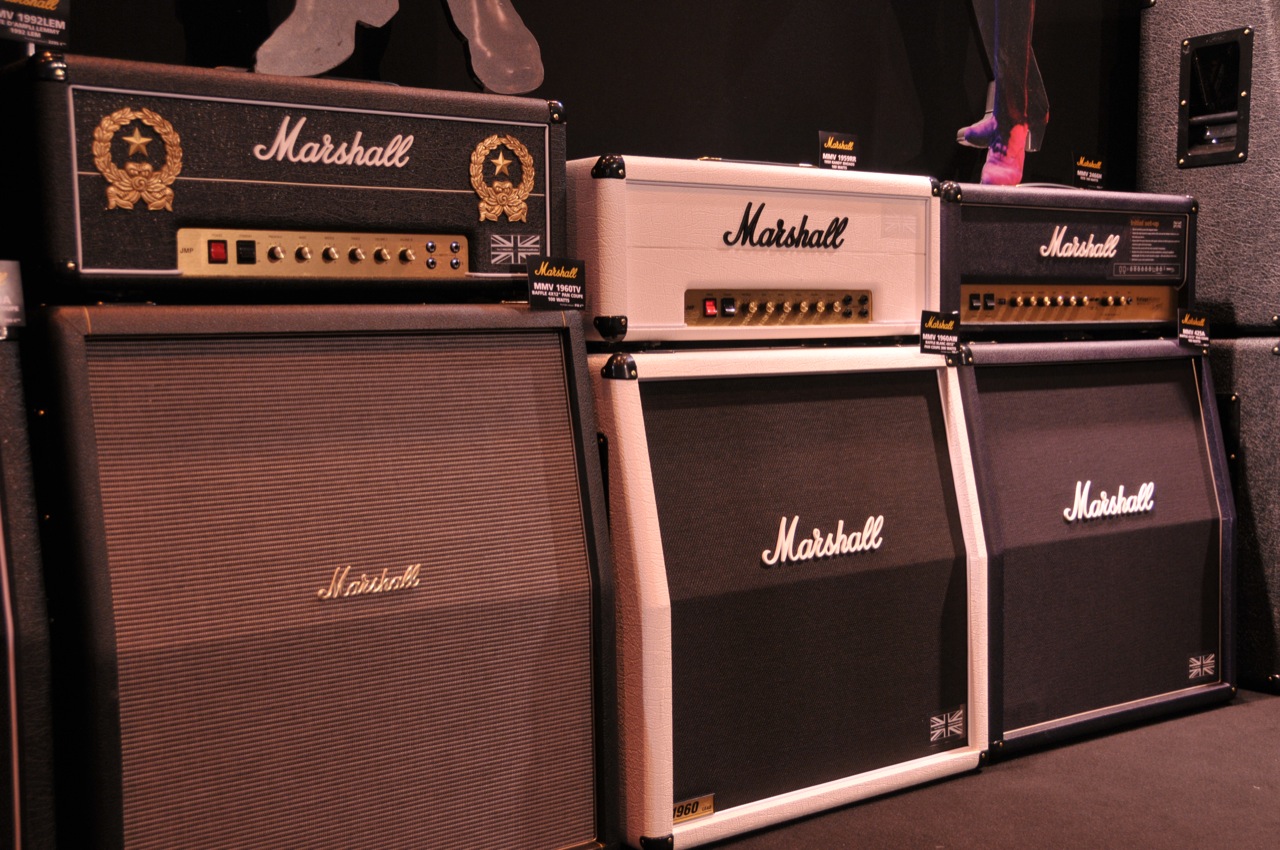
A Marshall JCM800 or similar driven Marshall for the rock contexts where British drive character was the right tonal approach. His ability to shift between clean American character and driven British character — different amplifiers for different specific recording contexts — was as important a professional capability as any specific guitar technique.
Various boutique and vintage amplifiers for specific applications — his practical recording intelligence prioritising acoustic appropriateness over any specific prestige or consistency of brand.
Effects
Pierce’s effects approach was sophisticated and historically informed — consistent with the best session guitar tradition of understanding effects as specific tools for specific musical purposes rather than as personal tonal additions.
A Tube Screamer (TS-808) — used both as a standalone overdrive for specific driven passages and as a front-end boost for the Marshall for the most driven rock material. His consistent understanding of the Tube Screamer as a boost tool rather than a distortion source reflected genuine understanding of how the Texas and California blues rock traditions used the pedal most effectively.
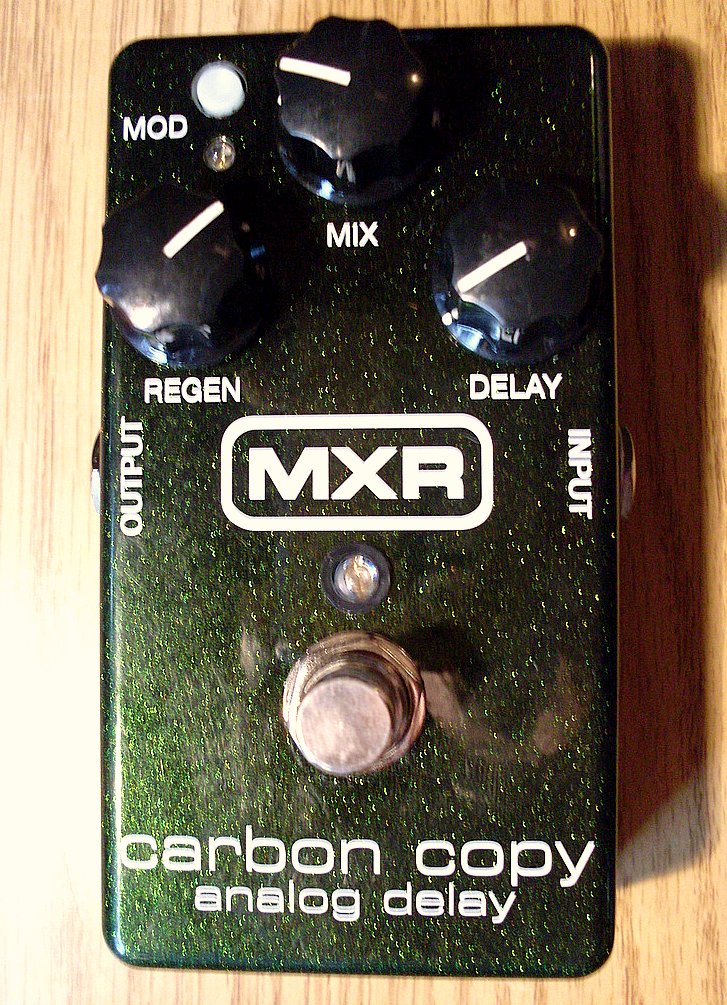
An analogue delay — MXR Carbon Copy or similar — for the warm echo repeats appropriate for the diverse range of session material. His delay calibration — different settings for different specific songs and contexts — showed the same practical musical intelligence that governed every other aspect of his approach.
A chorus pedal for the specific atmospheric shimmer needed for 1980s and 1990s pop production contexts where chorus was as expected an element of the guitar sound as any specific instrument choice.
A wah pedal for specific expressive passages in blues and funk contexts where the vocal guitar quality was the appropriate expressive tool.
Various other effects — tremolo, reverb, and additional modulation for specific session requirements. His effects selection was always motivated by specific musical purposes rather than habitual tonal preferences.
Playing Style & Tone Philosophy
Tim Pierce’s playing style was defined by the specific qualities that made him effective across the extraordinary range of musical contexts his session career encompassed: comprehensive musical knowledge, reliable technical execution, genuine musical intelligence about what each recording context required, and the specific ability to deliver exactly the right guitar contribution for each specific song without requiring direction.
His technical range was comprehensive — capable of the delicate fingerpicking of a folk ballad, the driving rock of a Springsteen track, the harmonic sophistication of a jazz-influenced pop production, and the rhythmic precision of an R&B or funk session. Each capability was developed to genuine professional standard rather than approximate, and each was deployed with the musical intelligence that identified when it was the right specific tool rather than merely being available as a technique.
His rhythm playing showed the same comprehensive quality as his lead work — the specific chord voicings appropriate for each context’s harmonic requirements, the specific rhythmic placement that served each song’s specific groove, and the overall orientation toward making the song better rather than making the guitarist more audible. The best session guitar playing was defined by exactly this quality of selfless musical service, and Pierce embodied it as completely as anyone in the contemporary session guitar tradition.
Tonally, his philosophy was the informed session guitarist’s most complete expression: the right guitar for each specific musical tradition, the appropriate amplification for the specific tonal character required, and effects deployed for specific musical purposes with genuine understanding of what each contributed. No single consistent signature tone; instead, the comprehensive tonal intelligence to provide exactly the right tone for each specific musical moment.
How to Sound Like Tim Pierce
Guitar Approach
There is no single instrument recommendation for Pierce’s approach — his playing required a comprehensive collection covering Stratocaster, Telecaster, Les Paul, ES-335, and acoustic guitars, with each deployed for specific appropriate contexts. The most important element was not any specific instrument but the comprehensive musical knowledge that identified which instrument was right for which specific context and which specific playing approach served the specific song’s specific requirements. Study his YouTube content directly — his educational videos show the specific knowledge and specific approach that produced his extraordinary session career.
Amp Approach
A Fender Super Reverb or Twin Reverb for clean American character; a Marshall JCM800 for driven British character. The practical intelligence to know which was appropriate for each specific context was as important as owning both.
| Control | Setting | Notes |
|---|---|---|
| Volume | 5–6 | Natural 6L6 warmth — pop/rock session foundation |
| Treble | 5–6 | Moderate — instrument provides appropriate frequency character |
| Middle | 5 | Neutral — let musical context define midrange needs |
| Bass | 4 | Controlled for harmonic clarity in dense production arrangements |
| Reverb | 2–3 | Light spring reverb — most studio recording uses room reverb anyway |
Influence & Legacy
Tim Pierce’s legacy operated on two levels — the specific musical legacy of his presence on hundreds of major recordings across four decades of commercial music production, and the educational legacy of his YouTube presence that gave the specific knowledge behind those recordings its most accessible public expression. Both dimensions of his legacy were genuinely significant; together they constituted one of the more comprehensively impactful individual contributions to American popular music guitar of the post-1980 era.
His YouTube educational content — showing specifically how he approached session playing, what specific equipment he used and why, and how he thought about the musical requirements of diverse recording contexts — gave aspiring session guitarists and curious music fans access to the specific knowledge that four decades of professional session work had developed. This educational contribution was itself a form of musical generosity — sharing the specific accumulated knowledge of an extraordinary career rather than maintaining it as professional competitive advantage.
For players exploring the LA session tradition that Pierce represented so completely, the rigs of Mike Landau — whose parallel LA session career showed similar comprehensive musical intelligence and similar vintage-instrument orientation from a slightly different primary tonal approach — and Will Ray, whose Hellecasters work showed similar comprehensive country and roots guitar knowledge deployed in a different specific professional context, provide illuminating comparison. The Springsteen connection reaches toward Nils Lofgren’s work with the E Street Band, which shows how similar comprehensive musical intelligence served Springsteen’s specific musical vision from within the band rather than from the session guitarist’s outside position.
Read our guide to the Fender Stratocaster.
The Bruce Springsteen Sessions: Rock Guitar in Service of the Song
Pierce’s association with Bruce Springsteen — one of his most publicly prominent session connections — placed his guitar in the service of one of American rock’s most serious and most personally committed artistic visions. Understanding what the Springsteen recording context specifically required of a session guitarist gives a more complete picture of why Pierce’s specific approach was appropriate for this specific and demanding musical context.
Springsteen’s music — the specific combination of working-class narrative, melodic rock accessibility, and the emotional directness that had made him one of American rock’s most beloved figures since the mid-1970s — placed specific demands on the guitar that were different from both the more technically oriented demands of the LA pop session world and the more harmonically sophisticated demands of jazz-influenced recording. The guitar in Springsteen’s musical context needed to serve the emotional content of the songs with complete conviction and complete authenticity — no irony, no detachment, just the specific quality of honest musical commitment that the songs required and that Springsteen’s own performing approach embodied so completely.
Pierce’s approach to this context showed the specific quality of musical empathy that distinguished the best session guitar from merely technically accomplished session guitar: the ability to understand what the song needed emotionally and to serve that need with the right musical choices rather than the most technically impressive ones. The guitar tones on the Springsteen sessions — the warm, driving character appropriate for the specific emotional content of the songs — showed Pierce serving the music with the same selfless conviction that defined his approach across every recording context his career encompassed.
Ringo Starr’s All-Starr Band: Context Shifting at the Highest Level
Ringo Starr’s All-Starr Band — the rotating supergroup of established rock musicians that Starr assembled for touring and recording from 1989 onward — placed Pierce’s guitar within the specific musical world of the Beatles’ extended family, alongside other musicians whose careers had been shaped by the same specific generation of rock and roll that Starr himself represented. Understanding the specific demands of this context gives a more complete picture of Pierce’s ability to serve diverse professional musical contexts with equal quality.
The All-Starr Band context required a guitarist who could serve multiple different musical personalities across a single concert — Starr’s own material, the solo hits of the other All-Starr musicians, and the Beatles songs that were inevitably part of the repertoire. Each musician’s specific material had its own specific character and its own specific guitar requirements, and the guitarist needed to serve all of them with equal appropriateness across the course of a complete performance.
Pierce’s comprehensive musical intelligence — the specific quality that had made him effective across the extraordinary range of his session career — served the All-Starr context with particular appropriateness. The ability to shift between different musical worlds within a single performance, serving each with the right instrument choice, the right amplifier approach, and the right playing approach, was exactly the professional capability that his session career had developed to its highest level. The guitar tones across the All-Starr performances showed the same practical musical intelligence as the session recordings — context-specific, appropriate, and always in service of the specific musical moment rather than of any consistent personal tonal signature.
The YouTube Era: Teaching Four Decades of Session Knowledge
Pierce’s decision to share his session knowledge through YouTube — building a substantial following through videos that documented his approach to instruments, amplification, and musical thinking — was as significant a professional contribution to American guitar culture as his session career itself, and in some respects more publicly visible. Understanding what specifically his YouTube content offered and why it was valuable to the guitar community gives a more complete picture of the full scope of his contribution to guitar culture.
The specific value of Pierce’s YouTube content was the combination of genuine practical knowledge accumulated through four decades of the most commercially demanding session work and the clarity of communication that made that knowledge accessible to musicians without the same professional experience. His videos showed not just what equipment he used but how he thought about equipment choices — the specific reasoning about acoustic appropriateness, the specific musical intelligence about what different instruments and amplifiers contributed in different contexts, and the overall philosophy of musical service rather than personal tonal identity that had always defined his session approach.
His gear videos — demonstrations of specific instruments and amplifiers with explanation of why specific choices served specific musical purposes — gave viewers the kind of informed practical knowledge about equipment that most guitar education content didn’t provide. Rather than showing impressive technique on impressive equipment, his content showed genuine musical thinking about acoustic appropriateness and musical service, giving viewers access to the specific professional judgment that distinguished great session guitar from technically competent session guitar.
The 1980s Pop Session: Guitar in the Commercial Production Context
The 1980s commercial pop production context — the specific recording environment of the decade that produced some of the most commercially successful popular music in American history — placed specific demands on session guitarists that were different from both the earlier rock session traditions and the more musically serious recording contexts that formed other dimensions of Pierce’s career. Understanding what the 1980s pop session specifically required gives a more complete picture of why Pierce’s specific approach was effective in this demanding commercial context.
The 1980s pop production aesthetic — meticulous, highly processed, and oriented toward absolute commercial effectiveness at every level — required guitar contributions that served the specific production aesthetic rather than the guitarist’s individual tonal preferences. The specific use of chorus, the specific use of digital delay, the specific use of gated reverb on certain drums that defined the period’s production sound — all of these elements created a specific sonic environment within which the guitar needed to function appropriately. Pierce’s guitar contributions to 1980s pop sessions showed his ability to identify what each specific production required and to deliver it with the professional quality that the commercial context demanded.
The Whitney Houston recordings — among his most commercially successful session associations — placed his guitar in the most commercially polished pop production context of his career. The specific production values of Houston’s recordings — the specific combination of gospel-influenced vocal power with slick commercial production — required guitar contributions that served both the emotional power of the vocal approach and the commercial polish of the production aesthetic. Pierce’s ability to serve this demanding dual requirement — emotional authenticity combined with commercial production sophistication — showed the specific comprehensive musical intelligence that distinguished his session career at its most demanding.
Tim Pierce’s career — from his LA development through four decades of Hollywood session work and the YouTube educational presence that gave that career its most accessible public expression — was one of American recording history’s most genuinely valuable and most comprehensively accomplished individual contributions. The equipment he used: the diverse collection of Stratocasters, Les Pauls, ES-335s, and Telecasters through appropriate Fender and Marshall amplification, with effects serving specific musical purposes with historically informed intelligence — was as comprehensively appropriate for the diverse recording contexts it served as any individual’s equipment could be. The gear served the intelligence; the intelligence served the music; and the music — across hundreds of recordings and the YouTube content that documented how those recordings were made — was better and more widely understood because Tim Pierce had devoted his career to it with complete professional conviction.
The Fender Stratocaster’s role as Pierce’s primary electric guitar — and why this specific instrument served the extraordinary range of his session career more consistently and more completely than any alternative — reflected the same acoustic logic that had made the Stratocaster the most versatile single electric guitar design available since its introduction in 1954. The three-pickup configuration — giving access to the warm neck position, the balanced middle position, and the bright bridge position — covered more tonal territory within a single instrument than either a two-pickup Gibson or a single-pickup alternative. The five-way switch (standard since the late 1970s, though informal “notch” positions had been available much earlier through careful switch positioning) gave additional tonal options through the hum-cancelling combined neck-and-middle and middle-and-bridge positions. The vibrato system gave expressive capabilities unavailable on fixed-bridge alternatives. And the overall acoustic character — the specific combination of single-coil warmth, middle-register presence, and dynamic responsiveness — made the Stratocaster more musically communicative across a wider range of playing intensities and musical styles than most alternatives. Pierce’s consistent return to the Stratocaster as his primary session guitar reflected the practical professional judgment that this specific instrument served the widest range of recording contexts with the most consistent quality — not because it was the best guitar for any single specific context but because it was the most consistently appropriate guitar across the greatest range of contexts.
The TS-808 Tube Screamer’s specific acoustic contribution to Pierce’s session work — both as a standalone overdrive for specific driven passages and as a front-end boost for the Marshall in the most driven rock contexts — reflected the same understanding of how the Tube Screamer’s specific circuit character served musical purposes that had informed its deployment by the most musically knowledgeable users across multiple decades. The JRC4558 op-amp’s specific clipping character — asymmetric, with a predominantly even-order harmonic content — gave the Tube Screamer a specific warmth that distinguished its overdrive from the more aggressive odd-order character of hard clipping alternatives. The mid-forward frequency shaping that the Tube Screamer’s passive EQ network produced gave specific additional presence to the guitar’s midrange character in the dense production environments of commercial pop and rock recording, where the guitar needed midrange presence to be audible within the full arrangement. His understanding of these specific acoustic contributions — and his specific deployment of the Tube Screamer for each specific musical purpose — reflected the same informed practical knowledge that governed his complete equipment approach.
The Gibson ES-335’s specific contribution to Pierce’s session range — giving him access to the semi-hollow archtop’s specific combination of acoustic warmth and electric definition for the jazz-influenced and more atmospheric session contexts — reflected genuine understanding of what this specific instrument design uniquely contributed. The ES-335’s specific acoustic properties — the semi-hollow body’s natural acoustic resonance adding warmth and dimension to the amplified sound that a pure solid-body alternative couldn’t provide, combined with the double-cutaway accessibility and the hum-cancelling humbucker’s warmer character — made it the right tool for specific session contexts where neither the Stratocaster’s single-coil brightness nor the Les Paul’s solid-body weight served as well. His maintenance of ES-335 instruments alongside his primary Stratocaster and Les Paul collections reflected the same practical professional intelligence about acoustic appropriateness that governed his entire instrument approach.
The Don Henley session association — Henley being one of the more musically serious and more production-conscious artists in the rock mainstream of the 1980s and 1990s — placed Pierce’s guitar in a recording context that combined commercial ambition with genuine musical intelligence about production quality. Henley’s solo career recordings — particularly the Building the Perfect Beast (1984) and The End of the Innocence (1989) albums that represented his commercial and critical peak — were produced with specific attention to guitar character and tonal quality that distinguished them from more generically produced mainstream rock. The guitar contributions that Pierce made to these specific contexts showed his ability to serve a more musically discriminating commercial context with guitar work of the specific quality that discriminating production required — not just technically competent but genuinely musically appropriate in ways that the most production-conscious clients recognised and valued.
The Rod Stewart session connection — Stewart being one of the more enduring and more commercially consistent rock vocalists in the mainstream of the period — placed Pierce’s guitar in the service of a specific vocal personality and a specific commercial production aesthetic that was different from both the Springsteen narrative rock and the Henley sophisticated pop that formed other dimensions of his session range. Stewart’s specific commercial approach — the combination of rock authenticity and commercial polish that had made him one of the most commercially successful British rock artists of the 1970s and 1980s — required guitar contributions that served both the rock energy of the more driving material and the commercial sophistication of the more polished production contexts. Pierce’s ability to serve this specific balance — rock conviction combined with commercial production quality — showed the same comprehensive musical intelligence that made him effective across the full range of commercial music production contexts his career encompassed.
The Marshall JCM800’s role in Pierce’s session rig — as the driven British alternative to the clean American Fender foundation — illustrated the practical professional necessity of maintaining multiple amplifier characters within the same session toolbox. The JCM800’s specific preamp gain structure gave the Gibson Les Paul’s humbucker output a specific driven character that was fundamentally different from what the Fender Super Reverb produced with the same guitar — the EL34’s natural saturation character providing warmth within the drive that the 6L6’s cleaner compression character didn’t replicate. For the rock sessions where British drive was the acoustic right choice — the Springsteen rock tracks, the classic rock recording contexts, and the various driven rock pop productions that formed part of his session range — the JCM800’s specific character was as acoustically appropriate as the Fender’s clean character was for the pop and country contexts. His practical maintenance of both clean American and driven British amplification options — and his specific professional judgment about which served each specific recording context — was as important a professional tool as any specific guitar technique or playing approach.
The Elton John session association — John being one of the most musically sophisticated and most commercially sustained pop pianists and songwriters in the history of British pop — placed Pierce’s guitar in a recording context that was primarily keyboard-centred rather than guitar-centred, requiring guitar contributions that served the specific keyboard-and-vocal character of the music without competing with the primary piano voice for the harmonic and melodic leadership of the arrangements. The specific guitar work in Elton John’s recordings had always been primarily textural and rhythmic rather than melodically featured — adding specific character and energy to the arrangements without the kind of prominent guitar lead that defined more guitar-centred recording contexts. Pierce’s ability to serve this specific subordinate but genuinely important role — with the right tonal character and the right playing approach for the specific harmonic and rhythmic requirements of each specific Elton John song — showed the musical intelligence that distinguished genuine musical service from technically competent subordination.
The Celine Dion session association — placing his guitar in the most commercially ambitious and most production-polished of all his recording contexts — illustrated the extreme end of the commercial production spectrum that Pierce’s session career encompassed. Dion’s recordings were produced with the specific priority of commercial effectiveness at the maximum scale of mainstream pop music — the most expensive studios, the most accomplished producers, the most elaborate post-production — and the guitar contributions that appeared on these recordings needed to serve this specific production aesthetic with the quality and the appropriateness that the commercial scale demanded. Pierce’s ability to serve even this most commercially demanding and most production-polished context with appropriate guitar work showed the full range of his professional capabilities — from the intimate folk of a James Taylor album to the massive commercial production of a Celine Dion recording, his guitar served each context with equal quality and equal appropriateness.
The analogue delay’s specific role in Pierce’s session signal chain — providing warm, naturally decaying echo repeats rather than digital delay’s cleaner precision — reflected the same understanding of how different delay types served different musical purposes that had informed Mike Landau’s similar preference for analogue delay in comparable session contexts. The MXR Carbon Copy’s specific bucket-brigade chip character — similar in principle to the Memory Man but in a more practical and more compact format — gave the echo repeats their specific quality of warm decay that complemented the natural warmth of the vintage Fender or Gibson instruments without the more clinical character that digital delay’s pristine repetition produced. For the pop and rock recording contexts that formed the majority of Pierce’s session work — where the guitar needed to sound organic and musical rather than electronically processed — the analogue delay’s natural warmth was consistently more appropriate than digital alternatives for most specific applications. His specific choice of analogue delay for his primary session delay application reflected the same practical acoustic intelligence about what each specific tool contributed that governed his complete equipment approach.
The chorus pedal’s specific role in Pierce’s 1980s and 1990s pop session work — adding the dimensional shimmer that was as standard an element of period commercial pop production as any specific instrument choice — connected his use of the effect to the specific production aesthetic that defined the commercial music of those decades. The bucket-brigade chorus circuits of the late 1970s and 1980s — the Boss CE-2, the Electro-Harmonix Clone Theory, and various other analogue designs — produced a specific warm, slightly imperfect shimmer that became the characteristic guitar texture of commercial pop production across the period. Pierce’s deployment of chorus for specific session applications where this specific textural character was the appropriate production choice reflected his genuine knowledge of the production aesthetic of each specific commercial context and his practical ability to serve it with appropriate equipment choices. The chorus was not a personal tonal preference maintained regardless of context but a specific production tool deployed when the specific production context called for it and left aside when it didn’t.
Tim Pierce’s complete career — the LA formation, the four decades of Hollywood session work across every commercial music genre, and the YouTube educational presence that gave that career its most publicly accessible expression — was one of the more genuinely comprehensive individual contributions to American popular music of the post-1980 era. The equipment he used: the collection of Stratocasters, Telecasters, Les Pauls, and ES-335s through clean Fender and driven Marshall amplification, with the Tube Screamer, analogue delay, chorus, and wah serving specific musical purposes with historically informed intelligence — was as comprehensively appropriate for the diverse recording contexts it served as any individual musician’s equipment could be. The gear was always in service; the service was always musical; and the music was consistently better for his presence on it than it would have been without him.
The acoustic guitar dimension of Pierce’s session capabilities — the specific fingerpicking and strumming approaches that gave his acoustic contributions their musical quality across the folk, pop, and country sessions that required acoustic guitar — was as important to his comprehensive session profile as his electric guitar work, even if it received less attention in discussions focused primarily on the electric guitar character that dominated most accounts of his approach. The acoustic guitar’s specific role in commercial recording — providing the harmonic and rhythmic foundation for arrangements where the acoustic instrument’s natural character was the appropriate primary guitar voice — was as demanding in its specific musical requirements as any electric guitar role, and Pierce’s ability to serve it with equal quality showed the comprehensive musical development that had made his session career as distinguished as it was. His acoustic guitar work showed the same quality of practical musical intelligence that governed his electric guitar approach: the right specific acoustic guitar for the specific song’s character, the right specific playing approach for the specific harmonic and rhythmic requirements, and the overall orientation toward serving the specific musical need of each specific moment rather than demonstrating any specific technical accomplishment.
The specific professional culture of the Hollywood session community — the specific social and professional relationships that sustained the most successful session guitarists’ careers across multiple decades of sustained professional activity — was as important a dimension of Pierce’s career sustainability as any specific technical capability. Session work was sustained through professional relationships — the specific reputation that producers and artists developed about specific musicians’ reliability, quality, and musicianship — and the maintenance of those professional relationships across four decades of sustained professional work required the same quality of consistent professionalism that the music itself required. Pierce’s sustained presence in the Hollywood session community across four decades showed not only the musical quality that produced his professional reputation but the specific professional reliability and interpersonal intelligence that maintained the relationships that professional reputation generated. The complete picture of a session career at Pierce’s level encompassed both the musical quality and the professional integrity — and his career showed both in equal measure.
The wah pedal in Pierce session work — deployed for the blues and funk passages where the swept bandpass filter gave lead lines and rhythmic funk playing their specific vocal or percussive character — reflected genuine understanding of the specific musical traditions in which the wah had its most historically grounded applications. Used selectively and purposefully rather than habitually, it was one more specific tool in a comprehensive toolbox.
Frequently Asked Questions: Tim Pierce Guitars & Gear
What guitars does Tim Pierce play?
Tim Pierce’s guitar collection encompasses Fender Stratocasters (primary single-coil electric), Fender Telecasters (country and harder rock material), Gibson Les Pauls (warm humbucker rock and blues contexts), Gibson ES-335 (jazz-influenced and atmospheric material), and acoustic guitars for the acoustic session contributions his career regularly required. His comprehensive instrument collection reflected the genuine range of acoustic properties needed across the diverse recording contexts of his career.
What amp does Tim Pierce use?
His primary amplifiers include Fender Super Reverb and Twin Reverb (clean American character for pop, country, and R&B contexts) and Marshall JCM800 (driven British character for rock contexts). The practical intelligence to know which amplifier was appropriate for which specific recording context was as important as owning both.
What artists has Tim Pierce recorded with?
Pierce’s session credits include Bruce Springsteen, Ringo Starr, Elton John, Whitney Houston, Don Henley, Rod Stewart, Michael Bolton, Celine Dion, and hundreds of other major artists across virtually every genre of popular music. The range of his session credits demonstrated the specific comprehensive musical versatility that made him one of the most consistently employed session guitarists in Hollywood recording history.
What effects does Tim Pierce use?
His key effects include a Tube Screamer TS-808 (overdrive and boost), analogue delay (MXR Carbon Copy or similar for warm echo), a chorus pedal (for 1980s and 1990s pop production contexts), and a wah pedal (for blues and funk expressive passages). His effects selection was always motivated by specific musical purposes rather than habitual tonal additions.
What is Tim Pierce’s YouTube channel about?
Pierce’s YouTube channel documents his approach to session guitar playing — showing the specific equipment he uses, explaining how he thinks about musical requirements of diverse recording contexts, and demonstrating specific techniques and tonal approaches. The channel gave the accumulated knowledge of a four-decade session career its most accessible public expression and became one of the more genuinely valuable educational resources in the online guitar community.
How did Tim Pierce get into session work?
Pierce developed his approach through a combination of formal musical study and intensive self-directed learning in the Los Angeles area, then established his session career in the early 1980s as his specific combination of musical versatility, reliable technical quality, and genuine musical intelligence became known among LA producers and artists. His rapid rise to among the most sought-after session guitarists in the LA community was a product of the same comprehensive musical intelligence that sustained his career across four subsequent decades.
What is the difference between Tim Pierce and Mike Landau’s approach?
Both Pierce and Landau are among the most accomplished LA session guitarists of their generation, but their specific approaches have distinct characters. Landau’s approach was more strongly centred on vintage Fender instruments and vintage Fender amplification, with a consistent warm vintage character that was identifiable across diverse contexts. Pierce’s approach was somewhat more diverse in its instrument and amplifier choices, adapting more explicitly to the specific character of each recording context while maintaining the comprehensive musical intelligence that both approaches shared as their most fundamental quality.
Genre:
Rock Session
Decades:
1980s | 1990s | 2000s | 2010s | 2020s
Image credits
- Marshall Anniversary edition amplifier heads on Marshall cabinets: fvancini, Wikimedia Commons, CC BY 2.0.
- Fender Stratocaster: Lightburst, Wikimedia Commons, CC BY-SA 4.0.
- Gibson Les Paul Standard: DonnyBurger1974, Wikimedia Commons, CC BY-SA 4.0.
- Fender Telecaster: Massimo Barbieri, Wikimedia Commons, CC BY-SA 3.0.
- Fender Super Reverb: GabeMc, Wikimedia Commons, CC BY-SA 3.0.
- Marshall JCM800: John2112, Wikimedia Commons, CC BY-SA 4.0.
- MXR Carbon Copy: MXR Carbon Copy by Roadside Guitars, Flickr, CC BY-SA 2.0.