Ichika Nito Guitars & Gear: Japan’s Ambient Fingerstyle Visionary’s Complete Rig
Ichika Nito guitars gear — Strandberg Boden and reverb delay deep-dive for Japan's ambient fingerstyle guitar visionary's atmospheric tone and complete rig guide.
Investigate Ichika Nito guitars gear and you find the equipment behind one of the most genuinely original and most immediately distinctive guitar voices to emerge from the social media era — a Japanese guitarist whose ambient fingerstyle approach, characterised by extended technique, harmonics, tapping, and a specific atmospheric quality that owed as much to contemporary electronic music as to any guitar tradition, created a genuinely new guitar aesthetic that was immediately identifiable and immediately influential on a generation of guitarists who saw in his approach the most complete available alternative to the technical shred and blues rock approaches that had dominated guitar social media. Nito’s guitar playing was less about notes than about texture, less about technical display than about atmosphere, and less about any specific musical tradition than about the specific quality of sonic space he created around each gesture. His guitars and effects served this atmospheric vision with the specific equipment approach of someone who understood that the guitar’s role in his music was as much about what it didn’t play as about what it did.
This guide covers Nito’s complete equipment picture: the electric guitars that gave his playing its specific tonal palette, the extensive effects chain that was as central to his musical vision as any specific playing technique, the amplification that served his atmospheric approach, and the playing philosophy of a musician who treated the guitar as a sound-creating device rather than as a note-playing instrument and who found in that treatment a genuinely new aesthetic for the electric guitar in the twenty-first century. Understanding Ichika Nito’s gear is understanding how the most minimal possible playing can create the most maximal possible atmospheric impact.
Background
Ichika Nito (born Ichika Nito) grew up in Japan — within the specific Japanese musical culture that had always shown a specific appreciation for the atmospheric, the textural, and the quietly extraordinary in music. Japan’s specific musical culture — the classical Japanese aesthetic of ma (meaningful silence and space), the Japanese appreciation for restraint and understatement in art, and the specific Japanese engagement with Western electronic and ambient music — gave Nito’s musical formation its particular orientation toward atmosphere and texture over technical display and rhythmic drive.
He absorbed both conventional guitar technique and the extended techniques that gave his playing its most distinctive elements — harmonics, tapping, slide, and various other approaches to the guitar that produced sounds different from the conventional plucked string. He also absorbed the ambient and electronic music traditions that informed his overall aesthetic — the work of Brian Eno, the Japanese ambient tradition, and the broader world of electronic atmospheric music that had been exploring the territory of sound-as-texture rather than sound-as-melody since the 1970s.
His Instagram presence — building substantial international following through short video performances that showed his specific atmospheric approach in concentrated, immediately accessible form — made him one of the most influential guitarists of the social media era in a genuinely different way from Asato’s emotional directness or the technical shredders’ velocity demonstrations. He showed the world a guitar approach that was simultaneously familiar (it was still guitar, still electric guitar, still recognisably related to every guitar tradition that had preceded it) and completely new (the specific atmospheric quality, the specific relationship between playing and silence, and the specific effects processing gave it a character that had no direct precedent in any specific guitar tradition).
Ichika Nito Guitars Gear: The Complete Rig
Guitars
Nito’s guitar choices reflected the specific requirements of his atmospheric, texture-focused approach — instruments that gave his extended techniques their appropriate acoustic character and that served the specific needs of his elaborate effects processing.
His primary guitar was a Strandberg Boden — the Swedish headless guitar with the ergonomic “EndurNeck” profile and multi-scale fretboard that gave it a specific combination of playability and tonal character appropriate for his extended technique approach. The Strandberg’s headless design reduced the instrument’s weight and gave it a specific resonance character different from conventional headstock guitars; the multi-scale fretboard (with the bass strings at a longer scale length than the treble strings) gave better intonation and string tension across the full range.
He also used various other guitars including Ibanez and other Japanese and international brands for specific applications — his instrument choices reflecting the specific acoustic requirements of different pieces and different extended technique applications.
The tapping technique that was central to his most distinctive playing — two-handed tapping that created the specific arpeggiated harmonic patterns that gave many of his pieces their immediately recognisable character — placed specific demands on the guitar’s string tension, fret height, and overall setup that his specific instrument choices were calibrated to accommodate.
Amps
Nito’s amplification was relatively clean — providing the transparent acoustic foundation that his elaborate effects processing required. Driven or coloured amplification would have added its own tonal character to the signal before the effects processed it, potentially conflicting with the specific atmospheric qualities his effects were designed to create.
His primary amplification included clean solid-state or clean valve amplifiers — the specific choice depending on the particular requirements of each recording or performance context. Clean transparency was the primary requirement: the amplifier needed to present the effects-processed signal as accurately as possible rather than imposing its own tonal character on it.
In many recording contexts, direct injection into the recording interface — bypassing conventional guitar amplification entirely — was the most appropriate approach for his ambient recording work, where the specific tonal qualities were entirely the product of the effects processing rather than of any amplifier’s contribution.
Effects
Nito’s effects chain was the most elaborate in this series — a comprehensive collection of specific pedals and processing units that together constituted as much of his musical identity as any specific playing technique. Understanding the specific effects he used and what each contributed gives the most complete picture of how his atmospheric aesthetic was actually created.
A TC Electronic Hall of Fame Reverb or similar high-quality reverb — providing the foundational atmospheric dimension that was as central to his sound as the guitar itself. The specific reverb character — the decay time, the early reflections, and the overall spatial dimension — gave each musical gesture its appropriate sense of existing in a specific imaginary acoustic space.
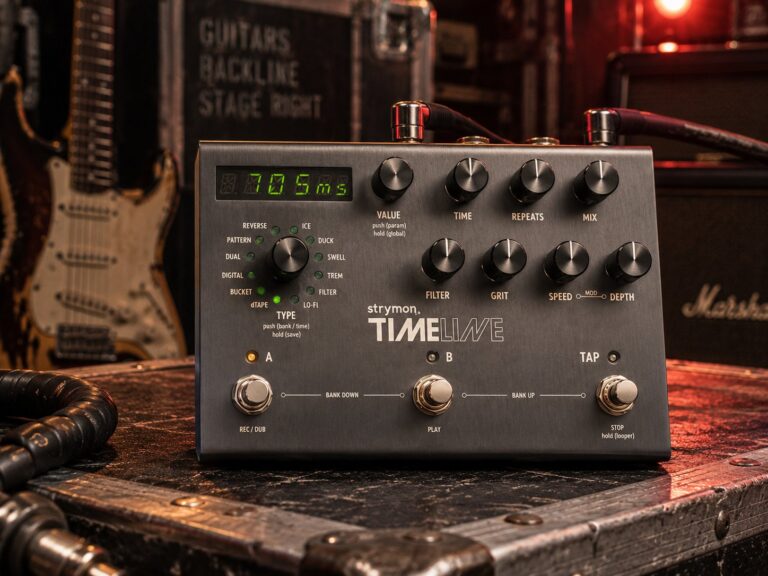
A Strymon Timeline or similar professional-grade digital delay — the multi-tap delay, looping, and specific delay algorithm capabilities that gave his music its complex temporal layering. The delay was not merely echo but a compositional tool that transformed short guitar gestures into complete atmospheric textures through the accumulation of repeated and decaying signals.
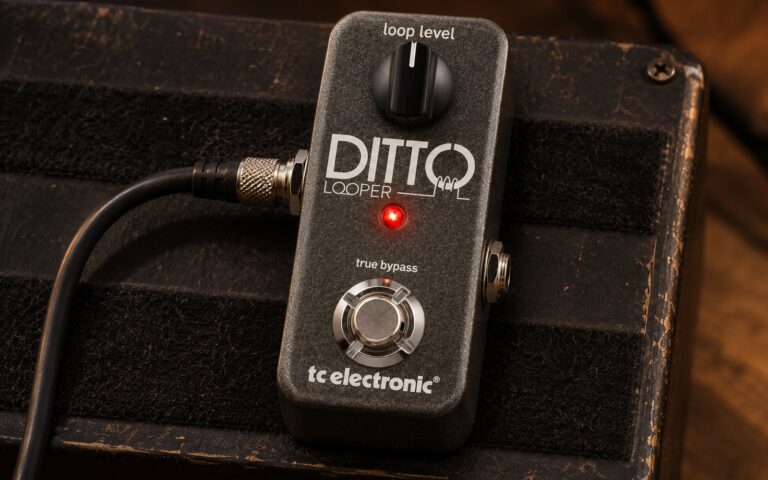
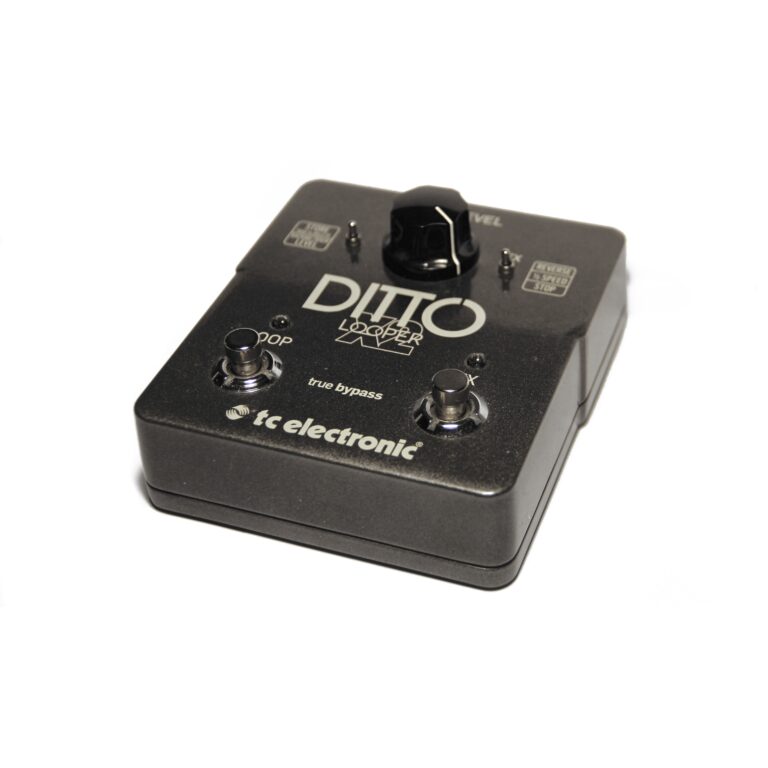
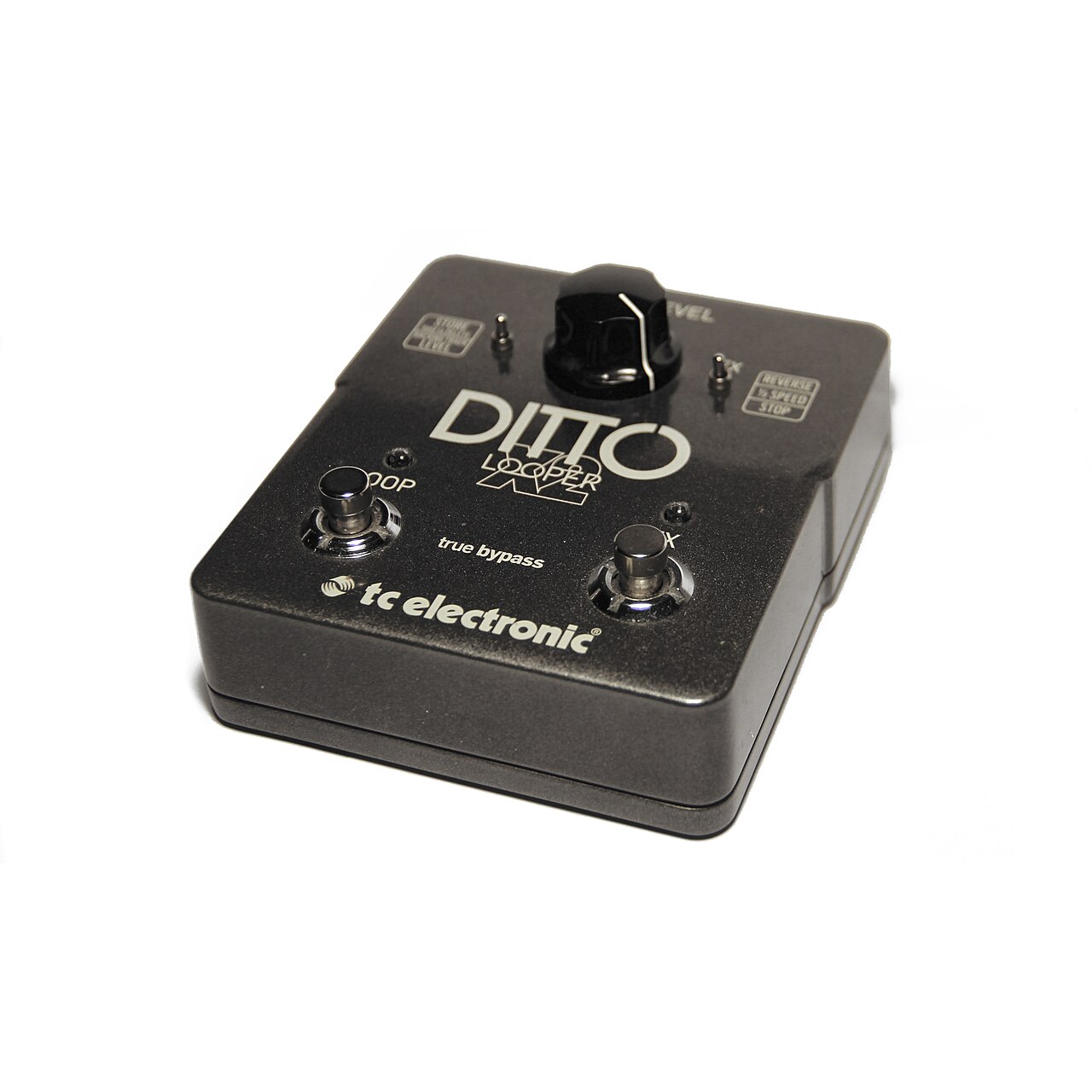
A loop pedal — for real-time composition through the layering of recorded and replaying guitar loops. The loop pedal was perhaps the single most important compositional tool in his playing, allowing him to build complete atmospheric compositions in real time from individual guitar gestures.
Various modulation effects — chorus, flanger, phaser, vibrato — for specific textural dimensions in specific musical contexts. Each modulation effect contributed a different specific character to the guitar’s signal.
A volume pedal — for the smooth volume swells that gave specific notes and chords their specific atmospheric quality of emerging from and returning to silence rather than attacking and sustaining conventionally.
A pitch shifter or harmoniser — for the specific harmonic doubling effects that gave specific passages their characteristic sound of multiple simultaneous pitch-related voices.
Playing Style & Tone Philosophy
Ichika Nito’s playing style was defined by the specific relationship between playing and silence, between gesture and atmosphere, and between the conventional and the extended that gave his music its specific quality of being simultaneously accessible and genuinely new. His approach to the guitar was fundamentally different from most of the guitarists in this series — not primarily a note-player who used the guitar to construct melodies and harmonies, but primarily a sound-creator who used the guitar (and its elaborate effects processing) to create specific atmospheric textures and emotional environments.
His extended technique approach — particularly the two-handed tapping that created the specific arpeggiated harmonic patterns that gave many of his pieces their instantly recognisable character — was developed through sustained dedicated practice into a vocabulary that was genuinely his own rather than a collection of techniques borrowed from predecessors. The specific harmonic patterns he created through tapping, the specific way he combined tapping with conventional picking and strumming, and the specific use of harmonics alongside tapped notes were all individually developed rather than directly reproduced from any specific model.
His use of silence and space — the ma of the Japanese aesthetic — was as important a musical element as any specific note or effect. The spaces between musical gestures in his playing were not empty; they were filled with the decaying reverb and delay trails of the previous gesture, creating a continuous atmospheric texture that the next gesture would enter rather than silence that the next note would break. This specific relationship between playing and effects processing gave his music its particular quality of continuous atmospheric presence rather than the punctuated rhythmic drive of most popular music.
Tonally, his philosophy was the atmospheric guitarist’s most comprehensive expression: clean or near-clean amplification as the transparent foundation, elaborately processed through reverb, delay, and modulation to create the specific atmospheric character of each piece, with the volume pedal giving notes their characteristic atmospheric emergence and dissolution rather than conventional attack and sustain.
How to Sound Like Ichika Nito
Guitar Approach
A guitar with a comfortable setup for extended technique — the Strandberg Boden or similar for the specific ergonomic and acoustic character of his approach; alternatively, any guitar with appropriate action and fret specification for two-handed tapping and harmonic techniques. Volume pedal essential for the atmospheric note and chord swells. The most important technical element is the two-handed tapping vocabulary — specific harmonic patterns developed through sustained dedicated practice.
Amp and Effects Approach
Clean amplification (or direct injection for recording). Large, high-quality reverb as the foundational atmospheric layer. Multi-tap delay for compositional temporal complexity. Loop pedal for real-time layered composition. Volume pedal for atmospheric swells. The effects chain is as central to the approach as the playing — without appropriate reverb and delay, the specific atmospheric character of the music is not achievable.
| Effect | Setting | Notes |
|---|---|---|
| Reverb | Large Hall or Shimmer, long decay | Foundational atmospheric layer — the room your notes exist in |
| Delay | 200-500ms, 2-3 repeats, moderate feedback | Temporal layering — each gesture becomes a texture |
| Modulation | Subtle chorus or slow phaser | Adds dimensional movement without defining character |
| Volume pedal | Real-time control | Swells from silence — the characteristic entry of atmospheric notes |
| Loop | Real-time recording | Compositional foundation — build textures in real time |
Influence & Legacy
Ichika Nito’s legacy was the specific legacy of a musician who showed the global guitar community that the guitar’s role in the twenty-first century was not limited to the established traditions of blues, rock, jazz, and classical but could encompass entirely new aesthetic territories that had been developed through the integration of guitar technique with electronic music approaches, ambient music aesthetics, and the specific Japanese cultural orientation toward the atmospheric and the textural.
His influence on subsequent guitarists was as direct and as demonstrable as Asato’s — the specific ambient fingerstyle aesthetic he developed became one of the most widely adopted approaches in guitar social media, with thousands of guitarists exploring similar combinations of extended technique, loop pedal composition, and elaborate effects processing in his specific wake. The ambient fingerstyle guitar genre — while it had precedents in various earlier guitarists’ explorations — found its clearest single model and its widest social media exposure through Nito’s specific approach.
For players exploring the ambient and experimental guitar tradition that Nito represented, the rigs of Erik Mongrain — whose acoustic percussive fingerstyle approach showed how similar orientation toward extended technique and textural guitar playing produced a completely different aesthetic from an acoustic rather than electric platform — and Plini, whose progressive rock approach showed how similar technical comprehensiveness and similar musical sophistication produced a different but comparably distinctive individual guitar voice from a more conventionally structured musical framework, provide illuminating comparison. The Japanese ambient connection reaches toward the broader Japanese ambient and experimental music tradition that shaped his specific aesthetic orientation.
Read our guide to the Strymon TimeLine.
The Japanese Aesthetic: Ma, Wabi-Sabi, and the Guitar
The Japanese aesthetic concepts that gave Nito’s musical approach its specific philosophical foundation — particularly the concept of ma (negative space, meaningful pause, the space between things as the location of meaning rather than an absence of it) — were as central to understanding his guitar approach as any specific technical element. Understanding how these specific Japanese aesthetic principles shaped his musical thinking gives the most complete picture of why his approach was as genuinely original as it was and why it was so immediately influential on guitarists who encountered it.
The concept of ma in Japanese art and music was the understanding that the spaces between sounds were as meaningful as the sounds themselves — that silence was not merely the absence of sound but a positive aesthetic element that gave sounds their specific character and their specific meaning through the quality and duration of its presence between them. In traditional Japanese music — in the shakuhachi flute tradition, in Noh drama, in traditional Japanese instrumental music generally — the spaces between notes were as carefully considered as the notes themselves, and the relationship between sound and silence was as central a musical concern as the relationship between melody and harmony in Western music.
Nito’s guitar playing showed this ma concept most clearly in the specific relationship between his playing gestures and the atmospheric decay that followed them. Each guitar gesture — a tapped harmonic, a strummed chord, a melodic fragment — was followed by the decaying reverb and delay trails of that gesture, and these decaying trails were as musically important as the gesture that created them. The silence that eventually followed the complete decay of each gesture was not emptiness but the specific acoustic preparation for the next gesture, giving the next sound its appropriate context of having emerged from a particular quality of atmospheric space.
The Strandberg Boden: Headless Innovation
The Strandberg Boden’s specific design innovations — the headless construction, the EndurNeck profile, and the multi-scale fretboard — reflected specific practical and acoustic considerations that made it particularly appropriate for Nito’s specific playing approach. Understanding what specifically each design element contributed gives a more complete picture of why this specific instrument served his specific approach better than conventional alternatives.
The headless design — eliminating the conventional guitar headstock that housed the tuning machines and served as the string anchor at the instrument’s upper end — gave the Strandberg two specific advantages for Nito’s approach. First, the elimination of the headstock’s mass changed the instrument’s resonance characteristics in specific ways — the headstock’s absence reduced the string’s secondary vibration at the nut end, giving notes a different specific sustain character than headstock-equipped alternatives. Second, the reduced overall weight (without the headstock’s mass) made the instrument more comfortable for extended playing sessions involving the complex, position-specific extended techniques that Nito’s playing required.
The EndurNeck profile — Strandberg’s patented multi-faceted neck shape that gradually changed cross-section from the nut to the last fret — was designed to reduce the left-hand’s physical fatigue during extended playing by providing different ergonomic support at different neck positions. This specific ergonomic consideration was as important for the extended technique work that Nito’s playing required — particularly the two-handed tapping that placed specific physical demands on the fretting hand at various positions along the neck — as for more conventional playing approaches that required sustained position shifts over extended performance durations.
The Loop Pedal as Compositional Tool
The loop pedal’s role in Nito’s music — as a real-time compositional tool that allowed him to build complete multi-layered atmospheric pieces spontaneously from individual guitar gestures — was as fundamental to understanding his approach as any specific playing technique or specific tonal element. Understanding what specifically the loop pedal enabled and why this specific capability was so central to his compositional approach gives the most complete picture of how his music was actually made.
The loop pedal worked by recording a specific duration of the guitarist’s playing — the duration determined by when the player activated the recording start and stop — and immediately repeating that recording continuously until the player stopped the loop or erased it. Additional loops could be recorded over the existing loop, creating multiple simultaneously playing layers that together constituted a complete musical texture from the single guitarist’s contributions. The loop pedal thus gave a single performer the ability to create the sonic equivalent of an ensemble by layering individual contributions sequentially rather than playing them simultaneously.
For Nito’s specific approach — atmospheric, texture-focused, and oriented toward the creation of complete sonic environments rather than the presentation of pre-composed musical statements — the loop pedal was as much a compositional medium as a performance tool. Each live performance of a looped piece was genuinely improvised within a learned compositional process rather than being a reproduction of a fixed composition: the specific gestures that constituted each loop layer, the specific timing of when each layer was added, and the specific relationship between the emerging layers were all determined in real time during each performance rather than predetermined from previous performances. This specific quality of genuinely improvised real-time composition — different from both completely free improvisation (which had no pre-existing structural process) and from performance of fixed compositions (which had no real-time creative decision-making) — gave Nito’s loop-based performances their specific quality of spontaneous creation within a developed compositional approach.
The Reverb as Space: Creating Imaginary Acoustics
The reverb’s specific role in Nito’s atmospheric approach — not merely adding echo to existing musical content but creating the specific acoustic space within which the musical content existed — was as fundamental to his approach as any specific playing technique. Understanding what the reverb specifically contributed and why the specific quality of the reverb was as carefully considered as any other element of his approach gives the most complete picture of how the atmospheric aesthetic was actually created.
Reverb in acoustic terms was the result of multiple reflections of a sound from the walls, ceiling, and floor of a physical space — different spaces producing different specific reverb characters based on their size, shape, and acoustic properties. A small room’s reverb was short and dense; a large cathedral’s reverb was long and diffuse; and every specific physical space produced a specific reverb character that was as distinctive as the space’s visual character.
The TC Electronic Hall of Fame and similar digital reverb pedals simulated specific types of acoustic spaces — halls, plates, rooms, springs, and various artificial reverb types — through digital signal processing that approximated the specific reflection patterns of each space type. Different reverb algorithm types produced different specific atmospheric characters: the Hall algorithm’s long, diffuse reverb suited atmospheric passages where the specific sense of existing in a large acoustic space was the desired atmospheric quality; the Shimmer algorithm’s pitch-shifted octave content gave specific notes an ethereal, almost electronic quality that was less acoustically realistic but more specifically musical for certain atmospheric applications. Nito’s specific choice of reverb algorithm for specific musical contexts showed the same careful consideration of what each specific tool contributed that governed every other aspect of his equipment approach.
Ichika Nito’s complete career — the Japanese formation within a culture whose specific aesthetic values shaped his musical vision as directly as any specific musical influence, the development of the ambient fingerstyle approach that gave the contemporary guitar world its clearest single model of what atmospheric extended technique guitar sounded like, and the social media presence that gave that approach its widest possible global exposure — was one of the genuinely original guitar stories of the social media era. The equipment he used: the Strandberg Boden for its specific ergonomic and acoustic character, the elaborate effects chain of reverb, delay, loop, modulation, and volume pedal for the atmospheric dimensions that were as central to his music as any playing gesture, and the clean or direct amplification that gave the complete processed signal its most accurate possible presentation — was as specifically appropriate for the specific musical vision it served as any equipment could be. The gear created the space; the space gave the music its meaning; and the meaning reached a global audience that had been waiting for someone to show what the guitar could sound like when its primary purpose was atmosphere rather than notes.
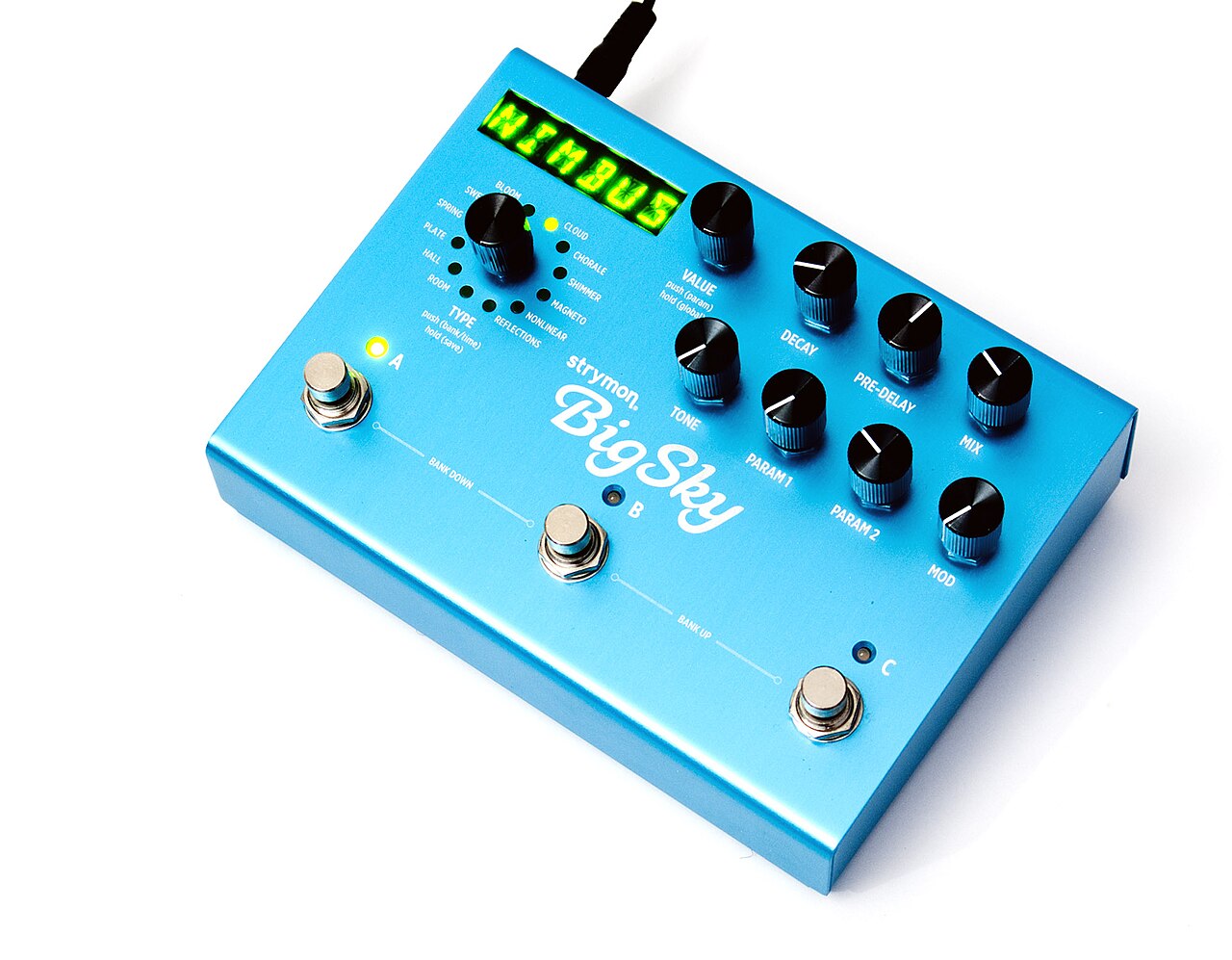
The Strymon Timeline’s specific capabilities — the multi-tap delay, the diverse delay algorithm library, and the specific digital precision of its delay time settings — gave Nito’s temporal processing the depth and flexibility that simpler delay pedals couldn’t provide. The Timeline’s multi-tap capability allowed multiple simultaneous delay taps at different specific delay times — not merely a single echo repeat at a fixed delay time but multiple simultaneous echoes at different specific intervals, creating complex rhythmic patterns from a single input gesture. A guitar note played into the Timeline with three simultaneous taps at 200ms, 400ms, and 700ms delay times would produce three distinct echo repeats at those specific time intervals, each with its own specific volume (decreasing with each successive repeat) and potentially its own specific modulation treatment. This complex temporal layering — combined with the reverb’s spatial dimension and the loop pedal’s compositional layering — gave Nito’s atmospheric textures their specific quality of complex, multi-dimensional sonic richness that single-pedal processing couldn’t achieve.
The harmonic technique — producing harmonics through the light touch of the fretting hand at specific nodal points along the string without fully fretting the note — was one of the specific extended techniques that gave Nito’s playing its most immediately distinctive tonal character. Natural harmonics (produced at specific divisions of the string length — the twelfth fret for the octave harmonic, the seventh fret for the fifth-above harmonic, and other specific nodal points for higher harmonics) produced specific pitches that were related to but distinct from the fundamental notes of the chromatic scale, giving the guitar a range of bell-like tones that were uniquely the harmonic technique’s contribution. Artificial harmonics (produced by simultaneously fretting a note with the left hand and touching the string at a specific interval above the fretted position with the right hand) extended the harmonic vocabulary to any pitch on the instrument rather than only the natural harmonic nodes. His specific combination of natural harmonics, artificial harmonics, and conventional fretted notes in single phrases gave specific passages their particular quality of moving between the clear, fretted warmth of conventional notes and the ethereal, bell-like character of harmonics.
The volume pedal’s role in Nito’s atmospheric approach — and why the smooth swell from near-silence to full volume that the volume pedal enabled was so central to the specific atmospheric character of his playing — reflected the specific acoustic principle that the quality of a sound’s onset was as important to its emotional character as its sustain and decay. In conventional guitar playing, notes attacked from silence — the pick or finger struck the string and the note began immediately at its maximum volume before decaying. This conventional attack character gave guitar playing its specific quality of rhythmic punctuation: each note began with a sharp attack that defined its rhythmic position precisely. In Nito’s approach, the volume pedal allowed notes to begin below audible threshold and swell gradually to their maximum volume — eliminating the conventional attack transient and giving each note’s onset a specific quality of emerging from atmospheric space rather than striking from silence. This specific swell onset character gave his playing its particular atmospheric quality of notes appearing from and dissolving into the ambient sonic environment rather than existing as discrete rhythmically defined events against a silent background.
The pitch shifter’s role in Nito’s effects chain — adding octave-above or specific interval-above doubling to certain passages — gave specific musical gestures their particular quality of harmonic richness that was simultaneously related to the guitar’s natural pitch and distinct from it in a way that suggested electronic music’s specific harmonic character. The pitch shifter’s output — a precise digital reproduction of the input signal at a specific pitch interval above or below — gave the combined signal (direct guitar plus pitch-shifted version) a specific quality of harmonic width that was different from conventional unison doubling or harmonic intervals in that the digital precision of the pitch shifting gave the interval a particular quality of electronic exactitude that analogue pitch shifting or natural harmonics didn’t produce. This specific electronic precision — combined with the organic warmth of the reverb’s acoustic simulation and the temporal complexity of the delay — gave Nito’s atmospheric textures their particular quality of being simultaneously organic and electronic, natural and artificial, acoustic and digital.
The two-handed tapping approach that Nito had developed into a comprehensive compositional vocabulary — extending well beyond the rock guitar tapping that had been introduced by Eddie Van Halen and subsequently developed by various shred guitarists — showed the specific quality of genuinely developing a technique into a genuinely new compositional language rather than merely expanding an existing vocabulary. Where conventional rock tapping used a single right-hand finger to add a high note to a left-hand legato phrase, Nito’s tapping used multiple right-hand fingers simultaneously to create complete polyphonic harmonic textures entirely through tapping, with the left hand’s conventional fretting role and the right hand’s conventional picking role both replaced by the bilateral tapping approach. The specific patterns he created through this bilateral tapping — arpeggiated harmonic patterns that cycled through chord tones in specific rhythmic configurations — gave his most characteristic music its immediately identifiable sound that had no exact precedent in any earlier guitar tradition.
The ambient music tradition’s influence on Nito’s specific approach — and how the specific aesthetic values of ambient music (Brian Eno’s specific formulation: music that was as ignorable as it was interesting, that created a specific atmosphere rather than demanding focused attention) shaped his musical thinking — was as central to understanding his approach as the Japanese aesthetic concepts that formed his cultural foundation. Eno’s ambient music had demonstrated that music could have profound emotional impact without the conventional musical structures of rhythm, melody, and harmony that most popular music relied on — that texture, timbre, and slowly evolving atmospheric qualities could communicate emotional states as directly and as powerfully as any melodic statement or harmonic progression. Nito’s ambient fingerstyle approach showed how this ambient music insight could be applied to the electric guitar — giving the instrument an aesthetic framework that was genuinely distinct from all the conventional guitar traditions that had preceded it while maintaining the guitar’s specific physical character of being a string instrument played by a person in real time.
The Japanese ambient music tradition — specifically the work of figures like Hiroshi Yoshimura and Midori Takada who had developed Japan-specific ambient approaches that incorporated the Japanese aesthetic orientation toward space and silence into the ambient music framework — gave Nito’s approach a culturally specific Japanese dimension that distinguished it from the Western ambient music models that Eno had established. The specific quality of Japanese ambient music — the particular relationship between sound and silence, the specific quality of restraint and understatement that gave the music its distinctive character within the broader ambient tradition — was as specific a cultural contribution as any of the other regional cultural formations that had given the various Brazilian guitarists their individual voices. Understanding this specifically Japanese ambient music context alongside the Western ambient music tradition that informed his overall approach gives the most complete picture of the specific cultural and musical formation that produced his particular guitar aesthetic.
The multi-scale fretboard’s specific contribution to Nito’s playing — and why this feature was acoustically significant for his specific extended technique approach — reflected the same acoustic logic that had made multi-scale designs increasingly common among technically sophisticated guitarists in various genres. The multi-scale (or fan-fret) design placed different strings at different scale lengths — the bass strings at a longer scale length to improve their string tension and intonation at lower pitches, and the treble strings at a shorter scale length to maintain comfortable playing positions at higher pitches. For the specific demands of Nito’s tapping approach — which often required precise intonation at specific positions along the neck that conventional single-scale designs didn’t always provide consistently — the multi-scale design’s superior intonation accuracy across the full string range was a genuine practical advantage that improved the specific tonal quality of the harmonic patterns his tapping technique created. The improved intonation accuracy meant that the harmonic intervals between tapped notes were as precisely in tune as the design allowed, giving the polyphonic tapping textures their maximum possible clarity of harmonic relationship.
Ichika Nito’s complete story — the Japanese formation within a culture whose aesthetic values oriented him toward space and texture rather than melody and rhythm, the development of an atmospheric electric guitar approach that was simultaneously technically accomplished and aesthetically genuinely original, and the social media presence that gave that approach its widest possible global audience — was one of the most genuinely distinctive individual guitar stories of the contemporary era. The equipment he used: the Strandberg Boden for its ergonomic and acoustic specifics, the elaborate effects chain that was as central to his musical identity as any playing technique, and the clean amplification that gave the complete processed signal its most accurate possible presentation — served a musical vision that was as genuinely original as any in contemporary guitar music. The gear created the space; the space gave the gestures their meaning; and the meaning reached across every cultural and linguistic boundary to a global audience that had been ready to hear what a guitar could sound like when its primary purpose was atmosphere rather than anything that the guitar’s conventional associations had previously suggested was possible.
The modulation effects’ specific contributions to Nito’s atmospheric textures — the chorus, flanger, phaser, and vibrato that gave specific layers of his looped compositions their particular moving, animated quality — reflected genuine understanding of what each specific modulation effect contributed to the overall sonic picture. Chorus (multiple detuned copies mixed with the direct signal) gave sustained notes and chords their specific quality of warm dimensional richness — the slight pitch variation between the copies creating a beating effect that gave the sound movement without changing its fundamental pitch. Phaser (all-pass filter sweep that created frequency comb effects) gave specific passages their characteristic sweeping, slightly psychedelic movement. Flanger (a specific type of comb filtering based on very short delay modulation) gave other passages their particular jet-like sweep character. Each modulation type had its specific contribution, and Nito’s deployment of each for the specific atmospheric applications where its particular character was most appropriate showed the same careful consideration of what each specific tool contributed that governed his complete effects approach.
The clean amplification’s specific role as the transparent foundation for Nito’s processing-dependent sound — and why clean transparency was more important to his approach than the specific tonal character of any particular amplifier — reflected the fundamental acoustic principle that underlay his complete musical approach: the specific tonal qualities of his music were created by the effects processing rather than by the amplifier’s contribution. Where most guitarists in this series valued specific amplifier characters — the warmth of the Super Reverb, the drive of the Marshall JCM800, the clean headroom of the Twin Reverb — each for the specific contribution that character made to the particular musical tradition the guitarist served, Nito’s approach required the opposite: an amplifier that contributed as little as possible to the tonal character, presenting the effects-processed signal as transparently as possible so that the specific atmospheric qualities the effects created were as accurately reproduced as the technology allowed. This specific requirement — maximum transparency rather than optimal tonal character — was as distinctive a relationship with amplification as any in this series and reflected the fundamentally different role that amplification played in his specifically effects-processing-centred musical approach.
Frequently Asked Questions: Ichika Nito Guitars & Gear
What guitar does Ichika Nito play?
Ichika Nito’s primary guitar is the Strandberg Boden — the Swedish headless guitar with the ergonomic EndurNeck profile and multi-scale fretboard that gave it the specific combination of playability and tonal character appropriate for his extended technique approach. He also uses various Ibanez and other guitars for specific applications. The headless design’s reduced weight and specific resonance character suited his atmospheric, texture-focused playing approach.
What effects does Ichika Nito use?
His extensive effects chain includes: TC Electronic Hall of Fame Reverb or similar (foundational atmospheric layer), Strymon Timeline or similar delay (multi-tap temporal complexity), loop pedal (real-time compositional layering), modulation effects (chorus, flanger, phaser for specific textural dimensions), volume pedal (atmospheric swells), and pitch shifter/harmoniser (harmonic doubling effects). The effects chain was as central to his musical identity as any specific playing technique.
What is ambient fingerstyle guitar?
Ambient fingerstyle guitar was the aesthetic approach that Nito most clearly exemplified: extended electric guitar technique (harmonics, two-handed tapping, slide, unconventional strumming) combined with elaborate effects processing (heavy reverb, delay, loop pedals) to create atmospheric textures and sonic environments rather than conventional melodic and harmonic guitar playing. The approach drew on ambient music’s orientation toward texture and atmosphere rather than melody and rhythm as primary musical values.
What is the Strandberg Boden?
The Strandberg Boden was a Swedish-made headless electric guitar designed by Ola Strandberg, featuring the distinctive EndurNeck profile (ergonomically shaped to reduce hand fatigue during extended playing) and optional multi-scale fretboard (with different scale lengths for different strings to improve intonation and string tension across the full range). The headless design gave the instrument specific resonance characteristics different from conventional headstock guitars.
What is Ichika Nito’s two-handed tapping technique?
Nito’s two-handed tapping — using fingers of both hands to tap notes on the guitar fretboard simultaneously, creating arpeggiated harmonic patterns that conventional single-hand technique couldn’t produce — was the most technically distinctive element of his playing. His specific use of tapping was different from conventional rock tapping (which typically used one right-hand finger to add a single high note to a left-hand phrase) in its systematic use of multiple right-hand fingers to create complete polyphonic harmonic textures through tapping alone.
Why is Ichika Nito influential among guitarists?
Nito was influential because he showed the global guitar community that the electric guitar’s possibilities extended far beyond the established technical and aesthetic traditions of blues, rock, jazz, and classical into genuinely new atmospheric territory that was simultaneously accessible and genuinely original. His specific approach — extended technique, atmospheric effects processing, and the Japanese aesthetic orientation toward space and texture — gave guitarists who found neither technical shred nor conventional song-based approaches fully satisfying a specific alternative model of what the guitar could do.
How important is the loop pedal to Ichika Nito’s approach?
The loop pedal was perhaps the single most important compositional tool in his approach — allowing him to build complete atmospheric compositions in real time from individual guitar gestures, layering recorded and replaying loops to create textures that grew progressively richer and more complex as each performance proceeded. Without the loop pedal, his real-time compositional approach — building multi-layered atmospheric pieces spontaneously from individual gestures — would have required multiple musicians or pre-recorded backing tracks rather than being achievable by a single guitarist in a single live performance.
Genre:
Ambient Fingerstyle / Experimental
Decades:
2010s | 2020s
Image credits
- A TC Electronic Ditto Looper X2 pedal: Potasmic, Wikimedia Commons, CC0.
- A Strymon BigSky pedal: Ashley Pomeroy, Wikimedia Commons, CC BY-SA 4.0.
- Strymon TimeLine Delay: GuitarGangsters AI-generated reference illustration, not a photograph.