John Sykes Guitars & Gear: The Complete Guide to Whitesnake’s 1987 Guitar Hero’s Rig
John Sykes guitars & gear: Whitesnake, Thin Lizzy, Blue Murder. 1978 Les Paul Custom, Mesa Coliseum, Marshall JCM800, EVH 5150 III — a tribute to a British guitar legend.
Gear Timeline
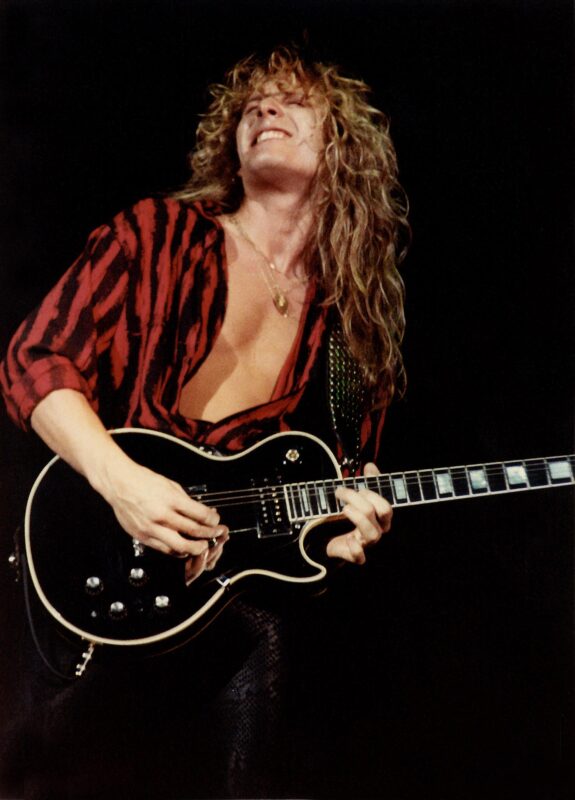
There is a 1978 Gibson Les Paul Custom with a mirrored pickguard, chrome hardware where the original plastic should be, and serious signs of wear from thousands of shows and every recording John Sykes made for the last two decades of his career. The chrome hardware — chrome pickup mounting rings, chrome pickguard, chrome toggle switch plate replacing the factory plastic — was Phil Lynott’s idea. When Sykes joined Thin Lizzy in 1982, Lynott looked at the guitar and suggested the chrome conversion, and Sykes had it done. The result is visually striking: a black Les Paul Custom with chrome fittings that catch the light differently from any other Les Paul on any other stage. The guitar’s body has worn through to the wood in places from contact with Sykes’s belt buckle, the neck has worn spots from decades of playing, and the finish has largely disappeared from the back. It is not a pristine collector’s instrument; it is a working musician’s guitar that has been worked. It is the guitar on which “Still of the Night,” “Is This Love,” “Here I Go Again” (recording), and “Crying in the Rain” were laid down — the core of the 1987 Whitesnake album that became one of the decade’s biggest commercial hard rock releases. Sykes wrote or co-wrote virtually the entire album and played all the lead guitar on it. By the time the album broke commercially, he was no longer in the band. Two guitarists were hired to replace him on the tour. Neither of them, individually or together, replicated the specific quality of what he had done.
The Journey
John James Sykes was born on July 29, 1959, in Reading, Berkshire, England. He died on December 21, 2024, at the age of sixty-five, from cancer — his death announced in January 2025, triggering an outpouring of recognition from the guitar community that captured the specific quality of his legacy: immediate and passionate from guitarists and musicians who understood the depth of his contribution, and genuinely surprised in tone from a broader audience that had not fully appreciated how significant that contribution was. “Not even a month into 2025, the music world copped a heavy blow with the loss of British guitar icon John Sykes,” as Mixdown Magazine put it. The blow was heavy precisely because the loss was of someone whose best work had been distributed across bands whose subsequent success had partially obscured his specific contribution. He wrote the Whitesnake album that launched the band’s greatest commercial period and was gone before the album broke. He played the Thin Lizzy final albums and final tour. He led Blue Murder through two under-appreciated albums that, on the evidence of the guitar work, deserved considerably more commercial success than they received. He turned down the Ozzy Osbourne guitarist position. He had, in other words, a career defined as much by the roads not taken and the credit not fully received as by the roads he did take and the records that bear his name.
His guitar influences were the blues-rock tradition of the British electric guitar — Eric Clapton initially, Gary Moore prominently, Jimmy Page, Michael Schenker, and Uli Jon Roth — and the synthesis of these influences produced the specific Sykes voice: the wide, expressive, deeply felt vibrato that Zakk Wylde specifically cites as an influence; the use of aggressive pinch harmonics as expressive punctuation rather than mere technique display; the specific quality of playing fast and flashy while always maintaining melodic coherence; the ability to play “beautifully, slowly” that the Dinosaur Rock Guitar analysis identifies as one of his biggest strengths. “On mid tempo songs, John often began with slow, beautifully melodic phrases that really show off his vibrato and his fat Les Paul tone. He then built to a fiery crescendo.” This compositional intelligence in live improvisation — the understanding of arc and development in a solo — is what distinguished Sykes from the speed-for-its-own-sake players of his era, and what has made his recordings as listenable thirty years later as they were on initial release.
His career trajectory is one of rock’s more winding paths: Streetfighter on a NWOBHM compilation in 1980; Tygers of Pan Tang for two albums; Thin Lizzy’s final period (Thunder and Lightning, 1983); Whitesnake (Slide It In, 1984, and the 1987 album); Blue Murder (Blue Murder, 1989, and Nothin’ But Trouble, 1993); solo work; various Thin Lizzy reunion configurations. Each chapter produced music of genuine quality. The Whitesnake 1987 album remains the commercial peak and the cultural landmark — the specific combination of Sykes’s guitar work, his songwriting, and David Coverdale’s voice that produced “Still of the Night,” “Is This Love,” and the album that defined a specific moment in American hard rock’s commercial history. That Sykes was not present to participate in the commercial success of that moment — fired during the mixing stage, the details disputed between him and Coverdale — is one of rock’s more bitter ironies. The guitarist who wrote and recorded the album that launched Whitesnake’s global commercial peak received neither the commercial reward nor the sustained association with the album’s legacy that the subsequent guitarists who performed those songs on tour received.
He possessed the widest vibrato in British hard rock — a slow, enormously expressive finger vibrato that Zakk Wylde has named as a primary influence, that Gary Moore shared as a fellow Thin Lizzy alumnus, and that no equipment alone can replicate. You can buy the 1978 Les Paul Custom, the Mesa Coliseum, the JCM800, the Gibson Dirty Fingers. You cannot buy the specific physical quality of John Sykes’s vibrato, which is the most important single element of his tonal identity and the thing that any serious student of his playing must develop as a technique rather than acquire as gear.
Background: Thin Lizzy, the Mirrored Pickguard, and the Album He Wasn’t There To See Break
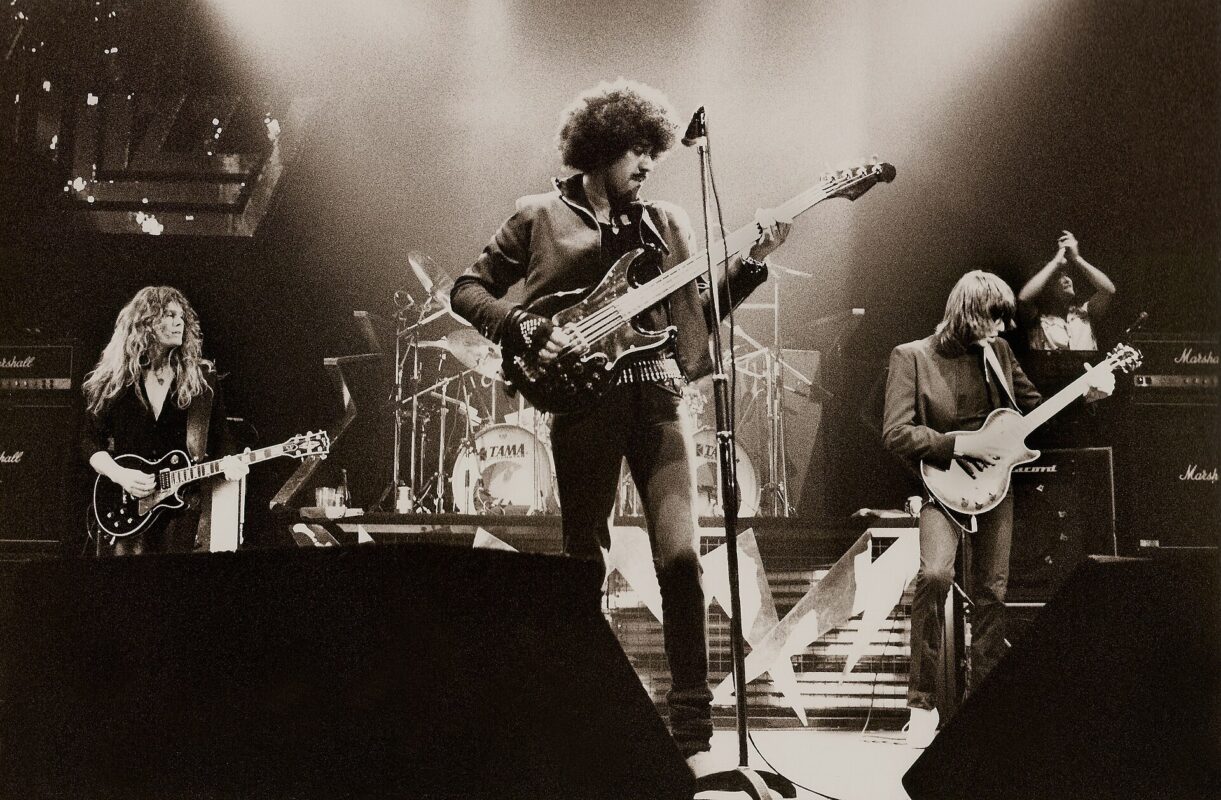
The Thin Lizzy chapter — however brief — was foundational in ways that go beyond the specific recordings. Joining Thin Lizzy in 1982, at age twenty-two, meant joining one of the most musically sophisticated twin-guitar bands in rock history as a direct participant in the tradition that had produced Gary Moore, Brian Robertson, and Scott Gorham. The Thunder and Lightning album and the final Thin Lizzy tour gave Sykes not just recording credits but an education in what the electric guitar could be in the context of a genuinely great band with a genuinely great vocalist. Phil Lynott’s specific ideas — including the chrome hardware suggestion for the Les Paul — reflect the aesthetic engagement of a front man who understood that his band’s guitars were part of the band’s visual and sonic identity and were worth thinking about carefully. Sykes listened to those ideas and implemented them. The mirrored pickguard and chrome hardware are on every subsequent image of the guitar, every recording, every concert.
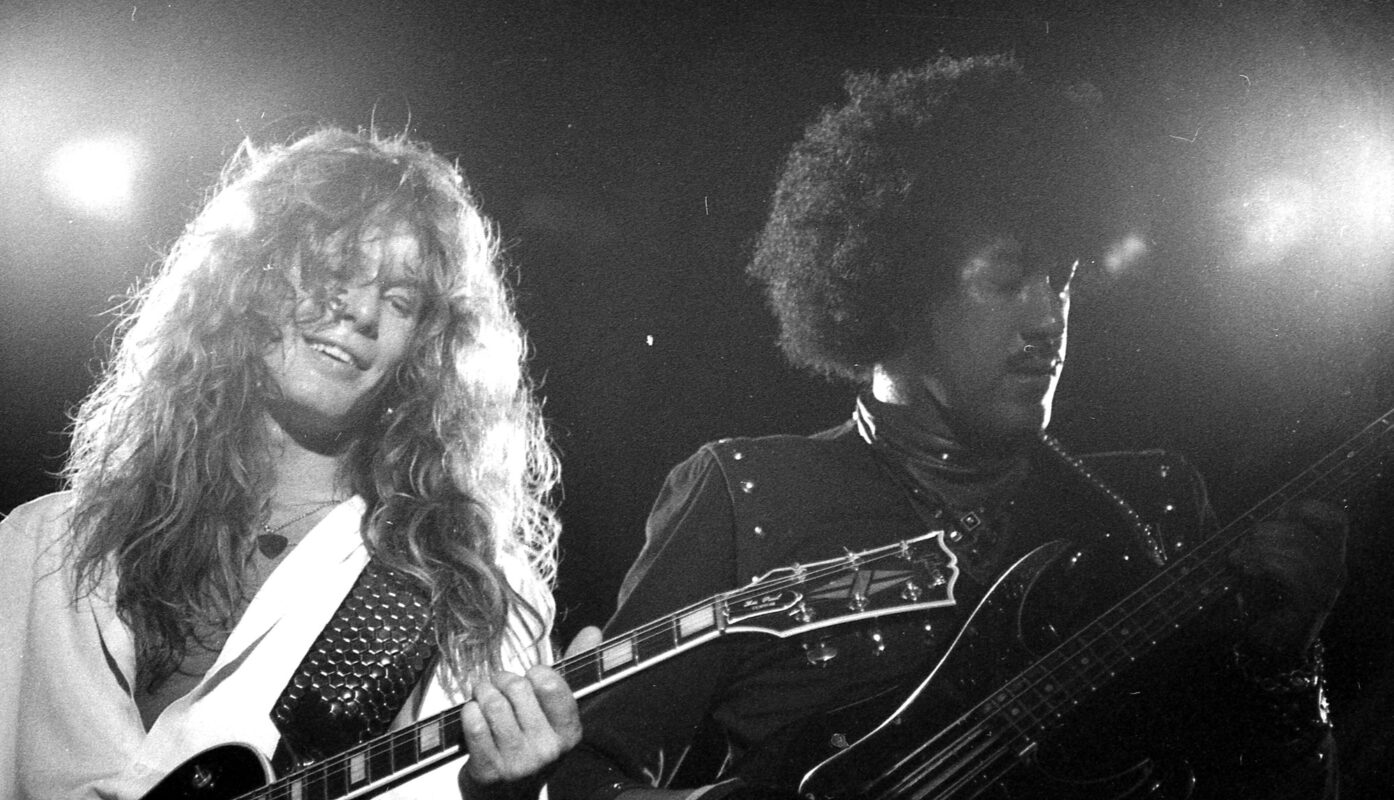
The Whitesnake 1987 album’s specific recording history is documented enough to form the central narrative of Sykes’s career, because the anomaly at its core — the man who wrote and recorded the album wasn’t in the band when it became a hit — is genuinely unusual in rock history. Sykes co-wrote virtually the entire album with Coverdale, laid down all the lead guitar tracks, and was dismissed during the mixing stage due to a combination of personal conflicts and the specific power dynamics of the Coverdale-controlled band. The album was released, MTV picked up “Here I Go Again” and “Is This Love,” the album went multi-platinum, and Adrian Vandenberg and Vivian Campbell were hired to tour it. The guitars they played were Sykes’s parts on the record; the solos the audience heard at concerts were approximations of what he had created in the studio. This situation — historically unusual and personally bitter — has been discussed by Sykes with measured precision in interviews, without the dramatic denunciations that the circumstances might have warranted.
The Blue Murder project that followed gave Sykes creative control, a band identity built around his guitar playing and songwriting, and the specific freedom to make music without a dominant front man defining the commercial and creative parameters. The Blue Murder debut is a genuinely excellent hard rock album — heavy, sophisticated, with the specific combination of power and melodic intelligence that Sykes’s guitar work always produced at its best. It did not achieve the commercial success of the Whitesnake album. Nothin’ But Trouble (1993) arrived during the grunge moment that terminated many contemporary hard rock careers and was similarly commercially limited. Sykes continued playing and recording in various configurations — solo albums, the Thin Lizzy reunion tours, clinic work — until his health declined in his final years.
Zakk Wylde’s specific citation of Sykes’s vibrato as a primary influence is among the most significant peer testimonials in rock guitar history: Wylde, the guitarist most associated with the wide, expressive, massive vibrato as a signature playing element, credits Sykes’s vibrato as one of his models. This direct lineage — Sykes’s vibrato influencing Wylde’s, Wylde’s then influencing a generation of heavy metal players — places Sykes at the origin point of a specific technique tradition that runs through the entire hard rock and metal guitar vocabulary of the past three decades. He is, in this specific way, more influential than his commercial profile has always suggested.
The Rig: John Sykes’s Guitars, Amps, and Effects
Guitars
John Sykes’s primary guitar for the entirety of his peak career — from Thin Lizzy through Whitesnake through Blue Murder and into his later solo work — is the 1978 Gibson Les Paul Custom. The guitar is documented on his personal website: “John’s main guitar is a 1978 model Gibson Les Paul Custom and it has been used for thousands of shows and on every recording John has made for the last 20 years. There are some serious signs of wear and tear. As you can see in the photo, much of the finish has worn off the back of the guitar, and the neck has some worn spots, too.” The chrome hardware — chrome pickup mounting rings, chrome pickguard replacing the factory plastic, chrome toggle switch plate — was Phil Lynott’s specific suggestion when Sykes joined Thin Lizzy in 1982, and the modification gives the guitar its distinctive visual identity. Gibson Dirty Fingers pickups were in this guitar during the 1980s period — the Dirty Fingers being a specifically high-output pickup with a bright, aggressive character that suits the hard rock context. The guitar is the specific instrument on which “Still of the Night,” “Is This Love,” “Crying in the Rain,” and the lead work across the 1987 Whitesnake album was recorded. Eventually, Sykes became concerned about subjecting such a historically significant guitar to the rigors of touring and retired it, returning to his 1978 Custom as his primary performing instrument. The specific beauty of this guitar — worn, heavy, covered in the physical evidence of a career — is inseparable from its musical significance.
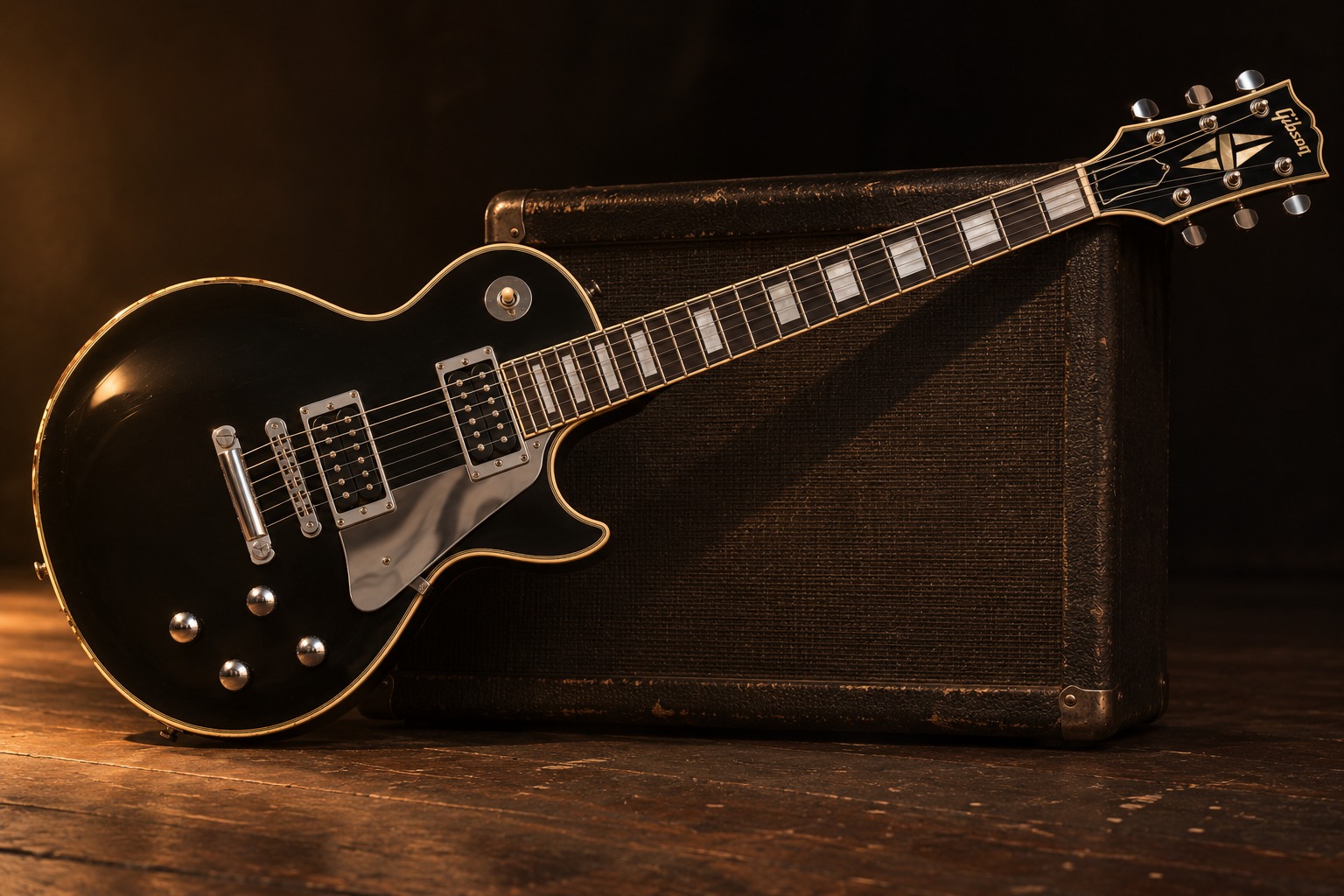
In 2006, Gibson released a John Sykes signature Les Paul in two versions: one with all the wear and aging designed to replicate the appearance of his actual guitar (the relic version), and one with identical specifications but without the artificial wear (the standard version). The signature Les Paul captures the chrome hardware, the specific pickup configuration, and the general specification of Sykes’s primary instrument. The relic version represents one of Gibson’s earlier serious attempts at aged cosmetic replication — the specific worn finish and hardware aged appearance that guitar players value as an indicator of a genuinely played instrument. The 2006 Gibson Sykes signature was not widely publicized at the time and remains less well-known than many of Gibson’s more commercially prominent signature instruments, despite representing a guitarist whose contribution to Gibson’s commercial legacy — through the Whitesnake recordings — is substantial.
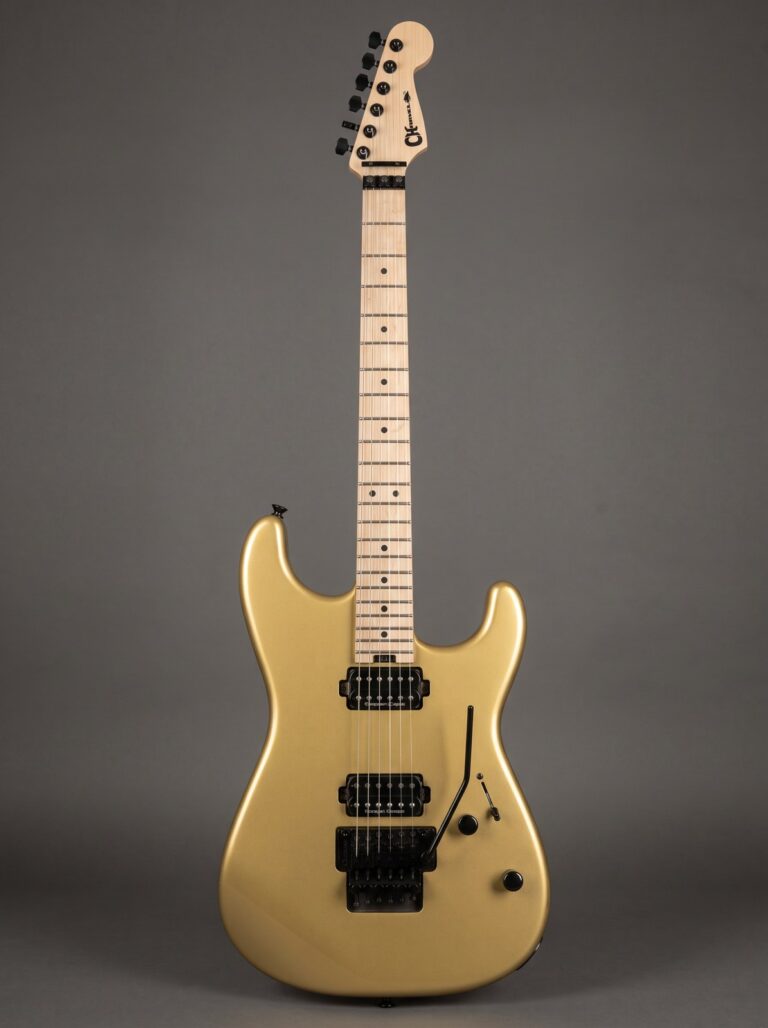
For all songs on the 1987 Whitesnake album that required tremolo — the pitch modulation that a Floyd Rose double-locking tremolo provides — Sykes used a Charvel San Dimas rather than the Les Paul Custom. The Les Paul, with its tune-o-matic/stopbar or wraparound tailpiece, is not a tremolo guitar; for the specific dive-bomb and tremolo effects required on certain 1987 passages, a superstrat-style guitar with Floyd Rose was necessary. The Charvel San Dimas — the same San Dimas-era Charvel instrument associated with many LA-scene guitarists of the period — provided the tuning stability and tremolo capability that the Les Paul couldn’t. Sykes’s use of the Charvel specifically for tremolo passages, while maintaining the Les Paul as his primary guitar for everything else, reflects a pragmatic approach to instrument selection: use the right guitar for each specific technical requirement, and let the primary guitar define the core sound.
For clean guitar sounds on the 1987 Whitesnake album — specifically heard on “Is This Love,” the album’s most radio-friendly track and its biggest single — Sykes used a standard black Fender Stratocaster. The Strat’s single-coil pickups provide the specific bright, clear, chimey clean character that the “Is This Love” introduction and verse sections demonstrate: unmistakably Fender, with the specific quality of clean single-coil tone that no humbucker-equipped guitar replicates. This three-guitar approach — Les Paul Custom for heavy rock, Charvel San Dimas for tremolo, Fender Strat for clean — represents a comprehensive guitar selection for a single album, with each instrument used specifically for the application it serves best.
The EVH Frankenstein — Eddie Van Halen’s iconic stripped-down superstrat — appears in Sykes’s documented later-career equipment. His website notes its acquisition with characteristic enthusiasm: “Out of the new additions, this one is his favourite — an EVH Frankenstein.” The Frankenstein’s specific character (single humbucker, Floyd Rose, lightweight body with Van Halen’s original visual aesthetic) represents a different tonal voice from the Les Paul Custom, and its position as Sykes’s late-career “favourite new addition” reflects a guitarist who continued to engage with and develop his instrument choices throughout his career.
The Gibson Dirty Fingers pickup — Gibson’s own high-output humbucker with a specifically bright, aggressive character — was Sykes’s pickup choice in the 1978 Les Paul Custom during the 1980s Whitesnake period. The Dirty Fingers is among Gibson’s highest-output passive humbuckers, with a ceramic magnet construction that provides a more modern, more aggressive sound than the alnico PAF-type pickups that are the Les Paul’s standard specification. In the context of Sykes’s recording approach — Mesa Coliseum heads with 180 watts of 6L6 output, driven hard enough for the thick, saturated lead tones of “Still of the Night” — the Dirty Fingers’s high output and ceramic magnet brightness provided the specific driver characteristics needed for the amplifiers to respond with maximum saturation while retaining note definition.
Amps
The amplification responsible for the specific guitar tone of the 1987 Whitesnake album — one of the most distinctive and celebrated hard rock tones of the 1980s — was not the expected Marshall but a pair of Mesa/Boogie Coliseum heads. The Coliseum is a particularly unusual Mesa model: it has a Mark III preamp section (Mesa’s high-gain, sophisticated preamp architecture) but uses six 6L6 power tubes rather than the Mark III’s standard tube complement — giving each head 180 watts of American 6L6-voiced output. Two of these heads, running simultaneously, produced 360 watts of specifically American-voiced, Mark III-preamp-flavored high-gain amplification — a massive, room-filling sound that is directly audible in the specific thickness and fullness of the guitar tone across the 1987 Whitesnake recordings. The combination of high-gain Mark III preamp character with American 6L6 power tubes (warmer, rounder than the British EL34) produced a distinctly different quality from the EL34 Marshall sound that dominated British hard rock of the period. This specifically American amplification character, applied to a British guitarist’s Les Paul and sensibility, is one of the key tonal elements that makes the 1987 Whitesnake album sound different from its contemporaries.
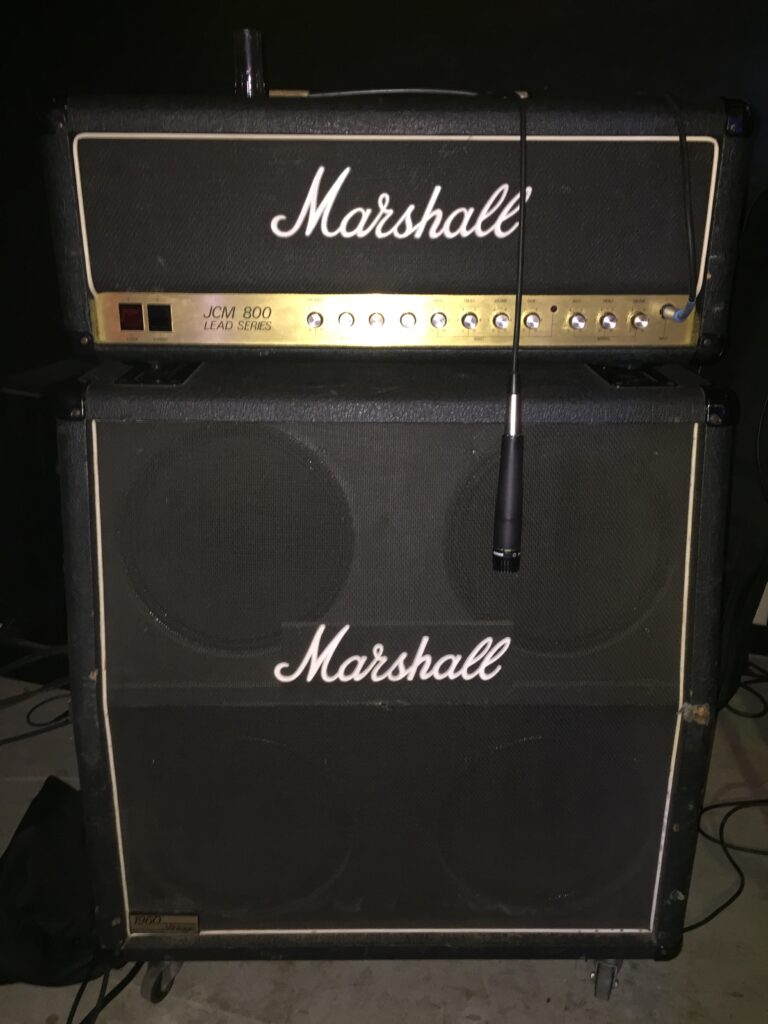
For live performance — the Thin Lizzy tours, the later Sykes solo tours — the amplification was simplified to a single 50-watt Marshall JCM800, run into a Marshall 4×12 or one of Sykes’s custom-made 4×12 cabinets. A backup 50-watt JCM800 and 4×12 were kept ready on stage. The simplification from the studio’s 360-watt Mesa Coliseum combination to a single 50-watt Marshall for live use reflects both the practical constraints of touring amplification and the specific tonal preference that Sykes (like Michael Schenker, Matthias Jabs, Dave Murray, and others in this series) expressed for the 50-watt Marshall’s responsive, dynamically alive EL34 character over the 100-watt alternative’s higher headroom but reduced responsiveness. The JCM800 50-watt driving a custom 4×12 cabinet was Sykes’s live sound for decades of performing — a relatively simple setup by the standards of a guitarist of his commercial profile, but one that produced the specific quality of natural Marshall saturation that suited his blues-rock foundational approach.
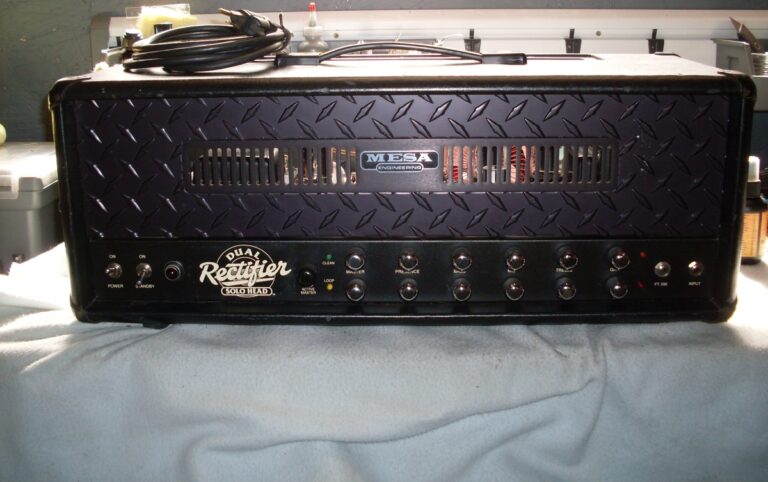
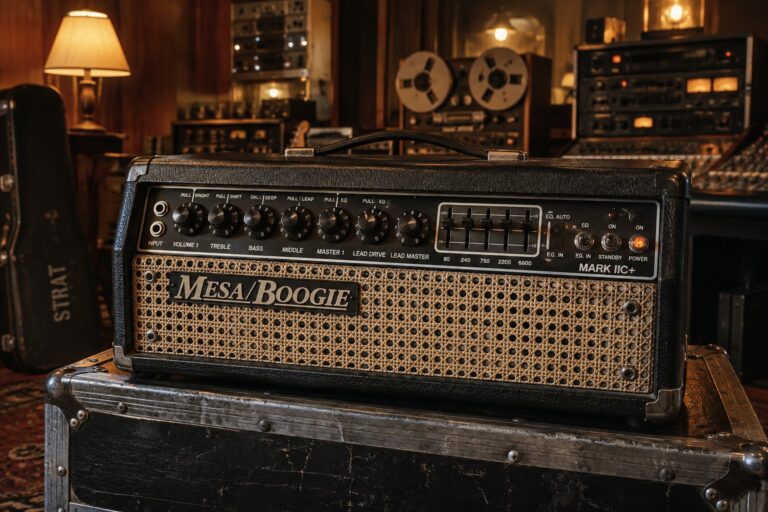
Sykes owned several additional Mesa/Boogie amplifiers beyond the Coliseum heads: Mark IIC+ models (the highly sought-after predecessor to the Mark III, known for its particularly smooth and musical high-gain character), additional Mark IIIs, and rack-mounted Dual Rectifier heads used in the elaborate Blue Murder touring rack. The complete Blue Murder rack — as documented in the Equipboard records — included a Mesa Boogie Dual Rectifier head, a Mesa Boogie Tri-Axis preamp, a Mesa Boogie IIC+ head, a Mesa Boogie Strategy 500 power amp, a rack-mounted Dunlop Crybaby, a Lexicon PCM 41, a Lexicon PCM 70, and an H&H V800 power amp. This represents a level of amplification and processing sophistication far beyond the simple Marshall live setup, reflecting the specific production requirements of the Blue Murder studio recordings and the touring rig that supported them.
In his later career, Sykes’s own website confirmed: “I’ve been using EVH 5150III amps and cabs for quite some time now and highly recommend this gear. I’ve been using a combination of the EVH 5150III Stealth amps with the EVH 5150III EL34 amps and 4×12 cabs.” The combination of the two 5150III variants — the Stealth (with 6L6 power tubes, American voicing) and the EL34 version (with British-voiced output tubes) — gave Sykes access to both American and British amplification characters from a single modern, high-quality head design. The EVH 5150III is one of the most respected high-gain amplifiers in professional rock and metal applications, and its adoption by Sykes in his later career represents both a practical upgrade from the aging vintage Marshalls and a tonal development toward the more sophisticated gain architecture of modern amplification.
The Kasha Rockmod I tube preamp appears in Sykes’s documented equipment from the Whitesnake “Slide It In” period — used during his initial tenure with the band before the 1987 album recording. The Kasha Rockmod I was a boutique tube preamp from the early-to-mid 1980s period when rack-mounted preamp systems were becoming the preferred amplification approach for professional touring guitarists who needed consistent, programmable tonal control.
Effects
The most important “effect” in John Sykes’s signal chain is not a pedal or a rack unit but a physical technique: his wide, slow, deeply expressive finger vibrato. “Probably the sexiest finger vibrato in the business,” as the Dinosaur Rock Guitar analysis describes it. Zakk Wylde’s specific citation of Sykes’s vibrato as a primary influence places this technique at the origin of a specific vibrato tradition that runs through the entire subsequent generation of hard rock lead guitarists. The vibrato is created entirely by the left hand — pushing and releasing the string perpendicular to its length with specific width, speed, and consistency. No equipment produces this; it is the specific physical development of a guitarist who spent decades working on the expressive quality of sustained notes. It is the first thing any aspiring Sykes student should work on and the last thing that most of them will master.
As covered in the guitar section, the Gibson Dirty Fingers pickup in the Les Paul Custom was a fundamental element of the 1987 Whitesnake tonal approach — providing the high output needed to drive the Mesa Coliseum heads into the thick, saturated character of the album’s lead tones.
A Boss chorus pedal was in Sykes’s Thin Lizzy-era signal chain — used for the subtle modulation that characterizes the chorus-enhanced guitar sounds of that period. The pedal was “retired after Whitesnake bassist Neil Murray complained it was too noisy” — a practical consequence of the pedal’s signal-to-noise performance not meeting the professional standards of the recording environment. Its retirement represents the natural selection process by which professional touring equipment is refined: if something doesn’t meet the necessary performance standard, it’s replaced.
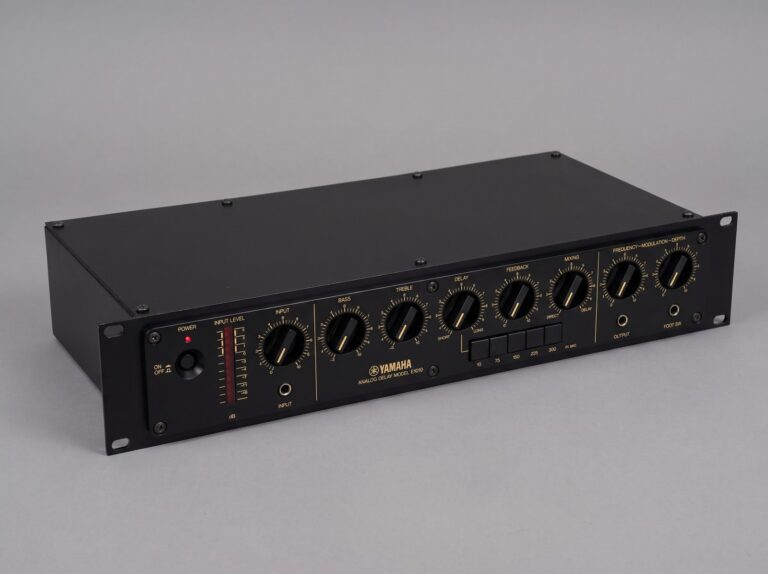
The Yamaha E1010 analog delay — confirmed in the Whitesnake “Slide It In” Ultimate Special Edition booklet — was used during the Slide It In recording period. The E1010 is a 1970s-80s analog delay unit with the specific warm, slightly degrading repeat character of BBD (Bucket Brigade Device) analog delay chips. Its appearance in the Slide It In documentation confirms Sykes’s use of time-based effects in the recording context during his initial Whitesnake period.
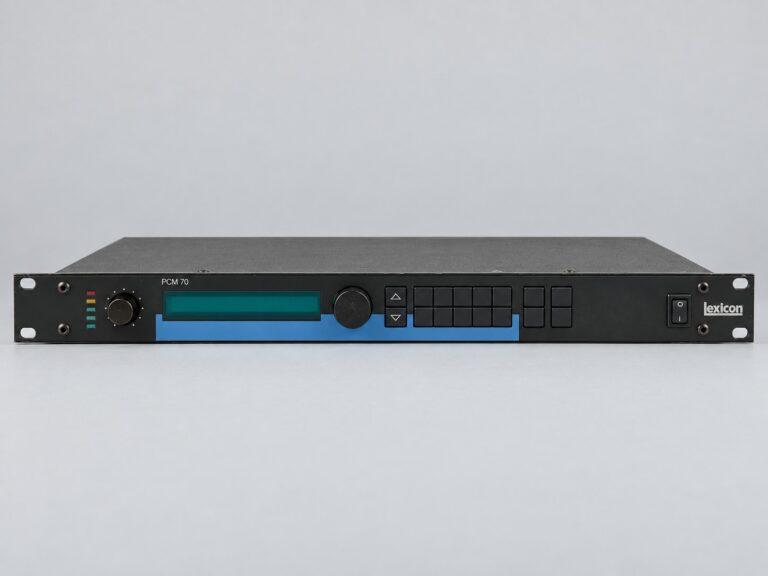
The Lexicon PCM 41 (a professional digital reverb unit) and Lexicon PCM 70 (an industry-standard digital effects processor with reverb, chorus, flanging, and pitch-shifting capabilities) appear in the Blue Murder touring rack documentation. Both units represent professional-grade digital signal processing from one of the most respected effects manufacturers in recording and live sound. The PCM 70 in particular — widely used in both recording studios and professional live rigs in the 1980s and 1990s — provided the specific quality of digital reverb and modulation effects that the Blue Murder production approach required.
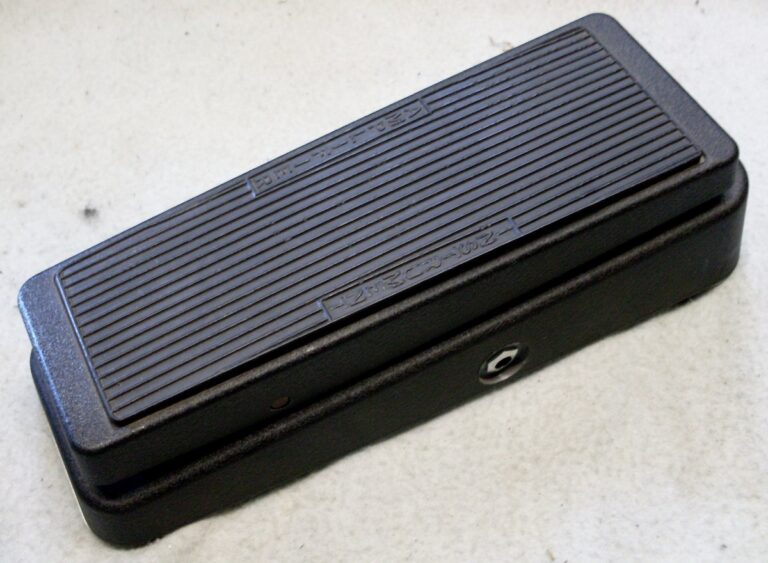
A rack-mounted Dunlop Crybaby wah appears in the Blue Murder rack documentation — the rack format version of the Crybaby wah, which allows MIDI-controlled wah activation without a floor pedal. In a sophisticated rack system, the rack-mounted wah can be triggered by a MIDI foot controller alongside other rack effects switching, enabling precise control over the wah’s engagement and sweep position as part of programmed preset changes.
Alongside the wide vibrato, Sykes’s aggressive use of pinch harmonics — the technique of lightly touching the string with the thumb or flesh of the picking hand immediately after the pick stroke to produce a high-pitched harmonic overtone — is a signature element of his playing identity. “Famous for… aggressive pinch harmonics” in the Mixdown Magazine assessment: these sharp, aggressive pitch spikes add punctuation and drama to his lead lines in ways that no effects pedal replicates. Like the vibrato, this is a physical technique requiring specific development and practice; it appears in the tonal architecture as prominently as any piece of equipment.
Playing Style & Tone Philosophy
John Sykes plays with the melodic sophistication of the Thin Lizzy tradition combined with the power and aggression of the Mesa Coliseum amplification school. His approach to the guitar solo — building from “slow, beautifully melodic phrases that really show off his vibrato and his fat Les Paul tone” to “a fiery crescendo” — reflects a compositional intelligence in real-time improvisation that is characteristic of the best Thin Lizzy guitarists and distinguishes him from the purely technical approach of some of his contemporaries. “He got in, blew his load, and got out. Occasionally, he’d take a longer outro solo, but in general, John didn’t over-play. That said, he played fast and flashy as hell.” This description — from the Dinosaur Rock Guitar analysis — captures the specific economy and conviction of Sykes’s soloing at its best: maximum impact in minimum time, with genuine musical development rather than mere scale running.
The Les Paul Custom’s specific contribution to his playing is worth examining in detail. The ebony fingerboard (standard on the Custom) has a slightly brighter, stiffer feel than the rosewood boards of standard Les Paul models — the specific feel under the fingers affects the vibrato technique, the bending character, and the overall physical relationship with the guitar. Combined with the ceramic Dirty Fingers pickups’ high output and bright character, and the Mesa Coliseum’s 6L6-powered warmth, the complete system produced a tone that was simultaneously thick and articulate — the “fat Les Paul tone” with the specific note definition that the Dirty Fingers pickup’s ceramic magnet construction preserved under high gain.
The vibrato — Sykes’s most celebrated and most influential technical attribute — operates at a specific intersection of width, speed, and evenness that no mechanical vibrato system replicates. Wide enough to be immediately audible as an expressive gesture; slow enough to convey genuine emotional weight rather than nervous agitation; even enough in its oscillation to sound intentional and controlled rather than accidental. These three qualities — width, speed, evenness — must be developed simultaneously through extensive practice, and they produce the specific quality of sustained note that makes the listener feel the note rather than simply hear it. Zakk Wylde understood this when he cited Sykes as a vibrato influence. Anyone who has attempted to replicate the “Still of the Night” lead break understands it in the moment of attempting.
How to Sound Like John Sykes
The John Sykes tone requires: a Gibson Les Paul Custom or equivalent set-neck mahogany guitar with high-output humbuckers (Gibson Dirty Fingers or equivalent ceramic-magnet high-output pickup); a Mesa/Boogie Mark-series preamp-voiced amplifier or equivalent high-gain EL34 head pushed hard; and primarily, the physical technique — the wide, slow, deeply expressive vibrato and the pinch harmonics — that no equipment alone provides. The Strat is for clean passages; the Charvel is for tremolo; the Les Paul is for everything else. Start with the Les Paul and the Marshall. Practice the vibrato. Understand that the gear is the architecture but the vibrato is the building itself.
| Control | Setting (0–10) | Notes |
|---|---|---|
| Marshall JCM800 50W (Live Tone) | Preamp: 8; Master: 8 | Both preamp and master pushed hard for the natural EL34 saturation that characterized Sykes’s live tone. The 50-watt’s output stage engages at lower absolute volume than the 100-watt equivalent, producing the specific bloom and warmth of the EL34 at its working point. The Dirty Fingers’ high output drives the preamp harder than a standard PAF-type pickup would. |
| Bass | 6 | Controlled but warm bass — the Les Paul Custom’s mahogany body provides natural low-end weight; the amp bass at 6 supports without exaggerating. The 1987 album’s specific tone has warmth without excessive low-end boom. |
| Mid | 7 | Present midrange — the heart of the Les Paul/Dirty Fingers character. The ceramic magnet pickup’s bright, forward midrange character needs amp mid support for the specific thick, vocal quality of Sykes’s lead tone. Never scoop. |
| Treble | 7 | Moderate-to-present treble for the note definition that the lead lines require. The Dirty Fingers’ bright attack needs treble support to project clearly through the Les Paul’s mahogany warmth. Bright enough for definition; warm enough to feel like a Les Paul. |
| Presence | 6 | Moderate presence for cut and definition. The Les Paul’s acoustic character doesn’t require extreme presence to project; controlled presence prevents the harshness that excessive settings introduce at high gain levels. |
| Mesa Coliseum Approach (Studio) | Mark III preamp fully voiced; 6L6 power stage pushed | For the 1987 album tone: a Mesa Mark-series preamp (Tri-Axis or equivalent) into an American 6L6 power stage. The combination of the Mark’s complex, multi-stage preamp with 6L6 warmth produces the specific thickness of the album’s guitar tone — warmer and rounder than EL34, but with the Mark’s high-gain preamp sophistication. Two heads simultaneously if possible; the doubled, thickened character of two Coliseum heads running in parallel is part of what makes the 1987 tone so massive. |
| Vibrato Technique | Wide; slow; even; committed | This is the primary element of the John Sykes tonal identity. Width: wider than most players use, with the string visibly deflecting from center pitch. Speed: slower than nervous vibrato, conveying emotional weight rather than agitation. Evenness: consistent oscillation, controlled from the wrist. Practice this above all else. No Mesa Coliseum produces Sykes’s tone without this vibrato. The Mesa just makes it loud. |
| Pinch Harmonics | Selective; aggressive; decisive | Touch the string lightly with the thumb or picking-hand flesh immediately after the pick stroke. The contact point on the string determines the harmonic pitch. Sykes uses these as expressive punctuation — a sharp, sudden high note amid a lead line — not as constant embellishment. Decisive contact produces the sharp, clear squeal; tentative contact produces nothing. Practice until the motion is automatic. |
Influence & Legacy
John Sykes’s influence on hard rock and heavy metal guitar is disproportionately large relative to his commercial profile during his lifetime — the specific characteristic of a musician whose best work was distributed across band contexts that subsequently moved on without him while retaining the musical legacy he had created. The 1987 Whitesnake album — which he wrote and recorded — remains one of the most commercially successful hard rock albums of the 1980s. Zakk Wylde’s citation of his vibrato as a primary influence places him at the origin of a specific technique tradition. The “Thin Lizzy school of guitar” that he represents connects him to one of rock’s most musically sophisticated traditions.
His death on December 21, 2024, from cancer closed a career that had produced music of genuine and lasting quality across multiple band contexts. The belated recognition that followed his death — the widespread, immediate, passionate acknowledgment from musicians and guitarists who understood the depth of his contribution — suggests a legacy that had always been there, waiting for the moment of acknowledgment that sometimes arrives only after loss. “It took two guitarists to replace him on the tour.” That sentence, applied to one of the decade’s biggest rock albums, is the most concise available statement of John Sykes’s musical significance. For the Thin Lizzy tradition that shaped his playing, see Scott Gorham’s gear history — the guitarist with whom Sykes shared the Lizzy guitar role during Thunder and Lightning. The Whitesnake context that preceded and followed Sykes is explored through Bernie Marsden’s foundational Whitesnake work. And the vibrato tradition that influenced and was influenced by Sykes runs through Paul Kossoff’s emotional approach — another British guitarist for whom the physical quality of a sustained note was the primary expressive vehicle.
The 1978 Les Paul Custom with the chrome pickguard. The Mesa Coliseum heads. The widest vibrato in British hard rock. The album he wasn’t there to see break. John Sykes played beautifully, slowly, and then he built to a fiery crescendo. He got in, blew his load, and got out. He played fast and flashy as hell. And then he was gone.
Frequently Asked Questions: John Sykes Guitars & Gear
What guitar did John Sykes use on the Whitesnake 1987 album?
The primary guitar for the 1987 Whitesnake album was a 1978 Gibson Les Paul Custom fitted with Gibson Dirty Fingers pickups and chrome hardware — chrome pickup mounting rings, chrome pickguard, and chrome toggle switch plate that were installed at Phil Lynott’s suggestion when Sykes joined Thin Lizzy in 1982. For songs requiring tremolo, Sykes used a Charvel San Dimas with Floyd Rose. For clean tones — specifically heard on “Is This Love” — he used a standard black Fender Stratocaster. The lead guitar on virtually the entire 1987 Whitesnake album was played by Sykes; he also co-wrote most of the material with David Coverdale. By the time the album became a massive commercial success, Sykes was no longer in the band, and two guitarists were hired to perform his parts on the subsequent tour.
What amplifiers did John Sykes use to record the Whitesnake 1987 album?
The 1987 Whitesnake album and the first Blue Murder album were both recorded primarily through two Mesa/Boogie Coliseum heads — an unusual Mesa model with Mark III preamp sections but six 6L6 power tubes rather than the standard Mark III tube complement, giving each head 180 watts of American 6L6-voiced output. Running two of these simultaneously provided 360 watts of specifically American-voiced, high-gain amplification. This Mesa Coliseum combination — rather than the expected Marshall — is the direct source of the specific thickness and warmth of the guitar tone across the 1987 recordings. For live performance, Sykes used a simplified setup: a single 50-watt Marshall JCM800 head into a Marshall 4×12 or custom-made cabinet, with a backup rig standing ready on stage.
How did Phil Lynott influence John Sykes’s guitar setup?
When Sykes joined Thin Lizzy in 1982, Phil Lynott — Thin Lizzy’s bassist, vocalist, and primary creative force — suggested that Sykes change the standard plastic hardware on his 1978 Gibson Les Paul Custom (pickup mounting rings, pickguard, and toggle switch plate) to chrome. Sykes had the modifications done, and the chrome hardware has been on the guitar ever since — appearing in every subsequent photograph, live performance, and recording session. It is one of rock’s more elegant examples of a front man’s visual intelligence improving an instrument’s aesthetic identity: the chrome hardware makes the guitar visually distinctive in ways that the original plastic didn’t, and it has become inseparable from Sykes’s identity as a performer.
What is the story of John Sykes’s departure from Whitesnake?
Sykes co-wrote virtually the entire 1987 Whitesnake album and recorded all the lead guitar parts, but was fired — dismissed during the mixing stage — due to a combination of personal conflicts with David Coverdale and the specific power dynamics of the Coverdale-controlled band. The album was released, became a massive commercial success powered significantly by MTV rotation of “Here I Go Again” and “Is This Love,” and went multi-platinum. Adrian Vandenberg and Vivian Campbell were hired to tour the album, performing Sykes’s guitar parts live. Sykes received neither the commercial reward of the tour nor the sustained band association with the album’s legacy. He formed Blue Murder in its wake, producing two albums of genuine quality that achieved less commercial success due to the timing of the grunge moment. He discussed the Whitesnake departure in interviews with measured precision across the subsequent decades.
Why did Zakk Wylde cite John Sykes as an influence?
Zakk Wylde specifically cited Sykes’s vibrato as a primary influence — the wide, slow, deeply expressive finger vibrato that is Sykes’s most immediately distinctive technical attribute and most significant contribution to the vocabulary of hard rock lead guitar. Wylde, whose own massive, wide vibrato became one of the most recognized elements of his playing identity, acknowledges Sykes’s vibrato as a formative model. This direct lineage — Sykes’s vibrato influencing Wylde’s, which in turn influenced a generation of heavy metal guitarists — places Sykes at the origin of a specific technique tradition running through three decades of subsequent hard rock and metal lead playing. His use of aggressive pinch harmonics was also specifically cited as an influence by Wylde and others.
What was John Sykes’s later career like after Blue Murder?
After Blue Murder’s two albums (1989 and 1993), Sykes pursued a solo career and participated in various Thin Lizzy reunion configurations. He released solo albums including 20th Century (1997), Nuclear Cowboy (2004), and Fukushima (2016). He reconnected with Scott Gorham and other Thin Lizzy members for touring-only Thin Lizzy reunion lineups from the mid-1990s onward. In his later career, he transitioned his live amplification from Marshall JCM800 heads to EVH 5150 III amplifiers — both the Stealth (6L6) and EL34 versions. His personal website also documents late-career guitar acquisitions including an EVH Frankenstein (described as his new favourite) and a Joe Satriani model Ibanez given to him by Satriani after a tour. He continued writing and playing in his characteristic style until his health declined. He died on December 21, 2024, from cancer, at age sixty-five.
Did John Sykes ever turn down the Ozzy Osbourne guitarist job?
Yes — John Sykes is specifically documented as one of the guitarists who turned down the Ozzy Osbourne guitarist position, which is one of the more remarkable career decisions in rock biography given the commercial profile of Ozzy’s band in the period following Randy Rhoads’s death. The Mixdown Magazine tribute specifically references this: “Sykes is one of the few players in the world who can lay claim to having turned down the prestigious position of guitarist in the Ozzy Osbourne band.” The specific circumstances — timing, who else auditioned, why he declined — are not fully detailed in available sources, but the turn-down places him in the specific biographical category of musicians who chose their own path at a moment when the most commercially advantageous path was clearly available to them.
Image credits
- 1978 Gibson Les Paul Custom: GuitarGangsters AI-generated reference illustration, not a photograph.
- Top image: Sproily, Wikimedia Commons, Public domain.
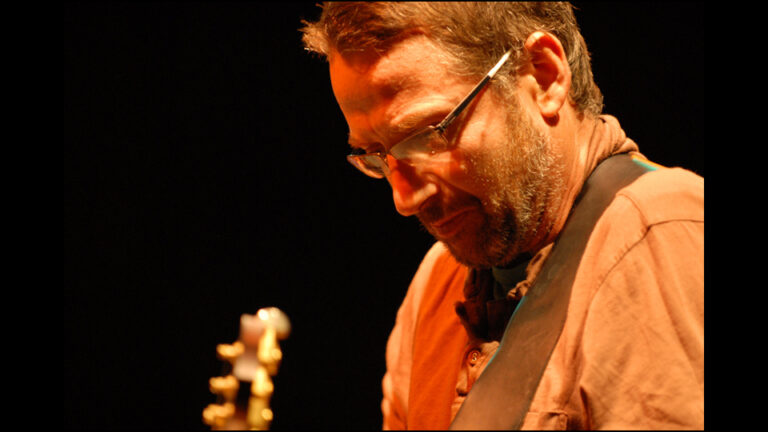
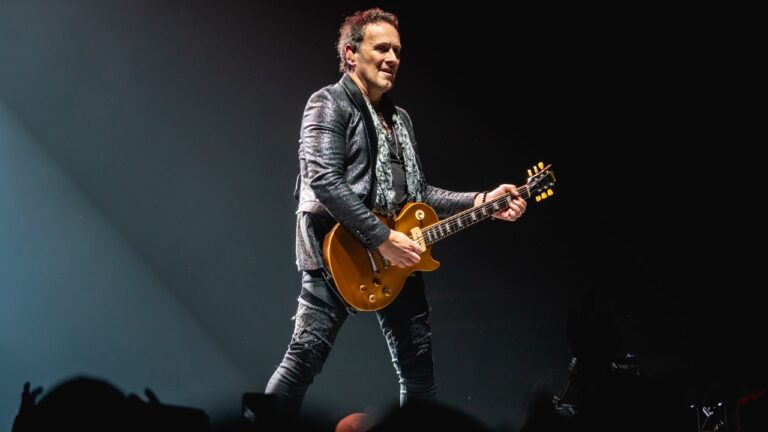
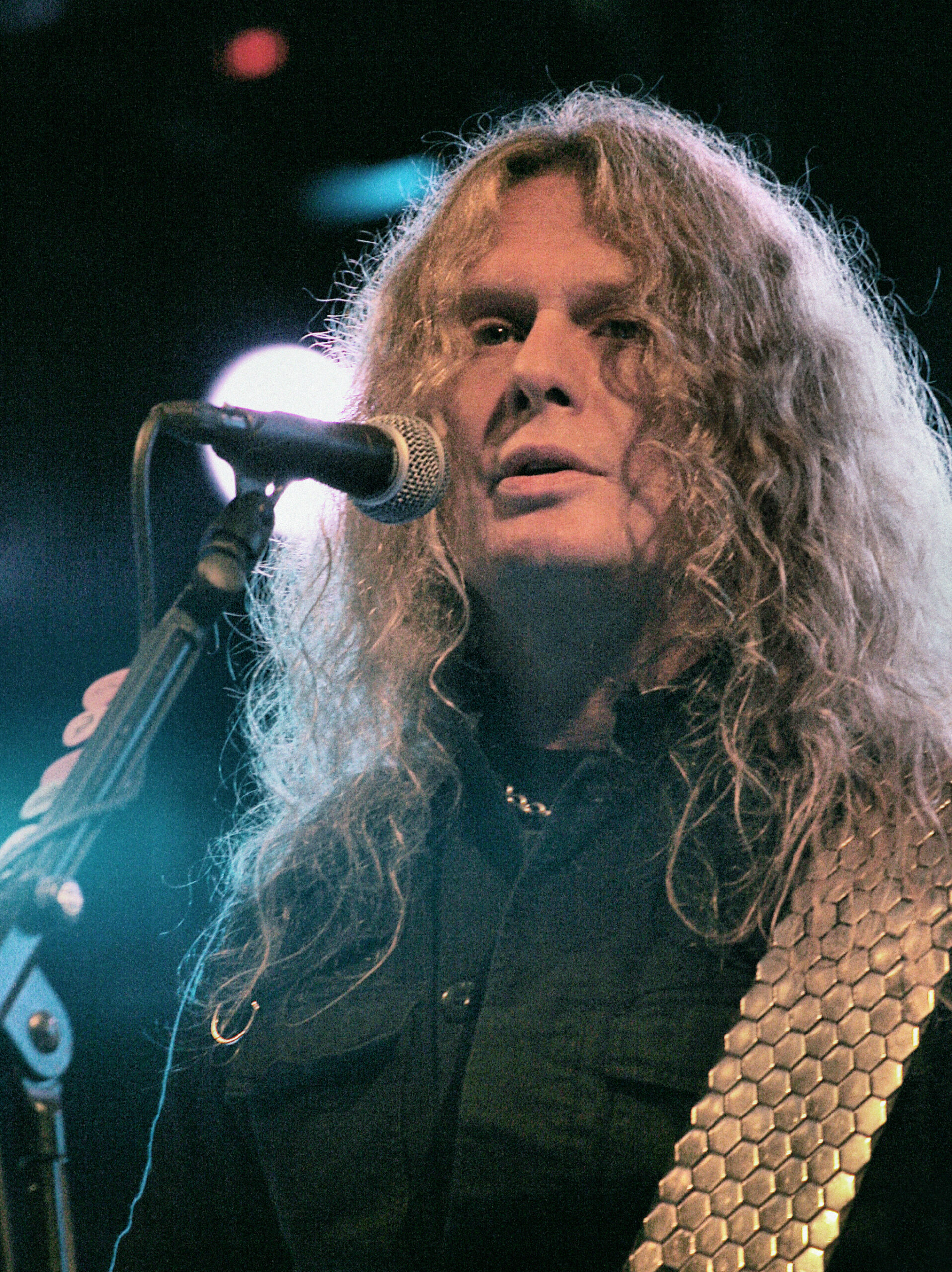
- John Sykes: photo by odonata22 (Dana Wullenwaber), via Wikimedia Commons, CC BY-SA 2.0.
- Marshall JCM800: John2112, Wikimedia Commons, CC BY-SA 4.0.
- Mesa/Boogie Dual Rectifier: Roadside Guitars, Flickr, CC BY-SA 2.0.
- Dunlop Cry Baby: Roadside Guitars, Flickr, CC BY-SA 2.0.
- Mesa/Boogie Mark IIC+: GuitarGangsters AI-generated reference illustration, not a photograph.
- John Sykes live: Harry Potts, Wikimedia Commons, CC BY-SA 2.0.
- John Sykes live: Steve Knight, Wikimedia Commons, CC BY 2.0.
- Yamaha E1010 Analog Delay: GuitarGangsters AI-generated reference illustration, not a photograph.
- Lexicon PCM70: GuitarGangsters AI-generated reference illustration, not a photograph.
- Charvel San Dimas: GuitarGangsters AI-generated reference illustration, not a photograph.