Carl Verheyen Guitars & Gear: Supertramp’s Session Ace Complete Rig Guide
Carl Verheyen guitars gear — 1957 Stratocaster, Fender Vibroverb, Klon Centaur deep-dive for Supertramp's lead guitarist and LA's greatest session ace.
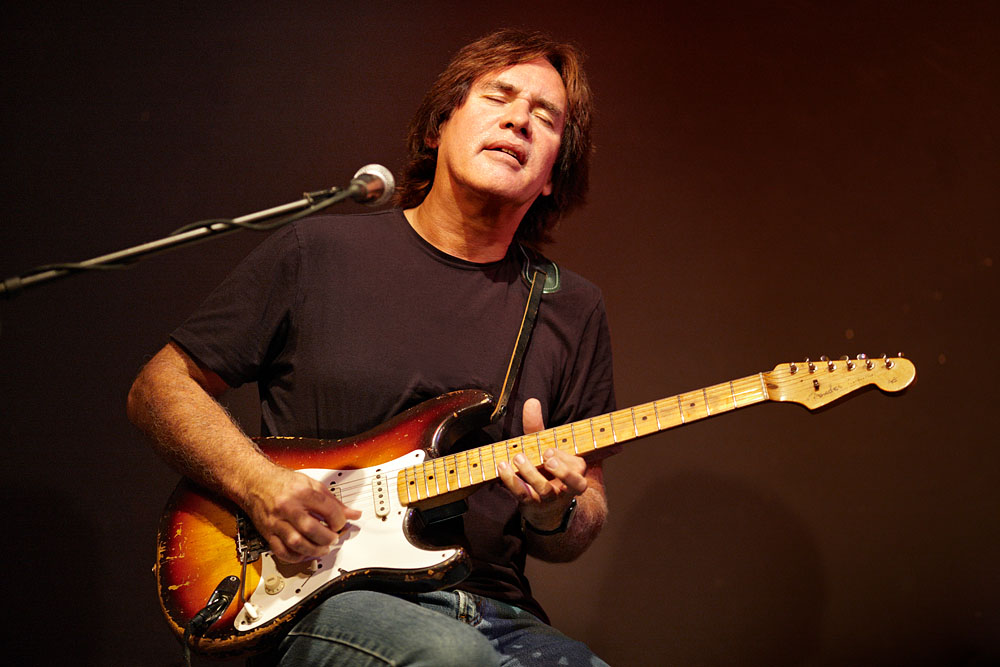
Carl Verheyen at Boulevard Music, Culver City, 15 August 2009. Photo: Peter Figen. Work: “CarlVerheyen 3I6J7430.jpg”. ©2019 Peter Figen. CC BY-SA 4.0: https://creativecommons.org/licenses/by-sa/4.0/ Source: https://commons.wikimedia.org/wiki/File:CarlVerheyen_3I6J7430.jpg Full source frame retained; WordPress supplies resized web versions.
Carl Verheyen guitars gear is the subject of a man who has spent his entire career being the best guitarist in every room he’s walked into — and he’s walked into a lot of rooms. As Supertramp’s lead guitarist from 1985 onward and one of Los Angeles’s most sought-after session players, Verheyen has played on recordings for artists ranging from Cher to Dolly Parton to Meat Loaf, appeared on hundreds of film scores, and released a series of solo albums that demonstrate a player of extraordinary range, technical command, and genuine musical intelligence. He plays blues, jazz, country, rock, and fusion with equal authority — not as a dilettante sampling each tradition but as a serious student of every one of them, and the guitar playing that results is the kind that makes other guitarists stop what they’re doing and listen carefully.
The Journey
Gear Timeline
His gear philosophy is the product of decades of professional use in demanding recording and touring contexts — he knows exactly what vintage instruments do that modern ones don’t, what specific amplifiers are capable of in different applications, and how to configure a signal chain that gives him the tonal flexibility a working session musician requires without compromising the essential character of the guitar and amp that produces the foundation of his sound. Carl Verheyen guitars gear represents the accumulated wisdom of a professional career spanning four decades and thousands of recording sessions. This is the complete breakdown.
Background
Carl Verheyen was born on December 27, 1954, in Los Angeles, California — a city that in the late 1960s and 1970s offered aspiring musicians an extraordinary concentration of recording studios, session work, live venues, and musical influences from virtually every corner of American popular music. He began playing guitar as a teenager, developing quickly through the standard rock and blues material before discovering jazz and the country music tradition that would become as central to his playing as his rock roots.
His professional career began in earnest in the late 1970s as he established himself on the Los Angeles session circuit — the network of recording studios, producers, and artists that generated an enormous volume of commercial recording work and that demanded musicians of exceptional versatility, reliability, and technical accomplishment. The Los Angeles session world of that era was one of the most competitive in music history: the players who worked regularly were the best in the world at what they did, and Verheyen competed successfully with them from the beginning of his professional career.
His association with Supertramp began in 1985 when he joined as the band’s lead guitarist, a role he has maintained through subsequent reunions and touring activity. Supertramp’s sophisticated, keyboard-dominated progressive rock-pop required a guitarist who could provide complementary lead guitar within arrangements that were already harmonically dense and rhythmically complex — a role that suited Verheyen’s jazz-inflected, compositionally aware approach perfectly. His contributions to Supertramp’s live performances, heard on concert recordings from the reunion tours, demonstrate a player who understood both the band’s original aesthetic and how to contribute to it freshly rather than merely recreating the studio parts.
His solo career has produced albums including Mustang Run (1996), Square One (1999), Rx Overdrive (2003), Conspiracies (2009), The Grand Pecking Order (2012), and Atlas (2016). These records demonstrate the full range of his guitar playing — from the blues-influenced slide work on certain tracks to the jazz-derived harmonic vocabulary that informs his chord voicings, from the country-influenced fingerpicking that appears in his acoustic work to the technically demanding fusion passages that showcase his pure technique. He has also worked as a guitar educator, releasing instructional materials and teaching at workshops and clinics that have made his technical and musical knowledge available to a wider audience.
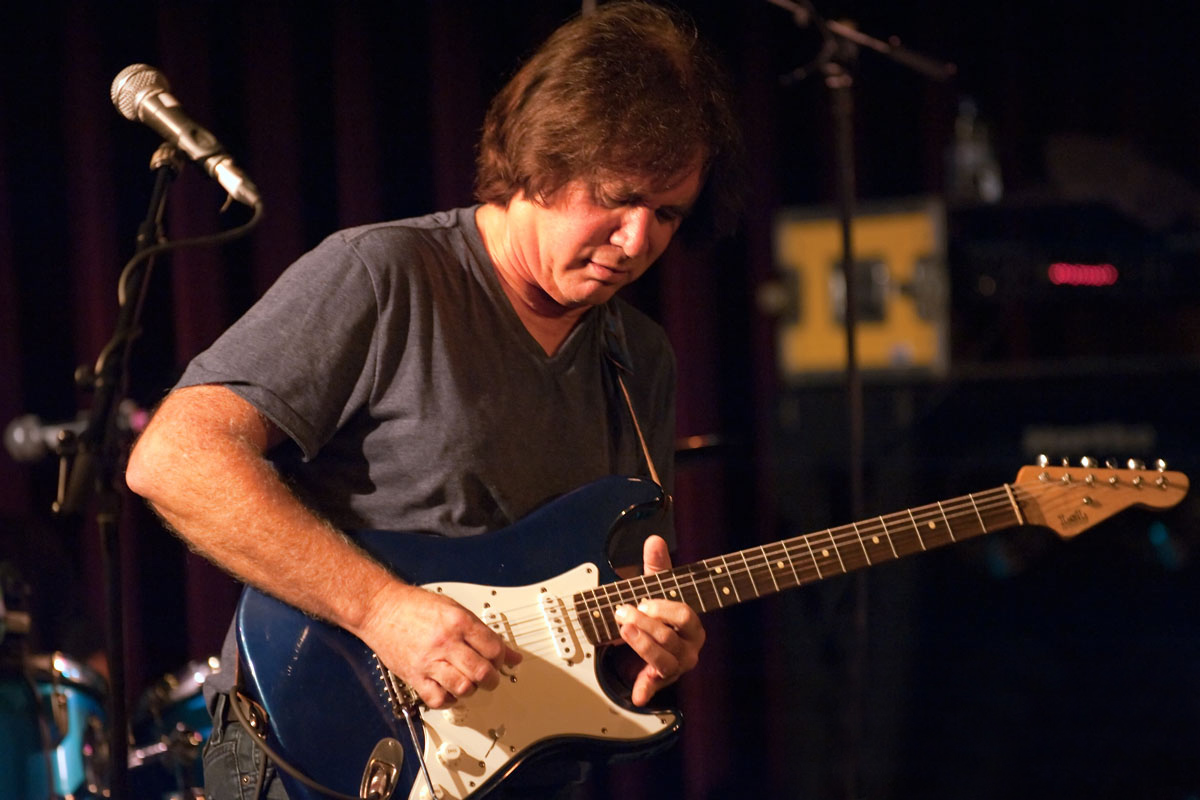
Carl Verheyen Guitars Gear: The Complete Rig
Guitars
The Fender Stratocaster is Verheyen’s most fundamental and most constantly used electric guitar — the instrument whose tonal character and physical feel is most completely aligned with his playing approach. His primary Strat is a 1957 example — the specific year that represents a sweet spot in Stratocaster production: the alder body had become standard from mid-1956 (replacing the ash of earlier sunburst examples), the maple V-neck was at its most developed and most comfortable, and the Alnico V staggered-pole single-coil pickups represented the most consistent and tonally refined version of Fender’s original pickup design. The 1957 specification: alder body, two-piece construction (the grain running parallel to the body’s length), maple neck with the transitional V-shape profile (asymmetric, with a slightly more prominent ridge on the bass side), 25.5-inch scale length, three Alnico V pickups wound to approximately 5.8k–6.2k ohms, the original two-tone sunburst nitrocellulose lacquer finish (the three-tone sunburst was introduced around 1958), single-ply white pickguard with eight screws, and the original synchronized tremolo with the six individual bent-steel saddles. Verheyen’s use of the 1957 Strat encompasses all five tonal positions that the instrument’s selector provides (including the in-between positions 2 and 4 that weren’t officially supported until the five-way selector became standard in the late 1970s but which players had been exploiting since the instrument’s introduction): position 1 (bridge pickup alone) for the most aggressive, twangy lead tone; position 2 (bridge and middle combined, producing partial hum-cancellation and the characteristic “quack”) for rhythm and clean lead work; position 3 (middle pickup alone) for the cleanest, most balanced tone; position 4 (middle and neck combined) for the warmest “quack” tone; and position 5 (neck pickup alone) for the warmest, most jazz-adjacent clean tone. His command of all five positions and his understanding of which suits each musical context reflects decades of Stratocaster-specific experience.
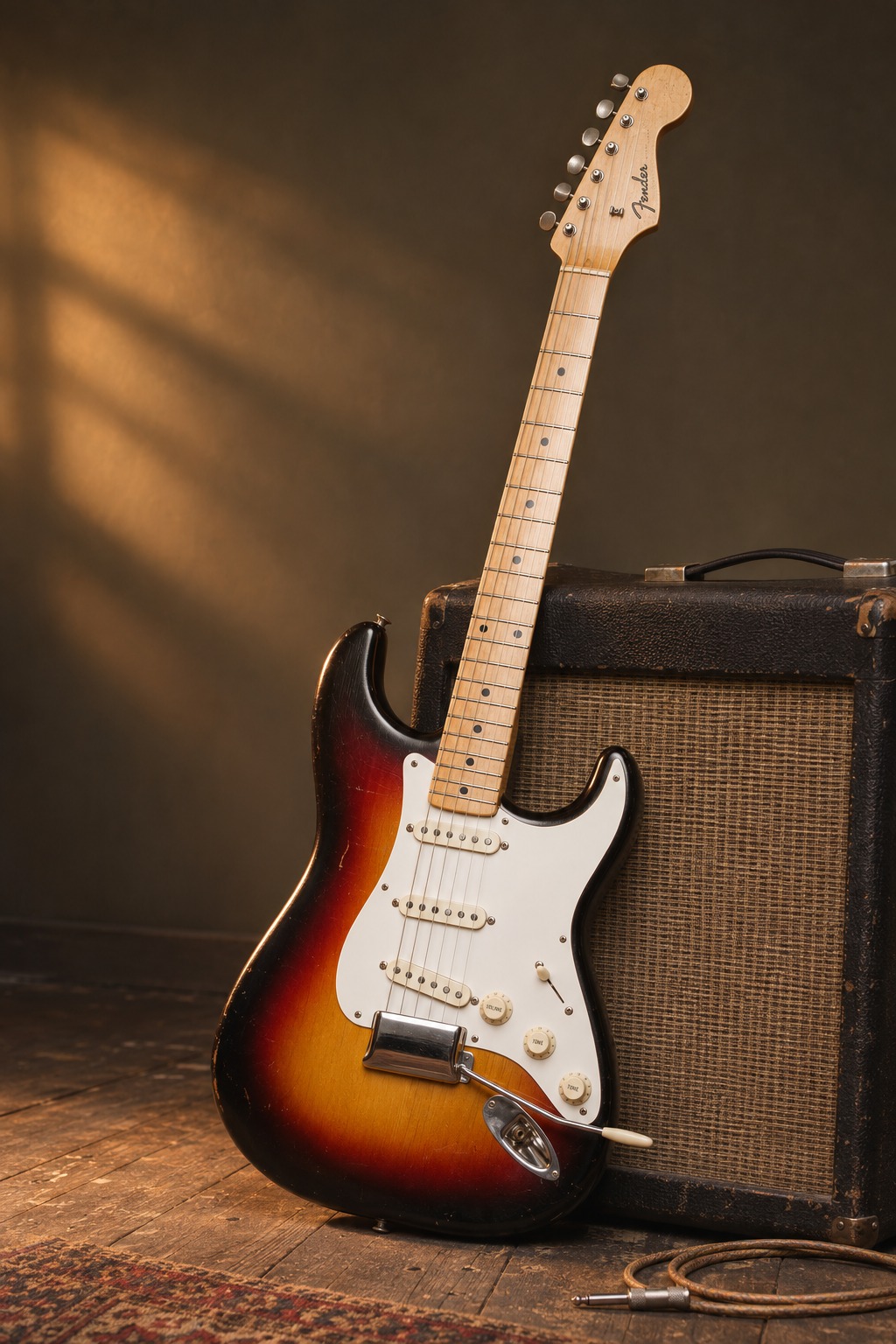
A 1962 pre-CBS Stratocaster — with the slab rosewood fretboard (the thick, flat-bottomed rosewood fingerboard introduced in 1959, before the round-lam curved profile replaced it in late 1962) and the transitional pickup specification of the period — also appeared in Verheyen’s documented setup. The slab rosewood board has a slightly different tonal character from both the maple neck and the later round-lam rosewood — the thick flat rosewood slab absorbs slightly more high-frequency energy than the maple-over-maple construction, giving a marginally darker, warmer tone with a softer attack transient. The 1962 pre-CBS specification retained the original nitrocellulose finish, the three-way selector (five-way not yet standard), and the original Alnico V pickups, maintaining the essential period-correct Strat character while offering the rosewood board’s different tonal flavour.
Early “blackguard” Telecasters — the original Fender electric guitar design with the black Bakelite pickguard, swamp ash body, maple neck with the skunk-stripe truss rod routing, three-saddle brass bridge, and the earliest production single-coil pickups — appeared in Verheyen’s arsenal for country-influenced and specifically Tele-voiced applications. The 1952–1953 Telecaster bridge pickup used Alnico III magnets (not Alnico V, which came later) — a specific magnet that produces a slightly warmer, less aggressive tone than the Alnico V pickups of later production, with a marginally lower output and a more gradual high-frequency rolloff that gives the very early Tele tone its characteristic “sweetness” rather than the harsher cut of later examples. The ash body’s more pronounced grain and brighter high-frequency response compared to alder contributes additional clarity and snap to the attack transient.
The 1959 Gibson Les Paul Standard — sunburst, carved maple top over mahogany body, PAF humbuckers wound to 7.5k–9.0k ohms with Alnico II magnets and plain enamel-coated wire, the slim-taper mahogany neck with rosewood fretboard, and the mahogany/maple construction’s characteristic warm, sustaining tone — was Verheyen’s primary humbucker guitar for heavier, more sustained electric work. His Les Paul approach drew from both the blues-rock tradition (the neck pickup’s warm, singing sustain for melodic lead work) and the hard-rock tradition (the bridge pickup’s aggressive, cutting character for rhythm and lead work in heavier contexts). The 1959 Standard’s specific neck profile — somewhere between the rounder 1958 and the slimmer 1960 — gave a playing feel that many players consider the most satisfying of any Les Paul production year.
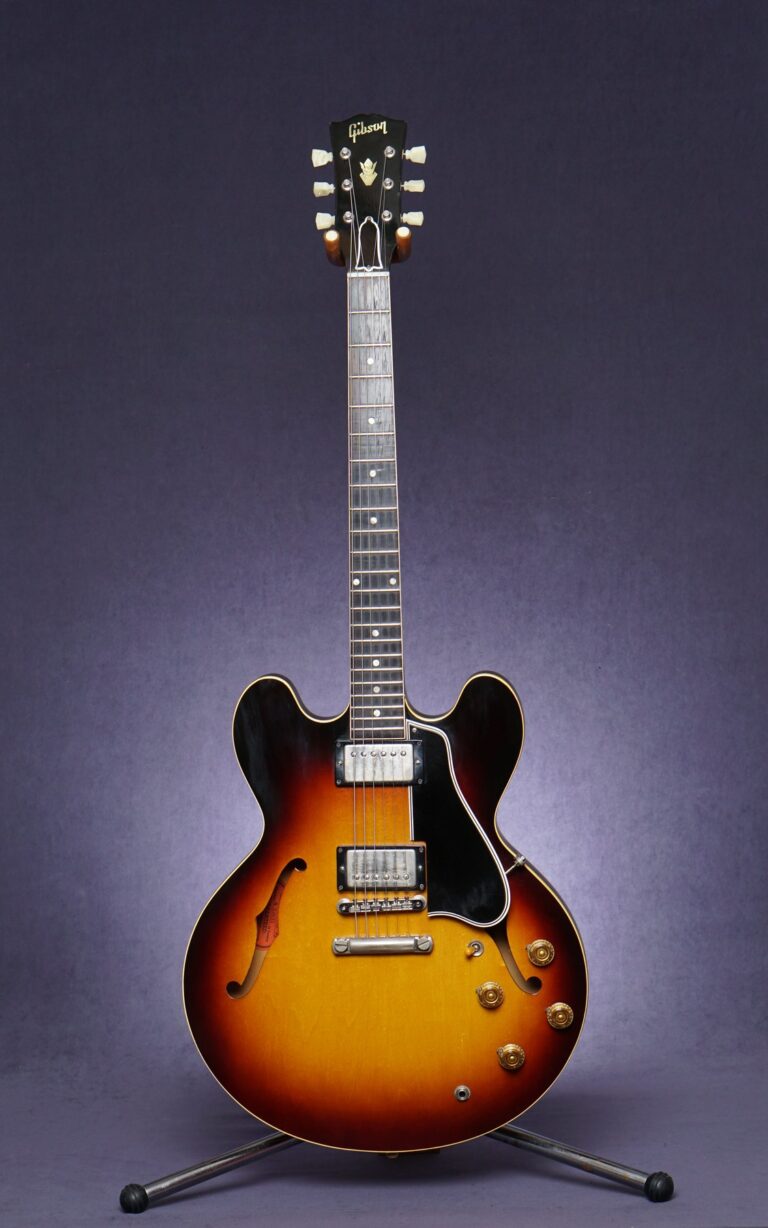
A 1963 Gibson ES-335 — with the transition from dot to block inlays (block inlays from 1962), Patent Number humbuckers (similar specification to the late PAF but with the patent number stamped on the base plate), and the laminated maple semi-hollow construction — appeared in Verheyen’s documented setup for jazz-influenced and clean electric applications. The ES-335’s warm semi-hollow character, filtered through Patent Number humbuckers, gave a different tonal quality from the solid-body Les Paul — more air, more acoustic complexity, and a note bloom on sustained chords that suited the more jazz-adjacent passages in Verheyen’s playing.
A vintage Martin D-28 dreadnought — Sitka spruce top, Indian rosewood back and sides, scalloped X-bracing, 25.4-inch scale length, mahogany neck with a low-oval profile — provided Verheyen with an acoustic platform for the fingerpicking and flatpicking acoustic work that appeared in both his session work and his solo recordings. The D-28’s full, balanced dreadnought tone suited the more traditional, roots-oriented acoustic material in his catalogue, while its excellent intonation across the full fretboard range accommodated the technically demanding single-note work he brought to acoustic settings.
A National Style O resonator — nickel-plated brass body, single-cone biscuit-bridge resonator system, metal construction — appeared in Verheyen’s setup for acoustic slide work. His slide playing, developed through deep engagement with the Delta blues and Chicago electric blues traditions, required both the National’s acoustic projection for unplugged contexts and its specific tonal character — the bright, metallic, percussive quality of the biscuit-bridge resonator cone — for the Delta-influenced slide work that appeared in his solo recordings.
Verheyen worked with various luthiers and guitar technicians throughout his career to develop custom and modified instruments for specific requirements — pickup replacements, refret work, neck profile adjustments, and other modifications tailored to his precise playing and tonal requirements. His specific experience with the demands of session work gave him unusually detailed knowledge of what modifications improved a given instrument’s usability in professional contexts.
Verheyen used Ernie Ball Regular Slinky (.010–.046) on his Stratocasters for most electric work — the light gauge gave bending ease and tonal balance on the 25.5-inch Fender scale. On the Les Paul (24.75-inch scale), the same .010–.046 gauge produced slightly more string tension, giving a marginally firmer feel and slightly brighter tone than on the longer-scale Fenders. For country and clean work on the Telecaster, the .010–.046 gauge provided the balance between pick-attack snap and string mass that the Tele’s bridge pickup rewards.
Amps
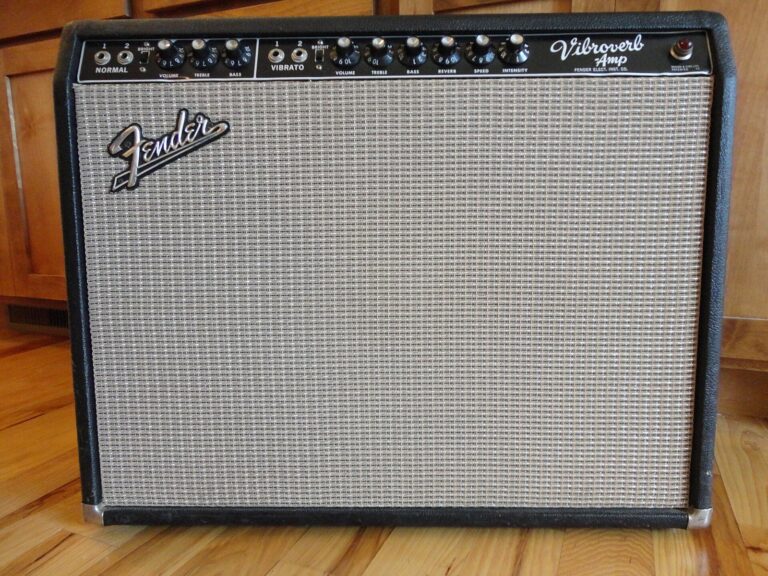
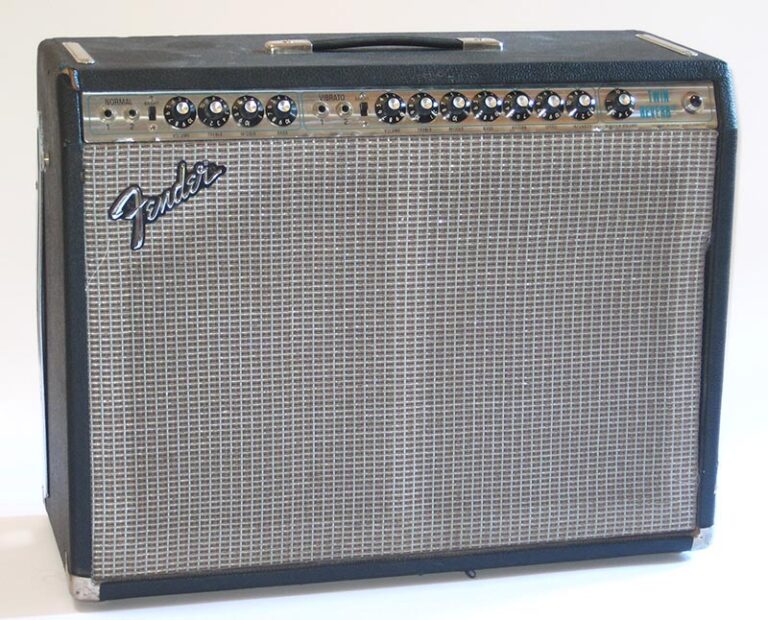
The blackface Fender Vibroverb — a relatively rare amplifier produced only in 1963–1964, using a single 15-inch speaker (rather than the more common 12-inch of most Fender combos), two 6L6GC output tubes producing approximately 40 watts RMS, the AB763 circuit with tube-driven spring reverb and tremolo — was one of Verheyen’s primary studio amplifiers. The Vibroverb’s single 15-inch speaker (Jensen C15N or equivalent) gives extended low-frequency response that most 12-inch-equipped Fender combos lack, producing a fuller, warmer bottom end that suits both the Stratocaster’s alder body warmth and the Les Paul’s mahogany richness. The 40-watt 6L6GC output stage reaches natural overdrive at lower volume levels than the 85-watt Twin, giving the Vibroverb a character between the compact Deluxe and the powerful Twin — enough headroom for clean chord work at moderate volumes, but reaching natural compression and harmonic saturation at more manageable levels. The tube-driven reverb and tremolo circuits used the same topologies as the broader blackface range.
The blackface Twin Reverb — 85 watts from two 6L6GC output tubes, AB763 circuit, tube-driven spring reverb, Jensen C12N or Oxford 12L6 speakers — provided Verheyen with the clean platform for session work where maximum clean headroom and the ability to handle any level of attack without unwanted distortion were required. Recording studio use frequently demanded the cleanest possible electric guitar tone — overdrive and distortion were applied in post-production or were handled by the guitarist’s own pedals at precisely calibrated levels — and the Twin Reverb’s exceptional clean headroom accommodated this requirement better than lower-power alternatives. For live work with Supertramp, the Twin’s volume and power were sufficient for arena-scale performances.
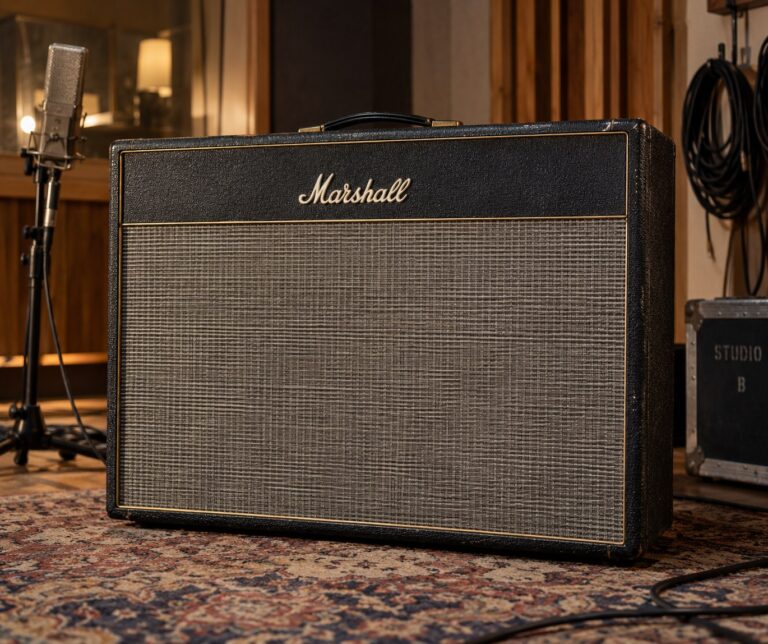
The Marshall JTM45 in its 1962 Bluesbreaker combo configuration — JTM45 circuit (Fender Bassman 5F6-A-derived), KT66 or EL34 output tubes at approximately 35–40 watts, GZ34 rectifier, two 12-inch Celestion speakers (original alnico T652 or later ceramic G12-20) — appeared in Verheyen’s studio and recording setup for British-derived blues-rock tone. The JTM45’s natural overdrive character — warm, slightly saggy from the GZ34 rectifier’s compression characteristic, with the KT66’s rounded, less aggressive saturation compared to EL34 — gave a tonally distinct blues lead sound that suited the more British-influenced passages in his wide-ranging solo work. The combination of the Stratocaster’s Alnico V single-coils and the JTM45 through Celestion speakers produced the specific mid-1960s British blues tone that was a central reference point for Verheyen’s blues playing.
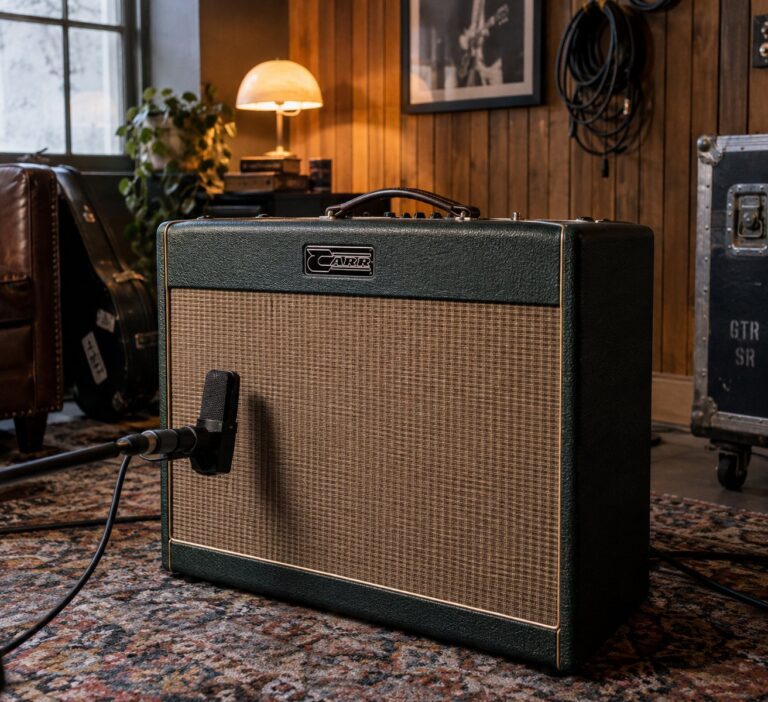
The Carr Rambler — a hand-wired boutique combo amplifier designed by Steve Carr, using 6V6GT output tubes (two, producing approximately 28 watts RMS) in a Fender-inspired circuit with point-to-point wiring, quality components, and a sophisticated spring reverb circuit — appeared in Verheyen’s more recent live and studio setup. The Carr Rambler’s character sits between the Deluxe Reverb and the larger blackface models: more headroom than the Deluxe but with a similar 6V6GT-driven character and similar touch sensitivity. The Rambler’s spring reverb is among the finest available in boutique production, and its overall tonal quality is consistently cited as one of the most refined Fender-influenced designs currently available.
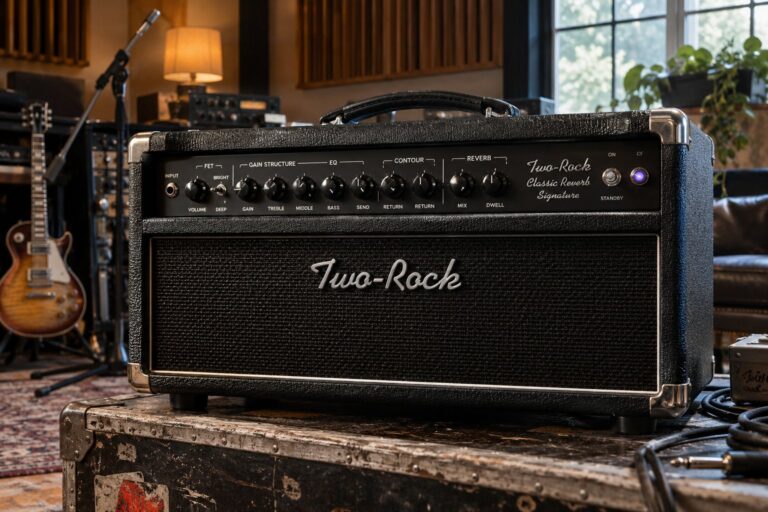
Two-Rock’s Classic Reverb Signature — hand-wired, 6L6 output tubes, Dumble-influenced preamp topology, quality spring reverb — appeared in Verheyen’s contemporary live rig as a high-quality platform for both clean and slightly overdriven tones. The Two-Rock’s Dumble-derived circuit gives a smooth, warm clean tone with exceptional dynamic response, and the overdrive channel provides the refined, violin-like sustain that Dumble-style amplifiers are known for. For session work where a single amplifier needed to cover a wide range of tonal requirements — from clean jazz-adjacent chord work to overdriven blues leads — the Two-Rock’s tonal versatility and build quality made it a practical choice.
Effects
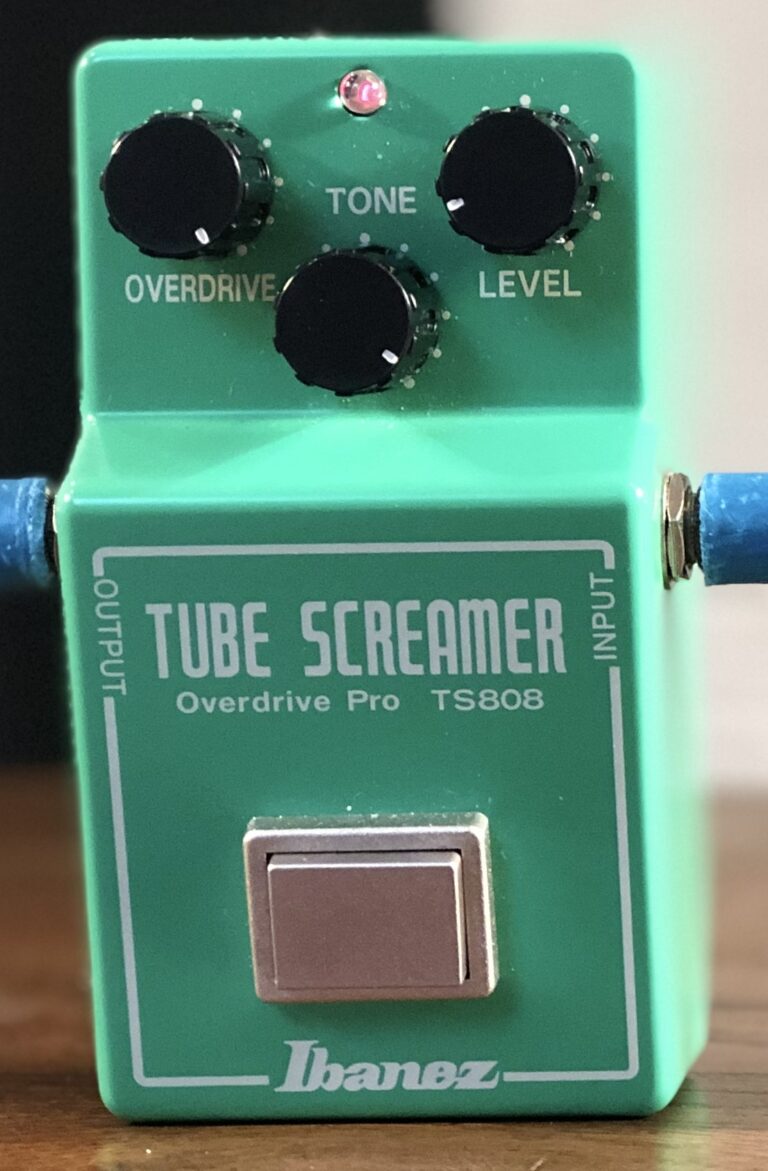
The original Ibanez TS808 Tube Screamer — JRC4558D op-amp, asymmetric soft clipping using a pair of 1N4148 silicon diodes in parallel with a 51pF feedback capacitor, the 720Hz lower cutoff in the clipping stage rolling off bass and boosting midrange, input impedance approximately 500k ohms — was Verheyen’s primary light overdrive device throughout much of his career. His application of the TS808 was characteristically sophisticated: not as a heavy distortion source but as a tone-shaping and dynamic-enhancement tool. Used at low drive settings (2–4) with the level boosted above unity gain, the TS808 pushed his Fender amplifiers harder into their natural operating zone — adding midrange focus, sustain, and harmonic complexity without the heavy saturation that would obscure the pick attack definition his session work required. The JRC4558D op-amp’s specific characteristics — a slightly warm, organic quality compared to some alternative op-amps — contributed to the TS808’s musical character that made it preferable to later production examples using different op-amp specifications.
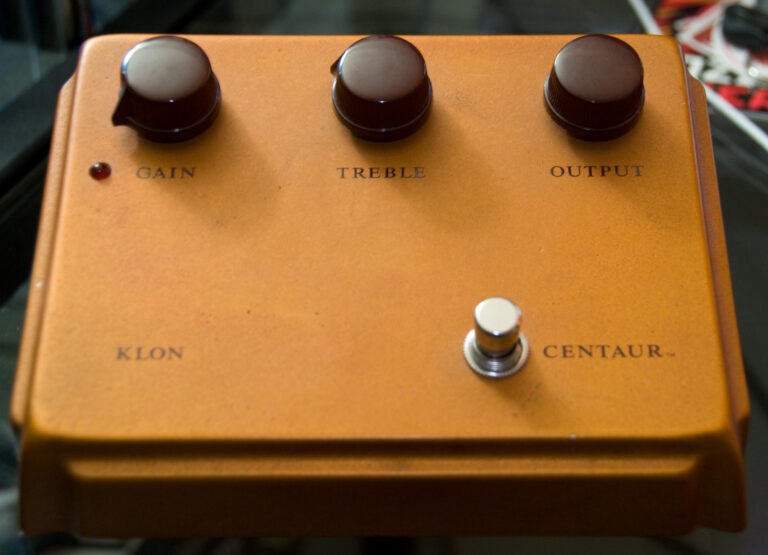
The Klon Centaur — designed by Bill Finnegan, using an op-amp-based hard clipping circuit (the TL072 op-amp with germanium clipping diodes, the 1N34A, in a feedback clipping topology) with a charge-pump voltage doubler circuit that raises the internal operating voltage from 9V to approximately 18V for increased headroom — appeared in Verheyen’s signal chain for both buffer duty and light overdrive applications. The Centaur’s charge-pump voltage doubler gave it significantly more headroom than standard 9V pedals, allowing the circuit to handle the full dynamic range of a guitar signal without clipping the input stage — an important characteristic for session use where clean, transparent buffering was as valuable as the overdrive itself. The germanium 1N34A diodes in the feedback clipping path produced a softer, more gradual clipping character than silicon alternatives, giving the Centaur’s overdrive a warm, transparent quality that preserved the fundamental character of the guitar and amplifier more faithfully than harder-clipping alternatives. The Centaur’s famous “transparency” — its clean buffer mode being used as much as its overdrive — reflected the high quality of its internal signal path.
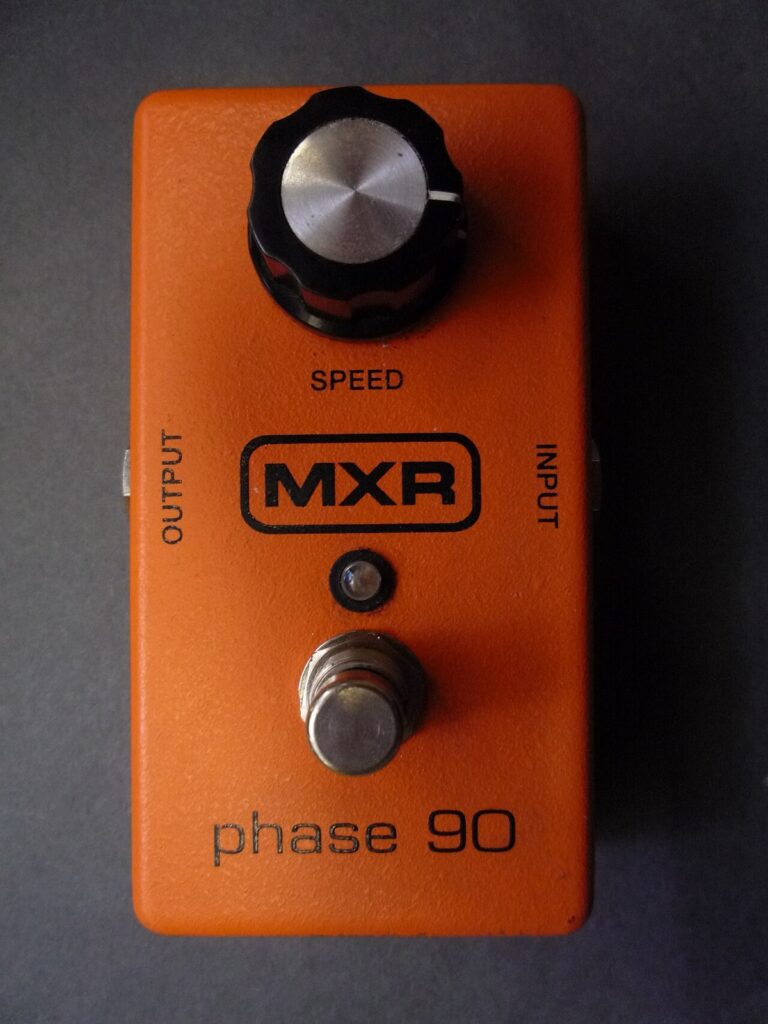
The script-logo MXR Phase 90 — four J-FET transistors (2N5952) in a cascaded all-pass filter producing four-stage phase shift, single LFO from 0.5–10Hz — appeared in Verheyen’s setup for specific atmospheric and textural applications. His Phase 90 use was selective rather than constant — applied for passages where the dimensional, sweeping quality of phasing added appropriate movement to chord textures or lead lines. At slow speed settings (2–3Hz), the Phase 90 added a gentle, barely perceptible dimensional quality to clean chord work; at higher speeds, the more obvious phase sweep was used for specific dramatic effects in blues or fusion passages.
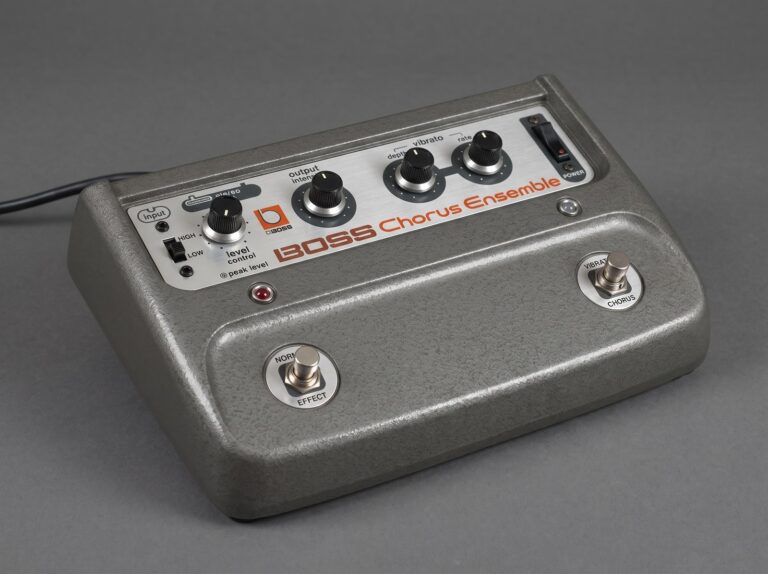
The original Boss CE-1 — based on the Roland Jazz Chorus JC-120’s chorus circuit, using MN3002 BBD chips for the 12–15ms delay line, split dry and modulated paths for stereo operation — provided Verheyen with warm, organic chorus for specific studio and live applications. The CE-1’s BBD-based circuit gave a warmer, less clinical chorus character than digital alternatives, with the bucket-brigade chip’s characteristic noise floor and high-frequency roll-off contributing an organic quality that suited vintage guitar and amplifier combinations.
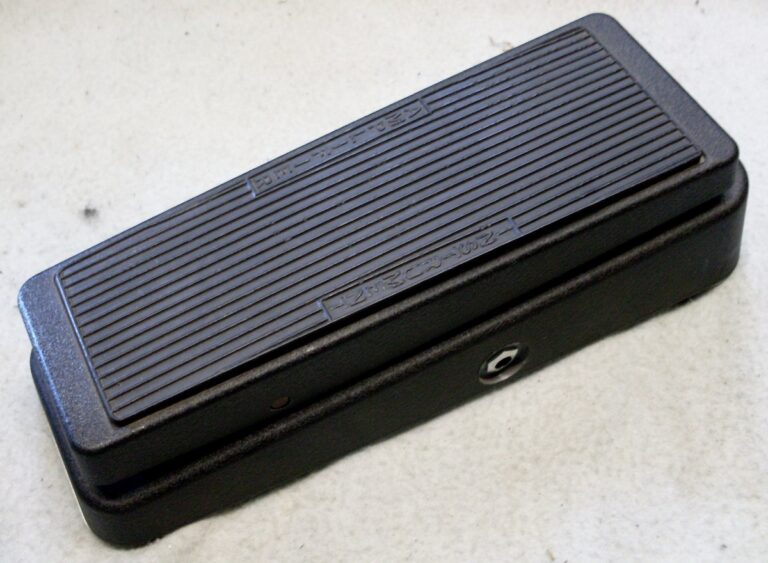
Both the Dunlop Cry Baby GCB95 (Halo inductor, updated circuit) and the original Vox V846 (Fasel inductor, BC109C transistor, 450Hz–1.6kHz sweep) appeared in Verheyen’s documented setup at different points. His wah use covered both the blues lead application (expressive melodic filter for single-note lines) and the funk-adjacent rhythm application (rhythmically synchronised strumming with the wah’s bandpass filter providing the characteristic “chika-waka” effect). The V846’s Fasel inductor gives a warmer, more vocal sweep than the Cry Baby’s Halo inductor, and the Halo’s slightly brighter peak suits applications requiring more upper-frequency emphasis.
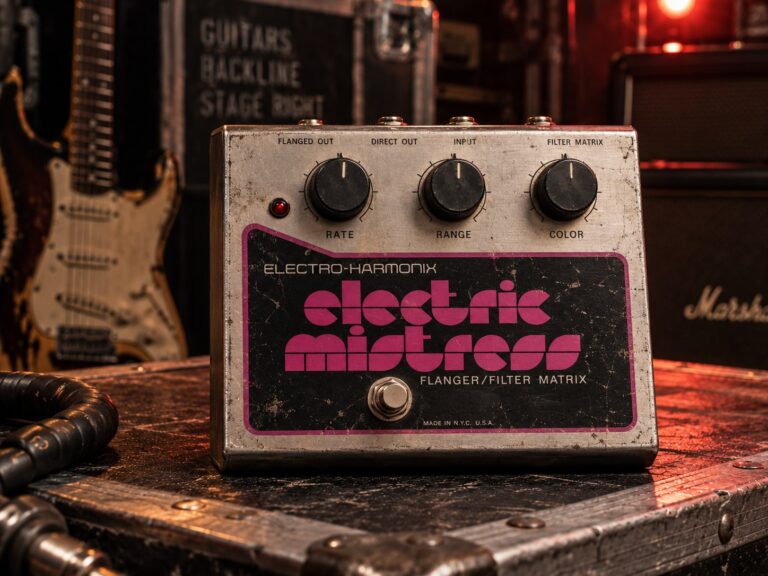
The Electro-Harmonix Electric Mistress — MN3007 BBD chips, Flanger and Filter Matrix modes — appeared in Verheyen’s rig for jet-flange effects and the distinctive Filter Matrix comb-filter colouration. His use was selective — the Electric Mistress for specific dramatic passages in studio work or for recorded textures requiring the BBD flanger’s specific character.
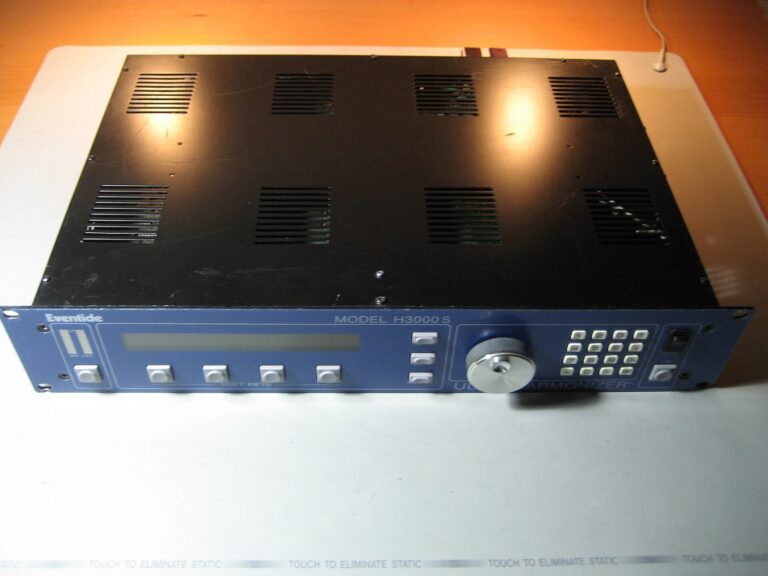
The Eventide H3000 — rack-mounted DSP effects processor with pitch-shifting, harmonizing, flanging, chorus, reverb, and other algorithms, the diatonic pitch shifter providing key-correct harmonic intervals — appeared in Verheyen’s studio and live rack. The H3000’s diatonic harmonizer (producing harmonically correct intervals within a specified key) gave Verheyen the ability to add musically intelligent lead harmonies to his guitar lines in session contexts where doubling or harmonizing was required. His knowledge of jazz and classical harmony informed his use of the H3000’s harmonizer — choosing harmonizing intervals that were musically sophisticated rather than defaulting to simple thirds or fourths.
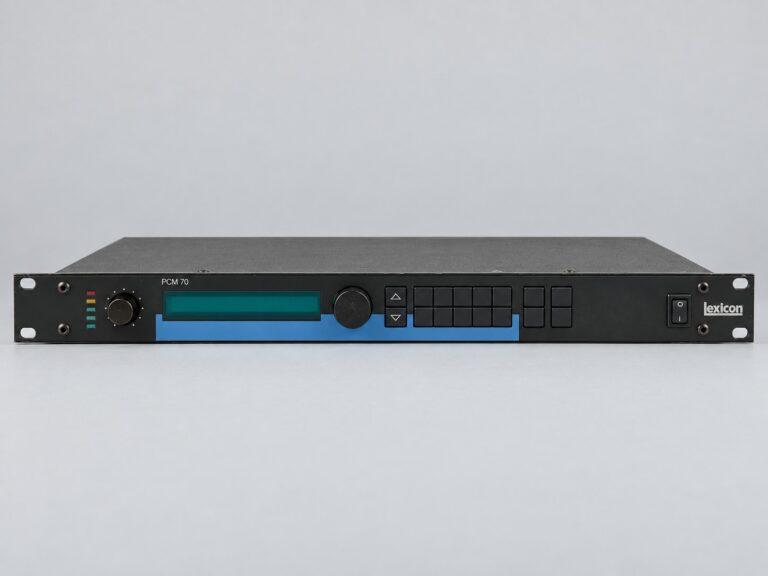
The Lexicon PCM70 — professional rack reverb using Lexicon’s LARC algorithm for room, hall, plate, and other reverb programs — appeared in Verheyen’s studio rack for high-quality reverb beyond what the amplifier’s built-in spring circuits could provide. The PCM70’s hall programs were particularly valuable for the more orchestral, atmospheric passages in his studio work, providing a virtual acoustic space that enhanced the emotional impact of melodic lead guitar.
The TC Electronic 2290 Dynamic Digital Delay — a rack-mounted digital delay unit producing delay times from 1ms to 9990ms (approximately 10 seconds), with a unique “dynamic” compression function that reduced the volume of initial attacks and brought up the tail of notes for a more even, sustained sound — appeared in Verheyen’s live and studio rack. The 2290’s delay quality — considered among the finest available in the mid-1980s and still highly regarded — gave his lead guitar work the spatial dimension required for arena-scale live performance with Supertramp, while the dynamic function provided a subtle compression effect that enhanced sustain on long melodic passages.
Playing Style & Tone Philosophy
Carl Verheyen is the consummate professional guitarist — a player whose technique, musicianship, and tonal intelligence were developed through the specific demands of the Los Angeles session world, where versatility, reliability, and the ability to deliver exactly the right tone and performance on the first or second take are the qualities that determine whether you get called back. These demands shaped his approach to every aspect of his playing: his technique is clean and precise because sloppy playing wastes studio time; his tonal palette is wide because different sessions require different sounds; and his harmonic vocabulary is sophisticated because the producers and arrangers he works with expect musical solutions rather than just notes.
His blues playing is the most emotionally direct expression of his playing — the place where the Stratocaster’s transparency and the amplifier’s natural overdrive combine with his expressive bending and vibrato to produce the specific quality of feeling that the blues tradition demands. His vibrato is wrist-rotated, wide, and controlled — the classic blues approach, modelled on the Texan and Chicago players he studied deeply, and applied with the precision of someone who has spent decades making it exact. His string bending is accurate to the cent — no pitch-wavering, no overshooting, just clean arrival at the target pitch and a confident sustain at that pitch.
His jazz-influenced harmonic vocabulary — acquired through serious study of jazz theory and jazz guitar repertoire — gives his chord voicings unusual sophistication. He doesn’t merely play root-position chords; he uses inversions, upper-structure triads, shell voicings (three-note chords containing only the root, third, and seventh), and specific altered dominant voicings that give his rhythm guitar playing a harmonic depth that most rock players don’t approach. This vocabulary is most audible in the Supertramp context, where the band’s sophisticated pop-rock harmony required a guitarist who could navigate complex chord sequences with both precision and musicality.
His country guitar technique — the flat-picking and hybrid picking approach of the Nashville tradition — was developed through serious engagement with country music’s specific vocabulary, and his ability to reproduce the chicken-pickin’, Tele-twang sound of Nashville session guitar with complete authenticity placed him in demand for country sessions alongside his rock and jazz work. The country context specifically rewards the tonal qualities of his 1952–1953 Telecaster blackguard — the Alnico III bridge pickup’s slightly warmer, less aggressive character than later Alnico V examples giving the vintage sweetness that traditional country production often required.
Tonally, Carl Verheyen guitars gear philosophy reflected a fundamental commitment to vintage quality in the core signal path — guitar and amplifier — with modern convenience and flexibility in the effects and signal processing chain. He did not compromise on the fundamental tonal sources: the vintage Stratocasters and Telecasters, the vintage Gibsons, the blackface Fender amplifiers and vintage Marshall JTM45. These were the irreplaceable foundation. But the effects chain was practical and modern when appropriate — the TC Electronic 2290’s digital delay quality, the Eventide H3000’s versatile harmonizing, the Lexicon PCM70’s professional reverb — giving him the tonal resources a working professional required without sacrificing the essential vintage character of the source chain.
The session musician’s approach to Carl Verheyen guitars gear is also worth noting: every instrument was maintained in perfect playing condition, every amplifier was reliable and road-ready, and the signal chain was designed to be operated quickly and confidently under session conditions where there was no time for troubleshooting or experimentation. A working session player’s rig must be bulletproof — it must work correctly the first time, every time, in any studio environment. Verheyen’s gear choices reflected this requirement at every level.
One dimension of Carl Verheyen guitars gear that deserves specific attention is his approach to the Stratocaster tremolo system — an element of the instrument that many professional players disable or block off for tuning stability concerns, but that Verheyen uses as an expressive tool in the Hendrix and classic rock tradition. His tremolo arm technique covers the full range from subtle, narrow vibrato (using the arm for a slow, gentle pitch variation that supplements his left-hand vibrato) to dramatic, wide-range pitch excursions for specific blues and rock passages. Maintaining the tremolo in a floating position — balanced between string tension and spring tension rather than resting on the body — requires careful spring tension calibration and a well-cut nut, and Verheyen’s instruments are setup to specific standards that allow expressive tremolo use while maintaining reasonable tuning stability. His understanding of Stratocaster setup at this level of detail is itself a reflection of the professional knowledge base that decades of serious use develops.
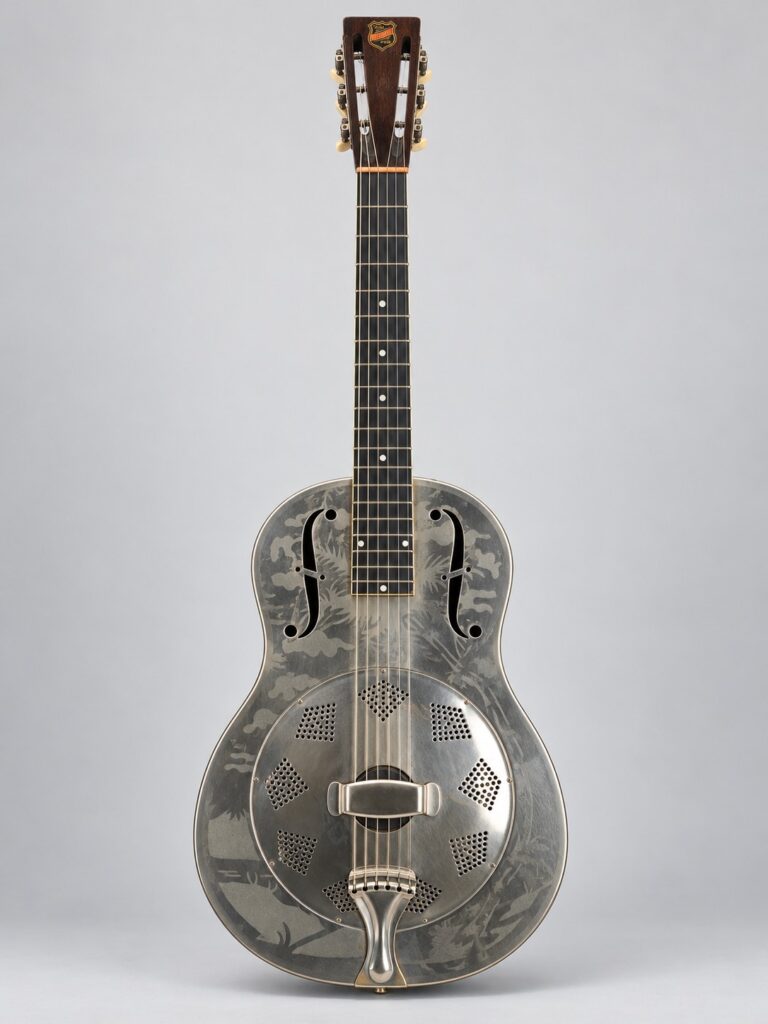
His flat-picking and fingerpicking acoustic technique, developed through engagement with bluegrass, country, and Americana traditions, adds a further dimension to the Carl Verheyen guitars gear portfolio that many electric-focused players overlook. The Martin D-28 and National resonator represent not merely additional instruments in an inventory but genuinely different tonal and technical vocabularies — acoustic flat-picking demands a specific right-hand technique (the pick held at a slight angle to the string, the wrist loose and flexible, the attack coming from the combined movement of wrist and forearm) that is distinct from electric guitar technique, and fingerpicking demands yet another set of right-hand skills. Verheyen’s command of all three approaches — electric, acoustic flat-pick, and fingerstyle — reflects the all-round musicianship that professional session work demands and rewards.
How to Sound Like Carl Verheyen
Guitar Approach
A vintage or vintage-specification Fender Stratocaster is the foundation for Carl Verheyen guitars gear tone. The Fender American Vintage II 1957 Stratocaster (Alnico II pickups, alder body, V-shape maple neck) gives the closest period-correct approximation to his primary 1957; the Fender Custom Shop 1956 Stratocaster NOS uses historically correct Alnico V pickups. For the Telecaster blackguard work, the Fender American Vintage II 1951 Nocaster (swamp ash body, maple neck, Alnico III bridge pickup spec) is the most historically accurate current option. For humbucker-based work, a Gibson Les Paul Standard with ’57 Classic pickups or a Gibson Custom Shop ’59 reissue gives the PAF character his Les Paul tones require.
Develop comfort across all five Stratocaster pickup positions — many players default to positions 1, 2, and 5 and neglect positions 3 and 4, but Verheyen’s full exploitation of the Strat’s tonal palette requires familiarity with every position and the specific musical contexts each serves best. Practice the hybrid picking technique for the country and Tele work — pick and fingers simultaneously, developing independent attack control between them.
Amp Approach
The blackface Fender Vibroverb or Twin Reverb is the correct foundation — the Vibroverb’s single 15-inch speaker gives warmer, more extended low frequencies than the Twin’s two 12-inch configuration, and the 40-watt output level gives natural compression at more manageable volumes. The Marshall JTM45 Bluesbreaker combo (or a Ceriatone JTM45 2×12 clone) for the British blues-rock passages.
| Control | Setting (0–10) | Notes |
|---|---|---|
| Fender Vibroverb Volume | 5–7 | Push the 6L6GC toward natural overdrive — the 15-inch speaker’s warm compression suits Strat tones |
| Bass | 5 | Neutral — the Strat’s alder body and 15-inch speaker provide warmth without additional bass |
| Middle | 6 | Present — session work requires mid definition for ensemble clarity |
| Treble | 6 | Bright enough for Strat clarity across all pickup positions |
| Reverb | 3–4 | Light spring reverb — spatial depth without obscuring attack transients |
| TS808 Drive (lead boost) | 3–4 | Low drive — midrange focus and sustain enhancement, not heavy distortion |
| TS808 Tone | Noon | Balanced — the mid-boost is built into the circuit |
| TS808 Level | 6–7 | Slightly above unity — pushes the amp into its working zone |
| Klon Centaur (clean boost/buffer) | Gain 0, Treble noon, Output 6 | Clean buffer mode — transparent signal path improvement and output boost |
| TC 2290 Delay | 200–400ms, 1–2 repeats, 20% mix | Digital precision for live work — spatial depth on leads without clutter |
The TS808 (or Maxon OD808, same circuit in different enclosure) as lead boost into the Vibroverb. The Klon Centaur (original or a quality clone — the Ceriatone Centura, the J. Rockett Archer, or the Tumnus Deluxe) for transparent clean buffering and optional light overdrive. The script-logo Phase 90 (or Wampler Paisley Drive at minimum gain for similar mid-boost character) for atmospheric chord textures. The Eventide H9 (modern Eventide processing in compact pedal form) for the H3000’s harmonizer algorithms in a live-practical format. Keep the core signal chain clean and let the Fender amplifier’s natural character do most of the tonal work.
Influence & Legacy
Carl Verheyen’s influence operates through two largely separate channels: the direct influence of his solo recordings and teaching on guitarists who have specifically sought him out, and the indirect influence of his session work on the sound of hundreds of commercial recordings that listeners have absorbed without knowing who played guitar on them. The second channel is in many ways more pervasive — the anonymous influence of a working session musician is felt everywhere while acknowledged nowhere, and Verheyen’s contribution to American commercial music through decades of session work represents a significant but largely uncelebrated body of work.
His influence within the Los Angeles guitar community is more directly traceable and consistently cited by players who have come through that community — he is the model for what a complete, technically accomplished, musically sophisticated session guitarist looks and sounds like, and the standard his playing set has shaped the expectations of both players and producers in that community for decades. His instructional work has extended this influence internationally, reaching guitarists who would never have encountered his session work directly.
The most direct comparison in terms of range, technique, and professional context is with Steve Lukather — another Los Angeles session guitarist of roughly the same generation whose technical command, wide-ranging musicianship, and decade-spanning session career paralleled Verheyen’s in important ways. Both players demonstrate that the Los Angeles session world of the 1970s and 1980s produced guitarists of extraordinary all-round capability, and both have solo careers that demonstrate musical depth beyond the session context. The connection to Larry Carlton — the definitive Los Angeles studio guitarist of the preceding generation, whose combination of jazz harmonic sophistication, blues-derived expressiveness, and studio reliability established the template that Verheyen and Lukather built on — places Carl Verheyen guitars gear and playing philosophy in the direct lineage of the Los Angeles session guitar tradition. And the parallel with Lee Ritenour — another member of the same Los Angeles session generation whose jazz-rock fusion approach and studio career shared important qualities with Verheyen’s — illuminates the specific musical community in which Verheyen’s playing developed and to which it has contributed most directly.
Frequently Asked Questions: Carl Verheyen Guitars & Gear
What is Carl Verheyen’s main guitar?
Carl Verheyen’s primary electric guitar is a 1957 Fender Stratocaster — alder body, maple V-neck, three Alnico V staggered-pole single-coil pickups wound to approximately 5.8k–6.2k ohms DC resistance, original synchronized tremolo, and two-tone sunburst nitrocellulose finish. He also uses a 1962 pre-CBS slab rosewood board Stratocaster, early-1950s “blackguard” Telecasters (with Alnico III bridge pickup), and a 1959 Gibson Les Paul Standard with PAF humbuckers as his primary humbucker instrument for heavier, more sustained electric work.
What amplifiers does Carl Verheyen use?
Verheyen’s primary studio amplifier is the blackface Fender Vibroverb (AB763/AA763 circuit, 40 watts from two 6L6GC output tubes, single 15-inch Jensen C15N speaker, tube-driven spring reverb and tremolo). The blackface Fender Twin Reverb (85 watts, 6L6GC, Jensen C12N speakers) provides maximum clean headroom for session and arena work. The Marshall JTM45 Bluesbreaker combo (KT66/EL34, GZ34 rectifier, two Celestion 12-inch speakers) gives British-derived blues tone. He has also used the Carr Rambler and Two-Rock Classic Reverb Signature boutique amplifiers for contemporary touring and recording.
What is the Klon Centaur and why did Verheyen use it?
The Klon Centaur, designed by Bill Finnegan and produced in small quantities from approximately 1994 through 2009, is a buffer/overdrive pedal using a TL072 op-amp with 1N34A germanium diodes in a feedback clipping topology and a charge-pump voltage doubler that raises internal operating voltage from 9V to approximately 18V. Verheyen used it primarily for its transparent buffering — maintaining the signal integrity of his vintage guitars’ high-impedance pickup output across long cable runs to his rack — and secondarily for its warm, transparent light overdrive character. The Centaur’s 18V internal headroom gave it excellent dynamic range and prevented the signal compression that lower-voltage circuits impose on high-output guitar signals.
How did Carl Verheyen become Supertramp’s guitarist?
Verheyen joined Supertramp in 1985, initially for their Brother Where You Bound tour, and has remained the band’s lead guitarist through subsequent reunion tours and recordings. His combination of technical versatility, jazz harmonic awareness, and blues-rock expressiveness suited Supertramp’s sophisticated pop-rock arrangements, and his ability to provide both supportive accompaniment within the band’s keyboard-dominated textures and authoritative lead guitar passages made him the ideal choice for a band whose musical demands required genuine all-round musicianship rather than a specialist rock lead guitarist.
What overdrive pedals does Carl Verheyen use?
Verheyen’s primary overdrive devices are the Ibanez TS808 Tube Screamer (original production, JRC4558D op-amp, 1N4148 silicon clipping diodes, 720Hz lower cutoff giving mid-boost/bass-roll character) and the Klon Centaur (TL072 op-amp, 1N34A germanium diodes, 18V internal voltage via charge pump). The TS808 is used at low drive settings for tone-shaping and midrange focus; the Klon is used for transparent buffering and optional light overdrive. Together they give Verheyen a complete light overdrive toolkit covering from clean boost through light saturation without the heavy distortion that would compromise his session work’s tonal clarity requirements.
How does Carl Verheyen approach teaching and instruction?
Verheyen has produced instructional DVDs, books, and online materials covering his approach to blues, jazz, country, and rock guitar techniques. His teaching reflects the same breadth of his playing — he doesn’t teach a single style or approach but gives students access to the multiple vocabularies he has developed through his professional career. His instructional approach emphasises the importance of listening deeply to the traditions one is working in — studying the source material of blues, jazz, country, and rock from their primary sources rather than from later interpretations — as the foundation for developing an authentic personal voice within each tradition. He also teaches at workshops and clinics, and his reputation as a teacher is as strong within the guitar community as his reputation as a performer.
What makes the Fender Vibroverb different from other blackface Fenders?
The blackface Fender Vibroverb (1963–1964) is distinguished from other blackface Fender combos by its single 15-inch speaker (most blackface Fenders use 12-inch or 10-inch speakers), its 40-watt output from two 6L6GC output tubes, and its inclusion of both spring reverb and tremolo circuits (some blackface models had one but not both). The 15-inch speaker’s extended low-frequency response — a lower resonant frequency and greater cone area than a 12-inch speaker — gives the Vibroverb a warmer, fuller bottom end that is distinctive and particularly well-suited to Stratocaster and Telecaster tones. The Vibroverb was produced for only two years (1963–1964) before being discontinued, making it relatively rare and highly sought-after among collectors and players who value its specific tonal character.
Image credits
- Fender Stratocaster (1957, Alnico V, V-neck maple): GuitarGangsters AI-generated reference illustration, not a photograph.
- Top image: CarlVerheyen 3I6J7430.jpg by Peter Figen. ©2019 Peter Figen. CC BY-SA 4.0. Full source frame retained; WordPress supplies resized web versions.
- Gibson ES-335: Lightburst, Wikimedia Commons, CC BY-SA 4.0.
- Carl Verheyen: photo by Vtpeters, via Wikimedia Commons, CC BY-SA 3.0.
- Fender Twin Reverb: Micahmedia, Wikimedia Commons, CC BY 3.0.
- Klon Centaur: ArtBrom, Flickr, CC BY-SA 2.0.
- Dunlop Cry Baby: Roadside Guitars, Flickr, CC BY-SA 2.0.
- Electro-Harmonix Electric Mistress: GuitarGangsters AI-generated reference illustration, not a photograph.
- Carr Rambler: GuitarGangsters AI-generated reference illustration, not a photograph.
- Two-Rock Classic Reverb Signature: GuitarGangsters AI-generated reference illustration, not a photograph.
- Fender Vibroverb: GabeMc, Wikimedia Commons, CC BY-SA 3.0.
- MXR Phase 90: Roadside Guitars, Wikimedia Commons, CC BY-SA 2.0.
- Eventide H3000: John R. Southern, Wikimedia Commons, CC BY-SA 2.0.
- National Style O: GuitarGangsters AI-generated reference illustration, not a photograph.
- Ibanez TS808 Tube Screamer: Guitar Chalk, Wikimedia Commons, CC BY 2.0.
- Lexicon PCM70: GuitarGangsters AI-generated reference illustration, not a photograph.
- Boss CE-1 Chorus Ensemble: GuitarGangsters AI-generated reference illustration, not a photograph.
- Marshall 1962 Bluesbreaker: GuitarGangsters AI-generated reference illustration, not a photograph.