Walter Trout Guitars & Gear: Blues Rock’s Survivor and Guitar Warrior’s Complete Rig
Walter Trout guitars gear — vintage 1962 Stratocaster and Marshall Plexi deep-dive for blues rock's survivor warrior's emotionally raw tone and complete rig guide.
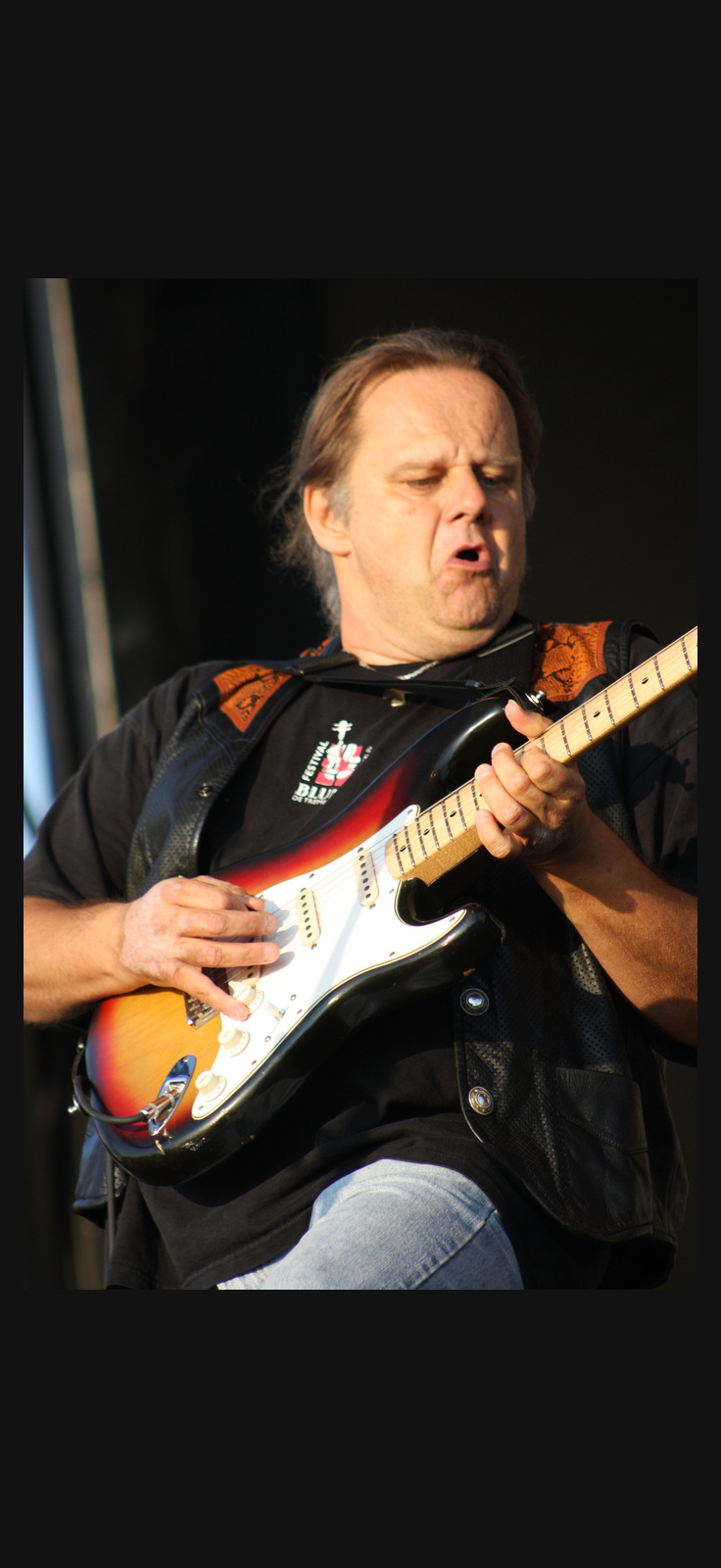
Walter Trout. Photo: Scott Penner (https://commons.wikimedia.org/?curid=25047087#fileinfotpl_aut). Walter Trout 2008.jpg. CC BY-SA 2.0: https://creativecommons.org/licenses/by-sa/2.0/. Source: https://commons.wikimedia.org/?curid=25047087. Changes: Whole current source photograph retained, downsampled without upscaling, and centered on a flat neutral dark matte (#121212) for a tall image slot. No photo crop, AI, stretching, fake scene extension or added retouching. Source previously processed in Picasa 3.0. This derivative is also CC BY-SA 2.0.
Investigate Walter Trout guitars gear and you find the equipment of one of contemporary blues rock’s most emotionally raw and most physically committed guitarists — a New Jersey-born musician who spent years working alongside Canned Heat and John Lee Hooker before launching a solo career of extraordinary emotional honesty and guitar intensity. Trout plays the blues with the specific quality of someone who has genuinely lived the music’s subject matter — addiction, redemption, physical suffering, and survival — and his Stratocaster through cranked Marshalls communicates this lived experience with a directness that technically accomplished but personally unscathed players cannot replicate. His story is one of rock and roll survival in its most literal sense, and his guitar playing is the most direct possible expression of that story.
This guide covers Trout’s complete equipment picture: the Stratocasters that have defined his tonal identity across four decades of professional playing, the Marshall amplification that gives his playing its specific driven authority, his extensive effects chain, and the playing philosophy of a musician for whom the guitar has always been both a performance tool and a genuine therapeutic and expressive necessity. Understanding Walter Trout’s gear is understanding how personal experience — the rawest kind — transforms blues technique into genuine blues expression.
Background
Walter Trout was born on March 6, 1951, in Ocean City, New Jersey. His early musical formation encompassed the full range of 1960s rock and blues — Hendrix, Clapton, the British blues boom, and the American blues tradition that had inspired it. He relocated to California in the early 1970s and worked his way through the West Coast blues and rock scene before his most significant sideman associations.
His work with Canned Heat — the California blues rock band that had been one of the most important American blues rock acts of the late 1960s — gave him extensive professional blues rock experience and placed his guitar in a specific historical lineage that connected him to the blues tradition’s most important California interpreters. His subsequent work as guitarist for John Lee Hooker gave him direct contact with one of the tradition’s founding figures — playing alongside the man who had defined a specific approach to the blues that was as elemental and as personal as any in the tradition’s history.
His solo career, which began in the late 1980s and has continued through dozens of albums on various independent and major labels, documented a guitarist whose approach became more emotionally raw and more personally committed with each passing decade rather than settling into professional competence. The near-fatal liver disease that he survived in 2014 — requiring a transplant that was documented in real time on social media and that brought an extraordinary outpouring of support from the blues community worldwide — gave his subsequent playing an additional dimension of genuine gratitude and genuine survival that made the guitar’s emotional content more immediate rather than less.
Walter Trout Guitars Gear: The Complete Rig
Guitars
Walter Trout’s guitar identity was built around the Fender Stratocaster with a consistency and completeness that made him one of the instrument’s most recognisable contemporary voices in the blues rock tradition.
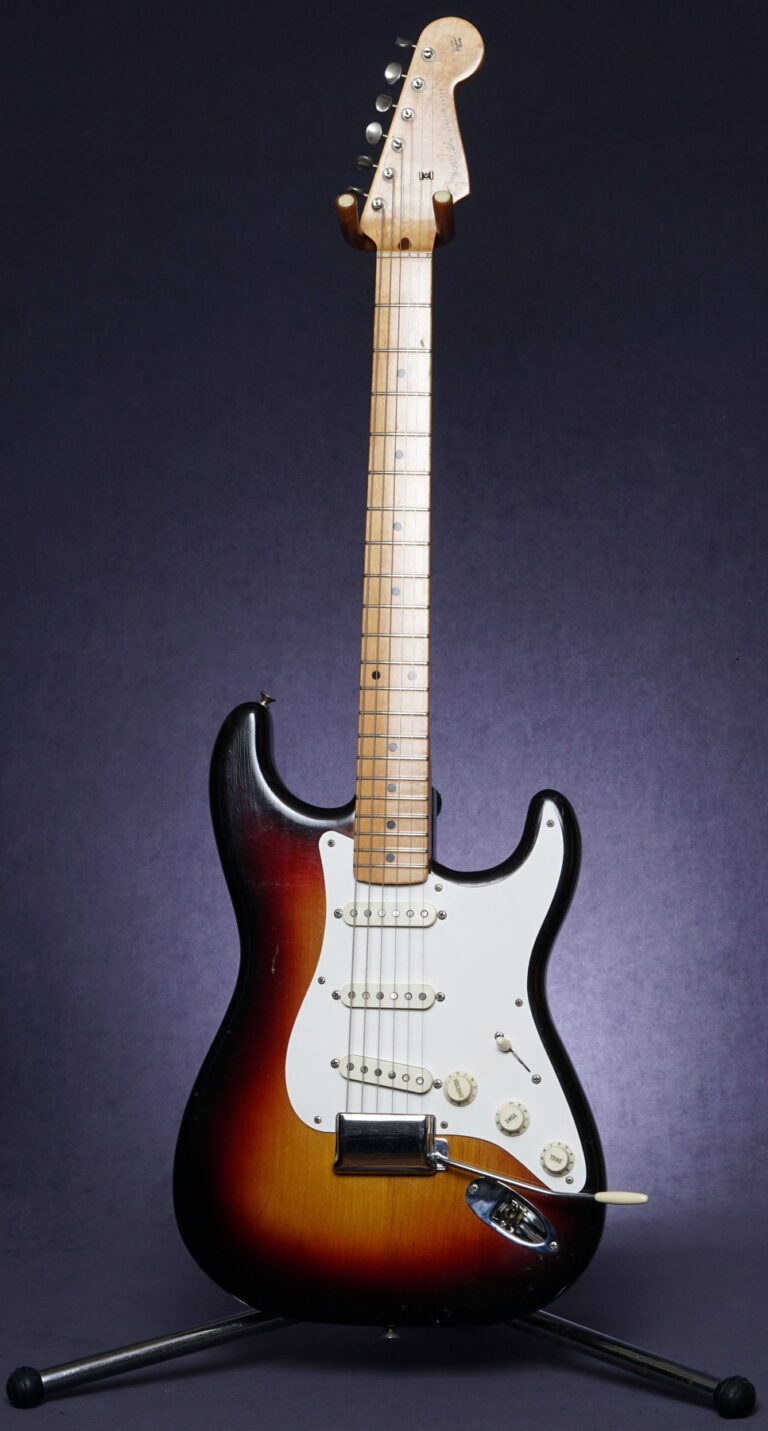
His primary and most iconic guitar was a 1962 Fender Stratocaster — a vintage slab-board rosewood fingerboard Stratocaster from the final year before Fender’s transition to the curved fingerboard and clay dot position markers. The 1962 Stratocaster’s specific character reflected the specific construction features of that year: the slab rosewood fingerboard’s specific resonance contribution, the late-1950s-style pickups’ specific warmth and output level (approximately 5.8k to 6.5k ohms, Alnico V), and the overall construction quality of a guitar built at Fender’s peak craftsmanship period before the CBS acquisition in 1965. This specific instrument — known to Trout and his audience as a deeply personal object — was the primary tonal and emotional vehicle for his guitar expression.
He used a Fender Stratocaster Custom Shop replica of the 1962 original for touring situations where the irreplaceable vintage instrument’s safety was a concern. The Custom Shop reproduction faithfully replicated the original’s specifications — the slab-board fingerboard, the period-correct pickup winds, the vintage hardware — giving the same acoustic character in a more robust contemporary instrument.
Various other vintage and custom Stratocasters appeared across his career — additional vintage examples from the 1950s and 1960s for specific recording applications, and custom instruments built to his specific preferences for particular touring cycles.
His strings were consistently heavy — typically .013–.056 or similar gauges — reflecting the same physical commitment to the instrument that SRV and Albert King had demonstrated and that Trout absorbed as part of the same blues physical approach. Heavy strings required and expressed physical commitment; Trout’s commitment to the blues was as physical as it was emotional.
Amps
Trout’s amplification was primarily Marshall — the British EL34 designs that gave his driven blues rock playing its specific warm, driven authority.
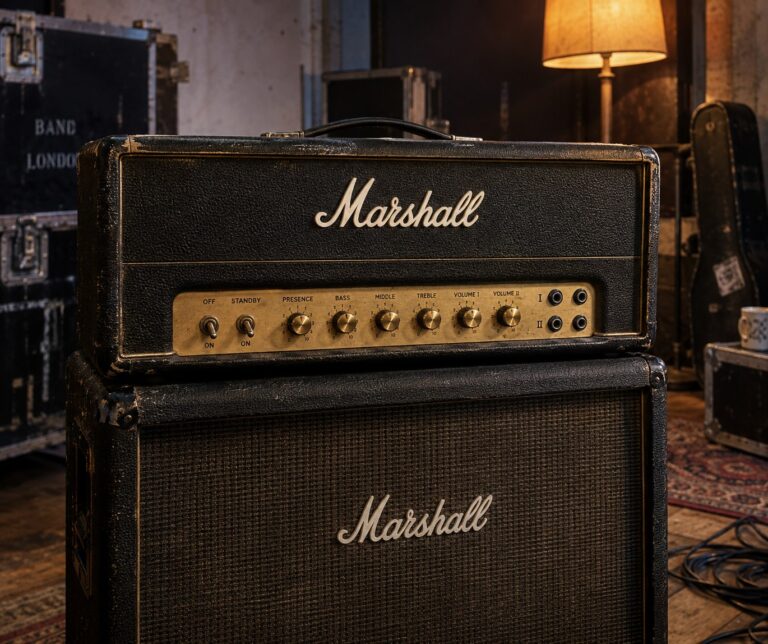
His primary amplifiers were Marshall Super Lead heads — vintage Plexi and early aluminium-panel designs whose EL34 natural saturation at working volume provided the primary gain character for his blues rock playing. His use of vintage Marshall heads — rather than contemporary reissues — reflected both the specific acoustic advantages of original transformers and circuit components and the personal connection to the same equipment that Hendrix, Clapton, and the British blues boom players had used to create the recordings that shaped his musical formation.
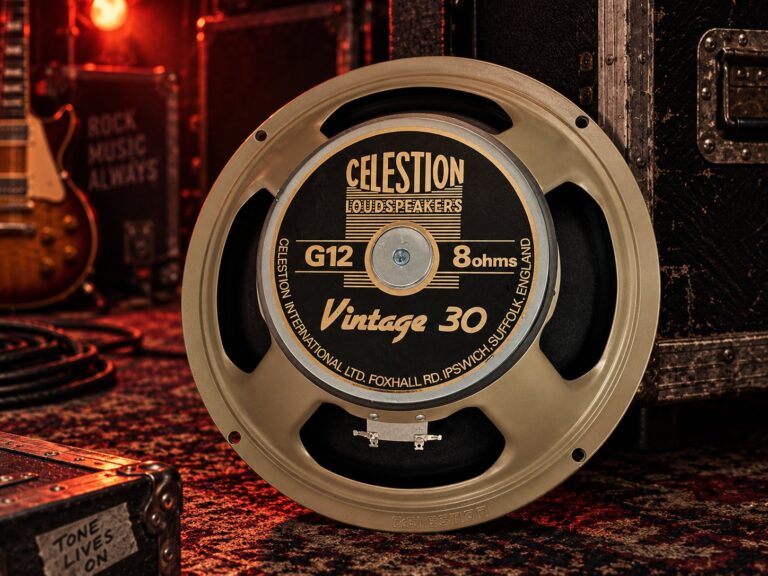
He ran the Marshalls into Marshall 4×12 cabinets with Celestion Vintage 30 speakers — the 60-watt ceramic-magnet Celestion that combined the warmth of the Greenback character with higher power handling and a specific upper-midrange presence that suited his driven Stratocaster approach. The Vintage 30’s characteristic midrange presence — a specific emphasis around 3-4kHz that gave the driven guitar its specific cutting quality — was particularly appropriate for Trout’s high-energy live performance approach where the guitar needed to cut through a loud rhythm section without requiring excessive overall volume.
He also used Fender amplifiers for specific applications — particularly for the cleaner, more American-character passages in his material that required the 6L6’s warmth rather than the EL34’s driven British character.
Effects
Trout’s effects chain was developed and purposeful — serving the diverse emotional range of his blues rock material.
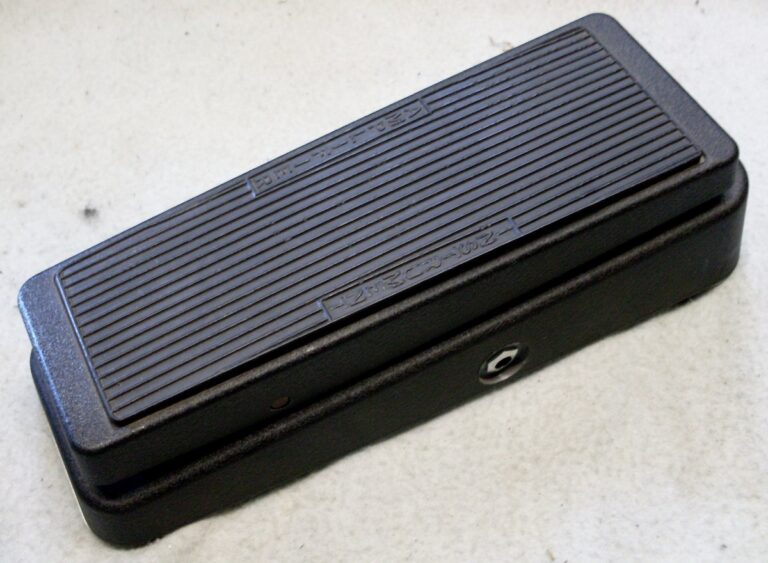
A Dunlop Cry Baby wah was one of his most consistently used effects — as central to his expressive vocabulary as to Hendrix’s and SRV’s. His wah technique showed the full range of blues wah expression: rhythmic, melodic, and purely tonal applications that gave each deployment a specific musical purpose within the passage it served.
An Ibanez Tube Screamer (TS-808 or TS-9) in boost mode provided front-end drive for the most intense passages — the standard Texas blues approach of boosting the amplifier’s front end with minimal pedal distortion rather than using the pedal as the primary gain source. His boost settings were typically low gain with elevated volume, pushing the Marshall’s natural saturation further without changing the fundamental character of the amplifier’s overdrive.
A Roland Dimension D chorus or similar stereo chorus for the atmospheric passages where dimensional shimmer added appropriate texture. His chorus use was selective rather than constant — a specific effect for specific musical moments rather than a habitual tonal addition.
Various delay pedals — Boss DD series and vintage tape echo units — for echo depth on specific lead passages. His delay use was musically calibrated to the tempo and emotional character of specific material.
A Dunlop Uni-Vibe for the Hendrix-influenced passages where the rotating speaker simulation gave specific passages their specific psychedelic character.
Playing Style & Tone Philosophy
Walter Trout’s playing style was defined by the specific combination of technical blues rock facility and raw personal emotional commitment that gave his playing its distinctive character of lived authenticity. He was not the most technically sophisticated blues rock guitarist of his generation — players like Robben Ford or Scott Henderson brought greater harmonic sophistication — but he was among the most emotionally honest, and in the blues tradition this mattered more than harmonic sophistication.
His Stratocaster approach showed the full range of the instrument’s expressive vocabulary: the clean tone of the neck pickup for melodic single-note passages, the middle position’s warm clarity for rhythm work, and the bridge pickup’s cutting bright character for the most aggressive driven passages. His understanding of how different Stratocaster pickup positions served different musical purposes — and his real-time deployment of this understanding in live and studio performance — reflected genuine technical knowledge of the instrument rather than habitual operation at a fixed setting.
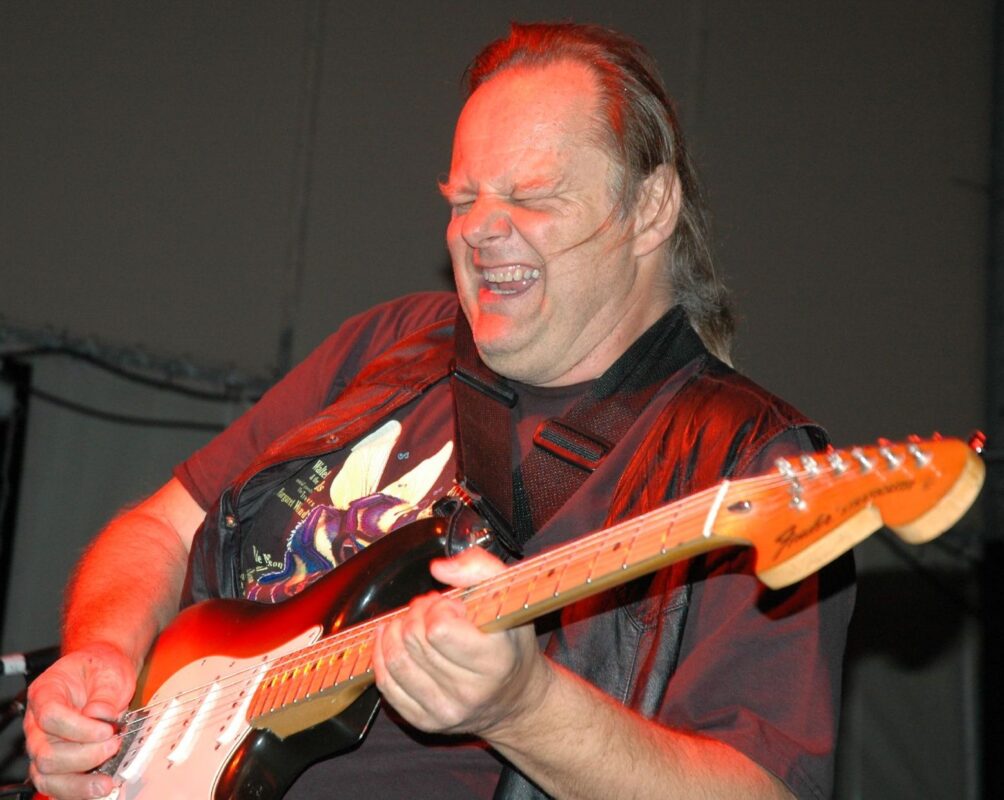
His vibrato — wide, physically committed, and emotionally expressive — gave sustained notes their specific quality of personal investment. The wide vibrato of someone who had lived the subject matter of the music was identifiably different from the controlled vibrato of someone who had merely studied it, and Trout’s playing was one of the clearest available demonstrations of this distinction.
Tonally, his philosophy was the blues rock guitarist’s most complete version: vintage Stratocaster through vintage Marshall at working volume, with the Tube Screamer boost adding front-end push and the wah and chorus adding specific expressiveness for specific passages. The equipment was right for this music, and his commitment to the equipment and the music was total.
How to Sound Like Walter Trout
Guitar Approach
A vintage or quality reproduction Fender Stratocaster — period-correct pickups (Alnico V, 5.8k to 6.5k ohms) are more important than the specific year. Heavy strings (.013–.056) — not optional for the physical approach. The emotional commitment is as important as the technical approach: Trout’s playing required genuine emotional investment in the material rather than technical execution of the blues vocabulary. Study Hendrix, SRV, and the British blues boom players who shaped his formation alongside the direct blues tradition (Hooker, Muddy, Albert King).
Amp Approach
A vintage Marshall Super Lead (or quality reproduction) into a 4×12 Vintage 30 cabinet — working volume where the EL34s contribute natural saturation. Tube Screamer in boost mode before the Marshall. Wah as primary expressive tool. The Stratocaster’s bridge or middle pickup into the naturally saturating Marshall was the primary tonal statement.
| Control | Setting | Notes |
|---|---|---|
| Volume (Input 1) | 7–10 | Natural EL34 saturation — this is where Trout lives |
| Treble | 7 | Bright — Stratocaster single-coils need treble presence |
| Middle | 6 | Present mids for blues rock authority |
| Bass | 4 | Controlled — heavy strings add natural low-end weight |
| Presence | 6 | Vintage 30 presence is forward — don’t push too hard |
| Tube Screamer | Gain 9 o’clock, Volume 2 o’clock | Boost not distort — the Marshall does the work |
Influence & Legacy
Walter Trout’s legacy was the specific legacy of a musician whose survival — artistic, personal, and physical — demonstrated that the blues tradition’s values of emotional honesty and personal commitment could sustain a career of four decades without either commercial compromise or artistic self-betrayal. His survival of the 2014 liver disease and subsequent return to performing and recording gave his later work a dimension of literal as well as metaphorical blues survival that was as moving as any biographical element of any musician in the tradition.
His influence on a generation of European blues rock musicians — through extensive touring in Europe where he achieved a commercial and critical success that sometimes exceeded his American profile — showed that the blues tradition’s reach extended well beyond its American cultural origins. European audiences responded to his emotional directness and guitar commitment with enthusiasm, and the European blues rock scene that grew around his influence was as genuine an extension of the tradition as any American regional variant.
His years alongside John Lee Hooker gave him a specific connection to the tradition’s deepest roots — playing with one of the blues’ founding figures gave his guitar the specific quality of historical grounding that musicians who had only absorbed the tradition through recordings couldn’t fully replicate.
For players exploring the blues rock tradition that Trout represents, the rigs of Duke Robillard — whose Roomful of Blues work showed similar depth of blues tradition engagement from a different stylistic starting point — and Kenny Wayne Shepherd, whose parallel heavy-string Stratocaster approach showed the same physical commitment in a younger player, provide illuminating comparison. The John Lee Hooker connection reaches toward Coco Montoya‘s career, which shows how similar sideman experience with a blues founding figure shaped a different but comparably committed blues rock guitar voice.
Battle Scars: The Album That Only Survival Could Produce
Battle Scars (2015) — Walter Trout’s return to recording after the 2014 liver transplant that saved his life — was one of the most emotionally raw and most personally authentic blues rock recordings of its decade. The album was not merely a commercial return to form but a genuine artistic statement about survival, gratitude, and the specific kind of blues that only someone who had literally been to the edge of death could make. Understanding what the album achieved, and how his specific equipment served its emotional content, gives the most complete available picture of what Trout’s guitar playing was ultimately for.
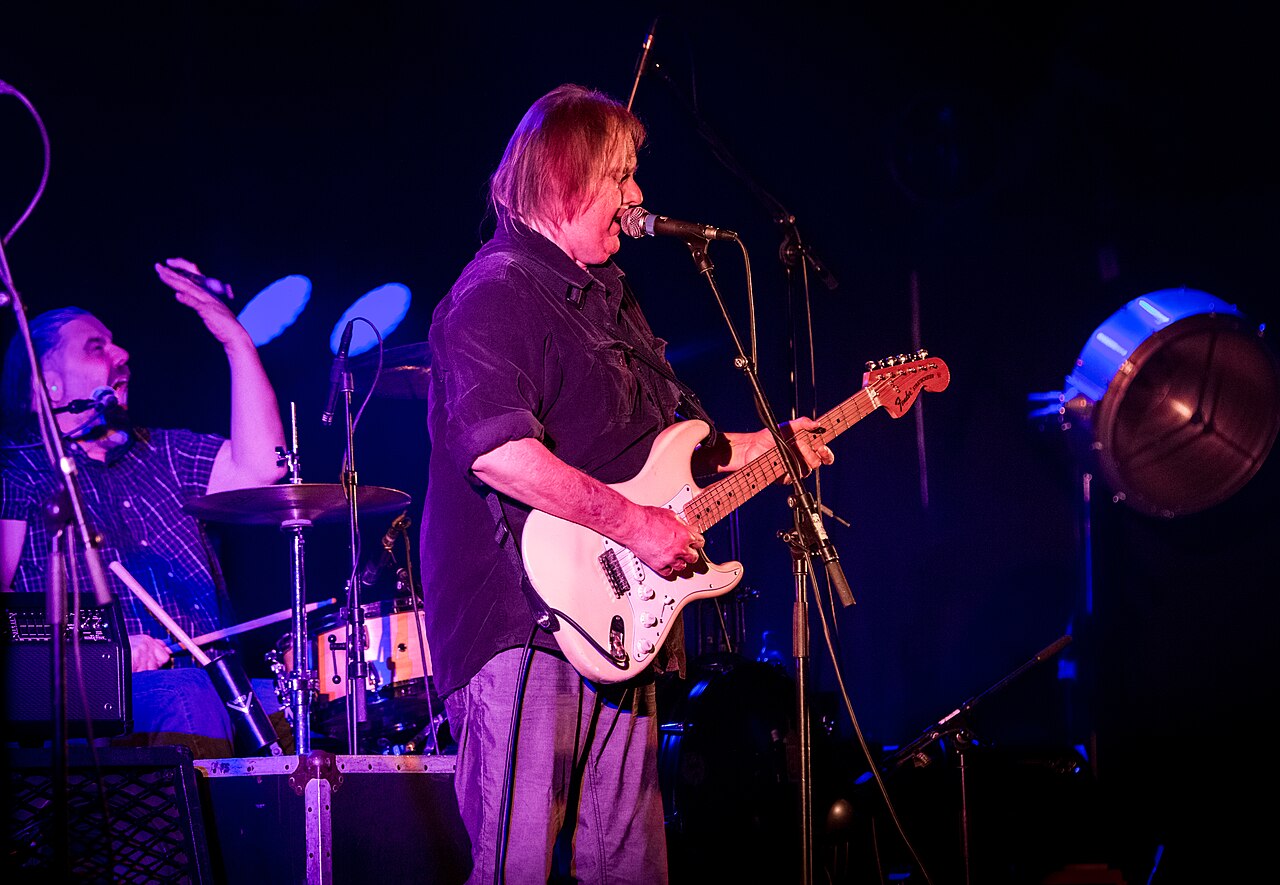
The guitar tones on Battle Scars — the 1962 Stratocaster through the Marshall at working volume, with the Tube Screamer boost pushing the natural saturation harder than ever — had the specific quality of someone playing as if it might be their last chance. Not the controlled aggression of a musician performing extreme emotion, but the genuine urgency of someone who knew from recent direct experience how quickly the opportunity to play could be taken away. This quality — the specific urgency of genuine gratitude for survival — was not something that could be produced through technical means or equipment choices alone, but the equipment was exactly right to express it: the vintage Stratocaster’s warmth giving each note its personal character, the Marshall’s natural saturation giving the aggressive passages their specific driven authority, and the wah’s vocal expressiveness giving the most emotional passages their quality of speaking directly from the guitarist’s experience.
The production of the album — handled with the directness that suited both the emotional content and the blues rock tradition — gave the guitar its most honest recorded presentation of his career. The natural character of the vintage Stratocaster through the Marshall was captured without elaborate processing, and the result was a recording that communicated the emotional content of the playing as directly as any in the blues rock tradition. The equipment served the music; the music served the survival story; and the survival story was as authentic a blues narrative as the tradition had ever produced.
John Lee Hooker: Learning from the Source
Walter Trout’s time with John Lee Hooker — playing guitar behind one of the electric blues tradition’s most important founding figures — gave him a specific kind of musical education that no amount of record listening could have provided: the experience of playing alongside the actual originator of a specific approach to the blues, absorbing the tradition through direct musical interaction rather than through recorded documentation.
Hooker’s specific approach to the blues was as elemental and as personally distinctive as any in the tradition’s history — the boogie patterns, the specific rhythmic approach that didn’t necessarily conform to conventional bar structures, the specific guitar-as-voice quality of his playing that gave every note and every phrase the impression of being spoken directly from his personal experience. Playing alongside this approach — having to serve it musically, having to listen to it with the specific attentiveness that professional sideman work required — transmitted something about the blues’ essential character that was impossible to absorb through recordings alone.
The specific guitar tones that suited the Hooker sideman context — warm, present, rhythmically supportive without competing with the leader’s specific approach — were different from the full-throttle Marshall blast of Trout’s own music, and the experience of adapting his equipment and his playing to serve a different specific musical vision was part of the professional development that made his subsequent solo work as mature as it was. The Stratocaster’s versatility — the ability to provide both the clean warmth of sideman rhythm work and the aggressive drive of solo blues rock lead playing — was part of why the instrument suited his diverse professional needs, and his Hooker experience deepened his understanding of what the Stratocaster could do in different musical contexts.
Canned Heat: California Blues Rock Heritage
The Canned Heat association — Trout serving as guitarist for the California blues rock band that had been one of the most important American blues rock acts of the late 1960s — placed his guitar within a specific historical lineage that connected him to the blues tradition’s most important California interpreters. Understanding the Canned Heat context and what it contributed to his development gives a more complete picture of how his specific blues rock approach was shaped.
Canned Heat’s specific approach to the blues — rooted in the specific California blues rock that Alan Wilson, Bob Hite, and Henry Vestine had developed in the late 1960s — was characterised by a specific rawness and a specific historical connection to the older blues tradition that distinguished them from the more polished British blues boom interpretation. The band’s commitment to the Delta blues tradition — their specific knowledge of and respect for the acoustic blues that had preceded electrification — gave their electric blues rock a quality of historical grounding that was as important to their musical character as any specific technical element.
Playing with Canned Heat gave Trout a specific professional blues rock context that was simultaneously historically grounded and commercially viable — a combination that shaped his understanding of how genuine blues commitment and professional commercial viability could coexist. The specific demands of the Canned Heat context — maintaining the blues tradition’s authenticity within a professional rock performance framework — were as educationally valuable as any more formal musical training, and they showed up in his subsequent solo career as a specific ability to maintain genuine blues commitment within a commercial context.
The Vintage Stratocaster: Why 1962 Specifically
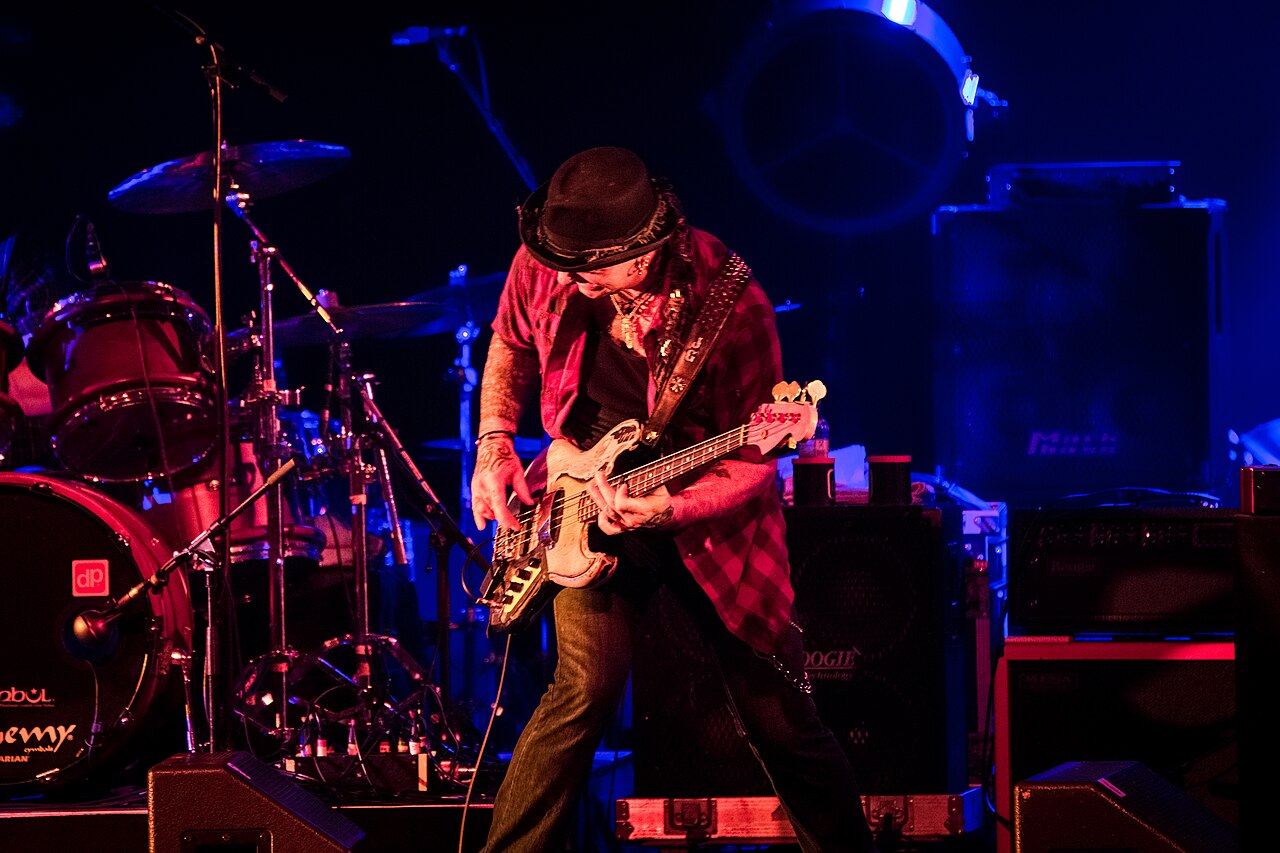
Trout’s primary guitar being a 1962 Fender Stratocaster — rather than a 1959 or 1963 or any of the other years that vintage guitar collectors and players valued — reflected specific acoustic properties of that particular year’s instruments that suited his specific approach better than alternative vintage years.
The 1962 Stratocaster represented a specific transitional moment in the instrument’s history. The slab rosewood fingerboard — introduced in 1959 and used through 1962 before being replaced by the curved “veneer” board — had specific acoustic properties that many players and collectors identified as contributing to the instrument’s overall resonance and tonal character. The slab board’s thicker piece of rosewood, bonded directly to the maple neck without the maple veneer layer of the later design, contributed differently to the neck’s overall stiffness and resonance than the subsequent design. Whether this specific contribution was acoustically significant enough to be audible was a matter of genuine debate among guitar experts, but Trout’s consistent preference for the 1962 slab-board instrument reflected either genuine acoustic discrimination or, at minimum, a genuine aesthetic preference for the specific physical and tonal character of that year’s construction.
The 1962 pickups — late-1950s-style designs with Alnico V magnets and winding specifications that had been refined through the instrument’s production history — gave the guitar a specific tonal character that suited Trout’s approach with particular appropriateness. The warmth and output level of these specific pickups drove the Marshall’s front end with exactly the right combination of frequency content and signal level for the natural saturation zone that gave his blues rock playing its specific character. The equipment wasn’t merely historically interesting; it was acoustically right for the specific music being made, and his consistent use of this specific instrument reflected genuine acoustic understanding rather than mere vintage fetishism.
The Hendrix influence on Trout’s playing — the most direct and most comprehensive single guitar influence on his specific approach — showed in the specific wah vocabulary, the specific quality of physical commitment in the picking approach, and the overall orientation toward the guitar as a vehicle for extreme emotional expression within the blues rock framework. Hendrix’s specific innovations — the wah as an extension of the vocal tradition, the feedback as musical material, the physical commitment as an expression of emotional content — were absorbed by Trout as completely as the blues tradition itself, and his playing was as much an extension of the Hendrix approach as of the direct blues tradition. The 1962 Stratocaster through the Marshall Plexi was the same basic equipment configuration that Hendrix had used, and Trout’s consistent use of this configuration reflected both genuine acoustic understanding of why it worked and the specific personal connection to Hendrix’s approach that had been as formative as any other single musical influence.
Walter Trout’s career — from the New Jersey formation through the California professional development, the Canned Heat and Hooker associations, the solo career, the 2014 survival, and the extraordinary post-transplant recordings that showed a musician playing as if every note might be the last — was one of the most complete available demonstrations of what the blues tradition’s fundamental values looked like when expressed through a lifetime of genuine personal commitment. The equipment he used: the vintage 1962 Stratocaster through the vintage Marshall Plexi at working volume, with the Tube Screamer boost and the wah as primary expressive tools — was exactly right for exactly this music and exactly this musician. The gear served the blues; the blues served the survival; and the survival served as a reminder that the music’s subject matter was always real, always personal, and always worth the complete commitment that Walter Trout brought to it across four decades of professional playing.
The Celestion Vintage 30 speaker’s specific role in Trout’s Marshall cabinets — and why this particular speaker gave his driven Stratocaster-through-Marshall combination its specific quality of aggressive presence — reflected the Vintage 30’s specific acoustic properties that distinguished it from earlier Celestion designs. The Vintage 30 was introduced in the late 1980s as Celestion’s premium guitar speaker, designed to combine the warmth of the older Greenback character with higher power handling (60 watts versus the Greenback’s 25 watts) and a specific upper-midrange presence emphasis that gave driven guitar its characteristic cutting quality. The specific ceramic magnet structure of the Vintage 30 produced a different frequency response from the Greenback’s alnico magnet — more extended in the upper midrange, with a presence peak around 3-4kHz that gave driven guitar notes their specific quality of forward presence in the mix without the Greenback’s more mid-warm character. For Trout’s Stratocaster — whose bridge single-coil pickup already had significant upper-midrange presence — the Vintage 30’s character complemented rather than duplicated the guitar’s natural brightness, giving the combination a specific quality of cutting presence without harshness. His consistent use of Vintage 30-loaded cabinets reflected genuine understanding of how this specific speaker character interacted with his specific instrument and amplifier combination to produce the overall tonal result he was seeking.
The Roland Dimension D chorus’s specific role in Trout’s effects chain — for the atmospheric passages where dimensional shimmer added appropriate texture — reflected the Dimension D’s specific acoustic character that distinguished it from conventional chorus pedals. The Dimension D, produced by Roland in the early 1980s as a rack-mount studio effects unit, used a bucket-brigade delay circuit configured differently from standard chorus pedals to produce a specific quality of dimensional enhancement rather than the conventional pitch-modulated chorus effect. Where conventional chorus produced an obvious shimmering modulation effect through periodic pitch variation, the Dimension D produced a more subtle dimensional quality — the sound seemed wider and more present without the obvious pitch wavering of conventional chorus. This subtlety suited Trout’s use of the effect for specific atmospheric passages where dimensional enhancement was musically appropriate but obvious pitch modulation would have been distracting. His choice of the Dimension D over simpler alternatives reflected genuine understanding of what the specific acoustic effect contributed and why the Dimension D’s subtle character was more appropriate than conventional chorus for his specific musical applications.
The European blues rock audience that Trout had cultivated through decades of consistent European touring — and that had given him commercial success in specific European markets (particularly the Netherlands, Germany, and Scandinavia) that sometimes exceeded his American commercial profile — was a genuinely significant part of understanding his career’s trajectory and equipment approach. European blues rock audiences in the 1990s and 2000s were often more attentive and more knowledgeable about the blues tradition than American mainstream audiences of the same period, and playing consistently for these audiences shaped Trout’s specific approach to performance and to the guitar in ways that reflected genuine ongoing musical education rather than merely commercial calculation. The European touring experience — playing for audiences who knew the tradition well enough to appreciate genuine depth alongside technical accomplishment — reinforced the musical values that had always characterised his approach and gave him sustained commercial validation for an artistic approach that prioritised emotional authenticity over commercial formula.
The Uni-Vibe’s specific role in Trout’s effects chain — for the Hendrix-influenced passages where the rotating speaker simulation gave specific passages their psychedelic character — connected his playing to the same Hendrix tradition that had been as formative as the direct blues influence. The Uni-Vibe, designed in the late 1960s by Shin-ei and used extensively by Hendrix on recordings including “Machine Gun” and “Star Spangled Banner,” produced its specific shimmering, pulsing effect through a photo-optical circuit using a light bulb and four photocell pairs to create phase-shifted versions of the signal at different speeds. The resulting effect — different from conventional vibrato, tremolo, or chorus in its specific shimmering, sea-like quality — was as specifically associated with the Hendrix approach as the wah pedal, and Trout’s selective use of it for specific Hendrix-influenced passages reflected both genuine reverence for the Hendrix legacy and genuine musical intelligence about when its specific character was the right choice for a specific passage.
The addiction and recovery narrative that was as central to Trout’s personal story as any musical development gave his blues guitar playing a specific kind of authenticity that the tradition had always valued most highly: the authenticity of someone who had genuinely lived the subject matter that the music expressed. The blues was never music about theoretical suffering or imagined hardship; it was always music about real experience, and the musicians whose playing communicated most powerfully were typically those whose personal lives had given them the most direct experience of the emotions the music expressed. Trout’s specific life experiences — the years of addiction, the hard professional work of the sideman career, the survival of near-fatal illness, and the ongoing gratitude of someone who knew from direct experience how quickly the opportunity to make music could be taken away — gave his guitar playing the specific quality of genuine personal investment that distinguished it from technically accomplished but personally unengaged blues performance. The equipment he used was in service of this genuine personal investment; the personal investment was what gave the equipment its musical meaning; and the musical meaning was what made Walter Trout’s blues rock one of the contemporary tradition’s most honest and most emotionally powerful expressions.
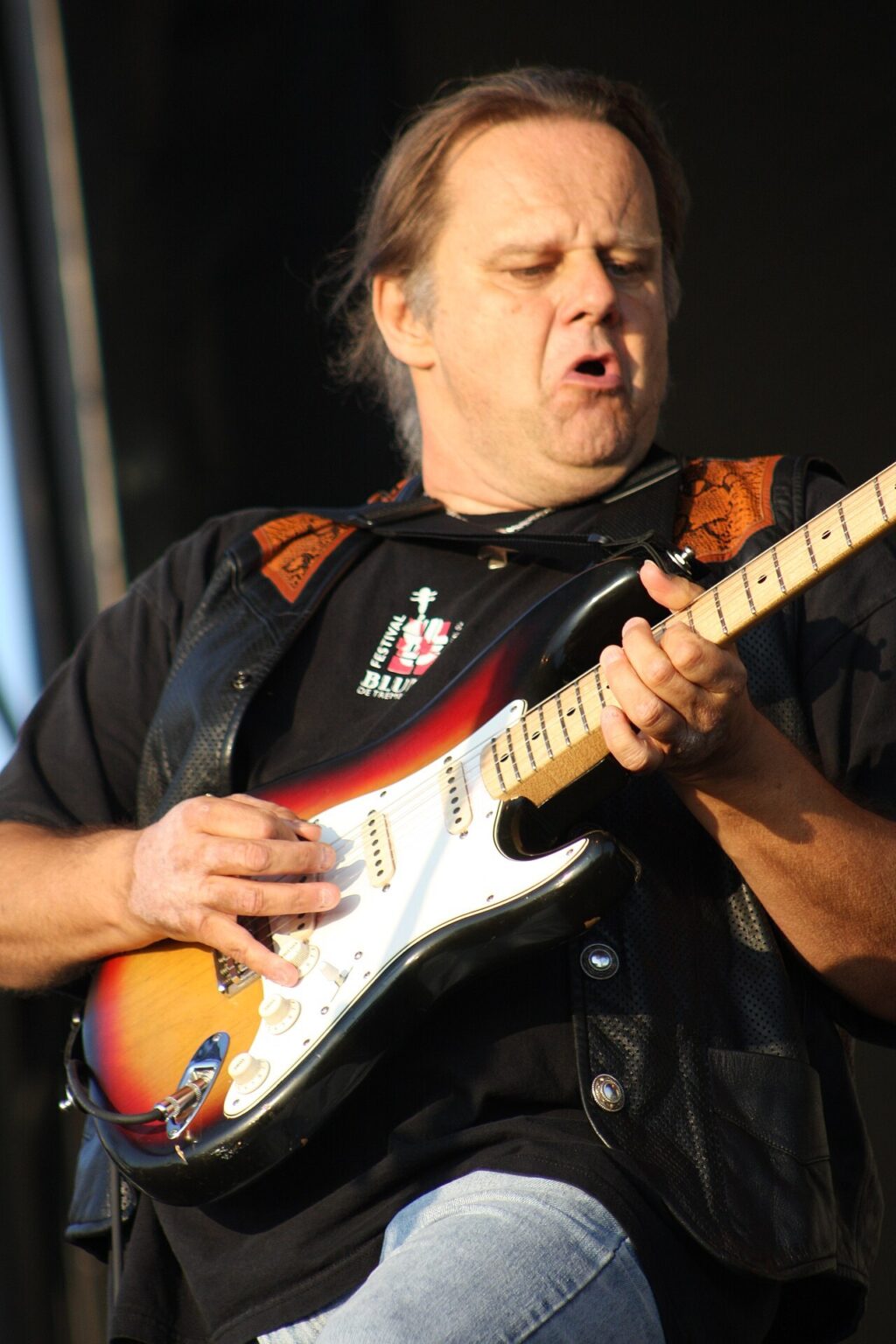
The specific physical qualities of the 1962 Stratocaster’s neck — the profile, the radius, the specific feel of the slab rosewood board under the fretting fingers — shaped Trout’s specific approach to bending and vibrato in ways that went beyond the merely tonal contribution of the instrument’s pickups and body construction. A guitar that felt physically right under the player’s hands encouraged specific technical approaches that felt natural within the instrument’s specific physical character, while a guitar that felt wrong discouraged those approaches regardless of its tonal qualities. Trout’s decades-long association with the 1962 Stratocaster gave him a physical intimacy with that specific instrument that shaped his technique in ways that were as musically significant as any conscious technical choice. The specific neck profile’s feel under the thumb during chord playing, the specific radius’s feel under the fingers during bending, and the specific feel of the slab board’s surface under the fretting hand — all of these accumulated through decades of continuous use to give his technique a specific character that was inseparable from the specific physical character of that specific instrument. This physical intimacy between player and instrument was as important a dimension of his guitar story as the acoustic and tonal properties of the equipment, and it illustrated why a working musician’s primary instrument was genuinely irreplaceable in ways that tonal specifications alone couldn’t capture.
The Albert King influence on Trout’s playing — the King whose massive string bends and raw emotional expressiveness had been as central to his formation as Hendrix’s psychedelic approach — showed in the specific quality of physical commitment in his bending technique and the specific emotional urgency of his most expressive melodic passages. King’s approach to the blues was as physically extreme as any in the tradition — the massive bends, the raw vibrato, the specific quality of someone wresting the blues from the instrument rather than coaxing it — and this physical extremity was as compatible with Trout’s personal character as with King’s. The heavy strings that gave Trout’s bending its specific character of earned expressiveness were part of the King connection: King had famously tuned his guitar to non-standard pitches and had used an unconventional left-handed playing approach that produced bends of extraordinary width and expressiveness, and the heavy-string Stratocaster approach that Trout used — like SRV before him — was partly an attempt to replicate the physical mass and resistance that gave King’s bending its specific authority. The equipment connection to King was as genuine as the musical connection, and both were part of the same tradition of physically committed blues guitar playing that Trout had absorbed as fully as any player of his generation.
The specific way that Trout’s Stratocaster interacted with the Marshall Plexi at the heavy-string input level — the .013 gauge strings’ higher output compared to standard .009 or .010 strings driving the Marshall’s input stage harder at the same volume setting — created a specific gain characteristic that was as important to his overall tonal picture as any deliberate equipment choice. The heavier strings moved with more mass and generated more magnetic flux change in the pickup’s coil, producing a higher signal amplitude at the same playing intensity than lighter strings would have generated. This higher amplitude drove the Marshall’s preamp earlier into natural saturation, giving the heavy-string Stratocaster combination a specific quality of natural drive that lighter-string Stratocasters through the same amplifier at the same settings didn’t produce. Trout’s understanding of how heavy strings changed the gain characteristic of his Marshall rig — not just the tonal character but the actual signal chain’s operating point — was part of the equipment intelligence that gave his specific combination its distinctive character, and his consistent choice of heavy strings reflected genuine acoustic understanding of what they contributed beyond the physical and tonal dimensions more commonly discussed.
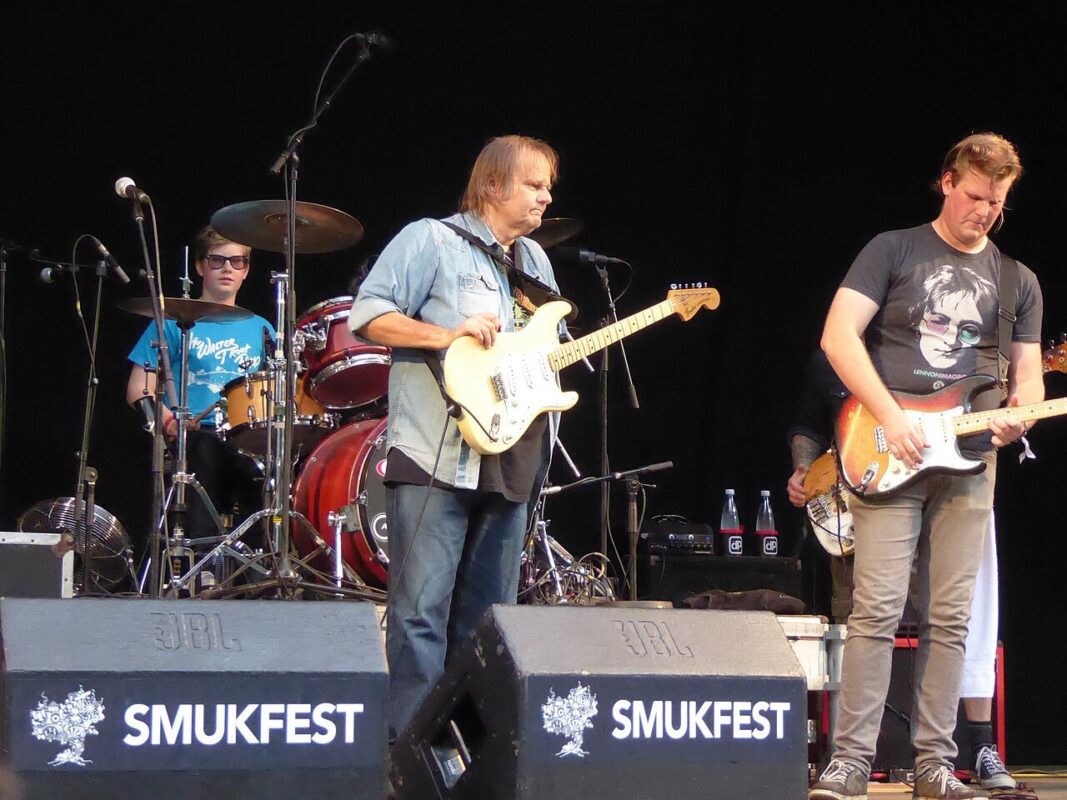
The Life in the Jungle debut (1990) — Trout’s first solo album after the Canned Heat and Hooker associations — documented his guitar approach at the beginning of his independent solo career and showed both the blues rock vocabulary that his professional formation had developed and the specific emotional character that would grow more intense and more personally distinctive through subsequent decades of recording. The guitar tones on the album — the Stratocaster’s single-coil brightness through the Marshall’s natural EL34 saturation, captured with the directness appropriate for blues rock — showed the equipment combination that would remain the foundation of his approach through all the albums that followed. The specific character of a young professional musician who had learned the blues from authentic sources but was still developing the most personally distinctive dimension of his voice — the raw emotional directness that would become the primary quality of his mature playing — was present on the debut in its most embryonic form, and the subsequent decades’ development showed a musician who grew into his guitar approach as much as he grew into his personal character. The equipment didn’t change fundamentally; the musician grew into it, and the growing gave the equipment its fullest possible expression.
Frequently Asked Questions: Walter Trout Guitars & Gear
What guitar does Walter Trout play?
Walter Trout’s primary guitar is a vintage 1962 Fender Stratocaster with a slab rosewood fingerboard — one of his most personally significant instruments. He also uses Fender Custom Shop reproductions of the 1962 for touring situations, and various other vintage and custom Stratocasters for specific applications. His consistent use of heavy strings (.013–.056) was as central to his tonal identity as the specific instruments.
What amp does Walter Trout use?
His primary amplifiers are vintage Marshall Super Lead heads — Plexi-panel and early aluminium-panel designs — run at working volume into Marshall 4×12 cabinets loaded with Celestion Vintage 30 speakers. He also uses Fender amplifiers for specific cleaner applications. His amplification philosophy prioritised natural EL34 output saturation at working volume as the primary gain source.
What bands did Walter Trout play with before his solo career?
Trout was guitarist for Canned Heat — the California blues rock band from the late 1960s — and subsequently for John Lee Hooker, one of the blues tradition’s most important founding figures. The Canned Heat association placed his playing in the California blues rock tradition; the Hooker association gave him direct connection to the deepest roots of the electric blues tradition.
What happened to Walter Trout in 2014?
In 2014, Trout was diagnosed with severe liver disease — the result of decades of addiction that he had overcome years earlier — requiring a liver transplant to survive. The transplant journey was documented in real time through social media, drawing extraordinary support from the worldwide blues community. His recovery and return to performing and recording gave his post-2014 work a specific emotional dimension of literal survival that was as powerful as any metaphorical blues content.
What effects does Walter Trout use?
His key effects include a Dunlop Cry Baby wah (extensively used, central to his expressive vocabulary), Ibanez Tube Screamer TS-808/TS-9 in boost mode (front-end drive for the Marshall), Roland Dimension D or similar chorus (for atmospheric passages), Dunlop Uni-Vibe (Hendrix-influenced passages), and various delay pedals (Boss DD series and tape echo units). His effects use was purposeful and emotionally motivated.
What are Walter Trout’s most important albums?
His debut solo album Life in the Jungle (1990) established his solo career after the Canned Heat and Hooker associations. Tellin’ Stories (1994) and Positively Beale Street (1997) showed his blues rock approach at its most fully developed. Battle Scars (2015) — his return to recording after the liver transplant — was the most personally significant and most emotionally raw document of his entire career, showing a musician playing with genuine gratitude for survival.
What was Walter Trout’s John Lee Hooker connection?
Trout served as guitarist in John Lee Hooker’s band, giving him direct professional contact with one of the electric blues tradition’s most important founding figures. Playing with Hooker — whose specific approach to the blues was as elemental and as personally distinctive as any in the tradition — gave Trout’s guitar work a specific quality of historical grounding that musicians who had only absorbed the tradition through recordings couldn’t fully replicate. Hooker’s direct transmission of blues values — through the specific experience of playing alongside him — was as significant to Trout’s development as any technical or equipment influence.
Genre:
Blues Rock
Decades:
1980s | 1990s | 2000s | 2010s | 2020s
Image credits
- Walter Trout: Andreas Lawen, Fotandi, Wikimedia Commons, CC BY-SA 3.0.
- Walter Trout: Andreas Lawen, Fotandi, Wikimedia Commons, CC BY-SA 3.0.
- Top image: Scott Penner, Wikimedia Commons, CC BY-SA 2.0.
- Walter Trout: photo by Carl Lender at https://www.flickr.com/photos/clender/, via Wikimedia Commons, CC BY-SA 3.0.
- Fender Stratocaster: Lightburst, Wikimedia Commons, CC BY-SA 4.0.
- Marshall 1959 Super Lead Plexi: GuitarGangsters AI-generated reference illustration, not a photograph.
- Dunlop Cry Baby: Roadside Guitars, Flickr, CC BY-SA 2.0.
- Celestion Vintage 30 12-inch Guitar Speaker: GuitarGangsters AI-generated reference illustration, not a photograph.
- Walter Trout live: Scott Penner, Wikimedia Commons, CC BY-SA 2.0.
- Walter Trout live: Wassini, Wikimedia Commons, CC BY-SA 4.0.