Coco Montoya Guitars & Gear: Albert Collins’ Protégé and Blues Rock Gunslinger’s Complete Rig
Coco Montoya guitars gear — Stratocaster and Marshall JCM800 deep-dive for Albert Collins' protégé's bright blues rock tone and finger-picking complete rig guide.
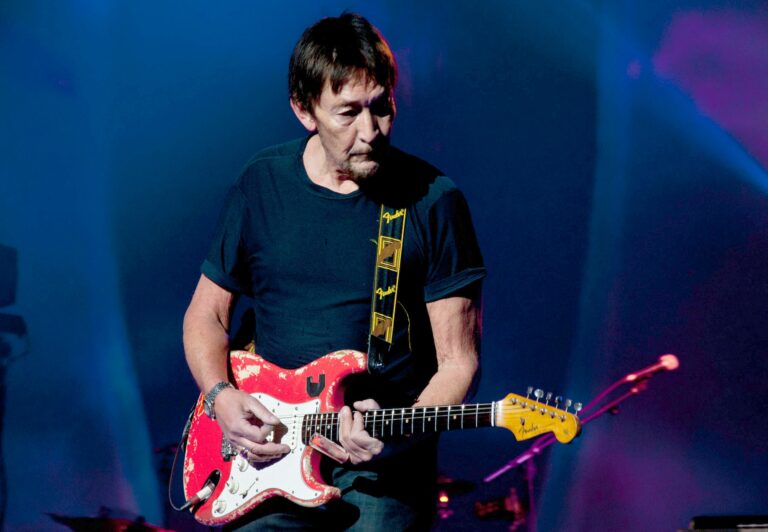
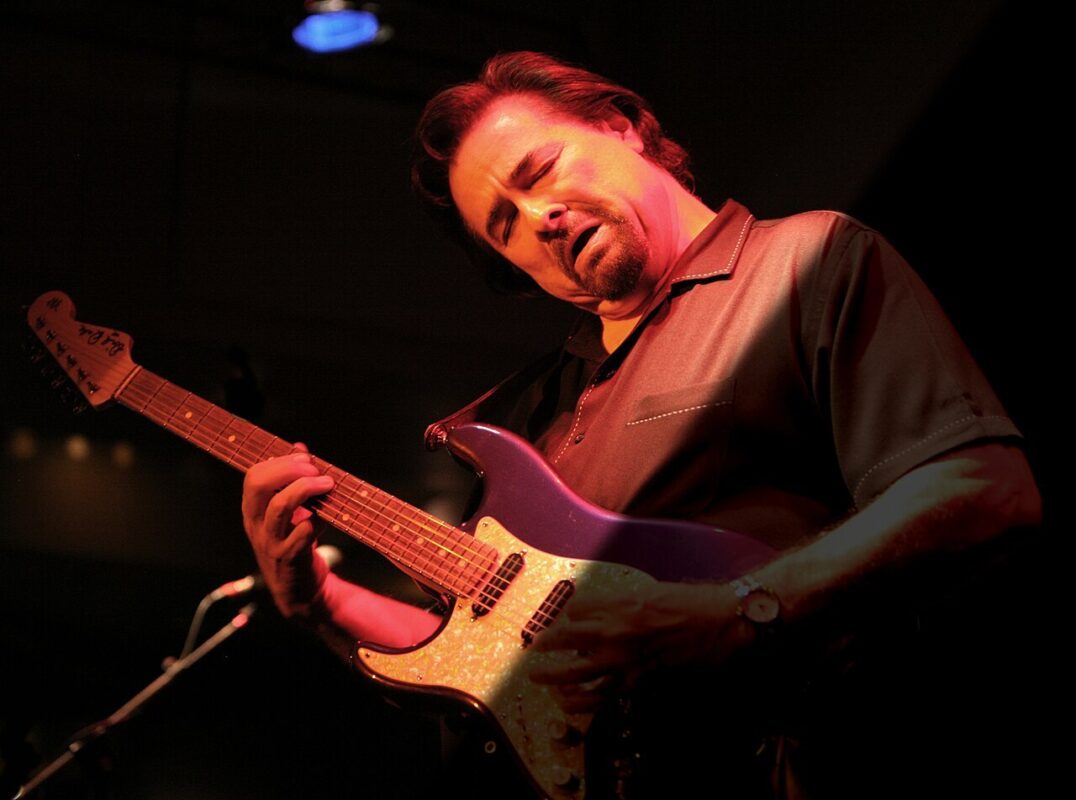
Coco Montoya, 7 December 2007. Photo: Bengt Nyman. Work: “IMG_9289”. CC BY 2.0 (https://creativecommons.org/licenses/by/2.0/). Full source frame resized for the web; no crop or retouching by GuitarGangsters. Source: https://commons.wikimedia.org/wiki/File:Coco_Montoya_7Dec2007.jpg
Investigate Coco Montoya guitars gear and you find the equipment of one of contemporary blues rock’s most physically committed and most emotionally raw guitarists — a Santa Monica-born musician who began his professional music career as a drummer, was personally taught guitar by the legendary Albert Collins, and who carried the Collins tradition of aggressive attack, bright Stratocaster tone, and finger-picking technique into a solo career of surprising emotional depth and sustained commercial vitality. Montoya was not merely Collins’ student — he was the most complete heir to the Collins approach, taking the Master of the Telecaster’s specific combination of bright, icy tone and aggressive physical playing and extending it into blues rock territory that Collins himself never fully occupied. His Stratocasters through Marshall amplification gave him a guitar sound of extraordinary brightness and clarity that suited the specific emotional territory of his playing — aggressive, direct, and always personally committed.
This guide covers Montoya’s complete equipment picture: the Stratocasters that defined his visual and tonal identity, the Marshall amplification that gave his playing its specific driven brightness, his effects chain, and the playing philosophy of a musician who was taught the blues by one of its greatest masters and who honoured that teaching by becoming genuinely his own player rather than an imitation of his teacher. Understanding Coco Montoya’s gear is understanding how tradition is transmitted and transformed by musicians who absorb it completely before making it their own.
Background
Mario Montoya was born on October 2, 1951, in Santa Monica, California. He began his professional music career not as a guitarist but as a drummer — an unusual beginning for someone who would become one of the most recognised blues rock guitarists of his generation. His drumming career included work in various California bands before his path crossed with Albert Collins.
The Albert Collins association began in the early 1970s when Montoya met Collins and expressed interest in learning guitar. Collins — one of the most distinctive and most influential blues guitarists of the twentieth century, whose specific approach of playing in open F minor tuning with a capo, using a bare-finger attack instead of a pick, and achieving a specific bright, icy tone through his combination of Telecaster and various amplifiers — took Montoya under his wing and taught him guitar directly and personally over several years.
This direct apprenticeship with Collins — learning guitar from one of its great masters through personal instruction rather than from records and study — gave Montoya a specific quality of blues education that was unavailable through any other means. Collins taught him not only the specific techniques but the specific musical values — the emotional directness, the physical commitment, the specific approach to the guitar as a voice — that had always made Collins’ own playing so distinctive and so powerful.
After working with Collins and serving as a member of John Mayall’s Bluesbreakers, Montoya launched his solo career in the early 1990s, releasing his debut album Gotta Mind to Travel (1995) and building a reputation as one of contemporary blues rock’s most exciting live performers. Subsequent albums — Ya Think I’d Know Better (1996), Exitance (2001), Dirty Deal (2003), and others — showed sustained development within the blues rock tradition while maintaining the specific Albert Collins inheritance that had always been central to his musical identity.
Coco Montoya Guitars Gear: The Complete Rig
Guitars
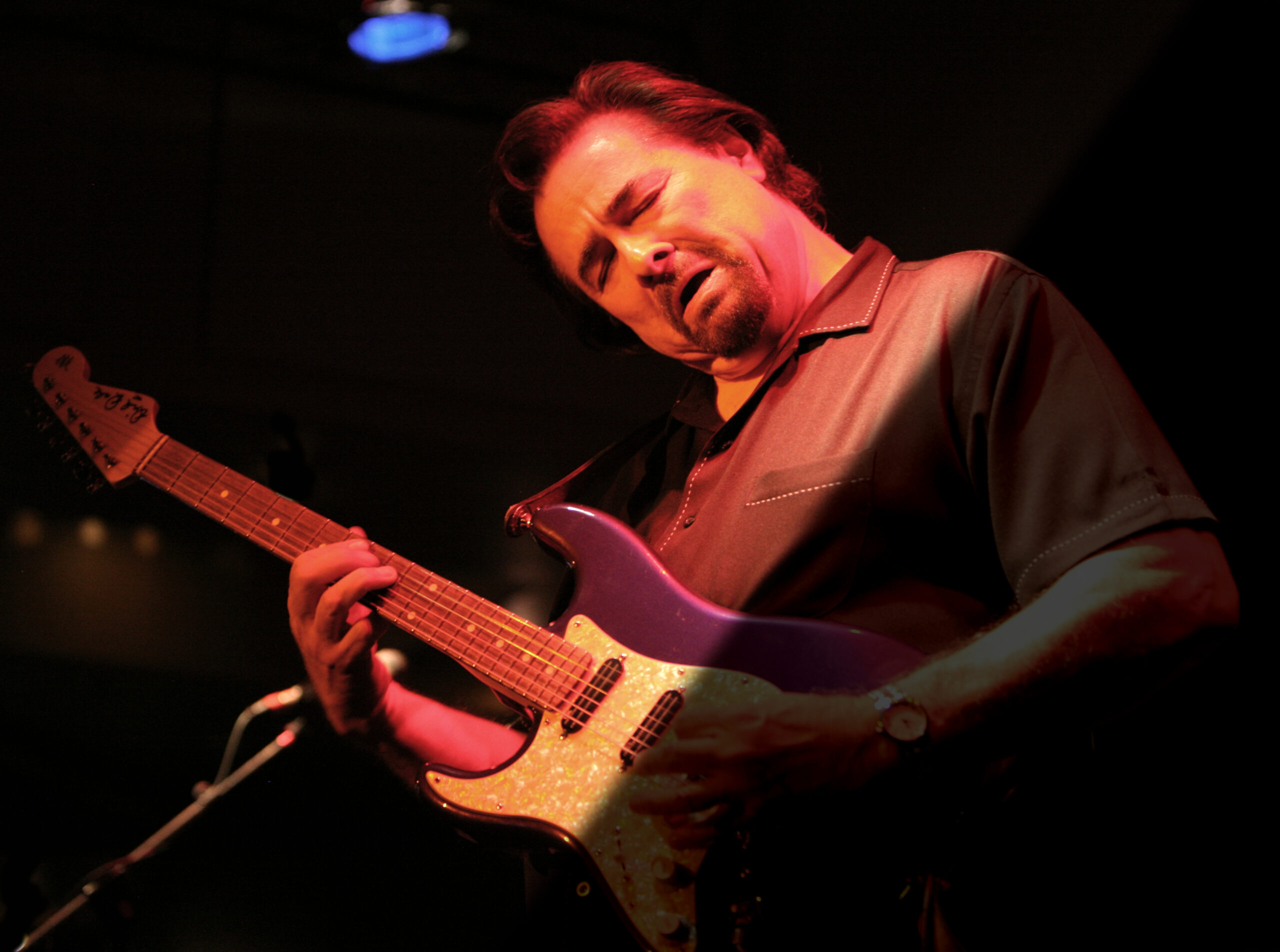
Montoya’s guitar choices were rooted in the Fender tradition that Albert Collins had used so distinctively — but where Collins was the Master of the Telecaster, Montoya developed his own approach primarily through the Stratocaster while maintaining the Collins inheritance of bright, aggressive tone and finger-picking attack.
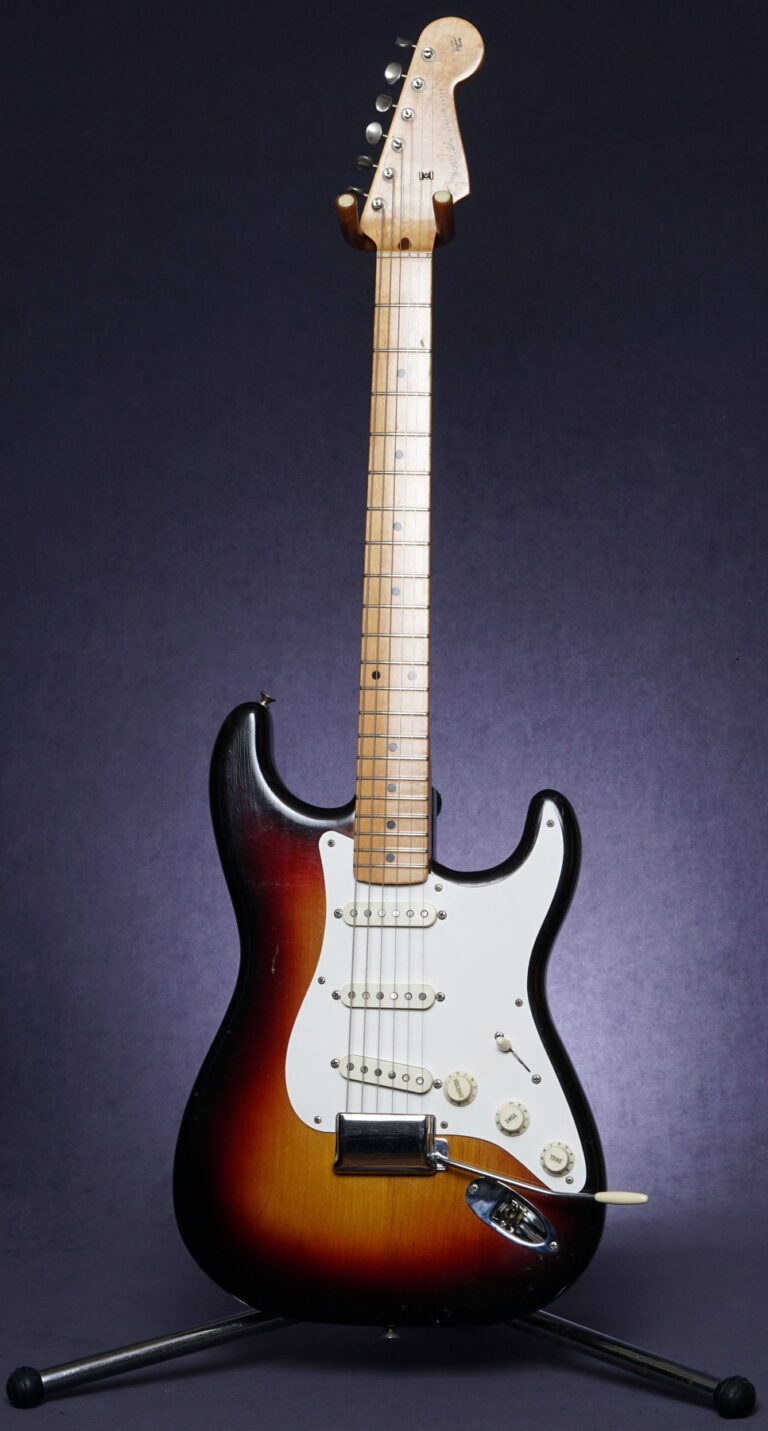
His primary guitar was a Fender Stratocaster — typically vintage or vintage-specification examples chosen for the specific single-coil brightness and attack that suited his aggressive playing style. The Stratocaster’s three-pickup configuration gave him access to the full range of single-coil tonal characters, and the bridge pickup’s specific bright, cutting character — the most aggressive Fender single-coil sound available — was the primary voice for his most driving blues rock passages.
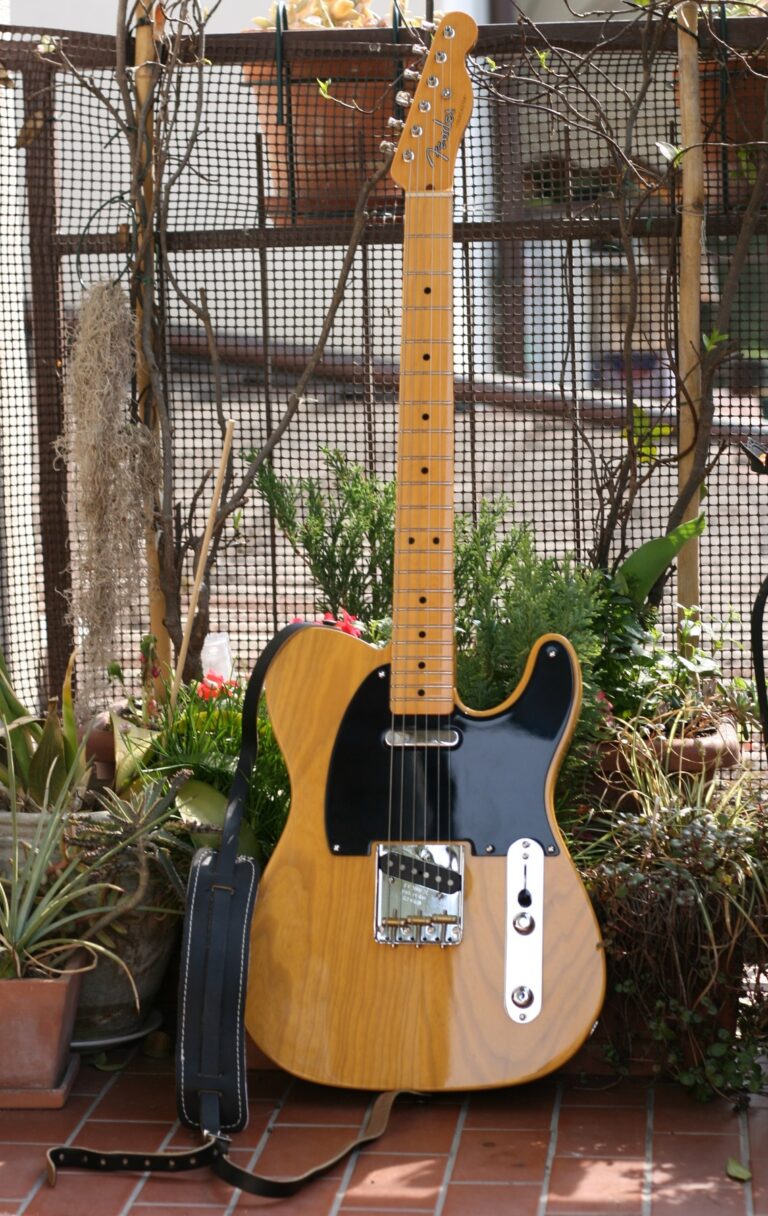
He maintained a strong connection to the Telecaster tradition that Collins had taught him — occasionally using Telecasters for specific material where the Telecaster’s even brighter, more cutting bridge pickup character suited the music better than the Stratocaster’s somewhat warmer bridge position. This Telecaster connection honoured the Collins inheritance while the primary Stratocaster use showed his own personal development beyond the specific Collins approach.
Like Collins, Montoya used a capo for specific material — the capo raising the effective pitch of open string and first-position chord voicings, giving them the specific bright, ringing character that the higher fret positions produced. This capo technique was part of the Collins inheritance that he had absorbed most directly, and it gave specific passages a distinctive open-string brightness that non-capoed playing in the same key didn’t produce.
His playing technique incorporated the finger-picking approach that Collins had taught him — using the bare fingers rather than a flat pick for the primary attack. Finger-picking with bare fingers (rather than fingernails or picks) produced a specific tone: slightly warmer and rounder than a flat pick but with more individual finger control than a pick allowed, giving each string a different specific attack quality depending on which finger struck it. This bare-finger technique was as central to the Collins inheritance as any specific instrument choice.
String gauges were medium — typically .010–.046 or similar — appropriate for the finger-picking technique and the specific Stratocaster character that his approach required.
Amps
Montoya’s amplification diverged from the Collins approach — where Collins used various amplifiers including Fender and specific boutique designs that gave his playing its specific icy, bright character, Montoya developed an approach centred on Marshall amplification that gave his playing a driven, British character that complemented the Stratocaster’s brightness in a different way from Collins’ clean American approach.
His primary amplifiers were Marshall JCM800 heads — the master-volume Marshall design of the early 1980s that provided the EL34 natural saturation character of the vintage Plexi in a more controllable master-volume format. The JCM800’s specific gain staging — the additional preamp gain compared to the vintage Plexi designs — gave his Stratocaster a specific quality of driven brightness that suited the blues rock context while maintaining the single-coil’s characteristic frequency response.
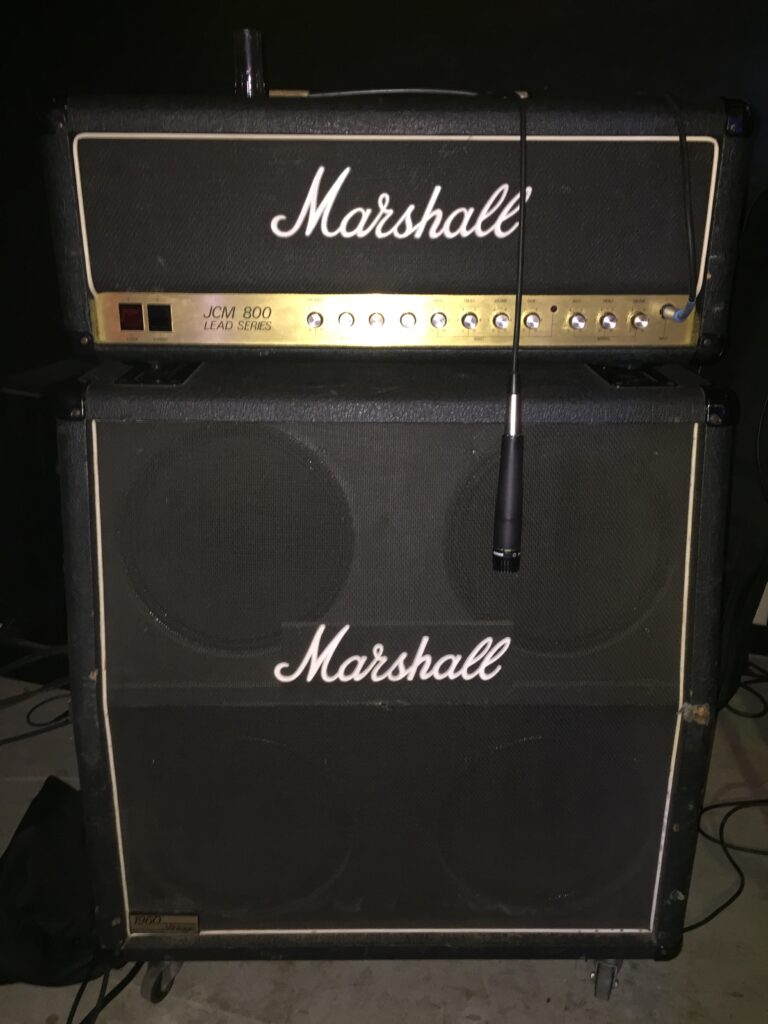
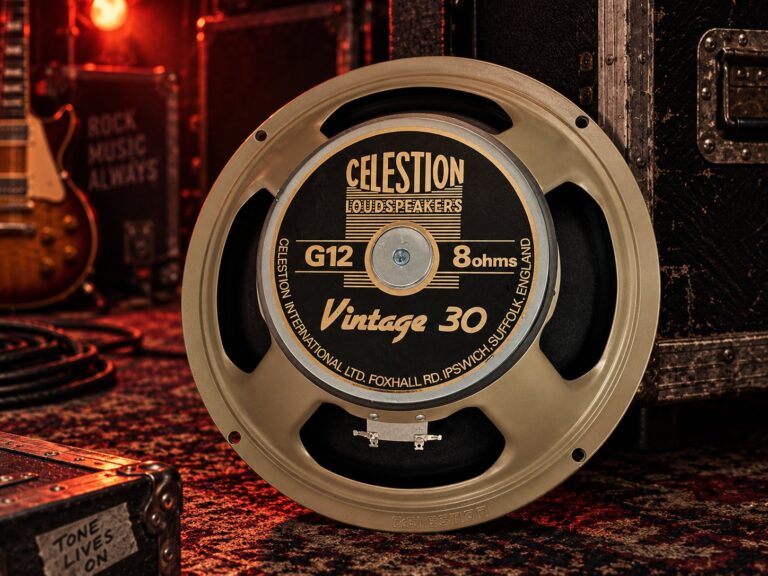
He ran the Marshalls into Marshall 4×12 cabinets with Celestion Vintage 30 speakers — the 60-watt ceramic-magnet Celestion that gave the driven Stratocaster its specific quality of cutting upper-midrange presence. The Vintage 30’s characteristic upper-midrange emphasis complemented the Marshall JCM800’s preamp gain character to give the bridge-pickup Stratocaster tone its specific quality of bright, present authority in the live performance context.
He also used Fender amplifiers for specific cleaner contexts — maintaining the connection to the Collins tradition’s clean American valve character for material that the Marshall’s driven character didn’t suit.
Effects
Montoya’s effects chain was moderately developed — serving the physical, emotionally driven blues rock approach with specific tools for specific expressive purposes.
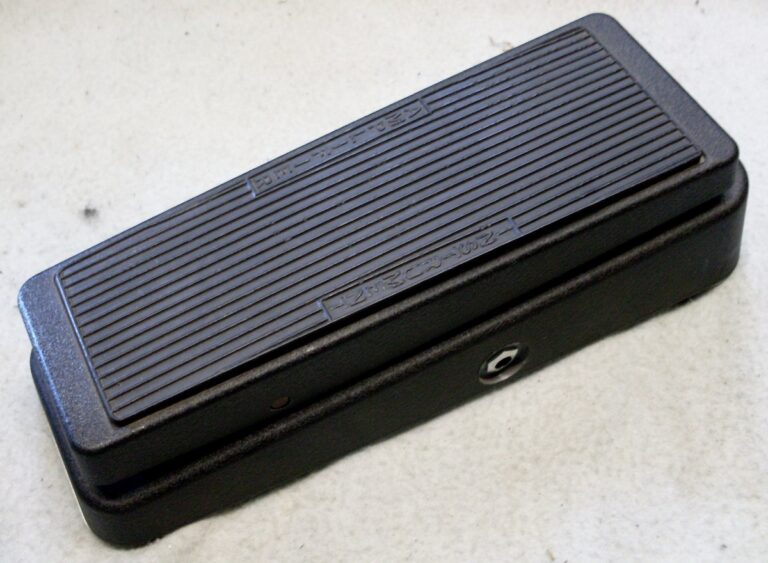
A Dunlop Cry Baby wah appeared for specific expressive passages — deployed in the blues tradition as an extension of the guitar’s vocal expressiveness rather than as a tonal colour. His wah technique showed the Collins inheritance: the rhythmic, blues-oriented approach to the swept filter that suited the tradition’s values of emotional directness.
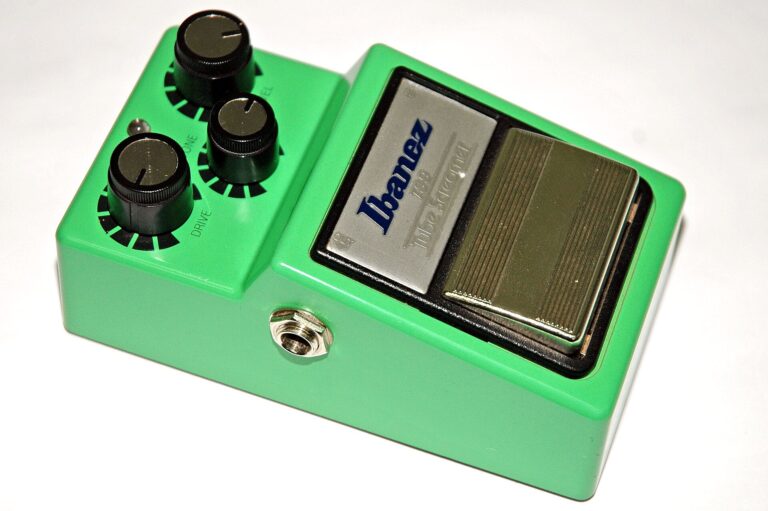
An Ibanez Tube Screamer or similar smooth overdrive pedal for front-end boost before the Marshall — the standard Texas and California blues approach of boosting the amplifier’s input for natural drive rather than using the pedal’s own distortion as the primary gain source. His use of the Tube Screamer as boost reflected genuine understanding of how the Collins tradition used overdrive.
A tremolo pedal for specific passages where the pulsing volume modulation suited the material — connecting his playing to the American guitar tradition’s use of tremolo in blues and country contexts.
A delay pedal for atmospheric depth on specific lead passages — adding appropriate spatial dimension without the obvious processed character of heavier effects use.
Playing Style & Tone Philosophy
Coco Montoya’s playing style was defined by the specific combination of Albert Collins’ inheritance and his own distinctive personal emotional commitment — the Collins technique (finger-picking, capo, bright Fender tone, aggressive physical attack) serving a musical personality that was both more overtly blues rock than Collins’ own approach and more emotionally raw in specific ways that reflected Montoya’s specific personal character.
The finger-picking technique that Collins had taught him gave his playing a specific tonal variety that flat-pick players couldn’t access. The bare finger’s contact with the string produced a slightly rounder initial attack than a pick, but with more flesh contact on each string produced a different tonal character from each of the five available finger attack positions. This finger tonal variety — each finger producing its own specific tonal signature on the string — gave his playing a subtlety of tonal shading within single-note passages that flat-pick technique didn’t allow.
His physical playing commitment — the specific quality of full-body engagement that made his live performances so striking — was the most direct expression of the Collins tradition’s emphasis on physical commitment as emotional communication. Collins’ playing had always been defined by a specific quality of physical authority — the sense that every note cost something and was worth the cost — and Montoya carried this quality into his own playing with equal conviction.
Tonally, his philosophy was the blues rock guitarist’s extension of the Collins tradition: bright Fender single-coils through driven Marshall amplification, giving the playing its specific character of aggressive brightness that was simultaneously driving and warm. The Collins approach had used cleaner amplification for the icy brightness that characterised his specific tone; Montoya’s JCM800 gave his brightness a driven British character that suited blues rock’s specific energy level.
How to Sound Like Coco Montoya
Guitar Approach
A Fender Stratocaster — bridge or bridge-middle pickup positions for the primary tone. Bare-finger technique (no pick) is essential for the authentic Montoya/Collins approach: the specific attack character and tonal variety of bare-finger picking is not reproducible with a flat pick. Capo at specific fret positions for the open-string brightness of the Collins inheritance. Medium strings (.010–.046). The physical commitment of the playing approach is as important as any technical element.
Amp Approach
A Marshall JCM800 (or similar master-volume Marshall with preamp gain) into a 4×12 Vintage 30 cabinet. Tube Screamer in boost mode before the Marshall. The bridge-pickup Stratocaster through the JCM800’s preamp gain into the Vintage 30’s upper-midrange character gives the specific bright, driven quality of Montoya’s blues rock tone. Wah pedal for expressive blues vocabulary.
| Control | Setting | Notes |
|---|---|---|
| Preamp Gain | 6–7 | JCM800 preamp character — driven but not excessive |
| Master Volume | 5–7 | EL34 output saturation — the blues rock authority zone |
| Treble | 7 | Bright — Stratocaster bridge pickup needs treble presence |
| Middle | 5 | Moderate mids for presence without honk |
| Bass | 3–4 | Controlled — Stratocaster single-coils add natural low-end warmth |
| Presence | 6 | Vintage 30 forwardness — presence enhances cutting quality |
Influence & Legacy
Coco Montoya’s legacy was the specific legacy of a musician who received one of the blues tradition’s most direct and most personal forms of transmission — being personally taught guitar by Albert Collins — and who honoured that transmission by developing into a genuinely individual musical voice rather than merely reproducing the Collins approach. The combination of Collins’ specific inheritance and Montoya’s own emotional directness and physical commitment produced a blues rock approach that was as distinctive as any in the contemporary tradition.
His John Mayall’s Bluesbreakers period — one of blues rock’s most historically significant bands, whose lineage included Eric Clapton, Peter Green, and Mick Taylor alongside Montoya — placed his guitar in the most august possible blues rock context and gave his playing a historical grounding that extended the Collins inheritance into the broader blues rock tradition.
His sustained solo career — the albums on Alligator Records and other labels that documented his development over three decades of professional recording — showed a musician who deepened rather than merely maintained his approach, with the emotional directness becoming more personal and more revealing with each album rather than settling into professional competence.
For players exploring the Albert Collins inheritance and the California blues rock tradition that Montoya represents, the rigs of Albert Collins — whose specific Telecaster approach was the foundational model that Montoya extended — and Walter Trout, whose California blues rock showed similar physical commitment and emotional rawness from a slightly different background, provide essential comparison. The John Mayall connection reaches toward Paul Nelson‘s work in the Johnny Winter Band, which shows how similar Bluesbreakers-lineage blues rock influence shaped a different individual voice from a different specific mentor relationship.
Albert Collins: The Master Who Made Montoya
Understanding Albert Collins’ specific musical approach — and what specifically Montoya learned from direct personal instruction by Collins — gives the most complete available picture of how the Collins tradition was transmitted to Montoya and what specific technical and musical elements constituted that tradition. Collins was one of the most technically distinctive guitarists in the entire blues tradition, and his specific approach was so individually characteristic that it was immediately recognisable in any recording regardless of other contextual information.
Collins’ technical approach was built around three specific choices that were genuinely unusual even by the standards of the diverse blues guitar tradition. First, he tuned his guitar to an open minor tuning — specifically open F minor — which gave his open strings and first-position chord voicings a specific minor key character that differed fundamentally from the major-chord open tunings that most slide and open-tuned players used. Second, he placed a capo at various fret positions to transpose this open tuning to different effective keys, giving him access to the open-string brightness of the open tuning in various keys without retuning. Third, he used no pick — attacking the strings with his bare fingers rather than with a flat pick or with fingernails — giving his playing a specific attack character that was both warmer than a pick and more varied than any single-attack-point alternative.
The combination of these three specific choices produced a tonal character that was immediately identifiable as Collins: the open minor tuning’s characteristic harmonic colour, the capo’s brightness giving specific passages their ringing, wide-interval quality, and the bare-finger attack’s specific combination of warmth and tonal variety. Montoya’s absorption of these techniques through direct personal instruction from Collins gave him access to both the physical execution of each technique and the musical understanding of when and why each was appropriate — understanding that recordings alone couldn’t have conveyed as completely.
Gotta Mind to Travel: The Solo Debut
Gotta Mind to Travel (1995) — Montoya’s solo debut album after his Collins apprenticeship and his Bluesbreakers period — documented his guitar approach at the beginning of his independent career and showed how the Collins inheritance had been integrated into a personal musical vision that was both rooted in the tradition and genuinely individual. The album showed the Collins finger-picking technique, the capo use, and the bright Fender single-coil primary voice — all clearly present as the Collins inheritance — alongside a blues rock energy and an emotional rawness that were distinctively Montoya rather than Collins.
The guitar tones on the album — the Stratocaster’s bridge-pickup brightness through the Marshall JCM800’s driven preamp character into the Vintage 30’s upper-midrange presence — showed his specific adaptation of the Collins approach to a more driven blues rock context. Where Collins’ amplification had typically maintained cleaner headroom that gave his icy tone its specific quality of almost brutal brightness, Montoya’s JCM800 added a layer of driven warmth to the brightness, giving the overall tonal character a fuller, more blues rock quality without losing the single-coil definition and presence that the Collins inheritance required.
The album’s commercial success — establishing him as a significant new voice in contemporary blues rock rather than merely Collins’ student — validated the specific approach he had developed through the Collins apprenticeship and the Bluesbreakers experience. The specific combination of genuine blues tradition depth (the Collins inheritance) and contemporary blues rock energy (the JCM800 drive) gave the debut a quality of both historical grounding and immediate appeal that placed him among the most commercially and critically successful blues rock debuts of the decade.
The John Mayall Bluesbreakers: A Second Master Class
Montoya’s association with John Mayall’s Bluesbreakers — one of the most historically significant bands in the development of British and American blues rock — gave his musical development a second layer of blues education alongside the Collins apprenticeship. Understanding what the Bluesbreakers experience specifically contributed to his development gives a more complete picture of the musical formation that made his solo career as distinguished as it was.
The Bluesbreakers’ specific musical context was one of the most demanding available in blues rock — Mayall’s band had been the primary incubator for British blues rock talent since the mid-1960s, producing Eric Clapton (whose departure with the Bluesbreakers album in 1966 had announced blues rock as a serious musical force), Peter Green (whose specific combination of emotional depth and melodic sophistication had given the late-1960s Bluesbreakers their most complete single musical identity), Mick Taylor (whose fluent technique and harmonic sophistication had given the late-1960s band its most accomplished technical expression), and a succession of subsequent guitarists who had all developed within the specific musical demands and the specific musical values of the Bluesbreakers context.
Playing in this historical context — with the awareness of the specific musical standard that the band’s history had established — was itself a form of blues education that reinforced and extended the Collins apprenticeship’s specific lessons. The Collins tradition had emphasised physical commitment, individual voice, and emotional directness; the Bluesbreakers context emphasised musical depth, historical knowledge, and the specific quality of blues playing that served the tradition’s values over any individual’s personal expression. Both emphases were present in Montoya’s solo career, and understanding both of them as formative influences gives the most complete picture of why his playing had both the personal urgency of the Collins approach and the musical seriousness of the Bluesbreakers tradition.
The JCM800 versus Collins’ Clean Approach
The most significant equipment difference between Montoya’s approach and the Collins tradition he had absorbed — the choice of Marshall JCM800 preamp-driven amplification over the cleaner American valve amplification that Collins had typically used — reflected a genuine musical choice about what amplifier character served his specific musical vision most completely. Understanding this specific divergence from the Collins tradition gives the most complete picture of how Montoya developed his own approach rather than merely reproducing his teacher’s.
Collins’ amplification had typically used Fender and similar American valve amplifiers at working volume — the clean headroom of these amplifiers giving his icy, bright Telecaster tone its specific quality of brutal clarity. The brightness was unmediated by amplifier saturation; every note hit with the full frequency content of the single-coil pickup, giving the overall character a quality of almost harsh brightness that was Collins’ most distinctive tonal signature. This clean brightness — the amplifier not softening or warming the pickup’s natural character — was as central to the Collins sound as the finger-picking technique or the capo use.
Montoya’s JCM800 approach added a layer of EL34 preamp saturation to the brightness — warming the Stratocaster’s single-coil character slightly through the natural compression and harmonic enrichment of the driven preamp stage. This saturation didn’t remove the brightness — the Stratocaster bridge pickup’s inherent brightness remained the primary tonal character — but it gave the brightness a specific quality of warmth-within-brightness that suited blues rock’s specific energy level better than Collins’ unmediated brightness. The choice reflected genuine understanding of both the Collins approach (what the teacher had done and why) and the specific musical territory Montoya was pursuing (blues rock rather than the specific instrumental blues Collins had pioneered), and it showed the mature musician’s ability to respect and honour a tradition while adapting it to his own specific musical purposes.
Coco Montoya’s career — from the drumming beginning through the Collins apprenticeship, the Bluesbreakers period, and the sustained solo career — was one of the more remarkable personal journeys available in contemporary blues rock. The equipment he used: the bright Stratocaster through the driven JCM800, the finger-picking approach he had inherited from Collins, the capo use and the Telecaster appearances that maintained the Collins tradition within his own approach — was exactly right for exactly this music and exactly this musician. The gear served the inheritance; the inheritance was honoured by the development; and the development produced a blues rock career of genuine emotional depth and sustained musical quality that gave the Collins tradition one of its most distinguished living extensions.
The Celestion Vintage 30’s specific upper-midrange character — the specific frequency emphasis around 3-4kHz that distinguished the Vintage 30 from both the Greenback’s warmer midrange and the G12H’s flatter response — was particularly appropriate for Montoya’s bright Stratocaster approach through the JCM800’s driven preamp. The Vintage 30’s upper-midrange presence emphasised exactly the frequency range where the Stratocaster’s bridge pickup’s natural character was most distinctive — the range that gave the single-coil its specific quality of cutting, bright definition in the mix without the harshness of excessive high-frequency content. The combination of the JCM800’s driven preamp (which added harmonic content and natural compression to the Stratocaster’s signal), the EL34 output stage (which added the specific warmth of valve output saturation), and the Vintage 30’s upper-midrange presence (which gave the overall combination its specific quality of forward brightness in the performance environment) produced the specific driven blues rock Stratocaster tone that was Montoya’s primary tonal identity. Each element of the amplifier and speaker chain contributed its specific dimension of the overall character, and the combination was as musically specific as any more celebrated signal chain in the blues rock tradition.
The Tube Screamer’s specific deployment in Montoya’s signal chain — as a front-end boost before the JCM800 rather than as a standalone distortion source — reflected the same understanding of how the Texas and California blues traditions used overdrive pedals that characterised the approaches of Walter Trout, Kenny Wayne Shepherd, and other contemporary blues rock players who had absorbed the SRV-influenced approach to gain staging. By boosting the JCM800’s input with low-gain, elevated-volume Tube Screamer settings, Montoya was pushing the Marshall’s own natural saturation harder rather than adding the Tube Screamer’s specific JRC4558 op-amp clipping to the gain chain. The result was the Marshall’s specific EL34 and output transformer saturation character — warmer, with more even-order harmonics — rather than the Tube Screamer’s own distortion character. This approach preserved the Marshall’s specific tonal identity while extending its natural saturation range, which suited both the Collins inheritance (which valued the natural character of the amplifier rather than pedal distortion) and the blues rock context (which required more sustained drive than the Marshall’s natural saturation alone always provided at appropriate performance volumes).
The specific way Montoya’s bare-finger technique interacted with the Stratocaster’s single-coil pickups — and how this interaction differed from flat-pick technique on the same instrument — was one of the more interesting and less commonly discussed dimensions of his specific tonal character. Bare-finger picking attacked the string with the flesh of the fingertip rather than with the harder, more consistent surface of a flat pick, producing an initial transient that was slightly softer and slightly more rounded than a pick’s sharper attack. This softer initial transient gave individual notes a quality of warmth at the attack point that the single-coil’s natural brightness then complemented — the warmth at the attack point followed by the single-coil’s characteristic sustain gave each note a specific quality of tone that was different from both the pure brightness of flat-pick Stratocaster playing and the pure warmth of finger-picked archtop playing. The bare-finger technique on the Stratocaster produced a specific tonal hybrid that was one of the primary sources of Montoya’s immediately distinctive guitar character, and understanding it as a technical element rather than merely a performance habit gives the most accurate picture of why his playing sounded the way it did and why the specific instrument choice (Stratocaster rather than archtop) was acoustically right for this specific technique.
The Albert Collins capo technique — the specific use of capo at various fret positions to access the open-string brightness of the open minor tuning in different keys — was as technically specific as any other element of the Collins inheritance that Montoya absorbed. The capo’s specific effect on the guitar’s tonal character was to increase the effective string tension at the capoed position (since the vibrating string length was shortened while the string gauge remained the same), which produced a slightly brighter, more ringing quality to the open strings than the same strings would have produced at the same pitch played in first position without a capo. This specific brightening effect — more subtle than most discussions of capo use acknowledged but genuinely present and musically significant — was part of the Collins tonal signature that Montoya’s capo use preserved in his own approach. The capo wasn’t merely a transposition convenience; it was a tonal tool that produced a specific brightness to open-string and first-position voicings that gave the Collins and Montoya playing its characteristic ringing quality in certain passages.
The drumming background that preceded Montoya’s guitar career — and the specific ways in which professional drumming experience shaped his approach to the guitar — was as relevant to understanding his playing as any specific guitar influence or equipment choice. Drummers who became guitarists typically brought specific rhythmic intelligence to the instrument that pure guitarists sometimes lacked — the profound internalisation of rhythmic feel, the understanding of how the guitar’s rhythmic contribution interacted with the rhythm section, and the specific quality of time-keeping that professional percussion experience developed. Montoya’s guitar playing showed this rhythmic intelligence clearly: the specific placement of attack within the beat, the specific relationship between his guitar’s rhythmic contribution and the rhythm section’s groove, and the overall orientation toward the guitar as a rhythmic as well as melodic voice were all characteristics of someone who had understood rhythm from the inside out before approaching the guitar. This rhythmic dimension of his approach — often less discussed than the Collins technique and the physical commitment — was as important to the overall character of his playing as any more visible technical element.
The Dirty Deal album (2003) — one of Montoya’s most consistent and most musically complete recordings — documented his guitar approach at a stage of development where the Collins inheritance had been fully integrated into a genuinely personal musical vision and where the physical commitment and emotional rawness that had always characterised his playing had deepened rather than smoothed into professional competence. The album showed the full range of his specific approach: the bright Stratocaster through the driven JCM800, the finger-picking technique’s specific tonal variety, the capo use giving specific passages their open-string brightness, and the overall emotional directness that gave the music its character of genuine blues feeling rather than blues style performance. The guitar tones on the album — captured with the directness appropriate for the music’s specific values — gave each element of his approach its appropriate acoustic presence, and the overall recorded character showed a musician who had found exactly the right equipment for exactly his specific music and who was using it with complete confidence and complete musical intelligence.
The specific Alligator Records association that became central to Montoya’s solo career — several of his most important recordings being made for the Chicago label that had been the most important documentation resource for contemporary blues since the early 1970s — gave his work the same quality of authentic blues documentation that the label had always provided for its artists. Alligator’s specific approach — documentary honesty over commercial polish, authentic blues commitment over crossover accessibility — suited Montoya’s specific musical values as completely as it had suited the Chicago blues artists who formed the core of the label’s catalogue. The guitar sounds on his Alligator recordings were the natural result of his specific instruments and amplifiers in appropriate recording environments, captured with the directness that served both the Collins tradition’s values of natural amplifier character and the blues rock tradition’s values of physical energy communicated through the recording. The gear served the recording; the recording served the music; and the music honoured both the Collins tradition and the Alligator aesthetic with equal integrity.
The Santa Monica, California origin of Montoya’s formation — a coastal Southern California city whose specific musical culture was defined by the intersection of Hollywood film industry music, the California rock and pop of the 1960s and 1970s, and the blues and jazz that the Los Angeles area’s diverse musical community maintained alongside the dominant pop culture — gave his early musical development a specific character that was different from both the Southern blues formation of many Chicago blues musicians and the Texas formation of the SRV-influenced players who were developing the blues rock tradition in parallel. California blues rock had its own specific character — the bands and musicians of the California circuit bringing a specific warmth and a specific relaxed physicality to the blues rock approach that was different from the Texas directness of the SRV tradition and from the Chicago intensity of the South Side tradition. Montoya’s California formation showed in specific aspects of his musical approach that were difficult to articulate precisely but that gave his playing a specific warmth and a specific sensibility that complemented the Collins inheritance’s more extreme emotional commitment and the Bluesbreakers’ more austere British tradition.
The wah pedal’s specific role in Montoya’s blues rock context — for the expressive passages where the Collins tradition’s orientation toward the guitar as a voice found its most direct physical expression — connected his use of the effect to the same tradition of blues vocal guitar extension that had always given the wah its musical authenticity in blues contexts. Collins himself had been one of the effect’s most distinctive users — his “reverse wah” technique of starting with the pedal in the toe-down position and releasing it rather than pressing it was as personally distinctive as any other element of his approach — and Montoya’s own wah use honoured this tradition while deploying the effect in ways that reflected his own approach rather than Collins’ specific reverse technique. The wah’s capacity to give guitar notes a quality of vowel-like vocal expression — the consonant-vowel approximation of the filter’s movement through the frequency spectrum — was as appropriate for Montoya’s emotionally committed blues rock as for any blues playing in the tradition’s history, and his selective, purpose-driven use of it reflected genuine understanding of what the effect contributed and when that contribution was musically appropriate.
Coco Montoya’s complete career story — the drumming beginning, the Collins personal instruction, the Bluesbreakers period, and the sustained solo recording and touring career — was as much a story about how musical tradition was transmitted and transformed as it was about any specific equipment or technique. The instruments and amplifiers he used: the bright Stratocaster through the driven JCM800, the finger-picking technique and the capo use that honoured the Collins inheritance, and the minimal effects chain that served specific emotional and musical purposes — were the physical expression of a musical vision that was simultaneously deeply rooted in tradition and genuinely personal in character. The gear served the music; the music served the tradition; and the tradition was extended and honoured by the specific quality of Coco Montoya’s commitment to it across more than three decades of professional musical activity.
The specific character of the JCM800’s preamp gain stage — and how its specific circuit topology differed from both the vintage Plexi designs that preceded it and the high-gain designs that followed — was as important to understanding Montoya’s specific tone as the choice of Marshall amplification in general. The JCM800, introduced by Marshall in 1981, added a second gain stage to the basic Plexi circuit — a cascade gain configuration that gave the preamp section significantly more available gain than the vintage Plexi while maintaining the overall character of EL34 amplification. This additional preamp gain allowed the amplifier to reach its working saturation character at lower master-volume settings, making it practically useful in a wider range of performance environments than the vintage Plexi (which required high master-volume settings to achieve its characteristic natural saturation). For Montoya’s bright Stratocaster bridge pickup — with its relatively moderate output level compared to humbuckers — the JCM800’s additional preamp gain was the practical means of achieving adequate natural saturation character at performance volumes that suited the specific environments of his career. The preamp gain gave the single-coil’s output adequate amplification to reach the EL34 output stage’s natural saturation zone, producing the driven brightness that was his primary tonal identity without requiring the extreme volume levels that the vintage Plexi would have needed to achieve the same result.
Frequently Asked Questions: Coco Montoya Guitars & Gear
What guitar does Coco Montoya play?
Coco Montoya’s primary guitar is the Fender Stratocaster — typically vintage or vintage-specification examples chosen for the specific single-coil brightness that suited his aggressive playing approach. He also uses Telecasters for specific material that benefits from the even brighter Telecaster bridge pickup character, maintaining the Albert Collins Telecaster inheritance alongside his primary Stratocaster identity.
What amp does Coco Montoya use?
His primary amplifiers are Marshall JCM800 heads into Marshall 4×12 cabinets loaded with Celestion Vintage 30 speakers. He also uses Fender amplifiers for specific cleaner contexts. The JCM800’s driven preamp character through the Vintage 30’s upper-midrange emphasis gives his bridge-pickup Stratocaster its specific quality of bright, driven blues rock authority.
How did Coco Montoya learn guitar from Albert Collins?
After meeting Collins in the early 1970s, Montoya — who had been primarily a drummer — asked Collins to teach him guitar. Collins took him on as a personal student and taught him over several years, transmitting not only the specific techniques (finger-picking, capo use, Telecaster approach) but the specific musical values of the Collins tradition — the emotional directness, the physical commitment, the specific approach to the guitar as a voice — that characterised Collins’ own playing.
What is the Albert Collins inheritance in Montoya’s playing?
The specific Collins elements in Montoya’s playing include: bare-finger picking technique (no flat pick), capo use for open-string brightness in specific material, the emphasis on bright Fender single-coil tone as the primary voice, and the overall philosophical orientation of physical commitment as emotional communication. These elements were directly transmitted through personal instruction rather than through record study, giving them a specific quality of authentic transmission that distinguished Montoya’s relationship with the Collins approach from musicians who absorbed it through recordings.
What effects does Coco Montoya use?
His key effects include a Dunlop Cry Baby wah (for expressive blues vocabulary), an Ibanez Tube Screamer in boost mode (front-end push for the Marshall), a tremolo pedal (for specific blues and country passages), and a delay pedal (for atmospheric depth on lead passages). His effects use was purposeful and contextual rather than habitual.
What are Coco Montoya’s most important albums?
His debut Gotta Mind to Travel (1995) introduced his solo approach and established his identity as a significant contemporary blues rock voice. Ya Think I’d Know Better (1996) consolidated his commercial profile. Dirty Deal (2003) and subsequent Alligator Records albums documented his continued development with consistent musical quality. All of his recordings showed the specific combination of Collins inheritance and personal emotional directness that gave his playing its distinctive character.
What was Coco Montoya’s role in John Mayall’s Bluesbreakers?
Montoya served as guitarist in John Mayall’s Bluesbreakers during the 1990s — one of blues rock’s most historically significant bands, whose previous guitarists had included Eric Clapton, Peter Green, Mick Taylor, and other pivotal figures in the development of British and American blues rock. His Bluesbreakers period gave his playing a specific historical context and exposed him to the Mayall band’s specific approach to the blues tradition alongside the Collins inheritance he had already received.
Genre:
Blues Rock
Decades:
1990s | 2000s | 2010s | 2020s
Image credits
- Top image: Coco Montoya, 7 December 2007. Photo: Bengt Nyman. “IMG_9289” · CC BY 2.0. Full source frame resized for the web; no crop or retouching by GuitarGangsters.
- Fender Stratocaster: Lightburst, Wikimedia Commons, CC BY-SA 4.0.
- Fender Telecaster: Massimo Barbieri, Wikimedia Commons, CC BY-SA 3.0.
- Marshall JCM800: John2112, Wikimedia Commons, CC BY-SA 4.0.
- Dunlop Cry Baby: Roadside Guitars, Flickr, CC BY-SA 2.0.
- Ibanez TS9 Tube Screamer: Mataresephotos, Wikimedia Commons, CC BY 3.0 US.
- Celestion Vintage 30 12-inch Guitar Speaker: GuitarGangsters AI-generated reference illustration, not a photograph.
- Coco Montoya live: Bengt Nyman, Wikimedia Commons, CC BY 2.0.