
Investigate Rick Emmett guitars gear and you find the equipment behind one of Canadian rock’s most technically accomplished and most musically distinguished guitarists — a Toronto-born musician who co-founded Triumph in 1975 and spent the subsequent decade producing guitar work of extraordinary technical range that encompassed the full breadth of hard rock, progressive rock, acoustic fingerstyle, and classical-influenced composition within the framework of one of North America’s most underrated but most consistently excellent arena rock bands. Emmett was one of the specific guitarists whose technical range — from classical acoustic fingerstyle through heavy rock lead to acoustic folk — exceeded what most of his arena rock contemporaries attempted, and whose compositional ambition within the constraints of commercial arena rock produced work of genuine musical depth alongside its commercial accessibility. His Les Paul through Marshall gave him the warm, sustaining tone that served everything from his most technically demanding lead work to his most classically influenced melodic passages.
The Journey
This guide covers Emmett’s complete equipment picture: the Gibson guitars that defined his diverse tonal approach, the Marshall amplification that gave his rock playing its driven authority, his acoustic guitar work, his effects chain, and the playing philosophy of a musician who brought genuine classical music influence and genuine technical ambition to the arena rock context without losing the rock conviction that made the music physically compelling. Understanding Rick Emmett’s gear is understanding how genuine musical breadth — classical, folk, and rock simultaneously — serves the arena rock context with more musical depth than simpler approaches could achieve.
Background
Rick Emmett was born on July 18, 1953, in Toronto, Ontario, Canada. His early musical formation was unusually diverse — he studied classical guitar seriously alongside the rock and folk music that dominated his generation’s musical landscape, developing genuine classical guitar technique and genuine classical music knowledge before establishing his rock performing career. This classical background gave him the specific technical resources that distinguished his rock playing from most of his arena rock contemporaries.
He co-founded Triumph in Toronto in 1975 with bassist/vocalist Mike Levine and drummer Gil Moore — a power trio configuration that placed enormous musical demands on each individual musician but that also gave each extraordinary freedom to express their full musical capabilities within the band’s specific musical context. The power trio format’s specific demands — the need for each instrument to fill the acoustic space normally occupied by multiple instruments — shaped Emmett’s guitar approach toward a comprehensiveness that the rhythm guitar role in a larger band wouldn’t have required.
The Triumph albums of the late 1970s and early 1980s — Rock and Roll Machine (1977), Just a Game (1979), Allied Forces (1981), Never Surrender (1983) — documented his guitar approach across the full range of Triumph’s musical ambition: the driving hard rock of the commercial material, the progressive rock complexity of the more ambitious album tracks, and the acoustic fingerstyle passages that showed his classical training’s most direct influence on the rock context.
Rick Emmett Guitars Gear: The Complete Rig
Guitars
Emmett’s guitar collection was diverse and functionally comprehensive — reflecting the breadth of his musical approach across electric rock, acoustic fingerstyle, and the full range between.
His primary electric guitar was a Gibson Les Paul Standard — the warm, sustaining humbucker instrument that provided the specific combination of warmth and sustain appropriate for his hard rock and progressive rock lead work. The Les Paul’s specific character — the mahogany body’s warmth, the carved maple top’s definition, and the PAF-spec humbucker’s harmonic richness — gave his electric lead playing the singing, sustained quality that his most melodically ambitious passages required.
He also used a Gibson Les Paul Custom — the three-pickup Black Beauty variant that gave additional tonal flexibility. His specific use of different Les Paul configurations for different specific recording and performance contexts reflected the same practical instrument intelligence that characterised the best comprehensive rock guitarists.
For the classical-influenced and acoustic fingerstyle material that was a genuine dimension of Triumph’s approach — album tracks like “Lay It on the Line” and “Magic Power” incorporated acoustic guitar passages that showed his classical training’s influence — he used quality classical nylon-string guitars and steel-string acoustic guitars. His acoustic playing showed genuine classical technique — the specific right-hand fingerstyle approach of the classical tradition giving the acoustic passages their specific quality of polyphonic completeness within a single guitar.
Various other electric guitars appeared across his Triumph career — SG models, different Les Paul variants, and specific guitars for specific recording applications.
String gauges were medium to heavy on his electric guitars, lighter on the acoustic instruments appropriate to classical technique.
Amps
Emmett’s amplification was primarily Marshall — the British EL34 designs that gave his hard rock playing its specific combination of warmth and driven authority.
His primary amplifiers were Marshall Super Lead heads and subsequently Marshall JCM800 designs — the vintage Plexi character for the earlier Triumph work, the JCM800’s additional preamp gain for the later recordings and the larger venue touring that Triumph’s commercial success required. The Marshall’s EL34 natural saturation at working volume gave his Les Paul playing the specific warm, driven character that his lead work required — warm enough for the melodic passages, driven enough for the more aggressive hard rock material.
He ran into Marshall 4×12 cabinets — the standard professional arena rock configuration — with appropriate Celestion speaker loadings for the specific tonal character of each specific touring period.
Effects
Emmett’s effects chain was more developed than many of his arena rock contemporaries, reflecting both the progressive rock ambitions of some Triumph material and his specific interest in extending the guitar’s tonal range beyond the natural Marshall character.
A wah pedal for specific expressive passages — the vocal expressiveness appropriate for both the blues-influenced and the progressive rock dimensions of his playing.
A delay pedal for the atmospheric depth on both lead passages and specific chording that gave Triumph’s more atmospheric material its spatial quality. His delay use reflected the progressive rock influence as much as the standard arena rock production aesthetic — longer delay times and more complex echo patterns than the standard slapback or single-repeat approach.
Various modulation effects — chorus and phase shifting for specific textural applications in the more progressive rock-influenced material. His modulation use was more varied and more contextually motivated than the standard chorus-for-atmospheric-shimmer approach of most arena rock guitarists.
An overdrive pedal in boost mode for the Marshall’s front-end drive, following the standard approach of using the pedal to push the amplifier’s natural saturation harder rather than using the pedal’s own distortion as the primary gain source.
Playing Style & Tone Philosophy
Rick Emmett’s playing style was defined by the extraordinary combination of classical music training and hard rock conviction that gave his guitar work its specific quality of technical completeness within physical energy. The classical training gave him resources that most rock guitarists didn’t possess — the specific right-hand fingerstyle technique that allowed polyphonic playing on acoustic guitar, the harmonic knowledge that gave his chord voicings their sophistication, and the specific quality of melodic construction that gave his lead lines their clarity and their purpose.
His technical range was genuinely extraordinary — capable of playing classical nylon-string guitar with full classical technique in one moment and driving hard rock lead with complete rock conviction in the next, without the two approaches seeming stylistically disconnected. This integration — classical technique informing rock guitar without either compromising the classical integrity or losing the rock energy — was the specific achievement that distinguished his playing from both pure classical guitarists who occasionally incorporated rock elements and pure rock guitarists who occasionally incorporated classical-sounding passages.
His lead guitar approach showed the classical influence most clearly in the specific construction of melodic lines — the logic and the purpose of each specific note choice, the specific harmonic awareness that gave lines their direction and their resolution, and the specific quality of melodic completeness that gave each solo its own internal arc. These qualities — present in the classical tradition as fundamental requirements of good melodic construction — were applied to the rock guitar context with the same completeness, giving his solos a specific quality of musical integrity that less classically informed rock guitar soloing often lacked.
Tonally, his philosophy was the classical-trained rock guitarist’s comprehensive philosophy: the right instrument for each specific musical purpose, appropriate amplification that served each instrument’s natural character, and effects that extended specific capabilities for specific musical reasons rather than as constant additions. The Les Paul’s warmth for the sustained melodic electric work; the classical guitar’s polyphonic completeness for the acoustic passages; the Marshall’s natural drive for the hard rock energy — each element serving its specific musical purpose with appropriate acoustic rightness.
How to Sound Like Rick Emmett
Guitar Approach
A Gibson Les Paul Standard for the primary electric work — warm, sustaining humbucker character appropriate for the melodic hard rock approach. A quality classical nylon-string guitar for the acoustic fingerstyle passages — classical right-hand technique is essential for the acoustic dimension of his approach; the finger-plucked technique is not optional for the specific polyphonic quality his acoustic playing achieved. Medium-heavy strings on electric; appropriate nylon gauge on classical.
Amp Approach
A Marshall Super Lead or JCM800 into a 4×12 cabinet. The Les Paul’s humbucker output through the Marshall’s natural EL34 saturation at working volume was Emmett’s primary electric tone — warm, driven, and sustaining in ways that served both the melodic lead work and the aggressive hard rock passages.
| Control | Setting | Notes |
|---|---|---|
| Volume (Input 1) | 7–9 | Natural EL34 saturation — Triumph territory |
| Treble | 6 | Moderate — Les Paul provides warmth without excessive treble |
| Middle | 6–7 | Present mids for melodic lead authority in the power trio mix |
| Bass | 4–5 | Controlled — Les Paul warmth manages itself |
| Presence | 5 | Moderate for classical-influenced melodic clarity |
Influence & Legacy
Rick Emmett’s legacy was the specific legacy of a musician who brought genuine classical music training and genuine technical ambition to the arena rock context — demonstrating that arena rock could encompass genuine musical depth alongside commercial accessibility without either dimension compromising the other. Triumph’s recordings showed that the specific combination of hard rock energy, progressive rock complexity, and classical-influenced melodic intelligence could serve both genuine artistic ambition and commercial success simultaneously.
His influence on subsequent Canadian rock guitarists — and on the broader arena rock guitar tradition — showed in the specific quality of what his playing demonstrated was possible: the integration of classical music knowledge and rock guitar playing at a level of genuine accomplishment in both traditions simultaneously. The classical guitar technique that appeared in Triumph’s most ambitious material showed that the rock context could accommodate genuine classical guitar without reducing it to mere decoration or exotic local colour.
His post-Triumph solo career — multiple albums of solo guitar work that showed the full range of his classical and rock guitar capabilities without the commercial constraints of the Triumph context — documented his playing in contexts where his musical range was the primary subject and gave a more complete picture of his full capabilities than the Triumph recordings alone provided.
For players exploring the progressive arena rock tradition that Emmett helped define, the rigs of Tommy Shaw — whose Styx work showed similar melodic guitar intelligence in a keyboard-heavier arena rock context — and Alex Lifeson, whose Rush work showed how similar progressive rock ambition and similar classical influence shaped a different but comparably distinguished guitar approach within the Canadian arena rock tradition, provide illuminating comparison. The classical dimension of his approach connects to Mick Ronson‘s work, which shows how similar classical music education informed a completely different specific guitar application.
Allied Forces: Triumph’s Artistic Peak
Allied Forces (1981) — the Triumph album most consistently cited as their best and most musically complete recording — showed Emmett’s guitar approach at its most fully realised and most successfully integrated within the commercial arena rock framework. The album balanced the hard rock energy that gave Triumph their commercial identity with the progressive rock ambition and the classical-influenced melodic intelligence that distinguished them from most arena rock contemporaries.
The album’s hit single “Magic Power” showed the specific acoustic integration that made Emmett’s approach unusual in the arena rock context — the song began with a delicate classical-influenced acoustic guitar introduction before transitioning to the full electric band arrangement, with the acoustic guitar’s fingerstyle character informing the electric guitar’s melodic approach in the full band context. This specific acoustic-to-electric transition — not merely playing different instruments but bringing the acoustic instrument’s musical values into the electric context — was the most direct single-track demonstration of how his classical training shaped his rock guitar playing.
The album’s guitar tones — the Les Paul’s warmth through the Marshall’s natural EL34 saturation — gave the electric passages their specific quality of warm, melodic authority that suited both the commercial rock material and the more progressive album tracks. Every sustained lead note had the singing quality that the humbucker’s warmth and the Marshall’s compression provided; every chord had the harmonic richness that the double-coil pickup character gave to the Les Paul’s resonant body; and the overall guitar character communicated with both the technical clarity that progressive rock demanded and the physical energy that arena rock required.
The Power Trio Context: One Guitar, Full Responsibility
The power trio format — Triumph’s specific band configuration with single guitar, bass, and drums — imposed specific demands on Emmett’s guitar that the rhythm-guitar-plus-lead configuration of larger bands didn’t require. Understanding what the power trio format specifically demanded gives a more complete picture of why his comprehensive musical approach — the classical technique, the full harmonic vocabulary, the ability to serve simultaneously as rhythm guitar and lead guitar — was essential rather than merely impressive.
In a power trio, the single guitarist was responsible for providing the harmonic content that in a larger band would be shared between rhythm guitar and keyboards: the chord structures, the inner voices, the harmonic context for the bass and melodic content for the lead passages. When Emmett was playing rhythm, his chord voicings needed to provide complete harmonic context without any other chordal instrument filling in the missing voices. When he was playing lead, the bass and drums alone maintained the rhythmic and harmonic foundation, placing the lead guitar in a specific exposed position where both its melodic content and its tonal quality were fully audible without the masking effect of additional rhythm guitar.
The classical guitar training gave him specific advantages in the power trio context: the polyphonic fingerstyle technique allowed him to play simultaneous bass notes and melodic lines on acoustic guitar, giving specific acoustic passages a sense of complete harmonic and melodic content that single-note melody playing didn’t achieve. The harmonic knowledge gave his chord voicings the sophistication to provide genuine harmonic interest as the primary harmonic voice without any backup from other chordal instruments. And the melodic construction intelligence gave his lead playing the specific quality of melodic completeness that exposed lead playing in a power trio required — each lead passage needed to stand on its own as a complete musical statement because there was no other melodic instrument to compensate for incomplete melodic thinking.
Lay It On The Line and the Acoustic-Rock Integration
Triumph’s track “Lay It on the Line” — one of their most enduring rock radio staples — showed Emmett’s ability to serve the arena rock context with the same complete conviction that his more classically influenced material showed in a different dimension. The track’s specific hard rock energy, its driving guitar riff, and its straightforward rock vocabulary showed that the classical training didn’t constrain his ability to serve the most commercially direct rock material with complete physical conviction.
The guitar tone on the track — Les Paul bridge pickup through the Marshall at its highest working saturation — showed the most aggressive dimension of his tonal range: the bridge pickup’s specific character of cutting definition through the Marshall’s driven EL34 output giving the riff its appropriate hard rock authority. This aggressive character was still warm — the Les Paul’s double-coil warmth and the EL34’s even-order harmonic character preventing the tone from the kind of harsh, clinical distortion that high-gain alternatives might have produced — but it showed a dimension of his approach that the more melodic and more progressive material didn’t always feature.
The specific contrast between “Lay It on the Line” and “Magic Power” on the same album — the hard rock directness of the former and the classical-influenced acoustic beginning of the latter — showed the full range of what Emmett brought to Triumph’s music and why the band was more musically interesting than most of their arena rock contemporaries. The equipment that served both ends of this range — the Les Paul’s versatility between neck and bridge pickup characters, the Marshall’s range from working-volume warmth to high-saturation aggression, and the acoustic guitars for the classically influenced material — was as comprehensive as the musical approach it served.
The Canadian Rock Tradition
The Canadian rock tradition that Triumph inhabited alongside Rush, Bachman-Turner Overdrive, April Wine, and other Canadian rock acts of the 1970s and 1980s was a specific and distinctive rock culture that had its own particular character within the broader North American arena rock tradition. Canadian rock had a specific quality of musical seriousness and technical ambition that distinguished it from both the straightforwardly commercial American arena rock and the more experimental British rock of the same period.
This Canadian musical seriousness — the specific quality of taking the music seriously as music rather than primarily as a commercial product — was consistent with Emmett’s specific approach of bringing genuine classical training and genuine progressive rock ambition to the arena rock context. The Canadian rock tradition’s specific culture of musical depth and technical accomplishment provided the commercial context within which his approach could find an audience that appreciated both dimensions of the music — its accessibility and its depth — rather than requiring him to choose between them.
The Rush comparison — Alex Lifeson’s guitar approach showing similar progressive rock ambition and similar technical accomplishment within a similar Canadian power trio context — was as instructive as it was inevitable. Both Lifeson and Emmett brought extraordinary technical range and genuine musical ambition to the Canadian arena rock context; both worked within power trio configurations that placed similar demands on the single guitarist; and both integrated classical and progressive rock influences with hard rock energy in ways that gave their bands specific musical characters that were more distinctive and more musically interesting than most of their international arena rock contemporaries. The specific differences between their approaches — Lifeson’s more experimental and harmonically adventurous, Emmett’s more classically rooted and melodically focused — showed how two musicians pursuing similar musical values from similar starting points could develop genuinely individual artistic identities.
Rick Emmett’s career — the Toronto formation, the Triumph commercial breakthrough, the progressive rock and classical ambitions within the arena rock framework, and the subsequent solo career that showed the full range of his musical capabilities — was one of Canadian rock’s most musically distinguished careers and one of the arena rock tradition’s most genuinely comprehensive guitar achievements. The equipment he used: the Les Paul’s warmth and sustain through the Marshall’s natural EL34 drive, the classical nylon-string guitar for the acoustic passages, and the effects chain serving both the arena rock aesthetic and the progressive rock ambitions — was exactly right for exactly this music. The gear served the classical training; the training served the music; and the music honoured both the classical tradition and the rock and roll tradition with the completeness and the conviction that only genuine mastery of both could have produced.
The classical guitar’s polyphonic right-hand technique — and how this specific technical capability transferred from the acoustic classical context to Emmett’s electric rock approach — was one of the most interesting and most technically sophisticated dimensions of his playing’s specific character. Classical guitar right-hand technique used the thumb and fingers independently to maintain simultaneous bass and melody lines, creating genuine two-voice counterpoint from a single guitar and giving the instrument its specific capability for polyphonic music without any accompanying instrument. Emmett’s command of this technique on nylon-string guitar — developed through genuine classical study rather than approximation — gave him the ability to produce complete musical statements on acoustic guitar that simpler strumming or single-note picking approaches couldn’t achieve.
The transfer of this polyphonic thinking to his electric rock guitar approach was less direct but genuinely real — the classical training’s specific approach to melody construction, to inner voice movement, and to the relationship between melodic and harmonic elements in a complete musical statement informed the specific quality of his electric lead playing in ways that were audible even when the specific technical means (classical right-hand technique) weren’t being deployed. His lead guitar lines showed the harmonic awareness and the melodic completeness of classical melody construction; his chord voicings showed the inner voice intelligence of someone who understood harmony from a polyphonic rather than a merely chordal perspective; and the overall musical intelligence of his electric playing reflected the classical foundation as directly as the specific acoustic fingerstyle passages did.
The Never Surrender album (1983) — Triumph’s follow-up to the commercially successful Allied Forces — showed the band’s continuing development and Emmett’s guitar approach at a slightly more polished and more commercially refined stage than the Allied Forces peak had represented. The album’s balance between commercial accessibility and musical ambition was somewhat more tilted toward accessibility than Allied Forces had been, reflecting both the commercial pressures of sustaining a major-label arena rock career and the specific challenges of following one of the decade’s most artistically successful albums with something that could maintain its quality without merely repeating its approach. The guitar work showed the same fundamental character as Allied Forces — the Les Paul’s warmth through the Marshall’s drive, the classical-influenced melodic intelligence, the power trio’s comprehensive guitar demands — but within production values that were somewhat slicker and somewhat more commercially oriented than the slightly rawer character of the Allied Forces recordings.
The Just a Game album (1979) — an earlier Triumph recording that showed the band’s direction before the Allied Forces breakthrough fully defined their approach — documented Emmett’s guitar work in a somewhat rawer and less produced context than the peak recordings, and gave a more direct picture of how the core guitar approach sounded before the more elaborate production of the subsequent albums shaped the recorded character. The specific guitar tones on Just a Game — the Les Paul through the Marshall at the specific volume levels appropriate for the specific recording context of that album — showed the natural character of the equipment combination with somewhat less of the studio processing that gave the later recordings their specific polished quality. Understanding Just a Game alongside Allied Forces gives a more complete picture of how the Triumph guitar approach evolved between the band’s earlier period and their commercial and artistic peak.
The specific relationship between Emmett’s classical acoustic guitar technique and his electric rock technique — and how each informed the other rather than existing as separate, unrelated capabilities — was as fundamental to his specific playing character as any individual technical skill. The acoustic technique gave the electric playing its melodic intelligence and its harmonic sophistication; the electric technique gave the acoustic passages their rock energy and their physical conviction. Neither dimension of his playing was simply appended to the other; both were genuine expressions of the same comprehensive musical intelligence that had developed through genuine mastery of both traditions. This integration — genuine mastery of both classical and rock guitar producing music that was genuinely of both traditions simultaneously — was the specific quality that distinguished his playing from either purely classical guitarists who occasionally rocked or purely rock guitarists who occasionally played acoustic. The equipment that served this integration — the classical guitar for the acoustic dimension, the Les Paul and Marshall for the electric — gave each dimension of his musical identity its appropriate acoustic foundation while the playing itself provided the integration that made them expressions of a single comprehensive musical vision.
The JCM800’s specific contribution to Emmett’s later Triumph work — appearing as the band moved from the vintage Plexi designs into the more controllable master-volume format of the JCM800 — reflected the same practical professional considerations that made the JCM800 the standard arena rock amplifier of the early 1980s. The JCM800’s additional preamp gain allowed the amplifier to reach its characteristic EL34 working character at lower master-volume settings than the vintage Plexi required, making it more manageable in the diverse acoustic environments of major venue arena touring where maintaining consistent tone across different stage and venue acoustic conditions was a practical professional requirement. For Emmett’s Les Paul approach — where the humbucker’s output drove the Marshall’s preamp to a specific natural saturation operating point — the JCM800’s preamp gain structure gave him additional control over exactly where that operating point occurred, allowing more precise calibration of the specific warmth-and-drive character that his playing required across different specific performance contexts.
The delay effect’s progressive rock application in Emmett’s Triumph work — using longer delay times and more complex echo patterns than the standard arena rock slapback or single-repeat approach — reflected the progressive rock dimension of Triumph’s musical ambitions and Emmett’s specific understanding of how delay could serve the more atmospherically complex material in their catalogue. Progressive rock’s specific use of delay — as a textural element that created harmonic and rhythmic complexity through the interaction of original signal and delayed repetitions — was different from arena rock’s more straightforward use of delay as a spatial element, and Emmett’s deployment of delay for specifically progressive rock purposes showed the same comprehensive musical intelligence that governed every other aspect of his effects approach. The delay served the music’s specific character at each specific moment rather than serving a consistent personal sonic preference, which was the mark of genuine musical intelligence about effects as tools rather than as signature sounds.
The Toronto musical environment that formed Emmett — one of North America’s most musically diverse major cities, with a specific concentration of professional musicians and a specific musical culture that valued both commercial music and genuine musical depth — gave his development a specific character of comprehensive musical knowledge alongside commercial musical awareness. Toronto’s professional music scene produced musicians who could serve both the commercial demands of the mainstream music industry and the artistic demands of their own musical ambitions, and this specific combination was as visible in Emmett’s Triumph work as in any other Canadian musician’s career. The classical training he pursued alongside his rock development showed both the comprehensive musical ambition that Toronto’s musical culture encouraged and the specific discipline that formal classical study required — a discipline that subsequently gave his rock playing the technical completeness that distinguished it from more informally developed approaches.
Rick Emmett’s complete career — the Toronto classical and rock formation, the Triumph commercial breakthrough, the progressive rock and classical ambitions within the arena rock framework, and the subsequent solo career that documented his full musical range — was one of the arena rock tradition’s more quietly distinguished achievements: a guitarist whose technical range and musical depth exceeded what most of his commercial context’s audiences understood or recognised, but whose influence on the musicians who studied his playing and whose legacy in the recordings that documented his approach were as significant as any more publicly celebrated arena rock guitar career. The equipment he used: the Les Paul’s warmth and sustain through the Marshall’s natural EL34 drive, the classical guitar’s polyphonic completeness for the acoustic passages — was exactly right for exactly this music. The gear served the tradition; the tradition was honoured by the depth of the engagement; and the music that resulted showed what genuine mastery of both classical and rock guitar produced when deployed with complete musical intelligence and complete professional commitment.
The wah pedal’s role in Emmett’s playing — deployed for specific expressive passages in both the blues-influenced and the progressive rock dimensions of his approach — illustrated the specific way that effects could serve multiple stylistic purposes when the musician’s musical range was genuinely comprehensive. In the blues-influenced material, the wah’s vocal quality gave lead lines their appropriate blues expressiveness — the same function it served for blues rock guitarists across the tradition. In the more progressive rock-influenced material, the wah’s swept bandpass filter provided a specific textural colour that suited the atmospheric and exploratory character of progressive rock’s specific aesthetic. Emmett’s ability to use the same physical pedal for genuinely different specific musical purposes in different specific stylistic contexts — deploying it as a blues expression tool in some moments and as a progressive rock textural element in others — reflected the same comprehensive musical intelligence that governed his instrument and amplifier choices. The wah was not one thing with one application; it was a tool with specific capabilities that could serve genuinely different musical purposes depending on how it was deployed and in what musical context.
The Gil Moore and Mike Levine rhythm section that provided the foundation for Emmett’s guitar work in Triumph — Moore’s specific drumming approach and Levine’s bass and keyboard contributions — shaped the specific ways his guitar could function within the Triumph ensemble. Moore’s drumming was technically accomplished and physically driving, providing a rhythmic foundation that was demanding enough to give the music its arena rock authority while leaving specific rhythmic and textural space for the guitar to operate within. Levine’s bass approach — melodically sophisticated and harmonically aware in the way that distinguished serious Canadian rock musicians from simpler hard rock contemporaries — provided both the harmonic foundation and the melodic counterpoint that gave Emmett’s lead guitar its specific context. Understanding the three-way musical relationship between Emmett’s guitar, Moore’s drums, and Levine’s bass gives a more complete picture of why Triumph’s specific musical character was as compelling as it was — the sum of the three instruments’ individual contributions being greater than any single element, because each was calibrated to serve the complete picture rather than the individual instrument’s prominence.
The Canadian arena rock tradition’s specific underrecognition in broader rock critical culture — the tendency for Canadian rock acts of the Triumph and Rush generation to receive less critical attention than comparable American and British acts of the same period — was part of the context for understanding why Emmett’s specific accomplishments were less widely recognised than their musical quality deserved. The critical tendency to categorise Canadian rock as a regional variant of American or British rock rather than as a genuinely distinctive musical tradition with its own specific values and its own specific artistic achievements prevented the full appreciation of what Triumph specifically achieved — a musical vision that was as genuinely Canadian in its specific seriousness and technical ambition as the blues tradition was genuinely Southern in its emotional directness and cultural rootedness. Rick Emmett’s guitar work, understood in this context, was as complete an expression of a specific cultural and musical tradition as any of the more internationally celebrated guitar careers discussed in this guide.
The Rock and Roll Machine debut album (1977) — Triumph’s first recording and the one that established their initial commercial identity before the more ambitious Allied Forces and Never Surrender recordings fully realised the band’s musical vision — showed Emmett’s guitar approach in its earliest documented form: technically accomplished, tonally warm and sustaining, and showing the specific combination of hard rock energy and melodic intelligence that would characterise the more developed recordings of the subsequent years. The guitar tones on the debut were somewhat rawer than the Allied Forces peak recordings — the Les Paul through the Marshall at the specific settings appropriate for the specific recording context of a debut album, without the production refinement that subsequent albums would bring — but the fundamental character of his approach was fully present from the beginning. The warmth of the Les Paul’s humbucker through the Marshall’s natural EL34 saturation, the melodic intelligence of the lead lines, and the comprehensive technical range that could serve both driving hard rock and classically influenced acoustic passages were all there in the debut, and understanding them in the debut context alongside the fully realised peak recordings gives the most complete picture of how the approach developed across the full arc of the Triumph career.
Frequently Asked Questions: Rick Emmett Guitars & Gear
What guitars does Rick Emmett play?
Rick Emmett’s primary electric guitars are Gibson Les Paul Standards and Customs — warm, sustaining humbucker instruments appropriate for his melodic hard rock approach. He also plays classical nylon-string guitars and steel-string acoustics for the acoustic fingerstyle and classical-influenced material that was a genuine dimension of Triumph’s approach. His diverse instrument collection reflected the genuine breadth of his musical approach across electric rock and acoustic classical traditions.
What amp does Rick Emmett use?
His primary amplifiers are Marshall Super Lead heads and JCM800 designs into Marshall 4×12 cabinets. The Marshall’s EL34 natural saturation at working volume gave his Les Paul the specific combination of warmth and driven authority that served the full range of the Triumph material from hard rock to progressive rock.
What was Triumph?
Triumph was the Canadian hard rock power trio co-founded by Rick Emmett, bassist/vocalist Mike Levine, and drummer Gil Moore in Toronto in 1975. The band’s combination of melodic hard rock, progressive rock ambition, and the specific demands of the power trio format gave their music a specific character that was both commercially accessible and musically more ambitious than most arena rock contemporaries. Their most commercially successful period ran from the late 1970s through the mid-1980s.
What classical guitar training did Rick Emmett have?
Emmett studied classical guitar seriously alongside his rock music development — developing genuine classical guitar technique and genuine classical music knowledge that showed in both his acoustic guitar passages in the Triumph material and in the specific melodic sophistication of his electric lead guitar work. The classical training gave him the specific polyphonic right-hand fingerstyle technique, the harmonic knowledge, and the melodic construction intelligence that distinguished his playing from more blues-exclusively-derived rock guitar approaches.
What effects does Rick Emmett use?
His key effects include a wah pedal (for expressive passages), delay (for atmospheric depth, including longer progressive-rock-appropriate delay patterns), various modulation effects (chorus and phase for specific textural applications), and an overdrive pedal in boost mode (for front-end drive of the Marshall). His effects use was more varied and more contextually motivated than standard arena rock effects approaches, reflecting the progressive rock dimension of his musical ambitions.
What are Triumph’s most important recordings?
The most significant Triumph albums include Just a Game (1979), Allied Forces (1981), and Never Surrender (1983) — the recordings that showed the band’s musical range most completely and that produced the most enduring classic rock radio material. Allied Forces in particular was the album that most completely balanced commercial accessibility with musical ambition, and it represented the specific achievement that made Triumph one of the most musically distinctive acts in the arena rock tradition.
What was Rick Emmett’s solo career?
After his departure from Triumph in 1988, Emmett launched a solo career that gave him the freedom to pursue his full musical range — the classical guitar technique, the acoustic fingerstyle, the progressive rock ambition, and the hard rock guitar work — without the commercial constraints of the Triumph arena rock context. His solo recordings documented his complete musical capabilities and gave a more complete picture of the breadth of his musical identity than the Triumph recordings alone had provided.
Genre:
Hard Rock / Progressive
Decades:
1970s | 1980s | 1990s | 2000s
Related stories
Vernon Reid Guitars & Gear: The Complete Guide to Living Colour’s Guitar Genius’s Rig
Vernon Reid's guitars, amps, and effects — the complete guide. Parker MaxxFly, PRS Vela VR, Mesa Dual Rectifiers, Roland VG-99, Eventide H9, Living Colour gear guide.
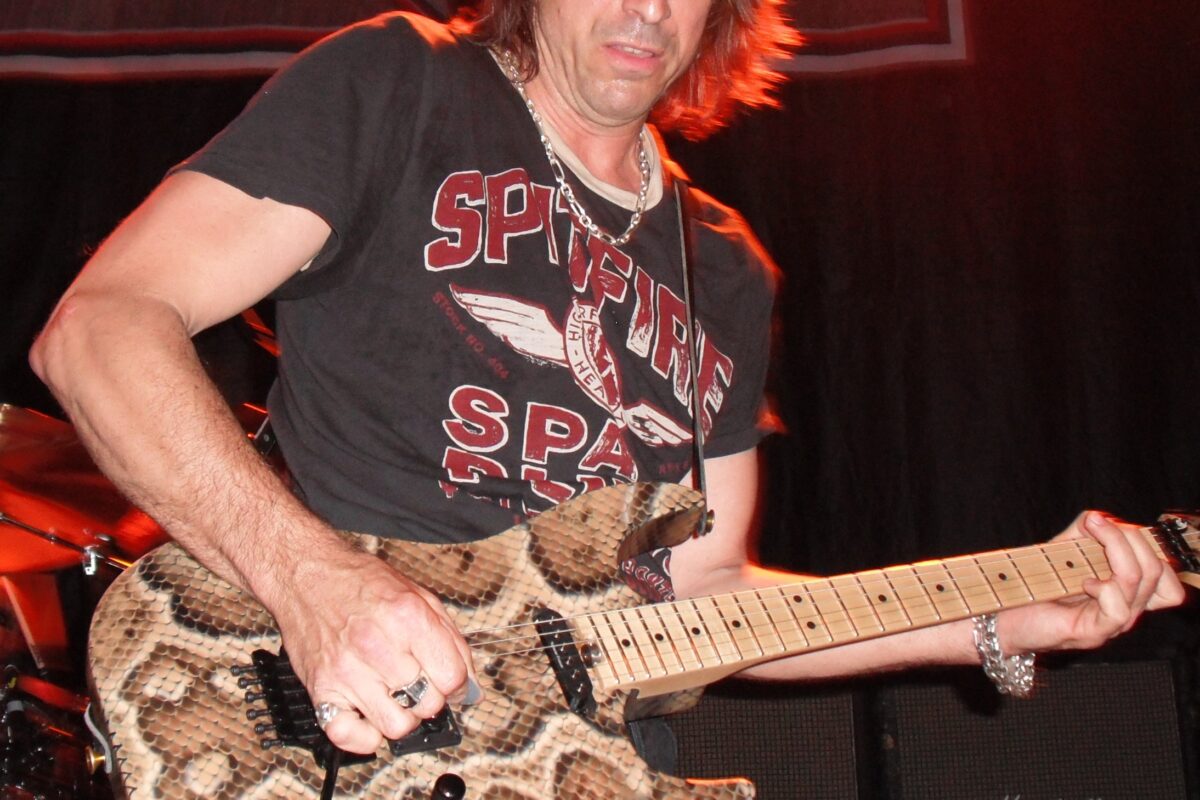
Warren DeMartini Guitars & Gear: The Complete Guide to Ratt’s Torch Guitarist’s Rig
Warren DeMartini guitars & gear: Ratt's Torch guitarist. Charvel Bomber, snakeskin, Jose-modded Plexi, Fender Super Champ, RTM pickup, slapback echo — the complete rig.
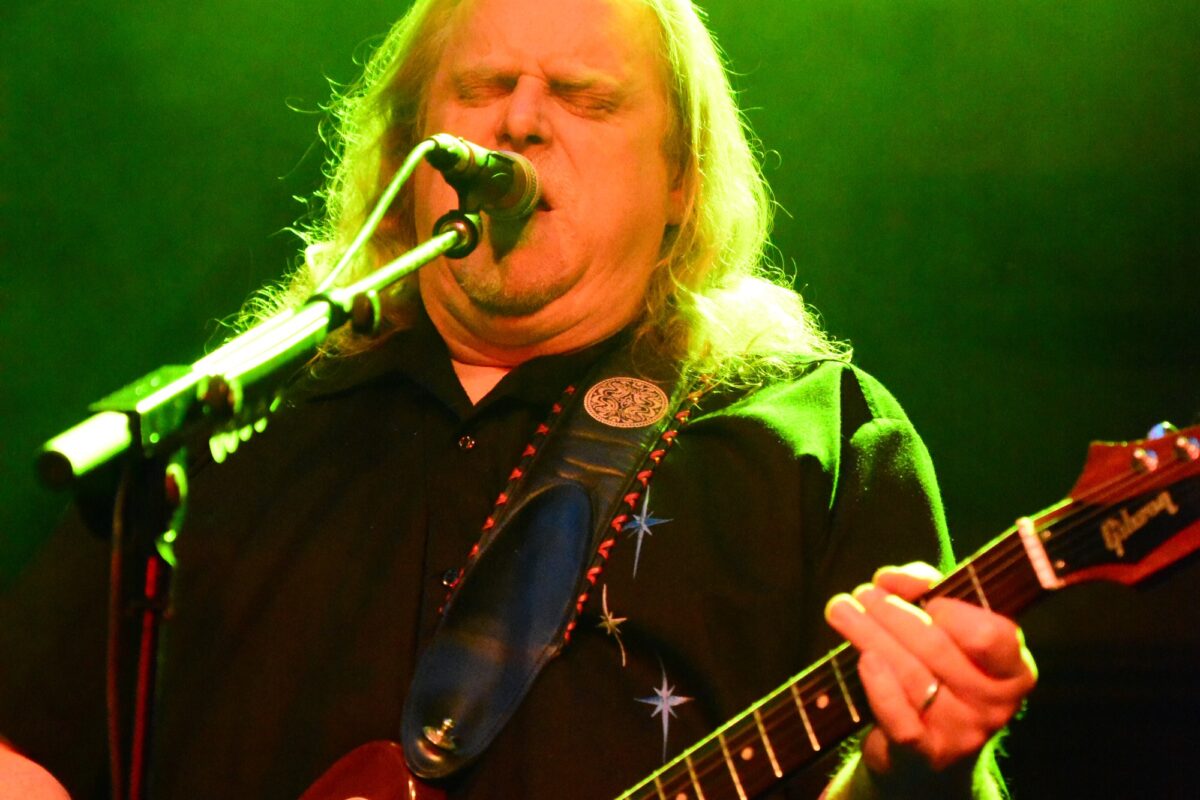
Warren Haynes Guitars & Gear: The Complete Guide to Gov’t Mule’s Guitar Master’s Rig
Warren Haynes' guitars, amps, and effects — the complete guide. Gibson Les Paul Chester, Soldano SLO-100 modified, Klon Centaur, Emma Discombobulator, and how to nail that Gov't Mule blues-rock tone.