Hadden Sayers Guitars & Gear: Texas Blues Rock’s Hardworking Guitar Warrior’s Complete Rig
Hadden Sayers guitars gear — Telecaster and Fender Super Reverb deep-dive for Texas blues rock's hardworking guitar warrior's authentic tone and complete rig guide.
Investigate Hadden Sayers guitars gear and you find the equipment of one of contemporary blues rock’s most honest and most personally committed working guitarists — a Beaumont, Texas-born musician who developed his guitar approach through years of hard touring on the Texas and Southern club circuit, who recorded a series of independently released albums of genuine blues rock depth and genuine personal commitment, and whose playing showed the specific character of someone who had earned his musical knowledge through sustained hard work rather than through prodigy gifts or lucky associations. Sayers was not a household name outside the specific blues rock community that had followed his career, but within that community he was recognised as one of the most genuinely committed and most musically honest voices available — a musician who played the blues because it was what he genuinely needed to say rather than what the market was offering to hear. His Telecasters and Stratocasters through vintage amplification gave his playing the specific Texas blues brightness and authority that his approach required.
This guide covers Sayers’ complete equipment picture: the Fender guitars that defined his tonal identity, the amplification that served his Texas and Southern blues rock approach, his effects use, and the playing philosophy of a musician who always chose musical honesty over commercial calculation. Understanding Hadden Sayers’ gear is understanding how genuine blues commitment produces playing of specific personal authenticity regardless of the commercial context.
Background
Hadden Sayers was born in Beaumont, Texas — a Gulf Coast city whose specific cultural and musical character placed it at the intersection of the Louisiana blues tradition, the Texas blues, and the Southern rock that developed from both. Beaumont had been the home of several significant American musicians including Johnny and Edgar Winter, and its specific musical culture reflected the full range of the Gulf Coast blues and rock tradition that gave Texas music its particular diversity and vitality.
He developed his guitar approach through the specific Texas music circuit — the honky-tonks, the clubs, and the bars of the Texas blues and Southern rock scene — and through the intensive performance experience that sustained professional touring provided. His guitar approach showed the specific character of someone who had developed through sustained live performance rather than through primarily studio recording — the physical commitment, the audience awareness, and the specific quality of playing that worked in a live room rather than primarily on record.
His recording career — a series of albums on independent labels that documented his blues rock approach across multiple decades of professional work — showed the same consistent honesty and the same consistent musical commitment that characterised his live performing. Albums including Taker and the Maker, No Apologies, and others showed a musician developing within a specific musical vision rather than seeking commercial repositioning as the market shifted.
Hadden Sayers Guitars Gear: The Complete Rig
Guitars
Sayers’ guitar choices were rooted in the Texas blues rock tradition — Fender designs that gave his playing the specific brightness and attack that the tradition required.
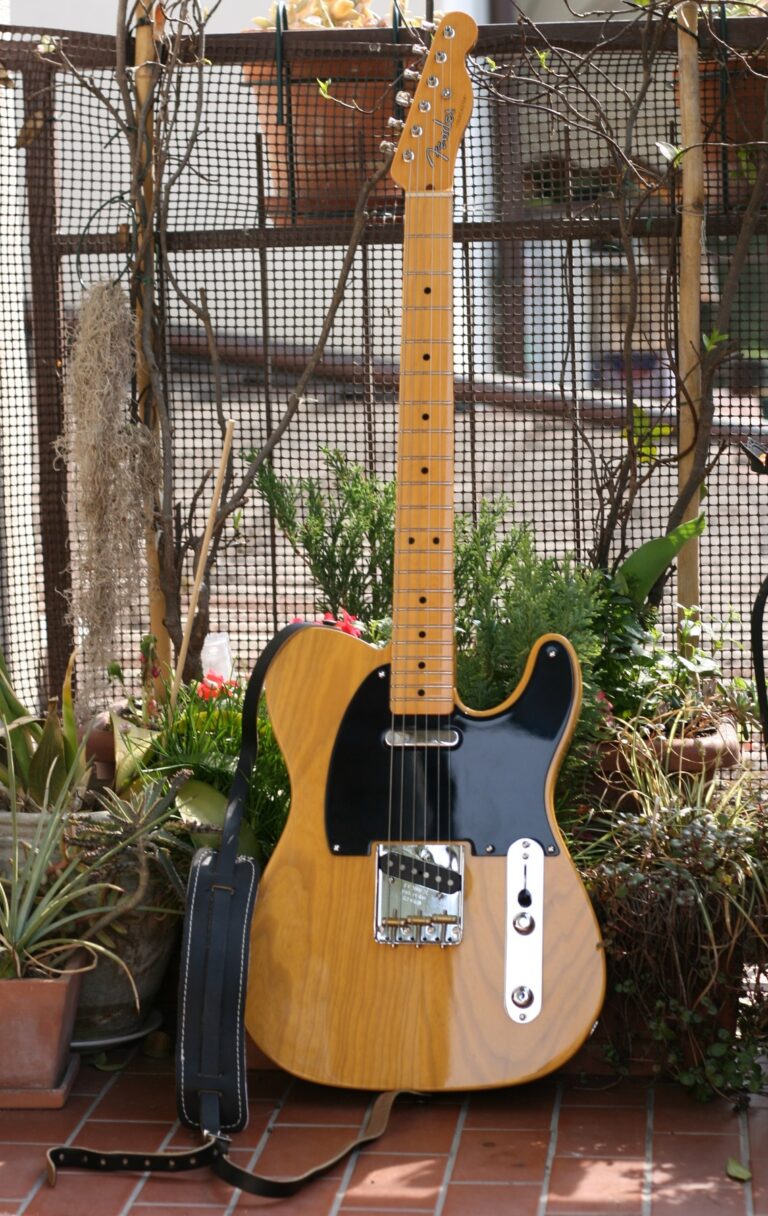
His primary guitars included Fender Telecasters — the instrument that was historically central to the Texas blues tradition and that gave his playing its specific cutting twang that distinguished the Texas approach from other regional blues styles. The Telecaster’s bridge pickup’s specific bright, cutting character — the pickup mounted directly to the bridge plate, giving it the hardest and most cutting attack of any major production single-coil design — suited the specific quality of Texas blues guitar that was more aggressive and more tonally forward than the warmer Chicago blues approach.
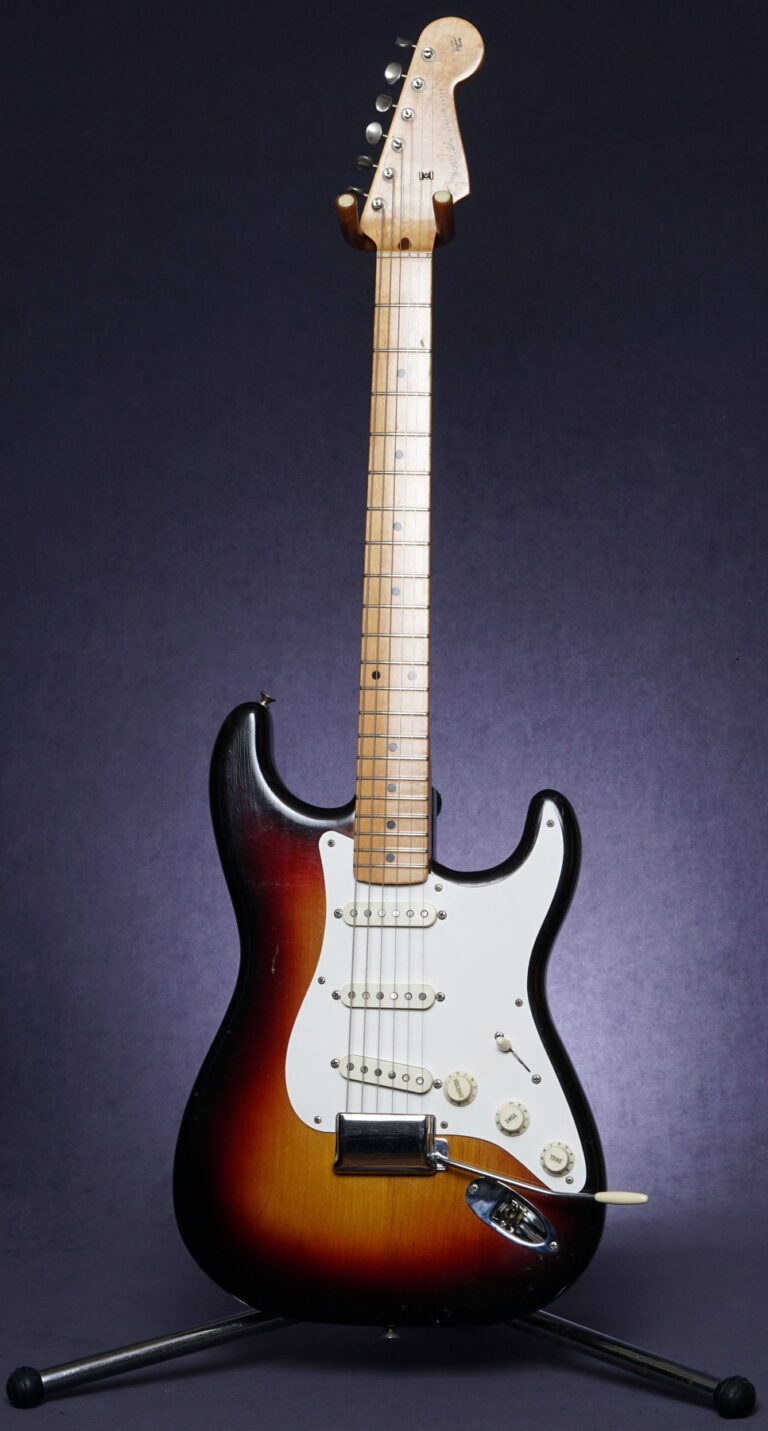
He also used Fender Stratocasters for the more diverse blues rock material where the Stratocaster’s tonal versatility served better than the Telecaster’s more specialised bright character. The Stratocaster’s three-pickup configuration gave access to the warmer neck pickup for slower blues passages, the middle-position warmth for rhythm work, and the bridge pickup’s brightness for the more aggressive material.
String gauges were medium to heavy — reflecting the Texas blues tradition’s emphasis on physical string mass and physical playing commitment as foundations of blues expression.
Amps
Sayers’ amplification reflected the Texas blues tradition — primarily American valve designs at working volume, with the natural compression and warmth of the American valve circuit serving the blues approach rather than the driven British character of Marshall-centred approaches.
His primary amplifiers included Fender Super Reverb and other vintage Fender combos — the warm 4×10 configuration that had been the standard Texas blues amplifier since the early 1960s and that gave his Telecaster and Stratocaster the specific combination of warmth and definition that suited the Texas blues rock approach. The Super Reverb’s natural 6L6 compression at working volume gave his playing the sustained warmth that the blues approach required.
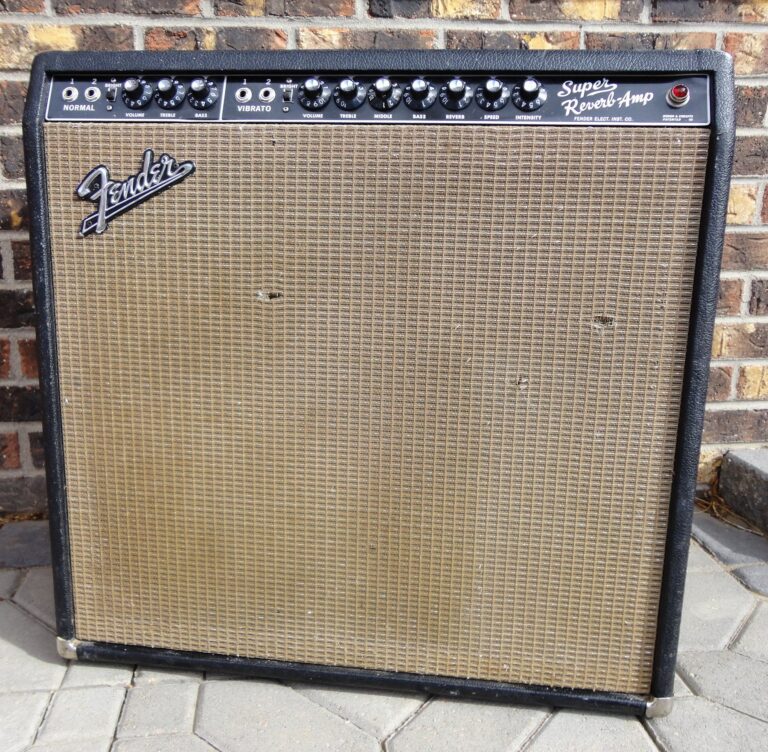
Various boutique and vintage amplifiers appeared across his recording career — his practical musician’s approach to amplification prioritising appropriate tonal character over any specific prestige or collectability.
Effects
Sayers’ effects chain was minimal and practically motivated — consistent with the Texas blues rock tradition’s emphasis on the natural character of instrument and amplifier rather than on electronic processing.
A Tube Screamer or similar smooth overdrive — either TS-808 or TS-9 — used as a boost before the Fender amplification, following the standard Texas blues approach. His consistent use of the Tube Screamer as a front-end boost rather than as a primary distortion source reflected genuine understanding of how the Texas blues tradition used overdrive to push the amplifier’s natural character rather than to replace it.
A wah pedal for specific expressive passages — the blues vocal quality of the wah suited the emotionally direct character of his playing.
Various reverb and delay effects for atmospheric dimension appropriate to specific material — his reverb use contextual rather than constant.
Playing Style & Tone Philosophy
Hadden Sayers’ playing style was defined by the specific character of hard-won blues rock authenticity — the quality of playing that came from sustained live performance experience and genuine personal commitment to the blues as a form of personal expression rather than as a commercial genre. His guitar work had the specific character of someone who had played thousands of gigs in the Texas club circuit, developing the physical commitment and the emotional directness that this specific kind of sustained professional experience produced.
His Texas blues approach showed the specific influences of his Gulf Coast formation — the Albert Collins brightness and attack, the SRV intensity, and the broader Texas blues rock tradition that had been built on those foundations over multiple decades of professional playing. His playing was rooted in the Texas tradition without being derivative of any single specific influence — the synthesis of multiple Texas blues approaches creating a specific individual voice that was recognisably Texan without being merely imitative.
His rhythm playing showed the working musician’s intelligence — the chord voicings appropriate to the specific song’s harmonic requirements, the rhythmic placement that served the groove rather than demonstrated technique, and the overall orientation toward serving the music’s specific requirements rather than showcasing his own capabilities.
Tonally, his philosophy was the working Texas blues guitarist’s philosophy: the right Fender single-coil for the specific material, the appropriate warm American valve amplification, and the Tube Screamer boost for the driven passages. Every tonal choice was in service of the music’s honest emotional content rather than of any sophisticated tonal agenda.
How to Sound Like Hadden Sayers
Guitar Approach
A Fender Telecaster for the primary Texas blues character; a Fender Stratocaster for the more versatile blues rock material. Medium to heavy strings. The most important element is the physical commitment — Sayers’ playing reflected the specific quality of someone who had earned his approach through sustained hard work, and the equipment alone cannot replicate this quality without the same quality of playing commitment. Study the Texas blues tradition across its full breadth alongside Sayers’ own recordings.
Amp Approach
A Fender Super Reverb or similar 4×10 6L6 combo at working volume. Tube Screamer in boost mode (low gain, elevated volume) before the Fender. The Telecaster’s bridge pickup through the naturally compressing Super Reverb with Tube Screamer boost was the primary Texas blues rock tone.
| Control | Setting | Notes |
|---|---|---|
| Volume | 6–7 | Natural 6L6 compression — Texas blues warmth zone |
| Treble | 6–7 | Moderate-high — Telecaster needs treble to cut |
| Middle | 6 | Present mids for Texas blues authority |
| Bass | 4 | Controlled — Telecaster adds natural warmth without bass boost |
| Reverb | 3 | Light spring reverb for appropriate atmosphere |
| Tube Screamer | Gain 9 o’clock, Volume 2 o’clock | Push the amp — boost not distort |
Influence & Legacy
Hadden Sayers’ legacy was the specific legacy of a working musician who sustained his commitment to genuine blues rock honesty across a career of sustained independent professional work — demonstrating that the values of the Texas blues tradition could be maintained without commercial compromise across multiple decades of professional recording and performance. His influence within the specific blues rock community that followed his career was as real as any commercial success, even as his public profile remained limited relative to the musical quality of his work.
The specific character of his career — the hard touring, the independent recording, the sustained commitment to playing what he genuinely needed to play rather than what the market was offering — was itself a form of blues tradition maintenance. The blues had always required musicians who sustained the tradition through personal commitment rather than through commercial reward, and Sayers’ career embodied this tradition of honest musical commitment as completely as any more celebrated blues career.
For players exploring the contemporary Texas and Southern blues rock tradition that Sayers represents, the rigs of Walter Trout — whose similar commitment to blues honesty showed similar physical commitment and similar personal authenticity from a different geographic and cultural starting point — and Duke Robillard, whose comprehensive blues knowledge showed a different but comparably deep engagement with the full range of the American blues tradition, provide illuminating comparison. The Texas blues root reaches toward Kenny Wayne Shepherd‘s approach, showing how the same Texas blues tradition produced different specific guitar voices from different generational starting points.
Beaumont, Texas: The Gulf Coast Blues Foundation
Beaumont’s specific position in the Texas musical geography — a Gulf Coast city at the intersection of Louisiana swamp blues, Texas blues, and the Southern rock that had developed from both — gave Sayers a formation that was more diverse than the more narrowly Texas-oriented formation of musicians who grew up further inland. The proximity to Louisiana meant that the Zydeco and swamp blues tradition was part of the musical culture that surrounded him; the Texas blues tradition was the primary framework; and the Southern rock that had developed from both traditions was part of the commercial music landscape within which he developed his professional career.
The specific Beaumont musical heritage — the Winter brothers, the Gulf Coast R&B tradition, and the specific character of a working-class Texas city’s music scene — gave Sayers his specific musical starting point. The Winter brothers’ specific combination of Texas blues and rock energy was as much a part of the Beaumont musical consciousness as any more specifically regional tradition, and their influence — the specific quality of high-energy, blues-based rock guitar that Johnny Winter had made the city’s most internationally recognised musical export — showed in the specific character of Sayers’ playing approach.
The specific quality of the Beaumont music scene — the specific club and bar circuit, the specific audiences, and the specific musical culture of a working-class Gulf Coast city — shaped Sayers’ playing in the ways that all sustained local music scene experience shaped the musicians who worked within it. The music needed to work in rooms where the audience had come to drink and dance as well as to listen, and the specific character of playing that served this environment — the physical commitment, the groove orientation, the direct emotional communication — was as much a product of the specific local performance environment as of any individual technical study or personal musical preference.
Taker and the Maker: The Core Statement
Taker and the Maker — one of Sayers’ most consistently cited albums as the fullest single expression of his blues rock approach — showed his guitar work at its most personally characteristic and its most musically committed. The album’s specific character — direct, honest, physically committed blues rock that served the emotional content of the songs rather than the commercial calculations of the market — was as complete a statement of his specific musical identity as any individual recording in his catalogue could provide.
The guitar tones on the album — the Telecaster’s cutting brightness through the Super Reverb’s natural 6L6 compression, with the Tube Screamer boost pushing the amplifier’s natural character harder for the most driven passages — showed the fundamental Texas blues rock approach at its most direct and most honest. Every note had the specific character of a real guitar played by a real person with real emotional commitment; every riff had the physical authority that the Telecaster-through-Fender combination at working volume produced; and the overall guitar character communicated the specific emotional honesty that had always been Sayers’ primary musical value.
The album’s production — independent and direct rather than commercially polished — gave the guitar sounds their appropriate character of honest documentation. The natural character of the Telecaster through the Super Reverb was captured without elaborate processing, and the result was a recording that communicated the emotional content of the playing as directly as the specific recording technology allowed. The gear served the honesty; the honesty served the music; and the music served the blues tradition that Sayers had spent his career honestly and personally inhabiting.
The Working Musician’s Circuit: Learning from the Road
The Texas and Southern club circuit that formed the primary context of Sayers’ professional development — the honky-tonks, the roadhouses, the beer joints, and the blues clubs of the Gulf Coast and the broader Texas music scene — was one of the most educationally demanding and most musically rewarding environments available for a blues rock guitarist. Understanding what this specific circuit demanded and what it taught gives a more complete picture of how Sayers’ specific playing approach developed and why it had the specific character that distinguished it from approaches developed primarily through studio recording or through music school education.
The Texas club circuit’s specific demands were primarily practical: the music needed to make people dance, needed to maintain the room’s energy across a three or four set night, and needed to communicate directly and immediately to an audience that had come for social experience rather than artistic contemplation. These demands — different from the demands of concert performance or studio recording in specific ways that shaped the playing approaches they produced — gave experienced Texas club musicians a specific quality of live performance intelligence and a specific quality of playing that worked in rooms rather than on records.
The specific technical demands of the Texas club circuit were also substantial: the ability to maintain consistent musical quality and consistent energy across multiple sets per night, multiple nights per week, across extended touring periods without the logistical support systems that major touring acts had available. The physical demands of this kind of sustained professional work — on the instrument, the amplification, and the musician’s own physical and mental resources — shaped both the specific practical intelligence about equipment reliability and maintenance that experienced working musicians developed, and the specific quality of physical endurance and musical consistency that distinguished working musicians from more occasionally performing counterparts.
The Albert Collins Influence
The Albert Collins influence on Sayers’ Texas blues approach — Collins being one of the most distinctive and most influential Texas blues guitarists of the twentieth century — showed in specific aspects of his playing that reflected Collins’ specific contributions to the Texas blues vocabulary. Collins’ specific combination of open-tuned Telecaster playing, bare-finger technique, and the specific attacking brightness that gave his playing its instantly recognisable character were absorbed into the Texas blues tradition that Sayers inhabited, and their influence showed in both specific technical approaches and more general aesthetic values.
The Telecaster’s specific suitability for the Collins-influenced Texas blues approach — and why this instrument served this specific tradition better than any alternative — was the same acoustic logic discussed in the Coco Montoya entry: the bridge pickup’s mounting directly to the metal bridge plate giving it the hardest, most cutting attack of any major production single-coil design, and this specific attack quality being exactly right for the aggressive, frontal Texas blues approach that Collins had pioneered and that Sayers had absorbed as part of his Texas blues formation. The Telecaster’s specific brightness in the bridge position — different from any other Fender single-coil design and different from any Gibson alternative — was the acoustic foundation of the specific Texas blues tonal character that distinguished the tradition’s approach from both the warmer Chicago approach and the more neutral character of less regionally specific electric blues.
The Tube Screamer boost’s role in Sayers’ Texas blues approach — pushing the Super Reverb’s natural 6L6 character harder without changing the amplifier’s fundamental EL34-equivalent character — was the same approach that Walter Trout, Kenny Wayne Shepherd, and Stevie Ray Vaughan himself had used to achieve the specific Texas blues overdrive character that was different from either cleaner Fender playing or from driven Marshall playing. The Tube Screamer’s specific contribution — the JRC4558 op-amp circuit’s gentle compression and mid-forward frequency shaping — gave the Fender’s naturally compressed 6L6 character additional warmth and sustain without the more aggressive clipping of harder distortion alternatives. This specific gain staging philosophy — natural Fender character pushed slightly harder by the Tube Screamer’s gentle boost — was the acoustic foundation of the Texas blues overdrive tone that Sayers deployed with the same professional understanding of its acoustic logic as any of the more celebrated Texas blues guitarists who had developed and maintained this specific approach across multiple generations of the tradition.
Hadden Sayers’ career — the Beaumont formation, the Texas circuit development, the independent recording career, and the sustained commitment to honest blues rock across multiple decades without commercial compromise — was ultimately a demonstration that the blues tradition’s most fundamental values — honesty, personal commitment, and the specific quality of playing what you genuinely need to say rather than what the market wants to hear — were sustainable across a professional career without requiring either commercial success or mainstream recognition. The equipment he used: the Telecaster’s cutting Texas brightness through the Super Reverb’s warm 6L6 compression, with the Tube Screamer boost serving the tradition’s specific overdrive character — was exactly right for exactly this music and exactly this musician. The gear served the honesty; the honesty served the blues; and the blues was worth the sustained commitment that Hadden Sayers brought to it across a career of genuine professional musical integrity.
The Fender Super Reverb’s specific acoustic contribution to Sayers’ Texas blues sound — and why this specific amplifier gave his Telecaster playing its particular character of warm Texas blues authority — reflected the same acoustic logic that had made the Super Reverb the standard Texas blues amplifier across multiple generations of the tradition. The 4×10 speaker configuration’s specific acoustic spread, the 6L6’s natural compression at working volume, and the Jensen P10R alnico speakers’ specific warmth all worked together with the Telecaster’s single-coil brightness to produce the specific combination of warmth within brightness that defined the Texas blues guitar sound. The Telecaster’s bridge pickup’s hard attack created the initial note definition; the 6L6’s natural compression softened the attack’s hardest edges while extending the note’s sustain; and the Super Reverb’s four speakers spread the acoustic output across a wide enough angle to fill the club environments where Sayers primarily worked. Understanding this complete acoustic picture — how instrument, amplifier, and speaker interacted to produce the specific Texas blues tone — gives the most accurate understanding of why these specific equipment choices were acoustically right for this specific music rather than merely conventionally associated with it.
The wah pedal’s specific application in Sayers’ blues playing — for the passages where the swept bandpass filter gave lead lines their appropriate blues vocal quality — connected his playing to the same tradition of blues vocal guitar extension that had always characterised the most expressive Texas blues lead playing. The wah in the Texas blues context had always been used for genuine expressive purposes rather than as a tonal colour or a performance gesture — Stevie Ray Vaughan’s wah work, Jimmie Vaughan’s selective wah use, and the broader Texas blues tradition’s specific approach to the effect as an extension of the guitar’s ability to approximate the human voice were the models that informed Sayers’ specific deployment of the pedal. His selective use — appearing when the specific passage called for the wah’s vocal expressiveness and absent from the rest of the playing — showed genuine understanding of the effect’s specific function in the Texas blues vocabulary rather than habitual application regardless of musical need.
The independent recording career that Sayers maintained across multiple decades — producing albums without major label support, without commercial radio promotion, and without the mainstream commercial infrastructure that gave more commercially successful musicians their wider public profiles — was as significant a professional achievement as any more conventionally celebrated musical career. The sustained independent recording and touring required a specific quality of professional self-sufficiency and genuine commitment to the music as a worthwhile artistic endeavour regardless of commercial reward, and this specific quality of professional integrity was as visible in the music itself as in the career’s structural choices. The specific character of honesty and personal commitment that distinguished Sayers’ best recordings was partly the product of this independent professional context — the absence of commercial pressure to modify the music’s specific character gave the recordings a quality of authentic self-expression that more commercially constrained recordings sometimes lacked.
The Southern rock dimension of Sayers’ musical approach — the specific influence of the Southern rock tradition that had developed from the same Gulf Coast musical culture that produced the Texas blues — showed in specific aspects of his playing that reflected the Southern rock tradition’s specific combination of blues roots with rock energy and Southern cultural identity. The Southern rock tradition’s specific emphasis on groove and feel as primary musical values — the music’s quality determined as much by how it felt to play as by what it said harmonically or melodically — was consistent with the Texas blues tradition’s similar emphasis on feeling and physical commitment, and both traditions’ shared values showed in Sayers’ playing’s specific quality of physical authenticity combined with emotional directness. The Telecaster’s cutting Texas brightness and the Super Reverb’s warm compression served both the blues and the Southern rock dimensions of his approach with the same acoustic appropriateness, because the specific tonal character those equipment choices produced was right for both traditions’ specific emotional and physical requirements.
The No Apologies album — one of Sayers’ most programmatically honest album titles and one that captured the specific character of his career’s relationship with commercial calculation — showed both the guitar approach and the professional philosophy at their most clearly stated. The title’s implication — that the music was what it was without apology for its commercial unfashionability or its lack of mainstream recognition — was the clearest possible statement of the artistic integrity that had always characterised Sayers’ approach to his career. The guitar tones on the album reflected the same honesty: the Telecaster through the Super Reverb with the Tube Screamer boost, captured without elaborate processing, in a recording environment that served the music’s honest character rather than attempting to give it a more commercially viable sonic presentation. The gear was honest; the music was honest; and the honest music was what Hadden Sayers had always played and would always play regardless of what the market was offering in return.
The specific quality of physical endurance that the Texas touring circuit developed in musicians who sustained careers within it — the ability to maintain musical quality and physical commitment across long performing nights, across extended touring periods, and across the specific physical demands of amplified electric guitar performance at performance volumes — was as important a professional development as any specific technical skill. Working musicians who spent years on the Texas circuit developed a specific kind of physical musicianship — the ability to play with complete conviction through physical tiredness, to maintain emotional engagement through the mechanical repetition of material played hundreds of times, and to find the specific freshness in familiar material that kept the performance genuine rather than merely professional. This specific quality of experienced physical musicianship — the ability to give complete commitment to every performance regardless of the circumstances — showed in Sayers’ playing as a character quality rather than a technical one, and it was as genuinely his own as any specific technique he had developed through practice.
The Texas blues tradition’s specific relationship with the Fender amplifier — and why the Super Reverb in particular had become the standard professional Texas blues amplifier across multiple generations of the tradition — reflected the same accumulated practical wisdom about what acoustic properties best served the specific music that had produced the tradition’s standard instrument choices. The Super Reverb’s specific combination of 6L6 natural compression, Jensen P10R alnico warmth, and four-speaker acoustic spread had been refined through decades of professional use in the specific acoustic environments of Texas blues performance — the clubs, the roadhouses, and the outdoor stages of Texas music — and the accumulated practical wisdom of generations of Texas blues musicians had identified this specific combination as right for this specific music through the same empirical process of trying different approaches and keeping what worked. Sayers’ use of the Super Reverb was in the deepest sense traditional — not because he was following a fashion or a commercial trend, but because his genuine engagement with the Texas blues tradition had led him to the same practical conclusion about acoustic appropriateness that generations of Texas blues musicians had reached before him.
The Johnny Winter connection — Winter being Beaumont’s most internationally recognised musical export and one of the most technically accomplished and most emotionally committed blues rock guitarists in the tradition’s history — was as important to understanding Sayers’ formation as any more abstract influence from recordings. Growing up in the same city that had produced Johnny Winter gave the Texas blues rock tradition a specific local reality — a demonstration that someone from Beaumont could actually achieve the specific musical quality that the tradition represented at its highest level, and that the path from Gulf Coast Texas roots to genuine professional blues rock achievement was a real path rather than merely a theoretical possibility. This specific local demonstartion of possibility — the knowledge that the tradition’s highest achievements were not merely heard from far away but were rooted in the same cultural and geographic context that had formed Sayers — was as significant a formative influence as any specific technical instruction or recorded musical example.
The Stratocaster’s role in Sayers’ collection — as an alternative to the primary Telecaster for material where the Stratocaster’s broader tonal range served better than the Telecaster’s more specialised character — illustrated the same practical instrument intelligence that had always characterised the best Texas blues musicians’ approach to their equipment. The Stratocaster’s three-pickup configuration — with its warm neck position, balanced middle position, and bright bridge position — gave more tonal options within a single instrument than the Telecaster’s two-pickup configuration, making it more versatile across the full range of blues rock material that Sayers’ diverse repertoire encompassed. For slower, more atmospheric blues material where the neck pickup’s warmth was the right tonal character, the Stratocaster served better than the Telecaster; for the rhythm playing where the middle position’s warmth and clarity suited the song better than either extreme; and for the more aggressive material where the specific brightness of the Stratocaster’s bridge position complemented the Telecaster’s bridge character without exactly duplicating it. His maintenance of both instruments and his context-specific deployment of each reflected the same practical musical intelligence that governed the better-established example of Duke Robillard’s context-specific instrument approach — recognising that different instruments genuinely served different specific musical contexts better rather than forcing all material into a single instrument’s range.
The blues tradition’s specific relationship with independent recording and distribution — a relationship that had always been more central to the blues than to most popular music genres because the commercial mainstream had rarely fully embraced the blues’ specific character — gave Sayers’ independent recording career a historical grounding that was as important to understanding it as the specific commercial circumstances of the contemporary music industry. The blues had always lived partly outside the mainstream commercial music market, sustained by the specific audience that valued what the blues offered and that the mainstream market often didn’t reach. The independent recording tradition was in many ways the continuation of this historical relationship, with independent labels and self-released recordings serving the specific audience that cared about genuine blues quality rather than commercial packaging. Sayers’ independent career was in this historical sense completely consistent with the blues tradition’s own relationship with the commercial mainstream — pursuing the music’s genuine values rather than the commercial market’s current preferences, sustained by the specific audience that recognised and valued the difference.
Hadden Sayers’ complete equipment story — the Telecaster’s Texas brightness, the Super Reverb’s warm 6L6 compression, the Tube Screamer boost serving the tradition’s specific overdrive character, and the working musician’s practical intelligence about what tools served the music best in the specific performance environments of the Texas circuit — was the story of equipment in genuine service of a genuine musical tradition, chosen and deployed with the same honest commitment that characterised the music itself. The gear was honest; the playing was honest; and the honesty was what made the music worth making and worth hearing. That was the complete Hadden Sayers story, and it was a story worth telling even if the wider world had not yet told it as completely as the music deserved.
The SRV influence on Sayers’ playing — the omnipresent presence of Stevie Ray Vaughan in the Texas blues formation of any musician who grew up in Texas after 1983 — showed in specific aspects of his approach that reflected Vaughan’s specific contributions to the Texas blues rock vocabulary. The heavy strings, the Fender amplification pushed by Tube Screamer boost, the physical commitment to the playing, and the overall orientation toward emotional honesty within technical accomplishment were all consistent with the SRV tradition, even as Sayers’ playing showed the specific individual character of someone who had absorbed those values through genuine personal engagement with the tradition rather than through imitation of a specific model. The difference between influence and imitation — the same distinction that characterised every genuinely authentic blues musician’s relationship with the tradition they inhabited — was as visible in Sayers’ relationship with the SRV tradition as in any other relationship between a working musician and the primary model that had shaped their generation’s understanding of what the tradition could achieve. The influence was real; the imitation was absent; and the genuinely individual character that resulted from the influence without imitation was the specific quality that gave Sayers’ playing its authentic personal character within the Texas blues tradition.
The specific relationship between Sayers’ physical playing commitment and the acoustic character of his equipment — and how the two reinforced each other to produce the specific quality of Texas blues energy that characterised his best performances — was one of the more fundamental dimensions of his playing that was difficult to describe but immediately apparent on hearing. A musician who played with the physical commitment that sustained Texas touring developed — the full-body engagement, the complete physical investment in each note, the specific quality of attacking the strings with genuine force and genuine intention — produced different acoustic results from physically less committed playing on the same equipment, because the physical input to the instrument was genuinely different. The Telecaster’s strings under higher physical force produced more output to the amplifier; the amplifier at working volume responded differently to higher-amplitude signals than to more modest ones; and the overall acoustic result of genuine physical commitment was different from technically accomplished but physically disengaged playing. Equipment and playing commitment were always part of the same complete acoustic picture, and Hadden Sayers’ specific Texas blues rock sound was as much a product of the specific physical commitment he brought to the playing as of the specific equipment he chose to serve that commitment.
Frequently Asked Questions: Hadden Sayers Guitars & Gear
What guitars does Hadden Sayers play?
Hadden Sayers’ primary guitars are Fender Telecasters (for the primary Texas blues character) and Fender Stratocasters (for more diverse blues rock material). His consistent use of Fender single-coil instruments reflected the specific acoustic requirements of the Texas blues tradition and the specific brightness and attack that he valued in his playing approach.
What amp does Hadden Sayers use?
His primary amplifiers include Fender Super Reverb and other vintage Fender combos — the warm 4×10 6L6 configuration that was the standard Texas blues amplifier. His amplification philosophy prioritised the natural warmth and compression of American 6L6 valve amplification at working volume.
Where is Hadden Sayers from?
Hadden Sayers is from Beaumont, Texas — a Gulf Coast city that was home to Johnny and Edgar Winter and that reflected the full range of the Gulf Coast blues and rock tradition at the intersection of Louisiana blues, Texas blues, and Southern rock.
What effects does Hadden Sayers use?
His key effects include an Ibanez Tube Screamer (TS-808 or TS-9) in boost mode for front-end drive of the Fender amplification, a wah pedal for expressive blues passages, and reverb and delay used contextually. His minimal effects approach was consistent with the Texas blues tradition’s preference for natural instrument and amplifier character.
What is Hadden Sayers’ musical approach?
Sayers’ approach combined the Texas blues tradition’s specific brightness and attack with Southern rock energy and the personal commitment of a working musician who developed his playing through sustained hard touring on the Texas and Southern club circuit. His playing showed the specific character of genuine blues rock authenticity — physical commitment, emotional directness, and the specific quality of expression that came from genuine personal engagement with the music rather than commercial calculation.
What are Hadden Sayers’ most important recordings?
His most significant recordings include his independently released albums across multiple decades, including Taker and the Maker, No Apologies, and subsequent recordings that documented his blues rock approach with the consistency and honesty that characterised his approach throughout his career. His recordings were known primarily within the specific blues rock community that followed his work rather than to mainstream rock audiences.
How does Hadden Sayers fit into the Texas blues tradition?
Sayers was part of the continuation of the Texas blues rock tradition that had developed from the Texas blues of T-Bone Walker, Freddie King, and Albert Collins through the SRV generation and into the contemporary Texas blues rock scene. His Beaumont origin placed him in the same Gulf Coast musical culture that had produced the Winter brothers and that had always maintained a specific character of blues energy and musical diversity that distinguished it from the more nationally prominent Dallas-Austin corridor of Texas music.
Genre:
Blues Rock / Southern Rock
Decades:
1990s | 2000s | 2010s | 2020s
Image credits
- Fender Telecaster: Massimo Barbieri, Wikimedia Commons, CC BY-SA 3.0.
- Fender Stratocaster: Lightburst, Wikimedia Commons, CC BY-SA 4.0.
- Fender Super Reverb: GabeMc, Wikimedia Commons, CC BY-SA 3.0.