Richie Kotzen Guitars & Gear: The Complete Guide to the Winery Dogs Guitar Master’s Rig
Richie Kotzen's guitars, amps, and effects — the complete guide. Fender Telecaster signature, Victory RK50, Marshall Plexi, DiMarzio custom pickups, Hipshot D-Tuna, and how to nail that Winery Dogs tone.
Richie Kotzen is one of those guitarists who makes other guitarists uncomfortable in a productive way. He plays with the technical facility of a shredder, the harmonic vocabulary of a jazz musician, the soulful expression of a blues singer, and the melodic intelligence of a songwriter — simultaneously, in the same performance, on the same note. He plays guitar, sings lead vocals, writes songs, produces records, and has done all of these things to professional standard across more than twenty solo albums, stints with Poison and Mr. Big, the formation of The Winery Dogs with Mike Portnoy and Billy Sheehan, and the Smith/Kotzen project with Iron Maiden guitarist Adrian Smith. He is seventy-nine years old in 2026 — wait, no. He was born in 1970. He is fifty-five. This biographical correction is important because his career trajectory — the debut album at nineteen, the Poison stint at twenty-one, the Mr. Big years, the solo career, the Winery Dogs — represents fifty-plus years of professional music-making compressed into the career of someone who started very young and has never slowed down.
The Journey
Richard Kotzen was born on February 3, 1970, in Reading, Pennsylvania. He began playing guitar at six years old, was recognized as a prodigy in his teens, and was signed to Shrapnel Records — the California label that released the most technically demanding guitar records of the shred era — at eighteen. His self-titled debut album appeared in 1989. He joined Poison in 1991, replacing C.C. DeVille (who had been fired after the American Music Awards incident), and was himself fired from Poison in 1993 after an affair with drummer Rikki Rockett’s fiancée. He joined Mr. Big in 1999, replacing Paul Gilbert, and served through the band’s final decade. The Winery Dogs (2012) with Portnoy and Sheehan gave him the highest-profile platform of his career — a supergroup of musicians each at the top of their individual instruments, in a format that allowed Kotzen to fully deploy the singer-guitarist-songwriter identity that his solo work had developed.
“When I first picked up the Fender, immediately, it was responding to what I was putting into it,” he says. “I love the shape of a Strat because when you hold the guitar it feels like you’re connected to it. It feels like a part of your body.” This is the characteristic statement of a player who has found his instrument: not an assessment of technical specifications but a description of the physical and emotional relationship between player and instrument. The Fender — specifically the Telecaster, as his primary current identity — provides what the Les Pauls and superstrats of his early career didn’t: the specific responsiveness and physical connection that converts technical knowledge into musical expression. This is the complete guide to the guitars, amplifiers, and effects through which that expression has been developing since 1989.
Background: From Reading to Shrapnel to The Winery Dogs
Richie Kotzen’s childhood was thoroughly musical and specifically guitar-focused. He started at six, was playing seriously by ten, and had developed the specific combination of technical prowess and musical intelligence that Shrapnel Records was looking for by his late teens. Shrapnel Records — the Mike Varney-run label that discovered and released records by Yngwie Malmsteen, Tony MacAlpine, Greg Howe, and dozens of other technical guitar prodigies in the 1980s — provided him with both a commercial platform and a peer community of technically extreme guitarists against whose work his own was measured. The Shrapnel context gave him technical credibility; his own instincts pushed him toward the soulful, blues and R&B-influenced playing that distinguishes his work from most Shrapnel-era shred.
The specific influences that gave him this soul orientation are diverse and specific: Prince, Jeff Beck, Steve Lukather, Stevie Wonder, Albert King, the Allman Brothers — a list that spans funk, jazz-fusion, soul, blues, and Southern rock in ways that explain the stylistic breadth of his actual playing. “I’m trying to explain myself with the guitar — not show off or impress anyone,” he told Premier Guitar. This is the characteristic statement of the musician who has absorbed technical virtuosity and moved past it to the point where the virtuosity serves expression rather than demonstrations. The technical foundation is complete and always present; the musical intelligence uses that foundation for expression rather than display.
The Poison chapter (1991-1993) was professionally valuable and personally catastrophic. He was brought in as a technical upgrade over C.C. DeVille’s more straightforward rock guitar approach, and his specific musical abilities made him technically overqualified for the pop-metal context. The affair with Rockett’s fiancée ended his Poison tenure and created personal complications that took time to resolve. The Mr. Big tenure (1999-2009) was more congenial: the band’s fusion of hard rock and pop sensibility, combined with Billy Sheehan’s virtuosic bass playing, suited Kotzen’s musical intelligence better than Poison’s simpler rock context. He contributed to the final phase of Mr. Big’s career with characteristic engagement.
The Winery Dogs — formed with Mike Portnoy (formerly of Dream Theater) and Billy Sheehan (who had also been in Mr. Big) in 2012 — gave Kotzen the ideal vehicle for his complete musical range. Three virtuosos in a power trio, with Kotzen playing guitar and singing lead vocals simultaneously. The format required him to be both the rhythmic-harmonic foundation (rhythm guitar) and the melodic voice (lead guitar and vocals) simultaneously, which is technically demanding at the level The Winery Dogs operate. The first two Winery Dogs albums (2013 and 2015) demonstrated the result: hard rock with genuine guitar sophistication, powerful singing, and the rhythmic intelligence of the three best instrumentalists possible assembled in the smallest possible ensemble.
His solo career at Shrapnel — starting with the 1989 debut and continuing through Fever Dream (1990), Electric Joy (1991), and the subsequent albums — established his specific identity within the Shrapnel catalog: technically extreme but not cold, blues-influenced in ways that most Shrapnel artists weren’t, and always concerned with melody and songwriting in addition to guitar technique. The Shrapnel context forced him to demonstrate technical mastery as a prerequisite; his actual musical intelligence then provided everything that technique alone couldn’t. The early 1990s Mr. Big was the next commercial context, but Kotzen’s Shrapnel work established the foundation.
His working relationship with Adrian Smith through Smith/Kotzen (launched 2021) represents a mature pairing of two musicians whose very different backgrounds — Smith as the Iron Maiden rhythm and lead guitarist, Kotzen as the Shrapnel shredder turned blues-soul singer — produced a specific synthesis that neither would have arrived at independently. The Smith/Kotzen album (2021) and Psycho Vertigo (2023) demonstrated the chemistry: Smith’s British hard rock foundation and Kotzen’s American blues-soul voice creating a hybrid that suited both players’ musical identities while extending beyond what each had done individually. This late-career collaboration is evidence of Kotzen’s continued vitality and musical curiosity.
The Rig: Richie Kotzen’s Guitars, Amps, and Effects
Guitars
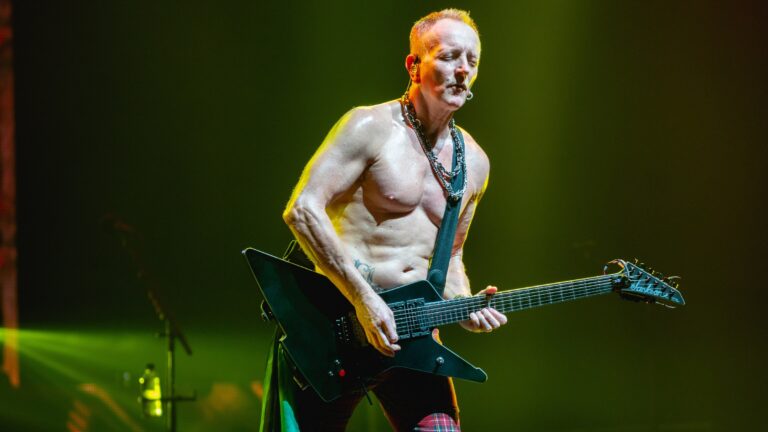
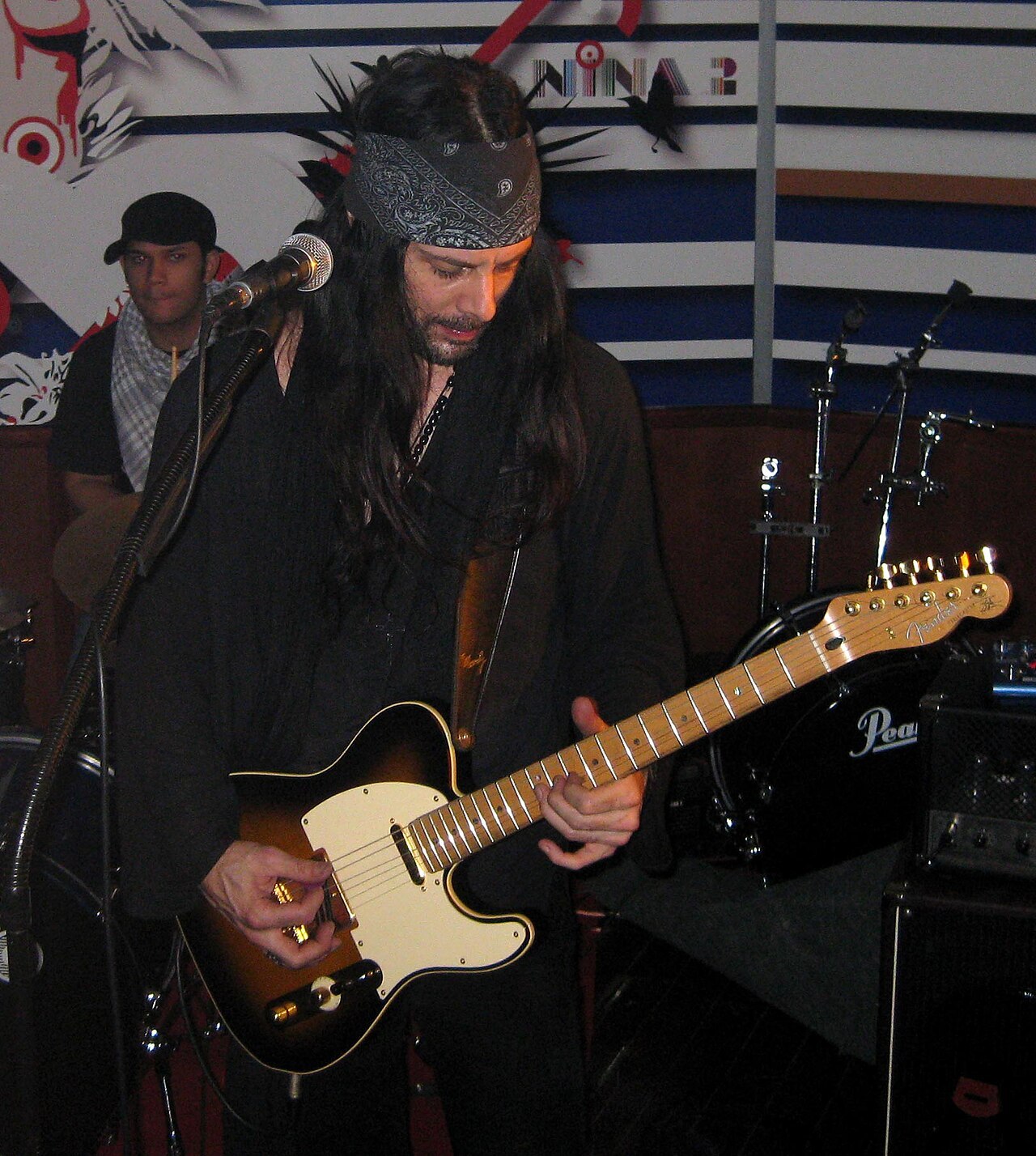
Richie Kotzen’s primary current guitar is the Fender Richie Kotzen Signature Telecaster — originally manufactured only in Japan and later released worldwide, featuring a flame maple top on an ash body in exclusive Trans-Burst finishes. The guitar’s specific design: ash body with flame maple top, thick “C”-shape maple neck, maple fingerboard, custom DiMarzio pickups, gold hardware, Series/Parallel knob switch, N-Tune built-in tuner, and Hipshot Xtender detuner on the low E string for instant drop-D access. The Hipshot Xtender — a simple lever mechanism that drops the low E string from E to D without retuning — provides drop-D access without compromising the string’s tuning stability for standard playing. The Series/Parallel switch allows the two pickups to run in series (hum-canceling, louder, more midrange) or parallel (single-coil character, more open and airy). These specific control options give the Telecaster the tonal versatility that Kotzen’s diverse musical range requires.
The DiMarzio custom pickups — built to Kotzen’s specifications — are a specific departure from standard Telecaster pickups. Where standard Tele pickups are single-coil, Kotzen’s DiMarzio customs provide a different tonal character suited to his specific combination of hard rock and blues-soul playing. The neck pickup’s warmth and the bridge pickup’s bite give the guitar the range from the thick, singing lead tones to the cutting, twangy rhythms that his music requires within a single instrument.
The Fender Richie Kotzen Signature Stratocaster FSR — produced around 2006-2007 — features an ash body with a flamed maple laminated top, a thick “C” maple neck with a maple fingerboard, DiMarzio pickups built to his specifications, and a vintage-style synchronized tremolo. The Stratocaster was his primary Fender before the Telecaster became the dominant instrument in his more recent work. “When I first picked up the Fender, immediately, it was responding to what I was putting into it” — the specific sensory experience of the Stratocaster’s responsiveness as the instrument that first converted him to Fender.
Before his transition to Fender, Kotzen played superstrat-style guitars that suited the Shrapnel Records shred context — high-output pickups, floating tremolos, thin necks for speed. These early instruments provided the technical foundation but didn’t give him the specific responsiveness and tonal character he was looking for. His conversion to Fender represents the transition from technique-oriented guitar choices to expression-oriented ones: the guitar that responded most directly to what he was putting into it became the guitar he played, regardless of its technical specification on paper.
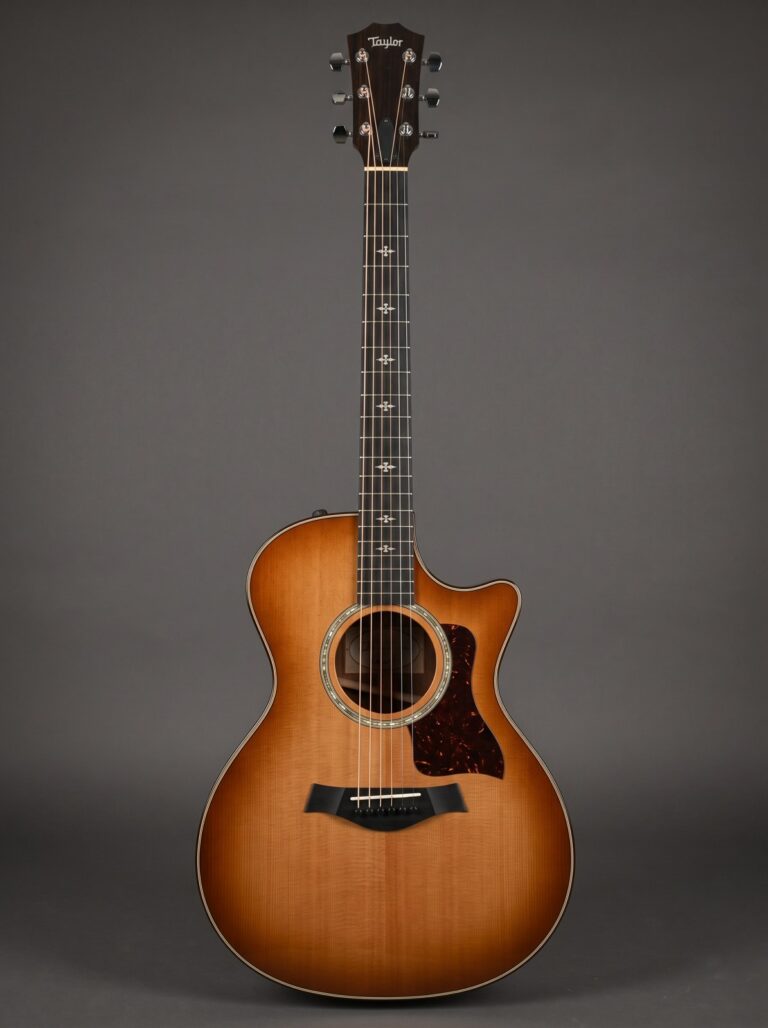
Richie Kotzen is seen playing a Taylor 512-CE Acoustic Guitar in documented acoustic performance footage. The Taylor 512-CE’s specific character — maple back and sides, Sitka spruce top, cutaway body for upper-fret access, Expression System electronics — provides the acoustic-electric platform for the unplugged and semi-acoustic performances that are part of his concert presentation. The cutaway’s upper-fret access suits a guitarist who plays lead-level solos on acoustic, and the Expression System’s natural acoustic reproduction gives the performances the clarity that his fingerstyle technique requires at performance volumes.
Amps
Richie Kotzen’s current primary amplification is through his Victory signature models — the Victory RK50 and RK100 amplifier heads, and the RK50 Combo. Victory Amplification is a British company that has produced high-quality, hand-wired tube amplifiers across a range of signature and production models. Kotzen’s description of the RK amplifier development: “We simplified the tone stage and gain stage. You have basically a master volume, a gain control that can give you anything from a screaming lead that sustains forever to a clean, chimey sort of bell tone. There is one tone knob, sort of like a good vintage Fender, and a reverb and tremolo circuit built in because I like to have that in my amp.” The built-in reverb and tremolo circuits — rather than external pedal versions — reflect his preference for these effects as foundational tonal elements rather than optional additions. The RK50 is a 40-watt 1×12 combo; the RK100 is a 100-watt head.
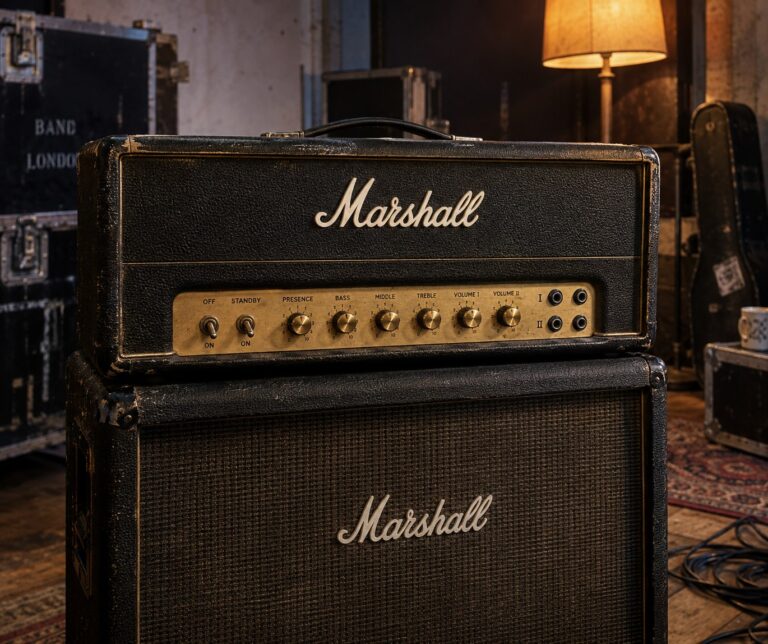
For the Winery Dogs period and various other touring phases, Kotzen returned to the Marshall 100-watt Plexi: “I went through phases where I did the Fender thing, then I had the Winery Dogs which is a bit more aggressive, so I went back to the 100-watt Plexi.” The Marshall’s specific aggressive character — the EL34 power tubes’ midrange-forward saturation, the plexi-era circuit’s specific harmonic complexity — suited the harder-rocking Winery Dogs context better than the cleaner Fender amplification. He also uses the hand-wired Marshall HW version for its more careful construction and specific vintage tone. “It’s a pretty simple 100-watt, hand-wired amp that kind of sounds like an old Marshall” — the description of the predecessor amplifier that the Victory RK series built upon.
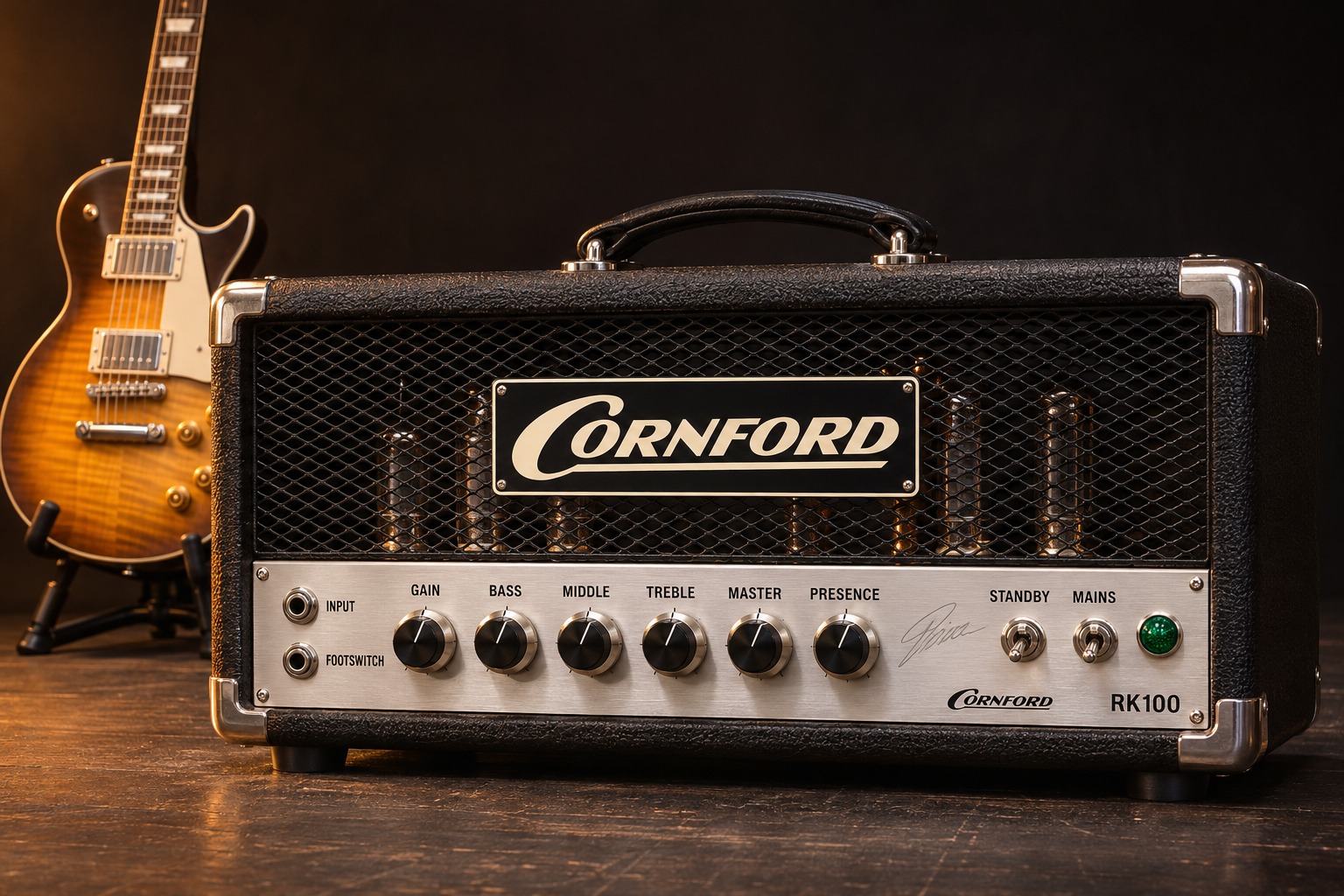
Before the Victory collaboration, Kotzen worked with Cornford on the Cornford RK100 signature amplifier — a British boutique amplifier that provided the specific tonal character he was looking for in a format designed to his specifications. Cornford’s hand-wired construction and British tube amplifier character gave the RK100 a specific quality that production amplifiers don’t replicate. The subsequent move to Victory reflects an evolution in the specific amplifier character he was pursuing rather than a dissatisfaction with the Cornford approach.
The Fender Vibroking — Fender’s amplifier with the built-in vibrato circuit — appears in Kotzen’s documented gear, with a specific mention of his use of an on/off switch on his pedalboard to control the Vibroking’s vibrato circuit. The Vibroking’s specific American clean character and the built-in vibrato gave specific recordings and performances their tonal character distinct from the British Marshall or Victory sound.

Effects
The Tech 21 RK5 v2 Richie Kotzen Signature Fly Rig — a multi-effects pedal in a compact format designed in collaboration with Tech 21 — provides a complete signal chain in a single pedal for fly dates and situations where a full rig is impractical. The RK5 incorporates preamp, overdrive, delay, and reverb in a floor unit, allowing Kotzen to achieve professional-quality tones through any clean amplifier. This kind of signature fly rig — a single pedal that approximates a complete professional guitar rig — has become standard in the touring professional world.
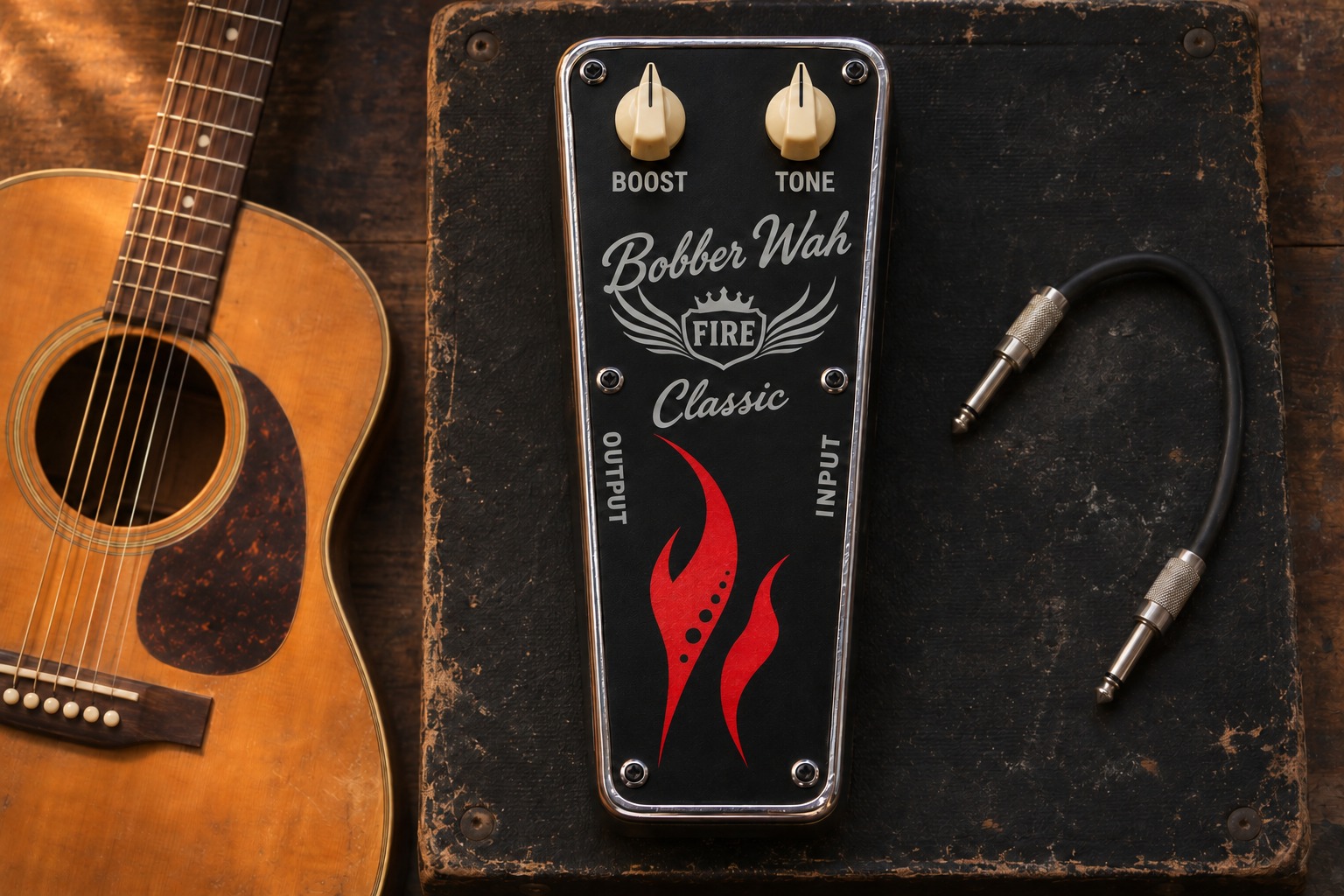
Richie Kotzen uses a Bobber Wah pedal in his documented gear — “Richie Kotzen seen here in this YouTube video demonstrating his guitar pedals, including the Bobber Wah.” The Bobber Wah’s specific filter character provides the expressive, vocal quality that the wah’s swept filter creates in his more funk and R&B-influenced passages. His wah use is selective — appearing in specific musical contexts rather than as a constant presence.
Kotzen’s overall effects philosophy is minimal. “You said you don’t really hear effects, but you did use some stompboxes on the album — right?” reflects the interviewer’s specific observation that effects are not a primary element of his recorded tone. His approach: the guitar’s natural character through a well-chosen amplifier provides the primary tonal experience, with effects deployed for specific musical purposes rather than as a permanent sonic environment.
In the studio, Kotzen has mentioned three compressors: DeMaria, Manley, and others — high-quality outboard compressors for tracking and mixing. The studio application is different from the live pedalboard: the Manley Vari-Mu and DeMaria compressors represent professional-grade dynamic control for recording rather than live performance tone shaping.
Playing Style & Tone Philosophy
Richie Kotzen’s playing style is one of the most compositionally complete in contemporary rock guitar — a synthesis of technical virtuosity, blues expressiveness, jazz harmonic sophistication, and the singer’s understanding of melody and phrasing that comes from being a lead vocalist who plays guitar rather than a guitarist who occasionally sings. These elements are not sequentially deployed (the jazz vocabulary in the verse, the blues bends in the chorus) but integrated throughout: every solo, every rhythm part, every chord voicing reflects all of them simultaneously.
His approach to legato technique is a defining element. Where many technically advanced guitarists use alternate picking or sweep picking as their primary approaches to fast passages, Kotzen develops the full legato vocabulary — hammer-ons and pull-offs executed at high velocity with complete articulation, the fingers doing the work that the pick would otherwise do — to a level that matches or exceeds his picking-based speed. This legato approach gives his fast lines a specific flowing, connected quality — like water rather than hail — that picking-based approaches don’t replicate. Combined with his vibrato (wide, deep, committed — each sustained note given the full treatment rather than a perfunctory wobble) and his bending technique (accurate to pitch, expressive in approach and departure), the result is a guitar voice that is simultaneously fast and soulful, technically impressive and emotionally direct.
His vocal-guitar integration is particularly significant. Playing and singing simultaneously at a high level — not just strumming chords while singing, but playing melodic guitar lines while singing melodically — requires the specific automaticity that long-term practice builds: the guitar part must be so thoroughly internalized that it can be executed without conscious attention while the vocal part receives primary mental focus. Kotzen has developed this to an extraordinary degree, performing guitar solos at technical heights while simultaneously singing counter-melodies. The Winery Dogs’ live performances are the fullest demonstration: a power trio in which the guitarist-vocalist is simultaneously the most technically demanding instrumentalist and the primary melodic and textural voice.
His tone philosophy is expressed in the Victoria RK amplifier development: “You have basically a master volume, a gain control that can give you anything from a screaming lead that sustains forever to a clean, chimey sort of bell tone. There is one tone knob.” The simplification of controls — one tone, one gain, one master, plus reverb and tremolo — reflects the mature player’s understanding that tonal variety comes from the guitar’s interaction with the amplifier’s character rather than from an elaborate control set. A simple, well-designed circuit at the right gain level produces the right tone. Complexity of control is the enemy of musical spontaneity.
The specific synthesis of technical guitar and blues soul in his playing deserves one more description because it is genuinely rare. The shred tradition produces guitarists who can play fast and accurately but who often lack the blues vocabulary — the bending, the vibrato, the specific emotional directness — that gives guitar playing its most immediate human quality. The blues tradition produces guitarists with deep emotional expression but who often lack the technical range to execute more complex ideas when the music requires them. Kotzen’s synthesis — the technical range of the shredder applied with the emotional commitment of the bluesman — is the most complete possible version of rock guitar, and his specific path to it (from Shrapnel shred through increasing jazz and blues absorption) is one of the more instructive career trajectories in the instrument’s recent history.
One of the more revealing aspects of Kotzen’s approach to the guitar is his specific statement about the Fender: “When I first picked up the Fender, immediately, it was responding to what I was putting into it.” The phrase “responding to what I was putting into it” is not the description of a technical specification — string gauge, neck profile, pickup output. It is the description of a dynamic feedback loop between player and instrument: the guitar’s response to the player’s physical and expressive input, the way the instrument amplifies and confirms what the player is feeling rather than filtering it. This is what the best guitars do: they don’t produce tone independently; they respond to the player’s intention with appropriate amplification. Kotzen’s conversion to Fender was the moment he found an instrument that responded to his intentions faithfully, and his subsequent career has been built on that responsiveness.
His instruction that “I’m trying to explain myself with the guitar — not show off or impress anyone” is one of the most concise statements of mature playing philosophy in contemporary rock guitar. The young Shrapnel-era Kotzen was, by necessity, demonstrating — showing what was possible, establishing credentials, proving ability. The mature Kotzen is communicating: using the established technical foundation to express something specific to this moment, this song, this emotional state. The transition from demonstration to communication is the transition from technical guitarists to complete guitarists, and Kotzen has made it as fully as any player in this series.
How to Sound Like Richie Kotzen
Getting Richie Kotzen’s tone requires the Telecaster’s specific character through a British-voiced tube amp, with the fundamental tonal work done by the guitar-amp interaction rather than effects.
Guitar: The Fender Richie Kotzen Signature Telecaster is the authentic choice. The DiMarzio custom pickups, the ash body with flame maple top, the maple neck, and the Series/Parallel control are all specific to his preferred configuration. For accessible alternatives: any Telecaster with medium-to-high output single-coil or single-coil-adjacent pickups. The maple neck’s brighter, more percussive attack character is important.
Amp: Victory RK50 or RK100 for the current authentic tone. Marshall Plexi 100W or JTM45 for the Winery Dogs era sound. The fundamental character: a British tube amp with natural preamp saturation, midrange presence, and the specific EL34 or EL34-adjacent power section character. The built-in reverb and tremolo (on the Victory RK) add the specific organic modulation that Kotzen describes as essential.
Amp Settings (Victory RK or Marshall Plexi equivalent):
| Control | Setting (0–10) | Notes |
|---|---|---|
| Gain | 5–7 | Moderate — “screaming lead that sustains forever” to “clean bell tone” |
| Tone | 5–6 | One tone control — the RK philosophy: balanced midrange |
| Master Volume | 6–8 | Working — power section saturation contributes to tone |
| Reverb | 2–3 | Built-in — light spring, ambient rather than washy |
| Tremolo | Slow, moderate depth | Built-in — present but not obvious |
Legato technique: Kotzen’s specific legato approach requires the left hand’s hammer-on and pull-off strength and speed to match the right hand’s picking speed. Practice legato runs starting from the first finger: first finger on the fret, then hammer-on with the second, third, and fourth fingers without picking. The pull-off requires each departing finger to actually pluck the string (not just lift off) so the next note sounds clearly. This is different from picking and requires specific practice beyond picking exercises.
Influence & Legacy
Richie Kotzen’s influence on guitar playing is primarily generational — the technically ambitious players who grew up in the 1990s and 2000s found in his synthesis of shred technique and blues soul a direction that neither the pure shred tradition nor the blues tradition independently offered. His demonstration that a guitarist could be technically extreme and emotionally expressive simultaneously — not trading off one for the other but achieving both in the same performance — gave a generation permission and direction.
His influence as a singer-guitarist is specifically significant. The combination of technical guitar playing at the highest level with lead vocal performance at the highest level is rare in rock music, and his sustained demonstration — over thirty-plus years of recordings and touring — that a guitarist can be the band’s primary melodic voice without compromising either the guitar work or the singing has influenced subsequent singer-guitarists who aspired to that integration.
For context on where Kotzen fits in the virtuoso rock guitar tradition, the comparison with Steve Vai’s approach to virtuosic rock guitar shows a parallel Shrapnel Records-era player who took a completely different direction — Vai toward the theatrical and avant-garde, Kotzen toward the soulful and blues-influenced. Both are technically extreme; both are musically intelligent; their aesthetic destinations are entirely different.
The comparison with John Mayer’s similar blues-jazz fusion with Fender guitar identity illuminates a parallel in the combination of technical sophistication with blues soul applied to Fender instruments — though Mayer’s commercial profile is considerably higher and his musical context is more pop-oriented. Kotzen’s approach is heavier and more rock-focused, but the fundamental synthesis of technical guitar with blues expressiveness is shared.
Read our guide to the Fender Richie Kotzen Telecaster.
And the comparison with Robben Ford’s blues-jazz fusion approach shows another parallel in the trajectory of a technically accomplished guitarist who moved toward soul and blues expressiveness rather than remaining in the technical display context of his origins. Ford from the L.A. studio scene, Kotzen from the Shrapnel shred scene — different entry points to the same general direction: technique in service of feeling.
Richie Kotzen is fifty-five years old in 2026, still active, still recording (Smith/Kotzen released a follow-up album, solo projects continue), still playing the Telecaster through the Victory RK series. The legato technique is as precise as it was in the Shrapnel days. The singing is as powerful as it was in the Mr. Big days. The blues soul is deeper, because the blues gets deeper with time. And the Fender is responding to what he puts into it, as it always has.
His relationship with Prince as a primary influence deserves examination, because it explains dimensions of his playing that neither the Shrapnel shred context nor the blues tradition alone would suggest. Prince was one of the most complete musicians in popular music history: songwriter, vocalist, multi-instrumentalist, bandleader, producer, and guitarist of extraordinary technical ability and emotional depth. His guitar work — the solo on “Let’s Go Crazy,” the extended improvisation in “Purple Rain,” the rhythmic sophistication of his rhythm guitar — combined technique and soul at the highest possible level. Kotzen absorbed this from Prince as a formative influence, giving him the model of what complete musicianship looks like: not the specialist but the total artist. His own career — guitar, vocals, songwriting, production, multi-genre range — reflects the Prince model more than it reflects the Shrapnel shred model.
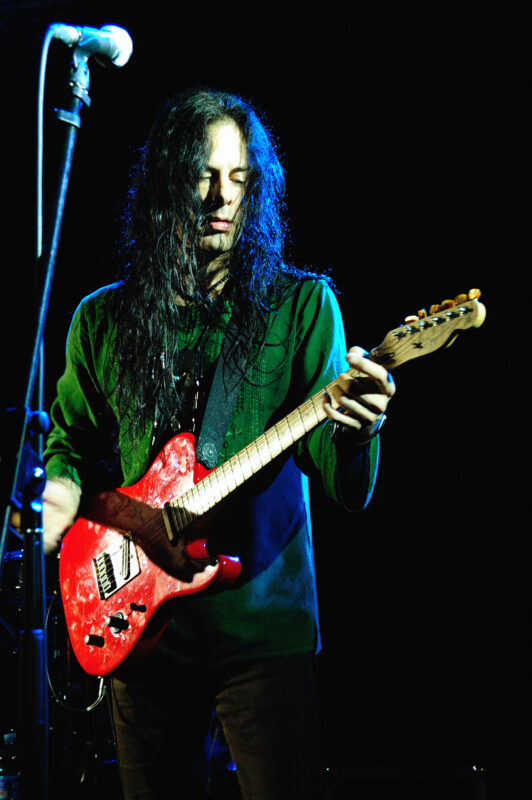
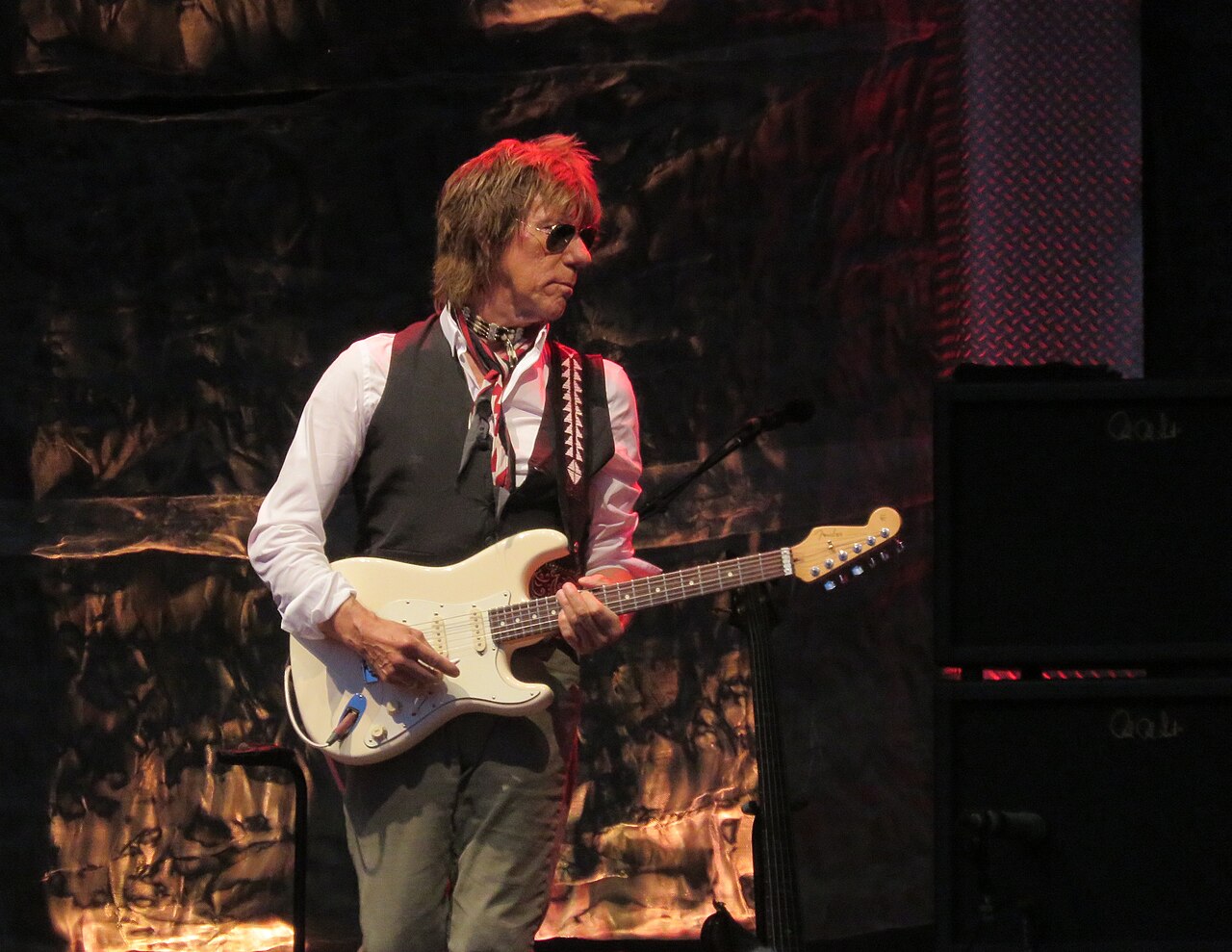
The Jeff Beck influence is equally specific. Beck’s approach to the guitar — using it as a voice, treating every note as an emotional statement, the specific combination of whammy bar expressiveness and finger vibrato that gives his playing its unmistakable character — provided Kotzen with a framework for expressive single-note playing that technical speed alone doesn’t produce. Beck’s playing answers the question “what do you do with technical ability once you have it?” with: you use it to make the guitar sound as human as possible. Kotzen absorbed this answer and has been executing it across thirty-five years of professional recordings.
His Grammy nomination history — for his work with the Winery Dogs and solo material — documents the formal industry recognition of a career that has operated primarily within the guitar community and the hard rock world rather than in the mainstream pop market where Grammy attention is most concentrated. The nominations reflect the specific quality of the recordings, and the lack of wins reflects the Grammy’s tendency to reward commercial sales volume alongside artistic quality. His commercial significance is documented differently: signature Fender instruments available worldwide, signature Victory amplifiers, signature Tech 21 effects — all of these represent the sustained commercial viability of an artist whose core audience is deeply dedicated even if not as broadly numerous as mainstream pop artists.
The Winery Dogs live experience — documented across multiple concert recordings and DVDs — is the fullest demonstration of what Kotzen offers as a complete performer. Watching him play technically demanding guitar solos while simultaneously singing the vocal melody (not the same melody, but a complementary one) at a level that would be impressive even without the guitar demands, in a power trio format where every gap in the arrangement is exposed — this is the specific achievement that the accumulated technique, the blues soul, the Prince-influenced comprehensive musicianship, and the Fender’s responsiveness all converge to produce. Three musicians. One guitar, one bass, one drum kit. Maximum musical content, minimum format. This is what Richie Kotzen has been building toward since that 1989 Shrapnel debut.
Richie Kotzen is fifty-five years old in 2026. The Fender Telecaster signature is in the case. The Victory RK50 is in the flight case. The legato technique is intact. The vibrato is wide and deep. The singing is powerful. The blues is deeper than it was. And somewhere in the synthesis of all of these elements — the Shrapnel shred foundation, the Prince-informed total musicianship, the Jeff Beck expressive singlenoteness, the Albert King blues bending, the singing that is always simultaneous with the guitar playing — somewhere in that synthesis is the specific thing that makes other guitarists uncomfortable in a productive way. It is not the technique. It is what the technique is in service of. The guitar is explaining him. He has been explaining himself for thirty-five years and is still going.
His influence on the generation of guitarists who grew up with the internet — who discovered his playing through YouTube videos and online guitar communities rather than through album sales or radio — represents a new mode of musical influence that is specifically his. The specific community of “Kotzen-heads” (as his dedicated fans are sometimes called) who study his technique in minute detail through video tutorials and performance footage is evidence of a depth of influence that sales numbers alone don’t capture. His instructional presence online — direct demonstrations of the legato technique, the chord voicings, the approach to blues phrasing — has educated a generation of guitarists in the specific synthesis he represents, spreading his musical philosophy through exactly the kind of direct player-to-player transmission that the internet makes possible.
The specific combination of instruments in his current touring rig — Telecaster, Victory RK, minimal effects, Hipshot Xtender for drop-D access — reflects the mature touring musician’s preference for reliability and simplicity over comprehensive tonal coverage. The Hipshot Xtender on the Telecaster means he can access both standard tuning and drop-D within the same performance without switching guitars, providing the range his catalog requires (some Winery Dogs material is in drop-D) without the complexity of multiple instruments on stage. The Tech 21 RK5 fly rig means he can perform professionally in any venue worldwide with only a carry-on-appropriate pedalboard, connecting to a provided backline amplifier that is made to sound like his setup through the signature preamp’s modeling. This pragmatic approach to touring — maximum musical range, minimum logistical complexity — is the working musician’s solution to the challenge of maintaining professional quality across hundreds of annual performances in varied locations and conditions.
His specific guitar playing is a continual demonstration of a simple principle: that the most demanding technical music is also the most emotionally accessible, if the technique is deployed in service of feeling rather than in service of display. He has been proving this principle since 1989. The Fender is still responding to what he puts into it.
Frequently Asked Questions: Richie Kotzen Guitars & Gear
What guitar does Richie Kotzen play?
Richie Kotzen’s primary current guitar is the Fender Richie Kotzen Signature Telecaster, featuring a flame maple top on an ash body, thick “C” maple neck and fingerboard, custom DiMarzio pickups, gold hardware, a Series/Parallel knob switch, N-Tune built-in tuner, and a Hipshot Xtender detuner for instant drop-D access. He also has a Fender Richie Kotzen Signature Stratocaster (FSR model with ash body, flame maple top, and DiMarzio pickups), and plays a Taylor 512-CE acoustic-electric for acoustic performances. Before his Fender period, he played superstrat-style guitars suited to the Shrapnel Records shred context.
What amp does Richie Kotzen use?
Richie Kotzen’s current primary amplification is through the Victory Richie Kotzen signature models — the RK50 (40-watt 1×12 combo) and RK100 (100-watt head). The Victory RK series features a simplified design: master volume, gain control (clean to high gain), one tone knob, and built-in reverb and tremolo circuits. Previously, he has used the Marshall 100-watt Plexi (for the Winery Dogs period and other hard rock contexts), the Cornford RK100 signature amp (pre-Victory), and the Fender Vibroking for Fender-toned applications. He has also used the Marshall 100-watt HW (hand-wired) version.
What bands has Richie Kotzen played in?
Richie Kotzen has had a diverse band history: Poison (1991-1993, replacing C.C. DeVille), Mr. Big (1999-2009, replacing Paul Gilbert), The Winery Dogs (2012-present, with Mike Portnoy and Billy Sheehan), and Smith/Kotzen (with Iron Maiden guitarist Adrian Smith). He has also maintained a prolific solo career since his 1989 debut, releasing over twenty solo albums. His Shrapnel Records releases (starting 1989) established his reputation as a technical guitar virtuoso; subsequent work moved progressively toward the blues-soul orientation that defines his current identity.
What makes Richie Kotzen’s playing style distinctive?
Richie Kotzen’s playing style combines technical legato virtuosity with blues expressiveness, jazz harmonic sophistication, and the melodic intelligence of a lead vocalist — all simultaneously, in the same performance. His specific technical foundation includes exceptional legato technique (hammer-ons and pull-offs at high velocity), wide and deep vibrato on sustained notes, accurate pitch bends with expressive approach and departure, and the ability to sing lead vocals while playing technically demanding guitar simultaneously. “I’m trying to explain myself with the guitar — not show off or impress anyone,” he has said — positioning the technical facility as a vehicle for expression rather than display.
Why did Richie Kotzen leave Poison?
Richie Kotzen was fired from Poison in 1993 after an affair with drummer Rikki Rockett’s fiancée became public. He had joined the band in 1991 to replace C.C. DeVille and was musically well-suited to the role — though his technically sophisticated playing style represented a different approach to rock guitar than his predecessor’s. The personal conflict led to his dismissal. He was replaced by Blues Saraceno. Despite the abbreviated tenure, the experience gave him professional visibility that benefited his subsequent career, and he speaks about the period without bitterness.
What is The Winery Dogs?
The Winery Dogs is a power trio supergroup formed in 2012 by Richie Kotzen (guitar and vocals), Mike Portnoy (drums, formerly of Dream Theater), and Billy Sheehan (bass, formerly of Mr. Big and David Lee Roth Band). All three members are recognized as exceptional players on their respective instruments. The band released two studio albums — The Winery Dogs (2013) and Hot Streak (2015) — and has toured extensively. Kotzen’s role as both primary guitarist and lead vocalist in the trio demands the highest level of simultaneous playing and singing, making The Winery Dogs one of the most demanding performance contexts in contemporary rock.
Is Richie Kotzen in the Rock and Roll Hall of Fame?
As of 2026, Richie Kotzen has not been inducted into the Rock and Roll Hall of Fame. His career — over twenty solo albums, stints with Poison and Mr. Big, The Winery Dogs supergroup, and the Smith/Kotzen collaboration — represents a substantial and sustained body of work, but his commercial profile has been more substantial within the guitar community than in mainstream rock culture. His influence on technically ambitious guitarists is recognized within the guitar world, and his signature Fender instruments document his commercial significance to one of the major guitar manufacturers. Recognition from the Rock and Roll Hall of Fame has not yet followed.
Image credits
- Cornford RK100 (Previous Signature Amp, Before Victory): GuitarGangsters AI-generated reference illustration, not a photograph.
- Wah Pedal (Bobber Wah, Specific Applications): GuitarGangsters AI-generated reference illustration, not a photograph.
- Jeff Beck: Shannon Kringen, Wikimedia Commons, CC BY-SA 2.0.
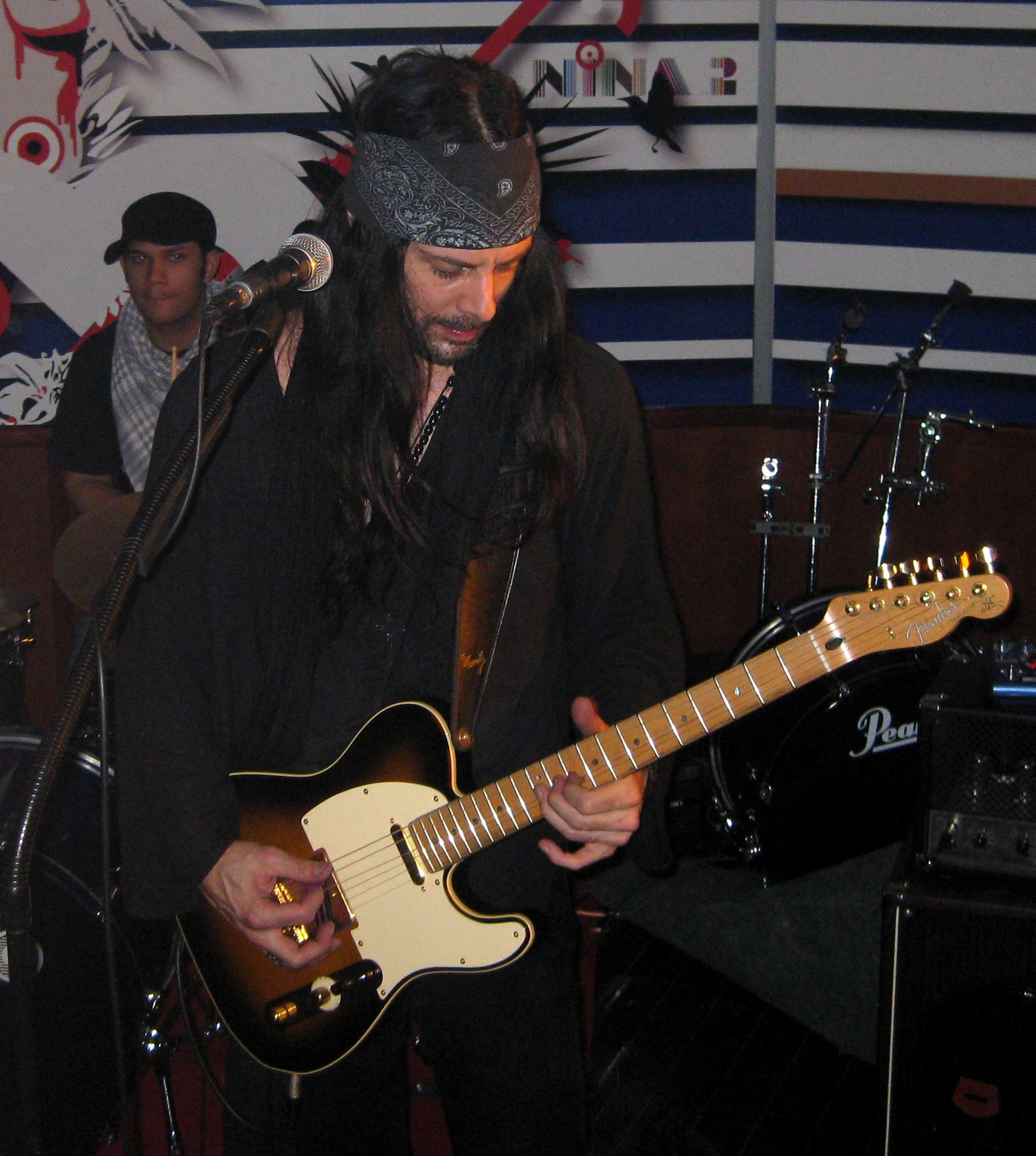
- Richie Kotzen: photo by roberto scorta, via Wikimedia Commons, CC BY 2.0.
- Marshall 1959 Super Lead Plexi: GuitarGangsters AI-generated reference illustration, not a photograph.
- Fender Vibro-King: GuitarGangsters AI-generated reference illustration, not a photograph.
- Richie Kotzen live: VedranBaotic, Wikimedia Commons, Public domain.
- Taylor 512ce: GuitarGangsters AI-generated reference illustration, not a photograph.