Phil Demmel (Machine Head/Vio-lence) Guitars & Gear: The Complete Guide to Bay Area Thrash’s Double-V Axeman’s Rig
Phil Demmel's guitars, amps, and effects — the complete guide. Jackson V signature Vio-lence, Peavey 5150 'centrepiece everything builds around that', Fractal Axe-FX 'two days ago switched', Dunlop Zakk Wylde Wah Buddy Guy housing 'Randy Rhoads polka dots Zakk guts inside', Boss BF-3 MXR Phase 90 Boss CE-5 NS-2 Zakk Wylde OD, Angus Young 'emote by holding single note', Dublin California 1967, Vio-lence Machine Head The Blackening, Slayer Jeff Hanneman tribute, and Bay Area thrash double-V axeman's complete rig.
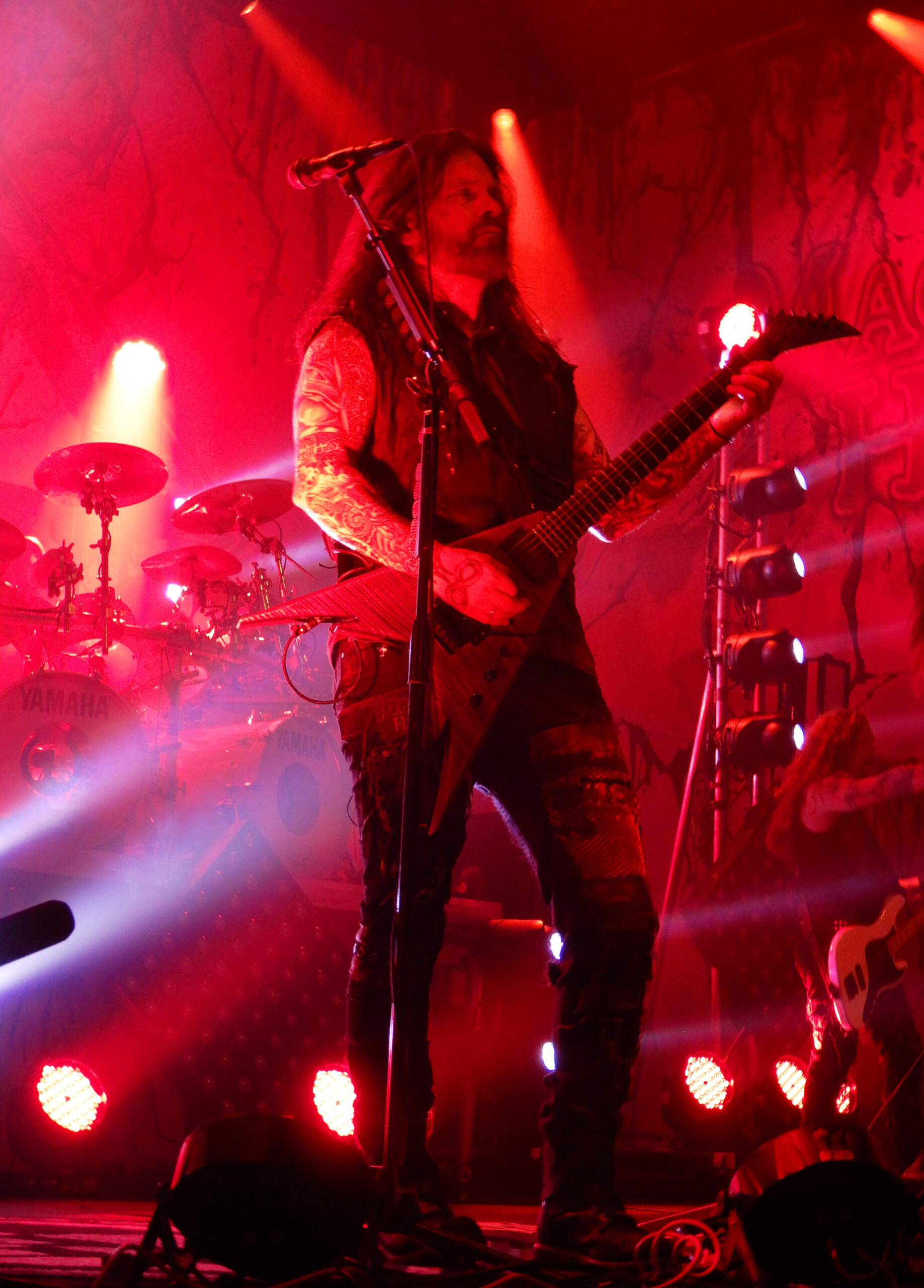
Phil Demmel with Machine Head, La Rochelle, 25 March 2018.
“The 5150 head is the centrepiece of my setup and everything kind of builds around that. It’s really close to the original sound of the 5150 but we do a couple of special little tweaks to them and it really translates live.” Phil Demmel said this about the Peavey 5150 — and the statement captures both his pragmatic approach to equipment (the centrepiece, everything else builds around it, small tweaks to translate live) and the specific shared 5150 culture of the Machine Head guitar world. Two Machine Head guitarists, both building their rigs around the Peavey 5150 (or 6505): Robb Flynn’s “Bubba” in high-security storage, Demmel’s tweaked live unit as the centrepiece of everything. Then he switched: “As of two days ago we’ve switched to using an amp/tone/effects processor called the Fractal Axe-FX.” One interview, two days of change, the centrepiece of the entire rig replaced with a Fractal. This is the pragmatic professional’s approach to gear: the 5150 was the centrepiece until the Fractal was better, and then the Fractal became the centrepiece. And his wah: “I’m running through a Dunlop Zakk Wylde Wah, but I use it with the Buddy Guy housing, so it looks like Randy Rhoads with the polka dots, but I’ve got the Zakk guts inside of it!” The Zakk Wylde wah circuit in the Randy Rhoads polka-dot Buddy Guy housing. Form from one legend. Function from another. This is the gear philosophy of a guitarist who knows what sounds good, who appreciates the visual identity of his gear, and who doesn’t see any reason why those two things can’t be combined. Angus Young made him want to play guitar: “You felt all of Angus’ emotions and you felt when he was pissed or happy or drunk or horny and you learned it all from Angus and his fingertips. I loved that he was able to emote just by holding a single note.” Angus Young. A single held note. Everything you need to know about Phil Demmel’s approach to lead guitar.
The Journey
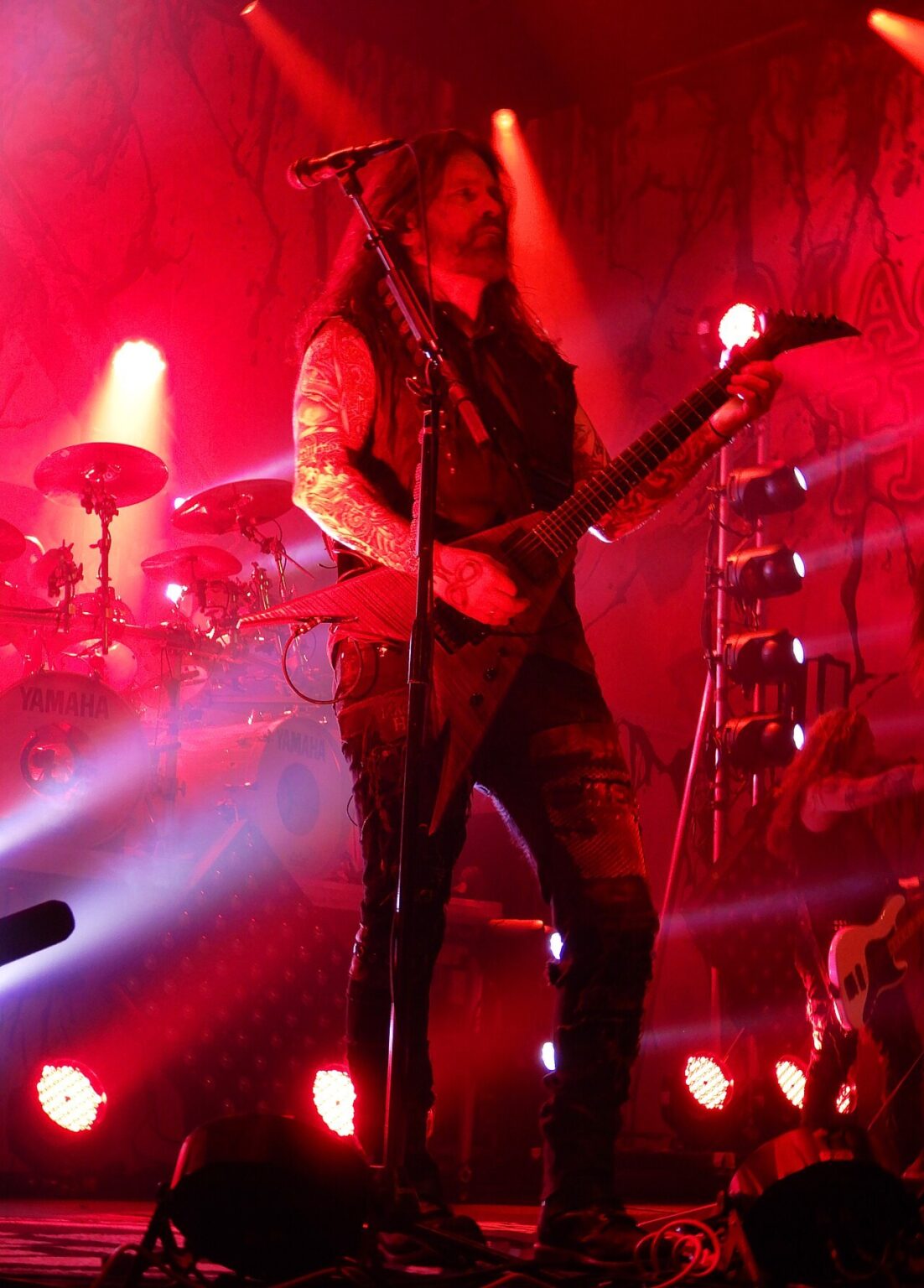
Phil Demmel was born on April 2, 1967, in Dublin, California — the Bay Area, the same geographic and cultural context that produced Robb Flynn, Metallica, Exodus, and the entire first-wave Bay Area thrash scene. He co-founded Vio-lence in 1985 (initially as Death Penalty) alongside drummer Perry Strickland — the same year Robb Flynn was playing in Forbidden Evil at a nearby Fremont rehearsal space. The two guitarists’ paths crossed immediately in the Bay Area thrash community; Flynn subsequently joined Vio-lence in 1987, and the Flynn/Demmel guitar partnership that would define Machine Head was established in the Vio-lence years. Vio-lence released three studio albums (Eternal Nightmare, 1988; Oppressing the Masses, 1990; Nothing to Gain, 1993) before disbanding in 1994. After Vio-lence, Demmel formed Torque and later Technocracy before joining Machine Head in 2002 as a touring guitarist, subsequently becoming a full-time member in 2003. He appeared on Through the Ashes of Empires (2003), The Blackening (2007), Unto the Locust (2011), Bloodstone & Diamonds (2014), and Catharsis (2018). He departed Machine Head in 2018. He played Jeff Hanneman’s live parts on several Slayer farewell tour dates. He reunited with Vio-lence in 2019. He is fifty-eight years old.
Background: Dublin California, Vio-lence 1985 with Death Penalty, Robb Flynn Connection, Machine Head 2002-2018, The Blackening, Slayer Farewell Hanneman Tribute, Vio-lence Reunion 2019
Demmel’s specific relationship to Robb Flynn is one of the most specifically documented long-term musician friendships in this section of the guide. Flynn’s 2013 Loudwire reflection: “I’ve known Phil Demmel for *cough* 26 years! Though it’s hard to remember, I met Phil somewhere back in 1986, when I was 18 years old. He was in Vio-Lence and I was in Forbidden Evil, we practiced in a Fremont, CA warehouse district behind a studio / jam room called Fast ‘N Furious… I started going over to Vio-Lence practices and watched in awe as they produced some of the most ferocious riffs and songs I’d heard.” The specific Bay Area thrash community context — multiple bands rehearsing in the same Fremont warehouse district in 1986 — is the particular environment that produced both Machine Head and the Vio-lence/Machine Head connection. Flynn about Demmel’s arrival in Machine Head: “That’s all it took to completely erase the memory of our old guitarist for me. Just looking stage right to see Phil rocking-out and in my head saying, ‘Hey, I remember THAT guy.'” The specific sense of recognition — seeing a guitarist you’ve known for twenty-six years playing in your band — is one of the more specifically humanizing details in this section of the guide.
His tribute to Jeff Hanneman — playing Hanneman’s parts on several Slayer farewell tour dates (alongside Gary Holt, who had been covering Hanneman’s live duties) — is the specific honor that connects him to the broader Bay Area metal tradition. Playing the parts of a deceased foundational guitarist on a farewell tour is the specific form of musical tribute that the metal community offers: not a cover version, not a tribute album, but the physical act of standing where the original guitarist stood and playing what the original guitarist played.
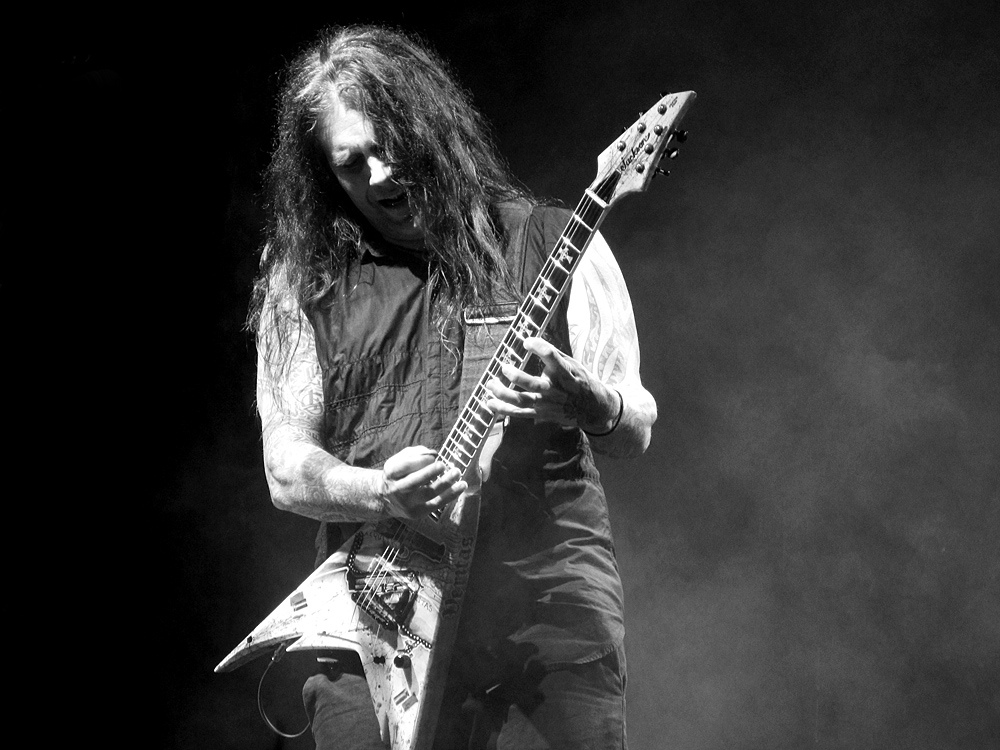
His primary guitar influence — Angus Young, not a metal guitarist — is the most specifically unexpected influence for a thrash/groove metal guitarist documented in this guide. Demmel’s Gear Factor quote: “You felt all of Angus’ emotions and you felt when he was pissed or happy or drunk or horny and you learned it all from Angus and his fingertips. I loved that he was able to emote just by holding a single note. You just felt Angus and I dug that so much.” The specific emphasis on emotional communication through single sustained notes — not speed, not technique, not complexity — is the foundational principle of his lead guitar approach. Angus Young holds a note and you feel everything. Phil Demmel applies that principle to thrash metal lead guitar.
The Rig: Phil Demmel’s Guitars, Amps, and Effects
Guitars
The Equipboard documentation: “You can see throughout this performance with Vio-lence that he uses his sig Jackson V.” Phil Demmel’s signature Jackson V — the angular Flying V-adjacent design associated with both Demmel’s Bay Area thrash heritage and Jackson’s 1980s metal tradition — is his primary guitar for Vio-lence performances. The Jackson V (through-neck, high-performance construction, humbuckers with the specific Jackson output and voicing) provides the aggressive visual identity and the specific bright, defined character of Jackson’s construction for the ferocious thrash of Vio-lence’s material. His Jackson V is finished in the Buddy Guy polka-dot inspired design that connects visually to the housing of his wah pedal.
While his specific Machine Head-era guitars include various V-shaped instruments, the specific models documented include both signature ESP/Epiphone-adjacent designs similar to Flynn’s (the two guitarists using complementary instrument designs during the Machine Head period) and the Jackson signature for the Vio-lence work. Demmel’s guitar aesthetic is consistently V-shaped — the angular body design that connects him visually to the aggressive aesthetic of Bay Area thrash and to the specific stage presence of metal’s most physically demonstrative instrument shapes.
Amps
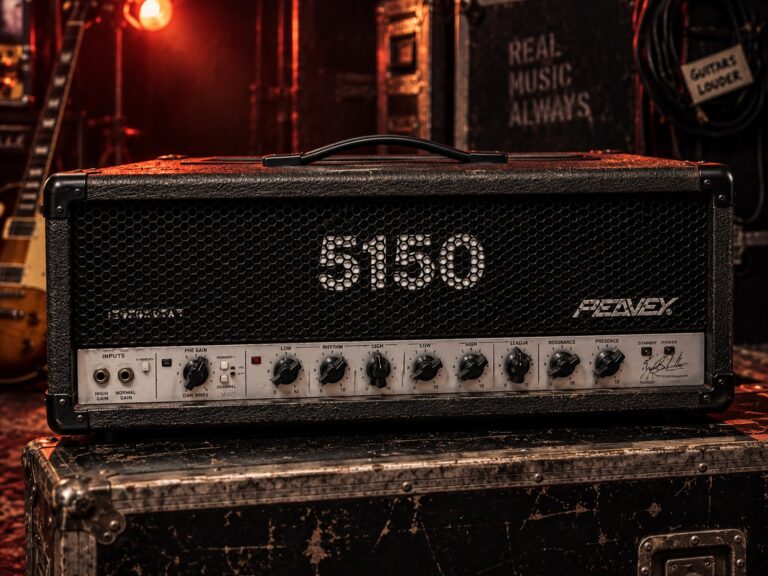
The Equipboard documentation: “In this interview, Phil Demmel says, ‘The 5150 head is the centrepiece of my setup and everything kind of builds around that. It’s really close to the original sound of the 5150 but we do a couple of special little tweaks to them and it really translates live.'” The Peavey 5150 — the same amplifier as Robb Flynn’s “Bubba” and as documented throughout the extreme metal section of this guide — was Demmel’s primary amplification for the Machine Head period. His specific characterization of “special little tweaks” (specific modifications he and his amp tech made to the stock 5150 to optimize its live performance character) reflects the professional approach of a touring guitarist who takes his primary amp’s performance seriously enough to have it specifically modified for the live touring context. The rig diagram on the Equipboard page confirms use of the Peavey 5150 footswitch for channel switching.
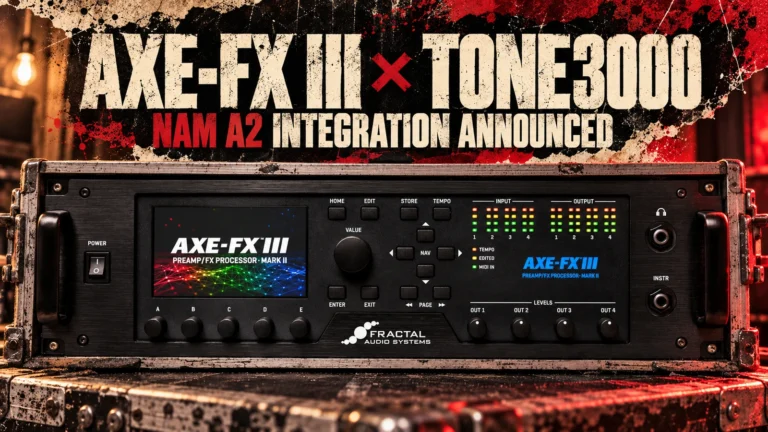
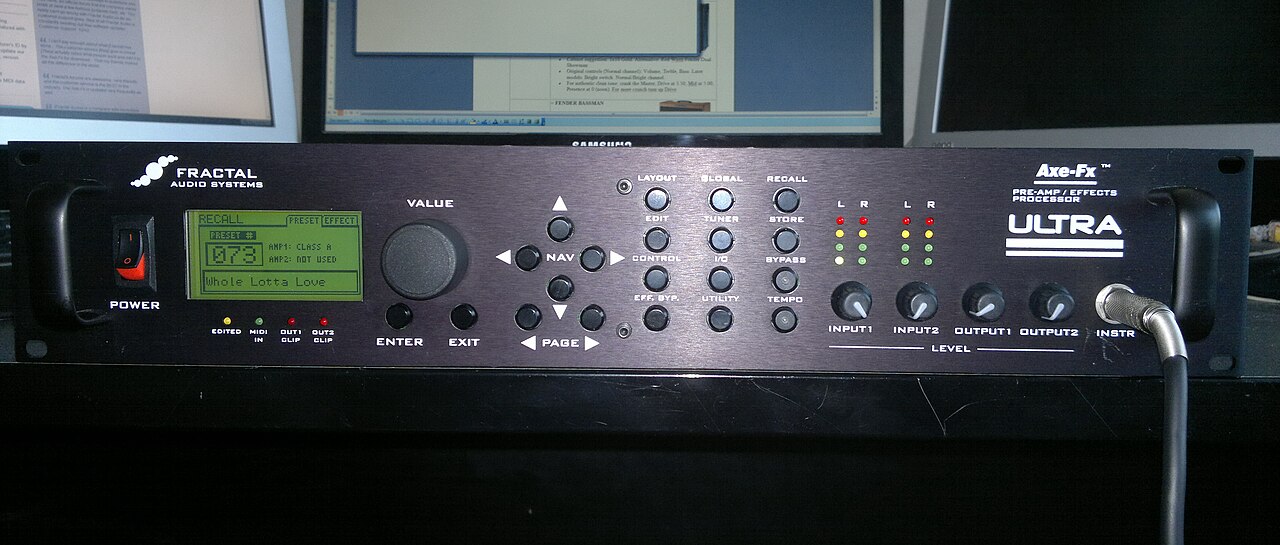
The Equipboard documentation captures the specific moment of transition: “As of two days ago we’ve switched to using an amp/tone/effects processor called the Fractal Axe-FX.” This quote — documenting the exact moment (two days prior to the interview) when the entire centrepiece of the rig changed from a physical 5150 to a Fractal Axe-FX digital modeler — is the most specifically time-stamped gear transition in this guide. The Fractal Axe-FX’s specific advantages (amp modeling, effects processing, MIDI control, reduced touring weight and complexity) evidently outweighed the commitment to the 5150’s proven performance character at the specific moment of transition.
The Equipboard documentation: “Included in my CAE unit is: Rocktron Prophecy 2 for some clean tones (it will be weeded out after I get more familiar with the Fractal).” The Rocktron Prophecy 2 — a rack-mounted multi-effects preamp — handled the clean tone requirements within his Custom Audio Electronics (CAE) signal routing system, with the intention of replacing it with the Fractal Axe-FX’s own clean tone capabilities as he became more familiar with the digital modeler.
The Bax Music documentation: “As a Peavey artist, Mr Demmel often plays the 6505 amplifier heads from the brand, but the Invective amp head by djent guitarist Misha Mansoor has also had plenty of action recently.” The Peavey Invective (designed in collaboration with Periphery guitarist Misha Mansoor) provides an alternative to the standard 6505/5150 circuit, with a different gain structure and voicing suited for modern djent and progressive metal.
Effects
The most visually distinctive and most specifically described piece of gear in Demmel’s documented rig: “I’m running through a Dunlop Zakk Wylde Wah, but I use it with the Buddy Guy housing, so it looks like Randy Rhoads with the polka dots, but I’ve got the Zakk guts inside of it!” The Dunlop Zakk Wylde Crybaby wah (Wylde’s signature circuit, with the specific Wylde voicing characterized by a vocal, midrange-heavy sweep) inside the Buddy Guy signature polka-dot Crybaby housing (Buddy Guy’s signature design, with the black-and-white polka dot finish associated with his visual identity). The result: a wah pedal that visually references Randy Rhoads (the polka-dot pattern Rhoads is primarily associated with) and Buddy Guy simultaneously, while sonically delivering the Zakk Wylde circuit. This is a gear statement that covers three guitar legends simultaneously.
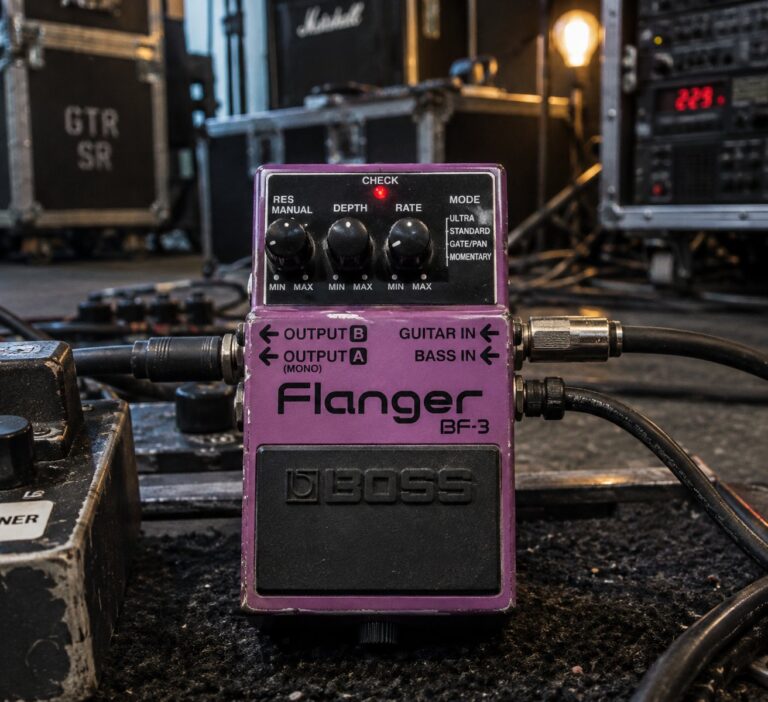
The Bax Music documentation: “for those clean Machine Head guitar tones, a Boss BF-3 is pretty much a must.” The Boss BF-3 Flanger — Boss’s budget-accessible analog/digital flanger — provides the specific flanger character for the clean passages of Machine Head’s material, parallel to Robb Flynn’s use of the EHX Electric Mistress for the same general sonic function. The BF-3’s more compact format and digital reliability make it a practical live alternative to the vintage-format Electric Mistress.
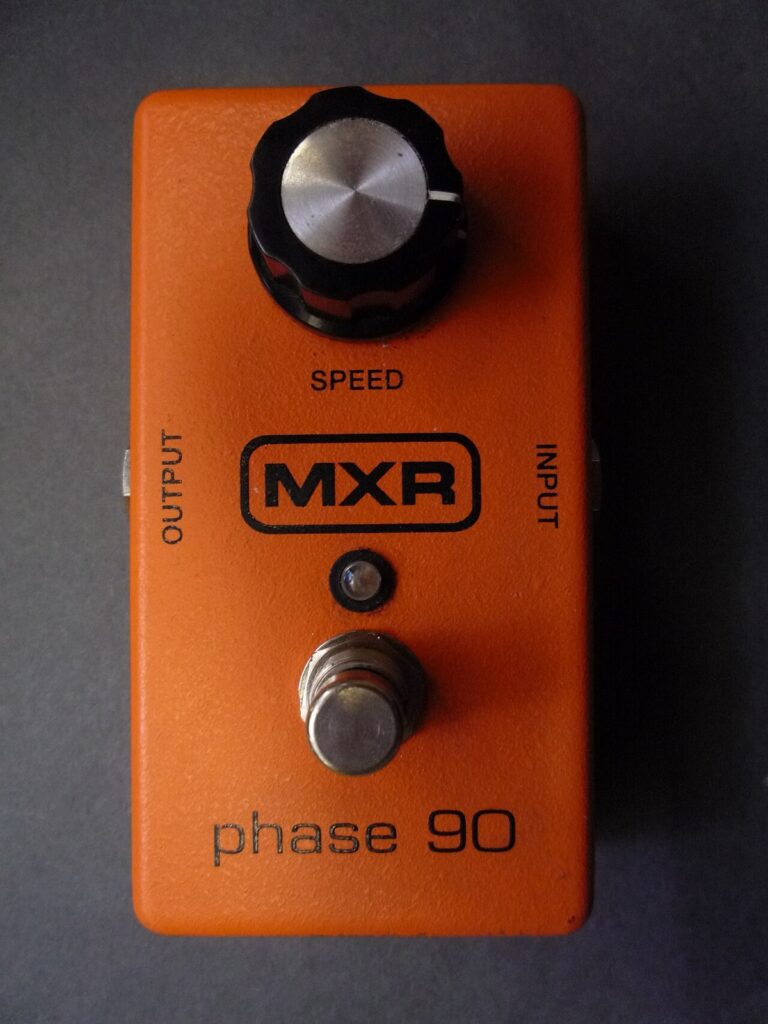
The Bax Music documentation confirms “an MXR Phase 90” as part of his modulation effects. The MXR Phase 90 — the same four-stage phaser documented for Trey Azagthoth and multiple other guitarists in this guide — provides the specific swirling rotational modulation that adds movement to sustained notes and specific textural character to rhythm playing.
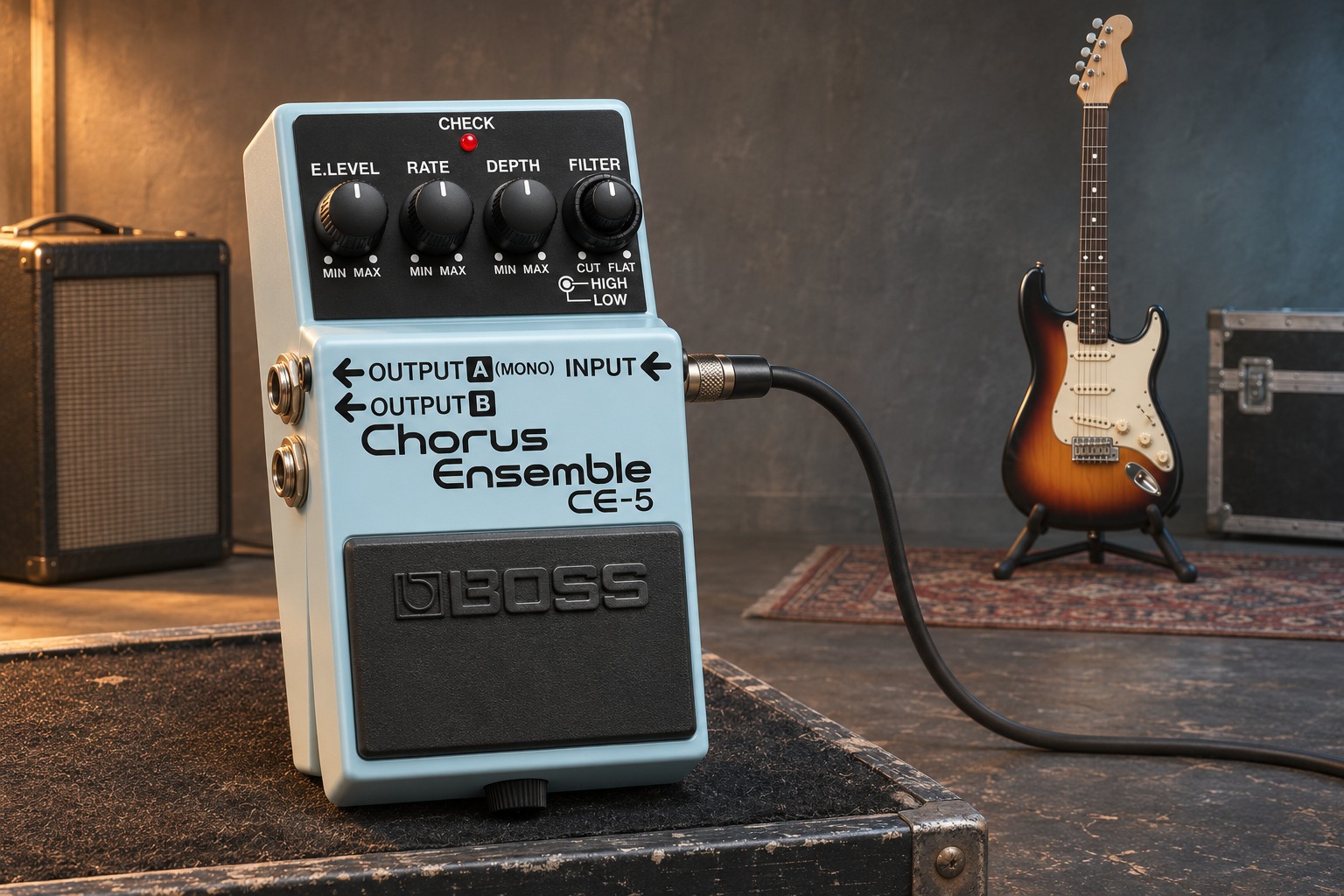
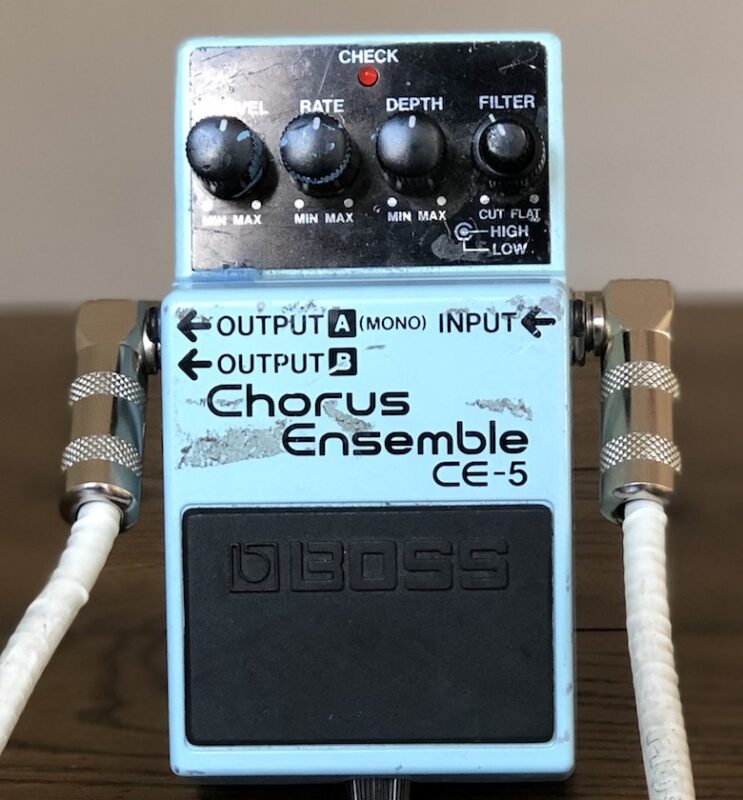
The Bax Music documentation: “a Boss CE-5 Chorus definitely shouldn’t be missing.” The Boss CE-5 — a stereo chorus with a wide range of rate and depth adjustment — provides the chorus dimension that adds shimmer and width to clean and lightly distorted passages.
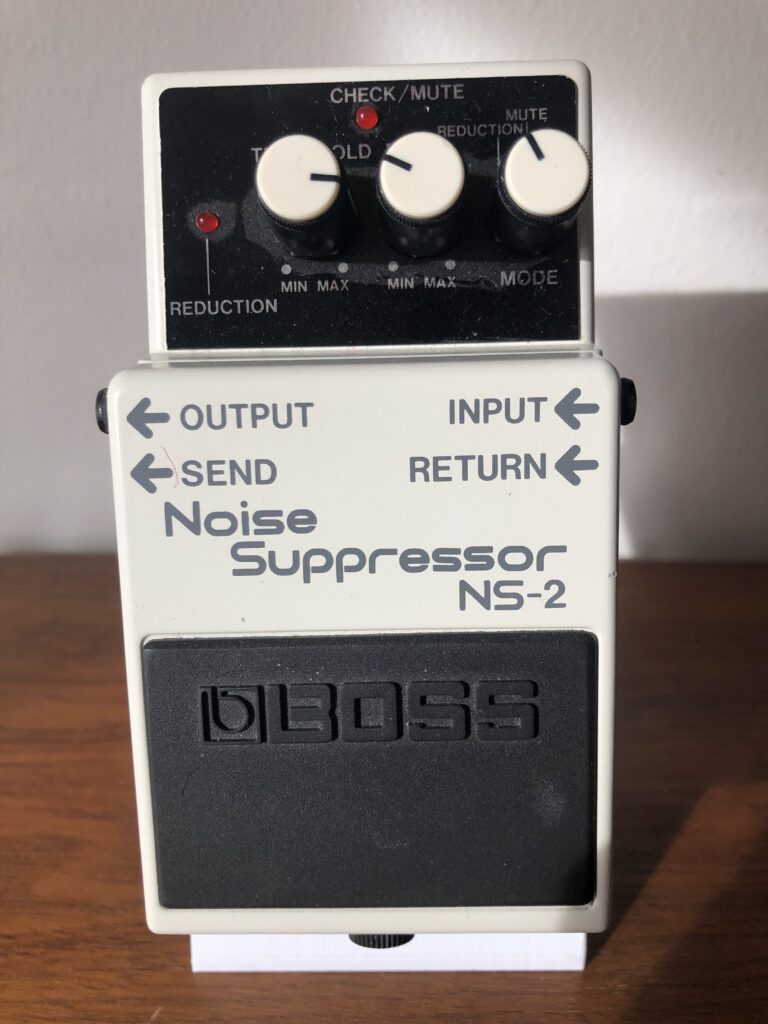
The Bax Music documentation: “To keep his rhythms tight, he also uses a noise gate. He’s been spotted with the widely praised Boss NS-2, but the TC Electronic Sentry has also earned a spot on his pedalboard.” Noise gates are essential for extreme metal rhythm guitar — at the gain levels required for tight, aggressive thrash playing, the amplifier’s background noise during rests between riffs must be eliminated. The Boss NS-2 and TC Electronic Sentry represent two different noise gate approaches for the same function.
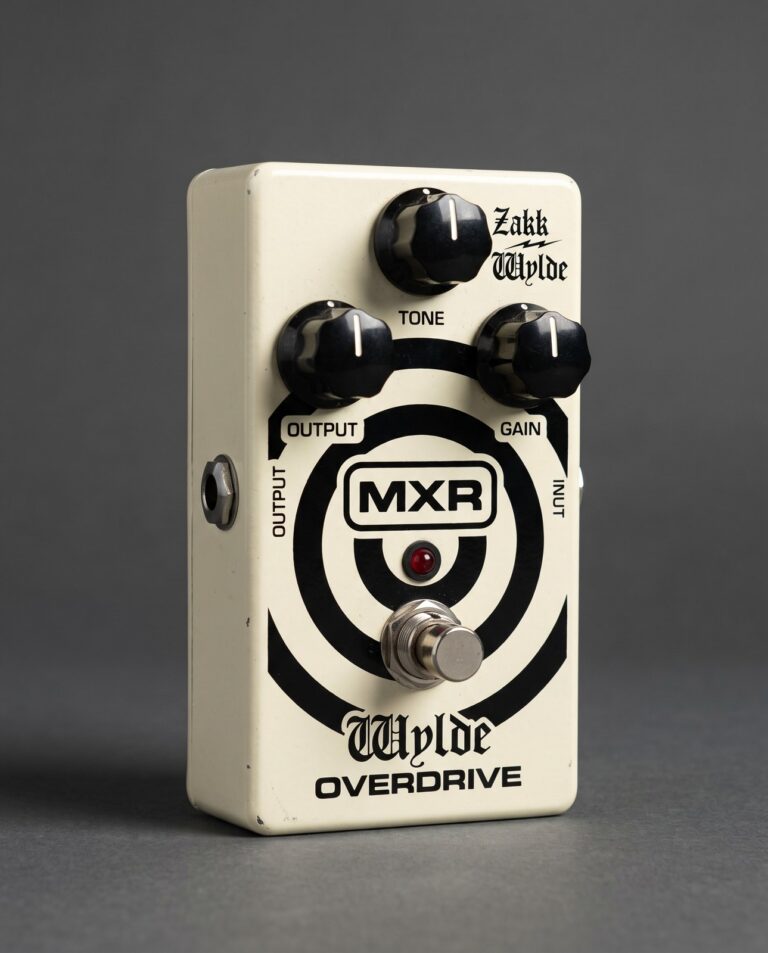
The Bax Music documentation: “To occasionally make the amp really roar, an MXR Zakk Wylde overdrive has been part of his rig for quite some time.” The MXR Zakk Wylde Overdrive (based on the MXR Distortion+ circuit with modifications for the Wylde signature) provides the boost/overdrive for the heaviest passages — pushing the 5150 or Fractal’s input harder for specific extreme moments.
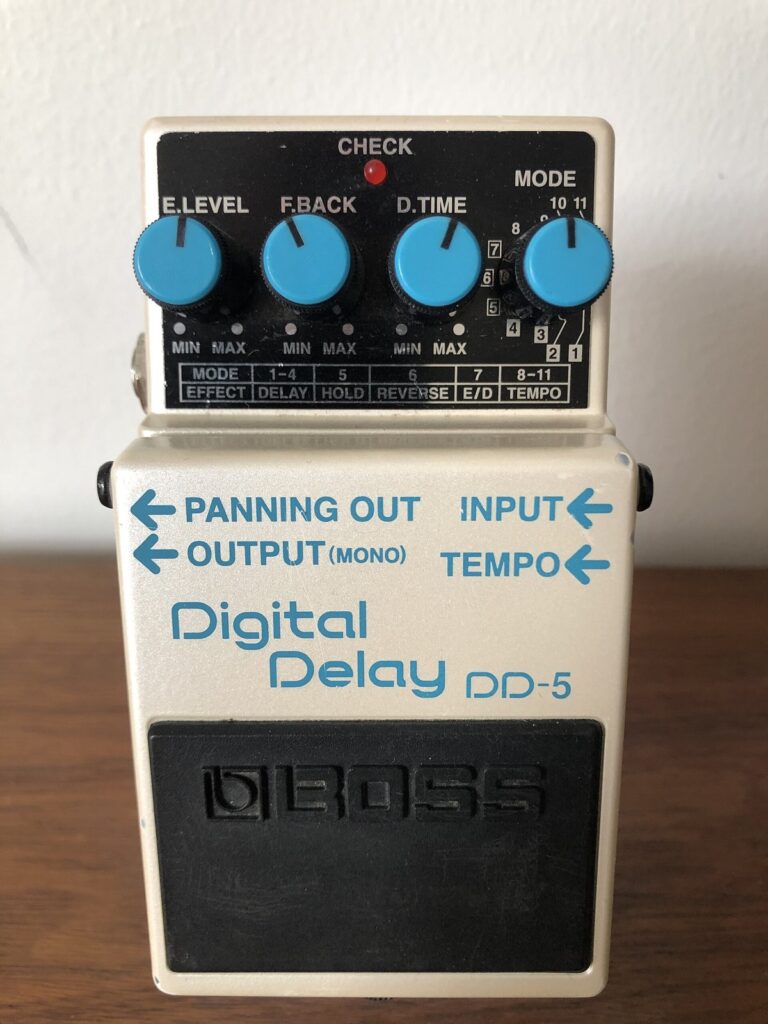
The Bax Music documentation: “To make your leads sound bigger, you could of course always add a Boss Delay such as the DD-5 or a TC Electronic Flashback 2 to your effects chain.” Delay on lead guitar — adding rhythmic echo to single-note lines — gives the Angus Young-influenced sustained note playing its specific dimensional depth. A long, warm delay makes a single held note bigger and more present in the mix.
The Equipboard documentation: “Phil Demmel of Machine Head uses Dunlop Heavy Core Guitar Strings, as listed on the Dunlop Manufacturing artist page.” Dunlop Heavy Core strings are designed for down-tuned playing — extra-heavy gauge wound strings that maintain tension and definition at lower pitches.
Playing Style & Tone Philosophy
Phil Demmel’s playing style is the most emotionally expressive in the Machine Head context — the approach of a lead guitarist whose primary influence (Angus Young) oriented him toward the emotional communication of sustained single notes rather than the technical display of scalar speed runs. The Gear Factor quote captures the foundational principle: “I loved that he was able to emote just by holding a single note.” In the Machine Head context, this principle produces the specific lead guitar character of The Blackening’s solos: not the fastest or the most technically complex in metal, but the most emotionally direct, with the specific quality of a guitarist who has learned to communicate through note choice, vibrato, and the specific physical quality of the sustained note rather than through rapid scale passage.
His tone philosophy is the 5150 philosophy (now the Fractal philosophy): the centrepiece is the high-gain American tube character (or its digital equivalent), and everything else builds around it. The polka-dot wah with the Zakk guts is the visual/functional synthesis of influences. The Boss BF-3 provides the flanger dimension for clean passages. The noise gate (NS-2 or Sentry) keeps the tight rhythm. The delay makes the leads bigger. This is a complete, well-documented professional rig for extreme metal lead guitar, built around the specific emotional communication philosophy of Angus Young’s approach applied to Bay Area thrash metal’s vocabulary.
How to Sound Like Phil Demmel
Guitar: Jackson V signature (V-shape, through-neck or set-neck, high-output humbuckers) for the primary Vio-lence and Demmel character. V-shaped instruments generally for the consistent visual and physical approach.
Amp: Peavey 5150/6505 (original or 6505+) as the centrepiece — “everything kind of builds around that.” Fractal Axe-FX for the digital modeling equivalent with the same 5150 profile. Peavey Invective for the Mansoor-influenced modern high-gain alternative.
Amp Settings (Peavey 5150 — Machine Head Lead Guitar):
| Control | Setting (0–10) | Notes |
|---|---|---|
| Lead Gain | 7–8 | High but not maximum — “really close to the original sound with special tweaks” |
| Bass | 5–6 | Present — V-guitar’s mahogany/through-neck warmth needs balance |
| Mid | 5–6 | Natural — the Zakk Wylde wah and overdrive add midrange when needed |
| Treble | 6–7 | Bright — attack definition for the Vio-lence thrash riffs |
| Presence | 6 | Moderate — projects through the dual-guitar Machine Head texture |
Essential effects: Dunlop Zakk Wylde Wah (in polka-dot housing) for lead expression. Boss BF-3 Flanger for clean/light passages. MXR Phase 90 for modulation. Boss NS-2 noise gate for rhythm tightness. Boss DD-5 or TC Electronic Flashback for lead delay. MXR Zakk Wylde Overdrive for the biggest moments. And the foundational approach: hold the note, let Angus’s lesson communicate through the sustained pitch and the vibrato. The technique is less important than the feeling. “You just felt Angus.”
Influence & Legacy
Phil Demmel’s influence is primarily as the lead guitarist who gave Machine Head’s most celebrated album (The Blackening, 2007) its specific lead guitar character — the solos that balanced technical ability with the specific emotional directness of his Angus Young influence. His contribution to Vio-lence’s Bay Area thrash legacy — as a founding member and primary guitarist of one of the genre’s most ferocious bands — places him in the first generation of American thrash metal.
His connection to Robb Flynn as the essential Machine Head creative partner — both guitarists building rigs around the Peavey 5150, both drawing from the Bay Area thrash tradition, both meeting in Fremont rehearsal spaces in 1986 — reflects the most important creative relationship of his career. His connection to Jeff Hanneman as the guitarist whose Slayer farewell tour parts he played — a specific tribute performance that connects his Bay Area thrash career to the foundational history of the genre — reflects the shared tradition. His connection to Mille Petrozza as a fellow thrash metal guitarist from the same generation whose 5150-centered live approach parallels Demmel’s reflects the shared amplifier tradition.
Frequently Asked Questions: Phil Demmel Machine Head Guitars & Gear
What guitar does Phil Demmel play?
Demmel’s primary guitar for Vio-lence performances is his signature Jackson V — “You can see throughout this performance with Vio-lence that he uses his sig Jackson V.” He uses V-shaped instruments consistently, reflecting the visual and physical identity of the flying V body shape in Bay Area thrash metal. For Machine Head, he used various V-shaped designs complementary to Robb Flynn’s baritone Flying V instruments.
What amplifier is the “centrepiece” of Phil Demmel’s setup?
“The 5150 head is the centrepiece of my setup and everything kind of builds around that. It’s really close to the original sound of the 5150 but we do a couple of special little tweaks to them and it really translates live.” The Peavey 5150 was his primary amp for the Machine Head period, with specific modifications made to optimize its live performance character. He subsequently transitioned to the Fractal Axe-FX digital modeler: “As of two days ago we’ve switched to using an amp/tone/effects processor called the Fractal Axe-FX.” The Peavey Invective (Misha Mansoor signature) has also been documented in recent use.
What is the story of Demmel’s polka-dot wah pedal?
“I’m running through a Dunlop Zakk Wylde Wah, but I use it with the Buddy Guy housing, so it looks like Randy Rhoads with the polka dots, but I’ve got the Zakk guts inside of it!” The Dunlop Zakk Wylde Crybaby circuit (Wylde’s specific midrange-heavy wah voicing) housed in the Buddy Guy signature polka-dot Crybaby housing (black and white dots associated with both Buddy Guy and Randy Rhoads). Visual identity from Rhoads/Guy; sonic character from Wylde. Three guitar legends in one pedal.
Who is Phil Demmel’s primary guitar influence?
Demmel’s primary guitar influence is Angus Young of AC/DC — notably not a metal or thrash guitarist. “You felt all of Angus’ emotions and you felt when he was pissed or happy or drunk or horny and you learned it all from Angus and his fingertips. I loved that he was able to emote just by holding a single note. You just felt Angus and I dug that so much.” KISS was “the band that made me want to be a performer.” Black Sabbath also featured prominently in his early influences alongside AC/DC.
What was Phil Demmel’s connection to Jeff Hanneman?
After Jeff Hanneman’s death in 2013, Demmel played Hanneman’s live guitar parts on several Slayer farewell tour dates, alongside Gary Holt (who had been covering Hanneman’s duties since his 2011 spider bite injury). This specific tribute performance — physically standing where Hanneman had stood and playing his specific guitar parts — connected Demmel’s Bay Area thrash career to the foundational history of the genre in the most direct possible way.
What effects pedals does Phil Demmel use?
Key documented effects: Dunlop Zakk Wylde Wah (in Buddy Guy polka-dot housing), Boss BF-3 Flanger (clean Machine Head tones), MXR Phase 90 (modulation), Boss CE-5 Chorus, Boss NS-2 or TC Electronic Sentry noise gate (rhythm tightness), MXR Zakk Wylde Overdrive (amp boost), Boss DD-5 or TC Electronic Flashback 2 delay (lead depth). Dunlop Heavy Core strings for down-tuned playing.
When did Phil Demmel join and leave Machine Head?
Demmel joined Machine Head as a touring guitarist in 2002 (playing his first show on July 1st, 2002 at The Ambassador in Dublin, Ireland), then became a full-time member in 2003 when he appeared on Through the Ashes of Empires. He remained through Catharsis (2018) before departing in 2018, making him Machine Head’s longest-running lead guitarist after founder Robb Flynn. He previously co-founded Vio-lence in 1985 alongside Flynn and Robb Flynn recruited Demmel for Machine Head after seeing him at the Thrash of the Titans benefit in 2001.
Image credits
- Boss CE-5 Chorus (Modulation: GuitarGangsters AI-generated reference illustration, not a photograph.
- Fractal Audio Axe-Fx: appelsin, Wikimedia Commons, CC BY-SA 3.0.
- Top image: Phil Demmel performing with Machine Head in La Rochelle on 25 March 2018, playing a Jackson Demmelition King V. Photo: Tilly antoine, original photograph, CC BY-SA 4.0. Full original frame retained; proportionally resized for display. No crop or retouch by GuitarGangsters. Adaptations must use the same or a compatible license.
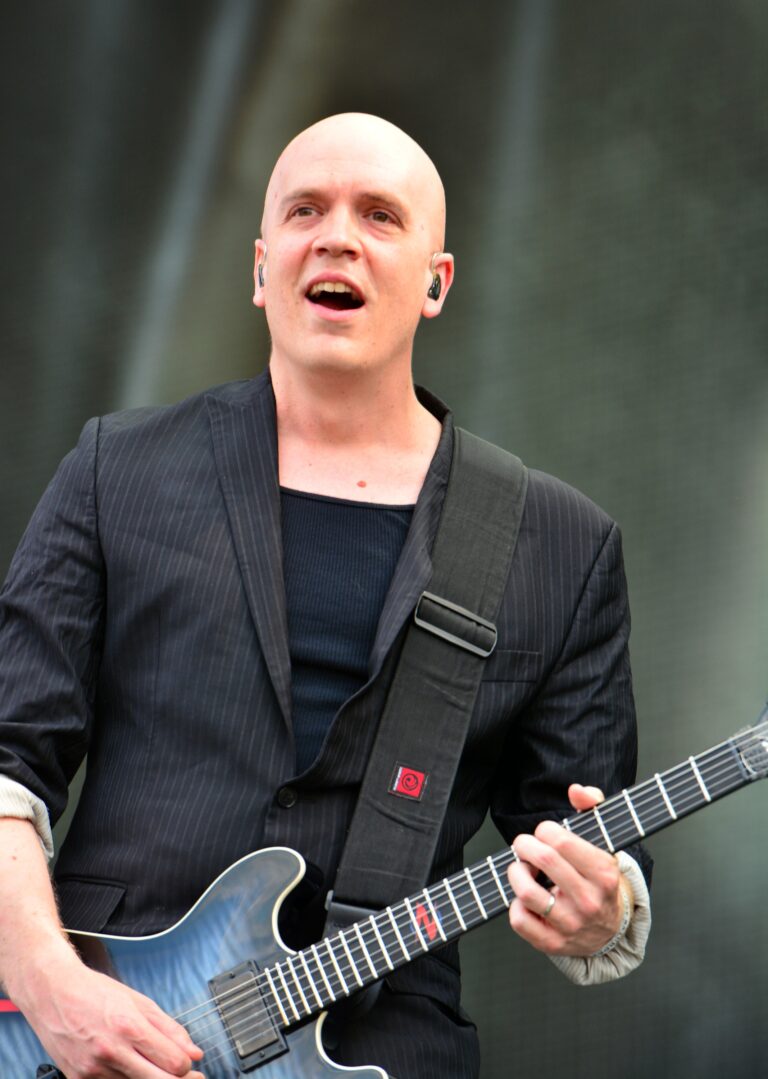
- Phil Demmel: photo by sandra.scherer, via Wikimedia Commons, CC BY 2.0.
- Peavey 5150: GuitarGangsters AI-generated reference illustration, not a photograph.
- Boss NS-2 Noise Suppressor: Johan Rosén / Kuriosatempel, CC BY-SA 4.0.
- BOSS BF-3 Flanger: GuitarGangsters AI-generated reference illustration, not a photograph.
- Phil Demmel live: Tilly antoine, Wikimedia Commons, CC BY-SA 4.0.
- MXR Phase 90: Roadside Guitars, Wikimedia Commons, CC BY-SA 2.0.
- Boss DD-5 Digital Delay: Kuriosatempel, Wikimedia Commons, CC BY-SA 4.0.
- Boss CE-5 Chorus Ensemble: Guitar Chalk, Wikimedia Commons, CC BY 2.0.
- MXR Zakk Wylde Overdrive: GuitarGangsters AI-generated reference illustration, not a photograph.