Mike Stern Guitars & Gear: The Complete Guide to the Jazz Telecaster Master’s Mutt Tele, Yamaha Signature & Chorused Twin Reverb Rig
Mike Stern guitars & gear: the jazz Telecaster master. Mutt Tele from Danny Gatton/Roy Buchanan, Yamaha PA1511MS, Twin Reverb stereo, SPX-90 chorus — Miles Davis rig guide.
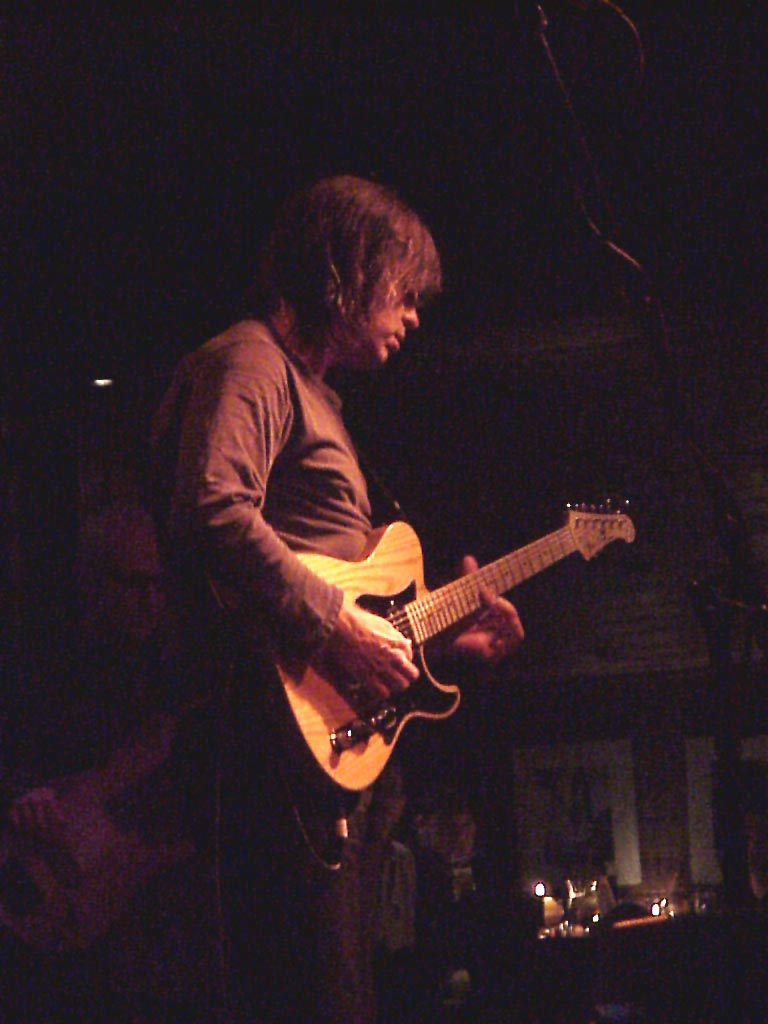
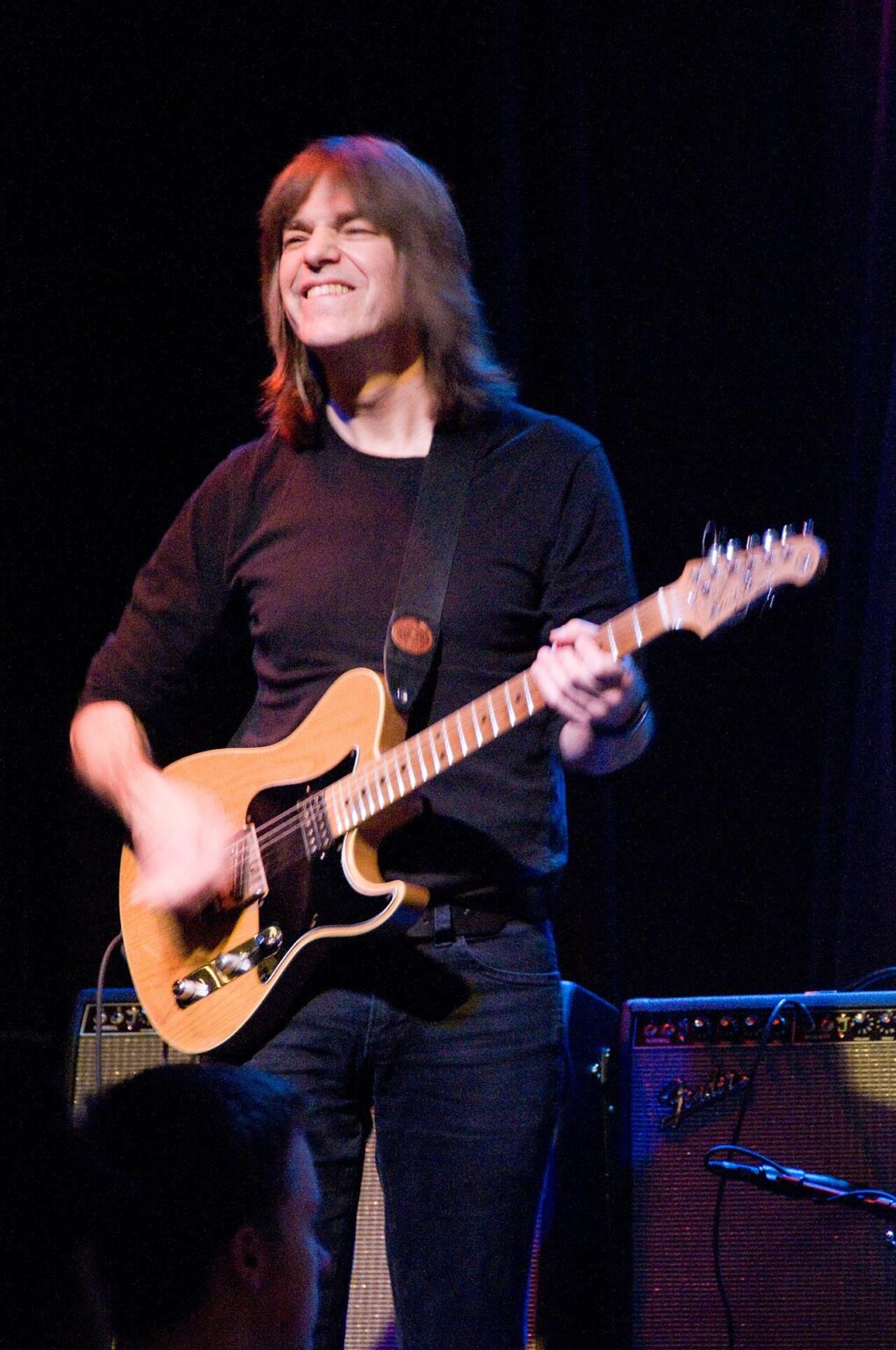
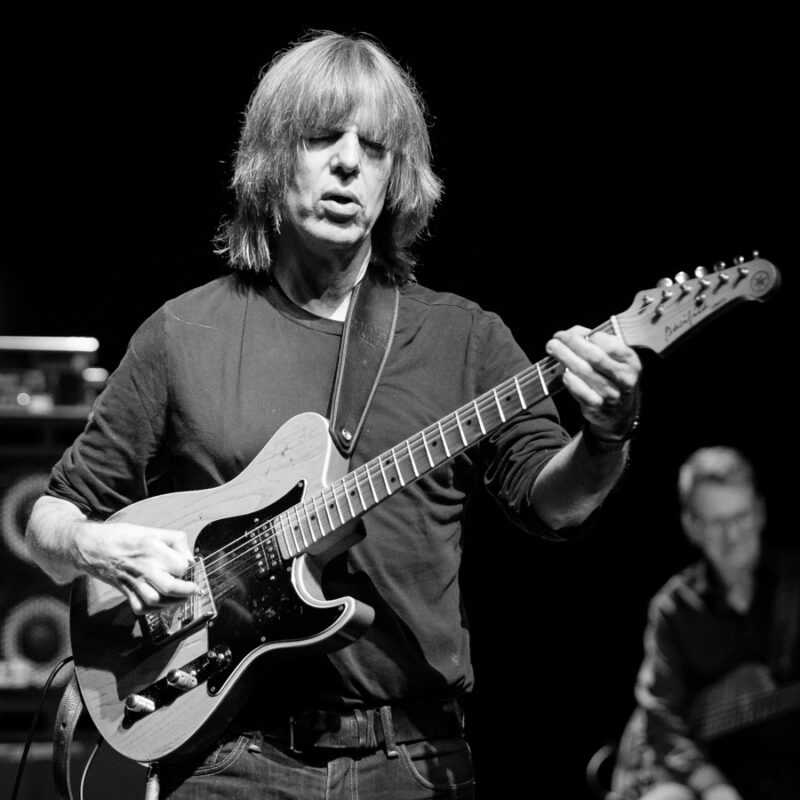
The guitar that made Mike Stern’s sound had a history before it got to him. Danny Gatton — the Washington D.C. guitarist known as “The World’s Greatest Unknown Guitarist” — bought a Telecaster from Roy Buchanan, another Washington D.C. guitarist of extraordinary ability who is often cited as the greatest Telecaster player ever to pick up the instrument. Gatton “souped it up” — modified and hot-rodded the instrument in the specific tradition of the D.C. guitar customization culture — and then sold it to Mike Stern for $500 because Gatton wanted to buy a used car. Stern used it as his primary guitar from that moment onward, calling it his “mutt Telecaster” — a hybrid instrument that carried the specific gear history and tonal character of two of the greatest Telecaster players in Washington D.C. guitar history — through the Blood, Sweat and Tears period, through the Miles Davis years, through the Jaco Pastorius sessions, through the recordings that made him Best Jazz Guitarist of the Year. Then it was stolen from him at gunpoint in Boston, in an armed robbery that ended the physical existence of the most historically significant guitar in his collection. The mutt Telecaster that passed from Roy Buchanan to Danny Gatton to Mike Stern for $500 because Gatton wanted a used car: gone. In its place: a custom-made replica built by Boston-based luthier Michael Aronson, a Telecaster-style body with an original 1950s Broadcaster neck and a Seymour Duncan humbucker in the neck position and a Bill Lawrence single-coil in the bridge. The Aronson guitar is in turn the basis for the Yamaha PA1511MS — the Mike Stern signature guitar that Yamaha built when they approached him while he was using the Telecaster model. Three generations of the same guitar: the Buchanan/Gatton original, the Aronson custom replacement, and the Yamaha signature. The bloodline runs from Roy Buchanan’s Telecaster to the Yamaha PA1511MS. The $500 that Danny Gatton received for a used car is the specific economic moment that started one of jazz guitar’s most distinctive tonal identities. Premier Guitar calls him “the cat that brought the Telecaster into the jazz world.” He is. The mutt Telecaster is where it started.
Mike Stern was born Michael Sedgwick on January 10, 1953, in Boston, Massachusetts — the half-brother of actress Kyra Sedgwick, married to guitarist and vocalist Leni Stern, and the guitarist who grew up in Washington D.C. in the specific guitar culture that also produced Roy Buchanan and Danny Gatton and the specific D.C. hot-rod guitar tradition that the mutt Telecaster embodies. He attended the Berklee College of Music in Boston, where his mentors included Mick Goodrich and Pat Metheny — Metheny specifically recommended him for Blood, Sweat and Tears when the band was searching for a new guitarist, which is the specific professional recommendation that launched Stern’s career. “Even though I’m a ‘jazz’ player, I play a Telecaster-style guitar because I grew up playing rock and blues,” Stern has explained. The rock and blues origin — Clapton and Hendrix licks at age twelve, before Berklee shifted the focus to jazz — is the specific foundational influence that the Telecaster embodies and that distinguishes the Stern guitar approach from the hollow-body jazz guitar tradition. The Telecaster is the rock and blues guitar that Stern brought into the jazz world. The jazz vocabulary came from Berklee. The guitar came from the D.C. hot-rod tradition. The combination is the Mike Stern sound.
The Miles Davis association — playing with Davis from 1981 to 1983 and again in 1985 — is the specific institutional credential that established Stern as a significant jazz guitarist at the highest available level. Davis assembled the right musicians for each specific creative phase; Stern’s presence in the Miles Davis band in the early 1980s documents what Davis heard in the Stern guitar approach: the specific combination of rock-and-blues energy (the Telecaster, the Boss DS-1 distortion) with jazz harmonic sophistication (the Berklee training, the specific bebop and post-bop vocabulary) that Davis’s electric-fusion period required. The specific Stern guitar contribution to the Davis recordings of this period — the rock-influenced, distorted Telecaster playing over the Davis electric-fusion compositions — is the specific tonal and musical context that shaped the Stern approach into the commercially distinctive voice that the subsequent solo career developed.
The “Best Jazz Guitarist of the Year” designation from Guitar Player magazine in 1993 — following the Standards (and Other Songs) album that presented him to the broad jazz audience with a more acoustic/traditional approach — is the specific critical acknowledgment that the Stern approach was recognized as significant not only within the fusion jazz context but within the broader jazz tradition. The lightly chorused, clean guitar sound of Standards — “he has made this sound his own” as the Jazz Rock Fusion Guitar blog description notes — is the specific application of the Yamaha SPX-90 chorus to the clean Telecaster through the Twin Reverb that produces the Stern jazz tone in its most traditionally jazz-appropriate form. The Boss DS-1 engaged for the rock-fusion energy; the SPX-90 chorus clean for the jazz standards. The same guitar, the same amp, different signal-chain configurations serving different musical requirements.
Background: Washington D.C., Berklee, Buchanan, Gatton, and the Miles Davis Band
The Washington D.C. guitar culture that shaped Mike Stern’s foundational guitar identity is one of the most celebrated local guitar cultures in American music history — the specific city that produced Roy Buchanan (the greatest Telecaster player many have ever heard, whose 1953 Telecaster became a standard against which all subsequent Telecaster playing was measured), Danny Gatton (the World’s Greatest Unknown Guitarist, who combined country, rockabilly, jazz, and blues in a hybrid Telecaster approach of extraordinary sophistication), and the specific hot-rod guitar customization tradition that both guitarists embodied. Stern grew up in this culture — D.C. was his home through childhood and early adulthood — and the mutt Telecaster that came to him through the Buchanan-Gatton chain is the specific physical object that embodies his connection to the D.C. guitar tradition.
The Berklee transformation — from “putting down Clapton and Hendrix licks” at twelve to jazz at Berklee in 1971 — is the specific educational context that gave the D.C. hot-rod guitarist the jazz vocabulary that distinguishes the Stern approach from a straight rock-blues guitarist. Pat Metheny’s mentorship at Berklee — and the specific professional recommendation that led to the Blood, Sweat and Tears engagement — is the foundational professional connection of the Stern career. Metheny is himself one of the most celebrated jazz guitarists of the post-1970 period; his recognition of Stern’s guitar talent at Berklee and his willingness to recommend him for a professional engagement documents the peer assessment that the subsequent career would validate commercially and critically.
Blood, Sweat and Tears (1976-1978) and the Billy Cobham fusion band (1979) are the specific professional contexts that developed the Stern approach before the Miles Davis engagement made it internationally known. BS&T provided the specific rock-jazz fusion context for a guitarist whose foundational vocabulary was the D.C. blues-rock tradition; the Billy Cobham band provided the specific jazz-fusion context of one of the most rhythmically sophisticated drummers in the fusion tradition. Both developed the Stern guitar approach before the Miles Davis encounter gave it the specific context that shaped its mature identity.
The Jaco Pastorius World of Mouth association is the other specific biographical chapter that places Stern in the company of the most significant jazz-fusion musicians of his era. Pastorius — the electric bass virtuoso who transformed the electric bass from a rhythm instrument to a lead instrument through his work with Weather Report and his solo recordings — was the specific bass player whose harmonic and melodic sophistication set the compositional standard that the World of Mouth musicians were required to meet. Stern’s guitar in that context had to serve the specific Pastorius compositional vision with the same combination of jazz harmonic intelligence and rock-blues energy that the Miles Davis context had required.
The Rig: Mike Stern’s Guitars, Amps, and Effects
Guitars
Mike’s original “mutt Telecaster” is the most historically documented guitar in his collection — the specific instrument that passed from Roy Buchanan to Danny Gatton (who souped it up and sold it to Stern for $500 because he wanted to buy a used car) to Mike Stern, who used it as his primary guitar through the Blood, Sweat and Tears period, the Miles Davis recordings, and the early solo career. “Yamaha modeled it on a mutt Telecaster that I had been playing since back when I began recording with Atlantic, and that guitar was itself actually kind of a copy of a Tele I got from Danny Gatton, who got it from Roy Buchanan.” The mutt Telecaster’s specific character: a hybrid instrument modified by Gatton with the specific hot-rod customization that Gatton applied to all his instruments. It was stolen from Stern at gunpoint many years ago. The physical instrument is gone; the sonic character it established is the basis for every subsequent Stern guitar instrument.
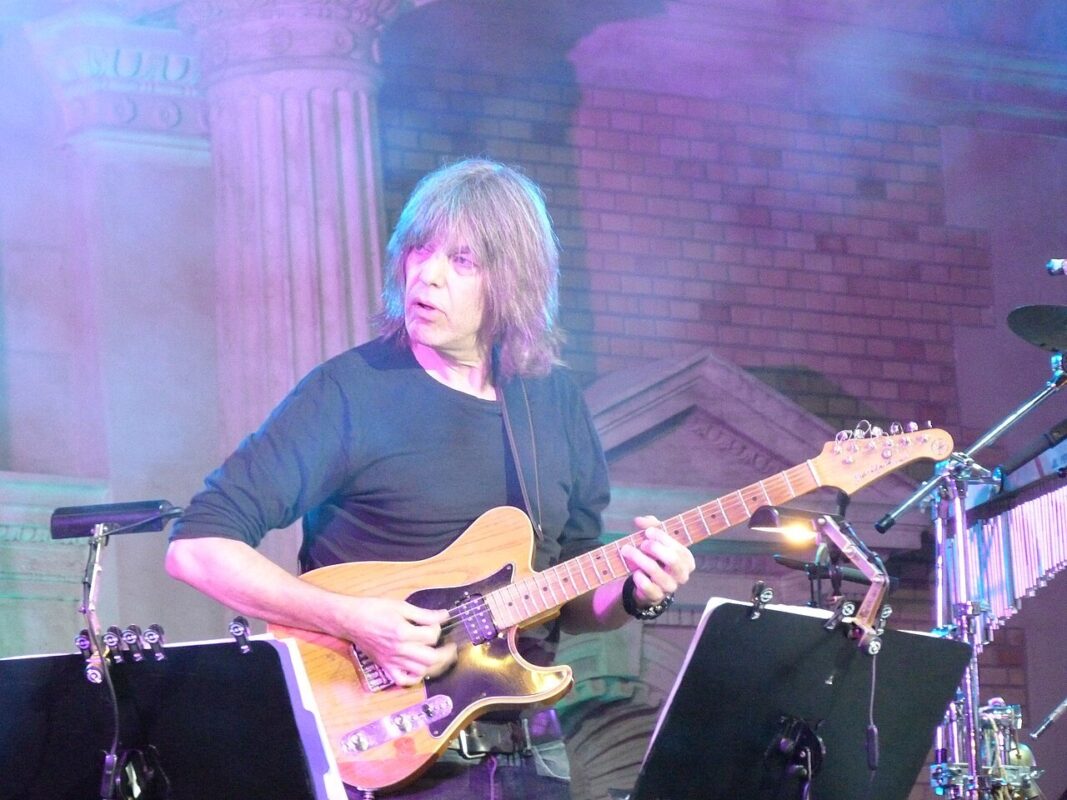
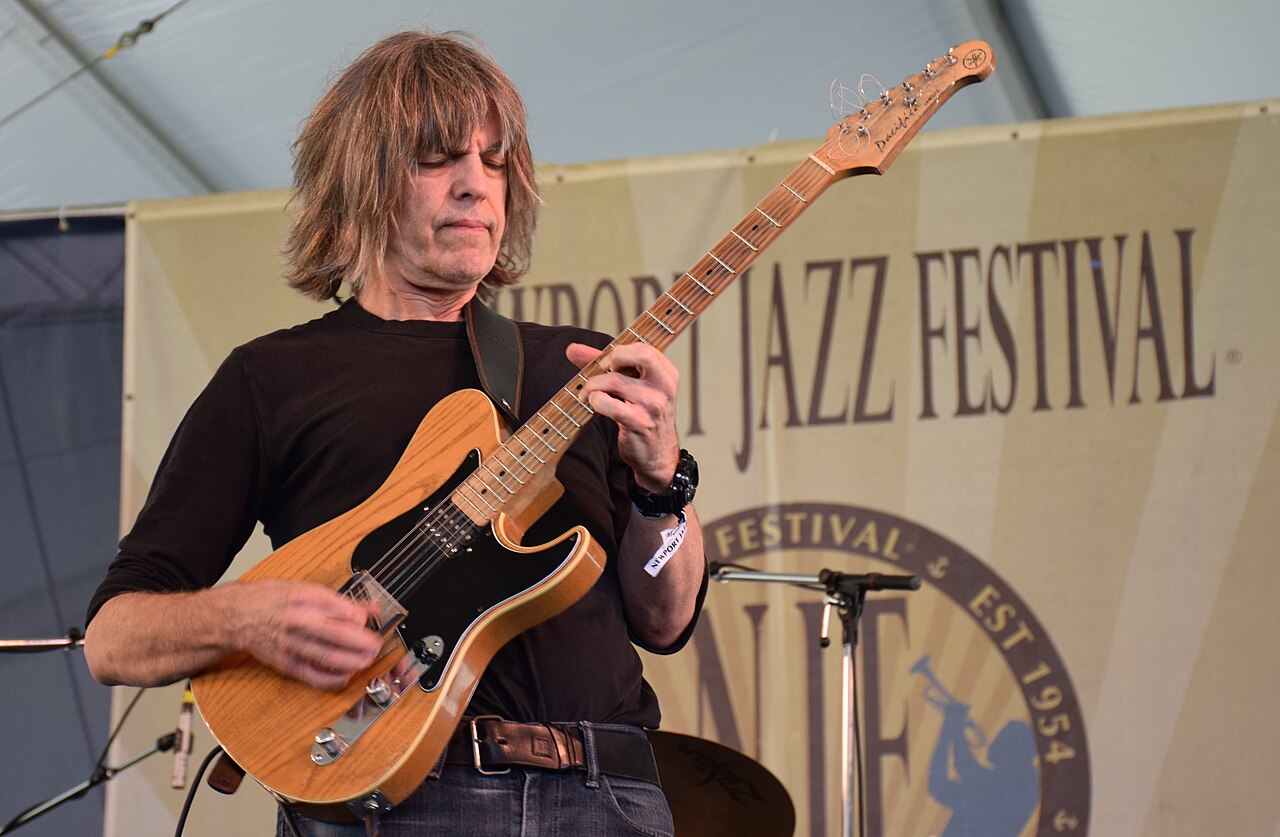
Following the theft, Stern had a replacement custom-made by Boston-based luthier Michael Aronson — a Telecaster-style body with an original 1950s Broadcaster neck, a Seymour Duncan humbucker in the neck position, and a Bill Lawrence single-coil in the bridge. The Broadcaster neck (from the pre-Telecaster Fender instrument of 1950-1951) adds the specific character of the earliest Fender necks — the particular wood selection, the specific profile, the specific aging of the fretboard — to the custom Telecaster-style body. The Seymour Duncan humbucker in the neck provides the warm, full neck pickup character that the jazz guitar context requires; the Bill Lawrence single-coil in the bridge provides the cutting, present bridge character appropriate for the rock-influenced fusion context.
The Yamaha PA1511MS — Mike Stern’s signature Yamaha guitar — is based on the Michael Aronson custom guitar, which was itself based on the mutt Telecaster. The PA1511MS features a Seymour Duncan ’59 in the neck position (replacing the Duncan humbucker of the Aronson version with the more specifically jazz-appropriate ’59 model) and a Tele Hot Rail in the bridge (the Seymour Duncan stacked humbucker that provides humbucker output in a single-coil-sized format). “Yamaha actively approached him, when he was using a telecaster model,” as the Yamaha artist page notes — the guitar company recognized the specific commercial opportunity of the Stern sound and guitar identity and built the signature model to serve both Stern’s professional requirements and the market for a Stern-specification Telecaster-style guitar. The three-generation genealogy: Buchanan original → Aronson custom → Yamaha PA1511MS.
Amps
Stern uses a pair of Fender ’65 Twin Reverb amps as his touring backline — the reissue of the 1965 Fender Twin Reverb, with the specific 6L6-powered American clean character and the built-in spring reverb of the original. The pair of Twin Reverbs runs in stereo — the Yamaha SPX-90 chorus split for stereo between the two amplifiers, creating the specific stereo chorus width that is the most immediately identifiable element of the Stern live sound. The Twin Reverb’s clean headroom and the SPX-90’s stereo chorus together produce the specific “lightly chorused, clean guitar sound” that the Jazz Rock Fusion Guitar description identifies as “his own” — the specific signature tone of the Stern approach in its jazz standards mode.
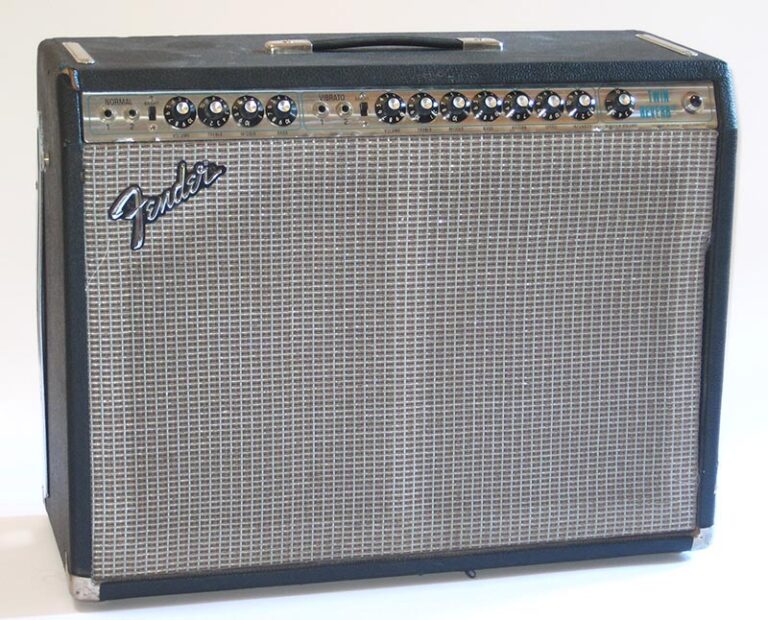
Alongside the Twin Reverbs, Stern uses his famous Yamaha G100-212 — the specific Yamaha solid-state combo that he has used alongside the Twin Reverbs in his stereo configuration. Mike has long used a Pearce G1 to power his two JBL 2×12 cabinets (along with a Yamaha G100-212 II for the other stereo side). The Yamaha’s solid-state character provides a different tonal quality from the Twin Reverb’s tube warmth, and the Pearce G1 head through the JBL 2×12 cabinets adds further tonal variety to the stereo configuration. “He claims the old combo has a quite good warm sound. Plus a solid-state combo is easier to take around!” The solid-state ease of transport is the practical advantage for a touring guitarist who values both tonal consistency and road reliability. Earlier in his career, Stern used two Acoustic 134 amplifiers with an MXR Stereo Chorus — the specific solid-state D.C. amplification of the late 1970s jazz sound.
Effects
“Stern’s highly recognizable chorused sound is created in part by a Yamaha SPX-90, split for stereo.” The Yamaha SPX-90 is a rack-mounted multi-effects processor — one of the most celebrated studio and live effects units of the 1980s and 1990s, used across a wide range of musical contexts for its specific digital chorus, reverb, and pitch-shifting capabilities. Stern uses it specifically for its chorus effect, split for stereo between the two Twin Reverb amplifiers (or between the Twin Reverb and the Yamaha G100-212), creating the specific wide stereo chorus that is the most immediately identifiable element of his live sound. The SPX-90 chorus is a digital multi-tap chorus with the specific warmth and dimensional quality of the rack-mounted unit’s more sophisticated processing than the standard stompbox chorus provides. The stereo split creates the specific spatial width of the Stern live sound — the Telecaster’s single-coil directness expanded into the full stereo field by the SPX-90’s chorus processing.
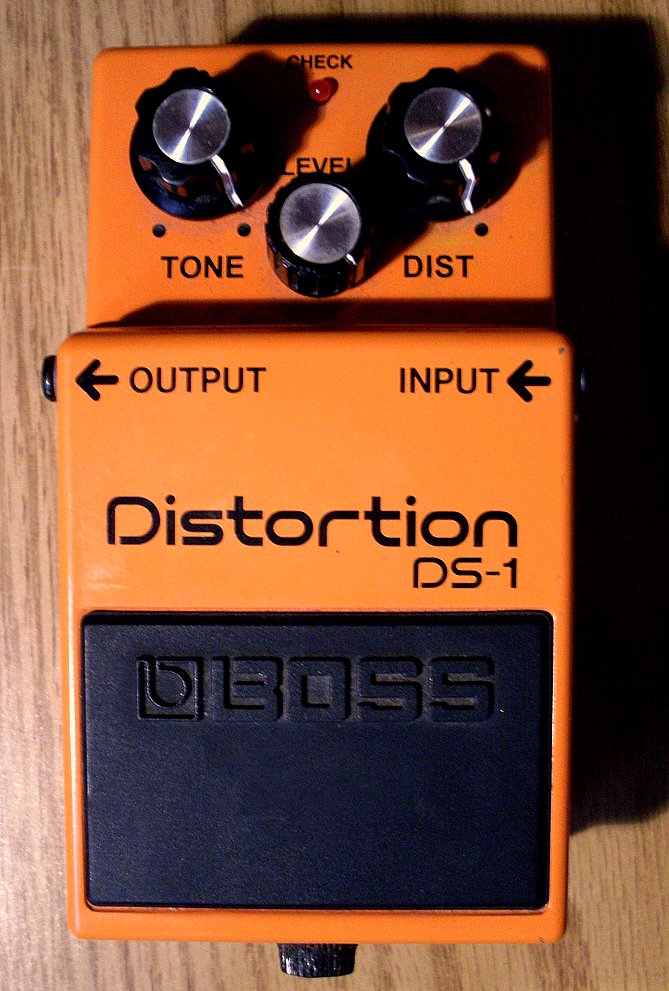
The Boss DS-1 Distortion is Stern’s primary distortion pedal — the workhorse Boss distortion that provides the rock-influenced energy of his fusion playing. The DS-1’s specific character: a hard-clipping transistor distortion that produces the specific aggressive, forward-pushing character appropriate for the rock-fusion Stern approach. Unlike the smooth, tube-amp-adjacent character of the Tube Screamer’s soft-clipping, the DS-1’s harder clipping produces the specific “hard-edged and wild” quality that the Yamaha artist description identifies as one of Stern’s tonal modes. The DS-1 engaged for the rock-fusion energy; the DS-1 bypassed for the clean jazz standards approach. The Telecaster through the DS-1 through the SPX-90 chorus through the Twin Reverbs in stereo: the complete Mike Stern fusion signal chain.
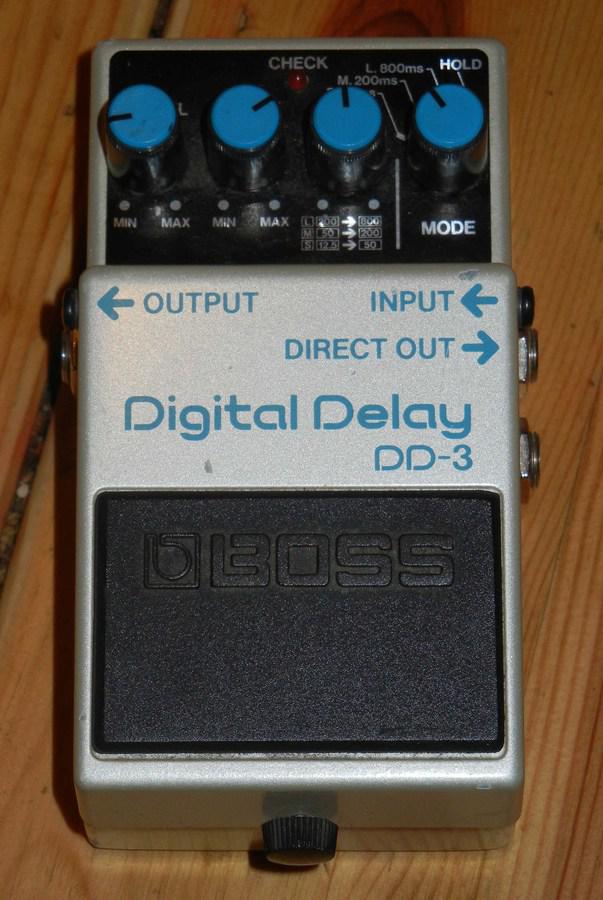
Stern uses two Boss DD-3 digital delays — “one of which is set to a long delay time for ‘big, spacey sounds.'” The standard DD-3 provides the conventional short-to-medium delay for the specific spatial dimension and note repetition of the standard delay application in the jazz-fusion context. The second DD-3, set to a longer delay time, provides the specific “big, spacey sounds” of the long-delay ambient approach — notes repeating at larger intervals, creating the specific atmospheric, open quality of the long delay in a jazz improvisation context. Two delay pedals, two different functions, two different tonal contributions to the overall Stern signal chain.
The specific tone description that the Jazz Rock Fusion Guitar blog uses for Stern’s Standards (and Other Songs) approach — “a lightly-chorused, clean guitar sound” that “he has made his own” — is the primary Stern jazz tone in its most characteristic form: the clean Twin Reverb with the SPX-90 chorus at moderate settings, the DS-1 bypassed, the Telecaster’s specific single-coil character through the clean stereo configuration. The lightly chorused clean is the Stern answer to the hollow-body warmth of the traditional jazz guitar sound: not the Gibson ES-335 or the L-5 of the conventional jazz guitar tradition, but the Telecaster through the chorus producing a similarly warm but fundamentally different character. He “made this sound his own” — the same way the mutt Telecaster was made his own through twenty years of playing, the specific tonal identity that developed through the specific combination of instruments and effects that Stern assembled for his specific musical purposes.
Playing Style & Tone Philosophy
Mike Stern plays guitar as a rock and blues guitarist who was educated in jazz and who has spent his career developing the specific combination of the two that the Telecaster and the Boss DS-1 and the SPX-90 chorus and the Twin Reverb represent. “Even though I’m a ‘jazz’ player, I play a Telecaster-style guitar because I grew up playing rock and blues.” This is the foundational self-description of the Stern guitar philosophy: the jazz vocabulary from Berklee applied to the rock and blues instrument from the D.C. guitar culture, producing the specific combination that the mutt Telecaster embodied and that the Yamaha PA1511MS continues. The “variety of tones, from sensitive to hard-edged and wild” that the Yamaha artist biography identifies as the characteristic Stern quality is the complete expression of this dual identity: sensitive for the jazz standards, hard-edged and wild for the rock-fusion, both available from the same Telecaster through the same amplifier, the DS-1 and the SPX-90 chorus providing the switchable tonal vocabulary.
The Pat Metheny mentorship at Berklee is worth examining as part of the Stern gear philosophy because Metheny himself is one of the most deliberately gear-specific guitarists in jazz — the Roland guitar synthesizer, the specific Ibanez hollow-bodies, the specific production approaches of the ECM recordings are all part of Metheny’s gear story. Stern’s own gear approach is different — the Telecaster is not the jazz guitar; the Boss DS-1 is not the jazz distortion; the SPX-90 chorus is not the jazz effects unit — which suggests that the Metheny mentorship provided jazz harmonic and musical education without determining the specific guitar approach that Stern developed from his own D.C. rock-blues origin.
The stereo configuration — two Twin Reverbs running in stereo with the SPX-90’s chorus split between them — is the specific physical embodiment of the Stern live sound philosophy: the wider the stereo field, the more dimensional the specific lightly chorused clean becomes. The guitarist who brought the Telecaster into the jazz world created a sound that occupies the stereo field in a way that the mono jazz guitar traditionally doesn’t, using the stereo chorus to create the specific acoustic environment of the Stern live performance.
The D.C. guitar culture that shaped Stern through Roy Buchanan and Danny Gatton is worth more documentation because it represents one of the most concentrated local guitar traditions in American music history. Washington D.C. produced guitarists of extraordinary quality across multiple styles — the country-blues-rock hybrid of Buchanan and Gatton, the soul and R&B tradition of the Howard Theatre and the U Street corridor, and the specific jazz-rock-fusion scene that Stern represented — all in the same city, all drawing from the same geographic and cultural pool of musical influences. The specific hot-rod guitar modification tradition that Gatton embodied — the same tradition that produced the mutt Telecaster that passed from Buchanan to Gatton to Stern — is the American folk art tradition of customizing and improving a mass-produced object for superior performance, applied to the electric guitar. The hot rod and the Telecaster are both American working-class instruments; both reward the specific applied intelligence that makes a standard object perform beyond its factory specification. Gatton’s modification of the Buchanan Telecaster was the hot-rod tradition applied to the guitar; Aronson’s reconstruction of the guitar after the theft was the luthier’s tradition applied to the same foundational instrument. The Yamaha PA1511MS is the guitar industry’s tradition applied to the same lineage. All three are the mutt Telecaster in different technical and economic registers. The mutt is the foundational object. The tradition maintains its lineage through the reconstructions.
The two-Boss-DD-3 approach — one at standard delay and one at long delay for “big, spacey sounds” — is the specific practical embodiment of the Stern philosophy of tonal variety through signal-chain organization rather than through elaborate multi-effects processing. Two of the same pedal, two different settings, two different functions: one for the standard spatial dimension of the jazz-fusion context, one for the ambient, spacious quality of the specific moments that require “big, spacey sounds.” The same gear logic as the two Twin Reverbs in stereo: duplicate the same element, configure the duplicates differently, produce more tonal variety from the same basic element than a single unit with a single configuration could provide. The stereo Twin Reverbs with the SPX-90 split between them; the two DD-3 delays with different time settings; the same guitar through both to produce the full range of the Stern tonal palette. The cat that brought the Telecaster into the jazz world also brought the boss pedalboard into the jazz world, and the specific organizational logic of the pedalboard reflects the same jazz musician’s improvisational intelligence: the tools are available, the selection of which tool to use at which moment is the improvisation.
How to Sound Like Mike Stern
The Mike Stern tone requires: a Yamaha PA1511MS or equivalent Telecaster-style guitar with a humbucker in the neck and a single-coil or stacked-humbucker in the bridge; a Fender Twin Reverb (pair for stereo, if possible); a Yamaha SPX-90 or equivalent rack chorus split for stereo between the amplifiers; a Boss DS-1 for the rock-fusion distortion; two Boss DD-3 delays (one standard, one long for spacey sounds); and the specific jazz harmonic vocabulary applied to the Telecaster’s rock-and-blues-appropriate tonal character.
| Control | Setting (0–10) | Notes |
|---|---|---|
| Fender ’65 Twin Reverb (Stereo Pair) | Volume: 5; Treble: 6; Bass: 5; Reverb: 3 | Clean American 6L6 headroom — transparent amplification that faithfully reproduces the Telecaster’s signal without the tube saturation that would alter the SPX-90 chorus’s specific character. Moderate reverb from the built-in spring for slight spatial dimension. The Twin’s clean character allows the SPX-90 chorus’s stereo width to be heard clearly across both amplifiers. |
| Yamaha SPX-90 Chorus (Stereo Split) | Rate: 2–3 (slow); Depth: 4; Stereo split between two amps | “Stern’s highly recognizable chorused sound is created in part by a Yamaha SPX-90, split for stereo.” Slow, moderate-depth stereo chorus — the specific “lightly chorused” quality. The stereo split between two Twin Reverbs creates the specific spatial width of the live Stern sound. Not obvious chorus; lightly present, always there. |
| Boss DS-1 Distortion (Rock-Fusion Mode) | Dist: 5; Tone: 6; Level: 6 | The specific rock energy of the fusion Stern approach. The DS-1’s hard-clipping character provides the “hard-edged and wild” tonal mode — engage for the rock-fusion passages, bypass for the clean jazz standards approach. The Telecaster through the DS-1 through the SPX-90 stereo chorus through the Twin Reverbs: the complete Stern fusion signal chain. |
| Boss DD-3 (Standard Delay) | Time: 300–400ms; Repeats: 2; Mix: 20% | Standard spatial delay for the jazz-fusion context. Two repeats at moderate mix provide note-repetition without overwhelming the melodic content. The first DD-3 at standard delay settings for the conventional spatial dimension. |
| Boss DD-3 (Long Delay — Spacey Sounds) | Time: 800ms+; Repeats: 2–3; Mix: 15% | “One of which is set to a long delay time for ‘big, spacey sounds.'” The second DD-3 at long delay settings — the specific ambient, spacious quality of long-delay repetition in the jazz improvisation context. Combine with the standard DD-3 for layered spatial complexity in specific passages. |
| Telecaster Neck Humbucker (Jazz Standards Mode) | Volume: 8; Neck pickup; SPX-90 engaged; DS-1 bypassed | The lightly chorused clean jazz sound: neck humbucker warm output through the clean Twin Reverb with the SPX-90’s stereo chorus. No DS-1. The “Standards and Other Songs” mode. The Seymour Duncan ’59 neck pickup’s warmth through the clean American amplification with the SPX-90’s subtle chorus: “he has made this sound his own.” |
Influence & Legacy
Mike Stern’s influence on jazz guitar is the influence of the specific individual who demonstrated that the Telecaster — the rock and country guitar par excellence, the guitar of James Burton and Roy Buchanan and Danny Gatton and Albert Collins — could function as the primary instrument in a jazz context without abandoning either the Telecaster’s specific tonal character or the jazz vocabulary’s specific harmonic and improvisational sophistication. Premier Guitar’s description — “the cat that brought the Telecaster into the jazz world” — is both the most compressed and the most accurate available characterization: he brought a rock guitar into the jazz world, and the jazz world accepted it because his playing demonstrated that the guitar’s tonal character could serve the jazz vocabulary as effectively as the hollow-body tradition’s established instruments.
The Miles Davis period is the specific institutional validation of this contribution: when Miles Davis assembles a band with a Telecaster player, the message is that the Telecaster is appropriate for the most demanding available jazz context. Stern’s presence in the Davis band documented this with the authority that only Miles Davis’s judgment could provide. The subsequent career — twenty-plus solo albums, Grammy nominations, Guitar Player’s Best Jazz Guitarist of the Year, Down Beat’s 75 Greatest Jazz Guitarists — built on the foundation that the Davis association established and the mutt Telecaster’s specific tonal character enabled.
The specific Buchanan-Gatton-Stern lineage is the most direct available document of the D.C. guitar culture’s specific contribution to the jazz-fusion tradition: three guitarists, two of them primarily associated with the country-rock-blues Telecaster tradition and the third primarily associated with jazz, all connected through the specific guitar that passed from Roy Buchanan’s hands to Danny Gatton’s hands to Mike Stern’s hands for $500 and a used car. The guitar is gone. The lineage remains. For the John Scofield parallel — the other major jazz-fusion guitarist who developed in the same Miles Davis orbit at the same historical moment, using a hollow-body Ibanez rather than a Telecaster — see John Scofield’s entry. The two entries together constitute the most complete available documentation of the Miles Davis electric-fusion guitar sound in the early 1980s: Scofield’s hollow-body warmth and Stern’s Telecaster directness, both processed through different effects chains and different amplification philosophies, both serving the same Miles Davis creative vision. And the D.C. guitar culture that shaped Stern through Buchanan and Gatton’s specific influence connects to the broader American guitar tradition that runs through Robbie Robertson’s Fender approach — the Fender guitar in the service of the American musical tradition, expressed through the specific guitar that each individual chose for their specific musical purposes.
Danny Gatton wanted a used car. Mike Stern bought the mutt Telecaster for $500. The mutt Telecaster went through the Miles Davis band and the Jaco Pastorius World of Mouth and Standards (and Other Songs) and twenty-plus solo albums. Then someone took it at gunpoint. Michael Aronson in Boston built the replacement: Telecaster-style body, original 1950s Broadcaster neck, Seymour Duncan neck humbucker, Bill Lawrence bridge single-coil. Yamaha built the signature: the PA1511MS, based on the Aronson, based on the mutt, based on Roy Buchanan’s original. The SPX-90 chorus split for stereo between the Twin Reverbs. The Boss DS-1 for the rock-fusion energy. The lightly chorused clean for the jazz standards. Best Jazz Guitarist of the Year. Premier Guitar Certified Legend. The cat that brought the Telecaster into the jazz world. Born Michael Sedgwick, January 10, 1953, Boston Massachusetts. The mutt Telecaster is gone. The sound it made is everywhere. The lightly chorused clean is in twenty-plus albums. The Boss DS-1 is still on the board. The SPX-90 is still split for stereo between the Twin Reverbs. The Best Jazz Guitarist of the Year designation from 1993 is still the most accurate single available summary of what the mutt Telecaster’s sound achieved over forty years of professional music. Mike Stern. The cat that brought the Telecaster into the jazz world. The guitar is gone. The tradition continues. The PA1511MS Yamaha signature is based on the Aronson custom, which was based on the mutt, which was based on Roy Buchanan’s original Telecaster. The bloodline runs from Buchanan through Gatton to Stern through the $500 and the used car. The armed robbery ended the physical object; the musical tradition is intact and transmitting. The lightly chorused clean is the specific sound of that tradition in its most distilled form. It is on all the time. Quick reverb. You know it when you hear it.
Frequently Asked Questions: Mike Stern Guitars & Gear
What guitar does Mike Stern use?
Mike Stern’s current primary guitar is the Yamaha PA1511MS — his signature Yamaha guitar, which is based on a custom guitar built by Boston-based luthier Michael Aronson, which was itself modeled on his original “mutt Telecaster” that he bought from Danny Gatton for $500 (Gatton had previously owned it from Roy Buchanan). The Yamaha PA1511MS features a Seymour Duncan ’59 humbucker in the neck position and a Tele Hot Rail (stacked humbucker) in the bridge. The mutt Telecaster was stolen in an armed robbery, and the Aronson custom was built as its replacement, with the Yamaha signature following when Yamaha approached him about building a signature model.
What is the story of Mike Stern’s mutt Telecaster?
Mike Stern’s most famous guitar was a “mutt Telecaster” with an extraordinary provenance: it passed from Roy Buchanan (the celebrated D.C. Telecaster player) to Danny Gatton (the World’s Greatest Unknown Guitarist), who souped it up and sold it to Stern for $500 because Gatton wanted to buy a used car. Stern used it as his primary guitar through his career with Miles Davis, Jaco Pastorius, and the early solo recordings. It was stolen from him in an armed robbery in Boston. The guitar’s lineage — Buchanan to Gatton to Stern — connects three of the most celebrated Telecaster players in Washington D.C. guitar history.
What amplifiers does Mike Stern use?
Stern uses a pair of Fender ’65 Twin Reverb amplifiers as his touring backline, running in stereo with the Yamaha SPX-90 chorus split between the two amplifiers. He also uses a Yamaha G100-212 solid-state combo and a Pearce G1 head through JBL 2×12 cabinets as additional amplification in his stereo configuration. Earlier in his career, he used two Acoustic 134 amplifiers with an MXR Stereo Chorus. The stereo configuration — chorus split between two amplifiers — is the specific element that creates the wide stereo width of his live sound.
What effects does Mike Stern use?
Stern’s primary effects include: Yamaha SPX-90 multi-effects processor (used for its chorus, split in stereo between amplifiers — the foundational Stern chorus sound), Boss DS-1 Distortion (primary drive pedal for the rock-fusion approach), and two Boss DD-3 Digital Delays (one at standard delay times, one set to a long delay time for “big, spacey sounds”). His pedalboard consists mostly of Boss pedals. The specific lightly chorused clean sound on Standards (and Other Songs) is the SPX-90 chorus at moderate settings through the clean Twin Reverb without the DS-1.
What was Mike Stern’s connection to Miles Davis?
Stern played with Miles Davis from 1981 to 1983 and again in 1985, during Davis’s electric-fusion period. He appeared on Davis albums including The Man with the Horn (1981) and We Want Miles (1982). Davis assembled the musicians he needed for each creative phase; Stern’s Telecaster-based rock-and-blues-inflected jazz guitar voice was the specific element Davis wanted for the early 1980s electric-fusion approach. The Davis association established Stern’s jazz credentials at the highest available level. He also worked with Jaco Pastorius’s World of Mouth band and has collaborated with David Sanborn, Michael Brecker, and many other jazz musicians.
Why does Mike Stern play a Telecaster instead of a traditional jazz guitar?
“Even though I’m a ‘jazz’ player, I play a Telecaster-style guitar because I grew up playing rock and blues.” Stern’s foundational guitar identity is the D.C. rock-and-blues tradition that Roy Buchanan and Danny Gatton represent — not the hollow-body jazz guitar tradition of Wes Montgomery, Jim Hall, or Pat Metheny. The Telecaster is the instrument he started on, the instrument that connects him to the D.C. guitar culture that shaped him, and the instrument whose specific tonal character — the single-coil directness, the cutting bridge pickup presence — he found more appropriate for his specific combination of jazz vocabulary and rock-blues expression.
What is Mike Stern’s most celebrated recording?
Standards (and Other Songs) (1993) is widely regarded as Stern’s most celebrated recording — the album that led to his being named Best Jazz Guitarist of the Year by Guitar Player magazine and that presented him to the broad jazz audience with a more traditional acoustic/jazz approach. The album features a “lightly-chorused, clean guitar sound” — the SPX-90 chorus on the clean Twin Reverb without the Boss DS-1 — on jazz standards including Miles Davis’s “Nardis” and “Jean Pierre,” John Coltrane’s “Moment’s Notice,” and Thelonious Monk’s “Straight, No Chaser.” Downbeat magazine named him to its list of 75 Great Guitarists in 2009.
Image credits
- Mike Stern: Todd Van Hoosear, Wikimedia Commons, CC BY-SA 2.0.
- Top image: Sven.petersen, Wikimedia Commons, Public domain.
- Mike Stern: photo by Tore Sætre, via Wikimedia Commons, CC BY-SA 4.0.
- Fender Twin Reverb: Micahmedia, Wikimedia Commons, CC BY 3.0.
- Boss DS-1 Distortion: Roadside Guitars, Flickr, CC BY-SA 2.0.
- Boss DD-3 Digital Delay: JuandiLOL, Wikimedia Commons, CC BY-SA 3.0.
- Mike Stern live: ArtBrom, Wikimedia Commons, CC BY-SA 2.0.
- Mike Stern live: Elekes Andor, Wikimedia Commons, CC BY-SA 4.0.