The Blueprint That Built a Legend: Inside the Maxon OD9 Overdrive
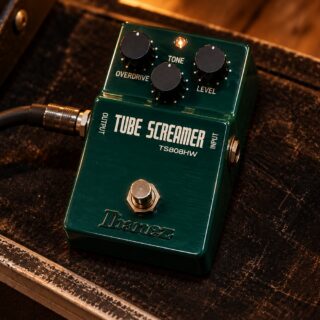
Reference illustration of the model, not a photograph of the player’s equipment.
Maxon OD9 Overdrive: authentic TS-9 circuit, true bypass, JRC4558D chip. Full guide to settings, signal chain placement, and tone comparisons.
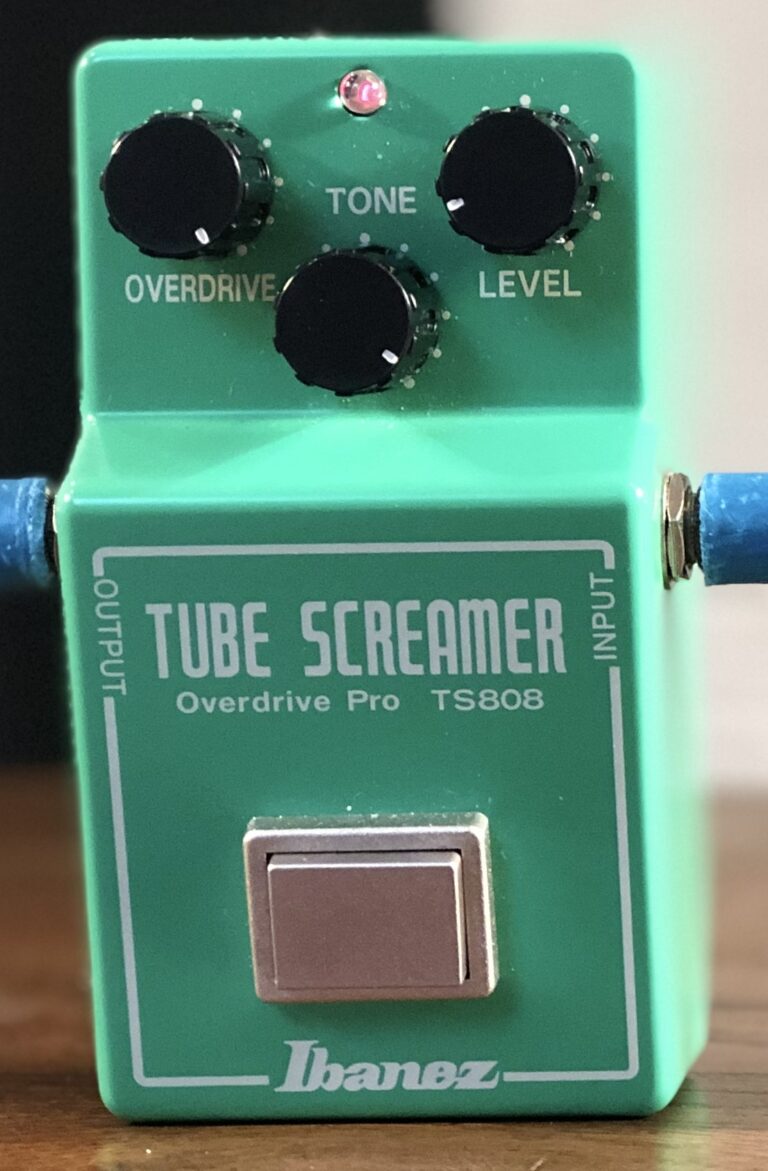
There’s a quiet irony embedded in every Ibanez TS-9 Tube Screamer sold since the early 1980s. Printed on the circuit board inside each one is a single word: Maxon. That’s because Nisshin Onpa — the Japanese electronics firm that operates under the Maxon brand — didn’t just influence the Tube Screamer. They designed it, manufactured it, and sold it to Ibanez to badge and distribute. The TS-9 is a Maxon circuit. Always was.
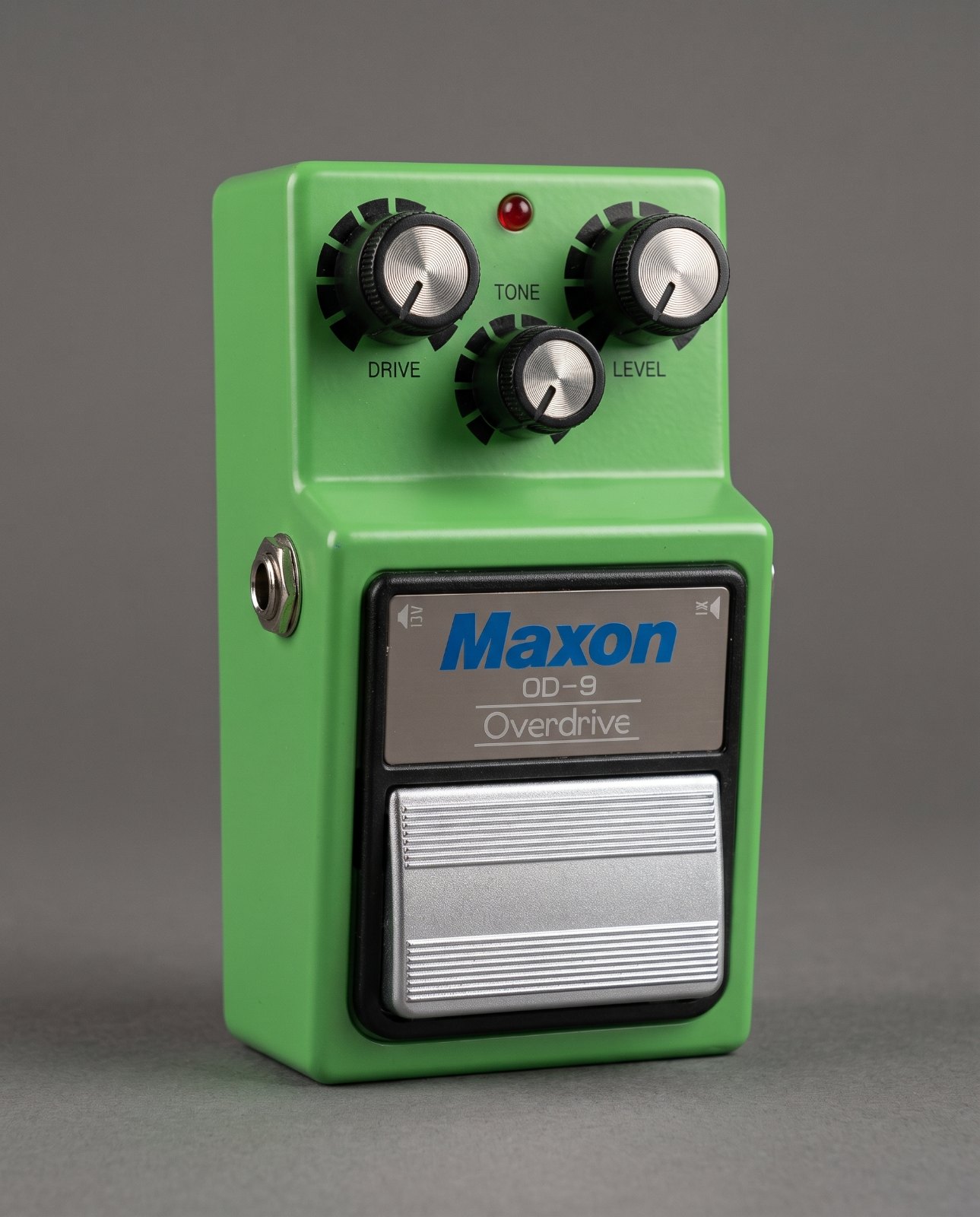
Which means the Maxon OD9 Overdrive isn’t a clone of the Tube Screamer, a knockoff, or a boutique mod. It’s the thing itself: the same circuit, the same PC board Maxon has used for over thirty years, the same JRC4558D op-amp that players have spent decades chasing. The only meaningful differences from the original 1980s OD-9/TS-9 are one that most modern players want desperately — true bypass switching — and one that the original OD-9 always did better than the Ibanez version: the correct output resistor values tuned for warmer, more open response.
If you’ve ever wondered what a Tube Screamer sounds like when the company that invented it decides to make one for themselves, with no compromises on components and no marketing budget driving the spec sheet — the OD9 is your answer.
From Osaka to Every Pedalboard on Earth: The OD-9 Story
Maxon’s overdrive history begins with the OD808, the circuit designed by chief engineer Susumu Tamura around 1979. That pedal established the fundamental architecture that would define a genre: a JRC4558D op-amp running in a non-inverting configuration, diodes clipping in the negative feedback loop rather than in a hard-clipping stage after it, a passive low-pass filter between stages, and an active tone stage using the second half of the op-amp. The result was a soft, asymmetric overdrive with a pronounced midrange lift centered around 700–1,000 Hz — a sound that pushed tube amplifiers into natural-sounding saturation without the harshness of hard clipping.
When Ibanez approached Maxon to produce their Tube Screamer line, the OD808 circuit was adapted into what became the TS-808 and subsequently the TS-9. Maxon continued producing these pedals for Ibanez through the 1980s and into the early 1990s, and the “Maxon” imprint on those boards is no accident — it’s the manufacturer’s mark. The OD-9 is Maxon’s own retail version of the TS-9 circuit, sold under their name without the Ibanez intermediary.
The current OD9 reissue is a faithful reproduction of that original design. Maxon retained the same PC board layout that dates back three decades, with empty pads where the old FET switching circuit once lived (now replaced by a true bypass switch). They specified the correct NJM/JRC4558D op-amp — not the Toshiba chip that the Ibanez TS-9 reissue substitutes — and they kept the output resistor values aligned with the warmer, more open TS-808 specification. The result is a pedal that sits between the OD808 and the standard TS-9 in character: more output than the OD808, more warmth and depth than a stock Ibanez reissue, and a true bypass path that delivers completely uncolored tone when disengaged.
Specifications
| Feature | Specification |
|---|---|
| Circuit type | Soft-clipping overdrive (808 topology) — original TS-9 circuit |
| Op-amp | NJM (JRC) 4558D |
| Input transistor | 2SC1815 emitter follower |
| Controls | Drive, Tone, Level |
| Bypass | True bypass (Fujisoku 4PDT mechanical switch) |
| Input impedance | 500K Ohms |
| Output impedance | 10K Ohms or less |
| Equivalent input noise | -114 dB or less (IHF-A weighted) |
| Maximum output level | 0 dBm |
| Maximum gain | +40 dB (at 1.5 kHz) |
| Current draw | 6 mA @ 9V / 7 mA @ 10V |
| Power | 9V battery or DC10V AC adapter (center-negative) |
| Dimensions | 74mm (W) × 124mm (D) × 54mm (H) |
| Weight | 580g |
| Price (new, 2026) | ~$126–$165 USD |
| Price (used, excellent) | ~$75–$110 USD |
A note on Godlyke’s distribution status: as of 2026, Godlyke Inc. is no longer Maxon’s US distributor and will not be receiving new OD9 inventory. Other retailers — Guitar Center, Sweetwater (while stock lasts), and specialty dealers — continue to carry the OD9. The pedal remains in Maxon’s active Nine Series lineup.
The Famous Players Question
The Maxon OD9 exists in a curious position with regard to famous users. The honest answer is that the pedal doesn’t have a single primary-source confirmed artist in the way that, say, a Maxon OD808 has Mark Morton or Adam Dutkiewicz with Premier Guitar rig rundown receipts. What the OD9 has instead is something more fundamental: it is the circuit that defined the sound of one of the most influential guitarists in rock history.
Stevie Ray Vaughan’s primary overdrive from the mid-1980s through 1988 was the Ibanez TS-9 Tube Screamer — a pedal manufactured by Maxon, using what is now the OD9 circuit. SRV’s famous settings (Drive 2–3, Tone 3–5, Level at maximum) into a Dumble or Vibroverb running hot established the template for what a Tube Screamer could do: not a standalone distortion, but a push pedal that drove tube preamp stages into natural saturation while adding definition and midrange presence. If you want to understand why that approach works, the OD9 is the instrument that proves it. Stevie Ray Vaughan didn’t own a Maxon-branded OD9 — he used the Ibanez TS-9 that Maxon made for Ibanez — but the electrical circuit in his pedalboard and the circuit in the OD9 are the same design from the same company.
Maxon’s own product page makes the connection explicit: “The tone that made Stevie Ray Vaughan famous.” That’s marketing, but it’s also accurate genealogy. The OD9 is as close as you can get to that original TS-9 circuit without hunting for a 1980s vintage original, and it’s the version that Maxon considers their authoritative implementation.
The Equipboard community documents several working guitarists using the OD9 or its variants, including some players in the indie and post-rock world who gravitate toward its warmer, more open character versus the snappier Ibanez reissue. But no Premier Guitar rig rundown or primary-source interview specifically confirms a major-name artist on the standard OD9. The OD9’s appeal is fundamentally about circuit character and heritage, not celebrity associations.
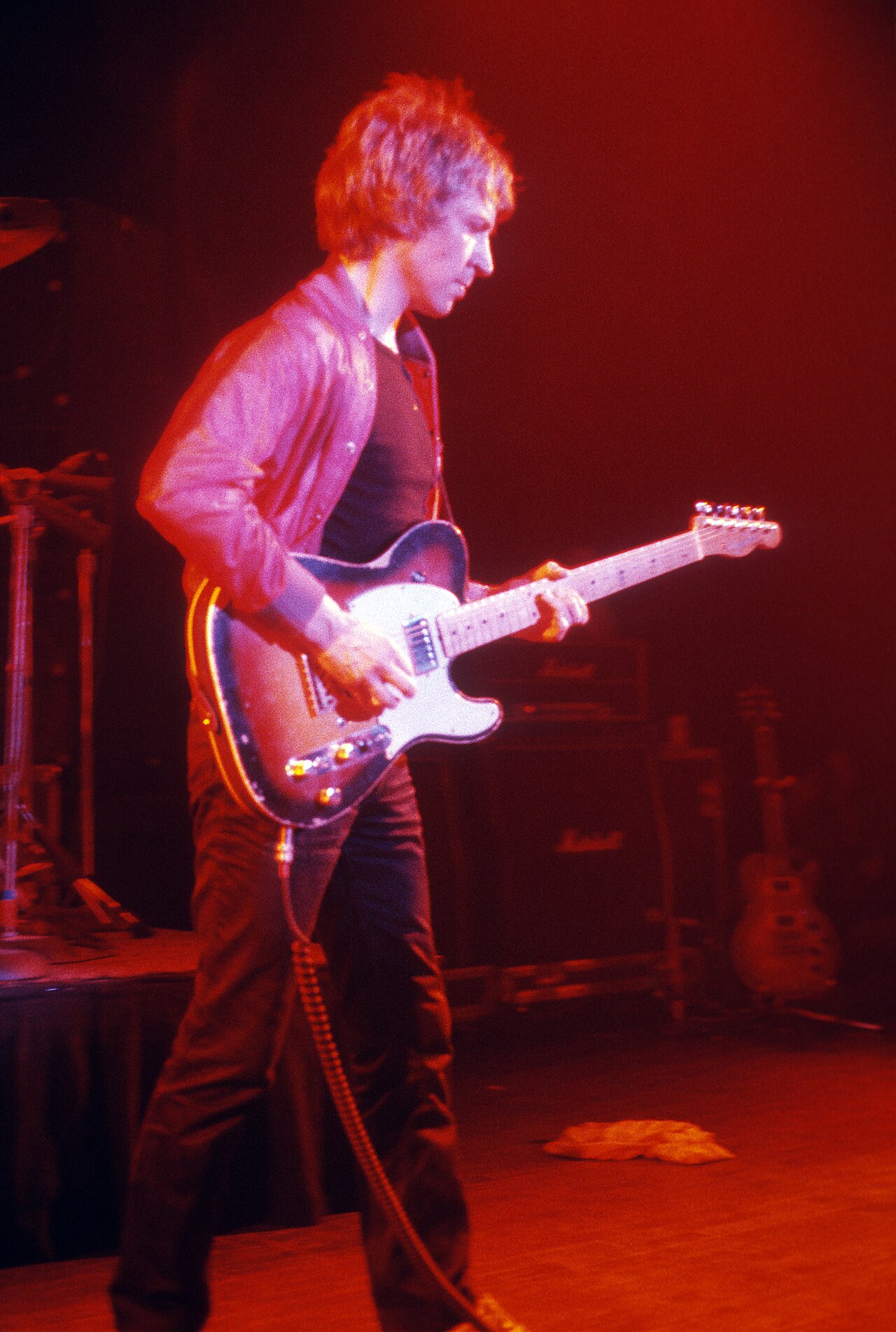
One clarification worth making: Andy Summers of The Police is sometimes mentioned in connection with Maxon pedals, and he is a Maxon user — but he uses the SD9 Sonic Distortion, not the OD9 Overdrive. Andy Summers belongs to a different corner of the Maxon catalog. His name shouldn’t follow the OD9 around the internet, but it does, because the brand association sticks.
Tone Recipes and Settings
Classic Amp Boost (SRV Approach)
Drive 2, Tone 4, Level 9–10. Run into a tube amp already set near its natural breakup threshold. The OD9 compresses the pick attack slightly, lifts the mids around 700–1,000 Hz, and pushes the amp’s preamp tubes harder. The resulting sustain and harmonic richness come from the amp being driven, not from the pedal clipping independently. This is the most commonly documented application for the TS-9 circuit and the OD9 excels at it with single-coil guitars especially.
Mid-Gain Blues Standalone
Drive 5, Tone 5, Level 5–6. At this setting the OD9 provides enough gain to sustain single-note leads without needing amplifier saturation. The JRC4558D’s natural compression smooths the pick attack, and the midrange lift helps single-coil pickups cut through a dense band mix. Works exceptionally well into a clean Fender Deluxe Reverb set loud.
Strat Neck Pickup Lead Warmth
Drive 3, Tone 3, Level 7. Rolling the Tone control back compensates for the upper-midrange emphasis and creates a rounder, almost humbucker-like warmth from a single-coil neck pickup. Ideal for slow blues leads where attack definition is less important than sustain and body.
High-Gain Amp Tightening
Drive 0–1, Tone 5–6, Level 8–9. Place the OD9 before a high-gain amp channel (Mesa, EVH, 5150). The pedal’s inherent bass rolloff below approximately 700 Hz removes low-end flub from the amp’s input, and the midrange lift adds note articulation and pick definition. This is the same principle that metalcore guitarists discovered with the Maxon OD808: a blues-designed overdrive circuit makes high-gain rhythm playing cleaner, not by adding gain but by sculpting the input signal.
Humbucker Clarity Boost
Drive 3, Tone 7, Level 6. Humbuckers’ natural warmth and the OD9’s midrange lift can compound into muddiness. Raising the Tone control counteracts this, delivering definition and presence without thinning out the humbucker’s fundamental body. Useful for articulate rhythm playing on a Gibson Les Paul.
Presence Always-On
Drive 1, Tone 5, Level 7. Some players run a TS-circuit pedal on at all times as a presence boost: constant midrange emphasis and slight compression that glues the guitar into the mix. At these settings the OD9 adds texture without making “overdrive” tonally obvious. Works best when the amp is already set clean.
Stacked with a Second Drive
OD9 (Drive 2, Tone 5, Level 8) → Boss BD-2 (higher gain setting). The OD9 functions as a foundation layer that pushes the BD-2’s input, combining the OD9’s midrange emphasis with the BD-2’s brighter, more open harmonic character. Each pedal reinforces the other’s strengths.
The OD9’s three controls — Drive, Tone, and Level — interact in the classic 808-topology way. Drive governs the gain of the clipping stage. Tone adjusts the brightness of the active tone circuit (the second op-amp half). Level sets the output volume. The magic of this circuit is in what happens when Drive is low and Level is high: the clipping stage barely clips at all, and the pedal acts primarily as a midrange-focused boost that pushes your amp’s input stage without pre-clipping the signal independently.
Signal Chain Placement
The OD9’s true bypass switching — via the Fujisoku 4PDT mechanical switch — means that when bypassed, your signal passes through entirely unaltered. This is the correct approach for a pedalboard that includes fuzz pedals: fuzz circuits are notoriously sensitive to input impedance, and a buffered bypass overdrive placed before a fuzz will degrade the fuzz’s character. With the OD9 true bypassed, a fuzz placed anywhere on either side of it sees the same signal it would from a passive guitar connection. If you stack a fuzz with the OD9, put the fuzz first in the chain regardless — the OD9’s 500K input impedance is high enough to avoid coloring passive pickups, but fuzz circuits want to “see” the guitar’s direct output for optimal response.
Standard overdrive chain positioning places the OD9 after tuner and wah, before modulation and delay. The 6 mA current draw at 9V is among the lowest of any 808-circuit pedal — any isolated 100 mA supply output handles it easily without power planning concerns.
How the OD9 Compares
The OD9 sits in a specific position in the 808-circuit landscape that’s worth mapping clearly.
Against the Ibanez TS-9 reissue: the OD9 uses the JRC4558D while the Ibanez reissue uses a Toshiba chip. The JRC4558D has a smoother compression character and is considered sonically superior for this specific circuit. The OD9 also uses true bypass while the TS-9 reissue uses buffered bypass. The OD9’s output is slightly higher and its sound slightly more open. Street price is comparable ($89–$110 for TS-9; $126–$165 for OD9). The OD9 wins on component authenticity; the TS-9 wins on price and global availability. You can read more about the Ibanez side of this family in our TS-9 feature.
Against the Maxon OD808: the OD808 tracks the TS-808 circuit variant (buffered bypass, Panasonic MA150 clipping diode in feedback loop, warmer/rounder character). The OD9 tracks the TS-9 circuit (true bypass, slightly brighter/more open, more output). If you want the warmest, smoothest 808-circuit response, the OD808 wins. If you want more output headroom and true bypass, the OD9 wins. They are complementary rather than competitive — many players own both, using the OD808 for full-range warm boost and the OD9 for applications that need more level or benefit from true bypass.
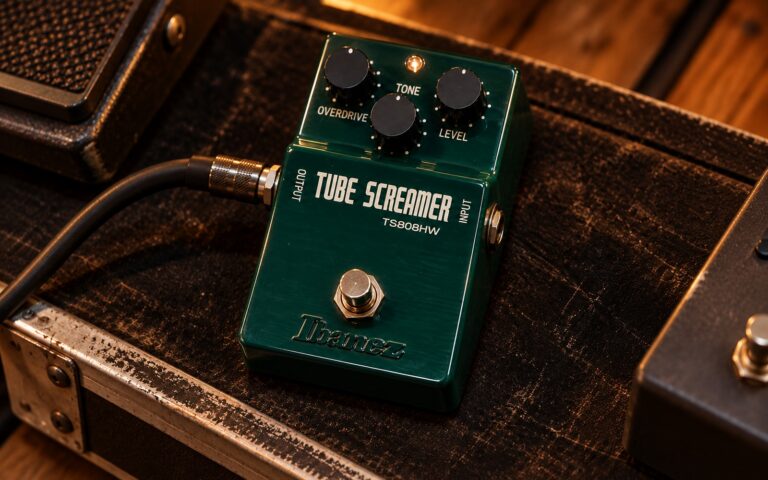
Against the Ibanez TS808 reissue: the TS808 reissue tracks the OD808’s circuit (buffered bypass, warmer). The OD9 is the TS-9 circuit. Same comparison as OD9 vs OD808, but with the added variable that the Ibanez TS808 is a standard production reissue while the OD9 specifies JRC4558D specifically. See our coverage of the Ibanez TS808 Tube Screamer for that comparison in depth.
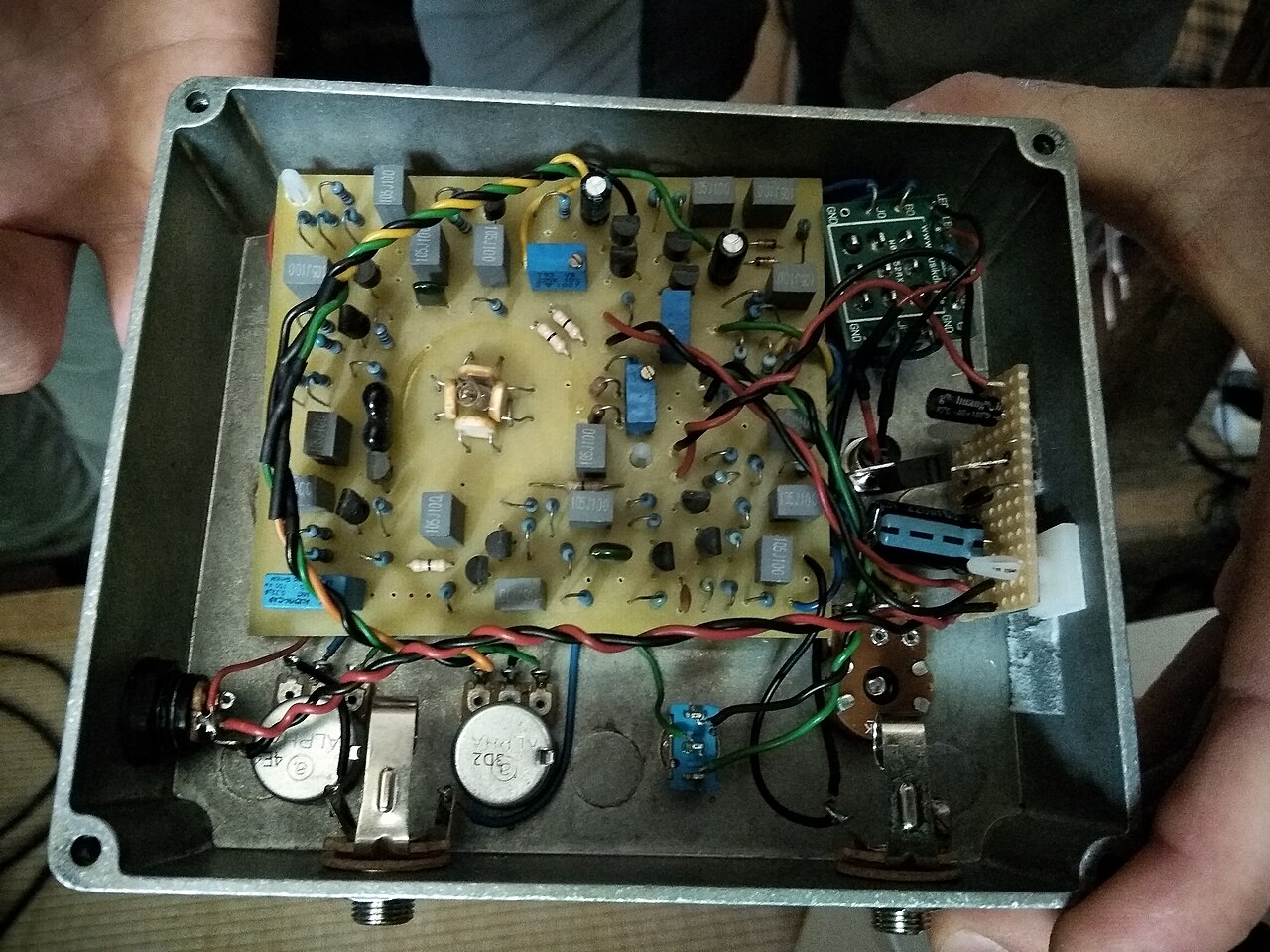
Against boutique TS-9 modifications (Analogman, JHS, Keeley): a modded TS-9 typically replaces the op-amp with a JRC4558D, adds true bypass, and may change clipping diodes or other components. The OD9 already ships with the JRC4558D and true bypass, making many standard mods redundant. At $126–$165, the OD9 is frequently cheaper than a TS-9 reissue plus a professional mod. The main advantage of boutique mods is customization — specific diode swaps for harder or softer clipping, bass-boosted variants, etc. The OD9 is an excellent starting point if you want those mods applied afterward by a tech.
Buying Guide
The OD9 is available new from specialty retailers at around $126–$165 USD, and used in excellent condition for roughly $75–$110. Given that Godlyke Inc. is no longer receiving inventory from Maxon Japan, new stock availability through some channels may be limited — but the pedal remains in Maxon’s production lineup and other US retailers continue to stock it.
What to check when buying used: the true bypass switch is a mechanical 4PDT (Fujisoku) and should click cleanly with no tonal dropout or switching noise. Inspect the battery door (no-tools design) for cracks. The zinc-aluminum enclosure is durable, but look for any damage around the jack threads. The board-wired (not PCB-mounted) jacks and pots mean this pedal is significantly more serviceable than cheaper alternatives if repairs are ever needed.
The OD9 is not a collector’s piece that commands premium pricing based on rarity. It’s a production pedal that should be evaluated on its sound and construction quality. At market prices, it represents excellent value for the component specification it delivers.
Living With the OD9
The OD9’s 6 mA current draw is friendly to any power supply setup. Unlike the Maxon OD808 (5 mA but buffered bypass) or the Ibanez TS-9 reissue (various draw levels, buffered bypass), the OD9’s true bypass means its current draw figure is only relevant when the pedal is engaged — effectively never an issue on any modern isolated supply.
Build quality is notably higher than mass-market alternatives. Maxon’s use of separate wired jacks and pots (rather than PCB-mounted components) means that the physical wear points of the pedal — the input/output jacks and the three potentiometers — can be serviced individually by any competent technician without board surgery. At the price point and usage intensity of a gigging overdrive, this matters over a five- or ten-year timeline in ways that cheap alternatives don’t advertise on the spec sheet.
The JRC4558D op-amp is a replaceable component if it ever fails, though failure is uncommon. Sourcing is straightforward through standard electronics suppliers. The chip itself is the component that makes the OD9 what it is — not magic, just a specific integrated circuit whose transfer characteristics interact with the surrounding component values in a way that produces the compression and midrange lift characteristic of this circuit family.
Frequently Asked Questions
Is the Maxon OD9 the same as the Ibanez TS-9?
Electrically, yes — they use the same fundamental circuit design, because Maxon manufactured the original Ibanez TS-9. The OD9 specifies the JRC4558D op-amp (versus the Toshiba chip in the Ibanez reissue) and uses true bypass (versus the TS-9’s buffered bypass). These are meaningful differences in component quality and bypass behavior, though the core overdrive character is the same family sound.
How does the OD9 differ from the Maxon OD808?
The OD808 tracks the TS-808 circuit variant — warmer, slightly softer in attack, buffered bypass. The OD9 tracks the TS-9 circuit — more output, slightly more open/bright, true bypass. The OD9 has higher output headroom. The OD808 has a smoother, more vintage character. Both use the JRC4558D op-amp.
Did Stevie Ray Vaughan use the Maxon OD9?
SRV used the Ibanez TS-9 Tube Screamer, which was manufactured by Maxon using the same circuit as the OD9. He did not personally own a Maxon-branded OD9 — the OD9 as a consumer product is a reissue. The circuit heritage is direct; the product connection is indirect. If you’re chasing SRV’s overdrive tone, the OD9 is among the most historically accurate implementations of the circuit he used.
Does the OD9 work well for metal?
Not as a standalone high-gain distortion — the OD9 is a soft-clipping moderate-gain overdrive. But as an amp-tightening boost into a high-gain amp channel, it performs exactly as designed: Drive near minimum, Level high, Tone around noon. The OD9’s bass rolloff removes low-end flub from the amp’s input while the midrange lift adds note articulation. Many metal players use TS-circuit pedals precisely for this reason.
What’s the current draw and power supply requirement?
6 mA at 9V. Any standard isolated 9V output handles the OD9 easily — even the smallest isolated supply outputs (100 mA) can power ten or more OD9 pedals simultaneously. This is among the lowest power draw of any production overdrive pedal.
Is the OD9 better than a modded TS-9?
The OD9 already ships with the two most common TS-9 mods: JRC4558D op-amp and true bypass switching. If those are the modifications you’d pay for, the OD9 is the better value proposition — often cheaper than a TS-9 plus a professional modification. If you want specific diode swaps (asymmetric clipping, germanium diodes, etc.) beyond stock, a boutique mod shop can start with either platform.
Why does the Godlyke/Maxon page say it’s sold out?
Godlyke Inc. is no longer Maxon’s US distributor as of 2026 and will not receive new OD9 inventory through that channel. The OD9 remains in Maxon’s production lineup and continues to be stocked by other US retailers including Guitar Center and specialty dealers. Check those channels for current availability.
Where does the OD9 go in a pedal chain?
Standard overdrive position: after tuner and wah, before modulation effects (chorus, phaser, vibrato) and delay/reverb. If you run fuzz pedals, place them either before the OD9 or after, but not between — fuzz circuits are impedance-sensitive, and the OD9’s true bypass means it doesn’t affect the fuzz’s impedance environment when disengaged. Many players place fuzz first in chain and TS-circuit pedals after.
Image credits
- Inside a DIY pedal showing the circuit board: Skimel, Wikimedia Commons, CC BY-SA 4.0.
- Andy Summers: Acroterion, Wikimedia Commons, CC BY-SA 4.0.
- Top image: GuitarGangsters AI-generated reference illustration, not a photograph.
Latest News
Related
On This Day
Monday 9 November
From this week: