East Bay Ray (Dead Kennedys) Guitars & Gear: The Complete Guide to Punk’s Surf-Spaghetti Western Echoplex Wizard’s Rig
East Bay Ray's guitars, amps, and effects — the complete guide. Marchis Telecaster copy humbucker Holiday in Cambodia Guitar World specs, Supro Martinique live 1980, Schecter S-1 current, Fender Super Reverb rewired extra tube channel master volume Marshall 'science geek got schematics', Maestro EP-3 Echoplex 'kept on amp away from moshers Respect the Plex', Roland Space Echo, Line 6 DL4 Boss CS-3 current, saw Weirdos 1978, Oakland California 1954, Fresh Fruit Rotting Vegetables Frankenchrist, and punk surf-spaghetti Western echoplex wizard's rig.
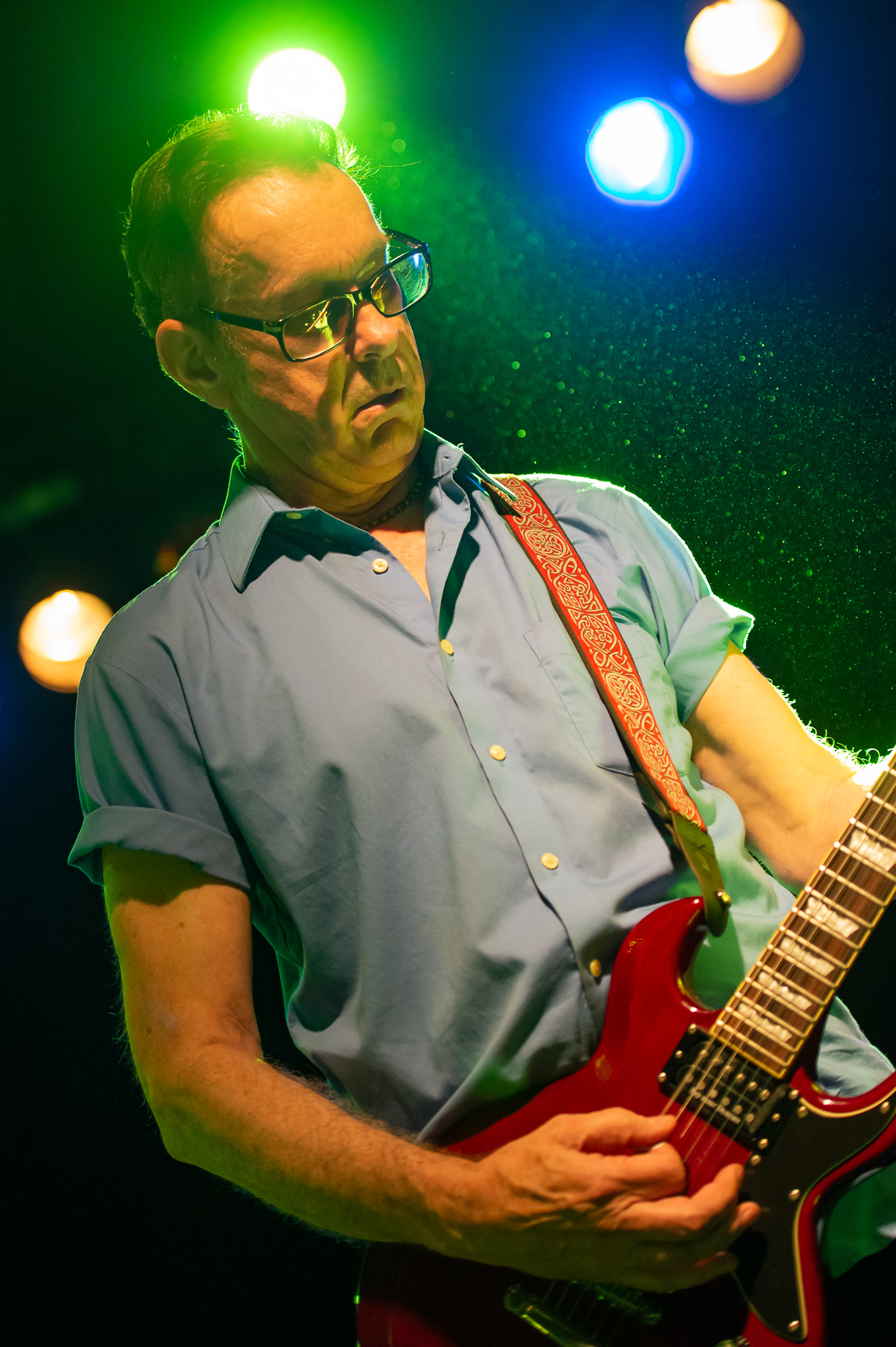
Photo by Stefan Brending (www.2eight.de), licensed under CC BY-SA 3.0 DE
Gear Timeline
“The little hairs on the back of my neck stood up. I saw the Weirdos playing. I said, ‘This is what I want to do.’ I phased myself out of the bar band and put an ad up in Aquarius Records and Rather Ripped Records.” East Bay Ray said this to Premier Guitar — and the specific 1978 experience of seeing the Weirdos in Los Angeles triggered the decision that produced the Dead Kennedys. He had been playing in bar bands. He saw the Weirdos. The hairs on the back of his neck stood up. He put ads in record shops. Jello Biafra saw the ad. The rest is “Holiday in Cambodia.” But here is the specific thing about East Bay Ray and the Dead Kennedys that distinguishes him from the conventional punk rock guitarist: “The Dead Kennedys spent countless hours crafting songs, perfecting arrangements, sculpting tones, modding gear, and nerding out in the studio. And their solid work ethic and professionalism stood in stark contrast to the mediocrity so prevalent in DIY punk” (Premier Guitar). He modded his own amplifier: “I’m also a science geek, so I got schematics for Marshalls and Boogie amps and rewired my Fender Super Reverb to have an extra tube channel in it so it would be like a master volume Marshall.” He rewired a Fender Super Reverb to have a tube-driven master volume. A science geek. A punk. Using a battered Maestro EP-3 Echoplex that he kept on his amplifier at the back of the stage, away from diving moshers. “Respect the Plex!” His specific sound: spaghetti western twang, slapback echo, unorthodox clean tones, surf-rock-meets-punk. Holiday in Cambodia is a punk song with an Echoplex at its center. He is seventy-one years old. The hairs on the back of his neck stood up in 1978. They have presumably not come back down.
The Journey
Raymond John Pepperell — East Bay Ray — was born on September 15, 1954, in Oakland, California. He grew up in Oakland, was inspired by surf rock of the 1960s, and was playing in bar bands until seeing the Weirdos in 1978 convinced him to pursue punk. He put ads up in Aquarius Records and Rather Ripped Records; Jello Biafra (then going by his given name) saw the ad and contacted him; the Dead Kennedys formed in San Francisco in 1978. The band’s albums — Fresh Fruit for Rotting Vegetables (1980), In God We Trust Inc. (1981), Plastic Surgery Disasters (1982), Frankenchrist (1985), Bedlam for Bonzo (1986) — established them as the defining act of the California hardcore/punk scene. The Frankenchrist obscenity trial (the album’s H.R. Giger “Landscape XX” insert led to an obscenity prosecution that was eventually dismissed) gave the band national attention. He has since maintained a solo career and has participated in the reunited Dead Kennedys (without Jello Biafra, who left amid legal disputes in the late 1990s). He is seventy-one years old.
Background: Oakland California, Bar Bands, Saw the Weirdos 1978, Aquarius Records Ad, Dead Kennedys San Francisco 1978, Fresh Fruit for Rotting Vegetables, Frankenchrist Trial, Science Geek Amp Modder
The specific cultural position of East Bay Ray within the Dead Kennedys is unique: he is the musicianly counterweight to Jello Biafra’s provocateur persona. Premier Guitar: “Their controversial name and radical politics got them a lot of attention, but their legacy is their great songwriting and high-caliber musicianship.” High-caliber musicianship in a band whose singer wore a chicken costume and ran for mayor of San Francisco. The specific combination of Biafra’s theatrical politics and Ray’s meticulous musical craft — the Echoplex-centered surf-punk approach, the schematics-based amp modification, the hours spent perfecting arrangements — produced music that was politically radical and sonically sophisticated simultaneously.
His surf rock background — Oakland, 1960s, the specific California beach music tradition — is the foundational influence that distinguishes his guitar approach from conventional punk. The surf rock vocabulary (reverb, tremolo, minor keys, the specific Duane Eddy and Dick Dale approach to the guitar as an atmospheric instrument) applied to hardcore punk created the specific Dead Kennedys sound: “Spaghetti-western twang, slapback echo, and unorthodox clean tones were also integral to their sound” (Premier Guitar). “Holiday in Cambodia” is not a conventional punk guitar part; it is an Echoplexed arpeggiated approach that owes as much to surf rock as to hardcore.
His “science geek” self-identification is the specific biographical marker that explains the most consequential single gear modification in his career: rewiring a Fender Super Reverb with an extra tube channel to approximate a Marshall master volume structure. “I’m also a science geek, so I got schematics for Marshalls and Boogie amps and rewired my Fender Super Reverb to have an extra tube channel in it so it would be like a master volume Marshall.” He had the amplifier schematics. He understood the circuit. He made the modification. This is Tom Scholz’s engineering approach applied to punk guitar — the science geek’s direct solution to the problem of getting the right tone from available equipment.
The Rig: East Bay Ray’s Guitars, Amps, and Effects
Guitars
The Guitar World “Holiday in Cambodia” rig analysis provides the most specifically documented guitar for that particular recording: “Guitar: c. late-’70s Marchis Telecaster copy with humbucking bridge pickup (bridge pickup), Volume: 10, Tone: 10.” The Marchis Telecaster copy — an Italian-made guitar from the Marchis brand, Telecaster-style body with a humbucker in the bridge position rather than the standard Telecaster single-coil — is the specific guitar on one of the Dead Kennedys’ most celebrated recordings. Telecaster body shape with a humbucker bridge gives a different tonal character from both a standard Telecaster (brighter, more twangy single-coil) and a conventional humbucker guitar (the Tele’s specific midrange and attack characteristics combined with the humbucker’s warmer sustained output). Volume and tone both maxed: no attenuated signal reaching the amp, the Echoplex, or the Super Reverb.
The Equipboard documentation: “In the video titled ‘Bleed For Me — Dead Kennedys — Urgh! A Music War — 1980 — DKs — Best Quality Live Performance’ on YouTube, East Bay Ray is seen playing a Supro Martinique Electric Guitar.” The Supro Martinique — the same instrument documented for Dan Auerbach — appears in the 1980 Los Angeles live performance documentation, connecting Ray’s vintage instrument approach to the same American budget-guitar tradition that Auerbach draws from decades later.
The Ultimate Guitar documentation: “He played a wide range of instruments, including a Fender Strat (with single-coils), a Greco Tele copy with a humbucker in the bridge and a single coil in the neck.” The Greco Telecaster copy (the Japanese Greco company’s specific production run of Fender-style instruments) with the mixed pickup configuration (humbucker bridge, single-coil neck) appears in the documented Dead Kennedys era gear. Greco was among the highest-quality Japanese “lawsuit era” guitar manufacturers.
The Premier Guitar Rig Rundown: “The punk rock pioneer rips on nothing more than a Schecter S-1, a JCM2000, and a well-placed DL4.” The Schecter S-1 — Schecter’s single-cutaway solidbody — is his current primary guitar for the reunited Dead Kennedys touring. The Schecter’s construction (typically mahogany or basswood body with humbucker pickups) provides a warmer, more conventional rock guitar character than the vintage Telecaster copies and Supros of the original DK period.
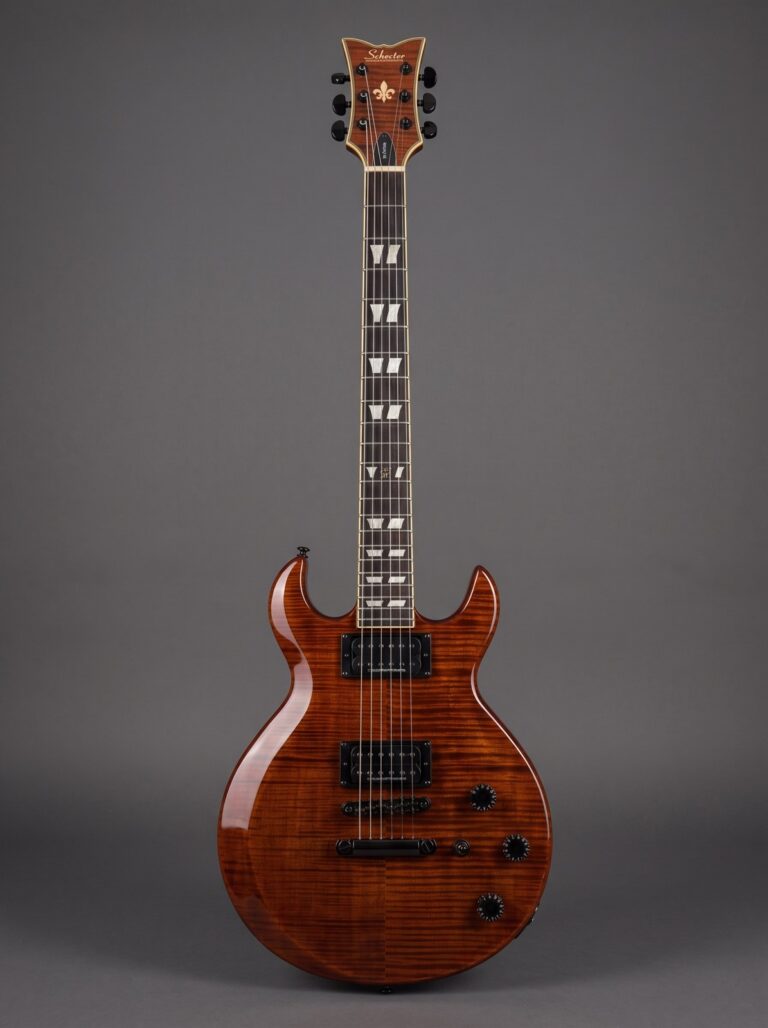
The Ultimate Guitar documentation: “a slew of partscasters” and “a Fender Strat (with single-coils).” Ray’s guitar approach is instrumentally diverse — the specific vintage Telecaster copies, the Supro, the Schecter, and the various partscasters and modified Strats all providing different tonal characters for different musical applications. The Premier Guitar Rig Rundown quote: “I use the same thing as in Dead Kennedys. Right now, I’m putting together a Stratocaster-style guitar, although there’s not many Fender parts left on it.” The partscaster-building approach — assembling guitars from available components rather than buying complete production instruments — is entirely consistent with the science geek who rewires amplifier circuits from schematics.
Amps
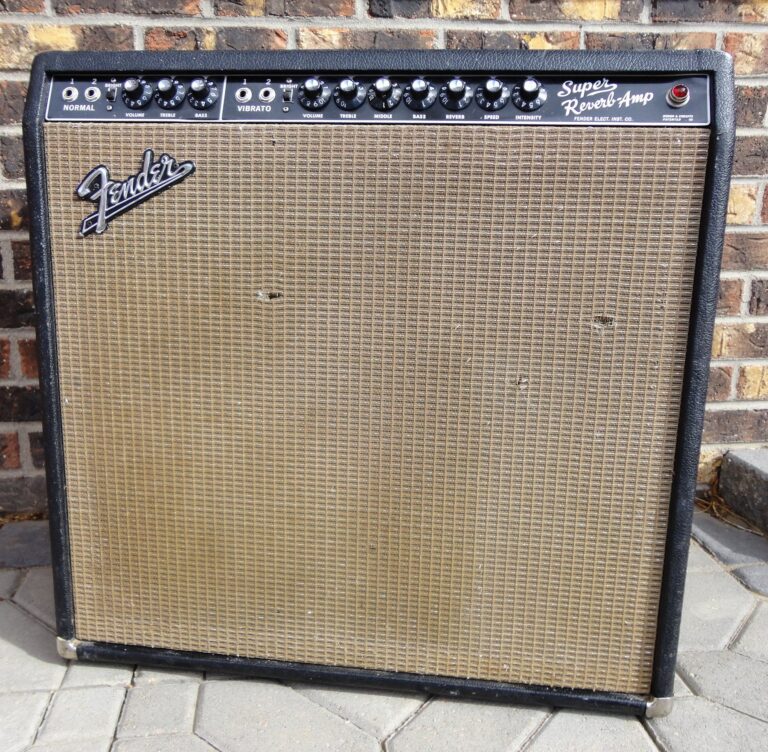
The Guitar World “Holiday in Cambodia” rig documentation: “Amp: c. 1964-67 Fender Super Reverb (Vibrato channel, Input 1, Bright On, Volume: 7, Treble: 7, Middle: 8, Bass: 4, Reverb: 0, Speed: 0, Intensity: 0) with four Oxford 10L6 10-inch speakers.” The Equipboard quote captures the specific modification: “Originally I had those LPB-1 Power Boosters in front of the amp. But I’m also a science geek, so I got schematics for Marshalls and Boogie amps and rewired my Fender Super Reverb to have an extra tube channel in it so it would be like a master volume Marshall.” The 1964-67 Fender Super Reverb (40 watts, four 10-inch speakers, blackface-era circuit with vibrato and reverb channels) with the specific settings he used for “Holiday in Cambodia” and the additional modification of the extra tube channel for Marshall-like gain staging is the primary amplifier of the classic Dead Kennedys period.
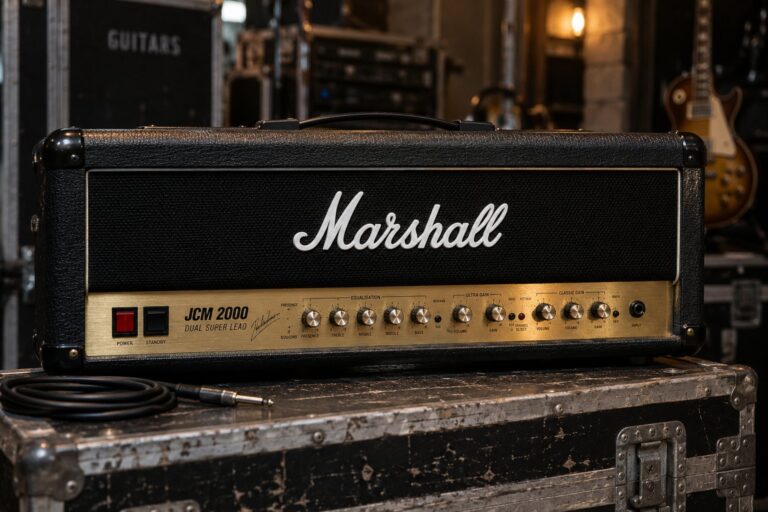
Premier Guitar: “The punk rock pioneer rips on nothing more than a Schecter S-1, a JCM2000, and a well-placed DL4.” The Marshall JCM 2000 — the dual-reverb Marshall with switchable channels — replaces the vintage modified Super Reverb for the current (reunited) Dead Kennedys touring. Its channel-switching allows the clean/crunch/lead variation that a touring musician needs without the maintenance requirements of a vintage modified amp.
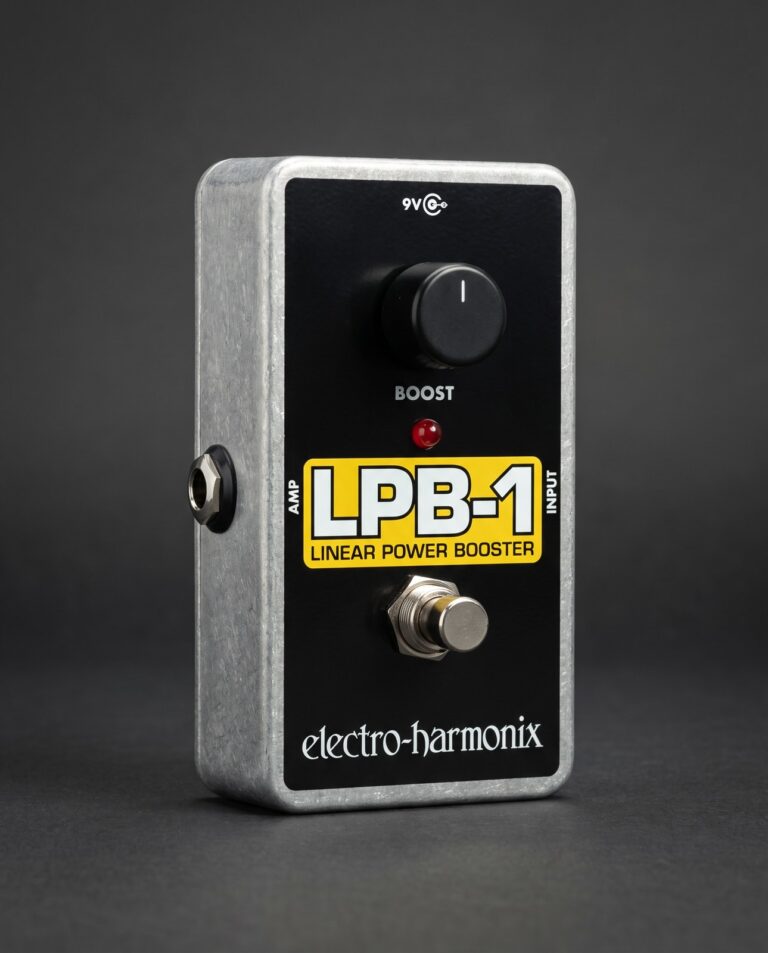
The Equipboard documentation of his own quote: “Originally I had those LPB-1 Power Boosters in front of the amp.” The Electro-Harmonix LPB-1 (the same simple clean boost that Hank Shermann used on the Mercyful Fate EP) was Ray’s initial approach to driving the Fender Super Reverb harder before he rewired the amp itself. The LPB-1’s specific function: transparent volume boost that increases the signal level reaching the amp’s input, driving the preamp stage harder and producing more natural saturation at lower overall volume levels. He subsequently replaced this with the rewired tube channel — a more permanent, integrated solution to the same problem.
Effects
East Bay Ray’s defining effect and the central sonic element of the Dead Kennedys’ most celebrated recordings is the Maestro EP-3 Echoplex tape echo unit. The Guitar World documentation of the “Holiday in Cambodia” settings: “Maestro EP-3 Echoplex (Echo Delay: 16, Sustain: 4, Echo Volume: 3).” Premier Guitar: “East Bay Ray toured with a vintage Echoplex, although he kept it in the rear of the stage on his amp and away from diving moshers. Respect the Plex!” The Echoplex’s position — at the back of the stage on the amplifier, as far from the punk audience’s physical assaults as possible — is the most specific single stage-management detail in this guide. The Echo Delay of 16 ms (the very short delay of the original “Holiday in Cambodia” Echoplex setting) provides slapback echo rather than rhythmic delay — the specific quality of a very short echo that creates the dimensional depth and rhythmic bounce of his signature approach without the obvious repetition of longer delay settings.
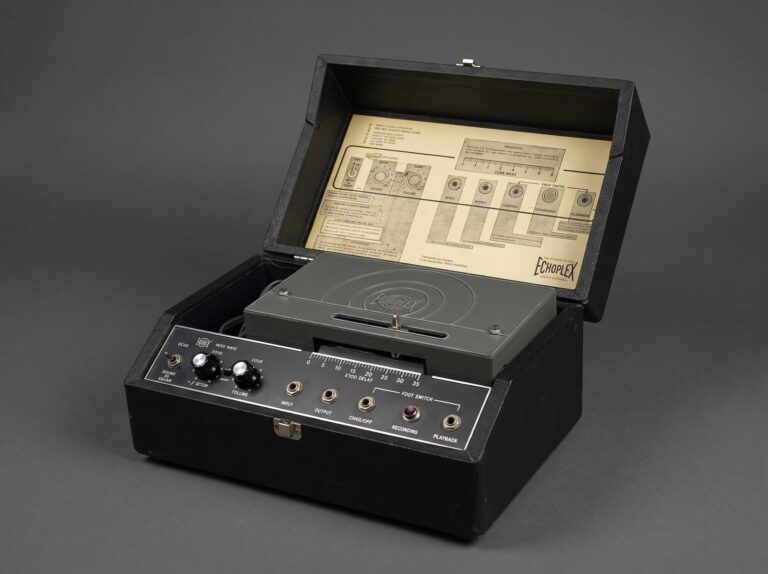
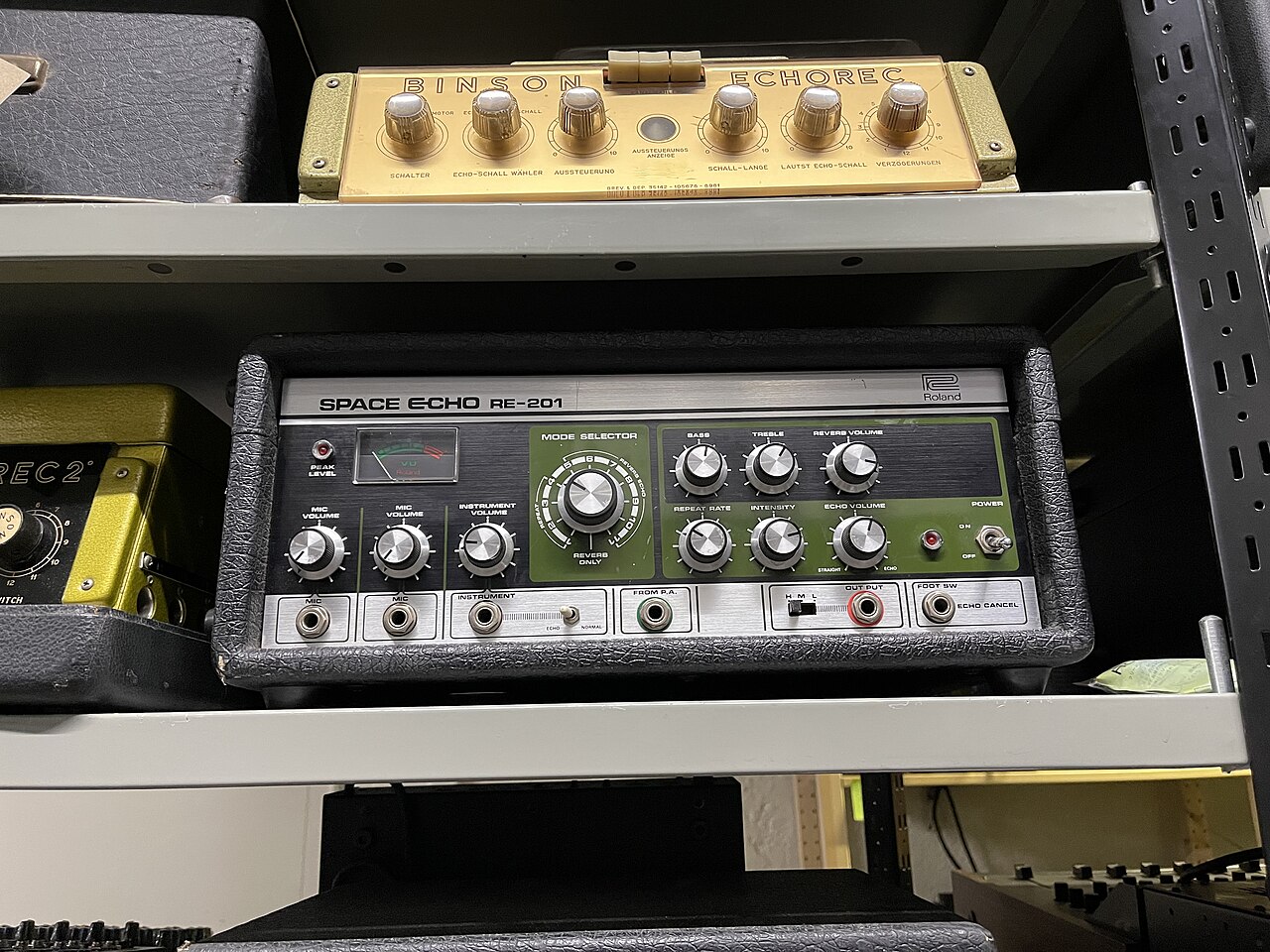
The Ultimate Guitar documentation: “Those delay and modulation sounds you hear came from Roland Space Echo and Maestro Echoplex units that he used to keep in the studio.” The Roland Space Echo — the multi-head tape echo from Roland (a Japanese equivalent of the Echoplex) — appears as a studio echo unit alongside the Echoplex. His studio use of both units provided the specific selection of echo characters for different applications in the Dead Kennedys recordings.
The Ultimate Guitar documentation: “He has also been spotted using an Ibanez AD-220 analog delay and flanger rack unit.” The Ibanez AD-220 (a specific rack-mount delay/flanger unit from Ibanez’s professional rack product line) provides additional delay and flanger character in the studio/rack context.
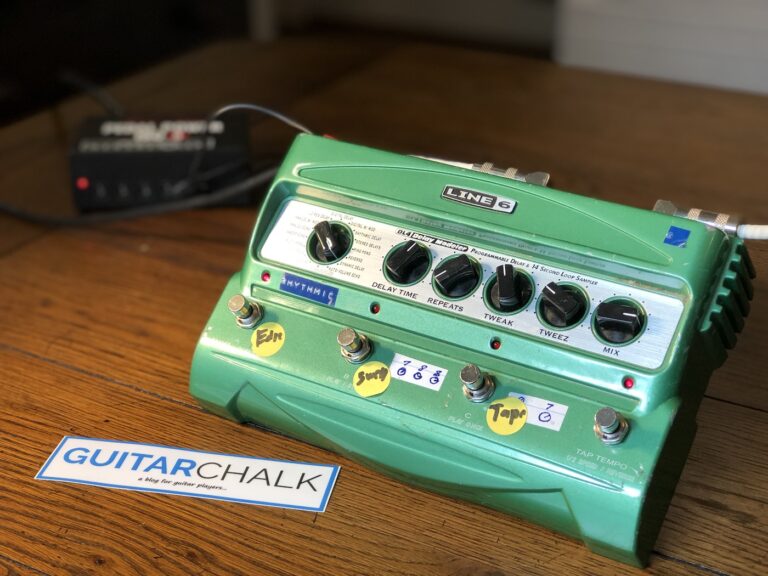
The Premier Guitar “Forgotten Heroes” article: “Today he’s replaced the ‘Plex with a Line 6 DL4 Delay Modeler that he uses in a setting that emulates his old favorite.” The Line 6 DL4 — the same green Line 6 delay pedal documented throughout this guide — replaces the vintage Echoplex for touring with the reunited Dead Kennedys. “Linked to a Boss CS-1 Compressor that he deploys primarily as a volume boost” — the DL4 for the Echoplex delay character, the Boss CS-1 as a volume boost for specific passages, after the DL4 and before the amp.
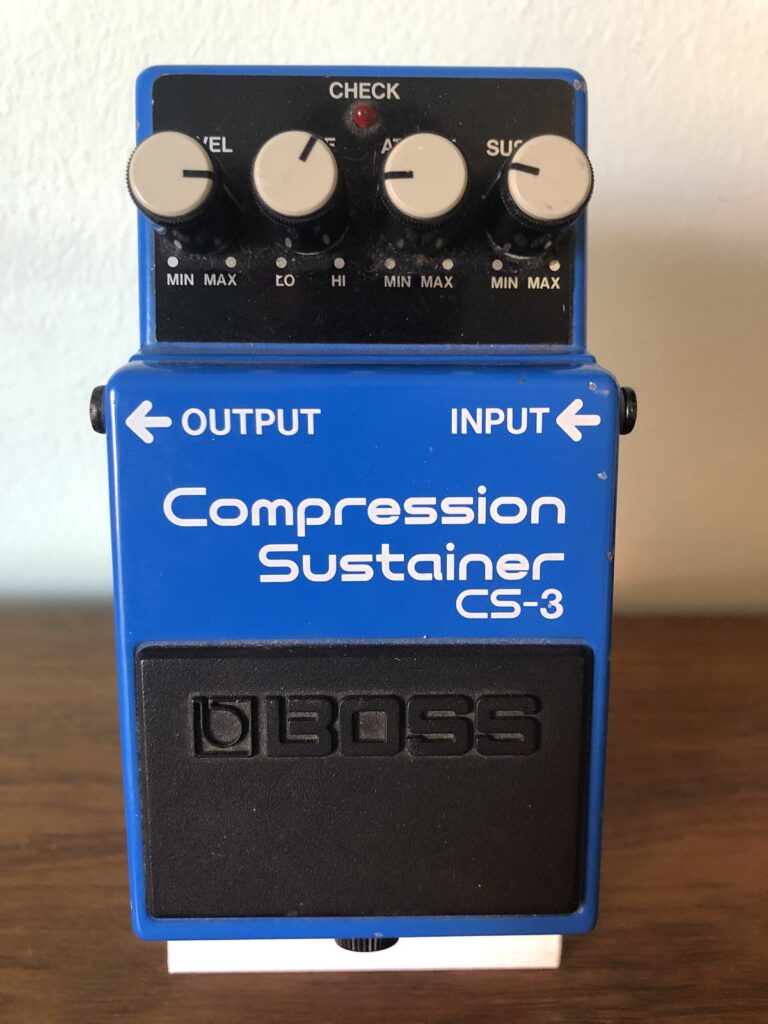
The Premier Guitar Rig Rundown: “He maxes the level, eases back the tone, dimes the attack, and pushes the sustain, resulting in a mild volume jump for solos and single-note ditties. It’s in the chain after the DL4 and ahead of the amp so it can boost the repeats when the CS-3 is engaged along with the green machine.” The Boss CS-3’s settings — maximum level (high output), backed-off tone (reducing treble brightness), dimed attack (maximum compression attack speed), and pushed sustain — produce a specific sustained, slightly compressed volume boost that can function as a solo boost while simultaneously engaging when the DL4’s echo repeats arrive.
Playing Style & Tone Philosophy
East Bay Ray’s playing style is the most atmospherically sophisticated in the hardcore punk tradition — the approach of a guitarist whose surf rock background, science geek methodology, and Echoplex-centered effects approach created a specific tonal vocabulary that distinguished the Dead Kennedys from the conventional power-chord-and-distortion approach of most punk contemporaries. Premier Guitar: “instead of bashing out distorted barre chords, he often opted for a more ambient approach, using copious amounts of echo generated by his battered Maestro EP-3 Echoplex… Spaghetti-western twang, slapback echo, and unorthodox clean tones were also integral to their sound.”
His tone philosophy is the Echoplex philosophy: the echo unit placed between the guitar and the amplifier (or after it) provides the specific dimensional depth that converts a clean, aggressive guitar sound into the specific Dead Kennedys atmosphere. The Echoplex setting for “Holiday in Cambodia” — 16 ms delay, moderate sustain, low echo volume — is a short slapback echo, not a long repeating delay. This specific setting produces the specific “bounce” of the recording: the guitar attacks cleanly, and a very short echo arrives almost immediately after, creating the characteristic rhythmic depth of the Dead Kennedys guitar sound.
How to Sound Like East Bay Ray
Guitar: Telecaster-style body with humbucker bridge pickup (Marchis copy, Greco copy, or similar) for the “Holiday in Cambodia” character. Schecter S-1 for the current reunited DKs approach. Volume and Tone at maximum (10/10) — let the Echoplex and amp do the tonal work.
Amp: Fender Super Reverb (1964-67 blackface, four 10-inch speakers, vibrato channel) for the classic DK character — modified with extra tube channel for master volume behavior if possible. Marshall JCM 2000 for current approach.
Amp Settings (Fender Super Reverb — Holiday in Cambodia, Documented by Guitar World):
| Control | Setting (0–10) | Notes |
|---|---|---|
| Volume (Vibrato ch.) | 7 | Guitar World documented setting — Input 1, Bright On |
| Treble | 7 | Guitar World documented setting |
| Middle | 8 | Guitar World documented setting — forward mid for punch |
| Bass | 4 | Guitar World documented setting — controlled low end |
| Reverb | 0 | Guitar World documented setting — NO reverb; Echoplex provides all echo |
Essential effect — Maestro EP-3 Echoplex (or Line 6 DL4 emulation): Echo Delay 16 ms (slapback — very short, rhythmic bounce rather than audible repetition), Sustain 4 (moderate feedback — a few repeats, not infinite), Echo Volume 3 (low — the echo is present but not dominant). Guitar → Echoplex → Super Reverb. Keep the Echoplex on your amp, away from the moshers. Respect the Plex.
Influence & Legacy
East Bay Ray’s influence on punk and alternative rock guitar is specifically the influence of a musician who brought a level of musical sophistication (the surf rock vocabulary, the Echoplex-centered atmospheric approach, the schematics-based amp modification) to the punk tradition that most punk guitarists didn’t achieve. The Dead Kennedys’ specific legacy — “their legacy is their great songwriting and high-caliber musicianship” — is in part his legacy as the guitarist who understood that musical craft and punk attitude were not mutually exclusive.
His connection to Johnny Thunders as a fellow proto-punk/punk guitarist who similarly achieved his distinctive tone through direct, attitude-driven amplifier-based approaches reflects the shared tradition. His connection to Greg Ginn as a fellow California hardcore guitarist who founded his own label when no one else would release his music (SST Records for Ginn, the Dead Kennedys’ Biafra-founded Alternative Tentacles for Ray’s band) reflects the shared DIY infrastructure tradition. His connection to Mike Ness as a fellow California punk guitarist of the same era reflects the shared West Coast punk context.
Frequently Asked Questions: East Bay Ray Dead Kennedys Guitars & Gear
What guitar did East Bay Ray use on “Holiday in Cambodia”?
Guitar World’s rig analysis documents: “Guitar: c. late-’70s Marchis Telecaster copy with humbucking bridge pickup (bridge pickup), Volume: 10, Tone: 10.” The Marchis Telecaster copy (an Italian-made Telecaster-style guitar) with a humbucker in the bridge position, volume and tone both at maximum, is the specific guitar on this Dead Kennedys recording. He has also used a Supro Martinique (documented 1980 LA live performance), Greco Telecaster copy, and currently the Schecter S-1.
What amplifier did East Bay Ray use?
Classic Dead Kennedys period: a 1964-67 Fender Super Reverb (40 watts, four Oxford 10L6 10-inch speakers, vibrato channel), specifically modified by Ray himself: “I’m also a science geek, so I got schematics for Marshalls and Boogie amps and rewired my Fender Super Reverb to have an extra tube channel in it so it would be like a master volume Marshall.” Guitar World documents the “Holiday in Cambodia” amp settings: Volume 7, Treble 7, Middle 8, Bass 4, Reverb 0. Current: Marshall JCM 2000 (documented in 2016 Premier Guitar Rig Rundown).
What is the Maestro EP-3 Echoplex and why is it central to the Dead Kennedys’ sound?
The Maestro EP-3 Echoplex is a vintage magnetic tape echo unit — one of the most celebrated guitar echo units in history. Ray’s “Holiday in Cambodia” settings: Echo Delay 16 ms (very short slapback echo), Sustain 4, Echo Volume 3. Premier Guitar: “East Bay Ray toured with a vintage Echoplex, although he kept it in the rear of the stage on his amp and away from diving moshers.” The Echoplex’s specific short slapback echo creates the dimensional bounce of the Dead Kennedys’ guitar sound without an obvious repeating echo. He subsequently replaced it with a Line 6 DL4 set to emulate the Echoplex character.
Why did East Bay Ray rewire his Fender Super Reverb?
“Originally I had those LPB-1 Power Boosters in front of the amp. But I’m also a science geek, so I got schematics for Marshalls and Boogie amps and rewired my Fender Super Reverb to have an extra tube channel in it so it would be like a master volume Marshall.” He needed the Fender Super Reverb to achieve Marshall-like tube saturation at lower volumes. Rather than buying a Marshall, he obtained the circuit schematics and modified the amp himself — adding an extra tube gain stage that provided the master-volume gain structure of a Marshall in the Fender’s circuit.
How did the Dead Kennedys form?
Ray saw the Weirdos playing in 1978: “The little hairs on the back of my neck stood up. I said, ‘This is what I want to do.’ I phased myself out of the bar band and put an ad up in Aquarius Records and Rather Ripped Records.” Jello Biafra (then going by a different name) saw the ad and contacted him. The Dead Kennedys formed in San Francisco in 1978. Their debut Fresh Fruit for Rotting Vegetables was released in 1980.
What is East Bay Ray’s current guitar setup?
Premier Guitar 2016 Rig Rundown: “The punk rock pioneer rips on nothing more than a Schecter S-1, a JCM2000, and a well-placed DL4.” His current signal chain: Schecter S-1 → Line 6 DL4 (set to emulate the Echoplex) → Boss CS-3 Compressor (maxed level, backed-off tone, dimed attack, pushed sustain — as volume boost after the DL4) → Marshall JCM 2000. His own quote: “I use the same thing as in Dead Kennedys. Right now, I’m putting together a Stratocaster-style guitar, although there’s not many Fender parts left on it.”
What musical influences shaped East Bay Ray’s guitar approach?
East Bay Ray grew up in Oakland, California, “inspired by the surf rock sounds of the 1960s.” Ultimate Guitar: “Like early punk peer Billy Zoom from X, Ray was influenced by a wide variety of genres including jazz, rockabilly, and surf rock. Surfy guitar tones can be heard on ‘Police Truck’ and ‘California Über Alles’, while his use of delay is also quite prominent on ‘Holiday in Cambodia.'” His surf rock background explains the Echoplex-centered approach: surf music’s heavy use of reverb and echo, the specific clean-guitar-through-effect approach, is directly audible in the Dead Kennedys’ sound.
Image credits
- Roland Space Echo RE-201: 1904.CC, Wikimedia Commons, CC BY 4.0.
- Top image: by Stefan Brending, CC BY-SA 3.0.
- Fender Super Reverb: GabeMc, Wikimedia Commons, CC BY-SA 3.0.
- Line 6 DL4: Guitar Chalk, Flickr, CC BY 2.0.
- Marshall JCM2000 DSL100: GuitarGangsters AI-generated reference illustration, not a photograph.
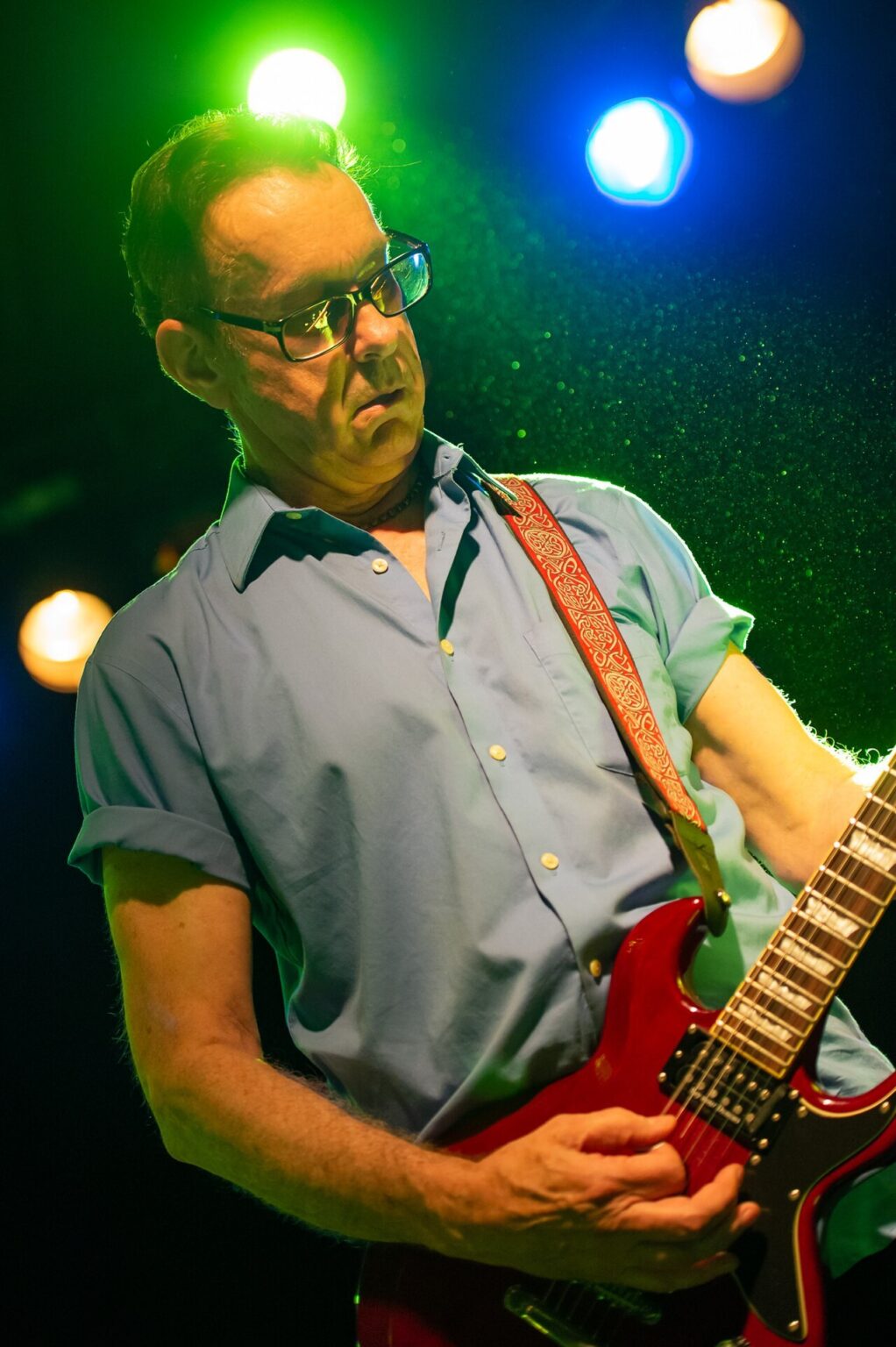
- East Bay Ray live: Stefan Brending (2eight), Wikimedia Commons, CC BY-SA 3.0.
- Boss CS-3 Compression Sustainer: Kuriosatempel, Wikimedia Commons, CC BY-SA 4.0.
- Schecter S-1: GuitarGangsters AI-generated reference illustration, not a photograph.
- Maestro Echoplex EP-3: GuitarGangsters AI-generated reference illustration, not a photograph.
- Electro-Harmonix LPB-1: GuitarGangsters AI-generated reference illustration, not a photograph.