Andy Fairweather Low Guitars & Gear: The Welsh Session Master’s Complete Rig
Andy Fairweather Low guitars gear — Telecaster and Fender Deluxe Reverb deep-dive for the Amen Corner and Eric Clapton session legend's complete rig explored.
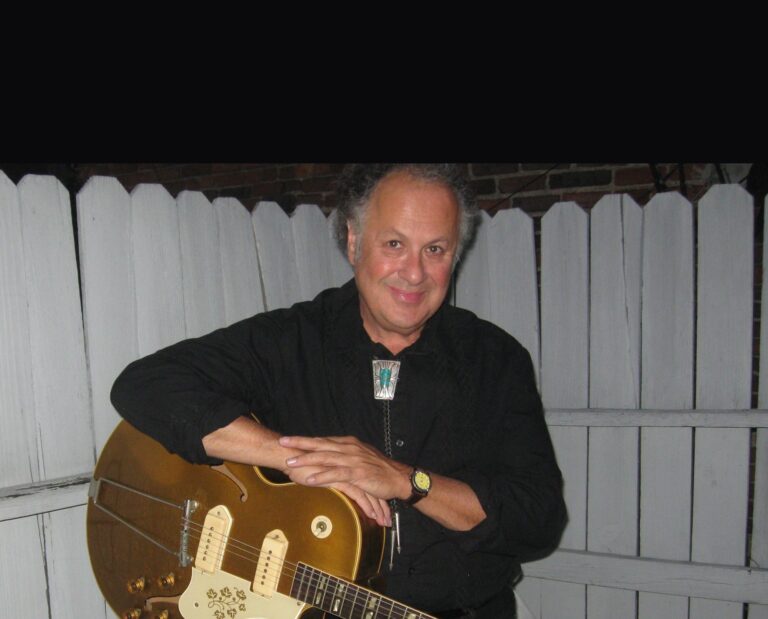
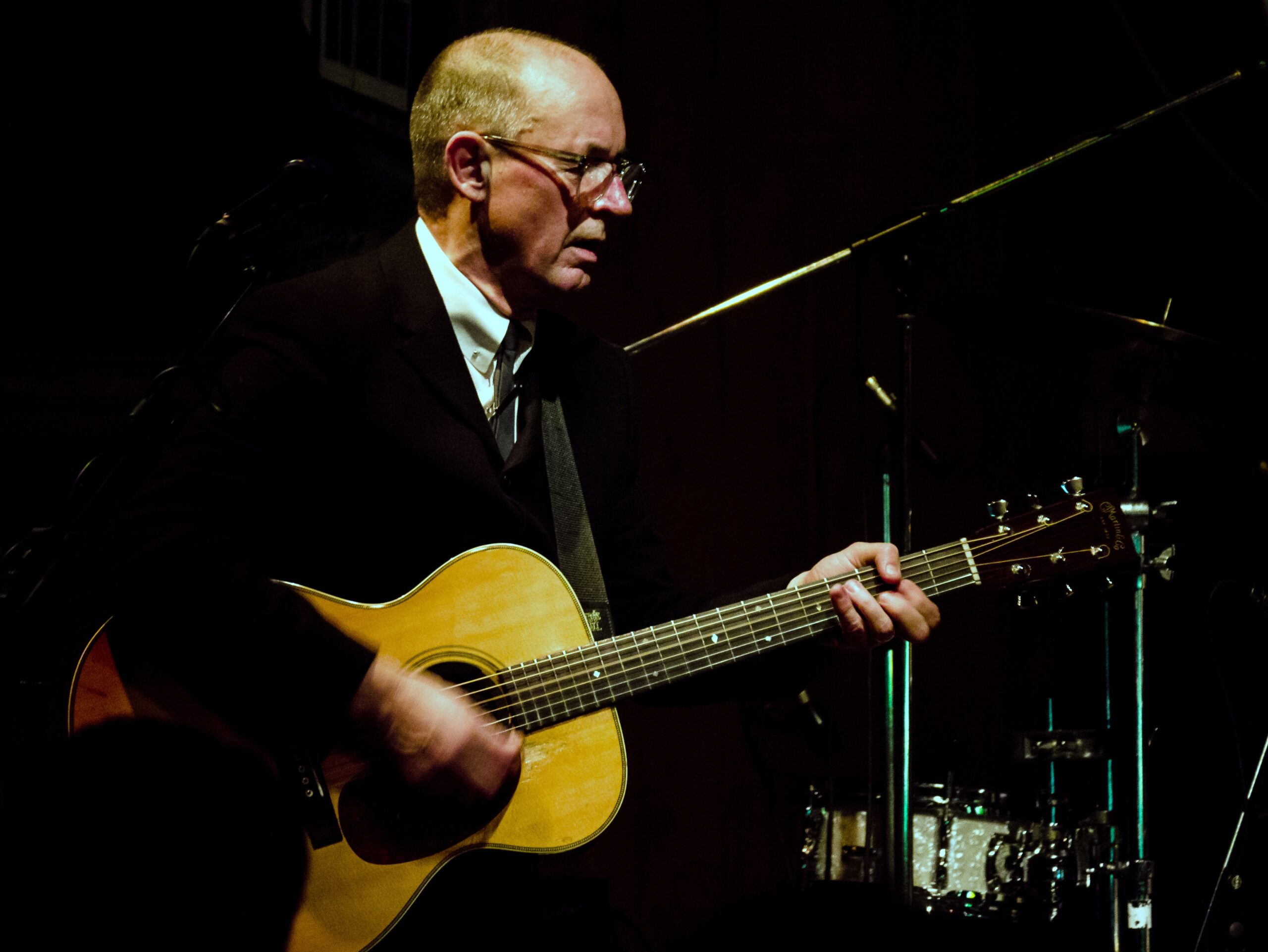
Photo by Martin Knaack, licensed under CC BY 2.0 (https://www.flickr.com/photos/95154356@N03/12519364835); colour-corrected.
When you look into Andy Fairweather Low guitars gear, you find one of the most quietly extraordinary careers in British music — a Welsh guitarist who started as a teen pop star with Amen Corner in the 1960s, reinvented himself as a solo artist through the 1970s, and then spent decades as one of the most sought-after session and touring guitarists in the world, playing with Eric Clapton, Roger Waters, Bill Wyman, Ringo Starr, and dozens of others. Fairweather Low is the guitarist’s guitarist — the kind of player that other great players specifically seek out when they need someone who can do everything, who gets the music, who understands tone, who is there for the song rather than for themselves.
The Journey
This guide covers his complete equipment picture: the guitars he has favoured across a career spanning six decades, the amplifiers that gave him his warm, articulate tone, the effects chain that served his extraordinary range of musical contexts, and the playing philosophy of a musician whose greatest virtue is knowing exactly what the music needs and delivering that with unshowy precision and commitment. Understanding Andy Fairweather Low’s gear is understanding what it means to be a complete musician rather than merely a technically impressive guitarist.
Background
Andrew Fairweather Low was born on August 2, 1948, in Ystrad Mynach, Caerphilly, Wales — a small town in the South Wales valleys that produced a disproportionate amount of musical talent for its size. His early musical development followed the characteristic British pattern of the early 1960s: skiffle and early rock and roll giving way to the Merseybeat and R&B influences that were sweeping British youth culture, with the guitar as the natural vehicle for all of it.
He formed Amen Corner in Cardiff in 1966 — a soul and R&B-influenced pop group that achieved significant commercial success in the UK, scoring Top 10 hits with “Gin House Blues,” “(If Paradise Is) Half as Nice,” and “Hello Suzie.” The band was genuinely musically accomplished rather than merely commercially constructed, and Fairweather Low’s guitar playing — even at this early stage — showed the range and musical intelligence that would characterise his subsequent career. Amen Corner broke up in 1969, and he formed Fair Weather, a more rock-oriented project, before embarking on a solo career in the early 1970s.
His solo work — particularly the album Spider Jiving (1974) and the single “Wide Eyed and Legless” (1975), which reached the UK Top 10 — showed a musician who had absorbed the American funk, soul, and blues traditions deeply enough to make them his own rather than merely imitating them. The playing on these records is characterised by rhythmic sophistication, tonal warmth, and the specific quality of groove that distinguishes players who truly understand the music from those who have merely learned its surface vocabulary.
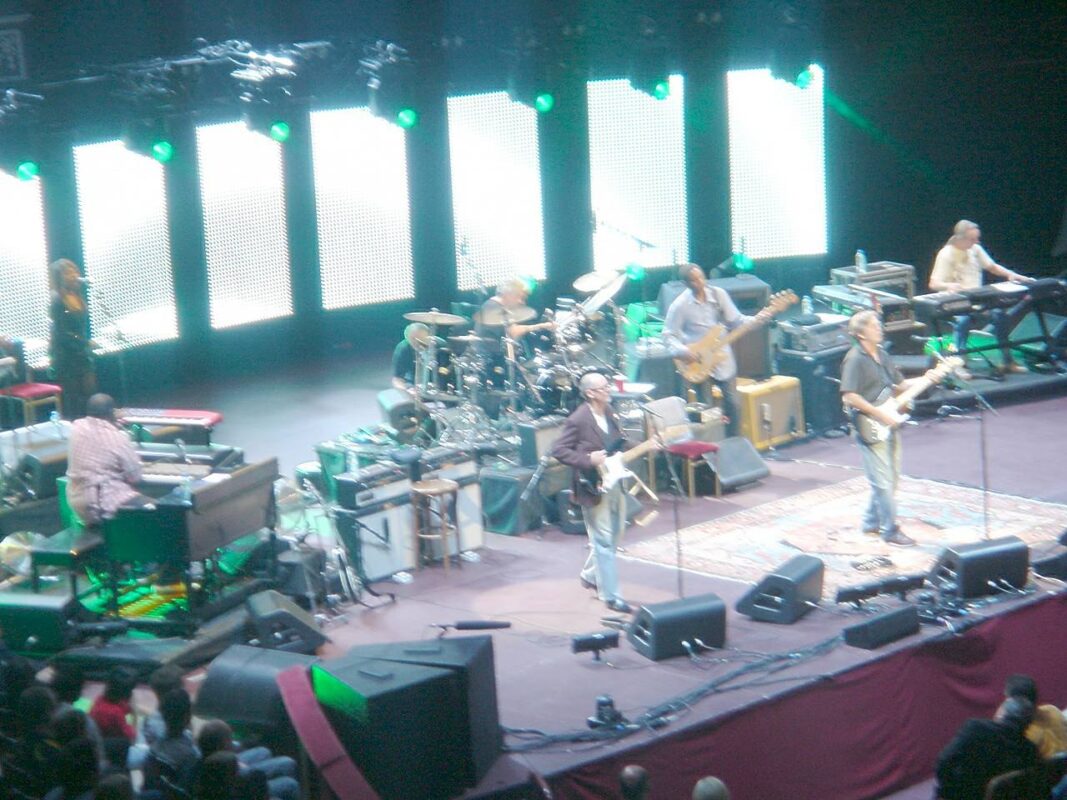
The session and touring work that became central to his career from the late 1970s onwards placed him in musical contexts of extraordinary range and consistent quality. His work with Eric Clapton — as part of Clapton’s touring band through multiple decades — gave him exposure to the blues tradition in its most direct living form, and the discipline of playing alongside one of the genre’s masters refined both his playing and his musical judgment. His work with Roger Waters on the Radio K.A.O.S. tour and subsequent projects showed his ability to function in a more elaborate, production-oriented rock context. His association with Bill Wyman’s Rhythm Kings gave him yet another musical context — rhythm and blues, swing, and early rock and roll — in which his range and adaptability were fully demonstrated.
Fairweather Low has continued recording and performing into the 2020s, releasing solo material, touring with his own band, and maintaining the reputation for musicianship and reliability that has sustained his career across six decades of professional work. He was awarded an MBE in 2020 for services to music — a recognition that, while belated, acknowledges the genuine significance of a career spent serving music with unusual commitment and quality.
Andy Fairweather Low Guitars Gear: The Complete Rig
Guitars
Andy Fairweather Low’s guitar collection reflects the extraordinary range of musical contexts his career has encompassed — instruments chosen for specific tonal purposes rather than for prestige or collectibility, and maintained with the practical attention of a working musician who understands that his equipment is a professional tool.
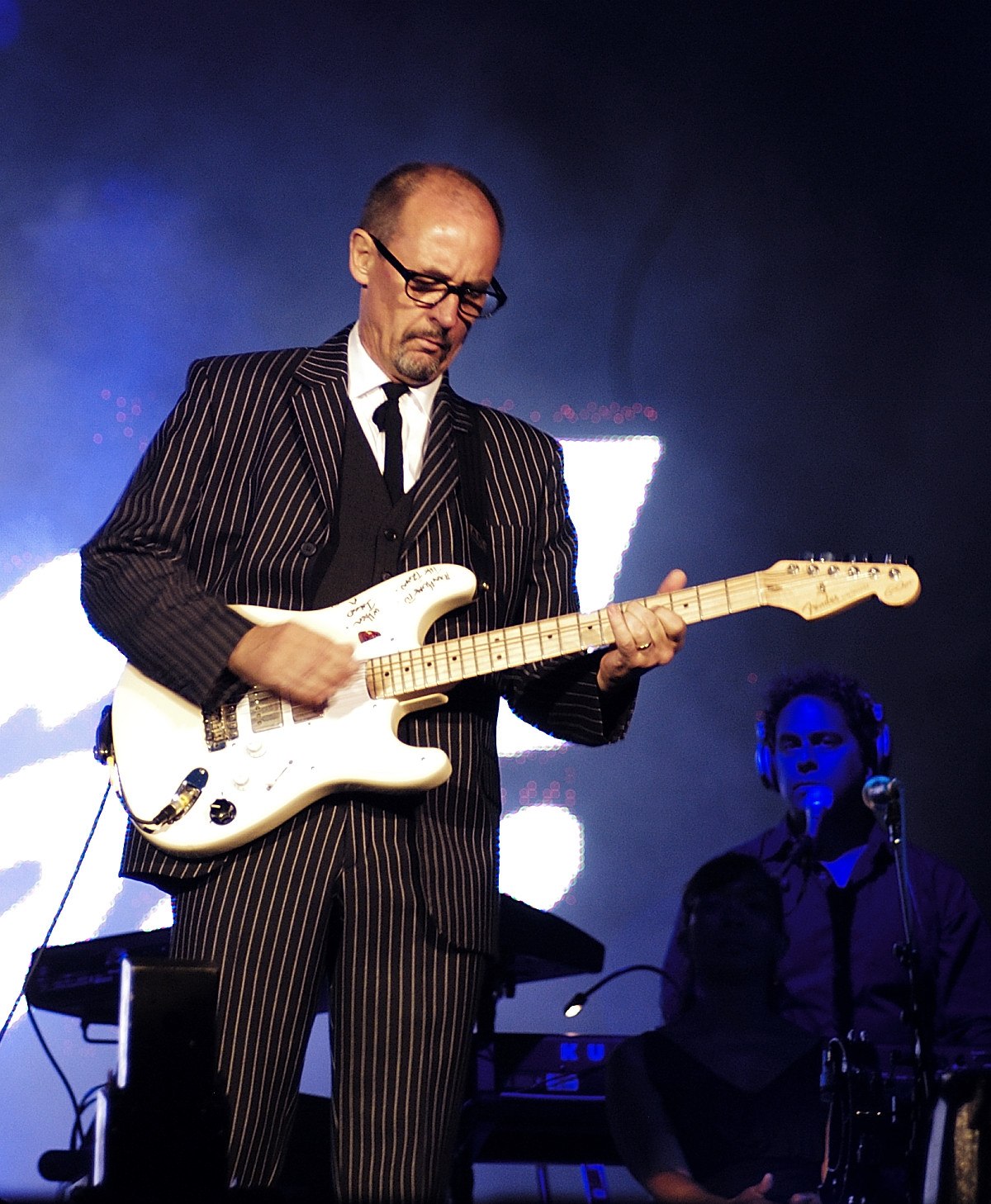
His most frequently used and most iconic instrument is a Fender Telecaster — specifically late-1960s and early-1970s examples that have been his primary working guitar through much of his career. The Telecaster’s combination of tonal versatility, mechanical reliability, and the specific bright, cutting character of its single-coil pickups makes it ideal for the range of musical contexts Fairweather Low has worked in. The bridge pickup’s sharp, defined attack cuts through any band mix; the neck pickup’s warmth suits the bluesier, more sustained passages; and the combination of the two positions gives an intermediate character that works for rhythm playing in virtually any musical context.
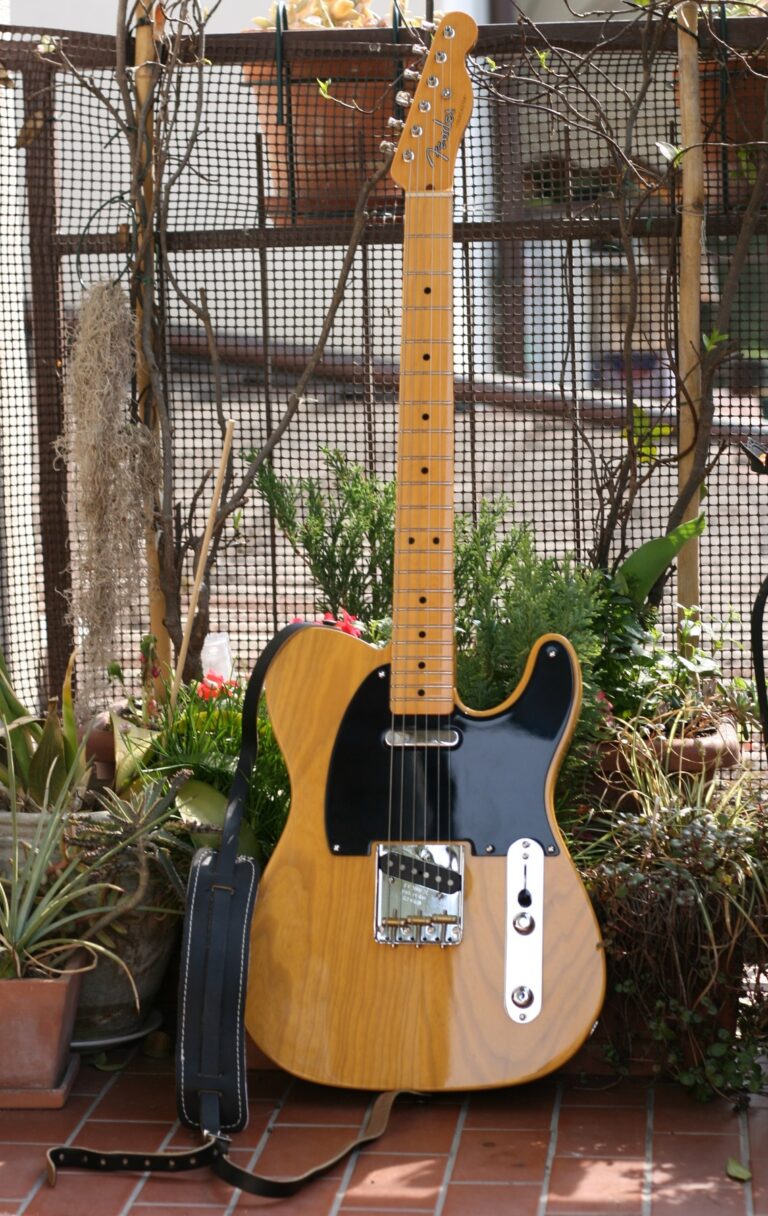
His Telecasters — typically vintage or vintage-spec instruments — are set up with relatively low action for easy playability across the full range of the neck, and with strings light enough for the bending and position shifting that his playing requires. The bridge pickup in a vintage Telecaster is a single-coil unit with a metal cover and a particular mounting that presses it against the bridge plate, producing the characteristic cutting brightness and strong attack transient that gives the instrument its most distinctive sound. Wound to approximately 6.5k to 7.5k ohms DC resistance with Alnico 5 magnets in most vintage examples, the bridge pickup has the output and tonal character appropriate for driving a valve amplifier into its working range without the higher output that humbuckers provide.
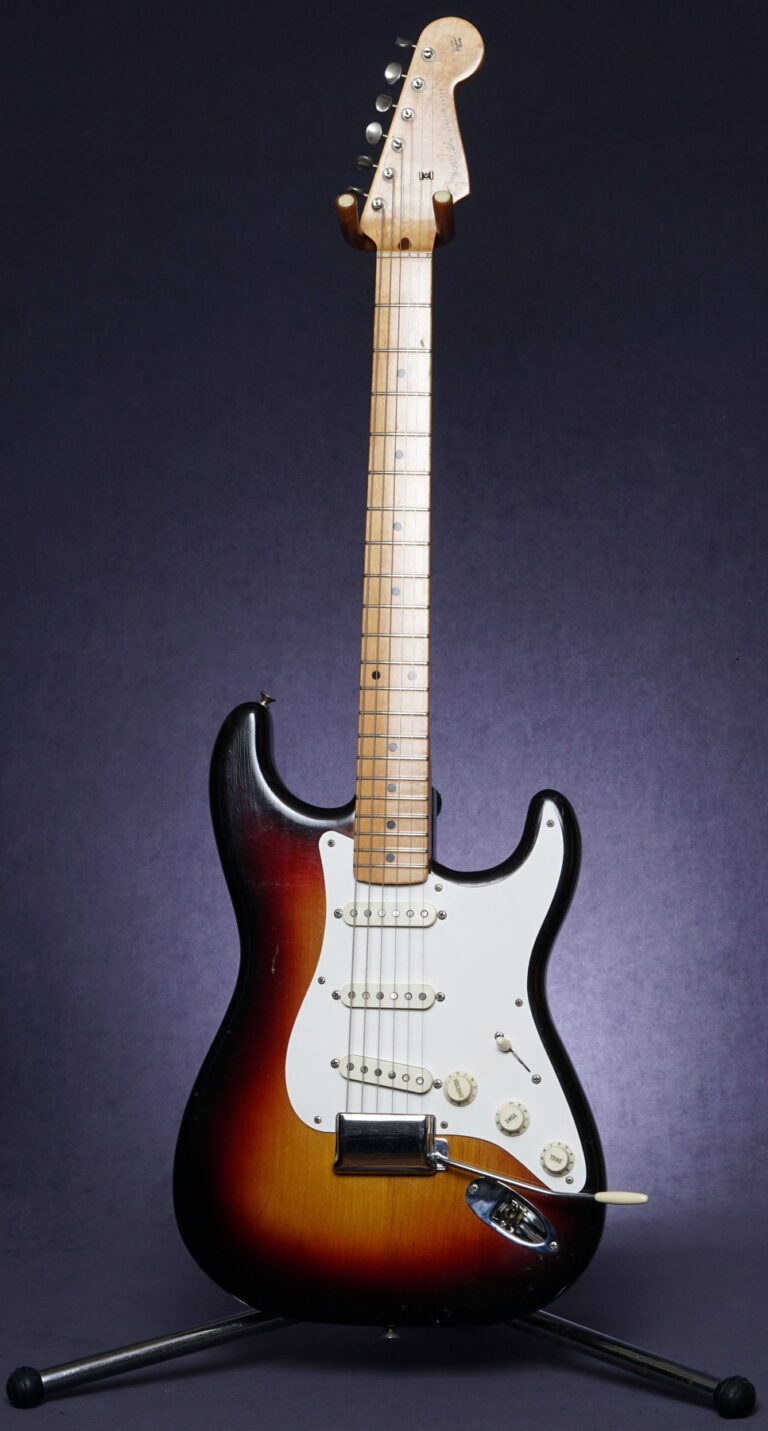
A Fender Stratocaster features in his rig for applications where the Tele’s two-pickup simplicity is less appropriate — the Strat’s three-pickup configuration and five-way switching flexibility giving him tonal options that the Telecaster doesn’t provide. The Stratocaster’s vibrato arm also gives him performance possibilities that the Telecaster’s fixed bridge can’t accommodate, and for specific musical contexts where the vibrato is musically appropriate, the Strat is the more practical tool.
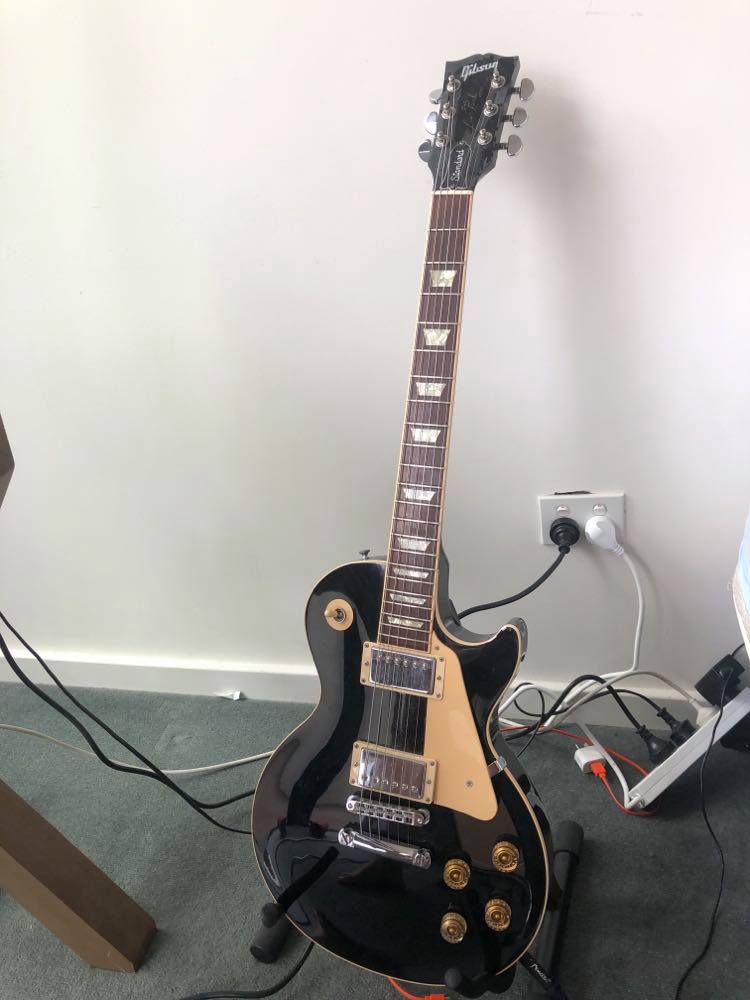
He has also used Gibson Les Paul models — both Standards and Customs — for specific musical contexts where the warmth and sustain of mahogany construction and humbucker pickups were more appropriate than the Fender single-coil character. The Les Paul’s PAF-spec humbuckers, measuring in the 7.5k to 8.5k ohm range with Alnico II or Alnico V magnets, produce the specific combination of warmth and sustain that blues and blues-rock material requires, and for that specific context, the Les Paul is as clearly right as the Telecaster is for the more rhythm-and-blues-oriented material.
A Gretsch hollowbody — specifically models equipped with Filter’Tron humbuckers — appeared in his rig for the swing, jump blues, and early rock and roll material that characterised his work with the Bill Wyman Rhythm Kings. The Filter’Tron pickup, with its lower DC resistance (typically around 4.5k to 5.0k ohms) and Alnico V magnets, produces the bright, chimey character that suits country and rockabilly material, and the hollowbody construction of the Gretsch instruments adds an acoustic resonance that complements this material authentically.
String gauges vary by instrument and musical context — lighter gauges on the Telecaster and Stratocaster for the bending facility that his rhythm and blues playing requires, medium gauges on the Les Paul for the sustain and warmth that the heavier instrument benefits from. His pick is typically a medium-weight celluloid or nylon type, producing a warm attack without the harshness of harder materials.
Amps
Fairweather Low’s amplifier philosophy is rooted in the same principle that governs his equipment choices generally: use what serves the music, understand why it serves the music, and resist the temptation to complicate what is already working. His amplification has been consistent in its philosophy if varied in its specific implementations across different musical contexts.
His primary amplifier through much of his career has been the Fender Deluxe Reverb — the classic blackface 1×12 combo introduced in 1964 and running two 6V6 output valves at approximately 22 watts. The Deluxe Reverb’s character is one of the most beloved in American valve amplification: clean and warm at lower volume settings, breaking up naturally with a sweet, compressed quality as the volume is increased, with an onboard spring reverb that is the standard against which other reverbs are measured. The 6V6 output valves produce a different character from the 6L6s in larger Fender amplifiers — slightly earlier saturation, a rounder midrange, and a more immediate response to pick attack that makes the amplifier feel alive under the fingers in a way that higher-powered amplifiers sometimes don’t.
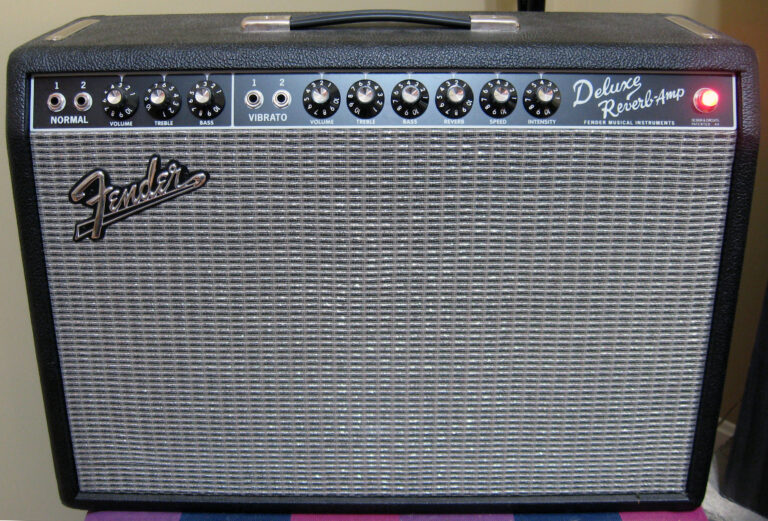
The single Jensen C12N speaker in the standard Deluxe Reverb — a 12-inch ceramic-magnet speaker with a sensitivity of approximately 99dB/1W/1m and a characteristic midrange clarity — complements the 6V6 amplifier circuit with a particular warmth and definition that suits Fairweather Low’s style of playing. The C12N’s relatively flat frequency response, compared to the more coloured character of Celestion speakers, gives it a transparency that suits the wide range of musical styles he works across.
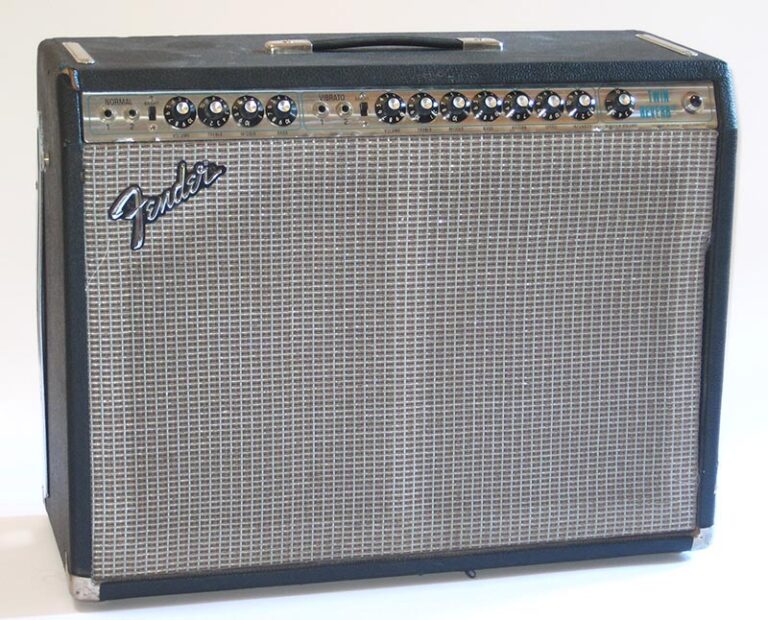
For larger venues and higher-volume applications, he has used Fender Twin Reverb amplifiers — the 2×12 combo running two 6L6 output valves at 85 watts, with significantly more clean headroom than the Deluxe Reverb. The Twin’s headroom allows it to remain clean at higher stage volumes, which is useful in contexts where a clean, clear rhythm guitar tone is the primary requirement, and its pair of Jensen C12N speakers gives it a similar tonal character to the Deluxe but at greater output.
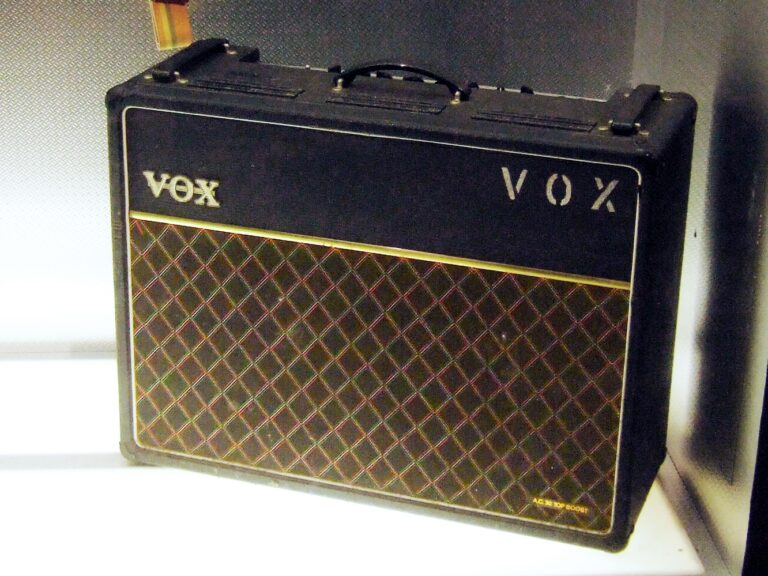
He has also used Vox AC30 Top Boost amplifiers — particularly for work with Eric Clapton and in other British blues rock contexts where the EL84-driven AC30’s specific character was more appropriate than the American Fender sound. The AC30’s natural compression and chimey midrange, combined with the specific warmth of its alnico-speaker-loaded version, gave him a different tonal dimension from the Fender combination that proved useful in the specifically British blues context of the Clapton touring work.
His work with Roger Waters employed a more elaborate amplification setup — the production-oriented rock context requiring more power, more tonal range, and more consistent performance across large venues than his typical working rig provided. For these applications, he used Marshall amplification alongside his standard Fender combination, the Marshall’s EL34 character adding the harder-edged rock presence that the Waters material required.
Effects
Fairweather Low’s effects chain reflects his practical musical philosophy — each element is there because it contributes something specific and musically necessary, and the chain is as simple as the music allows while being as complex as the music requires.
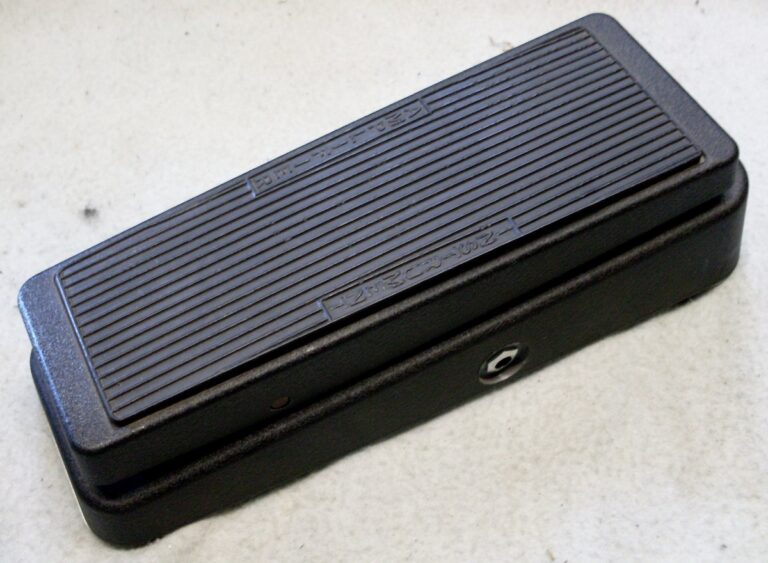
A wah pedal — the Vox or Dunlop Cry Baby type — is a consistent element of his rig, used both as a conventional swept lead effect and as a fixed filter for tonal colouring in rhythm passages. His wah technique reflects his blues training: musical and expressive rather than mechanical, used to shape individual notes and phrases rather than applied uniformly to lead sections.
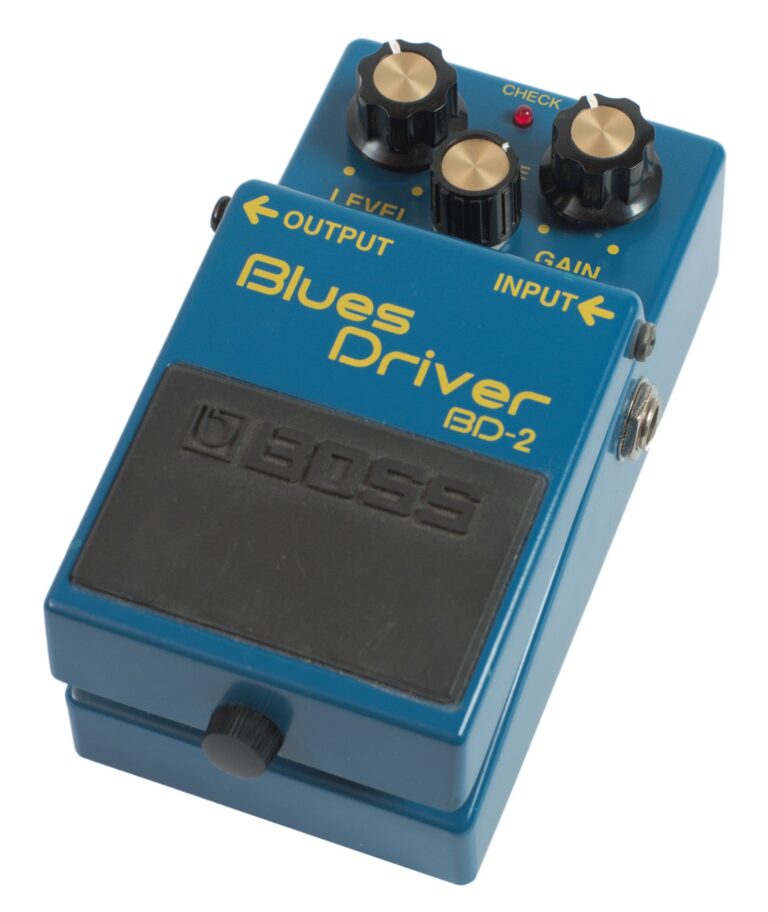
A Boss BD-2 Blues Driver overdrive pedal has been central to his live rig for the clean-to-overdriven transitions that his blues and rhythm and blues playing requires. The BD-2’s JFET-based circuit produces a warm, smooth overdrive with a touch-sensitive character that responds to pick attack variation in a way that hard-clipping distortion pedals don’t — softer playing produces a clean tone, harder playing adds progressive overdrive without changing the pedal settings. This dynamic response suits Fairweather Low’s playing approach, which depends on pick attack variation for tonal control rather than pedal switching.
A Boss CE-2 Chorus Ensemble — the successor to the CE-1, using a bucket-brigade delay chip for analogue chorus — has appeared in his rig for the specific dimensional quality that chorus adds to clean and lightly driven playing. For the more pop-oriented material in his repertoire and for specific textural applications in the Clapton touring context, the CE-2’s warm, musical modulation added the harmonic movement that made certain passages more musically interesting without altering their fundamental character.
A volume pedal provides dynamic control in live performance — allowing him to swell from silence for specific effects and to manage overall output level between different musical contexts within a set without adjusting amplifier settings. For the range of musical material that his touring sets cover, this dynamic control is practically important rather than merely convenient.
The Fender Deluxe Reverb’s onboard spring reverb is an active element of his effects chain rather than simply a feature of the amplifier — he adjusts the reverb level specifically for different musical contexts, using more for atmospheric blues passages and less (or none) for crisp rhythm playing. The spring reverb’s specific character — slightly metallic, with a characteristic drip on the decay — is part of his tonal identity rather than a neutral spatial addition.
Playing Style & Tone Philosophy
Andy Fairweather Low’s playing is defined by a quality that is simultaneously the most obvious and the most difficult to describe: he always sounds right. Not technically impressive, not tonally spectacular, not demonstrably virtuosic in the conventional sense — simply, consistently, musically right. The notes he plays are the notes the music needs. The tone he produces is the tone the song requires. The dynamics he uses are the dynamics the moment calls for. This quality of musical correctness — of knowing exactly what the music needs at every moment and delivering exactly that — is the rarest and most valuable thing a musician can possess, and Fairweather Low possesses it to an unusual degree.
His rhythm playing is the foundation of everything else. Developed through years of playing in contexts where the rhythm guitar was the primary harmonic and rhythmic support for vocalists and soloists, his chord work is rhythmically precise, harmonically sophisticated, and dynamically varied in ways that create musical interest without drawing attention to itself. The chord voicings he uses are appropriate to the musical context — simpler, more open voicings in blues contexts where clarity is paramount; more complex, extended voicings in the soul and R&B material where harmonic richness matters. His rhythm parts make the other musicians in the band play better, which is the ultimate test of rhythm guitar playing.
His lead playing is the natural extension of his rhythm playing — melodically coherent, rhythmically grounded, and always in service of the music rather than of his own technical display. He has the technical ability to play more elaborately than he typically does, and the musical judgment to know when elaboration serves the music and when it doesn’t. The restraint this requires is as much a technical skill as the facility to execute complex passages, and it is harder to develop than facility because it requires genuine musical understanding rather than simply mechanical practice.
Tonally, his philosophy is as practical and music-first as every other aspect of his approach: the right equipment for the musical context, set up and maintained to deliver consistent results, used with the discipline to serve the music rather than to display the equipment. The Telecaster’s brightness for R&B and pop; the Les Paul’s warmth for blues; the Gretsch’s authenticity for swing and early rock and roll — each instrument chosen for a specific musical reason and used with specific musical purpose. This context-sensitivity is the professional musician’s fundamental skill, and Fairweather Low demonstrates it with consistent intelligence across an extraordinary range of musical contexts.
How to Sound Like Andy Fairweather Low
Guitar Approach
A late-1960s or early-1970s Fender Telecaster, set up with medium-light strings (.009–.042 or .010–.046) and low action, is the primary starting point. The bridge pickup for cutting rhythm work and brighter lead playing; the neck pickup for warmer, bluesier passages. A Fender Stratocaster is the appropriate alternative for material where the Tele’s two-pickup simplicity is insufficient.
The most important element to develop is not technique but musical judgment — the ability to identify what the music needs at any given moment and to deliver that specifically. This requires listening as much as playing: to the other musicians, to the vocalist, to the overall sound of the band, and to what the song’s emotional content requires. Fairweather Low’s playing is as much about listening as it is about playing, and developing that skill is the most important work for any guitarist aspiring to his musical approach.
Amp Approach
A Fender Deluxe Reverb — or a larger Fender combo for higher-volume applications — is the right amplifier. Run it at a volume where the 6V6s are starting to breathe and the onboard spring reverb adds appropriate spatial dimension. The Boss BD-2 Blues Driver before the amplifier provides the smooth, touch-sensitive overdrive for blues and blues-rock passages. Keep the amplifier EQ settings relatively neutral — the Telecaster’s inherent character and the Fender’s natural response will do the tonal work without requiring extreme EQ intervention.
| Control | Setting | Notes |
|---|---|---|
| Volume | 5–6 | 6V6 working range — warmth and slight natural compression |
| Treble | 5–6 | Moderate — Telecaster bridge pickup is inherently bright |
| Bass | 4–5 | Controlled bass for clarity in a band mix |
| Middle (if fitted) | 5–6 | Moderate mids for presence without harshness |
| Reverb | 3–4 | Moderate spring reverb — spatial without wash |
| BD-2 Blues Driver | Low-medium gain | Touch-sensitive overdrive — responds to pick attack |
| CE-2 Chorus (optional) | Light depth | For clean passages requiring dimensional quality |
Influence & Legacy
Andy Fairweather Low’s legacy is the legacy of the consummate professional musician — built not through a single defining artistic statement but through six decades of consistent musical quality across an extraordinary range of contexts. He is not famous in the way that front-men and lead guitarists of major bands are famous, but his contribution to the recordings and performances that have defined British popular music across those six decades is as substantial as those of many musicians who achieved greater individual recognition.
His work with Eric Clapton — spanning multiple tours and albums through the 1980s, 1990s, and 2000s — placed him at the centre of British blues rock for a sustained period during which Clapton was one of the most commercially significant musicians in the world. The guitar work on those touring performances, documented on various live recordings, shows Fairweather Low in a supporting role executed with the kind of musical intelligence that makes the music better without drawing attention to the contribution. This quality of intelligent, self-effacing musical support is the rarest and most valuable thing in a touring and session musician.
His work with Roger Waters on the Radio K.A.O.S. tour documented one of the most elaborate and production-intensive rock touring operations of the late 1980s, and his ability to function effectively within that specific context — requiring different musical skills from the more intimate blues context of the Clapton work — demonstrated the true breadth of his musical range. The Waters connection also gave him visibility with a different musical audience from the Clapton work, extending his reputation beyond the specifically blues-oriented community.
For players exploring the session and touring guitarist tradition that Fairweather Low represents at its finest, the rigs of Chris Spedding — whose similar career trajectory through the British session world produced comparable musical breadth — and Waddy Wachtel, whose American session career offers a parallel study in musical versatility and professional excellence, provide illuminating comparison. The blues foundation that underpins his work is explored through Doyle Bramhall II‘s more recent blues-rock work, which demonstrates how the same tradition continues to inform serious guitar playing in the contemporary context.
The Clapton Years: Playing in the Shadow of a Giant
The decades Andy Fairweather Low spent as part of Eric Clapton’s touring band represent the most sustained and high-profile chapter of his session and touring career, and they offer the clearest window into what his equipment and playing approach actually deliver under the most demanding professional conditions. Clapton’s touring productions through the 1980s and 1990s were major operations — large venues, elaborate sound systems, high production budgets, and audiences who arrived with very specific expectations about what the music should sound like. Playing in that context required a guitarist who could deliver consistent quality every night while remaining completely subordinate to the primary artist’s musical vision.
His role in the Clapton band was primarily as rhythm guitarist and secondary lead voice — providing harmonic support for Clapton’s lead playing, covering rhythm guitar parts in ensemble sections, and taking secondary solos in arrangements where a second guitar voice was musically appropriate. This role, unglamorous as it sounds in description, required exactly the kind of musical intelligence and tonal awareness that Fairweather Low possesses in abundance. The rhythm guitar parts had to lock with Clapton’s rhythmic feel while leaving space for his lead playing to breathe; the harmonic support had to be rich enough to make the music feel complete without obscuring the primary guitar parts.
His Telecaster in the Clapton context was typically run through the Fender Deluxe Reverb or through a Vox AC30, depending on the specific requirements of the production and the material being performed. For the more blues-oriented material in Clapton’s catalogue — the Robert Johnson interpretations, the Albert King-influenced material, the original blues compositions — the Telecaster’s brightness and the Fender’s warm American character were appropriate; for the more British blues rock material, the AC30 added the chimey, compressed quality that suited the different tonal aesthetic.
The specific quality that Clapton reportedly valued in Fairweather Low as a touring companion was his musical judgment — the ability to identify what the music needed at any moment and to deliver that without being prompted. In the context of a touring band where set lists change night to night, where the leader’s playing varies in response to the audience and the room, and where the supporting musicians have to respond in real time to a constantly shifting musical environment, this quality of responsive musical intelligence is more valuable than any specific technical skill. The equipment that serves this intelligence — responsive, tonally transparent, musically appropriate — is exactly the equipment Fairweather Low has consistently used.
The Roger Waters Experience: Production-Scale Rock Guitar
Andy Fairweather Low’s work with Roger Waters on the Radio K.A.O.S. tour (1987–1988) and subsequent projects represented a very different kind of musical challenge from the intimate blues context of the Clapton work. Waters’ touring productions in this period were among the most elaborate in rock — the stage sets, the theatrical elements, the visual production, and the sonic complexity all required musicians who could function within a highly structured, production-driven framework rather than the more improvisationally flexible blues context.
The guitar requirements for Waters’ material were specific and demanding. The Pink Floyd catalogue — which formed a significant portion of Waters’ solo shows in terms of audience expectation — contains guitar parts of extraordinary specificity: David Gilmour’s parts on the classic Floyd recordings are so deeply embedded in listeners’ memories that any live rendition is judged against that reference in real time. Playing these parts required both the technical accuracy to reproduce them faithfully and the musical intelligence to bring them alive in a live context rather than simply replicating them mechanically.
For this work, Fairweather Low expanded his rig beyond the Telecaster-through-Fender combination that served his blues work — Marshall amplification for the heavier, more production-scale sound required, and additional effects including more elaborate delay and modulation processing for the specific textural requirements of the Waters material. The Radio K.A.O.S. tour’s sound design was sophisticated enough to require guitar tones that were themselves more technically complex than his standard working rig provided, and his ability to adapt his equipment and approach to this specific context — without losing the fundamental quality of his playing — demonstrates the professional adaptability that has sustained his career across such a wide range of musical situations.
The contrast between the Clapton work and the Waters work illustrates the breadth of Fairweather Low’s musical range as clearly as any single account could. Two of the most significant British rock musicians of the twentieth century, each with specific and demanding musical requirements, each confident enough in Fairweather Low’s abilities to include him in their most important touring operations — this level of professional validation, sustained across decades and across radically different musical contexts, is the most persuasive possible testimony to his qualities as a musician and his equipment’s fitness for purpose.
Wide Eyed and Legless: The Solo Career Peak
“Wide Eyed and Legless” — Fairweather Low’s 1975 solo single that reached the UK Top 10 — is worth examining as a specific document of his playing and equipment in the context where he was the primary artist rather than a supporting musician. The track demonstrates the same musical virtues that characterise his session work — the rhythmic sophistication, the tonal warmth, the specific quality of groove that distinguishes players who truly feel the music from those who merely execute it — deployed in service of a melody and lyric of his own rather than someone else’s.
The guitar tone on the recording has the warm, slightly funky character of a Telecaster through a Fender amplifier in the working range — the 6V6 tubes starting to compress and add their natural character to the signal, the Jensen speaker adding its specific warmth and midrange clarity. The rhythm parts are rhythmically precise without being mechanically rigid — the variations in attack and the subtle dynamic shaping of individual chords within the rhythm pattern give the playing the human feel that metronomically accurate rhythm guitar doesn’t provide.
The track’s commercial success — unusual for a solo record in the mid-1970s British market — reflects the specific combination of genuine musical quality and accessible arrangement that characterises the best of Fairweather Low’s work. The guitar serves the song, the song serves the performance, and the performance serves the listener in exactly the way that the best popular music always has. The equipment — the Telecaster, the Fender amplifier, the minimal but appropriate effects chain — was exactly right for exactly this music, which is the most that can be asked of any guitarist’s gear at any moment in their career.
The lesson in Andy Fairweather Low’s equipment is ultimately the lesson in his musicianship: correctness of choice, appropriateness of application, consistency of quality, and the musical intelligence to know the difference between what would be impressive and what would be right. Across six decades of professional work, in contexts ranging from teenage pop to Eric Clapton’s blues to Roger Waters’ theatrical rock, that intelligence — supported by equipment that served it faithfully — has produced a career of genuine and lasting musical significance.
The Telecaster Preference: Why This Guitar, Why This Player
The specific fit between Andy Fairweather Low’s musical approach and the Fender Telecaster deserves more detailed examination than a simple equipment list provides, because understanding why the Telecaster works for this specific player illuminates both the instrument’s characteristics and the musical requirements those characteristics serve.
The Telecaster’s most fundamental quality, from a professional musician’s perspective, is its mechanical reliability. Its simple, bolt-together construction — body, neck, bridge, pickups, and electronics all replaceable independently — means that the instrument can be maintained and repaired in the field by any competent technician without specialist knowledge of exotic construction methods. For a touring musician who plays hundreds of dates per year and cannot afford equipment failures at critical moments, this repairability is as important as any tonal consideration. The Telecaster has been the professional touring guitarist’s instrument of choice for precisely this reason for more than seventy years, and Fairweather Low’s preference for it reflects this practical wisdom.
The Telecaster’s tonal character — specifically the bridge pickup’s cutting brightness and the neck pickup’s warmth — covers the frequency range most useful for the rhythm guitar role that constitutes the majority of Fairweather Low’s professional work. The bridge pickup’s emphasis on upper midrange frequencies allows it to sit clearly in a dense band mix without requiring significant EQ boost from the amplifier; the neck pickup’s warmth provides a complementary tonal dimension for the bluesier passages and lead work. The two-pickup configuration’s simplicity is a practical advantage in live performance: fewer tonal options to manage means more attention available for the musical requirements of the moment.
The Telecaster’s sustain characteristics — shorter than a Les Paul’s, more direct in its note attack — suit the rhythmic precision that characterises Fairweather Low’s rhythm playing. Notes that decay relatively quickly don’t accumulate into a wash that obscures the rhythmic pattern; each chord voicing is heard clearly and then makes way for the next. For a player whose rhythm work is as much about rhythmic clarity as harmonic richness, this faster decay is a musical asset rather than a tonal limitation. The specific combination of the Telecaster’s characteristics — reliable, versatile, direct, rhythmically precise — matches the specific requirements of his musical role with a coherence that reflects genuine understanding rather than mere tradition or fashion. It is the right guitar for this musician and this music, and that rightness is the deepest expression of what good equipment choice means.
The Bill Wyman Rhythm Kings connection — which gave Fairweather Low yet another musical context to navigate, this time the specific historical authenticity of swing, jump blues, and early rock and roll — illustrates the full extent of his tonal range in a specific and practical way. The Gretsch hollowbody with Filter’Tron pickups he employed in this context is a genuinely different instrument from his Telecaster in every relevant parameter: the hollowbody construction adds acoustic resonance and a different feedback character, the Filter’Tron pickups produce a distinctly different frequency balance from either single-coil or PAF humbucker, and the overall tonal character is as far from the modern rock sound of his Clapton work as it is possible to get while remaining within the recognisable family of amplified electric guitar. His ability to sound authentically appropriate in this context — to not merely execute the right notes but to produce the right sounds, the right rhythmic feel, the right tonal character for the specific historical tradition being honoured — is the clearest possible demonstration of his musical breadth. The Gretsch was the right instrument for this music; he understood why, and he used it with the specific knowledge of its characteristics that correct use requires. That is, again, the complete definition of good equipment choice in the service of musical authenticity.
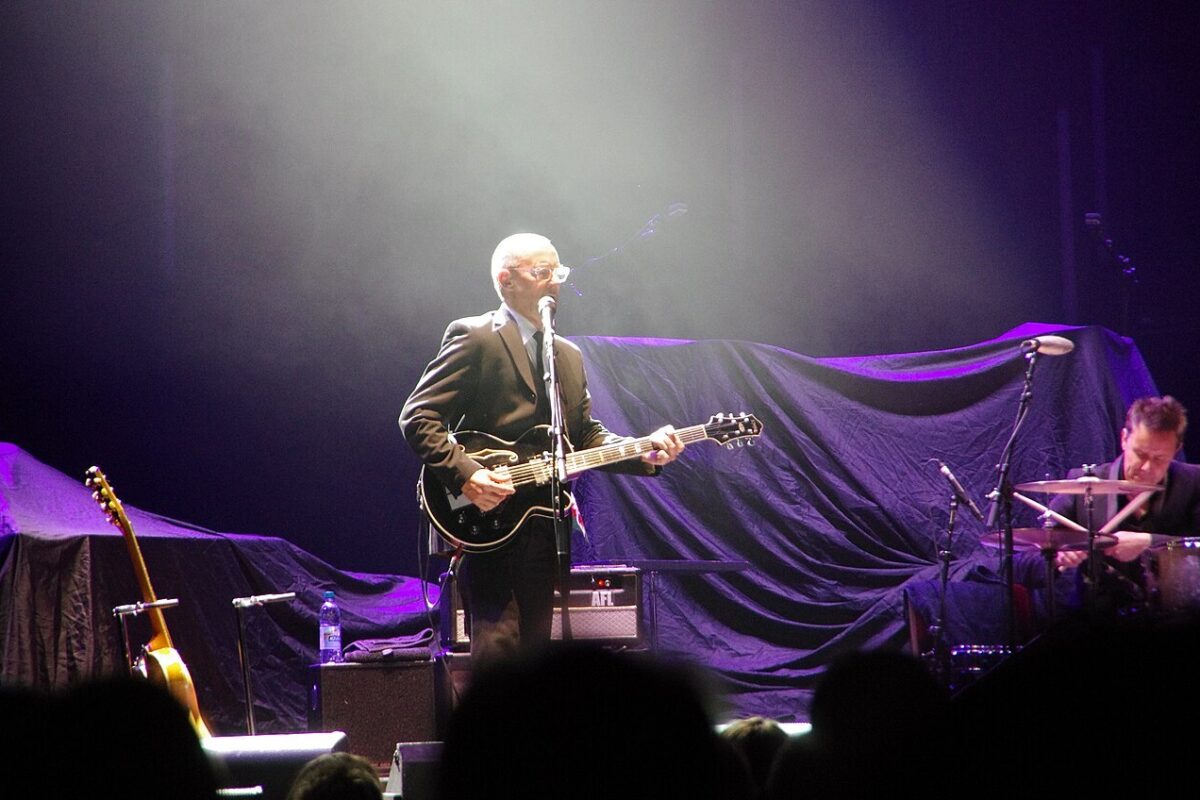
Andy Fairweather Low’s MBE, awarded in 2020 for services to music, was recognition long overdue for a contribution that had been building across more than fifty years of professional work. The guitar community’s growing awareness of his career — in an era when online research makes previously obscure careers more accessible — suggests that his reputation will continue to grow in proportion to the quality of the work, which is a proportionality that his career has always warranted and that the music itself will sustain long after the commercial contexts that produced it have been forgotten.
One small but telling detail of Fairweather Low’s approach to his equipment that reveals the depth of his professionalism: his instruments are invariably well-maintained rather than treasured as collectibles. A Telecaster that is treasured as a museum piece stays in a case; a Telecaster that is a professional tool gets played, gets set up, gets refretted when the frets wear, gets its electronics serviced when they begin to fail. The distinction matters because the instrument’s specific resonance and playability — the qualities that make it the right tool for this specific player’s requirements — only function correctly when the instrument is working correctly. An unplayable vintage instrument serves no musical purpose, however valuable it might be to a collector. Fairweather Low’s approach to his instruments — as working tools rather than status objects — reflects the values of a musician whose entire career has been spent in the service of the music rather than in the service of his own image. That is, ultimately, the most important thing his equipment tells us about him.
Frequently Asked Questions: Andy Fairweather Low Guitars & Gear
What guitars does Andy Fairweather Low play?
Andy Fairweather Low’s primary instrument is a Fender Telecaster — late-1960s and early-1970s examples that have been his main working guitar throughout his session and touring career. He also uses a Fender Stratocaster for applications where the Tele’s two-pickup configuration is insufficient, a Gibson Les Paul for blues-oriented material requiring humbucker warmth and sustain, and a Gretsch hollowbody with Filter’Tron pickups for swing, jump blues, and early rock and roll contexts.
What amp does Andy Fairweather Low use?
His primary amplifier is a Fender Deluxe Reverb — the blackface 1×12 combo running two 6V6 output valves at 22 watts, with onboard spring reverb. For higher-volume applications he uses a Fender Twin Reverb. His work with Eric Clapton has also involved Vox AC30 amplifiers, and the Roger Waters touring context required Marshall amplification for the heavier production requirements.
How did Andy Fairweather Low go from pop star to session guitarist?
After Amen Corner’s breakup in 1969 and a solo career through the 1970s, Fairweather Low transitioned into session and touring work as his primary professional activity. His combination of musical breadth, technical reliability, and the specific quality of musical judgment that made him effective in any context made him one of the most sought-after guitarists for major touring acts. The Eric Clapton connection — which began in the late 1970s — was particularly important in establishing him in the highest tier of touring musicians.
What effects does Andy Fairweather Low use?
His key effects include a Vox or Cry Baby wah pedal, a Boss BD-2 Blues Driver for smooth, touch-sensitive overdrive, a Boss CE-2 Chorus Ensemble for dimensional quality on clean passages, a volume pedal for dynamic control in live performance, and the Fender Deluxe Reverb’s onboard spring reverb as an active tonal element. His effects chain is concise and purposeful — each element serving a specific musical function.
What is Amen Corner?
Amen Corner was a Welsh soul and R&B pop group formed in Cardiff in 1966, featuring Andy Fairweather Low as vocalist and guitarist. The band achieved significant UK chart success with hits including “(If Paradise Is) Half as Nice” (number one in 1969) and “Hello Suzie,” and were notable for genuine musical quality rather than mere commercial construction. They broke up in 1969, after which Fairweather Low pursued a solo career before moving into session and touring work.
Why did Eric Clapton choose Andy Fairweather Low as his touring guitarist?
Clapton’s choice of Fairweather Low reflects the qualities that made him one of the most sought-after session and touring guitarists of his generation: musical intelligence, tonal range, professional reliability, and the specific ability to serve the music rather than to compete with or overshadow the primary artist. For a musician of Clapton’s stature and musical sensibility, a touring guitarist who combined these qualities with genuine blues credentials and technical accomplishment was exceptionally valuable.
What is Andy Fairweather Low’s most important recording?
His recorded legacy is primarily collective rather than individual — scattered across the session and touring work that constitutes the majority of his professional output. For his solo work, the single “Wide Eyed and Legless” (1975) and the album Spider Jiving (1974) are the most accessible documents of his playing as a primary artist. For his session and touring work, the various Eric Clapton live recordings from the 1980s and 1990s provide the best documentation of his playing in a supporting context.
Genre:
Rock / Session / Blues
Decades:
1960s | 1970s | 1980s | 1990s | 2000s | 2010s
Image credits
- Top image: by Martin Knaack, Flickr, CC BY 2.0.
- Fender Telecaster: Massimo Barbieri, Wikimedia Commons, CC BY-SA 3.0.
- Fender Stratocaster: Lightburst, Wikimedia Commons, CC BY-SA 4.0.
- Gibson Les Paul Standard: DonnyBurger1974, Wikimedia Commons, CC BY-SA 4.0.
- Fender Deluxe Reverb: DlxReverbFront, Wikimedia Commons, CC BY-SA 3.0.
- Fender Twin Reverb: Micahmedia, Wikimedia Commons, CC BY 3.0.
- Vox AC30 Top Boost: wetwebwork; existing crop and contrast/color adjustments: Clusternote, Wikimedia Commons, CC BY-SA 2.0.
- Dunlop Cry Baby: Roadside Guitars, Flickr, CC BY-SA 2.0.
- Boss BD-2 Blues Driver: El Grafo, Wikimedia Commons, CC BY-SA 4.0.
- Andy Fairweather Low live: Egghead06, Wikimedia Commons, Public domain.
- Andy Fairweather Low live: deep ghosh, Wikimedia Commons, CC BY 2.0.
- Andy Fairweather Low live: Theking2, Wikimedia Commons, CC BY-SA 3.0.