The 10 Most Iconic Guitar Pedals Ever Made and Why They Still Matter
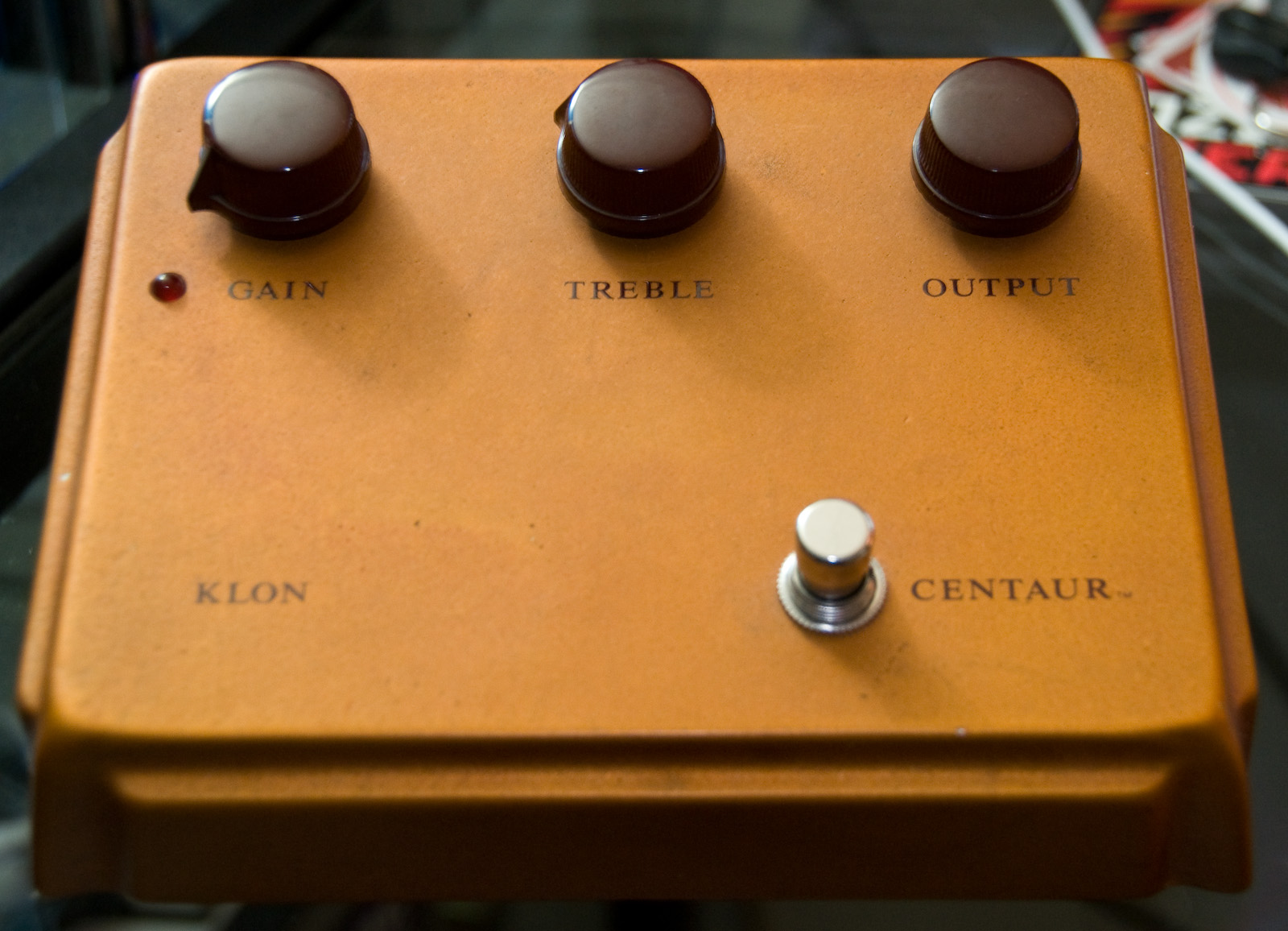
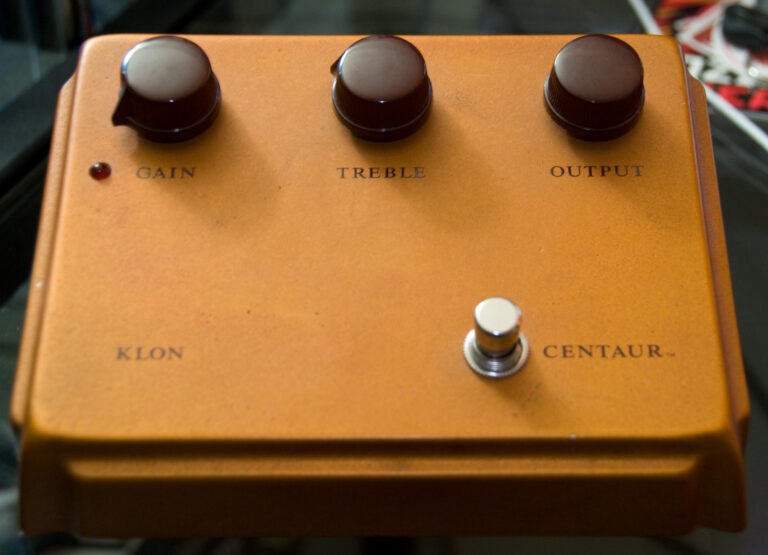
Klon Centaur, as identified by the photographer. Photo: “Klon Centaur” by ArtBrom, CC BY-SA 2.0 (https://creativecommons.org/licenses/by-sa/2.0/). Source image unchanged. Source: https://www.flickr.com/photos/art-sarah/2867531448/
The most iconic guitar pedals are not necessarily the rarest or the most expensive. They are the ones that changed the way guitarists heard possibility. They solved musical problems so convincingly that decades later we still organize pedalboards around the same ideas.
This is not a collector flex and not a lazy ranking. An iconic pedal is one that changed records, changed playing styles, changed what players expected from their amps, or changed the market so deeply that everyone else had to react.
What Makes a Guitar Pedal Truly Iconic?
A truly iconic pedal creates a recognizable sound, gets adopted by enough serious players to become part of the wider vocabulary, and survives the era that created it.
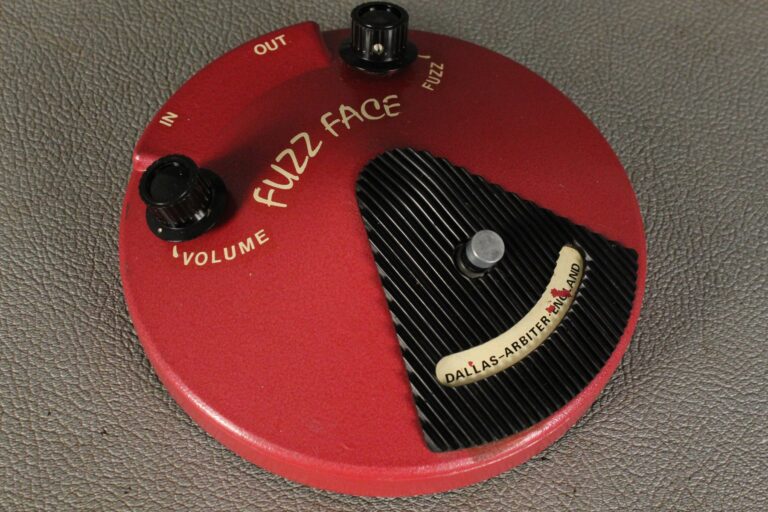
1. Dunlop Fuzz Face
The Fuzz Face became iconic because it turned the guitar into a volatile event. It reacts to the guitar’s volume knob, pickup choice, and playing touch in a way that still feels alive.
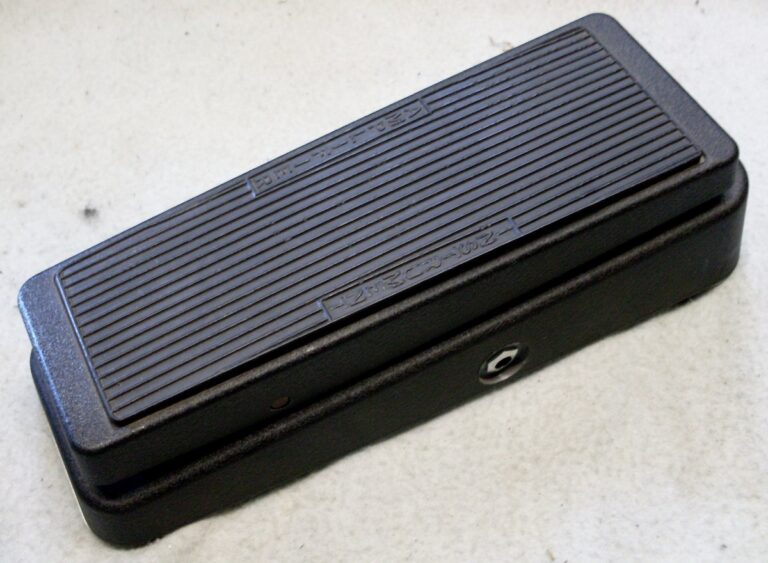
2. Cry Baby Wah
The Cry Baby became iconic because it let players shape phrasing in real time like a vocalist twisting syllables. It is expressive, physical, and instantly recognizable.
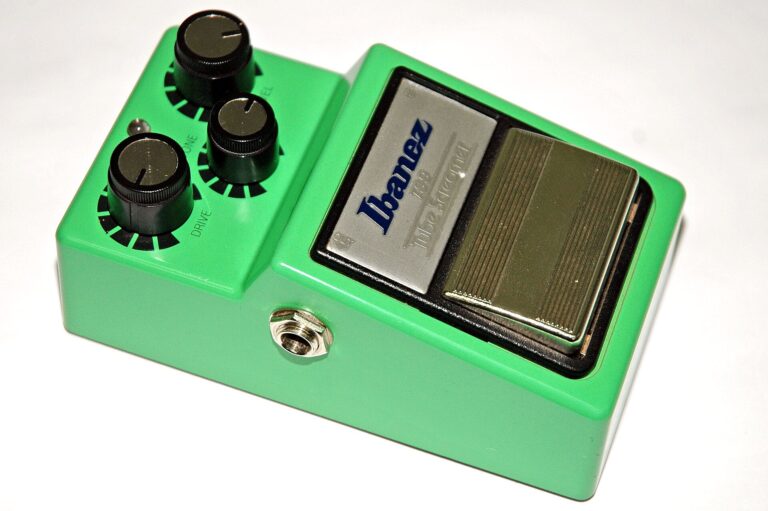
3. Ibanez Tube Screamer
The Tube Screamer changed overdrive history by trimming low end, emphasizing mids, and helping leads cut through mixes without turning to mush.
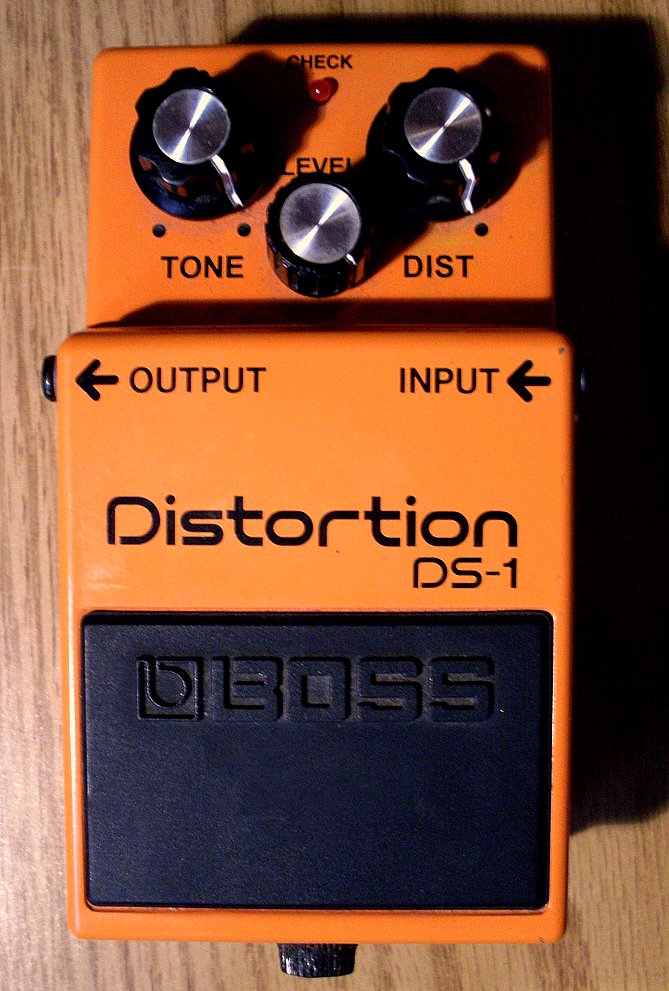
4. BOSS DS-1
The DS-1 became legendary because it was durable, widely available, and gave generations of players access to real distortion at working-player prices.
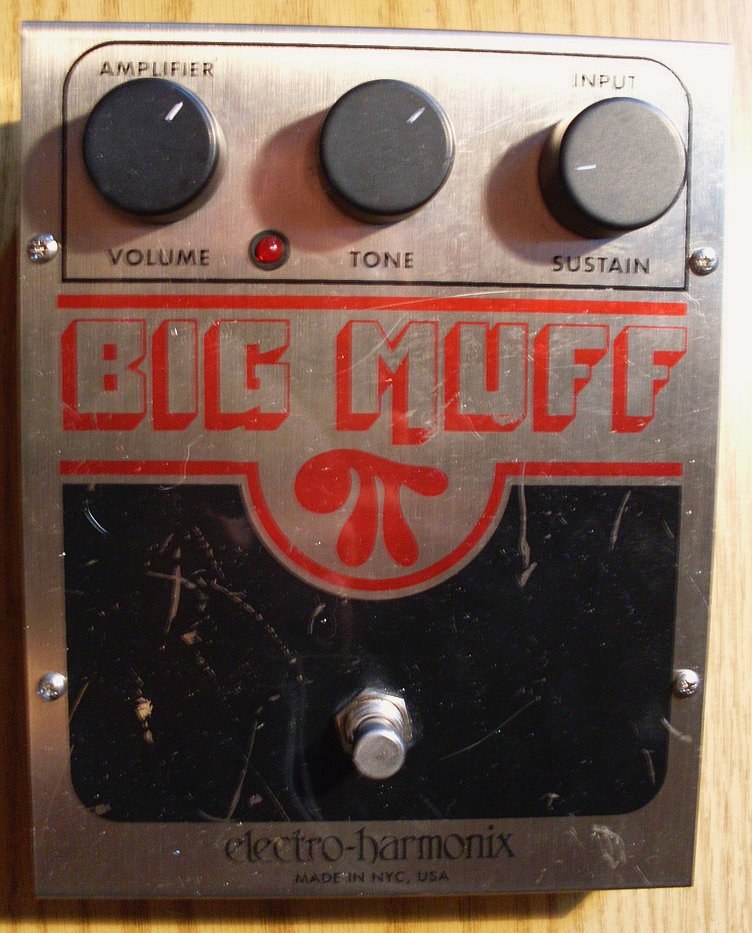
5. Electro-Harmonix Big Muff Pi
The Big Muff became iconic because it offered a different emotional experience from ordinary distortion: huge sustain, massive walls of tone, and a sense of atmosphere.
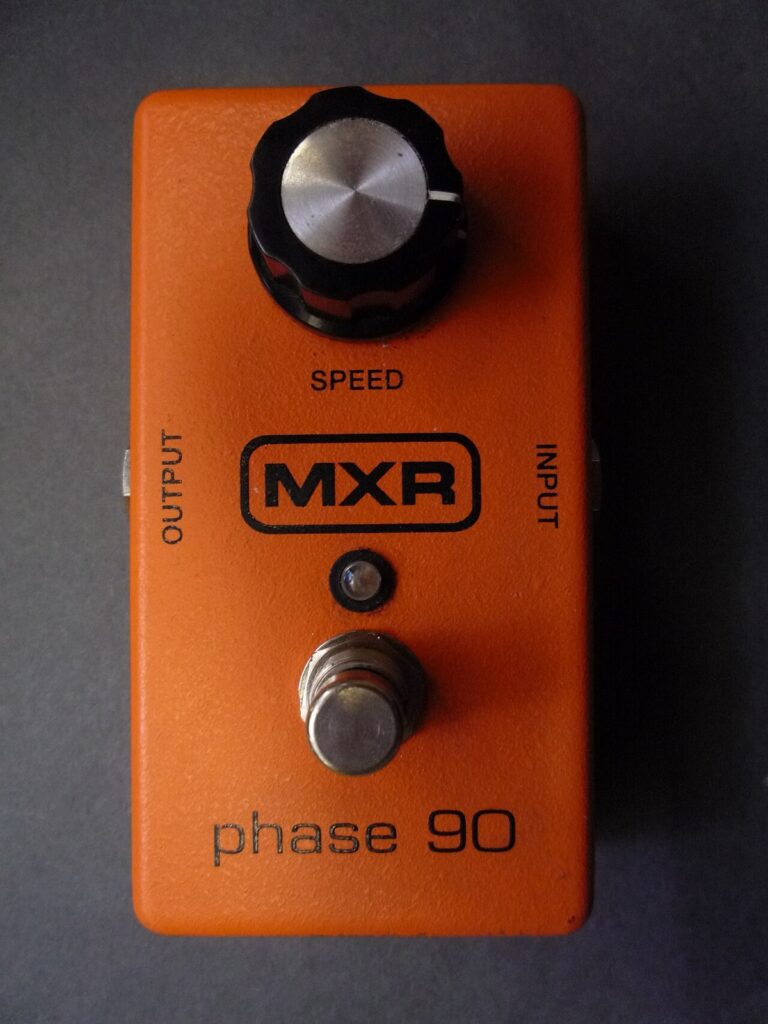
6. MXR Phase 90
The Phase 90 proved that motion and swirl could serve the riff instead of distracting from it. It remains one of the clearest modulation classics ever made.
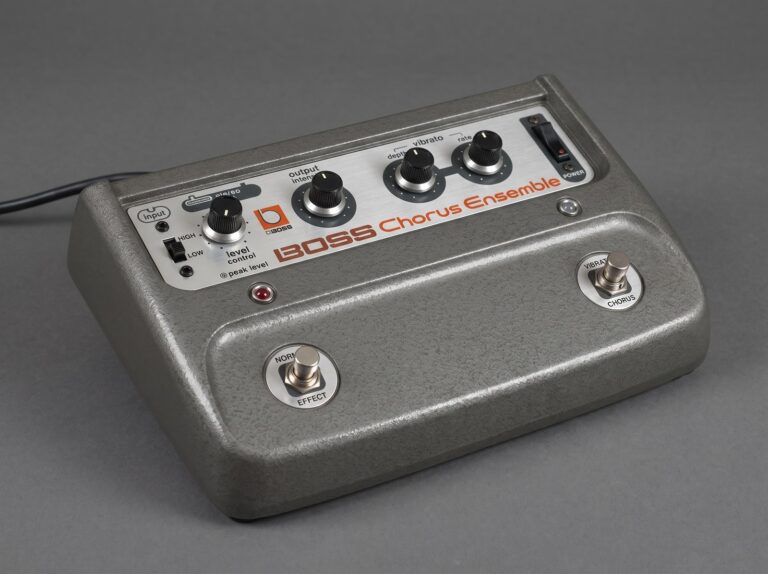
7. BOSS CE-1 and Chorus Legacy
The CE-1 helped make width and dimensional chorus part of the stompbox vocabulary and changed the way guitarists approached space.
8. Pro Co RAT
The RAT became iconic because it bridges overdrive control and distortion aggression with a texture that feels rough, useful, and musical.
9. Klon Centaur
The Klon Centaur shifted the overdrive conversation toward enhancement, touch, and rig integration. It made low-gain refinement a serious obsession.
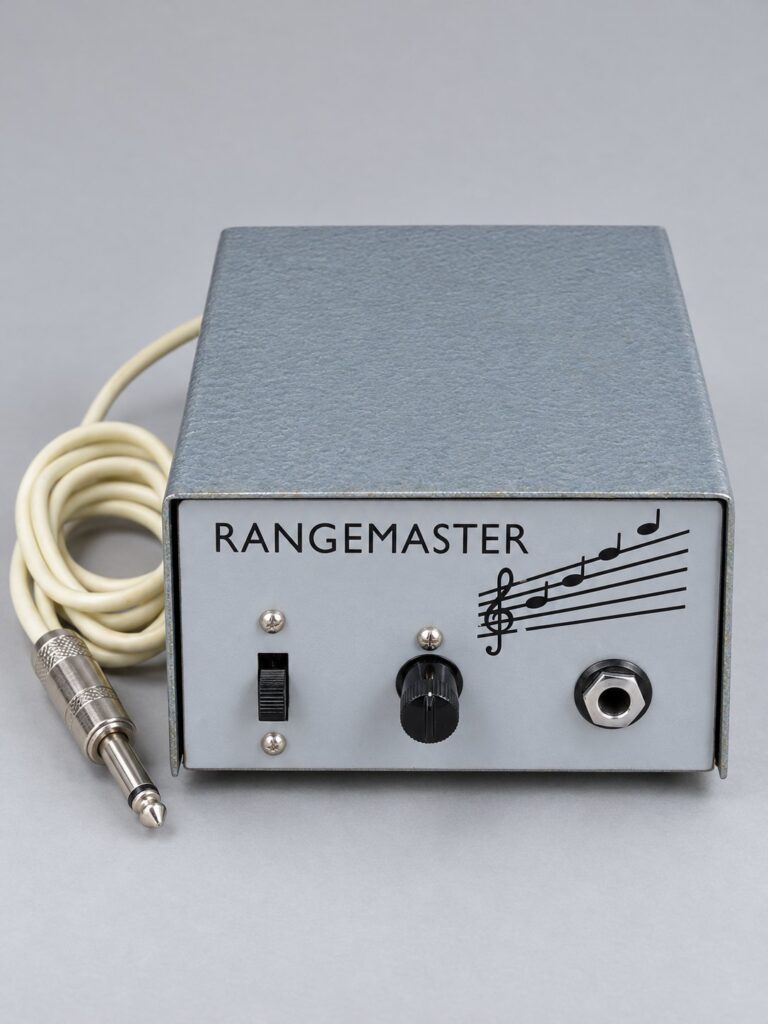
10. Treble Booster / Rangemaster Logic
The treble-booster concept matters because it shaped some of the greatest British lead tones ever recorded by focusing and energizing the front end of an amp.
What These Pedals Changed in Real Guitar Culture
Together, these pedals changed what players expected from their rigs. Some created new emotional universes. Others solved brutally practical mix and gain problems. All of them helped rewrite the grammar of guitar tone.
Which of These Pedals Still Make the Most Sense to Buy?
- Tube Screamer-style overdrive
- DS-1 or RAT-style distortion
- Cry Baby wah
- Phase 90 modulation
More style-specific choices include the Fuzz Face, Big Muff, Klon-style overdrive, and treble-booster family.
FAQ
What is the most iconic guitar pedal ever made?
There is no single uncontested winner, but the Fuzz Face, Cry Baby, Tube Screamer, Big Muff Pi, and DS-1 all have strong claims.
Why is the Tube Screamer so important?
Because it reshaped how players think about focused overdrive and mix-ready lead tone.
Is the BOSS DS-1 still worth buying?
Yes. It remains historically important, durable, and useful.
What is the difference between a Fuzz Face and a Big Muff?
A Fuzz Face is usually more reactive and raw. A Big Muff is more massive and sustaining.
Why is the Klon Centaur considered iconic?
Because it helped define the modern low-gain enhancement category.
Which iconic pedal is best for beginners?
Often a Tube Screamer, DS-1, RAT-style pedal, or wah is the most practical first move.
The 10 most iconic guitar pedals ever made still matter because guitarists are still chasing the same human needs they solved the first time around: more emotion, more articulation, more drama, more danger, and more control.
Related reading:
- Jimi Hendrix – for fuzz, wah, and controlled electric danger
- Brian May – for treble-booster logic and focused lead tone
- Read our guide to Tom Morello’s guitars and gear – for how pedals become part of the performance language
Photo: Klon Centaur, one of the ten pedal designs discussed in this article, photographed on 17 September 2008. “Klon Centaur” by ArtBrom, CC BY-SA 2.0. Full source frame; original photograph unchanged, display resizing only. Adaptations require ShareAlike. No manufacturing date or circuit revision is asserted.
Image credits
- Top image: ArtBrom, Flickr, CC BY-SA 2.0.
- Fuzz Face: sploshette, Wikimedia Commons, CC BY 2.0.
- Dunlop Cry Baby: Roadside Guitars, Flickr, CC BY-SA 2.0.
- Ibanez TS9 Tube Screamer: Mataresephotos, Wikimedia Commons, CC BY 3.0.
- BOSS DS-1: Roadside Guitars, Flickr, CC BY-SA 2.0.
- Electro-Harmonix Big Muff Pi: Roadside Guitars, Flickr, CC BY-SA 2.0.
- MXR Phase 90: Roadside Guitars, Wikimedia Commons, CC BY-SA 2.0.
- Boss CE-1 Chorus Ensemble: GuitarGangsters AI-generated reference illustration, not a photograph.
- Klon Centaur: ArtBrom, Flickr, CC BY-SA 2.0.
- Dallas Rangemaster Treble Booster: GuitarGangsters AI-generated reference illustration, not a photograph.


