The Amp That Started Everything: Marshall Studio JTM ST20H and the Circuit That Rewrote Rock
Marshall Studio JTM ST20H: the JTM45-circuit 20W head in the Studio series. Full specs, verified players, tone recipes, and honest buying guide for 2026.
In the summer of 1962, a group of young Londoners walked into a music shop on Hanwell’s Uxbridge Road and asked Jim Marshall to build them something louder than anything that existed. What came out of that conversation — the JTM45 — was less a guitar amplifier than a geological event. It altered the tonal landscape of popular music permanently, and sixty-plus years later, its descendants are still rearranging the furniture.
The Marshall Studio JTM ST20H is the newest and arguably most historically significant addition to the company’s Studio series. It arrived in August 2023 as the final piece in a portfolio that already included the Studio Classic (JCM800-voiced SC20H and SC20C), the Studio Vintage (Plexi-voiced SV20H and SV20C), and the Mini Silver Jubilee (2525H and 2525C). Each of those amps distils a different chapter of Marshall history into a 20-watt hand-built head. The ST20H goes back to Chapter One: the warm, harmonically dense, Fender-derived roar that the original JTM45 MkII delivered in the mid-1960s and that turned an era’s worth of British blues-rock guitarists into legends.
This is an amp with serious ancestral credibility. It is also an amp that requires a clear-eyed assessment of exactly what that heritage means in practical terms — because the original JTM45 and the ST20H are sixty years and one ocean of circuit evolution apart. This guide does both: tells you what the amp truly is, who truly plays it, and whether it deserves a place in your rig.
The JTM45 Story: From Bassman Blueprint to British Revolution
Jim Marshall, Ken Bran, and Dudley Craven built the first JTM45 prototype in 1962 using a Fender 5F6-A Bassman schematic as a starting point. The Bassman was a beloved American design — four 10-inch speakers, two ECC83 preamp valves (12AX7 in American parlance), a long-tailed pair phase splitter, and a pair of 5881 power valves producing around 45 watts. It sounded muscular, clean, and authoritative: ideal for bass guitar, adequate for guitar.
What Marshall and his collaborators did was take that basic topology and make it British. The most significant divergence was the output transformer: the Marshall unit used a narrower core, which compressed the low frequencies and pushed the midrange forward in a way the Bassman never did. Early JTM45s used the same 5881 power valves as the original Bassman — these are high-quality ruggedised versions of the 6L6GB, developed by Tung-Sol for military applications — but 5881s were expensive and hard to source in 1960s Britain. Marshall subsequently experimented with Marconi-Osram Valve’s KT66, a beam tetrode with broader frequency response and a slightly warmer, more compressed power stage. When KT66 supply dried up, the EL34 took over permanently, giving later JTM45s and all subsequent Plexis their characteristic spikey brightness.
The Studio JTM ST20H goes back to the 5881 era. This is a deliberate and meaningful choice: the 5881-era JTM45 had a distinctly different character from the EL34-powered Plexis that followed. It had more warmth, more low-midrange body, and a smoother, rounder saturation that broke up gradually rather than clipping sharply. Players describe it as “Fender-like” compared to later Marshalls — not a coincidence, since the power section topology was still essentially the Bassman’s. The Studio JTM captures this specific tonal snapshot rather than the more aggressive character of the 1966-onwards Plexi.
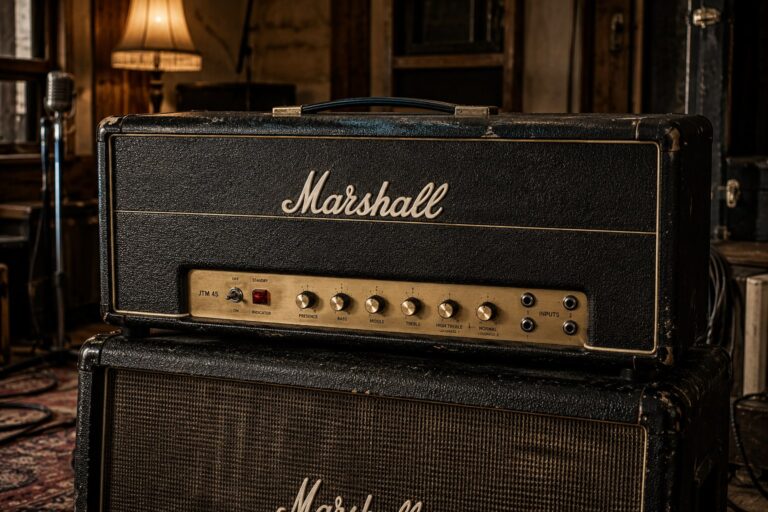
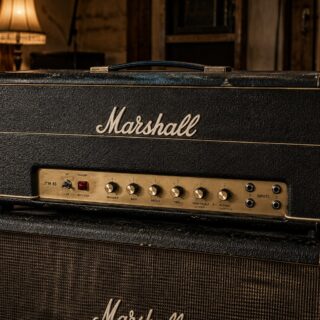
The “coffin badge” nameplate — so named because its original supplier was a funeral casket hardware company — was used on Marshall products built prior to 1965. The ST20H faithfully reproduces this aesthetic detail, giving the amp an Art Deco elegance that distinguishes it visually from both the gold-panel Plexis and the black-faced JCM800s. Silver control panel, non-offset fawn and black vinyl-covered plywood sleeve, thin dark gold piping: this is the 1964 JTM45 MkII in miniaturised and modernised form.
Marshall Studio Series: Completing the Timeline
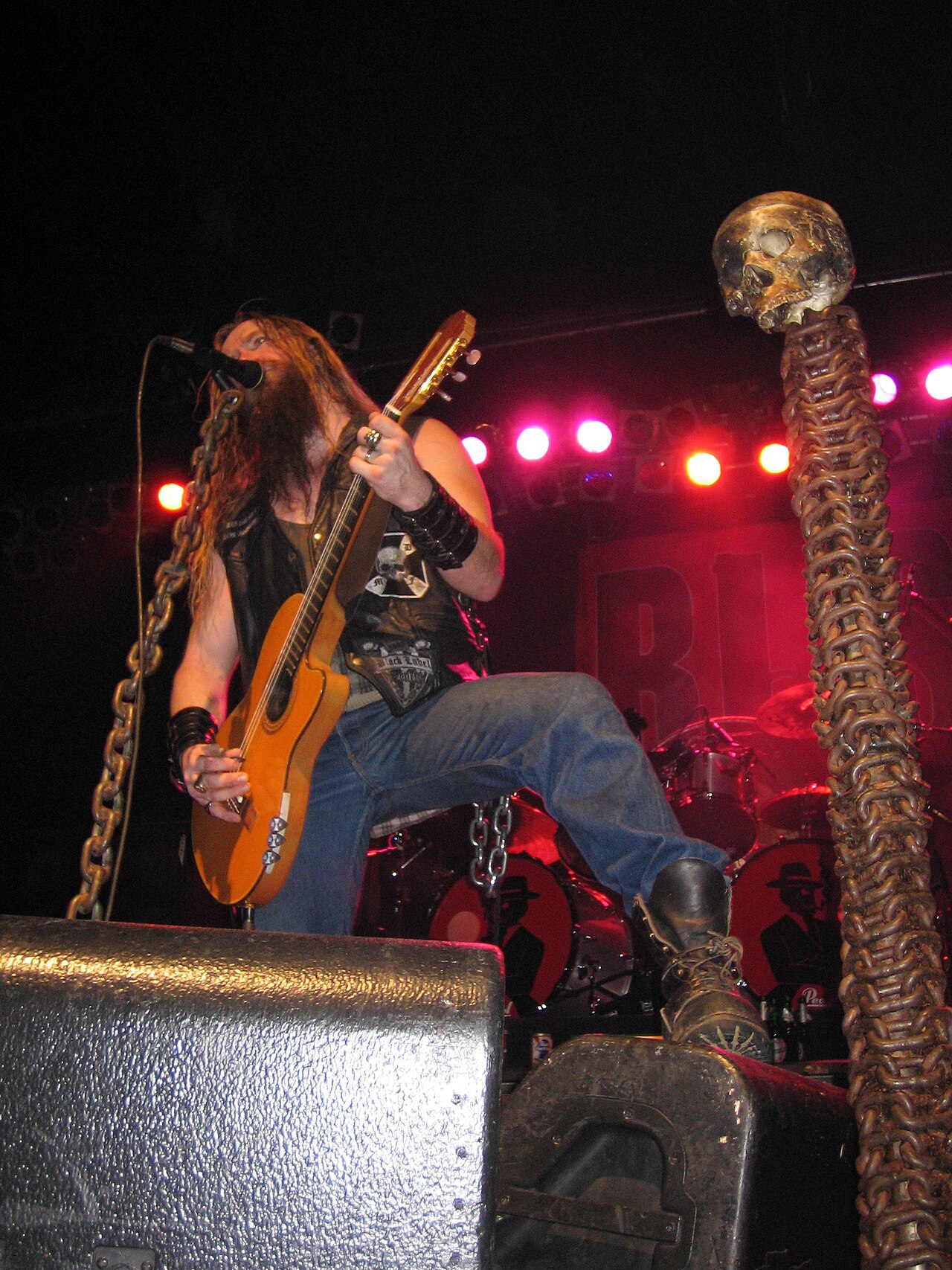
To understand the ST20H’s place in the product range, it helps to see the Studio series as a Marshall history curriculum compressed into five affordable, portable, UK-built heads. The Studio Classic SC20H covers the 1982 JCM800 2203 — the amp of Zakk Wylde, Kerry King, and a generation of hard rock and metal players. The Studio Vintage SV20H covers the 1966 Super Lead Plexi — the amp of Jimi Hendrix, Pete Townshend, and the full-volume-only school of British rock. The Mini Silver Jubilee 2525H covers the 1987 Silver Jubilee — the amp of Slash and the Los Angeles hard rock era. And the Studio JTM ST20H covers the beginning: the 1964 JTM45 MkII, the amp that gave Eric Clapton his “Beano” tone, that defined early Fleetwood Mac, that underpinned Free’s devastating slow blues, and that inspired virtually every British amp builder who followed.
All four heads are priced identically at $888 at Thomann, and all are hand-built in Marshall’s Bletchley factory. The ST20H is the last to arrive and arguably the most historically loaded of the quartet.
Construction and Features
The ST20H is a hand-built, all-valve amplifier head made in Bletchley, England. The cabinet is finger-jointed plywood; the chassis is hand-welded; the potentiometers and valve bases are hand-soldered. Inside the steel chassis, the main circuit board is a high-quality PCB carrying the bases for all five valves, with smaller boards supporting the front and rear panel components and neat Molex connectors joining sections together.
The transformers are approximately half the physical size of those in the full-power JTM45 originals, which accounts for most of the weight saving — the ST20H comes in at 9.5kg/21lbs, well within single-handed carrying territory. The cosmetic accuracy is impressive: from the correct fawn-and-black vinyl to the silver panel to the coffin badge, this is the 1964 aesthetic executed faithfully on modern production hardware.
The front panel carries two pairs of high- and low-sensitivity input jacks feeding the Normal and High Treble channels. The channels are permanently active — there is no switching function and no footswitch jack. Both channels share a single EQ section: Treble, Middle, Bass, and Presence controls. Each channel has its own Loudness control. The Standby switch is a three-position affair: Off (centre) / 5W (Low) / 20W (High).
The rear panel adds modern conveniences absent from the original: a series effects loop with a bypass toggle switch, a speaker-emulated line out (DI), and the full complement of speaker output jacks covering 16, 8, and 4-ohm loads. There is no reverb and no master volume — both authentic to the JTM45 circuit and both accepted costs of entry into this tonal tradition.
Specifications
Matching Cabinet Options
| Cabinet | Speakers | Impedance | Price (approx.) |
|---|---|---|---|
| ST112 1×12″ vertical | 1× Celestion G12M-65 Creamback | 16Ω | ~$599–$699 |
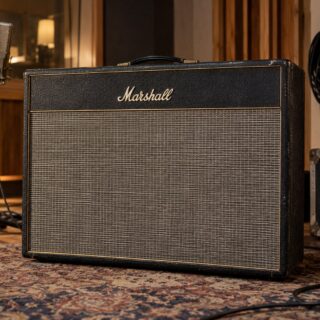
| ST212 2×12″ vertical | 2× Celestion G12M-65 Creamback | 8Ω | $698 Thomann |
| ST20C Combo | 1×12″ (same Creamback) | — | ~$1,949 |
Famous Players: What the JTM45 Circuit Actually Built
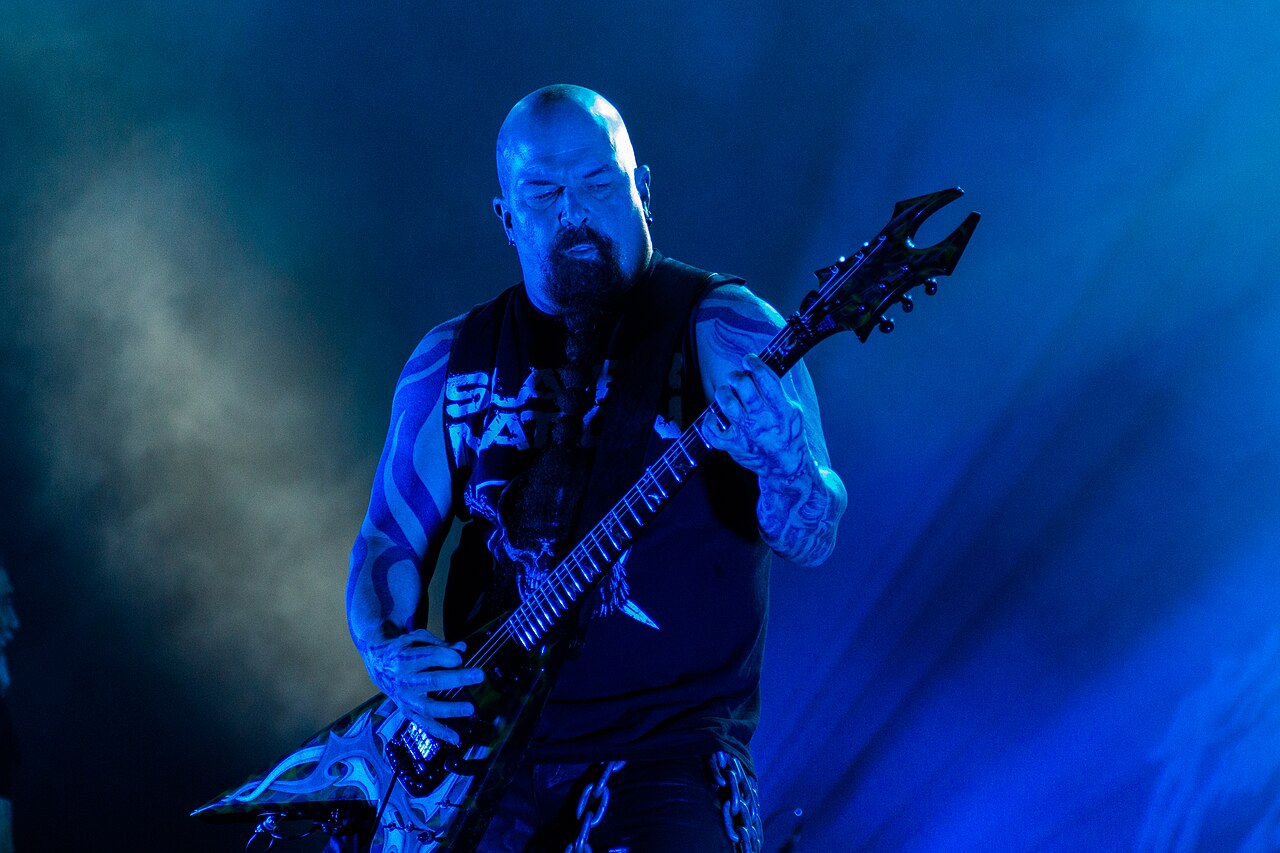
Here is where precision matters. The five names most often attached to Marshall amplifiers — Slash, Zakk Wylde, Kerry King, Gary Moore, Tom Morello — do not fit here: none of them played the original JTM45, and none are documented using the ST20H. Slash‘s amp of record is the Silver Jubilee (documented across multiple Rig Rundowns and interviews). Zakk Wylde and Kerry King built their careers on original JCM800 2203 stacks. Tom Morello used a JCM800 2205 at Rage Against the Machine’s peak. And Gary Moore — whose playing genuinely drew on the JTM45 era sonically — died in February 2011; the ST20H didn’t exist until August 2023.
The actual heritage of the JTM45 circuit is one of the richest in electric guitar history — and it doesn’t require fabrication.
Eric Clapton is the definitive JTM45 artist. His 1966 recordings with John Mayall and the Blues Breakers — the so-called “Beano” album, named for the comic he’s reading on the cover — were made through a JTM45 head driving a 2×12″ Marshall cabinet fitted with Celestion 25-watt speakers, played at full volume. The guitar was a 1960 Gibson Les Paul Standard through a Dallas Rangemaster Treble Booster. The resulting tone was so distinctive and so widely imitated that it effectively created the modern conception of “British blues” amplifier sound: singing, compressed, sustaining, midrange-forward, organic. “God is Clapton” appeared on walls around London. The amp was a JTM45. Not a Plexi. Not a JCM800. The circuit inside the ST20H.
Peter Green, who took Clapton’s seat in the Mayall band before forming Fleetwood Mac, used the same JTM45 lineage. Green’s tone was cooler and more liquid than Clapton’s — attributed partly to his out-of-phase pickup rewiring, partly to his lighter touch, and partly to the specific way the 5881 power stage reacts to a player who isn’t fighting the amp. His work on “Black Magic Woman,” “Albatross,” and especially the heartbreaking “The Green Manalishi” is impossible to imagine through any other circuit.
Paul Kossoff of Free built one of the most emotionally direct guitar voices in rock history through a JTM45-era Marshall. Kossoff’s combination of heavy vibrato, aggressive pick attack, and intimate chord voicings produced a tone that saturated the speaker without ever losing its warmth. “All Right Now,” “Fire and Water,” and “The Hunter” are textbook demonstrations of what 5881-driven power tube saturation sounds like when manipulated by someone who understood every nuance. Kossoff was not a loud guitarist — he was a specific guitarist, and the JTM45’s sensitivity to dynamics was what made him possible.
Mick Taylor, during his Rolling Stones years (1969–1974), used Marshall JTM-era heads alongside other vintage equipment. Taylor’s lead playing on “Can’t You Hear Me Knocking,” “Sway,” and the live performances of the Exile on Main St. period represents the JTM circuit in its most fluid, improvisational application.
Robin Trower is one of the clearest links between the JTM45 era and the Plexi period: his rig in the mid-1970s was centred on a 50-watt Marshall — topologically closer to the JTM than the later 100-watt EL34 amps — and his tone on Bridge of Sighs is the 5881 power stage’s warmth in its most hypnotic form.
Leslie West of Mountain took the JTM-era circuit in a different direction entirely: massive, sludgy, Les Paul Junior through a single pickup, devastating sustain. West’s tone on “Mississippi Queen” is one of the earliest documented examples of a guitarist exploiting the JTM’s power tube compression for heavy rock rather than blues.
All of these players defined the JTM45 circuit’s legacy. None of them played an ST20H — that would require time travel. The ST20H is based on the amp they played, not the amp itself. This is a meaningful distinction for buyers: you are buying a modern, reliable, warranty-backed approximation of a 60-year-old circuit, not a vintage instrument. The approximation is very good. It is not the same thing.
Documented ST20H Players
Dan Hawkins of The Darkness appeared in an official Marshall YouTube video specifically demoing the Studio JTM. The Darkness, whose debut album Permission to Land (2003) drew extensively on the Marshall/Les Paul tradition, made Hawkins one of the more credible voices to assess this amp. His verdict was pointed: “The JTM Studio is amazing for taking pedals. Even with everything dialled down apart from the volume, it still takes pedals really well. There’s a really throaty massive sound, yet you still got the jangle when you need it — having that growl, because that’s what the old ’45s do better than anything else.” This is a genuine primary-source endorsement from someone who knows what JTM45-derived breakup sounds like in practice.
Laurie Vincent of SOFT PLAY (formerly Slaves) is documented on Equipboard as an ST20H user. SOFT PLAY’s two-piece garage-punk aggression is the kind of context where a low-wattage Marshall head paired with an aggressive pedal chain makes immediate practical sense.
Jared James Nichols joined the Marshall artist roster in May 2026, confirming the move publicly via Instagram: “Simply put, my heart beats for the roar of a cranked Plexi and a Gibson guitar.” His 2026 Premier Guitar Rig Rundown (June 10, published before his endorsement deal was officially formalised) showed two Marshall 1959 modified vintage heads — not the ST20H. Nichols is a Marshall artist now, but his documented instruments are full-size vintage Plexis, not the Studio series. Reporting him as an ST20H user without that nuance would be misleading.
Sound Character: What the 5881 Does That the EL34 Doesn’t
The fundamental difference between the Studio JTM and its Studio series siblings — the SV20H (Plexi/EL34) and SC20H (JCM800/EL34) — is the power valve topology. The 5881 is a direct development of the 6L6: it runs cooler, saturates earlier at a given power level, and has a frequency response that is deliberately weighted toward the lower midrange. Where the EL34 is angular and forward, the 5881 is rounded and warm.

In practice, this means the ST20H has a quality that multiple reviewers reach for the same word to describe: Fender-like. Nick Guppy (Guitar World, September 2023) noted “a different feel to the ‘Plexi’ version with a warmer and less aggressive vibe.” The Thomann user community echoes this: “Remind me more of a great Fender than Marshalls we know.” Another wrote: “Crystal clear, full, warm.” This is not an accident of design — it is exactly what the 5881 does when asked to push 20 watts of signal through a speaker cabinet.
At the 20-watt setting, the amp has real headroom. It stays relatively clean under strumming and chord playing, and it breaks up gradually as you push the Loudness controls above 5. The saturation, when it arrives, is organic and even — not the hard-clipping edge of an EL34 at full tilt, but a smooth compression that increases sustain without hardening the tone. MusicRadar described it as “bluesy breakup” and noted that “fans of face-melting gain will need to look elsewhere.”
At 5 watts, the breakup point arrives earlier in the volume sweep, but the character remains. Both Guppy and MusicRadar reviewer Daryl Robertson noted that 5 watts is still genuinely loud — not a bedroom amp, not a headphone practice tool. A power soak or load box is the solution for truly silent recording.
The DI output is speaker-emulated, which is useful for recording direct, but it requires the amp to remain connected to a speaker cabinet. There is no dummy load, no built-in attenuation to zero. The series effects loop (rear panel, bypass toggle) works well for reverb and delay — and given that the amp ships without reverb, most owners will use it from day one.
The Channel-Jumping Technique
The ST20H’s two channels — Normal and High Treble — are permanently active. The High Treble input tends toward brightness; the Normal input toward warmth. Used separately, each has its own distinct character. Used together via a short patch lead connecting the unused input of one channel to the adjacent jack of the other (a technique called channel-jumping or channel-linking), both Loudness controls become active simultaneously and the player can blend the two characters in real time.
This is the authentic way to use a JTM45-era Marshall, and it transforms the amp’s tonal range. Most serious ST20H owners will carry a jumper cable as standard kit. With channels linked, the Normal Loudness at 6 and the High Treble Loudness at 4 gives a balanced breakup that preserves both warmth and definition. Rolling the High Treble Loudness back further darkens and thickens; pushing it adds articulation and bite. MusicRadar’s Robertson found the top end could get “slightly harsh at times” with channels bridged — the Presence control and careful EQ management resolve this.
The Presence control is notably sensitive on the ST20H and functions primarily in the power amplifier section. Even with the preamp bypassed (sending a line-level signal into the effects return), Presence still shapes the power amp’s frequency response. This is useful for pedal-platform applications and for fine-tuning the cab interaction without disturbing the preamp EQ.
Five Tone Recipes
1. The Beano Blueprint (Clapton 1966)
Input: Les Paul Standard, neck pickup, guitar volume 8. Channel: Normal + High Treble jumped. Normal Loudness 7, High Treble Loudness 4. Treble 7, Middle 6, Bass 5, Presence 4. Pedal: Treble Booster or clean boost into front. Cabinet: 2×12″ with Creambacks or Greenbacks. This is the warm, compressed, singing sustain of the Bluesbreakers sessions. Let the guitar volume control shape the clean-to-dirty transition; at 8 it breaks up beautifully, at 5-6 it cleans up but retains warmth.
2. Pedal Platform Clean (Dan Hawkins’ Approach)
Input: Single channel (Normal, low-sensitivity). Normal Loudness 4. Treble 6, Middle 5, Bass 6, Presence 5. FX loop: reverb, drive pedals in front of amp. This is the ST20H used as Dan Hawkins described it — clean headroom that preserves a pedal’s voice while the amp adds its characteristic warmth and sustain. A Klon or TS808 in front produces authentic British blues-rock breakup while letting the pedal character come through cleanly.
3. Free-Style Slow Blues (Kossoff Reference)
Input: Les Paul Junior or single-humbucker guitar. Channels jumped. Normal Loudness 6, High Treble Loudness 3. Treble 5, Middle 7, Bass 6, Presence 3. Guitar volume 7-8. No pedals. Power: 20W into a 1×12″ or 2×12″. This is midrange-forward, heavy-breathing blues with the power section providing all the compression. Heavy vibrato, relaxed pick attack, let the amp do the work. The low Presence value keeps the upper frequencies from cutting and gives the tone that blanketed, intimate quality Kossoff was famous for.
4. Early Blues-Rock Crunch (Crank at 5W)
Standby: 5W. Input: Both channels jumped. Normal Loudness 8, High Treble Loudness 6. Treble 7, Middle 5, Bass 5, Presence 6. Guitar: Les Paul or SG, bridge pickup, guitar volume 10. This is controlled power-amp saturation with the 5881 pair working harder than at 20W — earlier compression, slightly less headroom, a creamier top end. At 5W into a closed-back 1×12″, the sound is mic’able at real-world studio volumes without a power soak.
5. Recording DI (Speaker-Emulated Line Out)
Connect DI output to interface. Keep speaker cabinet connected (required by design). Normal Loudness 5-6, Treble 6, Middle 6, Bass 5, Presence 4. Add impulse response loader or hardware cab sim in the DAW to supplement the amp’s built-in speaker emulation. The onboard emulation is honest but not photorealistic — adding a Creamback or Greenback IR to the chain gives a much more convincing result. Nick Guppy (Guitar World) rated the DI as “working well” for consistency while acknowledging that the speaker emulation won’t compete with a close-mic’d cabinet through a quality preamp.

How the ST20H Compares to Its Studio Series Siblings
Within the Marshall Studio family, the ST20H occupies a distinct and historically specific position. Compared to the Studio Vintage SV20H (Plexi circuit, EL34 power section), the ST20H is warmer, more harmonically complex in the low-midrange, and less aggressive in the upper frequencies. The SV20H saturates with more edge and spit; the ST20H saturates with more body and warmth. Both are based on JTM/Plexi-era circuits, but the power tube choice — 5881 vs EL34 — creates a genuinely different tonal identity. If you want a pedal platform with Fender-esque warmth, the ST20H wins. If you want aggressive Plexi-style bite and the ability to shred at full tilt, the SV20C or SV20H is the correct tool.
The Studio Classic SC20H (JCM800 2203 circuit) is a different amp entirely: master volume, high gain, the post-1981 British rock sound. There is no argument between the ST20H and the SC20H — they serve fundamentally different purposes. The SC20H is for players who want controlled high gain at low volume. The ST20H is for players who want vintage warmth and harmonic complexity and who understand that achieving it requires volume or a power soak.
Against the Marshall 1987X Plexi reissue (full 50 watts, EL34, hand-wired), the ST20H is considerably more practical in modern recording and rehearsal contexts while sacrificing some of the 1987X’s high-volume authority. The 1987X is the authentic article at full power; the ST20H is the authentic JTM circuit at a volume that doesn’t require industrial hearing protection.
For players considering lower-priced alternatives, the Origin 20H ($499) shares some tonal DNA — it’s a simplified EL34 design that aims at a similar vintage Marshall character — but it doesn’t use the JTM circuit, doesn’t have the historical specificity of the ST20H, and is made in Vietnam rather than Bletchley. The price difference is real; so is the difference in what you’re getting.
Beyond the Studio Series: Broader Context
The ST20H competes directly with the PRS HDRX 20 — a compact valve head that MusicRadar cited in comparison when reviewing the ST20H, noting the PRS draws inspiration from the same 1960s British sources and features the “Authentic Hendrix” touring circuit. The PRS offers a different flavour of the same tonal territory, though without the Marshall heritage and coffin-badge visual authenticity.
The Friedman Little Sister occupies adjacent space: British-inspired, low-wattage, delivering clean shimmer and vintage crunch. It’s a player’s amp rather than a heritage reproduction; the ST20H’s claims to historical authenticity are stronger, the Friedman’s claims to flexibility arguably stronger still.
For players who need the JTM45 character in a format that genuinely achieves bedroom volumes, a power soak (Universal Audio OX, Boss Waza Tube Amp Expander, Two Notes Captor X) paired with the ST20H creates a rig that can operate at any volume while preserving the 5881 power stage saturation. Without an attenuator, 5 watts through a real speaker is still too loud for most domestic situations after 10 pm.
Buying Guide: New vs. Used
The ST20H launched in August 2023 at a UK price of £1,075 and a US launch price around $1,749. By 2026, Thomann’s US price has settled to $888 — a significant reduction that makes this one of the better-value propositions in the Marshall range. Sweetwater continues to list the amp at higher MSRP, so European buyers in particular are well served by checking Thomann directly before purchasing.
The used market for ST20H heads is relatively limited given the amp’s late launch and loyal owner base. Used prices for good-condition examples are running approximately $650-$800 based on Reverb listings from 2025-2026 — not dramatically below the Thomann new price, which suggests owners are not rushing to resell.
What to check on a used ST20H: The Presence potentiometer has been flagged in both Thomann user reviews and elsewhere as potentially noisy or scratchy in some examples. Check it thoroughly across its full sweep at listening volume. Valve condition (all five should test well; 5881s are available from multiple reliable sources). Cabinet wear on the plywood corners; the fawn vinyl can mark. The coffin badge nameplate; reproductions exist. Verify Bletchley build provenance via the serial number.
The Mk II question: Reverb listings reference a “Studio JTM ST20H Mk II” variant. As of mid-2026, this designation appears to be used by some sellers for slightly later production units, not a formally announced revision — treat it with the same caution as any undocumented running change. Ask for documentation of any claimed specification difference before paying a premium.
Running cost: The 5881 power pair needs replacement approximately every 2-3 years of regular playing. New-production 5881s from Tung-Sol, Electro-Harmonix, or Sovtek run approximately $25-$40 per pair — relatively affordable by valve standards. The three ECC83s are considerably cheaper and longer-lasting. Budget for a professional bias check after any valve replacement; the ST20H is not designed for self-biasing.
Ownership Notes
The ST20H requires a speaker cabinet at all times. The speaker-emulated DI output does not include a dummy load; running the amp without a connected speaker risks transformer damage. Players who want silent recording capability need an external load box.
The effects loop is series and fixed-level. The bypass is a rear-panel toggle, not a footswitch jack — the same limitation documented on the SC20C and SC20H. If you need to switch your effects loop in and out during a set, this requires walking to the amp. An external switching system with the appropriate loop integration (such as an Empress Effects Zoia or a simple boutique loop bypass) solves this in a rig context.
The control panel dials are all one colour — described by MusicRadar as “hard to read” on a dimly lit stage. Mark your usual settings with a small strip of white tape or a paint pen on the side of the knobs; it saves fumbling under stage lights.
Valve warmup: allow 30-60 seconds on Standby (centre position) before switching to 5W or 20W. The ECC83s tolerate cold starts better than the 5881s. This is period-correct operating procedure for any 1960s-circuit Marshall — an on/off switch did not exist on the original.
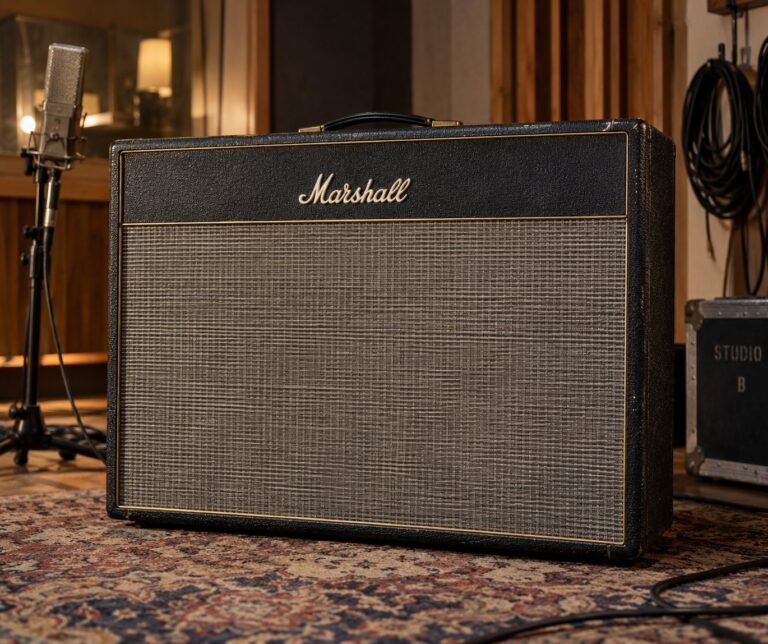
Speaker cabinet matching: the Celestion G12M-65 Creamback loaded in the matching ST212 has a different frequency response profile from the 25-watt Greenbacks used in the original 1960s Marshall cabinets. The Creamback is smoother, with extended top end and better bass response. It is arguably the better all-around choice for modern recording and live use; the Greenback is the more period-correct choice for the “Beano” era tonality. Both options work; neither is wrong.
Frequently Asked Questions
What is the difference between the Marshall ST20H and the SV20H?
Both are Studio series heads making 20 watts, both are built in Bletchley, and both cost $888 at Thomann. The fundamental difference is the power valve and the circuit it replicates. The ST20H uses 5881 valves and replicates the 1964-era JTM45 MkII — warm, Fender-adjacent, gradual saturation, rounded midrange. The SV20H uses EL34 valves and replicates the 1966-onwards Super Lead Plexi — angular, aggressive, sharper top end, the “stadium rock” Marshall character. If you want warmth and organic blues breakup, ST20H. If you want spit and aggression and the Hendrix-to-Page-to-Townshed lineage, SV20H.
Does the Marshall ST20H need a dummy load or attenuator?
Yes, if you want to play at truly silent levels. The amp requires a speaker load at all times — do not run it without a connected cabinet. At 5 watts, it is still genuinely loud. A quality load box (Universal Audio OX, Boss Waza, Two Notes Captor X, or similar) allows you to run the amp at full power into a load, capture the power tube saturation, and output at line level to your interface or monitors without a speaker cabinet in the signal chain. This is the recommended solution for bedroom/apartment recording with the ST20H.
Can the Marshall ST20H be used with a 4×12″ cabinet?
Yes. The speaker outputs cover 16, 8, and 4Ω loads, making it compatible with virtually any standard guitar cabinet. A 4×12″ at 20 watts is loud — this is a genuine pub-gig or rehearsal-room amp when connected to a large cabinet. The standard pairings are the ST112 1×12″ (for portability and controlled volume) or the ST212 2×12″ (for fullness and stage projection). Both are loaded with Celestion G12M-65 Creambacks.
Is the Marshall ST20H good for metal or high-gain playing?
The short answer is no, not natively. The ST20H replicates the early JTM45, which is a warm, moderate-gain circuit with no master volume. Its maximum natural gain is British blues-rock crunch — think Clapton’s Beano tone, early Fleetwood Mac, Free. If you want high gain, the Studio Classic SC20H (JCM800 circuit) is the correct tool from the same series. The ST20H can take a distortion pedal — Dan Hawkins specifically praised it as a pedal platform — but it won’t deliver metal tones from its own preamp.
What does “channel jumping” mean on the ST20H?
Channel jumping (also called channel linking or bridging) means using a short ¼” patch cable to connect the unused high-sensitivity input of one channel to the adjacent low-sensitivity input of the other channel, then plugging your guitar into the remaining open jack. This puts both channels in the signal path simultaneously, with both Loudness controls active as tone-shaping tools. It is the authentic way JTM45 players in the 1960s got the most from their amps, and it gives the ST20H a much wider tonal range than either channel alone. Nick Guppy noted that for most players, this is “the most versatile solution” and becomes hard to give up once you’ve tried it.
How loud is 5 watts on the Marshall ST20H?
Louder than you expect. Both Guitar World and MusicRadar noted that the 5W setting is still “deafening” in a domestic context. At 5 watts, volume levels are reduced relative to 20 watts but the tone character is essentially the same — “just quieter,” as multiple reviewers put it. For reference, 5 watts of valve amplifier output is approximately equivalent to a 50-watt solid-state amp in perceived loudness because of the way tube distortion characteristics interact with perceived volume. Plan for a power soak if genuinely quiet operation is required.
What year did the Marshall Studio JTM ST20H launch?
August 2023, according to Thomann’s product page. Guitar World published their review on September 6, 2023; MusicRadar published on July 28, 2023 (a pre-launch review). The amp was announced and began shipping in August 2023, completing the Studio series alongside the previously launched Studio Vintage (SV20H/SV20C) and Studio Classic (SC20H/SC20C) models.
Why does the Marshall ST20H use 5881 valves instead of EL34s?
Because the original JTM45 MkII it replicates used 5881s (or their close relative, the KT66), not EL34s. The EL34 became the Marshall standard later — from approximately 1966 onwards, when supply of 5881s and KT66s in Europe became unreliable. Early JTM45 units used the American 5881, then briefly switched to British KT66, then settled permanently on EL34 for the Plexi era. The Studio JTM ST20H replicates the 5881/JTM45 MkII era specifically, which is why it sounds warmer and less aggressive than the SV20H (EL34/Plexi). It is a deliberate, historically accurate engineering choice, not a cost-cutting measure.
Image credits
- Eric Clapton: MerleEllaPatsy, Wikimedia Commons, CC0 1.0.
- Tom Morello: deep ghosh, Wikimedia Commons, CC BY 2.0.
- Kerry King: Alfred Nitsch, Wikimedia Commons, CC BY-SA 3.0 AT.
- Zakk Wylde: Joanna Corwin, Wikimedia Commons, CC BY-SA 3.0.
Latest News
Related
On This Day
Monday 9 November
From this week: